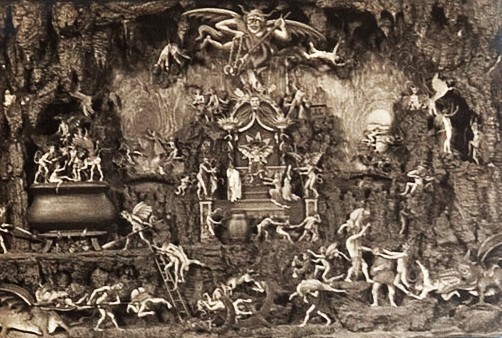
Mais um ano chega ao fim e outro está prestes a
começar! É hora de fazer planos para melhorar, mas também olhar para trás e
reconhecer as coisas boas que aconteceram neste ano. Entre as coisas boas,
estão os bons filmes, e aqui listo os favoritos mês a mês. Escolhi apenas
filmes que não tinha visto antes, pois estou revendo diversos clássicos para
meu próximo livro. E sim, o livro está entre meus planos para 2026. Agora é
hora de olhar para 2025:
Another year is over and a new one is about to begin! It’s time to make
plans for a better year, but also to look back and recognize the good things
that happened this year. Among the good things, there are the good movies, listed here month by month. I chose only movies I hadn’t seen before, because I’m rewatching several classics for my upcoming book. And yes, the book is among my plans for 2026. Now to a look back to 2025:

Janeiro: O Auto da Compadecida 2 (2024)
Minha primeira ida ao cinema este ano foi para ver um filme muito
esperado: a continuação, 25 anos depois, de uma das obras mais amadas do cinema brasileiro. Fui de mente aberta e não me decepcionei! “O Auto da
Compadecida 2” não é uma continuação per se, mas uma homenagem ao primeiro filme e por isso foi um grande acerto.
January: A Dog’s Will 2 (2024)
My first trip to the movie theater this year was to see a film I had been waiting for: the sequel, made 25 years after the first one, of a beloved
Brazilian film. I went with an open mind and open heart and wasn’t
disappointed! “A Dog’s Will 2” isn’t really a sequel, but a tribute to the
first movie, a choice that proved to be the right one.

Fevereiro: No país das Amazonas (1922)
Um filme feito para substituir o roubado “Amazonas, o Maior Rio do
Mundo” (1918), é uma peça de propaganda e uma janela para o passado. O filme de
1918, hoje redescoberto e restaurado, entrou no meu Top 12 de 2024, e seu
substituto, mais longo mas igualmente rico dos pontos de vista imagético e
narrativo, é um deleite para os olhos e uma lição de História muito agradável.
Mais sobre o filme AQUI.
February: In the land of the Amazons (1922)
A movie made to replace the stolen “Amazon, the Biggest River of the
World” (1918), this is a piece of propaganda and a window to the past. The 1918
movie, now rediscovered and restored, was in my Top 12 from 2024, and its
replacement, longer but equally rich from both imagetic and narrative points of
view, is easy on the eyes and is also a very pleasant History lesson. More
about the movie HERE.

Março: Cidade dos Ventos (2008)
Costumo não gostar muito de filmes “coming of age”, por não me ver
retratada neles, talvez por ser autista. Também não encontrei identificação
neste “coming of age” ambientado na derrocada da União Soviética, mas foi um
deleite assistir ao amadurecimento dos personagens.
March: Vanished Empire (2008)
I’m not very fond of “coming of age” movies as I usually don’t see
myself in them, probably because I’m autistic. I also haven’t seen myself in
this “coming of age” set in the downfall of the Soviet Union, but it was great
to watch the characters mature.
%2Fmedia%2Fmovies%2Fcovers%2F2017%2F05%2Fp3592135_d_v8_aa.jpg&f=1&nofb=1&ipt=8de1b90d364ab63a4a6da99cb5a3cc26c69e371253cff9ed53297ca5f08058a1)
Abril: Saneamento Básico, o Filme (2007)
Há muito tempo eu não ria tanto num filme! Meu interesse veio após um
Tweet do Jornal Nota e me apaixonei por esta comédia logo nos primeiros
minutos. A história de um grupo de pessoas comuns que quer dinheiro para fazer
uma fossa mas só encontram um edital para fazer um filme nasce como uma ideia
genial e original. Eles terão de fazer o filme, apesar de serem completamente
leigos em tudo que envolve cinema. Mais sobre o filme AQUI.
April: Basic Sanitation, the Movie (2007)
It has been a long time since I laughed so much with a movie! My
curiosity came from a tweet and I fell in love with this comedy in the opening
minutes. The story is of a group of regular people who want money for a sewage
system but all they can find is a call to make a movie. It’s a genius original
idea. They have to make a movie, even though they know nothing about
moviemaking.

Maio: Sempre Garotas (2024)
Quem diria que viria mais um coming of age para minha listinha? O que permaneceu
de “Sempre Garotas” foi o retrato da mãe da protagonista. A menina está
passando por um crescimento e amadurecimento, inclusive sexual, mas a mãe não
assiste a tudo de braços cruzados. Ela é uma personagem complexa, também com
desejos e necessidades. Mais sobre o filme AQUI.
May: Girls Will Be Girls (2024)
Who would have told me that another coming of age would make my list?
What remained from “Girls Will Be Girls” was the portrayal of the lead’s
mother. The girl is growing up, with sexual maturity included, but the mother
is not there watching everything with her arms crossed. She is a complex
character, with desires and needs.
Junho: Homem com H (2025)
Num mês com ótimos filmes, incluindo “Tatami” (2023) e a comédia
romântica soviética “Romance de Escritório” (1977), meu favorito foi um filme
muito aguardado, mais que uma cinebiografia: uma belíssima homenagem a um dos
maiores artistas do Brasil. Jesuíta Barbosa, canceriano arretado, se
metamorfoseia e está perfeito no papel principal.
June: Latin Blood - The Ballad of Ney Matogrosso
(2025)
In a month with great films, such as “Tatami” (2023) and the Soviet
rom-com “Office Romance” (1977), my favorite was a movie I’d been waiting for,
more than a biopic: a gorgeous tribute to one of the biggest artists in Brazil.
Jesuíta Barbosa, with the same star sign as me, goes through a metamorphosis
and is perfect in the lead role.

Julho: Compasso de Espera (1973)
Filme apresentado para mim através de um curso muito proveitoso sobre
racismo no cinema e na literatura, ele conversa com “Adivinhe Quem Vem para Jantar” (1967), mas quem julga aqui o casal interracial são todos, inclusive
desconhecidos. O Mito da Democracia Racial é brilhantemente destruído por uma
sequência de entrevista no começo do filme e por si só já vale a sessão inteira.
July: Compasso de Espera (1973)
This film was introduced to me by a very good course I took about racism
in cinema and literature. It establishes a dialogue with “Guess Who’s Coming to Dinner” (1967), but here the interracial couple is judged by all, even people
who don’t know them. The myth of racial democracy - that says that people from
all “races” live together peacefully in Brazil - is beautifully destroyed in an
interview sequence in the beginning and this alone is worth the admission price.

Agosto: Guerra Civil (2024)
Muitas pessoas não gostaram deste filme, mas eu gostei. E o que eu mais
gostei foi que apresentaram uma história de guerra diferente, ao acompanhar
fotógrafos de guerra, em geral vítimas esquecidas dos conflitos. Temas como
lealdade e sacrifício, tão comuns nos filmes de guerra, estavam aqui também
presentes. Outro tema importante foi o conflito geracional, entre a repórter
veterana e calejada e a fotógrafa novata cheia de sonhos e ambição.
August: Civil War (2024)
Many people disliked this movie, but I enjoyed it. And what I liked the
most is that it’s about a different view on wars, as the movie follows war
photographers, who are usually the forgotten victims of the conflicts. Themes
such as loyalty and sacrifices, so common in war movies, were here too. Another
important theme was the generational conflict, between the veteran reporter
with trauma and the newcomer who is full of dreams and ambition.

Setembro: O Último Episódio (2025)
No último dia do mês de setembro, assisti ao melhor do mês: mais um
triunfo da produtora Filmes de Plástico, “O Último Episódio”. Uma espécie de
coming of age - olha ele aí de novo! - que surfa bem na onda da
nostalgia, escrevi mais e melhor sobre ele AQUI.
September: O Último Episódio (2025)
On the last day of September, I watched the best of the month: another
triumph by the production company Filmes de Plástico, “O Último Episódio”. A
kind of coming of age - here’s it again! - that is nostalgic and magic.

Outubro: Totto-Chan: A Menina na Janela (2023)
Uma raridade: não saiu da Giornate del Cinema Muto o meu favorito de outubro, mas sim de uma cabine de imprensa, vista alguns dias antes de o festival começar. Este filme traz frescor a um tema praticamente batido - a Segunda Guerra Mundial - ao contar uma história real tirada de um livro
best-seller. Focar numa infância durante a guerra é verossímil e acertado.
Escrevi sobre este filme AQUI.
October: Totto-Chan: The Little Girl at the Window (2023)
A rarity: my favorite film from October didn’t come from the Giornate del Cinema Muto. It came from a screener seen a few days before the festival
started. This film is a fresh take in a much explored theme - World War II - as
it tells a real story directly from a best-selling book. Focusing on a
childhood during the war is believable and a good choice.

Novembro: O Agente Secreto (2025)
O filme mais premiado da edição de 2025 do Festival de Cannes veio do
Brasil e é uma obra-prima. Eu já sabia que esse badalado filme seria o melhor
do mês, e minha ida ao cinema, ainda que acompanhada de apenas duas outras
pessoas na sessão, não me decepcionou.
Wagner Moura interpreta Marcelo, de volta ao Recife para conseguir um
visto e ir com o filho para o exterior. É 1977 e Marcelo está sendo perseguido
pela ditadura militar brasileira. E aqui vale notar um detalhe muito
importante: ele não é perseguido por sua posição política, mas sim por uma
pontual desavença com um homem poderoso. Um dos pontos altos deste grande filme
é quando aparece Dona Sebastiana (Tânia Maria) ao lado dos “refugiados” que ela
abriga.
November: The Secret Agent (2025)
The most awarded movie from the 2025 Cannes Film Festival comes from
Brazil and it’s a masterpiece. I already knew that this would be the best of
the month, and as I went to the movie theater, even though it was a session
with only two other people, it didn’t let me down.
Wagner Moura plays Marcelo, back at Recife to get a visa and go with his
son to live abroad. It’s 1977 and Marcelo is a target for the Brazilian
military dictatorship. And here an important detail: he didn’t become a target
because of his political leaning, but because of a small misunderstanding with
a powerful man. One of the climaxes in this great movie is the presence of Dona
Sebastiana (Tânia Maria) next to her “refugees”. I wrote about the context and
the small details from the movie HERE.

Dezembro: Lumière! A Aventura Continua (2024)
Um dos filmes mais lindos que vi nos últimos anos, “Lumière! A Aventura
Começa” de 2016 mereceu uma crítica no Letterboxd em que disse que meu desejo
era que a sessão nunca acabasse. Bem, pelo menos agora ela ganhou uma parte 2.
O filme é composto por 120 curtas dos irmãos Lumière, feitos há mais de
120 anos. Os comentários de Thierry Frémaux da Cinemateca Francesa não apenas
dão contexto, mas chamam a atenção para detalhes que poderiam passar
despercebidos.
Nesta sequência, o fio condutor é justamente a trajetória dos Lumière,
que prenunciam Rossellini e a Nouvelle Vague. Dos primeiros filmes posados aos
primeiros making-offs, essa foi mais uma jornada extraordinária.
December: Lumière! The Adventure Continues (2024)
One of the most beautiful movies I’ve watched in the past few years,
“Lumière!” from 2026, deserved a review on Letterboxd in which I said my wish
was for the film to never be over. Well, at least now I got a sequel.
The movie is made of 120 shorts from the Lumière brothers, made over 120
years ago. The comments by Thierry Frémaux from the French Cinematheque give
not only context, but call attention to details that might have been overlooked
otherwise.
In this sequel, the link is the Lumières’ trajectory, the seed for
Rossellini and the Nouvelle Vague. From the first acted movies to the first
making-offs, this was another extraordinary journey.

Menção honrosa: Câncer com ascendente em virgem (2025)
Pelas comunicações que recebia da assessoria de imprensa, praticamente
acompanhei todo o feitio deste filme, o que me deixou curiosa para assistir.
Como mulher a pouco tempo da primeira mamografia, sei o peso que um diagnóstico
de câncer de mama tem, e me imaginar na situação da protagonista é angustiante.
Nela, aliás, encontrei ecos de minha própria família: professora de matemática
como minha mãe, vivendo na mesma casa com avó e filha, como é na minha casa.
Com o filme, aprendi que o câncer não apaga a totalidade de quem aquela mulher
é, e pode ser algo angustiante, sim, e que toda ajuda é bem-vinda, o que me
preocupa enquanto mulher sem rede de apoio. Mas é uma história leve, de
esperança. Daquilo que mais precisamos em 2025 e adiante.
Honorable mention: Cancer with Virgo rising (2025)
Through the emails from the press I basically followed closely the
making of this movie, and that made me curious to check it out. As a woman
nearing the age of the first mammogram, I know the weight of a breast cancer
diagnosis, and imagining myself in the lead’s shoes is exhilarating. In her, by
the way, I found echoes of my own family: she is a math teacher like my
mom, she lives with her mother and her daughter, like us. With the movie,
I learned that cancer can’t erase the whole of a woman, and it can be
exhilarating, but all help is welcome, something that bothers me as a woman
without a support network. But it’s a light story, one of hope. Hope, what we
need the most in 2025 and beyond.

E, claro, meu maior
trunfo de 2025: tem começado o blog Lost and Found Films! Se você lê em inglês,
visite-o AQUI.
And, of course, my Top achievemente in 2025:
starting the Lost and Found Films blog! Have you visited it yet? You can do it
HERE.