} Crítica Retrô: Cecil B. De Mille

Tradutor / Translator / Traductor / Übersetzer / Traduttore / Traducteur / 翻訳者 / переводчик

Showing posts with label Cecil B. De Mille. Show all posts

Wednesday, October 13, 2021

40ª Giornate del Cinema Muto - 40th Pordenone Silent Film Festival

 
A melhor semana do ano, na minha humilde opinião, acabou de acabar. Esta semana diz respeito ao Festival de Cinema Mudo de Pordenone, um evento que sempre agrada aos amantes de cinema mudo como esta que vos escreve. Depois de uma edição completamente online em 2020, o festival voltou a ter exibições presenciais de filmes no norte da Itália, mas manteve uma versão online para nós, pobres almas que não pudemos comparecer – eu fui mentora do Collegium este ano porque fui membro do Collegium ano passado, mas não pude ir ao evento presencial porque não tomei as duas doses da vacina. Aqui estão minhas impressões sobre a programação online.

The best week of the year, in my humble opinion, is over. This week comprises the Pordenone Silent Film Festival, an event that never fails to appeal to silent film lovers like this girl writing here. Following an all-online edition in 2020, the festival went back to in-person screenings in the Italian north but kept an online version for us poor souls who couldn’t attend the event – I was a Collegium mentor this year because I was part of the Collegium last year, but couldn’t attend the in-person event as I’m not fully vaccinated. So here you have my impressions of the online progamme.

No ano passado encontrei um tema comum a todos os filmes: contraste. Em contraste, neste ano não encontrei um tema comum, mas dois dos filmes se aproximam na maneira como lidaram com – ou melhor, zombaram da – moralidade. Tanto em “Phil-for-Short” (1919) quanto no filme alemão “Moral” (1928) há defensores da moral querendo censurar os protagonistas: no primeiro filme, o guardião de Damophilia (Evelyn Greeley) quer que ela pare de se vestir como um menino, enquanto no segundo filme a artista Ninon D’Hauteville é vítima de um grupo de censores. Ambos os filmes foram muito bons, e tornados ainda melhores pelo acompanhamento musical.

Last year I found a common theme to all screenings: contrast. In contrast, this year I couldn’t find a common theme to all movies, but a couple of them were similar in the way they talked about – or rather mocked – morality. In both “Phil-for-Short” (1919) and in the German film “Moral” (1928) there are morality defenders wanting to censor the leads: in the earlier movie, Damophilia’s (Evelyn Greeley) guardian wants her to stop dressing as a boy, while in the later movie the artist Ninon D’Hauteville is the victim of a group of censors. Both film were very good, enhanced by great musical accompaniments.

"Phil-for-Short" (1919)

"Moral" (1928)

O filme de abertura da versão online do festival foi “The Joker” (1928), uma produção pan-europeia filmada em diversos países, inclusive na França durante o Carnaval de Nice. Trata-se de uma história de chantagem e enganação. O filme de encerramento foi “Maciste no Inferno” (1926) – certa feita mencionado por Federico Fellini como sendo o filme que o fez querer ser cineasta – uma história colossal sobre amor e poder estrelando Bartolomeo Pagano. “Maciste no Inferno” foi particularmente importante porque sua restauração foi possível com o uso de material oriundo da nossa Cinemateca Brasileira, atualmente fechada e ameaçada.

The opening film of the online version of the festival was “The Joker” (1928), a pan-European production shot in several countries, including in France during the Carnaval in Nice. It’s a story about blackmail and deception. The closing movie was “Maciste in Hell” (1926) – once mentioned by Federico Fellini as the film that made him want to become a filmmaker – a colossal tale of love and power starring Bartolomeo Pagano. “Maciste in Hell” was particularly important because its restoration was made possible with material from our Brazilian Cinematheque, that is currently closed and threatened.

"The Joker" (1928)

"Maciste in Hell" (1926)

Nesta Giornate assisti ao meu primeiro filme mudo australiano: “The Man from Kangaroo” (1920). É um faroeste decente estrelado por Snowy Baker – uma mistura de Tom Mix, Douglas Fairbanks e Johnny Weissmuller. Também assisti ao meu primeiro filme mudo sul-coreano, que não era mudo: “A Public Prosecutor and a Teacher” foi feito em 1948, logo após o final da Segunda Guerra Mundial e da ocupação japonesa, quando o país sofreu uma escassez de recursos para fazer filmes sonoros. Este bom melodrama tinha um Beyoncé byeonsa, ou seja, um narrador que interpretava a ação e a maior parte dos diálogos.

In this Giornate I watched my first Australian silent film: “The Man from Kangaroo” (1920). It’s a decent western starring Snowy Baker – a mix of Tom Mix, Douglas Fairbanks and Johnny Weissmuller. I also watched my first South Korean silent film, which wasn’t silent at all: “A Public Prosecutor and a Teacher” was made in 1948, right after World War II and the Japanese occupation had ended and the country suffered from a shortage of material to make sound films. This nice melodrama had a Beyoncé byeonsa, that is, a narrator that acted out the action and most of the dialog.

"The Man from Kangaroo" (1920)

"A Public Prosecutor and a Teacher" (1948)

Meu filme favorito da Giornate online foi mais uma vez o filme da terça à noite: “Fool’s Paradise” (1921), de Cecil B. DeMille, é tudo que um fã de cinema mudo pode querer. Ele tem literalmente de tudo no enredo: um veterano da Primeira Guerra Mundial ferido, uma cidade na fronteira cheia de poços de petróleo e homens mal-encarados, um cigarro explosivo, um cego, sotaques franceses, amor verdadeiro, um incêndio, uma viagem ao Sião e um sacrifício a crocodilos num templo. Poll Patchouli, interpretada pela grande Dorothy Dalton, rapidamente se tornou uma das minhas personagens mais queridas do cinema mudo.

My favorite film from the online Giornate was once again shown in a Tuesday night: Cecil B. DeMille’s “Fool’s Paradise” (1921) is everything a silent movie fan could ask for. It has literally everything in its plot: a wounded WWI veteran, a small town in the border full of oil wells and greasers, an exploding cigar, a blind man, French accents, true love, a fire, a trip to Siam and a sacrifice to crocodiles in a temple. Poll Patchouli, played by the great Dorothy Dalton, quickly became one of the silent movie characters dearest to my heart.


Esta edição também exibiu curtas-metragens. No segundo dia, cinco deles foram exibidos, quatro italianos e um francês. Eles incluíam um vislumbre dos estúdios Ambrosio em 1913, um alerta sobre ópio, uma animação stop-motion muito criativa e uma criança que vê os sentimentos da mãe em bolhas de sabão. Mais três curtas-metragens foram exibidos no último dia, todos dos estúdios Vitagraph no Brooklyn mas com temas japoneses – e um deles provavelmente tem Florence Turner fazendo yellowface. Nestes curtas da Vitagraph, a presença de uma atriz mirim chamou a minha atenção: a de Adele De Garde. No curta italiano “Le Bolle di Sapone”, a atriz mirim Maria Bay também teve uma boa performance.

This edition also showed short movies. On the second day five of them were shown, four from Italia and one from France. These included a sneak peek at Ambrosio studios in 1913, a cautionary tale about opium, a very creative stop-motion animation and a kid envisioning his mother’s feelings in soap bubbles. Three more shorts were shown in the last day, all from Vitagraph studios in Brooklyn but all with Japanese themes – and one of them that probably has Florence Turner in yellowface. In these Vitagraph shorts, the presence of a child star called my attention: Adele De Garde. In the Italian short “Air Bubbles”, child actress Maria Bay also had a fine performance.

"Ito, the Beggar Boy" (1910)

"Le Bolle di Sapone" (1911)

Nós, que estávamos em casa, tivemos um bom vislumbre de toda a programação do festival presencial. Muitas mulheres ganharam destaque, em frente às câmeras – como Ellen Richter de “Moral” e as “Nasty Women” de tantas comédias – e por trás das câmeras – como as mulheres roteiristas. “An Old Fashioned Boy”, de 1920, estava entre os filmes exibidos na programação dedicada às mulheres roteiristas. É um filme muito divertido que inclusive zombou da necessidade de se fazer quarentena, o que é muito curioso quando levamos em consideração nossos tempos pandêmicos.

We, the people at home, could get a nice glimpse of all the programmes that the in-person festival had. Many women were highlighted, in front of the camera – like Ellen Richter from “Moral” and the “Nasty Women” of so many comedies – and behind the camera – like the female screenwriters. “An Old Fashioned Boy”, from 1920, was among the films in the female screenwriters programme and it was a very funny movie that even mocked the need to quarantine, which is quite curious considering our pandemic times.


Eu gostei demais da Giornate deste ano, mas senti muita falta das nossas sessões do Collegium no Zoom, que foram tão especiais e enriquecedoras ano passado. A cada ano aprendemos algumas coisas na Giornate e uma das coisas que aprendi este ano é que o ato de ir ao cinema, para ser totalmente apreciado, deve ser um evento social.

I enjoyed this year’s Giornate immensely, but I really missed our Collegium Zoom sessions that were so special and enriching last year. Every year we learn some things from the Giornate, and one of the things I learned this year is that cinemagoing, to be fully enjoyed, must be a social event.

Para informações mais detalhadas sobre os filmes da 40ª Giornate del Cinema Muto, leia os posts da minha amiga Danielle.

Saturday, March 16, 2019

A gloriosa Gloria Swanson / The Glorious Gloria Swanson


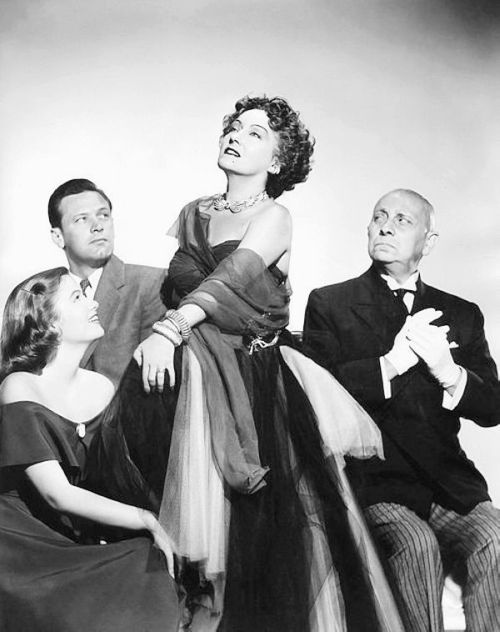
Assim como muitas pessoas, minha introdução à Gloria Swanson foi através de “Crepúsculo dos Deuses” (1950). Muitos espectadores, num primeiro momento, podem pensar que Norma Desmond é uma personagem autobiográfica – em especial porque seu mordomo e antigo diretor é interpretado por Erich von Stroheim, que dirigiu Swanson no final da era muda. Isso não podia estar mais longe da verdade: Swason viveu um dia de cada vez, sem se apoiar nas glórias do passado – e Gloria certamente teve muitas glórias.
  
Like most people, my introduction to Gloria Swanson was through “Sunset Boulevard” (1950). Many viewers at first may think that Norma Desmond is an autobiographical portrait of Swanson – even more so considering that her butler and former director is played by Erich von Stroheim, who did direct Swanson in the late years of the silent era. It couldn’t be more different: Swanson lived one day at a time, without reliving the glories of the past – and Gloria sure had many glories.


Gloria Swanson estreou nos cinemas fazendo comédias de curta-metragem a partir de 1914. Ela não foi creditada em alguns de seus primeiros papéis, como o da datilógrafa no início da comédia da Essanay “His New Job” (1915), com Charles Chaplin. Gloria havia feito o teste para ser a protagonista, mas Chaplin achou que ela não era a atriz certa para o papel e escolheu como protagonista a atriz Charlotte Mineau.

Gloria Swanson entered the motion picture world making short slapstick comedies starting in 1914. Some of her early roles were uncredited bit parts, like the stenographer in the beginning of the Essanay comedy “His New Job” (1915), with Charles Chaplin. Gloria had auditioned for the lead role, but Chaplin thought she wasn’t right for the part and chose actress Charlotte Mineau instead.
 
Gloria Swanson in "His New Job" (1915)
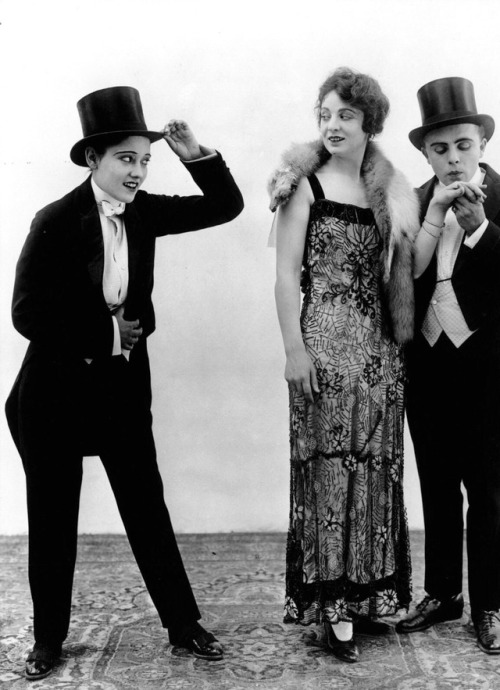
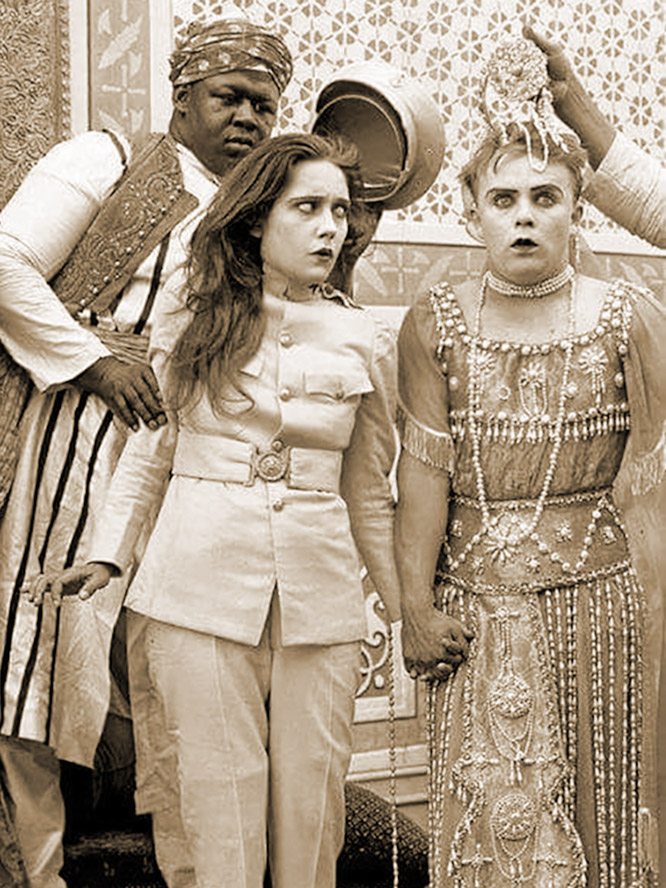
Logo Gloria se juntou às “Bathing Beauties” de Mack Sennett. Ela trabalhou com Bobby Vernon em diversos curtas-metragens para os estúdios Keystone e Triangle. Um deles é “The Danger Girl” (1916). Nele, Gloria interpreta uma garota travessa que se veste de homem para separar sua rival de seu amor, Bobbie. Outro destes filmes é “The Sultan’s Wife” (1917, também conhecido como “Caught in a Harem”). Nele, Bobby e Gloria são namorados que decidem se casar durante uma viagem à Índia. O macaquinho de estimação dela entra no palácio do Rajá e o Rajá acaba capturando-a para seu harém. Bobby vai resgatá-la – e mais uma vez temos pessoas travestidas!

Soon Gloria became one of the Mack Sennett’s Bathing Beauties. She was paired with Bobby Vernon in several short films for Keystone and Triangle. One of them is “The Danger Girl” (1916). In it, Gloria plays a madcap girl who dresses as a man in order to take her rival away from her sweetheart, Bobbie. Another one is “The Sultan’s Wife” (1917, also called “Caught in a Harem”). In it, Bobby and Gloria are sweethearts who decide to elope during a trip to India. Her pet monkey enters the Rajah’s palace and the Rajah ends up holding her captive in his harem. Bobby goes to her rescue - and there is cross dressing again!

"The Danger Girl" (1916)

"The Sultan's Wife" (1917)
Também em 1917 temos “Teddy at the Throttle”, uma paródia dos melodramas da década de 1910. Nele, o tutor de Gloria (Wallace Beery, então marido da atriz) tenta separar Gloria e Bobbie para ficar com a herança dela. Num ato desesperado, o personagem de Beery amarra Gloria aos trilhos do trem – algo que, ao contrário do que se acredita, era raro no cinema mudo. O Teddy do título é Keystone Teddy, a estrela canina que também apareceu em “The Sultan’s Wife” como um herói de quatro patas. O clímax do curta-metragem inclui uma edição elaborada que lembra as sequências entrelaçadas por D.W. Griffith em “Intolerância” (1916). 

Also from 1917 there is “Teddy at the Throttle”, a parody of the 1910s melodramas. In it, Gloria’s guardian (Wallace Beery, then her real husband) tries to break Gloria and Bobbie up in order to keep her money for himself. As a desperate act, Beery’s character ties Gloria to the train tracks - something that, contrary to popular belief, was rare in silent film. The Teddy of the title is Keystone Teddy, the canine star that also appeared in “The Sultan’s Wife” as a four-legged hero. The climax of the short film includes intricate editing that resembles D.W. Griffith’s cross-cutting sequences in films like “Intolerance” (1916).


Em 1918 Swanson começou outra parceria: desta vez, com o diretor e produtor Cecil B. DeMille. Um dos filmes que eles fizeram nesta época foi o suntuoso “Macho e Fêmea” (1919). Nele, Gloria interpreta Lady Mary Lasenby, uma herdeira mimada de uma família de Londres. Seu mordomo, Bill Crichton (Thomas Meighan), é apaixonado por ela, e a empregada dela, Tweeny (Lila Lee), é apaixonada por Crichton. Obviamente, Lady Mary e Crichton não podem ficar juntos por causa das regras observadas pela alta sociedade.

In 1918 Swanson started another partnership: this time, with director and producer Cecil B. DeMille. One of the films that they made in this period is the lavish “Male and Female” (1919). In it, Gloria plays Lady Mary Lasenby, a spoiled heiress from a London family. Her butler, Bill Crichton (Thomas Meighan), is in love with her, while her maid, Tweeny (Lila Lee), is in love with Crichton. Of course, Lady Mary and Crichton can’t be together thanks to the unwritten rules of high society.


As leis da lata sociedade são severas, mas e a lei da selva? Depois que o barco deles afunda, a família de Lady Mary, mais Crichton e Tweeny, ficam isolados em uma ilha deserta, onde tudo pode acontecer – até mesmo a inversão de papéis hierárquicos. Este filme, que tem inclusive uma sequência na Babilônia – como uma história dentro da história – foi escolhido o melhor filme de 1919 pelos leitores de uma revista brasileira chamada A Scena Muda – a mesma revista que me forneceu o material para reconstruir o filme perdido de Lon Chaney, “O Homem Miraculoso”.
 
High society laws are strict, but what about the law of the jungle? After their boat sinks, Lady Mary’s whole family, plus Crichton and Tweeny, become stranded in a desert island, where everything can happen - even reversing hierarchical roles. This film, that even has a sequence set in Babylon - like a story within the main story - was voted the best of 1919 by the readers of a Brazilian magazine called A Scena Muda - the same magazine that gave me material to reconstruct Lon Chaney’s lost movie “The Miracle Man”.


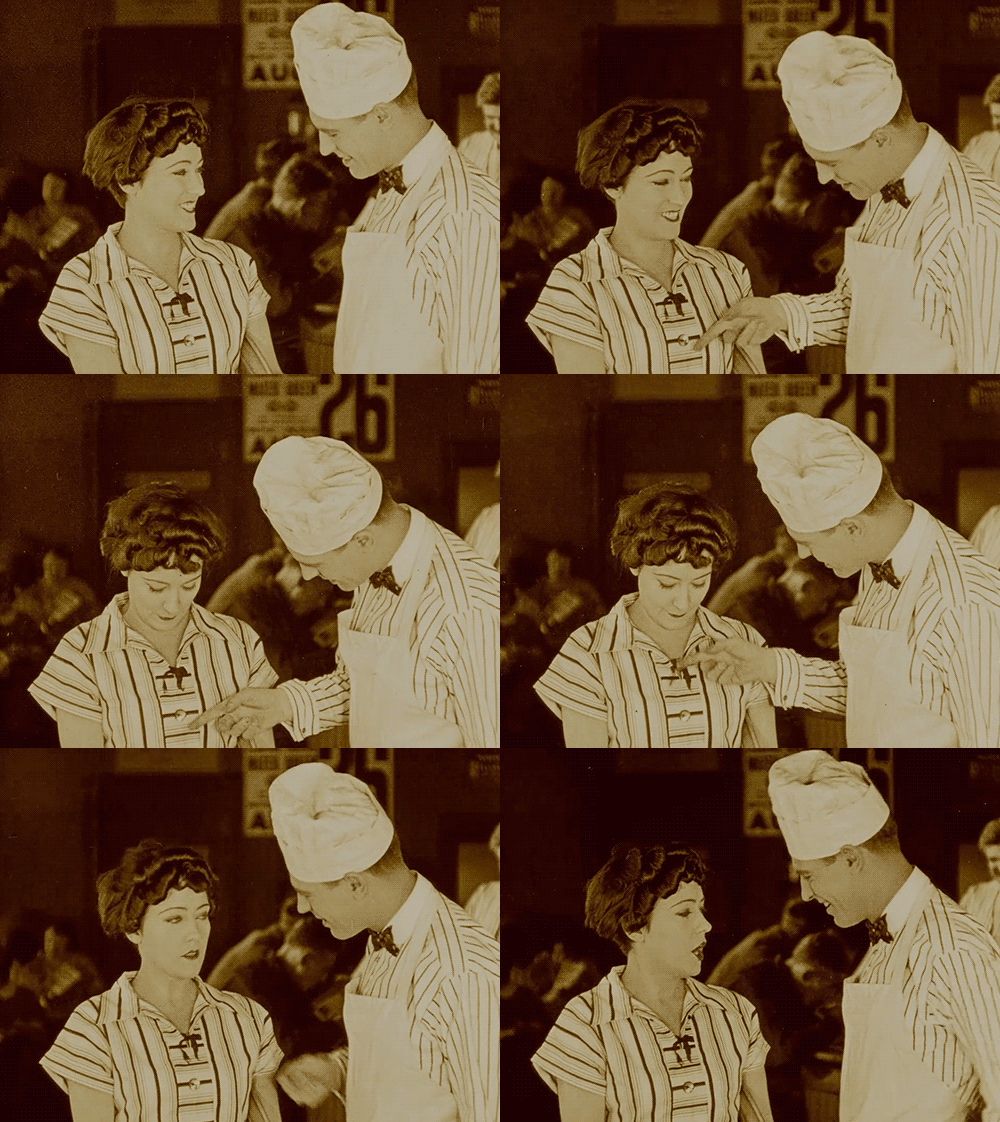
Na Paramount em 1925, Gloria fez a doce comédia romântica “Este Mundo é um Teatro”. Nele, ela interpreta Jenny Hagen, uma garçonete apaixonada pelo colega de trabalho Orme (Lawrence Gray), que tem uma preferência por atrizes. Para que ele se apaixone por ela, Jenny faz um curso de atuação por correspondência e se junta a uma trupe em um espetáculo em um barco. Este filme tem algumas sequências fabulosas em two-strip Technicolor. Este é um filme peculiar, que vai do exuberante à comédia interiorana. De qualquer maneira, Gloria Swanson é convincente como uma diva do teatro e como uma simples sonhadora.

At Paramount in 1925, Gloria did the sweet romantic comedy “Stage Struck”. In it, she is Jenny Hagen, a waitress in love with her coworker Orme (Lawrence Gray), who has a thing for actresses. In order to make him fall in love with her, she takes a correspondence course in acting and joins an act in a show boat. This film has some fabulous sequences in two-strip Technicolor. This is an odd film, that goes from exuberant to countryside comedy. Anyway, Gloria Swanson is convincing as a theater diva and as a simple dreamer.


Mais poderosa do que nunca, no final dos anos 20 Gloria Swanson começou a produzir seus próprios filmes, que mais tarde seriam distribuídos pela United Artists. Um destes filmes é o maldito “Minha Rainha”. Ele começou a ser filmado em 1928, com o roteirista e diretor Erich von Stroheim tendo liberdade total para criar um filme que deveria ter cinco horas de duração. Entretanto, apenas um terço do material foi filmado e hoje a versão mais completa tem apenas 100 minutos.

More powerful than ever, in the late 1920s Gloria Swanson started producing her own films, that would later be distributed by United Artists. One of those films is the cursed “Queen Kelly”. It started being shot in 1928, with screenwriter and director Erich von Stroheim having total freedom to create a film that was supposed to be five hours long. However, only a third of the material was shot and nowadays the most complete version we have runs only 100 minutes.


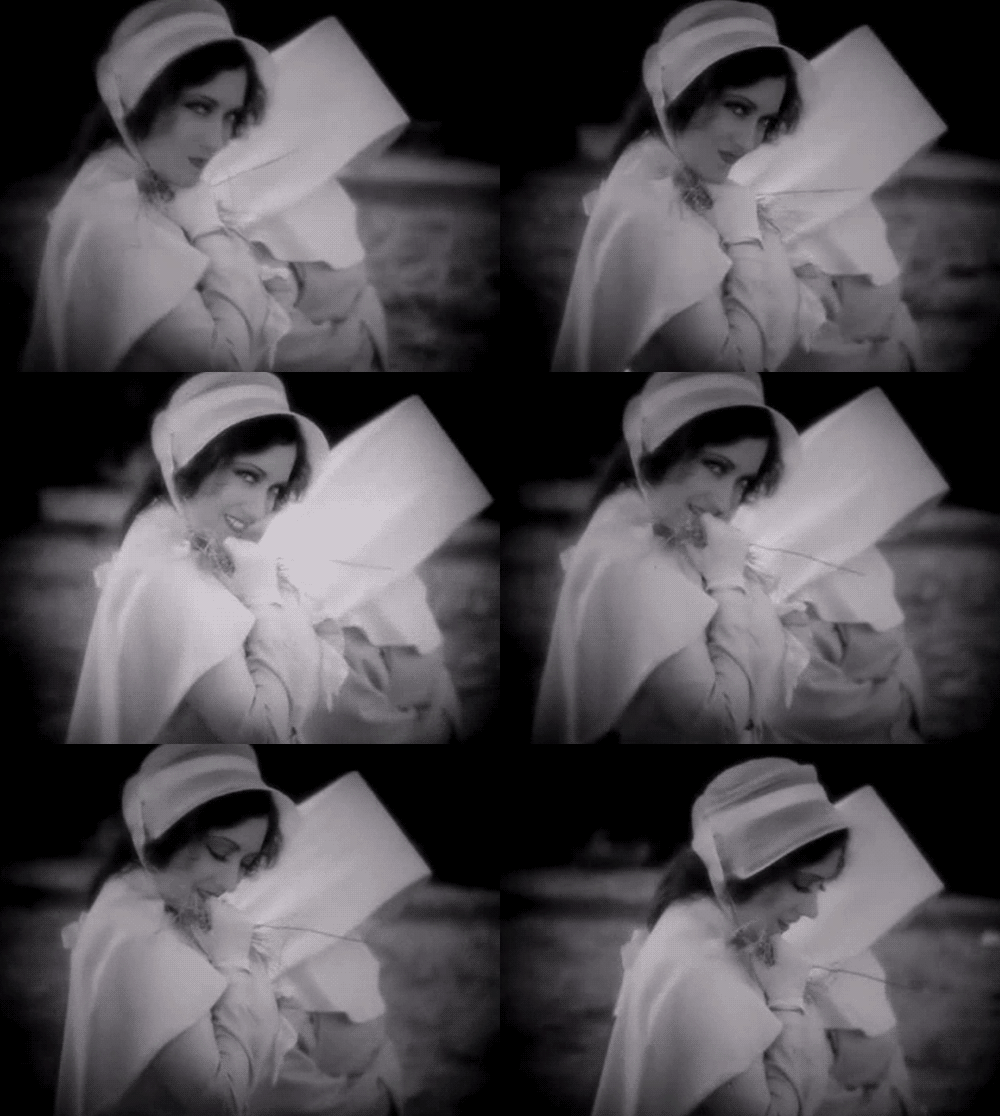
Patricia Kelly (Swanson) é uma órfã que vive num convento. Um dia, durante uma caminhada com outras órfãs, ela é vista pelo Príncipe Wolfram (Walter Byron), que está prestes a se casar com a louca Rainha Regina V (Seena Owen). O Príncipe resolver queimar o convento (!!) para ver Kelly novamente, mas ela é expulsa do palácio por uma irada Rainha Regina. De volta ao convento, Kelly descobre que sua tia está prestes a morrer, e que o último desejo dela é ver Kelly casada com o nojento Jan (Tully Marshall).  Embora a primeira metade seja mais focada no Príncipe e tenha Seena Owen brilhando como a Rainha, as cenas com Kelly conhecendo o horrível Jan estão entre as cenas interpretadas com mais primor por Swanson.

Patricia Kelly (Swanson) is an orphan living in a convent. One day, during a walk with other orphans, she is spotted by Prince Wolfram (Walter Byron), who is about to get married to the insane Queen Regina V (Seena Owen). The Prince manages to burn down (!!) the convent to see Kelly again, but she is expelled from the palace by an irate Queen Regina. Back at the convent, Kelly learns that her aunt is about to die, and that the old lady’s last wish is for her to marry the disgusting Jan (Tully Marshall). Although the first half is more focused on the Prince and has Seena Owen shining as the Queen, the scenes with Kelly getting to know the disgusting Jan are among the finest scenes performed by Swanson.


Eu vi muito pouco da filmografia de Gloria Swanson. De acordo com o Letterboxd, eu vi 14% dos filmes que ela fez – em uma carreira que durou quase 60 anos. Não vi seus primeiros filmes falados dos anos 30, mas ao ver seus filmes mudos, feitos entre 1915 e 1929, eu pude perceber muitas coisas. Eu percebi que Gloria era incrível tanto em comédia quanto em drama – ela tinha um talento natural para interpretar qualquer coisa no cinema. Mesmo depois de aparecer glamourosa nas “comédias de divórcio” de DeMille, ela era capaz de voltar atrás e interpretar uma garota ingênua com tanta perfeição que era impossível que não torcêssemos por ela. Ela também tinha um perfil maravilhoso e, como sua melhor característica, lindos olhos que podiam expressar qualquer emoção e hipnotizar o público. E, sim, Sr. DeMille: ela estava sempre pronta para seu close.

I have barely scratched Gloria Swanson’s filmography. According to Letterboxd, I have seen 14% of all the films she did – in a career that lasted nearly 60 years. I haven’t watched her early talkies from the 1930s, but by watching her silents, made in a 14-year period, I could see many things. I saw that Gloria was amazing in both drama and comedy - a natural talent for anything in the screen. Even after being glamorous in DeMille’s “divorce comedies”, she could go back and play an ingénue with so much perfection that we had to root for her. She also had a fabulous profile and, as her best feature, piercing eyes that could convey any emotion and hypnotize the public. And, yes, Mr. DeMille: she was always ready for her close-up.

This is my contribution to the Second Marathon Stars blogathon, hosted by Samantha, Crystal and Virginie at Musings of a Classic Film Addict, In the Good Old Days of Classic Hollywood and The Wonderful World of Cinema.


Sunday, March 11, 2018

Amor Eterno (1925) / The Road to Yesterday (1925)

Dois casais com problemas. O que eles podem fazer para solucioná-los? Bem, se você pensou em analisar vidas passadas, está correto – e também de acordo com o diretor e produtor Cecil B. DeMille e a roteirista Jeanie Macpherson, porque é exatamente isso que eles fazem para resolver os problemas conjugais dos personagens em “Amor Eterno”.

Two couples in trouble. How can you solve these troubles? Well, if you thought about analyzing past lives, you are correct – and agree with director and producer Cecil B. DeMille and screenwriter Jeanie Macpherson, because that's exactly what they do to solve some marital problems in “The Road to Yesterday”.
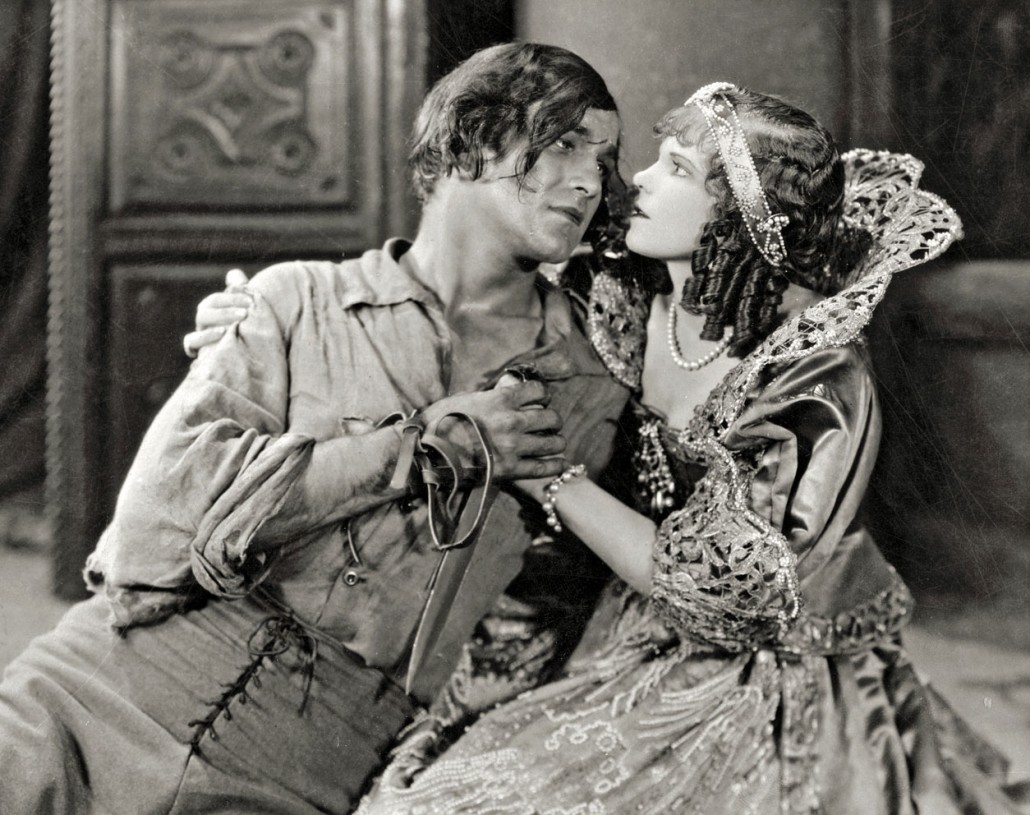
1925, no Grand Canyon. Kenneth – ou Ken – (Joseph Schildkraut) acabou de se casar com Malena (Jetta Goudal), mas ela tem um mau pressentimento sobre a relação, e diz que teve uma visão do passado mostrando que eles já foram casados em uma vida passada, e ele a machucou. O melhor amigo de Ken é o pastor Jack (William Boyd), que se apaixona por Elizabeth – ou Bess – (Vera Reynolds), mas ela insiste que ele deixe de pregar para se casar com ela – afinal, uma flapper não pode ser esposa de um pastor! Bess também teve uma sensação estranha ao conhecer John, pois sentiu que já o havia encontrado antes e inclusive reconheceu uma velha faca que Jack carrega consigo. Bess está momentaneamente noiva de Rady (Casson Ferguson).

1925, Grand Canyon. Kenneth – or Ken – (Joseph Schildkraut) just married Malena (Jetta Goudal), but she had a bad feeling about their relationship, saying she had a vision from the past showing that they were already married in a past life, and he hurt her. Ken's best friend is the Reverend Jack (William Boyd), who falls in love with Elizabeth – or Bess – (Vera Reynolds), but she wants him to give up his position in a minister to get married to her – after all, a flapper can’t marry a minister! Bess also had a strange feeling when she met John, believing she had met him already and even recognizing an old knife he carries with him. Bess is momentarily engaged to Rady (Casson Ferguson).
Todos os cinco tomam um trem para San Francisco depois de uma festa na casa de Ken – cada um por uma razão. Ken precisa fazer urgentemente uma cirurgia no braço, Malena está fugindo do marido, Bess e Rady vão se casar e Jack está indo reconquistar Bess. No meio da noite, o trem colide com outro trem, e Bess tem uma experiência curiosa envolvendo uma viagem no tempo.

All five people take a train to San Francisco after a party in Ken's house – every person for a reason. Ken needs to do an urgent arm surgery, Malena is running away from her husband, Bess and Rady are going to get married and Jack is going after Bess. In the middle of the night, the train collides with another train, and Bess has a weird experience with time travel.
Agora é 1625, na Inglaterra. Elizabeth – ou Bess – Tyrel é uma herdeira que não quer se casar com o Lorde Strangevon – ou Ken. Ela foge e conhece um corajoso plebeu chamado Jack. Mas Lorde Strangevon está atrás dela – e atrás dele está a cigana Malena, que curou o braço dele e se apaixonou por ele. Na verdade, eles se casaram em uma cerimônia – e por isso o Lorde Strangevon não pode se casar com Bess! E onde está Rady? Bem, ele é o idiota local e trabalha em uma taverna – e não pensa duas vezes para trair seus amigos.

It's now 1625, in England. Elizabeth – or Bess – Tyrel is an heiress who doesn't want to get married to Lord Strangevon – aka Ken. She runs away and meets a brave commoner named Jack. But Lord Strangevon is after her – and after him is the gypsy Malena, who once cured an arm wound he had and fell in love with him. Actually, they married in a ceremony – and therefore Lord Strangevon can't marry Bess! And what about Rady? Well, he is the town's fool and works in a tavern – and he won't think twice to betrayal his friends. 
Misturar o presente e o passado num mesmo filme não era novidade para DeMille. Ele fez isso antes em “Os Dez Mandamentos” (1923) – e eu fiquei muito surpresa quando assisti ao filme e percebi que ele era sobre Moisés abrindo o mar Vermelho E também sobre como algumas pessoas ignoram e desobedecem aos mandamentos nos tempos modernos. A versão silenciosa de “Os Dez Mandamentos” é um filme grandioso por causa desta linha do tempo dupla – mas “Amor Eterno” não chega a ser tão bom quanto o épico.

Mixing the past and the present in the same film wasn't something new to DeMille. He did it before in “The Ten Commandments” (1923) – and I was quite surprised when I watched the film and realized it was about Moses opening the Red Sea AND also about how some people ignore and disobey the commandments in modern times. The silent “The Ten Commandments” is a grand film because of this double timeline – but “The Road to Yesterday” is not as good as the epic.
Não foi uma surpresa ver um tema religioso em um filme de DeMille. Em “Amor Eterno”, além de ter em Ken – tanto no passado quanto no presente – um exemplo de ateu que desdenha de Deus, há os temas de reencarnação e espiritualismo, que estavam na moda no começo do século XX. Não nos esqueçamos de que “Amor Eterno” foi adaptado de uma peça escrita por Beulah Marie Dix e Evelyn Greenleaf Sutherland que fez sucesso na Broadway entre 1906 e 1907.

It wasn't a surprise to see a religious theme in a DeMille movie. In “Road to Yesterday”, besides having in Ken – both in the past and in the present – an atheist who disdains of God, there is the themes of reincarnation and spiritualism, which were in vogue in the early 20th century. Let's not forget that “The Road to Yesterday” was adapted from a play written by Beulah Marie Dix and Evelyn Greenleaf Sutherland that was a Broadway hit between 1906 and 1907.
O espiritualismo estava na moda nos anos 290, logo depois do fim da Primeira Guerra Mundial. De certa maneira, foi assim que muitas pessoas lidaram com a perda de entes queridos na guerra: se voltando para a religião e esperando para se comunicar com os mortos, ou viver outra vida após a morte. DeMille e Jeanie Macpherson sabiam disso e foram sábios ao escolherem adaptar “Amor Eterno” para as telas – com a ajuda de um jovem chamado Howard Hawks, que ficou responsável pelos intertítulos. Depois da Segunda Guerra Mundial, os métodos para processar o luto mudaram um pouco, e incluíram a criação da cientologia e o aumento do interesse por ficção científica e por discos voadores.

Spiritualism was in vogue in the 1920s, following the end of World War I. In a way, it was how many people grieved the loss of loved ones in the war: turning to religion and the hope to communicate with the dead, or to go on to live another life. DeMille and Jeanie Macpherson knew that, and made the wise choice to adapt “The Road to Yesterday” to the screen – with a young man called Howard Hawks writing the intertitles for them. After World War II, the grieving methods were a little different, and included the creation of scientology and the rise of science fiction and interest in UFOs.
O assunto das vidas passadas é fascinantes. E fica mais interessante ainda da maneira como é tratada no filme. Em 1925, Bess encontra sua tia Harriet (Trixie Friganza) e se diverte ao lembrar que a tia sempre disse que, numa vida passada, ela era a rainha Mary da Escócia – mas na verdade ela era apenas uma bruta dona de uma taverna. Isto é algo comum: nós todos gostamos de pensar que, em uma vida passada, se é que já vivemos antes, fomos tão importantes quanto César e Cleópatra, mas nós provavelmente fomos – como somos agora mesmo – pessoas normais vivendo vidas comuns.

The subject of past lives is fascinating. And it’s even more so in the way it is treated in the film. In 1625, Bess also meets her aunt Harriet (Trixie Friganza) and laughs because the aunt always said that, in a past life, she was Mary Queen of Scots – but in reality she was just a brute tavern owner. This is something common: we all like to think that, in a past life, if we had one, we were as important as Caesar and Cleopatra, but we much probably were – as we are right now – regular people living uneventful lives.
Eu gosto particularmente de algumas noções deste filme, como a de que nossos problemas ou características têm origem em uma vida passada. Há alguns anos eu me interesso pelo Espiritismo, uma religião com um número razoável de seguidores no Brasil. Não sou nenhuma especialista no assunto, mas vejo que algumas coisas em “Amor Eterno” vão de encontro com a doutrina de Allan Kardec.

I particularly like some notions in this film, like the one that our current problems and even strengths may have its origin in a past life. For a few years I’ve been interested in Spiritism, a religion that has a good amount of followers in Brazil. I’m by no means an expert, but I see some things in “The Road to Yesterday” that corroborate with Allan Kardec’s doctrine.
Além de vidas passadas, o que mais “Amor Eterno” tem a oferecer? Oh, prepare-se, porque tem muita coisa neste filme: discurso religioso, arco e flecha, figurino de Adrian, noivados relâmpago, estupro conjugal, esgrima, mulheres vestidas de homens e uma verdadeira caça às bruxas da era medieval. E tudo isso por causa de uma viagem no tempo causada por uma experiência de quase morte!

Besides past lives, what “The Road to Yesterday” has to offer? Oh, brace yourself, because this film has a lot going on: religious blabbing, archery, gowns by Adrian, quick engagements, marital rape, fencing, cross-dressing and a true medieval witch hunt. And all this because of a time travel triggered by a near-death experience!
Amor Eterno” é um pouco cafona? Claro que é! É tão insistentemente cristão quanto uma aula de catequese e uma tortura deliciosa para alguém como eu, que estudou em colégio de freiras e adora filmes religiosos. É um filme com muitos problemas e furos no enredo – como a Fritzi mostra aqui – mas é feito com capricho, e o resultado entretém. E você nunca mais verá seus déjà vus da mesma maneira após este filme.

Is “The Road to Yesterday” a little bit tacky? Of course it is! It’s as preachy as Sunday school and a delightful torture for someone like me, who went to a Catholic school and is a sucker for religious movies. It’s a film with a lot of problems and plot holes – as Fritzi points out here – but it is beautifully made, and a very entertaining movie. And you’ll never see the déjà vus the same way after watching it.

This is my contribution to the Time Travel Blogathon, hosted by Rich and Ruth and Wide Screen World and Silver Screenings.

Thursday, August 3, 2017

Book review: Masters of Cinema – Alfred Hitchcock, by Bill Krohn

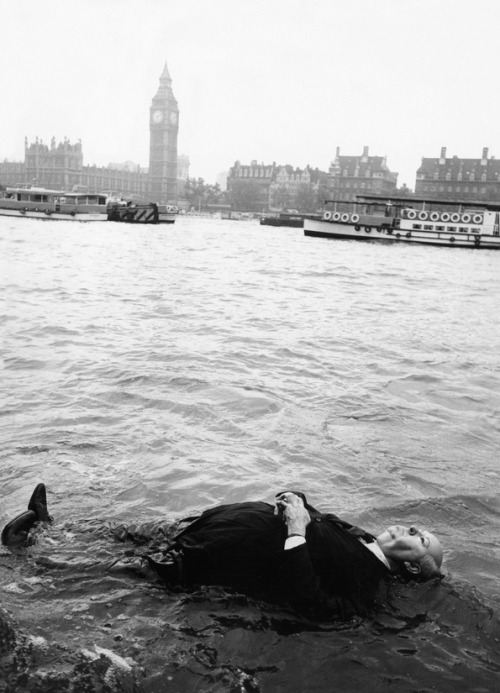
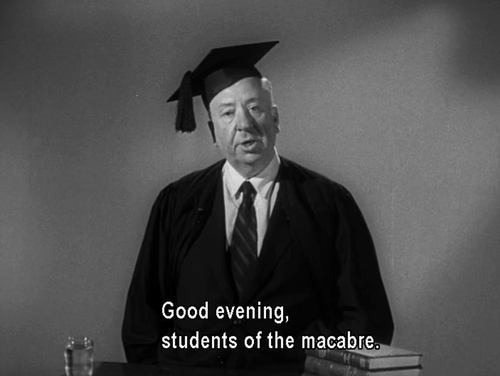
Quantos livros já foram escritos sobre Alfred Hitchcock, o mestre do suspense? Uma busca rápida no site Goodreads nos dá mais de 2600 resultados – mais de 2600 livros escritos sobre ou levando a marca de Hitchcock. O fino livro de Bill Krohn pode ser só mais um neste vasto universo, mas é muito interessante, e um bom ponto de partida para os novatos.

How many books have been written about Alfred Hitchcock, the Master of Suspense? A quick search at Goodread finds more than 2600 results – more than 2600 books written about or carrying the Hitchcock brand. Bill Krohn's thin book may be only another in this vast universe, but it is a very interesting one, and a good starting point for newbies.
Sim, este é um livro pequenino – menos de 100 páginas, e com muitas imagens – mas cobre todos os filmes que Hitchcock fez. Ah, sim, há apenas uma linha sobre “Um casal do barulho” (1941), mas todos os filmes são mencionados em um ótimo guia com especificações técnicas e uma breve sinopse de cada um. Ao longo do livro, todos os livros são discutidos em ordem cronológica, alguns com grandes spoilers – como “Um corpo que cai” (1958) – e alguns com observações pessoais do autor que, por falar nisso, odiou “Os Pássaros” (1963).

Yes, this is a very tiny book – less than 100 pages, and a lot of images – but it covers all films Hithcock did. Oh, yes, there is only one line about “Mr and Mrs Smith” (1941), but all the movies are mentioned in a nice guide presenting the technical data and a brief summary of each film. Througout the book, all films are discussed chronologically, some with major spoilers – like “Vertigo” (1958) – and some with a lot of personal input by the author who, by the way, hated “The Birds” (1963).
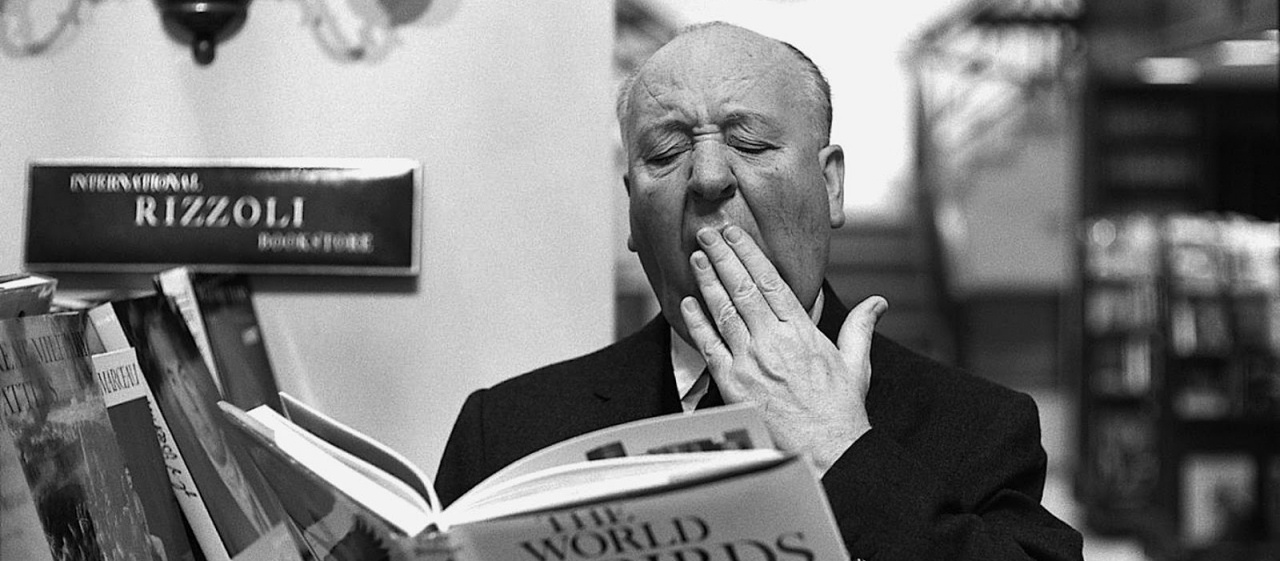
As informações sobre os filmes não apresentam surpresas. Nós encontramos fatos reveladores nas histórias de bastidores e nos ensaios espalhados pelo livro. Eu particularmente gosto do 'motif', do tema constante que o autor escolhe: comparar Hitchcock e DeMille. Hitchcock foi muito influenciado por outros mestres, mas a conexão com DeMille não é a primeira em que pensamos quando suas influências são discutidas. Porém, o livro nos lembra de que o tempo todo, talvez de maneira inconsciente, DeMille estava lá. Da mesma maneira, Fritz Lang também estava lá influenciando Hitchcock, mas o próprio Hitch era reticente ao falar do que apreendeu de Lang. O autor se refere à estranha relação de Hitch com seus 'pais cinematográficos' como 'ansiedade / fobia de influência'.

But the films themselves don't present any surprise. We find eye-opening facts in the backstage stories and the essays disposed here and there. I particularly like the 'motif', the constant theme that the author has of comparing Hitchcock and DeMille. Hitchcock was heavily influenced by other masters, but the connection with DeMille is not the first we think about when his influences are discussed. But the book reminds us that all the time, maybe in an unconscious way, DeMille is there. The same way, Fritz Lang was also there influencing Hitchcock, but Hitch himself was reticent when talking about what he got from Lang. The author refers to Hitch's odd relationship with his 'cinematic fathers' as 'anxiety of influence'.
Ao seguir esta linha de influências, o autor escreve o livro como quem escreve uma tese – provando suas hipóteses sempre que tem chance. Não estou reclamando, porque esta é uma hipótese muito interessante! Também há muitas notas ao final do livro, que vão mencionar outros trabalhos e podem ser o primeiro passo para estudarmos Hitchcock melhor. O único problema que eu tive foi com a comparação do autor com Hitchcock 'originando o vocabulário do horror' com “Psicose” (1960) com Griffith 'originando o vocabulário cinematográfico' em “O Nascimento de uma Nação” (1915). Todos nós – e Fritzi do site Movies, Silently em particular – sabemos que Griffith não foi pioneiro com as técnicas que usou em seu pequeno filme racista.

In following this line of influences, the author writes the book as someone writes a thesis – by proving his hypothesis every time he has a chance to do so. I'm not complaining, because it is a very interesting hypothesis! Also, there are lots of notes in the book, that reference other works and may be the first step for us to study Hitchcock further. The only problem I had was with the author's comparison of Hitchcock 'giving birth of horror vocabulary' in “Psycho” (1960) with Griffith 'giving birth to the cinematic vocabulary' in “The Birth of a Nation” (1915). We all – and Fritzi from Movies, Silently in particular – know that Griffith was no pioneer with the techniques he used in that little racist movie.
Além das comparações com outros cineastas, o livro apresenta paralelos dos filmes de Hitchcock com outros trabalhos literários, mitos e teorias filosóficas. Estes momentos tornam o livro mais rico e demonstram o vasto conhecimento do autor.

Besides the comparisons with other filmmakers, the book presents a lot of parallels of Hitchcock's movies with other literary works, myths and philosophical theories. These moments make the book richer and show the vast knowledge of its author.
A série de livros 'Masters of Cinema' foi publicada pela Cahiers du Cinéma, e eu comprei a versão em inglês. Eu também tenho um livro deles sobre Stanley Kubrick, e sei que a coleção também tratou dos trabalhos de Kurosawa, Billy Wilder, Scorsese, Spielberg e Woody Allen. Eu recomendo muito este livro não como uma grande aula sobre Hitchcock, mas como o primeiro passo em uma aventura cheia de suspense na qual descobriremos mais sobre sua obra.

The 'Masters of Cinema' series was published by the Cahiers du Cinéma, and my copy was in English. I also own their book about Stanley Kubrick, and I know that the collection also dealt with the works of Kurosawa, Billy Wilder, Scorsese, Spielberg and Woody Allen. I highly recommend this book not as a masterclass on Hitchcock, but as the first step in a suspenseful adventure discovering more about his work.

This is my contribution to the Alfred Hitchcock blogathon, hosted by Maddy Loves Her Classic Films.

This book is part of Raquel's 2017 Summer Reading Classic Film Book Challenge

Related Posts Plugin for WordPress, Blogger...