} Crítica Retrô: 1946

Tradutor / Translator / Traductor / Übersetzer / Traduttore / Traducteur / 翻訳者 / переводчик

Showing posts with label 1946. Show all posts

Sunday, October 1, 2017

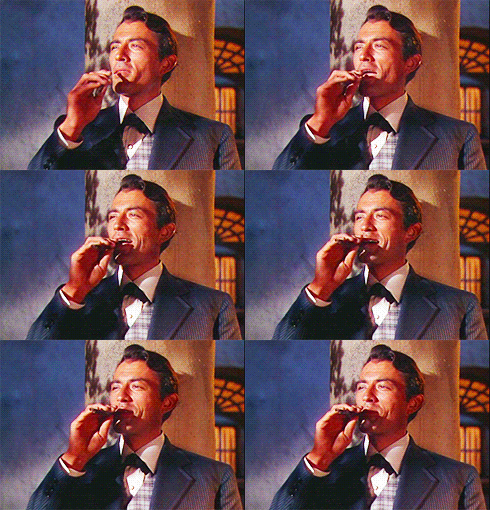
Duelo ao Sol (1946) / Duel in the Sun (1946)

Eu amo a velha Hollywood. Eu amo cinema clássico. Eu fico animada ao ler, nos créditos iniciais, nomes como Joseph Cotten, Jennifer Jones, Gregory Peck, Lillian Gish, Herbert Marshall, Lionel Barrymore e Butterfly McQueen. Mas graças a Deus eu também sou uma mulher moderna, ilustrada e progressista e sou capaz de ver um filme clássico não com viés de nostalgia e um senso de que aquela é uma obra intocável, e assim eu posso perceber quando um filme clássico pisa na bola. 

I love old Hollywood. I love classic film. I get goosebumps reading, in the opening credits, names like Joseph Cotten, Jennifer Jones, Gregory Peck, Lillian Gish, Herbert Marshall, Lionel Barrymore and Butterfly McQueen. But thanks God I'm also a modern, woke, progressive woman and I'm able to look at classic film not with nostalgia and a sense of flawlessness, but with criticism, and then I can see when a classic film screws up.
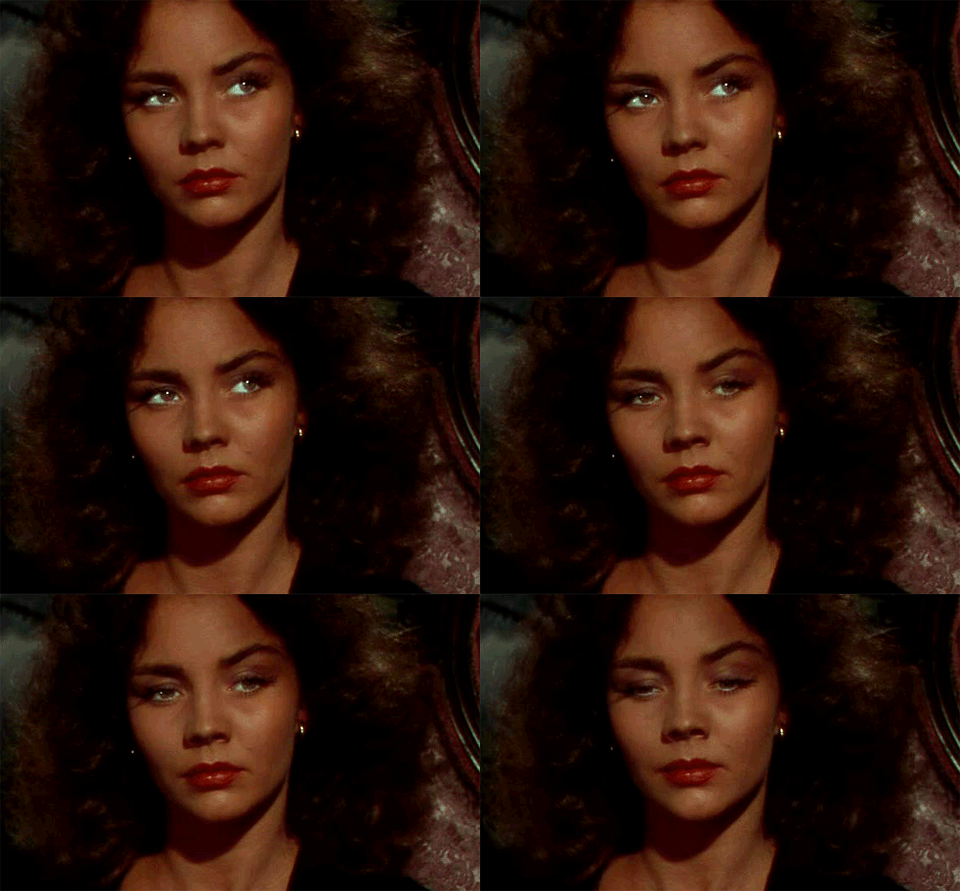

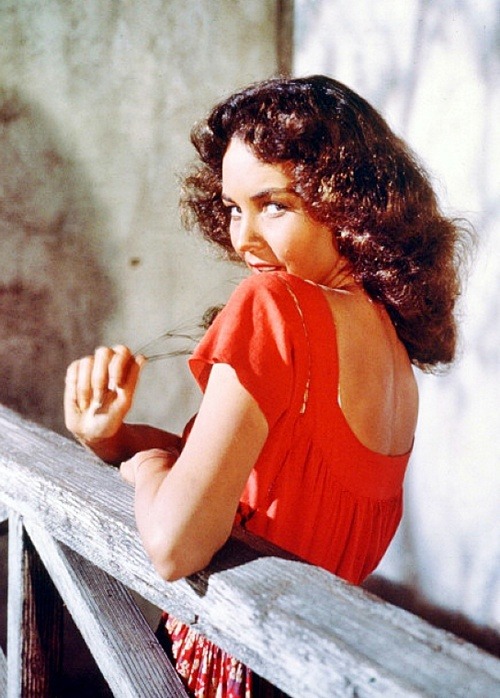
Pearl Chavez (Jennifer Jones) é uma mestiça, filha de pai branco e mãe índia. Numa noite, a mãe dela está dançando em um bar e deixa o local com um homem após um breve jogo de sedução. O pai de Pearl (Herbert Marshall) os segue e os mata a tiros. Ele se declara culpado pelo assassinato, e diz que o primeiro crime que cometeu foi se envolver com uma índia. Ele é enforcado e envia Pearl para viver com a prima de segundo grau, Laura Belle (Lillian Gish).

Pearl Chavez (Jennifer Jones) is a half-breed, that is, the daughter of a white father and an Indian mother. One night, her mother is dancing at a bar and leaves the place with a man who she had seduced. Pearl's father (Herbert Marshall) follows them and shoots them. He pleads guilty for murder, and says that the first guilty thing he did was getting involved with an Indian. He is hung and sends Pearl to live with his second cousin, Laura Belle (Lillian Gish).

O marido de Laura Belle é chamado por todos – inclusive pela própria Laura – de Senador McCanles (Lionel Barrymore). Laura tem também dois filhos: o mais velho e sensato Jesse (Joseph Cotten) e o mais novo e mulherengo Lewton (Gregory Peck). O mais recente problema na imensa propriedade dos McCanles no Texas é a chegada de uma ferrovia, que trará aquilo que o Senador considera pior que uma praga: IMIGRANTES!

Laura Belle has a husband, who everybody – including herself – calls senator McCanles (Lionel Barrymore) and two sons: eldest and sensible Jesse (Joseph Cotten) and younger and womanizer Lewton (Gregory Peck). The latest problem in the mammoth property the McCanles family has in Texas is the arrival of a railway, that will bring something the senator considers worse than a plague: IMMIGRANTS!


Além da questão da ferrovia, a chegada de Pearl aumenta a rivalidade entre os irmãos. Num primeiro momento, Pearl gosta mais de Jesse, porque ele a trata melhor, e Lewton vê esta preferência como um desafio – Lewton tentará conquistá-la com brutalidade, mesmo não querendo nada sério com ela.

Besides the railroad problem, Pearl's arrival makes the rivalry between the brothers more intense. At first, Pearl likes Jesse better, because he's a more polite man, and Lewton sees her preference as a challenge – Lewton will try to conquer her with brutality, even if he doesn't want anything serious with her.
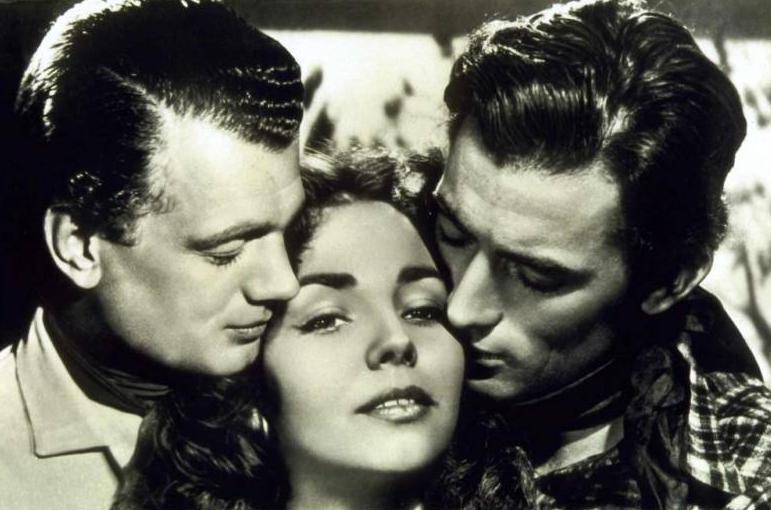


Não é nenhum segredo que Selznick queria fazer um filme ainda mais grandioso que “E o Vento Levou…”. E este foi seu erro: ao seguir à risca a fórmula de “E o Vento Levou...”, as comparações foram inevitáveis. Você tem um triângulo amoroso, uma história que se passa no passado, um ótimo elenco de coadjuvantes e até mesmo a paleta de cores é semelhante. Selznick inclusive repetiu os problemas dos bastidores e contratou seis diretores diferentes para seu novo épico! Mas “Duelo ao Sol” perde feito na comparação.

It's no secret that Selznick wanted to make a film that would be bigger and better than “Gone with the Wind”. And this was his mistake: by following the GWTW formula verbatim, the comparisons were unavoidable. You have a love triangle, a story set in the past, a great supporting cast and even the color palette is similar. Selznick even mimicked his on-set troubles and hired six different directors for his new epic! But “Duel in the Sun” pales in comparison.


Pearl não é uma heroína tão marcante quanto Scarlett O’Hara. O primeiro erro de Selznick com a personagem foi escolher uma atriz branca para interpretar uma mestiça... com um sutil Brownface. Obviamente, a velha Hollywood nunca permitiria que uma índia autêntica fosse protagonista – e eu imagino que a Hollywood moderna também não faria isso. Além deste fato, Pearl não é complexa como Scarlett. Ela não é decidida, esforçada, corajosa e não algo pelo que lutar, como Scarlett tem Tara. Pearl age por luxúria e um estranho senso de moralidade – algo que pode ser interpretado como uma característica de sua origem mestiça.

Pearl is not as bold a heroine as Scarlett O'Hara. The first way Selznick screwed up with her character was by allowing a white woman to play a half-Indian… in brownface. Of course, classic Hollywood would never have an authentic Indian as a leading lady – and I imagine modern Hollywood wouldn't as well. Besides this, Pearl is not as complex as Scarlett. She isn't industrious and brave and she doesn't have something to fight for like Scarlett has with Tara. Pearl is moved by lust and a weird sense of morality – something that can be interpreted as a characteristic of her ‘half-breed’ origin.
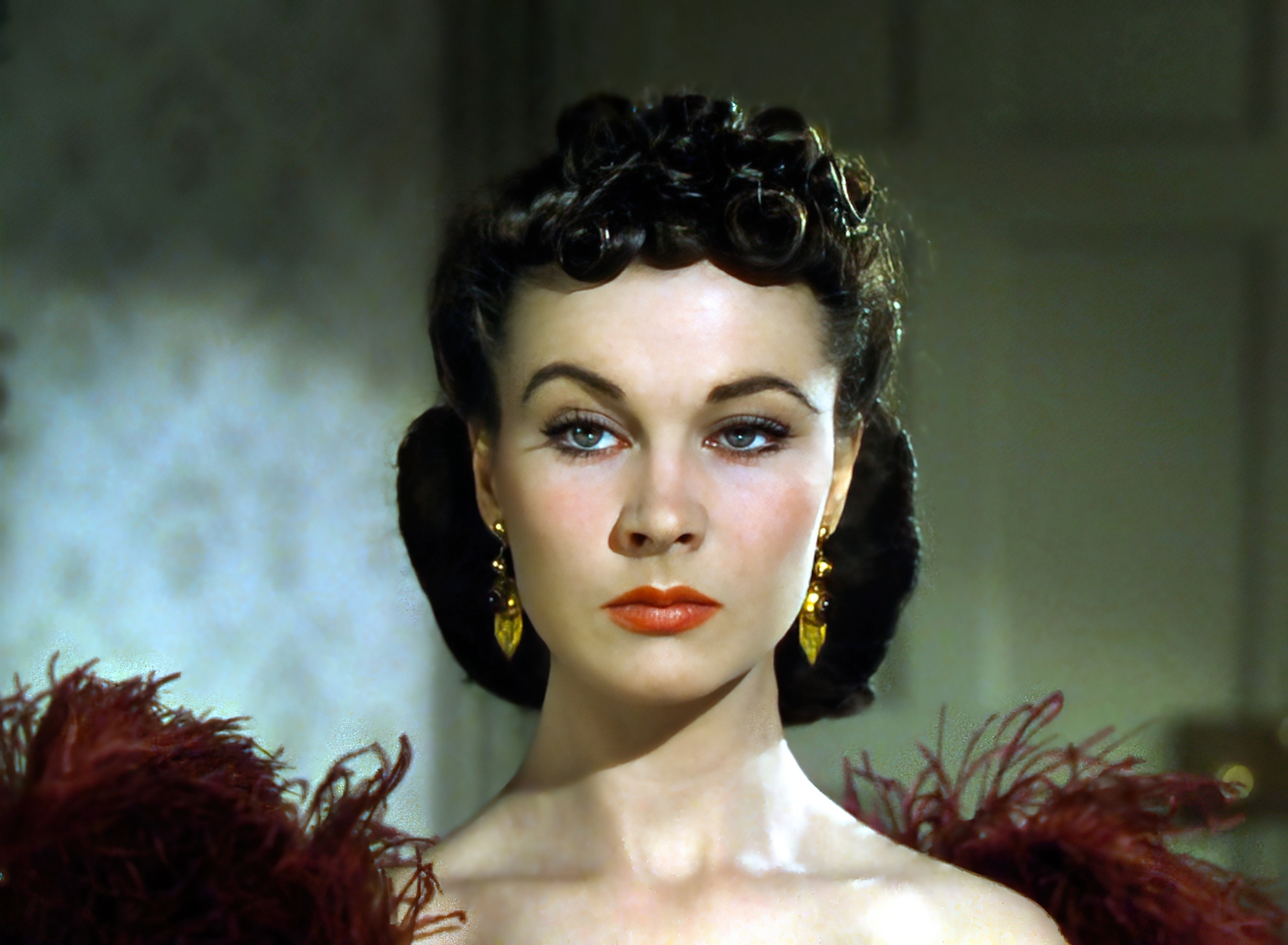


Gregory Peck não é nenhum Clark Gable. Claro, Peck ainda estava no começa da carreira, e se pensarmos em seus papéis posteriores, é estranho vê-lo como vilão. Mas Peck convence como Lewton – eu o odiei para valer em muitos momentos. Lillian Gish e Lionel Barrymore estão simplesmente fantásticos, em especial na última cena juntos. Butterfly McQueen interpreta Vashti, o mesmo tipo de criada pouco esperta e de voz esganiçada que ela interpretou em “E o Vento Levou...”. Laura Belle inclusive diz que Vashti não pode ser treinada – sim, treinada como um cão.

Gregory Peck is no Clark Gable. Sure, Peck was still in the beginning of his career, and if we think about his later roles, it's weird to see him as a villain. But Peck is very convincing as Lewton – I truly hated him in many moments. Lillian Gish and Lionel Barrymore are simply outstanding, especially in their last scene together. Butterfly McQueen plays Vashti, the usual kind of empty-headed, high-pitched maid she played in “Gone with the Wind”. Laura Belle even says that Vashti can't be “trained” - yes, trained like a dog.


1939
1946
A fotografia é sem dúvida o melhor elemento do filme, mesmo que muitas cenas com silhuetas pareçam copiadas de “E o Vento Levou...”. As cenas exteriores são em geral fotografadas em tons de vermelho, o que me fez pensar em “Legião Invencível”, de 1949, de Jon Ford – com a diferença que o filme de Selznick foi filmado no Texas, e o de Ford no Arizona.

The cinematography is without a doubt the best thing in the movie, even though many scenes with silhouettes look like copies of “Gone with the Wind”. The exteriors are mostly photographed in red tones, something that made me think of John Ford's “She Wore a Yellow Ribbon”, from 1949 – with the difference that Selznick's movie was filmed in Texas, and Ford's in Arizona.


Como faroeste, “Duelo ao Sol” funciona bem. Temos dois duelos perto do fim, e o mais inesperado é o melhor deles. O filme não é um épico como “E o Vento Levou...”, e é mais datado que o predecessor feito em 1939, especialmente na caracterização da criada Vashti e na visão muito, muito errada acerca da miscigenação.

As a western, “Duel in the Sun” works well. We have actually two duels near the end, and the most unexpected is the best one. It's no epic like “Gone with the Wind”, and it is more dated than the Civil War era movie made in 1939, especially in the portrayal of maid Vashti and the very, very wrong take on miscegenation.

This is my contribution to the Texas Blogathon, hosted by The Midnight Drive-In.

Wednesday, March 29, 2017

Gilda de Abreu: inigualável

Quando procuramos pelo nome de Gilda de Abreu no site da Cinemateca Brasileira, não encontramos nenhum resultado. Zero. E isso é vergonhoso. Ela pode ter dirigido apenas três longa-metragens, mas ela foi muito mais que a pioneira do cinema que merece ser celebrada no mês da mulher: Gilda foi atriz, cantora, roteirista, escritora e compositora. Ela também foi esposa do famoso cantor Vicente Celestino. Juntos, eles eram como Jeanette MacDonald e Nelson Eddy – e, ao contrário da dupla americana, eles viveram felizes para sempre.

When we look for Gilda de Abreu’s name at the Brazilian Cinémathèque website, we get no results. Zero. It’s a total shame. She may have directed only three feature films, but she was much more than the pioneer who should be celebrated all March long: she was an actress, singer, screenwriter, author and composer. She was also the wife of famous singer Vicente Celestino. Together, they were the Jeanette MacDonald and Nelson Eddy from Brazil – and, unlike the American duo, they lived happily ever after.


Nenhum dos filmes de Gilda está disponível em DVD e, obviamente, nem na Netflix. Apenas seu filme mais famoso é exibido, ainda que raramente, na sessão de meia-noite de sábado na TV Brasil. Sobre sua vida e carreira, encontrei apenas uma dissertação de mestrado escrita em 2006. Gilda está quase escquecida – e não deveria.

None of Gilda's films are on DVD nor, of course, on Netflix. Only her most famous movie is aired, in rare events, in the Saturday midnight screening on a public TV station. About her life and career I could find only a master’s dissertation written in 2006. Gilda is almost forgotten – and she shouldn’t be.

1936
Gilda de Abreu (que às vezes você encontra também como “Gilda Abreu”) nasceu em Paris em 1904. Seu pai era diplomata e sua mãe, cantora. Aos quatro anos de idade, ela veio para o Brasil. Sua mãe a ensinou a cantar, e nos anos 20 Gilda protagonizou diversas óperas. Seu primeiro disco foi lançado em 1930 e em 1933 ela se casou com Vicente Celestino.

Gilda de Abreu (sometimes referred to as “Gilda Abreu”) was born in Paris in 1904. Her father was a diplomat, her mother, a singer. At age four, she came to Brazil. Her mother trained her to be a singer, and in the 1920s Gilda starred in several operas. Her first record was released in 1930 and in 1933 she married Vicente Celestino.

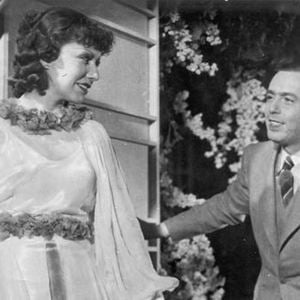
O primeiro filme de Gilda foi “Bonequinha de Seda”, de 1936. Ela fez a protagonista depois que Carmen Miranda recusou o papel porque as filmagens interfeririam com outros compromissos. E a mudança foi justa – afinal, Gilda compôs a valsa que inspirou o filme! Este filme foi uma superprodução que filmou multidões como nunca antes fora feito no cinema brasileiro. O filme foi restaurado recentemente, mas ainda não saiu em DVD.

Gilda’s first film was “Bonequinha de Seda” (roughly translated as “Little Silk Doll”), from 1936. She played the lead role after Carmen Miranda couldn’t accept it due to other commitments. This was just fair – after all, Gilda had created the waltz that inspired the movie! This film was a Brazilian fancy production that used crowd scenes like it was never made before. The film was restored recently, but no DVD was released so far.


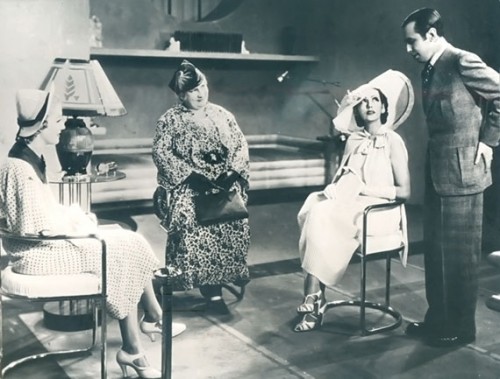
Gilda foi a terceira mulher a dirigir um filme no Brasil. A primeira a dirigir, produzir e estrelar um filme foi Cleo de Verberena, que fez o filme mudo “O Mistério do Dominó Preto” em 1931. Carmen Santos foi a outra cineasta precursora, entretanto seu complexo e problemático filme estreou somente depois de Gilda ter dirigido seu primeiro filme.

Gilda was the third woman to direct a film in Brazil. The first woman to direct, produce and star in a movie in Brazil was Cleo de Verberena, who did the silent film “O Mistério do Dominó Preto” (roughly translated as “The Mystery of the Black Tile”) in 1931. Carmen Santos was the other precursor female filmmaker, however her complex and troubled film only premiered after Gilda had made her directing debut.


Cleo de Verberena
Carmen Santos
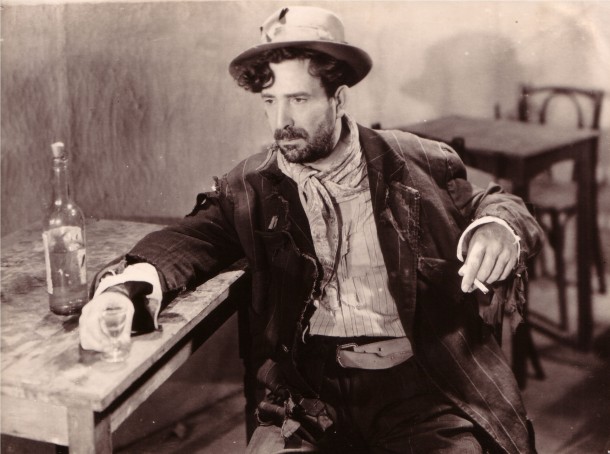
“O Ébrio” foi a estreia de Gilda como diretora. Foi uma adaptação de uma peça escrita por Vicente Celestino, que também compôs as músicas e ficou com o papel principal. “O Ébrio” é uma história de um homem que vai da riqueza à pobreza à riqueza e à pobreza novamente. E é surpreendentemente noir.

“O Ébrio” (“The Drunkard”) was Gilda’s debut at the director’s chair. It was an adaptation of a play written by Vicente Celestino, who also composed the songs and played the lead role. Gilda adapted the play to the film language. “The Drunkard” is a story of riches to rags to riches to rags again. And it’s surprisingly noirish.


Gilberto (Celestino) está sem sorte. Sua família perdeu toda a fortuna. Seus amigos e parentes se recusaram a ajudá-lo. Ela encontra ajuda apenas na igreja. E é na música que Gilberto encontra mais uma vez esperança: ele participa de um programa de calouros na rádio, fica famoso e consegue pagar a faculdade. Ele então se torna médico.

Gilberto (Celestino) is out of luck. His family lost all its wealth. His friends and relatives refused to help him. He only finds help in the church. And it is music that gives Gilberto hope once again: after singing on a radio show, he becomes famous and is able to pay for his college education. He then becomes a doctor.


Os toques noir vêm de todo lado: há a presença de um narrador, alguns flashbacks, uma femme fatale – e também um homme fatale. Você já viu uma trama noir começar no hospital? Bem, aqui isto ocorre.

The noir touches come from all the places: the voiceover narration, some flashbacks, the femme fatale – and also the home fatale. Have you ever seen a noir story starting in a hospital? Well, here it does.


Há uma sequência curiosa em que a consciência de Gilberto se manifesta no reflexo de um espelho, e foi este detalhe que mais me agradou na direção de Gilda. Há também alguns momentos cômicos – talvez um pouco inapropriados, mas mesmo assim bastante divertidos.

There is a curious sequence in which Gilberto’s conscience speaks with him through a mirror reflection, and this bit was what I liked the most in Gilda’s direction. There are also some comic moments – maybe a little inappropriate, but very amusing nonetheless.


Destruído, traído, sem esperança, Gilberto se torna um ébrio. Sua representação do alcoolismo é cômica em alguns momentos, mas no geral sombria. Às vezes é até melhor que a de Ray Milland em “Farrapo Humano” (1945). E então Gilberto canta a canção principal:

Destroyed, betrayed, hopeless, Gilberto becomes a drunkard. His representation of alcoholism is comic at times, but overall very dark. Sometimes it’s even better than Ray Milland’s in “The Lost Weekend” (1945). And then Gilberto sings his signature song:


“O Ébrio” se transformou em um fenômeno de bilheteria. Em algumas cidades,  foi um sucesso maior que “E o Vento Levou...” (1939)! 500 cópias do filme foram feitas para distribuição, e e é surpreendente que o negativo não tenha sido muito danificado no processo.

“The Drunkard” became a major box office hit. In some cities, it was a success at the box office much bigger than “Gone with the Wind” (1939)! 500 copies of the film were made to be distributed, and it’s surprising that the negative was still in such a good shape.


Cerca de 8 milhões de pessoas assistiram ao filme (o suficiente para colocá-lo entre os cinco maiores sucessos de bilheteria da história do cinema brasileiro) – em uma época em que a população total do Brasil era de cerca de 50 milhões, 1 em cada 6 pessoas tinha visto “O Ébrio” nos cinemas. E não era o filme planejado por Gilda. “O Ébrio” foi extremamente dilacerado na edição para se tornar menor e mais triste. Em 1998 o filme foi restaurado, e hoje tem 125 minutos de duração. A versão de 1946 tinha 87 minutos.

About 8 million people watched the movie (enough to put it in the TOP 5 in Brazilian cinema) – in a time when the whole Brazilian population was about 50 million people, 1 in 6 had seen “The Drunkard”. And it was not the movie intended by Gilda. “The Drunkard” was mercilessly cut in order to become shorter and sadder. In 1998 the film was restored, and it now runs 125 minutes. The 1946 cut ran 87 minutes.


O filme seguinte dela foi “Um Pinguinho de Gente”, de 1949. Desta vez, Vicente não fazia parte do elenco, mas em um papel coadjuvante havia um homem que se tornaria uma estrela: Anselmo Duarte, futuro galã e diretor de “O Pagador de Promessas” (1962), ganhador da Palma de Ouro em Cannes.

Her next film was 1949’s “Um Pinguinho de Gente” (a cute expression to refer to children). This time, Vicente was not part of the cast, but there was in a supporting role a man who would become a star: Anselmo Duarte, future heart-robber and director of “The Given World” (1962), winner of the Palme D’Or in Cannes.


Mas Anselmo era um mau ator na época. Se não fosse por Gilda talvez ele nunca teria se tornado um grande ídolo. Ele recorda o episódio em um livro: “Sabia que era um ator de merda, mas tinha boa estampa, o que me permitia seguir em frente... Gilda pediu que eu repassasse o diálogo antes da filmagem. Eu disse as frases de uma maneira meio mecânica e ela me deu um tabefe na cara. O tapa foi forte, mas pior que isso foi a vergonha.... Uma bofetada da diretora Gilda Abreu me transformou em ator."

But Anselmo was a lousy actor back then. If it wasn’t for Gilda, maybe he wouldn’t have become a great one. He remembers the episode in a book: “I knew I was a bad actor, but I looked good, so I had to go on acting… Gilda asked me to rehearse my dialog. I said my lines in a mechanical way and she punched me in the face. She punched me hard, but the worst thing was how ashamed I felt… A punch from Gilda de Abreu turned me into an actor”.

Left to right: Francisco Alves, Aurora Miranda, Carmen Miranda, Manuel Pinto, Gilda de Abreu, Vicente Celestino. 1933
O terceiro e último filme de Gilda como diretora foi “Coração Materno”, de 1951. Ela e Vicente estrelam o filme, que mais uma vez surgiu de uma peça escrita por Celestino.

Gilda’s third and final film as a director was “Coração Materno” (“Motherly Heart”), released in 1951. She and Vicente star in this film, once again based in a play written by Celestino.


Em “Coração Materno”, a história é toda contada em flashback. É o século XIX. Vicente interpreta Carlos, que foi abandonado em uma igreja quando bebê e criado pelo padre. Gilda interpreta Violeta, uma moça rica que desperta paixão tanto de Carlos quanto de um rico conde. O filme tem mal-entendid0s novelescos, reviravoltas, alívio cômico, muitos momentos musicais, pano de fundo religioso e muito drama.

In “Motherly Heart” the story is completely told in flashback. It’s the 19th century. Vicente plays Carlos, who was abandoned in a church as a baby and was raised by the local priest. Gilda plays Violeta, a rich woman pursued by both Carlos and a rich count. The film has misunderstandings, surprises, comic relief, many musical moments, a very religious background and a lot of drama.


Gilda mostra maturidade na direção de “Coração Materno” porque é um filme cheio de desafios: ela dirige, atua e canta em um filme que se passa nos anos 1800, e deve haver muita atenção ao detalhe e à ambientação – algo que não era tão necessário em “O Ébrio”. Há cortes inventivos, e até uma cena fundamental com efeitos especiais impressionantes.

Gilda shows how mature she was while directing “Motherly Heart” because there are a number of challenges to be faced here: she both directs, acts and sings; this is a film set in the 1800s, and there should be a lot of attention to detail – s0mething that she didn’t need in ‘the Drunkard”. There are clever cuts, and even a key scene with impressive special effects.


Infelizmente, Gilda parou de dirigir filmes após “Coração Materno”. Comédias musicais – as chanchadas – começaram a dominar o cenário cinematográfico no Brasil. A partir de então, Gilda se concentrou em escrever. Ela escreveu o roteiro de um filme sobre o músico Francisco Alves em 1955, escreveu radionovelas e transformou suas peças em livros. Ela escreveu outros livros, como “Mestiça”, publicado em 1944.

Unfortunately, Gilda stopped directing after “Motherly Heart”. Musical comedies – known as “chanchadas” – started dominating the film scene in Brazil. From then on, Gilda wrote. She wrote the screenplay for a movie about musician Francisco Alves in 1955, she wrote radio shows – in special soap operas for the radio – she adapted her plays into books. She wrote other books, like “Mestiça”, published in 1944.
Vicente Celestino morreu em 1968, aos 74 anos. Ele e Gilda não tiveram filhos. Em 1977 ela dirigiu um documentário de curta-metragem sobre o marido, e em 1979 ela faleceu. Seu livro “Minha Vida com Vicente Celestino” foi publicado apenas em 2003. Eu gosto de pensar que a profecia que o personagem de Vicente diz em “Coração Materno” se tornou realidade. Nela, ele diz: “Somos e seremos um do outro até mesmo depois da morte”.

Vicente Celestino died in 1968, at age 74. He and Gilda had no children. In 1977 she directed a short documentary about her husband, and in 1979 she died. Her book about Vicente, “My Life with Vicente Celestino”, was finally published in 2003. I like to think that the prophecy Vicente’s character does in “Motherly Heart” became true. In it, he says: “We belong to each other, and we’ll always belong, even after death”.

 Nunca houve uma mulher como Gilda de Abreu.

There has never been a woman like Gilda de Abreu.

This is my contribution to the Early Women Filmmakers blogathon, hosted by mighty Fritzi at Movies, Silently.

Thursday, March 16, 2017

Variações sobre um mesmo tema: A Bela e a Fera (1946, 1991 e além)

Variations on the same theme: Beauty and the Beast (1946, 1991 and beyond)

Tale as old as time
True as it can be
Barely even friendship
Then somebody bends
Unexpectedly
Just a little change
Small to say the least
Both a little scared
Neither one prepared
Beauty and the Beast!
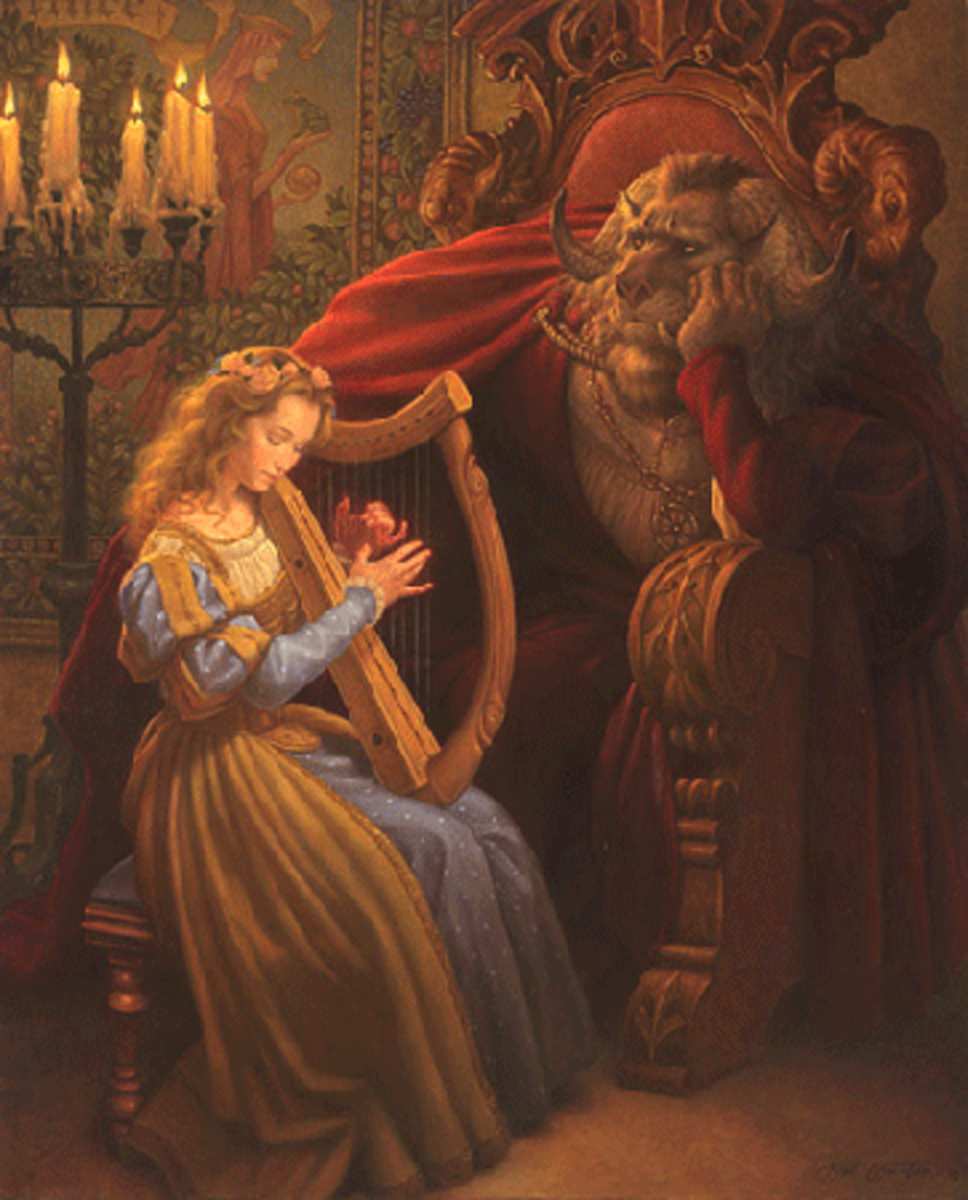
A belíssima história de amor entre uma mulher e uma criatura que parece um búfalo é um conto de fadas que existe há um bom tempo: foi publicada em 1740, escrita por Gabrielle-Suzanne Barbot de Villeneuve. Após a morte de Gabrielle, outra escritora francesa, Jeanne-Marie Leprince de Beaumont, reescreveu o conto de fadas. Mas a história na verdade tem mais de 4000 anos!

The wonderful love story between a woman and a bull-like creature is a fairy tale that has been around for quite a while: it was published in 1740, written by Gabrielle-Suzanne Barbot de Villeneuve. After Gabrielle died, another French writer, Jeanne-Marie Leprince de Beaumont, rewrote the fairy tale.  But the story actually originated more then 4000 years ago!
Originalmente, a Bela e a Fera era bem semelhante a outros contos de fada, pelo menos em relação à história. Bela era a filha mais nova de um comerciante viúvo. Ela tinha duas irmãs muito preocupadas com a aparência e três irmãos que viviam se metendo em confusões. Quando seu pai recebe a notícia de que um de seus navios perdidos foi encontrado, a família toda, que estava há alguns meses vivendo na pobreza, fica em polvorosa. As irmãs querem que o pai lhes traga vestidos chiques com o dinheiro da venda dos produtos do navio. Bela quer apenas uma rosa.

In its genesis, Beauty and the Beast was very similar to other fairy tales, at least in its history. Belle was the youngest daughter of a widow sea merchant. She had two vain sisters and three troublemaker brothers. When her father recovers one of his ships after living some months in poverty, the whole family gets excited. The sisters want the father to bring fancy dresses to them, but Belle wants only a rose.
Voltando da negociação malsucedida no porto, o pai de Bela entra no território da Fera e é pego. A Fera deixa o pai da Bela visitar a família uma última vez, mas ele não volta ao cativeiro: a Bela toma o lugar do pai e parte para o castelo da Fera. A versão francesa de 1946 segue este roteiro. Nela, Bela é interpretada por Josette Day e a Fera por Jean Marais.

Coming back from an ill-fated negotiation at the harbor, Belle's father enters the Beast's territory and is imprisoned. The Beast lets Belle's father see his family for the last time, but he doesn't come back: Belle goes to the Beast's castle in her father's place. The 1946 French movie follows this storyline. Belle is pyayed by gorgeous Josette Day, and the Beast by Jean Marais.
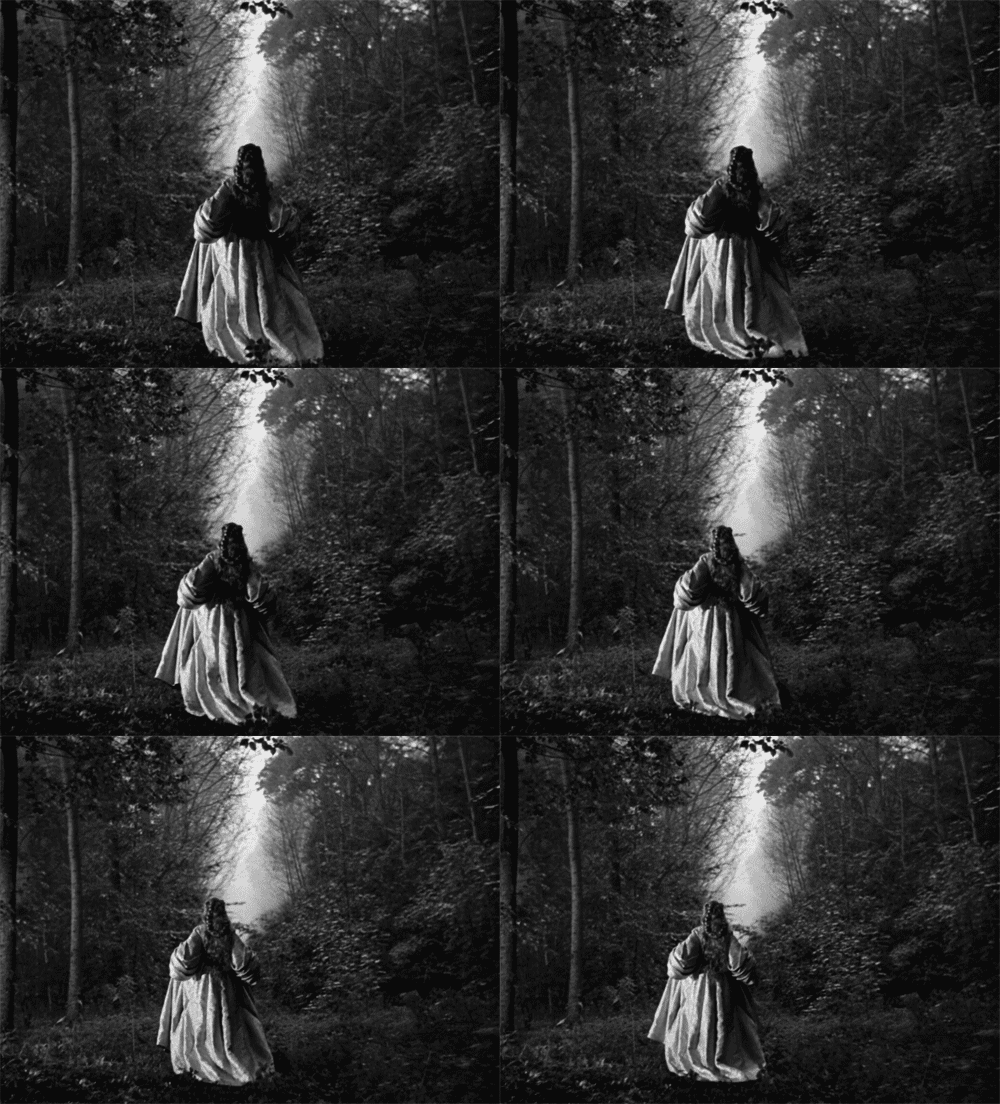
A versão de 1946 pode surpreender quem não está acostumado a ver clássicos e pensa que todos os filmes antigos são primitivos e chatos. Na verdade, a versão francesa é simplesmente mágica, e faz a mágica sem efeitos especiais computadorizados. Ainda por cima, é um filme feito logo após a Segunda Guerra Mundial, conflito do qual a França saiu muito abalada. De certa maneira, este é o tipo de filme que a França precisava na época: um filme que nos faz acreditar em mágica novamente.

The 1946 version may surprise the ones who are not used to old movies and expect it to be dull and primitive. Actually, the French version is nothing but magical, and does it without CGI and when France had just left World War II with lots of scars. In a sense, it was the kind of comfort movie France needed then: a movie that makes you believe in magic again.
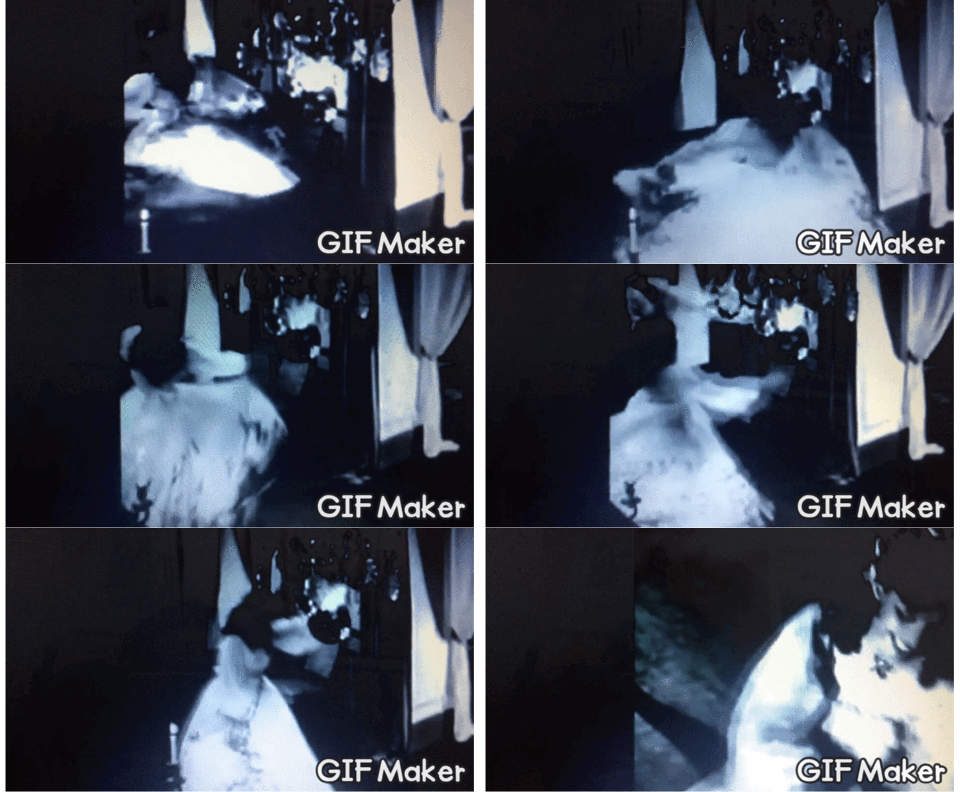
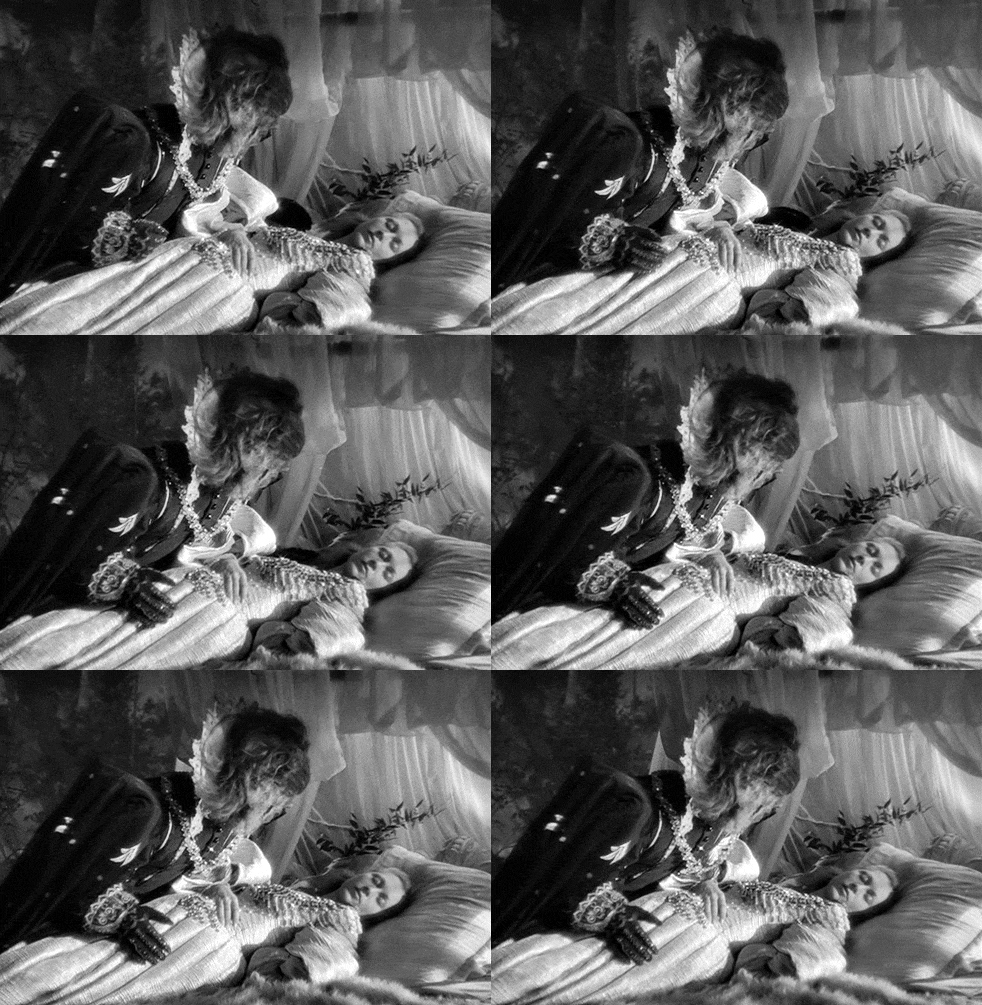
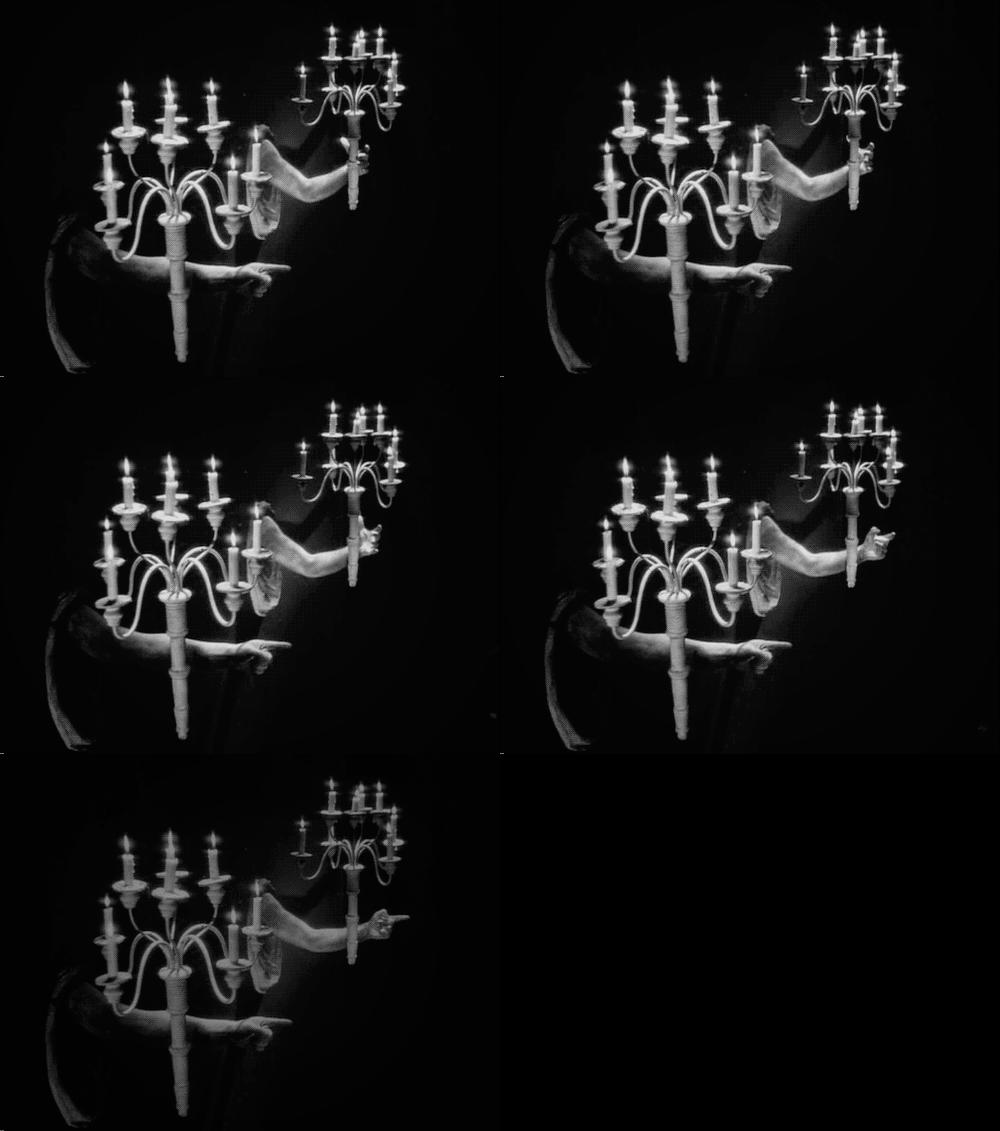
Meu truque favorito no filme de Jean Cocteau são os braços humanos que seguram objetos como velas e espelhos dentro do castelo da Fera. Foi asism que ele conseguiu mostrar os serviçais amaldiçoados no castelo. E isso não é tudo: a iluminação também confere um toque mágico. À luz de velas, Josette Day é etérea, angelical. Esse efeito não poderia ser obtido apenas com a luz em um filme a cores.

My favorite trick in Jean Cocteau's film is his idea of having moving arms holding the objects like candles and mirrors inside the Beast's castle. It was through this trick that he could transport to the screen the cursed maids, butlers and cooks. And this is not all: the lightning also adds to the magic. By candlelight, Josette Day looks ethereal, and such an effect couldn't be achieved in a color film.
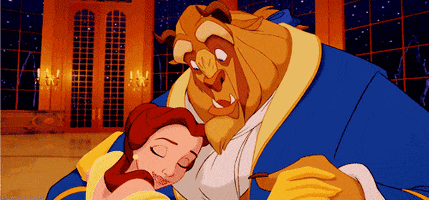
Não, o pai da Bela não era um inventor. Ela não era filha única, nem uma leitora voraz (ou seja, ela não era como eu). Ela não era paquerada pelo insistente e vaidoso Gaston, o homem com grandes músculos e cérebro de ervilha. Tudo isso é o toque Disney. Mas estas mudanças na história, junto com a animação de qualidade, obviamente, fizeram o filme ser indicado ao Oscar de Melhor Filme em 1992. É interessante notar que a animação tem diversas conexões com o cinema clássico.

No, Belle's father wasn't an inventor. She wasn't a single child who was also a bookworm (she wasn't me, after all). She wasn't courted by Gaston, a man with great muscles and a pea-sized brain. All this is Disney exclusivity. But those changes in the story, along with the great animation, of course, made the animated feature be nominated for the Best Picture Oscar in 1992. Interestingly, the animation has many connections to classic films.


A versão de 1946 inspirou o estilo de um episódio de 'Teatro dos Contos de Fada". Neste episódio, dirigido por Roger Vadim, a Bela é interpretada por Susan Sarandon e a Fera por Klaus Kinski. Será que já houve escalação de elenco melhor do que esta?

The 1946 version inspired the look of an episode of “Shelley Duvall's Faerie Tale Theatre”. In this episode, directed by Roger Vadim, Belle is played by Susan Sarandon, and the Beast by Klaus Kinski. Has there ever been a better casting than this?
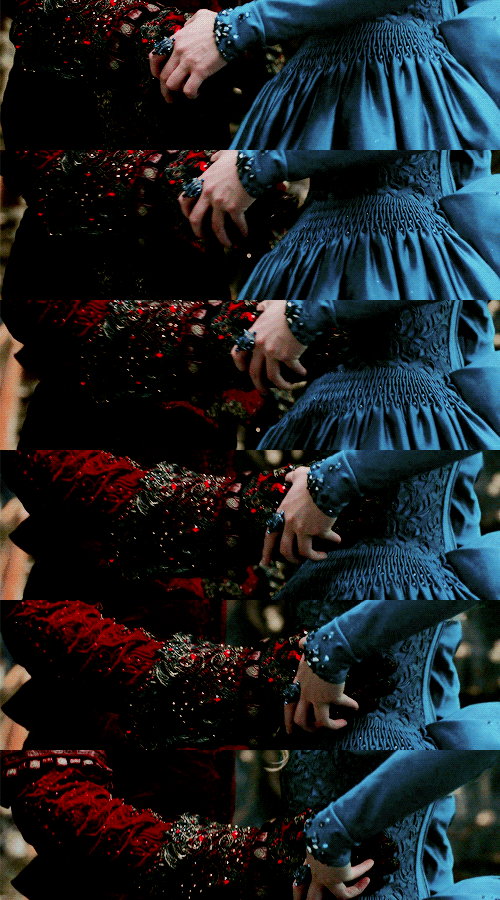
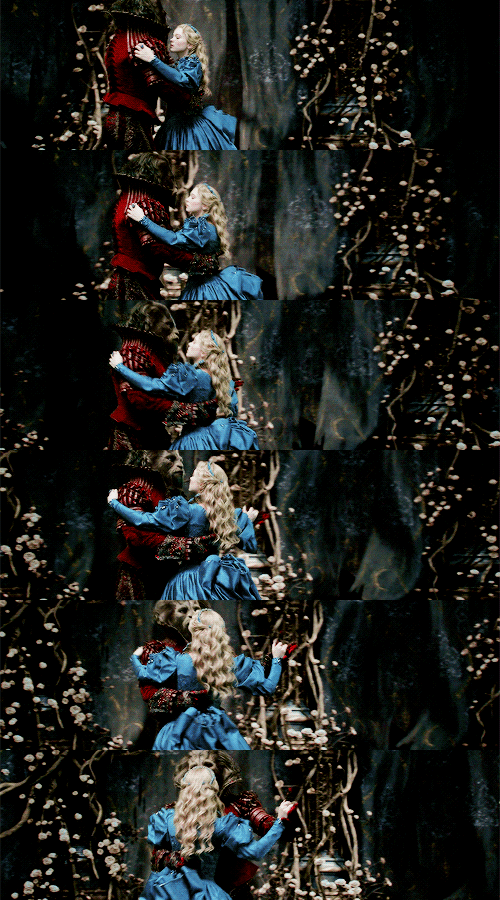
Houve uma versão em 2014, novamente feita na França, com Léa Seydoux e Vincent Cassel nos papéis principais. O filme pode ser visualmente deslumbrante, mas falta algo – talvez tenha sido a narrativa confusa, que avança e retrocede no tempo sem aviso, ou talvez seja a falta de química do casal. De toda forma, o filme é uma festa para os olhos e ao mesmo tempo uma cura para a insônia. Bem, pelo menos nesta versão a Bela e a Fera têm roupas lindas e diferentes do usual para o grande baile:

There was a 2014 version, again made in France, with Léa Seydoux and Vincent Cassel in the lead roles. While it is visually breathtaking, the film lacks something – maybe it is the confused narrative, that goes back and forward in time without warning, or maybe it is the lack of chemistry between the couple. Anyway, it is a feast for the eyes but at the same time a cure for insomnia. Well, at least in this version Belle and the Beast have different and gorgeous clothes for their dance:
A primeira adaptação para o cinema foi feita pela Pathé-Freres em 1899. Outras versões se seguiram, ainda no cinema mudo, tanto na França quanto na Inglaterra, mas há pouquíssimas informações sobre elas. O que se sabe é que existe uma cópia – ou possivelmente um fragmento – da versão de 1913 na Cinemateca Francesa. É uma pensa que não foi feita nenhuma versão da história na Hollywood do cinema mudo!

The first film adaptation of the story to the cinema was made by Pathé-Freres in 1899. Many more versions were made in the silent era, both in France and the UK, but information about these movies is scarce. A copy – or rather a fragment – of the 1913 version certainly exists in the French Cinémathèque, though. It’s a pity that no version of the tale was adapted to the screen in silent-era Hollywood!

Na TV foram feitas também diversas adaptações, entre filmes e episódios, entre os quais está um de “Shirley Temple’s Storybook” de 1958. Séries de TV também se inspiraram na história, incluindo uma versão modernizada estrelada por Linda Hamilton e Ron Perlman que durou três temporadas, de 1987 a 1990.

On TV there were several versions as well, considering TV movies and episodes such as one from “Shirley Temple’s Storybook” in 1958. TV series were also inspired by the tale, including a modernized version with Linda Hamilton and Ron Perlman, that lasted three seasons, from 1987 to 1990.
Qualquer que seja a versão e sua opinião sobre a história – afinal, qual a moral do conto de fadas (as aparências não importam ou o amor cura tudo?) – o cinema sempre conseguiu levar para as telas a magia que nos faz continuar acreditando no conto de fadas.

Whatever the version, and whatever is your reading of the story – which could exactly be the lesson we learned with Beauty and the Beast (appearances don’t matter / love cures everything?) – the film world never failed to translate the magic that makes us believe in fairy tales.
Related Posts Plugin for WordPress, Blogger...