} Crítica Retrô: Lionel Barrymore

Tradutor / Translator / Traductor / Übersetzer / Traduttore / Traducteur / 翻訳者 / переводчик

Showing posts with label Lionel Barrymore. Show all posts

Saturday, June 6, 2020

Do Mundo Nada se Leva (1938) / You Can’t Take It With You (1938)

Nenhum homem que tem amigos é um fracasso. Essa é a lição aprendida por James Stewart como George Bailey em “A Felicidade Não se Compra” (1946), de Frank Capra. Entretanto, a mesma lição havia sido ensinada em outro filme de Capra estrelado por James Stewart e Lionel Barrymore: “Do Mundo Nada Se Leva”, um filme que também traz a melhor e mais excêntrica família do cinema.

No man is a failure who has friends. This is the lesson learned by James Stewart as George Bailey in Frank Capra's “It's a Wonderful Life”, from 1946. However, the same lesson had been taught in another Capra movie starring James Stewart and Lionel Barrymore: “You Can't Take It With You”, a film that also brings the best and most eccentric family to ever grace the screen.

O Sr Kirby (Edward Arnold) quer controlar toda a indústria de munição, e para isso ele precisa construir uma fábrica ao redor do negócio de seu concorrente. Entretanto, há um problema: a fábrica não pode ser construída enquanto um terreno não for comprado. O teimoso proprietário deste terreno é um cavalheiro chamado Vanderhof.

Mr Kirby (Edward Arnold) wants to control the whole ammunition industry, and to do this he needs to construct a factory around his competitor’s business. However, there is one problem: the factory can’t be built if one lot isn’t sold. The stubborn owner of this lot is a gentleman called Vanderhof.

Martin Vanderhof (Lionel Barrymore) é uma figura. Em vez de solucionar seu problema sobre o terreno com o senhor Blakely (Clarence Wilson), que trabalhar para o Sr Kirby, ele apenas faz com que o Sr Poppins (Donald Meek), um contador que estava na empresa havia 20 anos, abandone o emprego para seguir seu sonho de construir brinquedos. Vanderhof leva Poppins até sua casa, que é, obviamente, um lar peculiar.

Martin Vanderhof (Lionel Barrymore) is quite a guy. Instead of solving the issue about his lot with Mr Blakely (Clarence Wilson), who works for Mr Kirby, he only makes Mr Poppins (Donald Meek), an accountant who had been working there from 20 years, abandon his job and follow his dream of manufacturing toys. Vanderhof takes Poppins to his house, and, of course, it is a peculiar household.

A filha de Vanderhof, Penny (Spring Byington), é uma dramaturga amadora. Seu genro, Paul Sycamore (Samuel S. Hinds), faz fogos de artifício. Sua neta mais nova, Essie (Ann Miller), sonha em ser bailarina. Enquanto isso não acontece, ela faz bombons para o marido, Ed (Dub Taylor), vender. Alice (Jean Arthur), a neta mais velha, trabalha como datilógrafa.

Vanderhof’s daughter, Penny (Spring Byington), is an amateur playwright. His son-in-law, Paul Sycamore (Samuel S. Hinds), makes fireworks. His younger granddaughter, Essie (Ann Miller), dreams about being a ballerina. While this doesn’t happen, she makes candy for her husband, Ed (Dub Taylor), to sell. Alice (Jean Arthur), the older granddaughter, works as a stenographer.

E aqui as coisas ficam mais interessantes: Alice trabalha como datilógrafa no escritório de Tony Kirby Jr (James Stewart). Eles estão apaixonados e Tony pede Alice em casamento – sem saber que o avô dela é dono do terreno que o pai dele tanto cobiça.

And here things get more interesting: Alice works as a stenographer at the office that belongs to Tony Kirby Jr (James Stewart). They are in love and Tony asks Alice to marry him – without knowing that her grandfather owns the lot his father wants to buy so badly.

Vanderhof tem um motivo sentimental para não vender a casa: as memórias de sua falecida esposa ainda estão lá, em cada canto. Ele conta isso a Alice em uma cena comovente. A cena deve ter sido particularmente difícil de gravar porque Lionel havia perdido a esposa na véspera de Natal de 1936.

Vanderhof has a good sentimental reason to not sell the house: the memories about his late wife are still there, in many corners. He tells this to Alice in a very moving scene. The scene must have been particularly difficult to shoot because Lionel had just lost his wife on Christmas Eve, 1936.

Vanderhof e sua família só fazem o que gostam. Se eles estão se divertindo, estão felizes. Não importa se eles não estão enriquecendo nem seguindo regras da sociedade: eles simplesmente VIVEM intensamente. Eles entendem que a vida não é uma lista de tarefas que temos de completar de todas as maneiras – a vida é outra coisa. Talvez um presente, uma bênção ou mesmo uma maldição, mas com certeza algo tem de ser feito com ela. Então por que não viver uma vida feliz?

Vanderhof and his family only do what pleases them. As long as they’re having fun, they’re happy. It doesn’t matter if they aren’t getting rich nor following societal rules: they simply LIVE to the fullest. They understand that life isn’t a to-do list that we must complete no matter what – life is something else. Maybe a gift, maybe a blessing, maybe a curse, but certainly something has to be done with it. So why not live a happy life?

Tony fica fascinado com a maneira como a família Vanderhof-Sycamore vive. Ele diz que é preciso muita coragem para ignorar as expectativas dos outros e só fazer o que você gosta. E ele se enche de coragem para levar sua família para jantar na casa de Alice não no dia combinado, mas um dia antes para pegar todos à vontade em casa. O problema é que todos estão muito à vontade – e isso inclui o senhor DePinna (Halliwell Hobbes), que também faz fogos de artifício mas no momento está posando para uma pintura, e Kolenkhov (Mischa Auer), o professor russo de balé de Essie que acha que tudo é um lixo. O que realmente será um lixo será a relação do relaxado Vanderhof e do ambicioso Sr Kirby.

Tony is marveled at how the Vanderhof-Sycamore family lives. He says it takes a lot of courage to ignore everybody else’s expectation and just do what makes you happy. And he is full of courage when he takes his family to have dinner at Alice's house not on the scheduled day, but one day earlier to catch everybody comfortable at home. The problem is that everybody is too comfortable – and this includes Mr DePinna (Halliwell Hobbes), who also makes fireworks but is currently posing for a painting, and Kolenkhov (Mischa Auer), Essie's Russian ballet teacher who thinks everything stinks. What will really stink is the relationship between fun-loving Mr Vanderhof and money-hungry Mr Kirby.

“Do Mundo Nada se Leva” era originalmente uma peça, escrita por George S. Kaufman e Moss Hart. Vanderhof foi interpretado, na peça, por Henry Travers, que mais tarde ensinou uma lição de amizade para George Bailey. A peça de sucesso ganhou o Prêmio Pulitzer e deu origem ao filme, que ganhou dois Oscars: Melhor Diretor e Filme. “Do Mundo Nada se Leva” é a primeira de apenas duas peças que ganharam o Pulitzer e mais tarde o Oscar de Melhor Filme – a outra é “Conduzindo Miss Daisy”.

 “You Can't Take It With You” was originally a play, written by George S. Kaufman and Moss Hart. Vanderhof was played, in the play, by Henry Travers, who later taught George Bailey a lesson in friendship. The successful play won the Pulitzer Prize and originated the film, that went on to win two Oscars: Best Director and Best Picture. “You Can't Take It With You” is one of only two plays to win both the Pulitzer and later the Best Picture Oscar – the other one is “Driving Miss Daisy”.

A Peça / The Play
A Peça / The Play

Robert Riskin, colaborador constante de Frank Capra, adaptou a peça para o cinema e adicionou seu toque inspirador – na verdade, muito do que mais tarde foi considerado “Capracorn” veio da mente de Riskin, como a mensagem alegre, o conflito da cobiça contra a ingenuidade, o homem comum contra o sistema e muito mais. É possível encontrar várias semelhanças entre “Do Mundo Nada se Leva” e outros filmes de Capra e Riskin do final dos anos 30, como “O Galante Mr Deeds” (1936) e “A Mulher Faz o Homem” (1939), indo da Cinderela em fuga até a mensagem de que dinheiro não traz felicidade.

Capra's constant collaborator Robert Riskin adapted the play to the screen and added his inspirational touch – in fact, much of what was later considered “Capracorn” came from Riskin's mind, like the feel-good message, the greed versus naïveté conflict, the common man against the system and many more. You can find many similarities between “You Can't Take It With You” and other Capra-Riskin films of the late 1930s, like “Mr Deeds Comes to Town” (1936) and “Mr Smith Goes to Washington” (1939), from the runaway Cinderella to the lesson that money doesn't buy happiness.

Algumas mudanças foram feitas na peça, em especial no terceiro ato. O personagem Poppins não existia, nem o conflito principal do Sr Kirby querer comprar a casa de Vanderhof. Algumas cenas com muitos extras foram adicionadas, num restaurante, fora da casa de Vanderhof e numa cadeia, e este último cenário trouxe uma deliciosa participação de Harry Davenport como um juiz.

Some changes were made in the play, in special in the third act. The character Mr Poppins didn't exist, nor the main conflict of Mr Kirby wanting to buy the Vanderhof house. Some crowd scenes were added, in a restaurant, outside the Vanderhof house and in a jail, and this last set allowed for a delightful appearance by Harry Davenport as a judge.


Capra, o elenco e seus autógrafos / Capra, the cast and their autographs

Eu apenas considero de mau gosto a maneira como os personagens negros são tratados, em especial Donald (Eddie 'Rochester' Anderson), namorado de Rheba – Rheba (Lillian Yarbo) é a empregada da família. Donald é preguiçoso e não muito inteligente, e na oficina ele trabalha tendo como ajudante um corvo chamado... Jim Crow – em alusão às leis racistas de segregação da época. Aff.

I only find distasteful the way black characters are treated, in special Donald (Eddie 'Rochester' Anderson), Rheba’s boyfriend – Rheba (Lillian Yarbo) is the maid of the house. Donald is portrayed as lazy and not very bright, and in the workshop he works assisted by a crow named… Jim Crow. Ugh.

Embora “Do Mundo Nada se Leva” seja um filme adorável e divertido, as gravações não foram fáceis. Robert Riskin começou a acreditar que Capra estava levando crédito pelo trabalho dele, e o primeiro e único filme de Riskin como diretor havia fracassado recentemente. Lionel Barrymore, sofrendo com artrite e uma bacia recém-quebrada, estava usando muletas e tomando remédios para dor. Ann Miller, com apenas 15 anos, achava difícil fazer suas cenas de balé e constantemente chorava no set.

Although “You Can't Take It With You” is a lovely and funny film, shooting wasn't so easy. Robert Riskin started to believe that Capra was taking credit for his work, and Riskin's first and only film as a director had recently bombed. Lionel Barrymore, suffering from arthritis and a broken hip, was using crutches and taking painkillers. Ann Miller, at only 15 found it difficult to do her ballet scenes and constantly cried on set.

E, mesmo assim, nenhuma destas dificuldades transparece no filme. Talvez hoje, mais de 80 anos após a estreia, “Do Mundo Nada se Leva” traga uma mensagem difícil demais de seguir – você consegue se imaginar vivendo para seus hobbies? - mas ao mesmo tempo nos faz sorrir e acreditar que, com algumas palavras sábias e uma gaita, tudo é possível.

And, yet, none of those difficulties appear when we watch the film. Maybe now, over 80 years after it was released, “You Can't Take It With You” brings a message too difficult to follow  - can you imagine living for your hobbies? - but at the same time it puts a smile on our faces and makes us believe that, with a few wise words and a harmonica, anything is possible.

This is my contribution to the Third Broadway Bound blogathon, hosted by Rebecca at Taking Up Room.

Tuesday, August 13, 2019

Não Matarás (1932) / The Broken Lullaby (1932)


Em 1932, estrearam quatro filmes dirigidos por Ernst Lubitsch, incluindo o famosíssimo “Ladrão de Alcova”. Foi o ano mais prolífico de sua carreira nos EUA, trabalhando para a Paramount Pictures. E em 1932 surgiu “Não Matarás”, um filme tão incomum de Lubitsch que nos faz voltar para verificar os créditos. Sim, o filme foi produzido e dirigido por Lubitsch. E é um de seus melhores, mais humanos e emocionantes filmes.

In 1932, four films directed by Ernst Lubitsch premiered, including the very famous “Trouble in Paradise”. It was the most prolific year of his career in the US, working for Paramount Pictures. And in 1932 there appears “The Broken Lullaby”, such an unusual Lubitsch film that makes us double check the opening credits. Yes, it was produced and directed by Lubitsch. And it’s one of his most human, heartbreaking and best films.


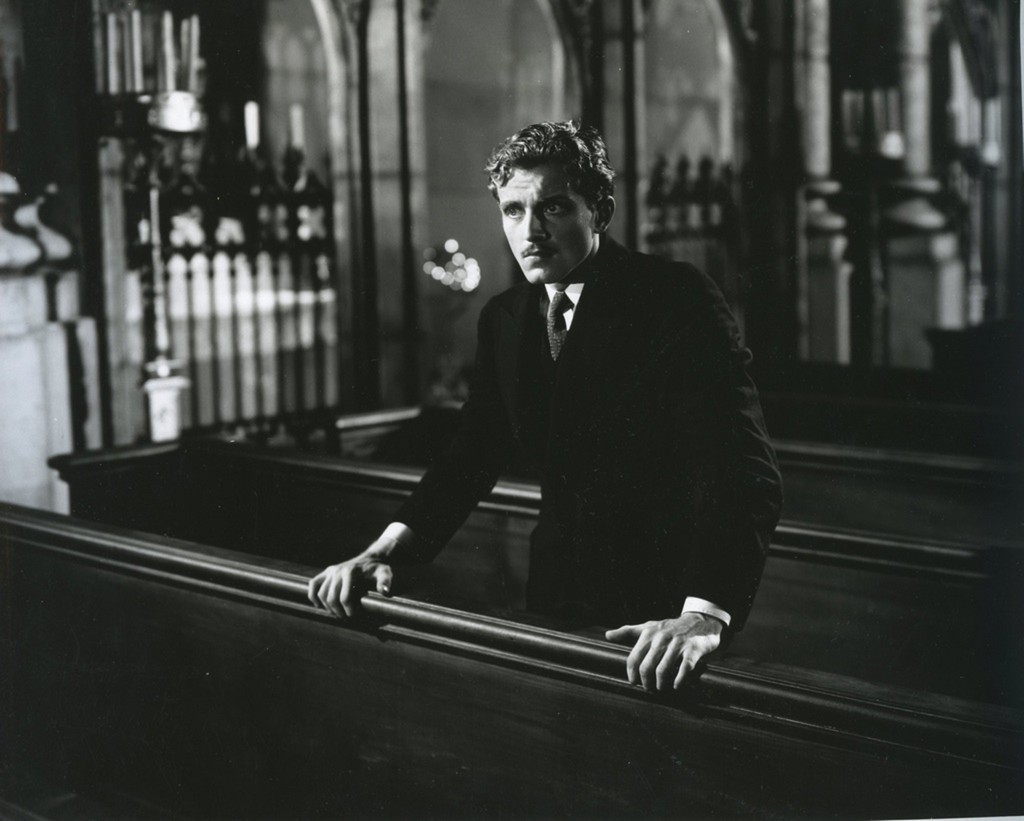
Enquanto a multidão celebra o primeiro aniversário do Armistício em 1919 com um desfile, soldados traumatizados no hospital gritam por causa dos barulhos. Em uma catedral de Notre Dame lotada, uma missa é assistida por soldados com baionetas penduradas nos cintos. Depois que a missa acaba, um homem à paisana permanece na igreja. Ele está lá para confessar que matou outro homem.

While the crowd celebrates the first anniversary of the Armistice in 1919 with parades, shell-shocked soldiers in the hospital scream with the noises they hear. In a crowded Notre Dame cathedral, a mass is attended by soldiers with their bayonets hanging from their belts. After the mass is over, a man in civilian clothes remains in the church. He is there to confess that he killed another man.


O homem, Paul Renard (Phillips Holmes), era um músico antes da guerra, e nas trincheiras ele matou um soldado alemão. O soldado levava consigo uma carta, pronta para ser enviada, e nela Paul descobriu o nome da vítima, Walter, e seu endereço – e que o pobre homem também amava música. Embora o padre diga a Paul que ele estava apenas cumprindo seu dever, ele não consegue ficar em paz. Entretanto, na igreja Paul decide ir até a Alemanha em busca do perdão da família do homem que ele matou.

The man, Paul Renard (Phillips Holmes), was a musician before the war, and in the trenches he killed a German soldier. The soldier had a letter with himself, ready to be sent, and so Paul learned the victim's name, Walter, and his address – and that the poor man also loved music. Although the priest tells Paul he was only doing his duty, he can't find peace. However, in the church Paul decides to go to German and seek the forgiveness from the family of the man he killed.


O pai de Walter, Dr. Holderlin (Lionel Barrymore), é um médico. A noiva de Walter, Elsa (Nancy Carroll), vive com o doutor e com Frau Holderlin (Louise Carter), e é cobiçada pelo insistente Herr Schultz (Lucien Littlefield). A família ainda está de luto pela morte de Walter.

Walter's father, Dr. Holderlin (Lionel Barrymore), is a physician. Walter's fiancée, Elsa (Nancy Carroll), lives with Dr and Frau Holderlin (Louise Carter), and she is pursued by the insistent Herr Schultz (Lucien Littlefield). The family is still grieving Walter’s death.


O Dr. Holderlin é inicialmente hostil com Paul, porque ele não aceita ouvir nada de um francês. Entretanto, como Elsa viu Paul levando flores no túmulo de Walter, o Dr. Holderlin muda de tom, e Frau Holderlin recebe Paul na casa deles. Agora Paul é incapaz de dizer que matou Walter, e por isso deixa a família pensando que ele e Walter eram amigos.

Dr. Holderlin is hostile at first to Paul, because he wouldn’t accept to hear anything from a Frenchman. However, as Elsa saw Paul bringing flowers to Walter's grave, Dr. Holderlin's tone changes, and Frau Holderlin welcomes Paul to their house. Now Paul can't say he killed Walter, so he lets the family think he and Walter were friends.


Herr Shcultz vê Elsa e Paul conversando, e logo começa a espalhar o boato de que Paul pode ser um espião. Nacionalismo e xenofobia estavam em alta depois da guerra, e a Alemanha ressentia a derrota e a humilhação. A ideia de Herr Schultz encontra o contexto perfeito para se espalhar. E Lubitsch, um imigrante alemão, era o diretor perfeito para lidar com este assunto.

Herr Schultz sees Elsa and Paul talking, and soon he starts spreading the rumor that Paul may be a spy. Nationalism and xenophobia was on the rise after the war, and German resented the loss and the humiliation. Herr Schultz's idea finds the perfect context to spread. And Lubitsch, a German immigrant, was the perfect director to tackle this subject.


Eu senti que este filme tem mais um “toque de Rouben Mamoulian” – um termo pouco usado porque eu acabei de criá-lo – do que o “toque de Lubitsch”. Quando Paul e Elsa andam pelas ruas da pequena cidade e as pessoas saem nas portas e janelas para vê-los, continuamos a ver os dois na tela, mas ouvimos os sinos que indicam as portas se abrindo. Este uso ousado e experimental do som para simbolizar a curiosidade da população local é puro Mamoulian, um diretor hoje pouco lembrado que fez obras brilhantes enquanto experimentava e improvisava no final dos anos 20 e início dos anos 30. Como curiosidade, também em 1932 Mamoulian dirigiu um filme que era puro Lubitsch: “Ama-me Esta Noite”.
 
I felt this film has more of the “Rouben Mamoulian touch” – a little-used term because it has just been created by me – than the “Lubitsch touch”. When Paul and Elsa walk down the streets of the small town and people appear on doors and windows to see them, we keep seeing the two on the screen, but we hear the bells of the doors opening. This daring and experimental use of sound to symbolize the curiosity of the local people is pure Mamoulian, now a little remembered filmmaker who excelled while experimenting and improvising in the late 1920s and early 1930s. As a curious note, also in 1932 Mamoulian directed a film that was pure Lubitsch: “Love Me Tonight”.


Lubitsch havia trabalhado incansavelmente na Alemanha durante a Primeira Guerra Mundial tanto como ator quanto diretor. Ele fez várias comédias e dramas históricos no final da década de 1910, e por causa do sucesso que estes filmes fizeram nos EUA no começo dos anos 20 ele foi chamado por Mary Pickford para trabalhar em Hollywood. Lubitsch deixou a Alemanha em 1922 e nunca olhou para trás. Nos EUA, ele desenvolveu o “toque de Lubitsch”, um estilo cinematográfico cheio de sugestões sexuais, charme e bom gosto. Nada disso é encontrado em “Não Matarás”.

Lubitsch had been working steadily in German during World War I, both as an actor and director. He did several comedies and historical dramas in the late 1910s, and because of the success those films made in the US in the early 20s he was personally called by Mary Pickford to work in Hollywood. Lubitsch left Germany in 1922 and never looked back. In the US, he developed the “Lubitsch touch”, a refined filmmaking approach full of sexual innuendo, charm and good taste. We find nothing of this in “Broken Lullaby”.
 
Lubitsch
Há muitos símbolos importantes em “Não Matarás”. Um deles é o vestido feito de tecido francês que Elsa deseja comprar. É óbvio que o interesse dela no vestido espelha seu interesse por Paul, que também é um “produto” francês. Há ainda os paralelos entre as vidas de Paul e Walter, pois o Dr. Holderlin mantém o quarto de Walter trancado e há um violino lá, preservado no estojo, como se esperasse Walter voltar e tocar – e, sem nenhuma surpresa, Paul é também violinista.

There are many important symbols in “Broken Lullaby”. One of them is the dress made of French fabric that Elsa gets interested in buying. It’s obvious that her interest for the dress mirrors her interest for Paul, himself a French product. There is also a mirroring situation with Paul’s and Walter’s lives, as Dr. Holderlin keeps Walter’s bedroom locked and there is a violin there, preserved in the box, like waiting for Walter to come back and play – and, to no surprise, Paul is a violinist.


Lionel Barrymore está brilhante como sempre. Seu monólogo sobre os pais serem responsáveis pela morte dos jovens, porque “éramos velhos demais para lutar, mas não velhos demais para odiar”, resume a Primeira Guerra Mundial e nos causa arrepios. Mesmo assim, Barrymore diz muito mais sem palavras: é no seu olhar sem esperança e no seu andar vacilante que vemos que ele continua vivendo, mas com muito sofrimento.

Lionel Barrymore is brilliant as always. His monologue about the fathers being responsible for the youngsters' deaths, because “we were too old to fight, but not too old to hate”, summons the whole World War I and gives us chills. Yet, Barrymore says much more without words: it’s in his hopeless eyes and in his vacillating walk that we see that he keeps living, but with so much suffering.


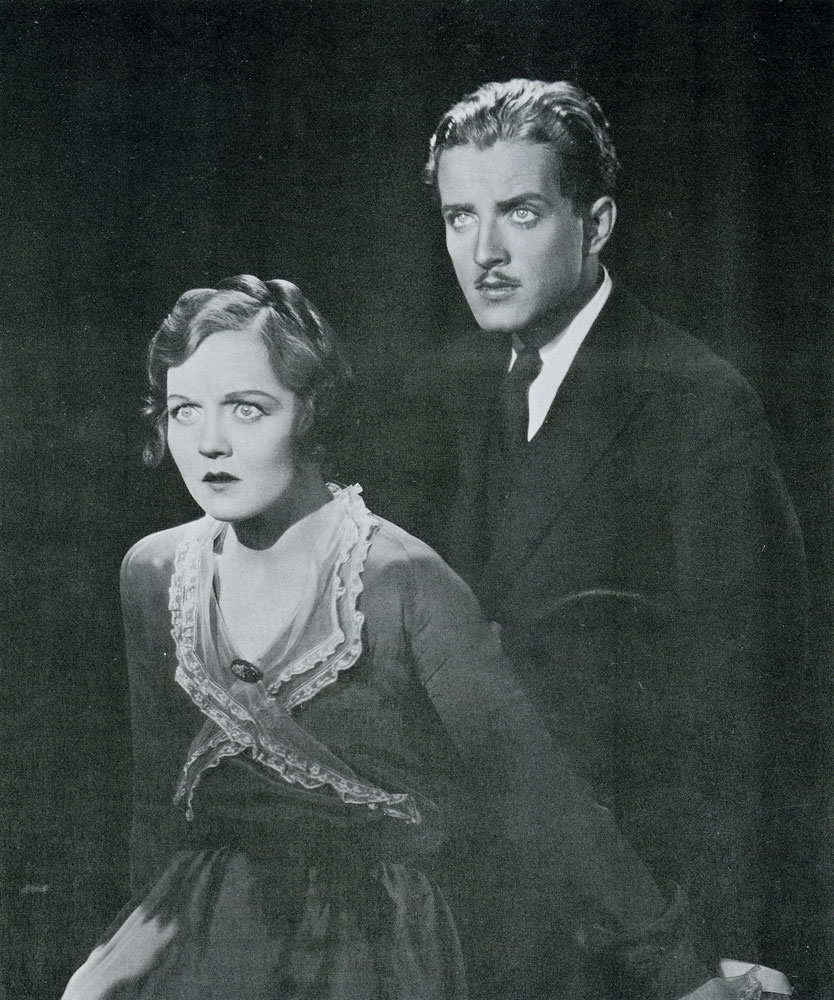
Phillips Holmes está praticamente esquecido hoje, mas com “Não Matarás” podemos ver que ele tinha olhos tão luminosos quanto os de William Powell. Holmes faleceu em 1940, em um acidente de avião, logo após se alistar na Aeronáutica canadense. Nancy Carroll está perfeita no clímax. No filme também temos ZaSu Pitts como Fraulein Anna, a empregada da família Holderlin. O rosto de ZaSu está incrivelmente belo neste filme, mas ela tem pouco a fazer além de fofocar.

Phillips Holmes is nearly forgotten today, but by “The Broken Lullaby” we can see that he had eyes as luminous and William Powell's. Holmes died in 1940, in a plane crash, right after he had joined the Canadian Air Force. Nancy Carroll is perfect in the climax. Also in the film we have ZaSu Pitts as Fraulein Anna, the Holderlin's maid. ZaSu's face is incredibly beautiful in this film, but she has nothing much to do besides gossiping.


“Não Matarás” é mais um filme sobre o mundo pós-guerra que mostra que não houve heróis e vilões na Primeira Guerra Mundial: de alguma maneira, todos perderam. A guerra muda vidas dos modos mais íntimos e inimagináveis, e “Não Matarás” é uma obra-prima que lida com amor, morte e luto.

“The Broken Lullaby” is another film about the post-war world that shows how there weren’t heroes and villains in the First World War: in some sense, everybody lost. War changes lives in the most intimate and unimaginable ways, and “The Broken Lullaby” is a masterpiece that deals with love, death and grieving.

This is my contribution to the Fifth Annual Barrymore Trilogy blogathon, hosted by Crystal and Gabriela at In the Good Old Days of Classic Hollywood and Pale Writer.

Tuesday, August 14, 2018

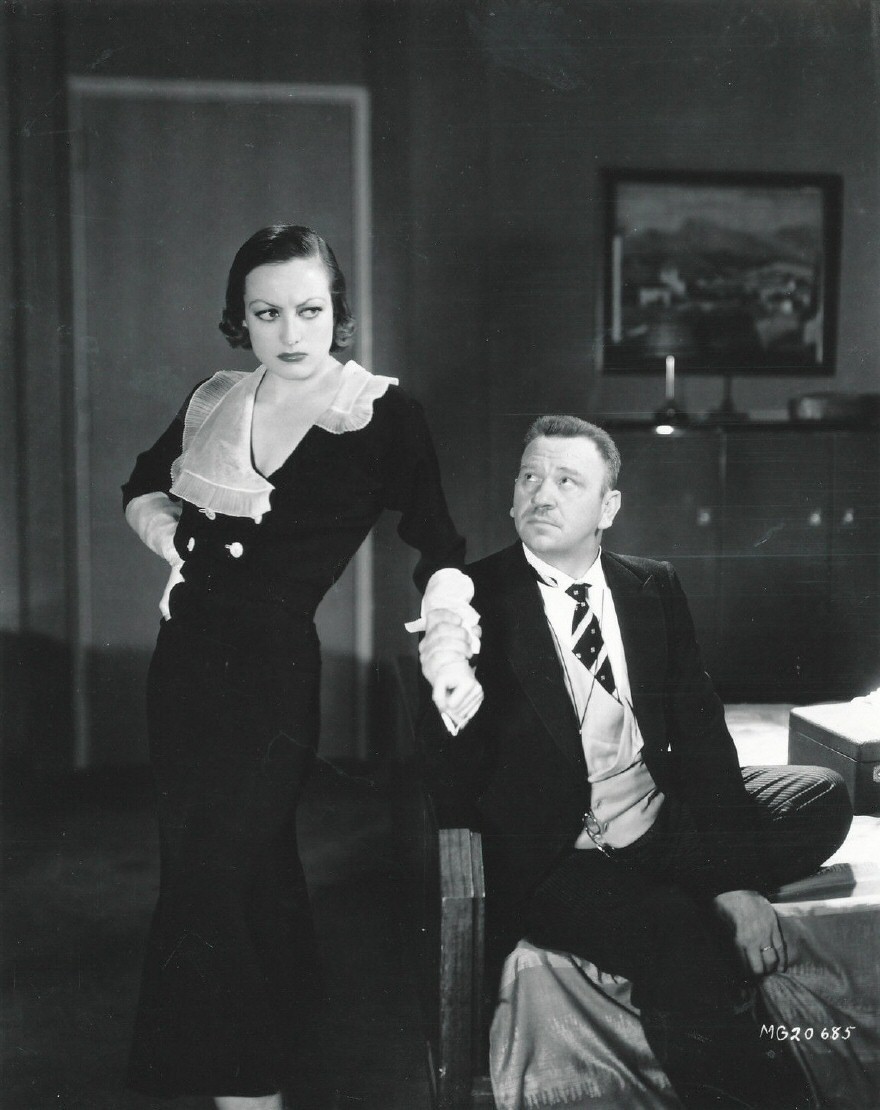
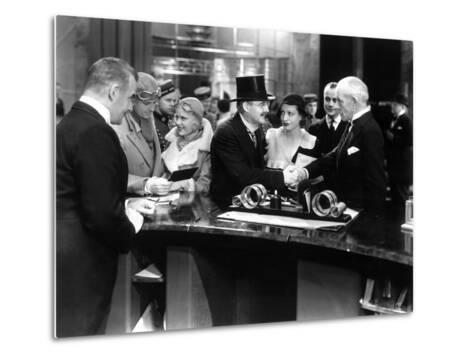
Grande Hotel (1932) / Grand Hotel (1932)

“Grande Hotel” não precisa de propaganda – nem o filme nem o local. O Grande Hotel é o hotel mais caro da Alemanha, como diz o personagem de Lionel Barrymore. “Grande Hotel”, o filme, é uma aula magna sobre o star system, e tem a estranha honra de ser o único filme a ser indicado apenas à categoria de Melhor Filme no Oscar e ganhá-la.

“Grand Hotel” doesn't need marketing – neither the film nor the place. The Grand Hotel is the most expensive one in Germany, as Lionel Barrymore's character says. “Grand Hotel”, the movie, is basically Star System 101, and has the odd glory to be the only film to receive a single Oscar nomination – for Best Picture – and win it, the most prestigious category.


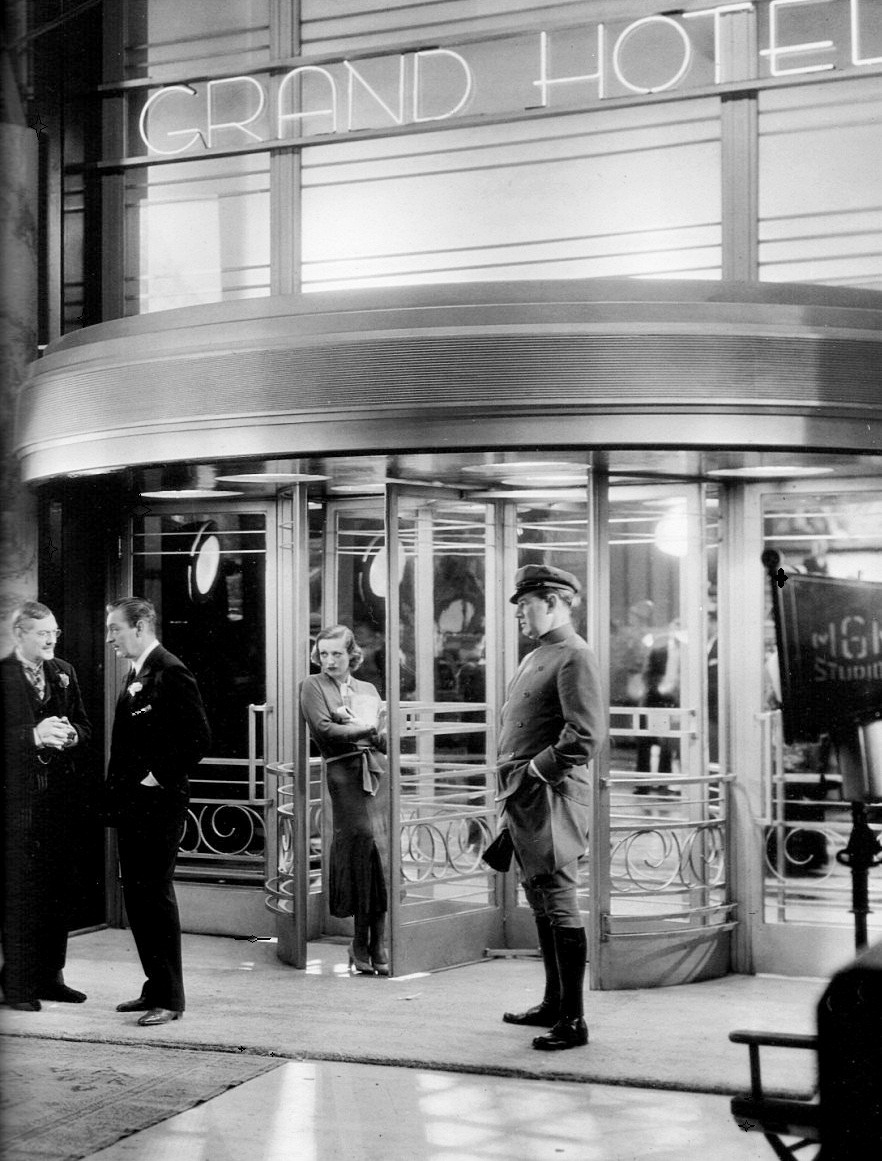
“Grande Hotel” é realmente grandioso devido à soma de suas partes – que merecem ser analisadas individualmente. Devemos começar com o visual do hotel: o estilo art déco é fantástico, e os ângulos de câmera escolhidos para mostrá-lo são de tirar o fôlego – especialmente quando estamos nos andares superiores e vemos a recepção do hotel de cima. Por trás desta façanha visual estão o diretor de fotografia William H. Daniels e, em especial, o diretor de arte Cedric Gibbons.

“Grand Hotel” is really grand because of the sum of its parts – and they are worth analyzing individually. We must start by the overall hotel look: the art déco style is amazing, and the shots used to showcase it are breathtaking – in special when we see the hotel lobby from above. The ones responsible for this impressive look are cinematographer William H. Daniels and, in special, art director Cedric Gibbons.


Os personagens nos são apresentados em uma sequência frenética, cheia de idas e vindas, passando de um para outro, conforme eles conversam ao telefone. A editora responsável por juntar todas as conversas é a legendária Blanche Sewell da MGM – se você fez o curso “Mad About Musicals” do TCM, você já está familiarizado com ela.

The characters are first presented to us in a frantic sequence, going back and forth, from one to the other, as they talk on the phone. The editor responsible for putting all the conversations together was the legendary MGM editor Blanche Sewell – if you took the Mad About Musicals TCM Course, you are familiar with her.


O personagem mais simpático é o simplório e pobre Otto Kringelein (Lionel Barrymore), o funcionário de uma fábrica que tem pouco tempo de vida, e decide passar suas últimas semanas no Grande Hotel. Como bônus, ele vê que seu antigo patrão, Preysing (Wallace Beery), também está hospedado lá, e decide lhe dizer na cara todas as verdades inconvenientes que ele tinha vontade de falar.

The nicest character is the simple and poor Otto Kringelein (Lionel Barrymore), a factory worker who learns he has little time to live, and decides to spend this time at the Grand Hotel. As a bonus, he sees his former employer, Preysing (Wallace Beery) there, and decides to say everything he always wanted to him – like in a bucket list.


Preysing está lá para assinar uma importante fusão de empresas, e para isso ele precisa de uma estenografa – para trabalhar para ele e também para lhe proporcionar algum “divertimento”. Ele contrata a senhorita Flaemmchen (Joan Crawford), uma moça jovem e pobre que logo atrai a atenção do Barão Felix Von Geigern (John Barrymore), um vigarista que está mais interessado na rica e deprimida bailarina Grusinskaya (Greta Garbo) – prova viva de que dinheiro e fama não trazem felicidade.

Preysing is there to sign an important merger, and for this he needs a stenographer – to both work for him and to be a pleasure toy. He hires Miss Flaemmchen (Joan Crawford), a young and penniless lady who quickly attracts the attention of the Baron Felix von Geigern (John Barrymore), a crook more interested in the rich and miserable ballerina Grusinskaya (Greta Garbo) – the living proof that fame and money don't bring happiness.


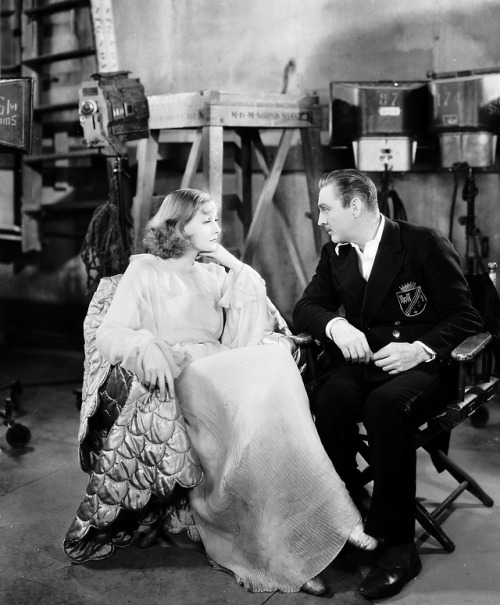
O Barão quer roubar o colar de pérolas de Grusinskaya, e quando ele finalmente consegue, ele a encontra mais triste que nunca. Pensando em voz alta, ela fala em suicídio, e o Barão intercede. O que acontece a seguir? Eles se apaixonam. Ver Greta Garbo e John Barrymore juntos na tela, interpretando um casal tão apaixonado, é uma das mais maravilhosas experiências que um cinéfilo pode vir a ter. A performance de Garbo, num primeiro momento, não parece natural, mas quando Grusinskaya se apaixona pelo Barão, ela exala uma excitação jovial, tão infantil e ao mesmo tempo tão verdadeira.

The Baron wants to steal Grusinskaya’s pearl necklace, and when he finally does it, he finds her sadder than ever. She talks about suicide to herself, and the Baron stops her. What happens next? They fall in love. Seeing Greta Garbo and John Barrymore together on the screen, playing a couple so in love, is one of the most wonderful experiences a film buff can have. Garbo’s acting is not natural at first, but when Grusinskaya falls for the Baron she exudes a youthful excitement, so silly and yet so true.


No hotel também está o doutor Otternschlag (Lewis Stone), um homem amargo que foi médico na guerra e tem uma cicatriz por causa disso – e a cicatriz foi inclusive contaminada com difteria após a guerra, o que levou o doutor Otternschlag a ficar dois anos internado, em quarentena. No hotel há também um jovem casal em lua de mel, os Hoffmans. Eles chegam no final do filme e, de fato, Mary Carlisle, que interpreta a senhora Hoffman, foi a última do elenco a fazer o check-out: ela faleceu recentemente, aos 104 anos.

At the hotel there is also Doctor Otternschlag (Lewis Stone), a bitter man who was a war doctor and has a wound to prove it – a wound that was even contaminated with diphtheria after the war, what cost Doctor Otternschlag two years institutionalized, away from society. There is also a young couple on honeymoon, the Hoffmans. They arrive by the end of the movie and, indeed, Mary Carlisle, who plays Mrs. Hoffman, was the last one of the cast to make a check-out: she just passed away recently, at 104.
 
Mary Carlisle is next to Lionel Barrymore
Otto Kringelein é meu personagem favorito. Ele é a personificação da palavra “puro”. Ele se sente feliz e sortudo pela primeira vez na vida – ele está VIVENDO pela primeira vez na vida. Kringelein gosta muito de Flaemmchen e do Barão, e é adorável ver os dois irmãos Barrymore contracenando e adicionando um pouco de amor fraternal às performances. Ah, e Kringelein também gosta muito de Louisiana Flips – um drink esquisito com rum, licor, suco de laranja, xarope de frutas vermelhas e um ovo cru... eca.

Otto Kringelein is my favorite character. He is the real definition of pure. He is feeling happy and lucky for the first time in his life – he is LIVING for the first time of his life. Kringelein is very fond of Flaemmchen and the Baron, and it’s lovely to see the two Barrymore brothers acting together and letting a little of their brotherly love be translated to the screen. Oh, and Kringelein really like Louisiana Flips – a weird drink with rum, liquor, orange juice, raspberry syrup and a raw egg… ew.


No final, Kringelein diz que “há um Grande Hotel em todos os lugares do mundo”. De fato, os temas do filme são universais – e não há dúvidas de que o tema principal é dinheiro. Para ganhar dinheiro, as pessoas fazem qualquer coisa – até mesmo renunciam às qualidades que as tornam humanas. Não importa a idade ou classe social, todos nós estamos fadados a ser escravos do dinheiro – e isso era mais que verdadeiro se considerarmos que a peça “Grande Hotel” foi escrita durante a República de Weimar. Quanto da condição escravizante do dinheiro mudou desde então? Veja esta obra-prima e tire suas próprias conclusões.

In the end, Kringelein says that “there is a Grand Hotel everywhere in the world”. Indeed, the themes of the movie are universal – and there is no doubt that the main theme is money. In order to get money, people do anything – even renouncing to what makes us humans. No matter the social class or the age, we all are doomed to be slaves to the money – and this was more than true considering that the play “Grand Hotel” was written during the Weimar Republic. How much has the enslaving condition of money changed since then? Watch this true masterpiece and take your own conclusion.

This is my contribution to the Fourth Annual Barrymore Trilogy blogathon, hosted by Crystal at In the Good Old Days of Classic Hollywood.

Sunday, October 1, 2017

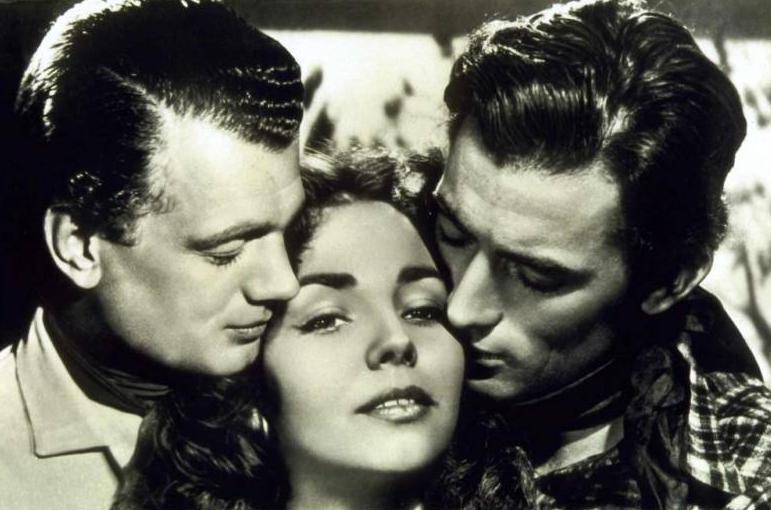
Duelo ao Sol (1946) / Duel in the Sun (1946)

Eu amo a velha Hollywood. Eu amo cinema clássico. Eu fico animada ao ler, nos créditos iniciais, nomes como Joseph Cotten, Jennifer Jones, Gregory Peck, Lillian Gish, Herbert Marshall, Lionel Barrymore e Butterfly McQueen. Mas graças a Deus eu também sou uma mulher moderna, ilustrada e progressista e sou capaz de ver um filme clássico não com viés de nostalgia e um senso de que aquela é uma obra intocável, e assim eu posso perceber quando um filme clássico pisa na bola. 

I love old Hollywood. I love classic film. I get goosebumps reading, in the opening credits, names like Joseph Cotten, Jennifer Jones, Gregory Peck, Lillian Gish, Herbert Marshall, Lionel Barrymore and Butterfly McQueen. But thanks God I'm also a modern, woke, progressive woman and I'm able to look at classic film not with nostalgia and a sense of flawlessness, but with criticism, and then I can see when a classic film screws up.


Pearl Chavez (Jennifer Jones) é uma mestiça, filha de pai branco e mãe índia. Numa noite, a mãe dela está dançando em um bar e deixa o local com um homem após um breve jogo de sedução. O pai de Pearl (Herbert Marshall) os segue e os mata a tiros. Ele se declara culpado pelo assassinato, e diz que o primeiro crime que cometeu foi se envolver com uma índia. Ele é enforcado e envia Pearl para viver com a prima de segundo grau, Laura Belle (Lillian Gish).

Pearl Chavez (Jennifer Jones) is a half-breed, that is, the daughter of a white father and an Indian mother. One night, her mother is dancing at a bar and leaves the place with a man who she had seduced. Pearl's father (Herbert Marshall) follows them and shoots them. He pleads guilty for murder, and says that the first guilty thing he did was getting involved with an Indian. He is hung and sends Pearl to live with his second cousin, Laura Belle (Lillian Gish).


O marido de Laura Belle é chamado por todos – inclusive pela própria Laura – de Senador McCanles (Lionel Barrymore). Laura tem também dois filhos: o mais velho e sensato Jesse (Joseph Cotten) e o mais novo e mulherengo Lewton (Gregory Peck). O mais recente problema na imensa propriedade dos McCanles no Texas é a chegada de uma ferrovia, que trará aquilo que o Senador considera pior que uma praga: IMIGRANTES!

Laura Belle has a husband, who everybody – including herself – calls senator McCanles (Lionel Barrymore) and two sons: eldest and sensible Jesse (Joseph Cotten) and younger and womanizer Lewton (Gregory Peck). The latest problem in the mammoth property the McCanles family has in Texas is the arrival of a railway, that will bring something the senator considers worse than a plague: IMMIGRANTS!


Além da questão da ferrovia, a chegada de Pearl aumenta a rivalidade entre os irmãos. Num primeiro momento, Pearl gosta mais de Jesse, porque ele a trata melhor, e Lewton vê esta preferência como um desafio – Lewton tentará conquistá-la com brutalidade, mesmo não querendo nada sério com ela.

Besides the railroad problem, Pearl's arrival makes the rivalry between the brothers more intense. At first, Pearl likes Jesse better, because he's a more polite man, and Lewton sees her preference as a challenge – Lewton will try to conquer her with brutality, even if he doesn't want anything serious with her.


Não é nenhum segredo que Selznick queria fazer um filme ainda mais grandioso que “E o Vento Levou…”. E este foi seu erro: ao seguir à risca a fórmula de “E o Vento Levou...”, as comparações foram inevitáveis. Você tem um triângulo amoroso, uma história que se passa no passado, um ótimo elenco de coadjuvantes e até mesmo a paleta de cores é semelhante. Selznick inclusive repetiu os problemas dos bastidores e contratou seis diretores diferentes para seu novo épico! Mas “Duelo ao Sol” perde feito na comparação.

It's no secret that Selznick wanted to make a film that would be bigger and better than “Gone with the Wind”. And this was his mistake: by following the GWTW formula verbatim, the comparisons were unavoidable. You have a love triangle, a story set in the past, a great supporting cast and even the color palette is similar. Selznick even mimicked his on-set troubles and hired six different directors for his new epic! But “Duel in the Sun” pales in comparison.


Pearl não é uma heroína tão marcante quanto Scarlett O’Hara. O primeiro erro de Selznick com a personagem foi escolher uma atriz branca para interpretar uma mestiça... com um sutil Brownface. Obviamente, a velha Hollywood nunca permitiria que uma índia autêntica fosse protagonista – e eu imagino que a Hollywood moderna também não faria isso. Além deste fato, Pearl não é complexa como Scarlett. Ela não é decidida, esforçada, corajosa e não algo pelo que lutar, como Scarlett tem Tara. Pearl age por luxúria e um estranho senso de moralidade – algo que pode ser interpretado como uma característica de sua origem mestiça.

Pearl is not as bold a heroine as Scarlett O'Hara. The first way Selznick screwed up with her character was by allowing a white woman to play a half-Indian… in brownface. Of course, classic Hollywood would never have an authentic Indian as a leading lady – and I imagine modern Hollywood wouldn't as well. Besides this, Pearl is not as complex as Scarlett. She isn't industrious and brave and she doesn't have something to fight for like Scarlett has with Tara. Pearl is moved by lust and a weird sense of morality – something that can be interpreted as a characteristic of her ‘half-breed’ origin.


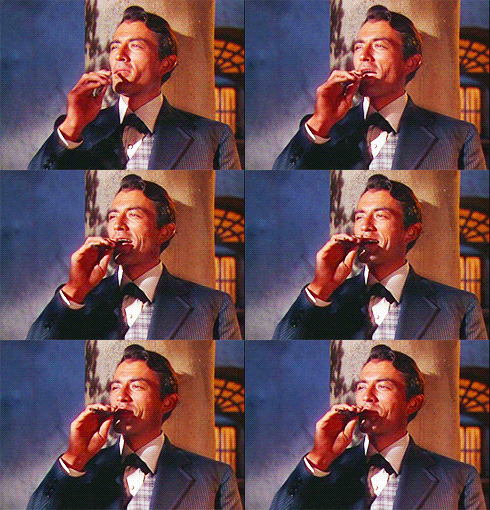
Gregory Peck não é nenhum Clark Gable. Claro, Peck ainda estava no começa da carreira, e se pensarmos em seus papéis posteriores, é estranho vê-lo como vilão. Mas Peck convence como Lewton – eu o odiei para valer em muitos momentos. Lillian Gish e Lionel Barrymore estão simplesmente fantásticos, em especial na última cena juntos. Butterfly McQueen interpreta Vashti, o mesmo tipo de criada pouco esperta e de voz esganiçada que ela interpretou em “E o Vento Levou...”. Laura Belle inclusive diz que Vashti não pode ser treinada – sim, treinada como um cão.

Gregory Peck is no Clark Gable. Sure, Peck was still in the beginning of his career, and if we think about his later roles, it's weird to see him as a villain. But Peck is very convincing as Lewton – I truly hated him in many moments. Lillian Gish and Lionel Barrymore are simply outstanding, especially in their last scene together. Butterfly McQueen plays Vashti, the usual kind of empty-headed, high-pitched maid she played in “Gone with the Wind”. Laura Belle even says that Vashti can't be “trained” - yes, trained like a dog.


1939
1946
A fotografia é sem dúvida o melhor elemento do filme, mesmo que muitas cenas com silhuetas pareçam copiadas de “E o Vento Levou...”. As cenas exteriores são em geral fotografadas em tons de vermelho, o que me fez pensar em “Legião Invencível”, de 1949, de Jon Ford – com a diferença que o filme de Selznick foi filmado no Texas, e o de Ford no Arizona.

The cinematography is without a doubt the best thing in the movie, even though many scenes with silhouettes look like copies of “Gone with the Wind”. The exteriors are mostly photographed in red tones, something that made me think of John Ford's “She Wore a Yellow Ribbon”, from 1949 – with the difference that Selznick's movie was filmed in Texas, and Ford's in Arizona.


Como faroeste, “Duelo ao Sol” funciona bem. Temos dois duelos perto do fim, e o mais inesperado é o melhor deles. O filme não é um épico como “E o Vento Levou...”, e é mais datado que o predecessor feito em 1939, especialmente na caracterização da criada Vashti e na visão muito, muito errada acerca da miscigenação.

As a western, “Duel in the Sun” works well. We have actually two duels near the end, and the most unexpected is the best one. It's no epic like “Gone with the Wind”, and it is more dated than the Civil War era movie made in 1939, especially in the portrayal of maid Vashti and the very, very wrong take on miscegenation.

This is my contribution to the Texas Blogathon, hosted by The Midnight Drive-In.
Related Posts Plugin for WordPress, Blogger...