} Crítica Retrô: 1951

Tradutor / Translator / Traductor / Übersetzer / Traduttore / Traducteur / 翻訳者 / переводчик

Showing posts with label 1951. Show all posts

Saturday, June 15, 2024

Rouxinol da Broadway (1951) / Lullaby of Broadway (1951)

 Quando, logo depois de vermos os créditos na tela tendo ao fundo a clássica melodia “Lullaby of Broadway”, somos introduzidos a uma Doris Day sapateando usando um smoking, sabemos quer vem coisa boa por aí. Afinal, trata-se de um filme de Doris Day como tantos outros da estrela: uma lufada de ar fresco e (quase) sem problemas por 90 minutos.


When, right after seeing the credits roll by the tune of the classic “Lullaby of Broadway”, we are introduced to a tap-dancing Doris Day wearing a tuxedo, we know we’re in for a treat. It’s, after all, another Doris Day movie like so many others from the star: a breath of fresh air and (almost) no problems for 90 minutes.

Doris Day é Melinda Howard, que é vista pela primeira vez cantando e dançando num espetáculo para a caridade num navio em alto mar. Ela está indo para Nova York visitar a mãe, Jessica (Gladys George), que é uma estrela da Broadway. Mas Jessica Howard não está vivendo dias de glória: ela bebe demais e pode ser encontrada cantando em clubes de quinta categoria. Para esconder esta realidade de Melinda, a ela é dito que a mãe está em turnê e lhe apresentam o Sr Hubbell, o proprietário da casa cujo endereço a mãe deu a ela.


Doris Day is Melinda Howard, who is first seen singing and dancing in a show for charity in a ship mid-sea. She is going to New York to visit her mother, Jessica (Gladys George), who is a Broadway star. But Jessica Howard isn’t living her most glorious days: she drinks too much and can be found singing at crappy clubs. To hide this reality from Melinda, she is told that her mother is on tour and introduced to Mr Hubbell, the owner of the house that matches the address her mother gave her.

A casa do Sr Hubbell (S.Z. Sakall) respire cultura. Seus criados foram estrelas do vaudeville. Ele patrocina shows da Broadway e dá festas para as estrelas. E é numa dessas festas que Melinda reencontra Tom Farnham (Gene Nelson), com quem ela tinha conversado no navio. Eles logo se dão bem e no momento seguinte são contratados para aparecerem juntos num show.


Mr Hubbell’s (S.Z. Sakall) house breathes culture. His servants were once vaudeville artists. He sponsors Broadway shows and throws parties for its stars. And it’s in one of those parties that Melinda meets again Tom Farnham (Gene Nelson), with whom she had spoken in the ship. They soon hit it off and the next thing we know they are appearing together in a show.

Gene Nelson não é o primeiro, segundo ou terceiro nome em que pensamos quando falamos de protagonistas de musicais. Nelson quis se tornar um cantor e dançarino porque via Fred Astaire - que é mencionado no filme quando uma garotinha pede um autógrafo para Tom e diz que ela o considera o melhor dançarino do mundo. Nelson havia acabado de ganhar o Globo de Ouro de Novato Mais Promissor quando foi escalado para “Rouxinol da Broadway”, num movimento da Warner Bros para testar protagonistas que pudessem substituir o pouco cooperativo Gordon MacRae. Em 1957 Gene Nelson se envolveu num acidente com um cavalo que acabou com sua carreira como protagonista, mas ele conseguiu uma segunda carreira como diretor de cinema e TV.


Gene Nelson isn’t the first, second or third leading man we think about when we talk about musicals. Nelson was inspired to become a song-and-dance man by watching Fred Astaire - who is mentioned in the film when a little girl asks Tom for an autograph saying she thinks he’s the greatest dancer in the world. Nelson had just received the Golden Globe for Most Promising Newcomer when he was cast in “Lullaby of Broadway”, in a Warner Bros move to test leading men who could replace uncooperative Gordon MacRae. In 1957 Gene Nelson was involved in a horse accident that ended his career as a leading man, but he started a new page as a director on film and TV.

O ator coadjuvante S.Z. Sakall tem uma chance de brilhar em “Rouxinol da Broadway”. Este foi o quarto filme que ele fez com Doris Day, que sempre se lembrou dele com carinho. Nascido em Budapeste, Hungria, ele começou a atuar na década de 1910 e trabalhou na Alemanha até a chegada dos nazistas ao poder. Ele voltou para a Hungria, onde seguiu trabalhando, mas migrou em 1940 quando o país se juntou ao Eixo fascista. Contratado da Warner Bros, apareceu em dezenas de filmes, mas seu mais famoso provavelmente é “Casablanca” (1942), num papel que ele quase recusou quando lhe foi oferecido.


Character actor S.Z. Sakall has a chance to shine in “Lullaby of Broadway”. This was the fourth film he made with Doris Day, who always remembered him fondly. Born in Budapest, Hungary, he started acting in the 1910s and worked in Germany until the Nazis took the power. He went back to Hungary, where he kept working, but left in 1940 when the country joined the fascist Axis. Under contract with Warner Bros, he appeared in dozens of films, but his most famous might be “Casablanca” (1942), in a role that he almost refused when he was offered.

Todos os números musicais são inseridos no context de algum tipo de apresentação, teatro, como ensaio ou outra coisa. As canções são bonitas e algumas delas podem até ser descritas como “memoráveis”. O disco de Doris Day com músicas deste filme ficou em primeiro lugar na lista da Billboard.


All the musical numbers are in the context of some kind of presentation, theatrical, as a rehearsal or other. The songs are sweet and some of them could even be described as “memorable”. Doris Day’s LP with songs from this movie was placed number one on the Billboard chart.

O título no Brasil para o filme é “Rouxinol da Broadway”. Um rouxinol é um pássaro cantor cujo canto pode ser ouvido tanto à noite - daí o nome em inglês, “nightingale” - quanto de dia. Rouxinóis são associados com a arte, a poesia em particular, por causa de seu canto criativo e espontâneo. Há apenas um problema: Doris Day não poderia ser um rouxinol porque apenas os machos da espécie cantam!


The Brazilian title for this film is “Broadway Nightingale”. A nightingale is a singing bird whose song can be heard both at night - which gives it the name in English - and day. Nightingales have been associated with the arts, poetry in particular, because of how creative and spontaneous their singing is. There is only one problem: Doris Day couldn’t be a nightingale because only male nightingales sing!

Doris Day fez, apenas em 1951, quarto filmes. Bem-sucedido e lucrativo, “Rouxinol da Broadway” mostra os talentos dela como cantora e dançarina e nos diverte como só Doris Day sabia fazer.


Doris Day appeared in four movies in 1951 alone. Succesfull and profitable, “Lullaby of Broadway” showcases her singing and dancing talents and entertains us like only Doris Day could do.
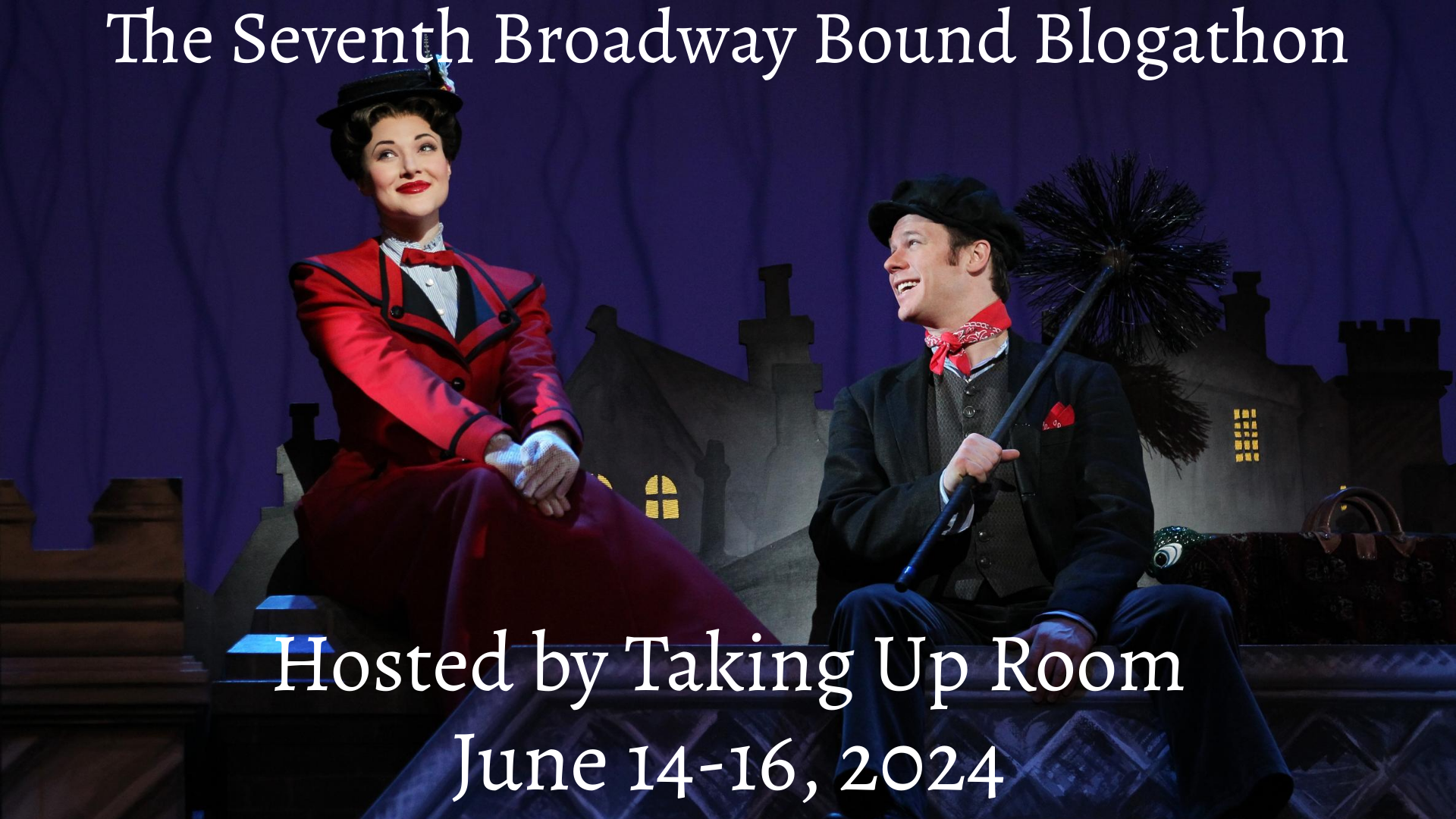
 

This is my contribution to the Seventh Broadway Bound Blogathon, hosted by Rebecca at Taking Up Room.

Friday, September 29, 2023

Os Contos de Hoffmann (1951) / The Tales of Hoffmann (1951)


Eu confio em Martin Scorsese. Ele não é apenas um excelente cineasta, mas também ama o cinema profundamente. Ele tem uma fundação para restaurar e exibir filmes de todo o mundo que sejam culturalmente significantes. E por causa disso ele tem um ótimo gosto para filmes. Foi através de uma entrevista com Scorsese que eu pela primeira vez ouvi falar de “Os Contos de Hoffmann” (1951), um filme escrito, produzido e dirigido pela dupla dinâmica Michael Powell e Emeric Pressburger – o filme que é considerado o último triunfo deles antes da separação em 1957.


In Martin Scorsese we trust. He’s not only a great filmmaker, but also loves cinema deeply. He has a foundation to restore and exhibit movies from all over the world that are culturally significant. And because of this he has a very good taste in movies. It was through an interview with Scorsese that I first heard about “The Tales of Hoffmann” (1951), a film written, produced and directed by the mighty duo of Michael Powell and Emeric Pressburger – a film that is considered to be their last hurrah before they split in 1957.

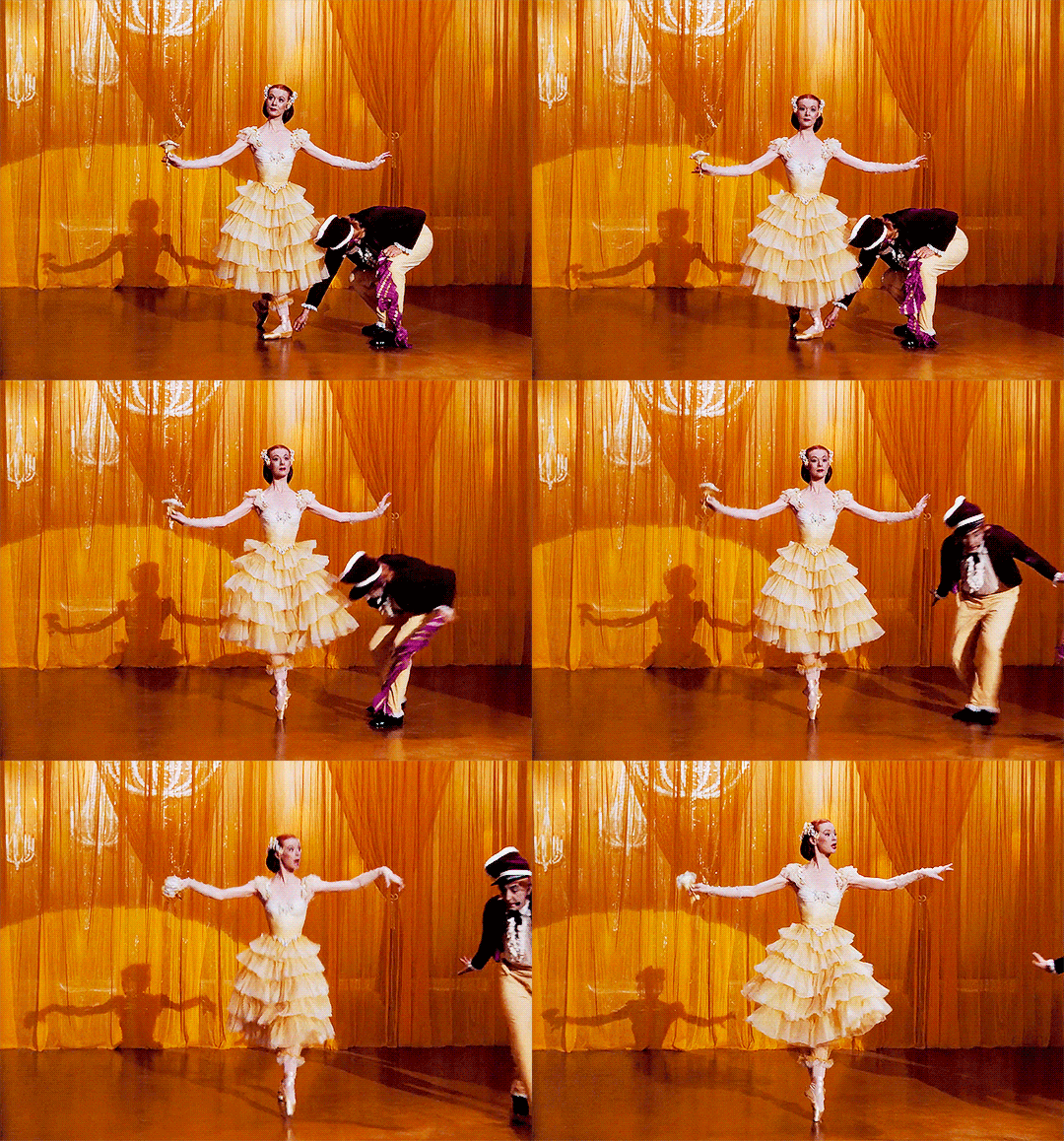
O filme consiste em três histórias contadas por E.T.A. Hoffmann (Robert Rounseville) durante o intervalo de um espetáculo de dança do qual sua amada Stella (Moira Shearer) é a estrela. Stella também é objeto de desejo do rival de Hoffmann, Lindorf (Robert Helpmann).


The movie consists in three tales told by E.T.A. Hoffmann (Robert Rounseville) during the interval of a dance spectacle where his beloved Stella (Moira Shearer) is the star. Stella is also the object of desire of Hoffmann’s rival, Lindorf (Robert Helpmann).

Primeiro temos A História de Olympia. Em Paris, um jovem Hoffmann se apaixona por Olympia (Moira Shearer), uma boneca.


First we have The Tale of Olympia. In Paris, a young Hoffmann falls in love with Olympia (Moira Shearer), an automaton.

Depois há A História de Giulietta. Em Veneza, Hoffmann encontra a cortesã Giulietta (Ludmilla Tchérina) num baile de máscaras. Giulietta rouba almas e reflexos e gosta de usar joias suntuosas. Aqui podemos ouvir a Barcarolle, provavelmente a música mais famosa em “Os Contos de Hoffmann”.


Next there is The Tale of Giulietta. In Venice, Hoffmann meets the courtesan Giulietta (Ludmilla Tchérina) in a masquerade. Giulietta steals souls and reflections and likes to wear lavish jewelry. Here we can hear the Barcarolle, probably the most famous song in “The Tales of Hoffmann”.

A última história é A História de Antonia. Numa ilha grega, Antonia (Ann Ayars), uma cantora de ópera, vive com seu pai, um maestro amargo que quer que ela pare de cantar por causa de uma doença incurável.


The final tale is The Tale of Antonia. On a Greek island, Antonia (Ann Ayars), an opera singer, lives with her father, a bitter conductor who wants her to stop singing because of an incurable disease.

Além de Robert Rounseville, outros atores aparecem em todas as histórias, como Robert Helpmann e Léonide Massine. Eu estava esperando que todas as mulheres amadas por Hoffmann fossem interpretadas por Moira Shearer, para repetir o que acontece em outro filme de Powell e Pressburger, “Coronel Blimp: Vida e Morte” (1943), no qual todos os interesses amorosos do protagonista são interpretados pela mesma atriz, no caso Deborah Kerr. Eu vejo por que a mudança ocorreu em “Os Contos de Hoffmann”, especialmente na última história, que pedia uma cantora de ópera.


Besides Robert Rounseville, other actors appear in all stories, such as Robert Helpmann and Léonide Massine. I was expecting all women loved by Hoffmann to be played by Moira Shearer, to repeat what happens in another Powell and Pressburger movie, “The Life and Death of Colonel Blimp” (1943), in which all the lead’s love interests are played by the same actress, in this case Deborah Kerr. I see why the change is present in “The Tales of Hofmann”, especially in the last story, that required a real opera singer.

Um personagem que chamou minha atenção foi Nicklaus, fiel amigo de Hoffmann que está sempre ao seu lado em suas aventuras, interpretado por Pamela Brown. É claramente um personagem andrógino, que na ópera original também era interpretado por uma mulher. Nicklaus canta em alguns momentos – nos quais a voz de Brown é dublada pela popular cantora Monica Sinclair. Pamela Brown, apesar de ter artrite, o que limitava sua mobilidade, foi uma atriz de sucesso e teve um relacionamento com Michael Powell entre 1962 e a morte dela em 1975.


One character who called my attention was Nicklaus, Hoffmann’s faithful friend who is always accompanying him in his adventures, played by Pamela Brown. It’s clearly an androgynous character, that in the original opera was also played by a woman. Nicklaus had a few singing moments – in which Brown’s voice was dubbed by the popular singer Monica Sinclair. Pamela Brown, despite having an arthritic condition that limited her mobility, was a successful actress and was in a relationship with Michael Powell from 1962 until her death in 1975.

“Os Contos de Hoffmann” é originalmente uma ópera de 1881 de Jacques Offenbach, inspirada pelos contos de E.T.A. Hoffmann – sim, ele foi uma pessoa real! Além de inspirar esta ópera, os escritos de Hoffmann também serviram de inspiração para “O Quebra-Nozes” de Tchaikovsky e o balé “Coppelia”. Nada mau, considerando que Hoffmann foi também compositor.


“The Tales of Hoffmann” is originally an opera by Jacques Offenbach from 1881, coming from three short stories by E.T.A. Hoffmann – yes, he was a real person! Besides inspiring this opera, Hoffmann’s writings also inspired Tchaikovsky’s “The Nutcracker” and the ballet “Coppelia”.  Not bad, considering that Hoffmann was also a composer.

O processo de edição foi um pouco diferente neste filme. A ópera completa foi pré-gravada, criando a trilha sonora, e mais tarde o filme foi editado seguindo a música. “Os Contos de Hoffmann” realiza o sonho de Powell de criar um filme que complementaria música já composta. Foi o maestro Thomas Beecham que apresentou a ópera de Offenbach para Powell. Por causa da trilha pré-gravada, toda a cantoria foi filmada através de lip-synch, o que aproxima a produção dos filmes mudos, algo difícil de se imaginar no caso de um musical.


The editing process was a bit different in this film. The whole opera was pre-recorded, creating the soundtrack, and later the film was edited following the music. “The Tales of Hoffmann” fulfils Powell’s dream to create a movie that would complement music already composed. It was the conductor Thomas Beecham who introduced Powell to the Offenbach opera. Because of the pre-recorded soundtrack, all singing was lip-synched, which makes the production closer to silent films than we could imagine it would be.  

O diretor de fotografia do filme foi Christopher Challis, o que significa que Powell e Pressburger escolheram não dar continuidade à parceria com Jack Cardiff. Challis foi operador de câmera em outros filmes da dupla e era um mestre na fotografia de filmes coloridos. Sobre ele, Scorsese disse: “Chris Challis trouxe uma vibração à paleta de celuloide que foi inteiramente sua, e que ajudou a fazer da Inglaterra liderança naquele longo e glorioso período de cinema clássico mundial.”


The film was photographed by Christopher Challis, which means that Powell and Pressburger chose not to repeat their partnership with Jack Cardiff. Challis had been a camera operator in other films by the duo and was a master at shooting color films. About him, Scorsese said: “Chris Challis brought a vibrancy to the celluloid palette that was entirely his own, and which helped make Britain a leader in that long, glorious period of classic world cinema."

Quando “Hamilton” (2020) foi barrado no Oscar por ser “teatro filmado”, um debate teve início. “Os Contos de Hofmann”, que poderiam similarmente ser chamado de “ópera filmada”, foi indicado a dois Oscars em 1952: Melhor Direção de Arte – Cor e Melhor Design de Figurino – Cor – ambos os prêmios foram para outro musical, “Sinfonia de Paris”. E não podemos dizer que a produção de 1951 era simplesmente “ópera filmada”, pois tem edição – uma técnica exclusiva do cinema – e usa composições e ângulos de câmera que não representam a visão de um espectador num teatro.


When “Hamilton” (2020) was barred from the Oscars for being “filmed theater”, a debate ignited. “The Tales of Hoffmann”, that could similarly be called “filmed opera”, was nominated for two Oscars in 1952: Best Art Direction – Color and Best Costume Design – Color – both awards went to another musical, “An American in Paris”. And we can’t say that the 1951 production was simply “filmed opera”, as it has editing – a technique exclusive to cinema – and uses compositions and camera angles that don’t represent a viewer’s view in a theater.

Fico feliz por finalmente ter assistido a “Os Contos de Hoffmann”, embora eu desejasse tê-lo visto na tela grande, para aproveitar o espetáculo, e com legendas, para melhor entender o que estava sendo cantado. Ele não entrou no meu Top 3 de Powell e Pressburger – que consiste de “Coronel Blimp: Vida e Morte” (1943), “Os Sapatinhos Vermelhos” (1948) e meu grande favorito “Neste Mundo e no Outro” (1946).


I’m happy I finally watched “The Tales of Hoffmann”, although I wish it was on the big screen, to see the spectacle, and with subtitles, to better understand what was being sung. It didn’t enter my Powell and Pressburger Top 3 – that consists of “The Life and Death of Colonel Blimp”(1943), “The Red Shoes” (1948) and my big favorite “A Matter of Life and Death”(1946).

Friday, August 26, 2022

Os Três Xarás (1951) / Three Guys Named Mike (1951)


Taí uma coisa que não vemos mais com frequência: garotas querendo ser comissárias de bordo. No passado, essa era uma das profissões com que as meninas e moças mais sonhavam – isto é, até que elas se casassem e se aposentassem para formar uma família. Havia um certo glamour no ato de voar e em ajudar as pessoas a ficarem confortáveis quando estavam no ar. Nos anos 1950, ser uma comissária de bordo era o sonho de muitas, incluindo o da protagonista de “Os Três Xarás” (1951) – e  foi voando que ela conheceu os três Mikes que mudariam sua vida.

Here’s something we don’t see a lot of anymore: girls wanting to become flight attendants. In the past, it was one of the most dreamed-about careers for girls and young women – that is, until they got married and retired for family life. There was a certain glamour in flying and helping people feel comfortable in the air. In the 1950s, being a flight attendant was a dream for many, including from the lead of “Three Guys Named Mike” (1951) – and it was because of flying that she got to know the three Mikes who would change her life.

Marcy Lewis (Jane Wyman) deixa sua cidade natal para ir rumo a Chicago para se tornar aeromoça. Seus estudos vão bem, e as aventuras de verdade se iniciam quando ela começa a voar. Indo para seu primeiríssimo voo, o táxi em que ela está quebra e ela pega uma carona com Mike Jamison (Howard Keel), que não conta a ela que ele é piloto de avião. Sem saber da profissão dele, enquanto eles conversam, Marcy diz a ele que aeromoças são as mais importantes num voo, porque pilotos são “apenas choferes”. Eles se encontram novamente dentro do avião.

Marcy Lewis (Jane Wyman) leaves her hometown to go to Chicago to become a stewardess. Her studies go smooth, the real adventures begin when she starts flying. On the way to her first flight ever, her cab breaks on the road and she takes a lift with Mike Jamison (Howard Keel), who doesn’t tell her he’s an airplane pilot. Without knowing his real profession, while making small talk Marcy tells him that stewardesses are the most important in a flight, because pilots are “only chauffeurs”. They meet again inside the plane.

O primeiro voo de Marcy é um desastre. Ela não somente não se dá bem com Mike Jamison, mas também esquece de pegar a comida para os passageiros do voo e o avião tem de voltar em busca das refeições. Felizmente Marcy não é demitida e começa a voar constantemente com Jamison, de quem se torna amiga. É por isso que Jamison se entristece quando Marcy passa a fazer outra rota, Chicago-Los Angeles, junto a uma velha amiga da escola de aeromoças.

Marcy’s first flight is a disaster. Not only she doesn’t get along with Mike Jamison, but she also forgets to furnish the plane with food and they have to go back to fetch the food. Luckily, Marcy is not fired and starts flying constantly alongside Jamison, developing camaraderie with him. That’s why Jamison gets sad when Marcy is assigned for a new route, Chicago-Los Angeles, and reunited with a friend from stewardess school.

Em sua nova rota Marcy conhece Mike Lawrence (Van Johnson) e com ele ela ajuda uma garotinha que não conseguia dormir durante o voo. A amiga de Marcy acredita que Lawrence é um “VIP”, mas na verdade ele é um cientista que trabalha também como bartender, e Marcy o encontra novamente em um restaurente. Agora, com três amigas, Marcy decide alugar uma casa em Los Angeles. Entra aí Mike Tracy (Barry Sullivan), um publicitário que ajuda Marcy na estrada (de novo um problema motor) e mais tarde a encontra no aeroporto.

In her new route, Marcy meets Mike Lawrence (Van Johnson) and with him she helps a little girl who can’t sleep during the flight. Marcy’s friend believes Lawrence is a “VIP”, but he actually is scientist with a side job as a bartender, who Marcy meets again at a restaurant. Now, with three of her friends, Marcy decides to rent a house in Los Angeles. Enters Mike Tracy (Barry Sullivan), an advertisement man who helps Marcy on the road (again a car issue) and later meets her at the airport.

Os três Mikes se encontram quando eles ajudam Marcy com a mudança. A confusão e o ciúme são imediatos. E as coisas definitivamente não ficam mais fáceis quando Marcy se envolve com uma das campanhas publicitárias depois de ter uma ideia brilhante.

The three Mikes meet when they help Marcy with the moving. The confusion and jealousy is instantaneous. And things definetely don’t get any easier when Marcy gets involved in one of Mike Tracy’s advertising campaign after having a brilliant idea.

Aeromoças – ou comissárias de bordo, como elas são conhecidas agora – têm de lidar com muitos problemas. Elas têm que se certificar de que todos estão confortáveis dentro do avião, às vezes lidando com uma criança (ou adulto!) com medo ou com alguém que fica nervoso voando. Elas precisam ser sempre calmas e educadas, mesmo quando há algo errado com o avião. Elas também precisam lidar com passageiros paqueradores, algo que é visto em “Os Três Xarás” como uma piada, mas essa “piada” pode ser bem desagradável.

Stewardesses – or flight attendants, as they are known now – have to deal with many issues. They have to make sure that everybody was comfortable inside the plane, sometimes dealing with a scared child (or adult!) or a nervous flier. They have to be always calm and polite, even when there is something wrong with the plane. They also have to deal with passengers hitting on them, something that is shown in “Three Guys Named Mike” as a joke, but this “joke” can be quite unpleasant.   

Uma surpresa nos créditos iniciais: quem escreveu o roteiro foi Sidney Sheldon, que se tornaria um famoso romancista nas décadas seguintes, baseado numa história de Ruth Brooks Flippen. Este é o primeiro crédito de escrita de Ruth, e ela teria ainda uma longa carreira na televisão, escrevendo para séries como “Gidget”, “A Feiticeira” e “The Brady Bunch”. A história de Ruth, por sua vez, foi baseada numa sugestão feita pela aeromoça na vida real Ethel Wells.

A surprise in the opening credits: who wrote the screenplay was Sidney Sheldon, who would become a famous novelist in the following decades, based on a story by Ruth Brooks Flippen. This is Ruth’s first writing credit, and she would go on to have a long career on television, writing for shows such as “Gidget”, “Bewitched” and “The Brady Bunch”. Ruth’s story, in turn, was based on a suggestion made by real-life stewardess Ethel Wells.

Devo confessar que, dos três Mikes, eu estava torcendo pelo que era interpretado por Van Johnson. O que realmente me pegou foi seu discurso sobre ser professor: como ser professor é o mais próximo que alguém chega da imortalidade, como uma coisa simples dita numa aula pode mudar a vida de alguém para sempre. Como filha de professora e alguém cuja vida foi mudada por alguns professores, posso dizer que este discurso todo é verdade, além de muito romântico. Claro, Mike Jamison também tem um bom discurso, sobre como ele não quer perder nada da vida, mas o discurso de Mike Lawrence me toca mais profundamente.

I have to confess that, from the three Mikes, I was rooting for the one played by Van Johnson. What really got me was his speech about teaching: how teaching is the closest from immortality that you can get, how a simple thing you say in a class might change someone’s life forever. As the daughter of a teacher and someone whose life was changed by a few teachers, I can say that his whole speech is true, and very romantic as well. Of course, Mike Jamison also has a good speech, about how he doesn’t want to miss a thing in life, but Mike Lawrence’s touches me deeper.

“Os Três Xarás” é um filme divertido, perfeito para um fim de semana ou uma tarde preguiçosa. Ele quse me fez sonhar em ser aeromoça! Ele também me lembrou, em alguns momentos, de uma das minhas séries de TV preferidas, “Crazy Ex-Girlfriend”, na qual uma garota tem três potenciais namorados. Marcy pode não ter a mesma energia caótica de Rebecca Bunch, e trata-se de um filme da década de 1950, o que significa que no final Marcy terá de escolher um dos três Mikes. Fico feliz que nós, o público, não tenhamos que escolher.

“Three Guys Named Mike” is a funny movie, perfect for a lazy weekend or evening. It almost made me dream about being a flight attendant! It also reminded me, in moments, of one of my favorite TV shows, “Crazy Ex-Girlfriend”, where a girl has three potential lovers. Marcy may not have Rebecca Bunch’s chaotic energy, and it’s a film from the 1950s, which means that in the end Marcy will have to choose one of the three Mikes. I’m glad we, the audience, don’t have to choose.

This is my contribution to the Sixth Annual Van Johnson blogathon, hosted by Michaela at Love Letters to Old Hollywood.

Sunday, March 8, 2020

Laços de Sangue (1951) / Hard, Fast and Beautiful (1951)


Você provavelmente ouviu falar das mães loucas pela fama (“overbearing stage mothers” – mulheres que obrigam suas filhas a entrar para o mundo do entretenimento para que as carreiras das filhas sejam a realização dos sonhos das mães. Estas mulheres também controlam as carreiras das filhas de perto, afinal, tudo que suas filhas alcançam é visto por elas como uma vitória pessoal. Mas este tipo de mulher também age nos bastidores do mundo esportivo. Poderíamos chamá-las de “mães loucas pelo troféu”? Talvez. Vão importa o termo, temos um exemplo perfeito deste tipo abusivo de maternidade no filme “Laços de Sangue” (1951), de Ida Lupino.

You probably have heard about overbearing stage mothers – women who push their daughters to have a career in entertainment as a way to fulfill their own dreams of stardom. These women also control their daughters’ careers close, after all, everything their daughters accomplish is felt by them as a personal victory. But this kind of women also acts backstage in the sports world. Could we call them “overbearing court mothers”? Maybe. No matter the term, we have a perfect example of this abusive kind of motherhood in Ida Lupino’s “Hard, Fast and Beautiful” (1951).


Florence Farley (Sally Forrest) é uma jovem com talento natural para jogar tênis. Ela treina rebatendo a bola contra a porta da garagem de casa, e ela está novamente neste estranho treino quando Gordon McKay (Robert Clarke) a vê. Gordon estudou na mesma escola que ela, e trabalha em um clube local. Ele convida Florence para jogar tênis no clube. Vendo o potencial dela, Clarence (Joseph Kearns), o gerente do clube, se oferece para pagar para que ela participe de torneios de tênis pelo país.

Florence Farley (Sally Forrest) is a young woman with a natural talent to play tennis. She practices by hitting the ball in her garage door, and she’s doing just that when Gordon McKay (Robert Clarke) sees her. Gordon went to the same high school as she, and works in a local club. He invites Florence to go to the club and play. Seeing her potential, Clarence (Joseph Kearns), the club manager, offers to pay for her to participate in tennis tournaments around the country.


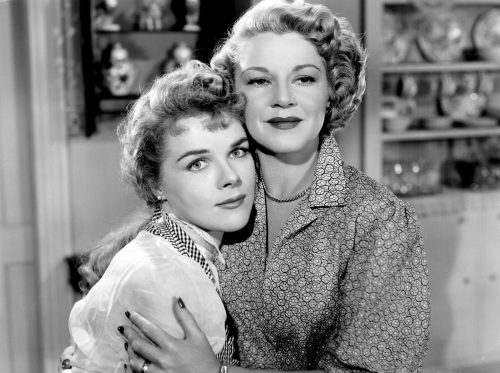
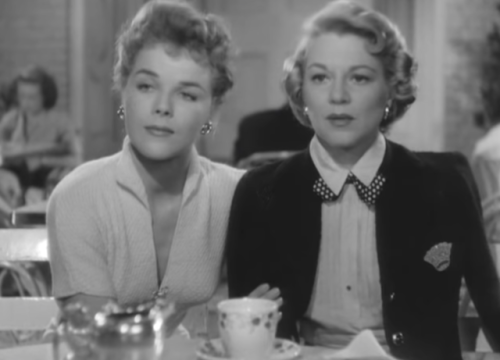
A mãe de Florence, Millie (Claire Trevor), insiste em acompanhar a filha nos torneios. Millie está presente quando Florence impressiona o olheiro Fletcher Locke (Carleton Young). Depois de flertar com Millie, Fletcher embarca na missão de fazer de Florence a campeã nacional das amadoras.

Florence’s mother, Millie (Claire Trevor), insists on accompanying her daughter to the competitions. Millie is there when Florence impresses the scout Fletcher Locke (Carleton Young). After flirting with Millie, Fletcher dives in the mission of turning Florence into the national amateur champion.


Enquanto isso, o pai de Florence, o apático Will (Kenneth Patterson, que se parece com Fredric March), acompanha de casa a carreira da filha, longe de toda a excitação que sua esposa busca. Como amadora, Florence não pode ganhar prêmios em dinheiro, mas pode receber presentes como roupas, descontos na compra de um carro e estadias grátis em hotéis. Ela é como uma influencer, mas do mundo do tênis – e Millie não podia estar mais feliz. Mas as coisas se complicam quando Florence anuncia que vai de casar com Gordon e está pensando em abandonar o esporte.

Meanwhile, Florence’s father, the apathetic Will (Kenneth Patterson, a Fredric March lookalike), follows his daughter’s career from home, far from all the excitement that thrills his wife. As an amateur, Florence can’t receive money prizes, but she can receive little gifts, like clothes, discounts in cars and free stays in hotels. She is like an influencer, but from the tennis world – and Millie couldn’t be happier. But things get complicated when Florence announces she’s marrying Gordon and thinking about abandoning the sport.


É óbvio que conquistar a fama através do esporte era o sonho de Millie, não de Florence. Isso fica claro quando Florence vence sua primeira competição e, quando um repórter de rádio pergunta como ela se sente após ganhar, ela diz para ele perguntar para a mãe dela. Millie responde com perfeição, como uma porta-voz ensaiada.

It’s obvious that becoming notorious through sport was Millie’s dream, not Florence’s. This is clear when Florence wins her first competition and, when a radio reporter asks her how she feels about winning, she tells him to ask her mother. Millie answers him perfectly, as a media-trained spokesperson.


Claire Trevor é uma atriz brilhante e subestimada. Inesquecível em filmes como “No Tempo das Diligências” (1939) e “Paixões em Fúria” (1948), aqui ela é sedutora e manipuladora. Eu entendo que, na juventude, Millie pode não ter tido as mesmas oportunidades de Florence, mas nada justifica manipular alguém para que essa pessoa faça o que você não foi capaz de fazer quando era jovem.

Claire Trevor is a brilliant and underrated actress. Unforgettable in films like “Stagecoach” (1939) and “Key Largo” (1948), here she is seductive and manipulating. I understand that, growing up, Millie may not have had the same opportunities as Florence, but nothing justifies manipulating someone to do what you couldn’t do earlier in your life.


Sally Forrest fo um dos talentos descobertos e cultivados por Ida Lupino enquanto diretora. Vinda da dança, Sally foi protagonista de dois filmes anteriores de Lupino, “Mãe Solteira” (1949) e “Quem Ama Não Teme” (1950). Com olhos brilhantes e uma expressão ingênua, ela faz com que a transformação de Florence no decorrer do filme seja ainda mais notável.

Sally Forrest was one of the talents discovered and cultivated by Ida Lupino as a director. Coming from dance, Sally was the lead of two previous Lupino-directed films, “Not Wanted” (1949) and “Never Fear” (1950). With bright eyes and a naïve expression, she makes Florence’s transformation later in the picture even more notable.


Um usuário do Letterboxd mencionou que Lupino enquadra seus personagens como se eles estivessem em uma partida de tênis metafórica. Isso é visto claramente quando a cerca e o grande girassol servem como uma rede de tênis para separar Florence e Gordon. Florence e Millie por vezes estão separadas por uma mesa, mas eu vejo a dinâmica delas mais como um cabo de guerra, em especial quando Florence percebe que está sendo manipulada.

One reviewer on Letterboxd mentioned that Lupino frames her characters as if they were in a metaphorical tennis match. This happens clearly when the fence and the massive sunflower serve as a tennis net to separate Florence and Gordon. Florence and Millie are sometimes separated by a table, but I see their dynamics more as a tug of war, in special when Florence realizes she’s being manipulated.


“Laços de Sangue” é um filme com ritmo rápido e dinâmico. A ação acontece na casa da família Farley, no clube, em diversos torneios aqui e ali, e a passagem de um cenário a outro é feita com fluidez. Você ficará hipnotizado pelas partidas de tênis mesmo se nunca foi fã do esporte. Sally Forrest foi treinada pela jogadora de tênis profissional Eleanor Tennant.

“Hard, Fast and Beautiful” is a movie with a quick, dynamic rhythm. The action happens in the Farley house, at the club, in several tournaments here and there, and going from one to the other happens with an easy flow. You’ll find yourself hypnotized by the tennis matches even if you’ve never been a fan of the sport. Sally Forrest was coached by professional tennis player Eleanor Tennant.


“Laços de Sangue” tem uma característica irônica, se pensarmos no filme com uma mentalidade moderna: no final, Florence tem de escolher entre uma mãe ciumenta que quer controlar a carreira dela e um homem ciumento que quer que ela abandone a carreira. É irônico pensar que este é o principal conflito em um filme feito pela única mulher diretora da Hollywood dos anos 1950. Mas, uma vez que conhecemos o conjunto da obra de Lupino, aprendemos que ele pode ser resumido em uma palavra: resiliência. E, às vezes, é sendo resiliente que uma mulher consegue o que quer – algo que Millie não aprendeu.

“Hard, Fast and Beautiful” has an ironic twist once we think about it with modern lenses: ultimately, Florence needs to choose between a jealous mother who wants to control her career and a jealous man who wants her to abandon her career. It’s ironic to think that this is the main conflict in a movie made by the only female director working in 1950s Hollywood. But, once we get to know Lupino’s body of work, we learn that it can be summarized in one word: resilience. And, sometimes, it’s by being resilient that a woman gets what she wants – something Millie didn’t learn.

This is my contribution to The 110 Years of Claire Trevor blogathon, hosted by Virginie and Crystal at The Wonderful World of Cinema and In the Good Old Days of Classic Hollywood.


Para saber mais sobre a carreira de Ida Lupino, dê uma olhada no Dossiê Ida Lupino.

To learn more about Ida Lupino’s career, take a look at the Ida Lupino Files.

Related Posts Plugin for WordPress, Blogger...