} Crítica Retrô: 1926

Tradutor / Translator / Traductor / Übersetzer / Traduttore / Traducteur / 翻訳者 / переводчик

Showing posts with label 1926. Show all posts

Saturday, July 18, 2026

Variações sobre um mesmo tema: A Letra Escarlate (1926 e 1934)


Variations on the same theme: The Scarlet Letter (1926 and 1934)

Eu não sei do que eu gosto mais: de ler ou ver filmes. É ótimo quando posso juntar esses interesses, e não estou falando em ler as legendas ou cartelas de título. Estou falando em ler um livro e depois assistir à adaptação para os cinemas e comparar ambas as obras. O caso mais recente: “A Letra Escarlate” de Nathaniel Hawthorne. Sim, faz mais de dez anos que li o livro, mas ainda me lembrava da trama.

I don’t know what I like the most: reading or watching movies. It’s good when I can join them, and I’m not talking about reading the closed captions or intertitles. I’m talking about reading a book and then watching the adaptation to compare both. The most recent case: Nathaniel Hawthorne’s “The Scarlet Letter”. Sure, it was more than ten years ago that I read the novel, but I still had the plot in my mind. 


Nathaniel Hawthorne publicou “A Letra Escarlate” em 1850 e a história se passa duzentos anos antes. A primeira adaptação para os cinemas foi feita em 1908, escrita e estrelando a pioneira Gene Gauntier. Aqui vou focar em duas adaptações, uma da era muda (1926) e outra dos primeiros anos da era falada (1934) 

Nathaniel Hawthorne published “The Scarlet Letter” in 1850 and the story is set two centuries before. The first film adaptation was made in 1908, written for the screen and starring the pioneer Gene Gauntier. Here I’ll focus on two adaptations, one from the silent era (1926) and another from the first years of sound film (1934).

1926: uma Hester virginal

1926: a virginal Hester

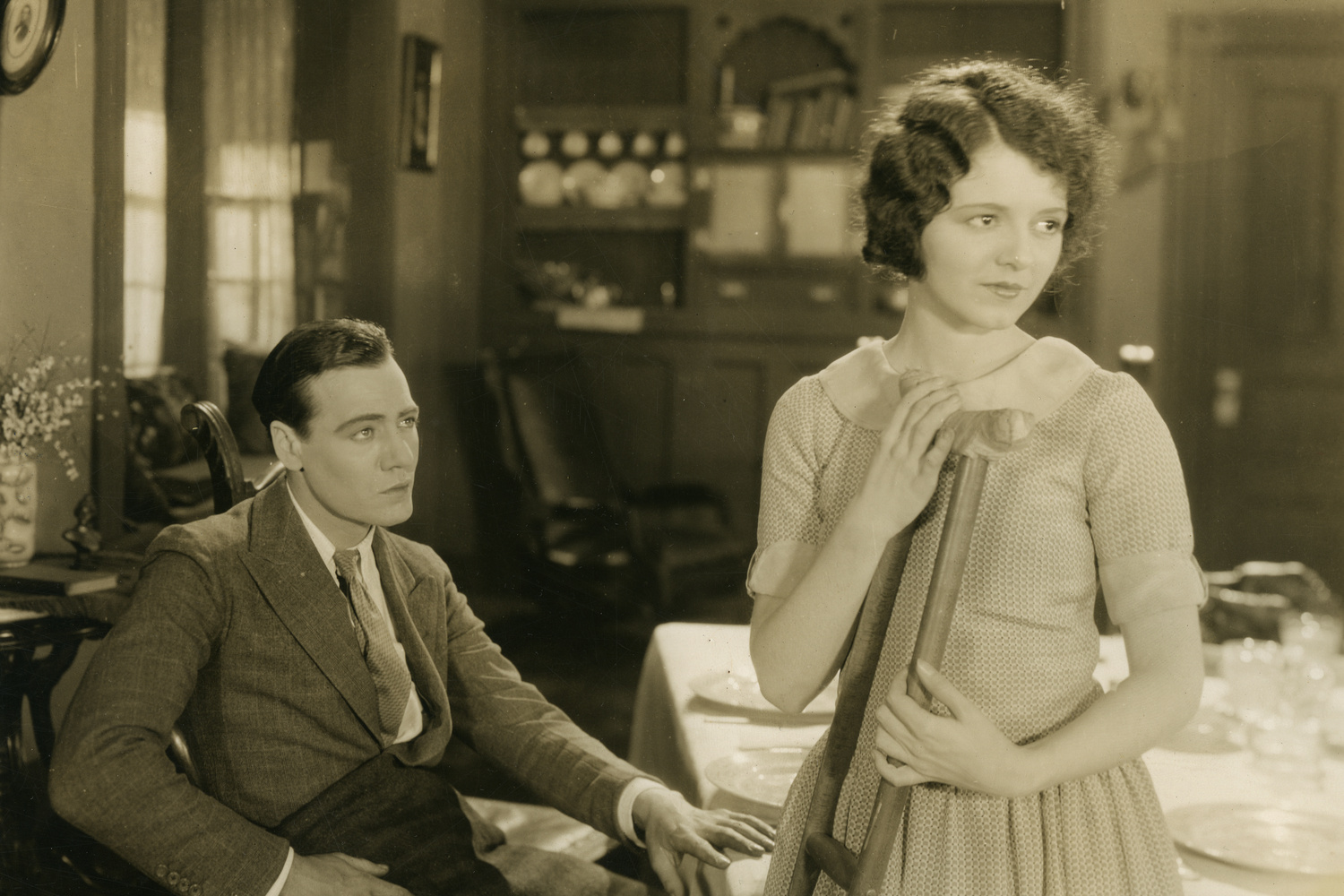
Na puritana colônia de Boston, Hester Prynne (Lillian Gish) é censurada por pecados como pular e correr no sábado e não esconder roupas íntimas quando lava essas peças imorais de roupa. Quem fica responsável por puni-la é o reverendo Arthur Dimmesdale (Lars Hanson), mas ele se apaixona por ela. 

In the puritan colonial Boston, Hester Prynne (Lillian Gish) is censored for sins such as skipping and running on Sabbath and not hiding underwear when she washes these immoral pieces of clothing. The one responsible for punishing her is the Reverend Arthur Dimmesdale (Lars Hanson), but he falls in love with her.


Arthur quer se casar e ir para a Inglaterra, mas um obstáculo terrível e escandaloso surge: Hester já é casada! Arthur parte para a Inglaterra sozinho. Quando ele volta, Hester teve um bebê - um bebê dele! - e por tê-lo sem ser casada ela será punida, tendo de usar nas roupas uma escarlate letra A - de adúltera. 

Arthur wants to get married and leave for England, but a terrible, scandalous obstacle appears: Hester is already married! Arthur leaves for England alone. When he returns, Hester has had a child - his child! - and for this out-of-wedlock birth she is to be punished by wearing embroidered in her clothes a red letter A - for adulteress.


Hester e sua filha Pearl (Joyce Coad) vivem como párias e Arthur sofre por muitos motivos. Por sua omissão num momento que requeria coragem. Por ser amado por um povo que odeia sua filha. E o que ninguém esperava acontece: o marido ausente de Hester, Roger (Henry B. Walthall), volta e quer vingança!

Hester and her daughter Pearl (Joyce Coad) live as pariahs and Arthur suffers for many reasons. For his omission when courage was needed. For being loved by the people who hate his daughter. And what nobody was expecting happens: Hester’s estranged husband Roger (Henry B. Walthall) comes back, and he wants revenge!

Lillian Gish está excelente como sempre. Seu rosto atua por ela. Ela só tem que arregalar os olhos para que saibamos que Hester está implorando para Arthur não confessar que ele é pai da filha dela. Saindo debaixo das asas de Griffith, Gish tinha poder em seu novo estúdio, a MGM, e pessoalmente sugeriu que ela estrelasse nesta adaptação. Ela também escolheu o diretor. 

Lillian Gish is outstanding as always. Her face acts for her. She only has to open her eyes a little wider for us to know that Hester is imploring for Arthur to not confess he’s her child’s father. Departing from her Griffith-directed roles, Gish was a powerhouse for her new studio, MGM, and personally suggested to star in this adaptation. She also chose the director.


Este é o primeiro de dois filmes que o diretor Victor Sjöström fez com Lillian Gish - eles voltariam a se encontrar dois anos depois para “Vento e Areia”, também com Lars Hanson e Frances Marion. Sjöström foi para Hollywood em 1923 e foi escolhido pessoalmente por Lillian Gish para este projeto, um filme lindamente fotografado, e não apenas por causa da sequência com o reflexo na água no começo.

This is the first of two movies director Victor Sjöström made with Lillian Gish - they would reteam two years later for “The Wind”, also with Lars Hanson and Frances Marion. Sjöström went to Hollywood in 1923 and was handpicked by Lillian Gish for this project that ended up being a beautifully shot film, and not only for the brief water mirror sequence in the beginning.

1934: Hester a flapper

1934: Hester the flapper 

A versão de 1934 é bem mais curta e começa com Hester Prynne (Colleen Moore) sendo punida por adultério em praça pública. Quem chega a tempo de ver o espetáculo é seu marido ausente, Roger (Henry B. Walthall), que ela reconhece do cadafalso. Só mais tarde somos informados de que o reverendo Arthur Dimmesdale (Hardie Albright) foi quem engravidou Hester. 

The 1934 version is much shorter and begins with Hester Prynne (Colleen Moore) being punished for adultery at the village’s square. Arriving just in time is her estranged husband Roger (Henry B. Walthall), who she recognizes from the scaffold. Only later we’re informed that Reverend Arthur Dimmesdale (Hardie Albright) is the man who wronged Hester.


A mulher marcada e sua filha Pearl (Cora Sue Collins) vivem felizes juntas. As outras crianças não querem que Pearl brinque com elas, mas não importa porque ela tem a companhia da mãe o tempo todo. Mas o governo da colônia de Boston quer tirar Pearl da mãe e dá-la para que uma mulher temente a Deus a crie e eduque. 

The marked woman and her child Pearl (Cora Sue Collins) live happily together. Other children don’t want Pearl to play with them, but it’s okay because she has the company of her mother all the time. But the government of the Boston colony wants to take Pearl away from her mother and give the child to a God-fearing woman to educate and care for.


A voz de Colleen Moore é bem mais grave do que eu imaginei assistindo seus filmes mudos leves. Talvez tenha sido o contexto. Moore fez 64 filmes entre 1916 e 1934, com um hiato entre 1929 e 1933. Ela era a flapper clássica nos anos 1920, junto a Clara Bow. O IMDb diz que ela era a melhor amiga de Lillian Gish, e a Wikipedia que ela entrou para o cinema porque queria ser uma segunda Lillian Gish. Não importa qual versão seja verdade - talvez não é nenhuma - o que importa é que Colleen Moore interpretou Hester muito bem. Depois deste filme, ela se aposentou de vez das telas.

Colleen Moore’s voice sounded much deeper than I had imagined by watching her light silent films. Maybe it was the context. Moore made 64 films between 1916 and 1934, with a hiatus between 1929 and 1933. She was the quintessential flapper in the 1920s, alongside Clara Bow. IMDb said she was Lillian Gish’s best friend, and Wikipedia claims that she entered movies with the hopes of becoming a second Lillian Gish. No matter which one is true - or maybe both are false - Colleen Moore played Hester really well. After this movie, she retired from the screens for good. 

Nesta versão há uma dupla para alívio cômico, Bartholomew (Alan Hale) e Sampson (William Kent). Eles podem ser vistos por aí consertando a roda de uma carroça ou fazendo a corte a uma mulher. Eles poderiam ser um contraponto ao triângulo amoroso envolvendo Hester, Arthur e Roger, mas na minha opinião eles não adicionam nada ao filme, feito pela Majestic Pictures Corporation, um estúdio de segunda linha dos anos 1930 que às vezes fazia alguns filmes mais elaborados que os filmes B de sempre. 

In this version there is a duo for comic relief, Bartholomew (Alan Hale) and Sampson (William Kent). They can be found fooling around, fixing a wheel of a carriage or courting a woman. They could be a counterpoint to the love triangle involving Hester, Arthur and Roger, but in my opinion they add nothing to the film, made by Majestic Pictures Corporation, a Poverty Row studio from the 1930s that sometimes made more elaborate movies than the regular B-movie productions.  

Comparação

Comparison

O que diferencia as duas versões é, acima de tudo, o roteiro. É a mesma história contada de maneiras diferentes. A roteirista responsável pela adaptação do romance em 1926 foi ninguém menos que a grande Frances Marion, que também escreveu as poéticas cartelas de texto. A dupla adaptando o livro para as telas era formada por dois homens, e isso é óbvio: a versão de 1934 não é muito sobre Hester, mas sobre os homens ao redor dela, como Roger, Arthur e a dupla de alívio cômico.

What differs the two versions is, above all, the writing. It’s the same story told in different ways. The screenwriter responsible for the adaptation of the romance in 1926 was none other than the great Frances Marion, who also wrote the very poetic titles. The duo adapting the book to the screen in 1934 was formed by two men, and it shows: the 1934 version is not so much about Hester, but more about the men around her, such as Roger, Arthur and even the comic relief duo.


E se há outro elo entre as duas versões, é a presença de Henry B. Walthall em ambas como Roger. Tendo estreado no cinema em 1908 e sido presença constante nos filmes de Griffith, Henry fracassou como produtor quando criou a The Union Feature Film Company, para produzir longas-metragens antes que houvesse interesse por filmes mais longos. Ele fez uma boa passagem para o cinema falado e fez seu último filme semanas antes de morrer em 1936.

And if there is another thing that unites both versions, it is the presence of Henry B. Walthall in both as Roger. Having debuted in films in 1908 and becoming a regular at Griffith’s movies, Henry failed to become a producer when he formed The Union Feature Film Company, to produce features before the interest for them appeared. He transitioned well to talkies and made his final film weeks before dying in 1936.

Só podemos agradecer porque as coisas mudaram desde a época em que se passa a história. Era uma época de superstição religiosa generalizada, um tempo em que adultos podiam odiar uma criança e dizer que ela estava “possuída pelo demônio”, um tempo que não podemos deixar voltar - nem mesmo se esse tempo, como o filme de 1934 diz na introdução, ajudou “a moldar o destino de uma nação”. Mas devo confessar que a torturaaquática com uma mulher que tomava conta da vida dos outros foi bacana. O que podemos levar da história é o que uma cartela de texto da versão de 1926 diz: “por que somos ensinados a ter vergonha do amor?” 

We can only be happy because things have changed since the time the story is set in. It was a time with widespread religious superstition, a time when adults could hate a child and call her “possessed by the devil”, a time we cannot let come back - no matter if it, like the 1934 movie says in the intro, helped “shape the destiny of a nation”. But I must confess that the aquatic torture with a woman who took care of other people’s lives was pleasing to watch. What we can take from the story is what a title card in the 1926 movie says: “why are we taught to be ashamed of love?”

This is my contribution to the 2026 Classic Literature on Film blogathon, hosted by Paul at Silver Screen Classics.

Saturday, December 30, 2023

O Prêmio de Beleza (1926) / Ella Cinders (1926)

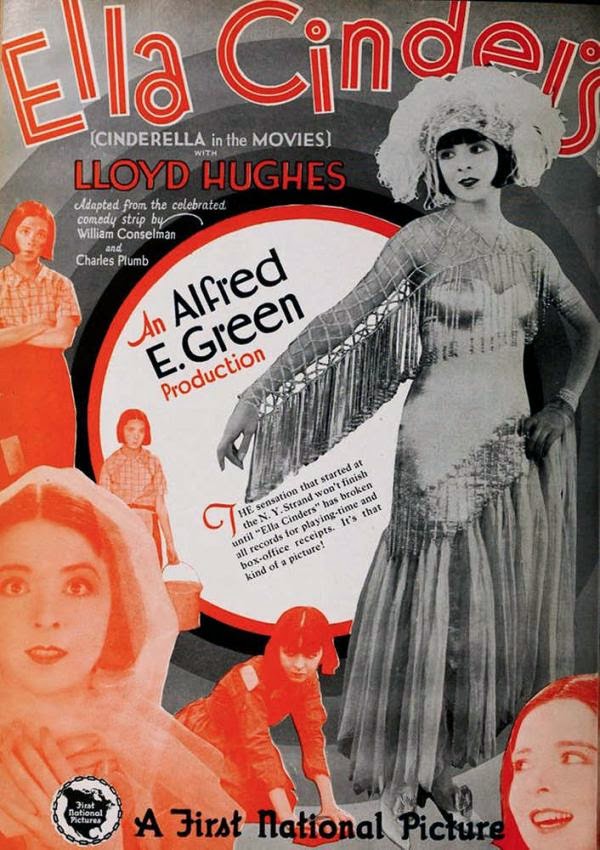
Uma história tão velha quanto o tempo, mas não é A Bela e a Fera. Hoje nosso assunto é Cinderela e todos os elementos familiares que vêm com o conto de fadas: a Fada Madrinha, a abóbora que se transforma em carruagem, o encantamento que acaba à meia-noite, o sapatinho de cristal que é deixado para trás e que o Príncipe experimenta nas mulheres. Todos estes elementos estavam lá quando Georges Méliès fez a primeira Cinderela do cinema, em 1899. Eles estavam todos lá em 1914, quando Mary Pickford estrelou sua própria versão adorável do conto. Mas a era do cinema mudo nem havia chegado ao fim quando a história foi modernizada e subvertida no hilário filme “O Prêmio de Beleza” (1926).


A tale as old as time, but not Beauty and the Beast. Today we talk about Cinderella and all the familiar bits that come in the story: the Fairy Godmother, the pumpkin that becomes a carriage, the enchantment that ends at midnight, the glass slipper lost and left for the Prince to try on the women. They were all there, when Georges Méliès did the first Cinderella in film history, in 1899. They were all there in 1914, when Mary Pickford starred in her own adorable version of the tale. But the silent film era wasn’t over yet when the story was modernized and subverted in the hilarious "Ella Cinders" (1926).

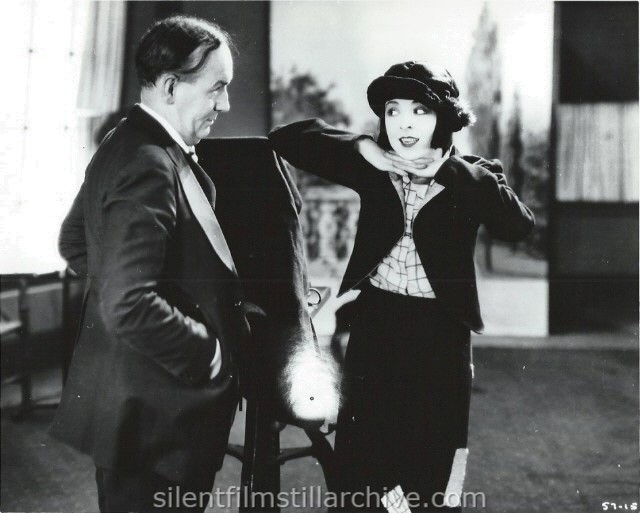
Na cidade de Roseville mora a família Cinder, cuja filha adotiva Ella (Colleen Moore) faz todas as tarefas em casa. Quando chega a notícia de que um concurso de beleza será feito na cidade, com o prêmio sendo uma quantia em dinheiro e uma passagem para Hollywood, todas as garotas ficam animadas, incluindo Ella. Ela economiza dinheiro para tirar uma foto para o concurso, mas não tem roupa para ir ao baile onde a vencedora será anunciada.


In the city of Roseville live the Cinders, whose stepdaughter Ella (Colleen Moore) does all the chores in her house. When news come that a beauty contest is about to take place in town, with the prize being a sum of money and a ticket to Hollywood, all girls get excited, including Ella. She saves money to take a picture for the contest, but has no clothes to go to the ball where the winner will be announced.

Ella só vai ao baile por insistência de seu amigo Waite (Lloyd Hughes), vendedor de gelo. Lá ela é humilhada e deixa seu sapatinho para trás. No dia seguinte, os jurados do concurso chegam à casa dos Cinder procurando pela filha deles. Ella ganhara o concurso e o resto do filme conta suas aventuras em Hollywood.


Ella only goes to the ball because of the insistence of her friend Waite (Lloyd Hughes), the iceman. There she is humiliated and leaves her shoe behind. The next day, the jurors of the contest arrive at the Cinders’ house in search for their daughter. Ella has won the contest and the remainder of the movie chronicles her misadventures in Hollywood.

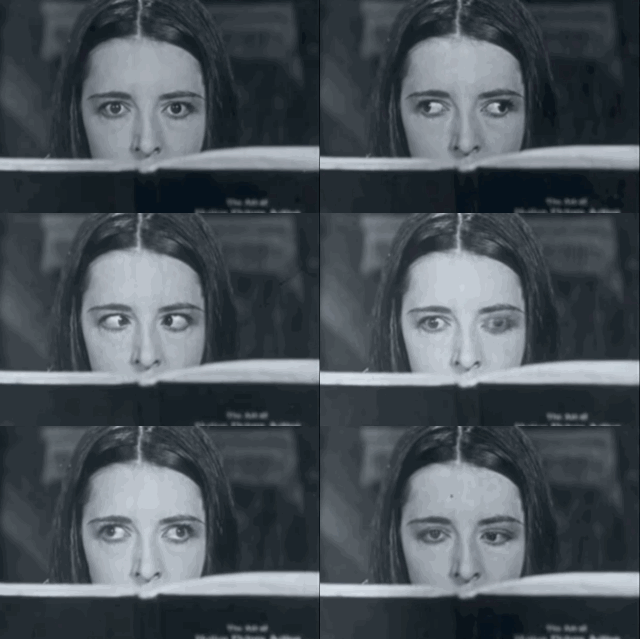
A cena mais icônica do filme chega na marca de 10 minutos: Ella Cinders vesga lendo um livro que ela roubara da meio-irmã Lotta (Doris Baker). De acordo com o IMDb, o truque foi feito de maneira até fácil: um pedaço de papel preto foi colocado num lado da câmera e os movimentos de olho foram filmados, depois o pedaço de papel passava para a outra metade da câmera e o movimento do outro olho era filmado. Quando juntadas as partes, a mágica acontecia.  


The most iconic scene from the movie comes at the 10 minute mark: Ella Cinders cross-eyed over a book she had stolen from her stepsister Lotta (Doris Baker). According to IMDb, the trick was achieved in a rather easy way: a black piece of paper taped half of the camera and the eye movement was recorded, then the piece of paper was moved to the other half of the camera and the other eye movement was then filmed. When the scene played combining the parts, the magic happened.

O conto da Cinderela vem de um livro de 1697 publicado por Charles Perrault, mas a história não surgiu da cabeça dele. O conto em si é muito antigo e passava de geração em geração, mas Perrault foi o primeiro a compilar contos como este e também o pi0neiro em duas outras coisas: chamar a personagem de Cinderela – no francês original, “Cendrillon” – e a mencionar que ela estava usando um sapatinho de cristal – um calçado bem desconfortável. Mas o filme não derivou diretamente do conto de fadas.


The tale of Cinderella came from a 1697 book released by Charles Perrault, but it didn’t come from his mind. The tale itself was very old and passed through several generations, but Perrault was the first to compile tales such as this one and also the first one to both name the character Cinderella – in the original French, “Cendrillon” – and to mention that she was wearing a glass slipper – a rather uncomfortable kind of footwear. But the movie didn’t come directly from the fairy tale.

“O Prêmio de Beleza” foi adaptado de uma tirinha de jornal! A tirinha foi publicada entre 1925 e 1961 e foi criada por Charles Plumb e William M. Conselman do departamento de arte do Los Angeles Times. Um dos roteiristas responsáveis pela adaptação foi Mervin LeRoy, um ex-ator de vaudeville que se tornaria um prolífico diretor em Hollywood. A principal diferença das tirinhas para o filme é que nas tirinhas Ella tem um irmão mais novo chamado Blackie, que não aparece no filme.


“Ella Cinders” was adapted from a comic strip! The strip was published from 1925 to 1961 in American newspapers and was created by Charles Plumb and William M. Conselman from the Los Angeles Times art department. One of the screenwriters responsible for the adaptation was Mervin LeRoy, a former vaudevillian who would become a prolific director in Hollywood. The main difference from the source material is that Ella has a kid brother, Blackie, in the comic strip that is totally absent from the movie.

“O Prêmio de Beleza” foi distribuído pela First National Pictures, produtora e distribuidora que existiu em Holywood entre 1917 e 1936. O diretor é Alfred E. Green, que entrou no cinema como ator em 1912 e dirigiu seu primeiro longa em 1917. Green também aparece em “O Prêmio de Beleza”, interpretando um diretor no estúdio. Já que estamos falando de diretores, devemos mencionar que Frank Capra dirigiu a breve sequência em que Harry Langdon faz uma participação especial.


“Ella Cinders” was made by First National Pictures, a producing and distribution company that existed in Hollywood between 1917 and 1936. The director is Alfred E. Green, who entered films as an actor in 1912 and directed his first feature in 1917. Green also appears in “Ella Cinders”, playing a film director in the studio. Since we’re talking about directors, we should mention that Frank Capra directed the brief sequence with Harry Langdon’s cameo.

“O Prêmio de Beleza” é hoje o mais famoso filme estrelando Colleen Moore. Com apenas 26 anos quando o filme foi rodado, Moore já estava trabalhando no cinema desde os 18 e já havia influenciado milhões de “flappers” a cortarem o cabelo igual ao dela. O produtor de “O Prêmio de Beleza”, John McCormick, era marido de Moore na época, e Lloyd Hughes, que interpreta o par romântico, já havia feito outros quatro filmes com Moore entre 1923 e 1926. Depois de uma pausa na carreira quando o som chegou ao cinema, Moore fez seus últimos filmes nos anos 1930, aposentando-se em 1934.


“Ella Cinders” is now the most famous movie starring Colleen Moore. Only 26 when the film was shot, Moore already had been working in films since she was 18 and had influenced millions of flappers to cut their hair like hers. The producer of “Ella Cinders”, John McCormick, was Moore’s husband at the time, and Lloyd Hughes, who plays the love interest, had appeared in four other films with Moore between 1923 and 1926. After a career pause when sound came to cinema, Moore made her final films in the early 1930s, retiring in 1934.

Em 2013, “O Prêmio de Beleza” foi selecionado para ser preservado pela Biblioteca do Congresso norte-americano, em uma lista chamada National Film Registry. A versão animada de “Cinderela”, feita por Walt Disney em 1950, também foi selecionada para preservação. O conto foi adaptado dezenas de vezes, mas “O Prêmio de Beleza” traz um retrato fresco da história da moça pobre que triunfa e se mantém aprazível após quase um século de sua estreia, em parte por causa da performance jovial de Colleen Moore como a sonhadora Ella.


In 2013, “Ella Cinders” was selected to be preserved by the Library of Congress in their National Film Registry. The animated version of “Cinderella”, made by Walt Disney in 1950, is also in the Registry. The tale was adapted to the screen dozens of times, but “Ella Cinders” brings a fresh portrait of the rags-to-riches story and remains enjoyable after almost a century from its original release, in part because of Colleen Moore’s jovial performance as the dreamer Ella.


This is my contribution to the Party Like It’s 1899 Blogathon, hosted by Erica at Poppity Talks Classic Film.

Saturday, April 22, 2023

Nana (1926)


Eu sou apaixonada por muitas coisas, e o cinema francês é uma delas. Eu tento ver o máximo de filmes franceses que consigo, cubro estréias francesas para a Revista Eletrônica Ambrosia e aprendi mais que algumas palavrinhas em francês só assistindo a tantos filmes made in France. Eu aprendi muito sobre os mestres do cinema francês, e Jean Renoir é um deles. Por isso, não podia deixar passar a oportunidade de ver um dos primeiros filmes de Renoir e procurar o gênio em formação em “Nana” (1926).

I’m passionate about many things, and French cinema is one of them. I try to watch as many French films as I can, I cover French film premieres at the electronic magazine Ambrosia and I’ve learned more than a few French words by watching so many French films. I’ve learned a lot about the masters of French cinema, and Jean Renoir is one of them. So, I couldn’t say “no” to the opportunity of seeing one of Renoir’s early work, and finding the genius blossoming in “Nana” (1926).

Nana (Catherine Hessling) é descrita como “uma garota bonita, sem voz ou talento” mas ainda assim “a ídola do boulevard”. Ela enfeitiça todos os homens da plateia, do mais pobre ao mais rico, incluindo condes e jornalistas. Uma noite, depois do espetáculo, ela recebe no camarim o Conde Muffat (Werner Krauss), que se apaixona por ela. A Condessa Muffat (Jacqueline Forzane), por sua vez, está aproveitando a presença de Fauchery (Claude Autant-Lara), jornalista e dramaturgo.

 Nana (Catherine Hessling) is described as “a pretty girl, without a voice or talent”, but still “the idol of the boulevard”. She bewitches all men in the audience, from the poorest to the richest, and including counts and journalists. One night, after the show, she receives backstage the Count Muffat (Werner Krauss), who falls in love with her. Countess Muffat (Jacqueline Forzane), on the other hand, is enjoying the presence of Fauchery (Claude Autant-Lara), journalist and playwright.

De início, Nana recusa os avanços do Conde, mas ela muda de ideia quando perde o cobiçado papel da Pequena Duquesa numa peça para outra atriz, Rose Mignon (Jacqueline Ford). Nana pede que o Conde intervenha, e ele decide investir na peça contanto que Nana tenha o papel principal. Fauchery, que escreveu a peça, não fica feliz com a mudança, mas tem de concordar com o que o dono do teatro, Bordenave (Pierre Lestringuez), decidiu na negociação com o Conde. A peça é um fracasso e Nana abandona o teatro para se tornar cortesã. Em vez de aplausos, agora ela vai colecionar amantes.  

 At first, Nana refuses the Count’s approach, but she changes her mind when she loses the coveted role of The Little Duchess in a play to another actress, Rose Mignon (Jacqueline Ford). Nana asks the Count for intervention, and he decides to invest in the play as long as Nana plays the lead. Fauchery, who wrote the play, is not happy with the change, but has to agree with what the theater owner, Bordenave (Pierre Lestringuez), has decided in a negotiation with the Count. The play is a failure and Nana abandons the theater to become a courtesan. Instead of applauses, now she will collect lovers.

Catherine Hessling era esposa e musa de Jean Renoir. Não é um simples caso de nepotismo: Hessling é muito boa, seja seduzindo um homem, sofrendo ou dançando can-can. Sempre com olhos muito maquiados e boca pintada em formato de coração, Hessling podia interpretar personagens trágicas - como em “A Dama da Água” (1925) - e fez 14 filmes em uma carreira que durou de 1925 a 1925, quando, já separada de Renoir, ela se aposentou.

Catherine Hessling was Jean Renoir’s wife and muse. It’s not simply a case of nepotism: Hessling is really good, no matter if she’s seducing a man, suffering or dancing the can-can. Always with heavy eye makeup and heart-shaped lips, Hessling could play well tragic characters - like in “Whirlpool of Fate” (1925) - and appeared in 14 movies in a career that lasted 10 years, from 1925 to 1935, when, already divorced from Renoir, she retired.

Nos créditos é dito que o filme foi inspirado no romance de Emile Zola. O IMDb lista 13 adaptações da “Nana” de Zola, da era muda aos dias de hoje, incluindo longas-metragens, curtas e séries de TV. O roteiro do filme de Renoir foi escrito por Pierre Lestringuez, que também interpreta Bordenave. Tendo começado suas carreira como roteirista com a estreia de Renoir na direção, “A filha da Água”, Lestringuez escreveu 25 roteiros até sua morte em 1950. Sua carreira como ator foi bem mais curta, sendo ele creditado em apenas seis performances em frente às câmeras.

In the credits it’s said that the film was inspired by the novel by Emile Zola. IMDb lists 13 adaptations of Zola’s “Nana”, from the silent era to nowadays, including features, shorts and TV series. The scenario for Renoir’s film was written by Pierre Lestringuez, who also plays Bordenave. Starting his career as a screenwriter with Renoir’s debut “Whirlpool of Fate”, Lestringuez went on to write 25 scenarios until his death in 1950. His career as an actor was much shorter, as he’s credited with only six performances in front of the camera.

“Nana” se passa no final da década de 1860, o que pode ser percebido pelas roupas usadas pelas mulheres. O figurino é decente, mas os cenários luxuosos são o verdadeiro destaque. Pode se tratar de um passado recente - pelo menos o era na década de 1920 -, mas algumas coisas não mudaram, como por exemplo o medo da varíola.

 “Nana” is set in the late 1860s, which can be told by the clothes the women are wearing. The clothes are nice, but the lavish sets are truly outstanding. It may be a near past - near to 1920s, that is - but some things remained the same, like the fear of smallpox.

A parte com Nana no teatro é mais interessante que seu tempo como cortesã. Há também uma subtrama sobre apostas em corridas de cavalos que deveria ser emocionante, mas não é. Infelizmente, a parte no teatro é a mais curta, o que faz o filme parecer muito longo - e é realmente longo, com quase três horas de duração. Pode ser descrito como um Renoir ousado, mas ainda não o Renoir genal que conhecemos mais tarde em sua carreira.

The bit with Nana in the theater is more interesting than her times as a courtesan. There is also a whole subplot about bets in horse races that is supposed to be exciting, but isn’t really. Unfortunately, the theater bit is the shortest, which makes the film feel too long - and it’s long indeed, as it’s nearly three hours long. It can be described as a bold Renoir, but not yet the genius Renoir we all knew later in his career.

Thursday, November 7, 2019

A Águia Azul (1926) / The Blue Eagle (1926)


Há filmes mudos de todos os tamanhos e durações. Além disso, não é regra que, quando um diretor começa a fazer longas-metragens, ele pare de fazer filmes mais curtos. Veja John Ford, por exemplo. Ford começou como diretor em 1917 e, em 1926, ele já havia dirigido dezenas de filmes, incluindo o impressionante épico “O Cavalo de Ferro”, de 1924, que tem mais de duas horas de duração. Ford não teve vergonha de voltar a fazer filmes menores e mais intimistas, e foi exatamente isso que ele fez em 1926 com “A Águia Azul”.

Silent film comes in all shapes and sizes. Furthermore, it’s not a rule that, once a director graduates to feature films, he never comes back to shorter films. Take John Ford, for instance. Ford started directing movies in 1917 and, in 1926, he had already directed dozens of films, including the impressive epic “The Iron Horse”, from 1924, that is over two hours long. Ford wasn’t ashamed to go back to more intimate films, made in a smaller scale, and this was exactly what he did in 1926 with “The Blue Eagle”.


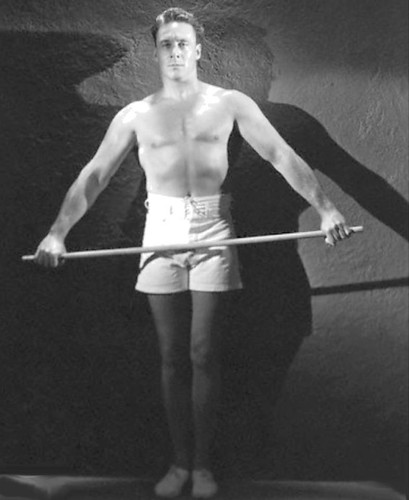
George Darcy (George O'Brien, completamente lambuzado com óleo para parecer que está suando) e Big Tim Ryan (William Russell, igualmente lambuzado com óleo) estão servindo no mesmo navio na Primeira Guerra Mundial, mas eles são rivais na cidade natal. Juntos na guerra, eles vivenciam as batalhas, a adrenalina e a perda de companheiros. Mas assim que a guerra acaba, a velha rivalidade ressurge.

George Darcy (George O’Brien, completely covered in oil to look like he’s sweating) and Big Tim Ryan (William Russell, equally covered in oil) are shipmates during World War I, but back at home they’re rivals. Together at war, they experience the battles, the adrenaline and the loss of shipmates. But once the war is over, the old grudge comes back.


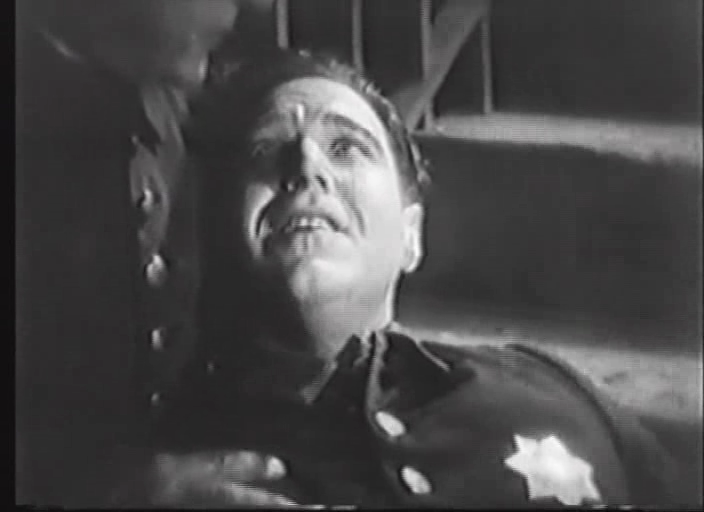
Darcy e Ryan vivem perto das docas, em um bairro pobre dominado por gangues rivais, algo que também pode ser visto em “Anjos de Cara Suja” (1938) e “Sindicato de Ladrões” (1954). Darcy e Ryan pertencem a gangues rivais – Darcy aos Terriers e Ryan aos Rats – e ambos estão apaixonados pela mesma mulher, Rose Kelly (Janet Gaynor), filha do policial Sargento Kelly (Lew Short). No bairro deles, problemas com drogas estão crescendo, e o Padre Joe (Robert Edeson), também ex-marinheiro, decide pedir para Darcy e Ryan ajudarem a polícia a prender os traficantes.

Darcy and Ryan are from the waterfront – a rather poor neighborhood dominated by rival gangs, something that can be seen in films like “Angels with Dirty Faces” (1938) and “On the Waterfront” (1954). Darcy and Ryan belong to rival gangs – Darcy’s Terriers and Ryan’s Rats – and they both are in love with the same woman, Rose Kelly (Janet Gaynor), daughter of police Sergeant Kelly (Lew Short). In their neighborhood, problems with drugs are on the rise, and Father Joe (Robert Edeson), also a former Marine, decides to ask both Darcy and Ryan to help the police arrest the smugglers.


Num mundo em que traficantes têm um SUBMARINO e gangues são formadas apenas para intimidar parte de um bairro, é de se esperar que haja uma mistura de gêneros, algumas subtramas que não vão a lugar algum – qual a importância dos irmãos gêmeos de Rose na narrativa? - e conclusões rápidas. Afinal, “A Águia Azul” tem menos de uma hora de duração!

In a world where drug dealers have a SUBMARINE and gangs are formed only to intimidate part of a neighborhood, it's expected a mix of genres, a few subplots that go nowhere – what is the use of Rose's twin brothers in the narrative? - and quick conclusions. After all, “The Blue Eagle” is less than one hour long!


George O'Brien foi um galã popular na década de 1920 e estrela de faroestes nos anos 30, e seu filme mais famoso é a obra-prima “Aurora” (2927), também com Janet Gaynor. Foi através do filme “O Cavalo de Ferro” de Ford que O'Brien alcançou o estrelato – embora ele desejasse, quando chegou em Hollywood, ser operador de câmera!

George O'Brien was a popular leading man in the 1920s and western star in the 1930s, and his most famous film is the masterpiece “Sunrise” (1927), also with Janet Gaynor. It was through Ford's “The Iron Horse” that O'Brien achieved stardom – although his only wish when he went to Hollywood was to become a cameraman!


As aventuras anteriores de George O'Brien ajudaram-no muito em “A Águia Azul”: ele serviu na Marinha norte-americana durante a Primeira Guerra Mundial, e foi condecorado por bravura, e depois da guerra ele se tornou campeão de boxe. Ele se alistou novamente na Marinha durante a Segunda Guerra. O título do filme “A Águia Azul” vem do fato de os marinheiros norte-americanos serem conhecidos como “águias azuis”. George O'Brien tinha orgulho de seu serviço na Marinha e deste filme em particular porque, mais tarde, lhe foi perguntado que filme ele queria que fosse exibido em uma mostra retrospectiva de sua carreira, e ele escolheu “A Águia Azul”.

George O'Brien's previous life adventures helped him a lot in “The Blue Eagle”: he had been in the US Navy during World War I, and was decorated for bravery, and after the war he became a boxing champion. He re-enlisted in the Navy during World War II. The title of the film “The Blue Eagle” comes from the fact that the US Marines are often referred to as Blue Eagles. George O'Brien was fond of his time at the Navy and of this film in particular because, later in his life, he was asked which film he wanted to see showed in a career retrospective festival honoring him, and he chose “The Blue Eagle”.


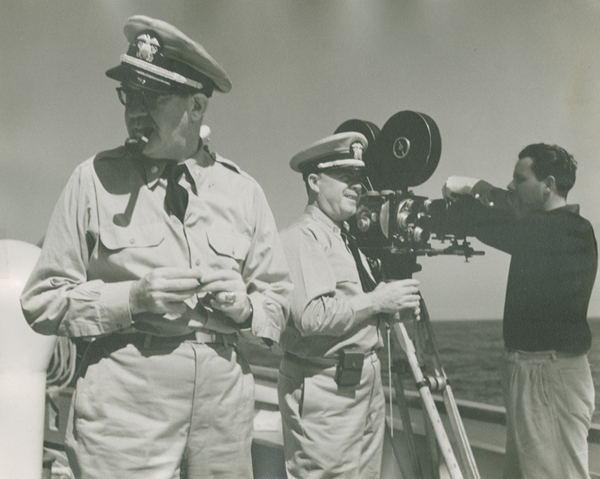
John Ford também teve uma ligação íntima com a Marinha, mas apenas depois de fazer “A Águia Azul”. Durante a Segunda Guerra Mundial, Ford trabalhou com a Marinha fazendo documentários de guerra. Um destes documentários é “A Batalha de Midway” (1942), ganhador de um Oscar. Ford foi uma testemunha ocular do Dia D em 1944, mas a maioria das imagens que ele filmou do Dia D foi considerada forte demais para ser exibida para o público.

John Ford also had a close link with the Navy, but only after making “The Blue Eagle”. During World War II, Ford worked with the Navy Department doing war documentaries. One of these documentaries is “The Battle of Midway” (1942), that won an Oscar. Ford was an eyewitness of the D-Day in 1944, but most of his footage shot on D-Day was considered too gruesome to be released to the public.


Janet Gaynor também fez outro filme com John Ford em 1926, “A Folha do Trevo”. Este é mais um pequeno filme que mistura comédia, drama e esporte – desta vez, corrida de cavalos. Com Janet Gaynor em um papel mais substancial e também um pouco de racismo, “A Folha do Trevo” é considerado o primeiro filme de John Ford que se passa na Irlanda.

Janet Gaynor also appeared in another John Ford film from 1926, “The Shamrock Handicap”. This is another small scale film that mixes drama, romance and sports – this time, it’s horse race. With Janet Gaynor in a more substantial role and also a bit of racism, “The Shamrock Handicap” is considered  the first John Ford film set in Ireland.
 
The Shamrock Handicap
Dois personagens muito importantes – aqueles que convencem Darcy e Ryan a declararem uma trégua – são o irmão deficiente de Darcy, Limpy (Philip Ford, sobrinho de John Ford), e o amigo bobão de Ryan, Dizzy (David Butler). Tanto Ford quanto Butler tiveram carreiras curtas como atores e mais tarde se tornaram prolíficos diretores.

Two very important characters – the ones that convince Darcy and Ryan to declare a truce – are Darcy’s handicapped brother, aptly named Limpy (Philip Ford, John Ford’s nephew), and Ryan’s good and dumb friend Dizzy (David Butler). Both Ford and Butler had brief careers as actors and later became prolific directors.


“A Águia Azul” tem atrativos para todos os públicos: romance, ação na guerra, drama urbano, um pouco de humor e até uma luta de boxe. Além disso, amantes de belos cenários, prestem atenção às luzes da cidade quando os personagens estão no cais. Infelizmente, as cenas com as batalhas navais ainda estão perdidas, o que torna o filme menos emocionante de ver hoje do que foi quando estreou. Mesmo assim, o filme nos traz o mais próximo que temos de um filme de gângster de John Ford, e por isso já merece ser visto.

The Blue Eagle” has something for everyone in the audience: romance, war action, urban drama, a bit of humor and even a boxing match. Also, lovers of beautiful scenery, pay attention to the city lights when the characters are on the waterfront. Unfortunately, the scenes with the sea battles are currently lost, which makes the film less exciting to see today than when it was originally released. Nevertheless, it brings the closest we have from a John Ford gangster picture, and for this alone it is worth a watch.

This is my contribution to the Send in the Marines blogathon, hosted by Gill and J-Dub at RealWeegieMidget Reviews and Dubsism.


Related Posts Plugin for WordPress, Blogger...