} Crítica Retrô: Hollywood

Tradutor / Translator / Traductor / Übersetzer / Traduttore / Traducteur / 翻訳者 / переводчик

Showing posts with label Hollywood. Show all posts

Friday, September 4, 2026

Dois filmes mudos no Stummfilmtage Bonn 2026


Two silents at the Stummfilmtage Bonn 2026

Alguns dias atrás percebi que algumas pessoas que eu seguia no Letterboxd haviam logado alguns filmes mudos dos quais eu nunca havia ouvido falar. Em seus comentários, eu encontrei o link para o Stummfilmtage Bonn 2026 - que em alemão é o mesmíssimo título da Giornate del Cinema Muto é em italiano: Dias de Cinema Mudo. Além da versão presencial na Alemanha, eles tinham uma programação online grátis! Eu cheguei bem no fim da festa, mas pude assistir a três filmes mudos intrigantes. O primeiro, “Béhula” (1921), será analisado mais profundamente no meu blog Lost and Found films, por isso vamos focar nos outros dois filmes. 

A few days ago I noticed that some people I followed on Letterboxd had logged some silent films I had never heard of. In their reviews, I found the link to the Stummfilmtage Bonn 2026 - which in German is the very same as is the title for Le Giornate del Cinema Muto in Italian: Days of Silent Cinema. Besides its onsite version in Germany, they provided an online program that was free! I arrived pretty late for the party, but I could watch three intriguing silents. The first, “Béhula” (1921), will be analyzed deeper on my blog Lost and Found Films, so let’s dive into the other two movies.

Ambos tinham referências bíblicas em seus títulos e ambos não puderam ser exibidos no evento presencial por causa do mau tempo. Um deles tinha uma trilha pré-gravada, enquanto o outro foi exibido totalmente silencioso. Um veio de Hollywood, o outro da Tchecoslováquia.

Both had biblical references in their titles and both couldn’t be screened at the onsite event due to bad weather. One had a soundtrack pre-recorded, while the other was screened totally silent. One came from Hollywood, the other from Czechoslovakia.

Em “The Garden of Eden” (1928), somos apresentados a Toni (Corinne Griffith), uma garota de Viena que quer ser cantora de ópera. Ela recebe uma carta de Budapeste convidando-a para cantar no Palácio de Paris; uma carta assinada por M. Bauer. Chegando lá, ela descobre que Bauer (Maude George) é uma mulher que administra um show de mau gosto. Ela aceita cantar mesmo assim, mas é humilhada em seu primeiro número, o que a leva a ser despedida junto à costureira do local, Rosa (Louise Dresser), que defendeu a menina.  

In “The Garden of Eden” (1928), we’re introduced to Toni (Corinne Griffith), a girl from Vienna who wants to be an opera singer. She receives a letter from Budapest inviting her to sing at the Palais de Paris; a letter signed by M. Bauer. Arriving there, she finds out that Bauer (Maude George) is a woman who manages a show house of poor taste. She accepts to sing anyway, but is humiliated in her first number, which leads to her firing alongside the house seamstress Rosa (Louise Dresser), who defended her.

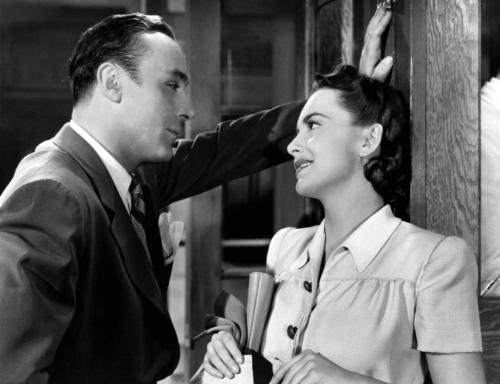
Rosa é na verdade uma Baronesa e, amadrinhando Toni, a leva para Monte Carlo no Hotel Eden para viver com pompa e circunstância duas semanas patrocinadas pela pensão de viúva de guerra. Lá, elas conhecem o Coronel Dupont (Edward Martindel) e seu sobrinho Richard (Charles Ray), e ambos se apaixonam por Toni, ou melhor, a Baronesa Antoinette. 

Rosa is actually a Baroness and, taking Toni under her wing, takes her to Monte Carlo to Hotel Eden to live lavishly two weeks from her war widow pension. There, they meet the Colonel Dupont (Edward Martindel) and his nephew Richard (Charles Ray), and both fall for Toni, or better, Baroness Antoinette.

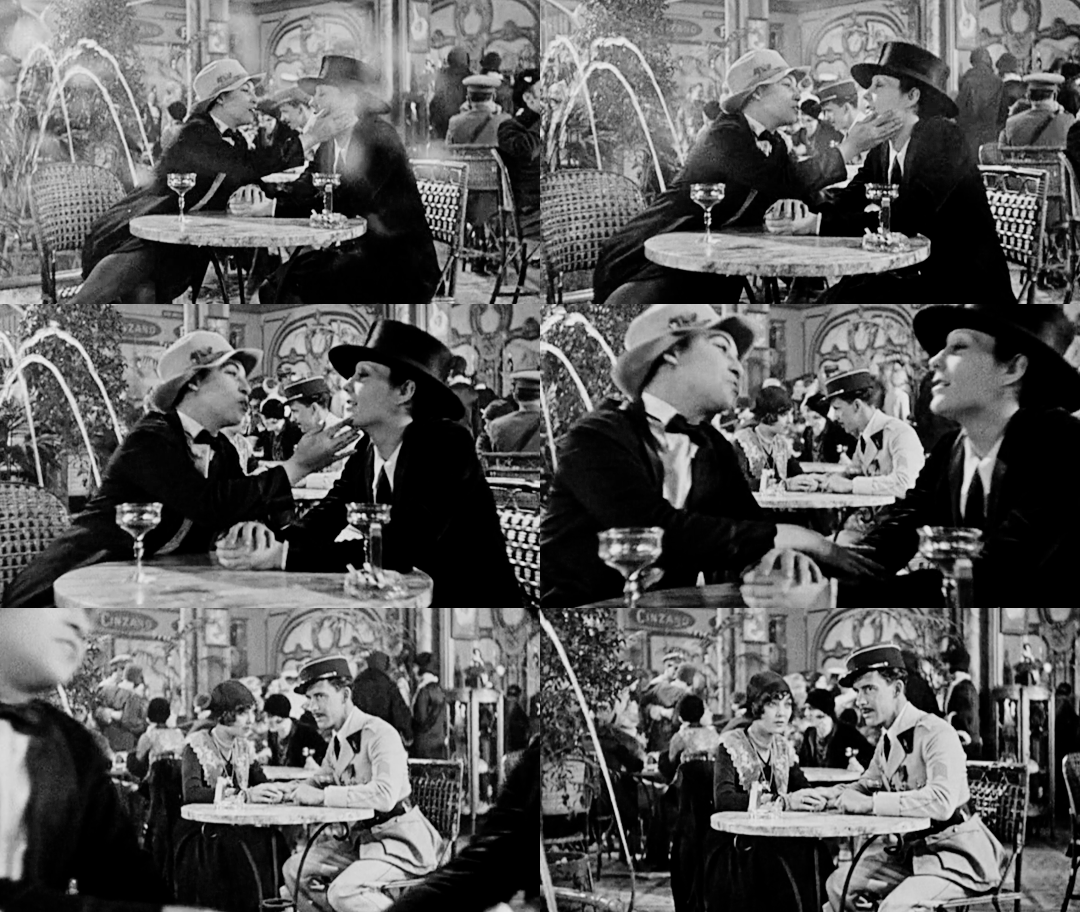
Em “Adam and Eva” (1922), somos apresentados aos gêmeos chamados Adam e Eva, ambos interpretados por Suzanne Marwille. Ela é sapeca, sempre pregando peças nos outros, especialmente no irmão. Quando ambos têm dezesseis anos, Adam decide ensinar uma lição para Eva e se veste como ela para seduzir o vizinho. Eva então se veste de Adam para se vingar da vingança dele. 

In “Adam and Eva” (1922), we’re introduced to twins named Adam and Eva, both played by Suzanne Marwille. She is the mischievous one, always pranking other people and especially her brother. When they’re sixteen, Adam decides to teach Eva a lesson and dresses like her to seduce a neighbor. Eva then dresses as Adam to take revenge on his revenge.

Somos informados por uma cartela de texto que “The Garden of Eden” tinha uma sequência de sonho em Technicolor no primeiro rolo que atualmente está perdida. “Adam e Eva” termina de maneira abrupta, o que nos leva a imaginar se não tem nada faltando. Esses detalhes, entretanto, não impactaram as sessões, e agora eu sei que há outro maravilhoso festival de cinema mudo para nós amantes dessa arte.

We are informed by a title card that “The Garden of Eden” had a Technicolor dream sequence in the first reel that’s currently lost. “Adam and Eva” ends abruptly and lets us imagine if there isn’t anything missing. These things, however, didn’t make the viewing experience any worse, and now I know that there is another wonderful silent film festival for us lovers of this art.

Friday, June 27, 2025

Hollywood (1932) / What Price Hollywood? (1932)


Meu filme favorito de todos os tempos é a versão de 1937 de “Nasce uma Estrela”. Com Technicolor brilhante, este drama sobre fama e infortúnio me arrebatou quando o vi pela primeira vez, há mais de 15 anos. Até agora, o filme foi refilmado três vezes - em 1954 com Judy Garland, em 1976 com Barbra Streisand e em 2018 com Lady Gaga. Mas mesmo em 1937 a história não era completamente original: o filme foi meio que inspirado por uma produção anterior, sobre a qual escreverei sobre agora, depois de todos esses anos apaixonada pela história de Vicky Lester e Norman Maine.

My favorite film of all time is the 1937 version of “A Star is Born”. With shining Technicolor, this drama of fame and misfortune swept me out of my feet when I first watched it, over 15 years ago. So far, the film was remade three times - in 1954 with Judy Garland, in 1976 with Barbra Streisand and in 2018 with Lady Gaga. But the story wasn’t completely original in 1937: the movie was kind of inspired by an earlier movie, which I’ll review today, after all those years being in love with the story of Vicky Lester and Norman Maine.

Mary Evans (Constance Bennett) segue as modas ditadas pelas estrelas de cinema e pelas revistas sobre o tema. Ela sonha com uma beijoca de Clark Gable, mas enquanto não tem sua grande chance, trabalha servindo mesas numa lanchonete local. Numa noite ela serve a mesa do famoso diretor Max Carey (Lowell Sherman), que, estando bêbado, a convida para ser seu par numa estreia de filme.  

Mary Evans (Constance Bennett) follows the fashions dictated by movie stars and fan magazines. She dreams of a smooch from Clark Gable, but while she doesn’t get her big break, she waits tables in a local derby. One night she waits the table of famous director Max Carey (Lowell Sherman), who, being drunk, invites her to be his date in a movie premiere.

No dia seguinte, porque Mary o trouxe inconsciente até a casa dele, Carey diz para ela ir até o estúdio. Ela consegue um pequeno papel com uma fala. Ela passa muitas horas ensaiando e o esforço compensa: o produtor Sr Saxe (Gregory Ratoff) lhe oferece um contrato a longo prazo. Com o apelido de “Amiga da América”, eles querem transformar Mary numa estrela. E conseguem.

The following day, since Mary brought him unconscious to his house, Mr Carey tells her to come to the studio. She is given a bit part with one line. She spends many hours rehearsing and the effort pays off: the producer Mr Saxe (Gregory Ratoff) gives her a long-term contract. Marketing her as “America’s Pal”, they want to turn Mary into a star. And so they do.

Um dia num jogo de polo, ela conhece Lonny Borden (Neil Hamilton), que a força a jantar com ele porque ele não aceita não como resposta. O horrível jantar forçado é logo seguido do anúncio do noivado deles. O casamento é um grande evento, mas a lua de mel precisa ser adiada porque Mary precisa regravar algumas cenas de seu próximo filme. Lonny é um milionário, mas pelo estúdio ele é conhecido como Sr Evans. Carey não quer que Mary desperdice seu tempo e talento dando atenção ao marido ao invés de focar na carreira. 

One day in a polo game she meets Lonny Borden (Neil Hamilton), who then forces her to have dinner with him because he can’t take no for an answer. The horrible forced dinner is quickly followed by the news of their engagement. The wedding is a huge event, but the honeymoon has to be postponed because Mary needs to do some retakes for her next film. Lonny is a millionaire but around the studio he is referred to as Mr Evans. Mr Carey doesn’t want Mary wasting her time and talent giving attention to her husband and focusing less on her career.

O contrato de sete anos com o mesmo estúdio era prática comum em Hollywood. À primeira vista soava como segurança, mas podia ser uma prisão. O contrato era como ter um dono: os estúdios eram donos de suas estrelas e as estrelas tinham que aceitar quaisquer papéis e roteiros que os executivos escolhiam para elas. Mas havia maneiras de escapar: atores podiam incentivar a permuta com outros estúdios que ofereciam papéis melhores, como fez Elizabeth Taylor, ou recusar papéis do estúdio, o que fez Bette Davis, sendo então suspensa por causa de seu comportamento.

The contract lasting for seven years with the same studio was common practice in Hollywood. It at first sounded like security, but could be a prison. The contract was basically an ownership: studios owned their stars and the stars had to accept whichever roles and scripts the executives chose for them. But there were ways out: actors could trigger loans to other studios for juicier roles, as Elizabeth Taylor did, or refuse roles from their studios, which Bette Davis did and was suspended for her behavior.

Este filme foi baseado numa história de Adela Rogers St. John. Muitos detalhes do roteiro são comentados por uma coluna de fofocas chamada “You Ask Me!”. Mas Adela não veio dessas colunas: ela foi uma respeitada jornalista em revistas de cinema, que a levaram até Hollywood, onde a primeira adaptação de uma de suas histórias foi feita em 1918. Para “Hollywood”, ela provavelmente se inspirou na vida pessoal de Colleen Moore e na tragédia do diretor Tom Forman. Adela foi indicada ao Oscar na categoria Melhor História. 

This movie was based on a story by Adela Rogers St. John. Many plot points here are commented upon by a gossip column called “You Ask Me!”. Adela didn’t come from these columns, though: she was a respected journalist in fan magazines, which led her to Hollywood, where the first adaptation of one of her stories was made in 1918. For “What Price Hollywood?”, she probably took inspiration from Colleen Moore’s personal life and the tragedy of director Tom Forman. Adela was nominated for an Oscar in the Best Story category.

Tanto “Hollywood” quanto a versão de 1937 de “Nasce uma Estrela” foram produzidos por David Selznick, que queria Clara Bow no papel principal e precisou convencer os executivos da RKO de que um filme sobre filmes seria bem-sucedido. Tanto “Hollywood” quanto a versão de 1954 de “Nasce uma Estrela” foram dirigidos por George Cukor. Cukor se recusou a dirigir a versão de 1937 por causa das semelhanças que continha com o filme de 1932. 

Both “What Price Hollywood?” and the 1937 “A Star is Born” were produced by David Selznick, who wanted to cast Clara Bow as the lead and had to convince RKO executives that a movie about movies would be successful. Both “What Price Hollywood?” and the 1954 “A Star is Born” were directed by George Cukor. Cukor refused to direct the 1937 version because of the similarities between this and the 1932 movie.

Os créditos começam com algo que não estamos acostumados a ver: um galo em cima de um globo e as palavras “An RKO Pathé Picture”. Em 1931 a RKO adquiriu a Pathé Exchange, fundada em 1914. Com a fusão vieram algumas das maiores estrelas da Pathé, como Constance Bennett. O nome “RKO Pathé” foi usado apenas até o fim de 191, quando o estúdio voltou a se chamar somente RKO. 

The credits begin with something we’re not used to seeing: a rooster over a globe and the words “An RKO Pathé Picture”. In 1931 RKO acquired Pathé Exchange, founded in 1914. With the merge came some of the greatest Pathé stars, such as Constance Bennett. The name “RKO Pathé” was used only until late 1932, when the studio became once again only RKO. 

Eu simplesmente amei os vestidos de Mary! Eu com certeza os usaria se eles fossem um pouco mais curtos A supervisão de figurino ficou a cargo de Margaret Pemberton, que tem apenas dois créditos no currículo. Na estreia, o destaque foi uma sequência com uma montagem da ascensão de Mary para os píncaros da fama, usando efeitos especiais que eram então novidade. 

I simply loved Mary’s dresses! I would certainly wear them if they were a little shorter. The wardrobe supervisor is Margaret Pemberton, who has only two film credits. At the premiere, however, the highlight was a sequence featuring a montage of Mary’s ascension to the top of Tinseltown, using special effects that were brand new at the time.

Em “Hollywood”, a figura bêbada problemática é o diretor Max Carey e não o marido da estrela, o que faz do roteiro mais criativo do que o de “Nasce uma Estrela”, mas provavelmente com menos pathos. É bacana, entretanto, ver uma “versão” da história na era pre–Code, mesmo sendo cheia de misoginia e racismo para com a empregada de Mary, Juanita (a incansável Louise Beavers). Considerando os prós e contras, é uma boa sessão.

In “What Price Hollywood?”, the problematic drunk figure is the director Mr Carey and not the starlet’s husband, which makes the plot more creative than the one in “A Star is Born”, although probably with less pathos. It’s nice, however, to see a “version” of the story made in the pre-Code era, even though it’s full of misogyny and racism towards the character of Mary’s maid Juanita (the hardworking Louise Beavers). Considering the pros and cons, it’s an enjoyable movie.

Saturday, December 30, 2023

O Prêmio de Beleza (1926) / Ella Cinders (1926)

Uma história tão velha quanto o tempo, mas não é A Bela e a Fera. Hoje nosso assunto é Cinderela e todos os elementos familiares que vêm com o conto de fadas: a Fada Madrinha, a abóbora que se transforma em carruagem, o encantamento que acaba à meia-noite, o sapatinho de cristal que é deixado para trás e que o Príncipe experimenta nas mulheres. Todos estes elementos estavam lá quando Georges Méliès fez a primeira Cinderela do cinema, em 1899. Eles estavam todos lá em 1914, quando Mary Pickford estrelou sua própria versão adorável do conto. Mas a era do cinema mudo nem havia chegado ao fim quando a história foi modernizada e subvertida no hilário filme “O Prêmio de Beleza” (1926).


A tale as old as time, but not Beauty and the Beast. Today we talk about Cinderella and all the familiar bits that come in the story: the Fairy Godmother, the pumpkin that becomes a carriage, the enchantment that ends at midnight, the glass slipper lost and left for the Prince to try on the women. They were all there, when Georges Méliès did the first Cinderella in film history, in 1899. They were all there in 1914, when Mary Pickford starred in her own adorable version of the tale. But the silent film era wasn’t over yet when the story was modernized and subverted in the hilarious "Ella Cinders" (1926).

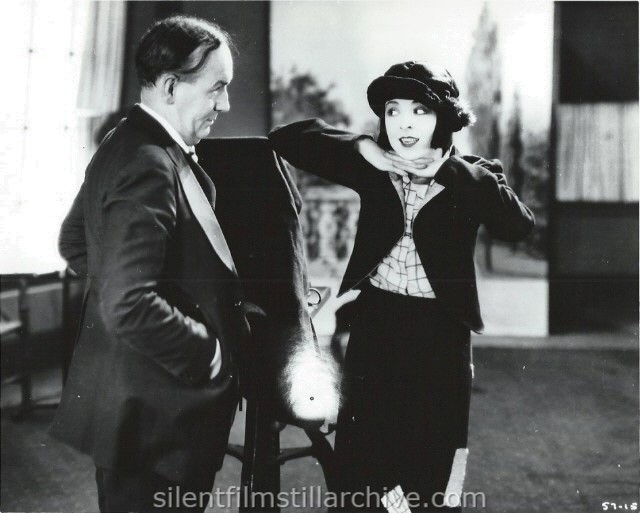
Na cidade de Roseville mora a família Cinder, cuja filha adotiva Ella (Colleen Moore) faz todas as tarefas em casa. Quando chega a notícia de que um concurso de beleza será feito na cidade, com o prêmio sendo uma quantia em dinheiro e uma passagem para Hollywood, todas as garotas ficam animadas, incluindo Ella. Ela economiza dinheiro para tirar uma foto para o concurso, mas não tem roupa para ir ao baile onde a vencedora será anunciada.


In the city of Roseville live the Cinders, whose stepdaughter Ella (Colleen Moore) does all the chores in her house. When news come that a beauty contest is about to take place in town, with the prize being a sum of money and a ticket to Hollywood, all girls get excited, including Ella. She saves money to take a picture for the contest, but has no clothes to go to the ball where the winner will be announced.

Ella só vai ao baile por insistência de seu amigo Waite (Lloyd Hughes), vendedor de gelo. Lá ela é humilhada e deixa seu sapatinho para trás. No dia seguinte, os jurados do concurso chegam à casa dos Cinder procurando pela filha deles. Ella ganhara o concurso e o resto do filme conta suas aventuras em Hollywood.


Ella only goes to the ball because of the insistence of her friend Waite (Lloyd Hughes), the iceman. There she is humiliated and leaves her shoe behind. The next day, the jurors of the contest arrive at the Cinders’ house in search for their daughter. Ella has won the contest and the remainder of the movie chronicles her misadventures in Hollywood.

A cena mais icônica do filme chega na marca de 10 minutos: Ella Cinders vesga lendo um livro que ela roubara da meio-irmã Lotta (Doris Baker). De acordo com o IMDb, o truque foi feito de maneira até fácil: um pedaço de papel preto foi colocado num lado da câmera e os movimentos de olho foram filmados, depois o pedaço de papel passava para a outra metade da câmera e o movimento do outro olho era filmado. Quando juntadas as partes, a mágica acontecia.  


The most iconic scene from the movie comes at the 10 minute mark: Ella Cinders cross-eyed over a book she had stolen from her stepsister Lotta (Doris Baker). According to IMDb, the trick was achieved in a rather easy way: a black piece of paper taped half of the camera and the eye movement was recorded, then the piece of paper was moved to the other half of the camera and the other eye movement was then filmed. When the scene played combining the parts, the magic happened.

O conto da Cinderela vem de um livro de 1697 publicado por Charles Perrault, mas a história não surgiu da cabeça dele. O conto em si é muito antigo e passava de geração em geração, mas Perrault foi o primeiro a compilar contos como este e também o pi0neiro em duas outras coisas: chamar a personagem de Cinderela – no francês original, “Cendrillon” – e a mencionar que ela estava usando um sapatinho de cristal – um calçado bem desconfortável. Mas o filme não derivou diretamente do conto de fadas.


The tale of Cinderella came from a 1697 book released by Charles Perrault, but it didn’t come from his mind. The tale itself was very old and passed through several generations, but Perrault was the first to compile tales such as this one and also the first one to both name the character Cinderella – in the original French, “Cendrillon” – and to mention that she was wearing a glass slipper – a rather uncomfortable kind of footwear. But the movie didn’t come directly from the fairy tale.

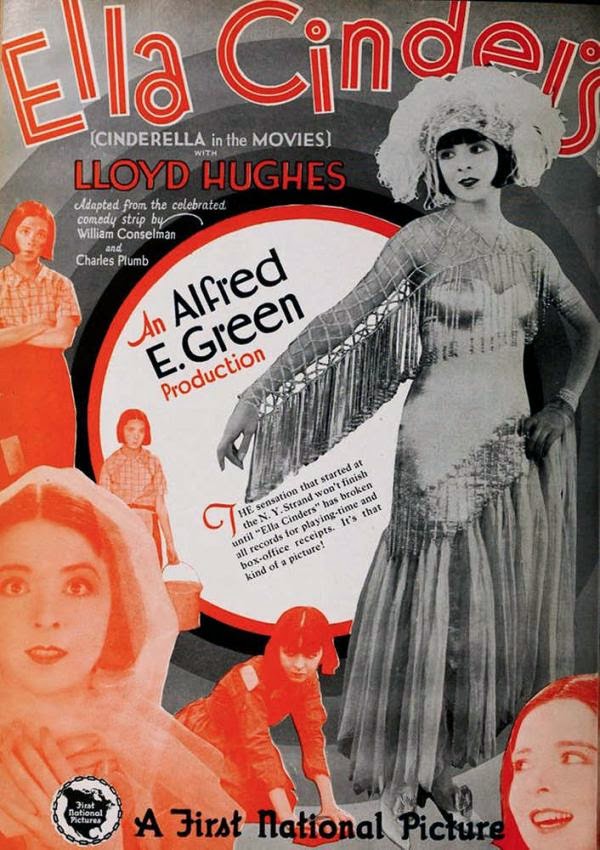
“O Prêmio de Beleza” foi adaptado de uma tirinha de jornal! A tirinha foi publicada entre 1925 e 1961 e foi criada por Charles Plumb e William M. Conselman do departamento de arte do Los Angeles Times. Um dos roteiristas responsáveis pela adaptação foi Mervin LeRoy, um ex-ator de vaudeville que se tornaria um prolífico diretor em Hollywood. A principal diferença das tirinhas para o filme é que nas tirinhas Ella tem um irmão mais novo chamado Blackie, que não aparece no filme.


“Ella Cinders” was adapted from a comic strip! The strip was published from 1925 to 1961 in American newspapers and was created by Charles Plumb and William M. Conselman from the Los Angeles Times art department. One of the screenwriters responsible for the adaptation was Mervin LeRoy, a former vaudevillian who would become a prolific director in Hollywood. The main difference from the source material is that Ella has a kid brother, Blackie, in the comic strip that is totally absent from the movie.

“O Prêmio de Beleza” foi distribuído pela First National Pictures, produtora e distribuidora que existiu em Holywood entre 1917 e 1936. O diretor é Alfred E. Green, que entrou no cinema como ator em 1912 e dirigiu seu primeiro longa em 1917. Green também aparece em “O Prêmio de Beleza”, interpretando um diretor no estúdio. Já que estamos falando de diretores, devemos mencionar que Frank Capra dirigiu a breve sequência em que Harry Langdon faz uma participação especial.


“Ella Cinders” was made by First National Pictures, a producing and distribution company that existed in Hollywood between 1917 and 1936. The director is Alfred E. Green, who entered films as an actor in 1912 and directed his first feature in 1917. Green also appears in “Ella Cinders”, playing a film director in the studio. Since we’re talking about directors, we should mention that Frank Capra directed the brief sequence with Harry Langdon’s cameo.

“O Prêmio de Beleza” é hoje o mais famoso filme estrelando Colleen Moore. Com apenas 26 anos quando o filme foi rodado, Moore já estava trabalhando no cinema desde os 18 e já havia influenciado milhões de “flappers” a cortarem o cabelo igual ao dela. O produtor de “O Prêmio de Beleza”, John McCormick, era marido de Moore na época, e Lloyd Hughes, que interpreta o par romântico, já havia feito outros quatro filmes com Moore entre 1923 e 1926. Depois de uma pausa na carreira quando o som chegou ao cinema, Moore fez seus últimos filmes nos anos 1930, aposentando-se em 1934.


“Ella Cinders” is now the most famous movie starring Colleen Moore. Only 26 when the film was shot, Moore already had been working in films since she was 18 and had influenced millions of flappers to cut their hair like hers. The producer of “Ella Cinders”, John McCormick, was Moore’s husband at the time, and Lloyd Hughes, who plays the love interest, had appeared in four other films with Moore between 1923 and 1926. After a career pause when sound came to cinema, Moore made her final films in the early 1930s, retiring in 1934.

Em 2013, “O Prêmio de Beleza” foi selecionado para ser preservado pela Biblioteca do Congresso norte-americano, em uma lista chamada National Film Registry. A versão animada de “Cinderela”, feita por Walt Disney em 1950, também foi selecionada para preservação. O conto foi adaptado dezenas de vezes, mas “O Prêmio de Beleza” traz um retrato fresco da história da moça pobre que triunfa e se mantém aprazível após quase um século de sua estreia, em parte por causa da performance jovial de Colleen Moore como a sonhadora Ella.


In 2013, “Ella Cinders” was selected to be preserved by the Library of Congress in their National Film Registry. The animated version of “Cinderella”, made by Walt Disney in 1950, is also in the Registry. The tale was adapted to the screen dozens of times, but “Ella Cinders” brings a fresh portrait of the rags-to-riches story and remains enjoyable after almost a century from its original release, in part because of Colleen Moore’s jovial performance as the dreamer Ella.


This is my contribution to the Party Like It’s 1899 Blogathon, hosted by Erica at Poppity Talks Classic Film.

Monday, December 31, 2018

2018 em retrospecto / 2018 in retrospect


Foi difícil escolher uma palavra para definer 2018.  O dicionário Oxford escolheu “tóxico”. O site Dictionary.com escolheu “desinformação”, e o Merriam-Webster escolheu “justice”. Alguns textos no Medium apontaram outras opções, como “trauma” e “luto”. De certa maneira, todas estas palavras estão corretas. 2018 não foi um ano fácil para a sociedade, em especial para nós que vimos com horror a ascensão do fascismo mais uma vez – para uma historiadora como eu, é como se um filme de horror passasse pelos meus olhos, mas agora não é ficção.

It was hard to choose one word to define 2018. Oxford Dictionaries chose “toxic”. Dictionary.com chose “misinformation”, and Merriam-Webster chose “justice”. Some think pieces on Medium pointed other options, such as “trauma” and “grief”. In a way, all these words are correct. 2018 wasn’t easy for as a society, in special for those of us who watch with horror the rise of fascism all over again – for a historian like me, it’s like a little horror movie being shown in front of my eyes, but not in the movie slot, but at the TV news.
 
NOPE
E mesmo assim, na minha vida pessoal, 2018 foi bom – ei, eu escrevi um capítulo de um livro sobre Alfred Hitchcock! E foi bom por causa do cinema. Eu estou cada vez mais convencida de que nós temos as artes em geral e o cinema em particular para nos salvar da excruciante dor da realidade.

And yet, in my personal life, 2018 was goo – hey, I wrote a book chapter about Alfred Hitchcock! And it was good because of the movies. I’m more and more convinced that we have the arts in general and the movies in particular to save us from the excruciating pain of reality.


That's the book
That's me
Estes foram os melhores filmes que eu vi em cada mês – os filmes que me ajudaram a escapar da realidade:

These are the best films I’ve watched each month – the films that helped me escape reality:
My 2018 film notebook
Janeiro: “A Senhora e seus Maridos” (1964) é uma das mais deliciosas comédias que eu já vi. Sua estrela é Shirley MacLaine, interpretando uma garota que só quer ser feliz, mas acaba casada com vários homens, um após o outro, que de repente se tornam ricos, famosos e infelizes. Como seus maridos, temos Dick Van Dyke, Paul Newman, Dean Martin, Gene Kelly e Robert Mitchum.

January: “What a Way to Go!” (1964) is one of the most delightful comedies I’ve ever seen. It stars Shirley MacLaine as a girl who only wants to be happy, but ends up marrying a series of men who suddenly become rich, famous and unhappy. As her husbands, we have Dick Van Dyke, Paul Newman, Dean Martin, Gene Kelly and Robert Mitchum.


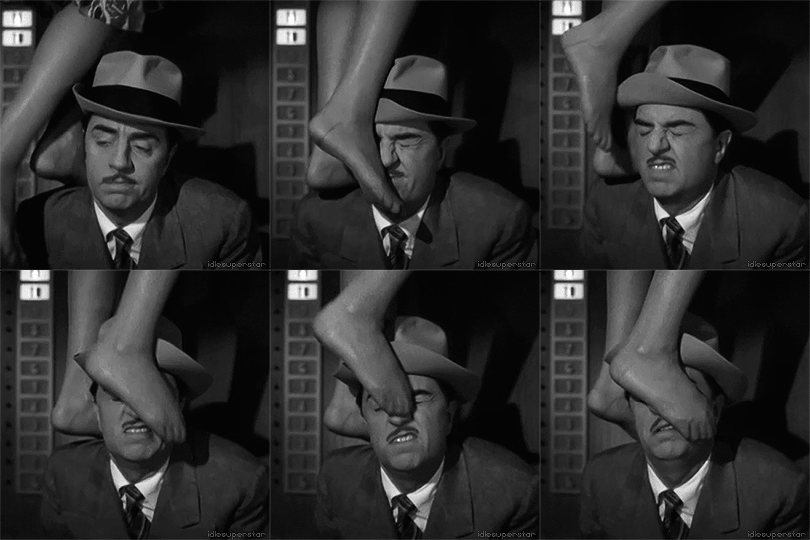
Menção honrosa para “Meu Querido Maluco” (1941), um filme que deveria aparecer no topo de todas as listas de melhores screwball comedies. Suas estrelas são a incrível dupla Myrna Loy e William Powell!

Honorable mention to “Love Crazy” (1941), a film that should be up there in the list of best screwball comedies. It stars the amazing duo Myrna Loy and William Powell!


Fevereiro: O primeiro ganhador do Oscar de Melhor Filme, “Asas” (1927) me impressionou de várias maneiras. As sequências aéreas, a estupidez da guerra, a amizade entre os dois protagonistas, a cena do balanço: estas poderiam ser as quatro razões pelas quais William A. Wellman foi um dos melhores diretores de todos os tempos.

February: The first Best Picture Oscar winner, “Wings” (1927) mesmerized me in more than one way. The aerial sequences, the stupidity of war, the friendship between the two leads, the swing scene: these could be the four main reasons why William A. Wellman was one of the best directors ever.


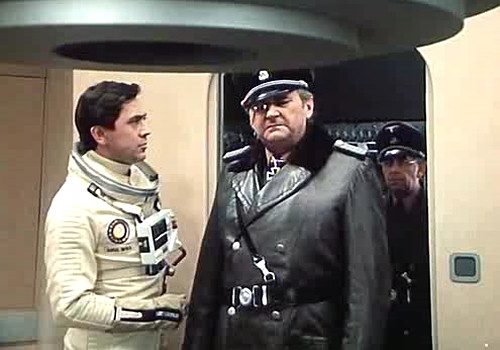
Março: Você já ouviu falar do filme tcheco-eslovaco “Tomorrow I’ll Wake Up and Scald Myself with Tea”, de 1977? Eu também não o conhecia até que a Ruth do blog Silver Screenings escreveu sobre ele. Como o filme estava disponível online, eu decidi lhe dar uma chance, e ri mais com ele do que ri no ano inteiro. O filme é sobre o piloto Charles (Petr Kostka), que é parte de um plano para viajar no tempo e fazer a Alemanha ganhar a Segunda Guerra Mundial. Charles morre de repente e seu irmão gêmeo, John (também Petr Kostka), assume a missão. É preciso ver para crer.

March: Have you ever heard about the Czechoslovakian film “Tomorrow I’ll Wake Up and Scald Myself with Tea”, from 1977? I also hadn’t heard about it until Ruth from Silver Screenings wrote about the film. Since it was available online, I decided to give it a chance and, boy, I laughed more than I had in a long time. The film is about pilot Charles (Petr Kostka), who is part of a plan to travel in time and make German win World War Second. Charles dies suddenly and his twin brother, John (also Petr Kostka) assumes his mission. It needs to be seen to be believed.


Menção honrosa para “A Grande Ilusão” (1949), um filme tão atual que chega a doer. Minha avó também viu o filme e disse que era chato. Ela não é mais minha avó...
Brincadeirinha.

Honorable mention to “All the King’s Men” (1949), a film so modern it hurts. Also, my grandmother also watched this and thought it was boring. She is no longer my grandmother…
 Just kidding.

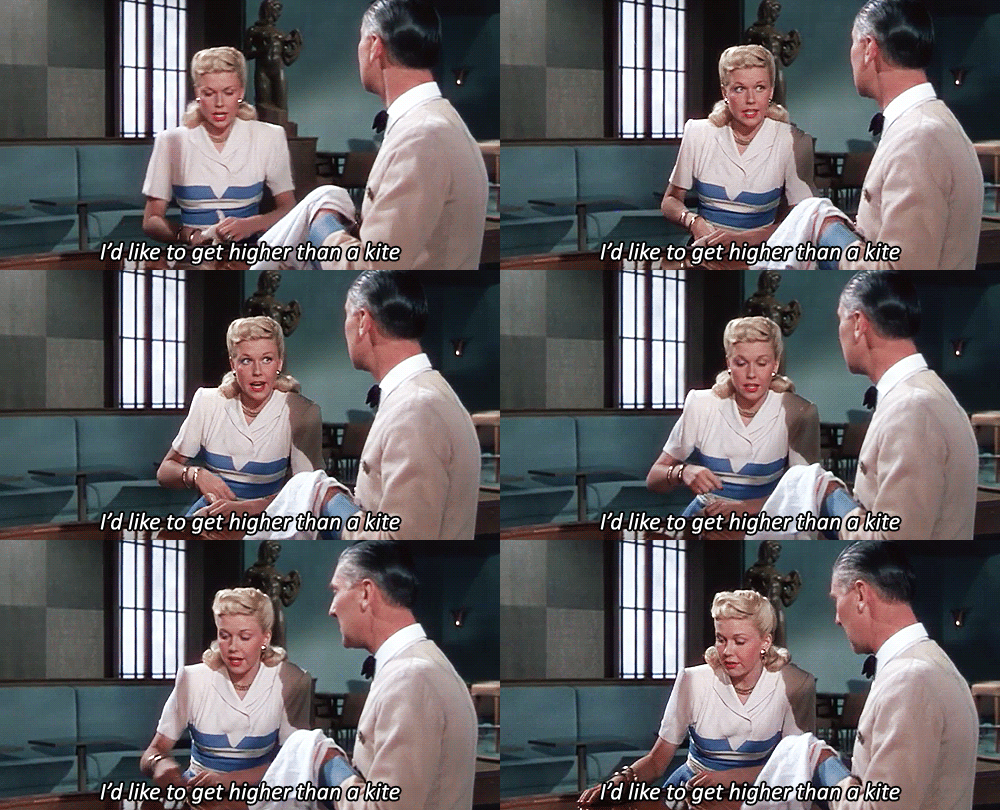
Abril: O filme de estreia de Doris Day, “Romance em Alto Mar” (1948), pode melhorar o humor de qualquer um. Este amável musical também conta com Janis Paige, Jack Carson e números coreografados por Busby Berkeley.

April: Doris Day’s debut, “Romance on the High Seas”(1948) can be the definition of a feel-good movie. This sweet musical also stars Janis Paige, Jack Carson and has numbers staged by Busby Berkeley.


Menção honrosa para a adorável comédia “A Incrível Jornada de Jacqueline” (2016), sobre um homem que atravessa a França a pé acompanhado de sua vaca.

Honorable mention to the delightful comedy “La Vache” (2016), about a man in a cross-country trip with his cow.


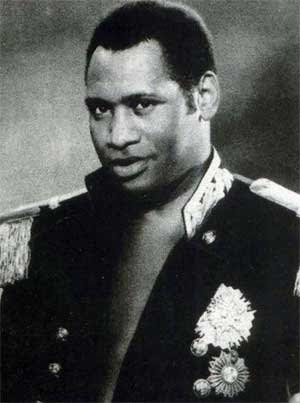
Maio: “A Canção da Liberdade” (1936) é o filme que iniciou minha obsessão com Paul Robeson. Eu também fiquei obcecada com a canção “Lonely Road” e escutei-a sem parar no Spotify. Paul Robeson pode não ser muito popular hoje, mas foi um grande ator, cantor e ser humano.

May: “Song of Freedom” (1936) is the film that started my obsession with Paul Robeson. I became obsessed with his song “Lonely Road” and listened to it on loop on Spotify. Paul Robeson may be not remembered that well, but he was a great actor, singer and human being.


Menção honrosa para “O Homem que Não Vendeu sua Alma” (1966) e a atuação inspirada de Paul Scofield.

Honorable mention to “A Man for All Seasons” (1966) and Paul Scofield’s inspired performance.


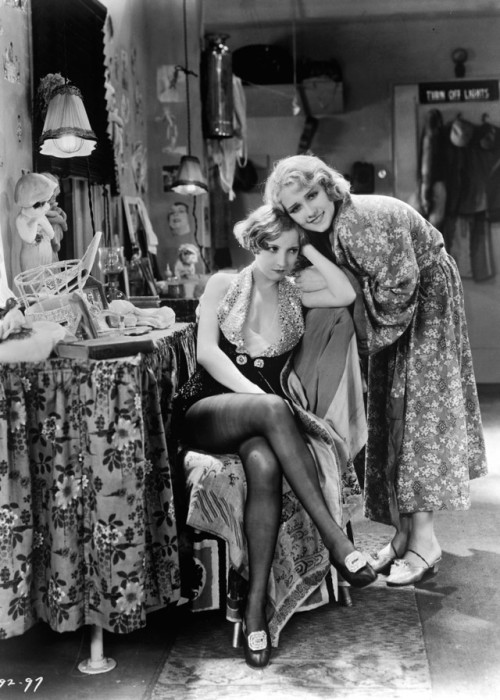
Junho: “Melodia da Broadway” (1929) foi o primeiro musical e ganhar o Oscar de Melhor Filme e eu o vi como parte do curso TCM – Mad About Musicals. O filme pode parecer primitivo, mas certamente é um marco na história de Hollywood. Além disso, Bessie Love é um amorzinho.

June: “The Broadway Melody” (1929) was the first musical to win the Best Picture Oscar and I watched it as part of the Mad About Musicals TCM course. It may seem primitive, but it was certainly a landmark in the history of Hollywood. Also, Bessie Love is love.


Menção honrosa para “As Boas Maneiras” (2017), um filme de brasileiro de horror e fantasia que me deixou sem fôlego.

Honorable mention to “The Good Manners” (2017), a Brazilian horror-fantasy that just took my breath away.


Julho: “A Porta de Ouro” (1941) é sobre imigrantes presos na fronteira, sem poder entrar nos EUA. Mais um filme com um tema muito atual – e que filme emocionante!

July: “Hold Back the Dawn” (1941) is about immigrants trapped in the border, not being able to enter the US. Another film with a very modern theme – and such a touching one!


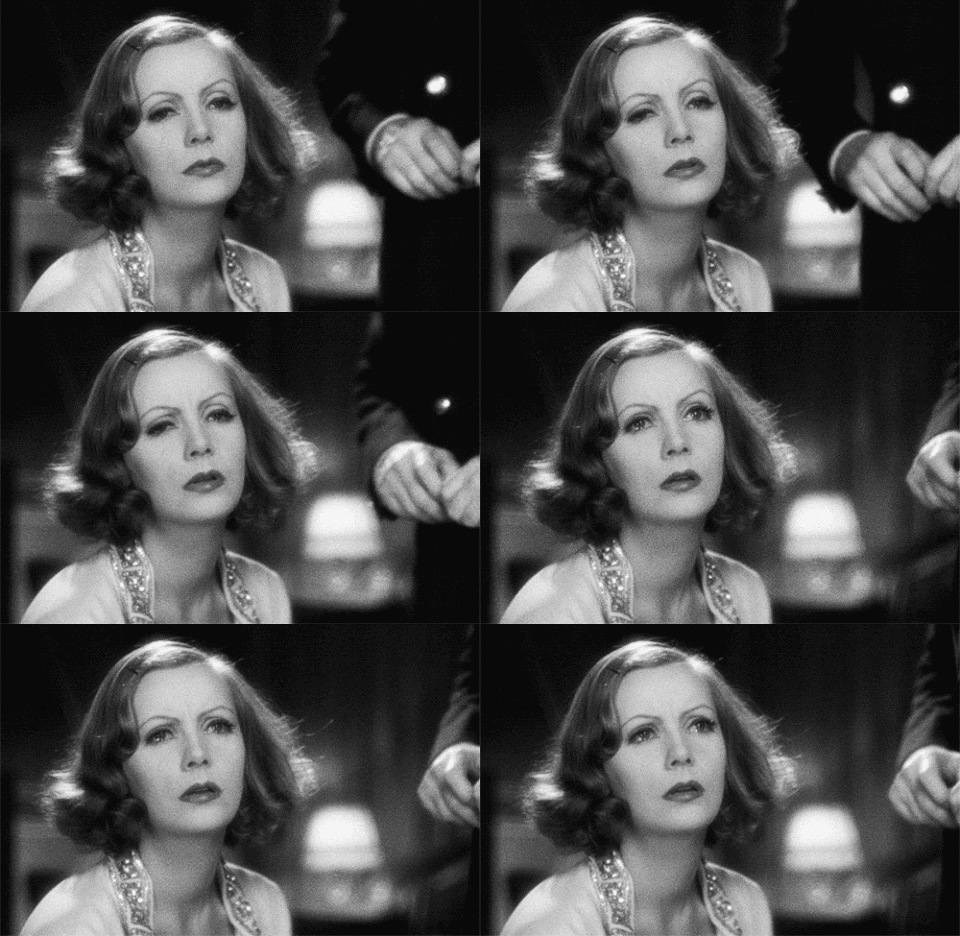
Agosto: Até agosto, eu nunca tinha visto “Grande Hotel” (1932) e não sabia o que estava perdendo! Amei o filme, em particular as maneiras como ele trata de temas como solidão, ganância e do poder que o dinheiro tem de destruir pessoas.

August: Until August, I hadn’t watched “Grand Hotel” (1932) and, wow, I was missing a lot! I loved the film, in particular the themes of solitude, greed and the power money has to destroy people.


Menção honrosa para “Ao Sul do Pacífico” (1959), um filme cuja trilha sonora se tornou minha obsessão.

Honorable mention to “South Pacific” (1959), a film whose soundtrack became my obsession.


Setembro: Reassistir a “Fome por Glória” (1933), meu filme favorito com Richard Barthelmess, foi recompensador. Em apenas 76 minutos, ele lida com temas como o abandono dos veteranos de guerra, vício em drogas, socialismo, a Grande Depressão e muito mais.

September: Rewatching “Heroes for Sale” (1933), my favorite Richard Barthelmess film, proved to be rewarding. In only 76 minutes, it manages to deal with war veterans being abandoned, drug addiction, socialism, the Depression and much more.


Outubro: “Estrela Ditosa” (1929) tem o melhor do cinema mudo: atuações charmosas, uma dupla com muita química – Janet Gaynor e Charles Farrell – e ótima direção de arte. Frank Borzagefoi realmente um mestre.

October: “Lucky Star” (1929) has the best of silent films: charming performances, a duo with great chemistry – Janet Gaynor and Charles Farrell – and great art direction. Frank Borzage was really a master.


Novembro: “Eu Acuso!” (1919) estreou apenas seis meses após o fim da Primeira Guerra Mundial e é impressionante. Suas quase três horas de projeção passam muito rápido.

November: “J’Accuse” (1919) was released only six months after the end of World War I and it is breathtaking. Its nearly three hours passed by quick and easy.

Menção honrosa para “O Fugitivo” (1932), um filme que vale ser revisto sempre.

Honorable mention to “I am a Fugitive from aChain Gang” (1932), a film always worth revisiting.


Dezembro: Meu querido “Inimigo Público” (1931) provou que continua bom depois de ser reassistido… quatro vezes.

December: My dear “The Public Enemy” (1931) proved to be as good the… fourth time around.


Menção honrosa para “Becket – O Favorito do Rei’ (1964), um grande filme histórico com a carismática dupla Peter O’Toole e Richard Burton.

Honorable mention to “Becket” (1964), a great historical flick with the charismatic duo Peter O’Toole and Richard Burton.


Que não nos faltem bons filmes em 2019!

May 2019 be filled with good movies!

Related Posts Plugin for WordPress, Blogger...