} Crítica Retrô: 1925

Tradutor / Translator / Traductor / Übersetzer / Traduttore / Traducteur / 翻訳者 / переводчик

Showing posts with label 1925. Show all posts

Monday, May 12, 2025

Sublime Redenção (1925) / The Red Kimona (1925)


“A tragédia apela ao coração. A comédia, à mente. O melodrama, aos olhos.” - Victor Hugo

“Tragedy appeals to the heart. Comedy, to the mind. Melodrama, to the eyes.” - Victor Hugo


Melodramas - aqueles filmes melosos que nos fazem chorar - são filmes pensados para um público majoritariamente feminino. Considerado não um gênero, mas uma forma de apresentar histórias, é geralmente do agrado das mulheres… mas pode uma mulher também realizar um melodrama?

Melodramas - also called tearjerkers or weepies - are movies that target a mostly female audience. Not considered a genre, but a way to present stories, it is often enjoyed by women… but can it also be made by women?

Quando mais mulheres estavam trabalhando atrás das câmeras, na era muda do cinema, algumas se aventuraram no melodrama, por exemplo a atriz que se tornou diretora Dorothy Davenport, que fez da perda de seu marido, o ídolo das matinês Wallace Reid, uma oportunidade para uma nova carreira contando histórias instigantes. “Sublime Redenção” foi um dos filmes que ela produziu e co-dirigiu.

When more ladies were working behind the cameras, in the silent movie era, some ventured into melodrama, for example actress turned filmmaker Dorothy Davenport, who made the loss of her husband, matinee idol Wallace Reid, an opportunity for a new career telling compelling stories. “The Red Kimona” was one of the films she produced and co-directed.

“Essa é uma história real”, nos conta a própria Dorothy no prólogo. Apertem seus cintos. Gabrielle (Priscilla Bonner) descobre que seu amado Howard (Carl Miller) foi para Los Angeles se casar - mas ele vai voltar para pegar de volta os anéis que deu para ela de presente. Ela o segue e atira nele dentro de uma joalheria. Ela é presa e conta sua história no tribunal.

“This is a true story”, we’re told by Dorothy herself in the prologue. Brace yourselves. Gabrielle (Priscilla Bonner) learns that her beloved Howard (Carl Miller) has gone to Los Angeles to get married - but he’ll come back to fetch the rings he gave her as a gift. She follows him and shoots him inside a jewelry store. She is arrested and tells her story at the trial.

Gabrielle conheceu Howard quando era mais nova, e vivia com seus irmãos e seu severo pai (Tyrone Power sR). Howard diz que a ama e a leva para Nova Orleans, onde ela é obrigada a se prostituir (prática então chamada de “white slavery”). Ouvindo a história dela, o júri declara Gabrielle inocente.

Gabrielle met Howard when she was younger, living with her siblings and strict father (Tyrone Power Sr). Howard says he loves her and takes her to New Orleans, where she is forced into prostitution (what was then called “white slavery”). Hearing her story, the jury declares Gabrielle not guilty.

Depois do julgamento ela é acolhida na casa de uma benfeitora chamada Beverly Fontaine (Virginia Pearson), que faz caridade só para ganhar fama. Gabrielle é chamada de “Madalena moderna” pelo jornal e a Sra Fontaine só quer que sua nova protegida pareça “interessante” para suas amigas ricas, que são como gatos brincando com um rato de brinquedo. Mas tudo que Gabrielle quer é parar de ser vista como um objeto e se tornar enfermeira. Mas seu passado não vai voltar para assombrá-la?  

After the trial she is taken to the home of a philanthropist named Beverly Fontaine (Virginia Pearson), who does charity only to gain publicity. Gabrielle is called a “modern Magdalen” by the newspaper and Mrs Fontaine only wants her new protégée to look “interesting” for her rich friends, who are like cats playing with a toy mouse. But all Gabrielle wants is to stop being seen as an object and become a nurse. But won’t her past come back to haunt her?

A Letra Escarlate / The Scarlet Letter

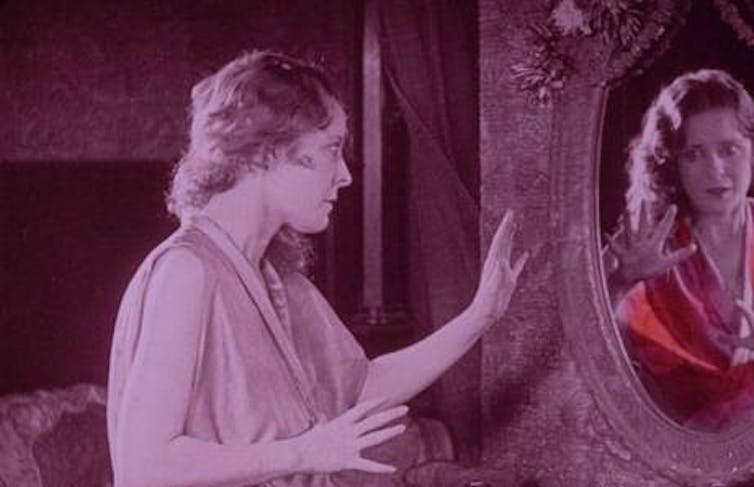
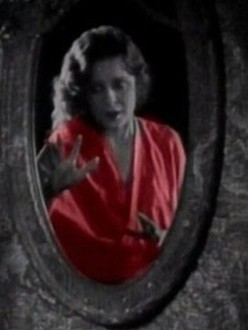
Nem 30 minutos se passaram desde o início quando vemos a imagem mais icônica do filme - imagem que você pode já ter visto sem saber que era de “Sublime Redenção”: Gabrielle vendo sua imagem refletida num espelho, primeiro vestida de noiva, depois com o quimono vermelho do título original - sim, o negativo foi pintado de vermelho neste momento particular. Outras sequências visualmente interessantes são a metáfora visual já mencionada com os gatos e uma tomada de dentro de uma agência da Western Union apontando para a rua.

Not 30 minutes have passed when we see the most iconic image of the film - one you might have seen without knowing it’s from “The Red Kimona”: Gabrielle seeing her image reflected on a mirror, first as a bride, then with the red Kimona from the title - yes, the negative was tinted red in this particular moment. Other visually interesting sequences are the aforementioned visual metaphor with the cats and a view from inside a Western Union agency pointing to the streets.
O melodrama é como um sucessor da tragédia grega para a sociedade burguesa. Suas raízes podem ser traçadas até Shakespeare, a ópera e principalmente um autor chamado Pixérécourt. Os melodramas trazem mensagens moralizantes que são como a “moral da história” de contos de fadas e outras histórias infantis; É por isso que esta forma foi adotada após a Revolução Francesa para moralizar e educar as massas - um conceito que também era novidade.

Melodrama is kind of the successor to the Greek tragedy for the bourgeois society. Its roots can be traced to Shakespeare, opera and mainly to an author called Pixérécourt. Melodramas bring moralizing messages that are like the “moral of the story” from fairy and children’s tales. That’s why this form was adopted after the French Revolution to moralize and educate the masses - a concept that was also brand new.

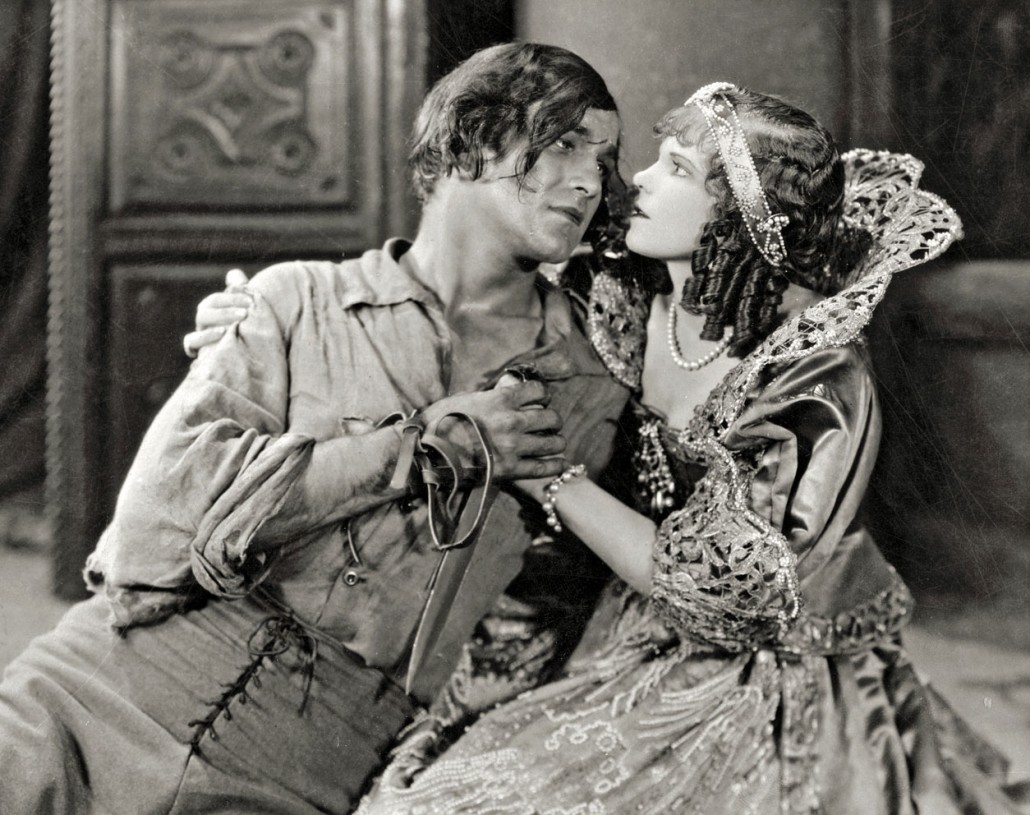
O melodrama também foi bem-sucedido nas primeiras décadas do cinema, especialmente com D.W. Griffith. Ele faz sua pupila favorita Lillian Gish sofrer para ensinar uma lição em filmes como “Inocente Pecadora” (1920) e “Órfãs da Tempestade” (1921, abaixo).

Melodrama was also successful in the first decades of cinema, especially with D.W. Griffith. He makes his favorite pupil Lillian Gish suffer to teach a lesson in movies such as “Way Down East” (1920) and “Orphans of the Storm” (1921, picture below).

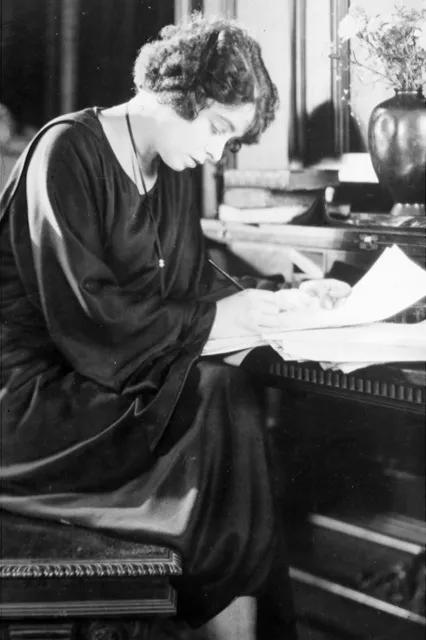
“Sublime Redenção” foi baseada numa história original de Adela Rogers St. John e adaptada para as telas pela futura diretora Dorothy Arzner. O novato Walter Lang é em geral creditado como único diretor, mas Dorothy Davenport - creditada como Sra Wallace Reid - também dirigiu o filme, e merece ser conhecida por seu próprio nome

“The Red Kimona” was based on an original story by Adela Rogers St. John and adapted to the screen by future director Dorothy Arzner. Newcomer Walter Lang is often credited solo as the director, but Dorothy Davenport - credited Mrs Wallace Reid - also directed the movie, and deserves to be known by her own name.
A verdadeira Gabrielle Darley não ficou feliz ao ver sua história contada nas telas sem sua aprovação nem sequer uma mudança de nome. Graças a isso, um caso que foi esquecido é hoje conhecido pelo público mais de 100 anos após o acontecido. Dorothy Davenport teve de pagar 50 mil dólares para Gabrielle após um processo. O filme foi também banido em algumas cidades, embora sua mensagem final seja de misericórdia e não vício. 

The real Gabrielle Darley wasn’t happy seeing her story told on screen without her approval nor at least a name change. Thanks to that, a case that fell into obscurity is now known by audiences over 100 years after it happened. Dorothy Davenport had to pay fifty thousand dollars to Gabrielle following a lawsuit. The film was also banned in some cities, even though its final message is of mercy, not vice.

De acordo com a professora Mary Ann Doane, quando uma mulher olha para outra mulher na tela, ela pode ou ter uma profunda identificação com a personagem - como nos “women’s films” - ou desejar a personagem como um voyeur masculino. Colocar-nos no lugar de uma vítima de prostituição e assassina não é exatamente fácil, mas é um milagre que pode ser alcançado com o poder do cinema. Como o final diz, qualquer uma de nós poderia ser uma Madalena.

According to scholar Mary Ann Doane, when a woman looks at another woman on screen, she can either have a deep identification with the character - like in “women’s films” - or desire the character like a male voyeur. Putting ourselves in the place of a prostitution victim and murder isn’t exactly easy, but it’s a miracle that can be accomplished by the power of cinema. As the ending says, we could all be modern Magdalens.

Em “Meanings of Melodrama”, o professor Ben Singer menciona as características definidoras do melodrama. Vejamos se elas se aplicam a “Sublime Redenção”:

In “Meanings of Melodrama”, scholar Ben Singer mentions the defining characteristics of melodrama. Let’s see if they apply to “The Red Kimona”:

1- Pathos, isto é, o que causa compaixão: com certeza nos sentimos mal por Gabrielle. Por isso é que se chama “empatia” - de pathos.

1- Pathos, that is, what causes pity: we for sure feel bad for Gabrielle. No wonder it’s called “empathy” - from pathos.

2- Emoção exagerada: há muito sofrimento.

2- Exaggerated emotion: there is a lot of suffering.

3- Polarização moral: o vil Howard não tem qualidades que o redimem.

3- Moral polarization: the vile Howard has no redeeming qualities.

4- Estrutura narrativa não-clássica, isto é, feita de coincidências: Gabrielle conhece Howard por acaso, e o mesmo acontece com a saga de seu par final para vê-la novamente.

4- Non-classic narrative structure, that is, made of coincidences: Gabrielle meets Howard by chance, and the same happens with her final suitor’s saga to see her again.

5- Sensacionalismo: há suspense no tribunal e ação perto do final, fazendo nosso coração disparar.

5- Sensationalism: there is suspense in the trial and action near the end, making our hearts race.
No melodrama, o amor cego não é uma virtude. O herói melodramático ou, menos comumente, a heroína, ganha o amor como recompensa por obter outra coisa que beneficia o coletivo. É isso que acontece em “Sublime Redenção”, um exemplo perfeito de melodrama mudo - e mais: feito por mulheres! 

In melodrama, blind love is not a virtue. The melodramatic hero or, less common, heroine gains love as a reward for obtaining something else that is good for the collective. This is what happens in “The Red Kimona”, a perfect example of silent melodrama - and a plus: made by women!

This is my contribution to the Cry Me a River: Tearjerkers Blogathon, hosted by the Classic Movie Blog Association.

Saturday, February 22, 2025

O Feiticeiro de Oz (1925) / The Wizard of Oz (1925)

 “O Feiticeiro de Oz” é um dos piores filmes já feitos. Espere um pouco antes de se zangar: não se trata da amada versão de 1939 com Judy Garland, é a versão de 1925. Ela tem de tudo: tem o Gordo - creditado como Oliver N. Hardy - num papel no estilo Príncipe Encantado (palavras tiradas diretamente das cartelas de texto do filme), mas ele é mais vilão que herói. Tem muito racismo. Ah, e tem também um pato vomitando. Vamos dar uma olhada nessa bela bagunça.

The Wizard of Oz” is one of the worst movies ever made. Wait before you get mad: it’s not the beloved 1939 version with Judy Garland, it’s the 1925 version. It has everything: it has Ollie - credited as Oliver N. Hardy - in a Prince Charming-type role (words taken directly from the movie’s title cards) but he’s more of a villain than a hero. There are loads of racism. Oh, and there is also a duck vomiting. Let’s take a look at this mess.

Primeiro, algum contexto: Lyman Frank Baum publicou “O Maravilhoso Mágico de Oz” em 1900 e teve sucesso instantâneo. Dois anos depois a história foi adaptada para o teatro musical, e a primeira adaptação para o cinema veio em 1910 com uma jovem Bebe Daniels, mas antes houve uma tentativa multimídia: uma mistura de atores de carne e osso com técnicas de lanterna mágica resultou em 1908 em “The Fairylogue and Radio-Plays”, na qual Baum também participava como ele mesmo (foto abaixo). Baum faleceu em 1919 e felizmente não estava lá para ver a versão de 1925. O diretor Larry Semon declara, na primeira cartela de texto do filme, que sua missão é adicionar um sorriso ou dois às nossas memórias de infância. Ai, ai.

First, a bit of context: Lyman Frank Baum published “The Wonderful Wizard of Oz” in 1900 and it was an instant success. Two years later the story was adapted to the musical theater, and the first film version came in 1910 with a young Bebe Daniels, but before that there was a mixed media attempt: a mix of live-action actors with magic lantern techniques resulted in 1908’s “The Fairylogue and Radio-Plays”, in which Baum also appeared as himself (picture below). Baum died in 1919 and fortunately was not there to see the 1925 version. Director Larry Semon declares, in the very first title card in the movie, that his mission is to add a smile or two to our memories of childhood. Oh boy.

Um artesão está fazendo bonecos dos personagens de “O Mágico de Oz” para uma menininha, sua neta, que ama o livro. O vovô lê no livro que um tirano cruel está governando Oz desde o desaparecimento da Princesa. Enquanto isso, no Kansas, há uma doce jovem chamada Dorothy (Dorothy Dwan), Que vive com sua amada Tia Em (Mary Carr) e o severo Tio Henry (Frank Alexander). Entre os trabalha da fazenda deles temos Oliver Hardy e Larry Semon.

A puppet maker is making toys of the characters from “The Wizard of Oz” for a little girl, his granddaughter, who loves the book. Grandpa reads from the book that a cruel tyrant is governing Oz since the disappearance of their Princess. Meanwhile, in Kansas, there is a sweet girl named Dorothy (Dorothy Dwan), who lives with her beloved aunt Em (Mary Carr) and strict uncle Henry (Frank Alexander). Among those working in their farm we have Oliver Hardy and Larry Semon.

A verdade sobre a origem nobre de Dorothy será revelada a ela no seu aniversário de 18 anos. Quando chega o dia, capangas enviados de Oz tentam destruir a carta, mas um tornado leva Dorothy, Tio Henry e três trabalhadores da fazenda diretamente para Oz. Semon se disfarça de espantalho e Hardy de homem de lata. Eles são mandados para um calabouço e o terceiro trabalhador, interpretado por G. Howe Black, se disfarça de leão, com a ajuda do charlatão astuto Mágico de Oz (Charles Murray).

The truth about Dorothy’s noble origins will be revealed to her in a letter that can only be opened on her 18th birthday. When the day arrives, henchmen sent from Oz try to destroy the letter, but a storm takes Dorothy, Uncle Henry and three farm workers directly to Oz. Semon disguises as a scarecrow and Hardy as a tin woodsman. They are sent to the dungeons and the third farmhand, played by G. Howe Black, disguises as a lion, helped by the powerless but clever Wizard of Oz (Charles Murray).

Por onde começamos? Os nomes dizem tudo: o governante tirano é Kruel, sua assistente Lady Vishuss, o príncipe bondoso é Prince Kynd (“kind” significa bondoso). Há logo no começo um momento racista com o Mágico fazendo um concurso de caretas com um servo. O outro personagem negro, trabalhador da fazenda, é retratado como preguiçoso, medroso e não muito esperto: relâmpagos o atingem na cabeça e nada acontece. Para coroar o festival de racismo há a frase sobre os leões preferirem “carne escura”. Ai. E, de alguma maneira, há samurais nos calabouços de Oz.

Where do we begin? The names say it all: the tyrant ruler is Kruel, his assistant Lady Vishuss, the nice prince is Prince Kynd. There is right in the beginning a racist moment with the Wizard having a face making trade-off with a servant. The other black character, a farm worker, is portrayed as lazy, easily scared and not very bright: he’s struck by lightning many times in the head and nothing happens. To crown all that there is the line about lions preferring “dark meat”. Ouch. And, somehow, there are samurais at the dungeons of Oz.

Como estrela / roteirista / diretor / produtor, Larry Semon dá bastante tempo de tela para si mesmo. Há longos e desnecessários problemas com animais da fazenda no começo, incluindo o pato que vomita, mas pelo menos os efeitos especiais são bacanas. Em 1924 Semon se casou com Dorothy Dwan, que interpreta a protagonista, mas isso não significou regalias durante as filmagens.

As the star / screenwriter / director / producer, Larry Semon devotes a good amount of screen time to himself. There are long and unnecessary troubles with farm animals in the beginning, including the duck vomiting, but at least the special effects are cool. In 1925 Semon married Dorothy Dwan, who plays the lead here, but this doesn’t mean she was treated with benefits during the make of the movie.

Semon foi também responsável pela adaptação do livro para as telas, ao lado de L. Frank Baum Jr e Leon Lee. Lee também esteve a cargo das cartelas de texto. A contribuição de Frank Jr pode ter sido mais na área jurídica do que qualquer outra coisa, de acordo com o estudioso da obra de Baum, Michael Patrick Hearn.

Semon was also responsible for the adaptation of the book to the screen, alongside L. Frank Baum Jr and Leon Lee. Lee was also in charge of the title cards. Frank Jr’s contribution may have been more legal than anything, according to Baum scholar Michael Patrick Hearn.

O editor foi Sam Zimbalist. Nascido na Rússia em 1901, chegou aos EUA em 1914. Dois anos depois, ele começou de baixo no mundo do cinema, como office-boy para o diretor da Metro, e nas horas vagas podia ser encontrado na sala de edição. Ele trabalhou por um tempo diretamente com Nazimova e em 1924 finalmente encontrou trabalho como editor. Ele editou, entre outros, este filme e “Melodia da Broadway” de 1929, mesmo ano em que passou a ser também produtor. Foi produtor de vários sucessos, incluindo seu último trabalho, “Ben-Hur” (1959), pelo qual ele se tornou a única pessoa a receber postumamente o Oscar de Melhor Filme.

The editor was Sam Zimbalist. Born in Russia in 1901, he arrived in the USA in 1914. Two years later, he started small in the film business, as an office-boy for the president of Metro studios, and in the spare time could be found in the editing room. He worked a while directly with Nazimova and in 1924 finally found work as an editor. He edited, among others, this film and “The Broadway Melody” from 1929, the year he got his first credit as assistant producer. He was the producer of several hits, including his last credit, “Ben-Hur” (1959), for which he became the only person to receive a posthumous Best Picture Oscar.

“O Feiticeiro de Oz” foi um desastre de bilheteria. A companhia Chadwick Pictures quase foi à falência graças à campanha de propaganda do filme. O próprio Larry Semon declarou falência e faleceu três anos depois, com apenas 39 anos.

“The Wizard of Oz” was a disaster at the box-office. Chadwick Pictures nearly went bankrupt thanks to the film’s advertising campaign. Larry Semon himself failed for bankruptcy and died three years after the film was made, aged only 39.

Esta versão é tão radicalmente diferente da mais conhecida e também do livro que é até difícil de julgar este filme como uma adaptação. No mínimo, é um filme inventivo. O racismo, por outro lado, é indesculpável. A revista Photoplay disse aos seus leitores: “Se você não levar seus filhos para ver o filme, eles nunca lhe perdoarão.” . Nós ousamos discordar: ver a versão de 1925 de “O Feiticeiro de Oz” é hoje mais tortura que passatempo.

This version is so radically different from the best known one and also from the book that it’s even hard to judge it as an adaptation. At the very least, it was an inventive movie. The racism, on the other hand, is inexcusable. Photoplay magazine said to its readers: “If you don’t take your children to see this, they will never forgive you.”. We dare to disagree: watching the 1925 version of “The Wizard of Oz” is now more torture than pastime.

This is my contribution to the Seventh So Bad It’s Good blogathon, hosted by Rebecca at Taking Up Room.


Saturday, August 24, 2019

Visões de Criança (1925) / Faces of Children (1925) / Visages D'Enfants (1925)


Esta é uma das mais velhas histórias do mundo: a do filho que sente ciúmes quando o pai viúvo decide se casar novamente. É mais do que ciúme: é o sentimento de que a memória da falecida mãe está sendo traída e esquecida. Uma história triste porém comum, e que se torna poética quando um cineasta francês decide fazer um filme sobre isso – afinal, os franceses fizeram alguns dos filmes mais tocantes e delicados.

It's one of the oldest stories in the world: the child that feels jealous when his father, a widower, decides to remarry. It's more than jealousy: it's the feeling that the dead mother's memory is being betrayed and forgotten. A sad yet common story that becomes poetic once a French filmmaker decides to make a film out of it – after all, French people have made some of the most touching and delicate films.


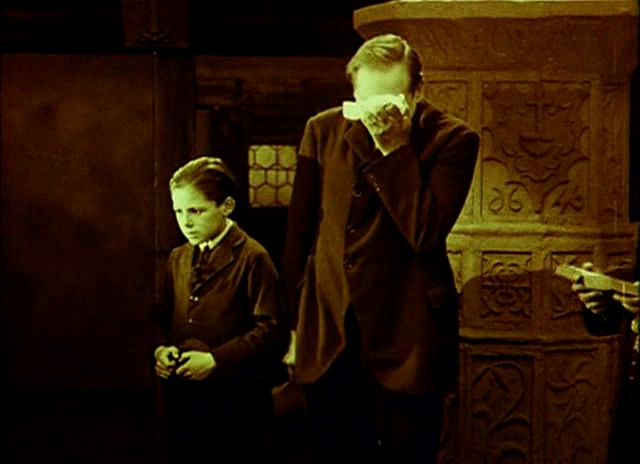
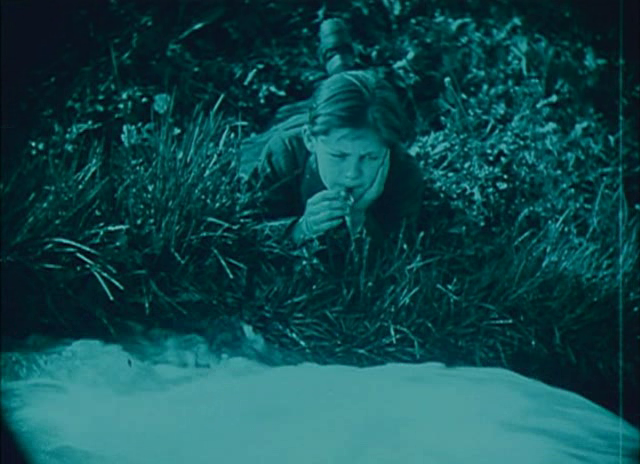
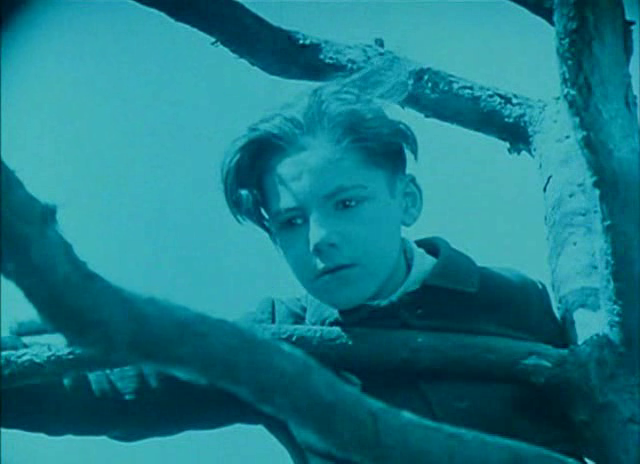
Pierre Amsler (Victor Vina) acaba de perder a esposa (Suzy Vernon). A morte da mãe afetou profundamente o filho mais velho, Jean (Jean Forest), enquanto a filha mais nova, Pierrette (Pierrette Hoyeuz), parece não entender o que aconteceu. Na primavera seguinte, Pierre decide se casar com Jeanne Dutois (Rachel Devirys), uma viúva que tem uma filha, Arlette (Arlette Peyran).

Pierre Amsler (Victor Vina) has just lost his wife (Suzy Vernon). The mother's death deeply affects their older son, Jean (Jean Forest), while their younger daughter, Pierrette (Pierrette Hoyeuz), seem to not understand what happened. The following spring, Pierre decides to marry Jeanne Dutois (Rachel Devirys), a widow who has a daughter, Arlette (Arlette Peyran).


Pierre pede Jeanne em casamento justamente num domingo, quando ele deveria visitar o túmulo de sua esposa. Apenas Jean visita o túmulo e leva flores, e este é o primeiro sinal de que Pierre pode já estar esquecendo e substituindo sua esposa. Incapaz de contar a novidade e Jean, Pierre pede ajuda ao Padre Porchet (Henri Duval). O Padre já havia ajudado Jean quando o menino teve um colapso nervoso logo após a morte da mãe.

Pierre proposes to Jeanne exactly on a Sunday, when he's supposed to visit his wife's tomb. Only Jean visits the tomb and brings flowers, and this is the first sign that Pierre may have already forgotten and replaced his wife. Unable to tell Jean the news, Pierre asks Father Porchet (Henri Duval) for help. The Father had helped Jean when the boy had a nervous breakdown right after his mother's death.


Jean passa algumas semanas com o Padre Porchet. Enquanto isso, Pierre e Jeanne se casam. Jean aceita a nova realidade com relutância, mas as coisas já começam mal quando Arlette não deixa Jean entrar na própria casa porque ela não sabia que ele estava voltando – e pior: ela está usando os lápis de cor dele!

Jean spends a few weeks with Father Porchet. Meanwhile, Pierre and Jeanne get married. Jean reluctantly accepts his new reality, but things are off to a bad start when Arlette doesn't let Jean enter his own house because she wasn't aware of his return – and worse: she is using his crayons!


A casa dele está mudada, sua rotina é diferente, e de repente Jean percebe que sua madrasta está usando as coisas da mãe dele. Na verdade, ele prefere destruir o velho vestido da mãe a ver Jeanne reutilizando o tecido. Mas Jeanne é uma boa madrasta: ela cuida de Jean e Pierrette e até proíbe Pierre de bater em Jean. É Arlette quem Jean mais odeia – por isso ele bola um plano para que ela leve uma bronca da mãe... mas ela acaba presa em uma avalanche.

His house is changed, his routine is different, and suddenly Jean realizes his stepmother is wearing his mother's things. In fact, he prefers to destroy his mother's old dress than to see Jeanne reusing its fabric. But Jeanne is a good stepmother: she cares for Jean and Pierrette and even prohibits Pierre to spank Jean. Arlette is the one Jean hates the most – so he makes up a plan to get in trouble with her mother... but she ends up trapped in an avalanche.


O jovem Jean Forest é simplesmente brilhante. Desde a primeira cena, em que ele parece realmente emocionado durante o funeral da mãe, é possível ver o quão talentoso o menino de 12 anos era. Infelizmente, Jean fez filmes de 1923 – quando foi descoberto pelo diretor Jacques Feyder – até 1935, quando ele decidiu focar em sua carreira no rádio.

Young Jean Forest is simply brilliant. Since the first scene, in which he seems truly moved during his mother's funeral, you can see how talented the 12 year-old boy was. Unfortunately, Jean Forest worked in film only from 1923 – when he was discovered by director Jacques Feyder – until 1935, when he decided to focus on radio work instead.


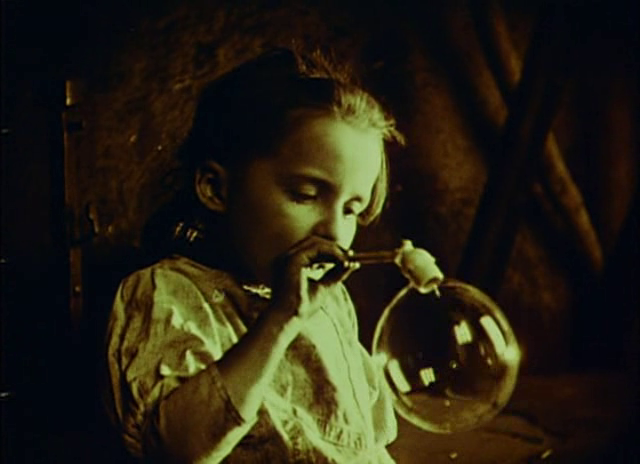
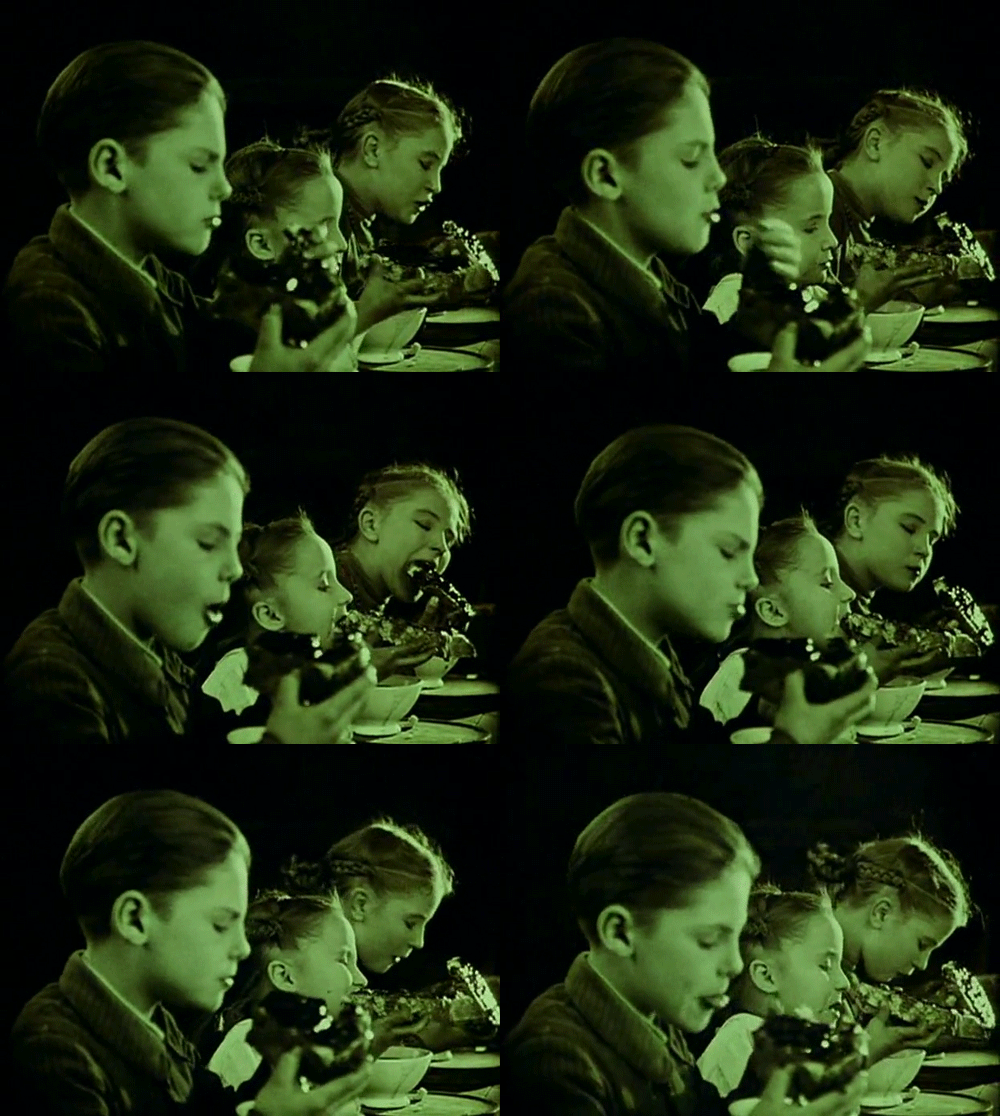
As duas garotas tiveram carreiras ainda mais curtas. A incrível Arlette Peyran não fez mais nenhum filme, e Pierrette Hoyeuz se aposentou das telas em 1926. Todos os atores mirins de “Visões de Criança” são ótimos, e sabemos que filmes sobre crianças podem facilmente se tornar chatos ou entediantes se as crianças não souberem atuar.

The two girls had even shorter careers. The amazing Arlette Peyran never did another film, while Pierrette Hoyeuz retired from the screen in 1926. All the child actors are remarkable in “Faces of Children”, and we know how films about children can easily become obnoxious or boring if the kids can't act.


Além de capturar belas imagens, o diretor Jacques Feyder editou “Visões de Criança” com maestria – quase como Eisenstein faria. A edição rápida em muitas cenas evoca muitas emoções na plateia e aumenta a carga dramática conforme vemos dois personagens convergindo para o mesmo ponto em um momento muito tenso.

Besides capturing gorgeous images, director Jacques Feyder edited “Faces of Children” like a pro – almost like Eisenstein would do. The quick cross-cutting in many scenes evokes many emotions in the audience and enhances drama as we see two characters converging to the same point in a very tense moment.


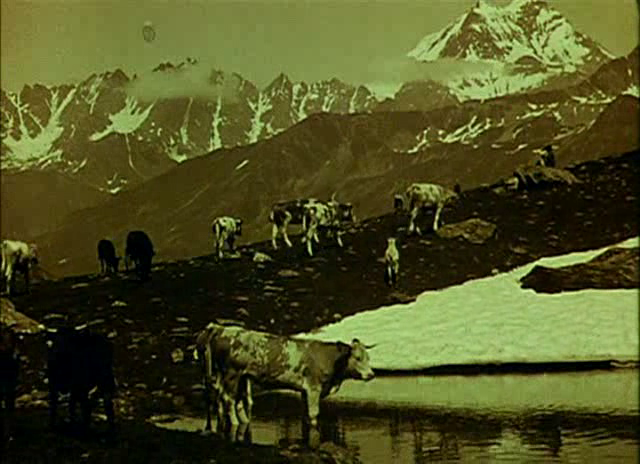
O filme adiciona muito melodrama e alguns efeitos especiais no clímax – uma sequência semelhante ao clímax de “Inocente Pecadora” (1920), mas melhor em alguns momentos. A paisagem natural – os Alpes – é de tirar o fôlego, e a maneira como ela é usada, quase como mais um personagem, é uma das marcas registradas de Feyder.

The film adds a lot of melodrama and some special effects in the climax – a sequence somewhat similar to the climax of “Way Down East” (1920), but better in some moments. The natural landscape – the Alps – is breathtaking, and the way it is used, almost as another character, is one of Feyder's trademarks.


Em 1923, Jacques Feyder escreveu um artigo para a revista austríaca “Der Internationale Film” dizendo que filmes de sucesso têm dois componentes: “uma história simples, um evento que fala com todas as inteligências, com todos os corações e a história deve ser situada em um cenário característico, ao mesmo tempo pitoresco e natural; em uma palavra ela deve criar, com o maior entendimento artístico, uma ‘atmosfera’”. Esta parágrafo não define apenas o cinema de Feyder, mas também “Visões de Criança”, sua obra-prima.

In 1923, Jacques Feyder wrote an article for the Austrian magazine “Der Internationale Film” saying that successful films had two components: “a simple story, an event that speaks to all intelligences, to all hearts and the story should be situated in a characteristic setting, at the same time picturesque and natural; in one word it should create, with the greatest artistic understanding, an 'atmosphere'”. This paragraph doesn't only define Feyder's cinema, but also “Faces of Children”, his masterpiece.

This is my contribution to the Vive la France! blogathon, hosted by Patty and Christian at Lady Eve’s Reel Life and Silver Screen Modes.

Sunday, March 11, 2018

Amor Eterno (1925) / The Road to Yesterday (1925)

Dois casais com problemas. O que eles podem fazer para solucioná-los? Bem, se você pensou em analisar vidas passadas, está correto – e também de acordo com o diretor e produtor Cecil B. DeMille e a roteirista Jeanie Macpherson, porque é exatamente isso que eles fazem para resolver os problemas conjugais dos personagens em “Amor Eterno”.

Two couples in trouble. How can you solve these troubles? Well, if you thought about analyzing past lives, you are correct – and agree with director and producer Cecil B. DeMille and screenwriter Jeanie Macpherson, because that's exactly what they do to solve some marital problems in “The Road to Yesterday”.
1925, no Grand Canyon. Kenneth – ou Ken – (Joseph Schildkraut) acabou de se casar com Malena (Jetta Goudal), mas ela tem um mau pressentimento sobre a relação, e diz que teve uma visão do passado mostrando que eles já foram casados em uma vida passada, e ele a machucou. O melhor amigo de Ken é o pastor Jack (William Boyd), que se apaixona por Elizabeth – ou Bess – (Vera Reynolds), mas ela insiste que ele deixe de pregar para se casar com ela – afinal, uma flapper não pode ser esposa de um pastor! Bess também teve uma sensação estranha ao conhecer John, pois sentiu que já o havia encontrado antes e inclusive reconheceu uma velha faca que Jack carrega consigo. Bess está momentaneamente noiva de Rady (Casson Ferguson).

1925, Grand Canyon. Kenneth – or Ken – (Joseph Schildkraut) just married Malena (Jetta Goudal), but she had a bad feeling about their relationship, saying she had a vision from the past showing that they were already married in a past life, and he hurt her. Ken's best friend is the Reverend Jack (William Boyd), who falls in love with Elizabeth – or Bess – (Vera Reynolds), but she wants him to give up his position in a minister to get married to her – after all, a flapper can’t marry a minister! Bess also had a strange feeling when she met John, believing she had met him already and even recognizing an old knife he carries with him. Bess is momentarily engaged to Rady (Casson Ferguson).
Todos os cinco tomam um trem para San Francisco depois de uma festa na casa de Ken – cada um por uma razão. Ken precisa fazer urgentemente uma cirurgia no braço, Malena está fugindo do marido, Bess e Rady vão se casar e Jack está indo reconquistar Bess. No meio da noite, o trem colide com outro trem, e Bess tem uma experiência curiosa envolvendo uma viagem no tempo.

All five people take a train to San Francisco after a party in Ken's house – every person for a reason. Ken needs to do an urgent arm surgery, Malena is running away from her husband, Bess and Rady are going to get married and Jack is going after Bess. In the middle of the night, the train collides with another train, and Bess has a weird experience with time travel.
Agora é 1625, na Inglaterra. Elizabeth – ou Bess – Tyrel é uma herdeira que não quer se casar com o Lorde Strangevon – ou Ken. Ela foge e conhece um corajoso plebeu chamado Jack. Mas Lorde Strangevon está atrás dela – e atrás dele está a cigana Malena, que curou o braço dele e se apaixonou por ele. Na verdade, eles se casaram em uma cerimônia – e por isso o Lorde Strangevon não pode se casar com Bess! E onde está Rady? Bem, ele é o idiota local e trabalha em uma taverna – e não pensa duas vezes para trair seus amigos.

It's now 1625, in England. Elizabeth – or Bess – Tyrel is an heiress who doesn't want to get married to Lord Strangevon – aka Ken. She runs away and meets a brave commoner named Jack. But Lord Strangevon is after her – and after him is the gypsy Malena, who once cured an arm wound he had and fell in love with him. Actually, they married in a ceremony – and therefore Lord Strangevon can't marry Bess! And what about Rady? Well, he is the town's fool and works in a tavern – and he won't think twice to betrayal his friends. 
Misturar o presente e o passado num mesmo filme não era novidade para DeMille. Ele fez isso antes em “Os Dez Mandamentos” (1923) – e eu fiquei muito surpresa quando assisti ao filme e percebi que ele era sobre Moisés abrindo o mar Vermelho E também sobre como algumas pessoas ignoram e desobedecem aos mandamentos nos tempos modernos. A versão silenciosa de “Os Dez Mandamentos” é um filme grandioso por causa desta linha do tempo dupla – mas “Amor Eterno” não chega a ser tão bom quanto o épico.

Mixing the past and the present in the same film wasn't something new to DeMille. He did it before in “The Ten Commandments” (1923) – and I was quite surprised when I watched the film and realized it was about Moses opening the Red Sea AND also about how some people ignore and disobey the commandments in modern times. The silent “The Ten Commandments” is a grand film because of this double timeline – but “The Road to Yesterday” is not as good as the epic.
Não foi uma surpresa ver um tema religioso em um filme de DeMille. Em “Amor Eterno”, além de ter em Ken – tanto no passado quanto no presente – um exemplo de ateu que desdenha de Deus, há os temas de reencarnação e espiritualismo, que estavam na moda no começo do século XX. Não nos esqueçamos de que “Amor Eterno” foi adaptado de uma peça escrita por Beulah Marie Dix e Evelyn Greenleaf Sutherland que fez sucesso na Broadway entre 1906 e 1907.

It wasn't a surprise to see a religious theme in a DeMille movie. In “Road to Yesterday”, besides having in Ken – both in the past and in the present – an atheist who disdains of God, there is the themes of reincarnation and spiritualism, which were in vogue in the early 20th century. Let's not forget that “The Road to Yesterday” was adapted from a play written by Beulah Marie Dix and Evelyn Greenleaf Sutherland that was a Broadway hit between 1906 and 1907.
O espiritualismo estava na moda nos anos 290, logo depois do fim da Primeira Guerra Mundial. De certa maneira, foi assim que muitas pessoas lidaram com a perda de entes queridos na guerra: se voltando para a religião e esperando para se comunicar com os mortos, ou viver outra vida após a morte. DeMille e Jeanie Macpherson sabiam disso e foram sábios ao escolherem adaptar “Amor Eterno” para as telas – com a ajuda de um jovem chamado Howard Hawks, que ficou responsável pelos intertítulos. Depois da Segunda Guerra Mundial, os métodos para processar o luto mudaram um pouco, e incluíram a criação da cientologia e o aumento do interesse por ficção científica e por discos voadores.

Spiritualism was in vogue in the 1920s, following the end of World War I. In a way, it was how many people grieved the loss of loved ones in the war: turning to religion and the hope to communicate with the dead, or to go on to live another life. DeMille and Jeanie Macpherson knew that, and made the wise choice to adapt “The Road to Yesterday” to the screen – with a young man called Howard Hawks writing the intertitles for them. After World War II, the grieving methods were a little different, and included the creation of scientology and the rise of science fiction and interest in UFOs.
O assunto das vidas passadas é fascinantes. E fica mais interessante ainda da maneira como é tratada no filme. Em 1925, Bess encontra sua tia Harriet (Trixie Friganza) e se diverte ao lembrar que a tia sempre disse que, numa vida passada, ela era a rainha Mary da Escócia – mas na verdade ela era apenas uma bruta dona de uma taverna. Isto é algo comum: nós todos gostamos de pensar que, em uma vida passada, se é que já vivemos antes, fomos tão importantes quanto César e Cleópatra, mas nós provavelmente fomos – como somos agora mesmo – pessoas normais vivendo vidas comuns.

The subject of past lives is fascinating. And it’s even more so in the way it is treated in the film. In 1625, Bess also meets her aunt Harriet (Trixie Friganza) and laughs because the aunt always said that, in a past life, she was Mary Queen of Scots – but in reality she was just a brute tavern owner. This is something common: we all like to think that, in a past life, if we had one, we were as important as Caesar and Cleopatra, but we much probably were – as we are right now – regular people living uneventful lives.
Eu gosto particularmente de algumas noções deste filme, como a de que nossos problemas ou características têm origem em uma vida passada. Há alguns anos eu me interesso pelo Espiritismo, uma religião com um número razoável de seguidores no Brasil. Não sou nenhuma especialista no assunto, mas vejo que algumas coisas em “Amor Eterno” vão de encontro com a doutrina de Allan Kardec.

I particularly like some notions in this film, like the one that our current problems and even strengths may have its origin in a past life. For a few years I’ve been interested in Spiritism, a religion that has a good amount of followers in Brazil. I’m by no means an expert, but I see some things in “The Road to Yesterday” that corroborate with Allan Kardec’s doctrine.
Além de vidas passadas, o que mais “Amor Eterno” tem a oferecer? Oh, prepare-se, porque tem muita coisa neste filme: discurso religioso, arco e flecha, figurino de Adrian, noivados relâmpago, estupro conjugal, esgrima, mulheres vestidas de homens e uma verdadeira caça às bruxas da era medieval. E tudo isso por causa de uma viagem no tempo causada por uma experiência de quase morte!

Besides past lives, what “The Road to Yesterday” has to offer? Oh, brace yourself, because this film has a lot going on: religious blabbing, archery, gowns by Adrian, quick engagements, marital rape, fencing, cross-dressing and a true medieval witch hunt. And all this because of a time travel triggered by a near-death experience!
Amor Eterno” é um pouco cafona? Claro que é! É tão insistentemente cristão quanto uma aula de catequese e uma tortura deliciosa para alguém como eu, que estudou em colégio de freiras e adora filmes religiosos. É um filme com muitos problemas e furos no enredo – como a Fritzi mostra aqui – mas é feito com capricho, e o resultado entretém. E você nunca mais verá seus déjà vus da mesma maneira após este filme.

Is “The Road to Yesterday” a little bit tacky? Of course it is! It’s as preachy as Sunday school and a delightful torture for someone like me, who went to a Catholic school and is a sucker for religious movies. It’s a film with a lot of problems and plot holes – as Fritzi points out here – but it is beautifully made, and a very entertaining movie. And you’ll never see the déjà vus the same way after watching it.

This is my contribution to the Time Travel Blogathon, hosted by Rich and Ruth and Wide Screen World and Silver Screenings.
Related Posts Plugin for WordPress, Blogger...