} Crítica Retrô: 2014

Tradutor / Translator / Traductor / Übersetzer / Traduttore / Traducteur / 翻訳者 / переводчик

Showing posts with label 2014. Show all posts

Monday, September 2, 2019

Documentário: Magician: The Astonishing Life and Work of Orson Welles (2004)


Aos dez anos, a inteligência de Orson era notícia de jornal. Aos treze, ele interpretava a Virgem Maria em uma peça da escola. Aos 19, ele dirigiu sua primeira peça. Aos 23, sua performance de “Guerra dos Mundos” no rádio chocou Nova York. Aos 26, ele dirigiu e protagonizou um dos melhores filmes já feitos. E então ele tomou um choque de realidade. Hollywood não estava preparada para Orson Welles – então ele levou sua mágica para outros lugares e outras telas. Seu início brilhante, sua demissão a jato e os posteriores altos e baixos de sua carreira fazem de Welles um assunto perfeito para um documentário.

At age ten, Orson’s intelligence was highlighted in a newspaper note. At age 13, he was playing the Virgin Mary in a school play. At age 19, he directed his first play. At age 23, his radio performance of “War of the Worlds” shook New York. At age 26, he directed and starred in one of the best films ever made. And then reality struck. Hollywood wasn’t ready for Orson Welles – so he took his magic to other places and other screens. His brilliant start, his quick demise and all the subsequent ups and downs in his career make Welles a perfect subject for a documentary.


Welles vai de “garoto prodígio” a “forasteiro” a “cigano”, depois toma “o caminho de volta” até se tornar “o mestre”. Estes são os títulos dados aos cinco capítulos do documentário “Magician: The Astonishing Life and Work of Orson Welles”. Eu já escrevi sobre como eu me vejo em Orson Welles, e por que ser uma criança prodígio é ao mesmo tempo uma bênção e uma maldição. Se minha vida realmente espelha a dele, o documentário me mostrou o que virá a seguir para mim – mesmo eu, aos 26 anos, ainda não tendo criado meu “Cidadão Kane”.

Welles goes from being a “wonder boy” to an “outsider” to a “gypsy” to catching “the road back” until he becomes “the master”. These are the titles given to the five chapters of the documentary “Magician: The Astonishing Life and Work of Orson Welles”. I’ve written before about how I see myself in Orson Welles, and why being a child prodigy is at the same time a blessing and a curse. If my life really mirrors his, the documentary showed me what I can expect next – even if I’m 26 and haven’t made my “Citizen Kane” yet.
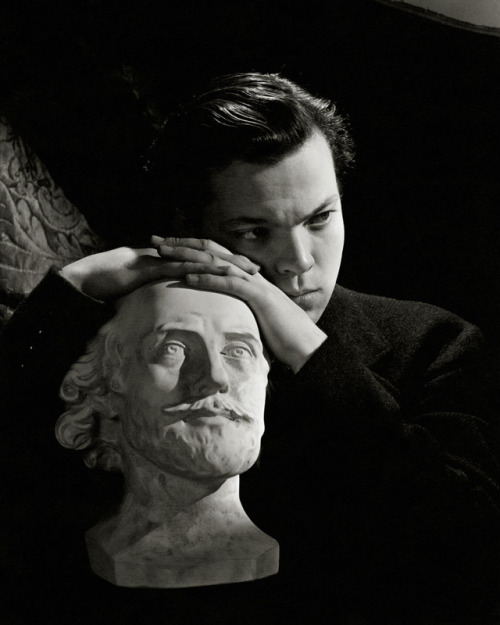

A mãe de Orson acreditava que uma criança precisava ser interessante para poder socializar com os adultos. E não havia ninguém mais interessante que o pequeno Orson: ainda criança ele era pianista, autor, poeta, cartunista, conhecedor de diversos assuntos, de Shakespeare à China. Orson perdeu a mãe quando tinha nove anos, e alguns anos depois ele foi para um internato, onde ninguém conseguiu impor limites a ele. Formado aos 16 anos, ele logo se tornou estrela de uma peça, mesmo sendo seu primeiro papel, e depois começou a dirigir peças, se tornando o maior diretor de teatro experimental dos Estados Unidos antes de completar 25 anos.

Orson’s mother believed a child needed to be interesting in order to be able to socialize with the adults. And there was nobody more interesting than little Orson: as a kid he was a piano player, author, poet, cartoonist, well versed in several subjects, from Shakespeare to China. Orson lost his mother when he was nine, and a few years later he went to boarding school, where nobody was able to establish limits for him. Graduated at 16, he quickly became the star of a play in his very first acting job, and then started directing plays as well, becoming the greatest experimental theater director in the US before he turned 25.


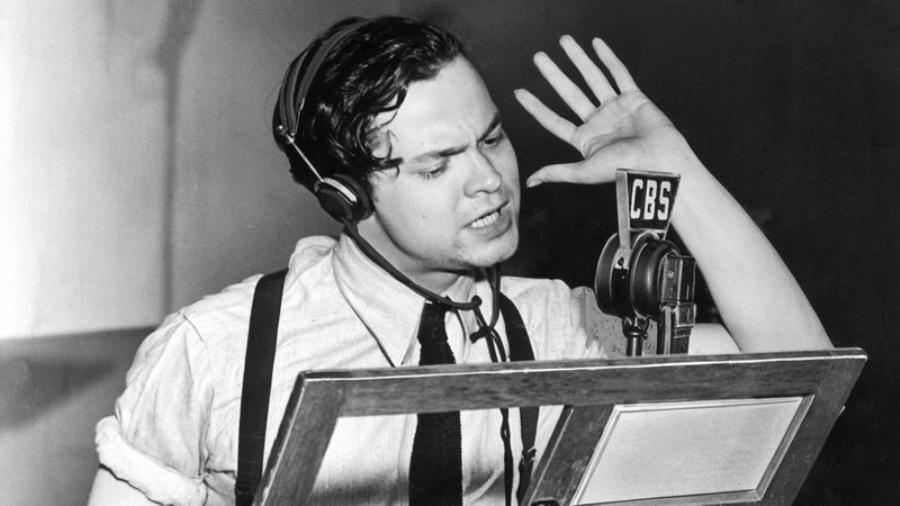
É interessante ver as reações à famosa performance de rádio de “Guerra dos Mundos” num domingo de 1938. Muitas cartas chegaram à estação de rádio, algumas delas parabenizando Welles for sua criatividade e pela diversão que ele propiciou, enquanto outras condenavam seu ato, chamando-o de “desumano” e irresponsável por causa do pânico que a brincadeira causou. Felizmente, houve mais consequências positivas do que negativas, como o próprio Orson notou: “Eu não fui para a cadeia. Eu fui para Hollywood.”

It’s interesting to see the reactions to the infamous “War of the Worlds” radio performance on a Sunday evening in 1938. Many letters arrived at the radio station, some of them congratulating Welles for his creativity and for the fun he provided, while others condemned his act, calling him “inhuman” and irresponsible because of the panic the prank caused. Fortunately, there were more positive consequences than negative ones, as Orson himself said: “I didn’t go to jail. I went to Hollywood.”

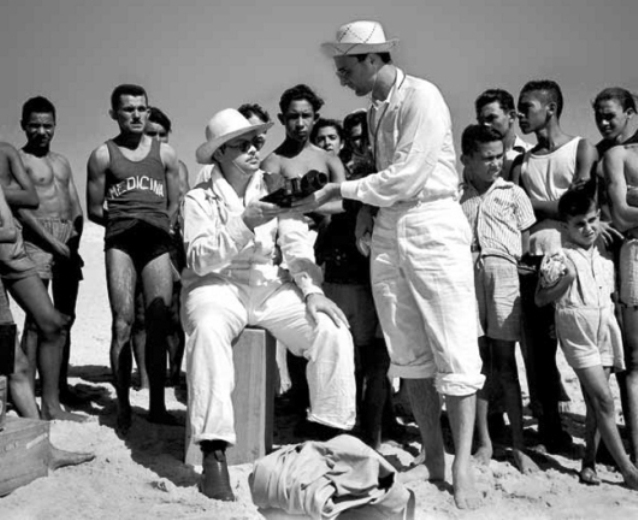
O primeiro projeto em que Welles tentou trabalhar foi em uma adaptação de “Heart of Darkness”, que se provou impossível por muitas razões, entre elas a censura do Código Hays... e o fato de a RKO querer trabalhar com figurantes em blackface. Essa não foi a única vez em que a RKO atrapalhou os planos de Welles: mesmo dando carta branca para ele fazer “Cidadão Kane”, o estúdio mutilou sua obra-prima seguinte, “Soberba”, para tornar o filme mais curto, e o estúdio o demitiu de sua missão documental na América do Sul depois que os executivos viram que ele havia “filmado muitos negros” no Brasil.

The first project Welles tried to do in Hollywood was directing an adaptation of “Heart of Darkness”, which proved impossible for many factors, including Hays Code censorship... and RKO wanting to work with extras on blackface. This wasn’t the only time RKO messed up with Welles: even though they gave him free reign for “Citizen Kane”, they mutilated his next masterpiece, “The Magnificent Ambersons”, in order to make it shorter, and fired him from his documental mission in South America after seeing that he had “filmed too many black people” in Brazil.

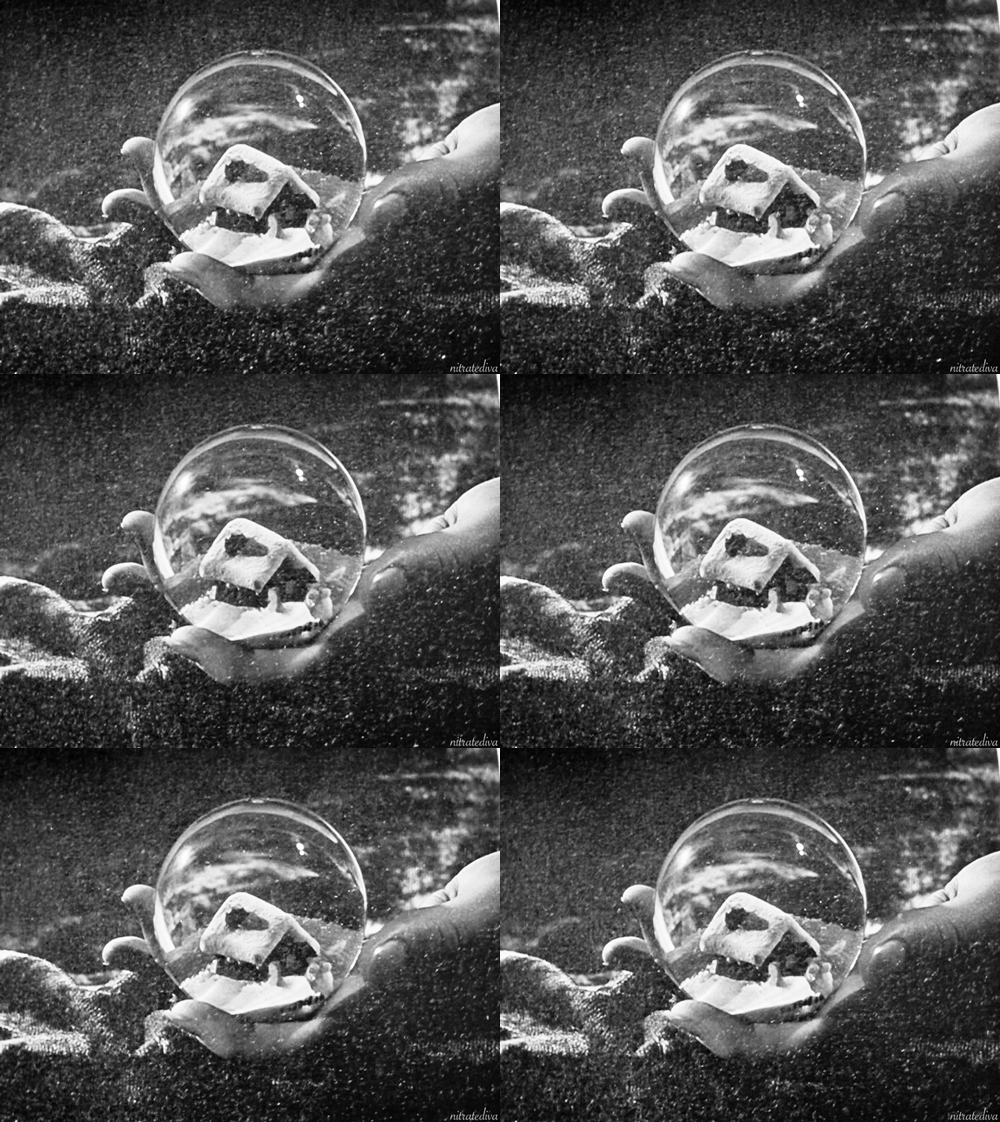
Welles trouxe sua técnica experimental para Hollywood. Como um diretor de cinema novato – “O primeiro dia em que dirigi um filme foi o primeiro dia em que pisei num estúdio de cinema” – ele sabia muito pouco sobre convenções e técnicas e, provavelmente sem querer, ele desafiou e quebrou essas convenções, criando uma obra-prima arrebatadora. Surpreendentemente, anos mais tarde, Welles confessou que acreditava que “Rosebud” não era um bom elemento da trama.

Welles brought his experimental approach to art to Hollywood. As a newcomer film director – “The first day I directed a film was the first day I’d ever been in a movie set” –he knew little about screen conventions and, probably without wanting to do so, he defied and broke these conventions, creating a riveting masterpiece. Surprisingly, later in life Welles confessed he thought “Rosebud” wasn’t a good device for the plot.

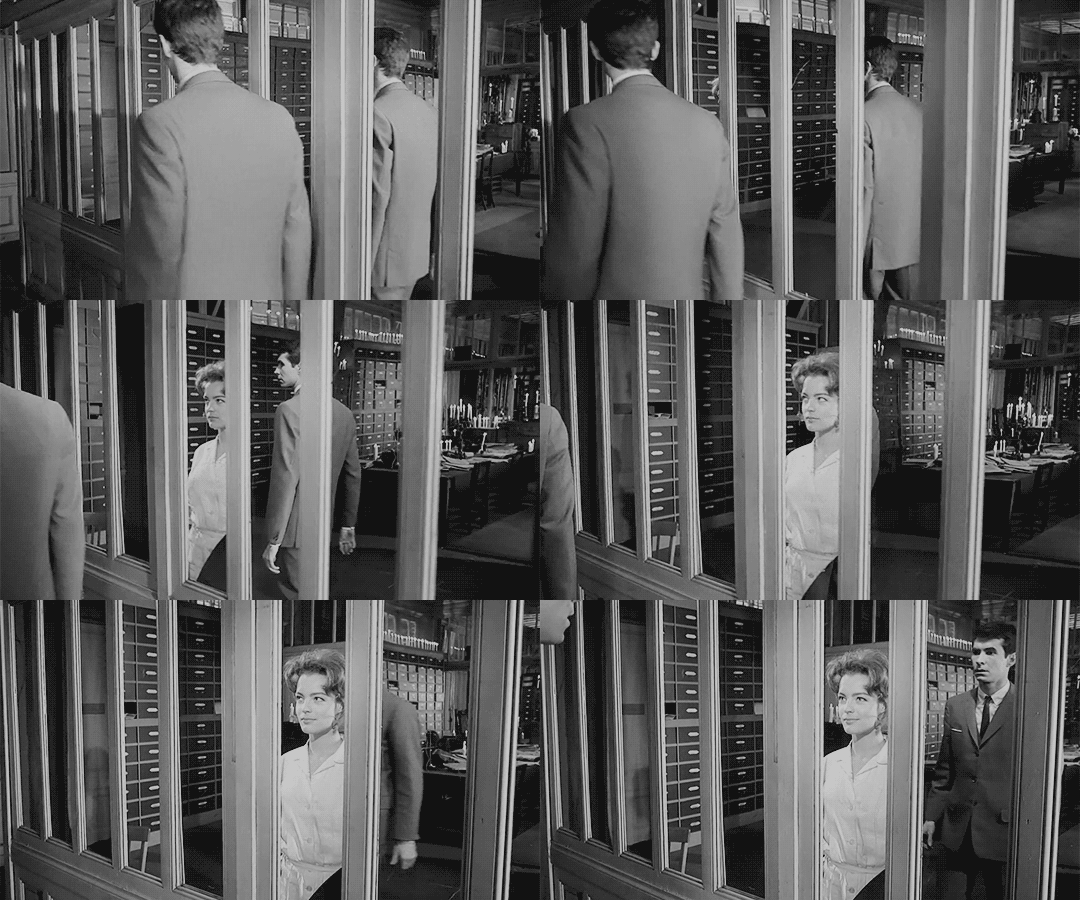
Em todos os outros filmes em que ele trabalhou como ator nos anos 1940, Welles também trabalhou um pouco como diretor – e nunca foi creditado. Nos anos 1950, Orson deixou Hollywood porque estava sendo investigado pelo FBI – as pessoas acreditavam que ele poderia ser um “comunista”. Na Europa, ele trabalhou sobretudo de forma independente.

In all the other films he appeared in the 1940s as an actor, Welles also worked a bit as a director – and always went uncredited. In the 1950s, Orson left Hollywood as he was being investigated by the FBI – people believed he could be a “communist”. In Europe, he worked mostly as an independent filmmaker.

Orson foi incompreendido em um lugar onde os diretores raramente tinham controle sobre seus filmes, e teve de enfrentar problemas financeiros para completar a maior parte de seus filmes, levando anos para terminar cada projeto. Para conseguir dinheiro para seus filmes, ele aceitava papéis em produções para o cinema e a TV, alguns deles bem curiosos – por exemplo, quem haveria de pensar em juntar Welles com os Muppets?

Orson was misunderstood in a place where directors rarely had control over their films, and struggled financially to complete most of his movies, taking years to finish each project. In order to make money for his films, he would accept parts in movies and television, some of them pretty weird – I mean, who would have thought of putting Welles with The Muppets?


Assim como a maioria dos perfeccionistas, Orson Welles deixou muitos projetos inacabados, como o conhecido projeto “Don Quixote” e “O Outro Lado do Vento”, que foi finalmente lançado em 2018. Welles faleceu em 1985, enquanto trabalhava em, por incrível que pareça, um programa de TV sobre um mágico – ele se interessara por ilusionismo ainda na infância e mostrou muitos truques em “Verdades e Mentiras” (1973).

Like most perfectionists, Orson Welles left many unfinished projects, like the well known “Don Quijote” project and “The OtherSide of the Wind”, that was finally released in 2018. Welles died in 1985, while he was working, of all things, on a TV show about a magician – he had been interested in illusionism from an early age, and showed many tricks in “F for Fake” (1973).
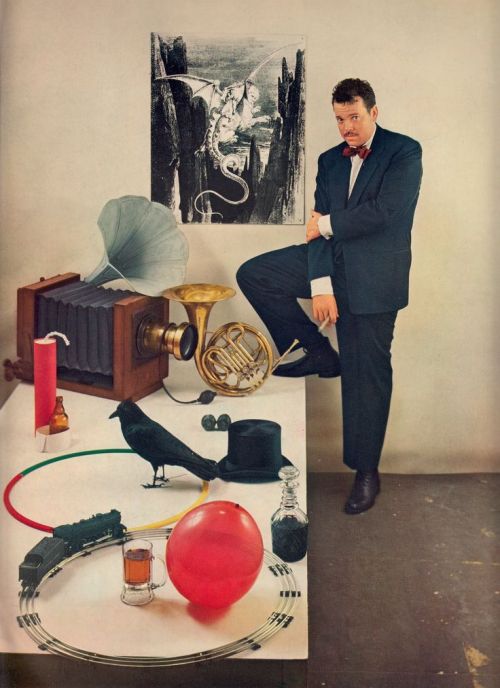

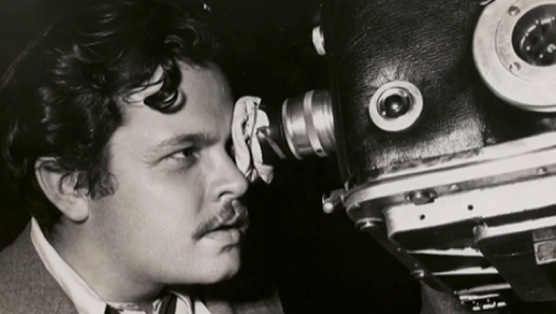
O documentário usa imagens de arquivo, cartazes de teatro, recortes de jornais, entrevistas e muito mais para pintar um retrato completo de Orson. No meio deste material está a primeira experiência de Orson com uma câmera, em um curta-metragem que ele e sua companhia de teatro fizeram por diversão no começo dos anos 1930.

The documentary uses archive footage, theater posters, newspaper prints, past interviews and more to build a complete portrait of Orson. Among the material, there is Orson’s first experience with the camera, in a short film he and his theater company shot for fun in the early 1930s.

Partes de conversas com Oja Kodar, a última companheira de Welles, são reveladoras, como quando ela diz que Orson teria sido o homem mais feliz do mundo se Geraldine Fitzgerald – Oja se refere a ela como “Geraldine qualquer-que-seja-o-nome” – tivesse confirmado que Orson era pai do filho dela, Michael Lindsay-Hogg – pelo menos a semelhança é inegável. Ela também conta que viu Orson assistindo a “Soberba” no fim da vida e chorando, ainda ressentido com o resultado final.

Little bits of conversation with Oja Kodar, Welles’s last companion, are revealing, as she says Orson would have been the happiest man in the if Geraldine Fitzgerald – Oja refers to her as “Geraldine whatever-her-name-is” – had confirmed that her son Michael Lindsay-Hogg was Orson’s son – at least the resemblance is uncanny. She also tells that she witnessed Orson watching “The Magnificent Ambersons” late in life and crying, still angry at the final film.
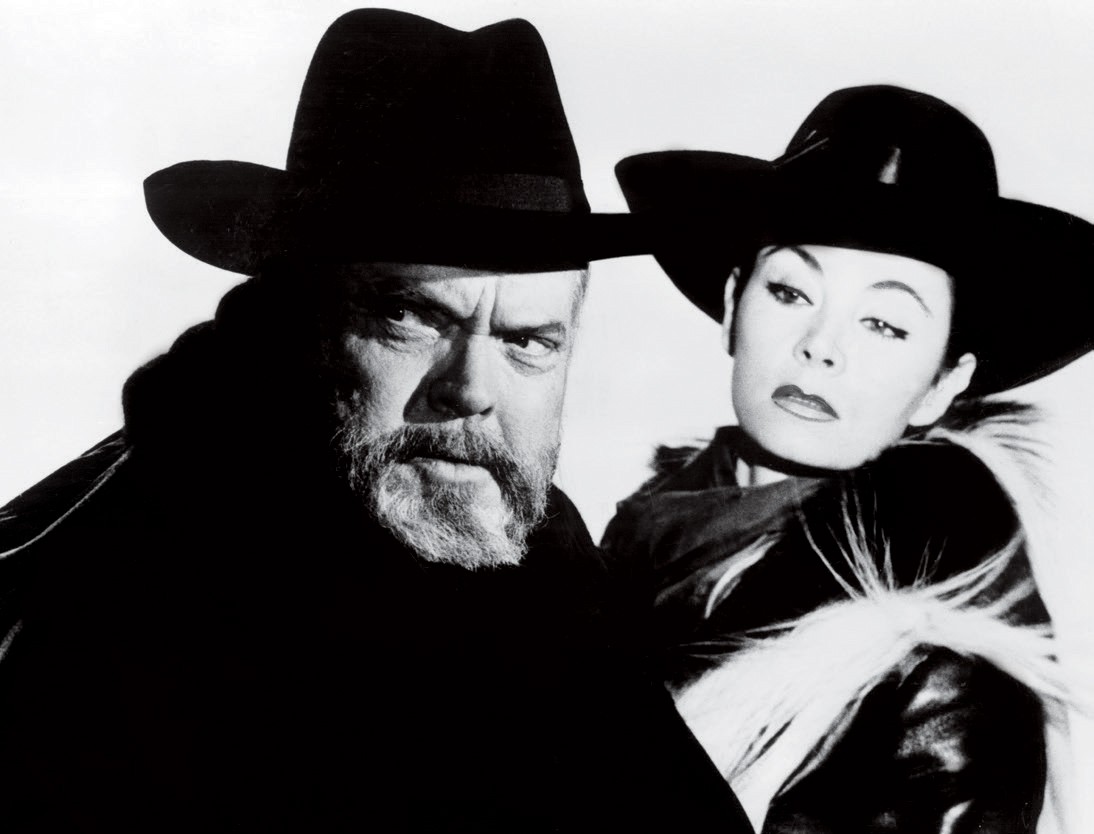

A atriz Jeanne Moreau define Welles como “um rei destituído” – pois não havia reino no mundo bom o suficiente para ele. Já que o documentário diz – e eu concordo – que Orson era um homem à frente de seu tempo, a definição de Jeanne está correta: o reino que deveria ser governado por Welles ainda não existia quando ele estava vivo. Eu me pergunto que truques e experimentos ele faria hoje, com as mídias digitais.

Actress Jeanne Moreau defines Welles as “a destitute king” – as there was no kingdom in the world good enough for him. Since the documentary says – and I agree – that Orson was a man ahead of his time, Jeanne’s definition is correct: the kingdom Welles was meant to reign over didn’t exist yet when he was alive. I wonder what tricks and experiments he would have made today, with digital media.
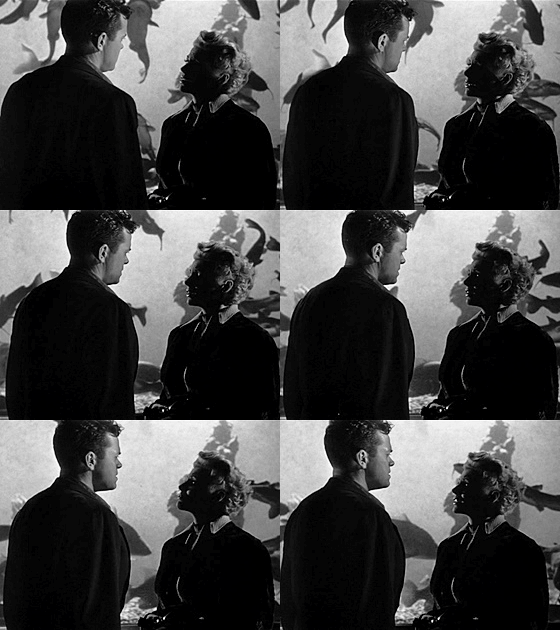

No final, se você já sabe um bocado sobre Orson Welles, o documentário não traz nada de novo, e seu título termina sendo mais impressionante que o próprio documentário. Mas é um bom filme para os iniciantes que acabam de começar a desvendar Orson, esta figura gigantesca em muitos sentidos.

In the end, if you already know a good amount about Orson Welles, the documentary doesn’t bring anything new, and its title ends up being more astonishing than the documentary itself. But it is a good movie for beginners who have just started learning about Orson, this larger-than-life figure in many senses.

This is my contribution to the Some Kind of a Man: the Orson Welles blogathon, hosted by Sean Munger.

Thursday, March 16, 2017

Variações sobre um mesmo tema: A Bela e a Fera (1946, 1991 e além)

Variations on the same theme: Beauty and the Beast (1946, 1991 and beyond)

Tale as old as time
True as it can be
Barely even friendship
Then somebody bends
Unexpectedly
Just a little change
Small to say the least
Both a little scared
Neither one prepared
Beauty and the Beast!
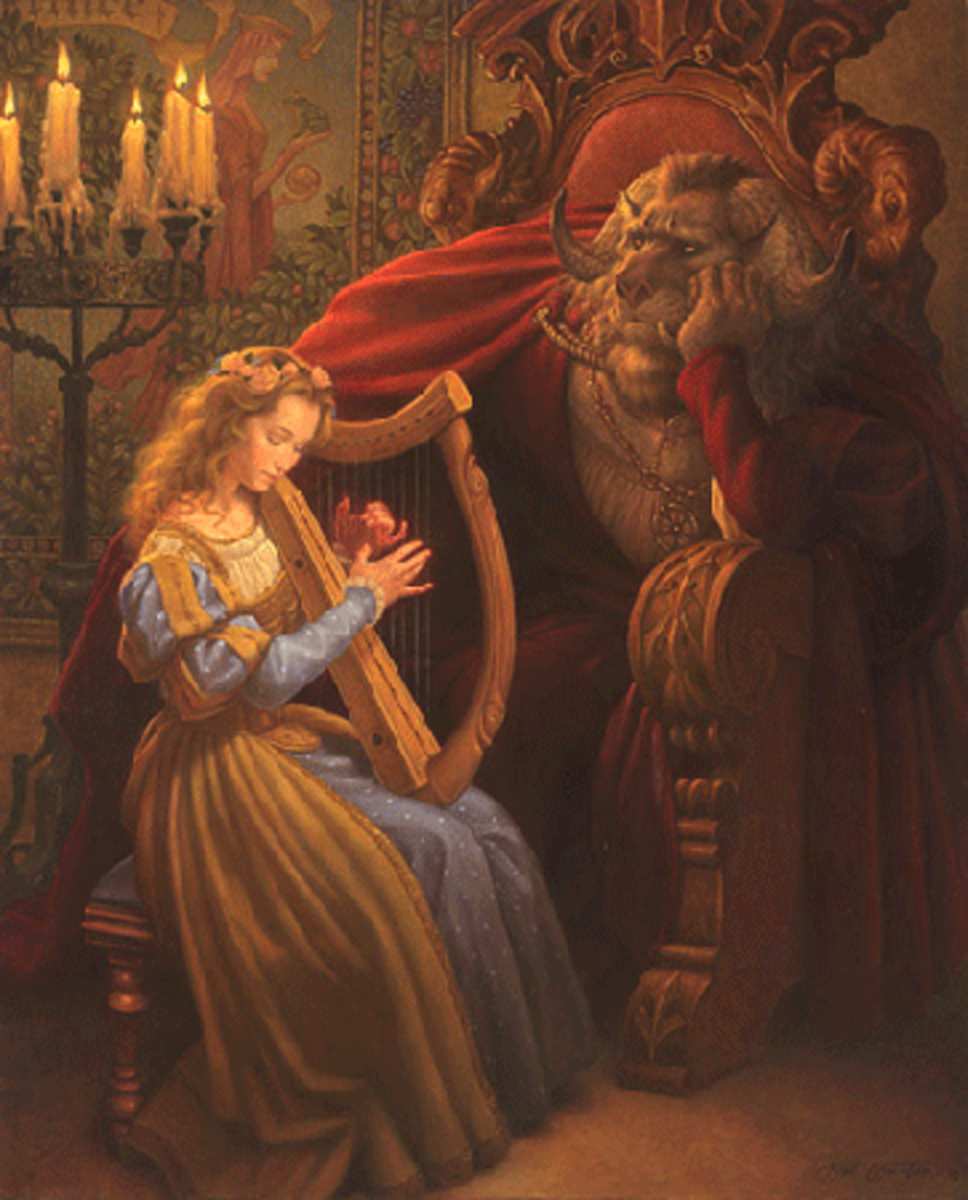
A belíssima história de amor entre uma mulher e uma criatura que parece um búfalo é um conto de fadas que existe há um bom tempo: foi publicada em 1740, escrita por Gabrielle-Suzanne Barbot de Villeneuve. Após a morte de Gabrielle, outra escritora francesa, Jeanne-Marie Leprince de Beaumont, reescreveu o conto de fadas. Mas a história na verdade tem mais de 4000 anos!

The wonderful love story between a woman and a bull-like creature is a fairy tale that has been around for quite a while: it was published in 1740, written by Gabrielle-Suzanne Barbot de Villeneuve. After Gabrielle died, another French writer, Jeanne-Marie Leprince de Beaumont, rewrote the fairy tale.  But the story actually originated more then 4000 years ago!
Originalmente, a Bela e a Fera era bem semelhante a outros contos de fada, pelo menos em relação à história. Bela era a filha mais nova de um comerciante viúvo. Ela tinha duas irmãs muito preocupadas com a aparência e três irmãos que viviam se metendo em confusões. Quando seu pai recebe a notícia de que um de seus navios perdidos foi encontrado, a família toda, que estava há alguns meses vivendo na pobreza, fica em polvorosa. As irmãs querem que o pai lhes traga vestidos chiques com o dinheiro da venda dos produtos do navio. Bela quer apenas uma rosa.

In its genesis, Beauty and the Beast was very similar to other fairy tales, at least in its history. Belle was the youngest daughter of a widow sea merchant. She had two vain sisters and three troublemaker brothers. When her father recovers one of his ships after living some months in poverty, the whole family gets excited. The sisters want the father to bring fancy dresses to them, but Belle wants only a rose.
Voltando da negociação malsucedida no porto, o pai de Bela entra no território da Fera e é pego. A Fera deixa o pai da Bela visitar a família uma última vez, mas ele não volta ao cativeiro: a Bela toma o lugar do pai e parte para o castelo da Fera. A versão francesa de 1946 segue este roteiro. Nela, Bela é interpretada por Josette Day e a Fera por Jean Marais.

Coming back from an ill-fated negotiation at the harbor, Belle's father enters the Beast's territory and is imprisoned. The Beast lets Belle's father see his family for the last time, but he doesn't come back: Belle goes to the Beast's castle in her father's place. The 1946 French movie follows this storyline. Belle is pyayed by gorgeous Josette Day, and the Beast by Jean Marais.
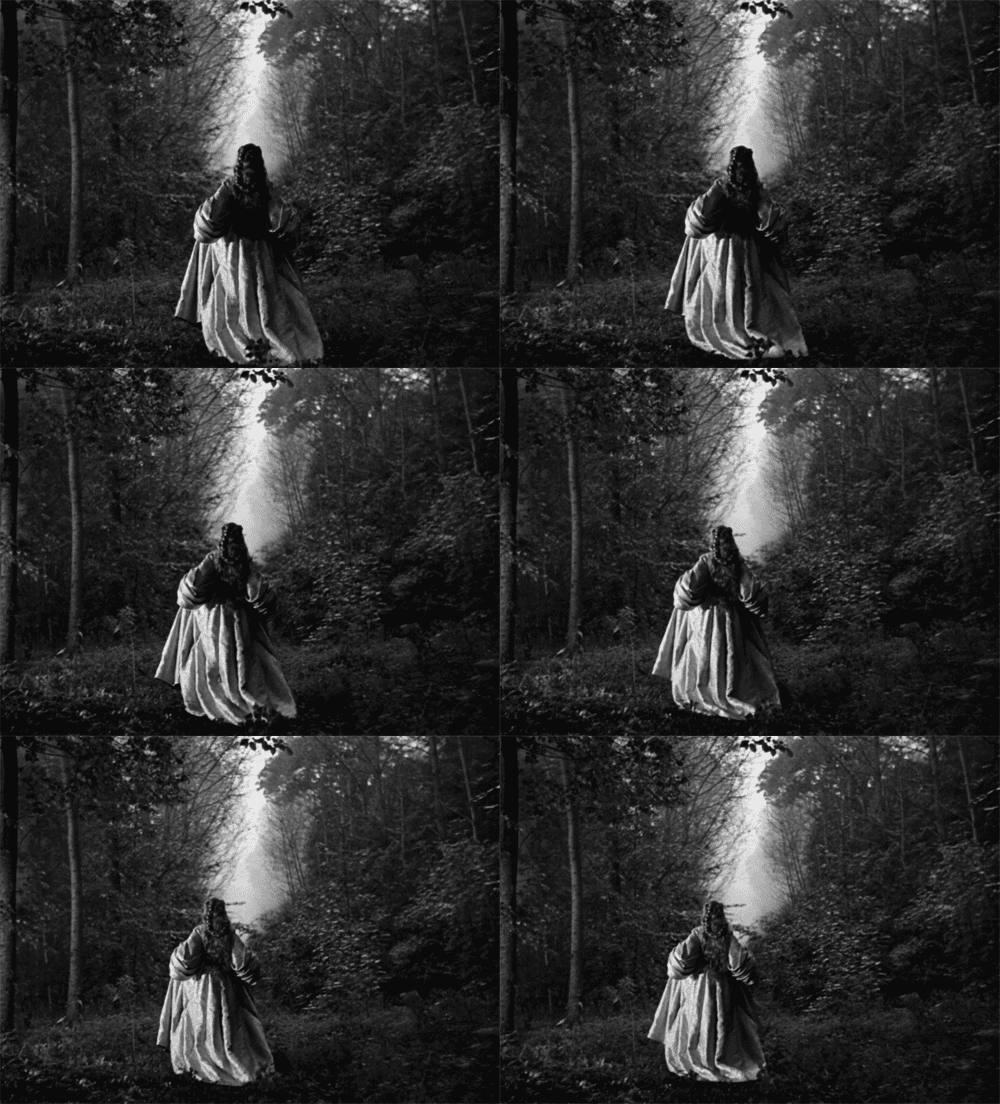
A versão de 1946 pode surpreender quem não está acostumado a ver clássicos e pensa que todos os filmes antigos são primitivos e chatos. Na verdade, a versão francesa é simplesmente mágica, e faz a mágica sem efeitos especiais computadorizados. Ainda por cima, é um filme feito logo após a Segunda Guerra Mundial, conflito do qual a França saiu muito abalada. De certa maneira, este é o tipo de filme que a França precisava na época: um filme que nos faz acreditar em mágica novamente.

The 1946 version may surprise the ones who are not used to old movies and expect it to be dull and primitive. Actually, the French version is nothing but magical, and does it without CGI and when France had just left World War II with lots of scars. In a sense, it was the kind of comfort movie France needed then: a movie that makes you believe in magic again.
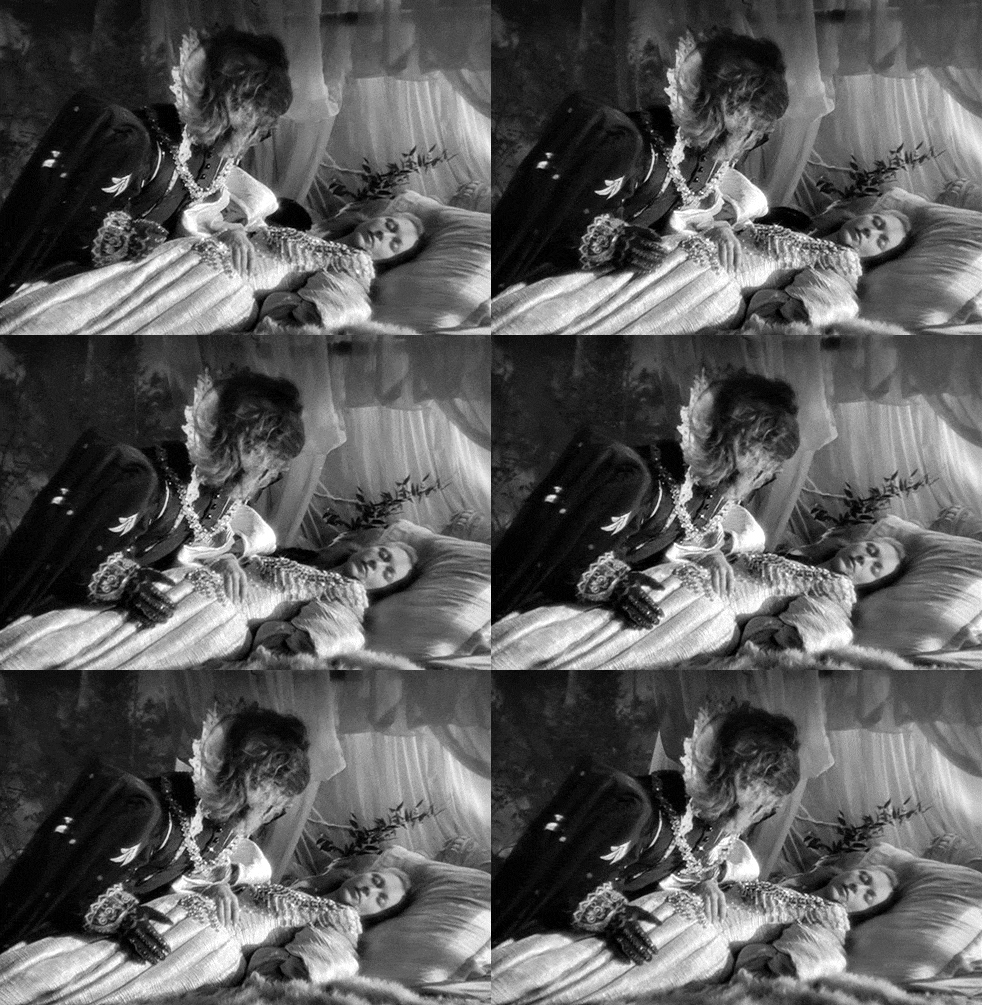
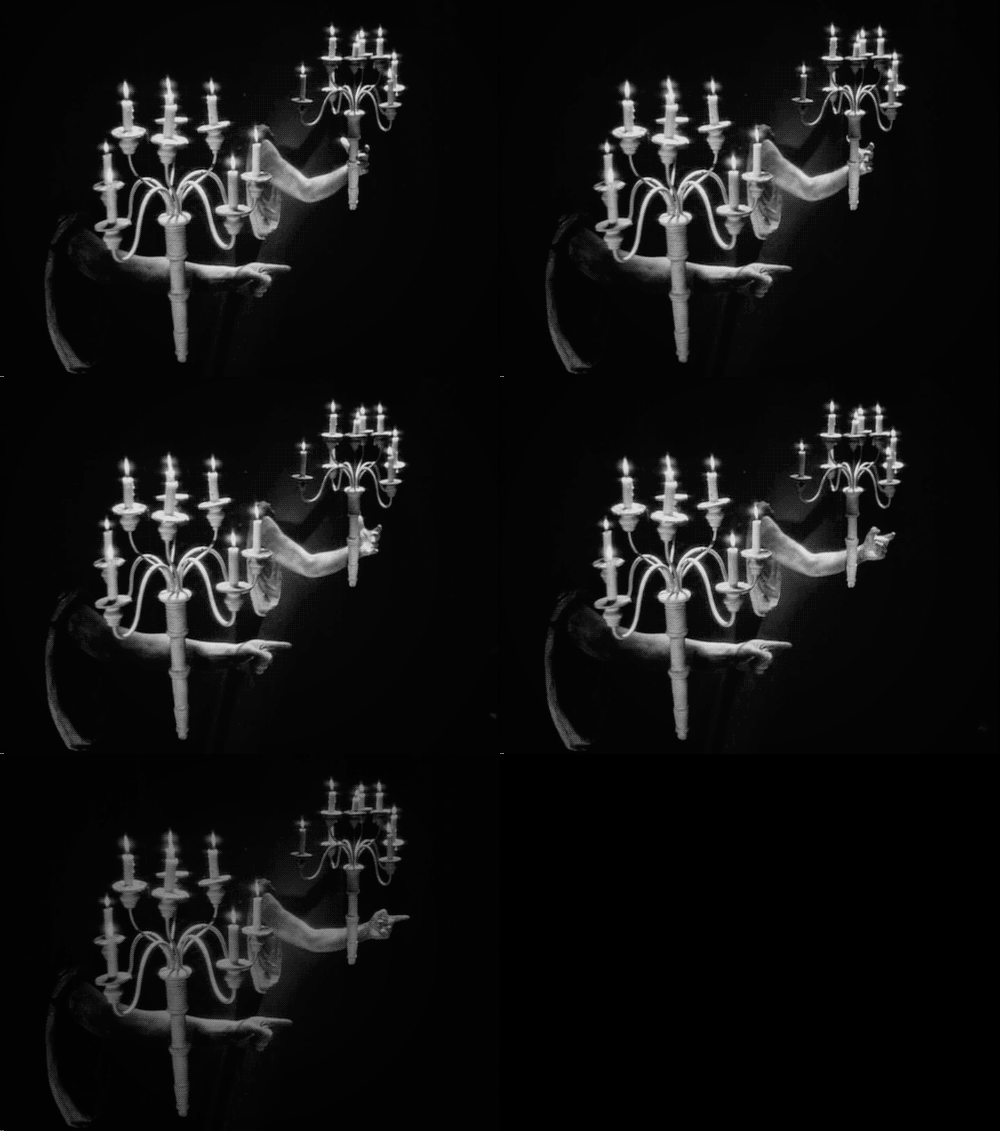
Meu truque favorito no filme de Jean Cocteau são os braços humanos que seguram objetos como velas e espelhos dentro do castelo da Fera. Foi asism que ele conseguiu mostrar os serviçais amaldiçoados no castelo. E isso não é tudo: a iluminação também confere um toque mágico. À luz de velas, Josette Day é etérea, angelical. Esse efeito não poderia ser obtido apenas com a luz em um filme a cores.

My favorite trick in Jean Cocteau's film is his idea of having moving arms holding the objects like candles and mirrors inside the Beast's castle. It was through this trick that he could transport to the screen the cursed maids, butlers and cooks. And this is not all: the lightning also adds to the magic. By candlelight, Josette Day looks ethereal, and such an effect couldn't be achieved in a color film.
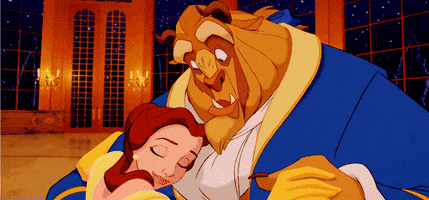
Não, o pai da Bela não era um inventor. Ela não era filha única, nem uma leitora voraz (ou seja, ela não era como eu). Ela não era paquerada pelo insistente e vaidoso Gaston, o homem com grandes músculos e cérebro de ervilha. Tudo isso é o toque Disney. Mas estas mudanças na história, junto com a animação de qualidade, obviamente, fizeram o filme ser indicado ao Oscar de Melhor Filme em 1992. É interessante notar que a animação tem diversas conexões com o cinema clássico.

No, Belle's father wasn't an inventor. She wasn't a single child who was also a bookworm (she wasn't me, after all). She wasn't courted by Gaston, a man with great muscles and a pea-sized brain. All this is Disney exclusivity. But those changes in the story, along with the great animation, of course, made the animated feature be nominated for the Best Picture Oscar in 1992. Interestingly, the animation has many connections to classic films.


A versão de 1946 inspirou o estilo de um episódio de 'Teatro dos Contos de Fada". Neste episódio, dirigido por Roger Vadim, a Bela é interpretada por Susan Sarandon e a Fera por Klaus Kinski. Será que já houve escalação de elenco melhor do que esta?

The 1946 version inspired the look of an episode of “Shelley Duvall's Faerie Tale Theatre”. In this episode, directed by Roger Vadim, Belle is played by Susan Sarandon, and the Beast by Klaus Kinski. Has there ever been a better casting than this?
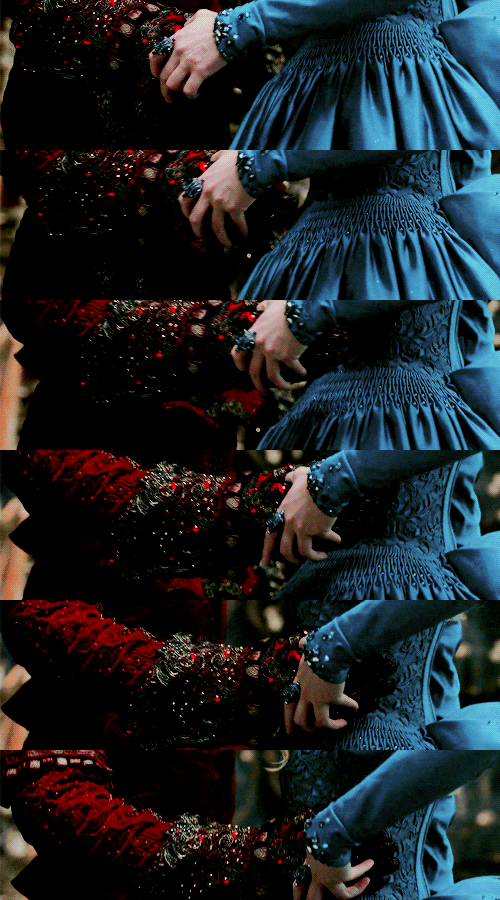
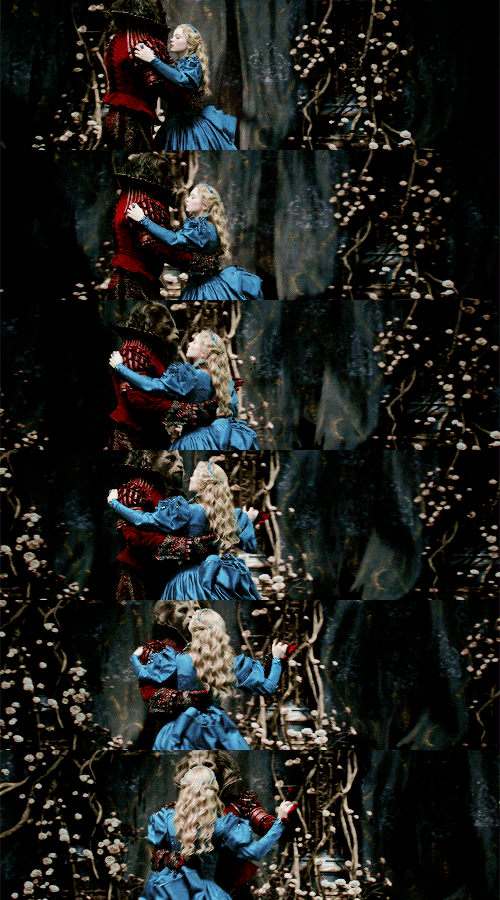
Houve uma versão em 2014, novamente feita na França, com Léa Seydoux e Vincent Cassel nos papéis principais. O filme pode ser visualmente deslumbrante, mas falta algo – talvez tenha sido a narrativa confusa, que avança e retrocede no tempo sem aviso, ou talvez seja a falta de química do casal. De toda forma, o filme é uma festa para os olhos e ao mesmo tempo uma cura para a insônia. Bem, pelo menos nesta versão a Bela e a Fera têm roupas lindas e diferentes do usual para o grande baile:

There was a 2014 version, again made in France, with Léa Seydoux and Vincent Cassel in the lead roles. While it is visually breathtaking, the film lacks something – maybe it is the confused narrative, that goes back and forward in time without warning, or maybe it is the lack of chemistry between the couple. Anyway, it is a feast for the eyes but at the same time a cure for insomnia. Well, at least in this version Belle and the Beast have different and gorgeous clothes for their dance:
A primeira adaptação para o cinema foi feita pela Pathé-Freres em 1899. Outras versões se seguiram, ainda no cinema mudo, tanto na França quanto na Inglaterra, mas há pouquíssimas informações sobre elas. O que se sabe é que existe uma cópia – ou possivelmente um fragmento – da versão de 1913 na Cinemateca Francesa. É uma pensa que não foi feita nenhuma versão da história na Hollywood do cinema mudo!

The first film adaptation of the story to the cinema was made by Pathé-Freres in 1899. Many more versions were made in the silent era, both in France and the UK, but information about these movies is scarce. A copy – or rather a fragment – of the 1913 version certainly exists in the French Cinémathèque, though. It’s a pity that no version of the tale was adapted to the screen in silent-era Hollywood!

Na TV foram feitas também diversas adaptações, entre filmes e episódios, entre os quais está um de “Shirley Temple’s Storybook” de 1958. Séries de TV também se inspiraram na história, incluindo uma versão modernizada estrelada por Linda Hamilton e Ron Perlman que durou três temporadas, de 1987 a 1990.

On TV there were several versions as well, considering TV movies and episodes such as one from “Shirley Temple’s Storybook” in 1958. TV series were also inspired by the tale, including a modernized version with Linda Hamilton and Ron Perlman, that lasted three seasons, from 1987 to 1990.
Qualquer que seja a versão e sua opinião sobre a história – afinal, qual a moral do conto de fadas (as aparências não importam ou o amor cura tudo?) – o cinema sempre conseguiu levar para as telas a magia que nos faz continuar acreditando no conto de fadas.

Whatever the version, and whatever is your reading of the story – which could exactly be the lesson we learned with Beauty and the Beast (appearances don’t matter / love cures everything?) – the film world never failed to translate the magic that makes us believe in fairy tales.

Saturday, September 24, 2016

Cantinflas (2014)

Ele chegou a ser o comediante mais importante e amado do mundo mas, se não tivesse passado brevemente por Hollywood, é provável que a fama de Mario Moreno, ou Cantinflas, hoje se restringisse aos países de língua espanhola. E são as negociações para contratar Cantinflas para seu grande filme norte-americano, “A Volta ao Mundo em 80 Dias” (1956), que dão início à cinebiografia do ídolo mexicano.

He was once the most important and beloved comedian in the world but, if he hadn’t worked briefly in Hollywood, it’s probable that Mario Moreno, or Cantinflas, would be known today only in Spanish-speaking countries. And the negotiations to hire Cantinflas to his biggest Hollywood movie, “Around the World in 80 Days” are the starting point for his biopic.
Michael Todd (interpretado por Michael Imperioli) é um produtor de teatro que tem a ideia de fazer o maior e mais fascinante filme do mundo, que contará com um ingrediente secreto: sua adaptação da história de Júlio Verne para os cinemas contará com participações especiais de astros do mundo inteiro! Ele APENAS precisa convencer a United Artists a financiá-lo e distribuir o filme! E isso é uma tarefa complicada ao extremo: se há uma coisa que Hollywood nunca gostou de fazer, mas sempre deveria ter feito, é arriscar.

Michael Todd (portrayed by Micheal Imperioli) is a theater producer who has the plan to make the greatest, biggest film in the world, and a film with a secret ingredient. He wants his adaptation of Jules Verne’s story to have cameos of films stars from all over the world! He ONLY has to convince United Artists to finance and distribute it! And this is an extremely complicated task: if there is one think Hollywood never liked doing, but should have always done, it is taking risks.
Michael Todd diz, ao ouvir pela primeira vez sobre Mario Moreno: “tá, ponha ele no primeiro burro voador para LA.” Afinal, “Ele é a pessoa mais amada no México, Espanha e resto da América Latina.”. Mas como Cantinflas conseguiu tanto prestígio?

Michael Todd says, hearing of Mario Moreno for the first time: “Yeah, get him in the next flying donkey to LA”. After all, “He is the most beloved person in Mexico, Spain and all of Latin America”. But how exactly Cantinflas became so?
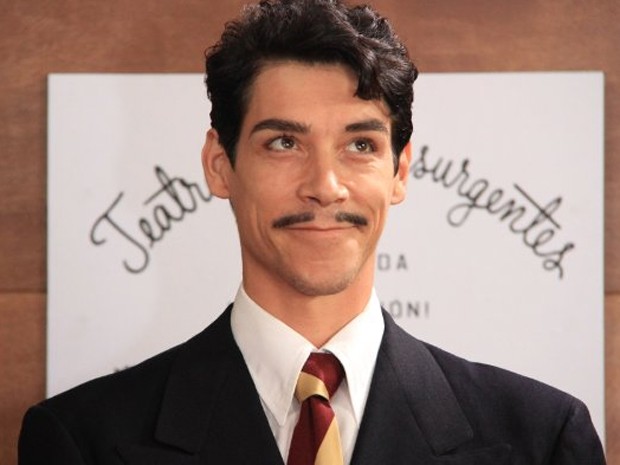
À luta de Michael Todd são costuradas cenas da trajetória artística de Mario Moreno (Oscar Jaenada), o homem que tentou ser boxeador e toureiro, mas que nasceu para ser palhaço. A história avança e retrocede no tempo, entre o México dos anos 1930 e 1940 e Los Angeles em 1955 – até que os destinos de Michael Todd e Mario Moreno se cruzam.

To Michael Todd’s effort we add scenes from Mario Moreno’s (Oscar Jaenada) artistic path: he tried to be a boxer and a bullfighter, but he was born to be a clown. The story goes back and forth in time, between Mexico in the 1930s and Los Angeles in 1955 – until Mario’s and Michael’s fates cross.
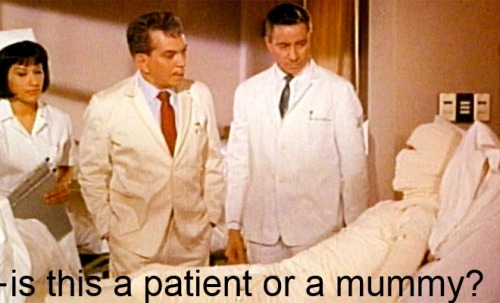
Precisamos saber que há uma diferença entre Mario Moreno, a pessoa, e Cantinflas, a personagem. Da mesma maneira e com os mesmos materiais que Chaplin criou seu vagabundo, Mario criou Cantinflas: com roupas simples, um colete (chamado comicamente de “La gabardina”) pendurado em um só ombro, um chapéu, um bigode e um cigarro. Cantinflas e Chaplin de fato se conheceram, mas Chaplin nada teve a ver com a contratação de Cantinflas para “A Volta ao Mundo em 80 Dias”, como mostra a cinebiografia.

We need to know there are differences between Mario Moreno, the person, and Cantinflas, the persona. In the same way and with the same ingredients that Chaplin created his Tramp character, Mario created Cantinflas: with simple clothes, a vest (comically called “la gabardina”) hanging in only one shoulder, a hat, a moustache and a cigarette. Cantinflas and Chaplin actually met, but Chaplin had nothing to do with hiring Cantinflas for “Around the World in 80 Days”, like the biopic shows us.
“Cantinflas”, o filme, é um prato cheio para quem gosta de cinema clássico, com as muitas menções desde os minutos iniciais. É um pouco frustrante ver que os escolhidos para interpretar, ainda que brevemente e às vezes sem falas, astros de Hollywood como Elizabeth Taylor e Marlon Brando não se parecem com os atores. E um erro dolorido: em 1956 Mary Pickford de fato deixou o comando da United Artists, mas de maneira alguma deixou o estúdio nas mãos de Douglas Fairbanks e Charles Chaplin – afinal, Fairbanks estava morto há mais de 15 anos e Chaplin, radicado na Europa. Inserir a figura de Chaplin na cinebiografia, aliás, é a grande manobra emocional feita com o público.

“Cantinflas”, the film, is a great piece for anyone who likes classic film, with lots of mentions to films and stars of the time since the beginning. It is a little frustrating when you realize that the actors chosen to play Hollywood stars like Elizabeth Taylor and Marlon Brando – in a cameo with no lines – look nothing like the people being portrayed. And a painful mistake: in 1956 Mary Pickford really had left a leading position at United Artists, but by no means she left the studio in the hands of both Douglas Fairbanks and Charles Chaplin – after all, Fairbanks died more than 15 years before that and Chaplin was living in Europe.
Todos os clichês do show business estão ali: a pobreza do começo de carreira, a trupe mambembe, o envolvimento com a filha do primeiro patrão e a demissão, o sucesso em uma cidade grande, o astro já estabelecido que menospreza o novato, a felicidade e infelicidade no casamento, a infidelidade, o fundo do poço e a redenção. Outros traços comuns na trajetória de grandes estrelas que não podiam faltar na cinebiografia de Cantinflas foram o desdém da elite e acolhimento inicial rápido por parte do povo, e a luta pela liberdade criativa e o direito de improvisar no teatro e no cinema.

All the show clichés in show business are there: the poverty in the beginning of his career, the carnival, the time he got caught with his boss’s daughter and was fired, the success in a big city, the well-known star who treats the newcomer badly, the happiness and unhappiness in married life, the unfaithfulness, hitting the bottom and the redemption. Some other common steps in a big star’s career: Cantinflas also suffered with the disdain of the rich ones, was well received quickly by the poorer ones, and also fought for creative freedom and his right to improvise in both theater and film.
O filme atingiu seus objetivos principais: atraiu um grande público (mais de um milhão e meio de espectadores só no México), foi uma ode à nostalgia e foi escolhido como o representante mexicano para o Oscar de Melhor Filme Estrangeiro em 2015. Houve polêmica com a escolha do ator espanhol Oscar Jaenada para interpretar Cantinflas, mas sua performance foi muito elogiada e é um dos pontos altos do filme.

The film reached its main goals: it attracted a lot of moviegoers (more than 1.5 million in Mexico alone), was an ode to nostalgia and was chosen as the Mexican representative for the Best Film in a Foreign Language Oscar in 2015. There was a negative buzz when Spanish actor Oscar Jaenada was chosen to play Cantinflas, but his performance received praise and is one of the best things in the movie.
Há relatos que colocam Mario Moreno e Cantinflas como duas personalidades completamente opostas: o personagem era querido e simpático, enquanto seu criador era antipático na vida real. O personagem se tornou lendário e deu origem ao verbo “cantinflear”, ou seja, falar muito até confundir o interlocutor. Mario pode não ter sido um grande exemplo, mas o legado Cantinflas vive, e o comediante ainda é um orgulho para a América Latina.

There are stories that put Mario Moreno and Cantinflas as two completely opposite personalities: the character was beloved and humble, while his creator was unsympathetic in real life. The character became a legend and was the origin of the verb “cantinflear” in Spanish, that is, to talk too much in order to confuse who you’re talking to. Mario may not have been the best example to follow, but Cantinflas’s legacy lives on, and the comedian is still the pride of Latin America.

This post is part of the Hispanic Heritage Month celebration. Follow the hashtag #DePelicula to find more content.
Related Posts Plugin for WordPress, Blogger...