} Crítica Retrô: Shirley Temple

Tradutor / Translator / Traductor / Übersetzer / Traduttore / Traducteur / 翻訳者 / переводчик

Showing posts with label Shirley Temple. Show all posts

Friday, September 7, 2018

Ver-te-ei Outra Vez (1944) / I'll Be Seeing You (1944)

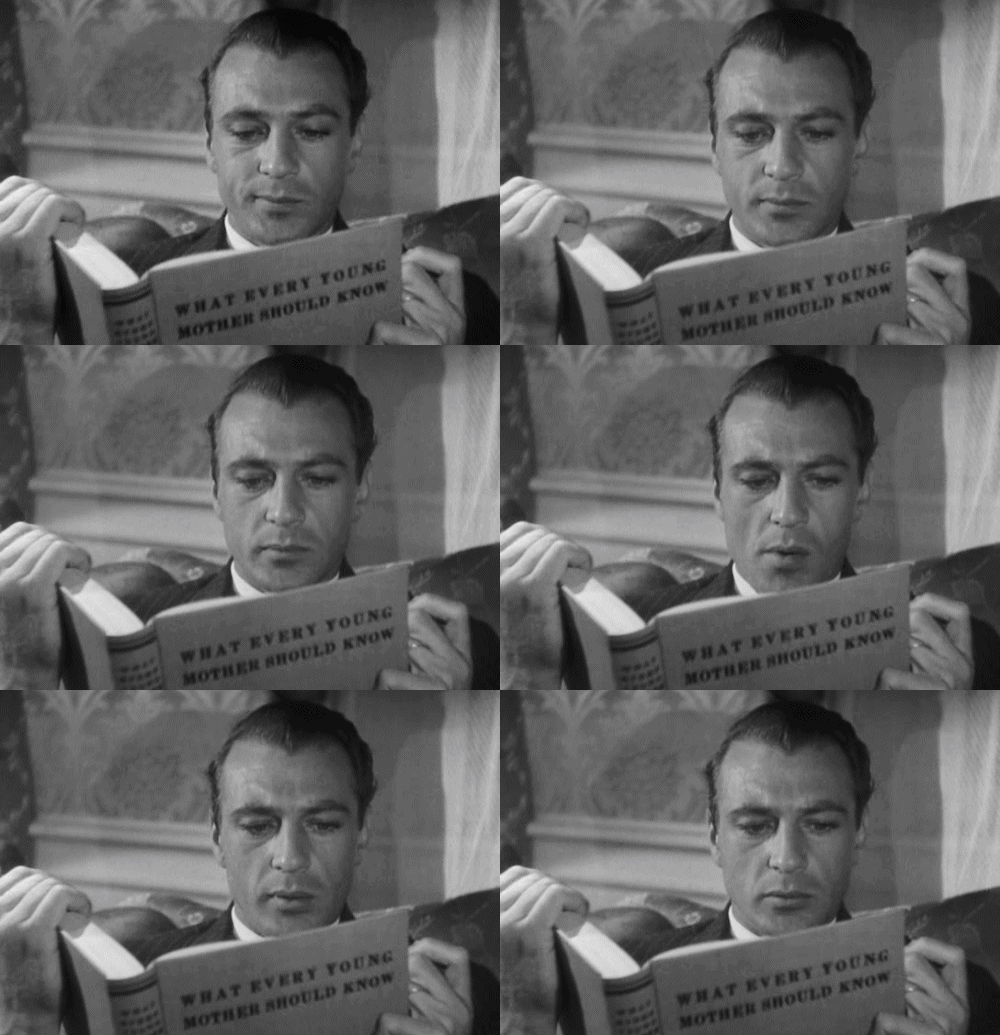
Uma das verdades da vida é que todas as pessoas que conhecemos estão vivendo batalhas internas que mal podemos imaginar. Olhos plácidos podem esconder o tormento da alma e pessoas com mentes agitadas podem esconder a ansiedade com gestos calmos. De vez em quando, esta verdade é explorada no cinema. Um dos filmes que tratam disso é “Ver-te-ei Outra Vez”, um filme de Natal que não se parece em nada com outros filmes de Nata, e um filme feito durante a guerra com um soldado protagonista, mas não da maneira que era esperada.

One of the truths in life is that all the people we meet are going through inner battles we can't see or guess. Placid eyes can hide turmoil and people with agitated minds can disguise the anxiety with calm manners. Every now and then, this truth is explored by films. One of those films was “I’ll Be Seeing You”, a Christmas movie that looks nothing like a Christmas movie, and a film made during the war and featuring a soldier, but not the way we expected him to be.
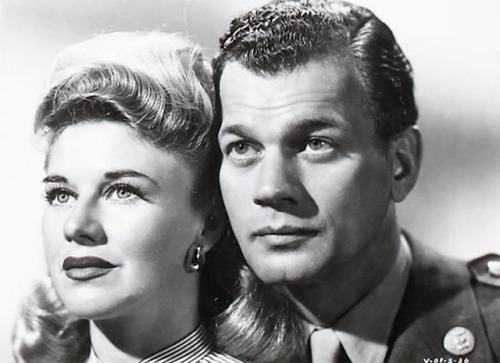

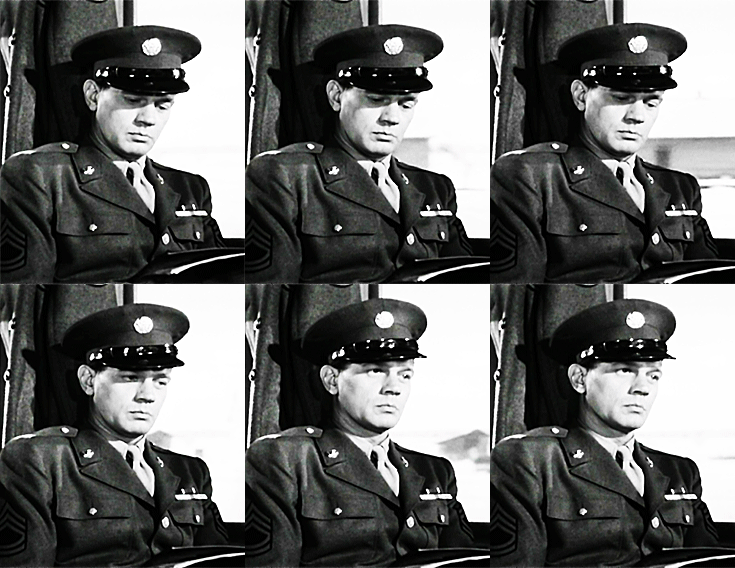
Duas pessoas se conhecem em um trem. Elas são a “vendedora” Mary Marshall (Ginger Rogers) e o soldado Zachary Morgan (Joseph Cotten). Quando eles ficam a sós no trem barulhento, começam a conversar e se conhecem melhor – partilhando apenas informações básicas, claro. Mary diz que vai visitar seu tio em uma cidade chamada Pinehill. Zack então decide também descer em Pinehill e ir atrás de Mary.

Two people meet on the train. They are “saleslady” Mary Marshall (Ginger Rogers) and soldier Zachary Morgan (Joseph Cotten). When they have some time alone in the noisy train, they chat and get to know each other – only the basic information, of course. Mary says she will visit her uncle in a town named Pinehill. Zack then decides to also stay in Pinehill and go after Mary.
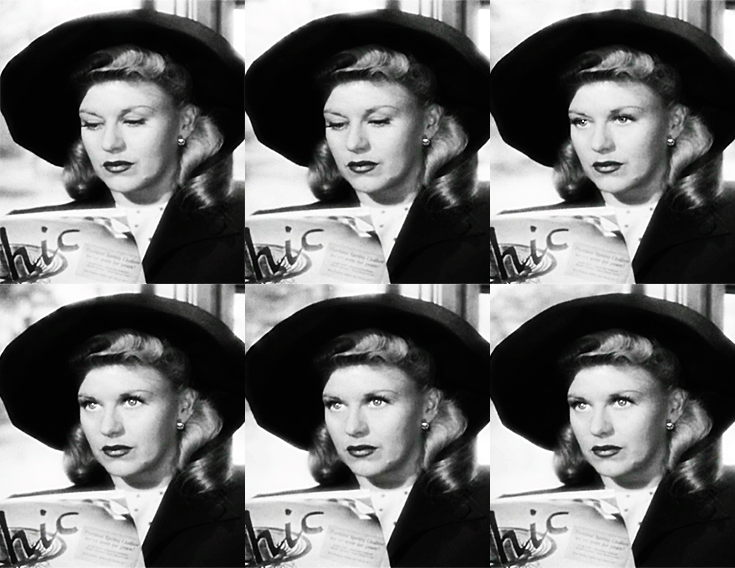

Mas ambos escondem algo. Mary esteve na cadeia e foi apenas liberada para passar o Natal com sua família devido ao seu bom comportamento. Zack esteve no hospital e acabou de receber dispensa para passar o Natal longe da internação e tentar viver com seu trauma sob controle.

But they both hide something. Mary was in jail, and is now on probation spending Christmas vacation with her family due to good behavior. Zack was in the hospital and has just received a brief leave to experience Christmas outside and try to live with his PTSD under control.
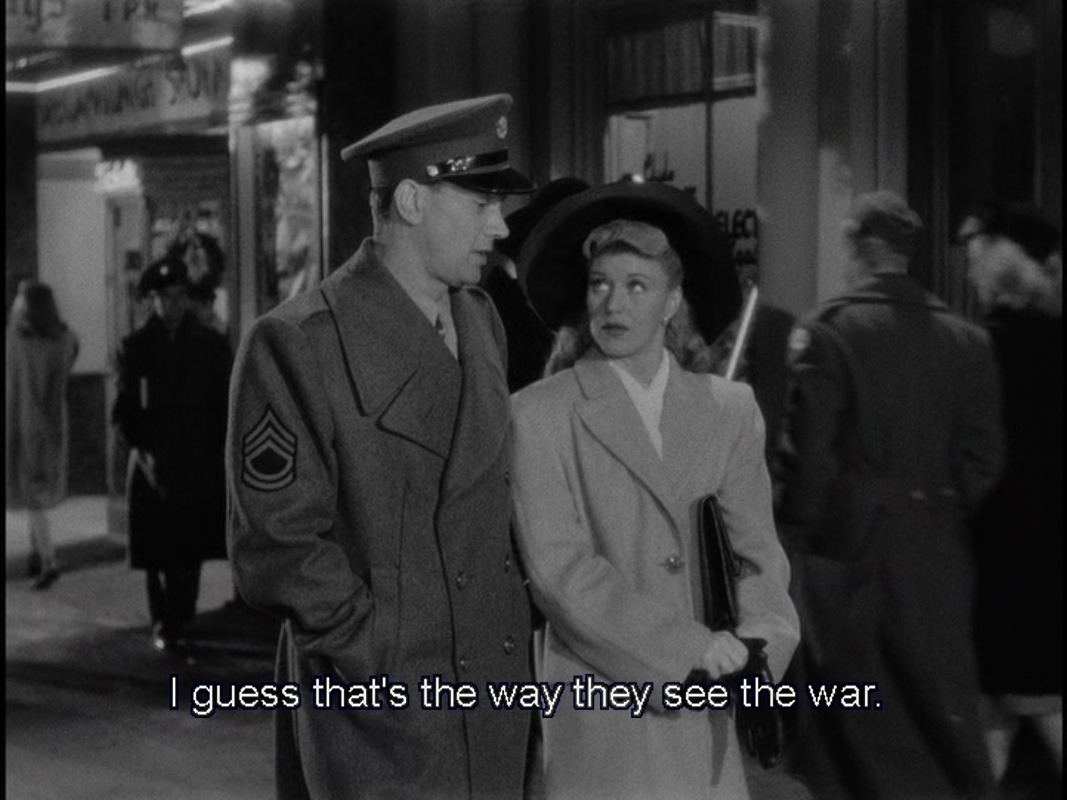

Mary fica na casa de seus tios. A tia Sarah (Spring Byington) é cheia de boas intenções, assim como o tio Henry (Tom Tully). Eles têm uma filha, a curiosa adolescente Barbara (Shirley Temple). Mas estas boas intenções escondem o preconceito deles. Por exemplo, Barbara arruma coisas separadas só para Mary – como sabonetes e toalhas – como se ela fosse contaminar a família se eles usassem os mesmos produtos. Além disso, ria Sarah pensa que Mary não deveria contar para Zack que ela esteve na cadeia, porque isso o assustaria.
  
Mary stays in her aunt’s and uncle’s house. Aunt Sarah (Spring Byington) is full of good intentions, as well as uncle Henry (Tom Tully). They have a daughter, curious teenager Barbara (Shirley Temple). But these good intentions hide prejudice. For instance, Barbara has separate things just for Mary - like soaps and towels - as if she could contaminate the family if they shared those products. Besides that, aunt Sarah thinks Mary shouldn’t tell Zack she has been in jail, because it would scare him.
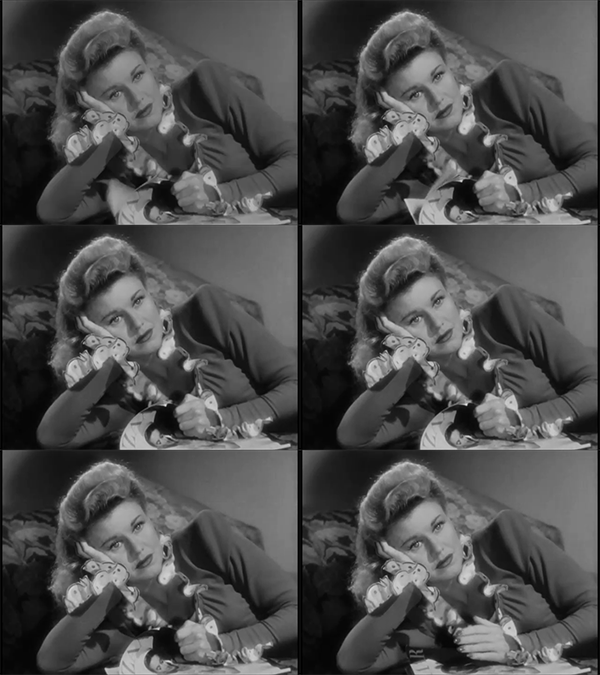

Zack conta para Mary sobre seu trauma de guerra, mas ela não pode contar para ele sobre a prisão – mesmo que ela tenha cometido o crime para se defender. É uma mulher se autossacrificando e sacrificando a verdade para um homem emocionalmente instável. A tia Sarah diz que talvez Zack não seja forte o suficiente para lidar com a verdade. É a lógica da guerra: as mulheres têm de fazer sacrifícios para que os homens possam ir para a guerra e depois se recuperar dela. É como diz a música “No Love, No Nothin’” do filme “Entre a Loura e a Morena” (1943): “no love, no nothing, until my baby comes home”.

Zack tells Mary about his PTSD, but she can’t tell him about being in prison - even if the crime she committed as self-defense. It’s a woman sacrificing herself and the truth for a man that is emotionally unstable. Aunt Sarah says Zack may not be strong enough to handle the truth. It’s the war logic: women must make sacrifices so men can serve the military and later recover from their war traumas. Like what is told by the song “No Love, No Nothin’” from the movie “The Gang’s All Here” (1943): “no love, no nothing, until my baby comes home”.
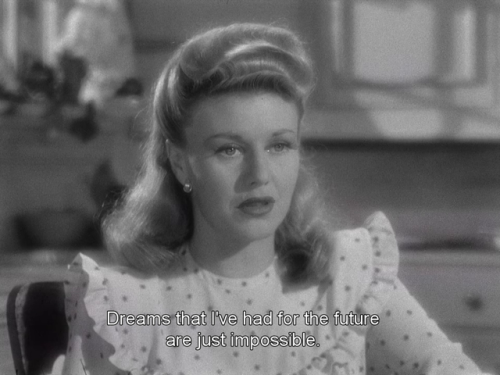

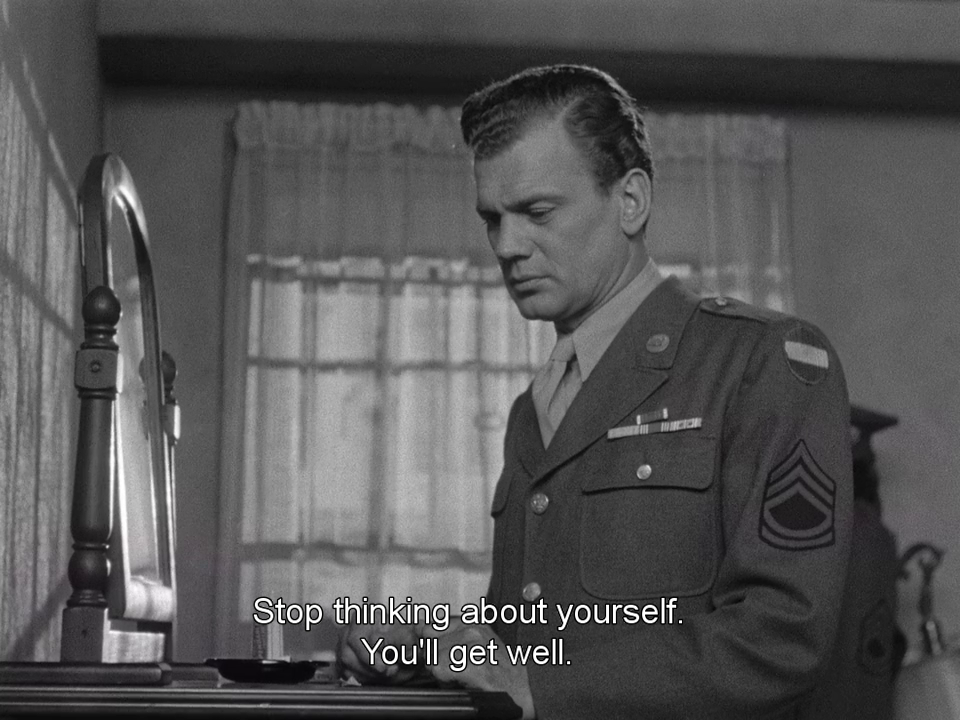
“Ver-te-ei Outra Vez” pode ser descrito como um filme sobre gatilhos. Se você tem algum trauma, qualquer tipo de trauma, você sabe que um gatilho pode trazer todas as memórias de volta – e Hollywood estava começando a perceber que isso era verdade também para os soldados traumatizados. O gatilho de Mary é ouvir alguém falar sobre celas ou prisões, ainda que metaforicamente. O grande gatilho de Zack é o ataque de um cachorro, depois do qual ele tem um ataque de ansiedade e pânico fechado no quarto, algo muito poderoso e também uma sequência que mostra o talento de Joseph Cotten – não há dúvidas de que Cotten tem a melhor atuação do filme.

“I’ll Be Seeing You” can be described as a movie about triggers. If you have some trauma, any kind of trauma, you know how a trigger can bring all the memories back – and Hollywood was starting to realize this was true about shell-shocked soldiers, too. Mary is triggered whenever someone mentions prisons or cells, even metaphorically. Zack is especially triggered after a dog attacks him, and in his room he has a complete panic attack, something extremely powerful and also a sequence that showcases Joseph Cotten’s talent – there is no doubt Cotton delivers the best performance in the movie.

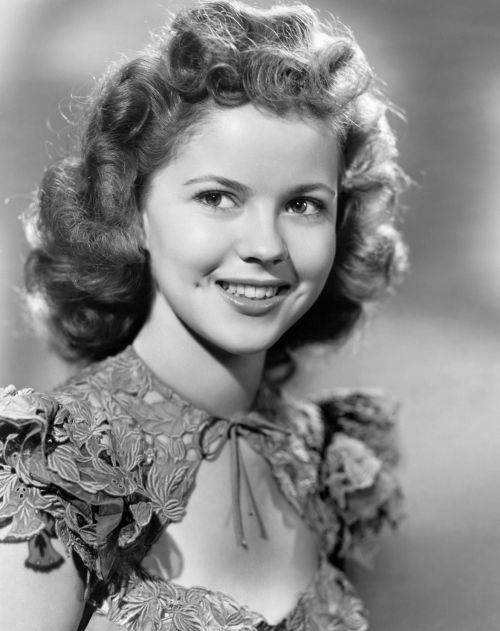
Eu fiquei esperando que muitas coisas acontecessem. Primeiro eu pensei que Shirley Temple, Joseph Cotten e Ginger Rogers formariam um triângulo amoroso. Mas É ÓBVIO que Hollywood não faria isso com a pequena Shirley, a menina de ouro. Hollywood não era capaz de colocá-la para disputar Cotten com Ginger Rogers, por isso sua personagem Barbara é importante, mas não atrapalha ninguém – pelo menos não de propósito.

I was expecting many things to happen. At first I thought Shirley Temple, Joseph Cotten and Ginger Rogers would be in a love triangle. But OF COURSE Hollywood wouldn’t do it to little Shirley, its youngest moneymaker. Hollywood just couldn’t make her dispute Cotten with Ginger Rogers, so her character Barbara is important, but not a troublemaker – at least not intentionally.

Nós temos muitos filmes nos anos 40 sobre pessoas que encontram o verdadeiro amor durante as férias de Natal. Um dos mais emblemáticos – e também aquele que mais tem a ver com “Ver-te-ei Outra Vez” – é “Lembra-se Daquela Noite?” (1940). Nele, Barbara Stanwyck é uma mulher que deve ser presa por roubo, mas como todas as pessoas já haviam saído de férias, ela precisa ficar com o advogado de acusação, interpretado por Fred MacMurray. Eles acabam passando o Natal juntos na casa da família dele. “Amor de Natal” nos anos 40 era o equivalente ao “amor de verão” sobre o qual Travolta e Olivia Newton-John cantaram em “Grease”.

We have many movies about people finding true love during Christmastime made during the 1940s. One of the most emblematic ones – and the one that share themes with “I’ll Be Seeing You” – is “Remember the Night” (1940). In “Remember the Night”, Barbara Stanwyck plays a woman who must go to jail after a robbery, but since everybody had already left for Christmas, she has to stay with her prosecutor, played by Fred MacMurray. They end up spending Christmas at his family’s home. “Christmas love” in the 1940s was the equivalent to the “Summer love” Travolta and Newton-John sang in “Grease”.


“Ver-te-ei Outra Vez” é um pequeno filme agridoce, assim como outros que David O. Selznick produziu. Sua icônica produtora, simbolizada por uma placa em frente a uma casa branca, nos legou muitos pequenos tesouros feitos nas décadas de 1930 e 1940. “Ver-te-ei Outra Vez” é mais um destes pequenos tesouros.

“I’ll Be Seeing You” is a bittersweet little film, like some David O. Selznick produced. His iconic production company, symbolized by a plaque in front of a white house, gave us many great little gems during the 1930s and 1940s. “I’ll Be Seeing You” is another of those great little gems.

This is my contribution to the Joseph Cotten blogathon, hosted by Crystal from In the Good Old Days of Classic Hollywood and Maddy at Maddy Loves her Classic Movies.

Thursday, March 16, 2017

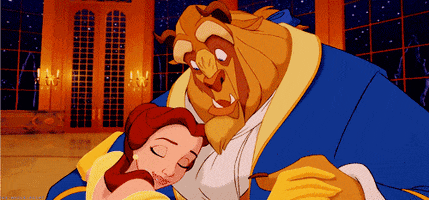
Variações sobre um mesmo tema: A Bela e a Fera (1946, 1991 e além)

Variations on the same theme: Beauty and the Beast (1946, 1991 and beyond)

Tale as old as time
True as it can be
Barely even friendship
Then somebody bends
Unexpectedly
Just a little change
Small to say the least
Both a little scared
Neither one prepared
Beauty and the Beast!
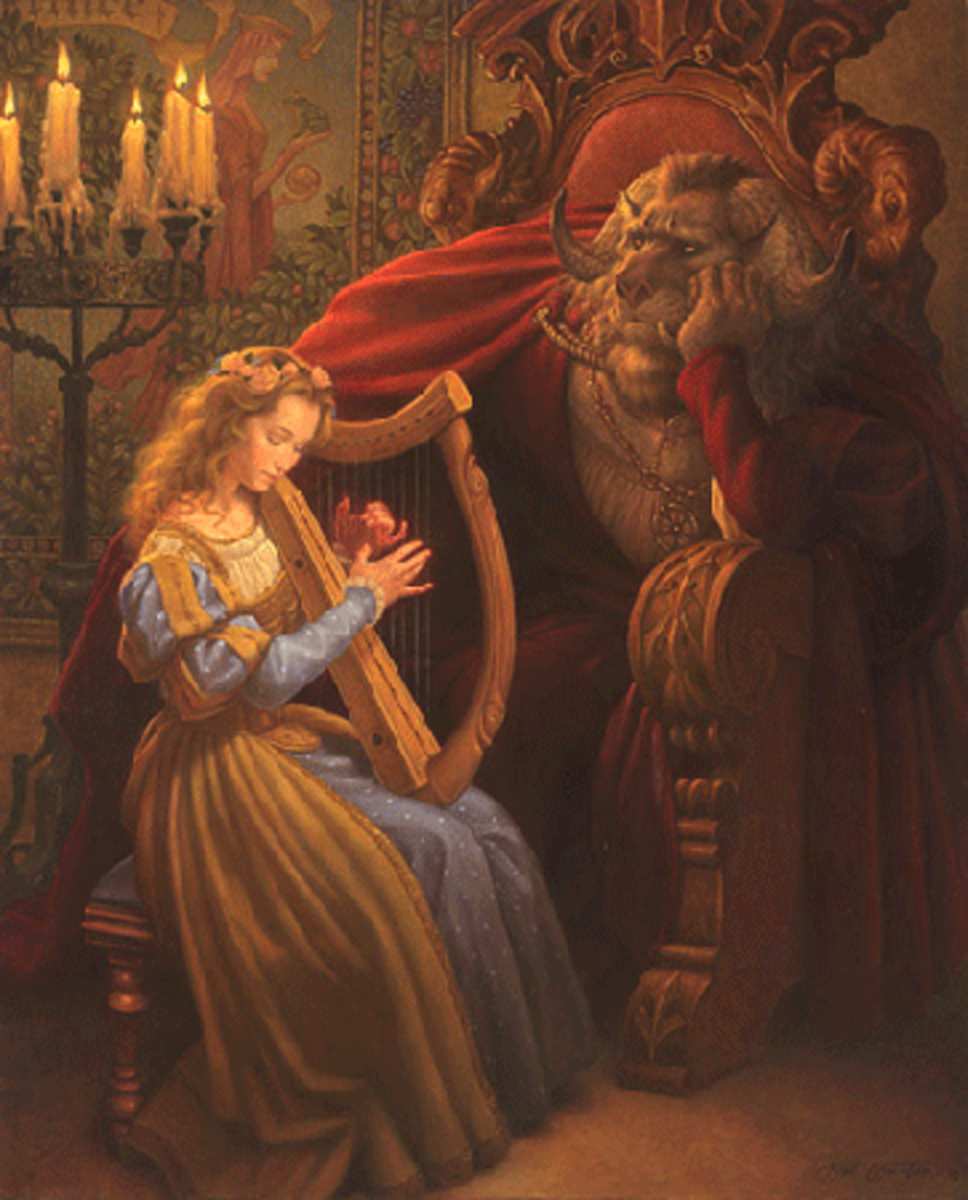
A belíssima história de amor entre uma mulher e uma criatura que parece um búfalo é um conto de fadas que existe há um bom tempo: foi publicada em 1740, escrita por Gabrielle-Suzanne Barbot de Villeneuve. Após a morte de Gabrielle, outra escritora francesa, Jeanne-Marie Leprince de Beaumont, reescreveu o conto de fadas. Mas a história na verdade tem mais de 4000 anos!

The wonderful love story between a woman and a bull-like creature is a fairy tale that has been around for quite a while: it was published in 1740, written by Gabrielle-Suzanne Barbot de Villeneuve. After Gabrielle died, another French writer, Jeanne-Marie Leprince de Beaumont, rewrote the fairy tale.  But the story actually originated more then 4000 years ago!
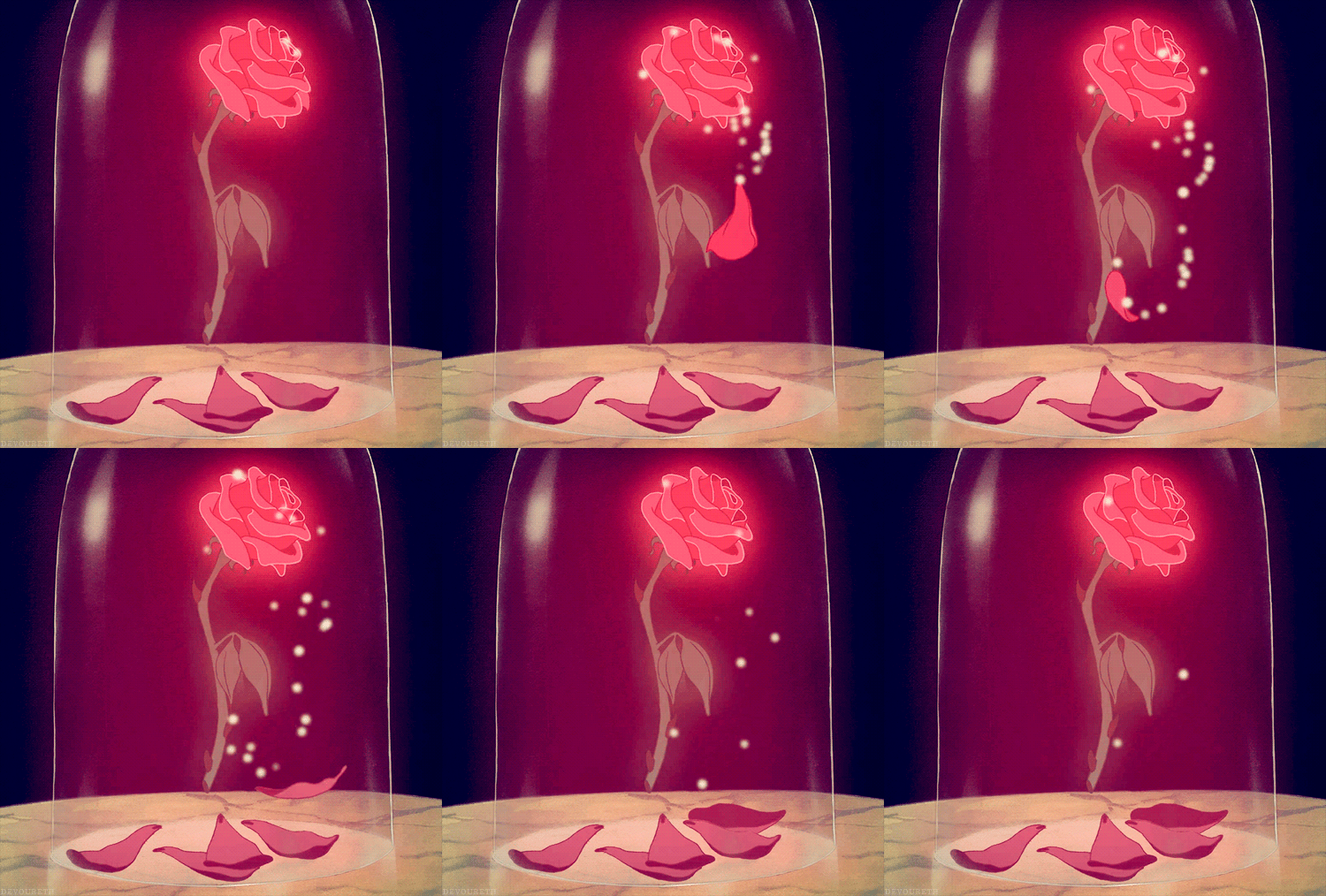
Originalmente, a Bela e a Fera era bem semelhante a outros contos de fada, pelo menos em relação à história. Bela era a filha mais nova de um comerciante viúvo. Ela tinha duas irmãs muito preocupadas com a aparência e três irmãos que viviam se metendo em confusões. Quando seu pai recebe a notícia de que um de seus navios perdidos foi encontrado, a família toda, que estava há alguns meses vivendo na pobreza, fica em polvorosa. As irmãs querem que o pai lhes traga vestidos chiques com o dinheiro da venda dos produtos do navio. Bela quer apenas uma rosa.

In its genesis, Beauty and the Beast was very similar to other fairy tales, at least in its history. Belle was the youngest daughter of a widow sea merchant. She had two vain sisters and three troublemaker brothers. When her father recovers one of his ships after living some months in poverty, the whole family gets excited. The sisters want the father to bring fancy dresses to them, but Belle wants only a rose.
Voltando da negociação malsucedida no porto, o pai de Bela entra no território da Fera e é pego. A Fera deixa o pai da Bela visitar a família uma última vez, mas ele não volta ao cativeiro: a Bela toma o lugar do pai e parte para o castelo da Fera. A versão francesa de 1946 segue este roteiro. Nela, Bela é interpretada por Josette Day e a Fera por Jean Marais.

Coming back from an ill-fated negotiation at the harbor, Belle's father enters the Beast's territory and is imprisoned. The Beast lets Belle's father see his family for the last time, but he doesn't come back: Belle goes to the Beast's castle in her father's place. The 1946 French movie follows this storyline. Belle is pyayed by gorgeous Josette Day, and the Beast by Jean Marais.
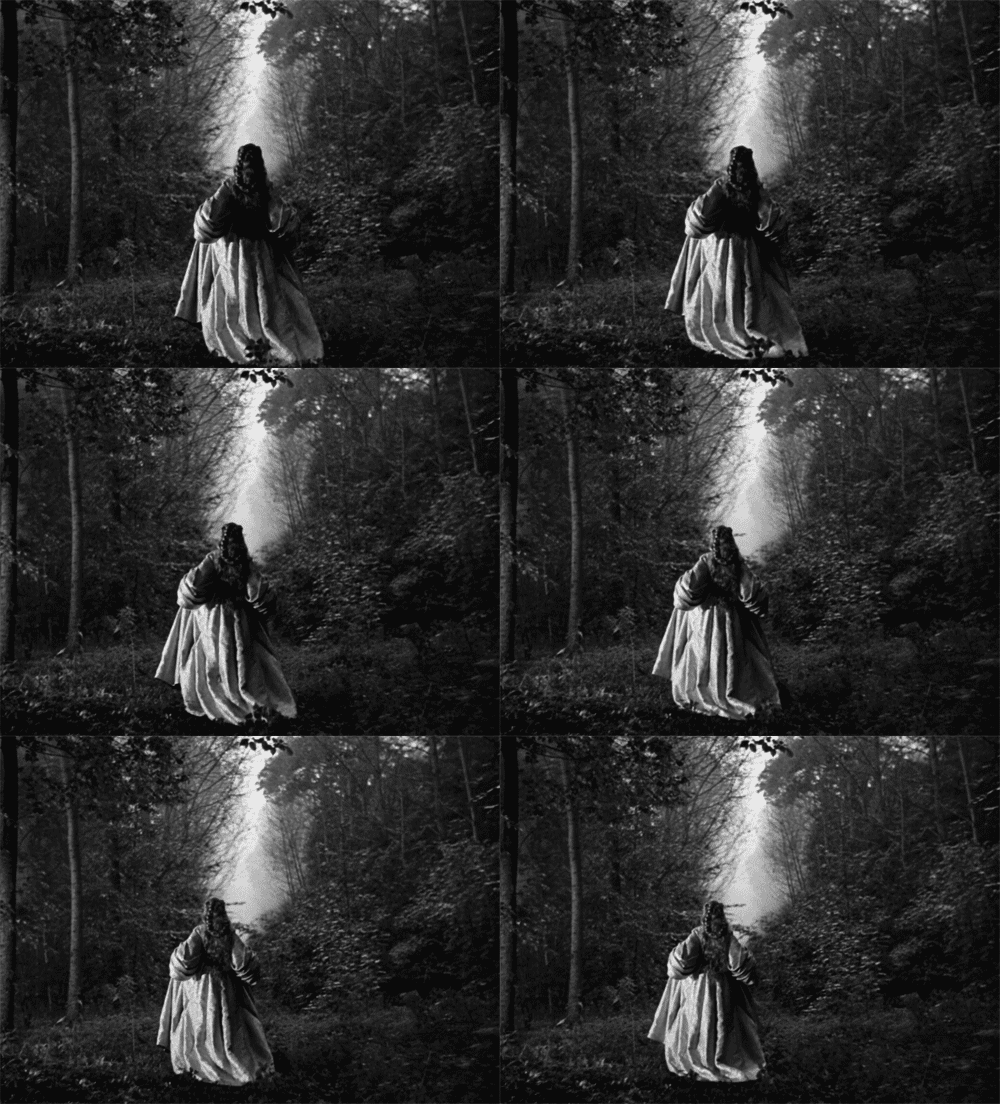
A versão de 1946 pode surpreender quem não está acostumado a ver clássicos e pensa que todos os filmes antigos são primitivos e chatos. Na verdade, a versão francesa é simplesmente mágica, e faz a mágica sem efeitos especiais computadorizados. Ainda por cima, é um filme feito logo após a Segunda Guerra Mundial, conflito do qual a França saiu muito abalada. De certa maneira, este é o tipo de filme que a França precisava na época: um filme que nos faz acreditar em mágica novamente.

The 1946 version may surprise the ones who are not used to old movies and expect it to be dull and primitive. Actually, the French version is nothing but magical, and does it without CGI and when France had just left World War II with lots of scars. In a sense, it was the kind of comfort movie France needed then: a movie that makes you believe in magic again.
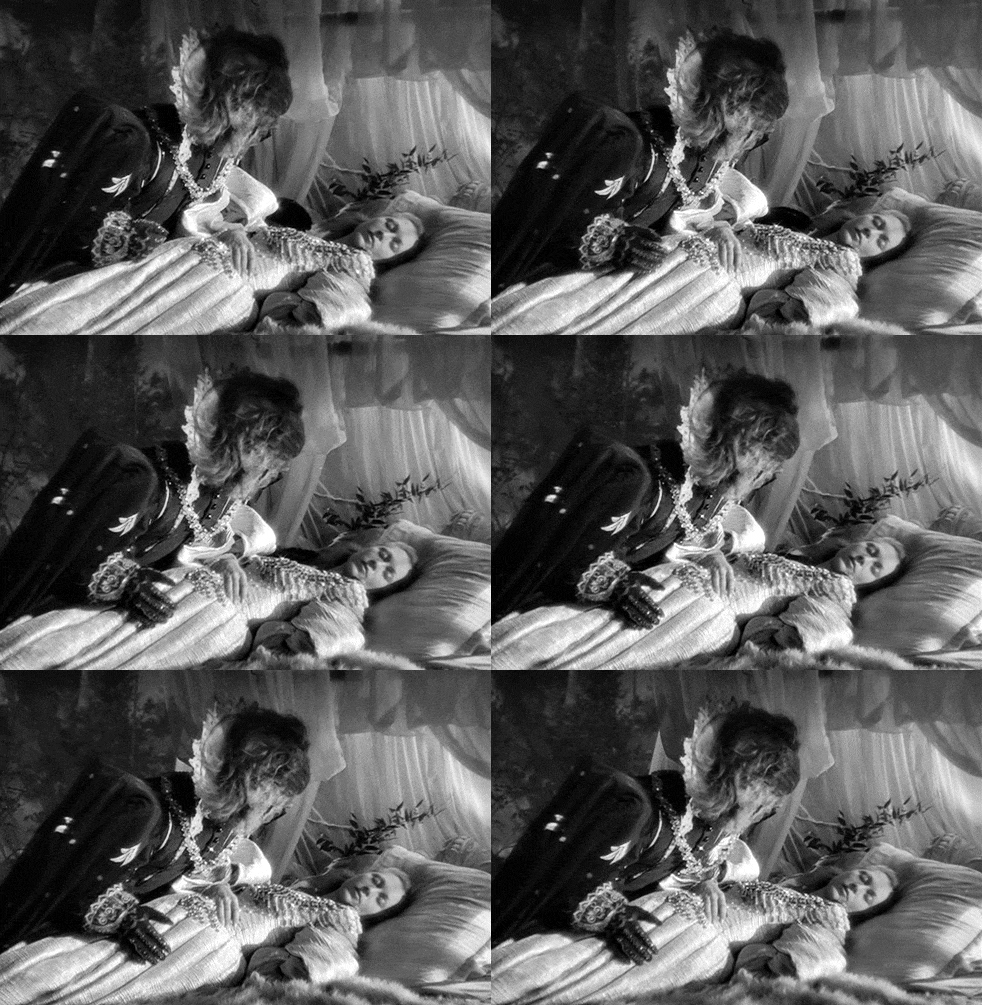
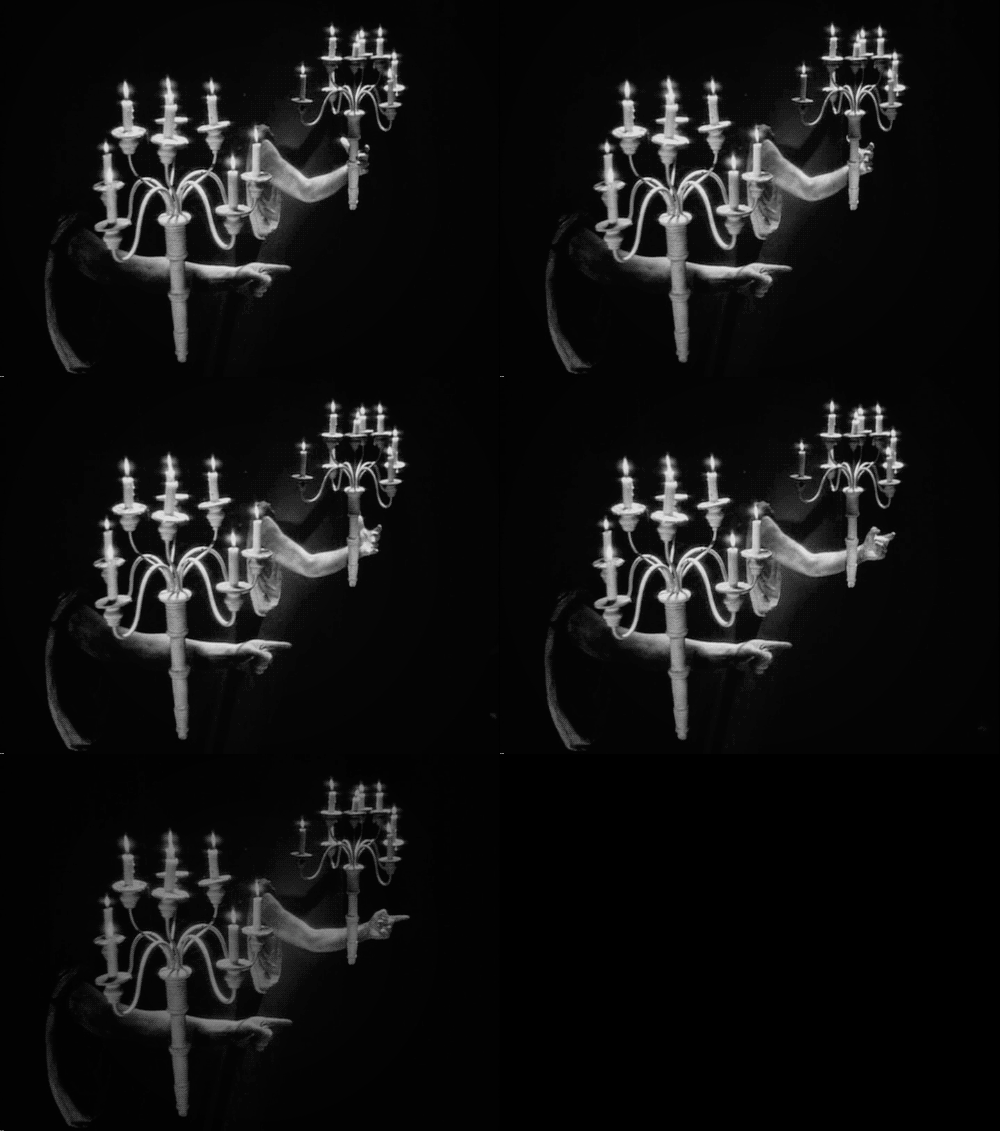
Meu truque favorito no filme de Jean Cocteau são os braços humanos que seguram objetos como velas e espelhos dentro do castelo da Fera. Foi asism que ele conseguiu mostrar os serviçais amaldiçoados no castelo. E isso não é tudo: a iluminação também confere um toque mágico. À luz de velas, Josette Day é etérea, angelical. Esse efeito não poderia ser obtido apenas com a luz em um filme a cores.

My favorite trick in Jean Cocteau's film is his idea of having moving arms holding the objects like candles and mirrors inside the Beast's castle. It was through this trick that he could transport to the screen the cursed maids, butlers and cooks. And this is not all: the lightning also adds to the magic. By candlelight, Josette Day looks ethereal, and such an effect couldn't be achieved in a color film.
Não, o pai da Bela não era um inventor. Ela não era filha única, nem uma leitora voraz (ou seja, ela não era como eu). Ela não era paquerada pelo insistente e vaidoso Gaston, o homem com grandes músculos e cérebro de ervilha. Tudo isso é o toque Disney. Mas estas mudanças na história, junto com a animação de qualidade, obviamente, fizeram o filme ser indicado ao Oscar de Melhor Filme em 1992. É interessante notar que a animação tem diversas conexões com o cinema clássico.

No, Belle's father wasn't an inventor. She wasn't a single child who was also a bookworm (she wasn't me, after all). She wasn't courted by Gaston, a man with great muscles and a pea-sized brain. All this is Disney exclusivity. But those changes in the story, along with the great animation, of course, made the animated feature be nominated for the Best Picture Oscar in 1992. Interestingly, the animation has many connections to classic films.


A versão de 1946 inspirou o estilo de um episódio de 'Teatro dos Contos de Fada". Neste episódio, dirigido por Roger Vadim, a Bela é interpretada por Susan Sarandon e a Fera por Klaus Kinski. Será que já houve escalação de elenco melhor do que esta?

The 1946 version inspired the look of an episode of “Shelley Duvall's Faerie Tale Theatre”. In this episode, directed by Roger Vadim, Belle is played by Susan Sarandon, and the Beast by Klaus Kinski. Has there ever been a better casting than this?
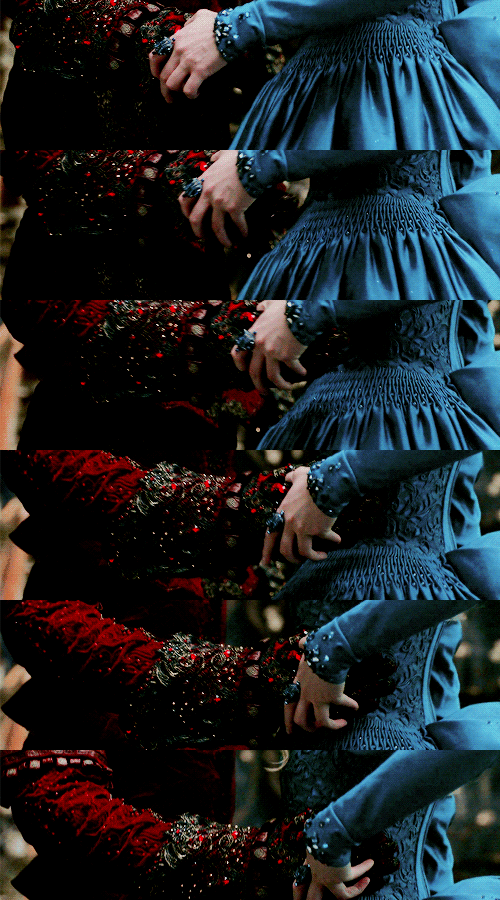
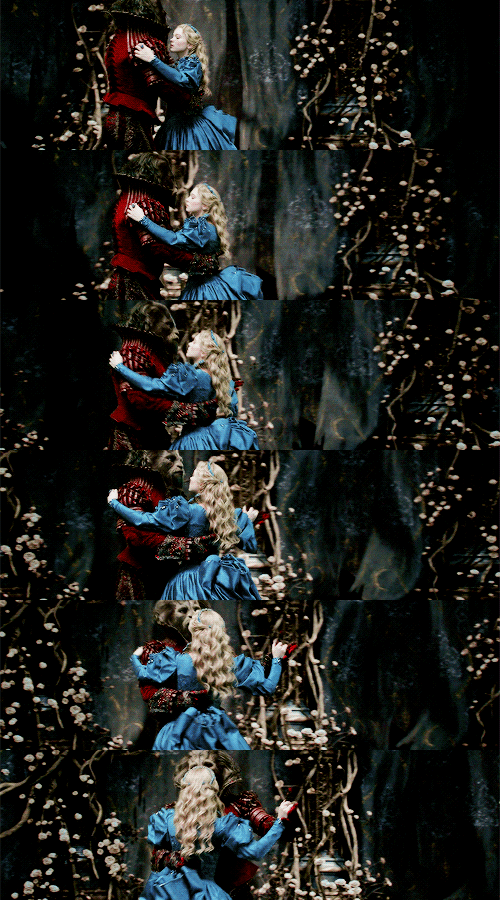
Houve uma versão em 2014, novamente feita na França, com Léa Seydoux e Vincent Cassel nos papéis principais. O filme pode ser visualmente deslumbrante, mas falta algo – talvez tenha sido a narrativa confusa, que avança e retrocede no tempo sem aviso, ou talvez seja a falta de química do casal. De toda forma, o filme é uma festa para os olhos e ao mesmo tempo uma cura para a insônia. Bem, pelo menos nesta versão a Bela e a Fera têm roupas lindas e diferentes do usual para o grande baile:

There was a 2014 version, again made in France, with Léa Seydoux and Vincent Cassel in the lead roles. While it is visually breathtaking, the film lacks something – maybe it is the confused narrative, that goes back and forward in time without warning, or maybe it is the lack of chemistry between the couple. Anyway, it is a feast for the eyes but at the same time a cure for insomnia. Well, at least in this version Belle and the Beast have different and gorgeous clothes for their dance:
A primeira adaptação para o cinema foi feita pela Pathé-Freres em 1899. Outras versões se seguiram, ainda no cinema mudo, tanto na França quanto na Inglaterra, mas há pouquíssimas informações sobre elas. O que se sabe é que existe uma cópia – ou possivelmente um fragmento – da versão de 1913 na Cinemateca Francesa. É uma pensa que não foi feita nenhuma versão da história na Hollywood do cinema mudo!

The first film adaptation of the story to the cinema was made by Pathé-Freres in 1899. Many more versions were made in the silent era, both in France and the UK, but information about these movies is scarce. A copy – or rather a fragment – of the 1913 version certainly exists in the French Cinémathèque, though. It’s a pity that no version of the tale was adapted to the screen in silent-era Hollywood!

Na TV foram feitas também diversas adaptações, entre filmes e episódios, entre os quais está um de “Shirley Temple’s Storybook” de 1958. Séries de TV também se inspiraram na história, incluindo uma versão modernizada estrelada por Linda Hamilton e Ron Perlman que durou três temporadas, de 1987 a 1990.

On TV there were several versions as well, considering TV movies and episodes such as one from “Shirley Temple’s Storybook” in 1958. TV series were also inspired by the tale, including a modernized version with Linda Hamilton and Ron Perlman, that lasted three seasons, from 1987 to 1990.
Qualquer que seja a versão e sua opinião sobre a história – afinal, qual a moral do conto de fadas (as aparências não importam ou o amor cura tudo?) – o cinema sempre conseguiu levar para as telas a magia que nos faz continuar acreditando no conto de fadas.

Whatever the version, and whatever is your reading of the story – which could exactly be the lesson we learned with Beauty and the Beast (appearances don’t matter / love cures everything?) – the film world never failed to translate the magic that makes us believe in fairy tales.

Monday, January 16, 2017

Agora e Sempre / Now and Forever (1934)

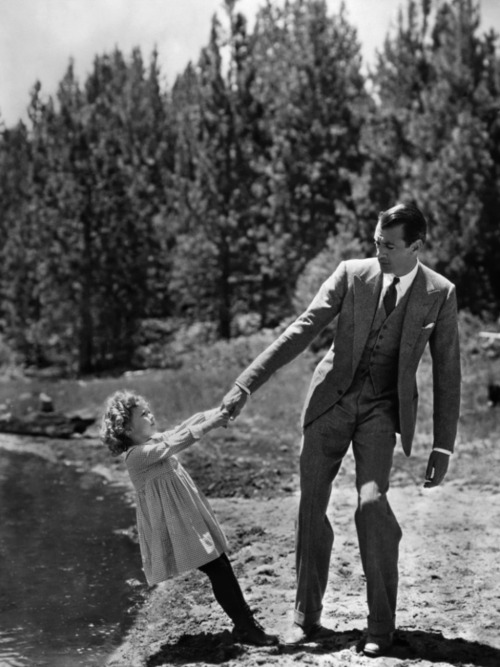
A maioria dos filmes para a família, comédias românticas e filmes com estrelas mirins são bastante previsíveis. À primeira vista, “Agora e Sempre” (1934) parecia também bastante previsível. Mas aqueles eram outros tempos, quando o código Hays havia acabado de ser aprovado e os roteiristas não tinham dó de Shirley Temple (nunca esqueça que eles mataram a mãe da personagem de Shirley, na véspera do Natal, em “Olhos Encantadores”, também de 1934). E, puxa, que surpresas “Agora e Sempre” nos reserva!

Most family movies, romantic comedies and movies featuring a child star are quite predictable. At first, “Now and Forever” (1934) seemed quite predictable too. But those were other times, when the Code had just been enforced and the screenwriters had no mercy with Shirley Temple (never forget that they killed her screen mother on Christmas Eve in “Bright Eyes”, also from 1934). And, man, what a wild and weird ride “Now and Forever” is!
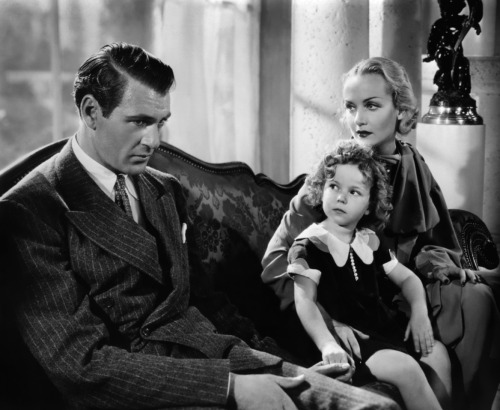
Jerome ‘Jerry’ Day é um aventureiro, e não é muito honesto. Ele viaja ao redor do mundo de barco e de avião com sua querida Toni (Carole Lombard), e depende de alguns esquemas para pagar a estadia dos dois em hotéis de luxo. Logo depois de fingir que era um auditor financeiro em um hotel para pagar sua própria conta, ele recebe uma carta de seu cunhado, que quer discutir o futuro da filha de Jerry, uma garotinha cuja existência ele nunca sequer havia mencionado a Toni.

Jerome ‘Jerry’ Day is an adventurer, and not an honest one. He travels the world by boat and plane with his sweetheart Toni (Carole Lombard), and uses some schemes to be able to pay their stays in fancy hotels. Right after pretending he’s a financial auditor for a hotel in order to pay his own bill, he receives a letter from his brother-in-law, who wants to discuss the custody of Jerry’s daughter, a little girl who he hasn’t ever bothered mentioning to Toni.
Jerry vai para Connecticut. Sua ideia inicial é “vender” a filha: ele quer 75 mil dólares para deixá-la em definitivo sob a guarda do seu cunhado. Mas tudo muda quando ele vê Penelope (Shirley Temple) e percebe que ela não se diverte muito onde está. Jerry recusa o dinheiro e leva Penny consigo para Paris, onde Toni o está esperando.

Jerry goes to Connecticut. His initial idea is to “sell” his daughter: he wants 75,000 dollars to let her be stay forever with his brother-in-law. But everything changes when he sees Penelope (Shirley Temple) and realizes that she doesn’t have much fun with her guardian. Jerry refuses the money and takes Penelope with him to Paris, where Toni is waiting.

No começo Penelope não se dá muito bem com Tony, e em qualquer filme para família é de se esperar que, no fim, elas vão aprender a se amar como se fossem mãe e filha. Bem, elas meio que aprendem, mas ainda há um caminho tortuoso para Jerry, Toni e a pequena Penny.

At first Penelope doesn’t get well with Toni, and in any family movie you might expect that, in the end, they will learn to love each other as mother and daughter. Well, they kind of do it, but there is a bumpy road ahead of Jerry, Toni and little Penny.
E aqui surge o problema: Jerry sempre esteve cercado por vigaristas, e um deles o seguiu até Paris: Felix Evans (Guy Standing), que não acredita que Jerry conseguirá se adaptar a um trabalho comum que paga 35 dólares por semana, especialmente quando chegar a mensalidade da escola de Penny. É por isso que Felix aconselha Jerry a cometer um último crime, para garantir a educação de Penny.

And here enters the trouble: Jerry was always surrounded by crooks, and one of them followed him to Paris: Felix Evans (Guy Standing), who doesn’t believe Jerry will be able to adapt to a regular job that pays U$35 a week, especially when Penny’s boarding school is so expensive. That’s why Felix advises Jerry to commit one last felony, for Penny’s sake.
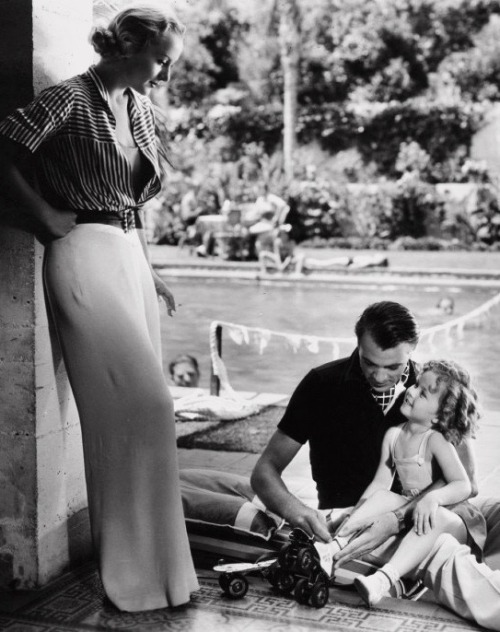
O filme é mais sobre a relação de Jerry e Penny, e sobre como ela muda a vida do pai – de um jeito estranho. Carole Lombard segura vela, mas suas expressões faciais em cenas-chave são mais eloquentes que palavras. Carle também está lindíssima, e veste roupas invejáveis.

The film is more about Jerry and Penny’s relationship, and how she changes him – kind of. Carole Lombard is the third wheel in this relationship, but her facial expressions in key scenes are way more eloquent than words. Carole also looks gorgeous, and her clothes are to die for.
“Agora e Sempre” não é um filme comum de Shirley Temple porque não foi feito no estúdio em que ela mais trabalhou, a Fox, mas sim na Paramount. Nos anos 30, Paramount era a casa de comédias sofisticadas (de Lubitsch e Von Sternberg) e muita experimentação. A Fox emprestou Shirley para a Paramount para fazer dois filmes, e este é o segundo no acordo. “Agora e Sempre” é um melodrama, que o TCM Database chama de “clichê”.

“Now and Forever” is not a regular Shirley Temple movie because it wasn’t made for her regular studio, Fox, but for Paramount. In the 1930s, Paramount was the house of comedic sophistication (made by Lubitsch and Von Sternberg) and a lot of experimentation. Fox loaned Shirley to Paramount to make two pictures, and this is the second one in the deal. “Now and Forever” is a melodrama, and one that the TCM Database calls “clichéd”.
“Agora e Sempre” deveria ter a mesma protagonista que o outro filme feito por Shirley durante o empréstimo, “Dada em Penhor”. Mas Dorothy Dell morreu tragicamente em um acidente de carro em junho de 1934. Ela tinha apenas 19 anos. De acordo com uma lenda, Shirley apenas ficou sabendo da morte de Dorothy logo antes de gravar uma cena na qual deveria chorar, e a tristeza pela perda da amiga tornou o choro mais real e comovente.

“Now and Forever” was supposed to have the same leading lady as the other film Shirley did during the loan, “Little Miss Marker”. But Dorothy Dell tragically died in a car crash in June of 1934. She was only 19 years old. According to the legend, Shirley only heard the news about Dell’s death right before filming a crying scene, which made her cry more poignant.
Dorothy Dell
“Agora e Sempre” é uma experiência interessante. Você vai sorrir, talvez chorar, e com certeza vai ficar sem fôlego. É diferente de qualquer outro filem que eu já vi. Pode parecer uma experiência sem um resultado pré-definido, mas felizmente o resultado acaba sendo bem agradável.

“Now and Forever” is an interesting experience. You’ll laugh, maybe cry, and definitely stay on the edge of your seat. It’s unlike any other movie I’ve seen. It may look like an experiment without a planned outcome, but it ends up being a pleasant one.

This is my contribution to the Carole Lombard: the Profane Angel Blogathon, hosted by Crystal and Laura at In the Good Old Days of Classic Hollywood and Phyllis Loves Classic Movies.
Sunday, October 19, 2014

Variações sobre um mesmo tema: “O Pássaro Azul” (1918, 1940 e 1976)

Maurice Maeterlinck foi um filósofo belga. Pode parecer estranho que um filósofo tenha deixado como principal legado um conto de fadas, mas, quando conhecemos “O Pássaro Azul”, percebemos que a situação é lógica. Só um filósofo poderia criar uma obra tão poderosa e brilhante sobre o sentido da vida, e foi isto que Maurice fez em 1908, quando escreveu a peça “O Pássaro Azul”, adaptada para o cinema dois anos depois como curta-metragem, e servindo de ponto de partida para três longa-metragens aqui discutidos (e também um desenho animado de 2011). Maurice ganhou o Nobel de Literatura em 1911, e atrevo-me a dizer que talvez seu “Pássaro Azul” seja mais bonito e inspirador que “O Pequeno Príncipe”.

Maurice Maeterlink was a Belgian philosopher. It may seem odd that a philosopher left as his main legacy a fairy tale but, when we get to know “The Blue Bird”, we see that this is only logical. Only a philosopher could create such a powerful and brilliant work about the meaning of life, and it was exactly this that Maurice did in 1908, when he wrote the play “The Blue Bird”, adapted to the screen two years later as a short film. It was also the source for three feature films discussed here (and also an animated film from 2011). Maurice won the Nobel Prize of Literature in 1911, and I dare to say that maybe his “The Blue Bird” is more beautiful and inspiring than “The Little Prince”.
Durante a noite, os irmãos Tyltyl e Mytyl são acordados pela fada Berylune, que tem uma missão para eles: encontrar o raro pássaro azul da felicidade. Claro que eles não partem nesta jornada sozinhos: as almas de todas as coisas ao redor também entram na aventura! Tyltyl, que até então gozava do quem pensava que as coisas tinham alma, fica maravilhado ao descobrir a alma do Leite, do Fogo, da Água, do Ar, do Açúcar, da Luz, do Gato e do Cão. Procurando pelo pássaro, eles passam pelo Castelo da Noite, pela casa dos avós das crianças (que já estão mortos!), por um Palácio de Luxos e pela Morada do Tempo.

During the night, the siblings Tyltyl e Mytyl are waken up by the fairy Berylune, who has a mission for them: to find the rare blue bird of happiness.Of course they don't go alone: the souls of all the things laying around also go on the adventure! Tyltyl, who used to make fun of people who thought things had a soul, is marvelled to find out about the souls of Milk, Fire, Water, Air, Sugar, Light, Cat and Dog. Looking for the vird, they go through the Night Castle, their grandparents' house (even though granny and grandpa are already dead!), through a Palace of Luxury and through the House of Time.
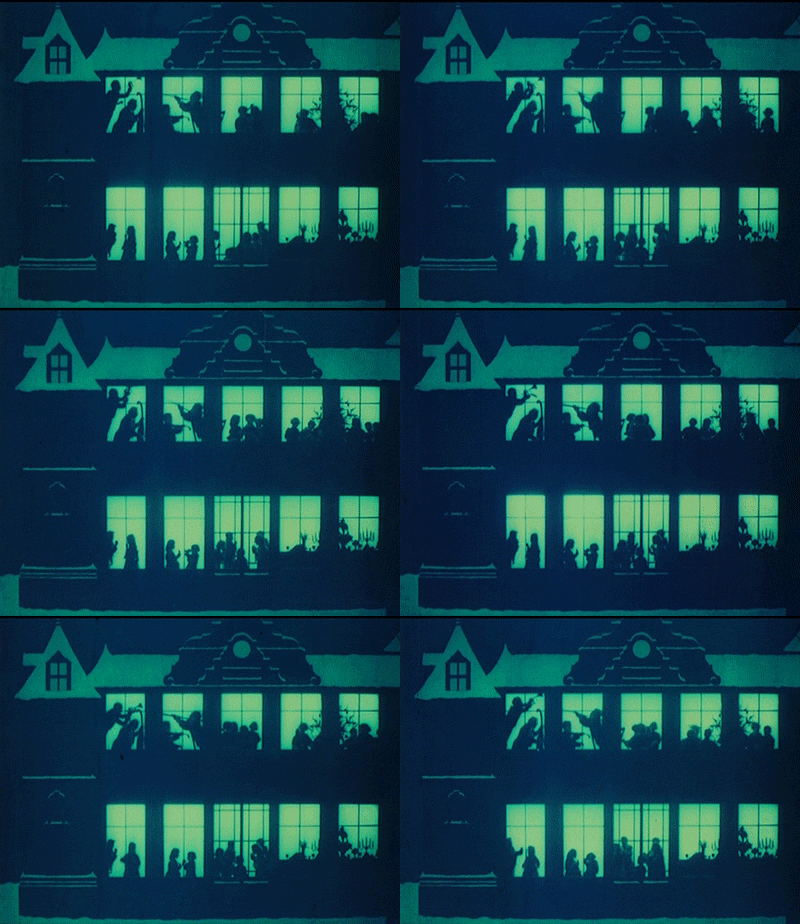
Passei a maior parte do tempo boquiaberta vendo a versão de 1918. Meus olhos viram poucas coisas tão belas quanto este filme. Maurice Tourneur era um excelente artesão das telas e fez filmes muito bonitos visualmente, mas não seria exagero classificar este “O Pássaro Azul” (1918) como sua obra-prima. São vários os momentos em que as lágrimas poderiam rolar, e destaco aqui um: o reencontro das crianças com seus avós e com os irmãozinhos mortos (são SETE irmãozinhos mortos. Esta é a cena mais importante sobre mortalidade infantil na história do cinema).

I spent most part of the time watching the 1918 version without words to describe it. My eyes have seen few things as beautiful as this movie. Maurice Tourneur was an excellent artisan of the screen and made very beautiful movies, but it's not an exaggeration to classify “The Blue Bird” (1918) as his masterpiece. There are many moments in which tears could drop, and I highlighht one: when the children meet again their grandparents and dead siblings (there are SEVEN dead siblings. This is the most important scene about child mortality in film history).
Todos os efeitos especiais desenvolvidos de Méliès a D.W. Griffith são usados no filme, e com resultados estupendos. Tudo é crível: as roupas que voam e se ajeitam nas crianças, o jogo de luz e sombra, as mudanças de ambiente. Ajuda muito o fato de Tula Belle (intérprete de Mytyl), Lillian Cook (fada Berylune) e Gertrude McCoy (alma da Luz) serem lindas como anjos. Lillian Cook morreria logo após as filmagens, com apenas 19 anos. Quem também faleceu em 1918 foi John van der Broek, o genial cinegrafista responsável pelo visual mágico do filme (sério, ele merecia o Oscar de Melhor Fotografia!).

All the special effects developed from Méliès to D.W. Griffith are used in the film, and with stupend results. Everything is believable: the clothes that fly and fit the children, the chiaroscuro, the setting changes. It helps that Tula Belle (who plays Mytyl), Lillian Cook (fairy Berylune) and Gertrude McCoy (the sould of the Light) are as beautiful as angels. Lillian Cook would die rigt after filming ended, she was just 19. Who also died in 1918 was John van der Broek, the genius cinematographer who is responsible by the look of the film (really, he deserved the Best Cinematography Oscar!).
A versão de 1940 foi o que sobrou para Shirley Temple depois do sucesso de “O Mágico de Oz” na MGM. Este filme conta inclusive com uma sequência de passagem (abrupta, é bem verdade) das cenas em preto e branco para o Technicolor mágico. Assim, quando Mytyl (Shirley) e Tyltyl (Johnny Russel) são acordados pela fada, é como se eles entrassem em sua terra de Oz particular. Os cenários são maravilhosos e os efeitos especiais, apesar de terem envelhecido pior que os de Oz, são bem utilizados. Mas parece que os gastos foram muitos, porque tivemos um corte nas almas: aqui, os irmãos são acompanhados somente pela Luz (Helen Ericson), pelo cão Tylo (Eddie Collins) e pela gata Tylette (Gale Sondergaard). Também fica de fora a sequência no Castelo da Noite, e no lugar temos árvores iradas.

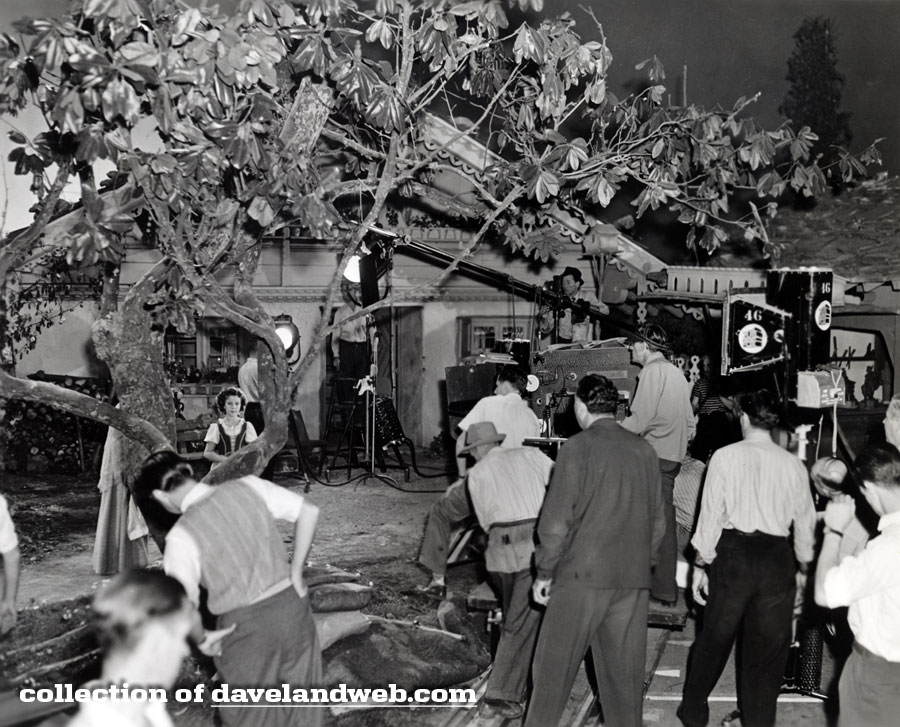
The 1940 version was what had left for Shirley Temple after “The Wizard of Oz” was a success at MGM. This film also has a transition scene (a very abrupt one) from black and white scenes to the ones in magical Technicolor. So, when Mytyl (Shirley) and Tyltyl (Johnny Russel) are awaken by the fairy, it is ifthey had entered their particular land of Oz. The sets are wonderful and the special effects, even aging worse than the ones from Oz, are well used. But it looks like the budget was huge, because we have a cut in the souls: here, the siblings have only the company of Light (Helen Ericson), the dog Tylo (Eddie Collins) and the cat Tylette (Gale Sondergaard). The Night Castle was also cut, and in its place we have angry trees.
O que mais me chamou a atenção nesta versão de 1940 é a presença da garotinha Caryll Ann Ekelund, que tenta nascer antes da hora pela terceira vez na sequência do futuro. Este foi o único filme de Caryll. Pouco depois das filmagens, ela morreu queimada em um acidente durante o Halloween.

What called the most my attention in this version is the presence of the little girl Caryll Ann Ekelund, who tries to be born before time by the third time in the future sequence. This was Caryll's only film. A little after filming wrapped, she died from burns in a Halloween accident.
Bastidores / Backstage
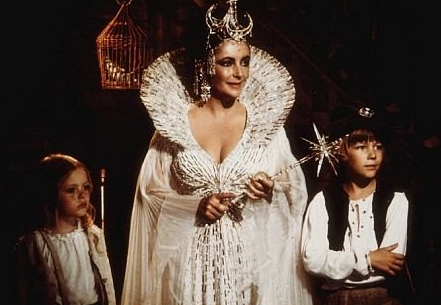
Em 1976, voltam as almas de todas as coisas, e com acréscimo: agora elas falam em rimas, têm efeitos sonoros e sotaque (porque alguns atores eram soviéticos). Com a volta do Palácio da Noite como cenário, temos a oportunidade de ver críticas pontuais às doenças e às guerras. Isso tudo é muito interessante, mas não chega perto do interesse despertado pelo star cast: Elizabeth Taylor (em QUATRO papéis), Jane Fonda, Ava Gardner e Robert Morley (o rei Luís XVI de “Maria Antonieta”, 1938). Katharine Hepburn e Shirley MacLaine recusaram o convite para fazer parte do elenco.

In 1976, all the souls of the things are back, and with a plus: now they talk in rhymes, have sound effects and accents (because some actors were Russian). With the comeback of the Night Castle, we have the opportunity to see some criticism to disease and wars. Everything is very interesting, but not as interesting as the all star cast: Elizabeth Taylor (in FOUR roles), Jane Fonda, Ava Gardner and Robert Morley (king Louis XVI from “Marie Antoinette”, 1938). Katharine Hepburn and Shirley MacLaine refused roles in the film.
A melhor parte da versão de 1976 sem dúvida é o ballet do pássaro azul (você não leu errado). Aliás, há bastante música nesta versão, e também um ballet performático abstrato envolvendo o Fogo e a Água. E, embora ninguém tenha morrido logo após o filme, os sets estavam cheios de problemas: George Cukor e toda a equipe foram mandados para filmar na União Soviética. Jane Fonda queria discutir o comunismo com a população local. James Coco, que interpretaria o cachorro, só comia pão e engordou tanto que o figurino não servia mais. Cukor acusou a atriz Cicely Tyson (a gata) de usar vudu para atrapalhar as filmagens.

The best part in the 1976 version is without a doubt the blue bird ballett (you didn't read it wrong). There is plenty of music in this version, and also an abstract performatic ballett with Fire and Water. And, even though nobody died right after filming ended, the sets were full of trouble: George Cukor and his crew were sent to shoot in Soviet Union. Jane Fonda wanted to discuss communism with the local population. James Coco, who would play the dog, only ate bread and got too fat for his canine outfit. Cukor accused Cicely Tyson (the cat) of using voodoo to  disturb the shooting.
Do do that voodoo that you do so well
Os filmes de 1940 e 1976 contam com uma sequência em que as árvores atacam as crianças, o que faz muito sentido, pois o pai de Tyltyl e Mytyl é lenhador. Em 1940, há um incêndio digno de Rhett e Scarlett. Ambos têm efeitos especiais um pouco datados. A versão de 1940, entretanto, conta com cenários maravilhosos, enquanto a de 1976 é mais... campestre. Com exceção de Jane Fonda que, de acordo com um usuário do IMDb, parece “Darth Vader travestido”.

The versions from 1940 and 1974 have sequences in which the trees attack the children, which makes sense, because Tyltyl's and Mytyl's dad is a lumberjack. In 1940, there is a fire that would please Rhett and Scarlett. Both have dated special effects. The 1940 version has wonderful sets, while the 1976 one is more... country-ish. Only Jane Fonda doesn't look country: according to an IMDb user, she looks like “Darth Vader in drag”.
Todas as versões de “O Pássaro Azul” foram um fracasso de bilheteria. Entretanto, todas as pessoas que viram um desses filmes quando crianças se lembram deles com carinho e nostalgia. Fica óbvio que foram produções pensadas para crianças... e também para aquele adulto especial que ainda tem uma criança dentro de si e que sabe que o mais importante na vida pode ser o mais banal.

All the versions of “The Blue Bird” were box-office failures. However, everybody who has seen one of those films as a child rememvers them with happiness and nostalgia. It is obvious that they were movies targeted to children... and also to that special adult who still has a child inside and knows that the most important in life can be the simplest thing.

P.S.: Para uma análise mais profunda e bem-escrita da versão de 1918, leia este post maravilhoso da Nitrate Diva.

P.S.: To a deeper and better-written analysis of the 1918 version, read this marvellous post from The Nitrate Diva.

This post is my contribution to the Stage to Screen blogathon, hosted by Rosie and Rachel at The Rosebud Cinema and Rachel’s Theatre Reviews.  

Saturday, July 6, 2013

Gatos não sabem dançar / Cats don’t dance (1997)

Hollywood, final dos anos 1930. Milhares de sonhadores iam para a cidade que mais entretenimento produzia no mundo. Entre eles, homens, mulheres, jovens, crianças com seus pais ávidos pelo sucesso e... gatos. Por mais que seja difícil lembrar um filme clássico com um gato, eles certamente habitavam Hollywood e poderiam até mesmo circular pelos estúdios como mascotes de estrelas. Entretanto, como tudo é possível no mundo da animação, que conhecia seus primeiros longa-metragens na época, não custa nada imaginar que um gato sonhe em ser astro de Hollywood.
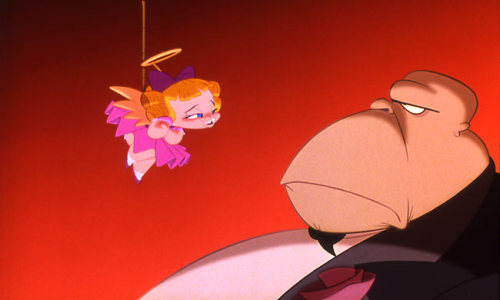
Assim como muitas pessoas, o gato Danny saiu de uma cidade do interior para conseguir um emprego em Hollywood. Seguindo um curioso plano, ele prevê consguir um papel de protagonista em uma semana. Para isso, ele precisa passar por agentes de animais artistas e seu primeiro e maior obstáculo tem a forma de uma aparentemente doce atriz infantil, Darla Dimple. Seguindo o estereótipo da estrela infantil mimada, Darla é baseada na atriz mirim mais famosa da história, Shirley Temple, mesmo sendo certo que Shirley não er uma garota mimada e insuportável. O mordomo de Darla, o gigantesco Max, também foi inspirado por uma figura do cinema: o mordomo Max von Mayerling (Erich von Stroheim) de “Crepúsculo dos Deuses / Sunset Boulevard” (1951).
Além de encontrar alguns grandes atores da época logo em sua chegada, Danny tem em seus companheiros animais paródias de astros do cinema. T. W. é uma tartaruga macho medrosa cujo sonho era fazer filmes como os de Errol Flynn, e o peixe fêmea Frances me lembrou de Marlene Dietrich. E mesmo a gata Sawyer, nem um pouco interessada no estrelato, tem o mesmo nome da aspirante a estrela protagonista interpretada por Ruby Keeller em “Rua 42 / 42nd Street” (1932). Posso até estar exagerando e criando conexões que nunca foram imaginadas pela equipe de animação, mas fico muito feliz com estes tipos de referências.
Clark Gable foi convidado para a festa

E o esquilo estava usando os sapatinhos de rubi de Dorothy
O mundo não é perfeito, e “Gatos não sabem dançar" também não. Por mais que seja uma obra de ficção e seja até inevitável mencionar alguns filmes mais conhecidos, há alguns anacronismos. Embora a história se passe em 1938, Danny chega em Hollywood e já faz pose ao lado de um poster de “E o vento levou / Gone with the wind”. Sawyer e Danny entram no estúdio Mammoth (cujo chefe é L. B. Mammoth) e encontram King Kong carregando um avião e um prédio. King Kong foi filmado em 1933 pela RKO.
King Kong e seu material de trabalho

L. B. Mammoth
L. B. Mayer
Este filme foi o responsável por meu primeiro contato com o cinema clássico, á uns cinco anos, quando eu não entendia nenhuma das referências feitas. Revi-o tempos depois, por ter gravado na memória o fato de o filme ser dedicado a seu coreógrafo, Gene Kelly. Além de Gene, outros dois talentos do cinema antigo trabalharam no filme dublando personagens: Hal Hobrook dubla o bode Cranston e Betty Lou Gerson, o peixe fêmea Frances. Este também foi o último trabalho de Betty Lou, que estava há mais de 30 anos sem trabalhar. Para completar, Natalie Cole, filha de Nat Kig Cole, dubla as canções de Sawyer.
Com boas cançõe, típicas de filme de animação, esta foi a única produção do departamento de animação da Turner Feature Animation, que mais tarde foi incorporada à Warner. Apesar de toda a alegria, este filme mostra com maestria que fazer sucesso em Hollywood não é fácil... nem para os gatos.

Para mais imagens do filme, acessem meu Tumblr ou este painel do Pinterest. 

"Gatos não sabem dançar / Cats don't dance" pode ser visto no YouTube (português ou inglês)

This is my contribution to the What price Hollywood blogathon, hosted by Kristen at Journeys in Classic Film and Pat at 100 years of Movies.
Related Posts Plugin for WordPress, Blogger...