} Crítica Retrô: Gary Cooper

Tradutor / Translator / Traductor / Übersetzer / Traduttore / Traducteur / 翻訳者 / переводчик

Showing posts with label Gary Cooper. Show all posts

Tuesday, May 23, 2017

Variações sobre um mesmo tema: Adeus às Armas (1932 e 1957)

Variations on the same theme: A Farewell to Arms (1932 and 1957)


Você com certeza já ouviu falar de Ernest Hemingway, o escritor americano que adorava duas coisas: a vida boêmia e gatos. Nenhum destes interesses do autor tem espaço naquela que é sua mais famosa obra: o romance “Adeus às Armas”.

You probably have heard about Ernest Hemingway, the American writer who loved two things: bohemia and cats. None of these appears in the author's most famous book, the novel “A Farewell to Arms”.


Hemingway foi motorista de ambulância na Itália durante a Primeira Guerra Mundial, e em 1929 publicou um livro baseado nesta experiência. Em “Adeus às Armas”, o motorista de ambulância americano Frederic Henry e a enfermeira inglesa Catherine Barkley se apaixonam durante a guerra. O amor poderá esperar até que haja paz? É só isso. E é só o começo de tudo.

Hemingway was an ambulance driver in Italy during World War I, and in 1929 published a book based on these times. In “A Farewell to Arms”, the American ambulance driver Frederic Henry and the English nurse Catherine Barkley fall in love amidst the war. Could love wait until peace arrives? That's basically it. And that's just the beginning of everything.


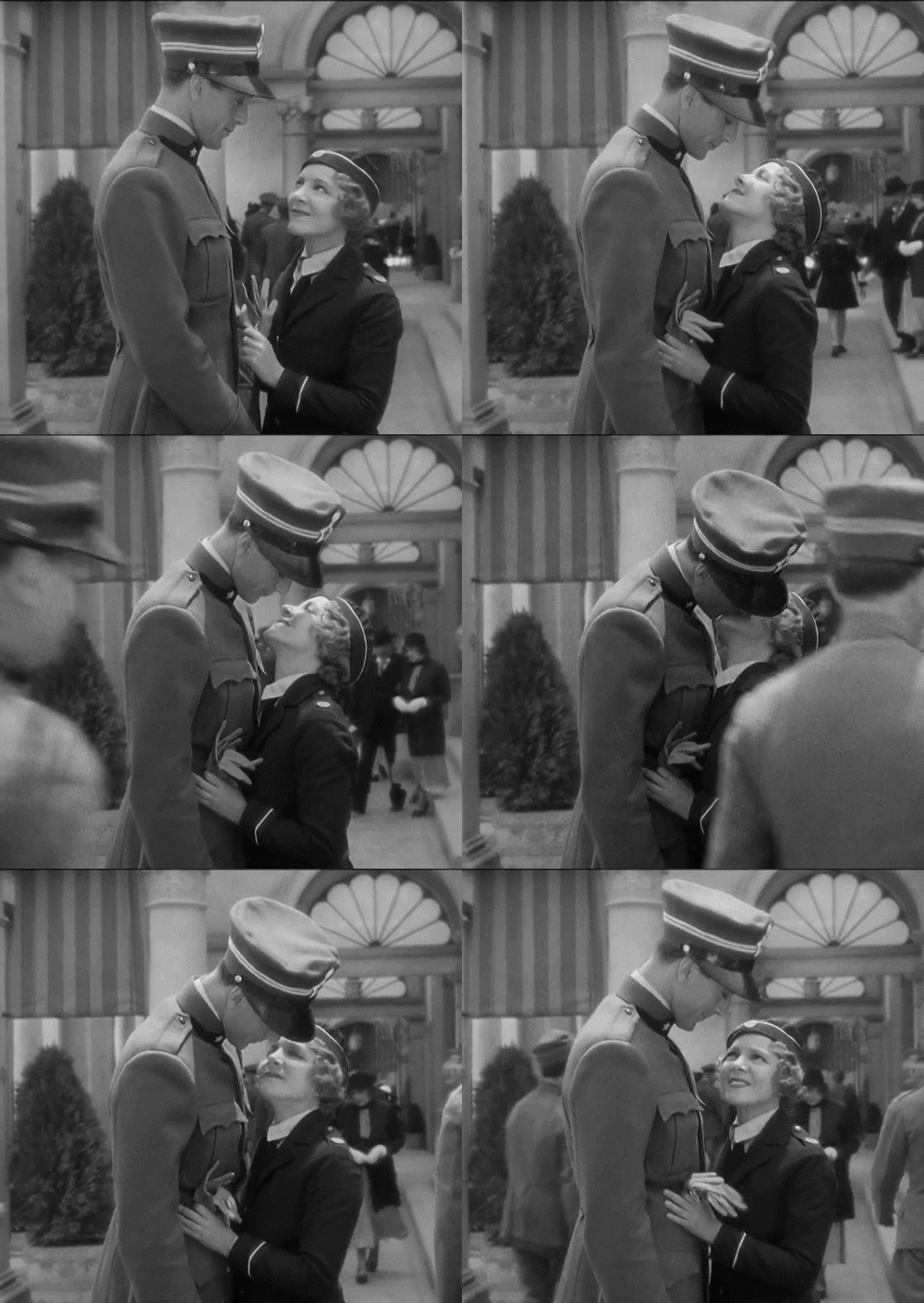
No ano seguinte à publicação do livro, a história foi adaptada para o teatro e logo foi feita uma versão para o cinema. Fredric March, contratado para ser o protagonista, recusou o papel ao saber que Frank Borzage o dirigiria. Foi a oportunidade perfeita para um homem alto e charmoso que crescia cada vez mais em Hollywood: Gary Cooper.

The years after the book was published, the story was adapted into a play and soon an adaptation to the screen followed. Fredric March, hired to be the leading man, refused it when he heard that Frank Borzage was assigned as the director. It was a perfect opportunity for a tall and charming man who was getting more and more space in Hollywood: Gary Cooper.


Ao seu lado estava Helen Hayes, admirada no teatro – onde começou aos cinco anos interpretando meninos – e que havia ganhado o Oscar de Melhor Atriz no ano anterior. Em apenas uma hora e meia – a versão de 1957 tem duas horas e meia – as mais de trezentas páginas do romance de Hemingway são contadas com boas omissões. O foco fica no casal e não na guerra. 

Next to him there was Helen Hayes, an admired lady of the theater – where she started at five playing male roles – and who had just won the Best Actress Oscar the year before. In just an hour and a half – the 1957 version is two and a half hours long – the more than 300 pages from Hemingway's novel are told with a lot of ommissions. The focus is on the couple, not the war.


Assim como tudo que Borzage fez, “Adeus às Armas” é um deleite para os olhos. Você está na guerra, mas há um belo palácio onde as enfermeiras e os comandantes ficam, com uma gloriosa fonte no jardim. Este jardim é o cenário da maioria das cenas belas de românticas do filme.

Like anything Borzage did, “A Farewell to Arms” is a feast for the eyes. You are in the war, but you have a beautiful palace where the nurses and commanders stay, with a glorious fountain in the garden. This garden is the scenario for the most beautiful and romantic scenes of the movie.


Helen Hayes desenvolveu um crush em Gary Cooper, enquanto Cooper e Hemingway se tornaram grandes amigos. O que não deixou Hemingway feliz foi a maneira como Hollywood tratou seu precioso material, mudando o personagem Rinaldi (interpretado por Adolphe Menjou), e até filmando dois finais para que os donos dos cinemas pudessem decidir se queriam um final feliz ou triste para a sessão. No final, as críticas foram diversas, mas em sua maioria positivas.

Helen Hayes developed a crush on Gary Cooper, while Cooper and Hemingway became lifelong friends. What didn't make Hemingway happy was how Hollywood tackled his precious material, changing character Rinaldi (played by Adolphe Menjou), and even filming two endings so theater owners could decide if they wanted a happy or a sad ending for the session. In the end, the reviews were mixed, but mostly positive.


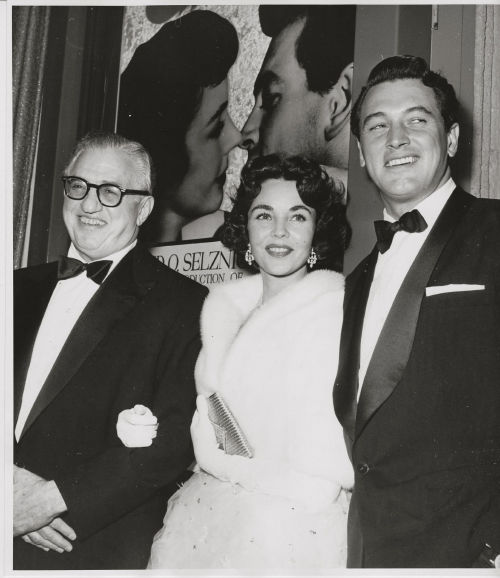
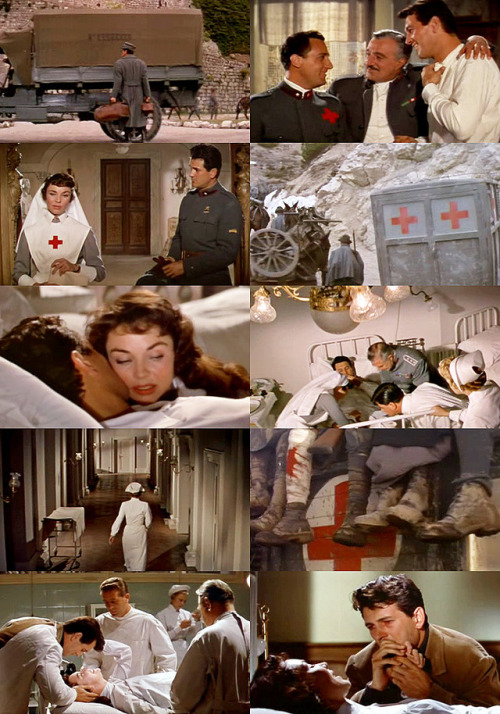
Desde o começou tem-se a impressão de que David O. Selznick quis repetir com sua adaptação de “Adeus às Armas” o sucesso de “E o Vento Levou...”. O próprio título é apresentado da mesma forma, com as letras imensas rolando da direita para a esquerda da tela. Assim como sua obra de 1939, este também conta com cenários de tirar o fôlego, o tema da guerra, os muitos feridos e o uso expressivo da cor.

Since the beginning we get the impression that David O. Selznick was trying, with his adaptation of “A Farewell to Arms”, to repeat the success of “Gone with the Wind”. The title itself is presented the same way, with huge letter rolling from right to left on the screen. Just like his 1939 film, this one also has breathtaking scenarios, the war theme and an expressive use of color.


Protagonizado por Rock Hudson, interpretando Frederic como um tenente, e Jennifer Jones, conta ainda com os talentos secundários de Vittorio de Sica, Alberto Sordi e Mercedes McCambridge. Um usuário do IMDb não considerou boa a escalação de Jennifer, então esposa de Selznick, para o papel principal (e não tenho dúvida de que, se o produtor tivesse conhecido Jennifer nos anos 30, apesar da pouca idade, ele faria um lobby para ela ser incluída no elenco do épico sobre a Guerra Civil Americana). O usuário disse que Jennifer era velha demais para o papel.

The film is lead by Rock Hudson, playing Frederic as a lieutenant, and Jennifer Jones, and also have, as supporting players, Vittoria de Sica, Alberto Sordi and Mercedes McCambridge. An IMDb user didn't like the casting of Jennifer Jones, then Selznick's wife, as the lead (and I have no doubt that, if the producer had met Jennifer in the 1930s, even though she was too young, he would have lobbied for a role for her in the Civil War epic). The user said Jennifer was too old for the part.


Embora eu goste da atriz (sensacional em “A Canção de Bernadette”, de 1943), fica claro que o filme foca mais no personagem de Hudson. Entretanto, se fosse necessário substituir a protagonista, surgem duas possibilidades em minha mente: Deborah Kerr, o que não seria ruim já que ela continuaria a ser mais velha que Rock, ou Elizabeth Taylor, que à primeira vista parece perfeita para o papel.

Even though I like Jennifer (who is sensational in “The song of Bernadette”,  from 1943), it's clear that the film is focused on Rock's character. But if it was necessary to replace the leading lady, I'd have two suggestions: Deborah Kerr, who was also older than Rock, and Elizabeth Taylor, who seems just perfect for the role.


Selznick só conseguiu o direito para adaptar a obra de Hemingway através de uma troca: a Warner Brothers, que possuía esse direito, queria fazer uma nova versão de “Nasce uma Estrela”, que estava sob a tutela de Selznick, produtor da versão de 1937. A troca foi simples e as ambições de Selznick começaram a se acumular.

Selznick only got the rights to adapt Hemingway's book through an exchange: Warner Brothers, who had this right, wanted to make a new version of “A Star is Born”, and Selznick, who produced the 1937 version, had the rights over the story. The exchange was simple and Selznick's ambitions started to pile up.


Buscando cenários autênticos, Selznick demitiu o primeiro diretor, John Huston, e mandou Charles Vidor filmar nos Alpes italianos. Ele também não economizou na duração do filme, e foi mais fiel ao livro de Hemingway, embora novamente focasse mais no casal e menos na guerra. No final, foi um filme grandioso, mas uma decepção para a crítica e a bilheteria.

Looking for authentic scenarios, Selznick fired his first director, John Huston, and sent Charles Vidor to shoot in the Italian Alps. He also didn't save on screen time, and was more faithful to Hemingway's book, although again focusing more on the couple than on the war. In the end, it was a grandiose film, but a box office and critical disappointment.


Estas foram as duas únicas adaptações de “Adeus às Armas” para o cinema. Embora nenhuma das duas seja perfeita por causa das liberdades tomadas, ambas têm qualidades e são bons filmes, cada um em sua fatia da história de Hollywood.

These were the only two adaptations of “A Farewell to Arms” into feature films. Even though none of the versions is perfect due to the liberties taken, both have qualities and are worthy pieces of movie history.

O veredicto: se você tiver tempo sobrando, veja as duas versões. Mas leia antes o livro!

The verdict: if you have enough time, watch both versions. But read the book first!

This is my contribution to the Medicine in the Movies Blogathon, hosted by Charlene at Charlene’s (Mostly) Classic Movie Reviews.

Monday, January 16, 2017

Agora e Sempre / Now and Forever (1934)

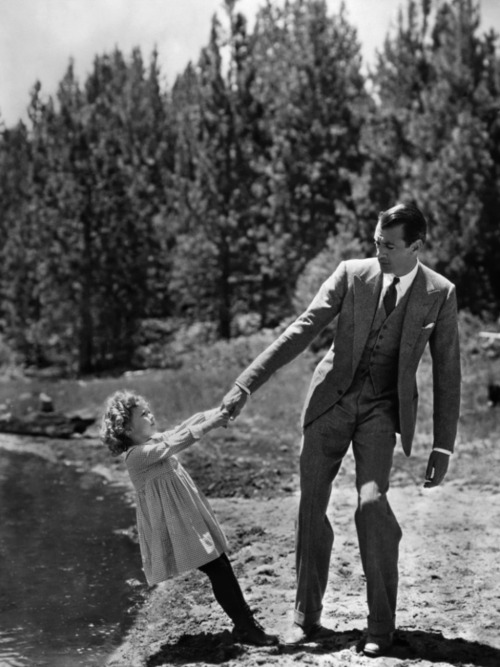
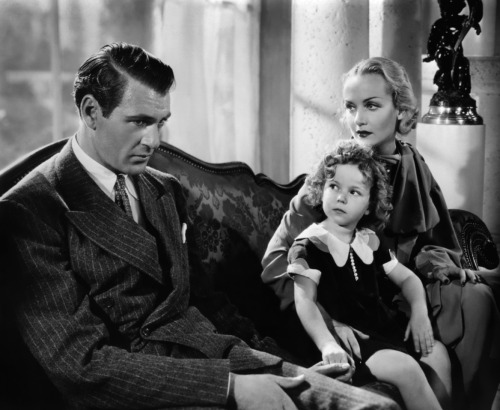
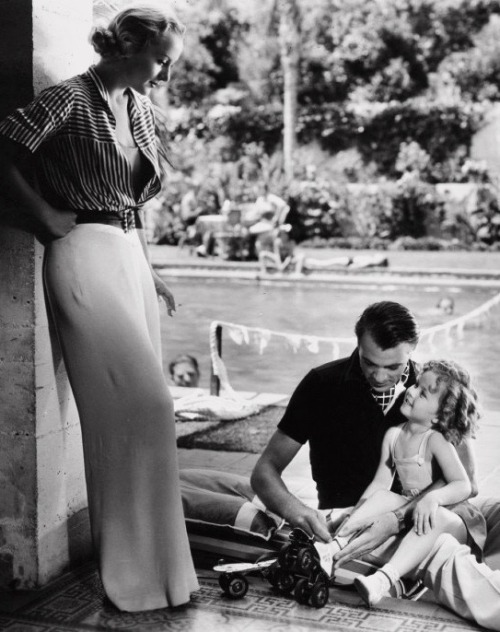
A maioria dos filmes para a família, comédias românticas e filmes com estrelas mirins são bastante previsíveis. À primeira vista, “Agora e Sempre” (1934) parecia também bastante previsível. Mas aqueles eram outros tempos, quando o código Hays havia acabado de ser aprovado e os roteiristas não tinham dó de Shirley Temple (nunca esqueça que eles mataram a mãe da personagem de Shirley, na véspera do Natal, em “Olhos Encantadores”, também de 1934). E, puxa, que surpresas “Agora e Sempre” nos reserva!

Most family movies, romantic comedies and movies featuring a child star are quite predictable. At first, “Now and Forever” (1934) seemed quite predictable too. But those were other times, when the Code had just been enforced and the screenwriters had no mercy with Shirley Temple (never forget that they killed her screen mother on Christmas Eve in “Bright Eyes”, also from 1934). And, man, what a wild and weird ride “Now and Forever” is!
Jerome ‘Jerry’ Day é um aventureiro, e não é muito honesto. Ele viaja ao redor do mundo de barco e de avião com sua querida Toni (Carole Lombard), e depende de alguns esquemas para pagar a estadia dos dois em hotéis de luxo. Logo depois de fingir que era um auditor financeiro em um hotel para pagar sua própria conta, ele recebe uma carta de seu cunhado, que quer discutir o futuro da filha de Jerry, uma garotinha cuja existência ele nunca sequer havia mencionado a Toni.

Jerome ‘Jerry’ Day is an adventurer, and not an honest one. He travels the world by boat and plane with his sweetheart Toni (Carole Lombard), and uses some schemes to be able to pay their stays in fancy hotels. Right after pretending he’s a financial auditor for a hotel in order to pay his own bill, he receives a letter from his brother-in-law, who wants to discuss the custody of Jerry’s daughter, a little girl who he hasn’t ever bothered mentioning to Toni.
Jerry vai para Connecticut. Sua ideia inicial é “vender” a filha: ele quer 75 mil dólares para deixá-la em definitivo sob a guarda do seu cunhado. Mas tudo muda quando ele vê Penelope (Shirley Temple) e percebe que ela não se diverte muito onde está. Jerry recusa o dinheiro e leva Penny consigo para Paris, onde Toni o está esperando.

Jerry goes to Connecticut. His initial idea is to “sell” his daughter: he wants 75,000 dollars to let her be stay forever with his brother-in-law. But everything changes when he sees Penelope (Shirley Temple) and realizes that she doesn’t have much fun with her guardian. Jerry refuses the money and takes Penelope with him to Paris, where Toni is waiting.

No começo Penelope não se dá muito bem com Tony, e em qualquer filme para família é de se esperar que, no fim, elas vão aprender a se amar como se fossem mãe e filha. Bem, elas meio que aprendem, mas ainda há um caminho tortuoso para Jerry, Toni e a pequena Penny.

At first Penelope doesn’t get well with Toni, and in any family movie you might expect that, in the end, they will learn to love each other as mother and daughter. Well, they kind of do it, but there is a bumpy road ahead of Jerry, Toni and little Penny.
E aqui surge o problema: Jerry sempre esteve cercado por vigaristas, e um deles o seguiu até Paris: Felix Evans (Guy Standing), que não acredita que Jerry conseguirá se adaptar a um trabalho comum que paga 35 dólares por semana, especialmente quando chegar a mensalidade da escola de Penny. É por isso que Felix aconselha Jerry a cometer um último crime, para garantir a educação de Penny.

And here enters the trouble: Jerry was always surrounded by crooks, and one of them followed him to Paris: Felix Evans (Guy Standing), who doesn’t believe Jerry will be able to adapt to a regular job that pays U$35 a week, especially when Penny’s boarding school is so expensive. That’s why Felix advises Jerry to commit one last felony, for Penny’s sake.
O filme é mais sobre a relação de Jerry e Penny, e sobre como ela muda a vida do pai – de um jeito estranho. Carole Lombard segura vela, mas suas expressões faciais em cenas-chave são mais eloquentes que palavras. Carle também está lindíssima, e veste roupas invejáveis.

The film is more about Jerry and Penny’s relationship, and how she changes him – kind of. Carole Lombard is the third wheel in this relationship, but her facial expressions in key scenes are way more eloquent than words. Carole also looks gorgeous, and her clothes are to die for.
“Agora e Sempre” não é um filme comum de Shirley Temple porque não foi feito no estúdio em que ela mais trabalhou, a Fox, mas sim na Paramount. Nos anos 30, Paramount era a casa de comédias sofisticadas (de Lubitsch e Von Sternberg) e muita experimentação. A Fox emprestou Shirley para a Paramount para fazer dois filmes, e este é o segundo no acordo. “Agora e Sempre” é um melodrama, que o TCM Database chama de “clichê”.

“Now and Forever” is not a regular Shirley Temple movie because it wasn’t made for her regular studio, Fox, but for Paramount. In the 1930s, Paramount was the house of comedic sophistication (made by Lubitsch and Von Sternberg) and a lot of experimentation. Fox loaned Shirley to Paramount to make two pictures, and this is the second one in the deal. “Now and Forever” is a melodrama, and one that the TCM Database calls “clichéd”.
“Agora e Sempre” deveria ter a mesma protagonista que o outro filme feito por Shirley durante o empréstimo, “Dada em Penhor”. Mas Dorothy Dell morreu tragicamente em um acidente de carro em junho de 1934. Ela tinha apenas 19 anos. De acordo com uma lenda, Shirley apenas ficou sabendo da morte de Dorothy logo antes de gravar uma cena na qual deveria chorar, e a tristeza pela perda da amiga tornou o choro mais real e comovente.

“Now and Forever” was supposed to have the same leading lady as the other film Shirley did during the loan, “Little Miss Marker”. But Dorothy Dell tragically died in a car crash in June of 1934. She was only 19 years old. According to the legend, Shirley only heard the news about Dell’s death right before filming a crying scene, which made her cry more poignant.
Dorothy Dell
“Agora e Sempre” é uma experiência interessante. Você vai sorrir, talvez chorar, e com certeza vai ficar sem fôlego. É diferente de qualquer outro filem que eu já vi. Pode parecer uma experiência sem um resultado pré-definido, mas felizmente o resultado acaba sendo bem agradável.

“Now and Forever” is an interesting experience. You’ll laugh, maybe cry, and definitely stay on the edge of your seat. It’s unlike any other movie I’ve seen. It may look like an experiment without a planned outcome, but it ends up being a pleasant one.

This is my contribution to the Carole Lombard: the Profane Angel Blogathon, hosted by Crystal and Laura at In the Good Old Days of Classic Hollywood and Phyllis Loves Classic Movies.

Sunday, June 5, 2016

Ídolo, Amante e Herói (1942) / The Pride of the Yankees (1942)


Quem não ama um herói que vem das camadas mais baixas da sociedade e triunfa, apesar de todas as dificuldades? Lou Gehrig era filho de imigrantes alemães, e logo no início do filme seu talento no beisebol é mostrado romanticamente através de um jogo de crianças no bairro, uma janela quebrada e um sermão da mãe, que desejava que ele estudasse engenharia em Columbia.

Who doesn't love a hero that comes from the lower classes and triumphs, overcoming all difficulties? Lou Gehrig was the son of German immigrants, and just in beginning of the movie his talent as a baseball player is shown with a neighborhood kids' game, a broken window shop and a lecture from Lou's mother, who wanted him to study Engineering at Columbia University.

Lou vai para Columbia, mas, por ser de origem humilde e ajudar a mãe na cozinha da faculdade, ele não é bem aceito pelos colegas. Eles inclusive o provocam do mesmo jeito que fariam com Longfellow Deeds – mas Lou Gehrig tem sangue quente e ataca quando é provocado. Mas isto não é problema: como em qualquer história de superação, Lou vai rir por último.

Lou enters Columbia but, being from a humble household and working as his mother's helper at the college canteen, Lou is not well accepted by his mates. They even tease him in the same way they'd do with Longfellow Deeds – but Lou Gehrig has a bad temper and attacks when teased. However, this is not a problem: as in any inspirational story, Lou will have the last laugh.


Lou Gehrig faleceu aos 37 anos. Gary Cooper tinha mais de 40 quando fez o filme. “Ídolo, Amante e Herói” é acima de tudo uma obra com licença poética, feita para emocionar um público que idolatrava Lou, e que estava muito abalado por sua morte tão recente. E, para isso, Lou é mostrado como gente comum, tímido quando próximo do ídolo Babe Ruth ou bobo quando apaixonado por Eleanor (Teresa Wright).

Lou Gehrig passed away at age 37. Gary Cooper was older than 40 when the film was shot. “The Pride of the Yankees” is above all a work full of poetic license, made to move an audience that idolized Lou, and was still grieving because of his very recent death. And, to achieve this level of connection, Lou is shown as an average man, shy when he gets close to his idol Babe Ruth or acting foolishly when he falls in love with Eleanor (Teresa Wright).


A maior parte do filme trata dos sucessos de Lou Gehrig, muitas vezes de maneira idealizada. Seu casamento com Eleanor é perfeito demais, e a mãe de Lou assume por alguns minutos o papel de mãe castradora que não quer ver o filho querido com outra mulher. É tudo muito perfeito até que o filme começa a ficar interessante – e trágico.

The most part of the film shows Lou Gehrig’s accomplishments, many times in an idealized way. His marriage do Eleanor is too perfect, and Lou’s mother, for a few minutes, becomes the castrating mother that can’t see her dear son with another woman. Everything is too perfect until the film starts to become interesting – and tragic. 


Lou começa a sentir algo errado com seus músculos. A cena em que ele cai de um banco tentando amarrar os sapatos, no meio do vestiário do New York Yankees, é tão comovente quanto a queda de Eddie Redmayne como Stephen Hawking no meio do campus da universidade em “A Teoria de Tudo” (2014). É, afinal, a mesma doença que acomete ambos: a Esclerose Lateral Amiotrófica.

Lou realizes there is something wrong with his muscles. The scene in which he falls from a chair while trying to tie his shoes, in the middle of the New York Yankees’ locker room, is as moving as Eddie Redmayne’s fall as Stephen Hawking in the middle of the university campus in “The Theory of Everything” (2014). It is, after all, the same disease that both have: Amyotrophic Lateral Sclerosis.


A passagem do tempo é mostrada através de uma montagem de recortes de jornal colecionados por Eleanor. Do momento em que Lou começa a sofrer com a doença até o final, o filme se torna espetacular. Gary Cooper sequer queria interpretar Lou no começo, pois não sabia nada de beisebol (leia AQUI sobre o truque usado para que Gary jogasse de maneira convincente), mas foi capaz de dar toda a dramaticidade necessária ao discurso final de Lou. Não é preciso ser fã de beisebol para apreciar estes minutos finais – basta ser humano para ficar com um nó na garganta.

The passage of time is shown through an assemblage of newspaper snippets collected by Eleanor. From the moment Lou starts suffering with his disease until the end, the film becomes outstanding. Gary Cooper didn’t even want to play Lou at the beginning, because he knew nothing about baseball (read HERE about the trick used to show Gary as a convincing ball player), but he was able to add all the drama Lou’s final speech required. You don’t have to be a baseball fan to enjoy those final minutes – you just need to be human to be left with a lump in your throat.


This is my contribution to the Athletes in film blogathon, hosted by dream team Aurora and Rich at Once Upon a Screen and Wide Screen World.

Tuesday, May 3, 2016

Amor na Tarde / Love in the Afternoon (1957)

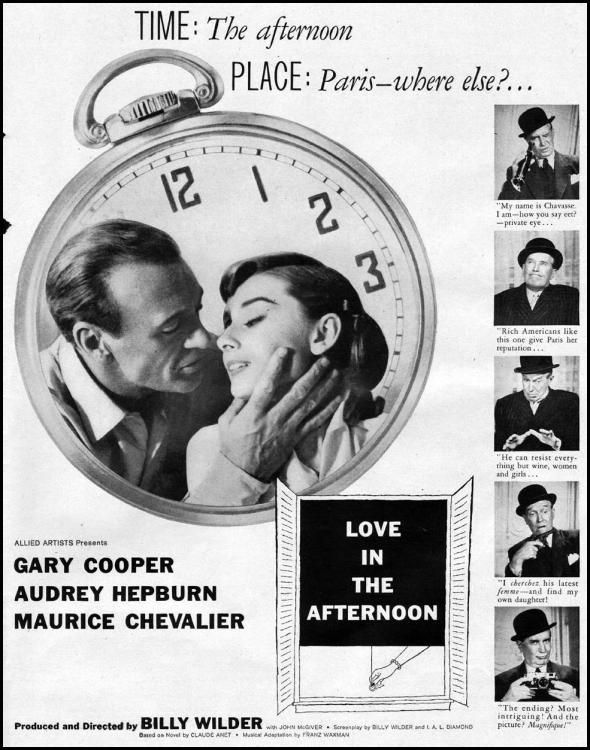
Chevalier! Hepburn! Cooper! Paris! Fascinação! Tudo no filme nos chama para o romance. É uma história de amor pouco convencional, mas que nas mãos de Billy Wilder se transforma em um longo e delicioso flerte.

Chevalier! Hepburn! Cooper! Paris! Fascination! Everything in this movie is callingus to experience romance. It is an unconventional love story, but, under Billy Wilder’s lenses, it becomes a long and delightful flirtation.
A narração inicial já tem o sotaque inconfundível de Maurice Chevalier. Com malícia, ele fala sobre o amor em Paris, enquanto imagens de casais na cidade se revezam na tela. Maurice interpreta o detetive particular Charles Chavasse, perito em casos extraconjugais.

The initial narration has Maurice Chevalier's unmistakable accent. Full with Malice, he talks aboutlove in Paris, and images of couples pass through the screen. Maurice plays private eye Charles Chavasse, an expert in extramarital affairs.
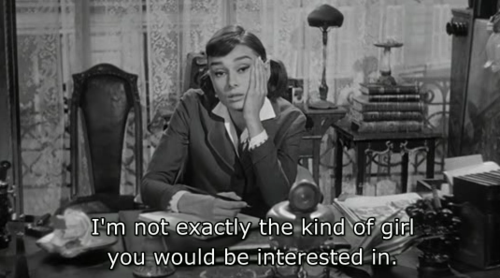
Chavasse não quer que a sordidez de seu trabalho interfira na vida e nas ideias de sua filha Ariane (Audrey Hepburn), uma ingênua violoncelista. Ela, entretanto, se entretém lendo os arquivos sórdidos sobre os casos investigados pelo pai, e se interessa por uma figura que aparece em vários casos: Frank Flannagan (Gary Cooper), milionário e mulherengo americano.

Chavasse doesn't want his sordid work to interfere in his daughter's Ariane (Audrey Hepburn) life and ideas. Ariane is a naïve cello player. Nevertheless, she entertains herself by reading the files of the cases in which her father has worked. She gets interested for a man appearing in several cases: Frank Flannagan (Gary Cooper), American millionaire and womanizer.
Ariane descobre que um marido ciumento tem a intenção de matar Flannagan. Com uma técnica nada convencional, ela salva Flannagan, mas se torna mais uma vítima dele. Ariane está apaixonada. Ou seria Flannagan vítima dela? Afinal, Ariane se comporta de maneira misteriosa e inventa que muitos homens já passaram em sua vida. Nenhum dos dois quer se apaixonar. Mas é exatamente isto que acontece.

Ariane finds out that a jealous husband has the intention to kill Flannagan. With a very unconventional technique, she saves Flannagan, but becomes another of his victims. Ariane is in love. Or maybe it's Flannagan a victim of hers? After all, Ariane has a mysterious behavior and lies, saying that many men have passed through her life. Not Flannagan nor Ariane wanted to fall in love with each other. But this is exactly what happens.
É muito difícil apontar qual o filme do diretor e roteirista Billy Wilder com mais inuendos sexuais que passaram despercebidos pelos escritórios do Código Hays. “Irma La Douce” (1963) e “Beija-me, Idiota”(1964) são fortes candidatos, mas “Amor na Tarde” também surpreende, em especial na primeira meia hora. As insinuações lembram os filmes de Ernst Lubitsch, mas não conseguiram agradar a todos: o filme foi um fracasso de bilheteria nos Estados Unidos, porém fez sucesso na Europa.

It’s very hard to point out which film by director and screenwriter Billy Wilder has the biggest number of sexual innuendos that passed easily through the Hays Code’s offices. “Irma La Douce” (1963) and “Kiss Me, Stupid” (1964) are strong contender, but “Love in the Afternoon” also surprises us, especially during the first half hour. The insinuations remind us of Ernst Lubitsch’s films, but they couldn’t please everyone: the movie flopped in the US, but was a success in Europe.
Muitos espectadores se incomodam com a diferença de idade entre Audrey e Gary, que era de 28 anos! O papel de Flannagan foi oferecido primeiro para Cary Grant, 25 anos mais velho que Audrey, mas ele o recusou. Apesar de estar no final da carreira, Cooper mantém um charme inconfundível, e é sabiamente filmado em preto e branco, pois com certeza um filme a cores denunciaria sua idade. Não é inverossímil que Ariane ou qualquer outra jovem se apaixone por ele.

Many filmgoers were bothered by the age difference between Audrey and Gary, who were 28 years apart! The role of Flannagan was offered to Cary Grant, 25 years older than Audrey, but he refused the role. Although he was in the end of his career, Cooper still has an unmistakable charm, and he’s wisely filmed in black and white, because it’s certain that a in color film he would look his age. It’s not unbelievable that Ariane or any other young lady would fall in love with him.
Audrey, em sua versão francesa, está ainda mais adorável (eu, particularmente, adoro o cabelo dela no filme). Ela traz pureza à personagem, algo que faltava na versão original, alemã, de 1931, intitulada simplesmente “Ariane”.

Audrey, as a French, is more adorable than ever (and I particularly Love her hair in this movie). She brings purity to the character, and that’s something missing from the original German version from 1931, called simply “Ariane”.
Filmado em Paris (veja como o Hotel Ritz é lindo!), ousado na medida certa e com uma ótima trilha sonora (afinal, é mais romântico namorar tendo uma banda de ciganos tocando ao vivo), “Amor na Tarde” vai te fazer suspirar.

Shot in location in Paris (see how beautiful the Ritz Hotel is!), daring in its dialogue and with a great soundtrack (because a group of gypsies make any date more romantic, right?), “Love in the Afternoon” will make you sigh.

This is my contribution to the May the 4th be with Audrey Hepburn blogathon, hosted by Diana at Flickin’ Out.

Friday, October 23, 2015

It (1927)

Existem alguns filmes que mudam a história do cinema para sempre. “It” não introduziu uma estética, mas levou uma jovem atriz ao topo de Hollywood. Existem filmes que nos ensinam algo. “It” não ensina a flertar, mas mostra como a conquista pode ser um jogo divertido – e como a vida pode ser encarada com leveza e uma dose de coragem. “It” não foi um filme revolucionário, mas conseguiu definir perfeitamente uma era. Se você quiser saber como viviam as flappers e como começou a independência feminina nos loucos anos 20, este é o filme!

There are certain movies that change film history forever. “It” didn’t introduce any aesthetical trait, but took a young actress to the top of Hollywood. There are certain movies that teach us something. “It” doesn’t teach how to flirt, but shows how flirting can be a fun game – and how life can be faced with lightness and a dosis of courage. “It” wasn’t a revolutionary movie, but it could perfectly define an era. If you want to know how flappers lived and how female independence started in the 1920s, this is the film to watch!

Betty (Clara Bow) é uma funcionária de uma grande loja que sabe bem o que quer. Seu objetivo é conquistar seu novo patrão, Cyrus Waltham (Antonio Moreno). Muito decidida e bastante esperta, ela convida Monty (William Austin), grande amigo de Cyrus, para um jantar chique no Ritz. Basta usar um vestido customizado e muito charme e pronto: Betty atrai a atenção de Cyrus.

Betty (Clara Bow) is a clerk at a deparment store and knows exactly what she wants. Her goal is to conquer her new boss, Cyrus Waltham (Antonio Moreno). With this in mind and lots of wit, she invited Monty (William Austin), Cyrus’ good friend, for a fancy dinner at the Ritz. By just using a DIY dress and lots of charms the magic is made: Betty calls Cyrus’ attention.

Monty estava à procura de uma mulher com “IT”, com sex appeal, e encontrou isto em Betty. Ela usou o pobre Monty (que, coitado, pensava ter também “IT”) para fazer charme para o patrão, e a estratégia funcionou. Na noite seguinte, Betty e Cyrus se divertem na praia, em um parque de diversões com brinquedos estranhíssimos (“social mixer”????).

Monty was looking for a woman with “IT”, with sex appeal, and found this in Betty. She used poor Monty (who, poor thing, thought he also had “IT”) to ignite jealousy in her boss, and the strategy worked. The following night, Betty and Cyrus have fun at the beach, in an amusement park with very strange attractions (“social mixer”????).

Além de sedutora, Betty tem um bom coração. Sua companheira de quarto, Molly (Priscilla Bonner) está doente, sem poder trabalhar, e precisa sustentar o filho pequeno. Quando duas senhoras aparecem querendo levar o bebê para o orfanato, Betty não pensa duas vezes: “O filho é meu e eu tenho emprego para sustentá-lo!”. Ela inventa uma mentira e salva a amiga, mas Monty ouve a confissão – e não apenas ele: um jornalista (o jovem e esquálido Gary Cooper) anota tudo e publica a história. A seguir temos confusões, lágrimas, corações partidos e um clímax em um iate.

Besides being a seductress, Betty has a heart of gold. Her roommate, Molly (Priscilla Bonner) is sick, without a job and doesn’t have the means to support her infant child. When two women appear wanting to take the baby to an orphanage, Betty doesn’t think twice: “The child is mine and I have a job to support him!”. With this lie she saves her friend, but Monty hears the confession – not only him, but also a journalist (a young and very slim Gary Cooper) takes note of everything and publishes the story. To follow we have confusion, tears, broken hearts and a climax in a yacht. 

Gary Cooper

O filme deve todo seu valor a Clara Bow. Ela é simplesmente adorável, e ainda demonstra talento quando precisa derramar algumas lágrimas. Linda, risonha e charmosa, ela parece uma garota moderna, e é impossível não se apaixonar ou não se inspirar por seu jeito. Decidida, corajosa, inteligente, Betty não mede esforços para conseguir o que quer, mas sem abandonar a doçura e o tom de brincadeira. Há momentos em que eu gostaria de ser mais como Betty, e levar a vida com um misto de leveza e ambição, determinação e feminilidade. Betty tem “IT”. Clara Bow tinha “IT”. Será que nem todos nascem com “IT”? Ou será que houve um momento em que a humanidade deixou o “IT” escapar?

The film owes everything to Clara Bow. Sh is simply adorable, and also shows a lot of talent when she needs to cry. Pretty, always laughing, and charming, she looks like a modern girl and it’s impossible not to fall in love or get inspired by her ways. Resourceful, brave, intelligent, Betty goes all the way to get what she wants, but without losing the tenderness and the playfulness. There are moments I’d like to be like Betty, and live life with a mix of lightness and ambition, determination and feminility. Betty has “IT”. Clara Bow had “IT”. Maybe not everybody is Born with “IT”? Or maybe there was a moment when mankind let “IT” slip away?

Uma frase em particular mostra como Betty é uma personagem moderna. Enquanto defende a amiga Molly, Betty é questionada sobre onde está o pai de seu suposto filho. A resposta? “Não te interessa!”. Não há heroína de comédia romântica mais incrível que Betty!

One sentence in particular shows how Betty is a modern character. As she’s defending her friend Molly, Betty is asked about where is her supposed son’s father. The answer? “That’s none of your business!”. There is not a single romantic comedy heroine more amazing than Betty! 


Clara Bow pode ser a “It Girl”, mas quem lucrou realmente com o filme foi a mulher que inventou o “IT” (ou pelo menos que popularizou o termo, já usado por Rudyard Kipling): Elinor Glyn, autora de best-sellers escandalosos. É através de um artigo de Glyn na revista Cosmopolitan (propriedade do amigo íntimo de Elinor, William Randolph Hearst) que Monty descobre o significado de “IT” no filme, e a própria autora aproveita para fazer uma breve aparição no jantar no Ritz e explicar o que é “IT”. E “IT” tem um preço: Elinor recebeu 50 mil dólares para que o filme fosse feito ao redor do seu conceito de “IT”.

Clara Bow may be the “It girl”, but the person who got rich with the movie was the woman who invented “IT” (or at least made the word, already used by Rudyard Kipling, popular): Elinor Glyn, the author of scandalous best-sellers. It is through one article by Elinor Glyn at the Cosmopolitan magazine (a property of her close friend Willian Randolph Hearst) that Monty gets to know the meaning of “IT” in the movie and the author herself has a cameo at the Ritz dinner to explain what is “IT”. And “IT” has a price: Elinor received 50 thousand dollars so a movie could be made around her concept of “IT”.   

Todos os olhares deveriam ir para Clara Bow, mas William Austin também atrai a atenção e é a fonte de muitas risadas. Nascido na Guiana em 1884, William Austin estudou na Inglaterra, fez negócios em Shanghai e estreou no cinema em 1920. Seu irmão, Albert Austin, trabalhava como coadjuvante nos filmes de Charles Chaplin. “It”, entretanto, não foi o filme mais famoso de William Austin. Em 1943, ao interpretar o mordomo Alfred em um seriado do Batman, William reformulou totalmente a aparência do personagem, e o Alfred dos quadrinhos foi remodelado com base em William Austin.

All the eyes should be directed to Clara Bow, but William Austin also calls the attention and generates many laughs. Born in Guyana in 1884, William Austin studied in England, was a businessman in Shanghai and debuted in movies in 1920. His brother, Albert Austin, was a supporting player in Chaplin’s movies. “It”, however, wasn’t Austin’s most famous film. In 1943, playing the butler Alfred in one Batman serial, William totally reformulated the character’s appearance, and the Alfred from comic books was completely remodeled having as the basis the appearance of William Austin.

William Austin tinha "IT" / William Austin had "IT"

Perdido durante várias décadas, “It” (o filme, e não o charme) foi reencontrado em Praga, atual República Tcheca, nos anos 60. Carl Davis apreendeu perfeitamente o tom de brincadeira da película, compondo uma trilha sonora adorável nos anos 80. “It” é precursor das screwball comedies e melhor que qualquer comédia romântica atual – mas, acima de tudo, uma prova de que o passado é muito mais próximo de nós do que imaginamos – e de que devemos sempre perseguir nosso “IT”.

Lost during many decades, “It” (the movie, not the charm) was found again in Prague, currently Czech Republic, in the 1960s. Carl Davis perfectly understood the playfulness of the movie, composing a lovely soundtrack in the 1980s. “It” is a forerunner of screwball comedies and better than any modern romantic comedy - but, above all, a proof that the past is much closer to us than we think - and that we all must look for our “IT”.   


This is my contribution to The Silent Cinema blogathon, hosted by Crystal at In the Good Old Days of Classic Hollywood and Lauren Champkin!

Related Posts Plugin for WordPress, Blogger...