} Crítica Retrô: Disney

Tradutor / Translator / Traductor / Übersetzer / Traduttore / Traducteur / 翻訳者 / переводчик

Showing posts with label Disney. Show all posts

Thursday, February 6, 2025

Sucessos de bilheteria de 1924 e 2024 / Box Office hits: from 1924 to 2024


O começo de um novo ano traz muitas coisas: energia e esperança renovadas, disposição para fazer tudo diferente e listar resoluções… e as inevitáveis listas de retrospectiva. Estas se dividirem entre as “melhores do ano”, cujo critério é totalmente subjetivo, e as objetivas listas dos maiores sucessos de bilheteria. Como aqui no blog gostamos de olhar para trás, mas bem para trás mesmo, postulamos a pergunta: o que há de comum entre os sucessos de bilheteria de 2024 e os de cem anos atrás, de 1924?

The beginning of a new year brings a lot of things: renewed energy and hopes, disposition to do things differently and list resolutions… and the inevitable lists about retrospectives. These can be the “best of the year”, when the criteria is purely subjective, and the objective lists of the greatest box office hits. Since here in this blog we like to look back, but waaaay back, we ask a question: what common traits can we find between the box office hits of 2024 and the ones from 100 years ago, from 1924?

Quando falei da ideia deste post para minha mãe, ela disse que era uma comparação estapafúrdia. Em parte ela tem razão: em 1924 não existia como hoje um controle de bilheteria e todos os números são apenas estimativas. Baseio-me aqui na lista da Wikipédia para o ano de 1924 no cinema, que elenca os dez maiores sucessos de bilheteria de acordo com um almanaque de 1938. Com essa fonte não necessariamente irrefutável em mãos, vamos à análise.

When I talked to my mother about my idea for this post, she said it’s an absurd comparison. She’s partially right: in 1924 there wasn’t, like today, a box office control and all numbers are only a rough estimate. I here use the Wikipedia list for the year 1924 in film, that lists the top 10 box office hits according to a 1938 magazine. With this not completely accurate source, let’s take a look at the numbers.

Macy's first Thanksgiving Day parade happened in 1924

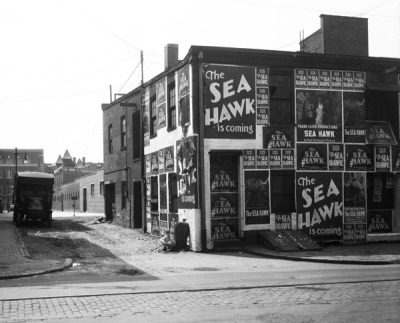
O maior sucesso de bilheteria de 1924 foi “O Gavião do Mar” (“The Sea Hawk”), no qual um nobre inglês se torna um temido corsário. Os protagonistas são Milton Sills e Enid Bennett, ambos muito famosos na época, mas nomes que só são reconhecidos hoje pelos muito aficionados pela História do cinema. Isso coloca uma dúvida na nossa cabeça: será que daqui a cem anos só os extremamente cinéfilos saberão quem foram Timothée Chalamet e Anya Taylor-Joy?

The greatest box office hit of 1924 was “The Sea Hawk”, in which an English nobleman becomes a pirate. The leads are Milton Sills and Enid Bennett, both very famous at the time, but who are now only recognized by the most diehard Movie History buffs. This gives us food for thought: in one hundred years will only the greatest cinephiles know who were Timothée Chalamet and Anya Taylor-Joy?   

Apostando no exotismo, “O Gavião do Mar” arrecadou dois milhões de dólares de bilheteria - o equivalente a 36 milhões de dólares atualmente. A fórmula do exótico foi repetida pelo quarto maior sucesso de bilheteria do ano, “O Ladrão de Bagdá”, protagonizado por Douglas Fairbanks. O topo da lista de 2024 foi ocupado com “Divertida Mente 2”, que arrecadou mais de um bilhão de dólares no mundo todo, e quase 653 milhões só nos EUA.

Focusing on the exoticism, “The Sea Hawk”’s box office is estimated at two million dollars - the equivalent to 36 million dollars nowadays. The exotic formula was repeated by the fourth greatest box office hit of the year, “The Thief of Bagdad”, who lead was Douglas Fairbanks. The top of the 2024 list was occupied by “Inside Out 2”, that obtained more than one billion dollars around the world, and almost 653 million in the USA alone.

Advertisement for "The Sea Hawk"
Na lista de 1924, um ator-realizador aparece duas vezes: Harold Lloyd. Em segundo lugar entre as maiores bilheterias está seu “O Maricas” (“Girl Shy”), sobre um falso conquistador que tem medo de ser abordado pelas mulheres. Em quinto lugar, seu “Sogra Fantasma” (“Hot Water”), com três esquetes da vida doméstica.

In the 1924 list, an actot-filmmaker appears twice: Harold Lloyd. The second place among the box office hits is his “Girl Shy”, about a fake ladies’ man who is afraid to talk to women. The fifth place is his “Hot Water”, with three sketches of domestic life.

Assim como Lloyd, Buster Keaton também lançou dois filmes em 1924, que hoje seriam considerados médias-metragens. Em “O Navegador” (“The Navigator”), ele divide a direção com Donald Crisp, ator versátil que obteve muito sucesso tanto na era muda quanto nos filmes falados. Mas Keaton assina sozinho a direção de “Bancando o Águia” (“Sherlock Jr”), filme com a popular e muitíssimo bem feita sequência em que Keaton invade a tela do cinema. Por outro lado, em “O Navegador” - o maior sucesso de bilheteria da carreira de Keaton - há uma elaborada sequência subaquática.

Just like Lloyd, Buster Keaton also released two movies in 1924, now considered neither shorts nor features. In “The Navigator”, he shares the direction with Donald Crisp, a versatile actor who was successful both in the silent era and with the talkies; But Keaton is the solo director of “Sherlock Jr”, the film with the very popular and extremely well-made sequence that has Keaton entering a movie screen. On the other hand, “The Navigator” - the biggest box office hit of Keaton’s career - has an elaborated underwater sequence.

Há espaço no Top 10 de 1924 para filmes perdidos e fora de circulação: enquanto “Secrets” de Frank Borzage, “Triumph” de DeMille e “His Hour” de King Vidor ainda existem mas não circulam, “Feet of Clay”, também de Cecil B. DeMille não tem cópias restantes.

There is space in the Top 10 of 1924 for lost and out of circulation movies: while Frank Borzage’s “Secrets”, DeMille’s “Triumph” and King Vidor’s “The Hours” still exist but aren’t exhibited, “Feet of Clay”, also made by Cecil B. DeMille, has no copies extant.

Not ready for my close-up, Mr DeMille

1924 viu o nascimento do que seria um gigante: os estúdios MGM. A Disney foi estabelecida um ano antes e em 1924 focava suas energias em produzir as misturas de animação com live-action “Alice’s Wonderland”. Um século depois e o estúdio tem duas animações no Top 5, ambas sequências : além de “Divertida Mente 2”, temos “Moana 2”.

1924 saw the birth of what would be a movie giant: the MGM studios. Disney was established one year earlier and in 1924 focused on making the live-action with cartoons mix “Alice’s Wonderland”. One century later and the studio has two animations in the Top 5, both sequels: besides “Inside Out 2”, there is “Moana 2”.

A primeira cartela de texto que aparece em “O Gavião do Mar” fala de “forgotten yesterdays”. Essa é a matéria-prima do cinema: o tempo. É também ingrediente principal, embora tentemos freá-lo, o esquecimento. Os sucessos de bilheteria de cem anos atrás podem não nos dizer muita coisa, mas dizem isso com total fluência: não há arte mais volátil que o cinema.

The first intertitle that appears in “The Sea Hawk” talks about “forgotten yesterdays”. This is the main ingredient of cinem: the time. Another main ingredient, even though we try to stop it, is oblivion. The box office hits from one century ago may not say much, but this they say fluently: there is no other art as volatile as cinema.  

Saturday, October 28, 2023

Aquele Gato Danado (1965) / That Darn Cat! (1965)


Todo mundo sabe que gatos de estimação gostam de trazer coisas estranhas para seus donos como presentes. Normalmente eles trazem ratos ou passarinhos mortos, às vezes uma pedra ou uma folha. Mas o que aconteceria se seu gato trouxesse para casa um relógio de pulso com a palavra “AJUDA” gravada? Então uma odisseia se inicia, ou pelo menos é exatamente isso que aconteceu com Hayley Mills em seu último filme feito para a Disney, “Aquele Gato Danado!” (1965).    


It is well-known that pet cats like to bring weird stuff to their owners as gifts. Usually they bring dead mice or birds, sometimes a rock or a leaf. But what if your cat brought home one night a wristwatch with the word “HELP” engraved? Then an odyssey starts, or at least that’s exactly what happened to Hayley Mills in her last Disney film, “That Darn Cat!” (1965).

Houve um grande roubo a um banco. Não há mistério sobre quem foi o culpado: foi Iggy (Frank Gorshin), o primeiro humano que vemos no filme. Ele e seu cúmplice Dan (Neville Brand) estão mantendo uma funcionária do banco, Margaret Miller (Grayson Hall), refém em uma casa.  O gato da família Randall, DC, enquanto zanzava uma noite, entra na tal casa e Margaret, desesperada para ser resgatada, troca a coleira do gato por seu relógio de pulso.


There has been a big robbery in a bank. There is no mystery about who did it: it was Iggy (Frank Gorshin), the first human we see in the film. He and his accomplice Dan (Neville Brand) are keeping a bank teller, Margaret Miller (Grayson Hall), hostage in a house. The Randall family cat, DC, while wandering one night, enters said house and Margaret, desperate for a rescue, changes the cat’s collar for her wristwatch.

Na primeira vez em que encontramos Patti (Hayley Mills) e seu amigo Canoe Henderson (Tom Lowell), eles estão voltando do cinema e ela está reclamando sobre todos os filmes de “surfistas” que são exatamente um igual aos outros - em uma crítica não tão sutil a todos os filmes de “praia” feitos na época, dirigidos por William Asher para a American International Pictures e estrelando uma ex-estrela da Disney, Annette Funicello. Para manter as coisas ainda mais estranhas para os surfistas, a garota do tempo na TV que fala sobre condições meteorológicas na praia usa um traje de banho.


The first time we meet Patti (Hayley Mills) and her friend Canoe Henderson (Tom Lowell), they are coming back from the movies, and she’s complaining about all the “surfer” movies that are exactly the same – in a not so subtle critic to all the “beach” movies being made at the time, directed by William Asher for American International Pictures and starring a former Disney star, Annette Funicello. To keep things weirder for surfers, the weather girl on TV who talks about meteorological conditions at the beach wears a bathing suit.

Patti finalmente encontra o relógio de pulso em DC e, imaginando que o grito de socorro veio de Margaret, ela vai ao FBI e fala diretamente com o agente Zeke Kelso (Dean Jones), que é então escolhido para a investigação - apesar de ser alérgico a gatos! Jones é excelente fingindo espirros e até mesmo uma voz fanhosa.


Patti eventually finds the wristwatch on DC and, imagining the cry for help came from Margaret, goes to the FBI and speaks directly to agent Zeke Kelso (Dean Jones), who is then assigned the case – no matter if he’s allergic to cats! Jones is excellent faking sneezes and even a twangy voice.

Na casa dos Randall encontramos Patti e sua irmã mais velha Ingrid (Dorothy Provine), porque os pais das meninas estão viajando. Na casa ao lado vivem os MacDougalls (Elsa Lanchester e William Deamrest), e a senhor MacDougall adora espionar os vizinhos. Os MacDougalls, junto com Canoe e a breve aparição do Sr Hofstedder (Ed Wynn), servem de alívio cômico.


In the Randall house we can find Patti and her older sister Ingrid (Dorothy Provine), because the girls’ parents are travelling. Next door lives the MacDougalls (Elsa Lanchester and William Demarest) and Mrs MacDougall loves to spy on her neighbors. The MacDougalls, together with Canoe and the brief appearance of Mr Hofstedder (Ed Wynn), serve as comic relief.

Observando Kelso trabalhar, Patti diz: “Você é bem jovem para fazer este tipo de trabalho, não é?”, ao que ele responde: “Eu não sou realmente tão jovem”. Quando o filme estreou, Dean Jones tinha 34 anos e estava fazendo seu primeiro filme para a Disney, enquanto Hayley Mills tinha 19 e fazia seu sexto e último filme para o estúdio. Um romance entre eles não seria improvável naqueles tempos - você se lembra de Audrey Hepburn e Gary Cooper, com 30 anos de diferença de idades, em “Amor na Tarde” (1957)? - mas felizmente isso não acontece aqui. Tom Lowell, que interpreta Canoe, tem apenas cinco anos a mais que Hayley Mills.


While observing Kelso doing his work, Patti says: “You’re very young to be doing this kind of work, aren’t you?” To which he answers: “I’m really not that young”. When the movie was released, Dean Jones was 34, making his first film for Disney, and Hayley Mills was 19, making her sixth and final film for Disney. A romance between them wouldn’t be improbable for the standards of the time – remember Audrey Hepburn and Gary Cooper with their 30-year age gap in “Love in the Afternoon” (1957)? – but luckily this doesn’t happen here. Tom Lowell, who plays Canoe, is only five years older than Hayley Mills.

O roteiro foi escrito por The Gordons e Bill Walsh, baseado num livro da dupla, “Undercover Cat”. The Gordons eram na verdade veteranos autores de livros de mistério e crime, e muitas mudanças foram necessárias no roteiro para fazer um filme de família da Disney. Um exemplo de mudança feita da página para as telas: Patti era a irmã mais velha no livro, e tinha como pares românticos Gregory (Roddy McDowall) e o agente Kelso.


The screenplay was written by The Gordons and Bill Walsh, based on a book by the duo, “Undercover Cat”. The Gordons were actually seasoned writers of mystery and crime books, and several changes of tone were necessary in the script to make a Disney family movie. One example of change made from page to screen: Patti was the older sister in the book, and romanced both Gregory (Roddy McDowall) and agent Kelso.

O diretor foi Robert Stevenson, que dirigiu clássicos da Disney como “Meu Melhor Companheiro” (1957) e “Mary Poppins” (1964). Por seu trabalho, ele é considerado um dos diretores principais na Era de Ouro dos live-actions da Disney. Antes de trabalhar na Disney, Stevenson já tinha uma carreira de 25 anos no cinema e na televisão, tendo também dirigido sete episódios de “Alfred Hitchcock Apresenta”.


The director was Robert Stevenson, who directed Disney classics such as “Old Yeller” (1957) and “Mary Poppins” (1964). For his work, he is considered one of the key directors in the Golden Age of Disney live-action movies.  Before working for Disney, Stevenson had already a 25-year career on film and television, having also directed seven episodes of “Alfred Hitchcock Presents”.

No começo do filme, junto com os créditos iniciais, há uma balada cantada por Bobby Darin. Só a Disney conseguiria fazer uma canção sobre “aquele gato danado”. A canção foi composta pelos irmãos Sherman, Robert e Richard, que foram também compositores em “Mary Poppins” e muitos outros filmes da Disney. Apesar de Robert ter falecido em 2012, as canções deles continuam a ser usadas em filmes, como no remake de 2016 de “Mogli”.


In the beginning, together with the opening credits, there is a ballad sung by Bobby Darin. Only Disney could pull of a song about “that darn cat”. The song was composed by the Sherman brothers, Robert and Richard, who were also composers in “Mary Poppins” and many other Disney films. Despite Robert having passed away in 2012, their songs keep being used in film, such as the 2016 remake of “The Jungle Book”.

Um momento muito divertido para fãs de cinema mudo como eu: ao falar sobre o relatório de Kelso, o chefe dele diz que as únicas coisas que estavam faltando eram “Chester Conklin e as Bathing Girls de Mack Sennett”! Adolescentes da época provavelmente não entenderiam a piada - ao menos que eles tivessem assistido a muitas reprises de curtas mudos na TV -, mas seus pais com certeza entenderiam!


A very funny remark for silent film buffs like me: when talking about Kelso’s report, his boss said that the only things missing were “Chester Conklin and the Mack Sennett Bathing Girls”! Teenagers of the time probably wouldn’t understand the reference – unless they watched reruns of silent shorts on TV –, but their parents certainly would!

Esta não é a primeira nem a última vez que jovens ficaram no caminho de uma gangue em filmes da Disney. O exemplo que me vem logo à cabeça quando falo sobre esse caso é “A Gangue da Tortinha de Maçã” (1975). Esta também não é a primeira nem a última vez que um gato atrapalhou planos de criminosos, pois a mesma coisa acontece na animação francesa “Um Gato em Paris” (2010). “Aquele Gato Danado” não é um filme exclusivo, e tudo é bastante previsível, mas é um filme divertido e certamente traz as alegrias - e as surpresas - de ter um amigo felino por perto.


This isn’t the first nor the last time that Disney youngsters got in the way of a gang. The example I think about quicker when talking about this trope is “The Apple Dumpling Gang” (1975). This also isn’t the first nor the last time that a cat screwed criminals’ plans, as the same happens in the French animation “A Cat in Paris” (2010). “That Darn Cat” isn’t a unique movie, and things are quite predictable, but it’s a fun movie and it certainly brings out the joys - and the surprises - of having a feline friend around.


This is my contribution to the Friends Fur Life blogathon, hosted by Rachel at Hamlette’s Soliloquy and Quiggy at The Midnite Drive-In.

Friday, September 15, 2023

Disney’s Laugh-O-Grams

 Quando ele falava sobre seu Império, Walt Disney costumava dizer que “tudo começou com um camundongo”. Isto é mentira. Antes que Mickey Mouse aparecesse nas telas pela primeira vez em novembro de 1928, Walt Disney havia criado outro estúdio, o estúdio Laugh-O-Gram, em 1921, e fez onze curtas, que eram ou animações ou misturas de animação com live-action.


When talking about his Empire, Walt Disney used to say “It all started with a Mouse”. This is a lie. Before Mickey Mouse graced the screen for the first time in November 1928, Walt Disney had created another studio, the Laugh-O-Gram Studio, in 1921, and made eleven shorts, that were either animations or mixes of animation with live-action.


Localizado em Kansas City, Missouri, o estúdio Laugh-O-Gram foi fundado em 1921 e fechou as portas em 1923, quando Disney foi para Hollywood. Os curtas que Disney fez lá eram quase todos adaptações pouco fiéis de contos de fadas. Vamos olhar para estes curtas individualmente.


Located in Kansas City, Missouri, the Laugh-O-Gram Studio was founded in 1921 and closed in 1923, when Disney went to Hollywood. The short films Disney made there were almost all very loose adaptations of fairy tales. Let’s take an individualized look at them.

A primeiríssima animação que Disney fez foi “Newman Laugh-O-Grams”, uma série de desenhos a serem exibidos no Newman Theater, um negócio local. Primeiro vemos Disney em sua mesa e ele faz alguns desenhos, com a parte final sendo uma animação bem curtinha sobre uma delegacia de polícia. É relevante por ser o primeiro trabalho de Disney e eu fico feliz que ainda esteja disponível, mas não é nada extraordinário.


The very first animation Disney did was “Newman Laugh-O-Grams”, a series of cartoons to be exhibited at the local Newman Theater. We first see Disney on his desk and he goes on to do some drawings, with the last part being a very short animation about a police district. It’s relevant as Disney’s first work and I’m glad it’s still available, but it’s not extraordinary.

A seguir vem “Chapeuzinho Vermelho” (1922). O curta começa com um minuto de um gato usando uma arma para fazer buracos em rosquinhas. Depois de mais algumas estripulias felinas, somos apresentados à Chapeuzinho Vermelho, que vai entregar alguns donuts para a vovozinha. O vilão não é o lobo, mas um homem bem-vestido, e o herói não é um caçador, mas um menino com um avião. Chapeuzinho também tem a companhia de seu fiel cão aqui.  


Next up is “Little Red Riding Hood” (1922). It starts with one minute of a cat using a gun to make holes on donuts. After some more feline shenanigans, we’re introduced to Little Red Riding Hood, who will deliver some donuts to her grandma. The villain is not the wolf, but a well-dressed man, and the hero isn’t a hunter, but a boy with an airplane. Little Red also has the company of her faithful dog here.

Depois temos o que é descrito nos créditos principais como “uma versão modernizada do velho conto de fadas” “Os Quatro Músicos de Bremen” (1922). Os quatro músicos são um gato, um cão, um pássaro e um burro, e este curta é uma viagem. Há peixes que caminham e dançam, e também balas de canhão que atingem as paredes da casa onde estão nossos heróis e são catapultadas de volta.


Then we have what is described in the main title card as “A modernized version of that old fairy tale” “The Four Musicians of Bremen” (1922). The four musicians are a cat, a dog, a bird and a donkey, and this little film is a real trip. There are walking and dancing fish, as well as cannonballs that hit the walls of the house our heroes are in and bounce back.

Também de 1922 temos “Jack o Matador de Gigantes”. Acompanhado de um gato e um cão, um menino chamado Jack chega à terra dos gigantes e deve vencê-los para salvar uma menina chamada Susie. Com diversos animais selvagens fazendo coisas interessantes, esta é mais uma parte curiosa da série.


Also from 1922 we have “Jack the Giant Killer”. Accompanied by a cat and a dog, a boy named Jack arrives in the land of giants and must outsmart the giants to save a girl named Susie. With several jungle animals doing interesting things, this is another curious entry on the series.

O curta todo animado mais longo da série é “Gato de Botas” (1922) - e não tem nada a ver com o conto de fadas. No desenho, nossos velhos amigos Jack e Susie estão lá, assim como o gato preto, mas Susie é uma princesa cujo pai, o Rei, não deixa que Jack a visite. Para solucionar seu problema, Jack e o gato vão ver um filme de Rodolf Vaselino e o gato tem uma ideia: Jack compra para o felino um par de “botas da moda” e o gato ajuda Jack a demonstrar sua bravura numa tourada. Aqui, em vez de muitas cartelas de títulos, o diálogo é mostrado em balões, como nas tirinhas e quadrinhos.


The longest all-animated short of the series is “Puss in Boots” (1922) - and it has nothing to do with the fairy tale. In the cartoon, our old friends Jack and Susie are there, alongside the black cat, but Susie is a princess whose father, the King, doesn’t let Jack see her. To solve his problem, Jack and the cat go watch a movie with Rodolf Vaselino and the cat has an idea: Jack buys him a pair of “flapper boots” and the cat helps Jack showcase his bravery in a bullfight. Here, instead of many title cards, the dialogue is shown in balloons, like it happens in comic strips.

O curta seguinte é “Cinderella” (1922). Com duas irmãs más, mas nenhuma madrasta má, Susie é nossa Cinderella e Jack é o príncipe que também é caçador - algo mostrado numa sequência bem pesada. A história segue do jeito como todos conhecemos, e eles vivem felizes para sempre. Há também romance reservado para o gato de Susie.


The following short is “Cinderella” (1922). With two evil sisters but no evil stepmother in sight, Susie is our Cinderella and Jack is the prince who is also a hunter - something established in a rather dark sequence. The story follows as we all know, and they live happily ever after. There is romance also for Susie’s cat.

O último Laugh-O-Gram feito em 1922 foi “O Dente de Tommy Tucker”. Em sua quase totalidade um curta em live-action, ele conta a história dos amigos Jimmie Jones e Tommy Tucker. Jimmie, ao contrário de Tommy, não cuidou bem de seus dentes, por isso teve dor de dente e prejudicou sua saúde e até sua carreira por causa de seus maus hábitos de higiene. Este curta educativo foi encomendado por um dentista local chamado Thomas B. McCrum, que pagou 500 dólares a Disney pelo filme.


The final Laugh-O-Gram made in 1922 was “Tommy Tucker’s Tooth”. Mostly a live-action short, it tells the story of pals Jimmie Jones and Tommy Tucker. Jimmie, unlike Tommy, didn’t take proper care of his teeth, so he got a toothache and his health and even career were harmed because of his bad hygiene habits. This educational short was commissioned by a local dentist named Thomas B. McCrum, who paid Disney 500 dollars for the film.

Em 1923, à beira da falência, o estúdio Laugh-O-Gram fez um último filme: “Alice’s Wonderland”. Uma mistura de live-action e animação, é o piloto para a série sobre Alice que seria desenvolvida por Disney em Hollywood, e Virginia Davis, uma modelo mirim do Kansas, já interpreta o papel que lhe daria fama. Alice visita o estúdio de Disney e, naquela noite, sonha que está em Cartoonland, interagindo com todas aquelas criaturas animadas. 


In 1923, on the verge of bankruptcy, the Laugh-O-Gram Studios made one final film: “Alice’s Wonderland”. A mix of live-action and animation, it’s the pilot for the Alice series that would be developed by Disney in Hollywood, and Virginia Davis, a local Kansas child model, already plays the role that would make her famous. Alice visits Disney’s studio and that night, she dreams she is in Cartoonland, interacting with all those animated creatures.

O gato preto que aparece em muitos dos Laugh-O-Grams mais tarde seria batizado de Julius e se tornaria o fiel companheiro de Alice nas Alice Comedies - o que faz de Julius, não Mickey nem Osvaldo o Coelho Sortudo, o primeiro personagem animado recorrente de Disney.


The black cat that appears in many of the Laugh-O-Grams would later be named Julius the Cat and would become Alice’s faithful companion in the Alice Comedies - which makes Julius, not Mickey nor Oswald the Lucky Rabbit, the first re-occurring animation character from Disney.

Dos Laugh-O-Grams feitos, apenas um, “Martha” (1923), permanece perdido. Todos os outros estão em domínio público, mas apenas os mencionados aqui estão disponíveis para serem vistos na página da Wikipédia. Embora existam, “Jack e o Pé de Feijão” e “Cachinhos Dourados e os Três Ursos” não estão disponíveis online.


Out of the Laugh-O-Grams made, only one, “Martha” (1923), remains lost. All of the others are in the public domain, but only the ones mentioned here are available to be seen on the Wikipedia page. Although extant, “Jack and the Beanstalk” and “Goldie Locks and the Three Bears” are not available online.

Os Laugh-O-Grams de Disney não são obras-primas da animação. Algumas ideias e mesmo sequências são repetidas ao longo da série - como as nove vidas de um gato saindo do corpo do animal - e a animação e mesmo os traços são muito simples. Eles são, entretanto, artefatos históricos de interesse e, mais uma vez, fico feliz que tenham sobrevivido ao teste do tempo.


The Disney Laugh-O-Grams are not masterpieces of animation. Some ideas and even sequels are repeated throughout the series - like the cat’s nine lives leaving the animal’s body - and the animation and even drawing are very simple. They are, however, historical artifacts of interest and, once again, I’m glad they survived the test of time.


This is my contribution to the 100 Years of Disney blogathon, hosted by the girls Diana and Constance at Silver Scenes.


Saturday, April 15, 2023

Você Já Foi à Bahia? (1944) / The Three Caballeros (1944)

Se você me perguntasse qual o meu lugar favorito do mundo inteiro, eu responderia sem pestanejar: o estado da Bahia. É um lugar para o qual eu estou sempre voltando, e onde um dia ainda hei de morar. Na Bahia tudo é fantástico: as praias, a comida – o acarajé – e, claro, as pessoas. A bela Bahia foi mostrada em diversos filmes, incluindo aí uma adorável animação: a bem intitulada “Você Já Foi à Bahia?” (1944), de Walt Disney.

If you asked me which is my favorite place in the entire world I’d answer without a doubt: the state of Bahia in Brazil. It’s a place I keep coming back, and one I desire to live in someday. In Bahia everything is outstanding: the beaches, the food – the acarajé! - and, of course, the people. The beautiful Bahia was showcased in several films, including a lovely animation: Walt Disney’s “The Three Caballeros” (1944). Aptly, this film was titled “Have You Been to Bahia?” here in Brazil.

É aniversário do Pato Donald – uma sexta-feira 13! – e ele recebe um presente de seus amigos sul-americanos: alguns rolos de filmes caseiros sobre pássaros. Com estes rolos de filme, somos apresentados, entre outros, a Pablo, um pinguim que não gosta do frio e quer se mudar para Galápagos, e a um burrinho voador.

It’d Donald Duck’s birthday – Friday the 13th! - and  he receives a gift from his South American friends: some reels of home movies about his fellow birds. We are introduced this way, among others, to Pablo, a penguin that dislikes the cold and dreams about living in Galapagos, and to a flying donkey.

Do seu amigo Zé Carioca Donald recebe um livro pop-up que o transporta diretamente para a Bahia. O primeiríssimo frame que vemos de lá é do Elevador Lacerda, construído entre 1869 e 1873, um famoso cartão-postal da cidade de Salvador, capital da Bahia.

From his friend Joe Carioca Donald receives a pop-up book that transports him directly to Bahia. The very first frame we see is from the Elevador Lacerda, built between 1869 and 1873, a famous postcard from the city of Salvador, capital of Bahia.


Somos então apresentados para a vista da Igreja do Nosso Senhor do Bonfim em Salvador, e também aos casarões do Pelourinho. Vemos as jangadas cruzando os oceanos e a bela natureza da Bahia.

We’re then presented with the views of the Nosso Senhor do Bonfim Church in Salvador, as well as the old houses in the Pelourinho. We see the jangadas (boats) crossing the ocean and also the beautiful nature of Bahia.


Então Donald e Zé Carioca entram no livro e vão para a Bahia, onde encontram uma baiana típica chamada Yayá (interpretada por Aurora Miranda, irmã de Carmen Miranda) que está vendendo quindins. A sequência quase termina num jogo de capoeira, mas em vez disso termina com música e dança conforme uma banda e mais baianas se juntam a Donald, Zé e Yayá.

Then Donald and Joe Carioca enter the book and go to Bahia, where they meet a typical baiana named Yayá (played by Aurora Miranda, Carmen Miranda’s sister) who is selling quindins – a kind of pudding made of egg yolks. The sequence almost ends in a game of capoeira but instead it ends with song and dance as a band and more baianas join the Donald, Joe and Yayá.

Depois desta aventura na Bahia, Donald e Zé se reúnem com o terceiro cavaleiro, Panchito Pistoles, que dá a Donald uma piñata e ensina coisas sobre a história e a cultura mexicanas. No México, Donald dança, canta e persegue garotas na praia.

After this adventure in Bahia, Donald and Joe are reunited with the third caballero, Panchito Pistoles, who gives Donald a piñata and teaches him about Mexican history and culture. In Mexico, Donald dances, sings and runs after girls at the beach.

“Você Já Foi à Bahia?” foi mais um produto da Política da Boa Vizinhança levada a cabo durante a Segunda Guerra Mundial para manter os países latino-americanos perto de – e, o mais importante, fiéis aos – Estados Unidos. Devido ao seu tamanho e posição estratégica, o Brasil foi o principal alvo desta política e foi literalmente bombardeado por propaganda norte-americana, inclusive no cinema. Zé Carioca foi criado como parte desta política.

“The Three Caballeros” was another product from the Good Neighbor Policy that existed during World War II to keep Latin American countries close to – and more important, faithful to – the United States. Due to its size and strategical position, Brazil was the main target of this policy and was literally bombarded with US propaganda, including on film. Joe Carioca was created as part of this policy.

Em “Você Já Foi à Bahia?”, Zé Carioca é dublado por José do Patrocínio Oliveira, que foi também um músico que tocou em shows de Carmen Miranda. Ele foi para os EUA com Carmen, onde tocou em alguns filmes, até o dia em que conheceu Walt Disney e inspirou a criação de Zé Carioca: diz-se que a aparência e os gestos de José foram traduzidos para o papagaio animado.

In “The Three Caballeros”, Joe Carioca is voiced by José do Patrocínio Oliveira, who was also a musician who played for Carmen Miranda in shows. He went to Hollywood with Carmen, where he played in some movies, until he met Walt Disney and inspired the creation of character Joe Carioca: it’s said that José’s appearance and mannerisms were copied in the famous Brazilian parrot.

É interessante que os animadores de “Você Já Foi à Bahia?” tenham escolhido usar filmagens reais de cidades mexicanas no filme, mas animaram os cenários de Salvador. Não sei por que essa escolha foi feita – talvez eles já tivessem as filmagens do México, ou era mais barato filmar lá do que filmar no Brasil – mas os desenhos da Bahia são muito fidedignos.

It’s interesting that the animators in “The Three Caballeros” chose to show real footage from Mexican cities in the movie, but they animated the scenarios from Salvador. I don’t know why this choice was made – maybe they already had footage of Mexico, or it was cheaper to go to the neighboring country to shoot than to go down to Brazil – but the drawings of Bahia were spot on.


No seu aniversário, Donald ganhou o presente do conhecimento sobre países e tradições da América do Sul. Nós, como espectadores, também aprendemos muito com “Você Já Foi à Bahia?”. O cinema é outra maneira de viajar sem sair do lugar, e os exemplos desta verdade são infinitos.

For his birthday, Donald got the gift of knowledge about South American countries and traditions. We, as viewers, also learned a lot from “The Three Caballeros”. Cinema is another way to travel without leaving your seat, and the examples of such truth are endless.


This is my contribution to the Seen on Screen blogathon, hosted by Rebecca at Taking Up Room. 


Related Posts Plugin for WordPress, Blogger...