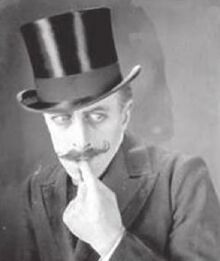
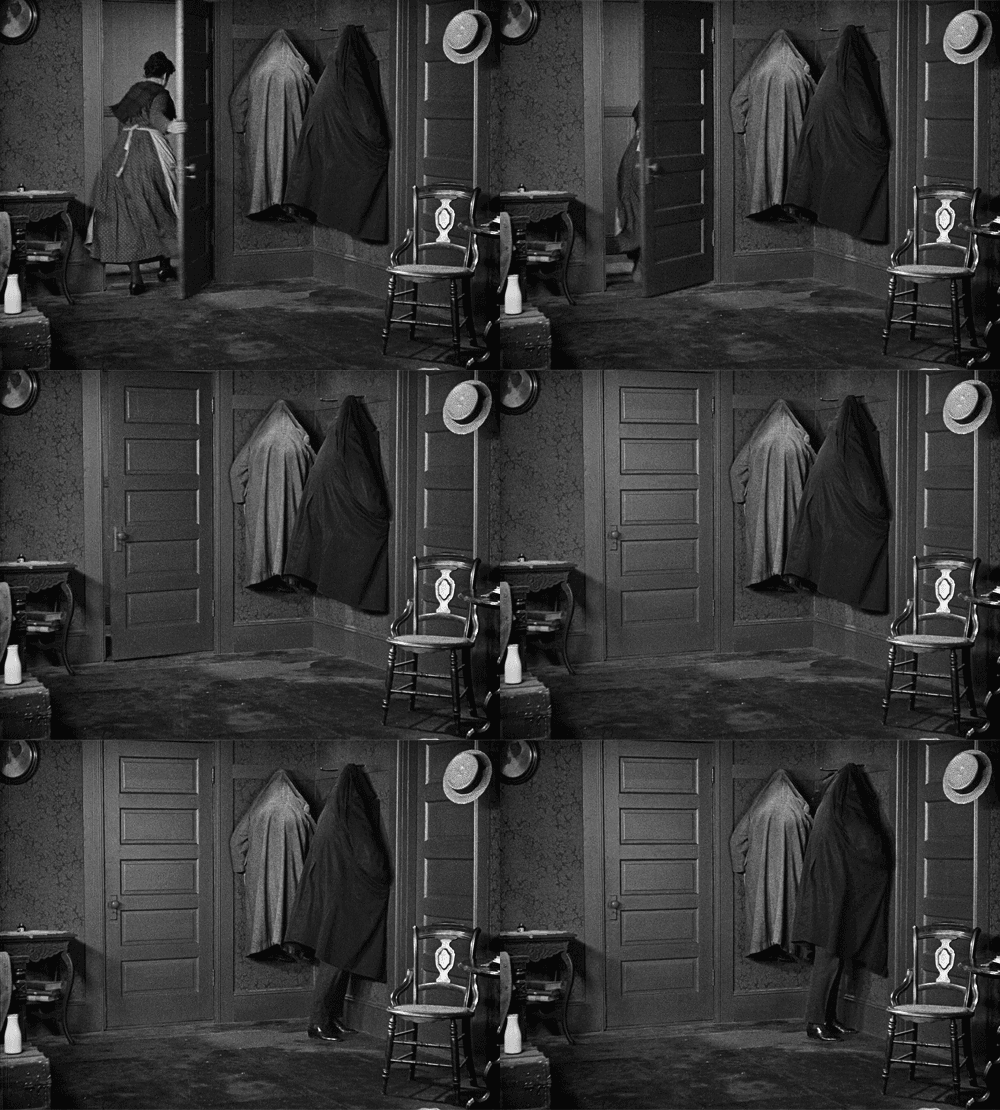
} Crítica Retrô: 1923

Tradutor / Translator / Traductor / Übersetzer / Traduttore / Traducteur / 翻訳者 / переводчик

Showing posts with label 1923. Show all posts

Tuesday, September 28, 2021

Almas à Venda (1923) / Souls for Sale (1923)

Você é real ou… uma miragem?” 

Nenhum dos dois. Sou um ator de cinema.”


Are you real or… a mirage?”

Neither. I’m a movie actor.”


Meu tipo favorito de filme são filmes sobre filmes. Meu filme favorito de todos os tempos é “Nasce uma Estrela” (1937), e um dos meus filmes mudos favoritos é “Fazendo Fita” (1928). Antes de ambos terem sido feitos, já havia outros filmes sobre filmes, entre eles “Almas à Venda”, um filme que prova que Hollywood sempre foi ciente de si e do que representa.

My favorite kind of movies are movies about movies. My all-time favorite film is “A Star is Born” (1937), and one of my favorite silent movies is “Show People” (1928). Before these were made, there were already other movies about movies, among them “Souls for Sale”, a film that proves that Hollywood was always self-conscious.

Uma mulher chamada Remember (Eleanor Boardman) foge de seu novo marido, que simplesmente a deixa com medo. Ela anda sem rumo até desmaiar numa locação de filmagem onde, depois de recuperada, ela se torna figurante. Isso é bem irônico porque o pai dela, um pastor, adora pregar sobre como Hollywood é uma terra de pecados e pecadores.

A woman named Remember (Eleanor Boardman) runs away from her new husband, who simply terrifies her. She wanders until she collapses near a movie location, where, when recovered, she becomes a movie extra. This is quite ironic because Remember’s father, a preacher, loves to preach about how Hollywood is a land for sin and sinners.

Depois desta primeira experiência no cinema, Remember, agora chamada de Mem, vai para Hollywood e trabalha novamente como figurante para alguns diretores famosos como Charles Chaplin e Fred Niblo. Para se tornar estrela de cinema, ela ouviu dizer que precisará vencer sua alma - que na verdade é a única coisa que ela tem para vender. Mas, atenção: ela não pode vender sua alma para o diretor de elenco, o diretor ou o produtor - é o público que compra as almas que os artistas põem à venda!

After this first movie experience, Remember, now called Mem, goes to Hollywood and works again as an extra for some famous directors such as Charles Chaplin and Fred Niblo. To become a star there, she heard she must sell her soul - which is actually the only thing she has to sell. But, attention: she can’t sell her soul to the casting director, the director or the producer - it’s the public who buys the souls the artists are selling!

Depois de trabalhar mais, Mem consegue sua grande chance ao substituir a estrela Robina Teele (Mae Busch) num grande filme sobre o circo. Enquanto isso, seus pais descobrem o que ela anda fazendo em Hollywood e nós descobrimos que o marido dela, Owen Scudder (Lew Cody), é um vigarista que se casa com as mulheres para depois matá-las e ficar com o dinheiro delas. Ele vê Mem num filme e decide ir atrás dela, enquanto os pais dela fazem o mesmo. Tudo isso e um triângulo amoroso entre Mem, o ator Tom Holby (Frank Mayo) e o diretor Frank Claymore (Richard Dix) nos levam a um clímax sensacional.

After more work, Mem gets her big break by replacing the star Robina Teele (Mae Busch) in a prestige picture about the circus. Meanwhile, her parents learn what she’s been doing in Hollywood and we learn that her husband, Owen Scudder (Lew Cody), is a crook who marries women just to kill them and keep their money. He sees Mem in a movie and decides to go after her, while her parents do the same. All this and a love triangle between Mem, the actor Tom Holby (Frank Mayo) and the director Frank Claymore (Richard Dix) lead us to a thrilling climax.

Desde o começo, na era dos nickelodeons, os filmes eram criticados por causa de sua moral corrupta e sua má influência. Projetos de censura foram criados já no começo da era muda do cinema - um filme que zomba da censura é o divertido “Prunning the Movies”, de 1915 - e grupos clamavam por “entretenimento puro”. Além disso, “Almas à Venda” mostra que atores e diretores tinham consciência de que escândalos poderiam prejudicar suas carreiras, como diz Frank Claymore:

Since the beginning, starting in the nickelodeon era, movies were target of criticism because of their corrupted morals and their bad influence. Projects of censorship were created right in the beginning of the silent era - one movie that mocks censorship is the very funny “Prunning the Movies”, from 1915 - and groups pushed for “pure entertainment”. Besides that, “Souls for Sale” shows that actors and directors were well aware of the scandals that might hurt their careers, as Frank Claymore says:

Eu disse que os filmes eram cientes de si desde o começo. O já mencionado “Prunning the Movies” foi feito ainda em Nova York, antes de a maioria da indústria do cinema se mudar para Hollywood. Em “Almas à Venda”, um momento de autorreferência que é um bocado amargo acontece quando Tom Holby recebe uma carta de uma fã que está apaixonada por ele e ele simplesmente diz a um assistente para mandar uma resposta e uma foto autografada para ela. Para a fã, seria um sonho receber uma resposta, mas não terá sido o próprio ator que autografou a foto. É, realmente, um mundo de ilusões.

I’ve said that movies were self-conscious since the beginning. The aforementioned “Pruning the Movies” was made still in New York, before the bulk of the movie industry relocated to Hollywood. In “Souls for Sale”, a moment of self-consciousness that is also a bitter look at the Hollywood truth happens when Tom Holby receives a letter from a fan who is in love with him and he simply asks an assistant to send her an answer and an autographed photo. For the fan, it’d be a dream to receive those, but the movie star himself didn’t sign the photo. It is, indeed, a world of illusion.

Eleanor Boardman tem em “Almas à Venda” seu primeiro papel principal, e ela não precisou vender a alma para isso: ela simplesmente ganhou um concurso da Goldwyn Pictures, o “Novos Rostos de 1921”. Ela fez sua estreia em 1922 e “Almas à Venda” foi apenas seu quarto filme. Em 1926 ela se casou com o diretor King Vidor, com quem ela ficaria até 1931. Eleanor aposentou-se das telas em 1935, após fazer 32 filmes.

Eleanor Boardman has in “Souls for Sale” her first leading role, and she didn’t need to sell her soul for that: she simply won a contest Goldwyn Pictures held, the “New Faces of 1921”. She made her debut in 1922 and “Souls for Sale” was only her fourth picture. In 1926 she married director King Vidor, with whom she would remain until 1931. Eleanor retired from the screen in 1935, after appearing in 32 movies.

Este filme tem várias características interessantes. Primeiro, foi escrito e dirigido pela mesma pessoa, o novelista Rupert Hughes, tio de Howard Hughes. O filme tem como designer de cenários Cedric Gibbons, famoso diretor de arte que começou no cinema em 1913 e estava, em “Almas à Venda”, no comecinho de sua carreira na Goldwyn Pictures, uma carreira que continuaria no ano seguinte quando uma fusão fez da Goldwyn parte da MGM. Gibbons trabalharia em mais de mil filmes, recebendo 39 indicações ao Oscar e ganhando 11 estatuetas.

This film has many interesting characteristics. First, it was written and directed by the same person, author Rupert Hughes, who was Howard Hughes’s uncle. It has as its set designer Cedric Gibbons, famous artistic director who started in films in 1913 and was, in “Souls for Sale”, in the very beginning of his career at Goldwyn Pictures, a career that would continue the following year when a merge made Goldwyn part of MGM. Gibbons would go on to work in over a thousand movies, receiving 39 Oscar nominations and winning 11 awards.

Rupert Hughes

Por muitas décadas, “Almas à Venda” foi considerado um filme perdido, até que cópias incompletas surgiram e uma restauração foi feita em 2006. Eu imagino que ainda haja algo perdido, ou a história secundária de Leva Lemaire (Barbara La Marr), uma atriz que perdeu seu amado em um terrível acidente no set, e Komical Kale (Snitz Edwards), um comediante apaixonado por ela e não correspondido, recebe pouca atenção de propósito, o que seria uma pena.

Souls for Sale” was thought to be lost for many decades, until incomplete copies surfaced and a restoration was made in 2006. I imagine there is still some footage missing, or the secondary story of Leva Lemaire (Barbara La Marr), an actress who lost the man she loved in a terrible on-set accident, and Komical Kale (Snitz Edwards), the comedian who is hopelessly in love with her, receives too little screen time on purpose, which would be a shame.

Almas à Venda” é um dos melhores filmes sobre filmes já feitos. Tem emoções, participações especiais, críticas e verdades amargas. Mais do que isso: a trajetória do filme, de perdido a encontrado e restaurado, nos mostra a importância da preservação do cinema e de nunca perder as esperanças de que filmes perdidos reaparecerão em algum lugar.

Souls for Sale” is one of the best movies about movies ever made. It has thrills, cameos, criticism and bitter truths. More than that: the trajectory of the film, from lost to found and restored, shows us the importance of film preservation and of never losing hope that lost films will reappear somewhere.

This is my contribution to the Silent Movie Day blogathon, hosted by Lea and Crystal at Silent-ology and In the Good Old Days of Classic Hollywood.

Saturday, September 7, 2019

Scaramouche (1923)


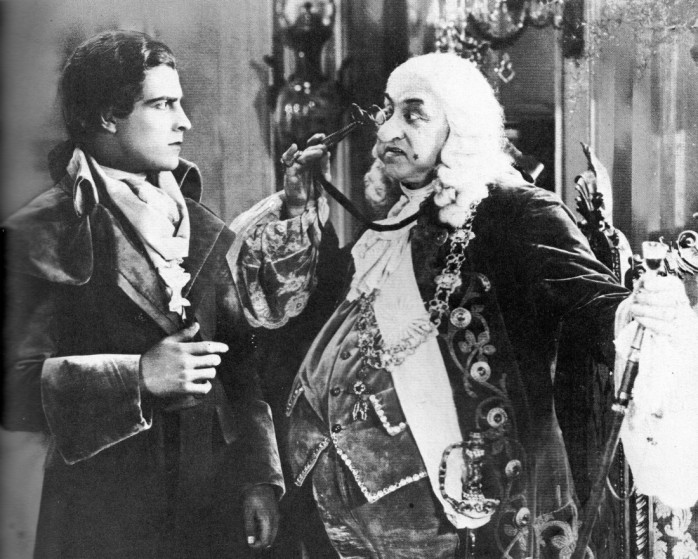
Podia acontecer de tudo durante a Revolução Francesa – e, de fato, todos os tipos de coisas que pareciam impossíveis aconteceram durante a Revolução Francesa. O povo primeiro tomou a Bastilha, depois o Palácio das Tulherias, depois as ruas. O rei e a rainha perderam suas cabeças. Então o terror tomou conta, e a guilhotina trabalhou noite e dia. Enquanto tudo isso acontecia, as pessoas continuaram vivendo e amando, buscando vingança, justiça e procurando pela verdade. Em “Sacaramouche”, uma aventura ambientada durante a Revolução Francesa, nosso herói faz tudo isso que eu descrevi – mais do que muitas pessoas fazem durante a vida toda.

Everything could happen during the French Revolution – and, indeed, all kinds of things that seemed impossible did happen during the French Revolution. The people first took the Bastille, then took the Tuileries, then took the streets. A king and a queen lost their heads.  Then terror took over, and the guillotine worked night and day. While all this was happening, people kept on living and loving, seeking revenge, justice and looking for the truth. In “Scaramouche”, an adventure set during the French Revolution, our hero does all those things I’ve just described – more than many people do in a lifetime.  


No vale de Gavrillac, os melhores amigos André-Louis Moreau (Ramon Novarro) e Philippe de Vilmorin (Otto Matiesen) veem a pobreza, a fome e a morte infligidas no povo por um nobre local, o Marquês de La Tour D’Azyr (Lewis Stone). O eloquente Philippe desafia o Marquês e é morto em uma luta de esgrima. André promete vingança, usando a eloquência como sua arma contra o Marquês.

In the valley of Gavrillac, best friends André-Louis Moreau (Ramon Novarro) and Philippe de Vilmorin (Otto Matiesen) see the poverty, starvation and death that are inflicted upon the locals by a nearby nobleman, the Marquis de La Tour D’Azyr (Lewis Stone). The eloquent Philippe defies the Marquis and is killed in a sword fight. André vows to seek revenge, using eloquence as his weapon against the Marquis.


O padrinho de André, Quintin de Kercadiou (Lloyd Ingraham), tenta dissuadi-lo da busca por justiça contra o Marquês – na verdade, Quintin espera que o Marquês se case com sua filha, Aline (Alice Terry). Agora tudo ficou ainda mais pessoal para André, pois ele também está apaixonado por Aline.

André's godfather, Quintin de Kercadiou (Lloyd Ingraham), tries to dissuade him from seeking justice against the Marquis – in fact, Quintin hopes that the Marquis marries his daughter, Aline (Alice Terry). Now things get even more personal to André, as he, too, is in love with Aline.


A Revolução Francesa está acontecendo, e tudo está mudando muito rápido. André carrega consigo a cópia da Declaração dos Direitos do Homem e do Cidadão que Philippe levava sempre. André nunca perde uma oportunidade de fazer um discurso sobre a Declaração e sobre como a nobreza não pode mais oprimir o povo.

The French Revolution is underway, and things are changing fast. André carries with him the copy of the Declaration of the Rights of the Man and of the Citizen that Philippe used to carry. André never wastes an opportunity to make a speech about this Declaration and how the nobility can no longer oppress the people.


Agora perseguido pelos soldados do rei, André se junta a um grupo de artistas itinerantes como dramaturgo, depois de mostrar a todos sua eloquência e sabedoria. Agora chamado simplesmente de Monsieur X, André está com o grupo há um ano quando ele termina de escrever a ousada peça “Figaro – Scaramouche”. A peça estreia em um enorme teatro de Paris, e o próprio André interpreta Scaramouche, mas seu rosto é ocultado por uma máscara com um longo nariz.

Now being persecuted by the King's soldiers, André joins a group of travelling artists as a playwright, after he shows all his eloquence and wit. Now called simply Monsieur X, André has been with the group for a year when he finishes writing the daring play “Figaro – Scaramouche”. The play premieres in a huge theater in Paris, and André himself plays Scaramouche, but his face is hidden from the public by a mask with a long nose.


Tanto Aline quanto o Marquês de La Tour estão na estreia da peça, mas apenas Aline reconhece André. Acreditando que os dois estão juntos, André decide se casar com a atriz Climène (Edith Allen)... mas ela também é seduzida pelo Marquês! Mais sofrimento para André.

Both Aline and the Marquis de La Tour attend the premiere of the play, but only Aline recognizes André. Believing they are together, André decides to marry a fellow actress, Climène (Edith Allen)... but she is seduced by the Marquis as well! Heartache follows.


Mas e a Revolução Francesa? Agora a Assembleia Nacional está reunida, e a nobreza desesperada pode apenas usar sua habilidade com a espada para desafiar deputados do povo. Por isso, Danton (George Siegman) convida André – não mais artista, mas agora assistente de um professor de esgrima – para fazer parte da Assembleia. Então, haverá lutas de espada, reviravoltas na trama e um monte de pessoas nas ruas de Paris, incluindo esta mulher muito exaltada:

But the French Revolution was underway, wasn't it? Now the National Assembly is reunited, and the desperate nobility can only use their ability with the sword to fight deputies who speak for freedom. So, Danton (George Siegman) invites André – no longer an artist, but a fencing teaching assistant – to take part in the Assembly. Then, there will be sword fights, plot twists and a lot of fed up people on the streets of Paris, including this overly excited woman:
 
GIF via Movies, Silently
Feito pela Metro Pictures um ano antes da fusão que a transformou em MGM, “Scaramouche” é baseado num livro de 1921 escrito por Rafael Sabatini. O diretor Rex Ingram escolheu seus colaboradores frequentes Novarro, Stone e Alice Terry para os três papéis principais – e é interessante ver Lewis Stone como vilão, considerando que anos depois ele interpretaria o afável Juiz Hardy, pai de Andy Hardy em uma série de filmes.

Made by Metro Pictures one year before it merged to become MGM, “Scaramouche” is based on a 1921 novel written by Rafael Sabatini. Director Rex Ingram chose his usual collaborators Novarro, Stone and Alice Terry for the three main roles – and it’s interesting to see Lewis Stone as a villain, considering that years later he would play the affable Judge Hardy, Andy Hardy’s father in a series of movies.


Ramon Novarro, embora tenha seus olhos brilhantes capturados pela câmera de Ingram, infelizmente não está tão bonito como estaria dois anos depois em “Ben-Hur” (1925). Alice Terry, por outro lado, não tem uma personagem com muitas camadas para interpretar, mas está charmosa em todos os seus momentos em cena.

Ramon Novarro, although with glowing eyes captured by Ingram’s camera, unfortunately, is not as handsome here as he would be two years later in “Ben-Hur” (1925). Alice Terry, on the other hand, doesn’t have a character with many layers to play, but is charming every time she’s on screen.


“Scaramouche” é um filme com muitas cartelas de texto, o que é compreensível: uma história tão complexa não poderia ser contada com poucas cartelas. A história é tão complexa e cheia de reviravoltas que em alguns momentos ela se torna enfadonha – e todos sabemos que filmes mudos NÃO são chatos, tomando como exemplo o conto pacifista de 1919 “Eu Acuso!”. Como bônus, o filme é muito fiel ao livro, ao contrário do remake colorido de 1952.

“Scaramouche” is a film with lots of intertitles, which is understandable: such a complex story couldn't be told with only a few title cards. The tale is so complex and so full of twists that sometimes the film gets a bit boring – and we all know that silent films are NOT boring, take for instance the 1919 pacifistic tale “J’Accuse!”. As a bonus point, the film is very faithful to the novel, unlike the 1952 color remake.


Assim como em todos os dramas históricos, “Scaramouche” também tem muitos cenários lindamente decorados e incríveis figurinos, cabelos e maquiagens – detalhe: todo mundo tem uma pinta no rosto, algumas delas desenhadas em forma de coração ou estrela! Mas o destaque é para a reconstituição perfeita da Assembleia Nacional.

As it happens to most historical films, “Scaramouche” also has many beautifully decorated sets and amazing costumes, hair and make-up – detail: everybody has a beauty mark, some of them are drawn as hearts or stars! But the highlight is the perfect reconstitution of the National Assembly.


Com poucas lutas de espada emocionantes e alguns momentos chocantes – uma participação histórica especial te surpreenderá – “Scaramouche” é um filme que mostra como o cinema mudo podia ser visualmente belo. Na época, eles não precisavam de diálogos, eles tinham rostos – e cenários e figurinos para impressionar qualquer um.

With few exciting sword fights and a few shocks – one historical cameo will surprise you – “Scaramouche” is a film that shows how visually beautiful silent films can be. At the time, they didn’t need dialogue, they had faces – and sets, and costumes to amaze anyone.

This is my contribution to the Costume Drama blogathon, hosted by Debbie at Moon in Gemini.


Saturday, February 9, 2019

O Hitchcock que você nunca viu: projetos jamais terminados pelo mestre na era muda


The (silent) Hitchcock you have never seen: unfinished projects by a budding master


Uma das experiências mais dolorosas para um cinéfilo é pensar no que poderia ter sido – nas carreiras que poderiam ter sido brilhantes se não tivessem sido interrompidas prematuramente, nas parcerias que agora podem só existir nos nossos sonhos, e nos filmes nunca feitos. Vou falar da última categoria hoje.

One of the most painful experiences of a film lover is thinking about what could have been – careers that could have bloomed if they weren’t cut short, partnerships that can now happen only in our dreams, and films never made. I’m talking about this last category today.


Todos nós sabemos que Alfred Hitchcock deixou alguns projetos inacabados durante a carreira, e os mais conhecidos são o confuso Flamingo Feather e o conto de fadas Mary Rose. Entretanto, ele estava acostumado a ter de desistir de seus planos. Eu escrevi o capítulo de um livro sobre Hitchcock no cinema mudo, ou melhor, os filmes em que Hitchcock trabalhou antes de se tornar diretor, entre 1921 e 1925, e descobri dois projetos inacabados dessa fase inicial:

We all know Alfred Hitchcock left a few unfinished projects in his career, and the two better known are the confusing Flamingo Feather and the fairy tale Mary Rose. However, he was used to have to drop his plans. I wrote a book chapter about silent Hitchcock, or better, the films Hitchcock worked in before he became a director, between 1921 to 1925, and I found out two unmade projects from this earlier phase:


Good Night Nurse! - roteiro inacabado de comédia

Good Night Nurse é um manuscrito de oito páginas escrito por Hitchcock entre 1922 e 1923. Ele está disponível na íntegra no site The Alfred Hitchcock Wiki.

Good Night Nurse! – unfinished comedy screenplay

Good Night Nurse is an eight-page screenplay written by Hitchcock between 1922 and 1923. It can be found in full at the site The Alfred Hitchcock Wiki.


Na véspera do seu casamento com a temperamental Juanita Ruiz, Felix Dayton tenta escapar e acaba em uma confusão, fugindo em um carro com uma mulher que está prestes a se casar. Felix se livra da mulher, mas Juanita cancela o casamento e ameaça processá-lo. Dias depois, Felix descobre que seu tio está doente e vai visitá-lo. Lá ele descobre que a enfermeira que cuida do tio é Mary, a moça com quem ele se envolveu na confusão naquele dia, e ela, tendo desistido também do casamento, agora está noiva do primo de Felix, Egbert. Felix decide desmascarar Egbert e ser o único herdeiro do tio, por isso junta Egbert e Juanita, que se casam. Satisfeito com a união, o tio apadrinha Egbert, torna-o seu único herdeiro e Felix ainda descobre que a enfermeira Mary está para se casar com o tio.

The day before his wedding with the moody Juanita Ruiz, Felix Dayton tries to escape and ends up in a mess, running away in a car with a woman who is also about to get married. Felix gets rid of the woman, but Juanita calls the wedding off and threatens to sue Felix. Some days later, Felix finds out that his uncle is sick and goes visit him. There he meets Mary, his uncle’s nurse AND the girl who was involved in the confusion the other day. She called off her own wedding and now she is engaged to Felix’s cousin, Egbert. Felix decides to reveal Egbert’s intentions of having the uncle’s fortune for himself – in fact, Felix is the one who wants to have the fortune. So, Felix serves as a matchmaker for Egbert and Juanita, who then get married. The uncle gets so happy with the wedding that he makes Egbert his only heir. To complete his misery, Felix finds out that Mary the nurse is about to get married to his uncle.


Vemos que a história de Hitchcock foi influenciada pelos roteiros da Famous Players-Lasky, – estúdio pré-Paramount que foi o primeiro empregador de Hitchcock – que eram bastante complexos e cheios de reviravoltas. A diferença era que a ideia de Hitchcock não era melodramática, mas sim extremamente cômica e com final surpreendente.

We can see that Hitchcock’s screenplay was influenced by the screenplays at Famous Players-Lasky – the pre-Paramount studio that was his first employer – because they all were very complex and full of plot twists. The only difference was that Hitchcock’s idea wasn’t for a melodrama, like the majority of Famous Players-Lasky productions, but for a comedy with a surprising ending.


Number 13, 1922 – Hitchock como produtor e diretor

Também intitulado Mr Peabody, este filme provavelmente começou a ser produzido logo após o fechamento da filial da Famous Players-Lasky na Inglaterra. Do velho estúdio, ficaram ao lado de Hitchcock para o novo projeto: o câmera Joe Rosenthal Jr e a atriz Clare Greet, coadjuvante em “Três Fantasmas Vivos”. Também estava envolvida no projeto como roteirista Elsie Codd, que já havia trabalhado na divulgação de filmes de Charles Chaplin em Hollywood.

Number 13, 1922 – Hitchcock as producer and director

Also referred to by the title Mr Peabody, the production for this film probably started right after Famous Players-Lasky closed its doors in England. Some people from the old studio remained next to Hitchcock in this new project: cameraman Joe Rosenthal Jr and actress Clare Greet, who had a supporting role in the lost “Three Live Ghosts”. Another person involved in the production was screenwriter Elsie Codd, who had already worked in the advertising of Charles Chaplin films in Hollywood.
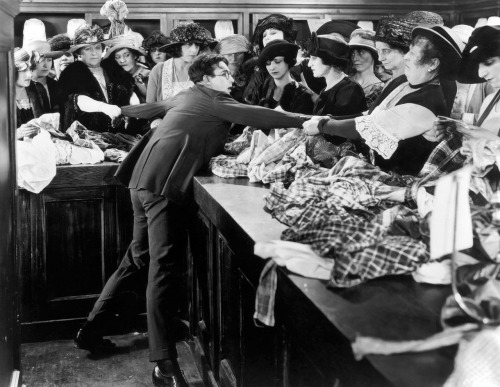
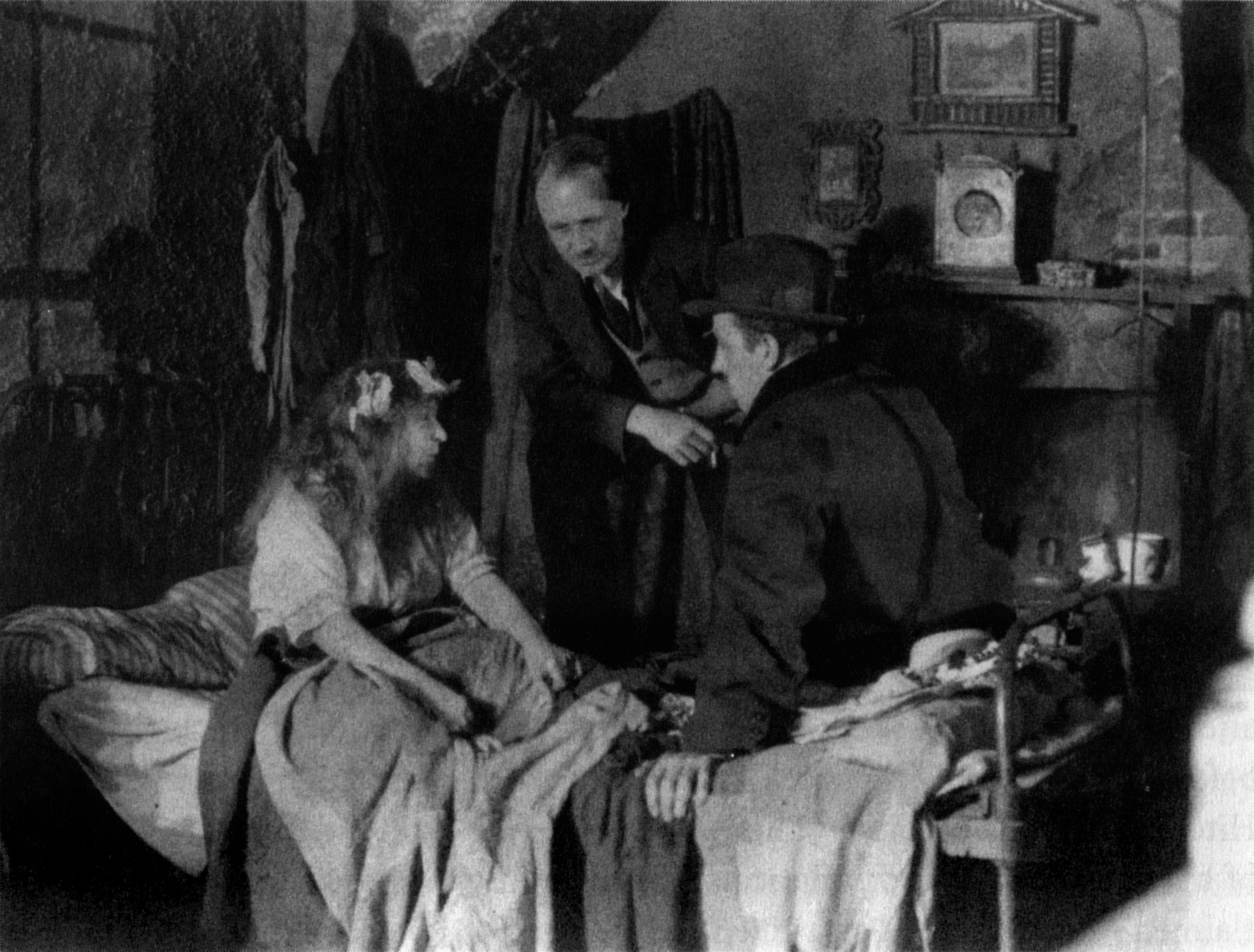
Imagem de "Number 13" / Actual footage from "Number 13"
O projeto, um curta-metragem, teve aporte financeiro de um tio de Hitchcock, chamado John, e também de Clare Greet, que teria um papel de destaque. De fato, em 1930 Hitchcock revelou parte do enredo em uma entrevista:

The project, a short film, was financed by Hitchcock’s uncle John and also by actress Clare Greet, who would have the leading role. Actually, in 1930, Hitchcock revealed part of the plot in an interview:

Possible photo of the set of "Number 13"
“Clare Greet e Ernest Thesiger interpretavam os protagonistas. A trama consistia do sonho de uma faxineira que, tendo comprado um bilhete de loteria, começava a sonhar com a riqueza. Todos os seus amigos eram convidados de honra em sua mansão – com um homem que havia sido particularmente bom para ela usando uma coroa o tempo todo – e todos os seus inimigos haviam se tornado seus empregados.”

“Clare Greet and Ernest Thesiger played the leads. The plot was about a maid’s dream – she had bought a lottery ticket and started dreaming with being rich. All her friends were guests of honor in her mansion – a man who was particularly good to her had the honor to use a crown the whole time – and all her enemies had became her employees.” – Note: here I’m paraphrasing Hitchcock’s words.

Possible still from "Number 13"
Mais tarde, Hitchcock diria que o grande defeito de “Number 13” foi “ter sido filmado como uma comédia quando na verdade deveria ter sido uma farsa”. Hitchcock abandonou a produção por motivos financeiros, e a partir de então passou a concentrar grandes esforços na pré-produção de seus filmes, atentando para os gastos que estavam por vir.

Later, Hitchcock would say that the problem with “Number 13” was that it was filmed as a comedy, but it should have been a farce. Hitchcock abandoned the production due to financial reasons, and from then on he put more attention to pre-production in his projects, planning all expenses beforehand.

Possible still from "Number 13"
O filme chegou a ser reconsiderado para exibição em 1925, quando Hitchcock já trabalhava no estúdio Gainsborough, mas a necessidade de filmar novo material impossibilitou o projeto. Apesar de “Number 13” não ter sido concluído, Hitchcock continuou a pareceria com Clare Greet, que fez pequenos papéis em seis filmes do diretor até falecer em 1939.

The film was considered to be exhibited in 1925, when Hitchcock was already working for another Studio, Gainsborough, but it was also necessary to shoot new scenes, which made the whole plan impossible. Even though “Number 13” was never finished, Hitchcock continued his partnership with Clare Greet, who appeared in small roles in his films up until her death, in 1939.

Possible still from "Number 13"
Conhecer estes projetos e o que poderia ter sido se fossem desenvolvidos é algo doloroso para nós, mas o fracasso não incomodou tanto Hitchcock. Em entrevistas anos depois, ele disse que “Number 13” foi “uma experiência bem punitiva – mas purificadora”. Ele certamente aprendeu com este fracasso, e provavelmente não teríamos o Hitchcock que conhecemos e admiramos se estes projetos tivessem sido desenvolvidos.

Knowing about what these projects could have been is painful for us, but the failure in itself wasn’t a hard blow on Hitchcock. In later interviews, he called “Number 13” a “rather chastening experience”. He certainly learned with this failure, and we probably wouldn’t have the Hitchcock we know and admire today without these early unmade projects.

This is my contribution to the Third Annual Alfred Hitchcock blogathon, hosted by Maddy at Maddy Loves Her Classic Movies.


Wednesday, January 23, 2013

O Homem-Mosca / Safety Last! (1923)

Por maior que seja o número de filmes que um cinéfilo veja, sempre haverá algo por descobrir. No meu caso, uma das lacunas que faltavam é referente à obra do grande comediante do cinema mudo Harold Lloyd. Para descobri-lo, precisei do incentivo de Kate do Tumblr TheFilmWriter, uma grande fã do cinema silencioso, e também da Laura do blog Laura’s MiscellaneousMusings, que fez uma lista de 10 clássicos que ela verá pela primeira vez em 2013. “Safety Last!” é o primeiro da lista, e ela incentivou outros blogueiros a acompanhá-la nessa descoberta e depois escreverem o que acharam dessa empreitada.

No matter how many films a cinephile has seen, there is always something missing. In my case, what was missing was diving into Harold Lloyd’s body of work. To discover him, I needed the help from Kate at TheFilmWriter Tumblr, a great silent film fan, and also from Laura at the blog Laura’s Miscellaneous Musings, who made a list of 10 classics to see for the first time in 2013. “Safety Last!” is the first one in the list, and she has called other bloggers to go with her on this discovery journey and write down their thoughts.
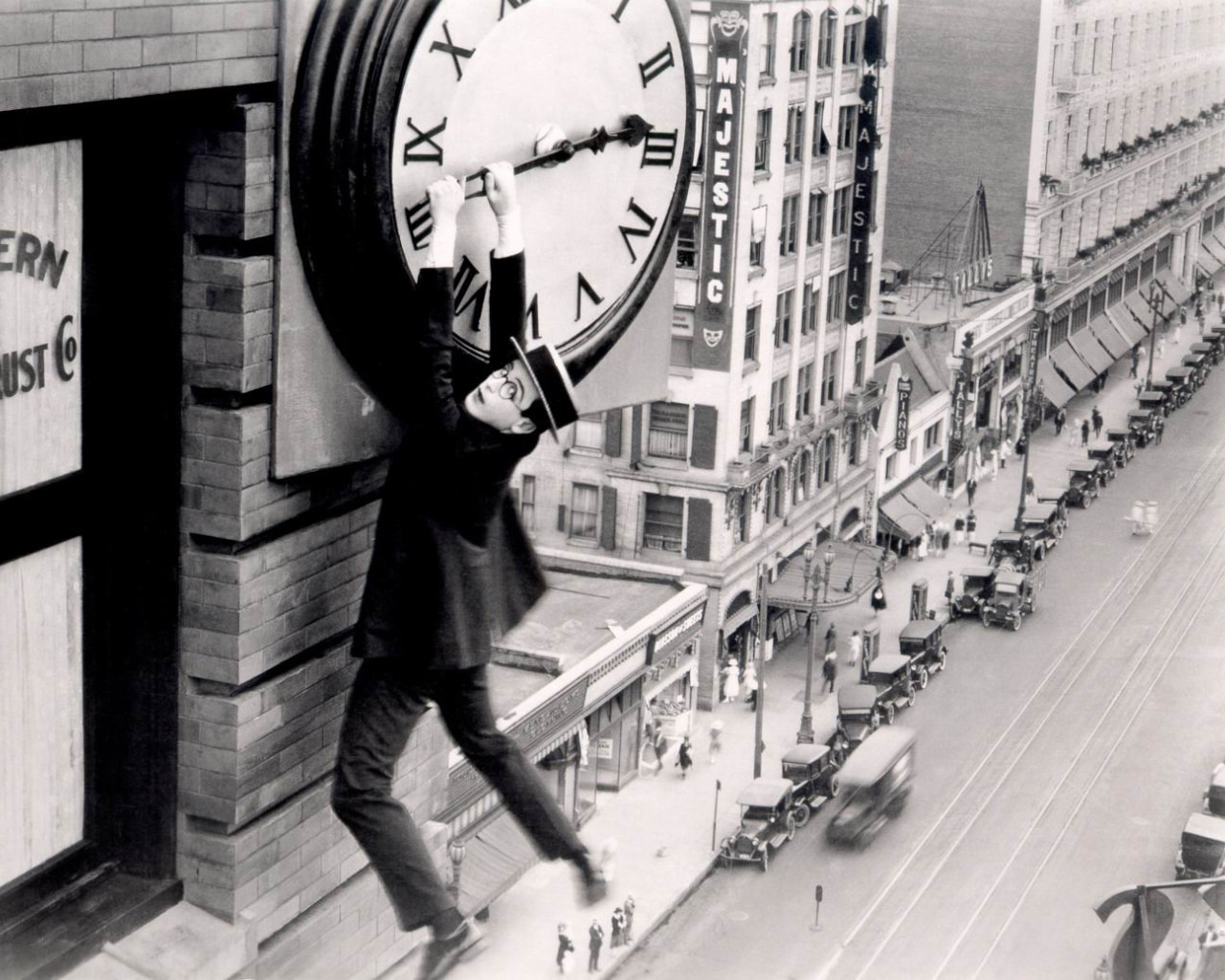
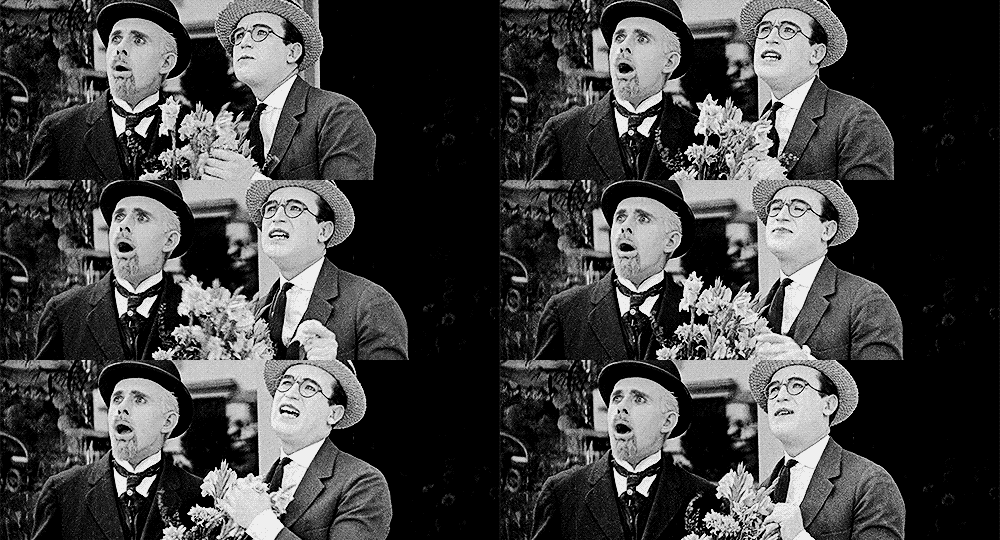
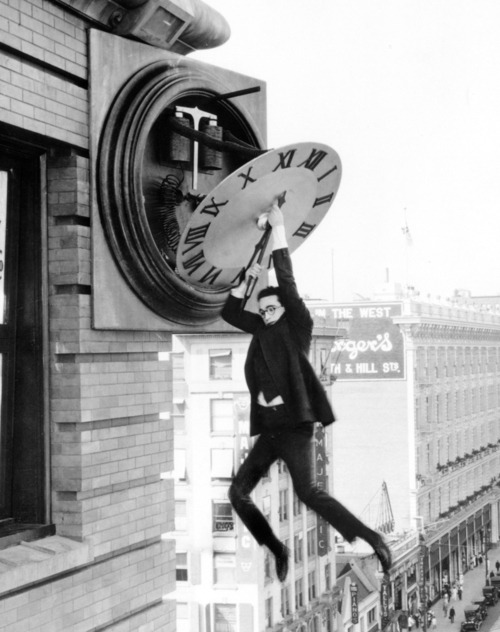
Ah, se você ficou curioso ao ver “A invenção de Hugo Cabret” e quer saber por que aquele homem de chapéu estava pendurado em um relógio no filme que Hugo e Isabelle viam, aqui está a resposta.

Oh, and if you were curious when you saw “Hugo” and wants to know why that man was hanging from a clock in the movie Hugo and Isabelle were watching, here we have the answer.
De Harold Llloyd, tinha assistido apenas ao curta “Just Neighbors”, de 1919, que também tem no elenco Bebe Daniels. Por essa pequena experiência já pude perceber como Harold é inventivo e tem o dom de fazer rir.

From Harold Lloyd, I had only wacthed the short film “Just Neighbors”(1919), that also stars Bebe Daniels. Only with this short film I already could see that Harold in an inventive man who knows how to make us laugh.

Um garoto (Harold) vai para a cidade grande em busca de uma vida melhor e também de dinheiro suficiente para se casar com sua namorada (Mildred Davis). Desde o começo temos surpresas, pois a maneira como a estação de trem é filmada, junto com o texto dos intertítulos, nos dá a impressão de que o personagem está preso e pronto para ser enforcado. Cena muito semelhante abre o curta “O Enrascado”, feito um ano antes e estrelado por Buster Keaton. Em menos de vinte minutos de filme, Keaton tenta transportar uma mobília logo depois de ser dispensado pela filha do prefeito, e acaba virando alvo de uma perseguição. Nada muito criativo, ao contrário do filme de Lloyd.

A boy (Harold) goes to the big city to pursue a better life, and earn enough Money to marry his girlfriend (Mildred Davis). Since the beginning we have surprises, because the way the train station is filmed (plus the intertitles) makes us believe that the main character will be executed by hanging. A very similar scene opens the short film “Cops”, shot one year before and starred by Buster Keaton. In less than 20 minutes, Keaton tries to move furniture right after being dumped by the mayor’s daughter, and he is chased by cops. It’s not very creative, and the opposite of Lloyd’s movie.
O único trabalho que o garoto consegue é o de vendedor de tecidos em uma loja de departamento, ocupação cansativa e até perigosa, em especial nos dias de liquidação. No entanto, ele escreve para sua garota dizendo que está muito bem e ganhando muito dinheiro. Isso a incentiva a fazer-lhe uma visita surpresa. Tendo de se passar por gerente, ele enfrenta vários problemas, sempre arquitetando as mais criativas saídas. Quando ouve seu chefe dizer que daria mil dólares para quem tivesse uma ideia para atrair mais compradores para a loja, o garoto encontra sua grande oportunidade.

The only job the boy gets is as a clothes salesman in a department store, a tiring and sometimes dangerous occupation, especially when the store has big sales. However, he writes to his girl that he is doing fine and making a lot of money. This gives her the idea to surprise Harold at his job. He has to pretend he is the manager and face several problems, always imagining the most creative solutions for them. When he hears that his boss will give a thousand dollars to anyone who has an idea to attract customers, the boy sees his big opportunity.
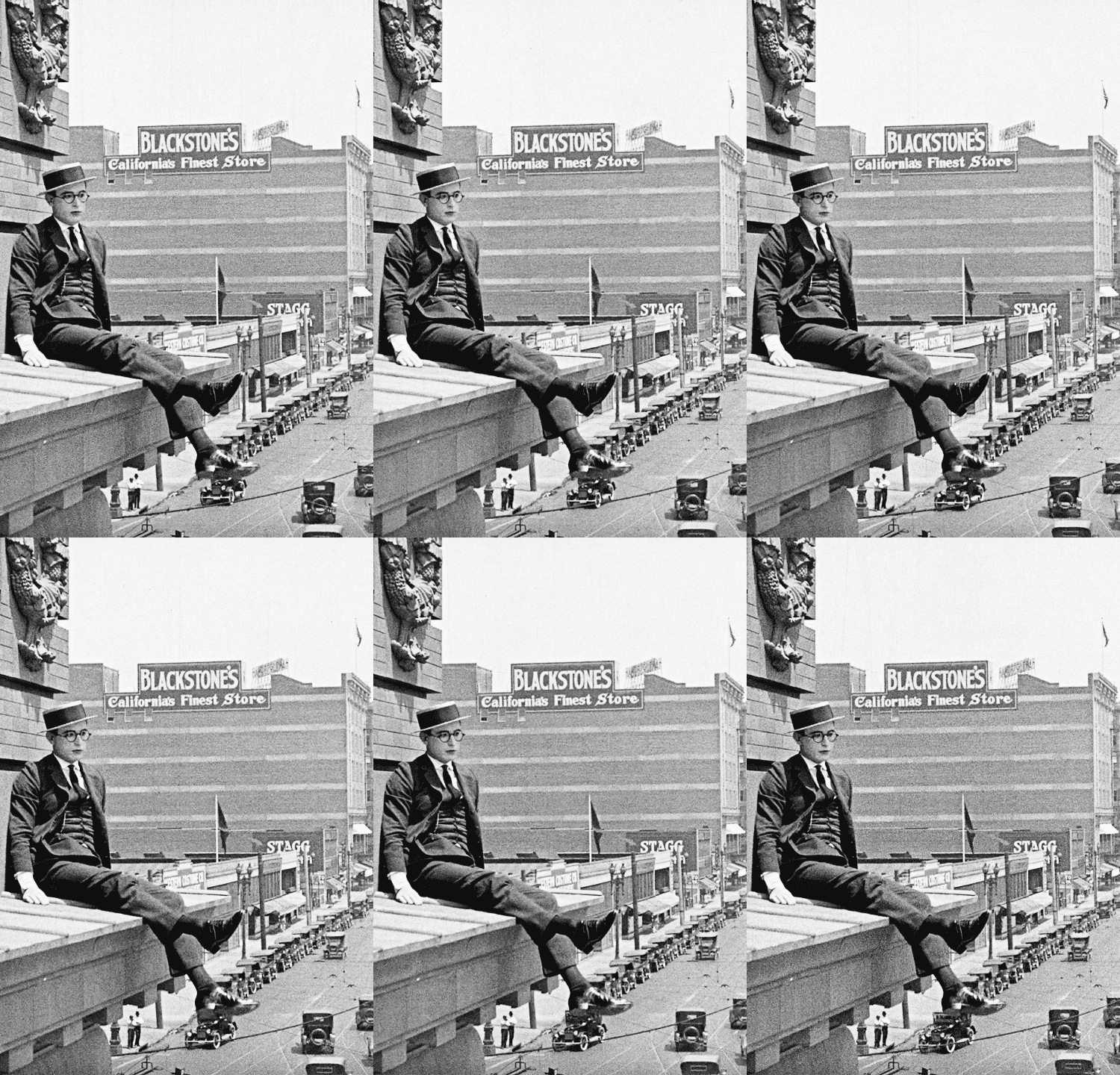
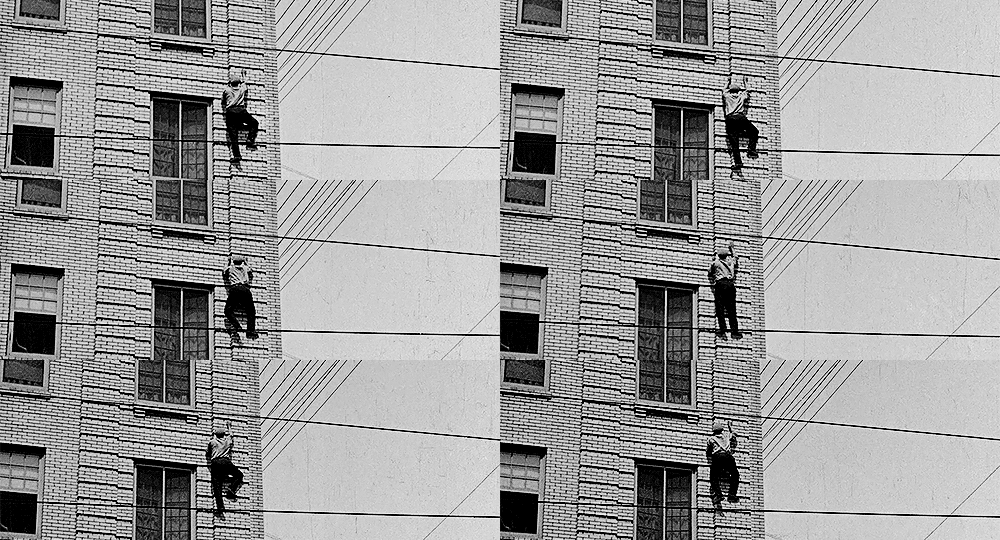
A ideia é justamente escalar o prédio da loja sem nenhum equipamento de segurança, atraindo uma grande multidão de curiosos. Quem faria essa proeza seria o colega de quarto do garoto (Bill Strother), pois a ideia veio exatamente de uma escalada similar, em que o amigo literalmente subiu pelas paredes para fugir de um policial. Lloyd também teve a ideia não somente para a escalada, mas para todo o filme, ao ver Bill fazer tal ato enquanto dublê. Harold ficou escondido, com medo de que Strother caísse, mas ao vê-lo são e salvo, logo lhe propôs a parceria para o filme.

The Idea is to have someone climbing the store’s building without any safety equipment, attracting a crowd of curious people. Who would do this trick would be the boy’s roommate (Bill Strother), because the idea came from a similar climbing trick, when the friend climbed walls to escape the police. Lloyd also was inspired not only for the climbing, but to do the whole movie, when he saw Bill doing the trick as a double. Harold stayed far away, fearing that Strother would fall, but when he saw the double safe from the climbing, Harold told him the idea for the film.
Ora, se Harold fica pendurado no relógio é porque ele escalou o prédio! Na verdade, o policial volta a perseguir o amigo, restando a Lloyd a tarefa de cumprir com a promessa e atrair o público. Por muito tempo se especulou como a escalada foi filmada e muitos acreditaram que de fato Harold Lloyd desafiou a morte em frente às câmeras. Só depois de seu falecimento que os truques foram revelados: embora o ator tivesse feito ele mesmo a maior parte das cenas, em alguns momentos ele contou com a ajuda de um dublê, como quando o personagem fica sacudindo a perna para um rato sair de sua calça.

Well, if Harold ends up hanging from the clock, the reason is that he was the one who climbed the building! What happens is that a policeman once agains chases Strother, and Lloyd has to do the trick and attract the public. For a long time it was speculated how exactly the climbing was filmed, and many people believed that Harold Lloyd really defied death in front of the cameras. Only after his passing the truth was told: although Harold had done himself most of the scenes, in a few moments he had a double, like when his character shakes his leg to get rid of a mouse that entered his pants.
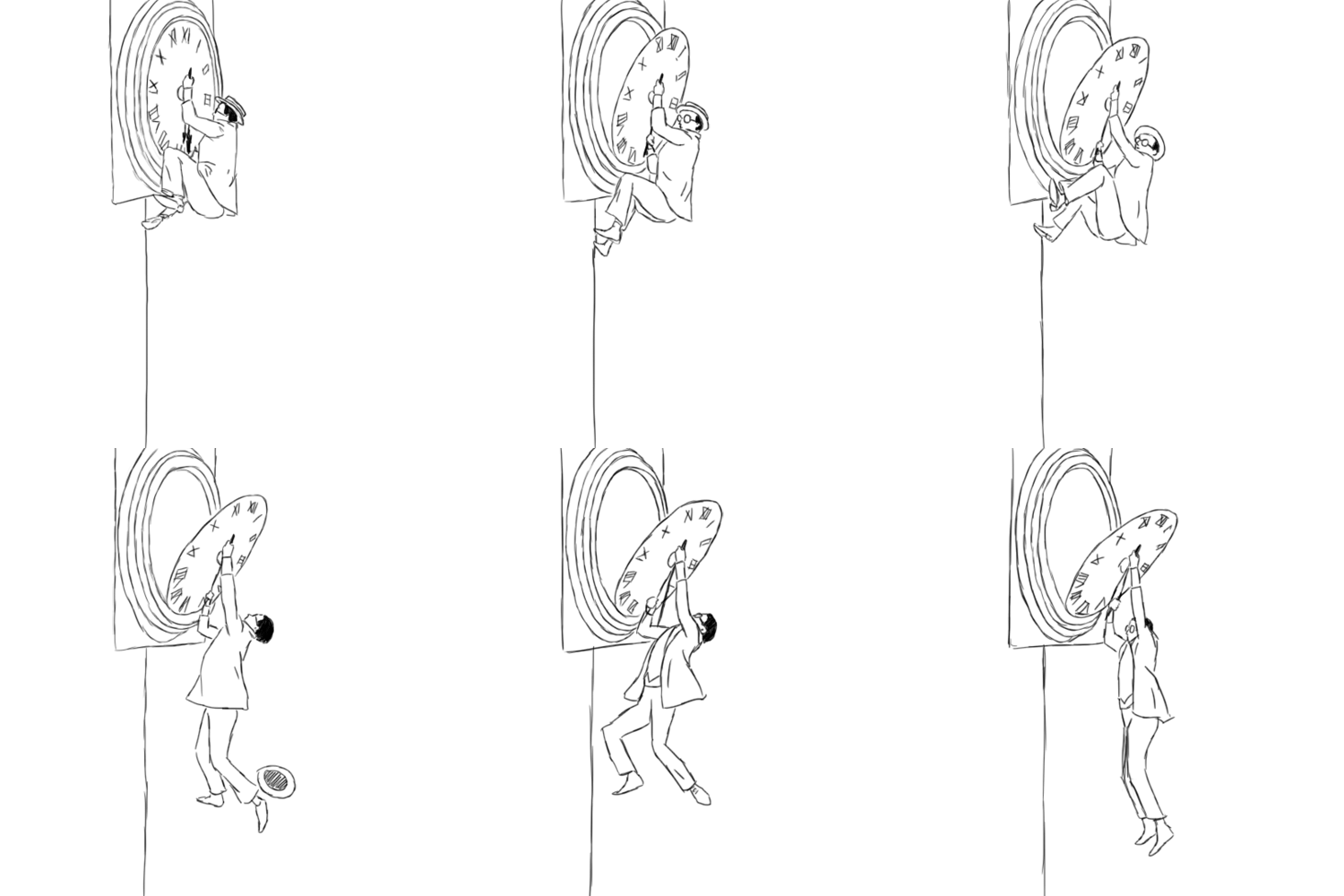
Para a famosa cena do relógio, tudo foi filmado com ângulos sensacionais que davam a impressão de altura. Mesmo sem grande perigo, Harold testou a resistência dos ponteiros com um boneco que se estatelou no chão. O próprio astro se dependurou, após os devidos acertos, e segurou os ponteiros com apenas oito dedos: em 1919, um acidente com uma bomba que deveria ser cenográfica decepou os dedos polegar e indicador da mão direita do ator e ele passou a usar luvas que dessem a impressão de uma mão perfeita nas telas. 

For the famous clock scene, everything was filmed with camera angles that faked height. Even without danger, Harold tested if the pointers could stand the weight of a doll. Guess what? They couldn’t. Harold himself was hanging from the clock, after changes were made, and holding them with only eight fingers: in 1919, an accident with a supposed cenographic bomb cut off two fingers from his right hand. From then on he had to wear gloves to disguise the effects of the accident.
O título se justifica pela sequência final. Embora o termo “homem-mosca” exista em outras línguas e possa ser traduzido como “human fly “para o inglês, significando alguém com a habilidade de escalar paredes, eu acredito que seria bem melhor o termo “homem-lagartixa”, réptil habilidoso que, além de subir pelas paredes, tem a capacidade de assustar minha avó. Saindo dessa reflexão, preciso ressaltar que Mildred Davis, estrela feminina do filme, casou-se com Lloyd ainda em 1923, abandonando o cinema e ficando ao lado do ator até que a morte os separasse, em 1969. Eles tiveram um casal de filhos e adotaram mais uma menina.

The title is justified by the final sequence. In Portuguese the film is called “the human fly” because of Harold’s ability to climb the walls, but I believe he could also be called “the human lizard” and the effect would be the same. Forgeting this, I’ve got to point out that Mildred Davis, the leading lady in this film, married Lloyd in 1923, left the movie business and lived with him until death did them apart, in 1969. They had two children, a boy and a girl, and adopted another girl.
E o que tudo isso, mostrado em apenas uma hora e treze minutos de filme representaram para alguém que vê um longa-metragem de Harold Lloyd pela primeira vez? Só posso dizer que, embora a escalada seja o clímax, todo o caminho construído para chegar lá é muito feliz, cheio de excelentes momentos cômicos para fazer qualquer um gargalhar. O que mais posso dizer? Três vivas para Harold Lloyd!   


All this was shown in only on hour and thirteen minutes. What did this represent to someone who sees a Harold Lloyd feature film for the first time? I can only say that, even though the climbing is the climax, all the way to arrive there is very good, full of wonderful comic moments to make anyone laugh. What else can I say? Hooray for Harold Lloyd!

“O Homem-Mosca” está disponível no YouTube. 

"Safety Last!" is available on YouTube.
Related Posts Plugin for WordPress, Blogger...