} Crítica Retrô: 1964

Tradutor / Translator / Traductor / Übersetzer / Traduttore / Traducteur / 翻訳者 / переводчик

Showing posts with label 1964. Show all posts

Saturday, August 29, 2026

O Rolls-Royce Amarelo (1964) / The Yellow Rolls-Royce (1964)


ESTA CRÍTICA TEM SPOILERS 

THIS ARTICLE HAS SPOILERS 

Quem só assiste a filmes clássicos geralmente diz que não se fazem filmes como antigamente. Eu discordo, mas algumas coisas são de fato diferentes. Por exemplo: não temos mais tantos filmes cheios de estrelas como já tivemos. Filmes como “O Rolls-Royce Amarelo”, de 1964, no qual cada nome que aparece nos créditos nos surpreende e nos deixa intrigados sobre possíveis interações entre essas estrelas das telas - estrelas que com certeza não são como antigamente!

Those who only watch classic movies usually say that we don’t make movies like in the past. I disagree, but some things are indeed different. For example: we don’t have so many all-star movies like we did. Movies like “The Yellow Rolls-Royce”, from 1964, in which each name appearing in the credits makes us gasp and become intrigued about possible interactions between stars of the screen - those are stars that we certainly don’t have today!


Charles (Rex Harrison) compra um Rolls-Royce amarelo de presente para sua esposa Eloise (Jeanne Moreau) na ocasião de seu décimo aniversário de casamento. Infelizmente Eloise está tendo um caso com um homem mais jovem e decide se encontrar com o amante dentro do Rolls-Royce amarelo enquanto o marido está ocupado assistindo a uma corrida de cavalos. Charles, entretanto, é informado do que está acontecendo e pega os dois amantes dentro do carro. Sem a possibilidade de divórcio, ele e Eloise precisam superar o episódio, mas Charles é categórico: o Rolls-Royce amarelo precisa ser devolvido para o vendedor.

Charles (Rex Harrison) buys a yellow Rolls-Royce as a gift to his wife Eloise (Jeanne Moreau) on behalf of their 10th anniversary. Too bad Eloise is having an affair with a younger man and decides to have a rendez-vous with her lover inside the yellow Rolls-Royce while her husband is busy watching a horse race. Charles, however, is informed of what is happening and catches the two lovers inside the car. Without the possibility of divorce, he and Eloise must get over this episode, but Charles is adamant: the yellow Rolls-Royce has to be returned to the seller.

Em Gênova, Itália, o Rolls-Royce é comprado pelo Signore Paolo Maltese (George C. Scott) como presente para sua namorada Mae Jenkins (Shirley MacLaine). Eles vão para Pisa, mas ela não gosta dos monumentos, e lá conhecem o fotógrafo Stefano (Alain Delon), que seduz Mae. Eles consumam o amor dentro do Rolls-Royce - mas também não têm um final feliz.

In Genoa, Italy, the Rolls-Royce is bought by Signore Paolo Maltese (George C. Scott) as a gift to his girl Mae Jenkins (Shirley MacLaine). They go to Pisa, but she dislikes the monuments, and there they meet the photographer Stefano (Alain Delon), who seduces Mae. They consummate their love inside the Rolls-Royce - but theirs is not a happy ending.


Trieste, 1941. Um Rolls-Royce vintage é comprado por Gerda (Ingrid Bergman). Um jovem iugoslavo, Davich (Omar Sharif), pega uma carona no carro e até se esconde no porta-malas para cruzar a fronteira. Quando a guerra é declarada, Gerda demonstra bravura ao conduzir pessoas para o hospital e ajudar os locais. Haverá centelhas de amor também, mas elas vão durar? 

Trieste, 1941. A vintage Rolls-Royce is bought by Gerda (Ingrid Bergman). A Yugoslavian young man, Davich (Omar Sharif), gets a lift on the car and even hides in the back to cross the border. As war is declared, Gerda shows her bravery by driving people to hospitals and helping the locals. There will be love sparkles as well, but will it last?


“O Rolls-Royce Amarelo” foi levemente baseado no filme alemão de 1947 “In jenen Tagen”, no qual sete episódios seguem os donos de um mesmo carro entre 1933 e 1947. O filme da MGM foi escrito por Terence Rattigan, produzido por Anatole de Grunwald e dirigido por Anthony Asquith - na realidade, foi o último filme dirigido por Asquith. O trio queria repetir o sucesso de sua produção anterior, “Gente Muito Importante” (1963). 

“The Yellow Rolls-Royce” was loosely based on the 1947 German film “In Those Days” (In jenen Tagen), in which seven episodes follow the owners of a single car between 1933 and 1947. The MGM film was written by Terence Rattigan, produced by Anatole de Grunwald and directed by Anthony Asquith - actually, it was Asquith’s last film. The trio wanted to repeat the success of their previous effort “The V.I.P.s” (1963).


Na sequência do clube italiano, bem no meio do filme, somos apresentados a uma cantora entoando a canção “Forget Domani”, sendo que Domani significa Amanhã em italiano. A canção foi composta pelo prolífico compositor Riz Ortolani, cuja carreira durou cinco décadas em mais de 200 filmes. “Forget Domani” ganhou o prêmio de Melhor Canção Original no Globo de Ouro.

In the Italian nightclub sequence, right in the middle of the movie, we’re presented with a singer singing the tune “Forget Domani”, Domani meaning Tomorrow in Italian. The song was composed by prolific composer Riz Ortolani, whose career spanned five decades and over 200 movies. “Forget Domani” won the Best Original Song award at the Golden Globes. 


“O Rolls-Royce Amarelo” pertence a um sub-gênero único: o filme de antologia ou “composite film”. Nele, diversas histórias são contadas com um elemento que as une; aqui, o Rolls-Royce é a ligação. Outro exemplo é “Seis Destinos” (1942), no qual um terno une as histórias. Em 1965, o Rolls-Royce ganhou seu status de estrela ao ser feito o curta documentário “The Car that Became a Star”.

“The Yellow Rolls-Royce” belongs to a unique sub-genre: the anthology movie or “composite film”. In it, several stories are told with an element tying them together; here, the Rolls-Royce is the liaison. Another example is “Tales of Manhattan” (1942), in which a suit ties the stories together. In 1965, the Rolls-Royce got its own starring featurette, a short documentary called “The Car that Became a Star”.


É curioso perceber que cada estrela teve seu figurino feito por um estilista diferente. Shirley MacLaine veste figurinos de Edith Head, enquanto Ingrid Bergman foi vestida por Antonio Castillo, e George C. Scott, o gângster elegante, foi vestido por Gene Coffin. A mesma coisa aconteceu com os cabeleireiros: cada estrela ficou com um! MacLaine ficou com Sydney Guilaroff e Bergman, com Giorgio. 

It was curious to notice that each star was dressed by a different stylist. Shirley MacLaine got the Edith Head treatment, while Ingrid Bergman was dressed by Antonio Castillo, and George C. Scott, as the dapper gangster, was dressed by Gene Coffin. The same happened to hairdressers: each star had their own! MacLaine got Sydney Guilaroff and Bergman, Giorgio.


“O Rolls-Royce Amarelo” foi filmado em Panavision e Metrocolor. Panavision é uma companhia fundada em 1954 para fabricar câmeras, lentes e outros equipamentos de cinema para alugar. Metrocolor foi o nome usado pela MGM para batizar o processo aplicado aos filmes Eastmancolor da Kodak nos próprios laboratórios da MGM. 

“The Yellow Rolls-Royce” was shot in Panavision and Metrocolor. Panavision is a company founded in 1954 to fabricate cameras, lenses and other film equipment for rental. Metrocolor was the name used by MGM to christen their process applied to Kodak Eastmancolor films in MGM’s own laboratories.


Em “O Rolls-Royce Amarelo”, há uma menção a outro filme recheado de estrelas, “Jantar às Oito” de 1933, com um pôster num hotel anunciando a sessão. Entretanto, o filme de 1964 não atingiu o sucesso em bilheteria ou o status deste predecessor. Uma pena, deixe-me dizer: é uma bela meditação sobre riqueza e decepções amorosas. 

In “The Yellow Rolls-Royce”, there is a nod to another all-star movie, 1933’s “Dinner at Eight”, with a poster in a hotel advertising a screening. However, the 1964 film didn’t reach the box-office success nor the status of this predecessor. A shame, let me tell you: it’s a beautiful meditation on wealth and heartbreak.

This is my contribution to the 8th Ingrid Bergman blogathon, hosted by Virginie at The Wonderful World of Cinema.


Tuesday, February 4, 2020

Não Podes Comprar Meu Amor (1964) / The Americanization of Emily (1964)


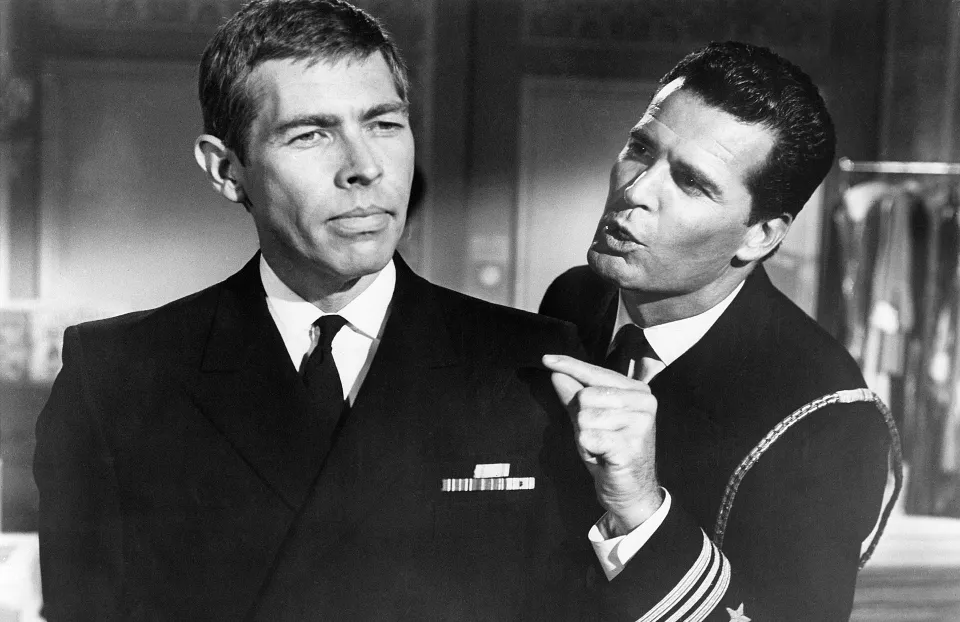
O tenente Charles Madison (James Garner) tem um hábito estranho: ele cumprimenta todas as mulheres que encontra com um tapinha no traseiro – e todas elas o reconhecem por este estranho gesto. Mas as coisas são diferentes com Emily Barham (Julie Andrews), uma motorista que, após receber seu primeiro tapa no traseiro, responde com um sonoro tapa no rosto de Charlie.

Lt. Commander Charles Madison (James Garner) has a strange habit: he greets every female he meets with a pat in the butt – and they all recognize him by this weird gesture. But things are different with Emily Barham (Julie Andrews), a driver who, upon receiving her first tap in the butt, answers with a vigorous slap in Charlie’s face.


Charlie é um soldado Americano fazendo o possível para evitar ir para o campo de batalha. Emily é uma inglesa séria que perdeu o pai, o irmão e o marido na guerra. Ela se apaixona com muita facilidade e se magoa também com facilidade. Ele acredita que a Segunda Guerra Mundial, assim como todas as guerras, é resultado da ganância dos europeus, e ele diz isso a Emily. Eles foram feitos um para o outro, nós sabemos, e eles começaram o relacionamento com o pé esquerdo.

Charlie is an American soldier doing everything he can to avoid going to the battlefield. Emily is a serious English woman who has lost her father, brother and husband in the war already. She falls in love too easily and shatters too easily. He believes the second World War, as all wars, is the result of European greed, and he tells that to Emily. They are made for each other, we know that, and they’re off to a rough start.


Estranhamente, Emily decide se envolver com Charlie depois que ele a chama de “puritana”. Nós podemos ver por que Emily se apaixona por Charlie: primeiro, porque ele é James Garner. Mas a segunda razão é mais importante: ela valoriza a covardia dele, porque todas as vezes em que um homem que ela amava decidiu fazer um ato heroico, este homem morreu e ela foi deixada com o coração partido. A covardia de Charlie é o que o torna uma escolha estável para ela.

Oddly, Emily decides to have a romance with Charlie after he calls her a “prissy”. We can see why Emily falls for Charlie: first, he’s James Garner, for God’s sake. But the second reason is more important: she values his cowardice, because every time a man she loved decided to do a heroic deed, he died and she was left heartbroken. Charlie being a coward is what makes him a stable choice for her.


É 1944 e os amigos de Charlie no exército estão planejando o Dia D. O papel de Charlie nele é distinto: ele é um “dog robber”, um oficial que fica encarregado de se certificar que os oficiais mais graduados estejam bem alimentados, bem vestidos e bem amados – estas são as palavras exatas usadas no filme. Mesmo assim, Charlie recebe a missão de filmar a invasão da praia de Omaha no Dia D.

It’s 1944 and Charlie’s army friends are planning the D-Day. Charlie’s role in this is distinct: he’s a “dog-robber”, an officer who is in charge of certifying that the high officers are well-fed, well-dressed and well-loved – these are the exact words used in the film. Nevertheless, Charlie receives the mission to film the invasion of the Omaha Beach on D-Day.


O planejamento do Dia D é tão tenso que o almirante William Jessup (Melvyn Douglas) acaba ficando em estado catatônico. Eu gostei muito da camaradagem na cena em que Charlie massageia as costas do almirante enquanto ele se recupera. Falando em camaradagem, outro camarada de Charlie é o tenente Paul Cummings (James Coburn), ou “Bus”, como ele é chamado por todos.  Bus é outro covarde que terá de filmar a invasão da praia de Omaha.

The planning of the D-Day is tense enough to leave Admiral William Jessup (Melvyn Douglas) in a catatonic state. I loved the camaraderie in the scene where Charlie massages the admiral’s back while he recovers. Speaking of camaraderie, another comrade of Charlie’s is Lt. Commander Paul Cummings (James Coburn), or “Bus”, as everybody calls him. Bus is another fun-loving coward who will have to record the Omaha Beach invasion.


O filme tem muitos momentos sérios de reflexão sobre a guerra. Charlie diz à mãe de Emily que ele perdeu um irmão na guerra, e a mãe dele só sobrevive porque honra as instituições e finge ter orgulho de seu falecido filho – quando na verdade a saudade dela é maior que seu orgulho patriótico. Neste sentido, o roteiro de Paddy Chayefsky é completamente antiguerra... mas mais sobre isso mais tarde.

The film has many serious moments of reflections about war. Charlie tells Emily’s mother that he lost a brother in the war, and his mother only survives through honoring the institutions and pretending to be proud of her dead son – when her longing for him is bigger than her patriotic pride. In this sense, Paddy Chayefsky’s screenplay is blatantly anti-war… but more on that later.


É curioso que o título original seja “The Americanization of Emily” quando Charlie é o foco do filme. Claro, James Garner era mais conhecido que Julie Andrews no começo de 1964, quando o filme foi feito. Julie havia acabado de filmar “Mary Poppins”, um filme que estrearia um mês antes de “Não Podes Comprar Meu Amor” e daria a Julie um Oscar. Como Emily, ela evitou ser estereotipada como uma bela cantora, e também apareceu em um filme em preto e branco – o único de sua carreira. Tanto Julie quanto James disseram que “Não Podes Comprar Meu Amor” é o filme favorito de suas respectivas carreiras.

It’s curious that the title is “The Americanization of Emily” when Charlie is the focus of the movie. Sure, James Garner was a bigger star than Julie Andrews in the beginning of 1964, when the film was shot. Julie had just wrapped “Mary Poppins”, a film that would premiere a month before “The Americanization of Emily” and give her an Oscar. As Emily, she avoided being typecast as a singing marvel, and also appeared in a black and white film – the only one in her career. Both Andrews and Garner have said that “The Americanization of Emily” is their favorite of their respective careers.


O tema principal do filme é o orgulho. Orgulho é a razão pela qual Jessup decide que o primeiro norte-americano a morrer na praia de Omaha deve ser um marinheiro – uma decisão bastante estúpida e orgulhosa, porque ele está sacrificando a vida de outra pessoa para chamar a atenção para a Marinha. Orgulho é característica de um herói, e a linha que separa um herói de um covarde é bem tênue, como o filme mostra. E, obviamente, a “história oficial” pode ser bem diferente dos acontecimentos reais.

The overall theme of the movie is pride. Pride is the reason why Jessup decides that the first American to die at Omaha Beach on D-Day must be a sailor – a very stupid and proud decision, because he’s sacrificing someone else’s life to shine a light on the Navy. Pride is what makes a hero, and the line that separates a hero from a coward is a very thin one, as the film shows. And, of course, the “official history” may be very different from the real happenings.


Mais uma vez, esta é uma narrativa envolvendo a Segunda Guerra Mundial que mostra que pode valer a pena lutar uma guerra, e sacrifícios podem ser necessários – mesmo se esse sacrifício envolver mentir sobre ser um herói.

Once again, this is a narrative involving World War II that shows that a war can be worth fighting, and sacrifices can be worth making – even if this sacrifice involves lying about being a hero.

This is my contribution to the James Garner: He Thrilled Them All blogathon, hosted by Gill at Realweegiemidget Reviews.

Monday, May 6, 2019

Quando Paris Alucina (1964) / Paris When It Sizzles (1964)


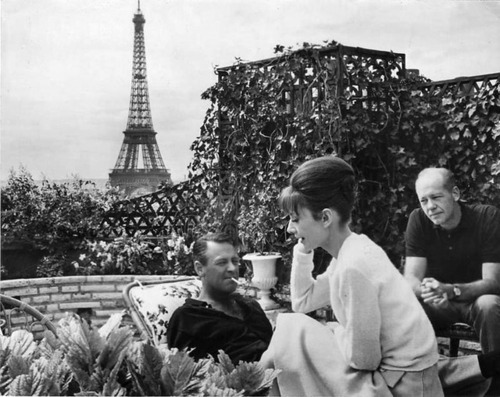
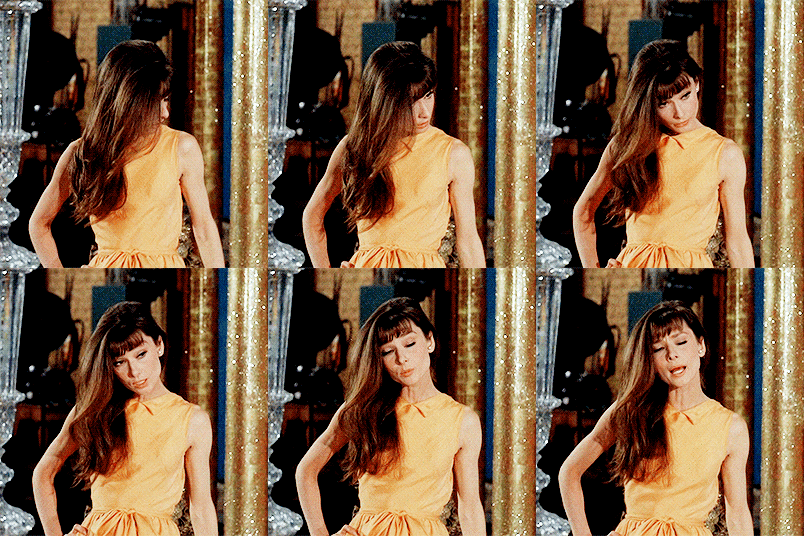
Dez anos depois de sua última parceria, “Sabrina” (1954), William Holden e Audrey Hepburn se encontraram novamente em um estúdio de cinema – ou melhor, em dois estúdios de cinema. “Quando Paris Alucina” (1964) é um filme metalinguístico, ou seja, é um filme sobre fazer filmes, e ele tem um filme dentro de outro filme. Pode parecer confuso, mas a película é na verdade muito boa para ajudar as pessoas a compreenderem como os filmes são feitos – e como esse processo pode ser caótico.
Ten years after their previous collaboration, “Sabrina” (1954), William Holden and Audrey Hepburn met again on a movie set – or better, at two movie sets. “Paris When It Sizzles” (1964) is a metalinguistic film, that is, a film about making films, and it has a film inside other film. It may sound confusing, but the movie is actually a very good one to make people understand how films are made – and how chaotic this process can be.


Richard Benson (William Holden) é um roteirista que está trabalhando no roteiro do seu próximo filme, chamado “A Garota que Roubou a Torre Eiffel”. Ou ele deveria estar trabalhando: ele passou cinco meses se divertindo, bebendo, tomando sol e procrastinando e agora ele só tem dois dias para entregar um roteiro de 130 páginas.

Richard Benson (William Holden) is a screenwriter who is working on the screenplay for his next film, called “The Girl who Stole the Eiffel Tower”. Or he should be working: he spent five months partying, drinking, sunbathing and procrastinating, and now he only has two days to deliver a 130-page script.


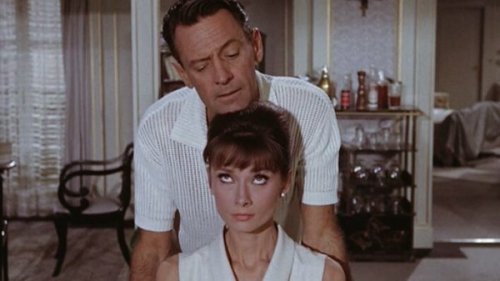
Uma datilógrafa, Gabrielle Simpson (Audrey Hepburn), é enviada para ajudá-lo a digitar o roteiro. Ele confessa para ela que não tem nada pronto, embora ele descreva o filme com grandiosidade, como uma mistura gloriosa de gêneros. Gabrielle fica surpresa com a situação incomum, mas mesmo assim eles começam a trabalhar juntos, com Richard jogando cara ou coroa para tomar decisões sobre o filme – como, por exemplo, se a cena inicial se passará durante o dia ou à noite.

A typist, Gabrielle Simpson (Audrey Hepburn), is sent to help him type his script. He confesses to her that he has nothing ready, although he describes his film with grandiosity as glorious a mix of genres. Even though Gabrielle is surprised with the uncommon situation, they start working together, with Richard tossing a coin to decide some things about his movie – like if the opening scene will be set by day or at night.


As coisas não vão bem. Chateado, Richard começa a conversar com Gabrielle e decide usar a história dela como inspiração. “A Garota que Roubou a Torre Eiffel” será sobre uma jovem trabalhadora festejando o Dia da Bastilha depois que seu amigo, Maurice, cancela o encontro que eles tinham. Conforme Richard imagina a ação, ela se desenrola na frente dos nossos olhos. É o filme dentro do filme.

Things are not going well. Upset, Richard starts talking to Gabrielle and decides to use her story as an inspiration. “The Girl who Stole the Eiffel Tower” will be about a working girl spending the Bastille Day festivities after her date, Maurice, dumps her. As Richard envisions the action, it develops in front of our eyes. It's the film within the film.


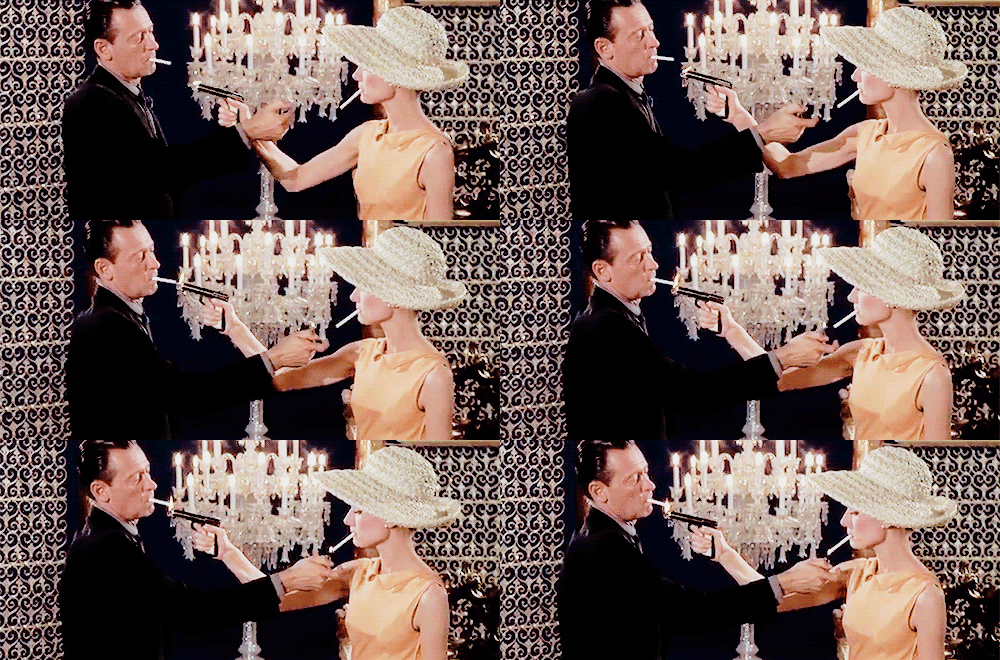
A garota, Gabby, também é interpretada por Audrey Hepburn. Maurice, seu amigo narcisista, é interpretado por Tony Curtis em uma participação hilária. Mas um homem misterioso, Rick, interpretado por William Holden, decide levá-la para passar um dia divertido com ele. Agora eles precisam decidir o que acontecerá a seguir. “A Garota que Roubou a Torre Eiffel” será um filme de romance? De aventura? De suspense? De horror? Ou talvez de comédia?

The girl, Gabby, is played by Audrey Hepburn as well. Maurice, her narcissistic date, is played by Tony Curtis in an hilarious cameo. But a mysterious man, Rick, played by William Holden, decides to take her out for a fun day. Now they have to decide what will happen next. Will “The Girl who Stole the Eiffel Tower” be a romantic movie? An adventure? Spy thriller? Horror film? Or maybe a comedy?


Filmes metalinguísticos são meu tipo de filme favorito. Além de apreciar “Quando Paris Alucina”, eu também me vi retratada em muitas situações. Primeiro, Richard é um procrastinador. Assim como ele, eu também estou acostumada a fazer minhas tarefas quando a data limite está próxima. Como eu não gosto da palavra “procrastinação”, eu prefiro dizer que não sou boa em administrar meu tempo, mas não importa qual termo eu uso: o resultado é o mesmo.

Metalinguistic films are my favorite kind of film. Besides enjoying “Paris When It Sizzles”, I also saw myself in many situations. First, Richard is a procrastinator. Like him, I am also used to doing my things when the deadline is approaching. As I don't like the world “procrastinating”, I prefer to say that I'm not good at managing my time, but no matter the term I use: the result is the same.


Segundo, Richard é um escritor que gosta de visualizar as cenas que ele está criando. Eu, sempre que escrevo ficção, também gosto de visualizar a ação se desenvolvendo na minha mente, por isso eu escolho alguns atores, vivos ou mortos, e às vezes até pessoas que eu conheço, para imaginá-los interpretando as cenas na minha cabeça. É mais fácil ver se o que você escreveu é verossímil se você pode, bem, ver a ação se desenrolar na sua mente.

Second, Richard is a writer who likes to visualize the scenes he's creating. I, whenever I write fiction, also like to visualize the action developing in my mind, so I “cast” some actors, dead or alive, and sometimes even people I know, to imagine them playing the scenes in my head. It's easier to see if what you wrote is believable if you can, well, see it unfolding in your mind.


Há muitas, muitas piadas envolvendo o mundo do cinema. Para começar, Gabrielle conta a Richard que seu último trabalho foi com um cineasta em cujos filmes a coisa mais importante era a ação que NÃO estava acontecendo – e eu logo pensei em Buñuel e filmes europeus experimentais.
There are many, many jokes involving the film world. To begin with, Gabrielle tells Richard that she last worked for a filmmaker in whose films the important thing was what was NOT going on – and I instantly thought about Buñuel and experimental European flicks.
 
Tony Curtis and Audrey Hepburn
Depois, Richard zomba dos atores que seguem o Método. Assim que Richard começa a visualizar o filme dentro do filme, os créditos rolam e neles está escrito “little person” no lugar dos nomes de profissionais como diretor de arte e decorador. No filme dentro do filme, Gabby diz não gostar dos filmes da Nouvelle Vague (chamados de New Wave pelos norte-americanos) porque nada acontece neles. Há algumas referências a “Bonequinha de Luxo” (1961), outro filme de Audrey. E há algumas participações especiais, incluindo Marlene Dietrich, Mel Ferrer e as participações vocais de Frank Sinatra e Fred Astaire!

Next, Richard mocks Method actors. As Richard starts envisioning the film-within-the-film, the credits appear and they have “little person” written for behind-the-cameras professionals like art director and set decorator. In the film-within-the-film, Gabby says that she doesn't like those New Wave movies because nothing happens in them. There are a few hints to Audrey’s movie “Breakfast at Tiffany's” (1961). And there are a few cameos, including Marlene Dietrich, Mel Ferrer and the vocal cameos of Frank Sinatra and Fred Astaire!


Mais do que isso, “Quando Paris Alucina” é uma lição na arte de fazer filmes. Os novatos aprendem o significado de fade in, fade out e do efeito de dissolver (“dissolve”). Nós literalmente vemos um roteiro ganhar vida na nossa frente. Nós testemunhamos o processo de brainstorm que gera um filme, e podemos ter certeza de que muitos dos, se não todos, filmes que vimos e apreciamos surgiram através deste exercício de imaginação.

More than that, “Paris When It Sizzles” is a filmmaking lesson. Beginners get to know the meaning of fade in, fade out and the dissolve effect. We literally see a script becoming alive in front of us. We witness the brainstorm process that gives birth to a movie, and we can be sure that many, if not all, flicks we've seen and enjoyed came to be through this exercise of imagination.


Audrey adiciona um toque infantil à sua Gabrielle que bem pode ser chamado de “serendipidade”, uma palavra ensinada a ela por Richard. Como Gabby, a heroína do filme dentro do filme, ela é como uma moleca, parecendo ingênua mas usando sua sagacidade sempre que precisa fugir de problemas – ela é feita do mesmo material das heroínas de cinema mudo interpretadas por Ossi Oswalda. Audrey parecia estar se divertindo muito enquanto gravava o filme.

Audrey adds a childlike touch to her Gabrielle that can be called “serendipity”, a word Richard teaches her. As Gabby, the heroine of the film-within-the-film, she is like a gamine, looking naïve but using her brains whenever she needs to escape some trouble – she is made from the same material of silent film heroines played by Ossi Oswalda. Audrey really seemed to be having a lot of fun while doing  the film.


“Quando Paris Alucina” não foi um sucesso entre os críticos. Mesmo hoje, muitos fãs de cinema não gostam muito do filme. Eu, por outro lado, acho-o bastante divertido – e, mais importante, um retrato em forma de paródia da indústria do cinema e do processo criativo.

“Paris When It Sizzles” was not a success among critics. Even nowadays, many film fans are not very fond of the film. I, on the other hand, find it very entertaining – and, more important, a tongue-in-cheek portrait of the film industry and the creative process.

This is my contribution to the Audrey at 90: The Salute to Audrey Hepburn blogathon, hosted by Janet at Sister Celluloid.


As our friend Kate Gabrielle mentioned, Audrey would have loved if, as a birthday gift, we donated some money – any quantity – to UNICEF. You can donate HERE.


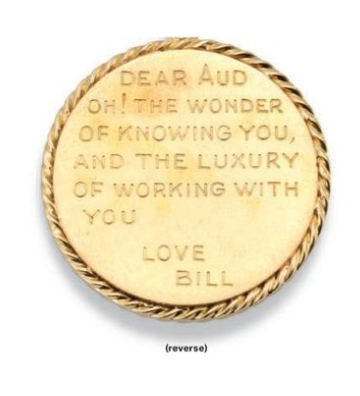
Holden deu a Audrey esta joia charmosa depois do final das filmagens
Holden gave Audrey this charming jewel after the film wrapped

Wednesday, December 5, 2018

Becket, o favorito do rei (1964) / Becket (1964)


Se você não cresceu na Inglaterra, a coisa mais importante que você aprendeu sobre a história inglesa – isto é, se você prestou atenção às aulas de história – foi sobre Henrique VIII e como ele rompeu sua aliança com a Igreja Católica e se tornou incrivelmente poderoso ao estabelecer uma nova religião. Este episódio foi tema de muitos filmes, como “Ana dos Mil Dias” (1969) – outro filme com o grande Richard Burton.

If you are not from England, the most important thing you learned in English history – that is, if you paid attention to history classes – was about Henry VIII and how he broke his alliance with the Catholic Church and became an über-powerful king by establishing a new religion. This episode was in the center of many films, like “Ann of the Thousand Days” (1969) – another film with the great Richard Burton.


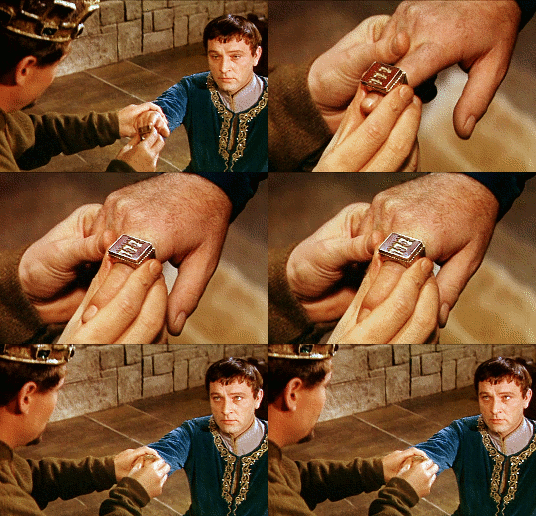
Mas há muitos outros episódios e personagens interessantes na história da Inglaterra. Dois destes personagens são o rei Henrique II e Tomas Becket, que viveram no século XII. A história deles é contada no filme “Becket – O favorito do rei”, adaptado de uma peça, e eles são interpretados respectivamente por Peter O’Toole e Richard Burton. O filme nos dá a rara chance de saber mais sobre um período anterior da história inglesa – e nos dá a chance ainda mais rara de ver estes dois atores incrivelmente talentosos usando leggings justas.

But there are many other interesting episodes and characters in the history of England. Two of these characters are King Henry II and Thomas Becket, who lived in the 12th century. Their story is told in the film “Becket”, adapted from a play, and they are played respectively by Peter O'Toole and Richard Burton. The film gives us the rare chance to know more about an earlier period in English history – and it gives us the even rarer chance to see these two incredibly talented actors in tight leggings.


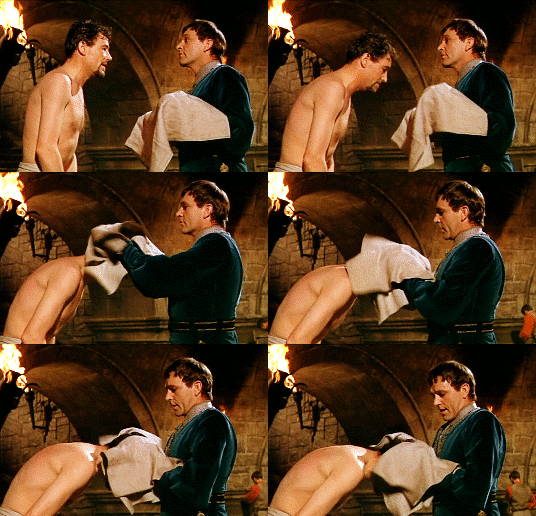
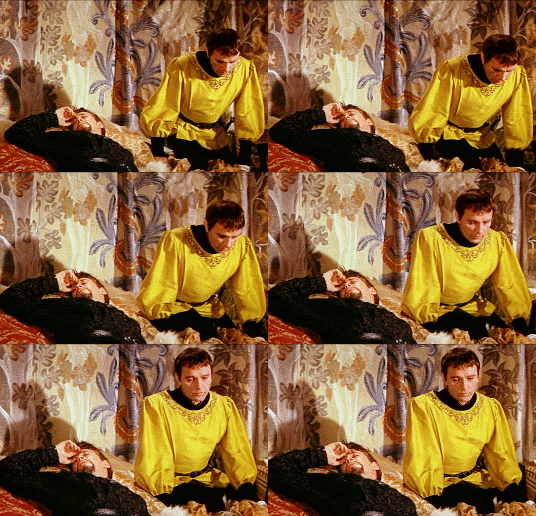
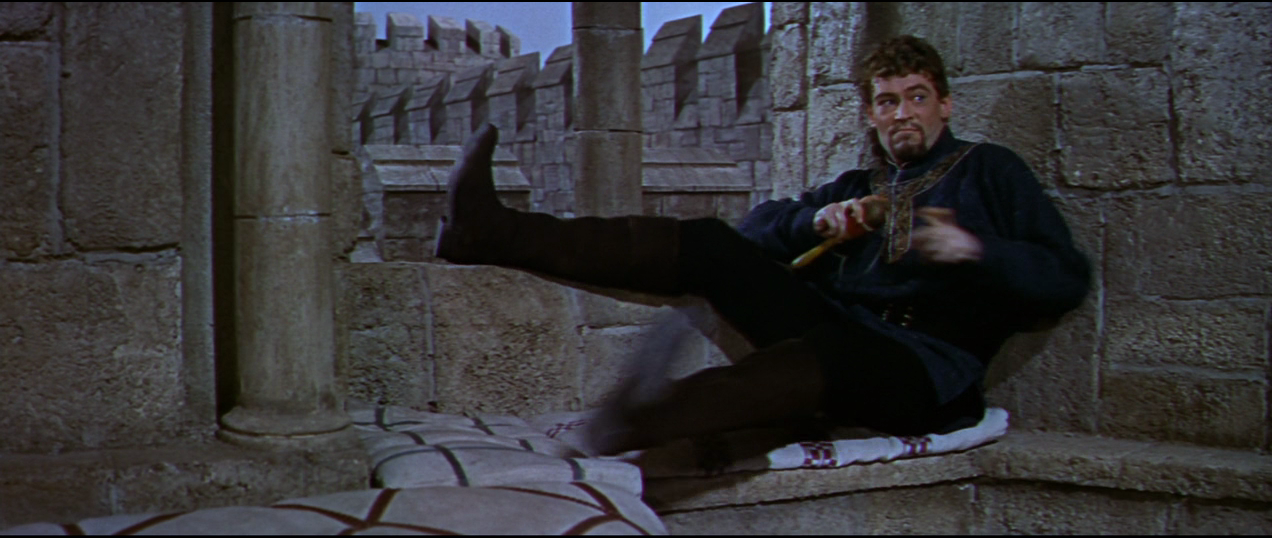
Thomas Becket (Burton) é o melhor amigo, confidente e conselheiro do egoísta, inconsequente e infantil rei Henrique II (O’Toole). Becket está sempre consertando os passos em falso dados por Henrique e evitando problemas – Becket faz coisas como impedir que dois homens se esfaqueiem durante uma guerra de comida em um banquete no palácio. É por isso que Henrique faz de seu amigo Becket um nobre, e então chanceler – e é por isso que eles conversam enquanto Henry está seminu na frente de uma tapeçaria com um leão que se parece com Groucho Marx.

Thomas Becket (Burton) is the best friend, confident and advisor to the egoist, inconsequent and childish king Henry II (O'Toole). Becket is always fixing the wrongs Henry makes and avoiding trouble – Becket does things like stopping men from stabbing each other during a food fight in a banquet at the palace. That's why Henry turns his friend Becket into a noble, then into a chancellor – and that's why they chat while Henry is half naked in front of a tapestry with a lion that looks like Groucho Marx.


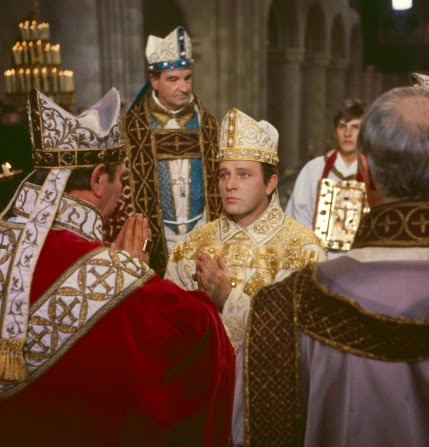
Henrique está mais interessado em dormir com garotas bonitas do que se envolver em assuntos políticos. Mas às vezes ele tem de fazer isso, e Becket, que não pode dizer não ao amigo, obedece às suas ordens. É assim que Becket perde o amor de sua vida. E é assim também que Becket se torna Arcebispo de Canterbury da noite para o dia – Henrique II precisava de um aliado em Canterbury.

Henry is more interested in sleeping with hot girls than in political issues. But he sometimes has to deal with politics, and Becket, unable to say no to his friend, obeys his absurd orders. That's how Becket loses the love of his life. And that's also how Becket becomes the Archbishop of Canterbury overnight - Henry nominates him Archbishop because he needed an ally in Canterbury.


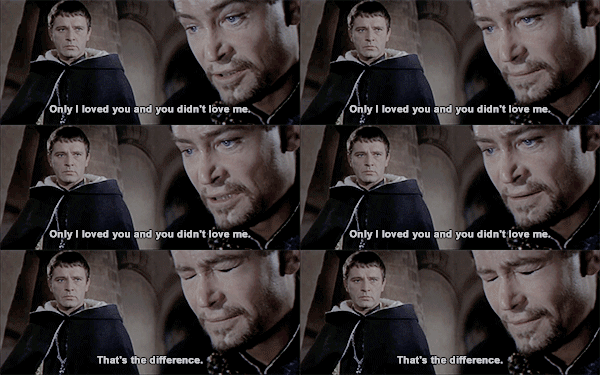
Becket é um homem dividio. Ele está dividido entre sua amizade com o rei e sua missão com a Igreja Católica, entre o prazer e a fé, entre sua origem saxônica e seu chefe normando. Quando ele precisa escolher de qual lado ficar, ele corre o risco de enfurecer o rei.

Becket is a divided man. He is divided between his friendship with the king and his duty to the Catholic Church, between pleasure and faith, between his Saxon origin and his Norman boss. When he has to choose which side he really supports, he risks infuriating the king.


Saber quem eram os saxões e os normandos é importante para compreender melhor o filme. Os saxões eram um povo germânico que migraram para várias partes da Europa com a queda do Império Romano do Ocidente no século V. No século XI, outras tribos invadiram a Inglaterra – ainda não unificada – lideradas pelo Duque William I da Normandia – William seria o bisavô de Henrique II. Isso significa que os melhores amigos Henrique e Becket eram de origens diferentes, inclusive rivais... mas só na peça e no filme: Becket era na verdade normando.    ¯\_()_/¯

Learning about who were the Saxons and the Normans is important to better understand the film. The Saxons were a Germanic people that migrated to various parts of Europe with the fall of the Western Roman Empire in the 5th century. In the 11th century, other tribes invaded Britain – not yet unified – led by Duke William I of Normandy – William would be Henry II’s great-grandfather. This means that BFFs Henry and Becket were from different – even rival – origins… but only in the play and movie: Becket was actually a Norman.   ¯\_()_/¯


Tanto Peter O’Toole quanto Richard Burton estão fantásticos em seus papéis contrastantes. O Henrique II de O’Toole é histriônico e mimado – uma versão anterior perfeita para o mesmo Henrique II que ele interpretaria em “O Leão no Inverno” (1968). O Becket de Burton é verdadeiramente a única pessoa santa em uma Igreja Católica envolvida em corrupção e jogos de poderes. No pequeno papel de Gwendolen, uma mulher desejada por ambos, está Siân Phillips, uma atriz galesa e esposa de O’Toole.

Both Peter O’Toole and Richard Burton are outstanding in their contrasting roles. O’Toole’s Henry II is histrionic and spoiled – a perfect earlier version of the same Henry II he would play in the superb “Lion in Winter” (1968). Burton’s Becket is truly the only holy person in a Catholic church involved in corruption and games of power. In the minor role of Gwendolen, a woman fancied by both, is Siân Phillips, Welsh actress and O’Toole’s wife.


O filme foi baseado em uma peça que estreou em 1959 em Paris e em 1960 na Broadway com Anthony Quinn como Henrique II e Laurence Olivier como Becket – também uma dupla e tanto! O’Toole iria interpretar Henrique II na produção de Londres da peça, mas teve de recusar por causa das longas filmagens de “Lawrence da Arábia” (1962) – ele foi substituído por (surpresa!) Christopher Plummer.

The film was based on a play that opened in 1959 in Paris and in 1960 on Broadway with Anthony Quinn as Henry II and Laurence Olivier as Becket – quite a duo, too! O’Toole was set to star as Henry II in the London production, but had to decline because of the long shootings of “Lawrence of Arabia” (1962) – he was replaced by (surprise!) Christopher Plummer.
 
Elizabeth Taylor and Burton backstage
A fotografia é fabulosa, e “Becket – O favorito do rei” foi indicado ao Oscar e Melhor Fotografia e em outras 11 categorias, incluindo Ator Coadjuvante para John Gielgud como o rei da França e duas indicações a Melhor Ator para O’Toole e Burton. O filme ganhou apenas o prêmio de Melhor Roteiro.

The cinematography is fabulous, and “Becket” was nominated for Oscars for best Cinematography and other 11 categories, including Supporting Actor for John Gielgud as the King of France and dual Best Actor nominations for O’Toole and Burton. The film only won the Best Screenplay award.


Com uma história contada em flashback, “Becket – O favorite do rei” é um filme fascinante, um deleite para os olhos – com cenas filmadas em locação e imensos cenários construídos em estúdio, como uma cópia da Catedral de Canterbury – e para o cérebro. Inteligente, provocador, emocionante, “Becket – O favorito do rei” é um filme sobre honra que não tem um único minuto de enrolação.

With a story told in flashback, “Becket” is a fascinating movie, a feast for the eyes – with both location sets and huge sets built in studio, like a copy of the Canterbury Cathedral – and for the brain. Smart, provocative, thrilling, “Becket” is a film about honor without one single boring minute.

This is my contribution to the Regaling about Richard Burton blogathon, hosted by Gill and Realweegiemidget Reviews.


Related Posts Plugin for WordPress, Blogger...