} Crítica Retrô: Ingrid Bergman

Tradutor / Translator / Traductor / Übersetzer / Traduttore / Traducteur / 翻訳者 / переводчик

Showing posts with label Ingrid Bergman. Show all posts

Saturday, August 29, 2026

O Rolls-Royce Amarelo (1964) / The Yellow Rolls-Royce (1964)


ESTA CRÍTICA TEM SPOILERS 

THIS ARTICLE HAS SPOILERS 

Quem só assiste a filmes clássicos geralmente diz que não se fazem filmes como antigamente. Eu discordo, mas algumas coisas são de fato diferentes. Por exemplo: não temos mais tantos filmes cheios de estrelas como já tivemos. Filmes como “O Rolls-Royce Amarelo”, de 1964, no qual cada nome que aparece nos créditos nos surpreende e nos deixa intrigados sobre possíveis interações entre essas estrelas das telas - estrelas que com certeza não são como antigamente!

Those who only watch classic movies usually say that we don’t make movies like in the past. I disagree, but some things are indeed different. For example: we don’t have so many all-star movies like we did. Movies like “The Yellow Rolls-Royce”, from 1964, in which each name appearing in the credits makes us gasp and become intrigued about possible interactions between stars of the screen - those are stars that we certainly don’t have today!


Charles (Rex Harrison) compra um Rolls-Royce amarelo de presente para sua esposa Eloise (Jeanne Moreau) na ocasião de seu décimo aniversário de casamento. Infelizmente Eloise está tendo um caso com um homem mais jovem e decide se encontrar com o amante dentro do Rolls-Royce amarelo enquanto o marido está ocupado assistindo a uma corrida de cavalos. Charles, entretanto, é informado do que está acontecendo e pega os dois amantes dentro do carro. Sem a possibilidade de divórcio, ele e Eloise precisam superar o episódio, mas Charles é categórico: o Rolls-Royce amarelo precisa ser devolvido para o vendedor.

Charles (Rex Harrison) buys a yellow Rolls-Royce as a gift to his wife Eloise (Jeanne Moreau) on behalf of their 10th anniversary. Too bad Eloise is having an affair with a younger man and decides to have a rendez-vous with her lover inside the yellow Rolls-Royce while her husband is busy watching a horse race. Charles, however, is informed of what is happening and catches the two lovers inside the car. Without the possibility of divorce, he and Eloise must get over this episode, but Charles is adamant: the yellow Rolls-Royce has to be returned to the seller.

Em Gênova, Itália, o Rolls-Royce é comprado pelo Signore Paolo Maltese (George C. Scott) como presente para sua namorada Mae Jenkins (Shirley MacLaine). Eles vão para Pisa, mas ela não gosta dos monumentos, e lá conhecem o fotógrafo Stefano (Alain Delon), que seduz Mae. Eles consumam o amor dentro do Rolls-Royce - mas também não têm um final feliz.

In Genoa, Italy, the Rolls-Royce is bought by Signore Paolo Maltese (George C. Scott) as a gift to his girl Mae Jenkins (Shirley MacLaine). They go to Pisa, but she dislikes the monuments, and there they meet the photographer Stefano (Alain Delon), who seduces Mae. They consummate their love inside the Rolls-Royce - but theirs is not a happy ending.


Trieste, 1941. Um Rolls-Royce vintage é comprado por Gerda (Ingrid Bergman). Um jovem iugoslavo, Davich (Omar Sharif), pega uma carona no carro e até se esconde no porta-malas para cruzar a fronteira. Quando a guerra é declarada, Gerda demonstra bravura ao conduzir pessoas para o hospital e ajudar os locais. Haverá centelhas de amor também, mas elas vão durar? 

Trieste, 1941. A vintage Rolls-Royce is bought by Gerda (Ingrid Bergman). A Yugoslavian young man, Davich (Omar Sharif), gets a lift on the car and even hides in the back to cross the border. As war is declared, Gerda shows her bravery by driving people to hospitals and helping the locals. There will be love sparkles as well, but will it last?


“O Rolls-Royce Amarelo” foi levemente baseado no filme alemão de 1947 “In jenen Tagen”, no qual sete episódios seguem os donos de um mesmo carro entre 1933 e 1947. O filme da MGM foi escrito por Terence Rattigan, produzido por Anatole de Grunwald e dirigido por Anthony Asquith - na realidade, foi o último filme dirigido por Asquith. O trio queria repetir o sucesso de sua produção anterior, “Gente Muito Importante” (1963). 

“The Yellow Rolls-Royce” was loosely based on the 1947 German film “In Those Days” (In jenen Tagen), in which seven episodes follow the owners of a single car between 1933 and 1947. The MGM film was written by Terence Rattigan, produced by Anatole de Grunwald and directed by Anthony Asquith - actually, it was Asquith’s last film. The trio wanted to repeat the success of their previous effort “The V.I.P.s” (1963).


Na sequência do clube italiano, bem no meio do filme, somos apresentados a uma cantora entoando a canção “Forget Domani”, sendo que Domani significa Amanhã em italiano. A canção foi composta pelo prolífico compositor Riz Ortolani, cuja carreira durou cinco décadas em mais de 200 filmes. “Forget Domani” ganhou o prêmio de Melhor Canção Original no Globo de Ouro.

In the Italian nightclub sequence, right in the middle of the movie, we’re presented with a singer singing the tune “Forget Domani”, Domani meaning Tomorrow in Italian. The song was composed by prolific composer Riz Ortolani, whose career spanned five decades and over 200 movies. “Forget Domani” won the Best Original Song award at the Golden Globes. 


“O Rolls-Royce Amarelo” pertence a um sub-gênero único: o filme de antologia ou “composite film”. Nele, diversas histórias são contadas com um elemento que as une; aqui, o Rolls-Royce é a ligação. Outro exemplo é “Seis Destinos” (1942), no qual um terno une as histórias. Em 1965, o Rolls-Royce ganhou seu status de estrela ao ser feito o curta documentário “The Car that Became a Star”.

“The Yellow Rolls-Royce” belongs to a unique sub-genre: the anthology movie or “composite film”. In it, several stories are told with an element tying them together; here, the Rolls-Royce is the liaison. Another example is “Tales of Manhattan” (1942), in which a suit ties the stories together. In 1965, the Rolls-Royce got its own starring featurette, a short documentary called “The Car that Became a Star”.


É curioso perceber que cada estrela teve seu figurino feito por um estilista diferente. Shirley MacLaine veste figurinos de Edith Head, enquanto Ingrid Bergman foi vestida por Antonio Castillo, e George C. Scott, o gângster elegante, foi vestido por Gene Coffin. A mesma coisa aconteceu com os cabeleireiros: cada estrela ficou com um! MacLaine ficou com Sydney Guilaroff e Bergman, com Giorgio. 

It was curious to notice that each star was dressed by a different stylist. Shirley MacLaine got the Edith Head treatment, while Ingrid Bergman was dressed by Antonio Castillo, and George C. Scott, as the dapper gangster, was dressed by Gene Coffin. The same happened to hairdressers: each star had their own! MacLaine got Sydney Guilaroff and Bergman, Giorgio.


“O Rolls-Royce Amarelo” foi filmado em Panavision e Metrocolor. Panavision é uma companhia fundada em 1954 para fabricar câmeras, lentes e outros equipamentos de cinema para alugar. Metrocolor foi o nome usado pela MGM para batizar o processo aplicado aos filmes Eastmancolor da Kodak nos próprios laboratórios da MGM. 

“The Yellow Rolls-Royce” was shot in Panavision and Metrocolor. Panavision is a company founded in 1954 to fabricate cameras, lenses and other film equipment for rental. Metrocolor was the name used by MGM to christen their process applied to Kodak Eastmancolor films in MGM’s own laboratories.


Em “O Rolls-Royce Amarelo”, há uma menção a outro filme recheado de estrelas, “Jantar às Oito” de 1933, com um pôster num hotel anunciando a sessão. Entretanto, o filme de 1964 não atingiu o sucesso em bilheteria ou o status deste predecessor. Uma pena, deixe-me dizer: é uma bela meditação sobre riqueza e decepções amorosas. 

In “The Yellow Rolls-Royce”, there is a nod to another all-star movie, 1933’s “Dinner at Eight”, with a poster in a hotel advertising a screening. However, the 1964 film didn’t reach the box-office success nor the status of this predecessor. A shame, let me tell you: it’s a beautiful meditation on wealth and heartbreak.

This is my contribution to the 8th Ingrid Bergman blogathon, hosted by Virginie at The Wonderful World of Cinema.


Friday, August 29, 2025

Caminhando Sob a Chuva de Primavera (1970) / A Walk in the Spring Rain (1970)


Quando dois ícones do cinema se encontram, a Magia pode acontecer. Não estamos falando de “all-star movies”, mas do simples encontro de dois artistas celebrados. Como quando a ganhadora de três Oscars Ingrid Bergman (então com apenas dois prêmios) encontrou o ganhador de dois Oscars Anthony Quinn, ambos se aproximando do fim de suas carreiras - mas ainda tão bons como sempre foram. O filme em questão é “Caminhando Sob a Chuva de Primavera” (1970)

When two cinema icons meet, Magic can happen. We’re not talking about the “all-star movie”, but the simple encounter of two celebrated performers. Like when three-time Oscar winner Ingrid Bergman (then with only two awards under her belt) met the two-time Oscar winner Anthony Quinn, both nearing the end of their careers - but still as good as ever. The film was “A Walk in the Spring Rain” (1970).

O professor universitário Roger Meredith (Fritz Weaver) e sua esposa Libby (Ingrid Bergman) são aparentemente um casal feliz e têm uma filha que quer voltar a estudar para se tornar advogada, algo que seu pai desaprova. Aqui estamos: já com asco deste personagem. O casal decide tirar um ano sabático nas montanhas, por isso alugam uma cabana administrada por Will Cade (Anthony Quinn). O novo trio bebe e canta junto, Will consegue para o casal dois cabritinhos e tudo parece correr bem. Até que vem o choque.

College professor Roger Meredith (Fritz Weaver) and his wife Libby (Ingrid Bergman) are apparently happily married and have a daughter who wants to go back to school to become a lawyer, something her father disapproves of. Here we are: already disliking this character. The couple decides to spend a sabbatical in the mountains, so they rent a cabin managed by Will Cade (Anthony Quinn). The newly-formed trio drinks and sings songs together, Will gets them a couple of baby goats and everything seems to be alright. Until it isn’t.

Do jeito mais natural possível, numa conversa casual, Will diz a Libby que a ama. Ele não se importa se for um sentimento unilateral - tudo bem se o amor não for correspondido. O problema é que ela também sente algo mais por ele - mesmo eles podendo ser “amantes inadequados”. O problema maior é que o filho encrenqueiro dele vê os dois juntos.

In the most natural way, in a casual conversation, Will tells Libby that he loves her. He doesn’t care if it is a one-way infatuation - he’s fine even if she doesn’t love him back. The issue is that she also has feelings for him - even though they might be “unsuitable lovers”. The bigger issue is that his troublemaker son sees them together.

O arco narrativo de um filho não concordar com o relacionamento de seu pai ou mãe com outra pessoa é comum e pode ser encontrado em muitos livros, filmes e novelas. O personagem que aqui desaprova o romance alheio, o filho de Will, nos é apresentado rolando na neve durante uma briga causada por ciúmes. É outro personagem de quem não gostamos de cara.

The plot element of having someone’s child disapproving of the relationship between his/her father or mother with someone else is common and can be found in several books, movies and soap operas. The character here who is bitter with others’ romance, Will’s son, is first shown rolling in the snow in a fistfight over a woman. It’s another character who we dislike from the start.

Eu ri alto quando Libby contou para Will que seu marido está escrevendo um livro e o homem perguntou “para quê? Você já tem livros suficientes”. Estou fazendo um curso de escrita criativa e sei por experiência que nós escritores somos nossos primeiros leitores e mais severos críticos. Nós devemos escolher como contar uma história, que pode ter sido contada antes, e devemos julgar e validar nossas escolhas o tempo todo. Para fazer isso, devemos ser como Roger: leitores ávidos.

I laughed out loud when Libby tells Will that her husband is currently writing a book and the man asks “what for? You already have plenty”. I’ve been taking a course on writing and I know by experience that we writers are our own first readers and most severe critics. We must choose how to tell a story, sometimes a story already told before, and must judge and validate our choices all the time. To do this, we must be like Roger: avid readers.

Eu disse que nós instantaneamente detestamos Roger por causa de seus pensamentos retrógrados sobre a filha voltar a estudar depois de se casar e ter um filho. Mas Libby pensa igual, é o que é mostrado mais adiante no filme. Ela acredita que uma mulher deve contribuir para o casamento sendo uma boa esposa e mãe, não estudando e trabalhando. É o tipo de pensamento que poderia ser esperado de alguém nascido na década de 1910 - como é o caso tanto com Bergman quanto com Quinn -, conflitante com os valores e pensamentos da nova geração, representados pela filha (Katherine Crawford, nascida em 1944). Mas há outra razão para Libby não aprovar o plano da filha: se ela voltar a estudar, Libby vai ter que se dedicar o tempo todo aos cuidados com o neto, e ela quer ser livre, não uma cuidadora. O buraco é mais embaixo.

I’ve said that we instantly hate Roger for his retrograde thoughts about his daughter going back to school after getting married and having a child. But Libby thinks the same, we learn later in the film. She thinks a woman must contribute to a marriage by being a good wife and mother, not studying or working. It’s the kind of thinking that could be expected from someone born in the 1910s - the case with both Bergman and Quinn -, clashing with the values and thoughts of the new generation, represented by the daughter (Katherine Crawford, born in 1944). But there is another reason for Libby to disapprove of her daughter’s plan: if she starts studying again, Libby will have to take full-time care of her grandson, and she wants to be free, not a caretaker. The plot thickens.

Os músicos responsáveis pela música-título foram Elmer Bernstein - que não era parente de Leonard Bernstein, apenas amigo - e Don Black. A carreira de Bernstein durou cinco décadas e ele escreveu quase 200 trilhas para o cinema e a TV. Em 1970 já era ganhador do Oscar, pelo delicioso e pouco conhecido musical “Positivamente Millie” (1967).  Don Black, que em 1970 já havia escrito a música-tema de três filmes de 007 e do faroeste “Bravura Indômita” (1969), trabalhou no teatro musical junto a Andrew Lloyd Weber.

The musicians responsible for the title song were Elmer Bernstein - not related to Leonard Bernstein, though they were friends - and Don Black. Bernstein’s career spanned five decades and he wrote nearly 200 movie and TV soundtracks. By 1970 he was already an Oscar winner, for the delightful and underrated musical “Thoroughly Modern Millie” (1967). Don Black, who by 1970 had written theme songs for three 007 movies and the western “True Grit” (1969), worked closely on musical theatre with Andrew Lloyd Weber. 

Bergman e Quinn já haviam feito juntos “A Visita”, de 1964, e é só por causa de seus talentos que “Caminhando Sob a Chuva de Primavera” escapa de ser um melodrama esquecível. O romance é bom, o perigo, palpável, e o discurso quase-feminista, basicamente jogado para escanteio. Mas é um filme que merece ser visto, graças ao talento de Anthony Quinn e, em especial, da incrível Ingrid Bergman.  

Bergman and Quinn had already starred together in 1964’s “The Visit”, and it’s only because of their talents that “A Walk in the Spring Rain” escapes from being a forgettable melodrama. The romance is nice, the danger, tangible, and the quasi-feminist discourse, basically wasted. But it’s a film worth watching, thanks to Anthony Quinn and, especially, the amazing Ingrid Bergman.

This is my contribution to the 110 Years of Ingrid Bergman blogathon, hosted by Virginie at The Wonderful World of Cinema.

Monday, August 28, 2023

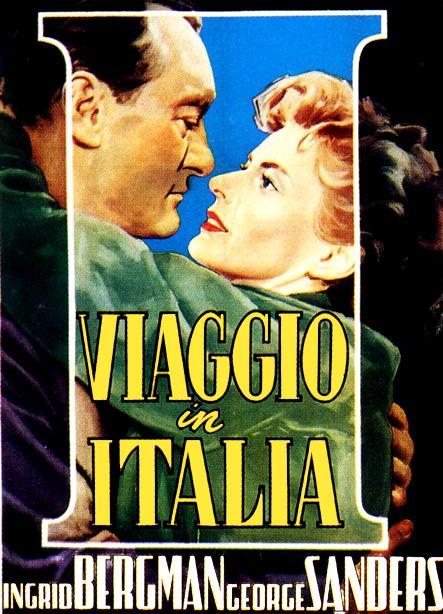
Viagem à Itália (1954) / Journey to Italy (1954)


Quando Ingrid Bergman deixou Hollywood e um casamento sólido e escolheu a Itália e um romance com o diretor Roberto Rossellini, foi um escândalo. Este episódio é tão conhecido dentro da biografia de Bergman que às vezes os filmes que ela fez com Rossellini são ofuscados pelo escândalo. Este pequeno conjunto de seis filmes inclui “Stromboli” (1950), a obra-prima “Europa ‘51” (1952), uma recontagem da história de Joana D’Arc e esta curiosa “Viagem à Itália”.


When Ingrid Bergman left Hollywood and a solid marriage and chose Italy and a romance with director Roberto Rossellini, it was a scandal. This episode is so well-known inside Bergman’s biography that sometimes the movies she did with Rossellini are obfuscated by the scandal. This little oeuvre of six films includes “Stromboli” (1950), the masterpiece “Europa ‘51” (1952), a re-telling of Joan of Arc’s story and this curious “Journey to Italy”.

Esta é a história da primeira vez em que o casal Katherine (Ingrid Bergman) e Alex (George Sanders) fica sozinho de verdade desde que se casaram. Eles estão na Itália por causa de uma herança, mas não ficarão sozinhos por muito tempo, pois encontram velhos conhecidos e fazem novas amizades em jantares nos quais ambos desaprovam que o outro se divirta com outras pessoas. Entre as ruínas eles discutem e parecem chegar a um ponto de virada no relacionamento.


This is the story of the first time the couple Katherine (Ingrid Bergman) and Alex (George Sanders) is truly alone ever since they got married. They are in Italy because of an inheritance, but they won’t stay alone for long, as they meet old acquaintances and make new friends in dinners where both dislike that the other has fun with other people. Among the ruins, they have their arguments and seem to arrive at a crossroads in their relationship.

Quando Katherine visita um museu na primeira metade do filme, as peças em exibição são oriundas de Pompeia. A tragédia da cidade tomada pelo vulcão séculos atrás assombra o casal, pois a vila que herdaram tem como vista o Vesúvio. Ao voltar do museu, ela conta sua experiência, dizendo que foi como se ela pudesse sentir como estas pessoas, imortalizadas em estátuas, eram e o que elas queriam.


When Katherine visits a museum in the first half of the film, the pieces there are remains from Pompeii. The tragedy of the city engulfed by the volcano centuries ago lingers on the couple, as the villa they inherited has the Vesuvius as a view. After coming back from the museum, she chronicles her experiences, saying that it was as if she could sense how those people immortalized in statues were like and what they wanted.

Embora não creditada, a fonte para o filme foi uma novela chamada “Duo”, da escritora Colette. Rossellini, junto com Vitaliano Brancati, escreveu o roteiro. George Sanders escreveu em sua autobiografia que rodar o filme foi uma experiência desesperadora, que ele realmente detestou. Talvez tenha sido porque este é um filme feito por um Rossellini em mutação: o diretor / roteirista / produtor estava abandonado o Neorrealismo e se comprometendo com um novo tipo de Realismo. O método de trabalho de Rossellini – especialmente o fato de ele trabalhar sem um roteiro – também desagradaram a Sanders.


Although uncredited, the source of the film was a novel called “Duo” by writer Colette. Rossellini, together with Vitaliano Brancati, wrote the screenplay. George Sanders wrote in his autobiography that shooting the film was an exasperating experience, one he truly disliked. Maybe it was because this is a movie made by a changing Rossellini: the director / writer / producer was abandoning the Neo-Realism and committing to a new kind of Realism. Rossellini’s work methods – especially working without a script – also displeased Sanders.

Em 1953, quando o filme começou a ser rodado, Bergman e Rossellini, como um casal, estavam em crise. O diretor também atravessava uma crise financeira – ele só conseguiu financiamento para o filme através de um industrial milanês que era seu fã. Quando as filmagens terminaram, Rossellini demorou mais um ano e meio para conseguir um distribuidor para o filme, que foi um fracasso de bilheteria e só agradou aos críticos da Cahiers du Cinéma – aqueles jovens que revolucionariam o cinema com a Nouvelle Vague alguns anos mais tarde.


In 1953, when the movie started shooting, Bergman and Rossellini, as a couple, were struggling. The director was also struggling financially – he could only get financing for the movie through a Milanese industrialist who was his fan. When filming ended, it took Rossellini a year and a half to find a distributor, but the film performed poorly at the box office and pleased only the critics from the Cahiers du Cinèma – those young men who would revolutionize cinema with the Nouvelle Vague a few years later.

Ocupando a posição 72 na lista de Melhores Filmes de Todos os Tempos da Sight and Sound de 2022, “Viagem à Itália” merece o reconhecimento. Um melodrama sem vilão – ou um em que a vida e suas atribulações são o vilão – o filme pode não ter me impressionado tanto quanto “Europa ‘51”, mas foi ótimo fazer esta viagem junto a Sanders e Bergman – e ao maestro Rossellini, obviamente.


Ranked 72 in the 2022 Sight and Sound Best Movies of All Time poll, “Journey to Italy” deserves the recognition. A melodrama without a villain – or one where life and its tribulations is the villain – the film may have not left an impression on me as big as “Europa ‘51”, but it was great to take this journey alongside Sanders and Bergman – and maestro Rossellini, of course.


This is my contribution to the 6th Wonderful Ingrid Bergman blogathon, hosted by Virginie at The Wonderful World of Cinema.

Saturday, August 29, 2020

Flor de Cacto (1969) / Cactus Flower (1969)


O filme “Flor de Cacto” começa com uma música de Quincy Jones cuja letra diz “primavera é apenas um estado de espírito”. Para a protagonista, é verdade: ela floresce, deixando de lado uma personalidade considerada fria e desinteressante. “Flor de Cacto” é, por causa disso, um filme sobre se libertar – e, numa surpresa agradável, quem se liberta é uma mulher madura, algo que não teria espaço nas telas 10 anos antes.

The film “Cactus Flower” starts with a song by Quincy Jones that says “Spring is just a state of mind”. For the female lead, it really is: she blossoms leaving behind a personality seen as icy cold and uninteresting. “Cactus Flower” is, because of this, a film about becoming free – and, a thankful surprise, the one becoming free is a mature woman, something that wouldn’t be on screen 10 years before.

Toni Simmons (Goldie Hawn) está prestes a cometer suicídio. O homem que ela ama, o dentista Julian Winston (Walter Matthau), é casado e ela sabe disso. Na verdade, foi a honestidade dele, ao contar que é casado e pai de três filhos, que a atraiu. Eles começam a sair e tudo parece estar indo bem. Entretanto, no primeiro aniversário do dia em que se conheceram, ele cancela o encontro. Ela decide se matar, mas o vizinho Igor (Rick Lenz) a salva antes que ela se envenene com gás.

Toni Simmons (Goldie Hawn) is about to commit suicide. The man she loves, the dentist Julian Winston (Walter Matthau), is a married man and she knows it. Actually, it was his honesty about being married and the father of three kids that attracted her to him. They start going out and everything seems swell. However, on the first anniversary of their meeting, he cancels their date. She decides to kill herself, but her neighbor Igor (Rick Lenz) saves her before she suffocates on gas.

O grande problema é que Julian não é casado, nem mesmo tem filhos. Ele disse isso a Toni porque queria que as coisas permanecessem casuais entre eles. Quando ele descobre que ela quase se matou, ele promete se casar com ela para compensar o ato. Mas ainda há a mentira: ele não tinha esposa e três filhos? Ele diz que está se divorciando, mas Toni insiste em conhecer a esposa para garantir que ela ficará bem após o divórcio. Julian então pede a sua enfermeira, Stephanie Dickinson (Ingrid Bergman), para fingir que é sua futura ex-esposa. Como ela sempre cuidou dele, ela aceita – e este é só o começo dos problemas e mais mentiras.

The biggest issue is that Julian is not married, nor has kids. He told Toni that because he wanted things to remain casual between them. When he learns that she almost killed herself, he promises to marry her to compensate. But there is still the lie: didn't he have a wife and three kids? He says he's divorcing his wife, but Toni insists about meeting her to make sure she'll be fine after the divorce. Julian then asks his nurse, Stephanie Dickinson (Ingrid Bergman), to pretend she's his soon-to-be ex-wife. As she has always taken care of him, she does that – and this is just the beginning of their troubles and more lies.

Não pude deixar de lembrar-me de outro filme de Ingrid Bergman no qual o protagonista mente sobre ser casado: a deliciosa comédia “Indiscreta” (1958). Neste filme, Philip Adams (Cary Grant) diz a Anna Kalman (Ingrid) que é casado porque ele prefere não estragar uma relação com a possibilidade de um futuro casamento. Aqui, entretanto, Ingrid Bergman interpreta a amante, não outra mulher envolvida no esquema – talvez uma prova de que, 11 anos depois, seu status como atriz havia mudado por causa da idade?

I couldn't help but remember another Ingrid Bergman film in which the leading man lies about being married: the delightful comedy “Indiscreet”, from 1958. In this film, Philip Adams (Cary Grant) tells Anna Kalman (Ingrid) that he's married because he prefers not to spoil a relationship if the possibility of marriage is on the horizon. Here, however, Ingrid Bergman plays the lover, not another woman involved in the scheme – maybe a proof that, 11 years later, her status as an actress had changed because of her age? 

Há uma cena de dança icônica e muito divertida envolvendo Cary Grant e uma coreografia maluca em “Indiscreta”. Em “Flor de Cacto” temos uma sequência de dança hilária com Ingrid Bergman, quando Stephanie desabrocha tal qual seu cacto, indo de espinhosa e pouco atraente planta do deserto a uma mulher exuberante e amante da diversão. Não, não, a idade não desacelerou Ingrid Bergman nem a fez ficar irrelevante: aqui ela está roubando a cena!

There is an iconic and very funny dancing scene involving Cary Grant and some crazy steps in “Indiscreet”. In “Cactus Flower” we have a hilarious dancing sequence with Ingrid Bergman, as Stephanie blossoms like her cactus, going from a prickly and unattractive desert plant to an exuberant and fun-loving woman. No, no, age hasn't slowed down Ingrid Bergman nor made her irrelevant: here she is absolutely stealing the picture from everybody else!

Outro filme de Ingrid Bergman do qual eu me lembrei foi “Mais Uma Vez Adeus” (1961), também sobre relacionamentos modernos. Neste filme, Ingrid interpreta Paula, que tem um relacionamento aberto com Roger (Yves Montand), mas se apaixona pelo jovem Philip (Anthony Perkins). Quando Roger exprime que desaprova o romance de Paula com um homem mais jovem, ela comenta que ele tem affairs com mulheres mais jovens, e ele responde que isso é normal para os homens. O mesmo acontece em “Flor de Cacto”: Julian acha estranho que Stephanie dance com Igor, mas para ele é perfeitamente normal namorar Toni, que tem apenas 21 anos.

Another Ingrid Bergman movie that came to my mind was “Goodbye Again” (1961), also about modern relationships. In this film, Ingrid plays Paula, who has an open relationship with Roger (Yves Montand), but falls in love with the young Philip (Anthony Perkins). When Roger expresses disapproval of Paula's romance with a younger man, she calls him out for having affairs with younger women, to which he replies that it's something normal for men. The same happens in “Cactus Flower”: Julian thinks it's odd when Stephanie dances with Igor, but for him it's perfectly normal to date Toni, who is just 21.

O roteiro foi escrito por I.A.L Diamond, colaborador constante de Billy Wilder. Neste filme, Diamond consegue inserir mais piadas de teor sexual do que ele conseguia com Wilder, nos filmes da dupla feitos durante o domínio restritivo do Código Hays. Em “Flor de Cacto”, por exemplo, temos Julian dizendo que seu filho mais velho tem 12 anos, mesmo ele sendo casado há apenas 10 anos, porque foi um bebê prematuro, e também Igor, tristonho, dizendo que sua mãe deveria ter tomado a pílula.

The screenplay was written by I.A.L. Diamond, a constant Billy Wilder collaborator. In this film, Diamond manages to squeeze a few more sex jokes than he could do with Wilder, in their films made during the strict Code dominion. In “Cactus Flower”, for instance, we have Julian saying that his older son is 12, even though he has been married for only 10 years, because he was a premature baby, and also Igor, in a sad mood, saying that his mother should have taken the pill.

“Flor de Cacto” foi originalmente uma peça da Broadway que revitalizou a carreira de Lauren Bacall. Ansiosa para voltar a Hollywood, ela ficou um bocado chateada quando Ingrid Bergman foi escolhida para interpretar Stephanie. Conhecendo Bacall de comédias como “Como Agarrar um Milionário” (1953), podemos imaginar que sua performance como Stephanie seria tão boa no filme quanto foi nos palcos, onde recebeu grandes elogios.

“Cactus Flower” was originally a Broadway play that revitalized Lauren Bacall's career. Anxious to make a comeback in Hollywood, she was a bit disappointed when Ingrid Bergman was cast as Stephanie. Knowing Bacall in comedies like “How to Marry a Millionaire” (1953), we can imagine that her performance as Stephanie would be as great on screen as it was on stage, where she received fantastic reviews.

Goldie Hawn – que nos créditos aparece como “apresentando”, mesmo já tendo feito outro filme com seu nome verdadeiro, Goldie Jeanne Hawn – surpreendeu a todos quando ganhou o Oscar de Melhor Atriz Coadjuvante por “Flor de Cacto” – a única indicação do filme. Podemos discutir se Toni é protagonista ou coadjuvante, mas não podemos negar que, com seus imensos olhos azuis, uma personalidade doce e uma preocupação genuína com a personagem de Ingrid, Goldie interpreta uma personagem adorável no filme.

Goldie Hawn – who receives an “introducing” credit even though she had already made a movie under her real name of Goldie Jeanne Hawn – surprised everybody when she won a Best Supporting Actress Oscar for “Cactus Flower” – the film’s only nomination. We could argue if Toni is a leading or a supporting character, but we can't deny that, with her huge blue eyes, a sweet personality and a sincere concern about Ingrid’s character, Goldie plays an adorable character in this film.

Embora previsível, o filme é tão charmoso quanto outros dirigidos por Gene Saks, como “Descalços no Parque” (1967) e “Um Estranho Casal” (1968). Há ainda um longo caminho a ser percorrido até que atrizes maduras recebam papéis tão interessantes quanto as mais jovens. Mas a mudança tinha de começar em algum lugar, e “Flor de Cacto” é um bom ponto de partida para personagens femininas mais livres e – por que não? – uma inspiração para que nós nunca nos esqueçamos de nos divertir.

Although predictable, this film is as charming as others directed by Gene Saks, like “Barefoot in the Park” (1967) and “The Odd Couple” (1968). There is still a long way until mature actresses receive roles as interesting as the younger performers. But change had to start somewhere, and “Cactus Flower” is a great starting point for freer female characters and – why not? – an inspiration for us all to never forget to have fun.  

This is my contribution to the 5th Wonderful Ingrid Bergman blogathon, hosted by superfan Virginie at The Wonderful World of Cinema.

Sunday, May 12, 2019

Um Rosto de Mulher (1941) / A Woman's Face (1941)

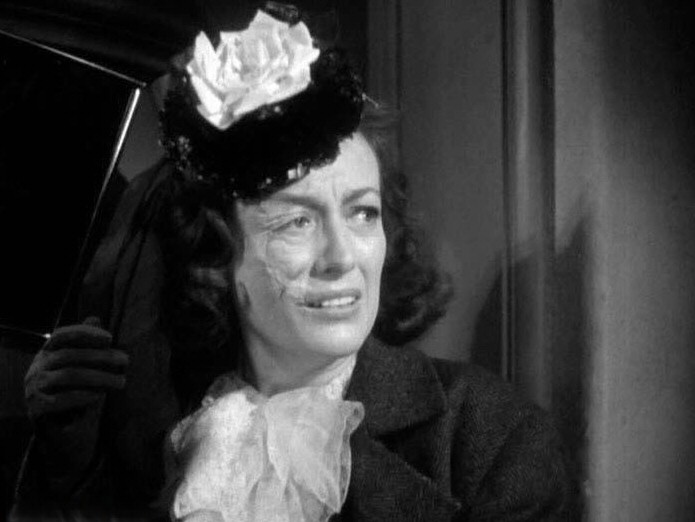
Durante a Era de Ouro dos estúdios, sempre que um artista tinha liberdade para interpretar um personagem diferente do que estava acostumado – em geral depois de muita insistência e luta – o resultado era quase sempre maravilhoso. Por exemplo: quando a MGM deixou Joan Crawford arriscar e interpretar uma personagem marcada – em vez de mais uma mulher glamourosa – em “Um Rosto de Mulher”, ela nos legou uma performance incrível.

During the Studio Era, whenever a performer was allowed to play against type – usually after a lot of insistence and fighting – the result was almost always wonderful. For instance: when MGM let Joan Crawford take a risk and play a scarred character – instead of another glamorous woman – in “A Woman's Face”, she delivered an outstanding performance.


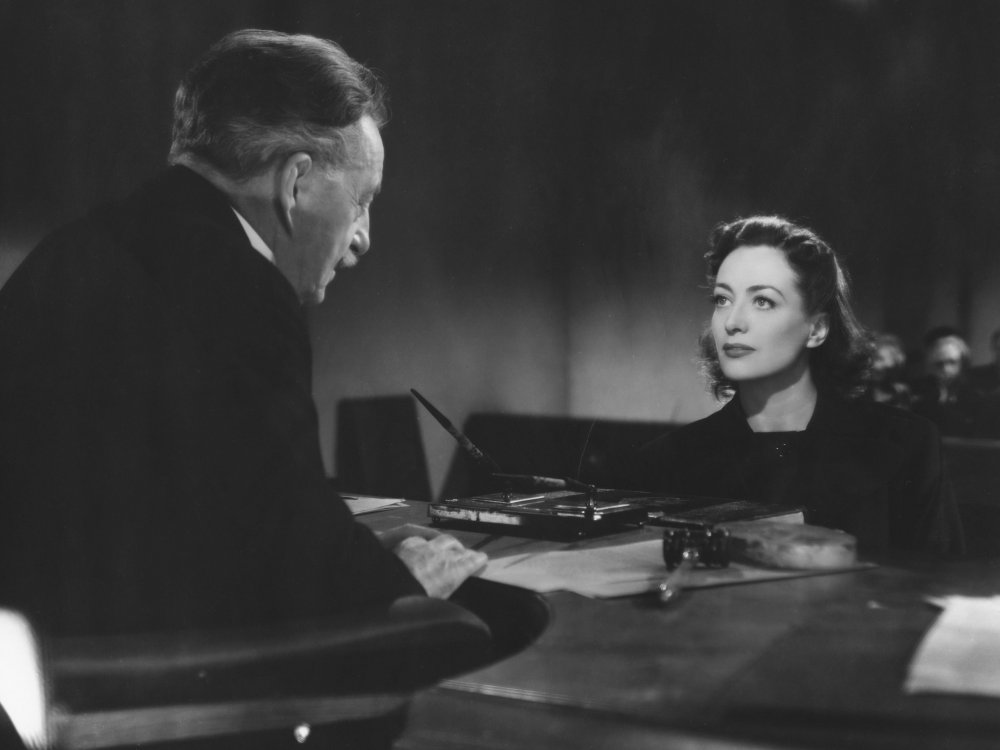
Em um tribunal em Estocolmo, o julgamento de Anna Holm (Joan Crawford) começa. Anna é acusada de assassinato. As testemunhas são chamadas e contam a história em flashback. Anna e seus “amigos” trabalhavam em um restaurante, mas este trabalho era só de fachada: eles atuavam de verdade no ramo da chantagem.

In a tribunal in Stockholm, the judgment of Anna Holm (Joan Crawford) begins. Anna is accused of murder. The witnesses are called and they tell the story in flashback. Anna and her “friends” worked in a restaurant, but this job was just a disguise: they were really active in the blackmail market.


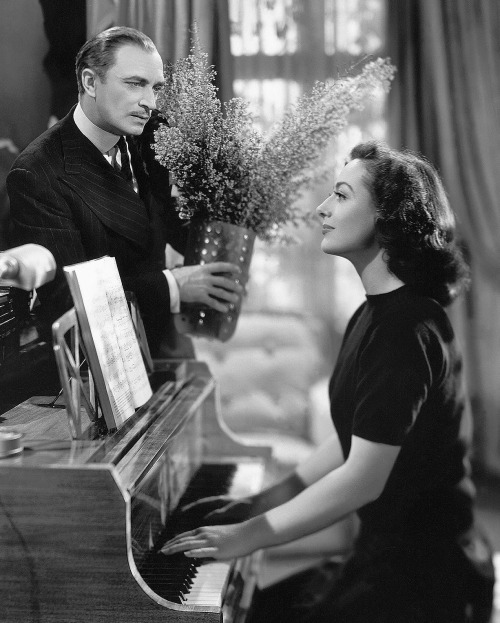
A vítima de chantagem que vai mudar toda a história é Vera Segert (Osa Massen), cujas cartas de amor para um amante foram parar nas mãos erradas. Enquanto negocia com Vera, Anna conhece o esposo dela, Gustaf (Melvyn Douglas), quese interessa pela grande cicatriz que Anna tem no rosto. Gustav então se oferece para operar Anna e remover a cicatriz. Ao mesmo tempo, Anna se apaixona por Torsten Barring (Conrad Veidt), que a quer para executar seu próprio plano maligno.

The blackmail victim that will change everything is Vera Segert (Osa Massen), whose love letters to a lover ended up in wrong hands. While negotiating with Vera, Anna meets her husband, Gustaf (Melvyn Douglas), who gets interested in the big scar Anna has in her face. Gustav then offers to operate Anna and remove the scar. At the same time, Anna falls in love with Torsten Barring (Conrad Veidt), who wants her for an evil plan of his own.


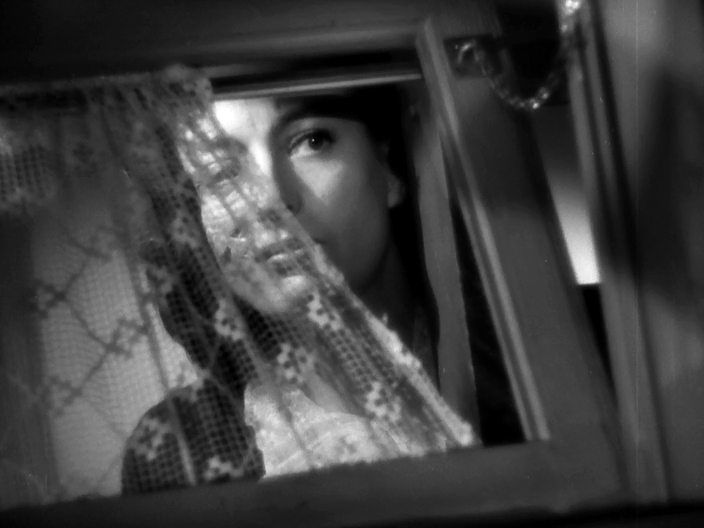
A cicatriz de Anna é decorrente de um incêndio ao qual ela sobreviveu na infância. Por causa da cicatriz, ela não conseguiu arranjar trabalho quando era adolescente e então se tornou criminosa. Anna lidava com canalhas, e em geral desconfiava de todos – não porque eles eram canalhas, mas porque ela achava que eles estavam sempre zombando de seu rosto. Toda a vida e todas as atitudes de Anna foram pautadas em sua cicatriz.

Anna got her scar after she survived a fire in her childhood. Because of the scar, she couldn't find a job as a teen and turned to crime. Anna was dealing with crooks, and she was often suspicious of everybody – not because they were crooks, but because she thought they were always mocking her appearance. All her life and her actions have been dictated by that scar.


“Um Rosto de Mulher” nos leva a refletir sobre as aparências e sobre como julgamos as pessoas pela aparência. Isso vai além das noções de bonito ou feio: aqui estamos falando de uma pessoa marcada, na mesma situação de pessoas que adquiriram uma deficiência depois de um acidente. Eu pensei muito nas pessoas que lutaram em guerras e ficaram para sempre marcadas ou deficientes porque não havia  tratamento ou cirurgia plástica na época. Estas são as vítimas do fogo, de bombas e de ataques com gás que tiveram de conviver com pessoas que não acreditavam que alguém “diferente” merecia respeito.

A Woman's Face” leads us to think about appearances and how we judge people by their looks. This goes way beyond the notions of beautiful and ugly: here we are talking about someone scarred, in the same situation as people who were left handicapped by some accident. I thought a lot about people who had fought in wars and left permanently scarred or disabled because there was no treatment or plastic surgery in that time. These are the victims of fires, bombs, gas attacks, who then had to live among people who didn't see someone “different” as someone worth respecting.


Hollywood, desde sempre, fez remakes de sucessos internacionais, e neste caso não foi diferente. “Um Rosto de Mulher” é o remake de “A Mulher que Vendeu a Alma”, filme sueco de 1938 que revelou ao mundo uma jovem de 23 anos chamada Ingrid Bergman. Enquanto Crawford está bem no remake, não há comparação com a personagem amarga interpretada por Ingrid no original.

Hollywood, since the beginning, remade international successes, and this case was no exception. “A Woman's Face” is the remake of “En kvinnas ansikte”, a Swedish film from 1938 that introduced to the world a young 23-year-old girl named Ingrid Bergman. While Crawford is good in the remake, there is no comparison to the embittered character played by Ingrid in the original.


Em uma única cena no sótão, Conrad Veidt consegue ser incrivelmente assustador e sombrio – muito diferente de quando ele está dançando com Joan Crawford. Como Vera, Osa Massen ou é uma péssima atriz ou uma ótima atriz interpretando uma personagem insuportável. Alguns coadjuvantes brilham, em especial Marjorie Main e Donald Meek.

In a single scene in an attic, Conrad Veidt manages to be incredibly scary and somber – very different from when he's dancing with Joan Crawford. As Vera, Osa Massen is either a very bad actress or a very good one playing an annoying character. Some supporting players shine, in special Marjorie Main and Donald Meek.


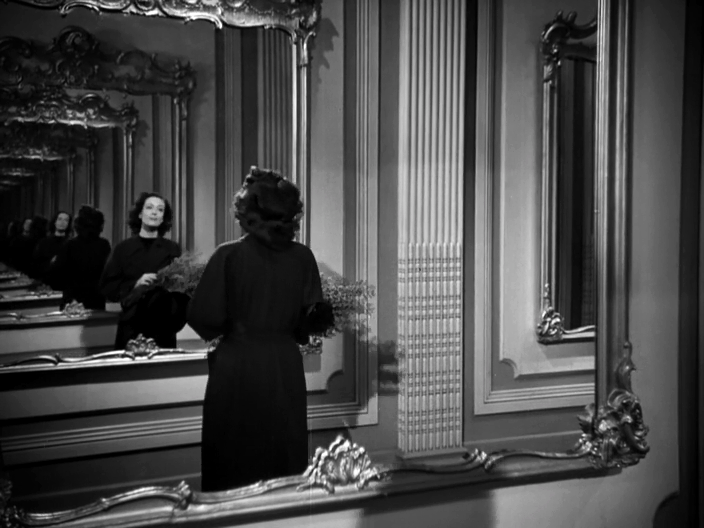
Do ponto de vista técnico, há algumas coisas a se destacar em “Um Rosto de Mulher”. Há uma cena muito interessante com diversos espelhos. Há duas sequências muito tensas e sem música – apenas com os barulhos do ambiente, e esta escolha foi muito eficiente para aumentar o suspense. E, claro, o departamento de maquiagem fez maravilhas não apenas com a criação da cicatriz de Anna, mas também com a maneira como mostram o efeito do fogo no olho dela.

From the technical point of view, there are a few things to point out about “A Woman's Face”. There is a very interesting shot with a lot of mirrors. There are a couple of very tense scenes that have no music – only the noises of the place, and this choice proved to be very effective to increase the suspense. And, of course, the make-up department did wonders not only conceiving Anna's scar, but also showing how the fire also affected her eye.


Antes do doutor Gustaf ver o resultado da cirurgia de Anna, ele diz ter medo de que ela se torne “um belo rosto sem coração”. A mudança no rosto de Anna vem junto com uma mudança no coração, e assim o filme reforça o estereótipo de Hollywood de que tudo que é belo é bondoso. “Um Rosto de Mulher” é um ótimo filme, mas eu gostaria mais dele se a aparência de Anna não tivesse mudado. Afinal, se o Corcunda de Notre Dame podia ser um cara legal mesmo sendo considerado “feio”, por que o mesmo não poderia acontecer com Anna Holm?

Before Dr. Gustaf sees the result of Anna's surgery, he says he's afraid of her ending up having “a beautiful face and no heart”. As Anna's change in her face comes with a change of heart, we see another picture that reinforces the Hollywood stereotype that beautiful equals kind. “A Woman's Face” is a great film, but I'd love it more if the Anna's appearance didn't change. After all, if the Hunchback of Notre Dame could be a great guy even being considered “ugly”, why couldn't Anna Holm be the same?


This is my contribution to the Joan Crawford blogathon, hosted by Pale Writer and Poppity Talks Classic Films.


Related Posts Plugin for WordPress, Blogger...