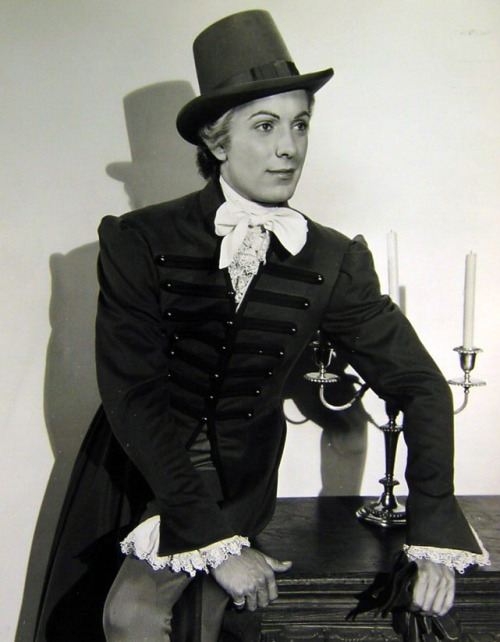
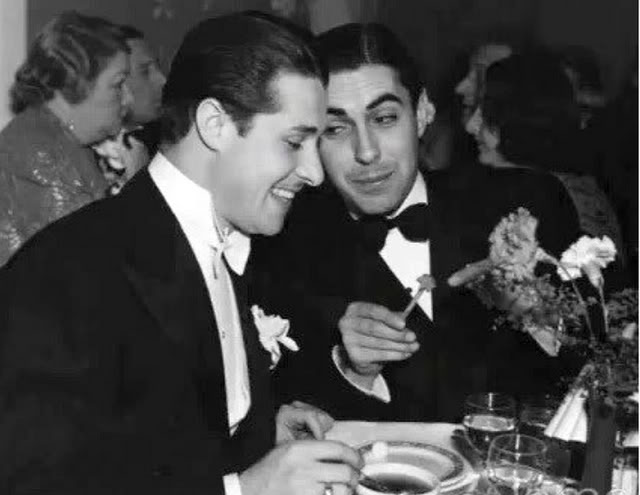
} Crítica Retrô: George Sanders

Tradutor / Translator / Traductor / Übersetzer / Traduttore / Traducteur / 翻訳者 / переводчик

Showing posts with label George Sanders. Show all posts

Saturday, October 14, 2023

O que Matou por Amor (1944) / Summer Storm (1944)


Até mesmo grandes diretores começaram dando pequenos passos. Hoje nosso foco é um filme de Douglas Sirk feito para os estúdios Angelus Pictures e Nero Film, ambos praticamente esquecidos na atualidade. Nero Film, assim como Sirk, tinha como casa a Alemanha e migrou quando os nazistas chegaram ao poder. “O que Matou por Amor” é apenas o segundo filme de Sirk feito em Hollywood, e um filme que ecoa as raízes europeias do diretor.


Even big directors started small. Today we showcase a film by Douglas Sirk made for the studio Angelus Pictures, as well as Nero Film, both nearly forgotten today. Nero Film, just like Sirk, was based in Germany and fled as Nazis came to power. “Summer Storm” is just Sirk’s second film made in Hollywood, and one that echoed his European roots.


Nossa história começa em 1919, na Rússia revolucionária, quando o ex-conde Volsky (Edward Everett Horton) procura um jornal para publicar uma história. Ele chega à sede do Times local e descobre que a nova editora é uma velha conhecida, Nadena Kalenin (Anna Lee). Ele dá a ela o manuscrito e passamos para dentro da história.


Our story starts in 1919, in revolutionary Russia, when the former Count Volsky (Edward Everett Horton) seeks a newspaper to publish a story. He arrives at the local Times headquarters and learns that the new editor is an old acquaintance, Nadena Kalenin (Anna Lee). He then hands her the manuscript and we’re immersed in the story.
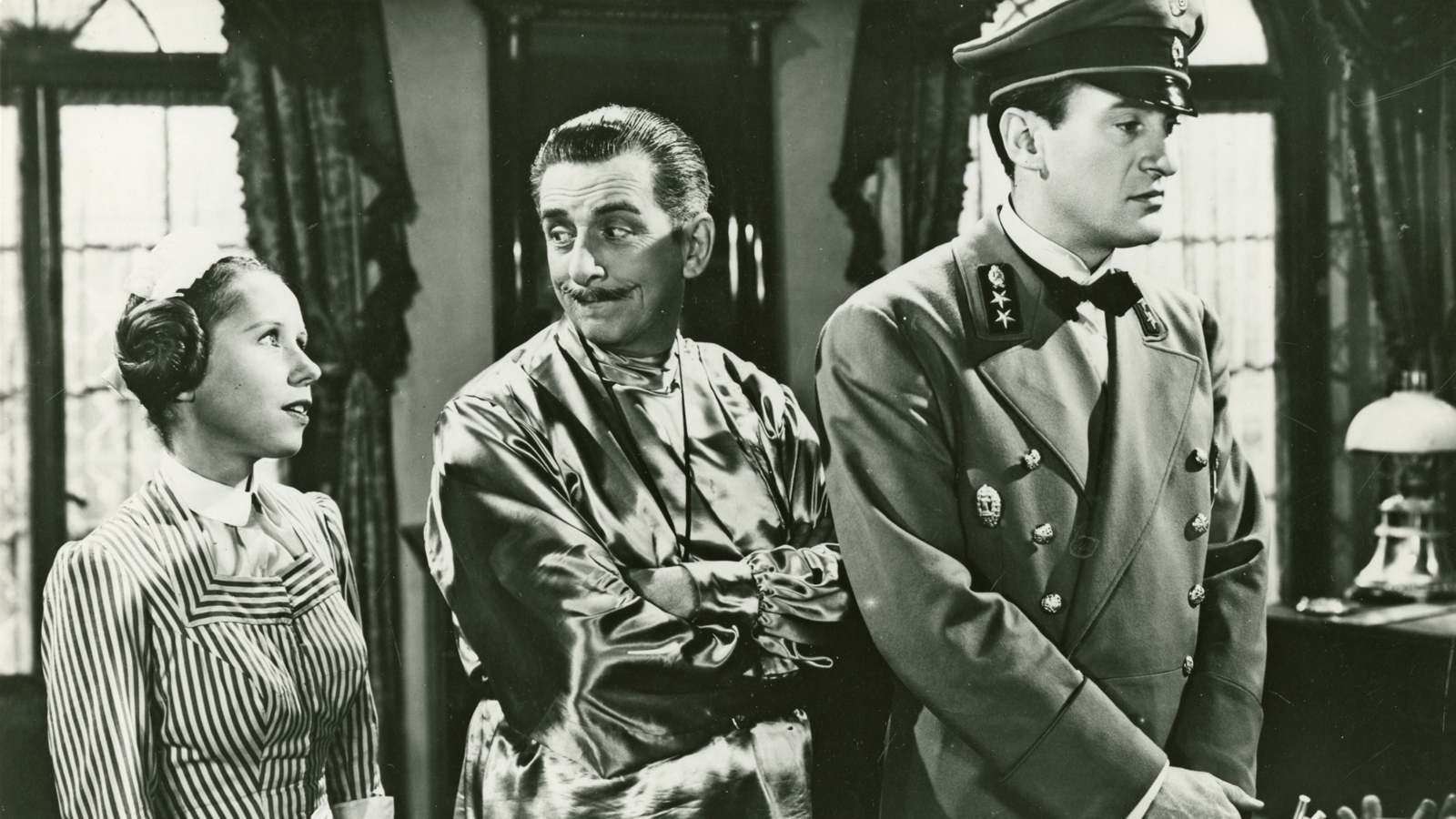

Corta para 1912, numa Rússia pré-revolucionária. Nadena acabara de ficar noiva de Fedor ‘Fedya’ Petroff (George Sanders), mas ele conhece uma camponesa encantadora, Olga (Linda Darnell), na casa de Volsky. Olga se casa com um dos empregados de Volsky, Anton Urbenin (Hugo Haas), mas ela claramente tem nojo do marido e vai atrás de Fedya. Não satisfeita, ela também seduz Volsky!


Cut to 1912, in pre-revolutionary Russia. Nadena has just gotten engaged to Fedor ‘Fedya’ Petroff (George Sanders), but he meets an enchanting peasant, Olga (Linda Darnell), at Volsky’s place. Olga marries one of Volsky’s employees, Anton Urbenin (Hugo Haas), but she’s clearly disgusted by her husband and pursues Fedya instead. Not satisfied, she also seduces Volsky!


Quando Fedya e Olga se beijam pela primeira vez, ela está mais preocupada com seu único par de botas, que ela estava segurando e que caíram de suas mãos. No segundo beijo deles – ou no segundo beijo que vemos – acontece no dia do casamento dela e de repente ela se mostra mais segura e ousada. Esta mudança de garota simples para um tipo de femme fatale parece estranha, mas faz sentido porque Olga é uma mulher endurecida por sua realidade: com um pai alcoólatra, sua única maneira de escapar de uma vida miserável é através de suas relações com os homens.


When Fedya and Olga first kiss, she’s more worried about her only pair of boots, that she was holding and fall from her hand. In their second kiss – or in the second kiss we see – it’s her wedding day and suddenly she’s more secure and bold. This transition from simple girl to a kind of femme fatale seems odd, but makes sense as Olga is a woman hardened by her reality: with an alcoholic father, her only way out of a miserable life is through her relationships with men.
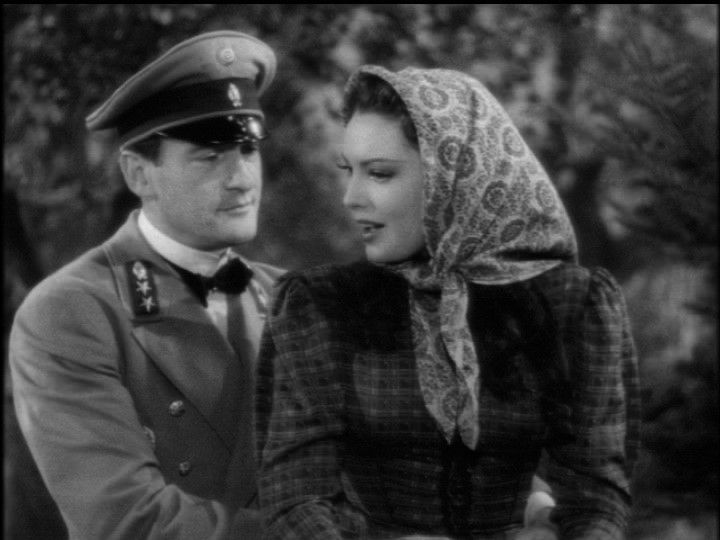
Linda Darnell tinha apenas 20 anos quando fez “O que Matou por Amor”. Nascida Monetta Eloyse Darnell em Dallas, Texas, ela foi obrigada pela mãe a começar uma carreira como modelo aos 11 anos de idade e como atriz aos 13. Ela fez seu primeiro filme em 1939 e vinha interpretando personagens inocentes... até “O que Matou por Amor”. Este filme mudou sua imagem junto ao público e a partir daí ela passou a interpretar personagens mais ambíguas, incluindo algumas femme fatales, com grande sucesso.


Linda Darnell was only 20 when she made “Summer Storm”. Born Monetta Eloyse Darnell in Dallas, Texas, she was pushed by her mother to pursue a modeling career, that started at age 11, and an acting career, starting at 13. She made her first film in 1939 and had been playing innocent characters… until “Summer Storm”. This film changed her public image and from then on she played more ambiguous characters, including a few femme fatales, with great success.


A jovem criada do conde Volsky, Clara (Laurie Lane), suspira quando vê que Fedya chegou para visitar o amigo. Ela tinha sua razão: George Sanders foi um dos atores mais charmosos da velha Hollywood. Com uma voz distinta e melódica, Sanders foi escolhido para o papel devido à sua semelhança física com o ator alemão Willy Birgel, que era a primeira escolha de Sirk quando o diretor estava desenvolvendo a adaptação do romance ainda na Alemanha. Sirk deixou o país em 1937, mas levou consigo a ideia de adaptar “The Shooting Party” para as telas.


Count Volsky’s young maid Clara (Laurie Lane) swoons when she says Fedya is there to see his friend. She had reason: George Sanders was one of the most charming actors from Old Hollywood. With a distinct, melodic voice, Sanders was chosen for the role because he looked like German actor Willy Birgel, who was Sirk’s first choice when the director was developing the adaptation of the novel still in Germany. Sirk left the country in 1937, but kept his idea of adapting “The Shooting Party” to the screen.

“O que Matou por Amor” é baseado num romance do notório escritor russo Anton Chekhov, e o texto foi adaptado para as telas por Douglas Sirk e Michael O’Hara. Mas não existia ninguém chamado Michael O’Hara: é apenas o pseudônimo de Sirk! O roteiro final é creditado a Rowland Leigh, mas ele não foi a primeira escolha de Sirk: o primeiro roteirista contratado, James M. Cain, foi demitido por Sirk porque ele fez os personagens parecerem “americanos demais”. “The Shooting Party” foi o trabalho mais longo de Chekhov e seu único romance.


“Summer Storm” is based on a novel by the notorious Russian writer Anton Chekhov, and the text was adapted to the screen by Douglas Sirk and Michael O’Hara. But there was no such person named Michael O’Hara: it’s only Sirk’s pseudonym! The final screenplay is credited to Rowland Leigh, but he wasn’t Sirk’s first choice: the first screenwriter hired, James M. Cain, was fired by Sirk because he made the characters seem “too American”. “The Shooting Party” was Chekhov’s largest work and only full-length novel.

Feito numa época em que ainda não havia animosidade em relação à Rússia e União Soviética – o país e os EUA eram aliados durante a Segunda Guerra Mundial, e a Guerra Fria ainda levaria um par de anos para começar – “O que Matou por Amor” bebe da tradição russa e nos faz imaginar que obras-primas poderiam vir se Hollywood tivesse continuado adaptando obras russas. Um veículo excelente para suas estrelas, este é certamente um filme que vale a pena ser visto se ainda não foi.


Made in a time when there wasn’t yet animosity regarding Russia and URSS – the country and the USA were allies during World War II, and the Cold War would still take a couple of years to start – “Summer Storm” drinks from Russian tradition and makes us wonder which masterpieces would come if Hollywood kept adapting Russian works. An excellent vehicle for its stars, it is surely a film to check out if you haven’t yet.


This is my contribution to the Linda Darnell Centennial blogathon, hosted by Samantha at Musings of a Classic Film Addict.


Monday, August 28, 2023

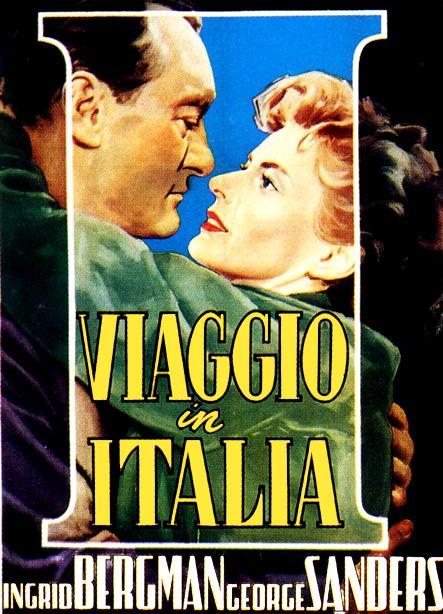
Viagem à Itália (1954) / Journey to Italy (1954)


Quando Ingrid Bergman deixou Hollywood e um casamento sólido e escolheu a Itália e um romance com o diretor Roberto Rossellini, foi um escândalo. Este episódio é tão conhecido dentro da biografia de Bergman que às vezes os filmes que ela fez com Rossellini são ofuscados pelo escândalo. Este pequeno conjunto de seis filmes inclui “Stromboli” (1950), a obra-prima “Europa ‘51” (1952), uma recontagem da história de Joana D’Arc e esta curiosa “Viagem à Itália”.


When Ingrid Bergman left Hollywood and a solid marriage and chose Italy and a romance with director Roberto Rossellini, it was a scandal. This episode is so well-known inside Bergman’s biography that sometimes the movies she did with Rossellini are obfuscated by the scandal. This little oeuvre of six films includes “Stromboli” (1950), the masterpiece “Europa ‘51” (1952), a re-telling of Joan of Arc’s story and this curious “Journey to Italy”.

Esta é a história da primeira vez em que o casal Katherine (Ingrid Bergman) e Alex (George Sanders) fica sozinho de verdade desde que se casaram. Eles estão na Itália por causa de uma herança, mas não ficarão sozinhos por muito tempo, pois encontram velhos conhecidos e fazem novas amizades em jantares nos quais ambos desaprovam que o outro se divirta com outras pessoas. Entre as ruínas eles discutem e parecem chegar a um ponto de virada no relacionamento.


This is the story of the first time the couple Katherine (Ingrid Bergman) and Alex (George Sanders) is truly alone ever since they got married. They are in Italy because of an inheritance, but they won’t stay alone for long, as they meet old acquaintances and make new friends in dinners where both dislike that the other has fun with other people. Among the ruins, they have their arguments and seem to arrive at a crossroads in their relationship.

Quando Katherine visita um museu na primeira metade do filme, as peças em exibição são oriundas de Pompeia. A tragédia da cidade tomada pelo vulcão séculos atrás assombra o casal, pois a vila que herdaram tem como vista o Vesúvio. Ao voltar do museu, ela conta sua experiência, dizendo que foi como se ela pudesse sentir como estas pessoas, imortalizadas em estátuas, eram e o que elas queriam.


When Katherine visits a museum in the first half of the film, the pieces there are remains from Pompeii. The tragedy of the city engulfed by the volcano centuries ago lingers on the couple, as the villa they inherited has the Vesuvius as a view. After coming back from the museum, she chronicles her experiences, saying that it was as if she could sense how those people immortalized in statues were like and what they wanted.

Embora não creditada, a fonte para o filme foi uma novela chamada “Duo”, da escritora Colette. Rossellini, junto com Vitaliano Brancati, escreveu o roteiro. George Sanders escreveu em sua autobiografia que rodar o filme foi uma experiência desesperadora, que ele realmente detestou. Talvez tenha sido porque este é um filme feito por um Rossellini em mutação: o diretor / roteirista / produtor estava abandonado o Neorrealismo e se comprometendo com um novo tipo de Realismo. O método de trabalho de Rossellini – especialmente o fato de ele trabalhar sem um roteiro – também desagradaram a Sanders.


Although uncredited, the source of the film was a novel called “Duo” by writer Colette. Rossellini, together with Vitaliano Brancati, wrote the screenplay. George Sanders wrote in his autobiography that shooting the film was an exasperating experience, one he truly disliked. Maybe it was because this is a movie made by a changing Rossellini: the director / writer / producer was abandoning the Neo-Realism and committing to a new kind of Realism. Rossellini’s work methods – especially working without a script – also displeased Sanders.

Em 1953, quando o filme começou a ser rodado, Bergman e Rossellini, como um casal, estavam em crise. O diretor também atravessava uma crise financeira – ele só conseguiu financiamento para o filme através de um industrial milanês que era seu fã. Quando as filmagens terminaram, Rossellini demorou mais um ano e meio para conseguir um distribuidor para o filme, que foi um fracasso de bilheteria e só agradou aos críticos da Cahiers du Cinéma – aqueles jovens que revolucionariam o cinema com a Nouvelle Vague alguns anos mais tarde.


In 1953, when the movie started shooting, Bergman and Rossellini, as a couple, were struggling. The director was also struggling financially – he could only get financing for the movie through a Milanese industrialist who was his fan. When filming ended, it took Rossellini a year and a half to find a distributor, but the film performed poorly at the box office and pleased only the critics from the Cahiers du Cinèma – those young men who would revolutionize cinema with the Nouvelle Vague a few years later.

Ocupando a posição 72 na lista de Melhores Filmes de Todos os Tempos da Sight and Sound de 2022, “Viagem à Itália” merece o reconhecimento. Um melodrama sem vilão – ou um em que a vida e suas atribulações são o vilão – o filme pode não ter me impressionado tanto quanto “Europa ‘51”, mas foi ótimo fazer esta viagem junto a Sanders e Bergman – e ao maestro Rossellini, obviamente.


Ranked 72 in the 2022 Sight and Sound Best Movies of All Time poll, “Journey to Italy” deserves the recognition. A melodrama without a villain – or one where life and its tribulations is the villain – the film may have not left an impression on me as big as “Europa ‘51”, but it was great to take this journey alongside Sanders and Bergman – and maestro Rossellini, of course.


This is my contribution to the 6th Wonderful Ingrid Bergman blogathon, hosted by Virginie at The Wonderful World of Cinema.

Monday, May 5, 2014

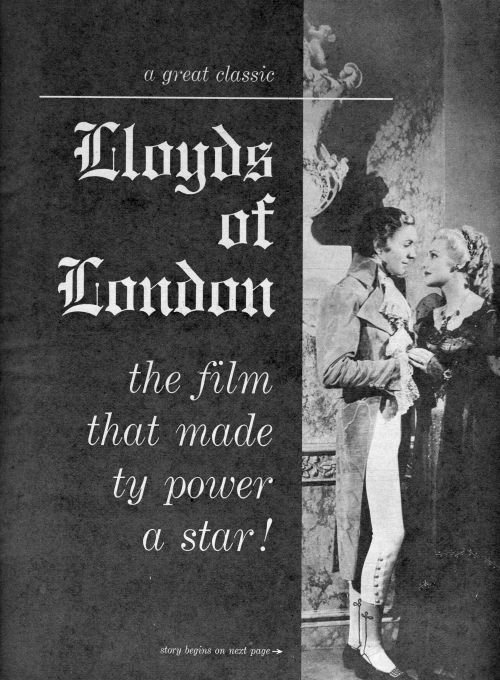
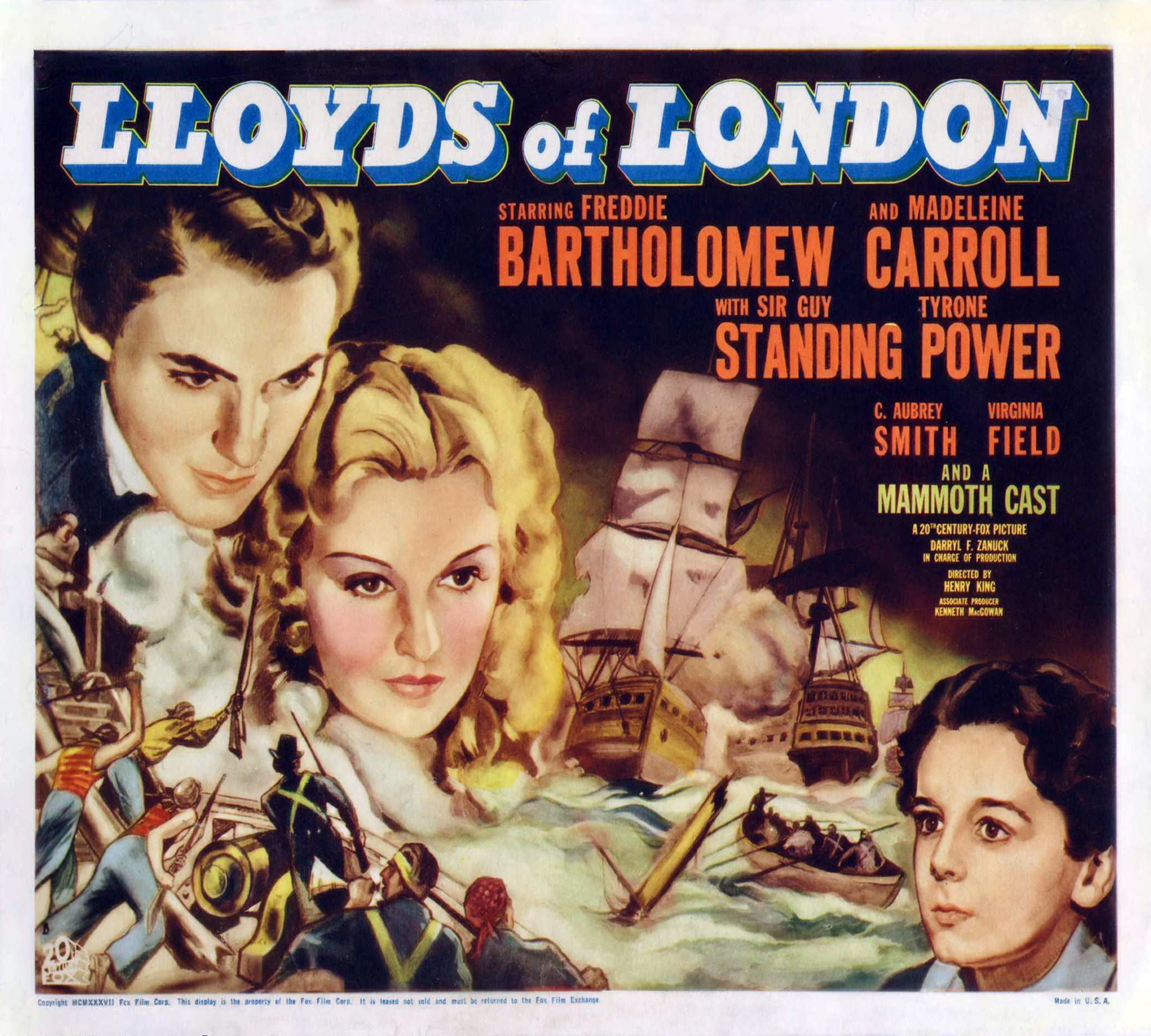
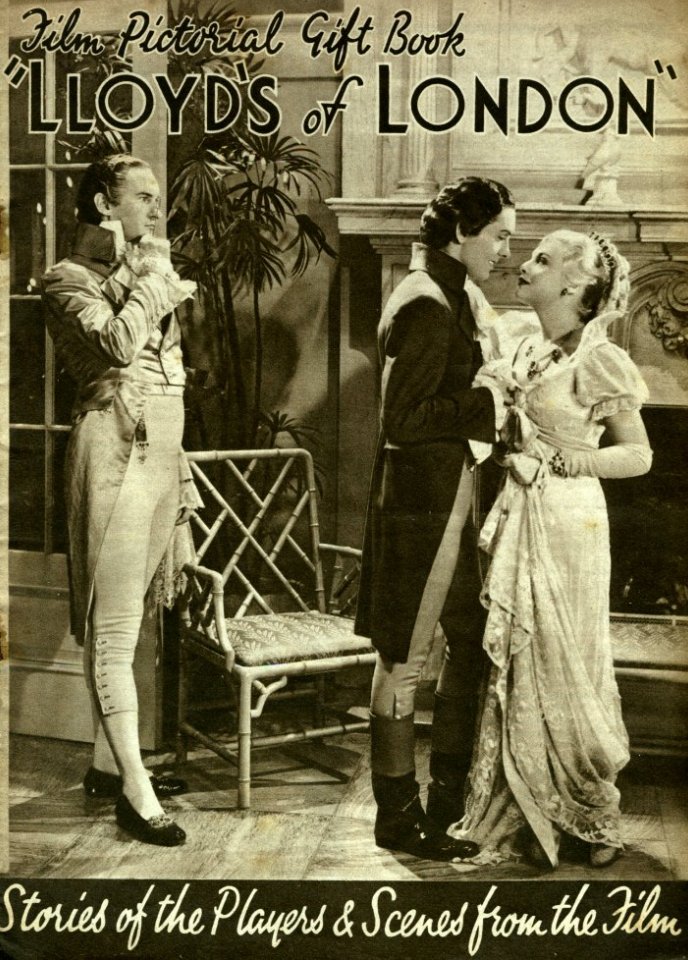
Lloyd’s de Londres / Lloyd’s of London (1936)

Na minha humilde opinião, Tyrone Power foi o homem mais bonito a aparecer numa tela de cinema. Esqueça Valentino,Gable, Paul Newman, George Clooney ou Johnny Depp. A beleza de Ty era perfeita. Alto, magro, moreno, olhos expressivos, nariz perfeito. Sua beleza estava no auge nos anos 30 (mais uma vez, esta é uma opinião pessoal), e ver Ty neste momento do auge da juventude e de maturação do talento não tem preço.

In my humble opinion, Tyrone Power was the most handsome man to ever appear in a movie screen. Forget Valentino, Gable, Paul Newman, George Clooney or Johnny Depp. Ty's beauty was perfect. Tall, slim, dark, expressive eyes, perfect nose. He was his most beautiful during the 1930s (again, my own personal opinion), and to see Ty at this moment, in the climax of his youth and maturing as an actor, is priceless.
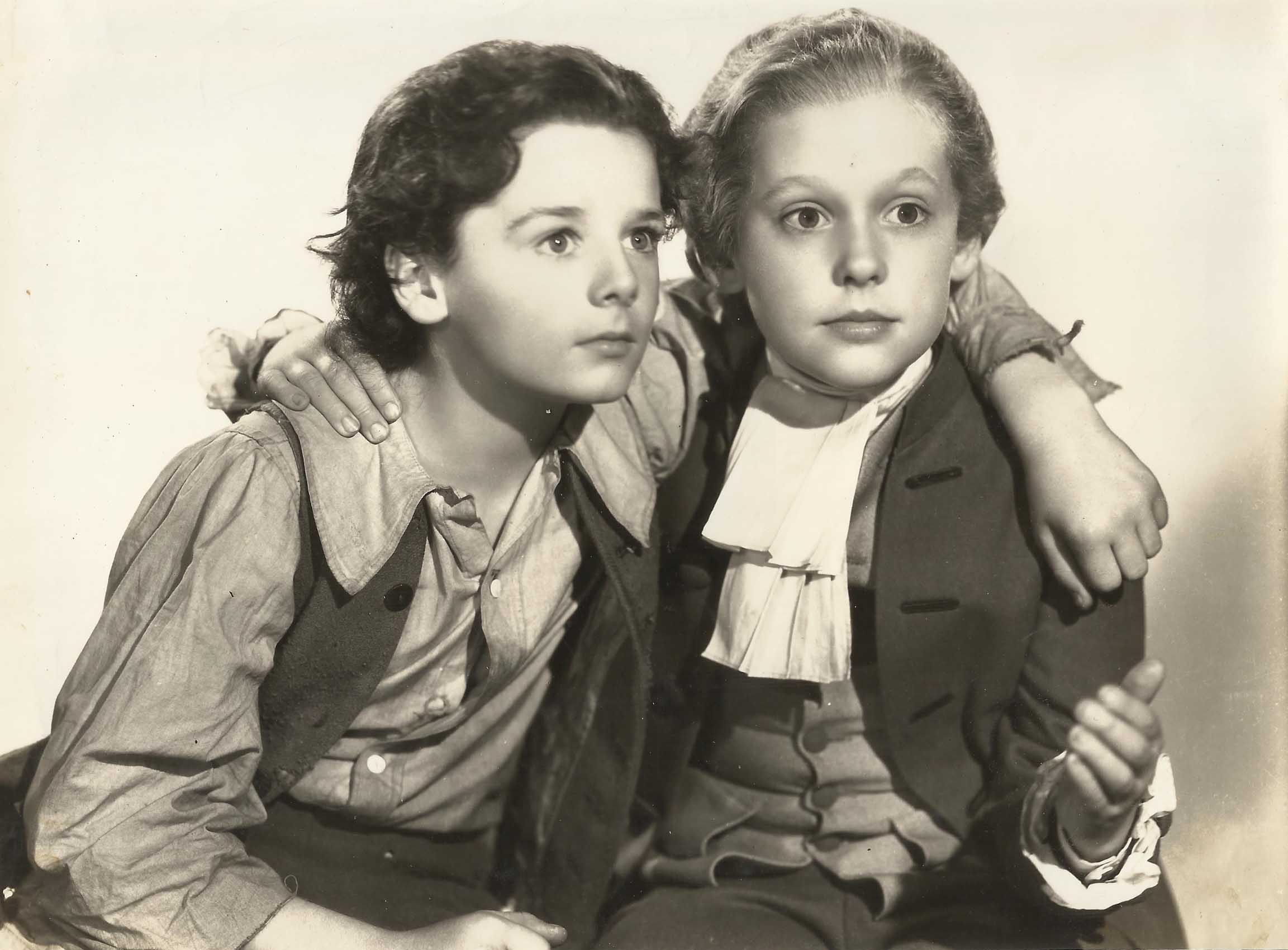
Lloyd’s of London” é o primeiro filme em que ele é creditado apenas como Tyrone Power, e não Tyrone Power Jr. Seu pai havia sido um famoso ator de teatro que também fez filmes mudos (e se parecia um pouco com Francis X Bushman). Mas na primeira meia hora nem vemos sinal da nova estrela da 20th Century Fox. No começo do filme, o garoto destemido Jonathan Blake é vivido por Freddie Bartholomew, ator mirim de sucesso que recebe top billing (seu nome é o primeiro nos créditos). Jonathan deixa seu amigo rico Horatio Nelson no interior e vai até Londres a pé para avisar uma companhia de seguros sobre planos de um navio pirata.

Lloyd's of London” is the first film in which he is credited only as Tyrone Power, and not as Tyrone Power Jr. His father was a famous theater actor who also appeared in silent films (and looked a lot like Francis X. Bushman). But in the first half hour we don't even see the new star of 20th  Century Fox. At the beginning of the movie, the boy Jonathan Blake is played by Freddie Bartholomew, the child star with the top billing. Jonathan leaves his rich friend Horatio Nelson on the countryside and goes on foot until London to warn an insurance company about plans from a pirate ship.
Quando a casa de seguros Lloyd’s percebe que o menino falou a verdade e que isso os livrou de um prejuízo milionário, Jonathan se torna o protegido do administrador do local, e cresce naquele ambiente. Seu amigo Horatio se alista na Marinha e alcança um alto cargo como comandante de um navio nas guerras contra Napoleão Bonaparte (o ano então é 1784).

When the insurance house Lloyd's realizes that the boy told the truth and that he prevented them from losing millions, Jonathan becomes the local head's protegée and grows up in that environment. His friend Horatio joins the Marines and achieves a high position as the commander of a ship during the wars against Napoleon Bonaparte (the year then is 1784).

E já que o cenário é França contra Inglaterra, Jonathan vai a Paris e resgata uma bela inglesa, Elizabeth (Madeleine Carroll), que está sendo hostilizada por um grupo francês. Jonathan se apaixona, mas Elizabeth prefere manter sua identidade oculta enquanto os dois dividem um barco de volta para casa.

And since the issue is France against England, Jonathan goes to Paris to rescue a beautiful English lady, Elizabeth (Madeleine Carroll), who is being hostilized by a French group. Jonathan falls in love, but Elizabeth prefers to keep her real identity a secret while the two share a boat back home.
Jonathan descobre, depois de um breve período de depressão, que Elizabeth é da nobreza e, pior, é casada. Para provar seu valor, ele passa a ascender socialmente com seu trabalho, arriscando cada vez mais os negócios da seguradora. E uma decisão da frota de Horatio será decisiva não apenas para salvar a Lloyd’s, mas também para recuperar o dinheiro que Elizabeth investiu na seguradora e até mesmo para que Jonathan continue vivo e fora da cadeia.

Jonathan finds out, after a short sad period, that Elizabeth is a noblewoman and, worse, is married. To prove his value, he ascends socially through his work, putting more and more the businesses of the insuracne house at risk. And a decision coming from Horatio's ships will be very important not only to save the Lloyd's, but also to recover the money Elizabeth invested in the insurance house and also to keep Jonathan alive and far from the jail.
Este, entretanto, não é o filme em que Ty está mais bonito. Na minha opinião (estou opinando muito hoje), é em “Maria Antonieta” (1938) que sua beleza está mais acentuada. E olhem bem: ambos Maria Antonieta e Lloyd’s of London são filmes históricos, que se passam na mesma época, com uma década de diferença. Ty certamente se deu bem em filmes históricos, embora vez ou outra o figurino não ajudasse. Aqui, por exemplo, ele usa em uma cena uma roupa digna de gnomo na parada do St. Patrick’s Day!

This isn't, however, the film in which Ty looks his most handsome. In my opinion (I'm opinating a lot today), it is in “Marie Antoinette” (1938) that he looks his best. And pay attention: both Marie Antoinette and Lloyd's of London are historical films set in the same time period, with  a decade separating the settings. Ty certainly did well in historical pieces, even if the wardrobe didn't help him always. Here, for instance, his uses in one scene an outfit that could belong to a leprechaun at the St. Patrick's Day parade!
Lloyds’ of London” está longe de ser uma obra-prima. Mas foi importante por ser o primeiro grande filme da carreira de Tyrone. No início, o papel de Jonathan era do grande amigo de Power, Don Ameche, mas Ty foi escalado no lugar e se tornou a estrela que Ameche nunca seria (apesar do relativo sucesso na época, hoje Power é mais conhecido e lembrado que Ameche).

Lloyds' of London” is far from being a masterpiece. But it was important because it was the first film from Tyrone's career. Before production started, the role of Jonathan was going to Power's good friend, Don Ameche. But Ty was chosen instead and became the star Ameche never could be (although Ameche was a successful actor, nowadays Power is better known than him).
Ty viveu apenas 44 anos, mas deixou sua marca no mundo. Ator de cinema e teatro, combatente na Segunda Guerra Mundial, ídolo das multidões. Vê-lo aos 22 anos em “Lloyd’s of London” é a oportunidade única que temos de dizer: “assim nasce uma estrela”.

Ty lived for only 44 years, but left his mark in the world. A film and theater actor, he was also a combatent during World War II and the idol of the crowds. To see him at age 22 in “Lloyds' of London” is the opportunity we have to say: “this is how a star is born”.

This is my contribution to the Power- Mad blogathon, hosted by Patty at The Lady Eve and Patti at They Don't Make 'Em Like They Used To in honor of the 100th birthday of Tyrone Power, the Greek god of the 20th century.
Related Posts Plugin for WordPress, Blogger...