} Crítica Retrô: Ernst Lubitsch

Tradutor / Translator / Traductor / Übersetzer / Traduttore / Traducteur / 翻訳者 / переводчик

Showing posts with label Ernst Lubitsch. Show all posts

Friday, September 11, 2026

Ser ou Não Ser (1942) / To Be or Not to Be (1942)

 Ser ou não ser: eis a questão. A frase de Shakespeare conhecida até mesmo por quem não sabe quem foi Shakespeare. Naquele que seria o último filme de Carole Lombard, a frase é um código para um encontro furtivo entre amantes. Nas habilidosas mãos de Ernst Lubitsch, aqui como diretor e produtor, a frase também funciona como o título de uma comédia de humor negro essencial dentro da História do cinema.

To be or not to be: that’s the question. The Shakespearean line known even by those who don’t know who Shakespeare was. In what was Carole Lombard’s last film, the line is a code for a furtive encounter between lovers. In the skillful hands of Ernst Lubitsch, here as both director and producer, the line also works as the title of a quintessential black comedy.

Damos a primeira risada quando Bronski (Tom Dugan), vestido como Hitler, faz a saudação nazista e diz “Heil, eu”. Tudo o que havíamos presenciado até então não é nada além de uma peça encenada pela companhia do Sr Dobosh (Charles Halton). É agosto de 1939 na Polônia e a peça “Gestapo” não pode estrear porque pode desagradar a Hitler. Eles então reencenam Hamlet.

The first laugh is upon us when Bronski (Tom Dugan), dressed as Hitler, does the Nazi salute and says “Heil, me”. All we had been witnessing is nothing but a play staged by the company that belongs to Mr Dobosh (Charles Halton). It’s August 1939 in Poland and their play “Gestapo” can’t open because it may upset Hitler. They go on to stage Hamlet once again.

As principais estrelas da companhia são Joseph Tura (Jack Benny) e sua esposa Maria (Carole Lombard). Maria recebe a visita de um piloto, Stanislav Sobinski (Robert Stack), sempre que seu marido está no meio do famoso solilóquio “ser ou não ser”. E então a guerra é declarada. 

The company’s main stars are Joseph Tura (Jack Benny) and his wife Maria (Carole Lombard). Maria receives the visit of a pilot, Stanislav Sobinski (Robert Stack), always when her husband is in the middle of the “to be or not to be” soliloquy. War is then declared.

Stanislav vai para a Inglaterra para se juntar à Real Força Aérea britânica. Lá ele se aproxima de um professor chamado Siletsky (Stanley Ridges), que diz ser polonês. Mas ele nunca ouviu falar de Maria Tura, o que acende um sinal de alerta na mente de Stanislav. Siletsky vai para Varsóvia e Stanislav o segue, temendo que ele possa ser um agente alemão levando informações secretas para a Gestapo. Stanislav envolve Joseph e Maria no jogo de espionagem.

Stanislav goes to England to join the Royal Air Force, the RAF. There he befriends a professor named Siletsky (Stanley Ridges) who claims to be Polish. But he had never heard of Maria Tura, which is a red flag according to Stanislav. Siletsky goes to Warsaw and Stanislav follows him, fearing he could be a German agent bringing top secret information to the Gestapo. Stanislav then involves Maria and Joseph in the espionage game.

Durante a guerra, entregar uma mensagem podia ser uma missão complexa. Você tinha que falar através de códigos que só as pessoas certas sabiam. Você tinha que carregar fotos em lugares incomuns. Você tinha que esconder as evidências. Você não podia se comunicar rapidamente pelo telefone ou por mensagens de texto. Mas você também não conhecia o rosto das pessoas, o que permite, por exemplo, que Joseph finja ser o coronel Ehrhardt para econtrar Siletsky.  

During the war, delivering a message could be a tricky task. You had to speak using codes that only the right people knew. You had to take photos in the most unusual places. You had to hide evidence. You couldn’t communicate quickly through the phone or text message. But you also didn’t know the face of the person you had to meet, which allows, for instance, Joseph to pose as colonel Ehrhardt for Siletsky.

Jack Benny é mais conhecido por seu trabalho no rádio e na televisão. Ele foi a primeira e única opção para interpretar Joseph Tura, pois Lubitsch escreveu o personagem com o ator em mente. Isso levou Benny a aceitar o papel de imediato. Entretanto, para a protagonista feminina a primeira opção foi Miriam Hopkins, mas ela e Jack Benny não se deram bem e Carole Lombard foi escalada. 

Jack Benny is better known for his radio and television work. He was the first and only option to play Joseph Tura, as Lubitsch wrote the character with the actor in mind. This led to Benny accepting the role immediately. However, for the female lead the first option was Miriam Hopkins, but she and Jack Benny didn’t get along, so Carole Lombard was cast instead.

A única indicação para o Oscar que este filme teve foi na categoria Melhor Música. A trilha sonora deveria ter sido composta por Miklós Rózsa, mas ele não concordou com uma sátira ao regime Nazista e recusou o trabalho. Rózsa era húngaro, assim como o produtor Alexander Korda, e foi substituído pelo judeu alemão Werner Heymann, que já havia trabalhado com Lubitsch anteriormente. Curiosidade: naquele ano, 18 filmes foram indicados ao Oscar de Melhor Música! 

The only nomination for the Oscar for this film came for Best Music. The soundtrack was supposed to have been composed by Miklós Rózsa, but he didn’t agree with a satirization of the Nazi regime and refused the job. Rózsa was Hungarian, as was the producer Alexander Korda, and was replaced by Jewish and German Werner Heymann, who had worked with Lubitsch previously. Curious tidbit: that year, 18 films were nominated for the Best Music Oscar! 

O filme estreou logo depois de os EUA entrarem na guerra. Carole Lombard, podemos dizer, foi vítima da guerra, pois faleceu num acidente de avião numa campanha de bônus de guerra dias depois de terminar de rodar “Ser ou Não Ser”.  

The movie premiered right after the USA entered the war. Carole Lombard, we could say, was a victim of the war, as she died in a plane crash while promoting war bonds days after she finished shooting “To Be or Not to Be”.

Anos antes de assistir a este filme, assisti ao remake de 1983 com Mel Brooks. Lembro que era um filme divertido, mas nem tanto quanto o original, e também tinha menos senso de urgência que o filme de Lubitsch. Fazer piada com os nazistas em 1983 era anacrônico, fazer piada com os nazistas em 1942 e hoje é catártico. Se toda catarse fosse como este filme hilário, o mundo seria um fardo bem mais leve de carregar.  

Years before I watched this film, I watched the 1983 remake with Mel Brooks. I remember it being funny, but not as much as the original, and also lacking the sense of urgency the Lubitsch film has. Making fun of Nazis in the 1980s was anachronistic, making fun of Nazis in the 1940s and nowadays is a catharsis. If all catharsis could play like this hilarious film, the world would be a lighter burden for us to carry.

Friday, August 21, 2026

A Oitava Esposa de Barba-Azul (1938) / Bluebeard’s Eighth Wife (1938)


Ernst Lubitsch já apareceu neste blog muitas vezes, nas várias fases de sua carreira de sucesso. O que poderia ser esperado de um ator que virou diretor, que trabalhou na Alemanha e em Hollywood, numa carreira que durou mais de 30 anos, entre as décadas de 1910 e 1940, que não fosse uma obra eclética? Sou grande fã dele, mas foi por acaso que escolhi três filmes de Lubitsch para ver e escrever sobre na minha lista de 12 clássicos para 2026. O primeiro título é a deliciosa comédia screwball “A Oitava Esposa de Barba-Azul” de 1938. 

Ernst Lubitsch has appeared in this blog many times, in the many phases of his successful career. What else could we expect from someone who was an actor-turned-director, who worked in Germany and Hollywood, in a career that lasted over 30 years, from the 1910s to the 1940s, if not an eclectic body of work? I’m a huge fan, but it was by chance that I chose three films by Lubitsch in a rol to review in my list of 12 classics for 2026. The first title is the delightful screwball comedy “Bluebeard’s Eighth Wife” from 1938.

Na Riviera Francesa, uma confusão numa loja de departamentos envolvendo pijamas aproxima dois estranhos: o belo Michael (Gary Cooper) e a bela Nicole (Claudette Colbert). Michael se apaixona desesperadamente e começa a seguir Nicole, depois de fechar um negócio com o pai da moça, o empobrecido Marquês De Noiselle (Edward Everett Horton).

In the French Riviera, a kerfuffle in a department store involving pajamas approaches two strangers: the handsome Michael (Gary Cooper) and the pretty Nicole (Claudette Colbert). Michael falls desperately in love and starts following Nicole, right after making a business deal with her father, the impoverished Marquis de Loiselle (Edward Everett Horton).

Na praia Michael encontra Nicole e o empregado dele, Albert (David Niven). Tudo progride rapidamente entre o casal. Duas semanas antes do casamento, entretanto, Nicole descobre que Michael já havia sido casado antes - sete vezes! Ela fica horrorizada, mas vê na boda uma possibilidade de negócio e aceita se casar se receber 100 mil dólares.

At the beach Michael finds Nicole and his employee Albert (David Niven). Things progress quickly between the couple. Two weeks before the wedding, however, Nicole becomes aware that Michael had been married before - seven times! She’s horrified, but sees in the wedding a business possibility and accepts to marry if she receives 100,000 dollars.

Eles vão para a Tchecoslováquia na lua-de-mel, mas a viagem não é alegre. Numa sequência silenciosa, Michael é inspirado pela leitura de “A Megera Domada” de Shakespeare e pensa que ele também pode domar a nova esposa, mas recebe um tapa e uma mordida. Eles acabam concordando com um contrato de “não fazer amor, não brigar”... mas isso vai dar certo?

They go to Czechoslovakia for their honeymoon, but the trip is not joyful. In a silent sequence, Michael is inspired by reading Shakespeare’s “The Taming of the Shrew” and thinks he too can tame his new wife, but he gets a slap and a bite instead. They end up agreeing with a “no lovemaking, no quarrel” contract… but will it last?

É curioso que um objeto de cena importante neste filme seja uma banheira que pertenceu a Luís XIV. Dezenove anos antes, Lubitsch fez “Madame DuBarry”, sobre a famosa amante do Rei Luís XV. Em “A Oitava Esposa de Barba-Azul”, Gary Cooper confunde informações sobre os dois reis e foi curioso observar a ligação de Lubitsch com os dois monarcas. 

It’s curious that an important plot prop from this movie is a bathtub that belonged to Louis XIV. Nineteen years prior, Lubitsch filmed “Madame DuBarry”, about the famous lover of King Louis XV. In “Bluebeard’s Eighth Wife” Gary Cooper mistakes information about the two kings and it was curious to notice Lubitsch’s connections with the two royals.

Claudette Colbert é maravilhosa, não? Nascida Émilie Claudette Chauchoin perto de Paris em 190, ela e a família vieram para a América em 1906. Ela cresceu falando francês e inglês e querendo ser pintora. Fez sua estreia na Broadway num pequeno papel aos 20 anos. Sua estreia nas telas, “Filhos da Fortuna” (1927), está atualmente perdido. Ela fechou contrato com a Paramount em 1928 e se tornou uma das mais populares atrizes de cinema na década seguinte. Quando “A Oitava Esposa de Barba-Azul” foi feito, ela já havia trabalhado com Lubitsch - em “O Tenente Sedutor” (1931) - e com Gary Cooper - em “Sua Mulher Perante Deus”, também de 1931. 

Claudette Colbert is delightful, isn’t she? Born Émilie Claudette Chauchoin near Paris in 1903, she and her family went to America in 1906. She grew up speaking French and English and wanting to be a painter. She debuted on Broadway in a small role at age 20. Her screen debut, “For the Love of Mike” (1927), is currently lost. She signed with Paramount in 1928 and became one of the most popular actresses of the screen in the following decade. By the time “Bluebeard’s Eighth Wife” was made, she had already worked with Lubitsch - in “The Smiling Lieutenant” (1931) - and with Gary Cooper - in “His Woman”, also from 1931. 

O filme é cheio de frases engraçadas e insinuações. Muitas frases, ditas em contextos incomuns ou sem qualquer contexto da conversa prévia, fazem os personagens pensar numa intimidade que não existe na realidade. Provavelmente por causa dessas insinuações, o filme recebeu uma nota B da Legião de Decência: moralmente condenável em partes, o que para mim é um elogio. 

The movie is full of funny lines and innuendos. Many sentences, said in unusual contexts or with no context at all of the previous conversation, make characters think about an intimacy that doesn’t exist in reality. Probably because of these innuendos, the film was rated B by the Legion of Decency: morally objectionable in part, which for me is a compliment.

As roupas de Claudette Colbert no filme são de tirar o fôlego, exatamente o tipo de roupas que eu gostaria de usar. O responsável pelo figurino foi Travis Banton, principal figurinista da Paramount nos anos 1930. Ele primeiro chamou a atenção quando Mary Pickford escolheu um de seus vestidos para usar no casamento com Douglas Fairbanks. Em 1938, ele já tinha vestido Colbert em “Cleópatra” (1934), mas ele é mais lembrado hoje por ter vestido Marlene Dietrich em diversos filmes.

Claudette Colbert’s clothes in this movie are breathtaking, exactly the kind of clothes I’d like to wear. The one responsible for the wardrobe was Travis Banton, key wardrobe artist for Paramount in the 1930s. He became someone of notice when Mary Pickford chose one of his dresses to wear on her wedding to Douglas Fairbanks. In 1938, he had already dressed Colbert in “Cleopatra” (1934), but he’s better remembered today for dressing Marlene Dietrich in several films.

“A Oitava Esposa de Barba-Azul” foi baseado numa peça de teatro francesa e o roteiro foi escrito por Billy Wilder e Charles Brackett. Os dois não podiam ser mais diferentes: Brackett era 14 anos mais velho que Wilder, veio de uma família de posses e tinha se formado na escola de Direito de Harvard. Mesmo assim, a dupla escreveu 16 filmes, começando com este e indo até sucessos como “Farrapo Humano” (1945) e “Crepúsculo dos Deuses” (1950), sendo esta a última colaboração entre os dois. 

“Bluebeard’s Eighth Wife” was based on a French play and the screenplay was written by Billy Wilder and Charles Brackett. The two couldn’t be more different: Brackett was 14 years older than Wilder, came from a rich family and had a Harvard Law degree. Nevertheless, the duo wrote 16 films together, starting here and going on to hits such as “The Lost Weekend” (1945) and “Sunset Boulevard” (1950), being this one their last collaboration.

Vamos falar sobre múltiplos casamentos. Em Hollywood ninguém pode competir com Zsa Zsa Gabor, que se casou nove vezes! Elizabeth Taylor chegou perto, casada oito vezes - duas delas com Richard Burton! Lana Turner e Artie Shaw também se casaram oito vezes. Diz-se que “A Oitava Esposa de Barba-Azul” foi baseado na vida privada do milionário Tommy Manville, que se casou treze vezes.

Let’s talk about multiple marriages. In Hollywood, nobody can beat Zsa Zsa Gabor, who got married nine times! Elizabeth Taylor comes close, married eight times - twice with Richard Burton! Lana Turner and Artie Shaw also got married eight times. It’s said that “Bluebeard’s Eighth Wife” was based on the private life of millionaire Tommy Manville, who got married thirteen times. 

“A Oitava Esposa de Barba-Azul” foi filmado antes em 1923 com Gloria Swanson protagonista, mas esta versão é um filme perdido (choro). O filme de 1938 não foi bem de bilheteria, por isso a Paramount rompeu seu contrato com Lubitsch e o cineasta foi para a MGM. O que ele fez lá? Veremos no próximo mês!

“Bluebeard’s Eighth Wife” had been filmed before in 1923 starring Gloria Swanson, but this version is a lost film (ugly crying). The 1938 film didn’t do well at the box office, so Paramount released Lubitsch from his contract and the filmmaker went to MGM. What did he do there? We’ll see next month!

Thursday, January 23, 2025

Ana Bolena (1920) / Anna Boleyn (1920)


Um dos fatos mais significativos que aprendemos na escola aqui no Brasil sobre o século XVI é o casamento do rei inglês Henrique VIII com Ana Bolena e a fratura que isso causou na Inglaterra, criando a religião Anglicana. Como a boa aluna que fui e a historiadora que sou, estava ansiosa para ver a versão de Ernst Lubitsch para a história, filmada em 1920, e provavelmente o primeiro longa-metragem sobre Ana Bolena.

One of the most significant things we learn at school here in Brazil about the 16th century is the marriage of English King Henry VIII with Anna Boleyn and the fracture it caused in England, creating the Anglican religion. As the good student I was and the historian I am, I was anxious to check out Ernst Lubitsch’s version of this story, made in 1920, and probably the first feature film about Anna Boleyn.

Henrique VIII é apresentado como um glutão, assim como D. João VI, que veio de Portugal para o Brasil em 1808. Ele é interpretado por Emil Jannings, antes ainda de seus anos nazistas, mas não menos perturbador. Henrique é um mulherengo que não se importa com sua esposa, a Rainha Catarina (Hedwig Pauly-Winterstein). Seu primeiro encontro com a nova donzela da Corte, Ana Bolena (Henny Porten), começa estranho mas logo ele o faz se tornar predatório.

Henry VIII is presented as a glutton, like D. João VI who came from Portugal to Brazil in 1808. He is played by Emil Jannings, still before his Nazi years, but this doesn’t make him less creepy. Henry is a womanizer who doesn’t care about his wife, Queen Catherine (Hedwig Pauly-Winterstein). His first meeting with the new damsel in Court, Anna Boleyn (Henny Porten), starts awkward but soon becomes predatory from his part.

A próxima coisa que vemos é Ana jogando peteca com o Rei. Ela é imediatamente ostracizada pelos nobres e desprezada pelo seu amado Henrique Norris (Paul Hartmann). O Rei quer se casar com Ana para ter com ela o filho homem que não teve com Catarina. Para isso, primeiro ele precisará de um divórcio – sem a autorização do Papa, um escândalo!

The next thing we see is Anna playing badminton with the King. She’s immediately ostracized by the nobles and despised by her beloved Henry Norris (Paul Hartmann). The King wants to marry Anna to have with her the male child he didn’t have with Catherine. For this, he would first need a divorce – without the Pope’s consent, a scandal!

Tendo seu pedido negado pelo Papa, Henrique VIII se declara Chefe Supremo da Igreja na Inflaterra e consegue o divórcio. Ainda um pouco reticente com isso, Ana se casa com Henrique VIII, mas ela não o ama: ela o teme. O amor entre eles florescerá após a Festa da Primavera ou Henrique VIII voltará aos seus velhos hábitos?

With his wish denied by the Pope, Henry VIII declares himself Supreme Chief of the Church in England and gets the divorce. Although a bit unsure about it, Anna marries Henry VIII, but she doesn’t love him: she fears him. Will their love blossom after the Spring Party or will Henry VIII return to his old habits?

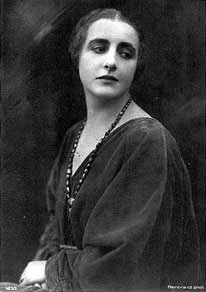
Você deve ter ouvido falar de Emil Jannings, mas não de Henny Porten... mas todos nós deveríamos conhecê-la. Ela não foi apenas uma das primeiras estrelas de cinema do mundo, fazendo sua estreia em 1906, mas também teve uma carreira que durou seis décadas. Ela já era viúva quando fez “Ana Bolena” e seu amor por seu segundo marido, que era judeu, a colocou contra o regime Nazista. Seu pai, Franz, foi diretor, ator e roteirista, mesmas funções da irmã de Henny, Rosa.

You might have heard about Emil Jannings, but not of Henny Porten... but we all should. She was not only one of the first film stars in the world, making her debut in 1906, but also had a career that spanned six decades. She was already a widow when she made “Anna Boleyn” and her love for her second husband, who was Jewish, made her clash with the Nazis. Her father Franz was a diretor, writer and actor, just like her sister Rosa.

Muito antes de se tornar conhecido pelo “toque de Lubitsch” em Hollywood, Ernst Lubitsch já era um mestre do cinema. Ele havia começado como ator no cinema em 1913 e no ano seguinte já estava dirigindo curtas. Em “Ana Bolena”, Lubitsch brincou com alguns enquadramentos astutos e ousados. Graças a este filme, Lubitsch foi para os EUA: Mary Pickford gostou tanto de “Ana Bolena” que exigiu, dois anos depois, que Lubitsch dirigisse seu filme “Rosita”. Sobre este filme, Pickford declarou, para a revista Photoplay: “um exemplo de direção magnífica e atuação esplêndida, especialmente a de Emil Jannings. Foi a primeira vez nas telas que um Rei foi humanizado. Tem humor sutil e satírico”.

Way before he became known for the “Lubitsch touch” in Hollywood, Ernst Lubitsch was already a master of cinema. He had started as an actor on film in 1913 and in the following year he was already directing shorts. In “Anna Boleyn” Lubitsch played with a few clever and bold framings. Thanks to this film, Lubitsch went to America: Mary Pickford liked “Anna Boleyn” so much that she demanded, two years later, that Lubitsch directed her vehicle “Rosita”. About this film, Pickford declared, for Photoplay magazine: “an example of superb direction and splendid acting, especially that of Emil Jannings. It was the first time on the screen that a King had been made human. It has subtle, satirical humor”.

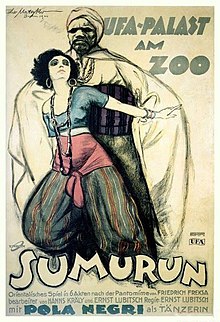
Muitas críticas no Letterboxd mencionaram “Sumurun”, também de 1920, como um filme com temas semelhantes. Então decidi assistí-lo para escrever uma crítica mais completa. Ambos os filmes foram dirigidos por Lubitsch e têm nomes de mulheres no título, mas tirando isso, não vi muitas semelhanças entre os filmes. “Sumurun” traz duas histórias. A primeira é de uma dançarina interpretada por Pola Negri que faz um tipo de Serpentine Dance e rouba os corações de muitos homens, incluindo o jovem Xeque. A segunda é sobre Sumurun (Jenny Hasselqvist), a favorita no harém do velho Xeque, que se apaixona por um mercador. “Sumurun” tem um final melhor e a presença luminosa de Pola Negri, além de Lubitsch também como ator, mas no geral preferi “Ana Bolena.

Many reviews on Letterboxd mentioned “Sumurun”, also from 1920, as a film with similar themes. I then watched it to write a more complete review. Both movies not only were directed by Lubitsch, both have in their title the name of a woman; apart from those two things, I didn’t see many similarities between the films. “Sumurun” brings two stories. The first is about a dancer, played by Pola Negri, who performs some kind of Serpentine Dance and steals the hearts of many men, including the young Sheik. The second is about Sumurun (Jenny Hasselqvist), the favorite in the old Sheik’s harem, who falls in love with a salesman. “Sumurun” has a better ending and the luminous presence of Pola Negri, and also Lubitsch playing a character, but overall I preferred “Anna Boleyn”.

Este é o tipo de história que deveria ficar no passado: de um mulherengo que exige fidelidade da esposa, e detesta as filhas mulheres. Podemos dizer que Ana Bolena é retroativamente um ícone feminista? De certa maneira, sim, porque ela foi vítima de uma das mais fortes manifestações do patriarcado, a monarquia absolutista, e foi vista apenas como um ser para reprodução. O fato de que ela defendia mais tempo de educação formal para mulheres só adiciona argumentos para o caso.

This is a kind of story that should remain in the past: of a womanizer who demands fidelity from his wife, and despises his children who are not male. Could we say that Anna Boleyn was retroactively a feminist icon? In a sense, yes, because she was the victim of one of the strongest manifestations of patriarchy, the absolute monarchy, and was seen only as a being for reproduction. The fact that she supported more years of formal education for women only adds to the case.

Com impressionantes cenas de multidão, especialmente na sequência da coroação, e lindos cenários e figurinos, “Ana Bolena” é um deleite para os olhos. Amantes de História vão amar. Aqueles que só conhecem Lubitsch por seus filmes posteriores podem até se desapontar, mas nunca poderão reclamar de tédio.

With impressive crowd scenes, especially in the coronation sequence, and gorgeous sets and wardrobe, “Anna Boleyn” is a feast for the eyes. History buffs will have a blast.  Those who know Lubitsch from his later films may be a little disappointed, but, for sure, not for a minute bored.

Monday, February 20, 2023

Madame DuBarry (1919)


Onde estão as mulheres da História? Comumente negadas posições de poder e apagadas dos relatos, elas podem ser encontradas em livros de História como notas de rodapé ou por causa de sua ligação com homens poderosos. Uma das mulheres deste último grupo é Madame DuBarry (1743-1793), amante do Rei Luís XV e uma das múltiplas vítimas da guilhotina na Revolução Francesa.  A vida de Madame DuBarry foi tão interessante que era óbvio que serviria de inspiração para os cineastas. Um destes cineastas inspirados foi Ernst Lubitsch, que filmou sua versão da história em 1919, num filme estrelado por Pola Negri.


Where are the women in History? Often denied positions of power and erased from accounts, they can be found in History books as either footnotes or in mentions thanks to their liaisons with powerful men. One woman from the latter group is Madame DuBarry (1743-1793), King Louis XV’s mistress and one of many people to die in the guillotine during the French Revolution. Madame DuBarry’s life was so interesting that it’d be obvious that it would inspire filmmakers. One of the filmmakers inspired was Ernst Lubitsch, who made his own version of her story in 1919, starring Pola Negri.


Foi por acaso que a chapeleira Jeanne Vaubernier (Pola Negri) se aproximou da realeza francesa. Uma caixa de chapéus que ela levava foi pisoteada pelo cavalo do espanhol Don Diego (Magnus Stifter). Mesmo estando em um relacionamento com Armand (Harry Liedtke), ela aceitou o convite de Don Diego para ir até a casa dele numa tarde de domingo - e lá ela conheceu o Conde DuBarry (Eduard von Winterstein). Quando Armand mata Don Diego num duelo improvisado durante um baile, Jeanne rapidamente corta relações com Armand e vai viver com o Conde DuBarry, mesmo ele sendo abusivo com ela.


It was by chance that hatmaker Jeanne Vaubernier (Pola Negri) became close to French royalty. Her hatbox was stomped by the horse belonging to Spaniard Don Diego (Magnus Stifter). Despite being in a relationship with Armand (Harry Liedtke), she accepted Don Diego’s invitation to go to his residence on Sunday afternoon - and there she met the Count DuBarry (Eduard von Winterstein). When Armand kills Don Diego in an improvised duel during a ball, Jeanne quickly cuts ties with Armand and goes to live with Count DuBarry, even though he’s abusive towards her.


Um dia, o Rei Luís XV (Emil Jannings) vê Jeanne nos jardins reais. Ela é levada até o rei e os dois logo começam um relacionamento. Jeanne fica falada e, para ser respeitável novamente, ela se casa com o irmão do Conde DuBarry, Wilhelm. Agora Madame DuBarry, condessa, ela é a mulher mais poderosa da França, uma vez que é também amante do rei. Igualmente desprezada pelas mulheres da corte e pela gente comum, Madame DuBarry também esconde o fato de que ainda nutre sentimentos por Armand.


One day, King Louis XV (Emil Jannings) sees Jeanne in the royal gardens. She is brought to the king’s presence and the two soon start an affair. Jeanne becomes the talk of the town and, in order to be respectable again, she marries Count DuBarry’s brother Wilhelm. Now Madame DuBarry, a countess, she’s the most powerful woman in France, as she’s also the king’s mistress. Equally despised by the women in the court and by the common folks, Madame DuBarry also hides the feelings she still had for Armand.

“Madame DuBarry” foi dirigido por Ernst Lubitsch - sim, o mesmo Lubitsch que anos mais tarde encantou Hollywood com o “toque de Lubitsch”. Lubitsch havia começado sua carreira como ator, fazendo seu primeiro filme em frente às câmeras em 1913. Seu primeiro filme atrás das câmeras foi feito no ano seguinte, e até 1920 Lubitsch alternava trabalhos como diretor e ator. Ele teve grande êxito fazendo tanto dramas históricos - como “Madame DuBarry” - e comédias durante a era muda.


“Madame DuBarry” was directed by Ernst Lubitsch - yes, the same Lubitsch who years later amazed Hollywood with the “Lubitsch touch”. Lubitsch had started his career as an actor, making his first film in front of the cameras in 1913. His first film behind the cameras was made the following year, and until 1920 Lubitsch alternated works as director and actor. He found great success with both historical dramas - like “Madame DuBarry” - and comedies during the silent era.


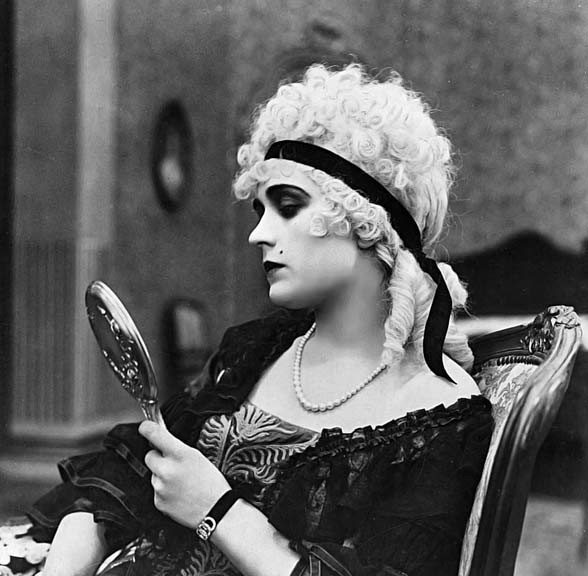
Pola Negri é perfeita para o papel-título icônico. Flertando o tempo todo, ela tem um momento bastante breve para brilhar ao se vestir de homem para espionar os planos revolucionários de Armand. Sua cena mais curiosa, entretanto, acontece quando ela perde a cabeça ao ver o caixão de Luís XV. Muitos relatos afirmam que Pola também perdeu a cabeça no funeral de seu então namorado Rodolfo Valentino em 1926, então esta cena basicamente prevê um dos momentos mais icônicos da vida real de Pola Negri.


Pola Negri is perfect for the iconic title role. Flirtatious all the time, she has a too brief moment to shine when dressed as a male to spy on Armand’s revolutionary plans. Her most curious scene, however, happens when she loses her mind when she sees Louis XV’s coffin. Many accounts tell us that Pola also made a huge scene in the funeral of her then beau Rudolph Valentino in 1926, so this scene basically foresees one of Pola’s most iconic real life moments.


Os figurinos e cenários são, obviamente, o destaque. O vestido que Pola Negri usa quando Madame DuBarry é apresentada à corte é de tirar o fôlego, perfeitamente exagerado. Também gostei de ver um homem com “papilotes” no cabelo. As cenas com multidões são muito bem dirigidas e a pessoa responsável pela direção de arte foi Kurt Richter, um colaborador constante de Ernst Lubitsch.


The costumes and sets are, of course, outstanding. The dress Pola Negri wears when Madame DuBarry is introduced to the court is breathtaking, as well as perfectly exaggerated. I also liked seeing a guy with “papilottes” on his hair. The scenes with crowds are beautifully staged and the person responsible for the art direction was Kurt Richter, a constant collaborator of Ernst Lubitsch.


A versão de “Madame DuBarry” que eu vi tinha cartelas de texto tanto em alemão quanto em francês, e também legendas em português. Desta forma, pude praticar meu alemão enquanto assistia a esta bela restauração levada a cabo pelo Instituto F.W. Murnau em 2013. Melhorar meu alemão é uma das grandes metas que tenho para 2023, e é ainda melhor que eu possa fazer isso com filmes.


The version of “Madame DuBarry” I watched had title cards in both German and French, and also Portuguese closed captions. This way, I could improve my German while watching this beautiful restoration made by the F.W. Murnau Institute in 2013. Improving my German is one big goal I have for 2023, and it’s even better if I can do this with movies.


Suntuoso e divertido, “Madame DuBarry” é um ótimo filme com dois grandes nomes da época do cinema mudo: o diretor Lubitsch e a atriz Pola Negri. O filme foi um grande sucesso em Hollywood quando estreou em 1921, sob o título “Paixão”. Pode não ser um filme “obrigatório” para os fãs de cinema mudo, mas é uma maravilhosa produção de encher os olhos.


Lavish and entertaining, “Madame DuBarry” is a great silent film with two big players in the silent film era: director Lubitsch and actress Pola Negri. The film was a huge success in Hollywood when it arrived in 1921 under the title “Passion”. It may not be a “mandatory” viewing for silent film fans, but it’s a wonderful production and a feast for the eyes.

Saturday, January 22, 2022

O Príncipe Estudante (1927) / The Student Prince in Old Heidelberg (1927)


Reza a lenda que, no funeral de Ernst Lubitsch, os diretores William Wyler e Billy Wilder estavam conversando. Wyler disse: “Nunca mais teremos Lubitsch”, ao que Wilder respondeu: “Pior ainda. Nunca mais teremos filmes de Lubitsch”. Lubitsch era muito estimado por seus colegas de profissão, graças ao que hoje é chamado de “o toque de Lubitsch”. Muitos críticos e historiadores tentaram definir este toque, e a maioria concorda que ele envolve sofisticação, sabedoria e sutileza. Podemos encontrar o toque de Lubitsch já nos filmes mudos do diretor? Vamos dar uma olhada em um destes filmes, “O Príncipe Estudante” (1927).

There is a story that goes like this: at Ernst Lubitch’s funeral, fellow film directors William Wyler and Billy Wilder were chatting. Wyler said “No more Lubitsch”, to which Wilder answered: “Worse than that. No more Lubitsch pictures”. Lubitsch was highly estimated among his peers, thanks to what is now called “the Lubitsch touch”. Many critics and historians tried to define this touch, and most of them agree that it involves sophistication, wit and subtlety. Can we find the Lubitsch touch already in the director’s silent movies? Let’s take a look at one of those movies, “The Student Prince in Old Heidelberg” (1927).

Karl Heinrich (Philippe De Lacy) é sobrinho do rei de Karlsburg, Karl VII (Gustav von Seyffertitz) e herdeiro do trono. Ao ver uma foto de Karl Heinrich na vitrine de uma loja, um garoto diz que deve ser ótimo ser um príncipe. Mas a vida não é tão boa para Karl Heinrich, que apenas queria ser uma criança normal. Em vez de brincar lá fora, ele tem lições de bom comportamento com o Dr Jüttner (Jean Hersholt), um tutor gentil.

Karl Heinrich (Philippe De Lacy) is the nephew of the king of Karlsburg, Karl VII (Gustav von Seyffertitz) and the heir to the throne. Upon seeing a picture of Karl Heinrich in a store window, a boy says that it must be great to be a prince. But it isn’t so great for Karl Heinrich, who only wishes to be a normal kid. Instead of playing outside, he’s taught how to behave by Dr Jüttner (Jean Hersholt), a kind tutor.

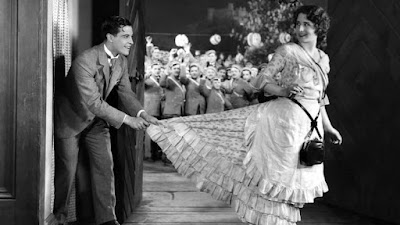
Os anos passam, e o já crescido Karl Heinrich (Ramon Novarro) sabe que não dá para se divertir com seu tio, mas é sempre bom passar um tempo com o Dr Jüttner. Mas o jovem rapaz terminou seus estudos, o que significa que o Dr Jüttner terá de ir embora em breve. Entretanto, ambos são surpreendidos quando o rei Karl VII decide mandar Karl Heinrich para Heidelberg e manda Jüttner como acompanhante.

The years pass, and the grown-up Karl Heinrich (Ramon Novarro) knows that there is no fun with his uncle, but you can always have a good time with Dr Jüttner. But the young man has finished high school, which means that Dr Jüttner will have to leave soon. However, both are surprised when King Karl VII decides to send Karl Heinrich to Heidelberg and tells Jüttner to accompany him.

Em Heidelberg, Karl Heinrich se apaixona instantaneamente por Kathi (Norma Shearer), que trabalha em uma pousada local – e ela se apaixona por ele também! Todos sabem que Kathi é a garota mais bonita de Heidelberg, e que consegue beber uma garrafa cheia de cerveja de uma só vez, o que impressiona o príncipe. O problema é que Kathi é meio noiva, já que ela não sabe se ama seu noivo. E Karl Heinrich também já está comprometido com outra pessoa.

In Heidelberg, Karl Heinrich instantly falls in love with Kathi (Norma Shearer), who works at a local inn – and she falls for him too! Everybody knows that Kathi is the prettiest girl in Heidelberg, and someone who can drink a full mug of beer at once, which amazes the prince. The problem is that Kathi is kind of engaged, because she doesn’t know if she loves the guy. And Karl Heinrich was also promised to marry someone else.

O príncipe faz amizade com um grande grupo de estudantes e passa a festejar e beber com eles. Ele se aproxima de Kathi e os dois saem juntos e fazem planos. A diversão deles é interrompida pela notícia de que o rei Karl VII está doente, o que significa que Karl Heinrich precisa voltar imediatamente para Karlsburg.

The prince befriends a large group of students and starts drinking and partying hard with them. He becomes close to Kathi and the two go out and make plans. Their fun is interrupted by the news that king Karl VII is ill, which means that Karl Heinrich must return immediately to Karlsburg.

Há relativamente poucas cartelas de texto no filme, quando comparado a outros filmes do período – em especial os de Griffth! Alguns momentos poderiam ser melhorados com a adição de uma ou duas cartelas de texto – como quando Kathi está declamando um poema para o príncipe e se esquece do final. As pessoas creditadas como designs de títulos são Marian Ainslee e Ruth Cummings. No IMDb, não há muito sobre Ainslee, apenas que ela trabalhou majoritariamente como design de títulos, e na era sonora sua maior contribução foi ter dado a ideia para o filme “Dance Comigo” (1938), de Astaire e Rogers. Ruth Cummings era casada com o diretor Irving Cummings e mãe do roteirista Irving Cummings Jr.

There are relatively few title cards in this movie, when compared with others from the period – especially Griffith’s! Some moments could be better with the addition of a title card or two – like when Kathi is saying a poem to the prince and forgets the ending. The people credited as title designers are Marian Ainslee and Ruth Cummings. On IMDb, there is not much on Ainslee, only that she worked mostly making title cards for movies, and in the talkie era her main credit was “based on an original idea by” in the Astaire-Rogers vehicle “Carefree” (1938). Ruth Cummings was married to director Irving Cummings and mother of screenwriter Irving Cummings Jr.

Cedric Gibbons é uma das duas pessoas responsáveis pela decoração dos sets. Os sets são simples mas decorados com bom gosto. Há, entretanto, um belo campo artificial usado em uma cena de amor. Nós – e a comitiva do príncipe – esperávamos que ele ficasse em um resort ou hotel chique em Heidelberg, mas é numa pousada comum que ele encontrou amor e felicidade.

Cedric Gibbons is one of two people responsible for the sets. The sets are simple yet decorated in a pleasant manner. There is, however, a beautiful artificial field used in the famous love scene. We – and the prince’s entourage – expected him to stay in a fancy resort or hotel in Heidelberg, but it is in a common inn that he found love and happiness. 

Tanto Ramon Novarro quanto Norma Shearer já eram grandes estrelas em 1927. Novarro estava mais bonito em two-strip Technicolor em “Ben-Hur” (1925), mas está bem aqui também. Shearer teria seus melhores trabalhos – e um Oscar – nos anos posteriores a “O Príncipe Estudante”. Curiosidade interessante:: Lubitsch achava que tanto Novarro quanto Shearer foram péssimas escolhas para os protagonistas do filme!

Both Ramon Novarro and Norma Shearer were already big stars in 1927. Novarro had looked better in two-strip Technicolor in “Ben-Hur” (1925), but looks good here too. Shearer would find her best work – and an Oscar – in the years after “The Student Prince in Old Heidelberg”, during the pre-Code era. Interesting trivia: Lubitsch thought that both Novarro and Shearer were miscast as the leads!

Gustav von Seyffertitz já é um velho conhecido dos fãs de cinema mudo. Entre seus trabalhos mais lembrados destacamos sua atuação como o vilão que inferniza a vida de Mary Pickford em “Aves Sem Ninho” (1926). Jean Hersholt era um ator dinamarquês que começou a atuar nos cinemas em 1906 e interpretou principalmente vilões em seus primeiros anos em Hollywood – bem diferente de seu papel em “O Príncipe Estudante”!

Gustav von Seyffertitz is already an old acquaintance of silent film fans. Among his best remembered works we highlight his turn as the bad guy making Mary Pickford’s life miserable in “Sparrows” (1926). Jean Hersholt was a Danish actor who started acting in movies in 1906 and played mainly villains in his first few years in Hollywood – so far away from his character in “The Student Prince in Old Heidelberg”!

O Príncipe Estudante” teve um remake em 1954, com Edmund Purdom e Ann Blyth. Este foi um musical, pois a história havia se originado em uma opereta em 1902. O filme, entretanto, não manteve todas as canções da opereta e mudou a maioria das letras das canções que manteve. A voz de Edmund Purdom, nos momentos de cantoria, foi dublada por Mario Lanza.

The Student Prince in Old Heidelberg” was remade in 1954 with Edmund Purdom and Ann Blyth. This was a musical, as the story originated in an operetta in 1902. The film, however, didn’t keep all the songs from the operetta and changed most of the lyrics. Edmund Purdom’s singing was dubbed by Mario Lanza.

O Príncipe Estudante” é um filme mais complexo e melancólico do que aparenta ser de início. Como dito no site do TCM, é mais próximo dos filmes que Lubitsch fez na Alemanha do que dos filmes que ele faria em Hollywood. Baseado apenas neste filme, diríamos que o toque de Lubitsch é como o de Chaplin: um sorriso e, talvez, uma lágrima. Mas, talvez, possamos dizer outra coisa: que Lubitsch é muito mais que seu famoso toque.

The Student Prince in Old Heidelberg” is a more complex and melancholic movie than it seems at first. As the TCM website mentions, it’s closer to the movies Lubitsch did in Germany than the ones he’d make in Hollywood. Based solely on this film, we would say that Lubitsch’s touch is like Chaplin’s: a laugh and perhaps a tear. But, maybe, we could say something else: Lubitsch was much more than his touch.

This is my contribution to the Odd or Even blogathon, hosted by Gill and Rebecca at Realweegiemidget Reviews and Taking Up Room.

Related Posts Plugin for WordPress, Blogger...