} Crítica Retrô: David Niven

Tradutor / Translator / Traductor / Übersetzer / Traduttore / Traducteur / 翻訳者 / переводчик

Showing posts with label David Niven. Show all posts

Friday, August 21, 2026

A Oitava Esposa de Barba-Azul (1938) / Bluebeard’s Eighth Wife (1938)


Ernst Lubitsch já apareceu neste blog muitas vezes, nas várias fases de sua carreira de sucesso. O que poderia ser esperado de um ator que virou diretor, que trabalhou na Alemanha e em Hollywood, numa carreira que durou mais de 30 anos, entre as décadas de 1910 e 1940, que não fosse uma obra eclética? Sou grande fã dele, mas foi por acaso que escolhi três filmes de Lubitsch para ver e escrever sobre na minha lista de 12 clássicos para 2026. O primeiro título é a deliciosa comédia screwball “A Oitava Esposa de Barba-Azul” de 1938. 

Ernst Lubitsch has appeared in this blog many times, in the many phases of his successful career. What else could we expect from someone who was an actor-turned-director, who worked in Germany and Hollywood, in a career that lasted over 30 years, from the 1910s to the 1940s, if not an eclectic body of work? I’m a huge fan, but it was by chance that I chose three films by Lubitsch in a rol to review in my list of 12 classics for 2026. The first title is the delightful screwball comedy “Bluebeard’s Eighth Wife” from 1938.

Na Riviera Francesa, uma confusão numa loja de departamentos envolvendo pijamas aproxima dois estranhos: o belo Michael (Gary Cooper) e a bela Nicole (Claudette Colbert). Michael se apaixona desesperadamente e começa a seguir Nicole, depois de fechar um negócio com o pai da moça, o empobrecido Marquês De Noiselle (Edward Everett Horton).

In the French Riviera, a kerfuffle in a department store involving pajamas approaches two strangers: the handsome Michael (Gary Cooper) and the pretty Nicole (Claudette Colbert). Michael falls desperately in love and starts following Nicole, right after making a business deal with her father, the impoverished Marquis de Loiselle (Edward Everett Horton).

Na praia Michael encontra Nicole e o empregado dele, Albert (David Niven). Tudo progride rapidamente entre o casal. Duas semanas antes do casamento, entretanto, Nicole descobre que Michael já havia sido casado antes - sete vezes! Ela fica horrorizada, mas vê na boda uma possibilidade de negócio e aceita se casar se receber 100 mil dólares.

At the beach Michael finds Nicole and his employee Albert (David Niven). Things progress quickly between the couple. Two weeks before the wedding, however, Nicole becomes aware that Michael had been married before - seven times! She’s horrified, but sees in the wedding a business possibility and accepts to marry if she receives 100,000 dollars.

Eles vão para a Tchecoslováquia na lua-de-mel, mas a viagem não é alegre. Numa sequência silenciosa, Michael é inspirado pela leitura de “A Megera Domada” de Shakespeare e pensa que ele também pode domar a nova esposa, mas recebe um tapa e uma mordida. Eles acabam concordando com um contrato de “não fazer amor, não brigar”... mas isso vai dar certo?

They go to Czechoslovakia for their honeymoon, but the trip is not joyful. In a silent sequence, Michael is inspired by reading Shakespeare’s “The Taming of the Shrew” and thinks he too can tame his new wife, but he gets a slap and a bite instead. They end up agreeing with a “no lovemaking, no quarrel” contract… but will it last?

É curioso que um objeto de cena importante neste filme seja uma banheira que pertenceu a Luís XIV. Dezenove anos antes, Lubitsch fez “Madame DuBarry”, sobre a famosa amante do Rei Luís XV. Em “A Oitava Esposa de Barba-Azul”, Gary Cooper confunde informações sobre os dois reis e foi curioso observar a ligação de Lubitsch com os dois monarcas. 

It’s curious that an important plot prop from this movie is a bathtub that belonged to Louis XIV. Nineteen years prior, Lubitsch filmed “Madame DuBarry”, about the famous lover of King Louis XV. In “Bluebeard’s Eighth Wife” Gary Cooper mistakes information about the two kings and it was curious to notice Lubitsch’s connections with the two royals.

Claudette Colbert é maravilhosa, não? Nascida Émilie Claudette Chauchoin perto de Paris em 190, ela e a família vieram para a América em 1906. Ela cresceu falando francês e inglês e querendo ser pintora. Fez sua estreia na Broadway num pequeno papel aos 20 anos. Sua estreia nas telas, “Filhos da Fortuna” (1927), está atualmente perdido. Ela fechou contrato com a Paramount em 1928 e se tornou uma das mais populares atrizes de cinema na década seguinte. Quando “A Oitava Esposa de Barba-Azul” foi feito, ela já havia trabalhado com Lubitsch - em “O Tenente Sedutor” (1931) - e com Gary Cooper - em “Sua Mulher Perante Deus”, também de 1931. 

Claudette Colbert is delightful, isn’t she? Born Émilie Claudette Chauchoin near Paris in 1903, she and her family went to America in 1906. She grew up speaking French and English and wanting to be a painter. She debuted on Broadway in a small role at age 20. Her screen debut, “For the Love of Mike” (1927), is currently lost. She signed with Paramount in 1928 and became one of the most popular actresses of the screen in the following decade. By the time “Bluebeard’s Eighth Wife” was made, she had already worked with Lubitsch - in “The Smiling Lieutenant” (1931) - and with Gary Cooper - in “His Woman”, also from 1931. 

O filme é cheio de frases engraçadas e insinuações. Muitas frases, ditas em contextos incomuns ou sem qualquer contexto da conversa prévia, fazem os personagens pensar numa intimidade que não existe na realidade. Provavelmente por causa dessas insinuações, o filme recebeu uma nota B da Legião de Decência: moralmente condenável em partes, o que para mim é um elogio. 

The movie is full of funny lines and innuendos. Many sentences, said in unusual contexts or with no context at all of the previous conversation, make characters think about an intimacy that doesn’t exist in reality. Probably because of these innuendos, the film was rated B by the Legion of Decency: morally objectionable in part, which for me is a compliment.

As roupas de Claudette Colbert no filme são de tirar o fôlego, exatamente o tipo de roupas que eu gostaria de usar. O responsável pelo figurino foi Travis Banton, principal figurinista da Paramount nos anos 1930. Ele primeiro chamou a atenção quando Mary Pickford escolheu um de seus vestidos para usar no casamento com Douglas Fairbanks. Em 1938, ele já tinha vestido Colbert em “Cleópatra” (1934), mas ele é mais lembrado hoje por ter vestido Marlene Dietrich em diversos filmes.

Claudette Colbert’s clothes in this movie are breathtaking, exactly the kind of clothes I’d like to wear. The one responsible for the wardrobe was Travis Banton, key wardrobe artist for Paramount in the 1930s. He became someone of notice when Mary Pickford chose one of his dresses to wear on her wedding to Douglas Fairbanks. In 1938, he had already dressed Colbert in “Cleopatra” (1934), but he’s better remembered today for dressing Marlene Dietrich in several films.

“A Oitava Esposa de Barba-Azul” foi baseado numa peça de teatro francesa e o roteiro foi escrito por Billy Wilder e Charles Brackett. Os dois não podiam ser mais diferentes: Brackett era 14 anos mais velho que Wilder, veio de uma família de posses e tinha se formado na escola de Direito de Harvard. Mesmo assim, a dupla escreveu 16 filmes, começando com este e indo até sucessos como “Farrapo Humano” (1945) e “Crepúsculo dos Deuses” (1950), sendo esta a última colaboração entre os dois. 

“Bluebeard’s Eighth Wife” was based on a French play and the screenplay was written by Billy Wilder and Charles Brackett. The two couldn’t be more different: Brackett was 14 years older than Wilder, came from a rich family and had a Harvard Law degree. Nevertheless, the duo wrote 16 films together, starting here and going on to hits such as “The Lost Weekend” (1945) and “Sunset Boulevard” (1950), being this one their last collaboration.

Vamos falar sobre múltiplos casamentos. Em Hollywood ninguém pode competir com Zsa Zsa Gabor, que se casou nove vezes! Elizabeth Taylor chegou perto, casada oito vezes - duas delas com Richard Burton! Lana Turner e Artie Shaw também se casaram oito vezes. Diz-se que “A Oitava Esposa de Barba-Azul” foi baseado na vida privada do milionário Tommy Manville, que se casou treze vezes.

Let’s talk about multiple marriages. In Hollywood, nobody can beat Zsa Zsa Gabor, who got married nine times! Elizabeth Taylor comes close, married eight times - twice with Richard Burton! Lana Turner and Artie Shaw also got married eight times. It’s said that “Bluebeard’s Eighth Wife” was based on the private life of millionaire Tommy Manville, who got married thirteen times. 

“A Oitava Esposa de Barba-Azul” foi filmado antes em 1923 com Gloria Swanson protagonista, mas esta versão é um filme perdido (choro). O filme de 1938 não foi bem de bilheteria, por isso a Paramount rompeu seu contrato com Lubitsch e o cineasta foi para a MGM. O que ele fez lá? Veremos no próximo mês!

“Bluebeard’s Eighth Wife” had been filmed before in 1923 starring Gloria Swanson, but this version is a lost film (ugly crying). The 1938 film didn’t do well at the box office, so Paramount released Lubitsch from his contract and the filmmaker went to MGM. What did he do there? We’ll see next month!

Friday, May 15, 2026

Variações sobre um mesmo tema: O Morro dos Ventos Uivantes (1939 e 2026)


Variations on the same theme: Wuthering Heights (1939 and 2026)

Eu nunca li “O Morro dos Ventos Uivantes” de Emily Brontë, mas anos atrás assisti a uma das adaptações do romance para as telas, mas hoje já me esqueci da maioria dos detalhes. Fiquei curiosa para conferir a nova adaptação e, como li que a versão de 1939 é a melhor até agora, aqui estou para ver e comparar ambas.

I have never read Emily Brontë’s “Wuthering Heights”, but many years ago I watched one of the adaptations of the novel to the screen, even though I forgot most details. I was curious to check out this new adaptation, and as I read that the 1939 version is the best one so far, I’m here to watch and compare both. 


A versão de 2026 começa com um enforcamento e uma ereção - duas coisas que definitivamente não seriam mostradas em 1939 por causa do nefasto Código Hays. Então somos apresentados à garotinha Cathy, cujo pai bêbado adota um menino que ela batiza de Heathcliff em homenagem a um irmão já falecido. Eles são criados como irmãos, mas quando crescem percebem que o amor que nutrem um pelo outro não é fraternal. Mas Cathy (Margot Robbie) se casa com o vizinho Edgar Lynton porque ela pode amar Heathcliff (Jacob Elordi), mas eles viverão na pobreza se ficarem juntos.

The 2026 version starts with a hanging and an erection - two things that definitely wouldn’t be shown in 1939 because of the nefarious Hays Code. Then we’re introduced to the girl Cathy, whose drunk father adopts a boy she baptizes as Heathcliff after her dead brother. They grow up as brother and sister, but only when they get old they understand that their love isn’t fraternal. But Cathy (Margot Robbie) marries their neighbor Edgar Lynton because she may love Heathcliff (Jacob Elordi), but they will live in poverty if they stay together.

A versão de 1939 começa com um homem procurando um lugar para se abrigar durante uma tempestade de neve. Ele chega ao Morro dos Ventos Uivantes e é recebido pelo proprietário Heathcliff (Laurence Olivier), que lhe oferece um quarto. Ele ouve uma mulher gritando no meio da noite e se assusta. Heathcliff sai para perseguir a mulher que grita e uma empregada conta ao hóspede a história de amor de Cathy (Merle Oberon) e Heathcliff.

The 1939 version starts with a man looking for a place to stay during a snowstorm. He arrives at Wuthering Heights and is received by owner Heathcliff (Laurence Olivier), who offers him a bedroom. He listens to a woman screaming in the middle of the night and gets scared. Heathcliff leaves to pursue the screaming woman and a maid tells the guest the love story of Cathy (Merle Oberon) and Heathcliff.

Cathy tem uma infância feliz ao lado do pai e de um irmão, Hindley, que começa a mandar no irmão adotivo deles depois que o pai morre. A alta sociedade aceita e abraça a Cathy adulta e ela se acostuma com uma vida de luxo. Quando Heathcliff foge, Cathy aceita se casar com o vizinho Edgar (David Niven), mas Heathcliff voltará com uma atitude blasé.

Cathy has a happy childhood alongside her father and a brother, Hindley, who starts bossing around their adoptive brother after their father dies. High society accepts and embraces adult Cathy and she gets used to a life of luxuries. When Heathcliff runs away, Cathy accepts to marry neighbor Edgar (David Niven), but Heathcliff will come back with a no-nonsense attitude.

Os dois filmes retratam os empregados do Morro dos Ventos Uivantes de maneiras muito distintas. Na versão de 1939, é a empregada Ellen (Flora Robson) que conta a história toda, o que significa que ela sabe tudo que aconteceu. Na versão de 2026, a empregada Nelly (Hong Chau) é uma personagem enxerida e inconveniente, tramando contra os dois amantes. 

The two movies are very different about how they picture the Wuthering Heights employees. In the 1939 version, it’s maid Ellen (Flora Robson) who tells the whole story, meaning that she knows everything that has happened. In the 2026 version, maid Nelly (Hong Chau) is a nosy and inconvenient character, plotting against the two lovers.


Outra diferença diz respeito à personagem Isabella. Em ambos ela se apaixona por Heathcliff, mas em 1939, interpretada por Geraldine Fitzgerald, ela é só uma jovem apaixonada que tem uma ótima cena de confronto com Cathy, enquanto em 2026, interpretada por Alison Oliver, ela é uma maníaca, com personalidade totalmente amalucada. 

Another difference conceals the character Isabella. In both she falls in love with Heathcliff, but in 1939, played by Geraldine Fitzgerald, she is just a young girl in love that gets an excellent confrontation scene with Cathy, while in 2026, played by Alison Oliver, she is a maniac, with a completely nutty personality.

O roteiro da versão de 2026 foi escrito pela diretora e produtora Emerald Fennell. Sei que ela tem muitos haters, mas considerei OK seu último filme, “Saltburn” (não vi seu filme ganhador do Oscar “Bela Vingança” por causa de um spoiler que arruinou o filme para mim). O roteiro da versão de 1939 ficou a cargo de Ben Hecht, um dos meus roteiristas favoritos, e Charles McArthur, mais conhecido por ter escrito a peça “The Front Page”. Nenhuma dessas versões segue o livro à risca, pois há uma segunda parte ignorada por ambas.

The screenplay for the 2026 version was written by director and producer Emerald Fennell. I know she has plenty of haters but I found her past effort “Saltburn” OK (I didn’t watch her Oscar-winning movie “Promising Young Woman” because I saw a spoiler and it ruined the movie for me). The screenplay for the 1939 version was penned by Ben Hecht, a favorite of mine, and Charles McArthur, best known for having written the play “The Front Page”. None of these two versions follow the book closely, as there is a second part that is ignored by both.


Fennell usa diversas músicas pop na trilha sonora, completa com algumas faixas instrumentais. As músicas grandiosas da versão de 1939 foram compostas por Alfred Newman. Ele foi considerado um prodígio da música quando criança e foi empregado como maestro na Broadway por uma década, começando com apenas 19 anos. Ele iria compor para o cinema e seria indicado ao Oscar 45 vezes, ganhando nove prêmios. Sua mais famosa obra, entretanto, dura alguns segundos: a música que acompanha o logo da 20th Century Fox até hoje.

Fennell uses several pop songs in the soundtrack, complete with some instrumental tunes. The grandiose songs from the 1939 version were composed by Alfred Newman. He was considered a musical prodigy as a child and was employed as a conductor on Broadway shows for a decade, starting when he was only 19. He would go on to score movies and would be nominated for the Oscar 45 times, winning nine awards. His most famous piece however, lasts a few seconds: the tune that accompanies 20th Century Fox logos to this day.

Visualmente impressionante, a versão de 2026 teve figurinos feitos pela renomada Jacqueline Durran e fotografia de Linus Sandgren. A de 1939 teve fotografia de Gregg Toland, um dos maiores diretores de fotografia da História e que ganhou seu único Oscar por esse filme, e figurinos de Omar Kiam - não confundir com o multitalentoso Omar Khayyam

Visually stunning, the 2026 version had costumes made by the renowned Jacqueline Durran and photography by Linus Sandgren. The 1939 version had its photography by Gregg Toland, one of the best cinematographers of all time in his only Oscar win, and costumes by Omar Kiam - not to be confused with the multitalented Omar Khayyam!

Emerald Fennell menciona diversos clássicos como inspiração para seu filme, como “Na Noite do Passado” (1942), “Neste Mundo e no Outro” (1946) e “Pele de Asno” (1970), mas seu filme não está à altura da versão de 1939, que é mais emocionante, igualmente bela e tem excelentes interpretações.

Emerald Fennell mentions several classics as inspirations for her movie, such as “Random Harvest” (1942), “A Matter of Life and Death” (1946) and “Donkey Skin” (1970), but her movie doesn’t stand close to the 1939 version, which is more moving, equally beautiful to look at and a masterclass in acting.

Saturday, October 22, 2022

Variações sobre um mesmo tema: Casino Royale (1967 e 2006)

 
Variations on the same theme: Casino Royale (1967 and 2006)


Quem é seu James Bond favorito? Sean Connery? Daniel Craig? Roger Moore? Talvez aquele que interpretou Bond só uma vez, George Lazenby? Ou que tal... David Niven? Sim, você leu certo: David Niven foi James Bond, enquanto Sean Connery já interpretava o espião, mas Niven fez o papel numa paródia: o filme de 1967 “Casino Royale”, filme com grande elenco e dirigido por John Huston – entre outros.


Who is your favorite Bond? Sean Connery? Daniel Craig? Roger Moore? Maybe the one-time Bond George Lazenby? Or how about… David Niven? Yes, you’ve read it right: David Niven was Bond, while Connery was already playing the role, but Niven portrayed the character in a parody: the 1967 film “Casino Royale”, with an all-star cast, directed – among others – by John Huston.

James Bond (Niven) é um agente aposentado. Ele gagueja e é conhecido por ser abstêmio e casto – a única mulher que ele realmente amou foi Mata Hari, ao contrário deste novo 007, chamado de “incompetente” pelo velho Bond. Mas o mundo a espionagem precisa mais uma vez dele, porque espiões de diversos países foram mortos. Os chefes de quatro importantes agências de espionagem ao redor do mundo vão encontrar Bond em sua casa de campo e, após uma tragédia, Bond está de volta ao jogo.


James Bond (Niven) is a retired agent. He stutters and is known for being a teetotaler and for his chastity - the only woman he has ever loved was Mata Hari, unlike this new 007, who the old Bond calls “incompetent”. But the espionage world needs him again, as spies from several countries have been killed. The heads of four important espionage agencies around the world go find Bond in his country home and, after tragedy strikes, Bond comes back to the game.

Uma surpresa vem logo no início: David Niven não é o primeiro na lista de créditos. O primeiro lugar pertence a Peter Sellers, que interpreta o vigarista Evelyn Tremble. É para o personagem de Sellers que é tocada a música “The Look of Love” por Dusty Springfield. Há uma razão para isso: em 1967, Sellers era um astro mais em destaque do que David Niven. Podemos dizer que Niven compartilhava com seu Bond o status de ultrapassado. No meio do filme, Evelyn Tremble praticamente se torna o protagonista, sendo treinado pelo MI-6 e chamado de James Bond para uma missão especial: enfrentar Número (Orson Welles) em um cassino. E Sellers até se apresenta oficialmente como 007 com “Meu nome é Bond. James Bond”!


A surprise comes right in the beginning: David Niven is not first billed. Top billing belongs to Peter Sellers, who plays the swindler Evelyn Tremble. It’s for Sellers’s character that the song “The Look of Love” is performed by Dusty Springfield. This has a reason: in 1967, Sellers was a bigger star than Niven. We could say that Niven shared with his Bond the situation of being outdated. In the middle of the movie, Evelyn Tremble practically becomes the lead, being trained by MI-6 and called James Bond for a special mission: to face the Le Chiffre (Orson Welles) in a casino. And Sellers even manages to utter the official Bond introduction: “My name is Bond, James Bond”!

Ainda antes de David Niven, o segundo nome nos créditos é o de Ursula Andress. Sua presença aqui é de interesse, afinal, ela foi a primeiríssima Bond girl em “007 contra o satânico Dr No” (1962). Mas ela não foi a única pessoa a aparecer em um filme de 007 e na paródia “Casino Royale”, pois muitos outros atores secundários partilham deste feito.


Also before David Niven, the second billed is Ursula Andress. Her presence here is interesting, as she was the first ever Bond girl in “Dr No” (1962). But she wasn’t the only Bond cast member to appear in “Casino Royale”, as many other secondary players were also, one time or another, in a Bond film.

Uma das coisas mais bacanas nos filmes de 007 é ver toda a parafernália tecnológica que o MI-6 inventa para seu agente. Em “Casino Royale”, muitas engenhocas são mencionadas, mas um relógio que se parece muito com um smart watch moderno é o destaque. Outro elemento divertido relacionado à espionagem é a Escola de Espionagem Mata Hari, um prédio que tem seus interiores completamente inspirados pelo Expressionismo Alemão, nos fazendo lembrar de “O Gabinete do Dr Caligari” (1920).


One of the coolest things in Bond movies is seeing all the technological stuff MI-6 comes up with for their agent. In “Casino Royale”, lots of tools are mentioned, but a watch that looks a lot with modern smart watches is the highlight. Another fun espionage-related element is the Mata Hari School of Espionage, a building that has its interiors completely inspired by German Expressionism, reminding us of “The Cabinet of Doctor Caligari” (1920).

O que realmente valoriza este filme é a brincalhona e psicodélica trilha sonora. Falando sério, a trilha sonora é fantástica! Além da já mencionada “The Look of Love”, há o tema de Casino Royale tocado por Herb Alpert e The Tijuana Brass. Ambas as músicas foram compostas por Burt Bacharach, que estava ainda praticamente no começo de sua carreira, mas a apenas dois anos de compor a famosa “Raindrops Keep Falling on my Head”.


What really enhances the film is the playful and groovy soundtrack. Seriously, the soundtrack is amazing! Besides the aforementioned “The Look of Love”, there is the Casino Royale theme played by Herb Alpert and The Tijuana Brass. Both songs were composed by Burt Bacharach, who was practically in the beginning of his career then, but only two years before he composed the famous “Raindrops Keep Falling on my Head”.

Eu mencionei que John Huston foi um dos diretores. “Casino Royale” teve cinco diretores e estourou em muito o orçamento, com Peter Sellers infernizando todos no set, até mesmo Orson Welles, que estava se divertindo à beça fazendo truques de mágica.


I mentioned that John Huston was one of the directors. “Casino Royale” had five directors and went extremely over budget, with Peter Sellers pestering everyone on set, even Orson Welles, who was having the time of his life doing magic tricks to the camera.

Vamos para 2006, quase quarenta anos após “Casino Royale” ter sido feito. Em seu primeiro filme como 007, Daniel Craig tem de enfrentar, no Casino Royale de Montenegro, Le Chiffre (Mads Mikkelsen), um banqueiro ligado a grupos terroristas. Neste filme, o jogo de cartas é uma sequência cheia de suspense, ao contrário do que acontece no filme de 1967, no qual a sequência principal do jogo se torna secundária com toda a maluquice que acontece ao seu redor.   


Cut to 2006, nearly forty years after “Casino Royale” was made. In his first movie as 007, Daniel Craig has to face, in the Casino Royale of Montenegro, Le Chiffre (Mads Mikkelsen), a banker who is tied to terrorist groups. In this, the game sequence is very suspenseful, contrary to what happens in the 1967 movie, in which the main game sequence becomes secondary with all the mayhem happening around.

“Casino Royale”, a paródia, só podia ter sido feita nos anos 60. Por vezes datado, às vezes nem um pouco engraçado, é um produto curioso de seu tempo. É quase um crime comparar este filme com a versão de 2006, que segue mais fielmente o livro de Ian Fleming. “Casino Royale”, então, deve permanecer assim: como uma curiosidade, uma anomalia no universo de 007 – e algo que todos nós devemos experimentar pelo menos uma vez.


“Casino Royale”, the parody, could only have been made in the swinging 1960s. Sometimes dated, at times not even funny, it’s a most curious product of its era. It’s almost a crime to compare this film with the 2006 version, one that was much more faithful to Ian Fleming’s book. “Casino Royale”, then, must remain this: a curiosity, an anomaly in the Bond universe – and something we all should experience at least once.

This is my contribution to The “Take Two!” blogathon, hosted by Annette at Hometowns to Hollywood.

Saturday, February 22, 2020

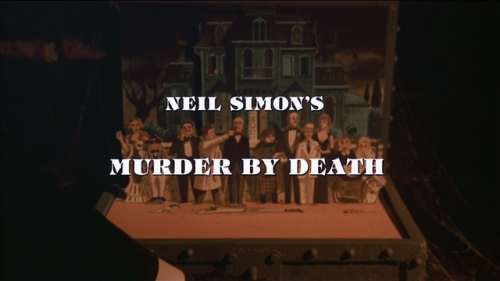
Assassinato por Morte (1976) / Murder by Death (1976)


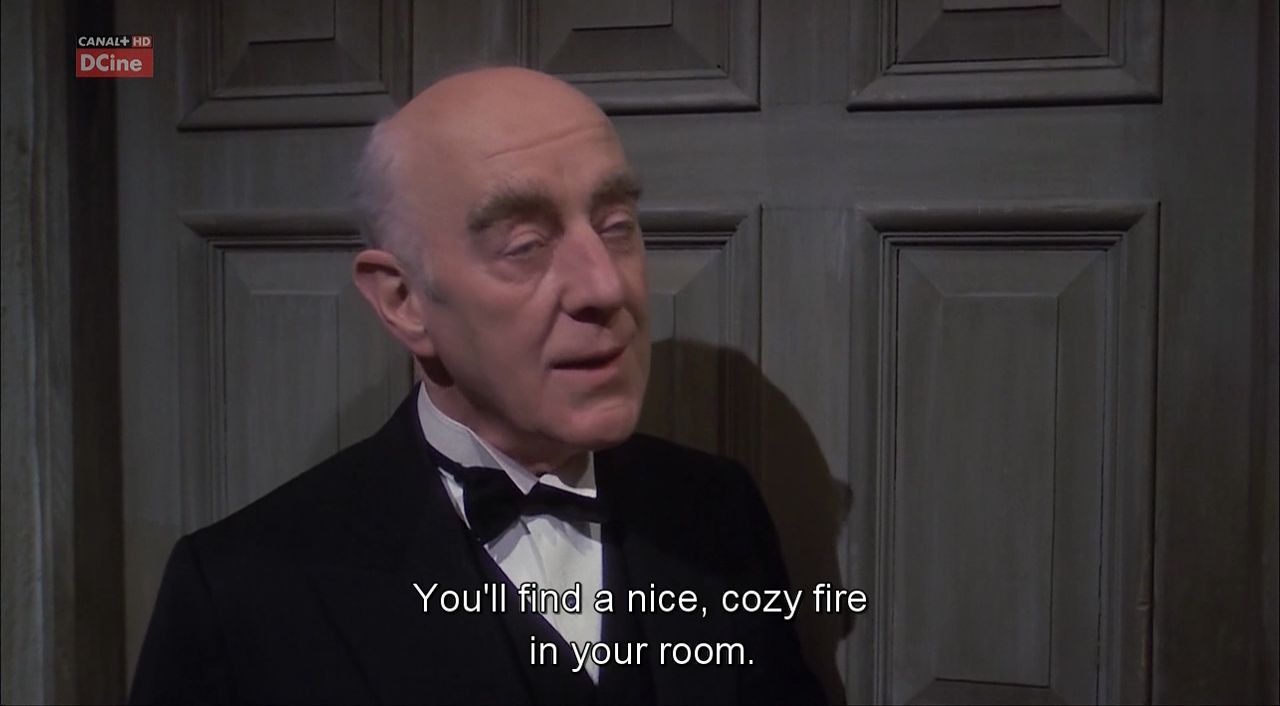
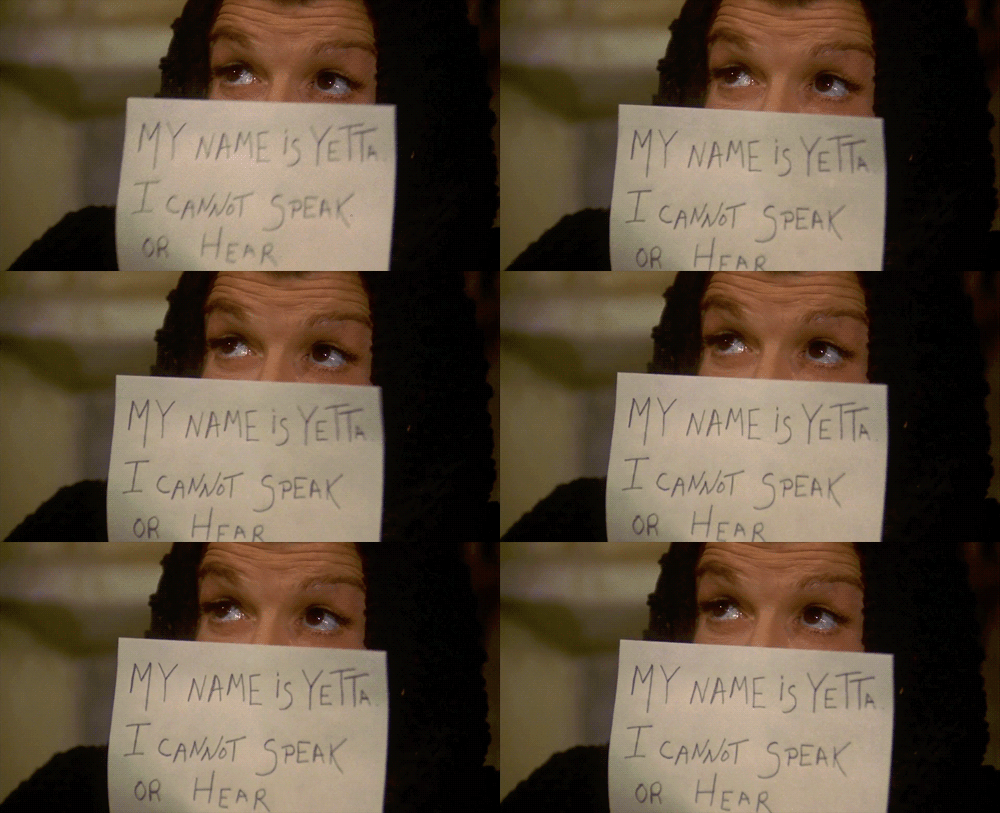
Sempre que um crime é cometido em filmes de mistério, nós costumamos suspeitar do mordomo. Em “Assassinato por Morte”, uma deliciosa comédia de mistério, esta ideia é subvertida desde o início, porque o mordomo, Jamesir Bensonmum (Alec Guinness), é cego. E a nova cozinheira, Yetta (Nancy Walker), também não é suspeita, porque ela não pode ouvir ou falar. Ah, e eu disse que se trata de suspeitos de um crime que ainda não foi cometido?

Whenever a crime occurs in a whodunit film, we're taken to suspect the butler. In “Murder by Death”, a delightful whodunit comedy, this idea is subverted since the beginning, because the butler, Jamesir Bensonmum (Alec Guinness), is blind. And the new cook, Yetta (Nancy Walker), is not a suspect either, because she can't hear or speak. Oh, and have I said that we're talking about suspects of a crime that hasn't yet occurred?


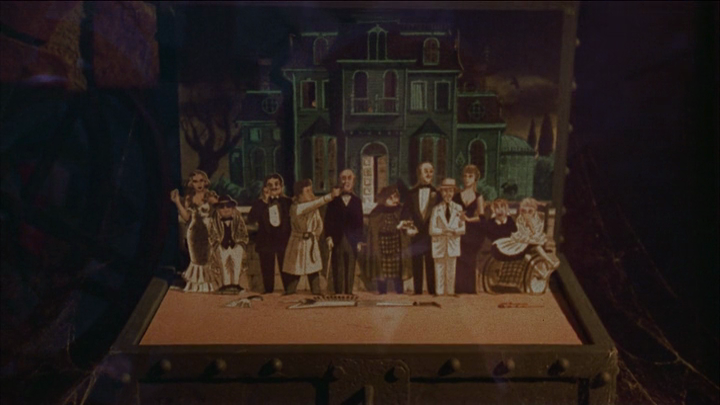
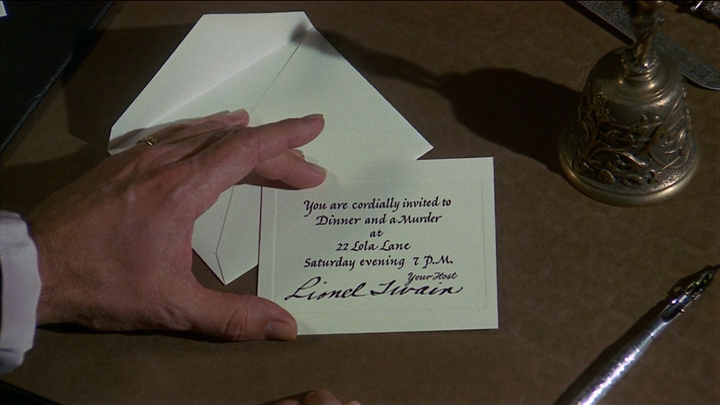
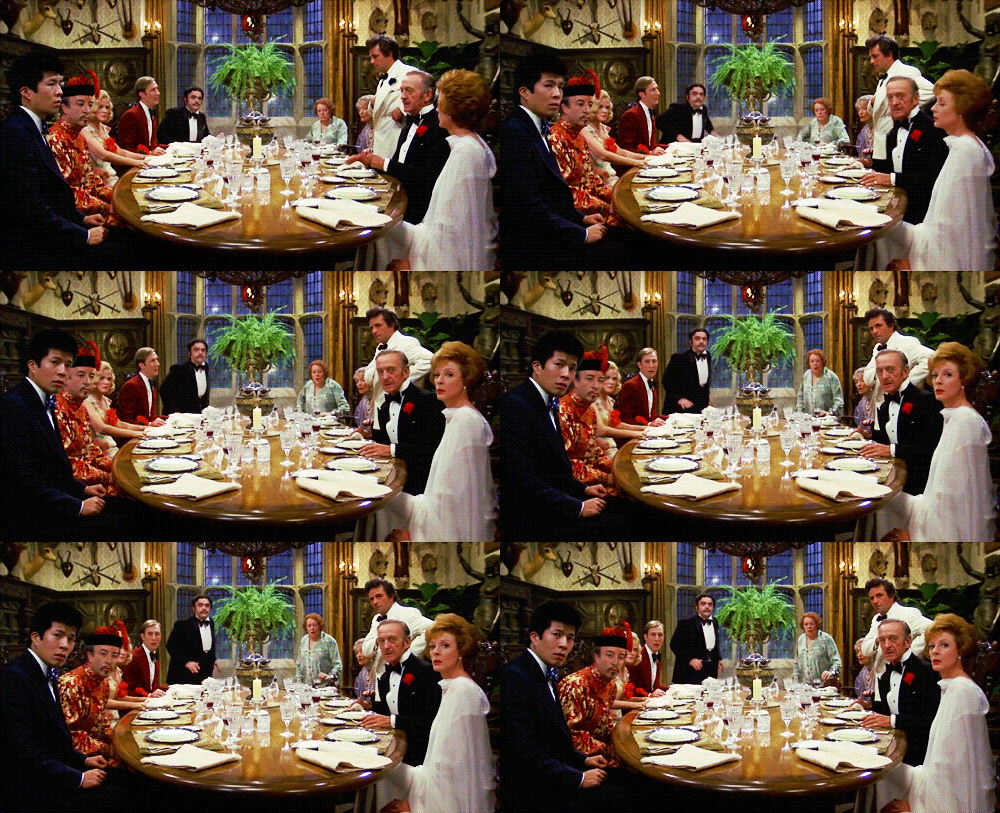
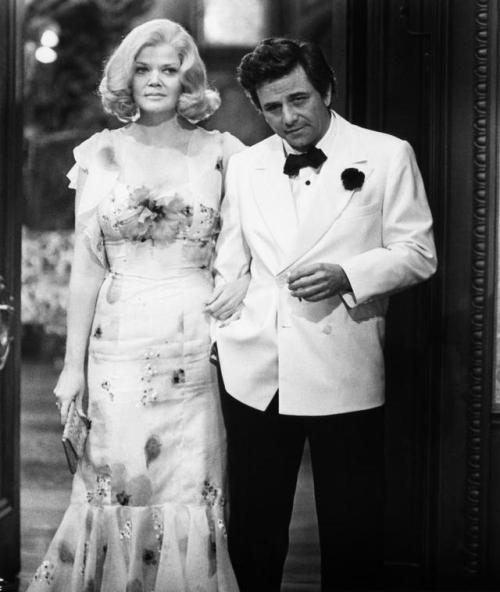
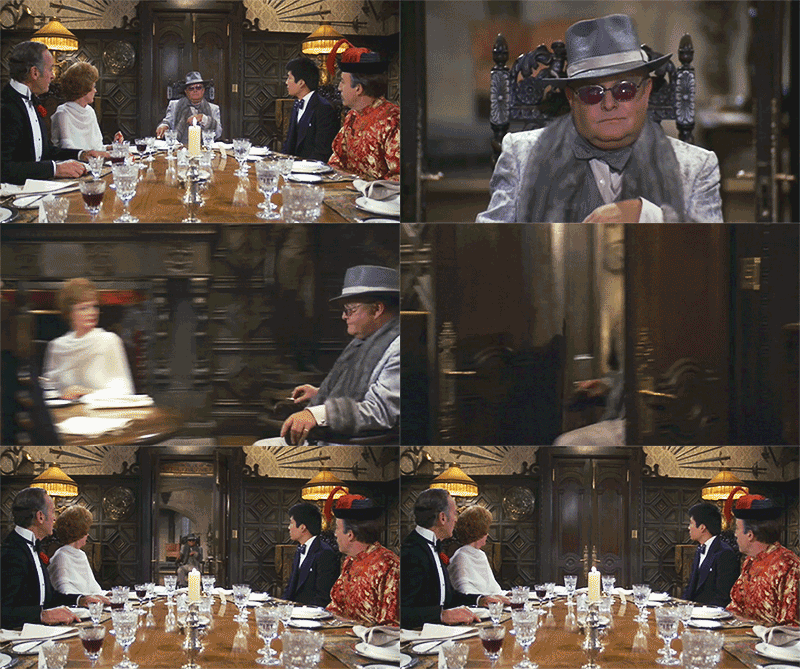
O maluco Sr Twain convida os maiores detetives do mundo para um “jantar e assassinato”. Seus convidados são Dick (David Niven), Dora Charleston (Maggie Smith) e seu cãozinho terrier, Sam Diamond (Peter Falk) e sua secretária, Sidney Wang (Peter Sellers) e seu filho adotivo, Milo Perrier (James Coco) e seu motorista, e Jessica Marbles (Elsa Lanchester) e sua enfermeira.

The twisted Mr Twain invites the world's top detectives for “dinner and murder”. His guests are Dick (David Niven), Dora Charleston (Maggie Smith) and their pet terrier, Sam Diamond (Peter Falk) and his secretary, Sidney Wang (Peter Sellers) and his adopted son, Milo Perrier (James Coco) and his chauffeur, and Jessica Marbles (Elsa Lanchester) and her nurse.


Se você gosta de histórias de detetive tanto quanto eu, já deve ter percebido que os personagens têm nomes parecidos com os de detetives famosos: Dick e Dora Charleston são um tributo a Nick e Nora Charles – interpretados por William Powell e Myrna Loy na série de filmes “The Thin Man” -, Sam Diamond é uma homenagem ao Sam Spade de Dashiell Hammett, Sidney Wand faz menção a Charlie Chan, Milo Perrier é uma alusão ao Hercule Poirot de Agatha Christie, e a Sra Marbles também vem da obra de Christie, da Sra Marple. Fãs de cinema clássico ouvirão algumas frases famosas, e também um grito familiar: o toque da campainha é o grito de Fay Wray em “King Kong” (1933).

If you love detective stories as much as I do, you must have realized that the characters are named after famous fictional detectives: Dick and Dora Charleston are a tribute to Nick and Nora Charles – played by William Powell and Myrna Loy in the “Thin Man” movie series -, Sam Diamond refers to Dashiell Hammett's Sam Spade, Sidney Wang is a nod to Charlie Chan, Milo Perrier is an allusion to Agatha Christie's Hercule Poirot, and Mrs Marbles also comes from Christie's work, but from Mrs Marple. Classic film fans will hear a few famous quotes, as well as a familiar scream: the “ring” of the doorbell is Fay Wray’s scream from “King Kong” (1933).


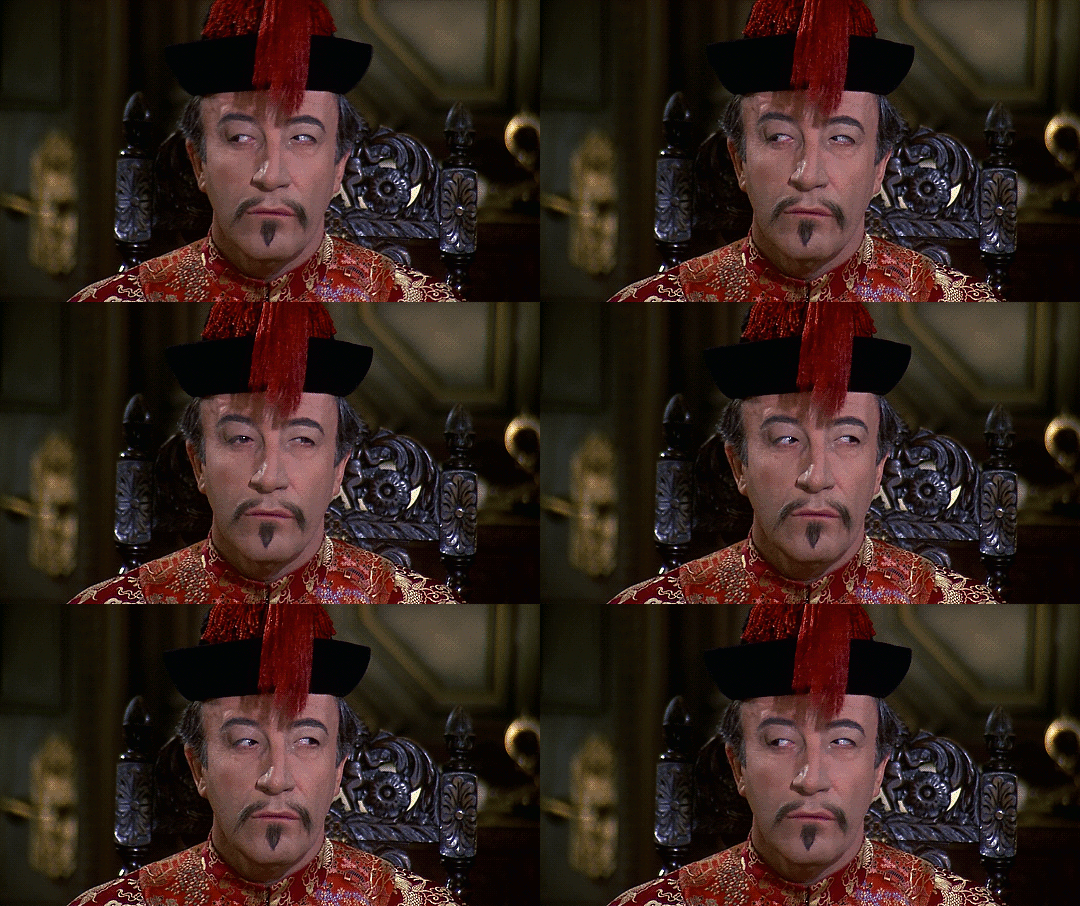
A performance de Peter Sellers como um homem asiático, completada com quimono, pode gerar algum debate. Ele estava fazendo yellow-face? Ou talvez ele estivesse criticando a prática do yellow-face – porque todos os atores que interpretaram Charlie Chan eram brancos, e o mais famoso deles, Warner Oland, era, de todas as nacionalidades possíveis, sueco? O que sabemos é que Sidney Wang é um personagem visto sob uma lente positiva, sendo inteligente e criativo. Uma piada constante é que ele fala inglês errado, algo que enfurece o anfitrião Lionel Twain (ninguém menos que Truman Capote) – mas Wang pode ser entendido com perfeição! No final das contas, a performance de Sellers pode ser um pouco embaraçosa, mas não o suficiente para “cancelar” o filme inteiro.

Peter Sellers's turn as an Asian man complete with kimono may raise some debate. Was he doing yellow-face? Or maybe he was mocking the practice of yellow-face – because all actors that played Charlie Chan were white, and the most famous of them, Warner Oland, was, of all nationalities, Swedish? What we know is that Sidney Wang is a character portrayed on a positive light, as intelligent and resourceful. A running joke is that he speaks broken English, something that infuriates the host Lionel Twain (no other than Truman Capote) – but Wang can be understood perfectly! In the end, Sellers’s performance is a bit cringe-worthy here and there, but not enough to “cancel” the whole film.


E aqui está outra questão: o personagem Bensonmum está zombando de pessoas com deficiência? Eu não acho. O personagem funciona graças ao absurdo que é alguém contratar um cego para ser mordomo – e Wang responde que isso é uma jogada esperta porque o mordomo jamais saberá quanto ele ganha. Muitas das falas mais engraçadas de Bensonmum não têm a ver com sua cegueira, e gags fáceis porém estúpidas são evitadas.

And here’s another question: is the character Bensonmum making fun of people with disabilities? I don’t think so. This character works thanks to the absurdity of someone hiring a blind man as a butler – and Wang answers that this is clever because the butler won’t know how much he gets paid. Many of Bensonmum’s funniest lines have nothing to do with him being blind, and easy but stupid gags are avoided.


Um Peter Falk vesgo faz sua melhor imitação de Humphrey Bogart como Sam Diamond, enquanto sua esperta companheira Tess Skeffington é interpretada por Eileen Brennan. Enquanto isso, o motorista de Milo Perrier, Marcel (James Cromwell), parece mais esperto que seu patrão glutão. Nesse sentido – e também considerando Bensonmum e Yetta – os ajudantes roubam a cena em “Assassinato por Morte”, e são geralmente mais engraçados do que os detetives.

A cross-eyed Peter Falk tries his best Humphrey Bogart impression as Sam Diamond, while his clever girl Tess Skeffington is played by Eileen Brennan. Meanwhile, Milo Perrier's chauffeur Marcel (James Cromwell) seems smarter than his glutton boss. In this sense – and also considering Bensonmum and Yetta – the helpers steal the scene in “Murder by Death”, and are often funnier than the detectives.


Considerando o elenco, “Assassinato por Morte” pode ser colocado entre os filmes all-star que eram mais comuns na Era de Ouro de Hollywood – sendo “Grande Hotel” (1932) e “Jantar às Oito” (1933) os filmes mais famosos desta categoria. Duas outras estrelas deveriam estar no elenco: Myrna Loy foi a primeira opção para Dora Charleston, e Katharine Hepburn faria a personagem Abigail Christian, uma paródia de Agatha Christie. As duas desistiram, por isso Maggie Smith foi escolhida para ser Dora e a personagem Abigail foi eliminada e a Sra Marbles foi criada em seu lugar.

Considering the cast, “Murder by Death” can be put among the all-star films that were more common during the Golden Age of Hollywood – being “Grand Hotel” (1932) and “Dinner at Eight” (1933) the most famous all-star movies. Two more stars were supposed to appear: Myrna Loy was the first choice for Dora Charleston, and Katharine Hepburn was supposed to be a parody of Agatha Christie called Abigail Christian. Both dropped, and thus Maggie Smith was cast as Dora and the character of Abigail was erased and Mrs Marbles was created instead.


Neil Simon escreveu “Assassinato por Morte” diretamente para o cinema, ao contrário de sucessos anteriores, como “Descalços no Parque” (1967) e “Um Estranho Casal” (1968), que foram concebidos como peças e depois adaptados para o cinema. Desde a primeira leitura o elenco amou o roteiro, e o clima durante as gravações era ótimo – mesmo que às vezes um ataque de riso arruinasse uma tomada. Bem, nós compreendemos as risadas incontroláveis.

Neil Simon wrote “Murder by Death” directly for the cinema, unlike his earlier successes, as “Barefoot in the Park” (1967) and “The Odd Couple” (1968), that were conceived as plays and then adapted to movie. Since the first table read the cast loved the screenplay, and  the mood during filming was great – even though sometimes the cast laughed so much that a shot was ruined. Well, we can understand the uncontrollable laughter.


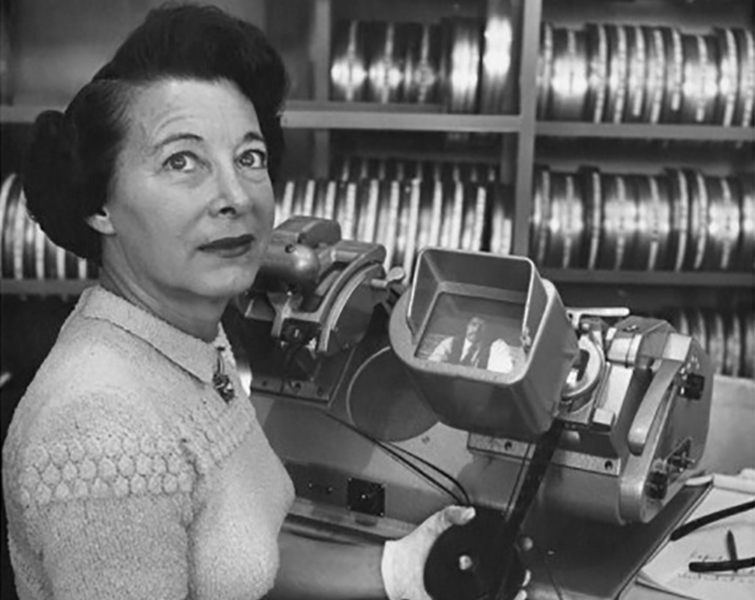
Creditada como “supervisora de edição” temos Margaret Booth, uma editora fantástica que trabalhou em alguns dos maiores clássicos, como “O Grande Motim” (1935), “A Dama das Camélias” (1936), “O Mágico de Oz” (1939) e “Ben-Hur” (1959). Ela começou em Hollywood em 1921, foi também produtora e redatora, e viveu até os 104 anos.

Credited as “supervising film editor” we have Margaret Booth, a legendary editor that has worked in some of the biggest classic films, including “Mutiny on the Bounty” (1935), “Camille” (1936), “The Wizard of Oz” (1939) and “Ben-Hur” (1959). She started in Hollywood in 1921, was also a producer and writer, and lived to be 104.


“Assassinato por Morte” certamente influenciou “Os Sete Suspeitos” (1985), um filme de mistério baseado em um jogo. Eileen Brennan está em ambos os filmes. O final de “Assassinato por Morte” me lembrou de “Charada” (1963), mas com mais reviravoltas. Depois destes filmes, o cinema se cansou de mistérios, e agora eles são bem mais raros (embora os recentes “Assassinato no Expresso do Oriente” (2017) e “Entre Facas e Segredos” (2019) possam assinalar uma voltas do gênero) – o que é uma pena porque, além de serem divertidos, estes filmes sempre podem terminar com a revelação de que o mordomo é o culpado.

“Murder by Death” certainly influenced “Clue” (1985), a film based on a game that is also a whodunit. Eileen Brennan stars in both. The ending of “Murder by Death” reminded me of “Charade” (1963), but with more plot twists. After those films, cinema got a bit tired of whodunits, and now they’re much rarer (although the recent “Murder on the Orient Express” (2017) and “Knives Out” (2019) may signal a genre comeback)  – which is a shame because, besides being entertaining, these films can always end with the reveal that the butler did it.

This is my contribution to the Butlers and Maids blogathon, hosted by Patricia and Rich at Caftan Woman and Wide Screen World.


Related Posts Plugin for WordPress, Blogger...