Fazer listas é divertido, não é? Mas ao mesmo tempo é difícil. Como qualquer cinéfilo pode confirmar, eleger seus filmes favoritos pode ser um exercício excruciante - porque nós temos MUITOS favoritos! Eu nunca digo não para uma lista, mas devo confessar que sofro um pouco para escrevê-las. Este ano, para o Dia do Cinema Clássico, tivemos de listar um filme favorito para cada década, começando em 1920 e terminando nos anos 1960. Foi um trabalho complexo, por isso decidi listar o filme que primeiro viesse à minha cabeça quando eu pensei em cada uma das décadas.
Lists are fun, aren’t they? But at the same time they are rough. As any cinephile would tell you, choosing your favorite movies can be an excruciating exercise - because we have SO MANY favorites! I never say no to a list, but I must confess I suffer a little to write them. This year, for National Classic Movie Day, we had to list our favorite film for each decade from the 1920 to the 1960s. This was a tough job, so I decided to let go and list the favorite movie that first came to my mind when I thought about each decade.

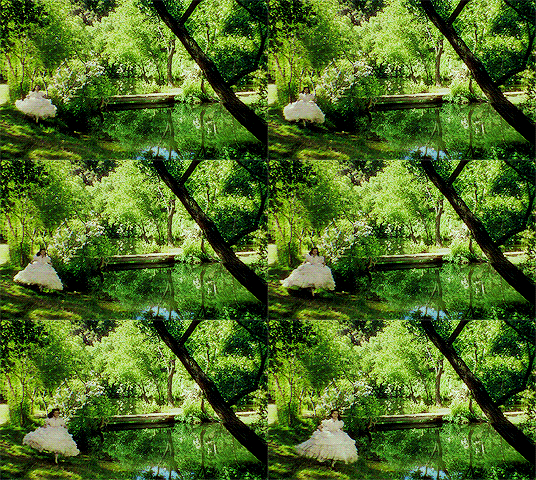
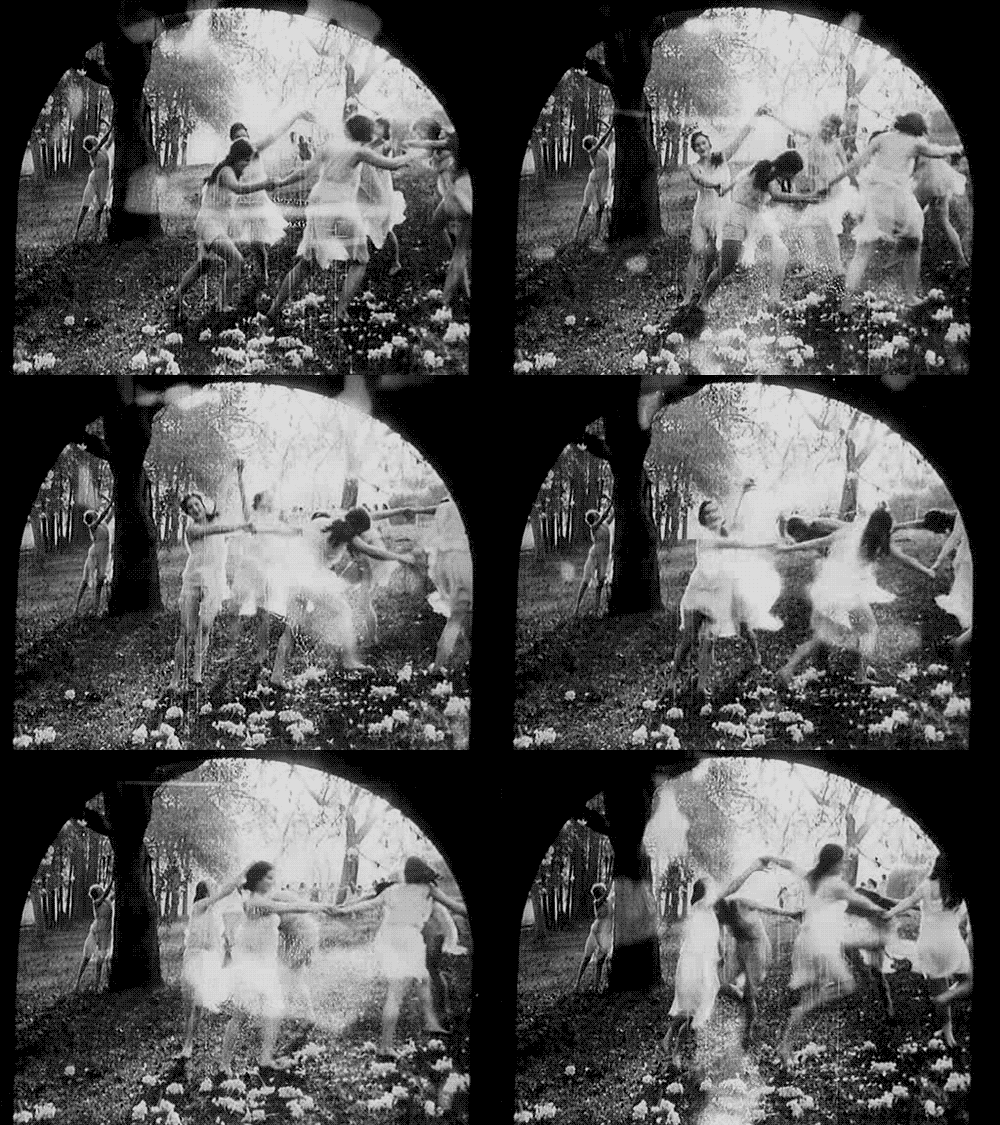
“O Pássaro Azul” (1918): Este belíssimo filme dirigido por Maurice Tourneur é um deleite para os olhos. Tudo parece ter um toque de seda, ou talvez um toque de mágica. É a adaptação da peça escrita pelo filósofo Maurice Maeterlinck, contando a história dos irmãos Mytyl e Tyltyl, que estão à procura do lendário pássaro azul da felicidade. A fot6ografia do filme é do brilhante John van der Broek, que infelizmente faleceu logo após as filmagens. Sim, há beleza e tristeza neste primeiro filme da lista.
“The Blue Bird” (1918): This wonderful, wonderful film directed by Maurice Touneur is a feast for the eyes. Everything looks like it has a touch of silk, or maybe a touch of magic. It’s the adaptation of the play written by the philosopher Maurice Maeterlinck, telling the story of the siblings Mytyl and Tyltyl, who are after a legendary blue bird of happiness. The cinematography is by the brilliant John van der Broek, who unfortunately passed away right after the film was finished. Yes, there is beauty and sadness in my first choice.

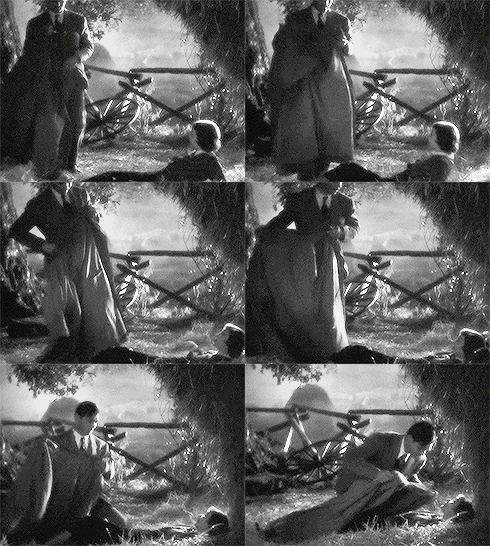
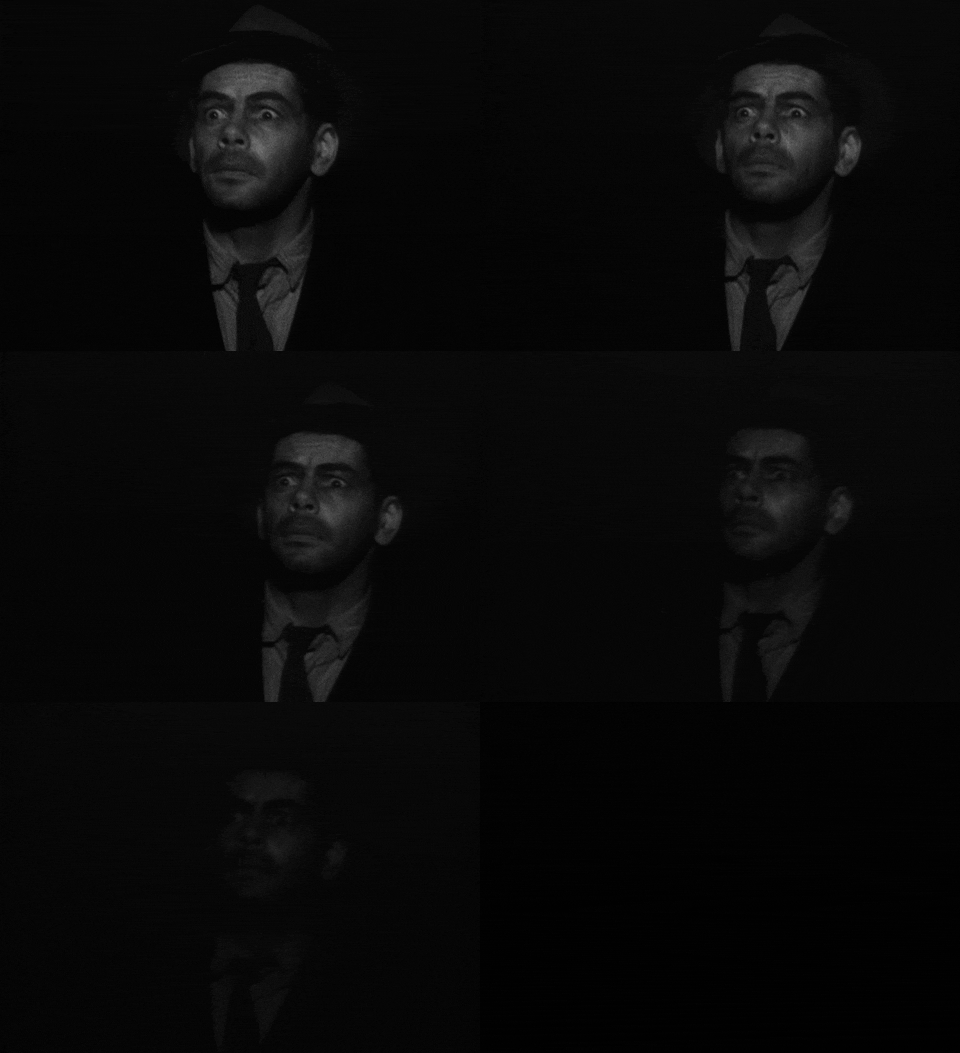
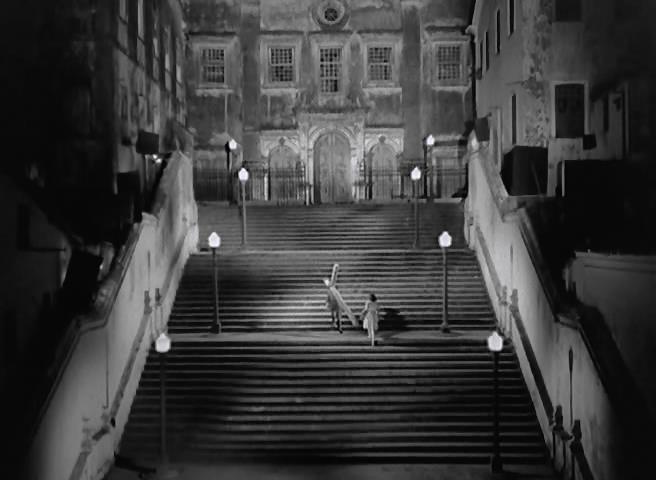
“A Última Ordem” (1928): embora meu filme mudo preferido também tenha sido feito na década de 20 (“O Grande Desfile”, de 1925) e mesmo com tantos ótimos curtas e longas-metragens feitos naquela década, “A Última Ordem” foi aquele em que pensei primeiro. É uma obra-prima do final da era muda e um filme que me faz desejar que os diálogos sincronizados tivessem demorado um pouquinho mais para surgirem. O filme conta, em flashback, a história de um homem com um passado glorioso na Rússia czarista que atualmente está com dificuldades para arranjar emprego como figurante em Hollywood. O filme conta com uma performance brilhante do nojento Emil Jannings e também traz William Powell num papel coadjuvante. Com muitos momentos surpreendentes, “A Última Ordem” é a prova do poder do storytelling no cinema mudo - e também roça que, na vida real, há pessoas espertas e talentosas que escolhem o lado do mal.
“The Last Command” (1928): although my favorite silent film was also made in the 1920s (it’s “The Big Parade”, from 1925) and even though so many amazing shorts and features were made in that decade, “The Last Command” was the first film that came to my mind. It’s a masterpiece of the late silent era and one that makes me wish synchronized dialogue could have waited just a little more to make an appearance. The film tells, in flashback, the story of an once great man in Czarist Russia who is currently struggling to find work as an extra in Hollywood. The film has a brilliant performance by the filthy Emil Jannings and also brings William Powell in a supporting role. With many surprising moments, “The Last Command” is proof of silent cinema’s power in storytelling - and also proves that, in real life, there are smart and talented people who side with evil.

“Inimigo Público” (1931): meu filme favorito de todos os tempos foi feito na década de 1930 (“Nasce uma Estrela”, de 1937) e já faz algum tempo que eu o revi. Por isso, escolhi o maravilhoso filme que fez de James Cagney, meu ator favorito, uma estrela. Além disso, é um ótimo exemplo dos primeiros filmes falados, mostrando quanto o cinema mudou e evoluiu desde o final dos anos 20. Um dos melhores, se não o melhor, filmes de gângster, conta a elétrica, violenta e rápida saga de Tom Powers (James Cagney), e é tão poderoso que eu gostaria de esquecer o final só para me surpreender com ele mais uma vez. Há também a emocionante relação entre Tom e sua mãe, a beleza de Jean Harlow e a famosa cena com um grapefruit.
“The Public Enemy” (1931): my favorite film ever was made in the 1930s (it’s “A Star is Born”, from 1937) and it’s been a while I last rewatched it. So I chose the wonderful flick that made a star of James Cagney, my favorite actor. Also, it’s a great early talkie that shows how much cinema changed and evolved since the late 1920s. One of the best, if not the best, gangster films, it tells the electric, violent and quick saga of Tom Powers (James Cagney), and it is so powerful that I wish I could forget the ending only to be surprised by it again. There is also a poignant relationship between Tom and his mother, Jean Harlow looking pretty and the infamous grapefruit scene.

“Um Dia em Nova York” (1949): New York, New York, uma cidade maravilhosa! Ao menos foi o que disseram aos três amigos marinheiros que têm apenas um dia para ver tudo em Nova York antes de voltarem ao navio. Frank Sinatra tem um velho guia turístico que pertenceu ao avô, Gene Kelly quer conhecer uma garota (ou talvez sete ou oito garotas) e Jules Munshin quer ver os pontos turísticos da cidade mais bonita do mundo. Enquanto estão na cidade, eles conhecem três garotas igualmente fantásticas: Betty Garrett é uma motorista de táxi decididas, Vera-Ellen é a famosa Miss Borboleta do cartaz no metrô e Ann Miller está procurando por um homem pré-histórico. Há uma hora marcada para a diversão acabar, mas até lá, é um diante folga delicioso para eles e para nós. Só pensar neste musical maravilhoso - com ótimas canções e sequência de dança - já me faz sorrir.
“On the Town” (1949): New York, New York, it’s a wonderful town! Or at least this was said to three sailor friends who have just one day to see everything in New York before they need to get back to the ship. Frank Sinatra has an old and outdated tourist guide given to him by his grandfather, Gene Kelly wants to pick up a date (maybe seven or eight) and Jules Munshin wants to see the sights of the most wonderful city in the world. While on the town, they meet three equally great ladies: Betty Garrett is a resolute taxi driver, Vera-Ellen is the famous Miss Turnstiles from the subway poster and Ann Miller is looking for a prehistoric man. There is a time for fun to end, but until then, it’s a delightful holiday for them and for us. Only thinking about this marvelous musical with great musical numbers makes me smile.

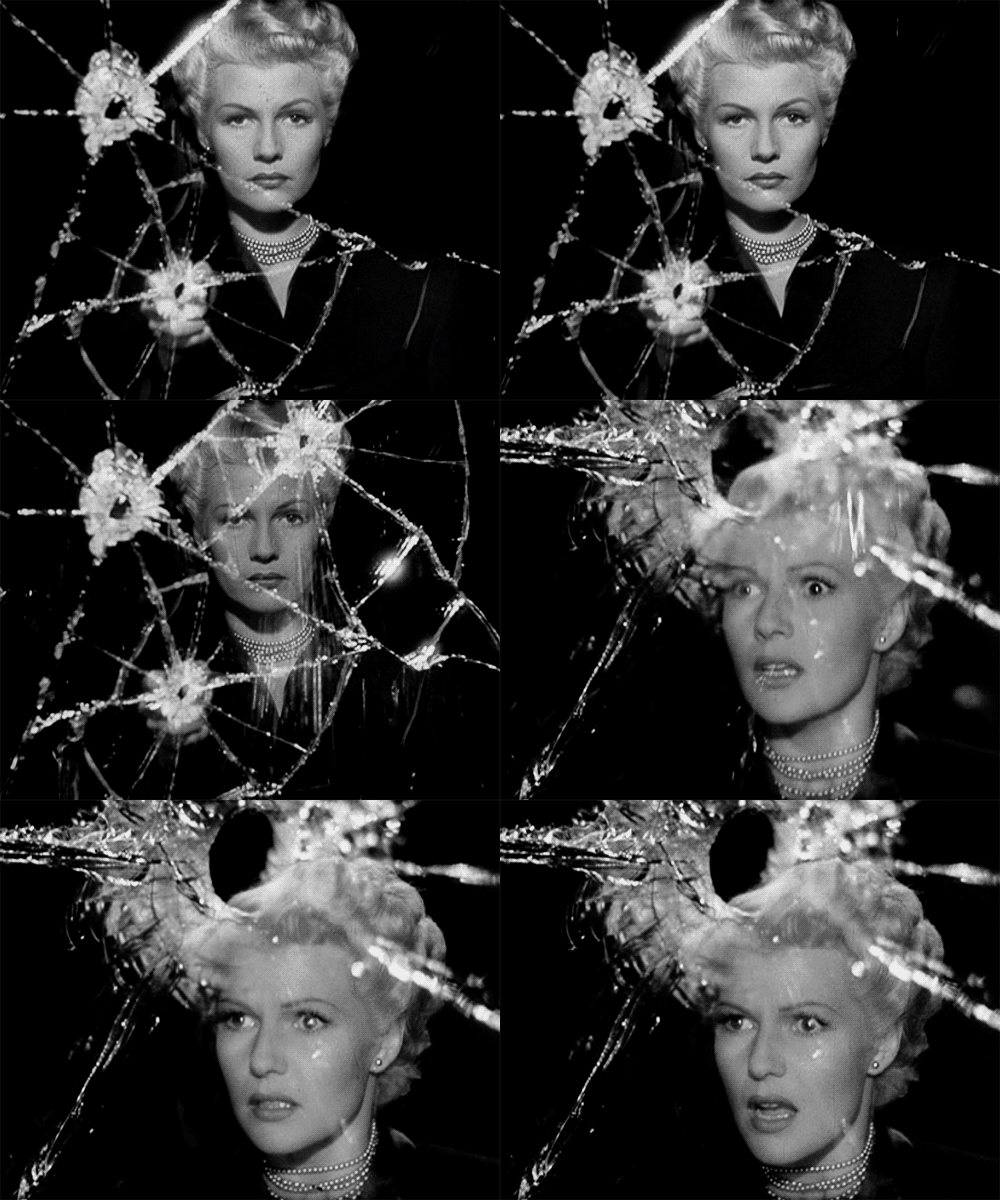
“Europa ‘51” (1952): “Crepúsculo dos Deuses” (1950) não é um filme perfeito, talvez o melhor filme já feito? Em, provavelmente é. Mas esta lista precisava de mais diversidade - todos os outros títulos são filmes de Hollywood - e “Europa ‘51” não é somente um filme neorrealista italiano subestimado, mas também é um filme com uma mensagem universal e atual. Ingrid Bergman interpreta uma mulher que, após a morte do filho, decide apenas fazer boas ações e ajudar pessoas. Como sempre, ela é vista com maus olhos e os autoproclamados “cidadãos de bem” querem impedi-la de seguir fazendo o bem. Além de ser muito bem feito, o filme ainda conta com a presença de Giulietta Masina - esposa de Fellini e uma de minhas atrizes favoritas - num pequeno papel.
“Europe ‘51” (1952): Isn’t “Sunset Boulevard” (1950) a perfect film, maybe the best film ever made? Yes, it probably is. But this list was lacking diversity - all the other titles are Hollywood movies - and “Europe ‘51” is not only an underrated Italian Neorrealist flick, it’s also one with an universal, timely message. Ingrid Bergman stars as a woman who, after the death of her son, decides to only do good deeds and help people. As always, she is frowned upon and the self-proclaimed “good citizens” want to stop her. Besides being beautifully made, the film also brings Giulietta Masina - Fellini’s wife and one of my favorite actresses - in a small role.

“Descalços no Parque” (1967): uma delícia da Nova (mais nova? Talvez não tão nova?) Hollywood, este filme é a adaptação de uma peça de Neil Simon. Robert Redford e Jane Fonda interpretam recém-casados que são muito diferentes: ele é sério e tímido, ela é divertida e extrovertida. Conforme começam a vida juntos, eles lidam com um vizinho extravagante e vão jantar com a mãe de Cory (Fonda). Mesmo explorando o clichê de “oposto que se atraem”, esta é uma adorável comédia romântica cheia de risadas e suspiros.
“Barefoot in the Park” (1967): a delight from New (newer? Maybe not so new now?) Hollywood, this film is the adaptation of a play by Neil Simon. Robert Redford and Jane Fonda play newlyweds who are very different: he is serious and shy, she is fun-loving and outgoing. As they start their life together, they deal with an extravagant neighbor and have dinner with Cory’s (Fonda) mother. Even though the film explores the “opposites attract” cliché, it’s a sweet romantic comedy full of laughs and sighs.

This is my contribution to the 6 films - 6 decades blogathon, hosted by Rick at Classic Film & TV Café.