} Crítica Retrô: Barefoot in the Park

Tradutor / Translator / Traductor / Übersetzer / Traduttore / Traducteur / 翻訳者 / переводчик

Showing posts with label Barefoot in the Park. Show all posts

Saturday, May 15, 2021

6 filmes em 6 décadas / 6 films, 6 decades


Fazer listas é divertido, não é? Mas ao mesmo tempo é difícil. Como qualquer cinéfilo pode confirmar, eleger seus filmes favoritos pode ser um exercício excruciante - porque nós temos MUITOS favoritos! Eu nunca digo não para uma lista, mas devo confessar que sofro um pouco para escrevê-las. Este ano, para o Dia do Cinema Clássico, tivemos de listar um filme favorito para cada década, começando em 1920 e terminando nos anos 1960. Foi um trabalho complexo, por isso decidi listar o filme que primeiro viesse à minha cabeça quando eu pensei em cada uma das décadas.

Lists are fun, aren’t they? But at the same time they are rough. As any cinephile would tell you, choosing your favorite movies can be an excruciating exercise - because we have SO MANY favorites! I never say no to a list, but I must confess I suffer a little to write them. This year, for National Classic Movie Day, we had to list our favorite film for each decade from the 1920 to the 1960s. This was a tough job, so I decided to let go and list the favorite movie that first came to my mind when I thought about each decade.

“O Pássaro Azul” (1918): Este belíssimo filme dirigido por Maurice Tourneur é um deleite para os olhos. Tudo parece ter um toque de seda, ou talvez um toque de mágica. É a adaptação da peça escrita pelo filósofo Maurice Maeterlinck, contando a história dos irmãos Mytyl e Tyltyl, que estão à procura do lendário pássaro azul da felicidade. A fot6ografia do filme é do brilhante John van der Broek, que infelizmente faleceu logo após as filmagens. Sim, há beleza e tristeza neste primeiro filme da lista.

“The Blue Bird” (1918): This wonderful, wonderful film directed by Maurice Touneur is a feast for the eyes. Everything looks like it has a touch of silk, or maybe a touch of magic. It’s the adaptation of the play written by the philosopher Maurice Maeterlinck, telling the story of the siblings Mytyl and Tyltyl, who are after a legendary blue bird of happiness. The cinematography is by the brilliant John van der Broek, who unfortunately passed away right after the film was finished. Yes, there is beauty and sadness in my first choice.

A Última Ordem” (1928): embora meu filme mudo preferido também tenha sido feito na década de 20 (“O Grande Desfile”, de 1925) e mesmo com tantos ótimos curtas e longas-metragens feitos naquela década, “A Última Ordem” foi aquele em que pensei primeiro. É uma obra-prima do final da era muda e um filme que me faz desejar que os diálogos sincronizados tivessem demorado um pouquinho mais para surgirem. O filme conta, em flashback, a história de um homem com um passado glorioso na Rússia czarista que atualmente está com dificuldades para arranjar emprego como figurante em Hollywood. O filme conta com uma performance brilhante do nojento Emil Jannings e também traz William Powell num papel coadjuvante. Com muitos momentos surpreendentes, “A Última Ordem” é a prova do poder do storytelling no cinema mudo - e também roça que, na vida real, há pessoas espertas e talentosas que escolhem o lado do mal.

The Last Command” (1928): although my favorite silent film was also made in the 1920s (it’s “The Big Parade”, from 1925) and even though so many amazing shorts and features were made in that decade, “The Last Command” was the first film that came to my mind. It’s a masterpiece of the late silent era and one that makes me wish synchronized dialogue could have waited just a little more to make an appearance. The film tells, in flashback, the story of an once great man in Czarist Russia who is currently struggling to find work as an extra in Hollywood. The film has a brilliant performance by the filthy Emil Jannings and also brings William Powell in a supporting role. With many surprising moments, “The Last Command” is proof of silent cinema’s power in storytelling - and also proves that, in real life, there are smart and talented people who side with evil.

Inimigo Público” (1931): meu filme favorito de todos os tempos foi feito na década de 1930 (“Nasce uma Estrela”, de 1937) e já faz algum tempo que eu o revi. Por isso, escolhi o maravilhoso filme que fez de James Cagney, meu ator favorito, uma estrela. Além disso, é um ótimo exemplo dos primeiros filmes falados, mostrando quanto o cinema mudou e evoluiu desde o final dos anos 20. Um dos melhores, se não o melhor, filmes de gângster, conta a elétrica, violenta e rápida saga de Tom Powers (James Cagney), e é tão poderoso que eu gostaria de esquecer o final só para me surpreender com ele mais uma vez. Há também a emocionante relação entre Tom e sua mãe, a beleza de Jean Harlow e a famosa cena com um grapefruit.

The Public Enemy” (1931): my favorite film ever was made in the 1930s (it’s “A Star is Born”, from 1937) and it’s been a while I last rewatched it. So I chose the wonderful flick that made a star of James Cagney, my favorite actor. Also, it’s a great early talkie that shows how much cinema changed and evolved since the late 1920s. One of the best, if not the best, gangster films, it tells the electric, violent and quick saga of Tom Powers (James Cagney), and it is so powerful that I wish I could forget the ending only to be surprised by it again. There is also a poignant relationship between Tom and his mother, Jean Harlow looking pretty and the infamous grapefruit scene.

Um Dia em Nova York” (1949): New York, New York, uma cidade maravilhosa! Ao menos foi o que disseram aos três amigos marinheiros que têm apenas um dia para ver tudo em Nova York antes de voltarem ao navio. Frank Sinatra tem um velho guia turístico que pertenceu ao avô, Gene Kelly quer conhecer uma garota (ou talvez sete ou oito garotas) e Jules Munshin quer ver os pontos turísticos da cidade mais bonita do mundo. Enquanto estão na cidade, eles conhecem três garotas igualmente fantásticas: Betty Garrett é uma motorista de táxi decididas, Vera-Ellen é a famosa Miss Borboleta do cartaz no metrô e Ann Miller está procurando por um homem pré-histórico. Há uma hora marcada para a diversão acabar, mas até lá, é um diante folga delicioso para eles e para nós. Só pensar neste musical maravilhoso - com ótimas canções e sequência de dança - já me faz sorrir.

On the Town” (1949): New York, New York, it’s a wonderful town! Or at least this was said to three sailor friends who have just one day to see everything in New York before they need to get back to the ship. Frank Sinatra has an old and outdated tourist guide given to him by his grandfather, Gene Kelly wants to pick up a date (maybe seven or eight) and Jules Munshin wants to see the sights of the most wonderful city in the world. While on the town, they meet three equally great ladies: Betty Garrett is a resolute taxi driver, Vera-Ellen is the famous Miss Turnstiles from the subway poster and Ann Miller is looking for a prehistoric man. There is a time for fun to end, but until then, it’s a delightful holiday for them and for us. Only thinking about this marvelous musical with great musical numbers makes me smile.

Europa ‘51” (1952): “Crepúsculo dos Deuses” (1950) não é um filme perfeito, talvez o melhor filme já feito? Em, provavelmente é. Mas esta lista precisava de mais diversidade - todos os outros títulos são filmes de Hollywood - e “Europa ‘51” não é somente um filme neorrealista italiano subestimado, mas também é um filme com uma mensagem universal e atual. Ingrid Bergman interpreta uma mulher que, após a morte do filho, decide apenas fazer boas ações e ajudar pessoas. Como sempre, ela é vista com maus olhos e os autoproclamados “cidadãos de bem” querem impedi-la de seguir fazendo o bem. Além de ser muito bem feito, o filme ainda conta com a presença de Giulietta Masina - esposa de Fellini e uma de minhas atrizes favoritas - num pequeno papel.

Europe ‘51” (1952): Isn’t “Sunset Boulevard” (1950) a perfect film, maybe the best film ever made? Yes, it probably is. But this list was lacking diversity - all the other titles are Hollywood movies - and “Europe ‘51” is not only an underrated Italian Neorrealist flick, it’s also one with an universal, timely message. Ingrid Bergman stars as a woman who, after the death of her son, decides to only do good deeds and help people. As always, she is frowned upon and the self-proclaimed “good citizens” want to stop her. Besides being beautifully made, the film also brings Giulietta Masina - Fellini’s wife and one of my favorite actresses - in a small role.

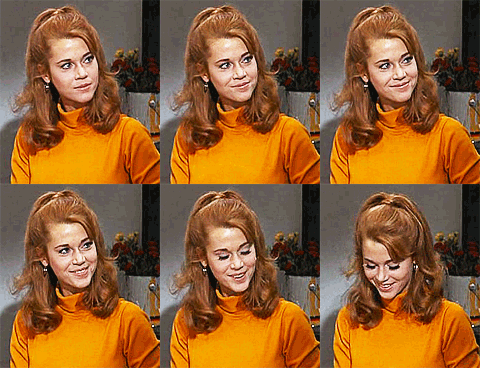
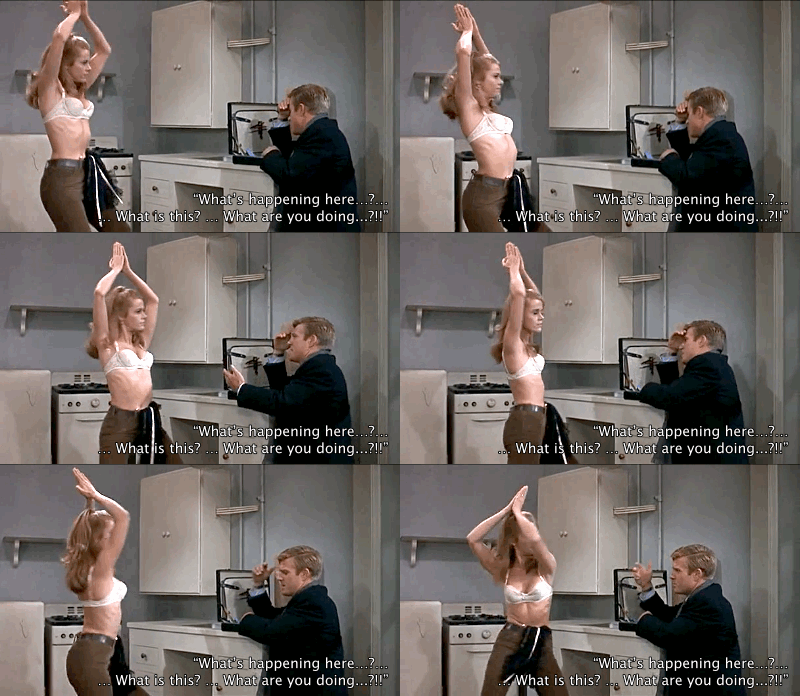
Descalços no Parque” (1967): uma delícia da Nova (mais nova? Talvez não tão nova?) Hollywood, este filme é a adaptação de uma peça de Neil Simon. Robert Redford e Jane Fonda interpretam recém-casados que são muito diferentes: ele é sério e tímido, ela é divertida e extrovertida. Conforme começam a vida juntos, eles lidam com um vizinho extravagante e vão jantar com a mãe de Cory (Fonda). Mesmo explorando o clichê de “oposto que se atraem”, esta é uma adorável comédia romântica cheia de risadas e suspiros.

Barefoot in the Park” (1967): a delight from New (newer? Maybe not so new now?) Hollywood, this film is the adaptation of a play by Neil Simon. Robert Redford and Jane Fonda play newlyweds who are very different: he is serious and shy, she is fun-loving and outgoing. As they start their life together, they deal with an extravagant neighbor and have dinner with Cory’s (Fonda) mother. Even though the film explores the “opposites attract” cliché, it’s a sweet romantic comedy full of laughs and sighs.

This is my contribution to the 6 films - 6 decades blogathon, hosted by Rick at Classic Film & TV Café.

Wednesday, May 20, 2020

Cinco Clássicos para Dias Difíceis

Five Classics for Comfort

Enquanto houver cinema, haverá esperança. Este é o mantra que eu adotei nos últimos anos, quando a realidade começou a parecer um filme de terror e os tempos ficaram difíceis demais para nós, sonhadores. Em certo sentido, o cinema sempre me salvou de me afogar em minhas próprias emoções e desgostos. É isso: o cinema salva. Ele pode distrair, emocionar, confortar, maravilhar, inspirar. Quando eu era uma adolescente que sofria bullying, mais de 10 anos atrás, foi o cinema que me deu força para prosseguir, então por que o cinema não poderia fazer o mesmo pelo mundo todo durante uma pandemia? Para este momento, e para qualquer outro momento difícil, eu ofereço minha lista de cinco clássicos para dias difíceis:

As long as there is cinema, there is hope. This is the mantra I have adopted in the last few years, when reality started looking like a horror movie and times became too hard for us, dreamers. In a sense, cinema has always saved me from drowning in my own emotions and sorrows. That's it: cinema saves. It can distract, move, comfort, amuse, inspire. When I was a bullied teenager, over ten years ago, it was cinema that gave me strength to carry on, so why can't cinema do the same for the whole world during a pandemic? For this time, and for any other difficult time, I offer my top five comfort films:

Uma Semana (1920): Sinceramente, eu poderia ter escolhido qualquer filme de Buster Keaton. O homem que nunca ri, ironicamente, nunca falha em colocar um sorriso no meu rosto. “Uma Semana” foi o primeiro curta-metragem solo de Keaton – sem seu mentor no cinema, Roscoe Arbuckle – e é o meu favorito de seus curtas. Os recém-casados Buster e Sybil Seely recebem como presente de casamento uma casa montável que acaba ficando... peculiar. Hilário, adorável e surpreendente, “Uma Semana” é uma pequena dose de felicidade.

One Week (1920): Sincerely, I could have chosen any Buster Keaton film. The man who never laughs, ironically, never fails to put a smile on my face. “One Week” was Keaton's first solo short – without his movie mentor Roscoe Arbuckle – and it's my favorite. Newlyweds Buster and Sybil Seely receive as a wedding gift a DIY house that ends up being very... unique. Hilarious, lovely and surprising, “One Week” is a small doses of happiness.

“Uma Semana” foi recentemente exibido no Silent Comedy Watch Party, que foi a única coisa boa que este caos trouxe. Esta iniciativa traz curtas-metragens mudos exibidos com acompanhamento ao vivo do pianista Ben Model e comentários do historiador Steve Massa. A exibição semanal tem mantido a minha sanidade – e também a de muitos cinéfilos.

“One Week” was recently featured at the Silent Comedy Watch Party aka the only good thing that this chaos brought. This initiative brings silent shorts played with live music accompaniment by pianist Ben Model and commentary by historian Steve Massa. The weekly party has kept me – and many more film fans – sane.

Cantando na Chuva (1952): Há algum filme mais feliz do que “Cantando na Chuva”? Eu acho que não. Eu imagino que as pessoas que trabalhavam no cinema se desesperaram quando os filmes falados surgiram. É assustador seguir em frente quando você não sabe o que o futuro lhe reserva, certo? Você pode estar vivendo isso agora, ou já viveu, ou ainda vai viver, por isso tenha certeza: o show precisa continuar. “Cantando na Chuva” nos ensina que devemos nos adaptar como Don Lockwood, ter um amigo leal e esforçado como Cosmo Brown e seguir nossos sonhos como Kathy Selden – e de preferência, mantendo um senso de humor que nos permita zombar de um técnico de voz de vez em quando.

Singin' in the Rain (1952): Is there a happier movie than “Singin' in the Rain”? I don't think so. I imagine people working in movies got desperate when talkies became a thing. It's scary to go on when you don't know what the future has in store to you, right? You may be living this right now, or have lived this, or will live, so be sure: the show must go on. “Singin' in the Rain” teaches us that we must adapt like Don Lockwood, have a loyal and hardworking friend like Cosmo Brown and follow our dreams like Kathy Selden – and hopefully, keeping a sense of humor that allows us to mock a voice coach sometimes. 

Meu Tio (1958): Esta belezinha francesa funciona basicamente como um filme mudo. Monsieur Hulot, o tio, interpretado pelo próprio diretor Jacques Tati, vive uma vida simples em um bairro pobre. Enquanto isso, sua irmã, cunhado e sobrinho vivem em uma casa tecnológica e os dois adultos pensam que podem ajudar Hulot a ter uma vida melhor. Isso leva ao conflito entre o velho e o novo, e a várias gags visuais deliciosas. Além disso, por causa deste filme eu sempre serei louca por uma fonte em forma de peixe.

Mon Oncle (1958): This French beauty basically works as a silent film. Monsieur Hulot, the uncle, played by director Jacques Tati himself, lives a simple life in a poor neighborhood. Meanwhile, his sister, brother-in-law and nephew live in a high-tech house and the two adults think they can help Hulot have a better life. This leads to the conflict between old and new, and a lot of delightful visual gags. Also, because of this film I'll be forever obsessed with a fish-shaped fountain.

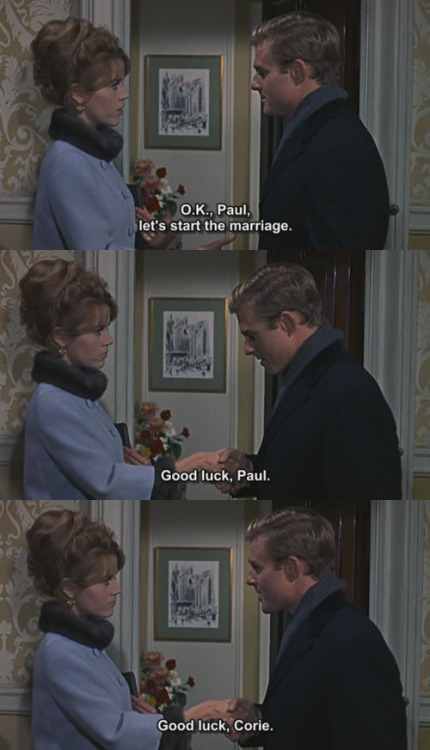
Descalços no Parque (1967): Assim como “Cantando na Chuva”, este filme mostra que, depois que as dificuldades são superadas, vem a alegria. Corie (Jane Fonda) e Paul (Robert Redford) são recém-casados e muito diferentes: Corie é extravagante e espontânea, enquanto Paul é quieto e sério. A tentativa deles de encontrar um equilíbrio conforme começam uma nova vida juntos é uma graça, e a noite de aventuras com a mãe de Corie e com um vizinho é brilhante. Você pode ler mais sobre “Descalços no Parque” AQUI.

Barefoot in the Park (1967): Just like “Singin' in the Rain”, this film shows that, after hardships are overcome, there comes bliss. Corie (Jane Fonda) and Paul (Robert Redford) are newlyweds and very different: Corie is extravagant and spontaneous, while Paul is quiet and serious. Their attempt to find balance as they begin a new life together is heartwarming, and their night out with Corie’s mother and a neighbor is priceless. You can read all my thoughts about “Barefoot in the Park” HERE.

Era uma Vez em Hollywood, a trilogia: Sinto que estou trapaceando duas vezes aqui porque estou escolhendo uma trilogia e esta trilogia tem pedaços de muitos filmes. De qualquer forma, os musicais sempre, sempre me deixam feliz. Eles foram minha fonte de esperança nos dias tristes da minha adolescência, e eu tinha 17 anos quando vi pela primeira vez “Era uma Vez em Hollywood” (1974). Este filme, assim como “Isso Também Era Hollywood” (1976) e “Era uma Vez em Hollywood – Parte III” (1994), traz uma compilação de clipes de musicais da era de ouro e também algumas cenas descartadas e material dos bastidores. Ah, e eu mencionei que o segundo filme traz Fred Astaire e Gene Kelly dançando juntos, 30 anos depois da primeira vez que eles fizeram ISSO? Porque isso acontece e é incrível. Essa trilogia prova que o cinema é, realmente, uma fábrica de sonhos e de esperança.

That's Entertainment! Trilogy: I feel like I'm cheating twice here because I'm choosing a trilogy and this trilogy has bits of many films. Anyway, musicals always, always make me happy. They were my main source of hope in my sad teen years, and I was 17 when I first saw “That's Entertainment! - Part 1” (1974). This film, and also Part II (released in 1976) and Part 3 (released in 1994), brings a compilation of clips from Golden Age musicals and also some unused footage and behind-the-scenes material. Oh, have I said that Part II brings Fred Astaire and Gene Kelly singing and dancing together, 30 years after the first time they did THIS? Because it does and it's awesome. This trilogy show that cinema really is a dream – and hope – factory.

This is my contribution to the Classics for Comfort blogathon, hosted by the Classic Movie Blog Association.

Monday, November 13, 2017

Descalços no Parque / Barefoot in the Park (1967)

Recém-casados. Desde a era do cinema mudo, muitos filmes já trataram de jovens casais apaixonados, prestes a começar a vida a dois. Buster Keaton fez, por exemplo, muitos curtas-metragens nos quais ele precisava se adaptar à nova vida – podemos citar dois deles: “Uma Semana” (1920) e “A Parentela da Esposa” (1922). Buster não foi o único a mostrar o lad0 divertido do casamento. Quarenta anos depois, os casais tinham o mesmo problema que os personagens de Buster – incompatibilidade.

Newlyweds. Since the silent era many, many films were made about young couples in love, about to start their life together. Buster Keaton had,  for instance, many short films in which he had to adapt to his new life – we can mention two of them: “One Week” (1920) and “My Wife’s Relations” (1922). Buster wasn’t the only one to show the fun side of the newlyweds’ life. Forty years later, couples had the same problem as Buster’s characters – incompatibility.
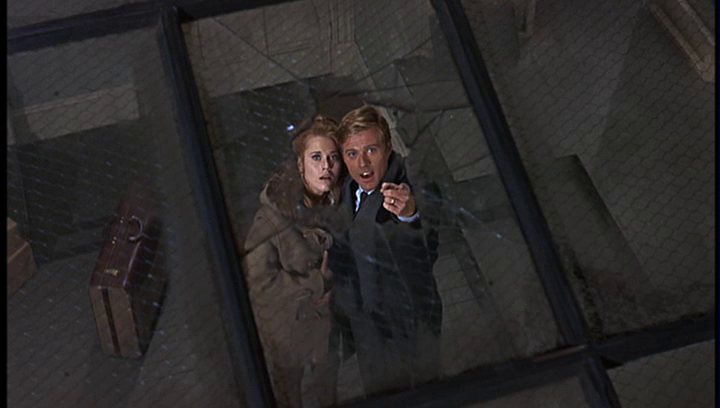
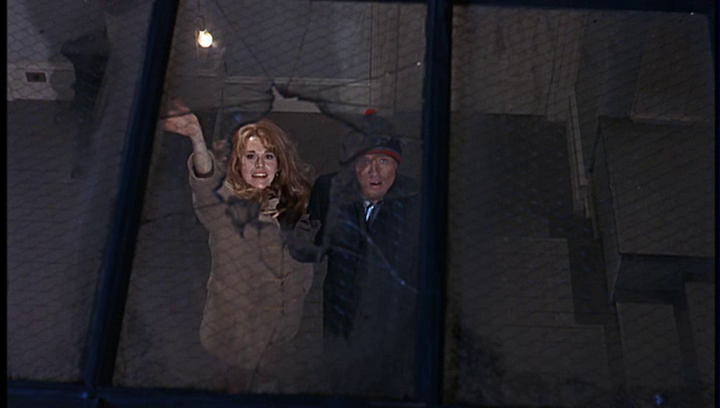
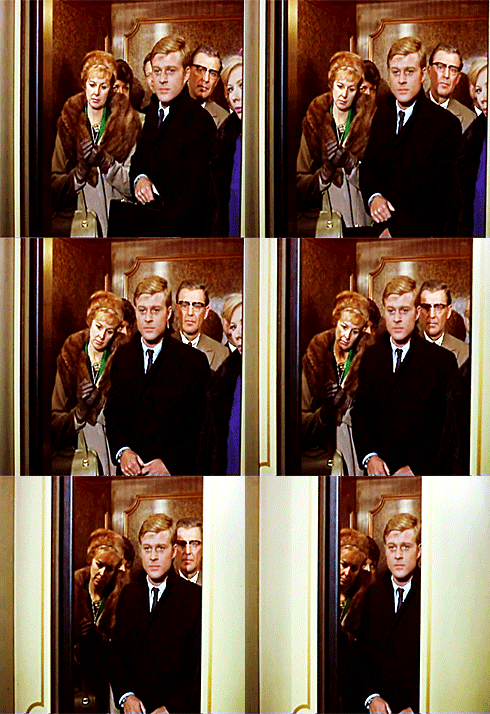
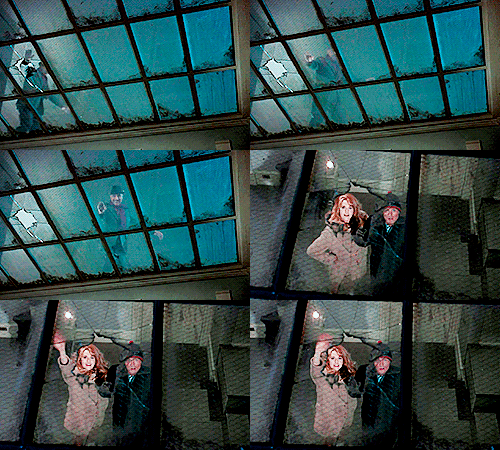
Corie (Jane Fonda) e Paul (Robert Redford) voltaram da lua de mel e se mudaram para seu novo apartamento em Nova York. Como você deve imaginar, este é o melhor lugar pelo qual o jovem casal pode pagar, então não é um apartamento muito espaçoso. Ele se localiza no último andar de um prédio sem escadas. E, ah, há um buraco na claraboia, algo perfeito para dias de verão, porém terrível para noites de inverno.

Corie (Jane Fonda) and Paul (Robert Redford) have just resumed their honeymoon and moved to their own apartment in New York City. As you may imagine, this is the best place the young couple can afford, so it’s not very big. It’s also on the last floor of a building that has no stairs. And, oh, there is a hole in the ceiling, perfect for sunny days but horrible in snowy nights.
Entretanto, este não é o maior problema deles. Parece que o amor os cegou e apenas agora eles veem como são diferentes. Paul é um advogado sério, que se preocupa com a carreira em primeiro lugar. Corie é uma dona de casa de espírito livre, que não vê problemas em socializar com vizinhos estranhos. Paul quer uma casa arrumada e uma carreira brilhante, enquanto Corie quer ter o marido ao seu lado e se divertir.

But this is not their biggest problem. It looks like love has blinded the young couple and only now they could see how different they are. Paul is a serious lawyer, who worries about his work more than anything else. Corie is a free-spirited housewife, who doesn’t care about mingling with weird neighbors. Paul wants a tidy home and a brilliant career, while Corie wants to have her husband next to her and to have fun.
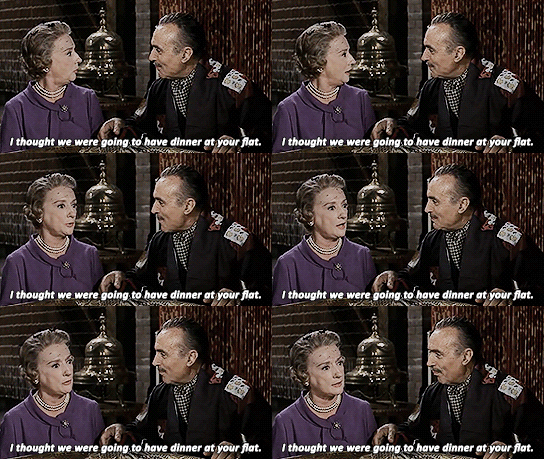
É comum que se diga que, quando você se casa com alguém, também se casa com a família desta pessoa. E, seguindo este raciocínio, quando você se muda para uma nova casa ou prédio você também acaba criando uma relação com seus vizinhos. E isto tudo nos leva a dois incríveis coadjuvantes: Ethel (Mildred Natwick), a mãe de Corie, e Victor Velasco (Charles Boyer), um vizinho excêntrico. Na sequência mais divertida do filme, Corie, Paul, Ethel e Victor saem para jantar.

It’s often said that when you marry someone, you also marry this person’s family. And, following the reasoning, when you move to a new house or building you end up creating a relationship with your neighbors. And this takes us to two amazing supporting characters: Ethel (Mildred Natwick), Corie’s mother, and Victor Velasco (Charles Boyer), an eccentric neighbor. In the funniest sequence of the movie, Corie, Paul, Ethel and Victor go out to dine.
Não posso elogiar suficientemente a noite louca que os quarto experimentam. Haverá ao menos um momento em que você vai chorar de rir – talvez por causa da comida estranha, talvez por causa das loucuras de Velasco. “Descalços no Parque” acabará lhe ensinando a comer knichi do jeito certo, a dançar a dança folclórica albanesa “Shama Shama” ou por que beber muito uzo lhe impedirá de fechar a mão.

I can’t say enough good things about the zany night out the four of them have. There will be at least a moment when you’ll laugh until you cry – maybe because of the weird food, or because of Velasco’s shenanigans. “Barefoot in the Park” will end up teaching you how to eat knichi properly, how to dance the Albanian folk song “Shama Shama” or why drinking too much uzo will prevent you from making a fist.
É interessante notar como, mesmo sendo baseado em uma peça de teatro, “Descalços no Parque” não parece ‘teatral’. Há poucos cenários, mas a sensação geral é de que o filme não fica confinado por causa disso. Isso acontece porque Neil Simon, o autor da peça, escreveu também o roteiro do filme. Simon não era novato no mundo do cinema e da TV – ele trabalhava desde 1948 em filmes e séries para a televisão.

It’s interesting how, even though the film is based on a stage play, “Barefoot in the Park” doesn’t look ‘staged’. There may be few settings, but the overall feeling of the movie is not something confined. This happens especially because Neil Simon, the play writer, was also responsible for the screenplay. Simon was no newcomer in the film and TV world – he had been working in TV movies and series since 1948.
Descalços no Parque” foi o terceiro de cinco filmes – até agora – em que Jane Fonda e Robert Redford contracenaram. Eles curiosamente começaram suas carreiras no cinema com o mesmo filme, “Até os Fortes Vacilam” (1960), mas Fonda era a estrela e Redford apenas um figurante. Começando com “Caçada Humana”, de 1966, Fonda e Redford se tornaram bons amigos, em especial porque têm o mesmo posicionamento político. Foi delicioso vê-los como um casal jovem e apaixonado em “Descalços no Parque”, e foi ótimo descobrir que eles se juntaram para uma nova empreitada...

Barefoot in the Park” was the third of five – so far – films Jane Fonda and Robert Redford made together. They actually made their screen debuts in the same movie, “Tall Story” (1960), but Fonda had a starring role and Redford was only an extra. Starting with 1966’s “The Chase”, Fonda and Redford became good friends, in special because of their similar political views. It was delightful to see them as a young and passionate couple in “Barefoot in the Park”, and it was great when they reteamed… 

This is my contribution to the Then and Now (Now and Then) blogathon, hosted by Realweegiemidget (and Thoughts All Sorts).

Related Posts Plugin for WordPress, Blogger...