} Crítica Retrô: George Cukor

Tradutor / Translator / Traductor / Übersetzer / Traduttore / Traducteur / 翻訳者 / переводчик

Showing posts with label George Cukor. Show all posts

Friday, June 27, 2025

Hollywood (1932) / What Price Hollywood? (1932)


Meu filme favorito de todos os tempos é a versão de 1937 de “Nasce uma Estrela”. Com Technicolor brilhante, este drama sobre fama e infortúnio me arrebatou quando o vi pela primeira vez, há mais de 15 anos. Até agora, o filme foi refilmado três vezes - em 1954 com Judy Garland, em 1976 com Barbra Streisand e em 2018 com Lady Gaga. Mas mesmo em 1937 a história não era completamente original: o filme foi meio que inspirado por uma produção anterior, sobre a qual escreverei sobre agora, depois de todos esses anos apaixonada pela história de Vicky Lester e Norman Maine.

My favorite film of all time is the 1937 version of “A Star is Born”. With shining Technicolor, this drama of fame and misfortune swept me out of my feet when I first watched it, over 15 years ago. So far, the film was remade three times - in 1954 with Judy Garland, in 1976 with Barbra Streisand and in 2018 with Lady Gaga. But the story wasn’t completely original in 1937: the movie was kind of inspired by an earlier movie, which I’ll review today, after all those years being in love with the story of Vicky Lester and Norman Maine.

Mary Evans (Constance Bennett) segue as modas ditadas pelas estrelas de cinema e pelas revistas sobre o tema. Ela sonha com uma beijoca de Clark Gable, mas enquanto não tem sua grande chance, trabalha servindo mesas numa lanchonete local. Numa noite ela serve a mesa do famoso diretor Max Carey (Lowell Sherman), que, estando bêbado, a convida para ser seu par numa estreia de filme.  

Mary Evans (Constance Bennett) follows the fashions dictated by movie stars and fan magazines. She dreams of a smooch from Clark Gable, but while she doesn’t get her big break, she waits tables in a local derby. One night she waits the table of famous director Max Carey (Lowell Sherman), who, being drunk, invites her to be his date in a movie premiere.

No dia seguinte, porque Mary o trouxe inconsciente até a casa dele, Carey diz para ela ir até o estúdio. Ela consegue um pequeno papel com uma fala. Ela passa muitas horas ensaiando e o esforço compensa: o produtor Sr Saxe (Gregory Ratoff) lhe oferece um contrato a longo prazo. Com o apelido de “Amiga da América”, eles querem transformar Mary numa estrela. E conseguem.

The following day, since Mary brought him unconscious to his house, Mr Carey tells her to come to the studio. She is given a bit part with one line. She spends many hours rehearsing and the effort pays off: the producer Mr Saxe (Gregory Ratoff) gives her a long-term contract. Marketing her as “America’s Pal”, they want to turn Mary into a star. And so they do.

Um dia num jogo de polo, ela conhece Lonny Borden (Neil Hamilton), que a força a jantar com ele porque ele não aceita não como resposta. O horrível jantar forçado é logo seguido do anúncio do noivado deles. O casamento é um grande evento, mas a lua de mel precisa ser adiada porque Mary precisa regravar algumas cenas de seu próximo filme. Lonny é um milionário, mas pelo estúdio ele é conhecido como Sr Evans. Carey não quer que Mary desperdice seu tempo e talento dando atenção ao marido ao invés de focar na carreira. 

One day in a polo game she meets Lonny Borden (Neil Hamilton), who then forces her to have dinner with him because he can’t take no for an answer. The horrible forced dinner is quickly followed by the news of their engagement. The wedding is a huge event, but the honeymoon has to be postponed because Mary needs to do some retakes for her next film. Lonny is a millionaire but around the studio he is referred to as Mr Evans. Mr Carey doesn’t want Mary wasting her time and talent giving attention to her husband and focusing less on her career.

O contrato de sete anos com o mesmo estúdio era prática comum em Hollywood. À primeira vista soava como segurança, mas podia ser uma prisão. O contrato era como ter um dono: os estúdios eram donos de suas estrelas e as estrelas tinham que aceitar quaisquer papéis e roteiros que os executivos escolhiam para elas. Mas havia maneiras de escapar: atores podiam incentivar a permuta com outros estúdios que ofereciam papéis melhores, como fez Elizabeth Taylor, ou recusar papéis do estúdio, o que fez Bette Davis, sendo então suspensa por causa de seu comportamento.

The contract lasting for seven years with the same studio was common practice in Hollywood. It at first sounded like security, but could be a prison. The contract was basically an ownership: studios owned their stars and the stars had to accept whichever roles and scripts the executives chose for them. But there were ways out: actors could trigger loans to other studios for juicier roles, as Elizabeth Taylor did, or refuse roles from their studios, which Bette Davis did and was suspended for her behavior.

Este filme foi baseado numa história de Adela Rogers St. John. Muitos detalhes do roteiro são comentados por uma coluna de fofocas chamada “You Ask Me!”. Mas Adela não veio dessas colunas: ela foi uma respeitada jornalista em revistas de cinema, que a levaram até Hollywood, onde a primeira adaptação de uma de suas histórias foi feita em 1918. Para “Hollywood”, ela provavelmente se inspirou na vida pessoal de Colleen Moore e na tragédia do diretor Tom Forman. Adela foi indicada ao Oscar na categoria Melhor História. 

This movie was based on a story by Adela Rogers St. John. Many plot points here are commented upon by a gossip column called “You Ask Me!”. Adela didn’t come from these columns, though: she was a respected journalist in fan magazines, which led her to Hollywood, where the first adaptation of one of her stories was made in 1918. For “What Price Hollywood?”, she probably took inspiration from Colleen Moore’s personal life and the tragedy of director Tom Forman. Adela was nominated for an Oscar in the Best Story category.

Tanto “Hollywood” quanto a versão de 1937 de “Nasce uma Estrela” foram produzidos por David Selznick, que queria Clara Bow no papel principal e precisou convencer os executivos da RKO de que um filme sobre filmes seria bem-sucedido. Tanto “Hollywood” quanto a versão de 1954 de “Nasce uma Estrela” foram dirigidos por George Cukor. Cukor se recusou a dirigir a versão de 1937 por causa das semelhanças que continha com o filme de 1932. 

Both “What Price Hollywood?” and the 1937 “A Star is Born” were produced by David Selznick, who wanted to cast Clara Bow as the lead and had to convince RKO executives that a movie about movies would be successful. Both “What Price Hollywood?” and the 1954 “A Star is Born” were directed by George Cukor. Cukor refused to direct the 1937 version because of the similarities between this and the 1932 movie.

Os créditos começam com algo que não estamos acostumados a ver: um galo em cima de um globo e as palavras “An RKO Pathé Picture”. Em 1931 a RKO adquiriu a Pathé Exchange, fundada em 1914. Com a fusão vieram algumas das maiores estrelas da Pathé, como Constance Bennett. O nome “RKO Pathé” foi usado apenas até o fim de 191, quando o estúdio voltou a se chamar somente RKO. 

The credits begin with something we’re not used to seeing: a rooster over a globe and the words “An RKO Pathé Picture”. In 1931 RKO acquired Pathé Exchange, founded in 1914. With the merge came some of the greatest Pathé stars, such as Constance Bennett. The name “RKO Pathé” was used only until late 1932, when the studio became once again only RKO. 

Eu simplesmente amei os vestidos de Mary! Eu com certeza os usaria se eles fossem um pouco mais curtos A supervisão de figurino ficou a cargo de Margaret Pemberton, que tem apenas dois créditos no currículo. Na estreia, o destaque foi uma sequência com uma montagem da ascensão de Mary para os píncaros da fama, usando efeitos especiais que eram então novidade. 

I simply loved Mary’s dresses! I would certainly wear them if they were a little shorter. The wardrobe supervisor is Margaret Pemberton, who has only two film credits. At the premiere, however, the highlight was a sequence featuring a montage of Mary’s ascension to the top of Tinseltown, using special effects that were brand new at the time.

Em “Hollywood”, a figura bêbada problemática é o diretor Max Carey e não o marido da estrela, o que faz do roteiro mais criativo do que o de “Nasce uma Estrela”, mas provavelmente com menos pathos. É bacana, entretanto, ver uma “versão” da história na era pre–Code, mesmo sendo cheia de misoginia e racismo para com a empregada de Mary, Juanita (a incansável Louise Beavers). Considerando os prós e contras, é uma boa sessão.

In “What Price Hollywood?”, the problematic drunk figure is the director Mr Carey and not the starlet’s husband, which makes the plot more creative than the one in “A Star is Born”, although probably with less pathos. It’s nice, however, to see a “version” of the story made in the pre-Code era, even though it’s full of misogyny and racism towards the character of Mary’s maid Juanita (the hardworking Louise Beavers). Considering the pros and cons, it’s an enjoyable movie.

Saturday, June 17, 2023

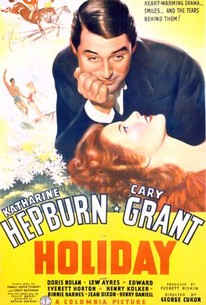
Boêmio Encantador (1938) / Holiday (1938)

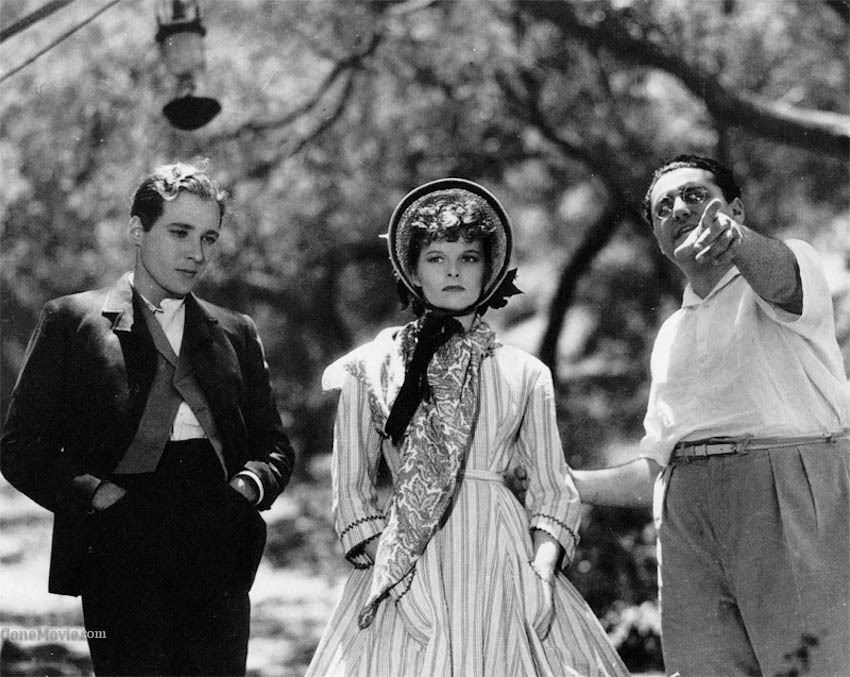
 “Boêmio Encantador” é o terceiro de quatro filmes que Katharine Hepburn e Cary Grant fizeram juntos. Os outros três são “Vivendo em Dúvida” (1935), “Levada da Breca” (1938) e “Núpcias de Escândalo” (1940). “Boêmio Encantador” é o pior do quarteto, e isso pode ser porque ele é teatral demais – mas ainda é um filme bacana.


“Holiday” is the third of four movies Katharine Hepburn and Cary Grant made together. The other three are “Sylvia Scarlett” (1935), “Bringing Up Baby” (1938) and “The Philadelphia Story” (1940). “Holiday” is the worst of the bunch, and this may be because it’s too theatrical – but still a nice movie.

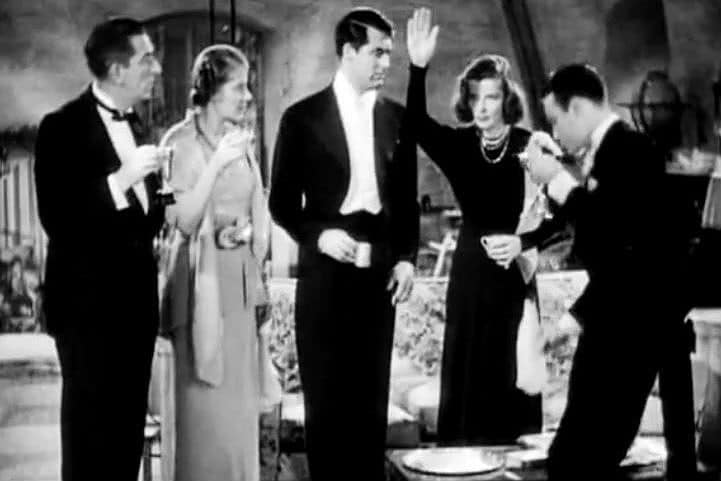
A trama é bem simples. Johnny Case (Grant) conhece Julia Seton (Doris Nolan) há apenas dez dias, mas acredita que está pronto para se casar com ela. O que ele não esperava descobrir é que Julia vem de uma família extremamente rica – sua casa é tão grande que tem um elevador – e que o pai dela tem tudo preparado para o casal: ele planejou a futura casa deles e quer que seu futuro genro aceite um emprego no banco dele... mas o pobre Johnny só quer sair de férias para clarear as ideias.


The plot is pretty simple. Johnny Case (Grant) has known Julia Seton (Doris Nolan) for ten days, but believes he’s ready to marry her. What he didn’t expect to discover is that Julia comes from an extremely rich family – her house is so big that it has an elevator – and her father has everything prepared for the soon-to-be newlyweds: he’s planned their future house and wants his future son-in-law to take a job at his bank… but poor Johnny only wants a holiday to clear his mind.

A família da noiva é fora de série: temos o irmão mais novo de Julia, o alcoólatra Ned (Lew Ayres) e a vivaz irmã mais nova Linda (Hepburn). Linda queria dar uma festa de noivado simples e íntima para Julia e Johnny, mas o pai dela decide dar uma imensa festa de véspera de Ano Novo para anunciar o noivado para toda a alta sociedade. Esta festa é o assunto da maior parte do filme.


The future in-laws Johnny meets are out of this world: there is Julia’s alcoholic younger brother Ned (Lew Ayres) and vivacious younger sister Linda (Hepburn). Linda wanted to throw a simple and intimate engagement party to Julia and Johnny, but her father decides to throw a huge New Year’s Eve party to announce their engagement to all of high society. This party takes the biggest bulk of the film.

Linda decide não se juntar à festa e fica na sala de jogos da casa, onde podemos encontrar vários brinquedos da infância dos irmãos – um tempo mais simples e mais feliz para eles. No meio da festa se juntam a ela os amigos de Johnny, Nick e Susan Potter, interpretados por Edward Everett Horton e Jean Dixon. Logo Johnny e Ned também se juntam a eles na sala de jogos, onde a verdadeira diversão está – e talvez também o amor verdadeiro.


Linda decides to not join the party and stays in the house’s playroom, where we can find several toys from the siblings’ childhood – a simpler, happier time for them. In the middle of the party she’s joined by Johnny’s close friends Nick and Susan Potter, played by Edward Everett Horton and Jean Dixon. Soon Johnny and Ned also join them in the playroom, where the true fun is – and maybe also true love.

“Boêmio Encantador” foi uma peça de teatro que estreou em 1928 e teve 229 performances. Donald Ogden Stewart, que escreveu o roteiro do filme, havia interpretado Nick Potter no teatro, e Katharine Hepburn foi substituta na peça. A peça de Philip Barry – que também escreveu “Núpcias de Escândalo” – já havia sido adaptada para as telas em 1930, e Edward Everett Horton também interpretou Nick Potter neste filme.


“Holiday” was a theater play that opened in 1928 and ran for 229 performances. Donald Ogden Stewart, who wrote the screenplay for the movie, had played Nick Potter in the theater, and Katharine Hepburn was an understudy in the play as well. The play by Philip Barry – who also wrote “The Philadelphia Story” – had already been adapted to the screen in 1930, and Edward Everett Horton was in this film as Nick Potter.

Katharine Hepburn não foi a primeira escolha para o papel de Linda. O papel era supostamente de Irene Dunne, e Ginger Rogers e Joan Bennett também foram nomes cotados antes de Hepburn ser emprestada da RKO para a Columbia - o que foi ótimo, uma vez que ela está perfeita no papel. O diretor George Cukor queria que Rita Hayworth interpretasse Julia, mas a novata foi considerada sem experiência suficiente para o papel, que ficou com Doris Nolan.


Katharine Hepburn wasn’t the first choice to play Linda. The role was supposed to go to Irene Dunne, and Ginger Rogers and Joan Bennett were also considered before Hepburn was loaned from RKO to Columbia - a great deal, as she is perfect in the role. Director George Cukor wanted Rita Hayworth to play Julia, but the newcomer wasn’t considered to be too inexperienced for the role, that went to Doris Nolan.

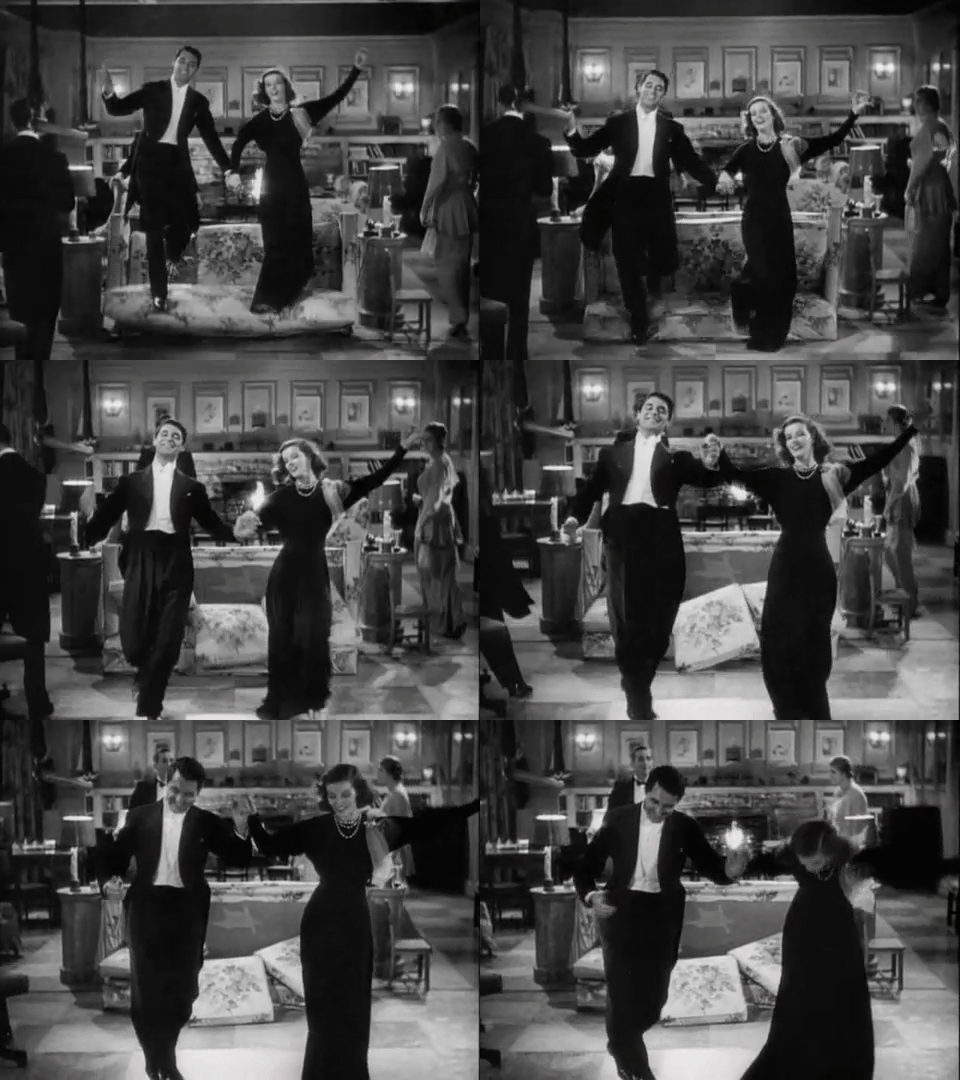
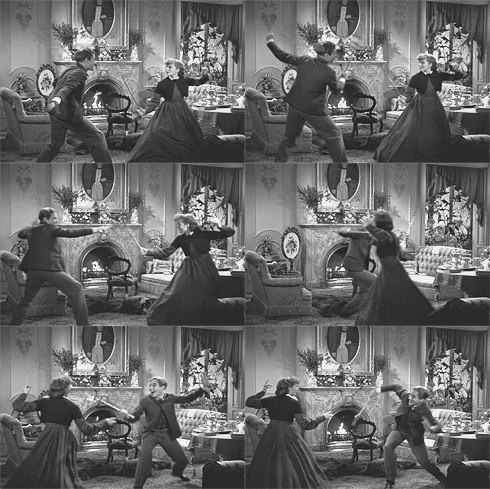
“Boêmio Encantador” é certamente um filme sofisticado, mas também verborrágico. Há muita falação – especialmente quando estão solucionando a situação toda – e só um pouco de ação. O momento com mais ação é a acrobacia de Grant e Hepburn, um momento que você pode já ter visto em forma de GIF. Menos famoso que os outros três filmes feitos pela dupla dinâmica Grant e Hepburn, “Boêmio Encantador” pode ser charmoso, mas também é um pouco chato e previsível. Uma pena, mas nem todos os filmes podem ser obras-primas.


“Holiday” is certainly a sophisticated film, but also a “talky” one. There is too much talking – especially when they are solving the whole situation – and just a little action. The moment with the most action is Grant’s and Hepburn’s tumbling trick, a moment you might have already seen as a GIF. Less famous than the other three films made by the dynamic duo Grant and Hepburn, “Holiday” may be charming, but it’s also a bit boring and predictable. Too bad, but we can’t have only masterpieces.


 This is my contribution to The Intruder blogathon, hosted by Silver Scenes. 

Saturday, July 20, 2019

As Quatro Irmãs (1933) / Little Women (1933)


Cristóvão Colombo! Essa é a expressão usada pela heroína Jo March sempre que fica surpresa ou maravilhada. Eu também usei a expressão enquanto assistia à versão de 1933 de “As Quatro Irmãs”, uma história emocionante sobre vida familiar e sacrifício na década de 1860 – uma história tão linda que ainda mexe conosco e ecoa os laços de família que cultivamos na década de 2010.

Christopher Columbus! This is the expletive used by the heroine Jo March whenever she is surprised or amazed. I also used the expletive as I watched the 1933 version of “Little Women”, a heartfelt story about family life and sacrifice in the 1860s – a story so beautiful it still moves and echoes the family ties we experience in the 2010s.


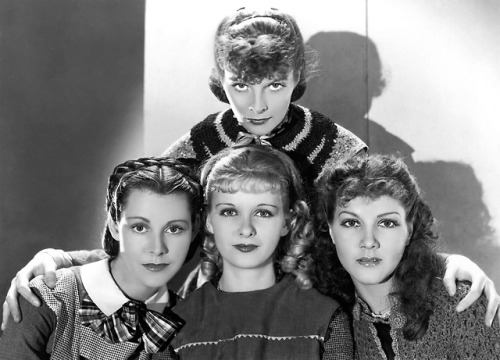
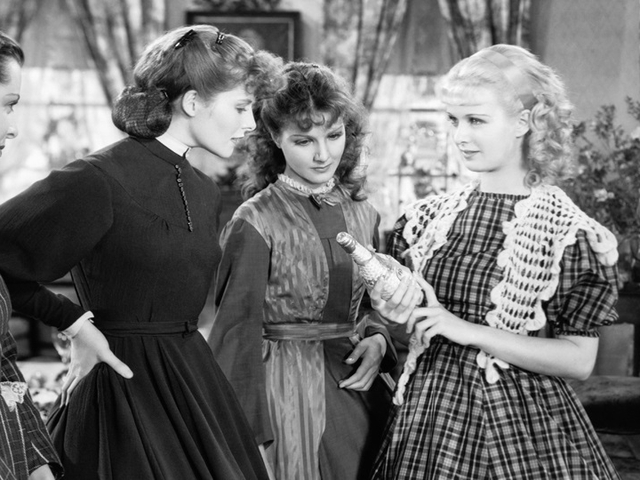
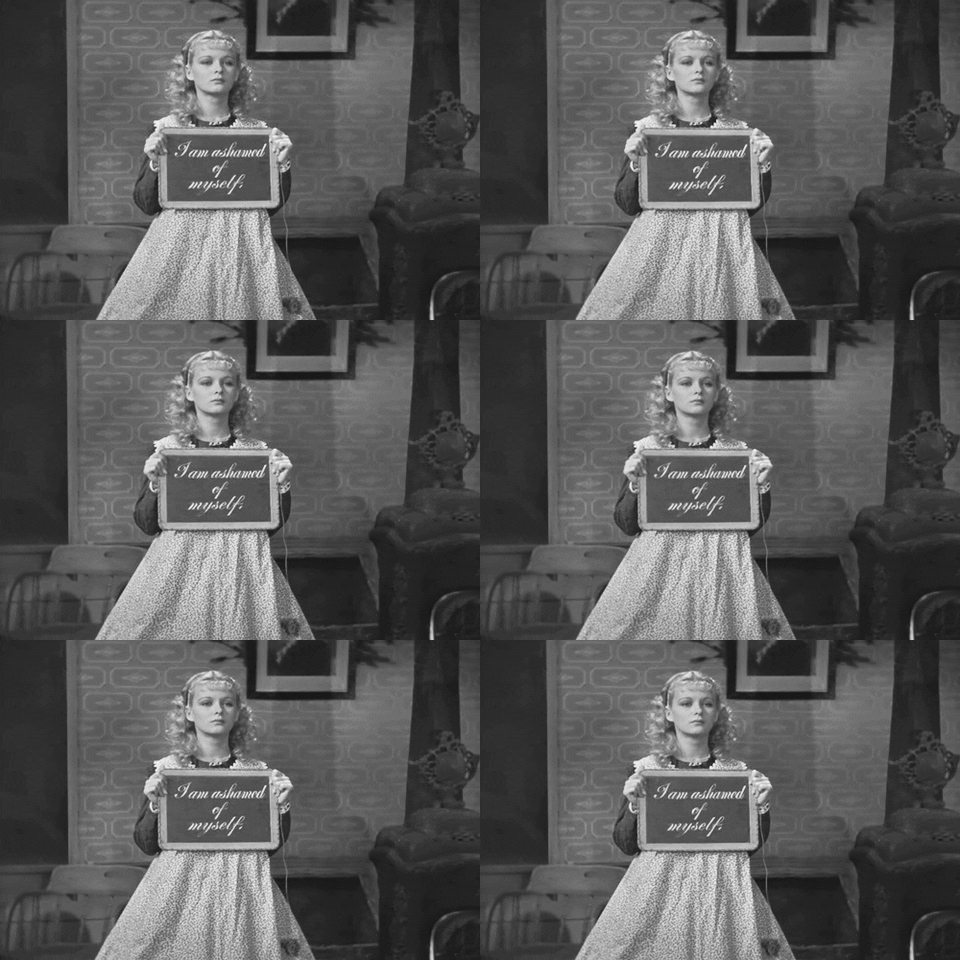
As irmãs March ficam em casa com a mãe enquanto o pai está lutando na Guerra Civil Americana. Meg (Frances Dee) é a mais velha, uma garota obediente. Josephine ou Jo (Katharine Hepburn) é uma moleca criativa e atrapalhada. Beth (Jean Parker) é uma tímida pianista. Amy (Joan Bennett) é a mais nova, uma garota levada.

The March sisters and their mother stay home while the father is fighting in the American Civil War. Meg (Frances Dee) is the eldest, an obedient girl. Josephine or Jo (Katharine Hepburn) is a creative and clumsy tomboy. Beth (Jean Parker) is a shy piano player. Amy (Joan Bennett) is the youngest, a spunky girl.


As meninas têm a mãe, chamada de Marmee (Spring Byington) e uma tia sovina e em geral antipática (Edna May Oliver). Os vizinhos das meninas são o Senhor Laurence (Henry Stephenson) e o neto dele, Laurie (Douglass Montgomery). Quando Jo vai a Nova York, ela fica em uma pensão e lá conhece o Professor Bhaer (Paul Lukas).

The girls have their mother, called Marmee (Spring Byington) and a stingy and often unsympathetic aunt (Edna May Oliver). The girls’ neighbors are the Mr Laurence (Henry Stephenson) and his grandson Laurie (Douglass Montgomery). When Jo goes to New York, she stays in a boarding house and there she meets Professor Bhaer (Paul Lukas).


Cada garota tem uma história diferente, e temas como amor, viagem, autodescoberta, correr atrás dos sonhos e morte estão presentes. Eu adoro a maneira como cada personagem se desenvolve, e ninguém é o mesmo no começo e no final. Isso é verdade, por exemplo, para Amy, que no começo é uma menina sapeca e não muito esperta, em idade escolar, e se torna uma mulher charmosa e talentosa, sendo mostrada como uma boa pintora e ótima companhia.

Each girl has a developing storyline, and themes like love, travelling, self-discovery, pursuit of dreams and death are present. I love how each character really develops, and nobody is the same in the beginning and in the end. This is true, for instance, for Amy, who in the beginning is a naughty and not very bright schoolgirl, and develops into a charming and talented woman, being seen as a good painter and a good companion.


Joan Bennett, então com 22 anos, estava grávida da segunda filha durante as filmagens de “As Quatro Irmãs” – Joan teve quatro filhas. O figurinista Walter Plunkett teve de adaptar o figurino dela para esconder a barriga – o que nem sempre funcionou. Se você prestar atenção, verá algo mais interessante no figurino: as irmãs quase sempre trocam peças de roupa umas com as outras, o que simboliza a ligação afetiva entre elas.

Joan Bennett, then 22, was pregnant with her second daughter during the filming of “Little Women” – Joan would go on to have four daughters. Costume Designer Walter Plunkett had to adapt her wardrobe to hide the growing bump – which sometimes was impossible to do. If you look closely, you can see something more interesting about the costumes: the sisters often trade costumes with each other, which symbolizes the bond they have.


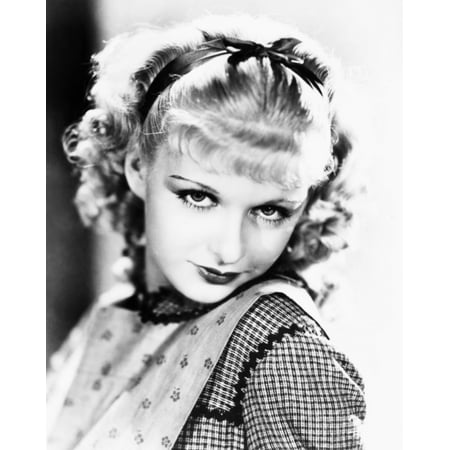
Joan Bennett teve muitas fases em sua carreira, todas bem marcadas por mudanças no visual. Durante sua primeira fase importante, como uma jovem heroína romântica, ela tinha cabelo loiro com muitos cachos – como aqui em “As Quatro Irmãs”. Eu sua segunda fase importante, como femme fatale em filmes noir, seu cabelo foi pintado de preto e seus cachos se tornaram mais esparsos.

Joan Bennett had several phases in her career, all well marked by changes in her look. During her first important phase, as a romantic young heroine, she had blond hair with tight curls – like here in “Little Women”. In her second important phase, as a noir femme fatale, her hair was died black and her curls were sparse.
 
Joan Bennett, 1933
Joan Bennett, 1945
Você pode ver no rosto das atrizes que elas estavam se divertindo muito enquanto faziam o filme. Katharine Hepburn estava em seu ambiente, interpretando uma moleca esperta – ela e Louisa May Alcott, autora do livro “Little Women”, foram assim quando jovens. Elogiar Katharine é algo que eu faço com frequência, mas nunca é um exagero. Frances Dee é a mais conservadora das irmãs, e Jean Parker – do filme “Sós no Mundo” (1934) – é a mais doce. Douglass Montgomery – por vezes creditado como Kent Douglass – é um mocinho decente para a forte heroína de Hepburn. De fato, os sonhos de Jo eram grandes demais para o ambiente doméstico.

You can see in the actresses’ faces that they were having a wonderful time doing the film. Katharine Hepburn was in her environment, playing a smart tomboy – like she was and like Louisa May Alcott, the author of the book “Little Women”, was. Praising Katharine is something I often do, but it’s never an exaggeration. Frances Dee is the most conservative of the sisters, and Jean Parker – from the film “Two Alone” (1934) – is the sweetest. Douglass Montgomery – sometimes billed Kent Douglass – is a decent leading man to a much stronger Hepburn. Indeed, Jo’s dreams are too big for her home environment.


“As Quatro Irmãs” foi um imenso sucesso para a RKO e ganhou o Oscar de Melhor Roteiro Adaptado. Por ter estreado durante a Grande Depressão, o filme alimentou as almas nostálgicas que sentiam falta de tempos mais simples e mais felizes. Ele também conquistou o Vaticano, que listou “As Quatro Irmãs” em sua lista de 45 grandes filmes, publicada em 1995.

“Little Women” was a huge success for RKO and won the Best Adapted Screenplay Oscar. Released during the Depression, it fed the nostalgic souls who longed for simpler and happier times. It also conquered the Vatican, who listed “Little Women” in its list of 45 great films, published in 1995.


O livro de Louisa May Alcott foi adaptado para telas grandes e pequenas mais de 30 vezes até agora. Esta versão de 1933 é uma das melhores adaptações, graças às adoráveis performances e à direção de George Cukor, que sempre trabalhou bem com atrizes. Mais do que isso, o filme nos recorda que pequenos momentos com quem amamos são a coisa mais importante da vida.

Louisa May Alcott’s book was adapted to both the big and the small screen more than 30 times so far. This 1933 version is one of the best adaptations, thanks to its lovely performances and to George Cukor’s direction, who always worked well with his actresses. Moreover, it reminds us that little moments with our loved ones were and are the most important thing in life.


This is my contribution to the Joan Bennett blogathon, hosted by Crystal at In the Good Old Days of Classic Hollywood.


Saturday, February 16, 2019

À Meia Luz (1944) / Gaslight (1944)


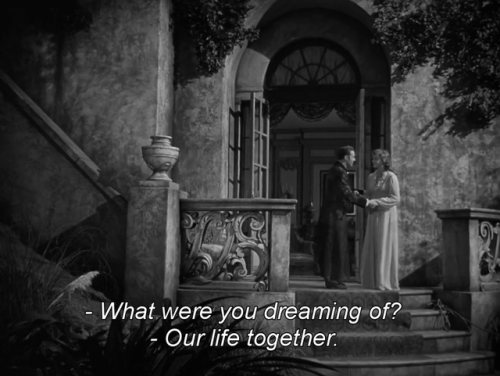
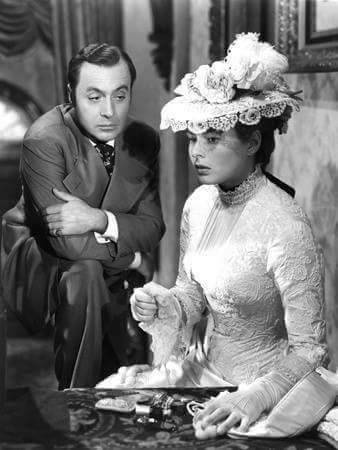
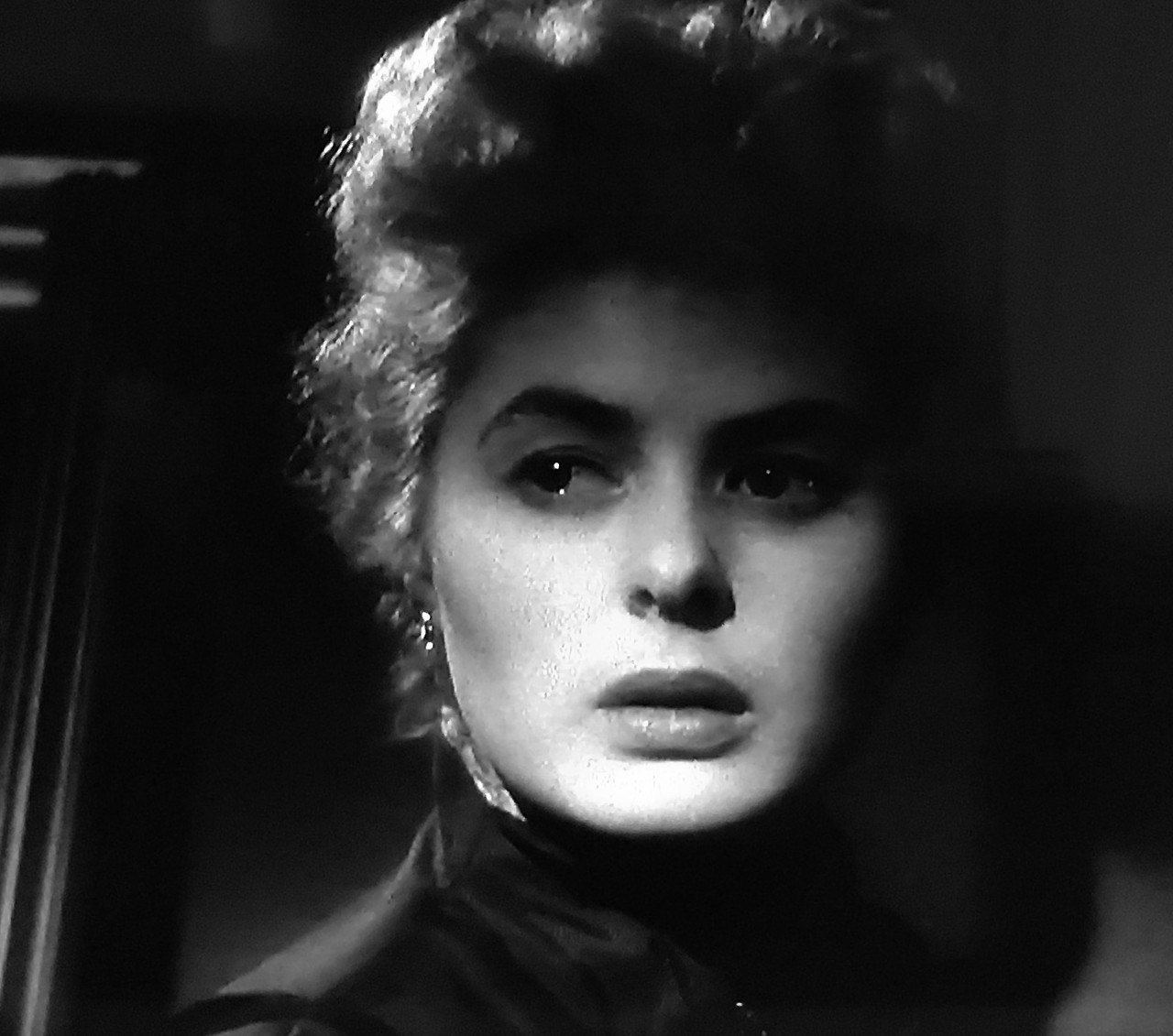
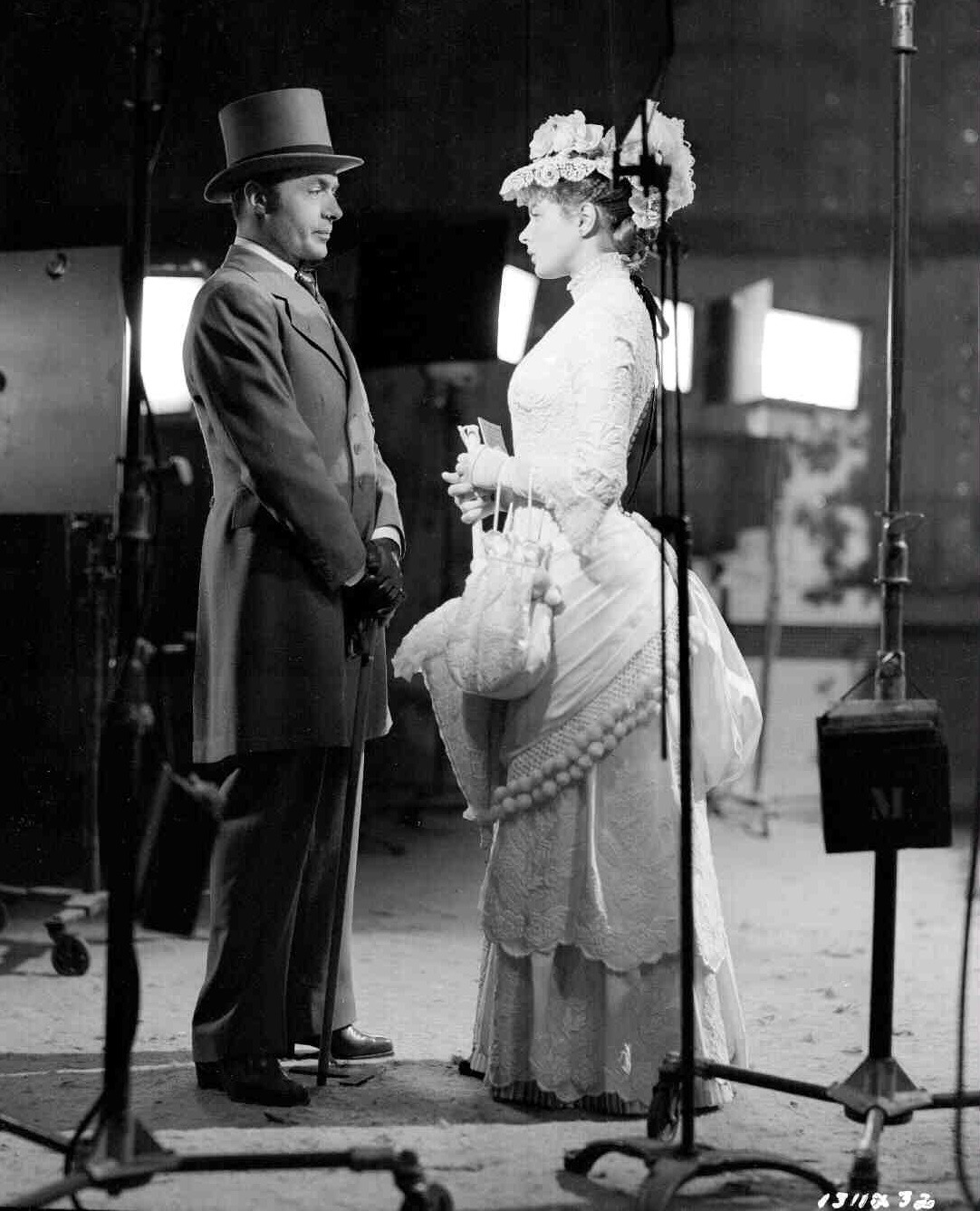
Este é o filme que deu a Ingrid Bergman seu primeiro Oscar de Melhor Atriz. Este é o primeiro filme feito pela atriz Angela Lansbury. Este é mais um filme com uma protagonista forte dirigido por George Cukor. E este é o filme que originou o termo “gaslighting”, que ainda pode ser usado até hoje em uma situação muito triste e sexista. Este é “À Meia Luz”, de 1944.

 This is the film that gave Ingrid Bergman her first Best Actress Oscar. This is the first film Angela Lansbury appeared in. This is another film with a strong female lead directed by George Cukor. And this is the film that gave us the verb “gaslighting”, one that can still be used today in a very unfortunate and sexist situation. This is 1944's “Gaslight”.


Paula Alquist (Ingrid Bergman) se muda da Inglaterra depois de uma tragédia acontecer em sua casa. Ela vai para a Itália estudar canto com o melhor maestro do país. Um dia, muitos anos depois de sua chegada, o maestro percebe que o coração dela não está no canto, e que ela está “feliz demais” para ser uma grande artista: ela só pode estar apaixonada. O maestro a libera para ser feliz como uma mulher casada e desistir do canto.

Paula Alquist (Ingrid Bergman) leaves England after tragedy strikes in her household. She goes to Italy to train as a singer under the best maestro in the country. One day, many years after her arrival, the maestro realizes her heart is not in the singing, and that she is “too happy” to be a great artist: she can only be in love. The maestro frees her to be happy as a married woman instead of as a singer.


O homem por quem ela está apaixonada é o pianista que a acompanha nas lições de canto, Gregory Anton (Charles Boyer). Mas Paula é traumatizada e ingênua, e Gregory é esperto e manipulador: é por isso que ele a segue até seu lugar de descanso no Lago Como, e é assim que ele a convence a voltar para Londres, para a mesma casa em que a tia dela foi assassinada, depois do casamento.

The man she is in love with is the pianist that accompanies her in the singing lessons, Gregory Anton (Charles Boyer). But Paula is traumatized and naïve, and Gregory is smart and manipulative: that's why he follows her until her calm spot at Lake Como, and that's how he convinces her to go back to London, to the same house her aunt was murdered in, after they get married.


Gregory começa a dizer para Paula que ela está doente, e também que ela tem tido perdas de memória e tem perdido coisas ultimamente – e ela acredita nele. As observações dele fazem com que ela deixe de sair sozinha de casa, e Gregory também proíbe que venham visitas como Bessie Thwaites (Dame May Whitty), uma velhinha curiosa que adora um bom mistério, e Brian Cameron (Joseph Cotten), um homem intrigado.

Gregory starts telling Paula that she is sick, and also that she has been having memory lapses and losing things lately – and she believes him. His remarks prevent her from going out alone, and Gregory also forbids visitors like Bessie Thwaites (Dame May Whitty), a nosy old lady who loves a good mystery, and Brian Cameron (Joseph Cotten), a curious man.

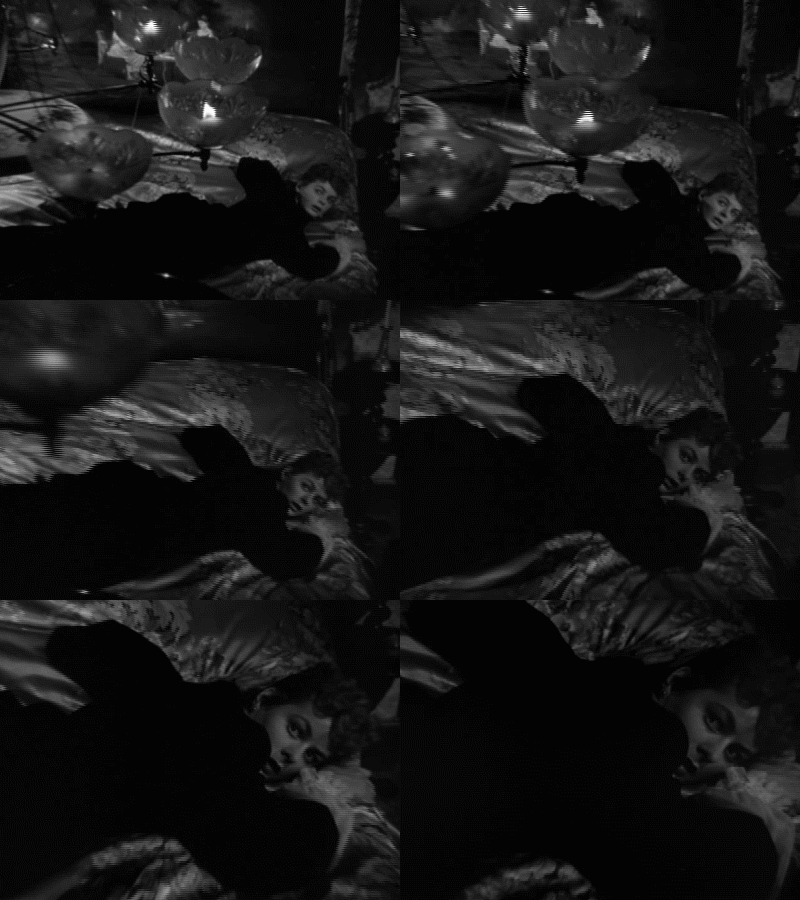
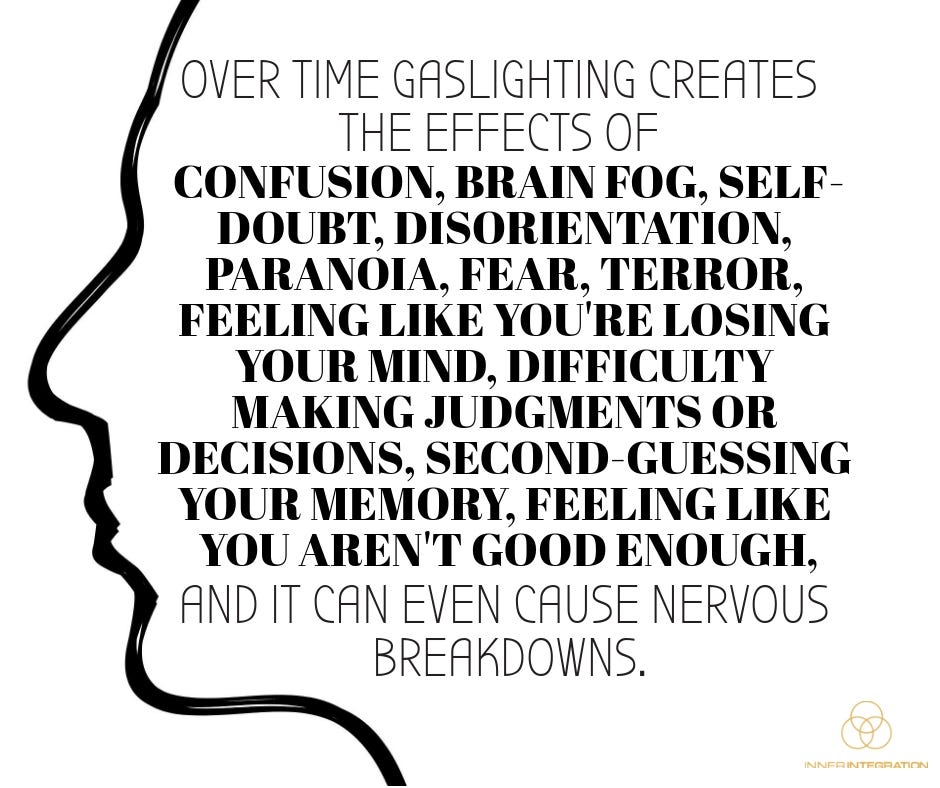
É através de tortura psicológica e sugestionamentos que Gregory manipula Paula. As luzes dos lampiões são uma metáfora aqui: conforme as luzes vão se extinguindo, Paula teme que sua sanidade também esteja indo embora. Por causa do filme, “gaslighting” se tornou o nome de uma técnica manipulativa que envolve o questionamento da realidade da vítima, para que todas as pessoas e até a própria vítima duvidem do que a vítima diz. Chamar as pessoas – em geral mulheres – de “loucas”, “insanas” e “histéricas” também é uma forma de fazer gaslighting.

It's through psychological torture and suggestion that Gregory manipulates Paula. The lights are a metaphor here: as they extinguish, Paula is afraid her sanity is extinguishing, too. Because of the film, “gaslighting” became the name of a manipulation technique that involves questioning the victim’s reality, so all people and even the victim start doubting what the victim says. Labeling people – usually women – as “crazy”, “insane” and “hysterical” is also gaslighting.


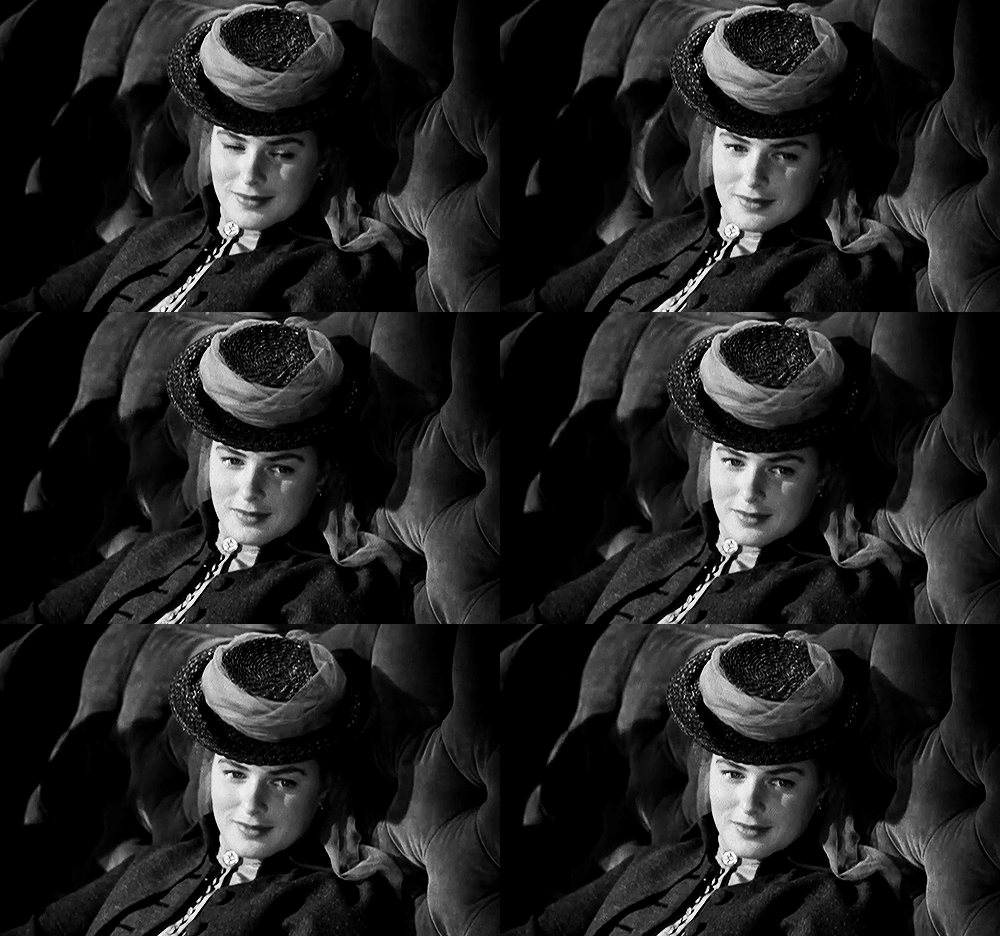
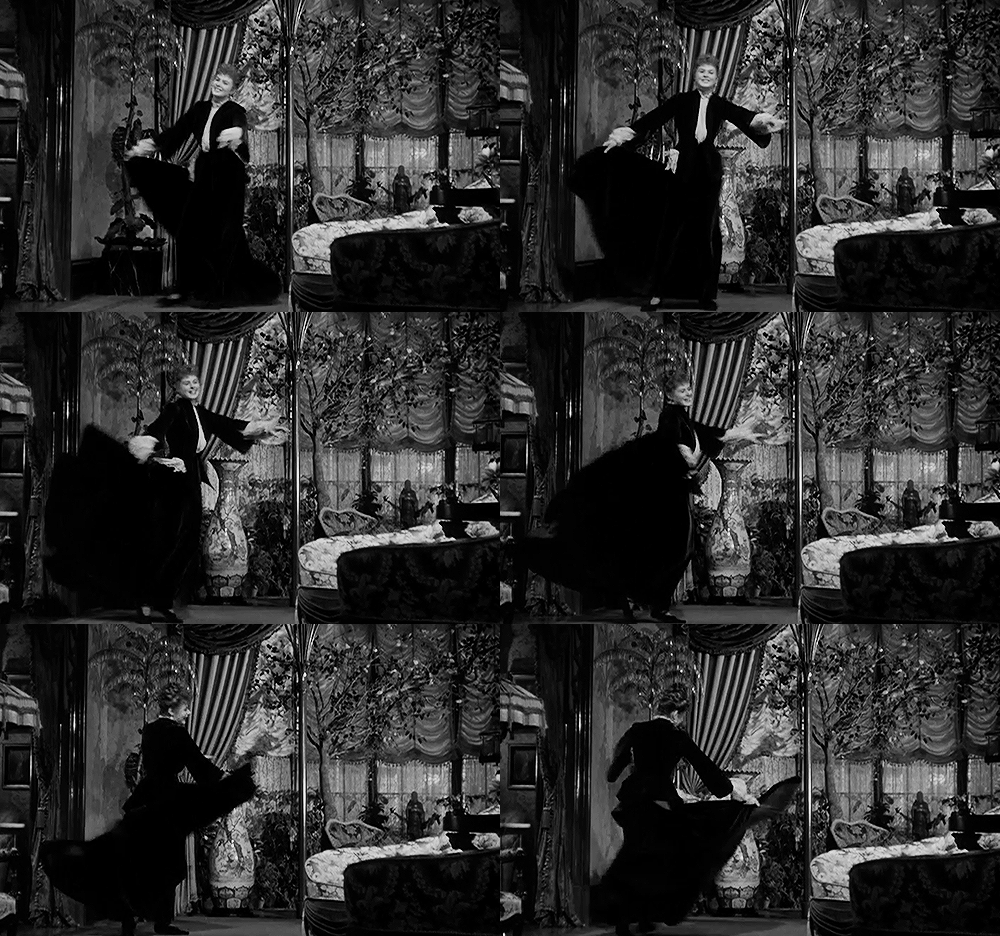
“À Meia Luz” pode ser considerado um filme noir? Há muitos elementos que fazem a resposta ser positiva: a fotografia em preto e branco com o uso de sombras, a importância da iluminação e das fontes de iluminação em diversos frames, o mistério e o suspense, o crime, a presença de Gregory como homme fatale - em contraste com as femme fatales do noir. Um elemento que poderia ser usado para refutar a hipótese é o fato de a história se passar no final do século XIX, mas na verdade há alguns filmes noir que não se passam no presente – sendo o principal exemplo o noir da Revolução Francesa “A Sombra da Guilhotina”(1949).

Can “Gaslight” be considered a noir film? There are many elements that make a case for a “yes”: the black and white photography with the use of shadows, the importance of lightning and sources of (gas)light in many frames, the mystery and suspense, the crime, Gregory as a homme fatale. One element that could be used to refute the hypothesis is the setting of the story in the late 19th century, but there are a few noir films not set in the present – the main example being the French Revolution noir “The Black Book”, from 1949.


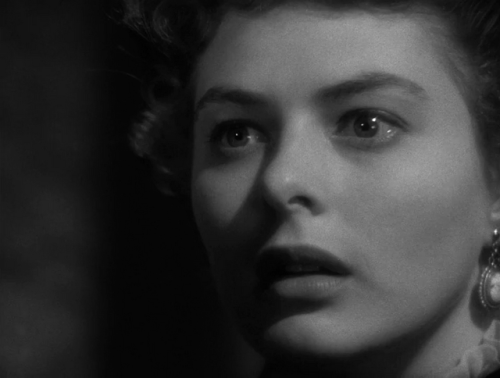
As atuações são extraordinárias. Ingrid Bergman tem olhos muito expressivos, e faz um monólogo poderoso perto do final do filme. Charles Boyer é incrivelmente sinistro, e desde o começo sabemos que suas intenções são as piores – em minha opinião, ele e Bergman mereciam o mesmo reconhecimento. Ambos foram indicados ao Oscar, mas apenas Ingrid ganhou – Boyer perdeu para Bing Crosby em “O Bom Pastor” (1944).

The performances are extraordinary. Ingrid Bergman has in her eyes her most expressive feature here, and she delivers her best monologue in a key scene near the ending. Charles Boyer is incredibly sinister, and from the start we know his intentions are no good – in my opinion, he and Bergman deserved the same recognition. Both were nominated for Oscars, but only Bergman won – Boyer lost to Bing Crosby for “Going My Way” (1944).


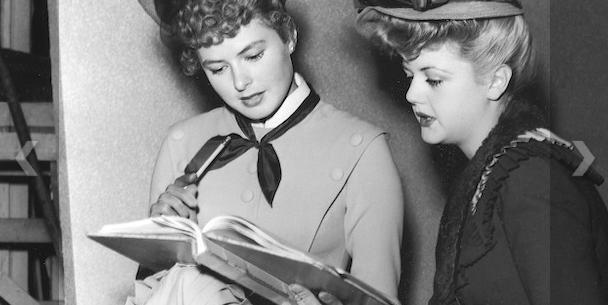
Há duas empregadas trabalhando para Paula e Gregory: Elizabeth (Barbara Everest) e Nancy (Angela Lansbury). Lansbury tinha apenas 17 anos quando fez o filme, e foi indicada ao Oscar de Melhor Atriz Coadjuvante. É algo curioso porque, como a vivaz Nancy, eu esperava que o papel dela fosse maior. O mesmo aconteceu com o papel de May Whitty: na minha opinião, ambas foram quase desperdiçadas. Angela Lansbury foi escalada para o papel em “À Meia Luz” quando o roteirista John van Druten convenceu David Selznick a fazer um teste com ela como favor à mãe dela, a também atriz Moyna McGill, que havia fugido da Inglaterra quando a guerra começou.

Working for Paula and Gregory there were two maids: Elizabeth (Barbara Everest) and Nancy (Angela Lansbury). Lansbury was only 17 when she made the film, and she was nominated for a Best Supporting Actress Oscar. It's curious because, as the flirty Nancy, I expected her role to be more substantial. The same happened to May Whitty's role: in my opinion, both were underused. Angela Lansbury became part of the “Gaslight” cast when screenwriter John van Druten convinced Selznick to audition her as a favor to their mother, also actress Moyna MacGill, who had fled England when the war started.


“À Meia Luz” teve origem em uma peça de teatro escrita por Patrick Angel, intitulada “Angel Street”. Em 1940, uma adaptação para o cinema foi feita na Inglaterra, estrelando Diana Wynyard (a protagonista de “Cavalgada”, de 1933) e Anton Walbrook (mais conhecido como Lermontov em “Os Sapatinhos Vermelhos”, de 1948). A MGM queria que todas as cópias desta versão fossem destruídas, mas felizmente algumas sobreviveram porque haviam sido guardadas sob o título original de “Angel Street”.

“Gaslight” originated from a stage play written by Patrick Hamilton and called “Angel Street”. In 1940, a film adaptation was made in England, starring Diana Wynyard (the lead of 1933's “Cavalcade”) and Anton Walbrook (best known as Lermontov in “The Red Shoes”, from 1948). MGM intended to have all copies of this version destroyed, but fortunately a few of them survived because the reels were labeled “Angel Street” and not “Gaslight”.


Misteriosa, surpreendente, com ótimas atuações e lindos cenários – o filme também ganhou o Oscar de Melhor Direção de Arte – Decoração em filme em Preto e Branco – “À Meia Luz” é uma pérola e uma obra-prima, que não apenas nos envolve e surpreende, mas também que explica um fenômeno que precisamos combater até hoje.

Chilling, surprising, with great performances and great sets – the film also won the Best Art Direction – Interior Decoration in a Black and White film Oscar – “Gaslight” is a gem and a masterpiece, that not only engages and amazes, but also explains a phenomenon we must combat until today.

This is my contribution to the Adoring Angela Lansbury blogathon, hosted by Gill at RealWeegieMidget Reviews.


Thursday, July 26, 2012

E se... “O Paciente Inglês” tivesse sido feito em 1936?

Eu e mais muitas outras pessoas preferimos o cinema clássico ao atual. Mas não podemos negar que há uma série de bons filmes feitos recentemente. Um deles é o ganhador de nove Oscars em 1996, “O Paciente Inglês”.  

A enfermeira Hanna (Juliette Binoche) cuida um homem quase totalmente queimado (Ralph Fiennes) e estabelece seu leito em um convento abandonado, pois era impossível chegar ao hospital em um estado tão grave. Quando ele melhora, começa a contar seu passado como cartógrafo na África, quando se envolveu com Katharine Clifton (Kristin Scott Thomas), esposa do colega de trabalho Geoffrey (Colin Firth). Hanna começa a sentir afeto pelo paciente, e nos momentos em que não está cuidando dele, sai com o soldado Kip (Naveen Andrews).
Mais uma coisa que eu e muitos outros fãs de cinema clássico gostam é de criar hipóteses malucas e imaginar como um filme atual seria feito na Era de Ouro de Hollywood. Imaginemos que “O Paciente Inglês” tivesse sido filmado 60 anos antes, em 1936:
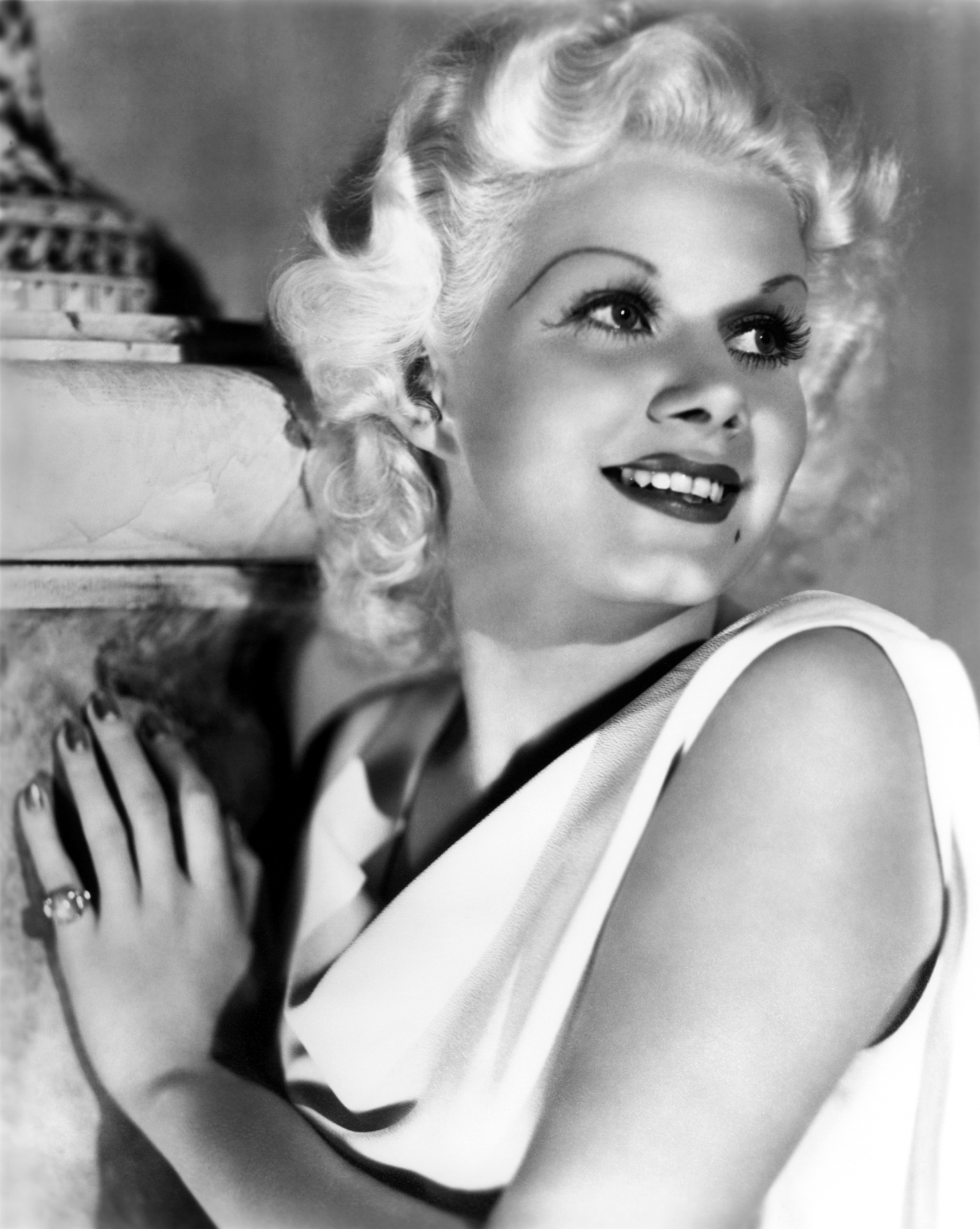
O novo elenco: Hanna (Binoche): Jean Harlow
Conde Lazslo de Almasy (Fiennes): Clark Gable
Katharine (Scott Thomas): Myrna Loy
(Firth): Fredric March
Kip (Andrews): Gary Cooper
Dirigido por George Cukor

Mas... Por quê? Com este elenco, “O Paciente Inglês” seria um all-star movie de deixar “Grande Hotel” (1932) com inveja. Ele reuniria as estrelas mais populares da época. Ver Clark Gable boa parte do tempo enfaixado seria por si só interessante, mas nas cenas de flashback ele usaria todas as suas habilidades de sedução para ficar com Myrna Loy, com quem contracenava frequentemente. O marido de Myrna seria Fredric March por um motivo simples: William Powell jamais serviria para o papel, porque Myrna não o trocaria por nada neste mundo (mas Fred também era muito bom!). Jean Harlow tinha a simpatia e a bondade necessárias para dar vida à personagem de Binoche. Eu consigo visualizar perfeitamente Jean na cena em que Hanna é levada pelo namorado para fazer um passeio especial e ver os afrescos no alto das paredes da igreja. Além disso, ela faria um belo casal com Gary Cooper, vocês não acham?
Acredito que George Cukor seria o diretor perfeito para o filme porque ele mostrou muito bem que não dirigia só mulheres talentosas. Cukor passeava por diversos gêneros e se saía muito bem em melodramas românticos. Só haveria um problema: para dirigir este filme, ele provavelmente teria de abandonar a direção de “A Dama das Camélias / Camille”. O outro grande problema seria driblar o Código Hays para que a produção saísse do papel!

This post is my entry for the Great Recasting Blogathon, hosted by Frankly, My Dear and In the Mood. It was a swell idea!

Related Posts Plugin for WordPress, Blogger...