} Crítica Retrô: comédia romântica

Tradutor / Translator / Traductor / Übersetzer / Traduttore / Traducteur / 翻訳者 / переводчик

Showing posts with label comédia romântica. Show all posts

Monday, August 19, 2024

Ensina-me a Querer (1987) / Surrender (1987)


Em se tratando de comédias românticas, há pessoas que dizem que, se você viu uma, viu todas. Do primeiro contato tempestuoso até o triunfo do amor ao final, o gênero é comumente previsível… mas ainda entretém. Filmes como “Ensina-me a Querer” (1987) não trazem exatamente frescor ao gênero da comédia romântica, pois não acrescentam nada de novo. Mas, mais uma vez, são bom entretenimento.


When it comes to romantic comedies, there are people who say that if you’ve seen one you’ve seen them all. From the tempestuous first encounter to the triumph of love in the end, the genre is often predictable… but still enjoyable. Films like “Surrender” (1987) aren’t exactly a breath of fresh air in the romantic comedy movie genre, as they bring nothing new to it. But, again, it’s still an enjoyable ride.
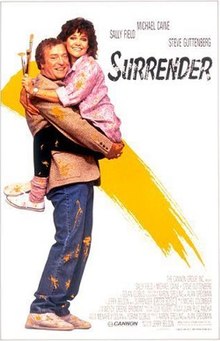
Sean (Michael Caine) viu alguns relacionamentos terminando mal, em audiências perante a um tribunal – afinal, ele é um escritor que usou como inspiração suas companheiras e por causa disso estas mulheres mereciam parte dos lucros com as vendas dos livros. Daisy (Sally Field) é uma pintora que trabalha numa espécie de linha de produção, criando pinturas que são todas iguais para clientes não muito exigentes. Ele não quer um novo relacionamento, enquanto ela está presa em um sem futuro. Eles se conhecem numa festa beneficente que acaba mal, com uma invsão de bandidos armados que mantêm os convidados reféns. Sean e Daisy são amarrados juntos pelados, no mais ridículo primeiro encontro de todos os tempos.


Sean (Michael Caine) has had a few failed relationships that ended in settlements in court – after all, he is a writer who took inspiration from his partners and therefore these women deserved a share of the profits from the novels. Daisy (Sally Field) is a painter who works in a kind of art assembly line, creating paintings that are all equal for non-demanding clients. He doesn’t want another relationship, she is currently stuck in one that has no future. They meet at a fundraiser party gone incredibly wrong, as it is invaded by armed bandits who hold the partygoers hostage. Sean and Daisy are tied together naked, in the most ridiculous meet-cute ever.

Sean se apaixona à primeira vista – isso vai acontecer logo com ele, que preferia entrar num elevador com um cão bravo a entrar num com qualquer mulher. Ele vai atrás de Daisy e eles fazem tudo rapidamente: têm um encontro, se beijam, transam, fazem planos para o futuro. Duas semanas incríveis se passam até que o velho namorado de Daisy, Marty (Steve Guttenberg) volta de uma missão. Detalhe: durante essas duas semanas, para testar Daisy e ver se ela não é egoísta, Sean diz a ela que está falido, quando na verdade é um autor best-seller.


Sean falls in love at first sight – this happening to him, who would rather ride an elevator with an angry dog than with any woman. He goes after Daisy and they do it all quickly: they go on a date, kiss, make love, make plans for their future. Two amazing weeks go by until Daisy’s old boyfriend Marty (Steve Guttenberg) comes back from a mission. Detail: during these two weeks, to test to see if Daisy is selfish, Sean tells her he’s broke, when in reality he is a best-selling author.

Ensina-me a Querer” nos faz pensar sobre as vidas e dificuldades de pessoas criativas. Sean diz que está sofrendo de bloqueio criativo, enquanto Daisy não consegue sobreviver vendendo sua arte. Sean diz que praticamente desistiu de escrever, enquanto Daisy não consegue terminar nenhuma de suas pinturas autorais. Sabemos que é tudo mentira de Sean, mas coisas como bloqueio criativo devem ser discutidos no cinema – como já aconteceu em “Poderia Me Perdoar?” (2018) e mesmo em “O Iluminado” (1980). Outro assunto interessante neste filme é a inspiração artística: no final, Sean percebe que não foi roubado por suas mulheres, mas sim as roubou, no sentido de que ele se inspirou nas mulheres de sua vida e só foi pagá-las por essa inspiração após determinação de um juiz.


Surrender” makes us think about the lives and difficulties of creative people. Sean says is suffering from writer’s block, while Daisy can’t survive by selling her art. Sean says he has virtually quit writing, while Daisy can’t finish a single painting of her own. We know it’s all bullshit with Sean, but things like writer’s block should be discussed in movies – as it has been in “Can You Ever Forgive Me?” (2018) and even in “The Shining” (1980). Other interesting issue found in this film is artistic inspiration: in the end, Sean realizes he wasn’t robbed by women, but he has robbed them, in the sense that he took inspiration from the women in his life and wasn’t willing to pay them until this was decided by a judge.



No pequeno papel de Ace Morgan temos o ex-ator mirim Jackie Cooper. Ele conseguiu seu primeiro papel no cinema em 1929, aos sete anos, e naquele mesmo ano passou a fazer parte da turminha dos Little Rascals de Hal Roach. Seu papel mais lembrado dessa época foi em “O Campeão”, de 1931. Aos trinta e poucos anos de idade ele começou a dirigir principalmente para a televisão, mas ainda atuava em papéis pequenos em filmes como “Ensina-me a Querer”, seu último papel como ator.


In the small role of Ace Morgan we have former child star Jackie Cooper. He got his first acting job in 1929, aged seven, and at that very same year he got a spot in Hal Roach’s Little Rascals. His best remembered juvenile role was in 1931’s “The Champ”. In his thirties he started directing especially for television, but still played small parts in movies such as “Surrender”, his last role as an actor.

Ensina-me a Querer” foi produzido pelo lendário produtor Aaron Spelling. No IMDb podemos encontrar mais de 200 créditos para Aaron como produtor, numa carreira que durou cinquenta anos, mais 22 créditos como escritor / criador. Seus programas de TV mais populares incluem “Dinastia”, “O Barco do Amor”, “Casal 20” e, obviamente, “As Panteras”. Seus programas de TV geralmente tinham personagens femininas fortes, algo que só acontece em “Ensina-me a Querer” perto do final, quando o jogo vira para Daisy.


Surrender” was produced by the legendary producer Aaron Spelling. IMDb has more than 200 credits for Aaron as producer in a career that lasted fifty years, plus 22 credits as writer / creator. His most popular produced TV shows are “Dynasty”, “The Love Boat”, “Hart to Hart” and, of course, “Charlie’s Angels”. His television shows often had strong female characters, something that happens in “Surrender” only near the end, when tides turn for Daisy.

O título em português – “Ensina-me a Querer” – é sem dúvida inspirado no título brasileiro para “Harold and Maude” (1971), que é “Ensina-me a Viver”. Na Espanha, o título do filme é “Uma Namorada para Dois” (“Una Novia para Dos”) e na Alemanha Ociental o título dado foi “Agora Não, Querido” (“Nicht Jetzt, Liebling”).


The title in Portuguese - “Teach Me How to Desire” - is without a doubt inspired by the Brazilian title for “Harold and Maude” (1971), that is “Teach Me How to Live”. In Spain, the film is titled “A Girlfriend for Two” (“Una Novia para Dos”) and in West Germany it got the title “Not Now, Darling” (“Nicht jetzt, Liebling”).

A comédia romântica que melhor tratou de problemas com dinheiro e casamentos morganáticos – isto é, casamentos entre duas pessoas de classes sociais diferentes – é “Irene, a Teimosa” (1936). Comparado a esta obra-prima com Carole Lombard, “Ensina-me a Querer” tem como único elementos comum a diferença monetária entre os dois protagonistas. A Variety comparou o filme a produções como “Confidências à Meia-Noite” (1959), declarando que “os problemas são de alguma forma atualizados, mas os personagens ainda pensam como Doris Day e Rock Hudson”. Um grande elogio, diga-se de passagem.


The romantic comedy that best dealt with money issues and morganatic marriages – that is, marriages between two people from different social groups – is “My Man Godfrey” (1936). Compared to this masterpiece with Carole Lombard, “Surrender” finds as only common element the money differences between the leads. Variety compared the film to the likes of “Pillow Talk” (1959), stating that “the issues are somewhat updated, but the characters still think like Doris Day and Rock Hudson”. A huge compliment, if you ask me.


This is my contribution to the (Aaron) Spellingverse blogathon, hosted by Gill at Realweegiemidget Reviews.

Saturday, June 17, 2023

Boêmio Encantador (1938) / Holiday (1938)

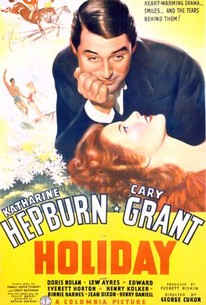
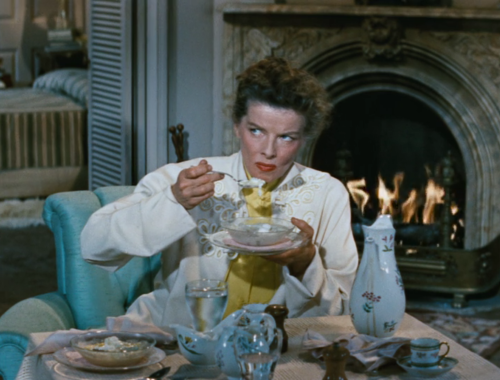
 “Boêmio Encantador” é o terceiro de quatro filmes que Katharine Hepburn e Cary Grant fizeram juntos. Os outros três são “Vivendo em Dúvida” (1935), “Levada da Breca” (1938) e “Núpcias de Escândalo” (1940). “Boêmio Encantador” é o pior do quarteto, e isso pode ser porque ele é teatral demais – mas ainda é um filme bacana.


“Holiday” is the third of four movies Katharine Hepburn and Cary Grant made together. The other three are “Sylvia Scarlett” (1935), “Bringing Up Baby” (1938) and “The Philadelphia Story” (1940). “Holiday” is the worst of the bunch, and this may be because it’s too theatrical – but still a nice movie.

A trama é bem simples. Johnny Case (Grant) conhece Julia Seton (Doris Nolan) há apenas dez dias, mas acredita que está pronto para se casar com ela. O que ele não esperava descobrir é que Julia vem de uma família extremamente rica – sua casa é tão grande que tem um elevador – e que o pai dela tem tudo preparado para o casal: ele planejou a futura casa deles e quer que seu futuro genro aceite um emprego no banco dele... mas o pobre Johnny só quer sair de férias para clarear as ideias.


The plot is pretty simple. Johnny Case (Grant) has known Julia Seton (Doris Nolan) for ten days, but believes he’s ready to marry her. What he didn’t expect to discover is that Julia comes from an extremely rich family – her house is so big that it has an elevator – and her father has everything prepared for the soon-to-be newlyweds: he’s planned their future house and wants his future son-in-law to take a job at his bank… but poor Johnny only wants a holiday to clear his mind.

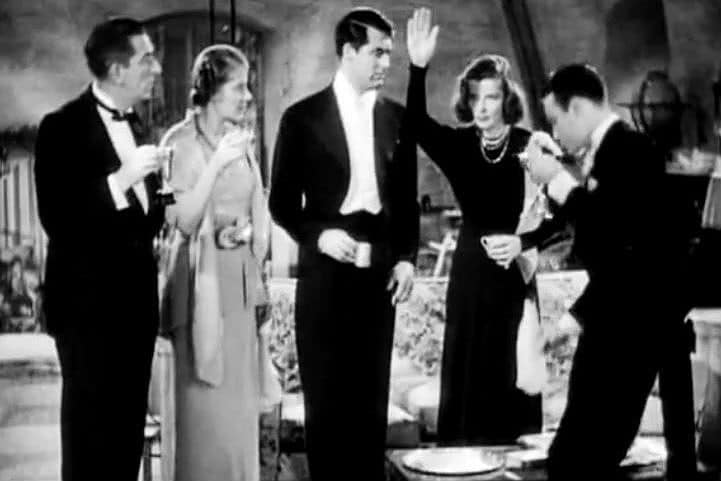
A família da noiva é fora de série: temos o irmão mais novo de Julia, o alcoólatra Ned (Lew Ayres) e a vivaz irmã mais nova Linda (Hepburn). Linda queria dar uma festa de noivado simples e íntima para Julia e Johnny, mas o pai dela decide dar uma imensa festa de véspera de Ano Novo para anunciar o noivado para toda a alta sociedade. Esta festa é o assunto da maior parte do filme.


The future in-laws Johnny meets are out of this world: there is Julia’s alcoholic younger brother Ned (Lew Ayres) and vivacious younger sister Linda (Hepburn). Linda wanted to throw a simple and intimate engagement party to Julia and Johnny, but her father decides to throw a huge New Year’s Eve party to announce their engagement to all of high society. This party takes the biggest bulk of the film.

Linda decide não se juntar à festa e fica na sala de jogos da casa, onde podemos encontrar vários brinquedos da infância dos irmãos – um tempo mais simples e mais feliz para eles. No meio da festa se juntam a ela os amigos de Johnny, Nick e Susan Potter, interpretados por Edward Everett Horton e Jean Dixon. Logo Johnny e Ned também se juntam a eles na sala de jogos, onde a verdadeira diversão está – e talvez também o amor verdadeiro.


Linda decides to not join the party and stays in the house’s playroom, where we can find several toys from the siblings’ childhood – a simpler, happier time for them. In the middle of the party she’s joined by Johnny’s close friends Nick and Susan Potter, played by Edward Everett Horton and Jean Dixon. Soon Johnny and Ned also join them in the playroom, where the true fun is – and maybe also true love.

“Boêmio Encantador” foi uma peça de teatro que estreou em 1928 e teve 229 performances. Donald Ogden Stewart, que escreveu o roteiro do filme, havia interpretado Nick Potter no teatro, e Katharine Hepburn foi substituta na peça. A peça de Philip Barry – que também escreveu “Núpcias de Escândalo” – já havia sido adaptada para as telas em 1930, e Edward Everett Horton também interpretou Nick Potter neste filme.


“Holiday” was a theater play that opened in 1928 and ran for 229 performances. Donald Ogden Stewart, who wrote the screenplay for the movie, had played Nick Potter in the theater, and Katharine Hepburn was an understudy in the play as well. The play by Philip Barry – who also wrote “The Philadelphia Story” – had already been adapted to the screen in 1930, and Edward Everett Horton was in this film as Nick Potter.

Katharine Hepburn não foi a primeira escolha para o papel de Linda. O papel era supostamente de Irene Dunne, e Ginger Rogers e Joan Bennett também foram nomes cotados antes de Hepburn ser emprestada da RKO para a Columbia - o que foi ótimo, uma vez que ela está perfeita no papel. O diretor George Cukor queria que Rita Hayworth interpretasse Julia, mas a novata foi considerada sem experiência suficiente para o papel, que ficou com Doris Nolan.


Katharine Hepburn wasn’t the first choice to play Linda. The role was supposed to go to Irene Dunne, and Ginger Rogers and Joan Bennett were also considered before Hepburn was loaned from RKO to Columbia - a great deal, as she is perfect in the role. Director George Cukor wanted Rita Hayworth to play Julia, but the newcomer wasn’t considered to be too inexperienced for the role, that went to Doris Nolan.

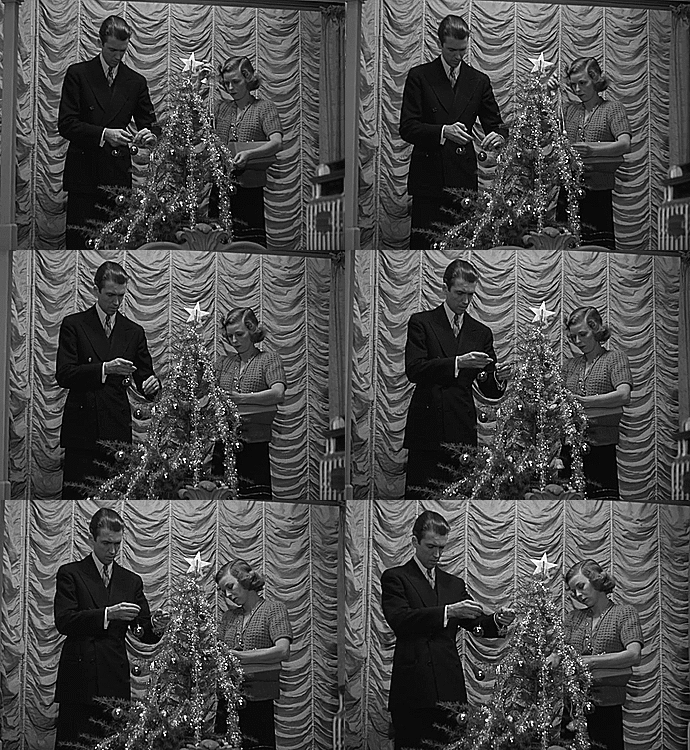
“Boêmio Encantador” é certamente um filme sofisticado, mas também verborrágico. Há muita falação – especialmente quando estão solucionando a situação toda – e só um pouco de ação. O momento com mais ação é a acrobacia de Grant e Hepburn, um momento que você pode já ter visto em forma de GIF. Menos famoso que os outros três filmes feitos pela dupla dinâmica Grant e Hepburn, “Boêmio Encantador” pode ser charmoso, mas também é um pouco chato e previsível. Uma pena, mas nem todos os filmes podem ser obras-primas.


“Holiday” is certainly a sophisticated film, but also a “talky” one. There is too much talking – especially when they are solving the whole situation – and just a little action. The moment with the most action is Grant’s and Hepburn’s tumbling trick, a moment you might have already seen as a GIF. Less famous than the other three films made by the dynamic duo Grant and Hepburn, “Holiday” may be charming, but it’s also a bit boring and predictable. Too bad, but we can’t have only masterpieces.


 This is my contribution to The Intruder blogathon, hosted by Silver Scenes. 

Friday, August 26, 2022

Os Três Xarás (1951) / Three Guys Named Mike (1951)


Taí uma coisa que não vemos mais com frequência: garotas querendo ser comissárias de bordo. No passado, essa era uma das profissões com que as meninas e moças mais sonhavam – isto é, até que elas se casassem e se aposentassem para formar uma família. Havia um certo glamour no ato de voar e em ajudar as pessoas a ficarem confortáveis quando estavam no ar. Nos anos 1950, ser uma comissária de bordo era o sonho de muitas, incluindo o da protagonista de “Os Três Xarás” (1951) – e  foi voando que ela conheceu os três Mikes que mudariam sua vida.

Here’s something we don’t see a lot of anymore: girls wanting to become flight attendants. In the past, it was one of the most dreamed-about careers for girls and young women – that is, until they got married and retired for family life. There was a certain glamour in flying and helping people feel comfortable in the air. In the 1950s, being a flight attendant was a dream for many, including from the lead of “Three Guys Named Mike” (1951) – and it was because of flying that she got to know the three Mikes who would change her life.

Marcy Lewis (Jane Wyman) deixa sua cidade natal para ir rumo a Chicago para se tornar aeromoça. Seus estudos vão bem, e as aventuras de verdade se iniciam quando ela começa a voar. Indo para seu primeiríssimo voo, o táxi em que ela está quebra e ela pega uma carona com Mike Jamison (Howard Keel), que não conta a ela que ele é piloto de avião. Sem saber da profissão dele, enquanto eles conversam, Marcy diz a ele que aeromoças são as mais importantes num voo, porque pilotos são “apenas choferes”. Eles se encontram novamente dentro do avião.

Marcy Lewis (Jane Wyman) leaves her hometown to go to Chicago to become a stewardess. Her studies go smooth, the real adventures begin when she starts flying. On the way to her first flight ever, her cab breaks on the road and she takes a lift with Mike Jamison (Howard Keel), who doesn’t tell her he’s an airplane pilot. Without knowing his real profession, while making small talk Marcy tells him that stewardesses are the most important in a flight, because pilots are “only chauffeurs”. They meet again inside the plane.

O primeiro voo de Marcy é um desastre. Ela não somente não se dá bem com Mike Jamison, mas também esquece de pegar a comida para os passageiros do voo e o avião tem de voltar em busca das refeições. Felizmente Marcy não é demitida e começa a voar constantemente com Jamison, de quem se torna amiga. É por isso que Jamison se entristece quando Marcy passa a fazer outra rota, Chicago-Los Angeles, junto a uma velha amiga da escola de aeromoças.

Marcy’s first flight is a disaster. Not only she doesn’t get along with Mike Jamison, but she also forgets to furnish the plane with food and they have to go back to fetch the food. Luckily, Marcy is not fired and starts flying constantly alongside Jamison, developing camaraderie with him. That’s why Jamison gets sad when Marcy is assigned for a new route, Chicago-Los Angeles, and reunited with a friend from stewardess school.

Em sua nova rota Marcy conhece Mike Lawrence (Van Johnson) e com ele ela ajuda uma garotinha que não conseguia dormir durante o voo. A amiga de Marcy acredita que Lawrence é um “VIP”, mas na verdade ele é um cientista que trabalha também como bartender, e Marcy o encontra novamente em um restaurente. Agora, com três amigas, Marcy decide alugar uma casa em Los Angeles. Entra aí Mike Tracy (Barry Sullivan), um publicitário que ajuda Marcy na estrada (de novo um problema motor) e mais tarde a encontra no aeroporto.

In her new route, Marcy meets Mike Lawrence (Van Johnson) and with him she helps a little girl who can’t sleep during the flight. Marcy’s friend believes Lawrence is a “VIP”, but he actually is scientist with a side job as a bartender, who Marcy meets again at a restaurant. Now, with three of her friends, Marcy decides to rent a house in Los Angeles. Enters Mike Tracy (Barry Sullivan), an advertisement man who helps Marcy on the road (again a car issue) and later meets her at the airport.

Os três Mikes se encontram quando eles ajudam Marcy com a mudança. A confusão e o ciúme são imediatos. E as coisas definitivamente não ficam mais fáceis quando Marcy se envolve com uma das campanhas publicitárias depois de ter uma ideia brilhante.

The three Mikes meet when they help Marcy with the moving. The confusion and jealousy is instantaneous. And things definetely don’t get any easier when Marcy gets involved in one of Mike Tracy’s advertising campaign after having a brilliant idea.

Aeromoças – ou comissárias de bordo, como elas são conhecidas agora – têm de lidar com muitos problemas. Elas têm que se certificar de que todos estão confortáveis dentro do avião, às vezes lidando com uma criança (ou adulto!) com medo ou com alguém que fica nervoso voando. Elas precisam ser sempre calmas e educadas, mesmo quando há algo errado com o avião. Elas também precisam lidar com passageiros paqueradores, algo que é visto em “Os Três Xarás” como uma piada, mas essa “piada” pode ser bem desagradável.

Stewardesses – or flight attendants, as they are known now – have to deal with many issues. They have to make sure that everybody was comfortable inside the plane, sometimes dealing with a scared child (or adult!) or a nervous flier. They have to be always calm and polite, even when there is something wrong with the plane. They also have to deal with passengers hitting on them, something that is shown in “Three Guys Named Mike” as a joke, but this “joke” can be quite unpleasant.   

Uma surpresa nos créditos iniciais: quem escreveu o roteiro foi Sidney Sheldon, que se tornaria um famoso romancista nas décadas seguintes, baseado numa história de Ruth Brooks Flippen. Este é o primeiro crédito de escrita de Ruth, e ela teria ainda uma longa carreira na televisão, escrevendo para séries como “Gidget”, “A Feiticeira” e “The Brady Bunch”. A história de Ruth, por sua vez, foi baseada numa sugestão feita pela aeromoça na vida real Ethel Wells.

A surprise in the opening credits: who wrote the screenplay was Sidney Sheldon, who would become a famous novelist in the following decades, based on a story by Ruth Brooks Flippen. This is Ruth’s first writing credit, and she would go on to have a long career on television, writing for shows such as “Gidget”, “Bewitched” and “The Brady Bunch”. Ruth’s story, in turn, was based on a suggestion made by real-life stewardess Ethel Wells.

Devo confessar que, dos três Mikes, eu estava torcendo pelo que era interpretado por Van Johnson. O que realmente me pegou foi seu discurso sobre ser professor: como ser professor é o mais próximo que alguém chega da imortalidade, como uma coisa simples dita numa aula pode mudar a vida de alguém para sempre. Como filha de professora e alguém cuja vida foi mudada por alguns professores, posso dizer que este discurso todo é verdade, além de muito romântico. Claro, Mike Jamison também tem um bom discurso, sobre como ele não quer perder nada da vida, mas o discurso de Mike Lawrence me toca mais profundamente.

I have to confess that, from the three Mikes, I was rooting for the one played by Van Johnson. What really got me was his speech about teaching: how teaching is the closest from immortality that you can get, how a simple thing you say in a class might change someone’s life forever. As the daughter of a teacher and someone whose life was changed by a few teachers, I can say that his whole speech is true, and very romantic as well. Of course, Mike Jamison also has a good speech, about how he doesn’t want to miss a thing in life, but Mike Lawrence’s touches me deeper.

“Os Três Xarás” é um filme divertido, perfeito para um fim de semana ou uma tarde preguiçosa. Ele quse me fez sonhar em ser aeromoça! Ele também me lembrou, em alguns momentos, de uma das minhas séries de TV preferidas, “Crazy Ex-Girlfriend”, na qual uma garota tem três potenciais namorados. Marcy pode não ter a mesma energia caótica de Rebecca Bunch, e trata-se de um filme da década de 1950, o que significa que no final Marcy terá de escolher um dos três Mikes. Fico feliz que nós, o público, não tenhamos que escolher.

“Three Guys Named Mike” is a funny movie, perfect for a lazy weekend or evening. It almost made me dream about being a flight attendant! It also reminded me, in moments, of one of my favorite TV shows, “Crazy Ex-Girlfriend”, where a girl has three potential lovers. Marcy may not have Rebecca Bunch’s chaotic energy, and it’s a film from the 1950s, which means that in the end Marcy will have to choose one of the three Mikes. I’m glad we, the audience, don’t have to choose.

This is my contribution to the Sixth Annual Van Johnson blogathon, hosted by Michaela at Love Letters to Old Hollywood.

Saturday, October 12, 2019

Amor Eletrônico (1957) / Desk Set (1957)


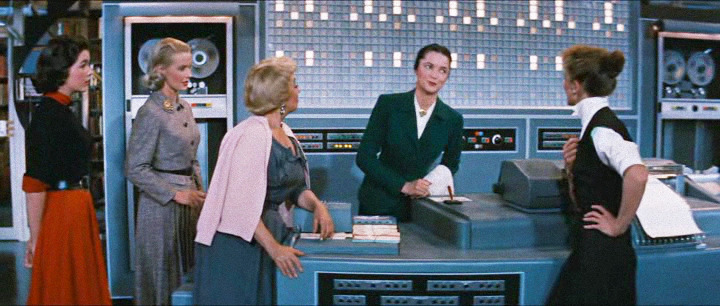
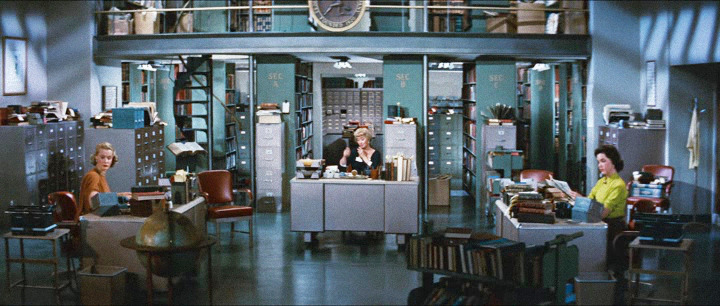
Muitas profissões desapareceram no último século, em especial por causa de mudanças na tecnologia. Entre essas profissões, temos condutores de coches, telefonistas, ascensoristas, cortadores de gelo e pessoas que empilhavam os pinos de boliche após cada tacada. “Amor Eletrônico” é um filme sobre uma dessas profissões desaparecidas: o quarteto feminino principal trabalha no departamento de referências de uma empresa de telecomunicações, pesquisando informações para pessoas que ligam fazendo perguntas.

Many professions have disappeared in the last century, in special because of technological changes. Among those professions, we have carriage conductors, switchboard operators, elevator operators, ice cutters and bowling alley pinsetters. “Desk Set” is a film about one of these vanished professions: our leading female quartet work in the reference department of a broadcasting company, researching info for people who call them with questions.


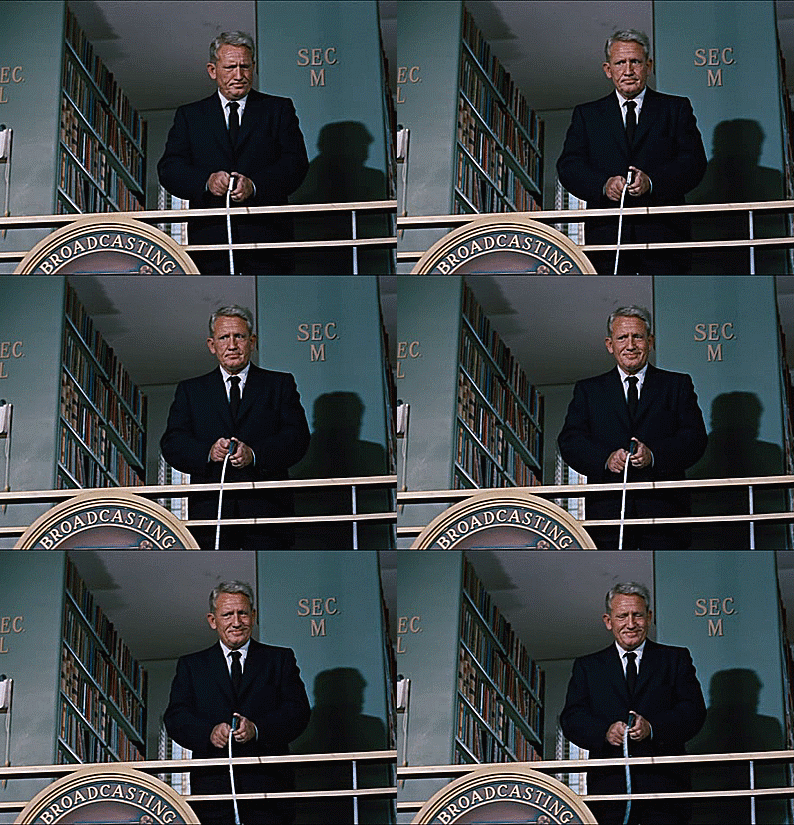
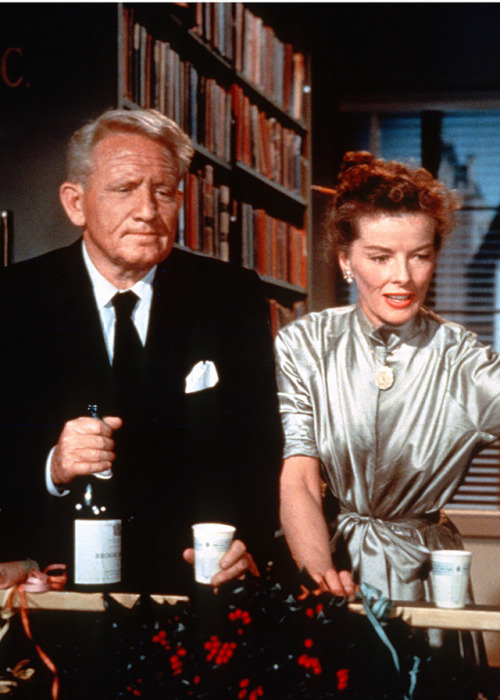
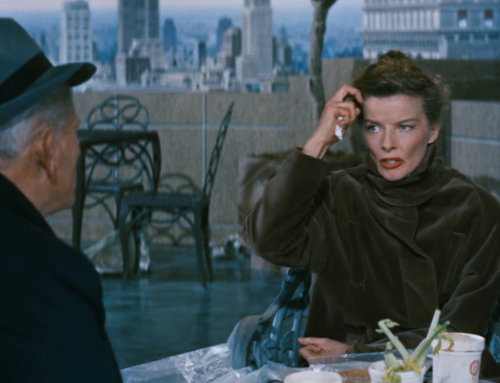
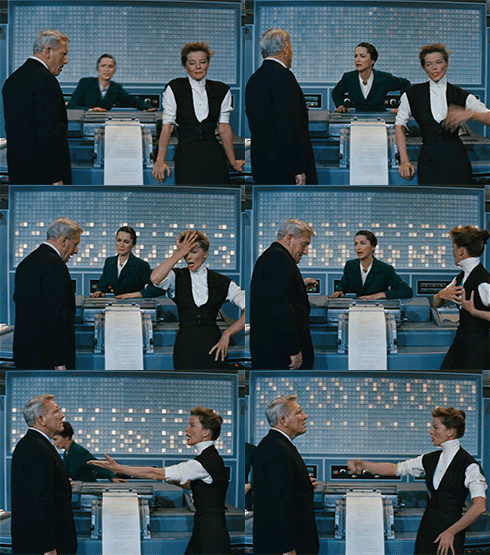
Mas as meninas estão prestes a se tornar obsoletas. Richard Sumner (Spencer Tracy) é um engenheiro contratado pela empresa delas para instalar um “cérebro eletrônico” para substituir o departamento de referências. Entretanto, ele não pode contar a verdade sobre o que está fazendo para as meninas, e deve questionar a chefe do departamento de referências, Bunny Watson (Katharine Hepburn), acerca do trabalho que elas fazem lá antes de trazer o cérebro eletrônico.

But the girls are about to become obsolete. Richard Sumner (Spencer Tracy) is an engineer hired by their company to install an “electronic brain” to replace the reference department. However, he can’t tell the truth about what he’s doing to the girls, and he must inquire the head of the reference department, Bunny Watson (Katharine Hepburn), about the work done there before the electronic brain is brought over.


Joan Blondell está interpretando mais uma vez a melhor amiga esperta, uma personagem que ela interpretava com perfeição desde o começo dos anos 1930. Como amiga de Bunny, Peg Costello a aconselha a parar de acreditar nas promessas vazias do namorado. Bunny vive uma relação complicada com seu chefe, Mike Cutler (Gig Young), já há sete anos. Gig Young interpreta o terceiro elemento do triângulo amoroso - ou, como eu gosto de dizer, ele é o Ralph Bellamy dos anos 1950 e 60.

Joan Blondell is back at playing the witty best girl friend, a character she excelled in playing in the early 1930s. As Bunny’s best friend, Peg Costello advises her to stop believing in her boyfriend’s empty promises. Bunny is in a complicated relationship with her boss, Mike Cutler (Gig Young), that has been on for seven years. Gig Young plays the second element of a romantic triangle here - or, as I like to call, he is the Ralph Bellamy of the 1950s and 60s.


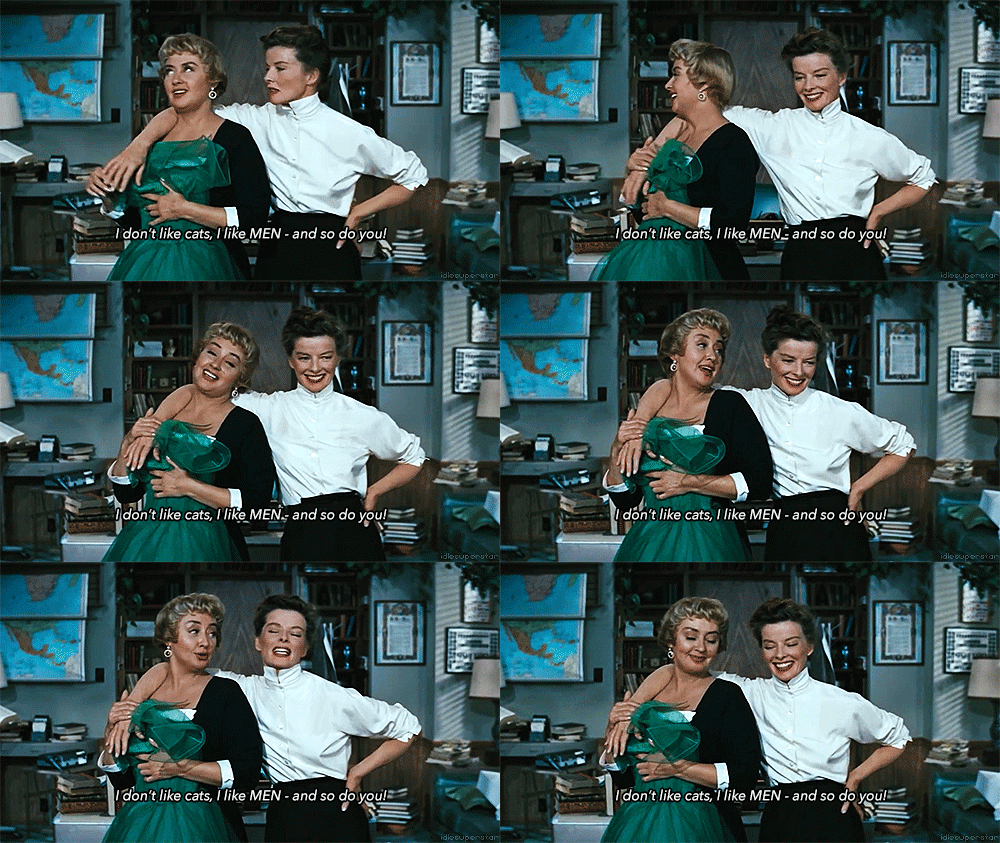
Este é o oitavo de nove filmes que Hepburn e Tracy fizeram juntos. “Amor Eletrônico” é uma comédia romântica - muitas de suas parcerias eram comédias, como “A Mulher do Dia” (1942), “A Costela de Adão” (1949) e “A Mulher Absoluta” (1952). De fato, há muitos momentos cômicos no filme, incluindo o jantar no apartamento de Bunny e a festa de Natal da empresa. Hepburn e Tracy estão ótimos como sempre, e podemos sentir que eles estavam se divertindo enquanto faziam o filme.

This is the eighth of nine films Hepburn and Tracy together. “Desk Set” is a romantic comedy - many of their partnerships were comedies, like “Woman of the Year” (1942), “Adam’s Rib” (1949) and “Pat and Mike” (1952). Indeed, there are many humorous moments in the film, including the dinner at Bunny’s apartment and the Christmas party at the office. Hepburn and Tracy are delightful as well, and we can feel they were having a good time shooting the film.


A dupla responsável pelo roteiro é Phoebe e Henry Ephron, pais de Nora Ephron. Como coincidência interessante, Nora mais tarde escreveu e dirigiu “Mensagem para Você” (1998), um filme que também é sobre uma mulher que se apaixona por um homem cujo trabalho poderá deixá-la desempregada - no caso, Meg Ryan interpretava a dona de uma pequena livraria e Tom Hanks era o dono de uma grande rede de livrarias. Há mais uma conexão curiosa com o cinema clássico aqui: “Mensagem para Você” é um remake da comédia de 1940 de Ernst Lubitsch, “A Loja da Esquina”.

The duo responsible for the screenplay is Phoebe and Henry Ephron, Nora Ephron’s parents. As a nice coincidence, Nora later wrote and directed “You’ve Got Mail” (1998), a film also about a woman who falls in love with a man whose work may leave her unemployed - in that case, Meg Ryan played the owner of a small bookstore and Tom Hanks the owner of a big branch of libraries. There is one more nice classic film connection here: “You’ve Got Mail” is a remake of the 1940 Ernst Lubitsch comedy “The Shop Around the Corner”.

"A Loja da Esquina / The Shop Around the Corner"
"Mensagem para Você / You've Got Mail"

Como podemos ver no filme, antes da internet, as pessoas ligavam para departamentos de referências sempre que precisavam de alguma informação - por exemplo, os versos exatos de um poema ou os nomes das renas do Papai Noel - em especial em empresas de telecomunicações como a do filme. É interessante ver que este departamento só tem mulheres como funcionárias - e Peg diz em uma cena que há só homens no departamento legal. De fato, as meninas do departamento de referências são bibliotecárias, e há mais bibliotecárias do que bibliotecários: de acordo com o censo norte-americano, atualmente 83% dos bibliotecários são mulheres, e nos anos 1930 essa porcentagem era muito maior: incríveis 92%!

As we can see in the movie, before the internet, people called reference departments whenever they wanted any information - for instance, the exact words of a poem or the names of Santa Claus’ reindeers - in special in broadcasting companies like the one in the film. It’s interesting to see that this department has only women working in - and Peg later says that there are only men in the legal department. Indeed, the girls at the reference department are librarians, and there are more female librarians than male ones: according to the US census, today 83% of librarians are female, and in the 1930s this percentage was much higher: a whopping 92%!


Eu adoraria trabalhar no mesmo departamento de referências de Miss Watson, Miss Costello, Miss Saylor e Miss Blair. Estar cercada de livros - estar cercada de conhecimento! - o dia todo é emocionante. Além disso, eu sou muito boa em memorizar informações inúteis e curiosidades estranhas. Talvez eu pudesse ser uma especialista em cinema clássico, assim como Miss Costello é especialista em fatos sobre baseball.

I’d love to work in the same reference department as Miss Watson, Miss Costello, Miss Saylor and Miss Blair. Being around books - being around knowledge! - all day long is exciting. Moreover, I excel at keeping useless information and weird trivia memorized. Maybe I could be an expert in classic film info, just like Miss Costello is an expert in baseball facts.


Quando Miss Warriner (Neva Patterson) chega para instalar o EMMARAC, o cérebro eletrônico, as meninas do departamento de referências mantêm seus empregos apenas para inserir no cérebro todas as informações que elas possuem - e então elas serão demitidas. EMMARAC foi baseado em computadores da IMB, e assim como todos os computadores primitivos, ele era muito grande, do tamanho de uma casa. Agora temos smartphones que cabem na palma de nossas mãos e são mais poderosos do que qualquer computador primitivo. Mas uma coisa não mudou: se o usuário não conseguir usar o cérebro eletrônico com sabedoria - fazendo a questão certa para chegar à resposta correta, e interpretando a resposta - o cérebro eletrônico é inútil, mesmo com toda a informação do mundo.

As Miss Warriner (Neva Patterson) arrives to install EMMARAC, the electronic brain, the girls from the reference department are kept there only to feed the brain with all the available information they have - and then they will be fired. EMMARAC was based on a real computer by IBM, and as all other primitive computers, it was very big, the size of a room. Now we have smartphones that are the size of our hands and are also more powerful than any primitive computer. But one thing remains: if the user can’t use the electronic brain properly - by asking the precise question to get a precise answer, and by interpreting this answer - the electronic brain is useless, even with all the information in the world.


Embora tenha sido recebido com críticas moderadas em 1957, hoje muitas pessoas consideram “Amor Eletrônico” a mais divertida das colaborações de Hepburn e Tracy. No site Rotten Tomatoes, o filme tem 100% de aprovação. Não há dúvidas de que o filme envelheceu bem, não apenas com humor atemporal, mas também com um tema ainda relevante: homem contra máquina, o coração humano contra o cérebro metálico. Ainda estamos debatendo sobre as profissões que se tornarão obsoletas graças à tecnologia, e bibliotecárias são geralmente citadas em listas de profissões que em breve desaparecerão. Como Katharine Hepburn mostra no filme - e eu, como estudante de biblioteconomia, concordo - nos sempre precisaremos de cérebros humanos preparados para lidar com a informação. Nenhum computador saberá como usar e interpretar informações sabiamente ou, digamos, escrever uma crítica de filme como essa.

Although it was received with moderate reviews in 1957, many people today consider “Desk Set” to be the funniest of the Hepburn / Tracy collaborations. On Rotten Tomatoes, the film holds a 100% rate of approval. There is no doubt the film stands the test of time, not only with atemporal humor, but also with a still relevant theme: man versus machine, the human heart versus the metallic brain. We’re still debating about what professions will become obsolete thanks to technology, and librarians are often cited in lists of professions doomed to disappear. As Katharine Hepburn shows in this movie - and, as a library science student, I agree - we’ll always need prepared human brains to handle information. No computer will know how to properly use and interpret information or, let’s say, write a movie review like this.


This is my contribution to the Second Spencer Tracy and Katharine Hepburn blogathon, hosted by Crystal and Michaela at In the Good Old Days of Classic Hollywood and Love Letters to Old Hollywood.

Related Posts Plugin for WordPress, Blogger...