} Crítica Retrô: biblioteca

Tradutor / Translator / Traductor / Übersetzer / Traduttore / Traducteur / 翻訳者 / переводчик

Showing posts with label biblioteca. Show all posts

Saturday, January 27, 2024

O Nome da Rosa (1986) / The Name of the Rose (1986)


Fato curioso: eu sou formada em Biblioteconomia! Mesmo trabalhando como crítica de cinema, tenho orgulho de dizer que me formei em 2022, depois de muito esforço. Dito isto, é óbvio que filmes - e livros - sobre bibliotecários me interessam muito. Por isso eu escolhi revisitar o filme “O Nome da Rosa”, e também ler o livro, tendo como foco o retrato do bibliotecário nestas obras.


Fun fact: I hold a degree in Library Science! Even though I work as a film critic, I’m proud to say I finished the degree in 2022, after a lot of hard work. That being said, it’s obvious that movies - and books - about librarians are of utmost interest to me. That’s why I chose to revisit the movie “The Name of the Rose”, and also read the novel, focusing on the portrayal of the librarian in these works.

A história se passa durante sete dias em 1327, mas é na verdade narrada por um Adso mais velho. Em 1327, Adso de Melk (Christian Slater) e seu mentor William de Baskerville (Sean Connery) chegam a uma abadia onde algo terrível havia acontecido: um dos monges havia morrido em circunstâncias misteriosas. William, sendo um homem sábio, é chamado para investigar o caso. Logo depois de sua chegada, mais mortes misteriosas acontecem.  


The story takes place during seven days in 1327, but is actually being narrated by an older Adso. In 1327, Adso de Melk (Christian Slater) and his mentor William of Baskerville (Sean Connery) arrive in an abbey where a terrible thing has happened: one of the monks had died in obscure circumstances. William, being the wise man he is, is asked to investigate the case. Right after he arrives, more complicated deaths occur.
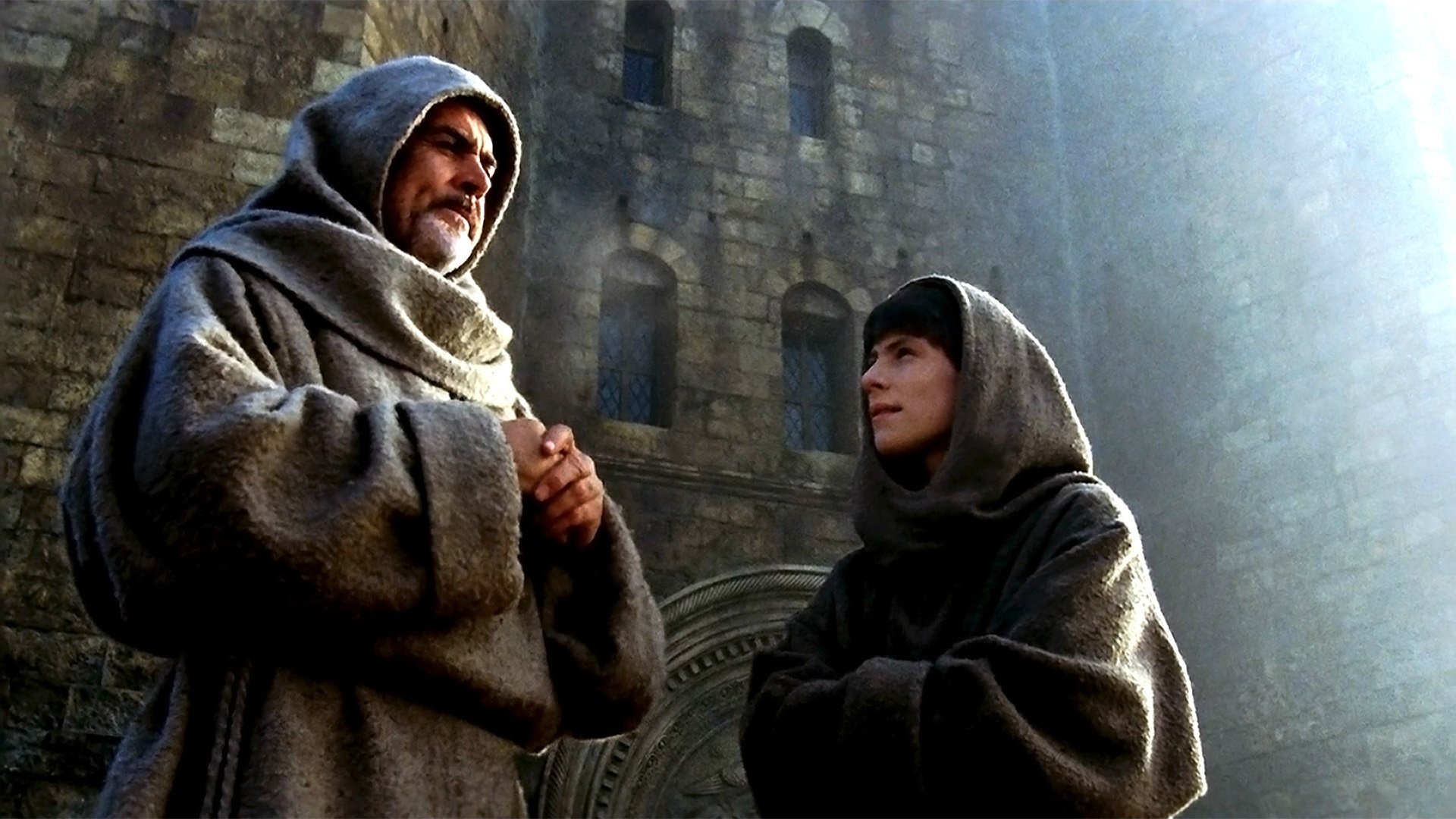
O que todos os monges mortos tinham em comum era alguma ligação com a biblioteca da abadia. A biblioteca é um local trancado, quase sagrado, e palco de intrigas. O lugar é protegido pelo bibliotecário-chefe Malaquias (Volker Prechtel) e seu assistente Berengário (Michael Habeck). É um local não para preservar e obter conhecimento, mas para manter o conhecimento cativo.


What all the dead monks had in common was that they all had some kind of link with the library of the abbey. The library is a locked, almost sacred, place and the stage for intrigues. The place is protected by chief librarian Malachia (Volker Prechtel) and his assistant Berengar (Michael Habeck). It’s a place not to preserve and obtain knowledge, but to hold knowledge captive.

Na Idade Média, o mais perto das modernas bibliotecas que existia eram os monastérios, onde livros não eram apenas guardados, mas estudados e copiados pelos monges. Isto é descrito em “O Nome da Rosa”, com muitos segredos sendo guardados pelos monges no scriptorium - onde os livros eram copiados -, especialmente pelos monges que sabiam línguas estrangeiras como árabe e grego. Os manuscritos eram sobre assuntos religiosos ou escritos por religiosos, e algumas obras seculares também eram guardadas - no livro, para servir de exemplo do que não pensar - e até mesmo emprestar e pegar emprestados manuscritos era possível devido aos monges itinerantes como William e Adso. No tempo em que se passam o livro e o filme, já havia bibliotecas sendo construídas dentro das novas universidades.  


In the Middle Ages, the closest we had to modern libraries were monasteries, where books were not only kept, but also studied and copied by monks. This is described in “The Name of the Rose”, with many secrets being held by the monks in the scriptorium - where the books were copied -, especially the monks who knew foreign languages such as Arab and Greek. Manuscripts were about religious issues or by religious figures, and some secular writings were kept - in the book, to be an example of what not to think - and even lending and borrowing manuscripts was made possible because of travelling monks such as William and Adso. By the time book and movie are set, there were already libraries being constructed inside the new universities.

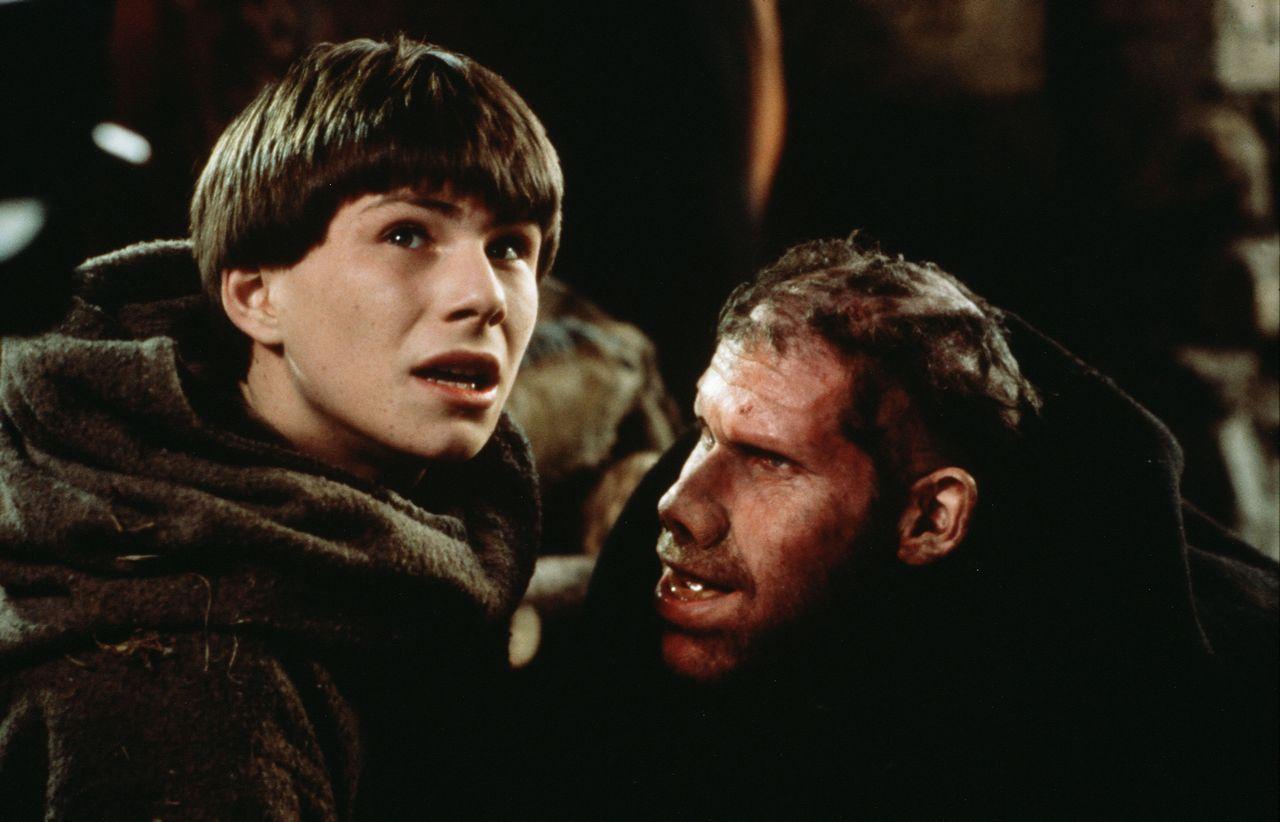
O filme define a si mesmo como “um palimpsesto do romance de Umberto Eco. Palimpsesto significa, de acordo com o dicionário Merriam-Webster, “material escrito usado uma ou mais vezes depois que o escrito anterior foi apagado.” É um jeito elegante de dizer que se trata de uma adaptação mais ou menos fiel do livro. Duas diferenças principais: o personagem Salvatore (Ron Perlman) não é corcunda no livro; e no filme os inquisidores ficam por mais tempo, inclusive usando o pátio da abadia para queimar as pessoas consideradas culpadas após julgamento. Além disso, no filme, William é ainda mais perspicaz do que no livro, e muitas discussões sobre fé não estão no filme, embora sejam importantes para a trama.


The movie defines itself as “a palimpsest of Umberto Eco’s novel”. Palimpsest means, according to the Merriam-Webster dictionary, “writing material used one or more times after earlier writing has been erased”. It’s a fancy way to say that the movie is a somewhat-faithful adaptation of the novel. Two main differences: character Salvatore (Ron Perlman) doesn’t have a hunchback in the novel; and in the film the inquisitors stay for a longer time, even using the abbey’s patio to set fire to those found guilty in the judgments. Also, in the movie, William of Baskerville is even more perceptive than in the novel, and many discussions about faith are not in the movie, even though they are important to the plot.
Este é um filme que não passa no Teste de Bechdel, ou seja, um filme que não tem ao menos duas personagens femininas com nome e que conversam entre si sobre um assunto que não seja sobre homens. A garota no filme não tem nome, não tem falas nem poder. Isto é esperado de um filme cuja trama acontece dentro de uma abadia, e considerando toda a história da exclusão das mulheres pela religião católica. Há inclusive um momento em que William cita a Bíblia, dizendo: “mais amarga que a morte é a mulher”.


This is a movie that doesn’t pass the Bechdel Test, that is, a movie that doesn’t have at least two female characters with names and who talk to each other about a subject that is not men. The girl in the film is both nameless, lineless and powerless. This is expected, as a movie whose action happens in an abbey, and considering the whole history of female exclusion in the Catholic religion. There is even a moment when William quotes the Bible, saying: “bitterer than death is the woman”.

De acordo com o IMDb, Sean Connery estava em um momento difícil da carreira quando fez este filme. Mas seu retorno ao sucesso viria logo: no ano seguinte ele faria “Os Intocáveis”, pelo qual ganharia um Oscar de Melhor Ator Coadjuvante. Por “O Nome da Rosa” Connery ganhou um BAFTA de Melhor Ator.


According to IMDb, Sean Connery was in a very low point of his career when he made this movie. But his comeback was just around the corner: the following year he would make “The Untouchables”, for which he would win an Oscar for Best Supporting Actor. For “The Name of the Rose” Connery won a BAFTA for Best Actor.


Para a faculdade, eu tinha de escrever um artigo de 15 páginas sobre qualquer assunto dentro da Biblioteconomia. Meu primeiro impulso foi escrever sobre “O Nome da Rosa”, comparando livro, filme e vida real. Em vez disso, eu escolhi escrever sobre adaptações necessárias para uma biblioteca atender usuários com deficiência. Eu fico feliz que tenha mudado de ideia, pois agora posso escrever, num artigo para o blog simples mas - espero - informativo, sobre “O Nome da Rosa” - o mais famoso romance de Umberto Eco, mas ao mesmo tempo aquele que ele considerava seu pior trabalho de ficção. Sobre o filme, em 2013 Eco foi sucinto: “é um bom filme”.  


For college, once I had to write a 15-page paper on any topic of Library Science. My first urge was to write about “The Name of the Rose”, comparing novel, movie and real life. I chose instead to write about adaptations a library needs to accommodate users with disabilities. I’m glad I changed my mind, so now I can write, in a simple but I hope informative blog post, about “The Name of the Rose” - Umberto Eco’s most famous novel, but the one he considered his worst work of fiction. About the movie, in 2013 Eco was succinct: “it’s a nice movie”.


This is my contribution to the On the Job blogathon, hosted by Hamlette’s Soliloquy and The Midnite Drive-In.

Saturday, October 12, 2019

Amor Eletrônico (1957) / Desk Set (1957)


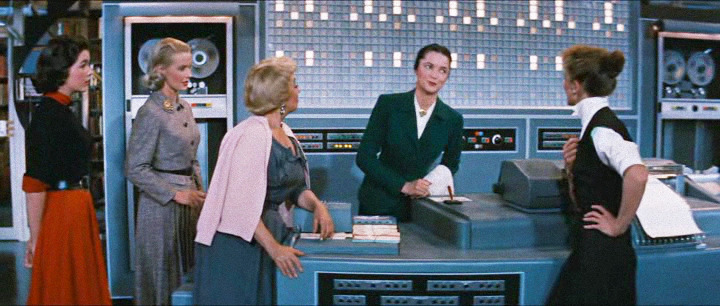
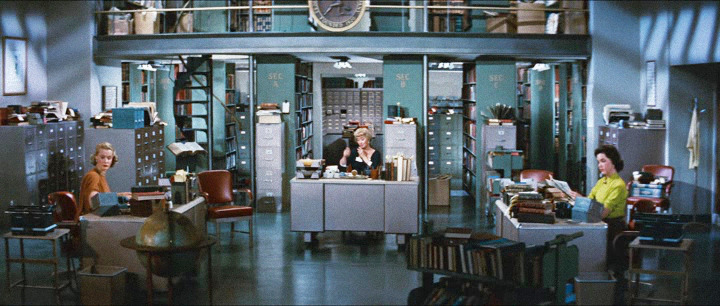
Muitas profissões desapareceram no último século, em especial por causa de mudanças na tecnologia. Entre essas profissões, temos condutores de coches, telefonistas, ascensoristas, cortadores de gelo e pessoas que empilhavam os pinos de boliche após cada tacada. “Amor Eletrônico” é um filme sobre uma dessas profissões desaparecidas: o quarteto feminino principal trabalha no departamento de referências de uma empresa de telecomunicações, pesquisando informações para pessoas que ligam fazendo perguntas.

Many professions have disappeared in the last century, in special because of technological changes. Among those professions, we have carriage conductors, switchboard operators, elevator operators, ice cutters and bowling alley pinsetters. “Desk Set” is a film about one of these vanished professions: our leading female quartet work in the reference department of a broadcasting company, researching info for people who call them with questions.


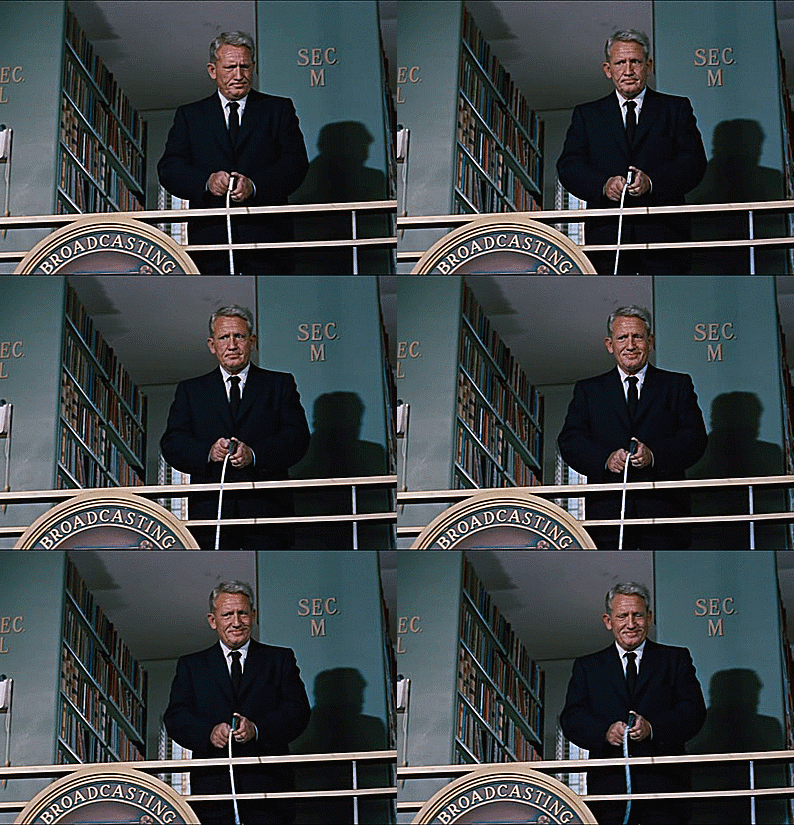
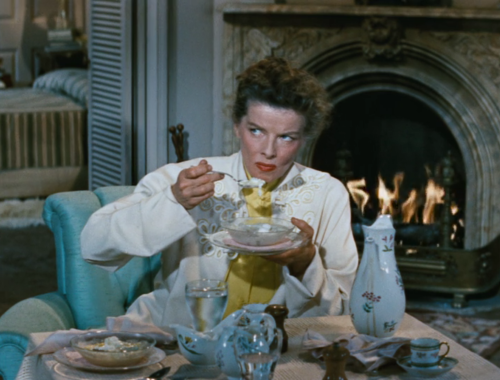
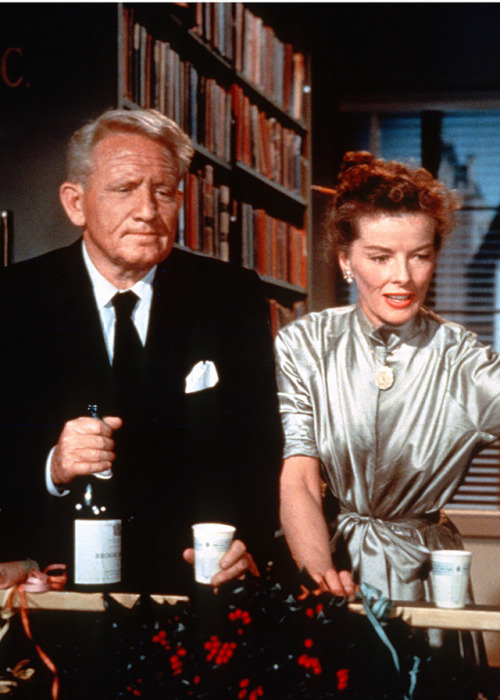
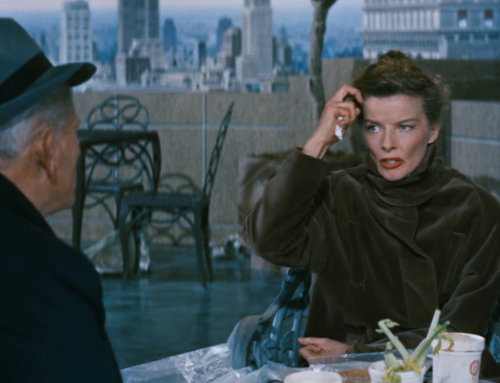
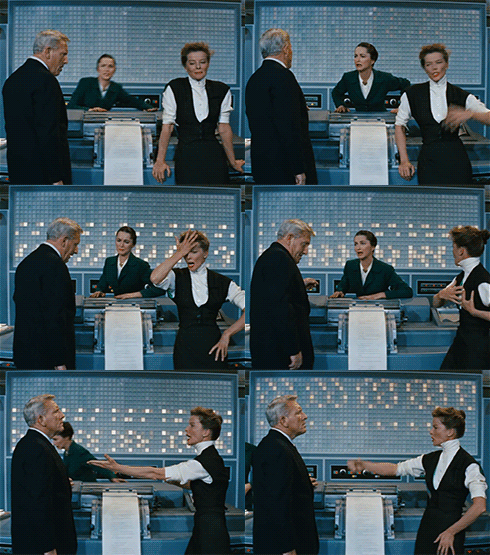
Mas as meninas estão prestes a se tornar obsoletas. Richard Sumner (Spencer Tracy) é um engenheiro contratado pela empresa delas para instalar um “cérebro eletrônico” para substituir o departamento de referências. Entretanto, ele não pode contar a verdade sobre o que está fazendo para as meninas, e deve questionar a chefe do departamento de referências, Bunny Watson (Katharine Hepburn), acerca do trabalho que elas fazem lá antes de trazer o cérebro eletrônico.

But the girls are about to become obsolete. Richard Sumner (Spencer Tracy) is an engineer hired by their company to install an “electronic brain” to replace the reference department. However, he can’t tell the truth about what he’s doing to the girls, and he must inquire the head of the reference department, Bunny Watson (Katharine Hepburn), about the work done there before the electronic brain is brought over.


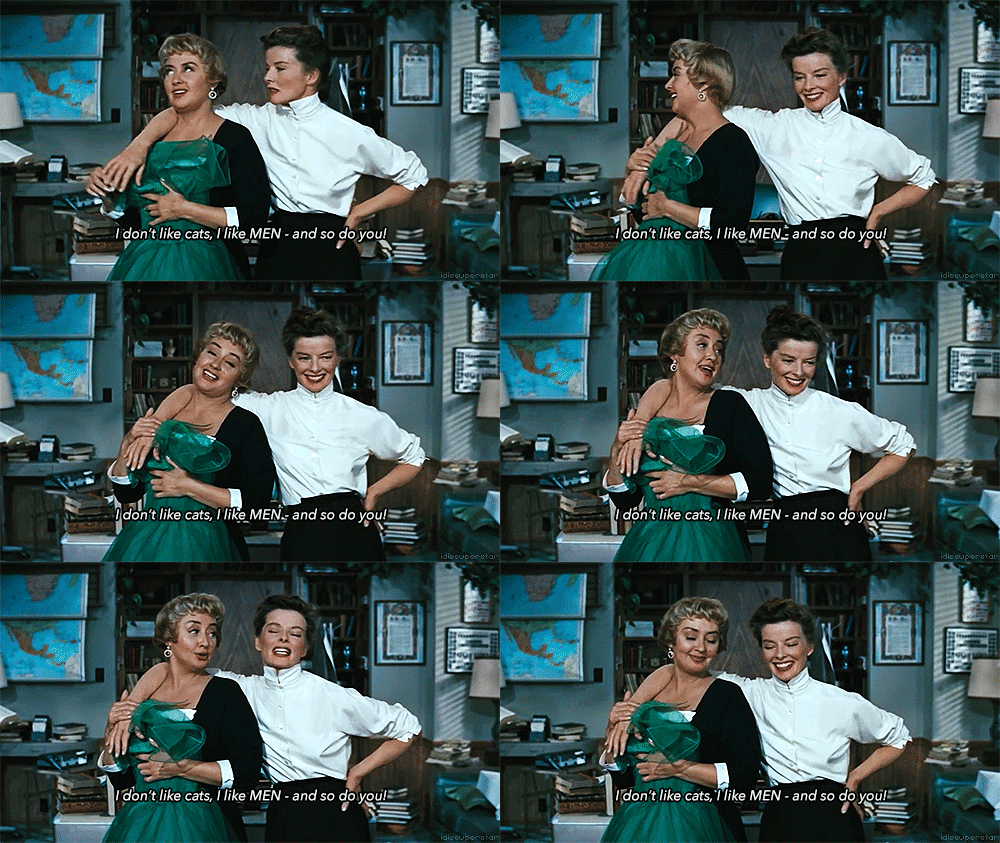
Joan Blondell está interpretando mais uma vez a melhor amiga esperta, uma personagem que ela interpretava com perfeição desde o começo dos anos 1930. Como amiga de Bunny, Peg Costello a aconselha a parar de acreditar nas promessas vazias do namorado. Bunny vive uma relação complicada com seu chefe, Mike Cutler (Gig Young), já há sete anos. Gig Young interpreta o terceiro elemento do triângulo amoroso - ou, como eu gosto de dizer, ele é o Ralph Bellamy dos anos 1950 e 60.

Joan Blondell is back at playing the witty best girl friend, a character she excelled in playing in the early 1930s. As Bunny’s best friend, Peg Costello advises her to stop believing in her boyfriend’s empty promises. Bunny is in a complicated relationship with her boss, Mike Cutler (Gig Young), that has been on for seven years. Gig Young plays the second element of a romantic triangle here - or, as I like to call, he is the Ralph Bellamy of the 1950s and 60s.


Este é o oitavo de nove filmes que Hepburn e Tracy fizeram juntos. “Amor Eletrônico” é uma comédia romântica - muitas de suas parcerias eram comédias, como “A Mulher do Dia” (1942), “A Costela de Adão” (1949) e “A Mulher Absoluta” (1952). De fato, há muitos momentos cômicos no filme, incluindo o jantar no apartamento de Bunny e a festa de Natal da empresa. Hepburn e Tracy estão ótimos como sempre, e podemos sentir que eles estavam se divertindo enquanto faziam o filme.

This is the eighth of nine films Hepburn and Tracy together. “Desk Set” is a romantic comedy - many of their partnerships were comedies, like “Woman of the Year” (1942), “Adam’s Rib” (1949) and “Pat and Mike” (1952). Indeed, there are many humorous moments in the film, including the dinner at Bunny’s apartment and the Christmas party at the office. Hepburn and Tracy are delightful as well, and we can feel they were having a good time shooting the film.


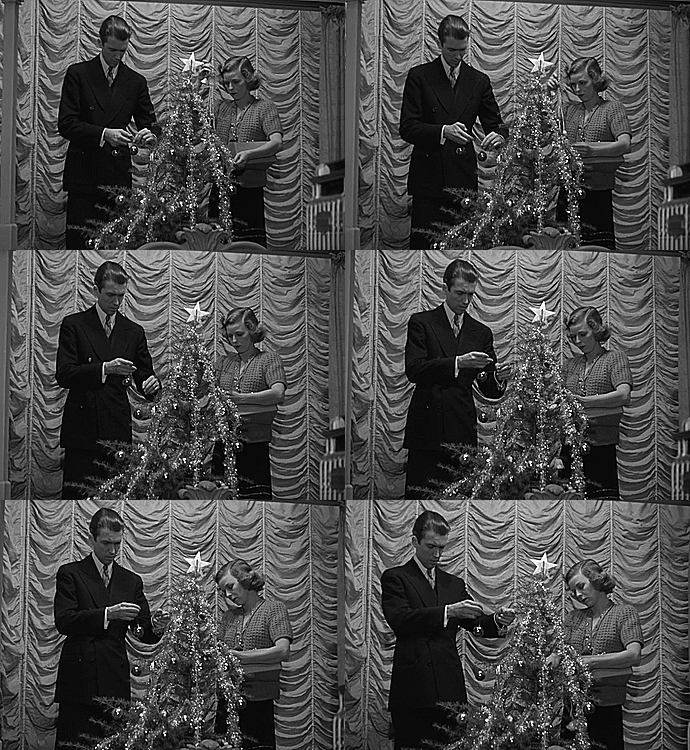
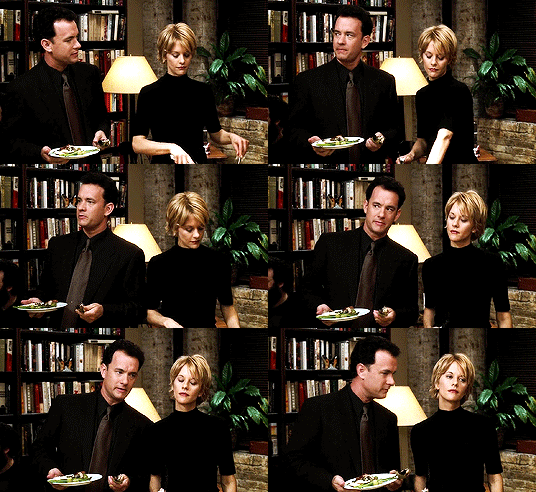
A dupla responsável pelo roteiro é Phoebe e Henry Ephron, pais de Nora Ephron. Como coincidência interessante, Nora mais tarde escreveu e dirigiu “Mensagem para Você” (1998), um filme que também é sobre uma mulher que se apaixona por um homem cujo trabalho poderá deixá-la desempregada - no caso, Meg Ryan interpretava a dona de uma pequena livraria e Tom Hanks era o dono de uma grande rede de livrarias. Há mais uma conexão curiosa com o cinema clássico aqui: “Mensagem para Você” é um remake da comédia de 1940 de Ernst Lubitsch, “A Loja da Esquina”.

The duo responsible for the screenplay is Phoebe and Henry Ephron, Nora Ephron’s parents. As a nice coincidence, Nora later wrote and directed “You’ve Got Mail” (1998), a film also about a woman who falls in love with a man whose work may leave her unemployed - in that case, Meg Ryan played the owner of a small bookstore and Tom Hanks the owner of a big branch of libraries. There is one more nice classic film connection here: “You’ve Got Mail” is a remake of the 1940 Ernst Lubitsch comedy “The Shop Around the Corner”.

"A Loja da Esquina / The Shop Around the Corner"
"Mensagem para Você / You've Got Mail"

Como podemos ver no filme, antes da internet, as pessoas ligavam para departamentos de referências sempre que precisavam de alguma informação - por exemplo, os versos exatos de um poema ou os nomes das renas do Papai Noel - em especial em empresas de telecomunicações como a do filme. É interessante ver que este departamento só tem mulheres como funcionárias - e Peg diz em uma cena que há só homens no departamento legal. De fato, as meninas do departamento de referências são bibliotecárias, e há mais bibliotecárias do que bibliotecários: de acordo com o censo norte-americano, atualmente 83% dos bibliotecários são mulheres, e nos anos 1930 essa porcentagem era muito maior: incríveis 92%!

As we can see in the movie, before the internet, people called reference departments whenever they wanted any information - for instance, the exact words of a poem or the names of Santa Claus’ reindeers - in special in broadcasting companies like the one in the film. It’s interesting to see that this department has only women working in - and Peg later says that there are only men in the legal department. Indeed, the girls at the reference department are librarians, and there are more female librarians than male ones: according to the US census, today 83% of librarians are female, and in the 1930s this percentage was much higher: a whopping 92%!


Eu adoraria trabalhar no mesmo departamento de referências de Miss Watson, Miss Costello, Miss Saylor e Miss Blair. Estar cercada de livros - estar cercada de conhecimento! - o dia todo é emocionante. Além disso, eu sou muito boa em memorizar informações inúteis e curiosidades estranhas. Talvez eu pudesse ser uma especialista em cinema clássico, assim como Miss Costello é especialista em fatos sobre baseball.

I’d love to work in the same reference department as Miss Watson, Miss Costello, Miss Saylor and Miss Blair. Being around books - being around knowledge! - all day long is exciting. Moreover, I excel at keeping useless information and weird trivia memorized. Maybe I could be an expert in classic film info, just like Miss Costello is an expert in baseball facts.


Quando Miss Warriner (Neva Patterson) chega para instalar o EMMARAC, o cérebro eletrônico, as meninas do departamento de referências mantêm seus empregos apenas para inserir no cérebro todas as informações que elas possuem - e então elas serão demitidas. EMMARAC foi baseado em computadores da IMB, e assim como todos os computadores primitivos, ele era muito grande, do tamanho de uma casa. Agora temos smartphones que cabem na palma de nossas mãos e são mais poderosos do que qualquer computador primitivo. Mas uma coisa não mudou: se o usuário não conseguir usar o cérebro eletrônico com sabedoria - fazendo a questão certa para chegar à resposta correta, e interpretando a resposta - o cérebro eletrônico é inútil, mesmo com toda a informação do mundo.

As Miss Warriner (Neva Patterson) arrives to install EMMARAC, the electronic brain, the girls from the reference department are kept there only to feed the brain with all the available information they have - and then they will be fired. EMMARAC was based on a real computer by IBM, and as all other primitive computers, it was very big, the size of a room. Now we have smartphones that are the size of our hands and are also more powerful than any primitive computer. But one thing remains: if the user can’t use the electronic brain properly - by asking the precise question to get a precise answer, and by interpreting this answer - the electronic brain is useless, even with all the information in the world.


Embora tenha sido recebido com críticas moderadas em 1957, hoje muitas pessoas consideram “Amor Eletrônico” a mais divertida das colaborações de Hepburn e Tracy. No site Rotten Tomatoes, o filme tem 100% de aprovação. Não há dúvidas de que o filme envelheceu bem, não apenas com humor atemporal, mas também com um tema ainda relevante: homem contra máquina, o coração humano contra o cérebro metálico. Ainda estamos debatendo sobre as profissões que se tornarão obsoletas graças à tecnologia, e bibliotecárias são geralmente citadas em listas de profissões que em breve desaparecerão. Como Katharine Hepburn mostra no filme - e eu, como estudante de biblioteconomia, concordo - nos sempre precisaremos de cérebros humanos preparados para lidar com a informação. Nenhum computador saberá como usar e interpretar informações sabiamente ou, digamos, escrever uma crítica de filme como essa.

Although it was received with moderate reviews in 1957, many people today consider “Desk Set” to be the funniest of the Hepburn / Tracy collaborations. On Rotten Tomatoes, the film holds a 100% rate of approval. There is no doubt the film stands the test of time, not only with atemporal humor, but also with a still relevant theme: man versus machine, the human heart versus the metallic brain. We’re still debating about what professions will become obsolete thanks to technology, and librarians are often cited in lists of professions doomed to disappear. As Katharine Hepburn shows in this movie - and, as a library science student, I agree - we’ll always need prepared human brains to handle information. No computer will know how to properly use and interpret information or, let’s say, write a movie review like this.


This is my contribution to the Second Spencer Tracy and Katharine Hepburn blogathon, hosted by Crystal and Michaela at In the Good Old Days of Classic Hollywood and Love Letters to Old Hollywood.

Related Posts Plugin for WordPress, Blogger...