Há filmes mudos de todos os tamanhos e durações. Além disso, não é regra
que, quando um diretor começa a fazer longas-metragens, ele pare de fazer
filmes mais curtos. Veja John Ford, por exemplo. Ford começou como diretor em
1917 e, em 1926, ele já havia dirigido dezenas de filmes, incluindo o
impressionante épico “O Cavalo de Ferro”, de 1924, que tem mais de duas horas
de duração. Ford não teve vergonha de voltar a fazer filmes menores e mais
intimistas, e foi exatamente isso que ele fez em 1926 com “A Águia Azul”.
Silent film comes in all shapes and sizes. Furthermore, it’s not a rule
that, once a director graduates to feature films, he never comes back to
shorter films. Take John Ford, for instance. Ford started directing movies in
1917 and, in 1926, he had already directed dozens of films, including the
impressive epic “The Iron Horse”, from 1924, that is over two hours long. Ford
wasn’t ashamed to go back to more intimate films, made in a smaller scale, and
this was exactly what he did in 1926 with “The Blue Eagle”.

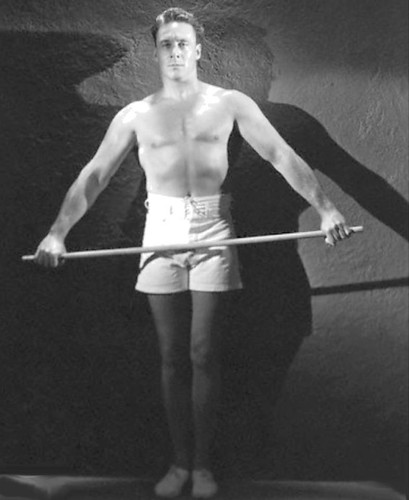
George Darcy (George O'Brien, completamente lambuzado com óleo para
parecer que está suando) e Big Tim Ryan (William Russell, igualmente lambuzado
com óleo) estão servindo no mesmo navio na Primeira Guerra Mundial, mas eles
são rivais na cidade natal. Juntos na guerra, eles vivenciam as batalhas, a
adrenalina e a perda de companheiros. Mas assim que a guerra acaba, a velha
rivalidade ressurge.
George Darcy (George O’Brien, completely covered in oil to look like
he’s sweating) and Big Tim Ryan (William Russell, equally covered in oil) are
shipmates during World War I, but back at home they’re rivals. Together at war,
they experience the battles, the adrenaline and the loss of shipmates. But once
the war is over, the old grudge comes back.

Darcy e Ryan vivem perto das docas, em um bairro pobre dominado por
gangues rivais, algo que também pode ser visto em “Anjos de Cara Suja” (1938) e
“Sindicato de Ladrões” (1954). Darcy e Ryan pertencem a gangues rivais – Darcy
aos Terriers e Ryan aos Rats – e ambos estão apaixonados pela mesma mulher,
Rose Kelly (Janet Gaynor), filha do policial Sargento Kelly (Lew Short). No
bairro deles, problemas com drogas estão crescendo, e o Padre Joe (Robert
Edeson), também ex-marinheiro, decide pedir para Darcy e Ryan ajudarem a
polícia a prender os traficantes.
Darcy and Ryan are from the waterfront – a rather poor neighborhood
dominated by rival gangs, something that can be seen in films like “Angels with Dirty Faces” (1938) and “On the Waterfront” (1954). Darcy and Ryan belong to
rival gangs – Darcy’s Terriers and Ryan’s Rats – and they both are in love with
the same woman, Rose Kelly (Janet Gaynor), daughter of police Sergeant Kelly
(Lew Short). In their neighborhood, problems with drugs are on the rise, and
Father Joe (Robert Edeson), also a former Marine, decides to ask both Darcy and
Ryan to help the police arrest the smugglers.
Num mundo em que traficantes têm um SUBMARINO e gangues são formadas
apenas para intimidar parte de um bairro, é de se esperar que haja uma mistura
de gêneros, algumas subtramas que não vão a lugar algum – qual a importância
dos irmãos gêmeos de Rose na narrativa? - e conclusões rápidas. Afinal, “A
Águia Azul” tem menos de uma hora de duração!
In a world where drug dealers have a SUBMARINE and gangs are formed only
to intimidate part of a neighborhood, it's expected a mix of genres, a few
subplots that go nowhere – what is the use of Rose's twin brothers in the
narrative? - and quick conclusions. After all, “The Blue Eagle” is less than
one hour long!

George O'Brien foi um galã popular na década de 1920 e estrela de
faroestes nos anos 30, e seu filme mais famoso é a obra-prima “Aurora” (2927),
também com Janet Gaynor. Foi através do filme “O Cavalo de Ferro” de Ford que
O'Brien alcançou o estrelato – embora ele desejasse, quando chegou em
Hollywood, ser operador de câmera!
George O'Brien was a popular leading man in the 1920s and western star
in the 1930s, and his most famous film is the masterpiece “Sunrise” (1927),
also with Janet Gaynor. It was through Ford's “The Iron Horse” that O'Brien
achieved stardom – although his only wish when he went to Hollywood was to
become a cameraman!

As aventuras anteriores de George O'Brien ajudaram-no muito em “A Águia
Azul”: ele serviu na Marinha norte-americana durante a Primeira Guerra Mundial,
e foi condecorado por bravura, e depois da guerra ele se tornou campeão de
boxe. Ele se alistou novamente na Marinha durante a Segunda Guerra. O título do
filme “A Águia Azul” vem do fato de os marinheiros norte-americanos serem conhecidos
como “águias azuis”. George O'Brien tinha orgulho de seu serviço na Marinha e
deste filme em particular porque, mais tarde, lhe foi perguntado que filme ele
queria que fosse exibido em uma mostra retrospectiva de sua carreira, e ele
escolheu “A Águia Azul”.
George O'Brien's previous life adventures helped him a lot in “The Blue
Eagle”: he had been in the US Navy during World War I, and was decorated for
bravery, and after the war he became a boxing champion. He re-enlisted in the
Navy during World War II. The title of the film “The Blue Eagle” comes from the
fact that the US Marines are often referred to as Blue Eagles. George O'Brien
was fond of his time at the Navy and of this film in particular because, later
in his life, he was asked which film he wanted to see showed in a career
retrospective festival honoring him, and he chose “The Blue Eagle”.
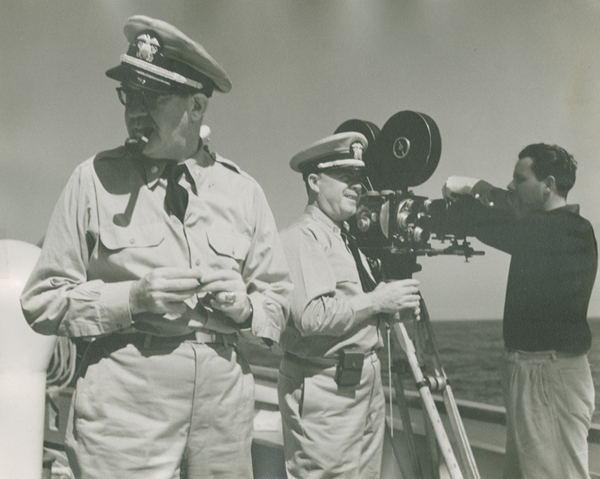
John Ford também teve uma ligação íntima com a Marinha, mas apenas
depois de fazer “A Águia Azul”. Durante a Segunda Guerra Mundial, Ford
trabalhou com a Marinha fazendo documentários de guerra. Um destes
documentários é “A Batalha de Midway” (1942), ganhador de um Oscar. Ford foi
uma testemunha ocular do Dia D em 1944, mas a maioria das imagens que ele
filmou do Dia D foi considerada forte demais para ser exibida para o público.
John Ford also had a close link with the Navy, but only after making
“The Blue Eagle”. During World War II, Ford worked with the Navy Department
doing war documentaries. One of these documentaries is “The Battle of Midway”
(1942), that won an Oscar. Ford was an eyewitness of the D-Day in 1944, but
most of his footage shot on D-Day was considered too gruesome to be released to
the public.
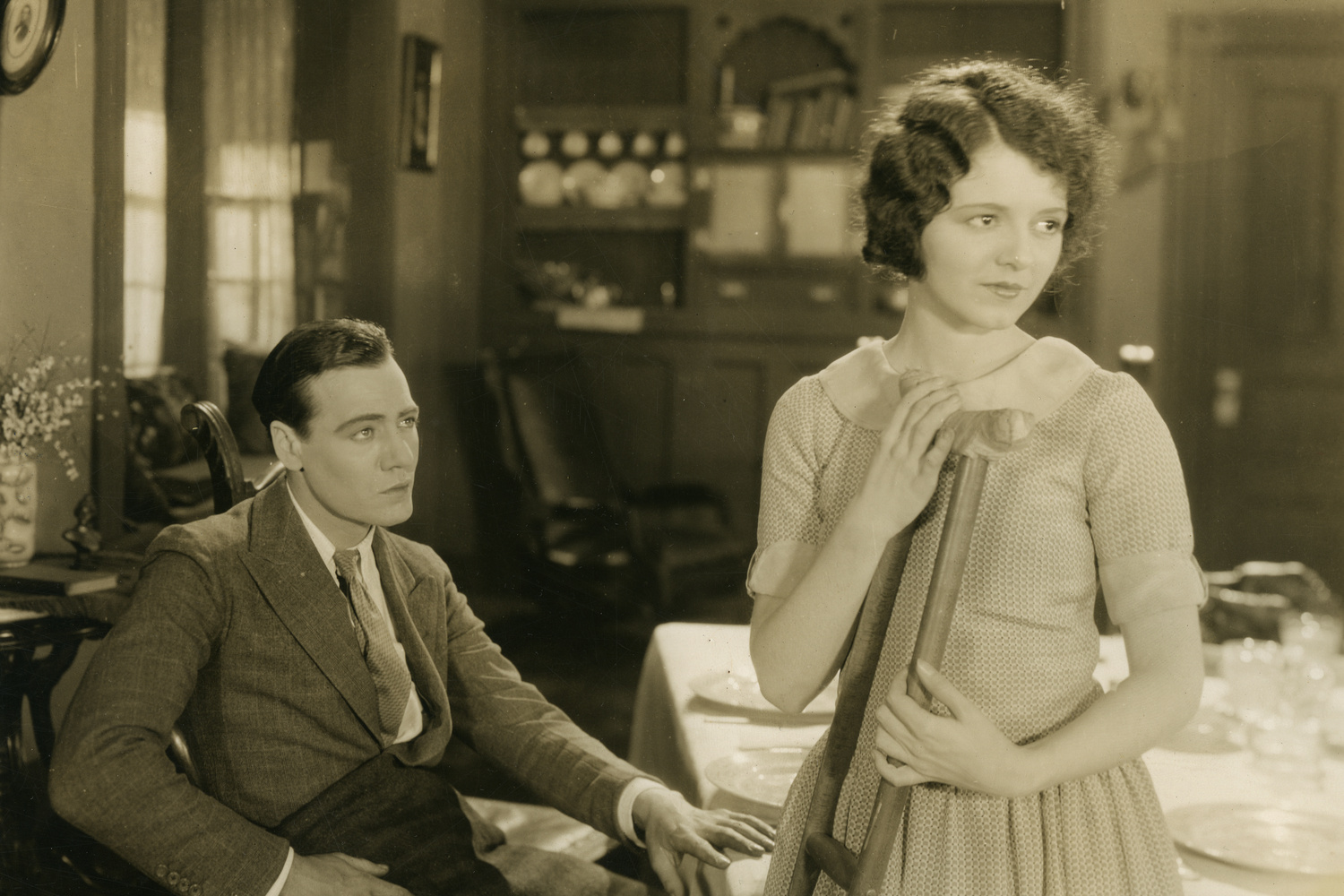
Janet Gaynor também fez outro filme com John Ford em 1926, “A Folha do
Trevo”. Este é mais um pequeno filme que mistura comédia, drama e esporte –
desta vez, corrida de cavalos. Com Janet Gaynor em um papel mais substancial e
também um pouco de racismo, “A Folha do Trevo” é considerado o primeiro filme
de John Ford que se passa na Irlanda.
Janet Gaynor also appeared in another John Ford film from 1926, “The
Shamrock Handicap”. This is another small scale film that mixes drama, romance
and sports – this time, it’s horse race. With Janet Gaynor in a more
substantial role and also a bit of racism, “The Shamrock Handicap” is
considered the first John Ford film set in Ireland.
 |
| The Shamrock Handicap |
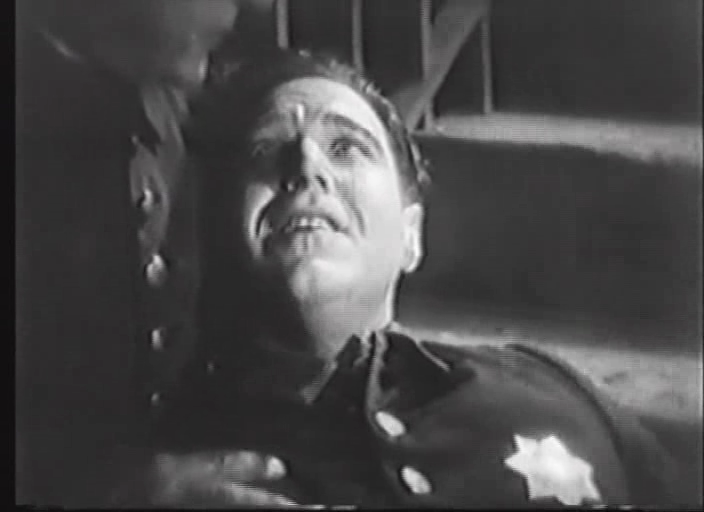
Dois personagens muito importantes – aqueles que convencem Darcy e Ryan
a declararem uma trégua – são o irmão deficiente de Darcy, Limpy (Philip Ford,
sobrinho de John Ford), e o amigo bobão de Ryan, Dizzy (David Butler). Tanto
Ford quanto Butler tiveram carreiras curtas como atores e mais tarde se
tornaram prolíficos diretores.
Two very important characters – the ones that convince Darcy and Ryan to
declare a truce – are Darcy’s handicapped brother, aptly named Limpy (Philip
Ford, John Ford’s nephew), and Ryan’s good and dumb friend Dizzy (David
Butler). Both Ford and Butler had brief careers as actors and later became
prolific directors.
“A Águia Azul” tem atrativos para todos os públicos: romance, ação na
guerra, drama urbano, um pouco de humor e até uma luta de boxe. Além disso,
amantes de belos cenários, prestem atenção às luzes da cidade quando os
personagens estão no cais. Infelizmente, as cenas com as batalhas navais ainda
estão perdidas, o que torna o filme menos emocionante de ver hoje do que foi
quando estreou. Mesmo assim, o filme nos traz o mais próximo que temos de um
filme de gângster de John Ford, e por isso já merece ser visto.
“The Blue Eagle” has something for everyone in the
audience: romance, war action, urban drama, a bit of humor and even a boxing
match. Also, lovers of beautiful scenery, pay attention to the city lights when
the characters are on the waterfront. Unfortunately, the scenes with the sea
battles are currently lost, which makes the film less exciting to see today
than when it was originally released. Nevertheless, it brings the closest we
have from a John Ford gangster picture, and for this alone it is worth a watch.
This is my contribution to the Send in the Marines blogathon, hosted by
Gill and J-Dub at RealWeegieMidget Reviews and Dubsism.