} Crítica Retrô: James Cagney

Tradutor / Translator / Traductor / Übersetzer / Traduttore / Traducteur / 翻訳者 / переводчик

Showing posts with label James Cagney. Show all posts

Wednesday, July 3, 2019

Sonho de uma Noite de Verão (1935) / A Midsummer Night's Dream (1935)


Eu fiquei conhecendo “Sonho de uma Noite de Verão” de Shakespeare através da Disney. Um curta-metragem animado de 1999 estrelando Mickey, Minnie, Donald e Margarida contou a história de maneira cômica – e havia até o Pateta interpretando uma fadinha! Depois eu assisti à versão de 1909 da Vitagraph com Maurice Costello e Florence Turner, uma versão divertida e um pouco confusa, pois as cartelas de títulos contavam a ação antes de ela acontecer. E agora eu me viro para a versão de 1935 – se não a versão definitiva da história, a mais visualmente impressionante.

I became familiar with Shakespeare's “A Midsummer Night's Dream” through Disney. A 1999 short cartoon starring Mickey, Minnie, Donald and Daisy told the story in a comic way – and there was even Goofy as a tiny fairy! Then I watched the 1909 Vitagraph version with Maurice Costello and Florence Turner, a fun yet confusing one, as the title cards told the action before it occurred. And now I focus on the 1935 version – if not the definitive version of the story, the most visually engaging one.
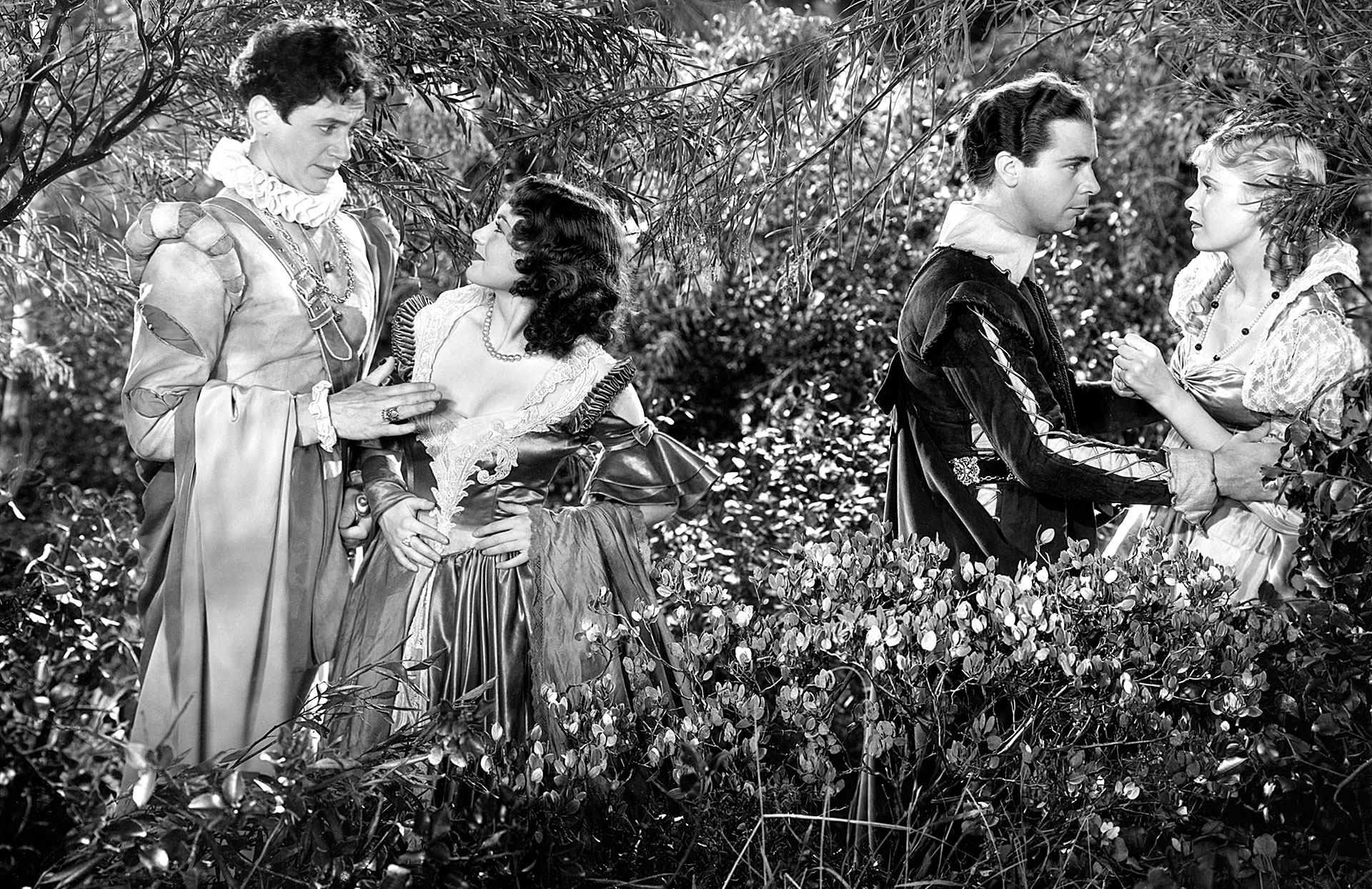

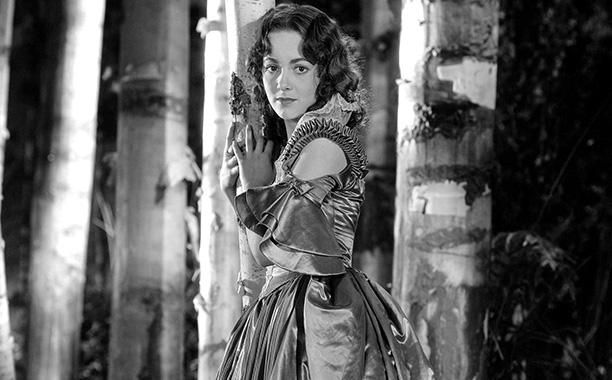
Depois de uma vitória na guerra, Teseu (Ian Hunter) e seu exército retornam para Atenas. Teseu está prestes a se casar com Hipólita, Rainha das Amazonas (Verree Teasdale), que não está muito empolgada com o casamento. Outra pessoa que está prestes a se casar é Hermia (Olivia de Havilland), mas não com o homem que ela ama: o pai dela prometeu a mão dela a Demetrius (Ross Alexander), mas ela ama Lysander (Dick Powell). Tanto Demetrius quanto Lysander são soldados e amam Hermia. E a pobre Helena (Jean Muir) ama Demetrius, mas ninguém a ama.

After a war victory, Theseus (Ian Hunter) and his army return to Athens. Theseus is about to marry Hippolyta, Queen of the Amazons (Verree Teasdale), who is less than thrilled with the wedding. Another person about to get married is Hermia (Olivia de Havilland), but not to the man she loves: her father promised her hand to Demetrius (Ross Alexander), but she loves Lysander (Dick Powell). Both Demetrius and Lysander are soldiers and in love with Hermia. And poor Helena (Jean Muir) is in love with Demetrius, but nobody loves her.

Pela lei ateniense, o pai de Hermia pode matá-la se ela se recusar a se casar com o homem que ele escolher. Mas Lysander tem a solução: ele e Hermia podem fugir de Atenas e se casar em outro lugar – não nos esqueçamos de que, na Grécia Antiga, cada cidade tinha suas próprias leis.

By Athens law, Hermia's father can kill her if she refuses to marry the man he chooses. But Lysander has the solution: he and Hermia can run away from Athens and get married somewhere else – let's not forget that, in Ancient Greece, each city had its own laws.

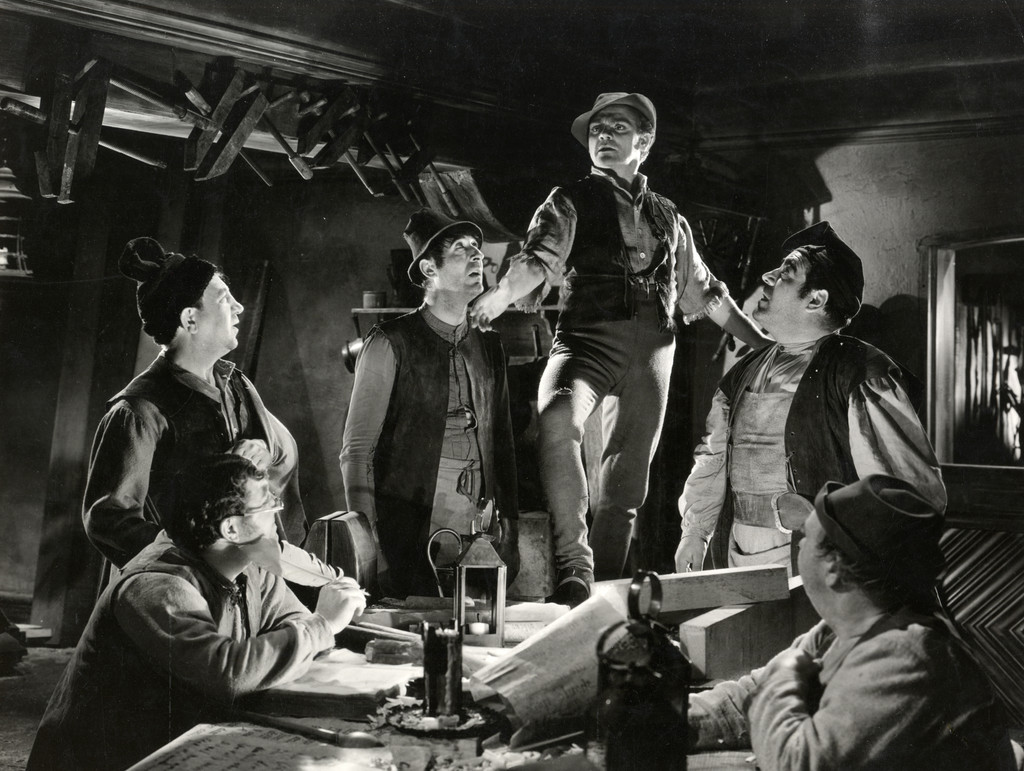
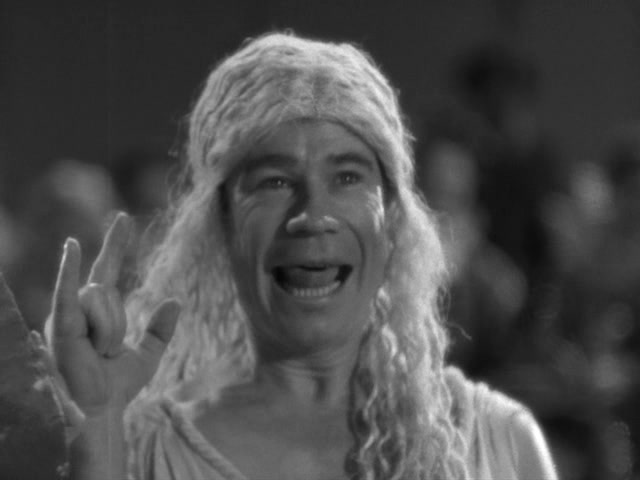
Enquanto isso, uma trupe teatral está ensaiando para apresentar uma peça no casamento de Teseu e Hipólita. Nick Bottom, o tecelão (James Cagney), interpretaria qualquer papel, menos o que ela vai interpretar – o de apaixonado. Seu colega Francis Flute (Joe E. Brown) interpreta a moça por quem Bottom está apaixonado, e é responsável pela maior parte da comédia física.

Meanwhile, a theater company is rehearsing to present a play in Theseu's and Hippolyta's wedding. Nick Bottom, the Weaver (James Cagney), would play any role but the one he is playing – the role of the lover. His pal Francis Flute (Joe E. Brown) plays the lady Bottom is in love with, and is responsible for most of the physical comedy.

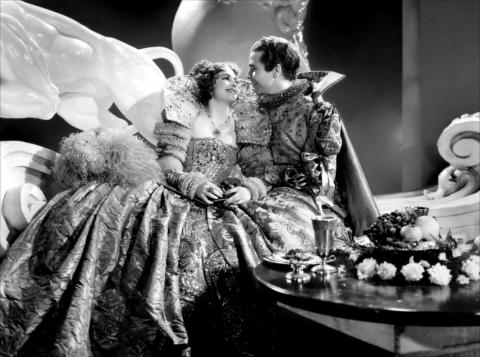
Há também um desentendimento entre o Rei e a Rainha das Fadas, Oberon (Victor Jory) e Titania (Anita Louise), pois ambos querem a “guarda” de um garoto indiano. Para acabar com a briga, Oberon chama uma criatura da floresta, Puck (Mickey Rooney), e lhe diz para encontrar uma flor cuja substância, uma vez colocada nos olhos de uma pessoa adormecida, faz com que esta pessoa se apaixone pela primeira pessoa que ele ou ela veja ao acordar.

There is also misunderstanding between the King and the Queen of the Fairies, Oberon (Victor Jory) and Titania (Anita Louise), over an Indian boy they both want. To end the quarrel, Oberon summons a creature from the forest, Puck (Mickey Rooney), and tells him to fetch a flower whose substance, once put in a sleeping person's eye, makes this person fall in love with the first person he or she sees after waking up.


Agora Lysander, Hermia, Demetrius, Helena, a trupe teatral, o Rei e a Rainha das Fadas estão todos na mesma floresta. Oberon usa um pouco da flor que Puck pegou, e manda Puck usar o resto em um homem de Atenas que foi visto na floresta.

Now Lysander, Hermia, Demetrius, Helena, the theater company and the King and Queen of the Fairies are all in the same forest. Oberon uses just a bit of the flower Puck has fetched, so he sends Puck to use the rest in a man from Athens he has seen in the forest.


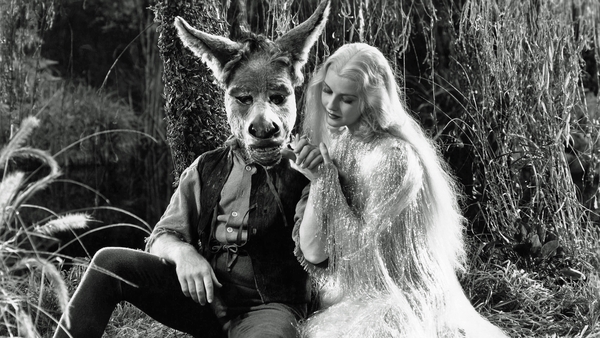
Oberon mandou Puck enfeitiçar Demetrius, mas o pequeno espírito acaba usando a flor em Lysander. Para complicar mais as coisas, a primeira pessoa que Lysander vê quando acorda é Helena! Ah, e Puck também decide pregar uma peça em Bottom, o tecelão, e lhe dá uma cabeça de burro. A Rainha Titania, que havia sido enfeitiçada pela flor, acorda com o canto do tecelão, e se apaixona por ele. E, ao tentar consertar o erro de Puck, Oberon enfeitiça Demetrius, ele acorda e vê Helena, que agora tem dois homens loucamente apaixonados por ela.

Oberon has sent Puck to bewitch Demetrius, but the little spirit ends up using the magic flower in Lysander instead. To complicate things further, the first person who Lysander sees when he wakes up is Helena! Oh, and Puck also decides to prank Bottom the Weaver by giving him a donkey head. Queen Titania, who has been bewitched by the flower, wakes up to the Weaver's singing, and falls in love with him. And, trying to fix Puck's mistake, Oberon bewitches Demetrius, and he wakes up to Helena, who now has two insistent suitors.

Quando falamos de filmes com muitas estrelas feitos na década de 1930, em geral pensamos em “Grande Hotel” (1932) e “Jantar às Oito” (1933), da MGM. Este “Sonho de uma Noite de Verão” da Warner é comumente esquecido, mas não deveria ser.

When we talk about all-star movies from the 1930s, we usually think about MGM's “Grand Hotel” (1932) and “Dinner at Eight” (1933). This “A Midsummer Night's Dream” from Warner Bros is commonly overlooked, but it shouldn’t be.

“Sonho de uma Noite de Verão” é mais conhecido como curiosidade: é o único filme a dar um Oscar para alguém que não foi indicado. O diretor de fotografia Hal Mohr não havia sido indicado ao Oscar de 1936, mas na época os votantes podiam escrever outros nomes nas cédulas antes de votar. Ele acabou com o maior número de votos – e mereceu, pois seu trabalho com o brilho das fadas é admirável. No ano seguinte, a Academia aboliu a prática de votar em quem não foi indicado.

“A Midsummer Night's Dream” is better known as trivia: it is the only film that gave a write-in Oscar to someone. Cinematographer Hal Mohr wasn't nominated at the 1936 Oscars, but back then the voters could write other names in the cells before voting. He ended up with the biggest number of votes – deservingly so, as his work with the fairy glitter is admirable. The following year, the Academy abolished the practice.


Os melhores do elenco são James Cagney e Olivia de Havilland. Cagney está hilário como Bottom, o tecelão, sempre tentando mudar seu papel – e, quando ele ganha a cabeça de burro, ele basicamente atua apenas com as mãos. Olivia tinha apenas 19 anos quando este filme foi feito, e seu rosto fresco e jovial e sua energia deixam o filme mais adorável – este foi na realidade seu primeiro filme, embora dois outros tenham estreado antes deste. O Puck de Mickey Rooney me irritou um pouco. Seu hábito de imitar os outros personagens é irritante e desnecessário.

The best in the cast are James Cagney and Olivia de Havilland. Cagney is hilarious as Bottom the Weaver, always trying to change his role – and, when he gets the donkey head, he basically acts only with his hands. Olivia was only 19 when this film was made, and her fresh, youthful face and energy adds adorability to the film – it was actually her film debut, although two other of her films were released before this one. Mickey Rooney's Puck irritated me a bit. His mimicking of the characters is annoying and unnecessary.


O que realmente me incomodou foi o figurino. Nada do que os personagens vestem seria usado na Grécia Antiga – as roupas se parecem mais com algo do século XVI... que foi a época em que Shakespeare viveu.

What really bothered me were the costumes. Nothing the characters use would have been used in Ancient Greece – they are more like 16th century clothing… which was the time Shakespeare lived.


As duas outras adaptações que eu vi da peça tinham cerca de 11 minutos cada, por isso a duração deste filme foi uma surpresa: 143 minutos, com introdução, intervalo e música final! Isso pode ser justificado pela adição de um longo balé das fadas, e também pelo maior destaque dado à trupe teatral – algo que eu amei, pois eles não causam gargalhadas!

The two other adaptations I've seen of the play were about 11 minutes each, so the duration of this film was a surprise: 143 minutes, with introduction, intermission and exit song! This can be justified by the addition of a long fairy ballet, and also because of the bigger attention given to the theater company – something that I loved, because they are laugh-out-loud funny!
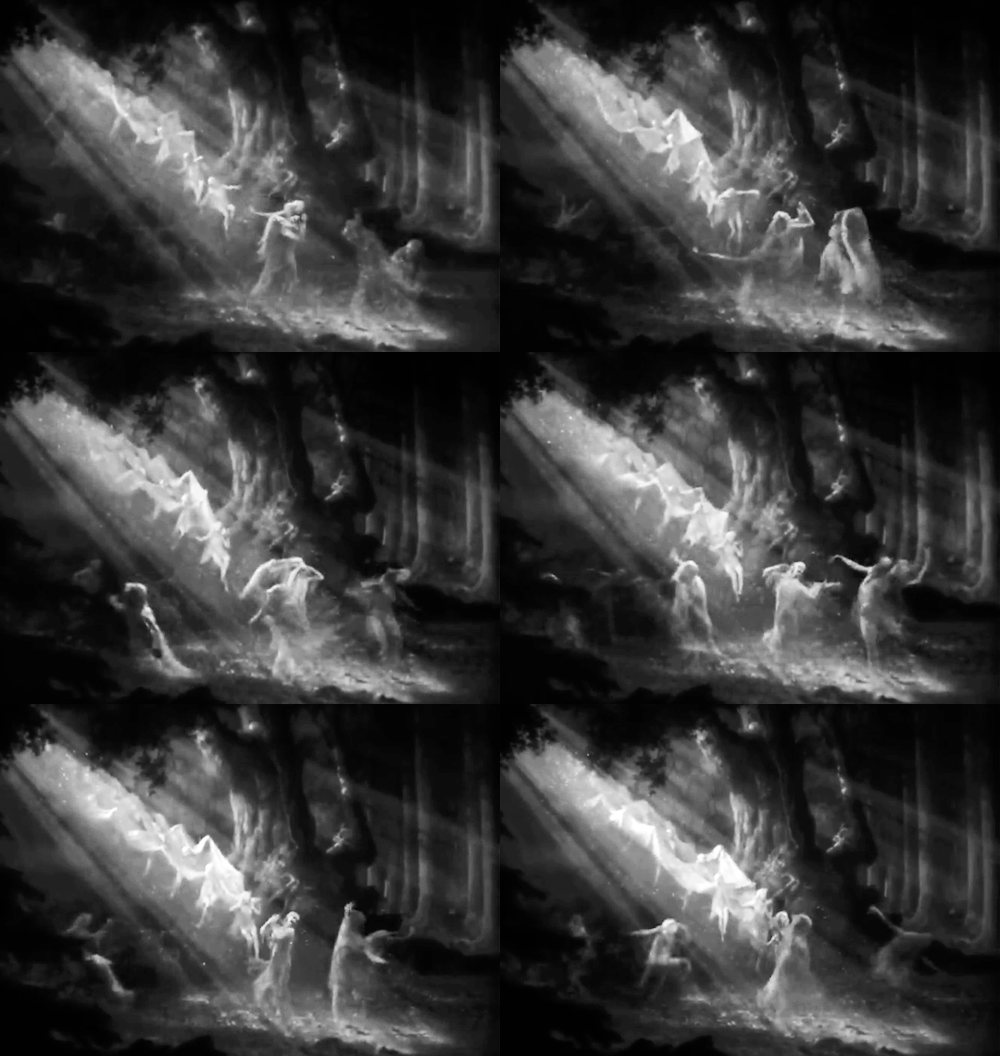

O famoso diretor de teatro austríaco Max Reinhardt dirigiu, com William Dieterle, “Sonho de uma Noite de Verão” – seu único trabalho como diretor de cinema em Hollywood. Reinhardt dirigiu alguns filmes na Alemanha nos anos 1910 e trabalhou mais no teatro, inclusive produzindo “Sonho de uma Noite de Verão” no Hollywood Bowl – produção que inspirou este filme encantado.

Famous Austrian theater director Max Reinhardt directed, alongside William Dieterle, “A Midsummer Night’s Dream” – his only work as a film director in Hollywood. Reinhardt directed a few films in German in the 1910s and worked mainly in theater, even producing “A Midsummer Night’s Dream” in the Hollywood Bowl – the production that inspired this enchanted film.

This is my contribution to the Fourth Annual Olivia de Havilland blogathon, hosted by Laura and Crystal at Phyllis Loves Classic Movies and In the Good Old Days of Classic Hollywood.


Saturday, January 12, 2019

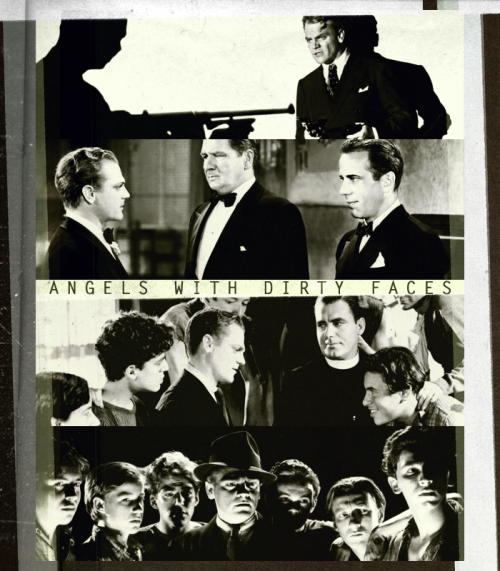
Anjos de Cara Suja (1938) / Angels with Dirty Faces (1938)


Nós começamos a moldar nosso futuro ainda na juventude. Os amigos Jerry e Rocky aprendem essa lição do jeito mais difícil. Depois de roubarem canetas da carga de um trem, apenas Rocky é pego, e ele pede que Jerry fique calado e simplesmente siga em frente, para não ser condenado. Rocky é enviado para um centro de detenção para delinquentes juvenis e Jerry segue em frente. Como a prisão não regenera ninguém – algo que já vimos em “O Fugitivo” – Rocky passa a cometer crimes mais sérios e fica preso mais e mais tempo. Logo se passam 15 anos.

It's from a young age that we start molding our future. Friends Jerry and Rocky learn this the hard way. After robbing fountain pens from a train, only Rocky gets caught, and he tells Jerry to not tell anything and just move on with his life. Rocky is sent to a juvenile delinquents' detention center, and Jerry moves on. Since the detention doesn't help anyone – hey, we've seen this in “I am a Fugitive from a Chain Gang” – Rocky only graduates to more serious crimes and longer times in jail. Soon, 15 years have passed.


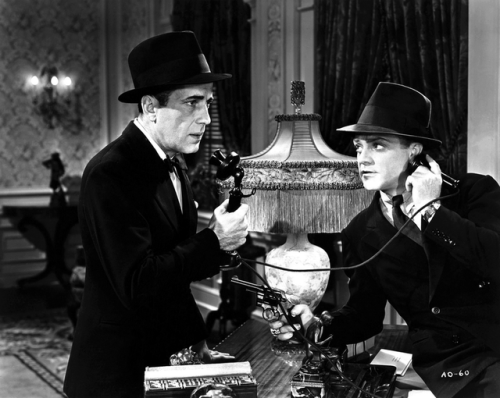
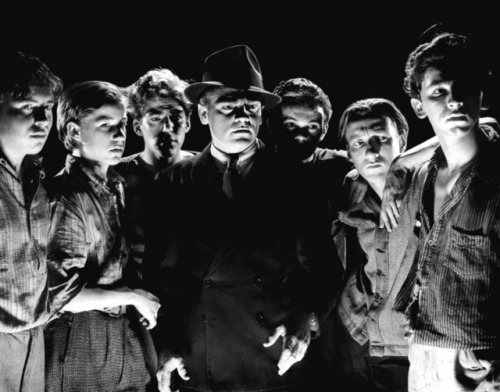
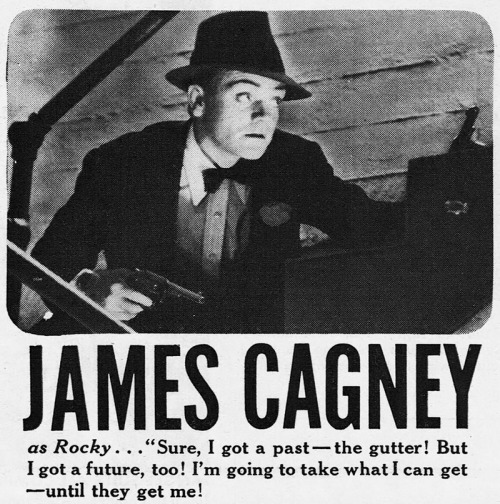
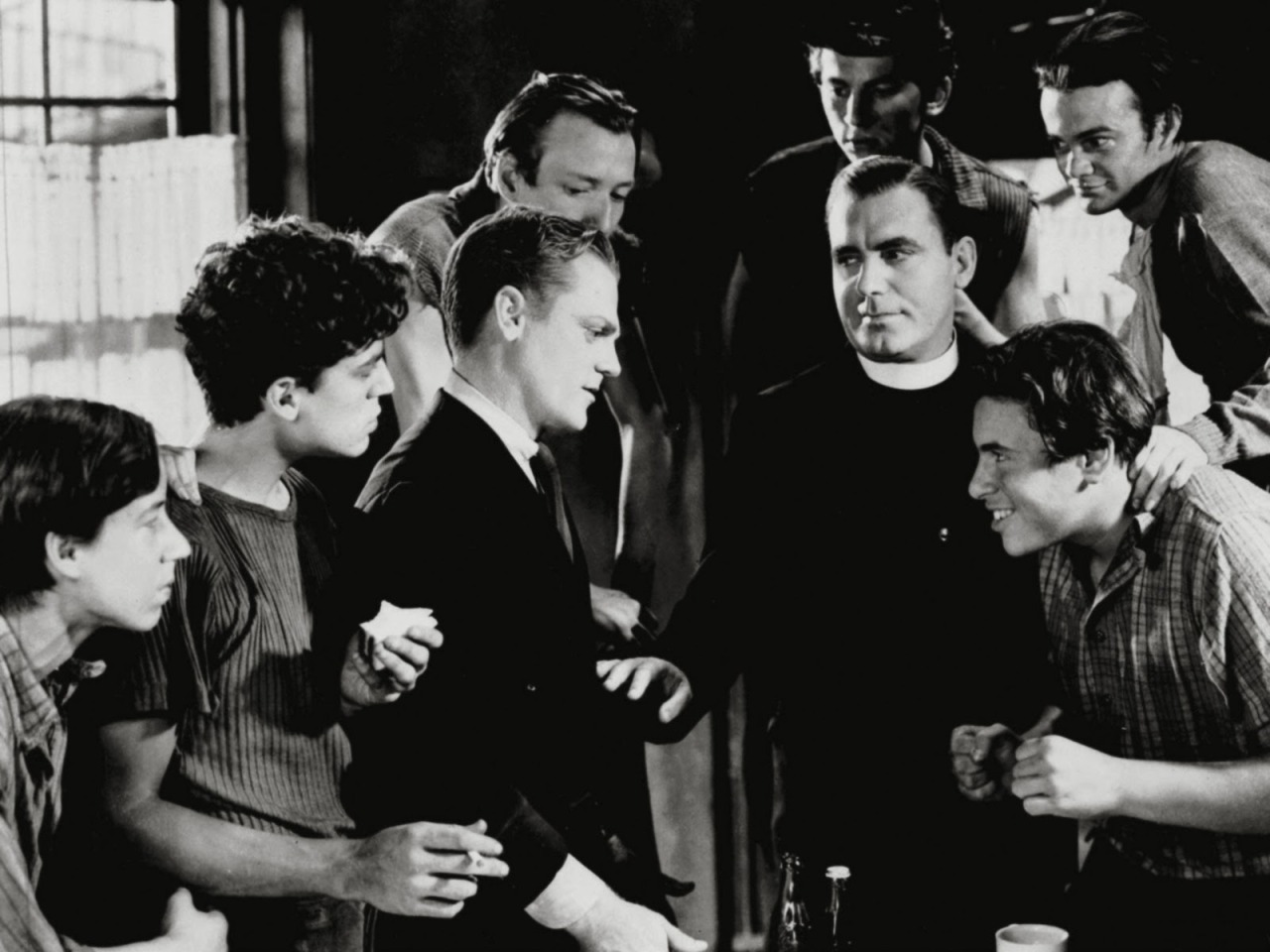
Rocky Sullivan (James Cagney) está finalmente livre depois de 15 anos preso. A primeira coisa que ele faz depois de sair da prisão é procurar pelo amigo Jerry (Pat O’Brien), que realmente se regenerou e agora é padre na igreja do bairro em que os dois cresceram. Rocky, entretanto, não saiu do mundo do crime, pois tem uma “parceria” com seu advogado James Frazier (Humphrey Bogart).

Rocky Sullivan (James Cagney) is finally free after 15 years. His first step once out of prison is to look for his friend Jerry (Pat O'Brien) who got truly reformed and is now a priest at their local church on the neighborhood they grew up in. Rocky, however, is not out of the crime world, as he has a “partnership” with his lawyer James Frazier (Humphrey Bogart).


O carisma de Rocky conquista a nova geração de delinquentes juvenis, um grupo de garotos sem futuro comandados por Soapy (Billy Halop). Rocky consegue convencer os meninos a praticar esportes no ginásio do padre Jerry e ao mesmo tempo ele dá aos meninos dinheiro roubado em troca de um favor. Vendo a influência que Rocky tem nas crianças, o padre Jerry começa uma cruzada contra os gângsteres da cidade – incluindo Rocky.

Rocky's charisma attracts the next generation of juvenile delinquents, a group of “dead end” kids commanded by Soapy (Billy Halop). Rocky is able to convince the kids to practice sports in Father Jerry's gym and at the same time also gives the kids stolen money in exchange of a favor. Seeing his bad influence in the kids, Father Jerry starts a crusade against the mobsters of the town – Rocky included.


Quando alguém tenta acabar com a máfia, tudo o que se encontra é corrupção por todo lado, inclusive entre aqueles que deveriam manter a lei e a ordem. O padre Jerry então percebe que os gângsteres controlam a cidade, e este poder paralelo é forte porque eles pagam e, mais comumente, ameaçam a polícia. Esta é uma descoberta que pode ser feita por muitas pessoas que buscam justiça ainda hoje.

When someone tries to dismantle the mob, all they can find is corruption, everywhere, even coming from the ones who should obey the law and keep the order. Father Jerry then realizes that the gangsters are the ones who control the town, and their parallel power is stronger because they bribe and, more often, intimidate the police. This is a realization that could be made by many people seeking justice even today.


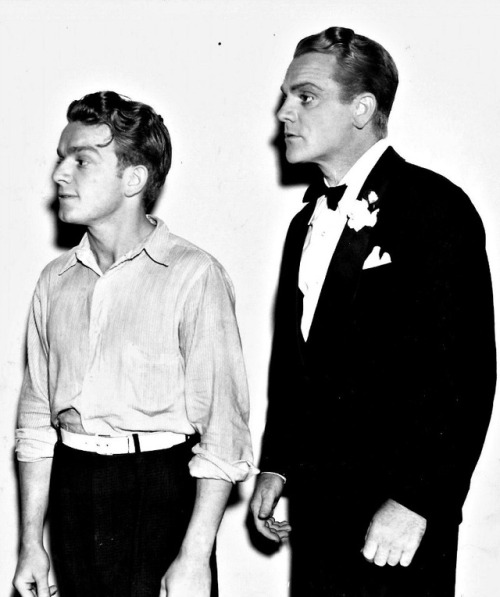
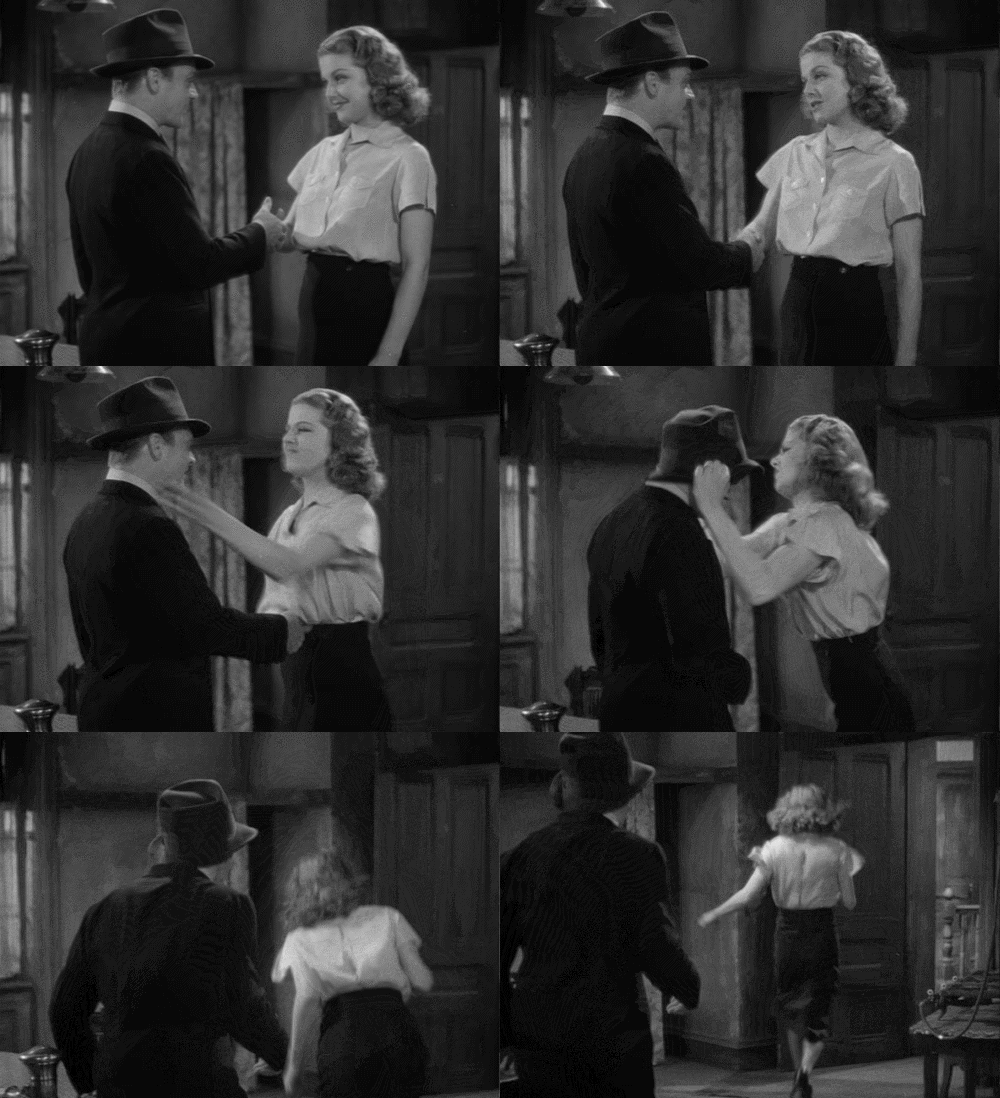
O ator que interpreta o jovem Rocky, Frankie Burke, tem incrível semelhança física e vocal com James Cagney – experimente fechar os olhos e você perceberá que as vozes de ambos são quase iguais. Outro membro do elenco que merece sua atenção é Ann Sheridan, que interpreta Laury Martin, o interesse amoroso de Rocky – embora ele esteja mais interessado no crime do que em romance. Ann me lembrou de uma Rita Hayworth jovem, pré femme fatale, e é uma pena que Ann seja pouco lembrada – Cagney se referiu a ela como “uma garota muito bacana, Annie”.

The actor who plays the young Rocky, Frankie Burke, has remarkable physical and vocal similarities with James Cagney – I mean, close your eyes and you'll realize their voices are almost equal. Another player to take notice is Ann Sheridan, who plays Laury Martin, Rocky’s love interest – although he is more interested in crime than in love. Ann reminded me of a young, pre-femme fatale Rita Hayworth, and it’s a shame Ann is so little remembered – Cagney called her “a mighty nice gal, Annie”.
Frankie and Jimmy
Jimmy and Annie
Os garotos do grupo chamado de “Dead End Kids” eram um grupo de jovens que estrelaram a peça “Dead End” e a adaptação dela para o cinema em 1937. Estes jovens rapazes vinham realmente das vizinhanças barra-pesada de Nova York – assim como Cagney – e frequentemente faziam bagunça no set de filmagem – mas não com Cagney, que se mostrou mais durão que eles. O sexteto original fez três filmes, e com o tempo e com muitas formações diferentes, o grupo sobreviveu com outras séries de filmes e sob os nomes de Little Little Tough Guys,  East Side Kids e Bowery Boys. Com o passar do tempo, alguns dos meninos seguiram carreira solo e outros abandonaram o cinema.

The “dead end kids” were a group of young boys who starred in a play called “Dead End” and in the film adaptation of the same name in 1937. Those young boys were really from the New York tough neighborhoods – just like Cagney – and often caused trouble on the set – but not with Cagney, who proved to be tougher than them. The original sextet did three movies together, and with time and with several formations, the group went on with film series such as Little Tough Guys, the East Side Kids and the Bowery Boys. In this time, some boys went solo and others retired from the screen.


Em sua autobiografia “Cagney by Cagney”, James Cagney chama seu amigo e colega de cena Pat O'Brien de “inesquecível em mais de um sentido”, descrevendo como Pat estava sempre alegre, otimista e cheio de energia para trabalhar. No livro Cagney também diz que o roteiro era meia-boca, e ele e O'Brien tinham de improvisar, pois os roteiristas judeus não sabiam nada sobre os rituais da Igreja Católica. Além disso, Cagney diz que se inspirou em um criminoso que conheceu na juventude para compor o personagem Rocky, copiando seus maneirismos e até a maneira hoje icônica de cumprimentar.

In his autobiography “Cagney by Cagney”, James Cagney calls his friend and co-star Pat O’Brien “remarkable in more than one way”, describing how Pat was always cheerful, optimistic and full of energy to work. In the book Cagney also says that the script was kind of bad, which led to him and O’Brien improvising as the Jewish writers knew nothing about the rituals of the Catholic Church. Furthermore, Cagney says that he modeled Rocky over a fellow he used to know in his youth in New York, a pimp who greeted people the way Cagney does in the picture.


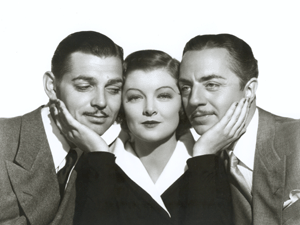
Outro filme em que dois amigos de infância seguem caminhos muito diferentes é “Vencido pela Lei”, de 1934. Neste filme, Blackie Gallagher (Clark Gable) se torna um gângster, e seu amigo de infância Jim Wade (William Powell) se torna advogado. Eles se apaixonam pela mesma mulher, Eleanor, interpretada por Myrna Loy. Em “Anjos de Cara Suja”, o que aproxima os amigos e mais tarde os afasta é a maneira como eles tratam os meninos delinquentes.
 
Another film in which two childhood friends follow very different paths in life is “Manhattan Melodrama”, from 1934. On this film, Blackie Gallagher (Clark Gable) turns into a gangster, and his childhood friend Jim Wade (William Powell) becomes an attorney. They fall in love for the same woman, Eleanor, played by Myrna Loy. In “Angels with Dirty Faces”, what makes the friends closer and later push them apart is how they handle the dead end boys.

“Anjos de Cara Suja” termina com uma dúvida que ainda é debatida entre os fãs de cinema clássico – eu particularmente acredito que Rocky só fingiu estar com medo para satisfazer seu amigo. Além disso, o filme trouxe uma das performances mais icônicas e imitadas de Cagney. De acordo com a Wikipedia, este foi o nono filme com maior bilheteria em 1938. De acordo com o site Ultimate Movie Rankings, ele foi o quinto. Não importa a posição no ranking, “Anjos de Cara Suja” foi um filme popular que permaneceu na memória do público e, ao ser assistido hoje, ainda se mostra interessante.

Angels with Dirty Faces” ends with a doubt that is still debated by classic film fans – I particularly believe Rocky only pretended to be scared to satisfy his friend. Moreover, the movie brought one of the most iconic and mimicked Cagney performances. According to Wikipedia, it was the 9th highest grossing film of 1938. According to the website Ultimate Movie Ranings, it was the fifth. No matter the position in the ranking, “Angel with Dirty Faces” was a popular film that remained in the public's memory for decades and is still interesting when watched today.

This is my contribution to the Made in 1938 blogathon, hosted by Robin and Crystal at Pop Culture Reverie and In the Good Old Days of Classic Hollywood.

Sunday, December 9, 2018

Revisitando o “Inimigo Público” (1931) / Revisiting “The Public Enemy” (1931)


ESTE ARTIGO TEM SPOILERS
THIS ARTICLE HAS SPOILERS

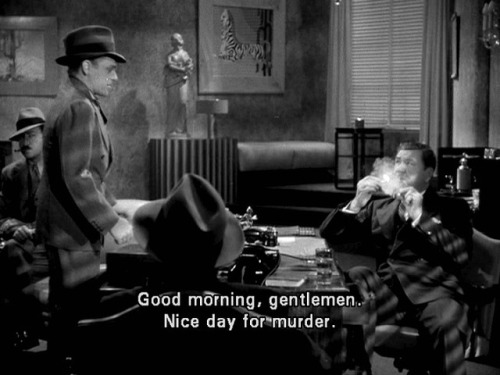
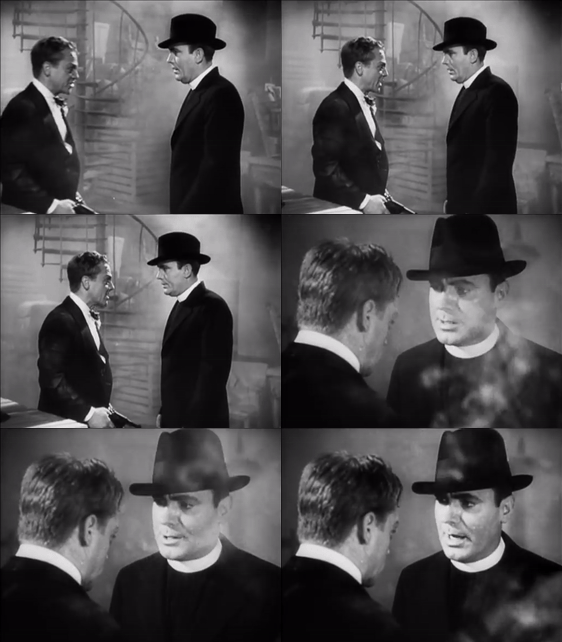
Assim como a maioria dos adolescentes, eu era rebelde e nem sempre me dava bem com a minha família. Ao contrário da maioria dos adolescentes, cinema clássico era minha válvula de escape. A história que contarei hoje começa em janeiro de 2010, quando eu briguei com a minha família por causa de uma sobremesa que eu havia preparado – uma “brevidade” que ficou dura demais. Eu estava com raiva e fui ao shopping naquela tarde. Quando eu cheguei em casa, era tarde demais para ver minha sitcom favorita, “The Big Bang Theory”, no horário das oito. Eu teria de esperar pela reprise à meia-noite. Para a hora passar, eu decidi ver um filme que estava começando: “Inimigo Público”. De certa maneira, este filme mudou minha vida.

Like most teenagers, I was rebellious and not always got along with my family. Unlike most teenagers, classic films were my escape. The story I'll tell today starts in January 2010, after I argued with my family over one dessert I had backed – a cake called “brevidade” that actually ended up too hard. I was sour and spent the evening at the mall. When I arrived home, it was too late to catch my favorite sitcom, “The Big Bang Theory”, at the 8 P.M. showing time. I had to wait for the rerun at midnight. Until then, I decided to watch a film that was starting: “The Public Enemy”. In a sense, this film changed my life.


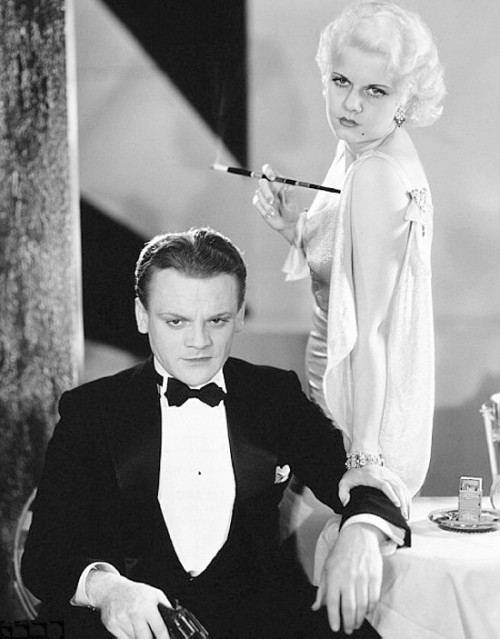
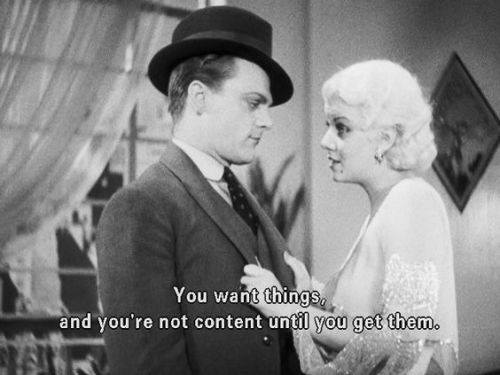
Eu decidi assistir ao filme por causa de Jean Harlow. Eu já tinha ouvido falar sobre ela, que morreu com apenas 26 anos, mas nunca a tinha visto em um filme. No final, Jean esteve OK, mas James Cagney foi quem me surpreendeu e impressionou. Eu apreciei tanto sua performance e a trama do filme que, naquele mesmo ano, eu vi “Inimigo Público” mais duas vezes. E por oito anos eu não o revi – e aqui estão minhas impressões depois de revisitar meu querido filme de gângster.

I decided to watch it because of Jean Harlow. I had heard about her, who had died at only 26, but never had seen her in anything. In the end, Jean was OK, but James Cagney was the one that surprised and amazed me. I enjoyed his performance and the overall plot so much that, in that same year, I rewatched “The Public Enemy” twice. And for eight years I haven't rewatched it – and here are my impressions after revisiting my beloved gangster flick.


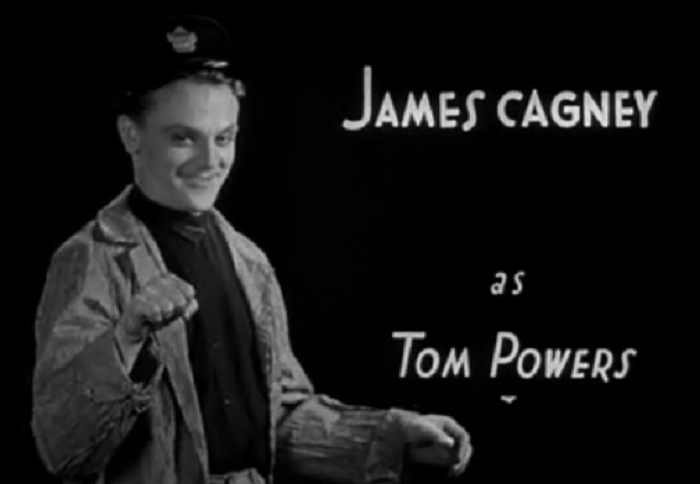
Eu me lembro bem dos créditos iniciais. Eu amo estes créditos dos pre-Codes com a imagem de cada ator e o nome do personagem. Eu me lembro perfeitamente de Cagney socando o ar e Harlow sorrindo nestes créditos iniciais. Eu também amo o realismo que a Warner tentou imprimir nestes filmes com os textos sobre como tudo era baseado em histórias reais...

I remember the opening credits well. I love those pre-Code credits with each actor and their character's name. I vividly remember Cagney punching the air and Harlow smiling in these opening credits. I also love the realism Warner tried to imprint their films with as they added those texts about how the facts here presented are happening right now...


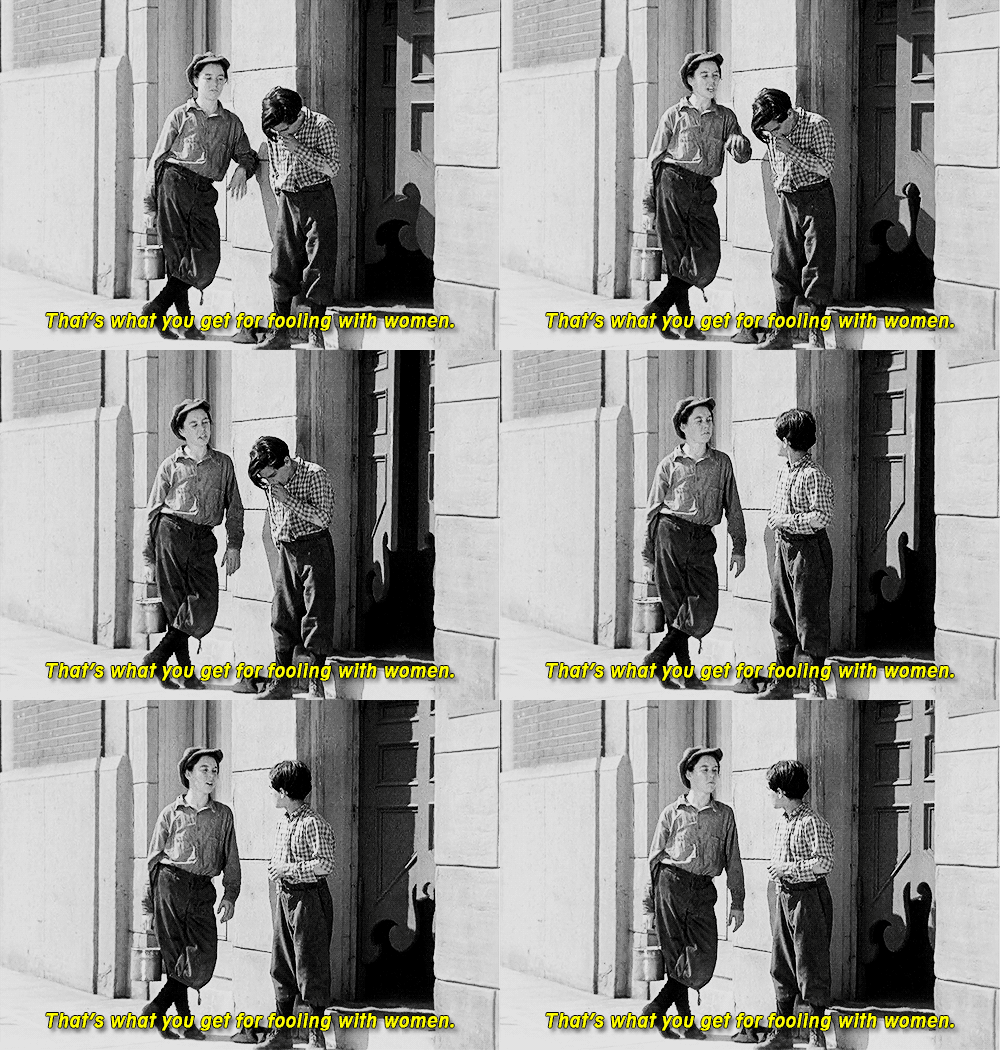
O “Inimigo Público” é Tom Powers (Cagney), alguém que nasceu para se meter em encrencas. Eu me lembrava pouco das cenas da infância dos personagens, mas não entendo como Tom pôde crescer tanto, indo de pré-adolescente até a fase James Cagney, em apenas seis anos. A partir de 1915 na linha do tempo do filme, já podemos ver Cagney.

“The Public Enemy” is Tom Powers (Cagney), a natural-born troublemaker. I remembered a little of his childhood phase as shown in the movie, but I don't understand how Tom could grow from his pre-teen phase to the James Cagney stage in only six years. By 1915 in the film's timeline, Cagney can already be seen.


Desde a infância, Tom e seu melhor amigo Matt Doyle (Eddie Woods) estavam envolvidos em atividades ilícitas, como roubos. Quando chega 1920 e a proibição da venda de bebidas alcoólicas é promulgada, eles veem uma nova oportunidade com o dono de bar Paddy (Robert O’Connor) e o grande contrabandista Nails Nathan (Leslie Fenton) – um novo trabalho que permite que Cagney intimide e cuspa cerveja no rosto de um homem.

Since childhood, Tom and his best friend Matt Doyle (Eddie Woods) have been involved in illicit activities like stealing. When they reach 1920 and the Prohibition arrives, they see a new opportunity with bar owner Paddy (Robert O’Connor) and master bootlegger Nails Nathan (Leslie Fenton) – a new job that allows Cagney to intimidate and spit beer to a man’s face.


Tom e Matt têm êxito, mas Tom não conta à sua querida mãezinha (Beryl Mercer) que ele está envolvido com atividades ilegais. Quando seu irmão Mike (Donald Cook) volta da guerra, uma briga começa: Mike acha que o que Tom faz é horrível, mas Tom também condena Mike por ter matado pessoas na guerra. Eu não me lembrava desta sequência interessante, mas a linha do tempo histórica me incomodou – quem esperaria de 1918, quando a guerra acabou, até 1920 para voltar para casa?

Tom and Matt thrive, but Tom doesn’t tell his beloved mother (Beryl Mercer) that he is involved with illegal activities. When his brother Mike (Donald Cook) comes back from the war, an argument starts: Mike thinks what Tom does is hideous, but Tom also condemns Mike for killing innocent people in the war. I didn’t remember this very interesting sequence, but the historical timeline kind of bothered me here – who waited from 1918, when the war ended, to 1920 to come home?


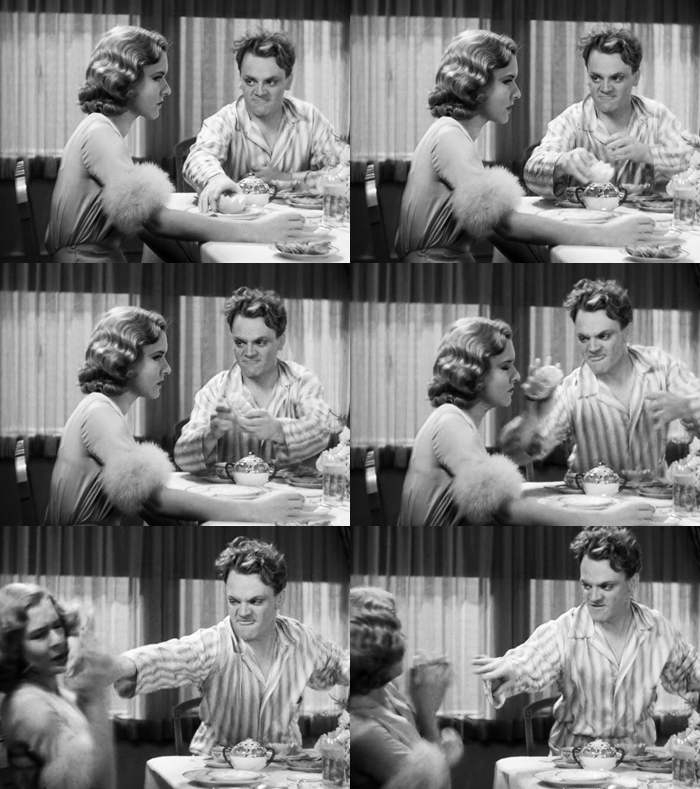
O que se segue é a famosa cena do grapefruit, depois que Tom confessa a Nathan que já está de saco cheio de sua namorada, Kitty (Mae Clarke, não creditada). Depois deste episódio, Matt e Tom conhecer Gwen (Jean Harlow) e dão uma carona a ela – Harlow tem uma entrada simples, mas memorável.

What follows is the famous grapefruit scene, after Tom confesses to Nathan that he is already fed up with his girl, Kitty (an uncredited Mae Murray). After the episode, Matt and Tom meet Gwen (Jean Harlow) and give her a ride – Harlow has a simple but memorable entrance.


Matt se casa com Mamie (Joan Blondell) e Tom começa a sair com Gwen. Na noite de núpcias de Matt, ele tem de deixar sua esposa e acompanhar Tom em uma missão para matar um velho conhecido. Tom age como se nada tivesse acontecido depois que o “trabalho” é feito, mas Matt fica muito perturbado com o que viu. O hábito de Tom de socar o rosto das pessoas como cumprimento também começa a incomodar sua mãe, que imita o gesto de maneira desconfortável.

Matt marries Mamie (Joan Blondell) and Tom starts dating Gwen. On Matt’s wedding night, he has to leave his wife and accompany Tom in a mission to kill an old acquaintance. Tom acts as if nothing happened after the job is done, but Matt is deeply disturbed by what he witnessed. Tom’s habit of punching people’s faces as a greeting also starts bothering his mother, who mimics the gesture once in an uncomfortable way.

Tom recebe a notícia de que Nails Nathan morreu enquanto Gwen está declarando seu amor por ele. Tom a deixa no mesmo minuto para buscar vingança – um tipo chocante de vingança, que eu nunca esqueci. Gwen fica sozinha, refletindo se ela significa para Tony o mesmo que ele significa para ela.

Tom receives the news that Nails Nathan died while Gwen was declaring all her love for him. Tom leaves her in the same minute to seek revenge – a shocking kind of revenge, one I never forgot. Gwen is left thinking if she means to Tom as much as he means to her.


Tom Powers pode não ser o chefe dos gângsteres agora, mas é parte de uma briga de gangues, e não deixará que atos de violência contra seus amigos passem sem vingança. Vingança é o tema dos últimos 20 minutos do filme, quando você aprende que violência só leva a mais violência.

Tom Powers may not be the top gangster now, but he is part of a mob war, and won’t let acts of violence against his fellows pass without revenge. Revenge is the theme of the last 20 minutes of the film, when you learn that violence only leads to more violence.


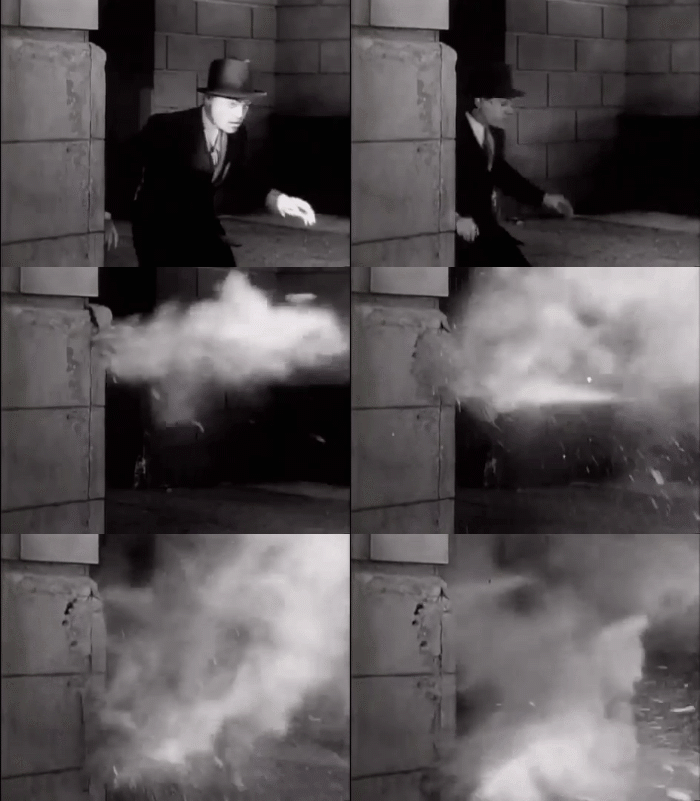
E quão poderoso é o final? Eu fiquei sem fala, com os olhos arregalados, naquela noite fatídica em janeiro de 2010, quando eu vi o filme pela primeira vez. Agora, eu espero pelo final com animação. Na verdade, como eu já vi o filme antes, em muitos momentos eu pude perceber o suspense crescendo, e pude ver os muitos elementos interessantes – como o som de carvão sendo despejado de um caminhão – que foram usados para criar o suspense que culmina no clímax.

And how powerful is that ending? I was just speechless, with my eyes wide open, in that fatidic night in January 2010, when I watched the film for the first time. Now, I expect the ending with anticipation. Actually, because I had seen the film before, in many moments I could feel the suspense in a crescendo, and the many interesting elements – like the sound of coal being poured from a truck – that were used to create the suspense until the climax.


Eu me lembro de que o homem que comentava este filme na TV disse que o segredo de Cagney era energia – ele disse isso enquanto passavam cenas de Cagney andando na chuva e sorrindo. Eu concordo, mas devo acrescentar que seus momentos mais sutis, de fragilidade – como quando ele é ferido – são igualmente poderosos. E não podemos nos esquecer de Beryl Mercer interpretando a Mamãe Powers, uma personagem tão simplória que é quase patética, mas de quem gostamos e cujo sofrimento nos faz também sofrer.

I remembered that the man commenting this film on TV said that Cagney’s secret was energy – he said that while they were showing footage of Cagney walking in the rain and grinning. I agree, but I must add that his more subtle moments of fragility – like when he’s hurt – are equally powerful. And we can’t forget Beryl Mercer as Ma Powers, playing that character as such a simpleton that she is almost pathetic, but we can’t help liking her and suffering when she suffers.


Eu discordo das pessoas que dizem que “Inimigo Público” foi um produto de seu tempo, quando o som ainda era novo em Hollywood. De maneira alguma o filme é primitivo: a história é ótima, as performances são naturais e perfeitas, os cenários e os sons são muito bons. “Inimigo Público” é um filme excelente mesmo depois de todos estes anos, e depois de revê-lo eu posso dizer que ele ainda está entre meus preferidos.

I disagree when people say that “The Public Enemy” was a product of its time, when sound was still new in Hollywood. In no ways the film is primitive: the storytelling is great, the performances are natural and on point, the sets and sound are very good. William A. Wellman is truly a master of cinema. “The Public Enemy” is a terrific movie even after all those years, and after rewatching it I can say it still belongs in my top five.


Se eu não tivesse brigado com a minha família e perdido “The Big Bang Theory”, eu teria assistido a “Inimigo Público” em circunstâncias muito diferentes, e talvez eu não tivesse ficado tão hipnotizada e maravilhada com o filme. Talvez eu não gostasse tanto de filmes de gângster e de William A. Wellman – e talvez James Cagney não fosse meu ator favorito. Graças e Deus, eu fui uma adolescente rebelde – e que fazia péssimos bolos.

If I hadn't argued with my family and missed “The Big Bang Theory”, I would have watched “The Public Enemy” under very different circumstances, and maybe I wouldn't have been so amused and thrilled. Maybe then I wouldn't like gangster movies and William A. Wellman so much – and maybe James Cagney wouldn't be my favorite actor. Thank God I was a rebellious teenager – and one who baked terrible cakes.

This is my contribution to The Unexpected Blogathon, hosted by Rebecca at Taking Up Room.

Related Posts Plugin for WordPress, Blogger...