} Crítica Retrô: Shakespeare

Tradutor / Translator / Traductor / Übersetzer / Traduttore / Traducteur / 翻訳者 / переводчик

Showing posts with label Shakespeare. Show all posts

Wednesday, June 28, 2023

Como Gosteis (1936) / As You Like It (1936)


Desde os primórdios do cinema, Shakespeare parece ser uma fonte inesgotável de histórias para serem filmadas. E não houve melhor ator para interpretar Shakespeare que Laurence Olivier. Ver a primeira vez em que ele interpretou Shakespeare num filme é como embarcar em uma máquina do tempo e poder ter um vislumbre de todo o talento e potencial – e beleza! - que ele tinha aos 29 anos. Este primeiro filme Shakespeareano é “Como Gosteis” (1936).


Since the dawn of cinema, Shakespeare seems to be a never-ending source for stories to be filmed. And there was no better actor to play Shakespeare than Laurence Olivier. Seeing the first time he played Shakespeare in a film is like embarking on a time machine and taking a glimpse of all the talent and potential - and handsomeness! - he had at age 29. This first Shakespearean flick is “As You Like It” (1936).


Nosso herói Orlando (Olivier) é um órfão que foi posto sob a tutela do irmão mais velho e precisa lutar por sua liberdade. Lutar literalmente: ele desafia Charles, o homem forte do povoado, numa luta e vence. É nesta luta que ele conhece as primas Celia (Sophie Stewart) e Rosalind (Elisabeth Bergner), e se apaixona por esta última.


Our hero Orlando (Olivier) is an orphan who was put under the wings of his older brother and needs to wrestle for his freedom. Literally wrestle: he challenges Charles, the local strongman, in a wrestling match and wins. It’s in that match that he meets the cousins Celia (Sophie Stewart) and Rosalind (Elisabeth Bergner), and falls in love with the latter.


As coisas não saem como planejado e, fugindo da ira do irmão, Orlando vai viver na floresta junto a um grupo de homens que foram banidos do reino, entre eles o pai de Rosalind. Mais apaixonado a cada dia, Orlando escreve poemas e os pendura em árvores, além de escrever o nome “Rosalind” no tronco das árvores. Um dia, sem seu vestido elegante, Rosalind se apresenta para Orlando como um homem, o único que pode fazê-lo se esquecer de seu amor impossível, e os dois iniciam um flerte esquisito e constante.


Things don’t go as expected and, running away from his brother’s rage, Orlando goes live in the forest with a group of men who have been banished from the kingdom, among them Rosalind’s father. More in love each day, Orlando writes poems and hangs them on trees, and carves the name “Rosalind” in the trees. One day, without her fancy dress, Rosalind presents herself to Orlando as a man, the only one who can make him forget this impossible love, and the two start a weird and constant flirt.


O nome de Laurence Olivier não é o primeiro nos créditos, esta honra pertence a Elisabeth Bergner. Nascida no Império Austro-Húngaro, num território que hoje faz parte da Ucrância, Bergner tinha como língua materna o alemão e de fato interpretou Rosalind nos palcos alemães. Fugindo da Alemanha quando Hitler chegou ao poder, ela jurou que só voltaria a interpretar Shakespeare na Inglaterra quando tivesse dominado a nova língua. Alguns críticos disseram que seu sotaque alemão ainda é forte no filme, mas eu discordo. Bergner fez seu primeiro filme em 1924 e já era uma atriz indicada ao Oscar quando fez “Como Gosteis”. Neste filme, ela é dirigida por seu marido Paul Czinner. Curiosidade: foi um episódio da vida de Bergner que inspirou a história de “A Malvada” (1950).


Laurence Olivier isn’t first billed in the film, this honor belongs to Elisabeth Bergner. Born in Austria-Hungary, in a territory that now is part of Ukraine, Bergner’s mother tongue was German and she did portray Rosalind on the German stage. Fleeing Germany when Hitler rose to power, she vowed to play Shakespeare again in England only when she had mastered the new language. Some critics say that her German accent was still strong in the film, but I disagree. Bergner had made her film debut in 1924 and by the time she made “As You Like It” she was already an Oscar-nominated performance and was, in this film, directed by her husband Paul Czinner. Curious tidbit: It was an episode of her life that inspired the short story that was the basis for the film “All About Eve” (1950).


David Lean trabalhou como editor neste filme. Nascido em 1908 – o que faz dele um ano mais novo que Olivier – David Lean já trabalhava como editor desde 1930, quando começou em cinejornais. No final dos anos 30 ele já era um conhecido e reconhecido editor. Ele co-dirigiu seu primeiro filme em 1942, e o resto é História.


David Lean worked as editor in this film. Born in 1908 - making him one year younger than Olivier - David Lean had been working as an editor since 1930, starting with newsreels. By the late 1930s Lean was already a well-known and praised editor. He co-directed his first film in 1942, and the rest is history.


O IMDb diz que um terço da peça original foi removido na adaptação para as telas, mas o epílogo permaneceu. O texto original foi mantido, cheio de formalidades. Acredita-se que a peça foi escrita em 1599 e é descrita como uma comédia pastoral. Foi adaptada para o cinema por J.M. Barrie, que escreveu “Peter Pan”. Considerando que cross-dressing – ou melhor, uma mulher se apresentando como um homem – é um ponto principal da trama, podemos afirmar que este filme não seria feito em Hollywood sob o Código Hays, e ainda bem que este é um filme britânico. Às vezes só os britânicos – como Olivier – conseguem fazer justiça a Shakespeare, e mesmo uma de suas peças menores pode se tornar um filme agradável se feito pelas mãos certas.


IMDb says that one-third of the play was removed when adapted to the screen, but they chose to retain the theatrical epilogue. The text was kept as it was, full of “thy’s” and “thee’s”. The play is believed to have been written in 1599 and is described as a pastoral comedy. It was adapted to the screen by J.M. Barrie, who wrote “Peter Pan”. Considering that cross-dressing - or rather, a woman presenting as a man - is a main part of the plot, this film wouldn’t be made in the US under the Hays Code, and we’re glad this is a British film. Sometimes only the British - like Olivier - can do their homeboy Shakespeare justice, and even one of his lesser plays can become an enjoyable movie if made by the right hands.

Wednesday, July 3, 2019

Sonho de uma Noite de Verão (1935) / A Midsummer Night's Dream (1935)


Eu fiquei conhecendo “Sonho de uma Noite de Verão” de Shakespeare através da Disney. Um curta-metragem animado de 1999 estrelando Mickey, Minnie, Donald e Margarida contou a história de maneira cômica – e havia até o Pateta interpretando uma fadinha! Depois eu assisti à versão de 1909 da Vitagraph com Maurice Costello e Florence Turner, uma versão divertida e um pouco confusa, pois as cartelas de títulos contavam a ação antes de ela acontecer. E agora eu me viro para a versão de 1935 – se não a versão definitiva da história, a mais visualmente impressionante.

I became familiar with Shakespeare's “A Midsummer Night's Dream” through Disney. A 1999 short cartoon starring Mickey, Minnie, Donald and Daisy told the story in a comic way – and there was even Goofy as a tiny fairy! Then I watched the 1909 Vitagraph version with Maurice Costello and Florence Turner, a fun yet confusing one, as the title cards told the action before it occurred. And now I focus on the 1935 version – if not the definitive version of the story, the most visually engaging one.


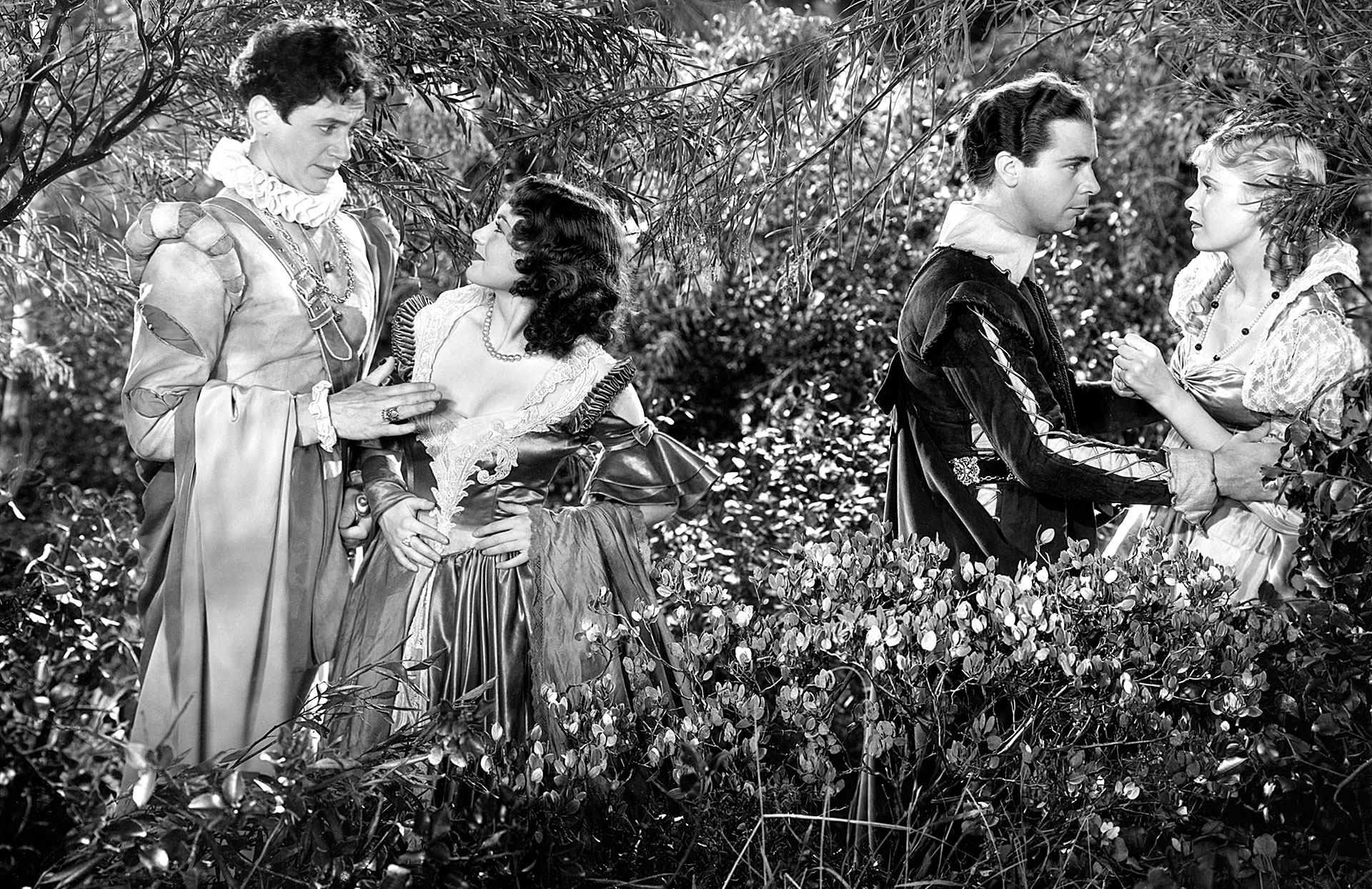
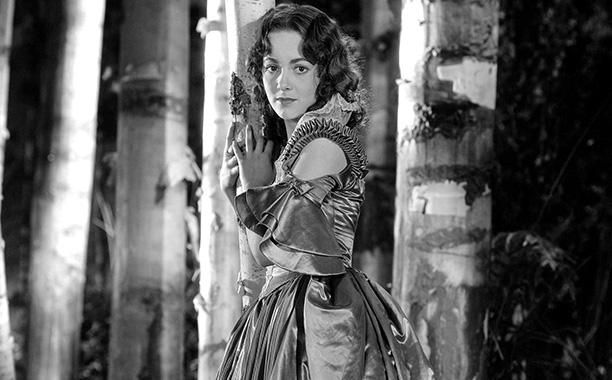
Depois de uma vitória na guerra, Teseu (Ian Hunter) e seu exército retornam para Atenas. Teseu está prestes a se casar com Hipólita, Rainha das Amazonas (Verree Teasdale), que não está muito empolgada com o casamento. Outra pessoa que está prestes a se casar é Hermia (Olivia de Havilland), mas não com o homem que ela ama: o pai dela prometeu a mão dela a Demetrius (Ross Alexander), mas ela ama Lysander (Dick Powell). Tanto Demetrius quanto Lysander são soldados e amam Hermia. E a pobre Helena (Jean Muir) ama Demetrius, mas ninguém a ama.

After a war victory, Theseus (Ian Hunter) and his army return to Athens. Theseus is about to marry Hippolyta, Queen of the Amazons (Verree Teasdale), who is less than thrilled with the wedding. Another person about to get married is Hermia (Olivia de Havilland), but not to the man she loves: her father promised her hand to Demetrius (Ross Alexander), but she loves Lysander (Dick Powell). Both Demetrius and Lysander are soldiers and in love with Hermia. And poor Helena (Jean Muir) is in love with Demetrius, but nobody loves her.


Pela lei ateniense, o pai de Hermia pode matá-la se ela se recusar a se casar com o homem que ele escolher. Mas Lysander tem a solução: ele e Hermia podem fugir de Atenas e se casar em outro lugar – não nos esqueçamos de que, na Grécia Antiga, cada cidade tinha suas próprias leis.

By Athens law, Hermia's father can kill her if she refuses to marry the man he chooses. But Lysander has the solution: he and Hermia can run away from Athens and get married somewhere else – let's not forget that, in Ancient Greece, each city had its own laws.


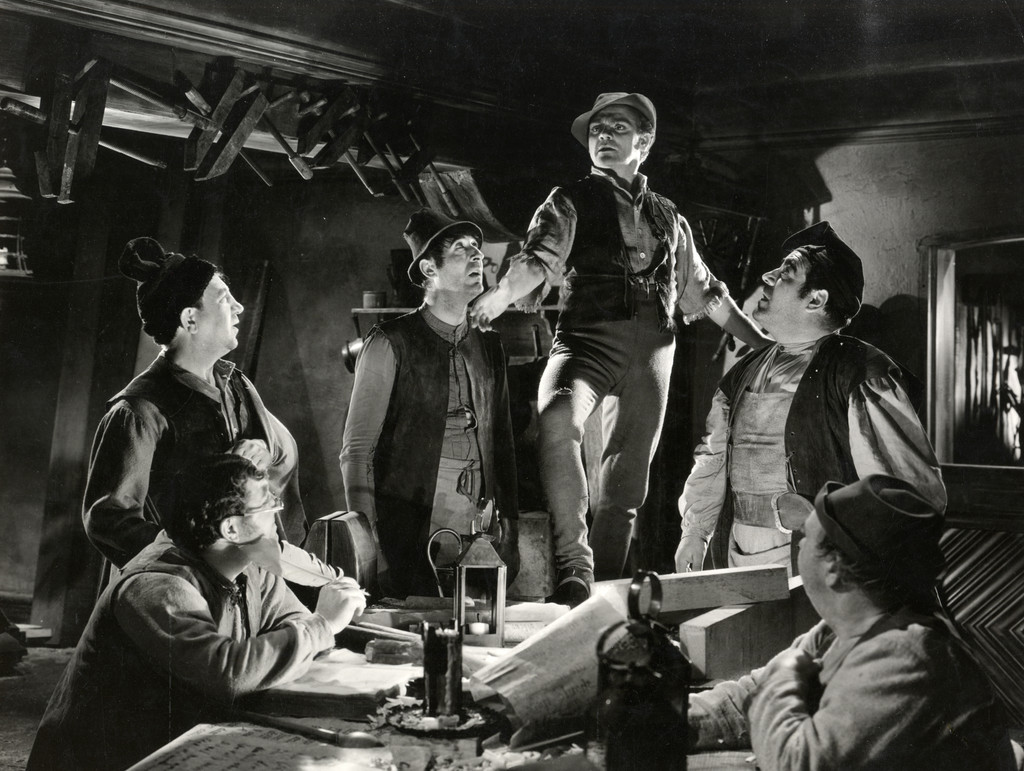
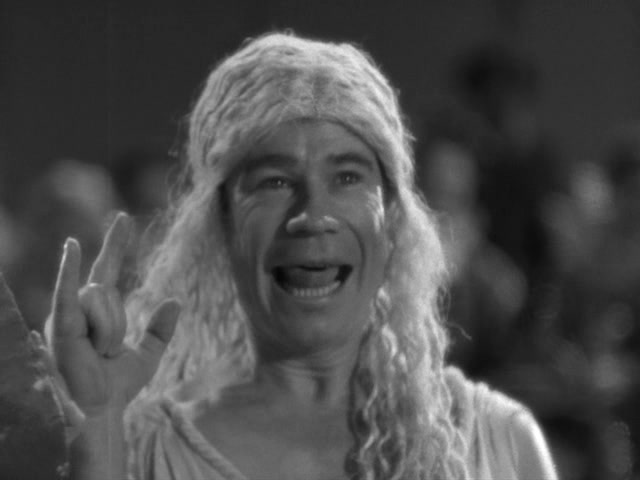
Enquanto isso, uma trupe teatral está ensaiando para apresentar uma peça no casamento de Teseu e Hipólita. Nick Bottom, o tecelão (James Cagney), interpretaria qualquer papel, menos o que ela vai interpretar – o de apaixonado. Seu colega Francis Flute (Joe E. Brown) interpreta a moça por quem Bottom está apaixonado, e é responsável pela maior parte da comédia física.

Meanwhile, a theater company is rehearsing to present a play in Theseu's and Hippolyta's wedding. Nick Bottom, the Weaver (James Cagney), would play any role but the one he is playing – the role of the lover. His pal Francis Flute (Joe E. Brown) plays the lady Bottom is in love with, and is responsible for most of the physical comedy.


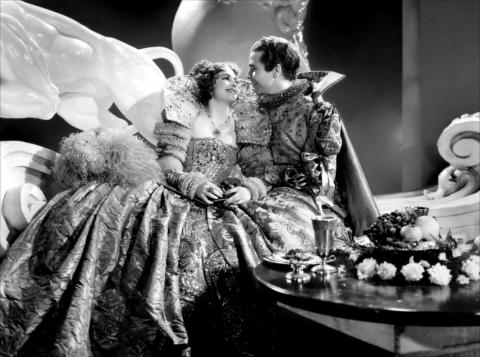
Há também um desentendimento entre o Rei e a Rainha das Fadas, Oberon (Victor Jory) e Titania (Anita Louise), pois ambos querem a “guarda” de um garoto indiano. Para acabar com a briga, Oberon chama uma criatura da floresta, Puck (Mickey Rooney), e lhe diz para encontrar uma flor cuja substância, uma vez colocada nos olhos de uma pessoa adormecida, faz com que esta pessoa se apaixone pela primeira pessoa que ele ou ela veja ao acordar.

There is also misunderstanding between the King and the Queen of the Fairies, Oberon (Victor Jory) and Titania (Anita Louise), over an Indian boy they both want. To end the quarrel, Oberon summons a creature from the forest, Puck (Mickey Rooney), and tells him to fetch a flower whose substance, once put in a sleeping person's eye, makes this person fall in love with the first person he or she sees after waking up.


Agora Lysander, Hermia, Demetrius, Helena, a trupe teatral, o Rei e a Rainha das Fadas estão todos na mesma floresta. Oberon usa um pouco da flor que Puck pegou, e manda Puck usar o resto em um homem de Atenas que foi visto na floresta.

Now Lysander, Hermia, Demetrius, Helena, the theater company and the King and Queen of the Fairies are all in the same forest. Oberon uses just a bit of the flower Puck has fetched, so he sends Puck to use the rest in a man from Athens he has seen in the forest.


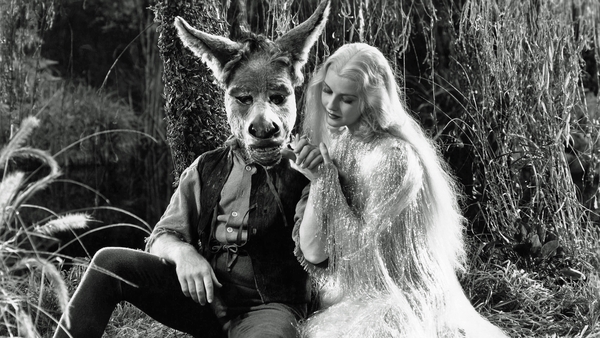
Oberon mandou Puck enfeitiçar Demetrius, mas o pequeno espírito acaba usando a flor em Lysander. Para complicar mais as coisas, a primeira pessoa que Lysander vê quando acorda é Helena! Ah, e Puck também decide pregar uma peça em Bottom, o tecelão, e lhe dá uma cabeça de burro. A Rainha Titania, que havia sido enfeitiçada pela flor, acorda com o canto do tecelão, e se apaixona por ele. E, ao tentar consertar o erro de Puck, Oberon enfeitiça Demetrius, ele acorda e vê Helena, que agora tem dois homens loucamente apaixonados por ela.

Oberon has sent Puck to bewitch Demetrius, but the little spirit ends up using the magic flower in Lysander instead. To complicate things further, the first person who Lysander sees when he wakes up is Helena! Oh, and Puck also decides to prank Bottom the Weaver by giving him a donkey head. Queen Titania, who has been bewitched by the flower, wakes up to the Weaver's singing, and falls in love with him. And, trying to fix Puck's mistake, Oberon bewitches Demetrius, and he wakes up to Helena, who now has two insistent suitors.


Quando falamos de filmes com muitas estrelas feitos na década de 1930, em geral pensamos em “Grande Hotel” (1932) e “Jantar às Oito” (1933), da MGM. Este “Sonho de uma Noite de Verão” da Warner é comumente esquecido, mas não deveria ser.

When we talk about all-star movies from the 1930s, we usually think about MGM's “Grand Hotel” (1932) and “Dinner at Eight” (1933). This “A Midsummer Night's Dream” from Warner Bros is commonly overlooked, but it shouldn’t be.


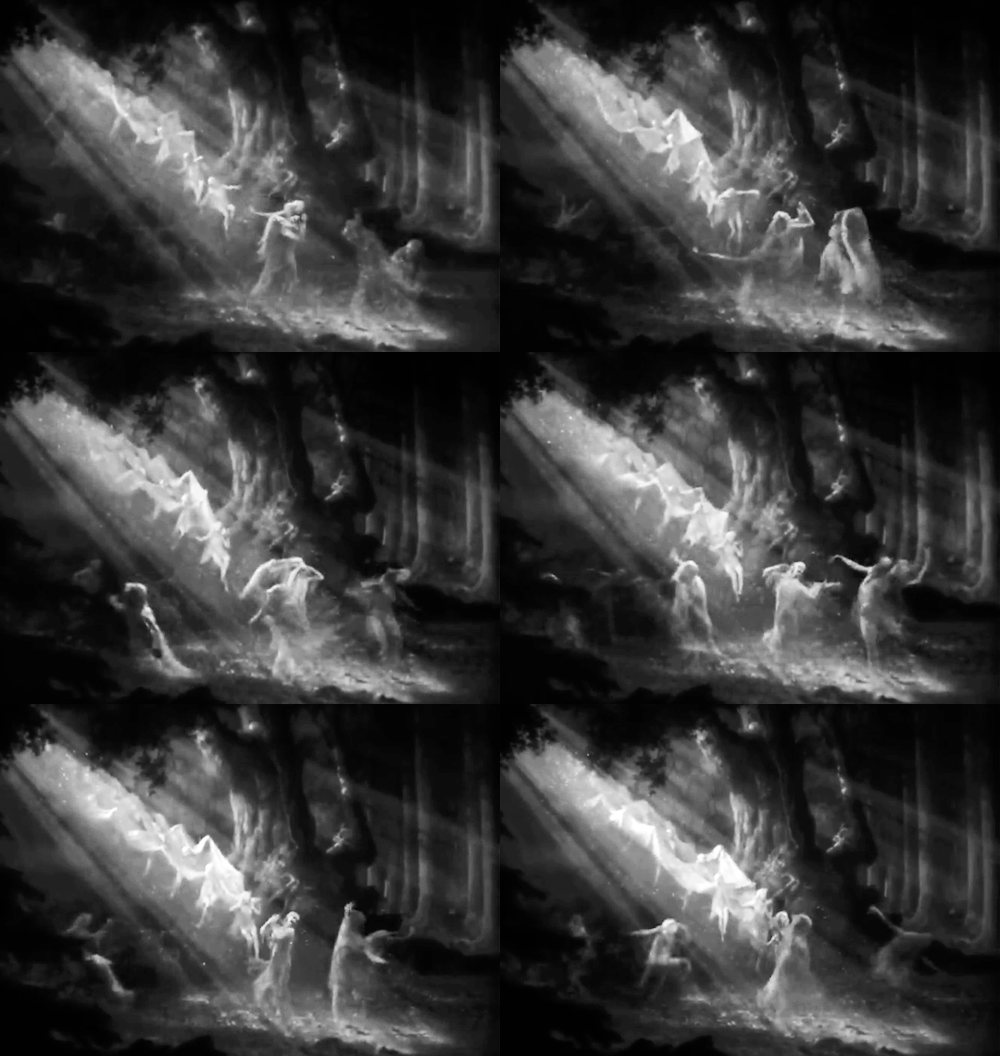
“Sonho de uma Noite de Verão” é mais conhecido como curiosidade: é o único filme a dar um Oscar para alguém que não foi indicado. O diretor de fotografia Hal Mohr não havia sido indicado ao Oscar de 1936, mas na época os votantes podiam escrever outros nomes nas cédulas antes de votar. Ele acabou com o maior número de votos – e mereceu, pois seu trabalho com o brilho das fadas é admirável. No ano seguinte, a Academia aboliu a prática de votar em quem não foi indicado.

“A Midsummer Night's Dream” is better known as trivia: it is the only film that gave a write-in Oscar to someone. Cinematographer Hal Mohr wasn't nominated at the 1936 Oscars, but back then the voters could write other names in the cells before voting. He ended up with the biggest number of votes – deservingly so, as his work with the fairy glitter is admirable. The following year, the Academy abolished the practice.


Os melhores do elenco são James Cagney e Olivia de Havilland. Cagney está hilário como Bottom, o tecelão, sempre tentando mudar seu papel – e, quando ele ganha a cabeça de burro, ele basicamente atua apenas com as mãos. Olivia tinha apenas 19 anos quando este filme foi feito, e seu rosto fresco e jovial e sua energia deixam o filme mais adorável – este foi na realidade seu primeiro filme, embora dois outros tenham estreado antes deste. O Puck de Mickey Rooney me irritou um pouco. Seu hábito de imitar os outros personagens é irritante e desnecessário.

The best in the cast are James Cagney and Olivia de Havilland. Cagney is hilarious as Bottom the Weaver, always trying to change his role – and, when he gets the donkey head, he basically acts only with his hands. Olivia was only 19 when this film was made, and her fresh, youthful face and energy adds adorability to the film – it was actually her film debut, although two other of her films were released before this one. Mickey Rooney's Puck irritated me a bit. His mimicking of the characters is annoying and unnecessary.


O que realmente me incomodou foi o figurino. Nada do que os personagens vestem seria usado na Grécia Antiga – as roupas se parecem mais com algo do século XVI... que foi a época em que Shakespeare viveu.

What really bothered me were the costumes. Nothing the characters use would have been used in Ancient Greece – they are more like 16th century clothing… which was the time Shakespeare lived.


As duas outras adaptações que eu vi da peça tinham cerca de 11 minutos cada, por isso a duração deste filme foi uma surpresa: 143 minutos, com introdução, intervalo e música final! Isso pode ser justificado pela adição de um longo balé das fadas, e também pelo maior destaque dado à trupe teatral – algo que eu amei, pois eles não causam gargalhadas!

The two other adaptations I've seen of the play were about 11 minutes each, so the duration of this film was a surprise: 143 minutes, with introduction, intermission and exit song! This can be justified by the addition of a long fairy ballet, and also because of the bigger attention given to the theater company – something that I loved, because they are laugh-out-loud funny!


O famoso diretor de teatro austríaco Max Reinhardt dirigiu, com William Dieterle, “Sonho de uma Noite de Verão” – seu único trabalho como diretor de cinema em Hollywood. Reinhardt dirigiu alguns filmes na Alemanha nos anos 1910 e trabalhou mais no teatro, inclusive produzindo “Sonho de uma Noite de Verão” no Hollywood Bowl – produção que inspirou este filme encantado.

Famous Austrian theater director Max Reinhardt directed, alongside William Dieterle, “A Midsummer Night’s Dream” – his only work as a film director in Hollywood. Reinhardt directed a few films in German in the 1910s and worked mainly in theater, even producing “A Midsummer Night’s Dream” in the Hollywood Bowl – the production that inspired this enchanted film.

This is my contribution to the Fourth Annual Olivia de Havilland blogathon, hosted by Laura and Crystal at Phyllis Loves Classic Movies and In the Good Old Days of Classic Hollywood.


Sunday, May 28, 2017

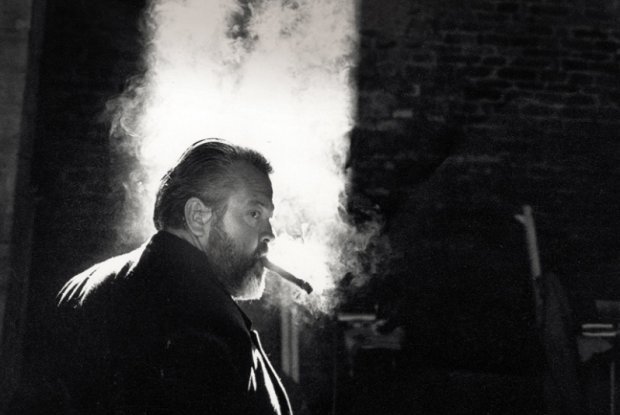
Uma ode a Orson Welles / An ode to Orson Welles

Algumas coisas são fáceis de aprender. Tipo álgebra. E gramática. E a fotossíntese. E uma segunda língua. Estas coisas foram fáceis de aprender se você foi uma criança prodígio, como eu fui. Porque há uma única coisa realmente difícil para um prodígio aprender: a crescer. Orson Welles foi considerado o garoto prodígio de Hollywood, e teve problemas após seu brilhante começo de carreira. É por isso que eu o amo tanto e o compreendo tão bem: eu estive no lugar dele.

Some things are easy to learn. Like algebra. And grammar. And historical facts. And the photosynthesis. And a second language. These things were easy to learn if you were a child prodigy, like I was. Because there is only one difficult thing for a child prodigy to learn: how to grow up. Orson Welles was considered the boy wonder of Hollywood, and had a hard time after his brilliant beginning. That's why I love him so much and understand him so well: I know his pain.


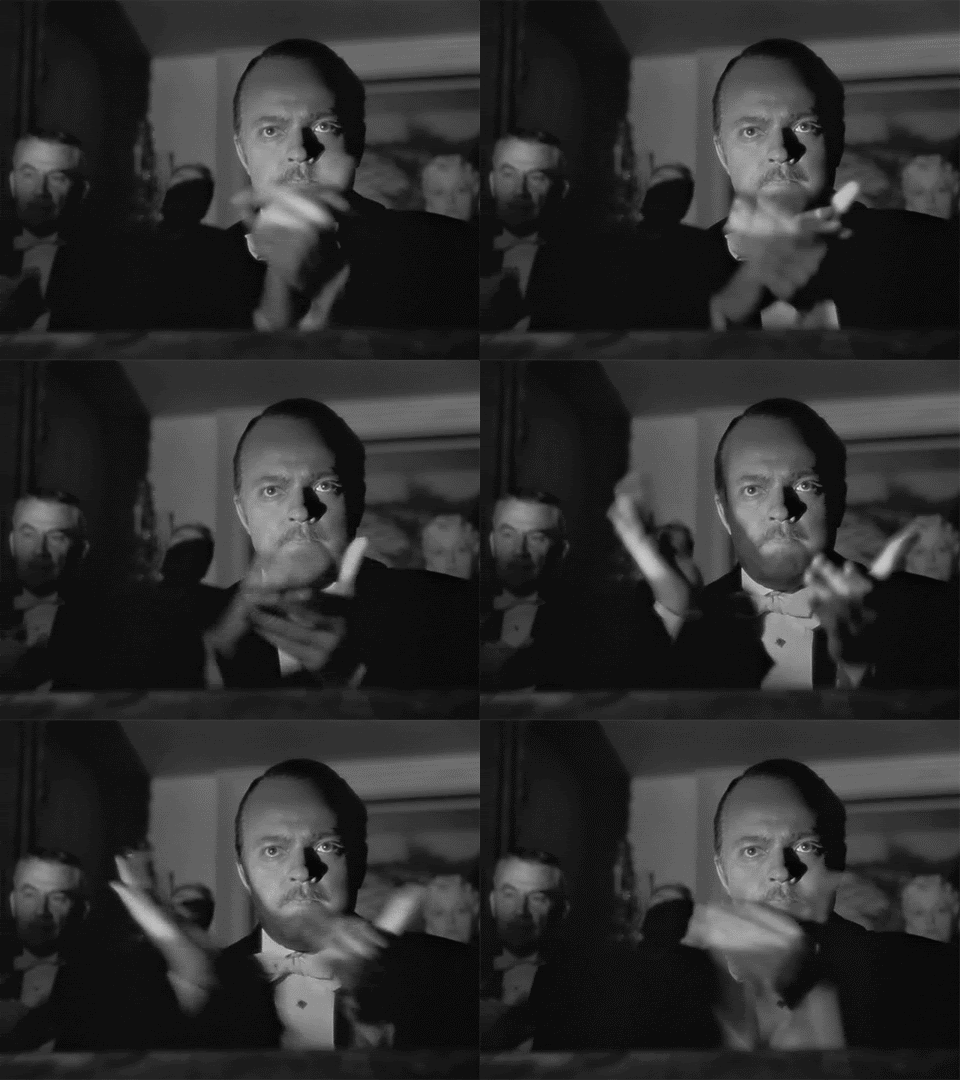
Como criança prodígio, você recebe elogios e aplausos das pessoas – dos adultos, que são os que realmente importam. Você acha que sempre será assim. Mas então o tempo passa, e mais cedo ou mais tarde você terá de se adequar a um padrão. O horrível, medíocre padrão dos adultos. Os prodígios raramente seguem este padrão e acabam frustrados e sozinhos. Orson não conseguiu se adequar ao padrão de Hollywood e em 1948 partiu para a Europa, onde ele vagou e fez alguns ótimos, porém falhos, filmes, até sua morte em 1985.

As a child prodigy, you receive compliments and applause from the others – the adults, the ones that really matter. You think it'll always be like that. But then time passes, and sooner or later you will be forced to follow a pattern. The horrible, ordinary pattern of adulthood. Prodigies rarely follow this pattern, and end up frustrated and alone. Orson couldn't follow the Hollywood pattern, and in 1948 left for Europe, where he wandered and made some great, yet flawed films, until his death in 1985. 


Vejamos dois momentos na carreira de Welles.

Let's see a bit of two moments of Welles's career.

Too Much Johnson (1938) = Keystone Kops + Eisenstein +Buñuel

Eu vi este filme por pura curiosidade. 'Too Much Johnson” é na verdade um experimento. É – surpresa – uma comédia muda! O filme deveria ser exibido durante a montagem de uma peça de William Gillette feita pelo Mercury Theatre, companhia teatral de Welles. Entretanto, a Paramount tinha os direitos para adaptar a história para o cinema e Welles teve de desistir de seu projeto.

I watched this film out of curiosity. “Too Much Johnson” is actually an experiment. It is – surprise, surprise – a silent comedy! The film was meant to be shown during a stage production of a William Gillette play by Welles's Mercury Theatre. However, Paramount held the rights to film the story and Welles couldn't go on with his idea.


Welles nunca editou as cenas filmadas. Por décadas os rolos de filme foram considerados perdidos, até que foram encontrados e restaurados em 2013. Duas versões surgiram a partir da restauração: uma com todas as cenas, totalizando 67 minutos, e uma editada por Ciro Giorgini, com 34 minutos de duração e uma história inteligível.

Welles never edited his shots, and abandoned the project. For decades it was considered lost until it was restored in 2013. Two versions came out of the restoration: one with all the takes, running 67 minutes, and one properly edited by Ciro Giorgini, running 34 minutes and making more sense.


É difícil escrever uma sinopse para “Too Much Johnson”. É a história de um homem (Joseph Cotten) que é perseguido pelo marido de sua amante até Cuba. A perseguição nos lembra dos curtas dos Keystone Kops, e como é uma obra inacabada, a versão de 67 minutos tem alguns toques de Eisenstein – com as cenas frenéticas uma após a outra e muitos experimentos com a câmera – e Buñuel – porque os últimos 15 minutos não fazem sentido para quem não conhece a peça.

Too Much Johnson” is hard to synopsize. It's about a man (Joseph Cotten) who is chased by his misstress's husband all the way to Cuba. The chase reminds us of the Keystone Kops silents, and since it is unfinished, the 67 minute version has some flashes of Eisenstein – with the frantic scenes going one after the other and lots of camera experimentation – and Buñuel – because the last 15 minutes don't make sense for those not familiar with the play.


Depois deste pequeno problema em 1938, Orson Welles se tornou famoso com sua leitura de A Guerra dos Mundos no rádio. Este episódio o levou para Hollywood, mais precisamente para os estúdios RKO, onde ele fez “Cidadão Kane” (1941).

After this little problem in 1938, Orson Welles gained great fame with his infamous broadcasting of War of the Worlds in the radio. This episode also took him to Hollywood, more precisely to the RKO studios, where he made “Citizen Kane” (1941).

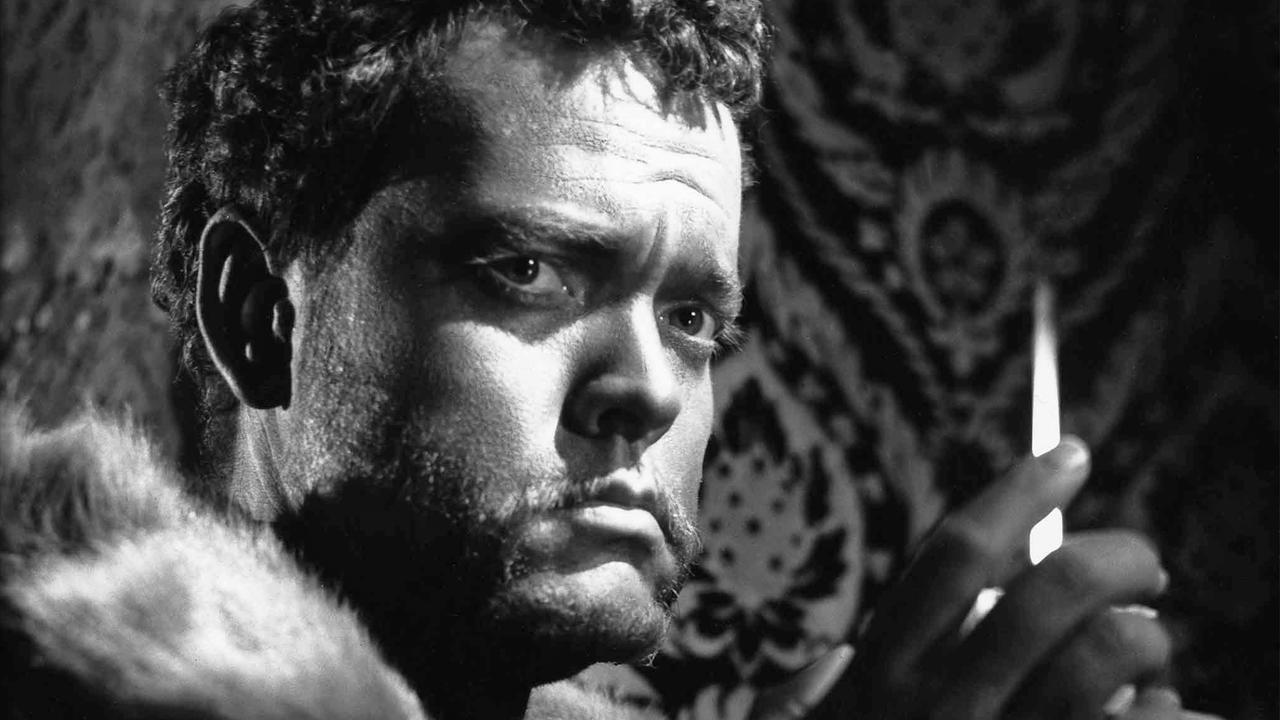
Othello (1952) = Laurence Olivier + Noir + Ingmar Bergman

É a velha história de Otelo, o mouro de Veneza, interpretado pelo próprio Welles. Otelo é levado por Iago (Micheál MacLiammóir) a crer que sua esposa Desdêmona (Suzanne Cloutier) o está traindo. Uma tragédia acontece.

It's the old story of Othello, the moor of Venice, who is played by Welles himself. Othello is poisoned by Iago (Micheál MacLiammóir) and is led to believe that his wife Desdemona (Suzanne Cloutier) is unfaithful. Tragedy follows.


Welles era megalomaníaco, mas de alguma forma conseguiu tranformar a peça, que tem quase três horas de duração, em um filme de 90 minutos. Mas ele fez isto durante três anos e vários projetos, sempre ficando sem dinheiro e tendo que parar a produção e improvisar. O ator irlandês Micheál MacLiammóir, por exemplo, foi escalado como Iago após Everett Sloane, um excelente ator, recusar o papel.

Welles was megalomaniac, but somehow was able to trim the original play, that runs nearly three hours, into a 90 minute film. But he did it through three years and several projects, always running out of money and having to stop production and improvise. Irish actor Micheál MacLiammóir,  for instance, was cast as Iago only after Everett Sloane, a superb character actor, dropped the offer.


Laurence Olivier foi o epítome do Shakespeare filmado. “Otelo” nos lembra do maravilhoso “Hamlet” (1948) de Olivier, considerando seu tom. Se considerarmos apenas o visual do filme, nos lembramos do filme noir – com sombras ousadas e iluminação inusitada – e de Ingmar Bergman, porque a sequência inicial de “Otelo”, que dura quase cinco minutos, certamente influenciou “O Sétimo Selo” (1957), de Bergman.

Laurence Olivier was the epitome of filmed Shakespeare. “Othello” reminds us of Olivier's outstanding “Hamlet” (1948) in tone. If we consider the look of the movie, we are reminded of film noir – with daring shadows and unusual lightning – and Ingmar Bergman, because the opening sequence of “Othello”, that is nearly five minutes long, certainly influenced Bergman's “The Seventh Seal” (1957).


Boa parte de “Otelo” é enfadonha. Mas o clímax é redentor. Os 30 minutos finais são incríveis, e mostram como Welles era habilidoso tanto como ator quanto como diretor. “Otelo” foi fruto de um duro trabalho, filmado em Marrocos, Veneza, na Toscana e em Roma, e estreou em Cannes com muitos elogios, inclusive ganhando a Palma de Ouro.

A good deal of “Othello” is boring. But the climax is redeeming. The last 30 minutes are amazing, and show how skillful Welles was as both an actor and director. “Othello” was a hard labor of love, filmed in Morocco, Venice, Tuscany and Rome, and debuted in Cannes to great acclaim, winning the Palme D'Or.


Welles não se adequou ao padrão de Hollywood e se rebelou para poder continuar fazendo o que queria e aquilo em que acreditava. Muitos de seus filmes ficaram inacabados, e seu último filme estreará ano que vem – mais de 30 anos após sua morte. Mas Welles resistiu, como eu resisto enquanto crítica de cinema clássico, e como todos os prodígios deveriam resistir. Orson Welles é, acima de tudo, uma grande inspiração para os incompreendidos.

Welles didn't fit the Hollywood pattern and rebelled in order to keep on doing what he wanted, and what he believed. Many of his films were left unfinished, and his last one will debut next year – more than 30 years after his death. But Welles resisted, as I resist as a classic film critic, as all prodigies should resist. Orson Welles is, above all, a great source of inspiration for the misfits.

This is my heartfelt contribution to the Favorite Director Blogathon, hosted by Laura and Quiggy at Phyllis Loves Classic Movies and The Midnite Drive-In.

Related Posts Plugin for WordPress, Blogger...