} Crítica Retrô: Olivia de Havilland

Tradutor / Translator / Traductor / Übersetzer / Traduttore / Traducteur / 翻訳者 / переводчик

Showing posts with label Olivia de Havilland. Show all posts

Monday, August 25, 2025

O Rebelde Orgulhoso (1958) / The Proud Rebel (1958)


Quando falamos sobre Alan Ladd, eu penso em filme noir, obviamente, porque ele fez alguns filmes do gênero, como “Capitulou Sorrindo” (1942). Mas eu principalmente penso em faroestes, pois ele foi o protagonista de “Os Brutos Também Amam” (1953), entre outros. Cinco anos após este filme icônico, Ladd e seu filho foram novamente para o Velho Oeste em “O Rebelde Orgulhoso”.

When we talk about Alan Ladd, I think of film noir, of course, as he starred in some films of the genre, like “The Glass Key” (1942). But I mainly think about westerns, as he was the lead of “Shane” (1953), among others. Five years after this iconic movie, Ladd took his son as an acting partner and left to the Old West once again in “The Proud Rebel”.

A época não é especificada, mas a ação se passa não muito tempo após a Guerra de Secessão (1861-1865). Vindo do Sul, John Chandler (Alan Ladd) ruma para o norte até Aberdeen em busca de um médico que desse um diagnóstico preciso do que tem de errado com seu filho David (David Ladd). O garoto parou de falar dois anos antes, depois de um grande trauma. O doutor Enos Davis (Cecil Kellaway) indica outro médico em Minnesota que talvez possa ajudá-los. Mas antes eles viverão uma aventura.

Time is not specified, but it’s not long after the American Civil War (1861-1865). Coming from the South, John Chandler (Alan Ladd) goes north to Aberdeen to find a doctor that can give a precise diagnosis of what is wrong with his son David (David Ladd). The boy stopped talking two years before, after suffering a massive shock. Dr Enos Davis (Cecil Kellaway) refers them to another doctor in Minnesota who can, maybe, help them. But first they’ll live an adventure.

Por causa de suas origens, Chandler é importunado por uma dupla de arruaceiros, os Burleigh, que tentam roubar seu cachorro, Lance. Eles começam uma briga e Chandler é injustamente acusado de beber e perturbar a ordem. Ele é condenado por um juiz a 30 dias na cadeia ou uma fiança de 30 dólares. Linnett Moore (Olivia de Havilland), uma mulher cujo caminho se cruzou com o dos Chandler, oferece para pagar a dívida em troca de Chandler trabalhar na fazenda dela. 

Because of his origins, Chandler is bothered by a duo of troublemakers, the Burleighs, who try to steal his dog, Lance. They get into a fight and Chandler is wrongly accused of drinking and disturbing the order. He is convicted by a judge to 30 days in jail or 30 dollars for bail. Linnett Moore (Olivia de Havilland), a woman whose path crossed with the Chandlers’, offers to pay the bail in exchange for Chandler working in her farm.

Linnett costumava cuidar de uma fazenda de 80 hectares com seu pai e seu irmão, mas desde que os dois homens morreram ela está sozinha na iniciativa. Ela planta cevada e tem alguns cavalos e vacas. Os Burleigh, seus vizinhos, têm um imenso rebanho de ovelhas que invadem sua terra, para depois serem mandadas de volta por Chandler, David e Lance, promovido a cão pastor.

Linnett used to take care of an 80-acre farm with her father and brother, but since the two men died she’s alone in the endeavor. She mainly grows barley and has some horses and cows. The Burleighs, her neighbors, have a huge flock of sheep which invade her land, only to be sent back by Chandler, David and Lance, now promoted to sheepdog.

Há algumas tomadas inspiradas neste faroeste em Technicolor, seja com Chandler arando a terra contra um pôr-do-sol brilhante ou ele e Linnett conversando e apenas suas sombras sobre o rio aparecendo na tela. Há até mesmo uma cena filmada de baixo para cima, com o teto do bar no enquadramento, para capturar os movimentos do cachorro! Enquanto isso, cores sóbrias fazem parte do figurino da solteirona Linnett - as roupas de Olivia foram feitas pela ganhadora do Oscar Mary Wills. 

There are some inspired shots in this western in Technicolor, be it with Chandler plowing the land against a bright sunset or he and Linnett talking and only their shadows on the river appearing on the screen. There is even a scene shot from below, with the bar ceiling in frame, to capture the moves of the dog! Meanwhile, sober colors make up the wardrobe for spinster Linnett - Olivia’s outfits were made by Oscar winner Mary Wills.

A crescente animosidade entre o Norte e o Sul, mesmo depois que a guerra terminou, é um tema que pode ser encontrado em diversos faroestes. Começando com o faroeste de 1918 “The Scarlet Drop” de John Ford, centenas de exemplos poderiam ser citados, mas eu tenho certeza de que qualquer cinéfilo já se deparou com alguns deles enquanto via filmes a trabalho ou lazer. 

The ongoing animosity between North and South, even after the war was over, is a theme that can be found in several westerns. Starting with John Ford’s 1918 western “The Scarlet Drop” from 1918, hundreds of examples could be cited here, but I’m sure that any film fan has encountered quite a few of them while watching movies for work or for fun.

David Ladd está muito bem como o personagem que é seu xará. Usando uma forma rudimentar de língua de sinais, ele consegue se comunicar mas não escapa do bullying. David tinha 11 anos quando “O Rebelde Orgulhoso” foi feito e por sua performance ele recebeu um Globo de Ouro de “Melhor Novato”. Ele continuou atuando e produzindo, inclusive se tornando executivo produtor sênior na MGM nos anos 90.

David Ladd is extremely good as a character who is his namesake. Using a rudimentary form of sign language, he is able to communicate but can’t escape the bullies. David was 11 when “The Proud Rebel” was made and for his performance he received a Golden Globe award for “Best Newcomer”. He kept on acting and producer, until he became a senior production executive at MGM in the 1990s.

Lance, o cobiçado cão pastor, é interpretado por King, um cão pastor que ganhou prêmios. Além dos Burleigh tentando roubá-lo, Lance também é desejado por um homem chamado Bates, que oferece a pequena fortuna de 200 dólares pelo cão - que Chandler recusa, afinal, o cão é companheiro fiel de David. Ter um animal de estimação traz benefícios de saúde para todas as pessoas, especialmente crianças com deficiências, sejam elas temporárias ou permanentes

Lance, the much-coveted sheepdog, is played by King, an award-winning sheepdog. Besides the Burleighs trying to steal him, Lance is also desired by a man called Bates, who offers a small fortune of 200 dollars for the dog - which Chandler refuses, after all, it’s David’s faithful companion. Having a pet brings health benefits to all people, especially children with disabilities, both temporary and permanent.

O grande Michael Curtiz dirigiu “O Rebelde Orgulhoso”. Ele conseguiu fazer um faroeste e um filme para toda a família. Curtiz se envolveu com o projeto quando seu vizinho em Malibu, o produtor Samuel Goldwyn Jr, foi até ele durante as férias para discutir o filme. Alan Ladd havia trabalhado com Curtiz como assistente no filme de 1935 “Capitão Blood” e eles se reconectaram após uma série de filmes indiferentes na carreira do ator. “O Rebelde Orgulhoso” foi um sucesso e continua sendo diversão para todos os públicos.

The great Michael Curtiz directed “The Proud Rebel”. Here he managed to do a western AND a family movie. Curtiz became associated with the project when his next-door neighbor in Malibu, producer Samuel Goldwyn Jr, approached him while on vacation to discuss the movie. Alan Ladd had worked under Curtiz as a grip in the 1935 “Captain Blood” and they reconnected after a series of indifferent films in the actor’s career. “The Proud Rebel” was a hit and remains entertaining for all audiences.

This is my contribution to the 2025 Legends of Western Cinema Week.

Sunday, February 28, 2021

O Enxame (1978) / The Swarm (1978)


Melissofobia ou apifobia é o medo de abelhas. Quando eu era criança, eu tinha medo de abelhas, até o momento em que compreendi que, se eu não incomodasse as abelhas, elas não me incomodariam – não que eu tenha cutucado uma colmeia ou coisa parecida. Mas se eu tivesse assistido ao filme de desastre “O Enxame” de 1978 quando eu era criança, meu medo de abelhas – e possíveis alucinações com abelhas – seria justificado. Isto é, se, como criança, eu não compreendesse que “O Enxame” é um filme muito ridículo.

Melissophobia or apiphobia is the fear of bees. When I was a kid I used to be afraid of bees, until I understood that if I didn't bother them they wouldn’t bother me – not that I had poked a beehive or something like this. But if I had watched the 1978 disaster movie “The Swarm” as a kid, my fear of bees – and possible hallucinations with bees – would be justified. That is, if, as a kid, I couldn't understand how ridiculous “The Swarm” is.
 

O filme começa com uma equipe do exército chegando a uma base de mísseis. Duas pessoas que também chegam ao local são o General Slater (Richard Widmark) e o entomologista Bradford Crane (Michael Caine). A maioria dos trabalhadores da base é encontrada morta, a médica Helena Anderson (Katharine Ross) está cuidando dos seis sobreviventes, e a causa da morte é motivo de debate entre Slater e Crane, pois Crane tem certeza de que um enxame de abelhas africanas assassinas atacou o lugar.

The film starts with a military team arriving at a missile base. Two people also arriving there are General Slater (Richard Widmark) and the entomologist Bradford Crane (Michael Caine). Most of the workers at the missile base are found dead, with doctor Helena Anderson (Katharine Ross) taking care of six survivors, and the cause of death is debated by Slater and Crane, as Crane is sure that a swarm of African killer bees has attacked the place.

Mais pessoas estão investigando o que aconteceu. Um homem num helicóptero menciona uma massa negra vindo em sua direção, e alguém em outro helicóptero identifica que a massa é feita de milhões de abelhas. Infelizmente, os dois helicópteros colidem com as abelhas, caindo e explodindo. Crane estava certo e, para desgosto de Slater, ele é colocado no comando de uma guerra contra as abelhas – nome dado pelo próprio Crane. Slater diz ao Major Baker (Bradford Dillman) para ficar de olho em Crane, pois ele acha suspeito que o cientista estivesse passando por acaso pelo local quando o ataque ocorreu.

More people are investigating what happened. A man in a helicopter mentions a black mass coming in his direction, and someone in another helicopter identify the mass as being made of millions of bees. Unfortunately, the two helicopters collapse when they meet the bees, crashing and exploding. Crane was right and, to Slater’s dismay, he is put in the command of what he calls a war against bees. Slater tells Major Baker (Bradford Dillman) to keep an eye on Crane, as he thinks it’s too suspicious that the scientist just happened to be passing by when the attack occurred. 

As abelhas saem da base nuclear e vão para os campos floridos na cidade mais próxima, onde matam os pais do pequeno Paul (Christian Juttner). Não demorará para que as abelhas entrem na cidade, criando caos numa escola onde trabalha Maureen (Olivia de Havilland), numa sequência que lembra a invasão de pássaros na escola de Bodega Bay em “Os Pássaros” (1963), mas numa escala muito maior. Para piorar as coisas, quem não morre instantaneamente por causa das picadas das abelhas pode ter uma recaída fatal...

The bees move from the nuclear facility to the flower fields surrounding the nearest town, and there they victimize young boy Paul’s (Christian Juttner) parents. It won’t be long until the bees reach town, wrecking havoc in a school where Mauren (Olivia de Havilland) works, in a sequence that reminds the invasion of birds in the Bodega Bay school in “The Birds” (1963), but in a much bigger scale. To make things worse, those who don’t die instantly from the bee stings may have a fatal relapse later...

Pode haver uma ameaça no ar - literalmente – mas também sobra lugar para romance em “O Enxame”. Há uma tensão sexual óbvia entre Bradford Crane e Helena Anderson. Enquanto isso, há um triângulo amoroso com idosos: tanto o prefeito Clarence Tuttle (Fred MacMurray) quanto o aposentado Felix Austin (Ben Johnson) estão apaixonados por Maureen! E há também a garçonete Rita (Patty Duke), que perde o marido no primeiro ataque das abelhas e, estando grávida, se apaixona por seu médico.

There may be a menace on the air - literally - but there is still a place for romance in “The Swarm”. There is obvious sexual tension between Bradford Crane and Helena Anderson. Meanwhile, there is a love triangle involving the elderly: both the mayor Clarence Tuttle (Fred MacMurray) and the retiree Felix Austin (Ben Johnson) are in love with Maureen! And there is also the waitress Rita (Patty Duke), who loses her husband in the first bee attack and, being pregnant, falls in love with her doctor.

Bradford Crane chamou outros peritos para fazer parte do time, e um deles é seu mentor, Dr Walter Krim (Henry Fonda). Outro perito, Dr Hubbard (Richard Chamberlain) diz que as abelhas africanas assassinas agora são chamadas de abelhas brasileiras porque elas sofreram uma mutação no Brasil, e Crane responde que o nome não importa se a ameaça é a mesma. O mesmo pode ser dito da gripe espanhola, ou da COVID-19 / coronavírus – o nome não importa, o que importam são os impactos nas pessoas. Mas aqui precisamos falar que topônimos como abelhas africanas / brasileiras, gripe espanhola e a expressão claramente racista “vírus chinês” causam ainda mais dano, porque grupos de pessoas são associados à doença, fazendo com que esses grupos sejam alvo de ataques de ódio – e ódio é uma pandemia bem mais difícil de controlar.

Bradford Crane has called other experts to be part of his team, one of them being his mentor, Dr Walter Krim (Henry Fonda). Another expert, Dr Hubbard (Richard Chamberlain) says that the African killer bees are now being called Brazilian bees because they suffered a mutation in Brazil, to which Crane replies that the name doesn’t matter if the threat is the same. The same can be said about the Spanish flu, or the COVID-19 / coronavirus – the name doesn’t matter, the impacts they have on people matter. But here we must address that toponyms like African / Brazilian bees, Spanish flu and the clearly racist expression “Chinese virus” cause even more harm, because groups of people become associated with the disease, making them more likely to be the target of hate attacks – and hate is a pandemic much harder to control. 

Slater que jogar pesticidas nas abelhas, e Crane fica furioso com ele, porque a ideia mataria as abelhas assassinas e também as abelhas normais. Slater diz que o dano colateral causado nas pessoas e nas outras abelhas seria “o menor dos males”. Crane diz para Slater e para todo o público que as abelhas são importantes para o meio-ambiente e para os humanos – e, mais de 40 anos depois, ainda não aprendemos. Um terço da comida produzida no mundo depende da polinização feita pelas abelhas. Mesmo assim, as abelhas estão morrendo por causa da destruição de seu habitat, das mudanças climáticas e do uso de pesticidas. É por isso que não devemos matar abelhas – e “O Enxame” inclusive termina com uma nota para o público lembrando da importância das abelhas:

Slater wants to drop pesticides on the bees, to which Crane reacts furiously, as the idea would kill the normal bees as well as the killer bees. Slater refers to the collateral damage to people and other bees as “the lesser of two evils”. Crane reminds Slater and the whole audience of the importance of bees to environment and to humans – and, over 40 years later, we still haven’t learned. One third of the world's food production depends on the pollination process made by bees. Nevertheless, bees are dying because of the loss of their habitat, climate change and the use of pesticides. That's why we shouldn't kill bees – and “The Swarm” even ends with a note for the audience about the importance of bees:

O Enxame” é um filme de sua época, outro filme de desastre cheio de estrelas do cinema, como muitos outros dos anos 1970, entre eles “O Destino do Poseidon” (1972), “Terremoto” (1974) e “Inferno na Torre” (1974). Poseidon e “Inferno na Torre” também foram produzidos por Irwin Allen, que produziu e dirigiu “O Enxame”, o primeiro de três grandes fracassos que acabaram dizimando o sub-gênero filme de desastre.

The Swarm” is a film of its time, another all-star disaster movie made in the 1970s, like “The Poseidon Adventure” (1972), “Earthquake” (1974) and “The Towering Inferno” (1974). Poseidon and “Towering Inferno” were also produced by Irwin Allen, who produced and directed “The Swarm”, the first of three huge flops that ultimately killed the disaster movie subgenre at the time.

O grande problema com “O Enxame”, pelo menos para mim, foi o elenco cheio de grandes nomes, com a maioria dos personagens sem desenvolvimento, pois têm pouco tempo em cena. Rita, por exemplo: nós não a vemos com seu marido antes dele morrer – mas temos de acreditar que ela está devastada – e que simplesmente desaparece quando seu bebê nasce. Além disso, os veteranos do cinema não tinham muito o que fazer com o diálogo pouco inspirado – escrito, surpreendentemente, por Stirling Silliphant, que escreveu o roteiro de “No Calor da Noite” (1967).

The greatest problem about “The Swarm”, at least for me, was the all-star cast, as most characters aren’t developed as they have little time on screen. Take Rita, who we don't see with her husband before he dies – even though we're supposed to believe she's devastated – and who simply disappears from the movie as her baby is born. Besides that, all the film veterans had little to do with the uninspired dialog – written, surprisingly, by Stirling Silliphant, who wrote the screenplay of “In the Heat of the Night” (1967).


Alguns momentos são extremamente ridículos. Há uma tomada do ponto de vista de uma abelha - como a tomada do ponto de vista da mosca em “A Mosca da Cabeça Branca” (1958) - e pessoas correndo e se esquivando em câmera lenta quando as abelhas invadem a cidade. Algumas pessoas inclusive começam a ter alucinações com abelhas, e eu definitivamente não vou contar a razão pela qual as abelhas foram atraídas para a base nuclear para começo de conversa – é algo muito ridículo e você provavelmente ficará pasmo.

Some moments are extremely ridiculous. There is a shot from the bee’s point of view - like the fly’s point of view in “The Fly” (1958) - and people running and ducking in slow-motion when the bees invade the town. Some people even start hallucinating with bees, and I definitely won’t tell the reason why the bees were attracted to the nuclear facility in the first place – it’s too ridiculous and you’ll probably be surprised.

Para tornar tudo mais difícil, devo informá-lo que você não será capaz de ver a versão compacta de “O Enxame” que estreou em 1978, pois esta versão de 116 minutos foi mais tarde substituída na TV, DVD e em Blu-Ray por uma versão mais longa, com 155 minutos. Sim, são 39 minutos extras de abelhas africanas assassinas. Mas nem tudo é ruim: você pode ver “O Enxame” se você quiser ter a chance de ver Michael Caine usando roupas em cores neutras ou, melhor ainda, Richard Widmark com um lança-chamas. Você também pode ver Olivia de Havilland de volta à Warner Brothers 34 anos após ter processado o estúdio. Ou você pode ver que, mais uma vez, é um ser diminuto que coloca o futuro da humanidade em risco – se é que você precisava ser lembrado disso.

To make things more unbearable, I must inform that you won't be able to watch the compact version of “The Swarm” that hit theaters in 1978, as the 116 minutes was later replaced on TV, DVD and Blu-Ray for a longer version, with 155 minutes. Yes, it's 39 extra minutes of African killer bees. But it's not all bad: you can watch “The Swarm” if you want a chance to see Michael Caine wearing clothes in neutral colors or, better yet, Richard Widmark with a flamethrower. You can also see Olivia de Havilland going back to the Warner Brothers backlot 34 years after her lawsuit against the studio. Or you can see that, once again, it's a tiny being that puts the future of mankind in jeopardy – that is, if you needed to be reminded of that.

This is my contribution to the Third So Bad It's Good blogathon, hosted by Rebecca at Taking Up Room.


Wednesday, July 3, 2019

Sonho de uma Noite de Verão (1935) / A Midsummer Night's Dream (1935)


Eu fiquei conhecendo “Sonho de uma Noite de Verão” de Shakespeare através da Disney. Um curta-metragem animado de 1999 estrelando Mickey, Minnie, Donald e Margarida contou a história de maneira cômica – e havia até o Pateta interpretando uma fadinha! Depois eu assisti à versão de 1909 da Vitagraph com Maurice Costello e Florence Turner, uma versão divertida e um pouco confusa, pois as cartelas de títulos contavam a ação antes de ela acontecer. E agora eu me viro para a versão de 1935 – se não a versão definitiva da história, a mais visualmente impressionante.

I became familiar with Shakespeare's “A Midsummer Night's Dream” through Disney. A 1999 short cartoon starring Mickey, Minnie, Donald and Daisy told the story in a comic way – and there was even Goofy as a tiny fairy! Then I watched the 1909 Vitagraph version with Maurice Costello and Florence Turner, a fun yet confusing one, as the title cards told the action before it occurred. And now I focus on the 1935 version – if not the definitive version of the story, the most visually engaging one.


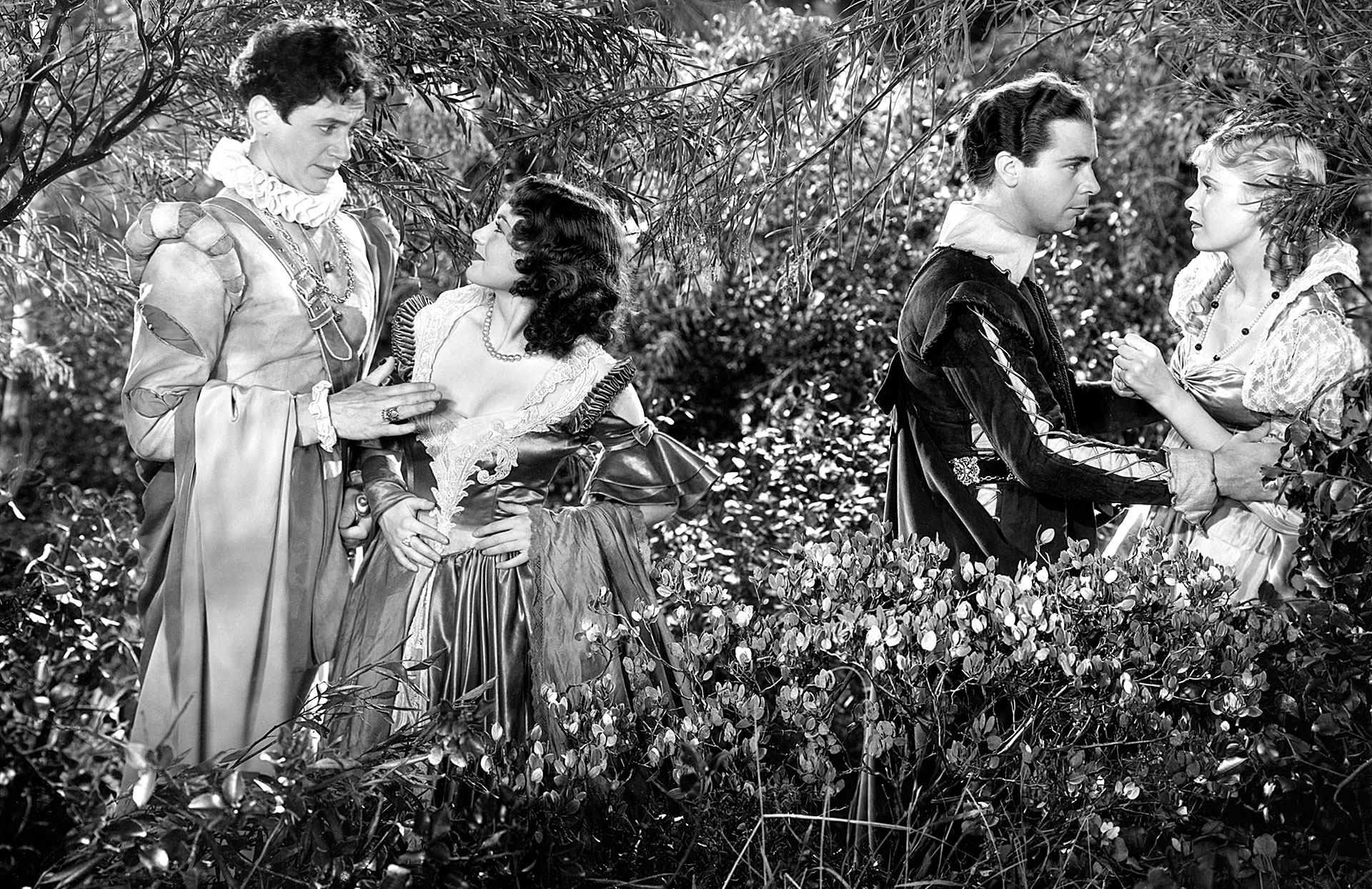
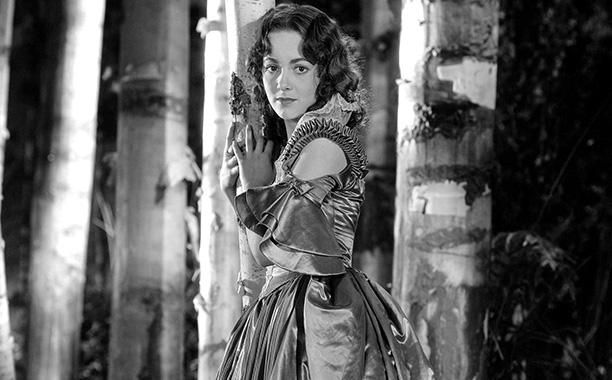
Depois de uma vitória na guerra, Teseu (Ian Hunter) e seu exército retornam para Atenas. Teseu está prestes a se casar com Hipólita, Rainha das Amazonas (Verree Teasdale), que não está muito empolgada com o casamento. Outra pessoa que está prestes a se casar é Hermia (Olivia de Havilland), mas não com o homem que ela ama: o pai dela prometeu a mão dela a Demetrius (Ross Alexander), mas ela ama Lysander (Dick Powell). Tanto Demetrius quanto Lysander são soldados e amam Hermia. E a pobre Helena (Jean Muir) ama Demetrius, mas ninguém a ama.

After a war victory, Theseus (Ian Hunter) and his army return to Athens. Theseus is about to marry Hippolyta, Queen of the Amazons (Verree Teasdale), who is less than thrilled with the wedding. Another person about to get married is Hermia (Olivia de Havilland), but not to the man she loves: her father promised her hand to Demetrius (Ross Alexander), but she loves Lysander (Dick Powell). Both Demetrius and Lysander are soldiers and in love with Hermia. And poor Helena (Jean Muir) is in love with Demetrius, but nobody loves her.


Pela lei ateniense, o pai de Hermia pode matá-la se ela se recusar a se casar com o homem que ele escolher. Mas Lysander tem a solução: ele e Hermia podem fugir de Atenas e se casar em outro lugar – não nos esqueçamos de que, na Grécia Antiga, cada cidade tinha suas próprias leis.

By Athens law, Hermia's father can kill her if she refuses to marry the man he chooses. But Lysander has the solution: he and Hermia can run away from Athens and get married somewhere else – let's not forget that, in Ancient Greece, each city had its own laws.


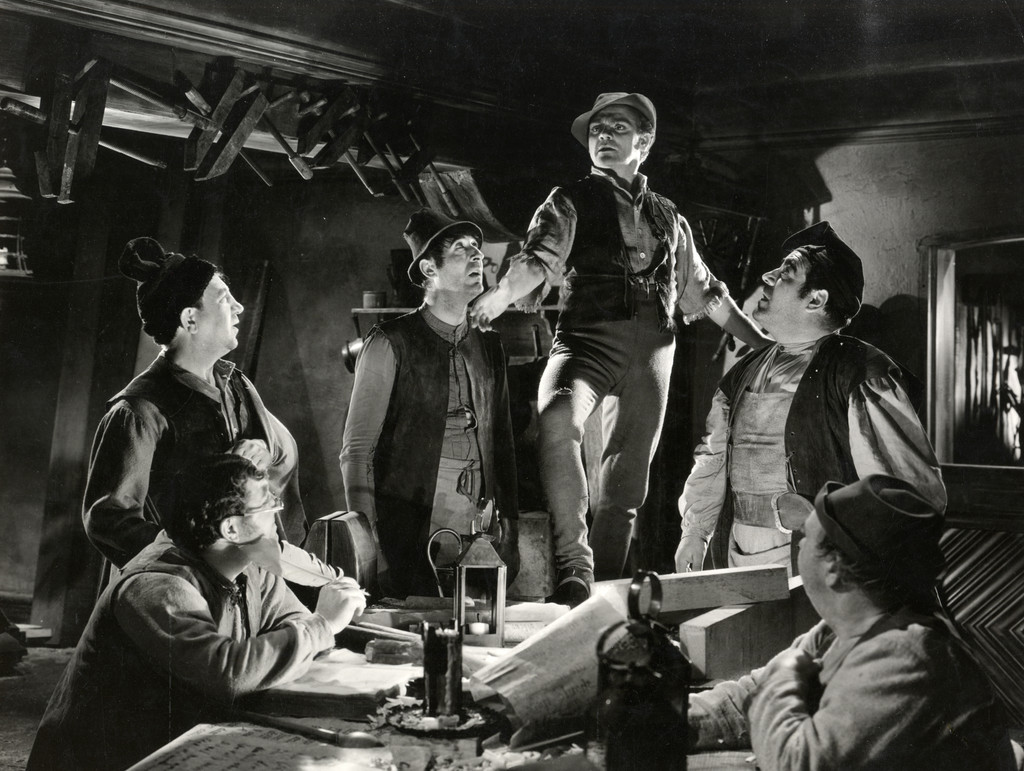
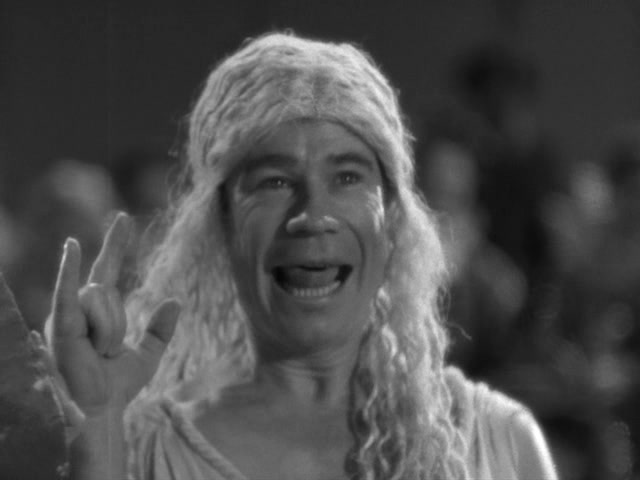
Enquanto isso, uma trupe teatral está ensaiando para apresentar uma peça no casamento de Teseu e Hipólita. Nick Bottom, o tecelão (James Cagney), interpretaria qualquer papel, menos o que ela vai interpretar – o de apaixonado. Seu colega Francis Flute (Joe E. Brown) interpreta a moça por quem Bottom está apaixonado, e é responsável pela maior parte da comédia física.

Meanwhile, a theater company is rehearsing to present a play in Theseu's and Hippolyta's wedding. Nick Bottom, the Weaver (James Cagney), would play any role but the one he is playing – the role of the lover. His pal Francis Flute (Joe E. Brown) plays the lady Bottom is in love with, and is responsible for most of the physical comedy.


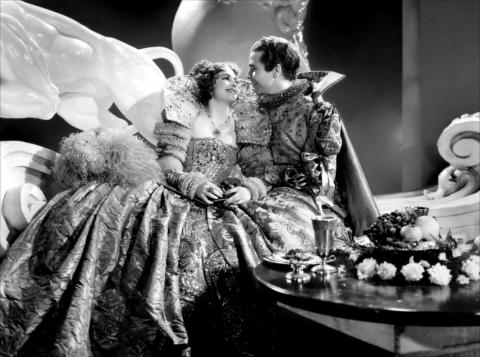
Há também um desentendimento entre o Rei e a Rainha das Fadas, Oberon (Victor Jory) e Titania (Anita Louise), pois ambos querem a “guarda” de um garoto indiano. Para acabar com a briga, Oberon chama uma criatura da floresta, Puck (Mickey Rooney), e lhe diz para encontrar uma flor cuja substância, uma vez colocada nos olhos de uma pessoa adormecida, faz com que esta pessoa se apaixone pela primeira pessoa que ele ou ela veja ao acordar.

There is also misunderstanding between the King and the Queen of the Fairies, Oberon (Victor Jory) and Titania (Anita Louise), over an Indian boy they both want. To end the quarrel, Oberon summons a creature from the forest, Puck (Mickey Rooney), and tells him to fetch a flower whose substance, once put in a sleeping person's eye, makes this person fall in love with the first person he or she sees after waking up.


Agora Lysander, Hermia, Demetrius, Helena, a trupe teatral, o Rei e a Rainha das Fadas estão todos na mesma floresta. Oberon usa um pouco da flor que Puck pegou, e manda Puck usar o resto em um homem de Atenas que foi visto na floresta.

Now Lysander, Hermia, Demetrius, Helena, the theater company and the King and Queen of the Fairies are all in the same forest. Oberon uses just a bit of the flower Puck has fetched, so he sends Puck to use the rest in a man from Athens he has seen in the forest.


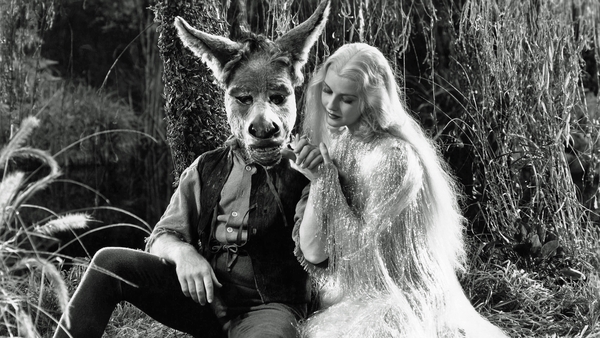
Oberon mandou Puck enfeitiçar Demetrius, mas o pequeno espírito acaba usando a flor em Lysander. Para complicar mais as coisas, a primeira pessoa que Lysander vê quando acorda é Helena! Ah, e Puck também decide pregar uma peça em Bottom, o tecelão, e lhe dá uma cabeça de burro. A Rainha Titania, que havia sido enfeitiçada pela flor, acorda com o canto do tecelão, e se apaixona por ele. E, ao tentar consertar o erro de Puck, Oberon enfeitiça Demetrius, ele acorda e vê Helena, que agora tem dois homens loucamente apaixonados por ela.

Oberon has sent Puck to bewitch Demetrius, but the little spirit ends up using the magic flower in Lysander instead. To complicate things further, the first person who Lysander sees when he wakes up is Helena! Oh, and Puck also decides to prank Bottom the Weaver by giving him a donkey head. Queen Titania, who has been bewitched by the flower, wakes up to the Weaver's singing, and falls in love with him. And, trying to fix Puck's mistake, Oberon bewitches Demetrius, and he wakes up to Helena, who now has two insistent suitors.


Quando falamos de filmes com muitas estrelas feitos na década de 1930, em geral pensamos em “Grande Hotel” (1932) e “Jantar às Oito” (1933), da MGM. Este “Sonho de uma Noite de Verão” da Warner é comumente esquecido, mas não deveria ser.

When we talk about all-star movies from the 1930s, we usually think about MGM's “Grand Hotel” (1932) and “Dinner at Eight” (1933). This “A Midsummer Night's Dream” from Warner Bros is commonly overlooked, but it shouldn’t be.


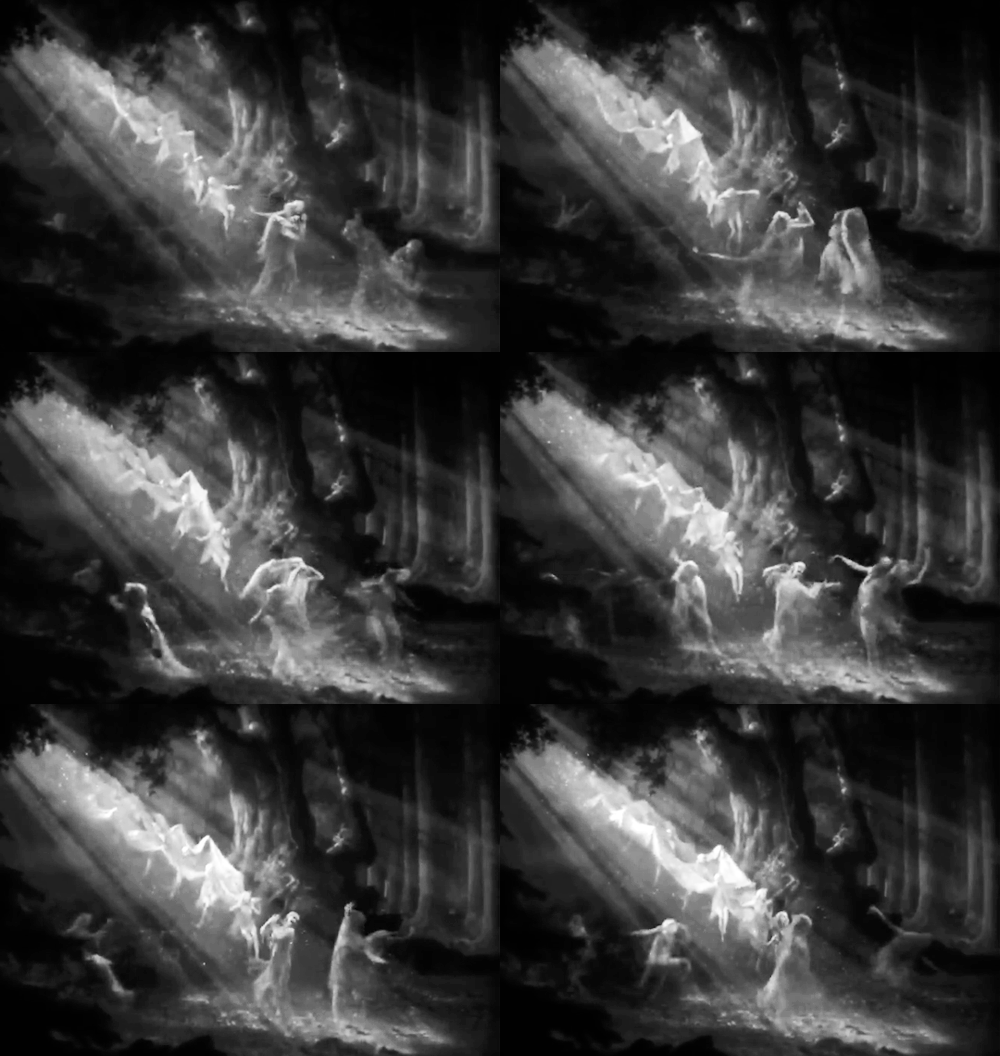
“Sonho de uma Noite de Verão” é mais conhecido como curiosidade: é o único filme a dar um Oscar para alguém que não foi indicado. O diretor de fotografia Hal Mohr não havia sido indicado ao Oscar de 1936, mas na época os votantes podiam escrever outros nomes nas cédulas antes de votar. Ele acabou com o maior número de votos – e mereceu, pois seu trabalho com o brilho das fadas é admirável. No ano seguinte, a Academia aboliu a prática de votar em quem não foi indicado.

“A Midsummer Night's Dream” is better known as trivia: it is the only film that gave a write-in Oscar to someone. Cinematographer Hal Mohr wasn't nominated at the 1936 Oscars, but back then the voters could write other names in the cells before voting. He ended up with the biggest number of votes – deservingly so, as his work with the fairy glitter is admirable. The following year, the Academy abolished the practice.


Os melhores do elenco são James Cagney e Olivia de Havilland. Cagney está hilário como Bottom, o tecelão, sempre tentando mudar seu papel – e, quando ele ganha a cabeça de burro, ele basicamente atua apenas com as mãos. Olivia tinha apenas 19 anos quando este filme foi feito, e seu rosto fresco e jovial e sua energia deixam o filme mais adorável – este foi na realidade seu primeiro filme, embora dois outros tenham estreado antes deste. O Puck de Mickey Rooney me irritou um pouco. Seu hábito de imitar os outros personagens é irritante e desnecessário.

The best in the cast are James Cagney and Olivia de Havilland. Cagney is hilarious as Bottom the Weaver, always trying to change his role – and, when he gets the donkey head, he basically acts only with his hands. Olivia was only 19 when this film was made, and her fresh, youthful face and energy adds adorability to the film – it was actually her film debut, although two other of her films were released before this one. Mickey Rooney's Puck irritated me a bit. His mimicking of the characters is annoying and unnecessary.


O que realmente me incomodou foi o figurino. Nada do que os personagens vestem seria usado na Grécia Antiga – as roupas se parecem mais com algo do século XVI... que foi a época em que Shakespeare viveu.

What really bothered me were the costumes. Nothing the characters use would have been used in Ancient Greece – they are more like 16th century clothing… which was the time Shakespeare lived.


As duas outras adaptações que eu vi da peça tinham cerca de 11 minutos cada, por isso a duração deste filme foi uma surpresa: 143 minutos, com introdução, intervalo e música final! Isso pode ser justificado pela adição de um longo balé das fadas, e também pelo maior destaque dado à trupe teatral – algo que eu amei, pois eles não causam gargalhadas!

The two other adaptations I've seen of the play were about 11 minutes each, so the duration of this film was a surprise: 143 minutes, with introduction, intermission and exit song! This can be justified by the addition of a long fairy ballet, and also because of the bigger attention given to the theater company – something that I loved, because they are laugh-out-loud funny!


O famoso diretor de teatro austríaco Max Reinhardt dirigiu, com William Dieterle, “Sonho de uma Noite de Verão” – seu único trabalho como diretor de cinema em Hollywood. Reinhardt dirigiu alguns filmes na Alemanha nos anos 1910 e trabalhou mais no teatro, inclusive produzindo “Sonho de uma Noite de Verão” no Hollywood Bowl – produção que inspirou este filme encantado.

Famous Austrian theater director Max Reinhardt directed, alongside William Dieterle, “A Midsummer Night’s Dream” – his only work as a film director in Hollywood. Reinhardt directed a few films in German in the 1910s and worked mainly in theater, even producing “A Midsummer Night’s Dream” in the Hollywood Bowl – the production that inspired this enchanted film.

This is my contribution to the Fourth Annual Olivia de Havilland blogathon, hosted by Laura and Crystal at Phyllis Loves Classic Movies and In the Good Old Days of Classic Hollywood.


Tuesday, July 3, 2018

A Porta de Ouro (1941) / Hold Back the Dawn (1941)


Todo mundo merece um lugar ao sol? Não sei ao certo, mas todo mundo quer um lugar ao sol. E geralmente a busca por este lugar cheio de alegria e satisfação envolve a migração. E o que acontece quando os imigrantes são parados no meio do caminho? Quando eles são proibidos de entrar no lugar que escolheram como sua nova casa? Você pode ligar a TV e encontrar respostas para estas questões agora mesmo, ou você pode ver “A Porta de Ouro”, um filme feito há mais de 75 anos.

Does everybody deserve a place in the sun? I’m not sure, but everybody wants a place in the sun. And often the pursuit of this place of happiness and fulfillment demands migration. And what happens when migrants are stopped midway their destiny? When they are forbidden to enter the place they chose as their new home? You could turn the TV and find answers for these questions right now, or you could watch “Hold Back the Dawn”, a film made over 75 years ago.
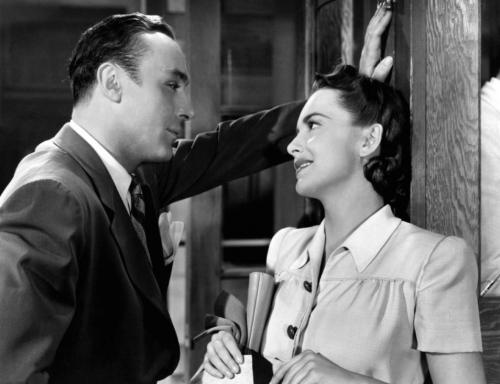
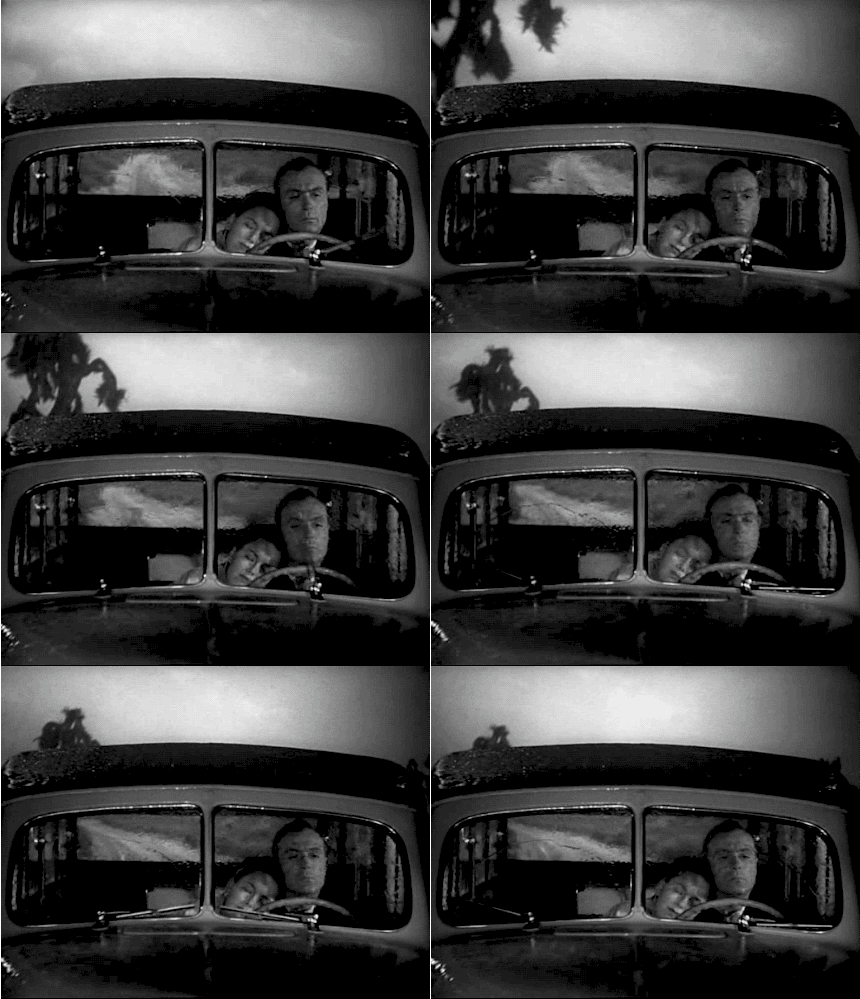
Georges Iscovescu (Charles Boyer) é um romeno que teve um probleminha na Europa e decidiu migrar para os EUA. Ele chega a uma escaldante cidade mexicana na fronteira, e descobre que, dos 150 mil imigrantes que o país deixava então entrar todos os anos, havia uma cota pequena para os romenos – e ele teria de esperar entre 5 e 8 anos para finalmente conseguir entrar no país legalmente. Por isso, ele e outros imigrantes de diversas nacionalidades ficam em um hotel até terem os documentos. O lugar tem um nome sugestivo: Hotel Esperanza.

Georges Iscovescu (Charles Boyer) is a Rumanian who had a little problem in Europe and decided to migrate to the United States. He reaches a hot Mexican city in the border, and finds out that, among the 150 thousand immigrants the US let in every year, there is only a very small quota for Rumanians – and he must wait from 5 to 8 years to finally be able to get in the US legally. So, he and other immigrants from several nationalities stay in a hotel until their visa is ready. The place has a suggestive name: Hotel Esperanza (Hope Hotel).
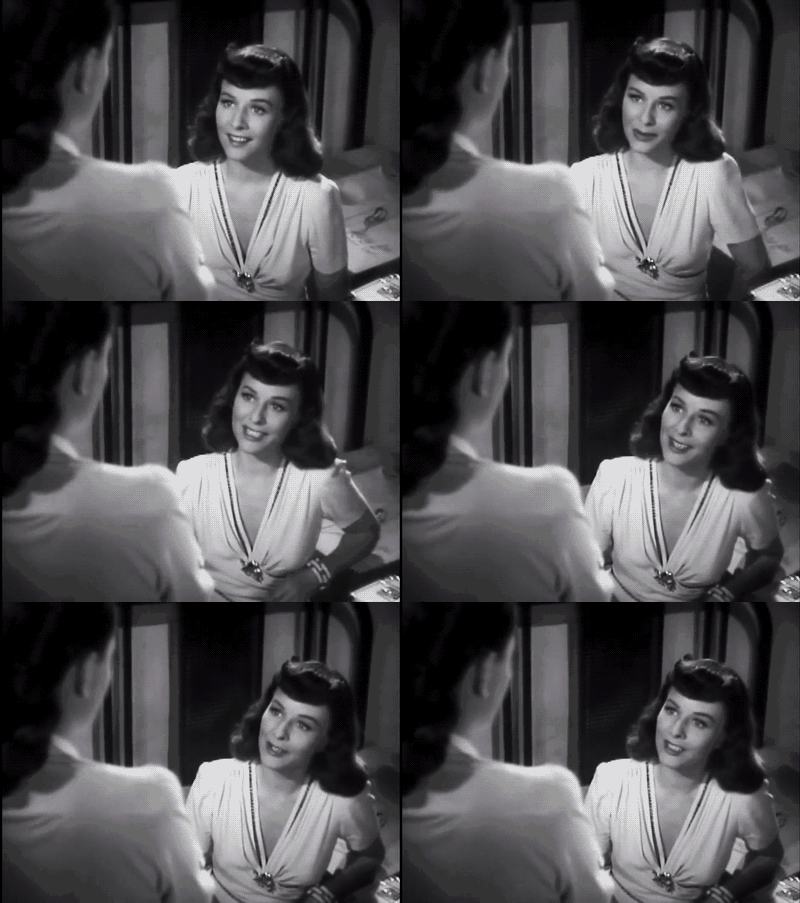
Mas a esperança não é a última que morre ali. Quando Georges chega ao hotel, um imigrante alemão havia se cansado de esperar e comete suicídio. No hotel, Georges encontra uma velha conhecida, Anita (Paulette Goddard), que lhe dá uma dica: é mais fácil e rápido ser admitido nos EUA se você se casar com uma norte-americana.

But hope is not the last one left standing there. When Georges arrives at Hotel Esperanza, a German immigrant has got tired of waiting and committed suicide. At the hotel Georges finds an old acquaintance, Anita (Paulette Goddard), who gives him a tip: it’s much easier and quicker to be admitted to the US if you marry an American.
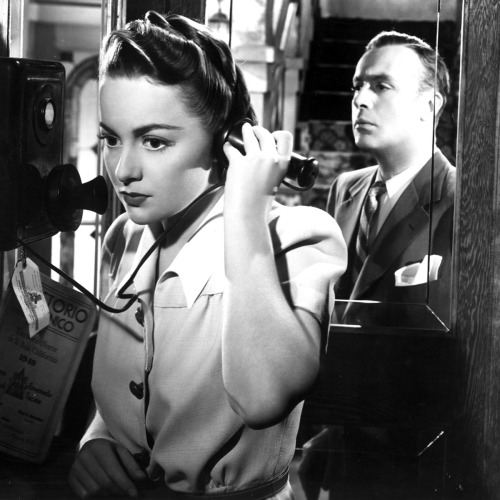
Então, Georges começa a paquerar todas as norte-americanas que ele encontra. A primeira delas acaba sendo uma mulher casada, mas a segunda norte-americana que ele encontra é Emmy (Olivia de Havilland), uma professora que levou seus aluninhos bagunceiros para uma excursão no México durante o feriado de 4 de julho – uma atividade pedagógica que desafia a lógica, eu sei. Georges é charmoso e diz coisas lindas para ela, e o plano funciona: no dia seguinte, eles estão casados. O plano de Georges consistia, desde o começo, em se casar com Emmy, ser aceito nos EUA – escapando assim da vigilância do inspetor Hammock (Walter Abel) – e depois pedir a anulação do casamento e viver livremente nos EUA com Anita.

So, Georges starts hitting on all American women he sees. The first one happens to be already married, but the second American woman he finds is Emmy (Olivia de Havilland), a schoolteacher vacationing with her young and loud students in Mexico for the 4th of July holiday – something that defies the logic, I know. Georges is charming and says beautiful things to her, and the plan works: on the following day, they’re married. Georges’s plan has been, all along, to marry Emmy, be accepted in the US – thus escaping the vigilance of Inspector Hammock (Walter Abel) – then ask for an annulment and live freely there with Anita.
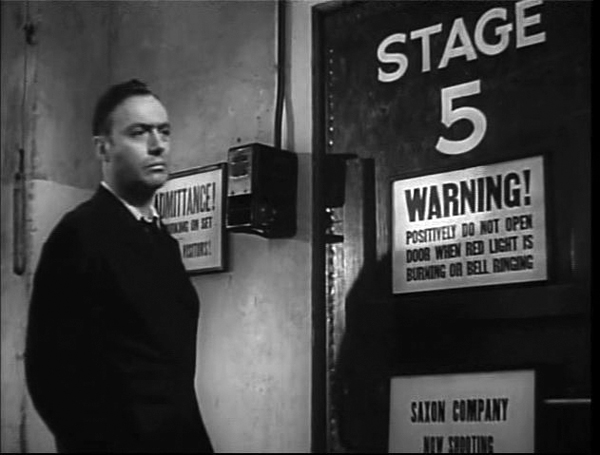
Há duas boas surpresas em “A Porta de Ouro”. Uma é a maneira como o filme começa: Georges está fugindo e entra em um estúdio de cinema, onde ele conta toda sua história de imigrante e falso amante para um diretor chamado Dwight Saxon (o próprio diretor do filme, Mitchell Leisen). O senhor Saxon estava filmando uma cena com Veronica Lake, e quando ele liberou a equipe, pôde finalmente ouvir a história de Georges. A outra boa surpresa é a lua de mel de Georges e Emmy em uma vila mexicana, onde eles participam de uma cerimônia religiosa. Não há nenhum estereótipo nesta parte do filme!

There are two nice surprises in “Hold Back the Dawn”. One is the way it starts: Georges is on the run and enters a film studio, where he tells his whole story as an immigrant and fake lover to a director called Dwight Saxon (director Mitchell Leisen himself). Mr. Saxon was filming a scene with Veronica Lake, and when he dismissed the team he was able to listen to Georges’s story. The other nice surprise is Georges’s and Emmy’s honeymoon in a Mexican villa, where they take part in a religious ceremony. There are no ugly stereotypes there!
Foi uma surpresa incrível e uma coincidência assustadora eu ter escolhido este filme para ver exatamente quando acontece um episódio que não pode ser considerado uma crise de imigração, mas um crime humanitário. Eu tento fugir da política, mas ela me persegue! Por falar em perseguir algo – um sonho - , em uma cena emblemática, um professor estrangeiro, no almoço de 4 de julho, recita para um oficial da imigração o poema na base na Estátua da Liberdade – um texto que prega valores que muitos americanos não apenas esqueceram, mas nos quais nunca sequer acreditaram.

It was an incredible surprise and a chilling coincidence that I chose to watch this movie exactly in the middle of an episode that can't be considered an immigration crisis, but a humanitarian crime. I try to stay away from politics, but they go after me! And talking about going after something, in an emblematic scene, a foreign professor, on the 4th of July lunch, recites to an immigration officer the poem on the basis of the Statue of Liberty – a text that shows values that many Americans not only have forgotten, but have never believed in the first place.
Um momento ruim aqui: Emmy fala dos EUA como a tão divulgada “terra de oportunidades” e compara o país com um lago que deve receber sempre novas correntezas para não ficar parado. Georges comenta: “o seu povo está construindo diques bem altos para parar estas correntezas”. A resposta dela? “Só para deixar o LIXO de fora”. Meu Deus. Isso poderia ter sido dito por um ultraconservador ontem mesmo.

A bad moment here: Emmy talks about the US as the so-called “land of opportunities” and compares the country to a lake that must keep receiving new streams to never go stank. Georges comments: “your people are building pretty high damps to stop these streams”. Her answer? “Just to keep out the SCUM”. Oh my God. This could have been said by an ultraconservative yesterday.
Não nos esqueçamos de que os roteiristas eram Charles Brackett e Billy Wilder – e Wilder era um imigrante, assim como as estrelas Charles Boyer (francês) e Olivia de Havilland (nascida no Japão). A maioria dos coadjuvantes também eram imigrantes, e formaram um grupo muito interessante que merecia muito mais destaque no filme.

Let's not forget that the screenwriters were Charles Brackett and Billy Wilder – and Wilder was an immigrant. So were the stars Charles Boyer (French) and Olivia de Havilland (born in Japan). Most of the supporting cast was also made of immigrants, and they were a very interesting group that deserved a lot more screen time.
Vamos dar uma olhada nestes personagens incríveis que esperam por seus vistos no Hotel Esperanza. Há o casal Kurz, Berta (Rosemary DeCamp) e Josef (Eric Feldary, vindo da antiga Áustria-Hungria). Eles esperam um bebê, e o sonho deles é que o bebê possa nascer sendo um cidadão norte-americano. Bonbois (interpretado por Curt Bois, um ator alemão que fez seu primeiro filme em 1908 e o último em 1988) é um nervoso cabeleireiro francês que serve de alívio cômico. Há também o porfessor Van Den Luecken (o ator belga Victor Francen) e suas duas filhas, Christine (Micheline Cheirel) e Anni (Madeleine Lebeau). Ambas eram atrizes francesas – e Madeleine é parte importante da icônica cena da Marselhesa em “Casablanca” (1942).

Let’s take a look at these amazing characters waiting for their visas at the Hotel Esperanza. There is the Kurz couple, Berta (Rosemary DeCamp) and Josef (Eric Feldary, from former Austria-Hungary). They are expecting a baby, and dream that him or her can be born an American citizen. Bonbois (played by Curt Bois, a German actor who made his first film in 1908 and his last in 1988) is a nervous French coiffeur who serves as the comic relief. There is also professor Van Den Luecken (Belgian actor Victor Francen) and his two daughters, Christine (Micheline Cheirel) and Anni (Madeleine Lebeau). Both actresses were French – and Madeleine is an important part of the iconic Marsellaise scene from “Casablanca” (1942).
Curt Bois in "Casablanca"
Madeleine LeBeau
Boyer é suave e charmoso como sempre. Olivia é adorável como sempre, tendo de ser ingênua a maior parte do tempo. Paulette Goddard está bem como uma femme fatale da fronteira. Mas os reais destaques são os imigrantes desesperados do hotel. Eles são a prova cabal e tangível de que a diversidade é o tempero da vida – e a melhor coisa deste filme.

Boyer is suave and charming as always. Olivia is lovely as always, having to be naïve most of the time. Paulette Goddard is good as a femme fatale of the border. But the true MVPs are the desperate migrants in the hotel. They are the real, touchable proof that diversity is the spice of life – and the best thing in this film.

This is my contribution to the third annual Olivia de Havilland blogathon, hosted by Laura and Crystal at Phyllis Loves Classic Movies and In the Good Old Days ofClassic Hollywood.


Related Posts Plugin for WordPress, Blogger...