} Crítica Retrô: política

Tradutor / Translator / Traductor / Übersetzer / Traduttore / Traducteur / 翻訳者 / переводчик

Showing posts with label política. Show all posts

Tuesday, September 24, 2019

Z (1969)


Dois críticos de cinema entram em um bar. Eles jamais chegam a um acordo sobre qual drink pedir. Por quê? Porque crítica cinematográfica não é algo unânime, pois a paixão sempre influencia quando um crítico está analisando um filme. Esta piada pode não ser engraçada, mas é verdadeira: dois críticos de cinema, mesmo parceiros na profissão, dificilmente têm a mesma opinião sobre um filme. Tome como exemplo a dupla Roger Ebert e Gene Siskel. Nos mais de 20 anos em que eles fizeram listas anuais dos 10 Melhores Filmes lançados, eles concordaram em poucas ocasiões. Uma delas foi quando ambos elegeram, em 1969, o filme Z de Costa-Gavras como o melhor do ano.

Two film critics walk into a bar. They never agree on which drink to order. Why? Because film criticism is not meant to be a unanimous thing, since passion weighs in whenever a critic is analyzing a film. This joke may not be funny, but it’s true: two film critics, even in a partnership, rarely agree on their opinions about film. Take the duo Roger Ebert and Gene Siskel, for instance. In the more than 20 years they made their yearly TOP 10 movies, they rarely agreed on the best film of the year. One of these occasions was in 1969, when both favored Costa-Gavras’ Z.
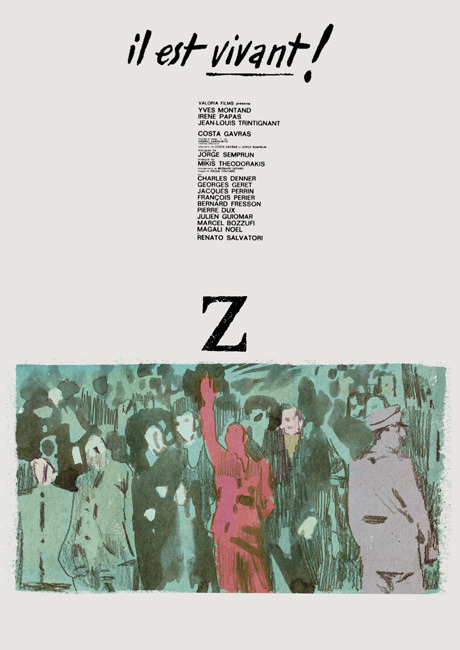

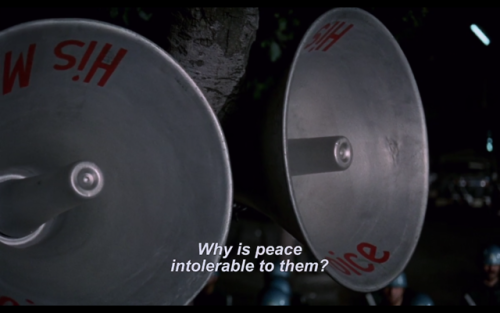
Z é um thriller político que me mostrou como lutas políticas vêm em ciclos. Z é um famoso político grego e líder de um partido de esquerda. Ele é interpretado por Yves Montand. Uma noite, o discurso de Z para o povo francês é quase cancelado – ele quer falar sobre paz, e contra ele estão o governo francês, a polícia, a imprensa e muitas pessoas raivosas. Depois do final do discurso, realizado em um local diferente do planejado, Z é atacado por um homem com um cassetete. A polícia se desespera com a possibilidade de o crime se tornar uma questão política – e, de fato, foi um crime político – e por isso a Gendarme – a polícia francesa – tenta encobrir o crime e fazer ele passar por acidente.

Z is a political thriller that showed me how political struggles come in cycles. Z is a prominent Greek politician and leader of a leftist party. He’s played by Yves Montand. One night, Z’s speech to the French people is almost cancelled – he wants to talk about peace, and against him there is the French government, the police, the press and a lot of angry people. After the speech ends, in a different location than planned, Z is attacked by a man with a nightstick. The police is then nervous with the possibility of the crime becoming a political issue – and it really was a political crime – so the Gendarme – the French police – try to uncover the crime and label it an accident.


Z é baseado em uma história real, e você precisa saber um bocado de história para entender melhor o filme. A história contada envolve o assassinato do político grego Grigoris Lambrakis por uma milícia de direita em 1963. Quando ficou provado que Grigoris foi assassinado, o resultado esperado era a vitória do partido de esquerda nas eleições... mas não houve eleições: em 1967 um golpe de estado aconteceu, e a Grécia se tornou uma ditadura de extrema-direita. Este governo proibiu muitas coisas, entre elas cabelos compridos, a minissaia, Tolstoi, Sófocles, greves, os Beatles, liberdade de imprensa e a letra Z – uma letra que, em grego, significa “ele vive”.

Z is based on a real story, and you need to know a bit of history to better understand the film. The story told involves the assassination of Greek politician Grigoris Lambrakis by a right-wing militia in 1963. When it was proved that Grigoris was murdered, the result was an expected win of the left parties in the elections… but there were no elections: in 1967 a coup d’état happened, and Greece became a right-wing military dictatorship. This government prohibited a lot of things, including long hair, mini-skirts, Tolstoi, Sophocles, strikes, the Beatles, freedom of press and the letter Z – a letter that means “he’s alive” in Greek.


Há alguns indícios de que o assunto é política grega. O mais óbvio de todos vem da trilha sonora, composta por Mikos Theodorakis, cuja obra foi proibida pela ditadura militar. O diretor Costa-Gavras nasceu na Grécia, assim como a atriz Irene Papas, que interpreta a esposa de Z. E, para tornar tudo mais explícito, Costa-Gavras colocou este aviso no começo do filme: “Qualquer semelhança com eventos reais, com pessoas vivas ou mortas, não é mero acaso. É PROPOSITAL.”

You get a few hints that we’re talking about Greece. The most obvious one comes from the soundtrack, composed by Mikis Theodorakis, whose work was banned by the military dictatorship. Director Costa-Gavras was born in Greece, just like actress Irene Papas, who plays Z's wife. And, to make things even more explicit, Costa-Gavras puts this warning in the beginning of the film: “Any resemblance to actual events, to persons living or dead, is not the result of chance. It's DELIBERATE.”
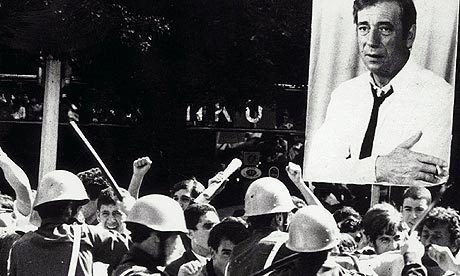

Como o governo norte-americano apoiava a ditadura grega, o filme Z foi quase banido nos EUA. Em vez disso, algo pior aconteceu: todas as pessoas que compraram entradas para assistir a Z tinham seus dados pessoais anotados pelo FBI – um usuário do IMDb escreveu sobre como isso aconteceu com ele. Além disso, Costa-Gavras, Theodorakis, Irene Papas e Yves Montand foram proibidos de entrar nos EUA nos anos seguintes.

Since the US government supported the Greek dictatorship, the film Z was nearly banned in the US. Instead, something worse happened: all people who bought tickets to see Z had their personal data taken by the FBI – one IMDb user writes about how it happened to him. Moreover, Costa-Gavras, Theodorakis, Irene Papas and Yves Montand were forbidden from entering the US in the following years.

Gene Siskel escreveu sobre Z: “É um grande filme por muitas razões, podendo ser apreciado como um thriller político ou uma declaração política.” Por outro lado, Roger Ebert escreveu: “É um filme da nossa época. É sobre como até as vitórias morais são corrompidas. Ele te fará chorar e te deixará furioso. Ele arrancará suas entranhas.” De fato, Ebert insistiu em denunciar a política que permeia o filme – e até hoje, seis anos após sua morte, Ebert é atacado em seu site por causa de sua crítica de Z.

Gene Siskel wrote about Z: “It is a great film for many reasons, not the least of which is that it can be enjoyed as a political thriller as well as a political statement.”  On the other hand, Roger Ebert wrote: “It is a film of our time. It is about how even moral victories are corrupted. It will make you weep and will make you angry. It will tear your guts out.” Indeed, Ebert didn’t shy away from denouncing the politics surrounding this film – and until today, six years after his death, Ebert is attacked in his site because of his review of Z.


Para mim, Z teve um efeito muito pessoal. O Brasil está entre 30 a 50 anos atrasado em relação ao resto do mundo em todas as áreas, incluindo na política. Em 2018 um governo foi eleito prometendo “caçar comunistas” e seus apoiadores gritavam “nossa bandeira jamais será vermelha”. O ano de 2018 no Brasil começou com o assassinato de uma vereadora no Rio e com a prisão política de um ex-presidente que fazia parte do maior partido de esquerda do país. Os paralelos não param por aí. Em Z, os militares são obcecados pela “ameaça comunista” e prometem ser anticorpos para a doença esquerdista. Este foi um discurso usado em 1964, quando um golpe militar aconteceu no Brasil, e tal discurso ainda está em uso hoje por um governo que já começou a censurar produções LGBT e revistas feministas.

For me, Z struck too close to home. Brazil is 30 to 50 years behind the rest of the world in all fields, including the political one. In 2018 a government was elected after promising “to hunt communists” and their supporters chanted “our national flag will never be red”. The year 2018 in Brazil started with the killing of a local politician in Rio and with the political prison of a former president who was from the biggest leftist party in the country. These are not the only parallels. In Z, the military is obsessed about the “communist menace” and promises to be an antidote to the leftist malady. This was a speech used in 1964, when a military coup d’état happened in Brazil, and it is still used today by a government that already started censoring LGBT productions and feminist magazines.
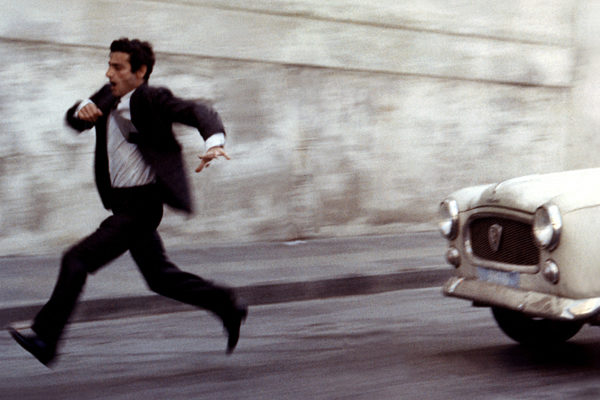

Há uma piada na internet brasileira sobre como os franceses sempre se rebelam e incendeiam carros quando alguma decisão do governo não os agrada. Os brasileiros não fazem isso – somos muito pacíficos para lutar pelos nossos direitos. Por bem ou por mal, os franceses tomam as ruas quando querem mudança. Nós não. Não tomamos as ruas quando um juiz não imparcial mandou prender um líder político popular. Não estamos tomando as ruas agora, quando o homem que está investigando as notícias falsas espalhadas durante as eleições está recebendo ameaças de morte. Porque nós não tomamos as ruas, estamos voltando para 1964. Porque nós não aprendemos com a história, deixamos que a história de nosso país seja feita de ciclos.

There is an internet joke in Brazil about how French people always riot and burn cars when some governmental decision displeases them. Brazilians don’t do it – we’re too peaceful to fight for our rights. For good or for bad, French people take the streets when they want change. We don’t. We didn’t take the streets when a judge that wasn’t impartial arrested a popular political leader. We aren’t taking the streets now, when a man who is investigating fake news spread during the elections is receiving death threats. Because we don’t take the streets, we are going back to 1964. Because we don’t learn with history, we let our national history be made of cycles.


Z não é um filme reconfortante – na verdade, ele me afetou muito porque estou no epicentro de toda essa confusão política. Ao final de Z, você não terá sua fé renovada. É um filme duro sobre como política, ditaduras e golpes de estado funcionam, e é a confirmação de que a política pode ser necessária, mas é também o campo de batalha mais podre do mundo.

Z is not a reassuring movie – in fact, it hit me too hard because I’m so close to all this political mess. In the end of Z, you won’t have your faith renewed. It’s a raw film about how dictatorships, coup d’états and politics work, and it is the confirmation that politics may be necessary, but they also are the most rotten battlefield in the world.

This is my contribution to the Siskel & Ebert at the blogathon, hosted by Sally from 18 Cinema Lane.


Tuesday, July 3, 2018

A Porta de Ouro (1941) / Hold Back the Dawn (1941)


Todo mundo merece um lugar ao sol? Não sei ao certo, mas todo mundo quer um lugar ao sol. E geralmente a busca por este lugar cheio de alegria e satisfação envolve a migração. E o que acontece quando os imigrantes são parados no meio do caminho? Quando eles são proibidos de entrar no lugar que escolheram como sua nova casa? Você pode ligar a TV e encontrar respostas para estas questões agora mesmo, ou você pode ver “A Porta de Ouro”, um filme feito há mais de 75 anos.

Does everybody deserve a place in the sun? I’m not sure, but everybody wants a place in the sun. And often the pursuit of this place of happiness and fulfillment demands migration. And what happens when migrants are stopped midway their destiny? When they are forbidden to enter the place they chose as their new home? You could turn the TV and find answers for these questions right now, or you could watch “Hold Back the Dawn”, a film made over 75 years ago.
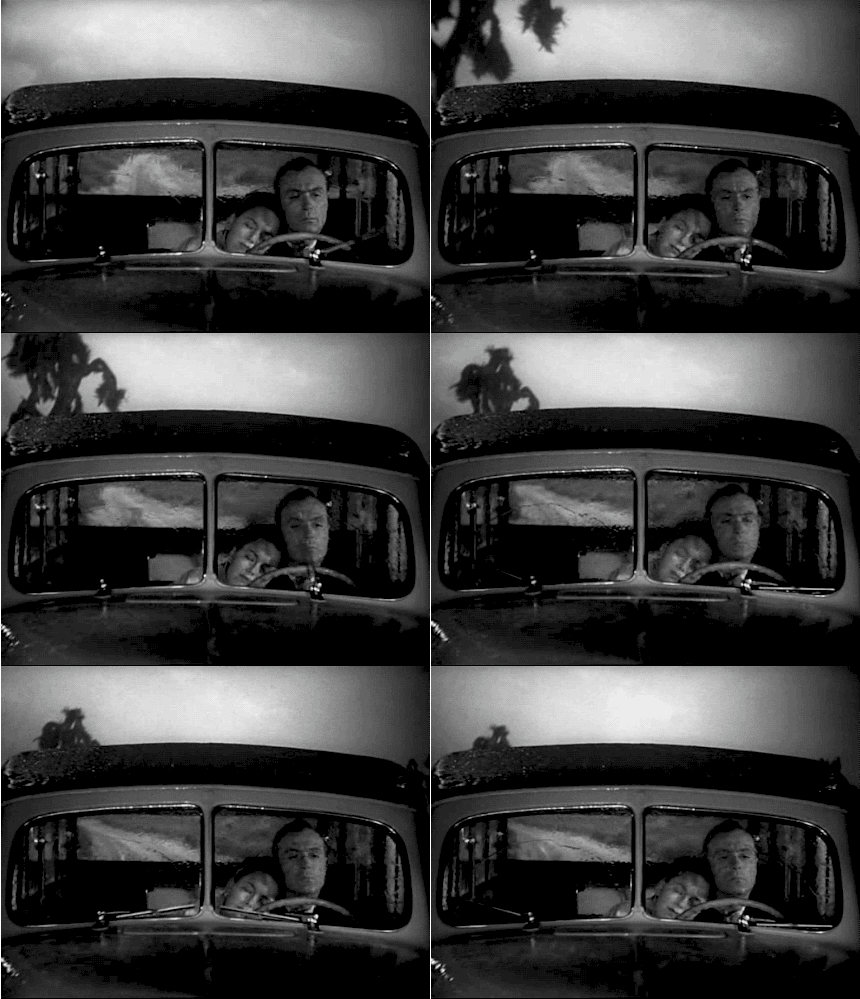
Georges Iscovescu (Charles Boyer) é um romeno que teve um probleminha na Europa e decidiu migrar para os EUA. Ele chega a uma escaldante cidade mexicana na fronteira, e descobre que, dos 150 mil imigrantes que o país deixava então entrar todos os anos, havia uma cota pequena para os romenos – e ele teria de esperar entre 5 e 8 anos para finalmente conseguir entrar no país legalmente. Por isso, ele e outros imigrantes de diversas nacionalidades ficam em um hotel até terem os documentos. O lugar tem um nome sugestivo: Hotel Esperanza.

Georges Iscovescu (Charles Boyer) is a Rumanian who had a little problem in Europe and decided to migrate to the United States. He reaches a hot Mexican city in the border, and finds out that, among the 150 thousand immigrants the US let in every year, there is only a very small quota for Rumanians – and he must wait from 5 to 8 years to finally be able to get in the US legally. So, he and other immigrants from several nationalities stay in a hotel until their visa is ready. The place has a suggestive name: Hotel Esperanza (Hope Hotel).
Mas a esperança não é a última que morre ali. Quando Georges chega ao hotel, um imigrante alemão havia se cansado de esperar e comete suicídio. No hotel, Georges encontra uma velha conhecida, Anita (Paulette Goddard), que lhe dá uma dica: é mais fácil e rápido ser admitido nos EUA se você se casar com uma norte-americana.

But hope is not the last one left standing there. When Georges arrives at Hotel Esperanza, a German immigrant has got tired of waiting and committed suicide. At the hotel Georges finds an old acquaintance, Anita (Paulette Goddard), who gives him a tip: it’s much easier and quicker to be admitted to the US if you marry an American.
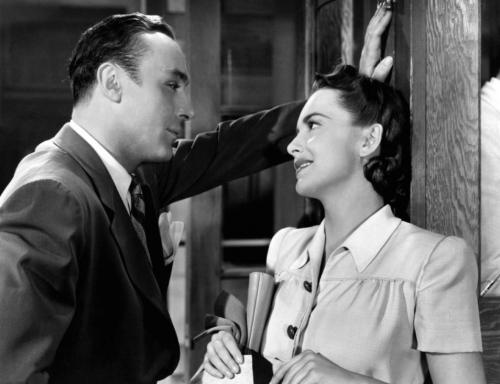
Então, Georges começa a paquerar todas as norte-americanas que ele encontra. A primeira delas acaba sendo uma mulher casada, mas a segunda norte-americana que ele encontra é Emmy (Olivia de Havilland), uma professora que levou seus aluninhos bagunceiros para uma excursão no México durante o feriado de 4 de julho – uma atividade pedagógica que desafia a lógica, eu sei. Georges é charmoso e diz coisas lindas para ela, e o plano funciona: no dia seguinte, eles estão casados. O plano de Georges consistia, desde o começo, em se casar com Emmy, ser aceito nos EUA – escapando assim da vigilância do inspetor Hammock (Walter Abel) – e depois pedir a anulação do casamento e viver livremente nos EUA com Anita.

So, Georges starts hitting on all American women he sees. The first one happens to be already married, but the second American woman he finds is Emmy (Olivia de Havilland), a schoolteacher vacationing with her young and loud students in Mexico for the 4th of July holiday – something that defies the logic, I know. Georges is charming and says beautiful things to her, and the plan works: on the following day, they’re married. Georges’s plan has been, all along, to marry Emmy, be accepted in the US – thus escaping the vigilance of Inspector Hammock (Walter Abel) – then ask for an annulment and live freely there with Anita.
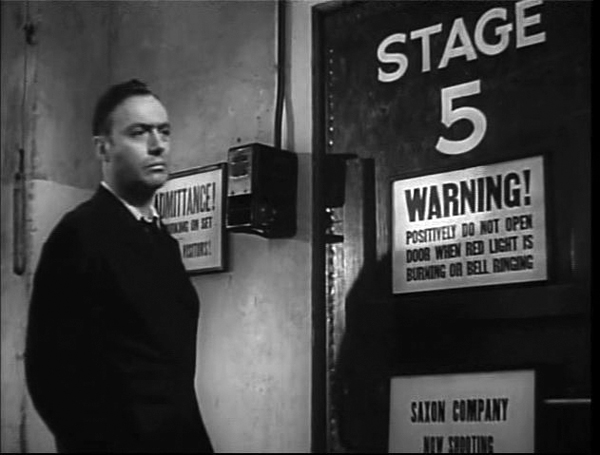
Há duas boas surpresas em “A Porta de Ouro”. Uma é a maneira como o filme começa: Georges está fugindo e entra em um estúdio de cinema, onde ele conta toda sua história de imigrante e falso amante para um diretor chamado Dwight Saxon (o próprio diretor do filme, Mitchell Leisen). O senhor Saxon estava filmando uma cena com Veronica Lake, e quando ele liberou a equipe, pôde finalmente ouvir a história de Georges. A outra boa surpresa é a lua de mel de Georges e Emmy em uma vila mexicana, onde eles participam de uma cerimônia religiosa. Não há nenhum estereótipo nesta parte do filme!

There are two nice surprises in “Hold Back the Dawn”. One is the way it starts: Georges is on the run and enters a film studio, where he tells his whole story as an immigrant and fake lover to a director called Dwight Saxon (director Mitchell Leisen himself). Mr. Saxon was filming a scene with Veronica Lake, and when he dismissed the team he was able to listen to Georges’s story. The other nice surprise is Georges’s and Emmy’s honeymoon in a Mexican villa, where they take part in a religious ceremony. There are no ugly stereotypes there!
Foi uma surpresa incrível e uma coincidência assustadora eu ter escolhido este filme para ver exatamente quando acontece um episódio que não pode ser considerado uma crise de imigração, mas um crime humanitário. Eu tento fugir da política, mas ela me persegue! Por falar em perseguir algo – um sonho - , em uma cena emblemática, um professor estrangeiro, no almoço de 4 de julho, recita para um oficial da imigração o poema na base na Estátua da Liberdade – um texto que prega valores que muitos americanos não apenas esqueceram, mas nos quais nunca sequer acreditaram.

It was an incredible surprise and a chilling coincidence that I chose to watch this movie exactly in the middle of an episode that can't be considered an immigration crisis, but a humanitarian crime. I try to stay away from politics, but they go after me! And talking about going after something, in an emblematic scene, a foreign professor, on the 4th of July lunch, recites to an immigration officer the poem on the basis of the Statue of Liberty – a text that shows values that many Americans not only have forgotten, but have never believed in the first place.
Um momento ruim aqui: Emmy fala dos EUA como a tão divulgada “terra de oportunidades” e compara o país com um lago que deve receber sempre novas correntezas para não ficar parado. Georges comenta: “o seu povo está construindo diques bem altos para parar estas correntezas”. A resposta dela? “Só para deixar o LIXO de fora”. Meu Deus. Isso poderia ter sido dito por um ultraconservador ontem mesmo.

A bad moment here: Emmy talks about the US as the so-called “land of opportunities” and compares the country to a lake that must keep receiving new streams to never go stank. Georges comments: “your people are building pretty high damps to stop these streams”. Her answer? “Just to keep out the SCUM”. Oh my God. This could have been said by an ultraconservative yesterday.
Não nos esqueçamos de que os roteiristas eram Charles Brackett e Billy Wilder – e Wilder era um imigrante, assim como as estrelas Charles Boyer (francês) e Olivia de Havilland (nascida no Japão). A maioria dos coadjuvantes também eram imigrantes, e formaram um grupo muito interessante que merecia muito mais destaque no filme.

Let's not forget that the screenwriters were Charles Brackett and Billy Wilder – and Wilder was an immigrant. So were the stars Charles Boyer (French) and Olivia de Havilland (born in Japan). Most of the supporting cast was also made of immigrants, and they were a very interesting group that deserved a lot more screen time.
Vamos dar uma olhada nestes personagens incríveis que esperam por seus vistos no Hotel Esperanza. Há o casal Kurz, Berta (Rosemary DeCamp) e Josef (Eric Feldary, vindo da antiga Áustria-Hungria). Eles esperam um bebê, e o sonho deles é que o bebê possa nascer sendo um cidadão norte-americano. Bonbois (interpretado por Curt Bois, um ator alemão que fez seu primeiro filme em 1908 e o último em 1988) é um nervoso cabeleireiro francês que serve de alívio cômico. Há também o porfessor Van Den Luecken (o ator belga Victor Francen) e suas duas filhas, Christine (Micheline Cheirel) e Anni (Madeleine Lebeau). Ambas eram atrizes francesas – e Madeleine é parte importante da icônica cena da Marselhesa em “Casablanca” (1942).

Let’s take a look at these amazing characters waiting for their visas at the Hotel Esperanza. There is the Kurz couple, Berta (Rosemary DeCamp) and Josef (Eric Feldary, from former Austria-Hungary). They are expecting a baby, and dream that him or her can be born an American citizen. Bonbois (played by Curt Bois, a German actor who made his first film in 1908 and his last in 1988) is a nervous French coiffeur who serves as the comic relief. There is also professor Van Den Luecken (Belgian actor Victor Francen) and his two daughters, Christine (Micheline Cheirel) and Anni (Madeleine Lebeau). Both actresses were French – and Madeleine is an important part of the iconic Marsellaise scene from “Casablanca” (1942).
Curt Bois in "Casablanca"
Madeleine LeBeau
Boyer é suave e charmoso como sempre. Olivia é adorável como sempre, tendo de ser ingênua a maior parte do tempo. Paulette Goddard está bem como uma femme fatale da fronteira. Mas os reais destaques são os imigrantes desesperados do hotel. Eles são a prova cabal e tangível de que a diversidade é o tempero da vida – e a melhor coisa deste filme.

Boyer is suave and charming as always. Olivia is lovely as always, having to be naïve most of the time. Paulette Goddard is good as a femme fatale of the border. But the true MVPs are the desperate migrants in the hotel. They are the real, touchable proof that diversity is the spice of life – and the best thing in this film.

This is my contribution to the third annual Olivia de Havilland blogathon, hosted by Laura and Crystal at Phyllis Loves Classic Movies and In the Good Old Days ofClassic Hollywood.


Saturday, September 2, 2017

Capitulou Sorrindo (1942) / The Glass Key (1942)


Recortes da vida. Quando eu era pequena e via qualquer filme 'normal' – ou seja, qualquer um que não fosse de animação – eu ficava fascinada porque compreendia os filmes como sendo recortes da vida. Aqueles personagens estão ali, em suas próprias histórias, e nós vemos apenas um pedaço delas. Nós precisamos seguir as pistas e ligar os pontos e descobrir quais são as ligações e motivações dos personagens. Para mim, era como ser um detetive em frente a uma tela. Com o tempo eu descobri que nem todos os filmes são recortes da vida. Mas alguns deles ainda podem ser descritos desta forma, como “Capitulou Sorrindo”, péssimo título dado no Brasil para “The Glass Key” (1942).

Slices of life. When I was little and watched any 'regular' movie – aka not an animated one – I was fascinated because I understood movies as slices of life. Those characters are there, in their own story, and you only get a piece of it. You must connect the clues and the dots and find out the characters' liaisons and motivations. It was like being a detective in front of the screen. With time I learned that not all movies are slices of life. But some of them can still be described this way, like “The Glass Key” (1942).


Todos nós sabemos que há muita coisa em jogo em uma eleição – e em 1942 isso já era assim. Se tornar governador, fazer reformas, ser apoiado por um jornal e criticado por outro, até mesmo manipular a vida familiar e amorosa: tudo isso entra na disputa das eleições. É por isso que Paul Madvig (Brian Donlevy) e Ralph Henry (Moroni Olsen0) estão ligados de várias maneiras: eles são aliados nas eleições estaduais. Madvig quer se casar com a filha de Henry, Janet (Veronica Lake). A irmã de Madvig, Opal (Bonita Granville), ama o filho de Henry, Taylor (Richard Denning), e quer ajudá-lo a pagar as dívidas de jogo – algo que o irmão dela não quer. No meio de tudo isso está Ed Beaumont (Alan Ladd), sócio e melhor amigo de Madvig, e responsável por resolver todos os problemas.

We all know that there is a lot involved in an election – and it was the same way in 1942. Becoming governor, having reforms, being supported by one newspaper and criticized by the other, even playing with family life and love life: everything enters the dispute. That's why Paul Madvig (Brian Donlevy) and Ralph Henry (Moroni Olsen) are connected in more than one way: they are allies in the estate elections. Madvig wants to marry Henry's daughter, Janet (Veronica Lake). Madvig's sister, Opal (Bonita Granville), loves Henry's son, Taylor (Richard Denning), and wants to help him pay his debts – what her brother disapproves. In the middle of all this there is Ed Beaumont (Alan Ladd), Madvig's parter / best friend and the one who must solve all troubles.


Ed é um personagem criado pela mente complexa de Dashiell Hammett, e podemos ver que Ed tem alguns traços em comum com a mais famosa criação de Hammett: Sam Spade. Tanto Sam quanto Ed são homens durões vivendo em um mundo cruel, ambos são cínicos, frios e escondem bem seus sentimentos. Assim, Alan Ladd atua como Humphrey Bogart, o ator que melhor interpretou Spade, e embora suas expressões sejam estoicas, podemos ler nos olhos deles os seus sentimentos. Àquela altura, Ladd estava há quase uma década em Hollywood, como extra, e no ano anterior a “Capitulou Sorrindo” ele inclusive interpretou um técnico de animação no filme da Disney “O Dragão Relutante”.

Ed is a character created by the complicated mind of Dashiell Hammett, and we can see that Ed shares some traits with Hammett's most famous creation: Sam Spade. Both Sam and Ed are tough men living in a more-than-tough world, they're cynical, cold and disguise their feelings well. By doing this, Alan Ladd works a lot like Bogart, the actor who played Spade the best, and although his expression is kind of stoic, we can read his feelings in his eyes. By that point, Ladd had been in Hollywood for nearly a decade, playing extras, and the year before “The Glass Key” he even appeared as an animator in the Disney movie “The Reluctant Dragon”!

Alan Ladd, 1941
Alan Ladd, 1942
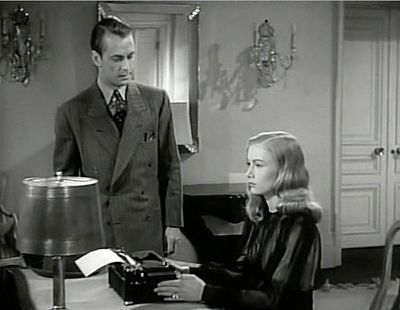
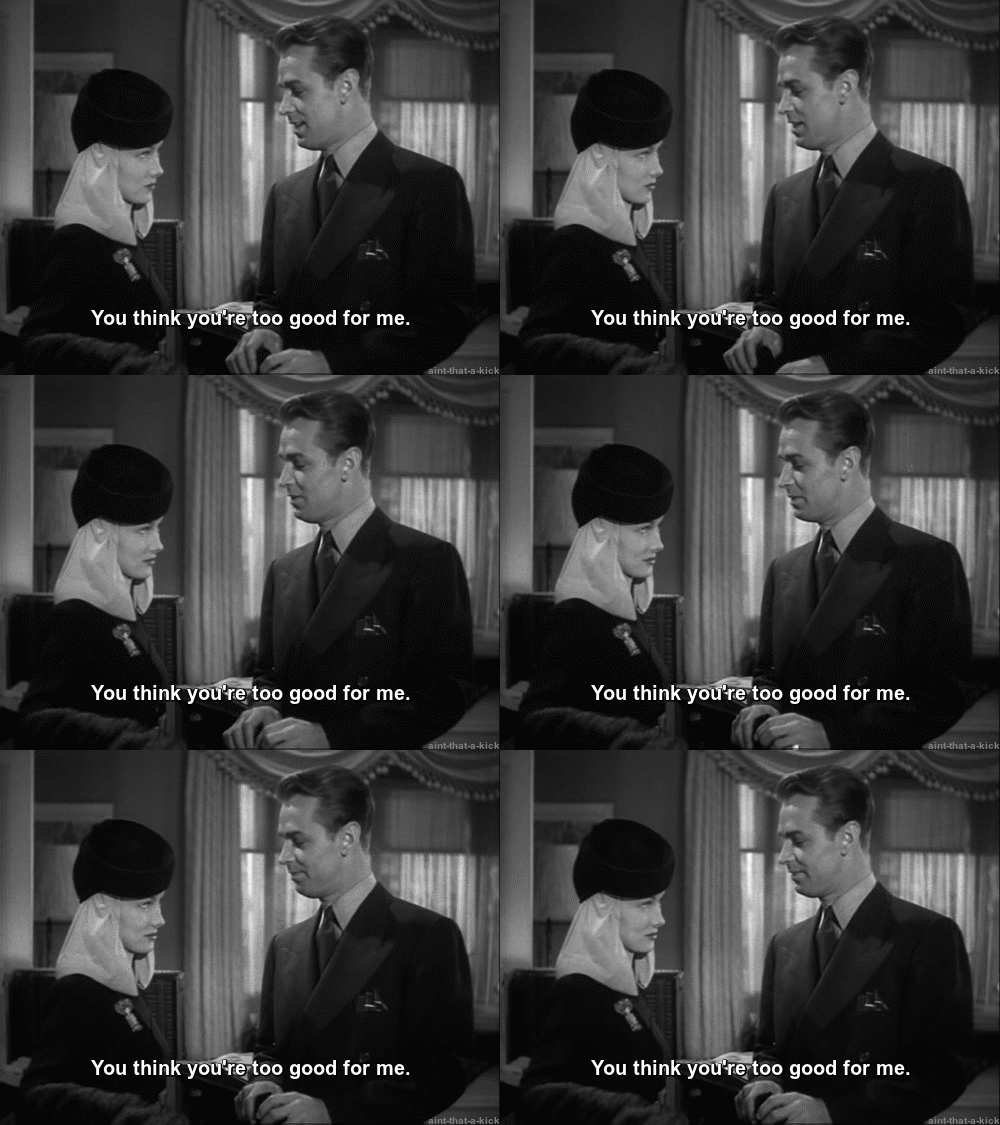
Vamos falar sobre Veronica Lake: a maravilhosa loira baixinha com o penteado peek-a-boo é incrível, não? Ela tinha apenas 19 anos quando “Capitulou Sorrindo” foi filmado, e já mostrava seu talento como atriz. Os momentos em que ela e o personagem de Ed flertam são muito bem feitos, porque o flerte é muito sutil, mas a química é evidente. Este é o segundo filme que eles fizeram juntos.

Let's talk about Veronica Lake: the wonderful petite blonde with the peek-a-boo hair is amazing, isn't she? She was only 19 when “The Glass Key” was made, and already showed great acting skills. The moments in which she and Ladd's character flirt are very well done, because the flirting was very subtle, but we can see that they have great chemistry. This is the second film they did together.


The Glass Key” foi adaptado pela primeira vez para os cinemas em 1935, com George Raft no papel de Ed. Como é o caso de outros trabalhos de Dashiell Hammett, a história era originalmente uma trama pesada sobre corrupção na política, mas se adaptou perfeitamente à narrativa do noir. O filme de 1935 não era noir, obviamente, mas a versão de 1942 é comumente citada em listas de filme noir. Temos nesta versão os ambientes cheios de sombra, o enquadramento em diagonal dos personagens e, acima de tudo, Ed como um protagonista moralmente ambíguo. Talvez, como em “À Beira do Abismo” (1946), “Capitulou Sorrindo” precise ser visto mais de uma vez para ser completamente apreciado. Afinal, se pudéssemos reviver um ‘recorte da vida’ várias vezes, seríamos capazes de perceber todos os detalhes e ter a experiência completa para sempre nas nossas mentes.

The Glass Key” was first adapted into a film in 1935, and George Raft played the part of Ed. As it was the case with other works by Dashiell Hammett, the story was a hard-boiled tale of political corruption, but it fits perfectly the noir narrative. The 1935 movie was not a noir one, of course, but the 1942 version is often cited in noir lists. We have here the shadowy environments, the diagonal shots and, above all, Ed as a morally ambiguous leading man. Maybe, like “The Big Sleep” (1946), “The Glass Key” needs more than one viewing to be fully enjoyed. After all, if we could live a ‘slice of life’ again and again, we would be able to see all the details and have the whole experience forever in our minds.


This is my contribution to the Alan Ladd blogathon, hosted by Hamlette’s Soliloquy.

Sunday, October 30, 2016

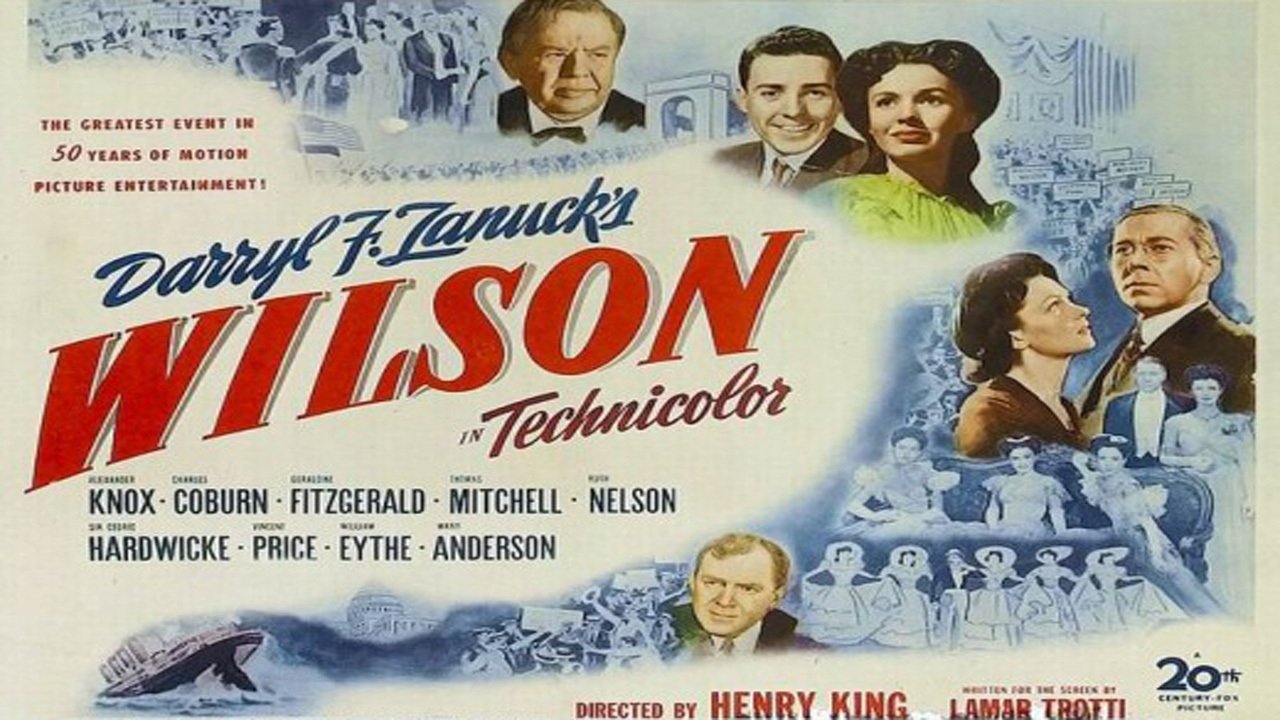
Wilson (1944)

Segundo o site Huffington Post, Woodrow Wilson foi o terceiro pior presidente da história dos Estados Unidos, enquanto seu antecessor, William Howard Taft, foi o melhor de todos. O site Rant Political, entretanto, coloca Wilson entre os 15 melhores e o chama de visionário. Se Wilson não tivesse governado durante a Primeira Guerra Mundial, proposto 14 pontos de paz e idealizado a Liga das Nações, provavelmente estaria ainda mais esquecido – e certamente eu, uma blogueira brasileira, nunca teria ouvido falar dele.

According to the website Huffington Post, Woodrow Wilson was the third worst president of the United States, while his predecessor, William Howard Taft, was the best of them all. The website Rant Political, however, puts Wilson among the 15 best presidents and calls him a visionary. If Wilson was not the governor during World War I, after which he proposed 14 peace points and had the idea of the League of Nations, he would be even more forgotten – and certainly I, a Brazilian blogger, would have never heard about him. 


Obviamente, é difícil e polêmico fazer um ranking do pior para o melhor presidente. Há subjetividade, há o saudosismo dos que viveram sob governos passados, há objetividade e uma visão diferente daqueles que governaram há mais de cem anos. Por isso, para investigar a figura de Woodrow Wilson, resolvi levar em conta outra fonte, tão parcial e cheia de defeitos quando uma lista na internet: uma cinebiografia!

Obviously, it is difficult and polemic to rank the presidents from worst to best. There is subjectivity, there is the nostalgia from those who lived during their terms, there is objectivity and a distinct vision from those who study about a president who ran the nation more than 100 years ago. That’s why I chose to investigate Woodrow Wilson using another source of information, as biased and full of defects as a list on the internet: a biopic!


A cinebiografia começa com a mesma pompa e circunstância de um filme sobre a vida de um santo. Um texto diz que, “às vezes, a vida de um homem espelha a vida de uma nação” e coloca Woodrow Wilson no mesmo patamar de dois adorados presidentes: George Washington a Abraham Lincoln.

The biopic starts with the same pomp and circumstance of a biopic of a saint. A text says that, “sometimes, the life of a man mirrors the life of a nation” and puts Woodrow Wilson at the same level of two beloved presidents: George Washington and Abraham Lincoln.


Em 1909, Woodrow Wilson (Alexander Knox) era apenas o humilde reitor da Universidade de Princeton. Ele reluta em aceitar um convite para concorrer ao cargo de governador de New Jersey, mas acaba convencido a tentar pela esposa e pelas filhas.

In 1909, Woodrow Wilson (Alexander Knox) was just the humble dean of Princeton University. He hesitates to accept an invitation to run for the place of governor of New Jersey, but he makes up his mind thanks to his wife and daughters’ support.

Como governador, ele desafia o poderoso senador Big Ed Jones (Thurston Hall), que foi exatamente o responsável por inserir Wilson na política. Ao impedir que Big Ed se candidatasse à reeleição como senador, Wilson ganha popularidade e se torna um queridinho da mídia – e logo o povo clama que ele seja candidato à presidência.

As a governor, he challenges powerful senator Big Ed Jones (Thurston Hall), exactly the man responsible for the start of his political career. When he impedes Big Ed to run for re-election, Wilson becomes more popular and gains a lot of sympathy from the media – and soon the people start rallying for him to run for president.


Uma vitória heroica sobre o pré-candidato favorito, discursos memoráveis sobre direitos humanos, liberdade, comparações com Abraham Lincoln, a morte da esposa de Wilson, Ellen (Ruth Nelson), uma guerra na Europa: ingredientes perfeitos para pintar Woodrow Wilson como um homem verdadeiramente admirável.

An heroic victory over the favorite pre-candidate, memorable speeches about human rights, freedom, comparisons with Abraham Lincoln, the death of Wilson’s wife, Ellen (Ruth Nelson), a war in Europe: the perfect ingredients to paint Woodrow Wilson as a truly remarkable man.


Como candidato à reeleição, ele precisa calcular as consequências de sua decisão de se casar novamente, desta vez com Edith Bolling Galt (Geraldine Fitzgerald), e também provar que sua estratégia de não envolvimento com a guerra não é um ato de covardia, mas uma tentativa de diplomacia.

As candidate for re-election, he must calculate the consequences of marrying Edith Bolling Galt (Geraldine Fitzgerald), and also prove that his no-war strategy is not a sign of cowardice, but an attempt of being diplomatic. 

Obviamente, “Wilson” é um filme feito pontualmente para 1944: com os Estados Unidos envolvidos em outra guerra contra a Alemanha, após outra tentativa de manter distância do conflito. O único projeto pelo qual Wilson lutou intensamente, a Liga das Nações, fracassou e, acreditava-se na época, poderia ter evitado outra guerra.

Obviously, “Wilson” is a film that could only be made in 1944: with the USA involved once again in a war against Germany, right after another attempt to be away from the battlefield. The only project that Wilson was passionate about, the League of Nations, failed, and it was believed at the time that his idea could have prevented another war. 


Darryl F. Zanuck acreditava que os Estados Unidos precisavam de outra injeção de ânimo e sua ideia era fazer de “Wilson” seu maior sucesso. Apesar dos cinco Oscars ganhos (Edição, Fotografia a Cores, Direção de Arte, Roteiro Original e Mixagem de Som), o filme foi um fracasso de bilheteria, desapontando inclusive Winston Churchill, que saiu no meio de uma exibição do filme.

Darryl F. Zanuck believed that the United States needed another mood boost and his idea was to make of “Wilson” her greatest success ever. It may have won five Oscars (Editing, Cinematography - Color, Art Direction - Interior Decoration, Sound - Recording, Original Screenplay), but the film was a box office failure and even disappointed Winston Churchill, who left a screening to go to bed. 


Wilson é mostrado como um homem simples, caseiro, que gostava de cantar ao lado do piano com sua família, honesto, corajoso, sem ambição, mas movido por um forte senso de justiça, à mesma maneira de “A Mocidade de Lincoln” (1939).

Wilson is shown as a simple man, loving his home, enjoying singing by the piano with his family, an honest, bold, ambitionless less, moved by a strong sense of justice, exactly like in “Young Mr. Lincoln” (1939).

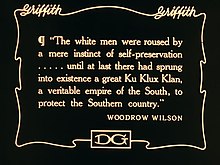
Ele é mostrado como alguém que quer acabar com os privilégios de classes, mas o filme “esquece” de mencionar que Woodrow Wilson era simpatizante da Ku Klux Klan e foi durante seu governo que a segregação racial se fortaleceu. Mas temos aqui uma ajudinha do bom, velho e nem sempre confiável D.W. Griffith para refrescar nossa memória:

He is shown as someone who wants to end class privileges, but the film “forgets” to mention that Woodrow Wilson sympathized with the Ku Klux Klan and it was during his government that racial segregation became stronger. But we have here a little help from good, old, not always reliable D.W. Griffith to refresh our memory:


Sim, no governo de Wilson foi concedido o voto às mulheres, mas ele só apoiou a ideia porque precisava: na verdade, Wilson acreditava que as mulheres poderiam votar em cargos municipais e estaduais, mas não para presidente. E olhe que ironia: após um derrame que o debilitou seriamente, Wilson passou a depender da segunda esposa para governar o país. Sim, era 1919 e quem comandava os Estados Unidos era uma mulher.

Yes, it was during Wilson’s administration that women were allowed to vote, but he only supported the idea because he had no other option: in fact, Wilson believed that women could vote for mayor and governor, but never for president. And look how ironic: after a stroke that left him seriously debilitated, Wilson relied on his second life to rule the country. Yes, it was 1919 and it was a woman who ran the United States.

Wilson and Edith
Alexander Knox se parece muito com Wilson, embora seja muito mais novo que o biografado. Ele passa confiança e seriedade. Gostaria de ter visto mais de Charles Coburn, que interpreta um amigo de Wilson de Princeton, e diz uma ótima frase: “Toda eleição é decepcionante, meu jovem, se você tem o azar de ser eleito”.

Alexander Knox looks a lot with Wilson, although he was much younger than the president when the film was made. He looks trust-worthy and serious. I’d like to have seen more of Charles Coburn, who plays a friend of Wilson’s from Princeton and has this great quote: “Any election is an upset, young man, if you’re unfortunate enough to be elected”.


Wilson” é um filme bonito de se ver, por ser em cores e ter cenas grandiosas em belos cenários. É, como toda cinebiografia, um exercício de desconfiança, mas tornado ainda maior por ser tão parcial ao retratar um presidente que estava longe de ser santo – ou o segundo Lincoln.

Wilson” is a feast for the eyes, because it is a color movie with grand scenes in wonderful sets. It is, as any biopic, an exercise in distrust, but made even bigger because it is so biased when trying to portray a president who was not a saint – nor the second Lincoln.

This is my contribution to the Hail-to-the-Chief blogathon, hosted by Robin at Pop Culture Reverie. Now go out and VOTE!

Related Posts Plugin for WordPress, Blogger...