} Crítica Retrô: Alan Ladd

Tradutor / Translator / Traductor / Übersetzer / Traduttore / Traducteur / 翻訳者 / переводчик

Showing posts with label Alan Ladd. Show all posts

Monday, August 25, 2025

O Rebelde Orgulhoso (1958) / The Proud Rebel (1958)


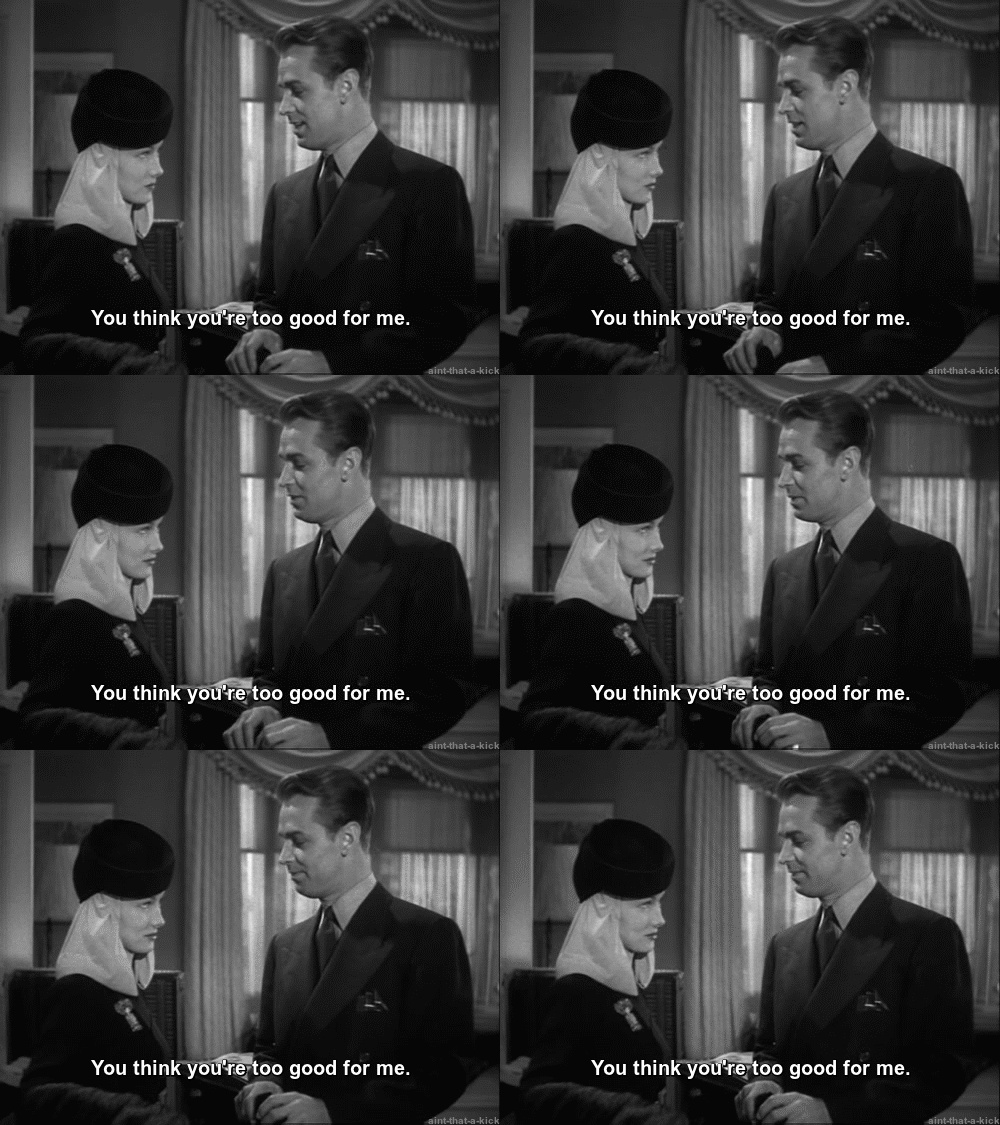
Quando falamos sobre Alan Ladd, eu penso em filme noir, obviamente, porque ele fez alguns filmes do gênero, como “Capitulou Sorrindo” (1942). Mas eu principalmente penso em faroestes, pois ele foi o protagonista de “Os Brutos Também Amam” (1953), entre outros. Cinco anos após este filme icônico, Ladd e seu filho foram novamente para o Velho Oeste em “O Rebelde Orgulhoso”.

When we talk about Alan Ladd, I think of film noir, of course, as he starred in some films of the genre, like “The Glass Key” (1942). But I mainly think about westerns, as he was the lead of “Shane” (1953), among others. Five years after this iconic movie, Ladd took his son as an acting partner and left to the Old West once again in “The Proud Rebel”.

A época não é especificada, mas a ação se passa não muito tempo após a Guerra de Secessão (1861-1865). Vindo do Sul, John Chandler (Alan Ladd) ruma para o norte até Aberdeen em busca de um médico que desse um diagnóstico preciso do que tem de errado com seu filho David (David Ladd). O garoto parou de falar dois anos antes, depois de um grande trauma. O doutor Enos Davis (Cecil Kellaway) indica outro médico em Minnesota que talvez possa ajudá-los. Mas antes eles viverão uma aventura.

Time is not specified, but it’s not long after the American Civil War (1861-1865). Coming from the South, John Chandler (Alan Ladd) goes north to Aberdeen to find a doctor that can give a precise diagnosis of what is wrong with his son David (David Ladd). The boy stopped talking two years before, after suffering a massive shock. Dr Enos Davis (Cecil Kellaway) refers them to another doctor in Minnesota who can, maybe, help them. But first they’ll live an adventure.

Por causa de suas origens, Chandler é importunado por uma dupla de arruaceiros, os Burleigh, que tentam roubar seu cachorro, Lance. Eles começam uma briga e Chandler é injustamente acusado de beber e perturbar a ordem. Ele é condenado por um juiz a 30 dias na cadeia ou uma fiança de 30 dólares. Linnett Moore (Olivia de Havilland), uma mulher cujo caminho se cruzou com o dos Chandler, oferece para pagar a dívida em troca de Chandler trabalhar na fazenda dela. 

Because of his origins, Chandler is bothered by a duo of troublemakers, the Burleighs, who try to steal his dog, Lance. They get into a fight and Chandler is wrongly accused of drinking and disturbing the order. He is convicted by a judge to 30 days in jail or 30 dollars for bail. Linnett Moore (Olivia de Havilland), a woman whose path crossed with the Chandlers’, offers to pay the bail in exchange for Chandler working in her farm.

Linnett costumava cuidar de uma fazenda de 80 hectares com seu pai e seu irmão, mas desde que os dois homens morreram ela está sozinha na iniciativa. Ela planta cevada e tem alguns cavalos e vacas. Os Burleigh, seus vizinhos, têm um imenso rebanho de ovelhas que invadem sua terra, para depois serem mandadas de volta por Chandler, David e Lance, promovido a cão pastor.

Linnett used to take care of an 80-acre farm with her father and brother, but since the two men died she’s alone in the endeavor. She mainly grows barley and has some horses and cows. The Burleighs, her neighbors, have a huge flock of sheep which invade her land, only to be sent back by Chandler, David and Lance, now promoted to sheepdog.

Há algumas tomadas inspiradas neste faroeste em Technicolor, seja com Chandler arando a terra contra um pôr-do-sol brilhante ou ele e Linnett conversando e apenas suas sombras sobre o rio aparecendo na tela. Há até mesmo uma cena filmada de baixo para cima, com o teto do bar no enquadramento, para capturar os movimentos do cachorro! Enquanto isso, cores sóbrias fazem parte do figurino da solteirona Linnett - as roupas de Olivia foram feitas pela ganhadora do Oscar Mary Wills. 

There are some inspired shots in this western in Technicolor, be it with Chandler plowing the land against a bright sunset or he and Linnett talking and only their shadows on the river appearing on the screen. There is even a scene shot from below, with the bar ceiling in frame, to capture the moves of the dog! Meanwhile, sober colors make up the wardrobe for spinster Linnett - Olivia’s outfits were made by Oscar winner Mary Wills.

A crescente animosidade entre o Norte e o Sul, mesmo depois que a guerra terminou, é um tema que pode ser encontrado em diversos faroestes. Começando com o faroeste de 1918 “The Scarlet Drop” de John Ford, centenas de exemplos poderiam ser citados, mas eu tenho certeza de que qualquer cinéfilo já se deparou com alguns deles enquanto via filmes a trabalho ou lazer. 

The ongoing animosity between North and South, even after the war was over, is a theme that can be found in several westerns. Starting with John Ford’s 1918 western “The Scarlet Drop” from 1918, hundreds of examples could be cited here, but I’m sure that any film fan has encountered quite a few of them while watching movies for work or for fun.

David Ladd está muito bem como o personagem que é seu xará. Usando uma forma rudimentar de língua de sinais, ele consegue se comunicar mas não escapa do bullying. David tinha 11 anos quando “O Rebelde Orgulhoso” foi feito e por sua performance ele recebeu um Globo de Ouro de “Melhor Novato”. Ele continuou atuando e produzindo, inclusive se tornando executivo produtor sênior na MGM nos anos 90.

David Ladd is extremely good as a character who is his namesake. Using a rudimentary form of sign language, he is able to communicate but can’t escape the bullies. David was 11 when “The Proud Rebel” was made and for his performance he received a Golden Globe award for “Best Newcomer”. He kept on acting and producer, until he became a senior production executive at MGM in the 1990s.

Lance, o cobiçado cão pastor, é interpretado por King, um cão pastor que ganhou prêmios. Além dos Burleigh tentando roubá-lo, Lance também é desejado por um homem chamado Bates, que oferece a pequena fortuna de 200 dólares pelo cão - que Chandler recusa, afinal, o cão é companheiro fiel de David. Ter um animal de estimação traz benefícios de saúde para todas as pessoas, especialmente crianças com deficiências, sejam elas temporárias ou permanentes

Lance, the much-coveted sheepdog, is played by King, an award-winning sheepdog. Besides the Burleighs trying to steal him, Lance is also desired by a man called Bates, who offers a small fortune of 200 dollars for the dog - which Chandler refuses, after all, it’s David’s faithful companion. Having a pet brings health benefits to all people, especially children with disabilities, both temporary and permanent.

O grande Michael Curtiz dirigiu “O Rebelde Orgulhoso”. Ele conseguiu fazer um faroeste e um filme para toda a família. Curtiz se envolveu com o projeto quando seu vizinho em Malibu, o produtor Samuel Goldwyn Jr, foi até ele durante as férias para discutir o filme. Alan Ladd havia trabalhado com Curtiz como assistente no filme de 1935 “Capitão Blood” e eles se reconectaram após uma série de filmes indiferentes na carreira do ator. “O Rebelde Orgulhoso” foi um sucesso e continua sendo diversão para todos os públicos.

The great Michael Curtiz directed “The Proud Rebel”. Here he managed to do a western AND a family movie. Curtiz became associated with the project when his next-door neighbor in Malibu, producer Samuel Goldwyn Jr, approached him while on vacation to discuss the movie. Alan Ladd had worked under Curtiz as a grip in the 1935 “Captain Blood” and they reconnected after a series of indifferent films in the actor’s career. “The Proud Rebel” was a hit and remains entertaining for all audiences.

This is my contribution to the 2025 Legends of Western Cinema Week.

Thursday, September 5, 2019

A Besta de Berlim (1939) / Hitler – Beast of Berlin (1939)


Alguns dias atrás lembramos os 80 anos desde o começo da Segunda Guerra Mundial. O filme de baixo orçamento “A Besta de Berlim” estreou um mês após o início da guerra. Trata-se de um artefato histórico muito curioso, e é também interessante por trazer Alan Ladd em um papel secundário. A história por trás do filme também mostra como simpatizantes do nazismo agiam nos EUA – não no sentido de colaboração total com o nazismo, mas, mesmo assim, como pessoas que representavam algum perigo para a liberdade de expressão.

A few days ago we remembered the 80 years since World War II began. The B-movie “Hitler – Beast of Berlin” was released a month after the war started. It’s a very curious historical artifact, and it’s also of interest because it brings Alan Ladd in a secondary role. The film’s background also shows how Nazi sympathizers have walked in America – not in the sense of full-on collaboration with Nazism, but as dangerous people nonetheless.


“A Besta de Berlim” – por vezes exibido com o título “Hell’s Devils” – é a história de um grupo da Resistência na Alemanha. O filme começa com imagens reais de desfiles dos nazistas e corta para um desfile encenado, no qual o povo faz a saudação nazista e, quando o desfile acaba, balança a cabeça, consternado – o povo não concorda com a ideologia que está no poder, mas fingir obediência é a única coisa que o povo pode fazer para sobreviver.

“Hitler – Beast of Berlin” - sometimes also presented as “Hell's Devils” - is the story of a Resistance group in Germany. The film starts with real footage of Nazi parades and cuts to a staged parade, in which the people give the Nazi salute and shake their heads in disbelief once the parade is over – they do not agree with the ideology in power, but pretending to obey is what they can do to survive.


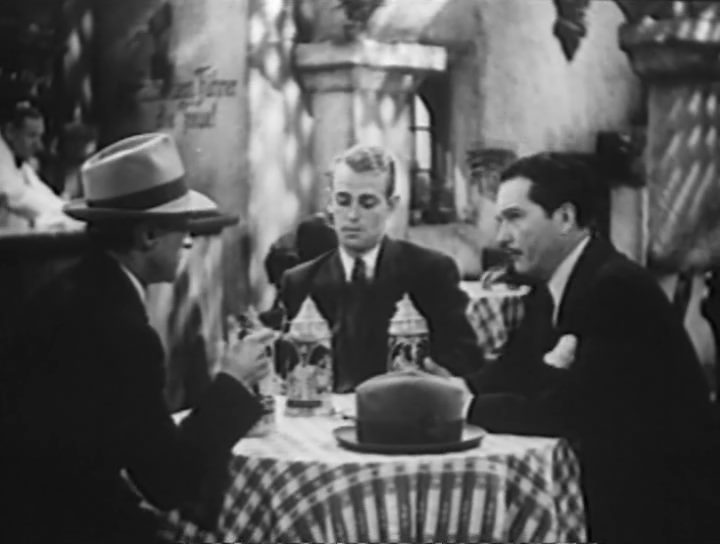
Karl (Alan Ladd) e dois amigos fazem a saudação nazista para dois oficiais da SS que entram no restaurante em que eles estão. Um dos amigos inclusive fala alto sobre “queimar museus”, o que agrada aos dois oficiais. Mas não se engane: os três amigos são parte de um movimento pacifista de resistência.

Karl (Alan Ladd) and his two fellows also give the Nazi salute when two SS officers enter the restaurant they're in. One of the friends even talks out loud about “burning museums”, which delights the two officers. But don't be mistaken: the three friends are part of an underground pacifistic movement.


Karl é o mais novo membro do movimento – e está com medo. Ele acredita que Hitler é perigoso e um dia irá começar uma guerra, mas ele olha para o passado e percebe que nenhum reinado de terror durou muito, então se pergunta: por que eles devem arriscar suas vidas distribuindo propaganda antinazista? Hitler cairá um dia, ele diz. Ele tem de ser lembrado de que seus amigos não estão sozinhos combatendo o bom combate – há muitos núcleos de resistência que, juntos, podem fazer a diferença.

Karl is the newest member in the movement – and he's afraid. He believes that Hitler is dangerous and will eventually initiate a war, but he looks at the past and sees that no reign of horror lasted forever, so why risk their lives distributing propaganda? Hitler will fall some day, he says. He has to be reminded that they are not alone in this good fight – there are many underground groups that, together, can make a difference.


Eles imprimem um folheto dizendo que “o mundo inteiro está horrorizado com as brutalidades que vêm acontecendo nessa nação que já foi civilizada”. Bem, a palavra certa não é “horrorizado”: na verdade, os outros países eram ou coniventes ou indiferentes com as atrocidades que já aconteciam na Alemanha, com poucos grupos de pessoas preocupados de fato.
 
They print a leaflet saying that “the entire world is horrified by the brutalities that have been visited upon our once civilized nation.” Well, the word here is not “horrified”: in fact, the other countries were either accomplice or indifferent to the atrocities already going on in German, with few groups of people really concerned.


A técnica do grupo é usar o vento para distribuir o panfleto, mas dois oficiais da SS percebem e confiscam os panfletos de todos os cidadãos que porventura os acham no chão. Mas eles não podem censurar tudo: em lojas e ferrovias, as pessoas estão reclamando da inflação e das condições de trabalho, no rádio e na igreja as pessoas estão ouvindo mensagens pacifistas.

The group's technique is to use the wind to distribute the leaflet, but two SS officers see it and start confiscating the leaflet from all citizens that catch one from the floor. But they can't censor everything: in shops and railroads, people are complaining about the inflation and the work conditions, in the radio and in church people are listening to pacifist messages.


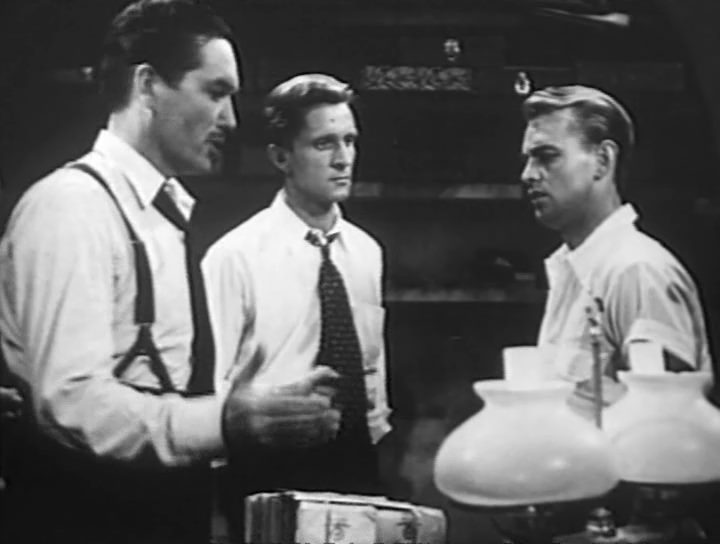
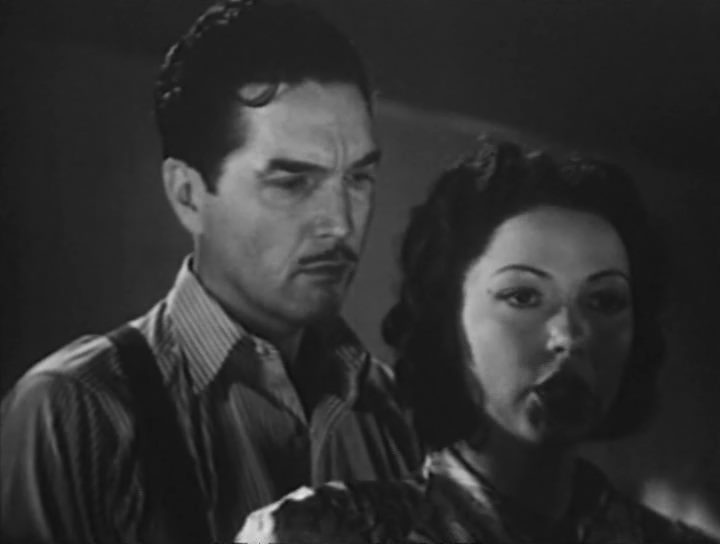
Na resistência há homens de todas as idades, uma mulher, Anna (Greta Granstedt) e até mesmo um padre. Puxa, um dos membros do grupo está infiltrado na Gestapo! Anna é uma mulher esperta: mesmo namorando Karl, ele se recusa a se casar porque “na nova Alemanha, é para isso que as mulheres servem: para ter filhos”, e ela sabe que pode muito mais que isso atuando na resistência. Hans (Roland Drew), o líder do grupo, vive um dilema: ele está dividido entre o trabalho com a resistência e a possibilidade de sair do país com a esposa grávida, Elsa (Steffi Duna).

In the underground there are men of all ages, one woman, Anna (Greta Granstedt) and even a priest. Damn, one of the members of the group is infiltrated in the Gestapo! Anna is a smart woman: even though she dates Karl, she refuses to marry because “in the new Germany, that's what women are for: having children” and she knows she can do much more working with the resistance. Hans (Roland Drew), the leader of the group, lives a dilemma: he is torn between working with the resistance and leaving the country with his pregnant wife, Elsa (Steffi Duna).


Schultz (John Ellis), outro membro da resistência, diz: “campos de concentração estão cheios de pessoas como nós”, e nós somos lembrados de que os primeiros campos de concentração foram construídos em 1933 para presos políticos. E, ao contrário do que se acredita, o mundo já sabia dos campos de concentração antes do final da guerra, porque aqui temos um filme norte-americano de 1939 falando sobre eles e recriando o interior de um deles.

Schultz (John Ellis), another resistance member, says: “concentration camps are full of people like us”, and we're reminded that the first concentration camps were built in 1933 for political prisoners. And, contrary to popular belief, the world did know about concentration camps before the end of the war, because here it is a 1939 American film talking about them and recreating the interiors of one.


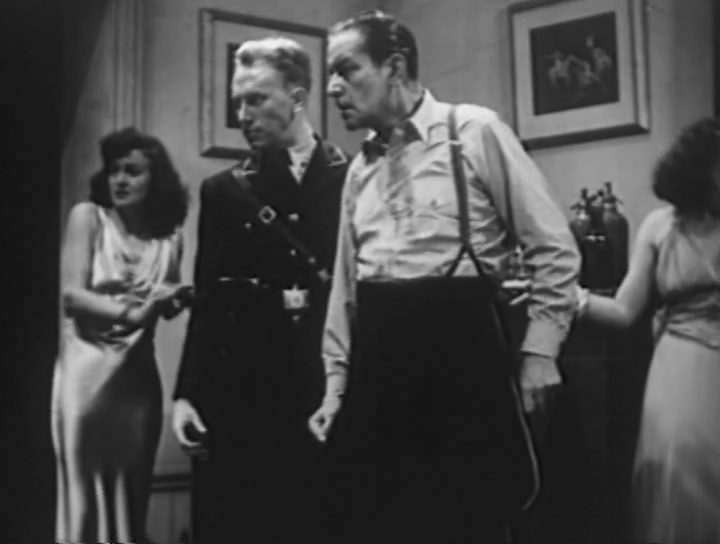
Oficiais da SS e da Gestapo são retratados como pessoas rudes, sádicas e depravadas – como eram de fato. Eles torturam os presos para que eles confessem que são “comunistas”, e riem dos homens que são largados quase sem vida nas prisões. Um deles diz ao Padre Pommer (Friederick Giermann) que não há Deus, é Hitler quem toma conta deles.

SS and Gestapo officers are shown as rude, sadistic and depraved – as it should be. They torture the people they arrest, in order to make them confess that they're “communists”, and laugh at the men who are left nearly lifeless in prison cells. One of them says to Father Pommer (Friederick Giermann) that there is no God, Hitler is the one taking care of them.


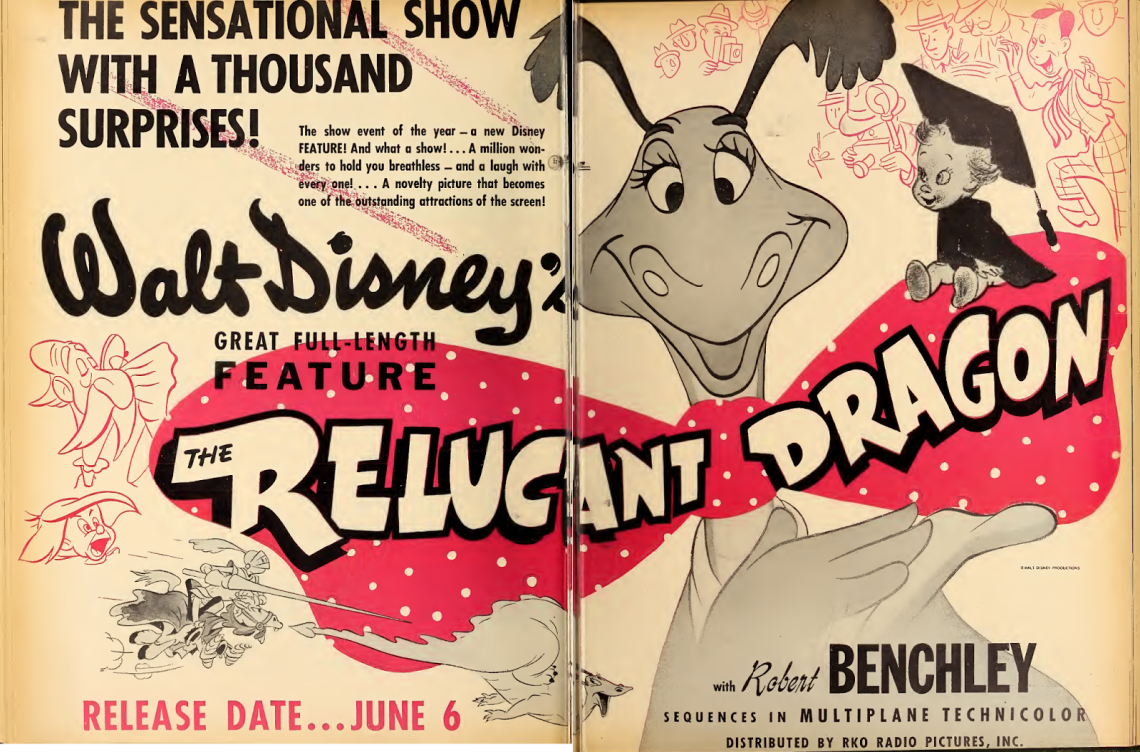
Foram necessários 10 anos para que Alan Ladd estourasse em Hollywood: ele começou como figurante em 1932, e conseguiu notoriedade apenas em 1942 com “Capitulou Sorrindo”. Antes disso, ele ficou muitos anos fazendo papéis sem receber créditos e até interpretou um animador da Disney na parte em live-action de “O Dragão Relutante” (1941). Em “A Besta de Berlim”, Ladd tem um papel coadjuvante, mas seu personagem é quem faz a coisa mais ousada.

It took 10 years for Alan Ladd to get his big break in Hollywood: he started as an extra in films in 1932, and only got notoriety in 1942 with “The Glass Key”. Before that, he spent many years playing uncredited roles and even acted as a Disney animator in the live-action part of “The Reluctant Dragon” (1941). In “Hitler – Beast of Berlin”, Ladd plays a supporting role, but his character is the one who does the most daring act of them all.
 
"O Dragão Relutante" / "The Reluctant Dragon"
Você deve estar se perguntando: se este filme “A Besta de Berlim” é tão ousado, por que eu nunca ouvi falar dele? Há muitas razões. A mais óbvia é que este não é um filme feito por um grande estúdio, por isso foi facilmente esquecido com o tempo. O filme foi feito por um produtor independente com objetivos de explorar o tema – não com o objetivo mais humano de denunciar os nazistas. Há uma razão ainda pior: quando o filme estreou, muitos cinemas que apoiavam a Alemanha nazista se recusaram a exibir o filme. Muitos estados proibiram sua exibição e a Associação dos Produtores e o escritório do Código Hays se recusaram a dar o selo de aprovação para o filme. Foram os simpatizantes do nazismo que impediram que o filme ficasse mais conhecido.

You must be wondering: if this film “Hitler – Beast of Berlin” is so daring, why haven't I heard of it yet? There are a few reasons. The most obvious one is that this is not a movie made by a big studio, so it was easily forgotten with time. The film was made by an independent producer for exploitation purposes – not the more human purpose of denouncing Nazis. There is an even uglier reason: when the film premiered, many movie theaters that supported Nazi German refuse to screen the film. Many state boards prohibited the film and the MPPA and the Hays office refused to give it a seal of approval. The Nazi sympathizers were the ones that prevented the movie from getting a wide release.


Mesmo tendo sido feito com um orçamento mínimo – o que se nota facilmente – “A Besta de Berlim” consegue alertar, surpreender e inspirar. O filme mostra que ficar de cabeça erguida ao enfrentar o mal é uma virtude, e que todos podem fazer a diferença, onde quer que estejam, na luta do bem contra o mal.

Although made with a minimum budget – and it shows – and not with the best intentions, “Hitler – Beast of Berlin” manages to alert, surprise and inspire. It shows that standing still when facing evil is a virtue and that everybody can make a difference, wherever they are, in the fight of good versus evil.

"Hitler - Beast of Berlin" is avbailable on YouTube.

This is my contribution to The Man who Would Be Shane: The Alan Ladd Blogathon, hosted by Gabriela at Pale Writer.


Saturday, September 2, 2017

Capitulou Sorrindo (1942) / The Glass Key (1942)


Recortes da vida. Quando eu era pequena e via qualquer filme 'normal' – ou seja, qualquer um que não fosse de animação – eu ficava fascinada porque compreendia os filmes como sendo recortes da vida. Aqueles personagens estão ali, em suas próprias histórias, e nós vemos apenas um pedaço delas. Nós precisamos seguir as pistas e ligar os pontos e descobrir quais são as ligações e motivações dos personagens. Para mim, era como ser um detetive em frente a uma tela. Com o tempo eu descobri que nem todos os filmes são recortes da vida. Mas alguns deles ainda podem ser descritos desta forma, como “Capitulou Sorrindo”, péssimo título dado no Brasil para “The Glass Key” (1942).

Slices of life. When I was little and watched any 'regular' movie – aka not an animated one – I was fascinated because I understood movies as slices of life. Those characters are there, in their own story, and you only get a piece of it. You must connect the clues and the dots and find out the characters' liaisons and motivations. It was like being a detective in front of the screen. With time I learned that not all movies are slices of life. But some of them can still be described this way, like “The Glass Key” (1942).


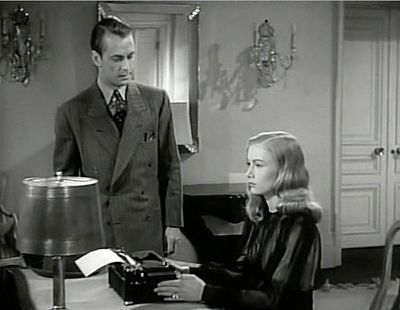
Todos nós sabemos que há muita coisa em jogo em uma eleição – e em 1942 isso já era assim. Se tornar governador, fazer reformas, ser apoiado por um jornal e criticado por outro, até mesmo manipular a vida familiar e amorosa: tudo isso entra na disputa das eleições. É por isso que Paul Madvig (Brian Donlevy) e Ralph Henry (Moroni Olsen0) estão ligados de várias maneiras: eles são aliados nas eleições estaduais. Madvig quer se casar com a filha de Henry, Janet (Veronica Lake). A irmã de Madvig, Opal (Bonita Granville), ama o filho de Henry, Taylor (Richard Denning), e quer ajudá-lo a pagar as dívidas de jogo – algo que o irmão dela não quer. No meio de tudo isso está Ed Beaumont (Alan Ladd), sócio e melhor amigo de Madvig, e responsável por resolver todos os problemas.

We all know that there is a lot involved in an election – and it was the same way in 1942. Becoming governor, having reforms, being supported by one newspaper and criticized by the other, even playing with family life and love life: everything enters the dispute. That's why Paul Madvig (Brian Donlevy) and Ralph Henry (Moroni Olsen) are connected in more than one way: they are allies in the estate elections. Madvig wants to marry Henry's daughter, Janet (Veronica Lake). Madvig's sister, Opal (Bonita Granville), loves Henry's son, Taylor (Richard Denning), and wants to help him pay his debts – what her brother disapproves. In the middle of all this there is Ed Beaumont (Alan Ladd), Madvig's parter / best friend and the one who must solve all troubles.


Ed é um personagem criado pela mente complexa de Dashiell Hammett, e podemos ver que Ed tem alguns traços em comum com a mais famosa criação de Hammett: Sam Spade. Tanto Sam quanto Ed são homens durões vivendo em um mundo cruel, ambos são cínicos, frios e escondem bem seus sentimentos. Assim, Alan Ladd atua como Humphrey Bogart, o ator que melhor interpretou Spade, e embora suas expressões sejam estoicas, podemos ler nos olhos deles os seus sentimentos. Àquela altura, Ladd estava há quase uma década em Hollywood, como extra, e no ano anterior a “Capitulou Sorrindo” ele inclusive interpretou um técnico de animação no filme da Disney “O Dragão Relutante”.

Ed is a character created by the complicated mind of Dashiell Hammett, and we can see that Ed shares some traits with Hammett's most famous creation: Sam Spade. Both Sam and Ed are tough men living in a more-than-tough world, they're cynical, cold and disguise their feelings well. By doing this, Alan Ladd works a lot like Bogart, the actor who played Spade the best, and although his expression is kind of stoic, we can read his feelings in his eyes. By that point, Ladd had been in Hollywood for nearly a decade, playing extras, and the year before “The Glass Key” he even appeared as an animator in the Disney movie “The Reluctant Dragon”!

Alan Ladd, 1941
Alan Ladd, 1942
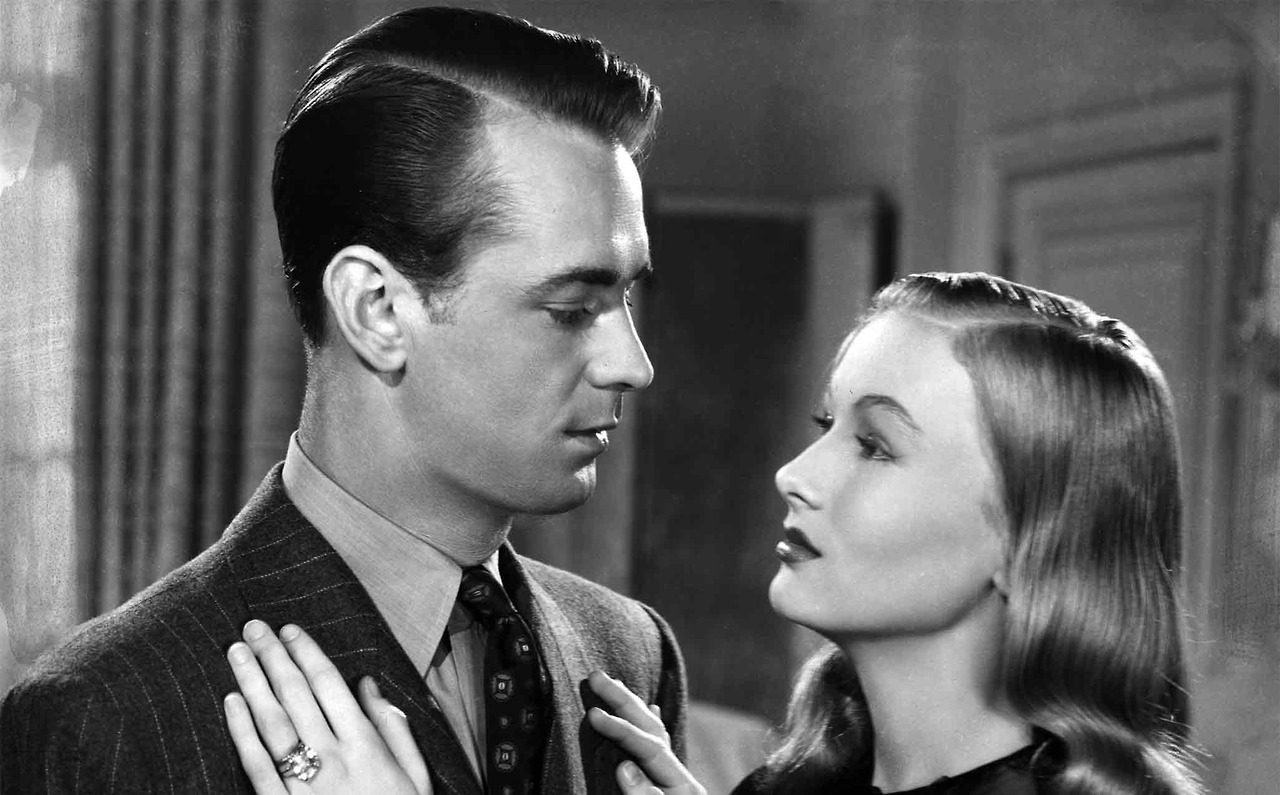
Vamos falar sobre Veronica Lake: a maravilhosa loira baixinha com o penteado peek-a-boo é incrível, não? Ela tinha apenas 19 anos quando “Capitulou Sorrindo” foi filmado, e já mostrava seu talento como atriz. Os momentos em que ela e o personagem de Ed flertam são muito bem feitos, porque o flerte é muito sutil, mas a química é evidente. Este é o segundo filme que eles fizeram juntos.

Let's talk about Veronica Lake: the wonderful petite blonde with the peek-a-boo hair is amazing, isn't she? She was only 19 when “The Glass Key” was made, and already showed great acting skills. The moments in which she and Ladd's character flirt are very well done, because the flirting was very subtle, but we can see that they have great chemistry. This is the second film they did together.


The Glass Key” foi adaptado pela primeira vez para os cinemas em 1935, com George Raft no papel de Ed. Como é o caso de outros trabalhos de Dashiell Hammett, a história era originalmente uma trama pesada sobre corrupção na política, mas se adaptou perfeitamente à narrativa do noir. O filme de 1935 não era noir, obviamente, mas a versão de 1942 é comumente citada em listas de filme noir. Temos nesta versão os ambientes cheios de sombra, o enquadramento em diagonal dos personagens e, acima de tudo, Ed como um protagonista moralmente ambíguo. Talvez, como em “À Beira do Abismo” (1946), “Capitulou Sorrindo” precise ser visto mais de uma vez para ser completamente apreciado. Afinal, se pudéssemos reviver um ‘recorte da vida’ várias vezes, seríamos capazes de perceber todos os detalhes e ter a experiência completa para sempre nas nossas mentes.

The Glass Key” was first adapted into a film in 1935, and George Raft played the part of Ed. As it was the case with other works by Dashiell Hammett, the story was a hard-boiled tale of political corruption, but it fits perfectly the noir narrative. The 1935 movie was not a noir one, of course, but the 1942 version is often cited in noir lists. We have here the shadowy environments, the diagonal shots and, above all, Ed as a morally ambiguous leading man. Maybe, like “The Big Sleep” (1946), “The Glass Key” needs more than one viewing to be fully enjoyed. After all, if we could live a ‘slice of life’ again and again, we would be able to see all the details and have the whole experience forever in our minds.


This is my contribution to the Alan Ladd blogathon, hosted by Hamlette’s Soliloquy.

Friday, September 18, 2015

O Dragão Relutante (1941) / The Reluctant Dragon (1941)

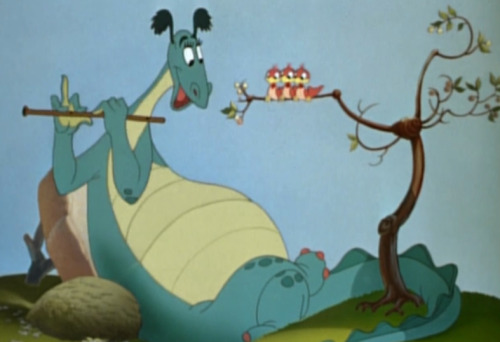
Eu tinha seis anos de idade, talvez um pouco mais, e adorava as fitas de vídeo (sim, do tempo do VHS) da Disney. Cada fita vinha com algumas propagandas de outras fitas, verdadeiros trailers feitos especialmente para aqueles lançamentos em vídeo. E um destes trailers era de “O Dragão Relutante” (ou “O Dragão Dengoso”, como também ficou conhecido aqui no Brasil). Desde o primeiro momento do trailer adorei aquele dragão fofo, que preferia escrever poemas a fazer coisas assustadoras de dragão.

I was six years old, maybe a little older, and I loved the Disney home video tapes (yes, I’m from the VCR era). Each tape came with ads from other tapes, true trailers exclusively made for those home video releases. And one of these trailers advertised “The Reluctant Dragon”. Since the first minute I loved that cute dragon, who’d rather write poems than do frightening dragon stuff.


Mas foram necessários muitos anos para que eu finalmente assistisse a “O Dragão Relutante”. As fitas de vídeo viraram objetos de museu, o DVD assumiu o posto, e até o Blu-Ray apareceu, e eu ainda não havia visto “O Dragão Relutante”. Foi quando, em dezembro de 2014, o canal americano TCM (o canal mais abençoado de todos os tempos, e também o paraíso dos fãs de cinema clássico) exibiu o filme como parte de sua série Treasures from the Disney Vault. Foi então que eu relembrei aquele trailer que tinha me marcado tanto na infância, e adicionei “O Dragão Relutante” às minhas resoluções cinematográficas de 2015. O resultado? Foi muito bom ter esperado tanto para ver o filme.

But it took me many years to finally watch “Th Reluctant Dragon”. The VCR tapes became museum artifacts, the DVD became popular, and even the Blu-Ray appeared, and I haven’t watched “The Relucatant Dragon”. In December, 2014 the American TCM (the most blessed channel of all times, and also paradise for classic film fans) exhibited the film as part of Treasures of the Disney Vault series. Then I was reminded of that trailer that had stuck with me since childhood, and I added “The Reluctant Dragon” to my 2015 film resolutions. The result? It was very good to have waited so long to watch the movie.


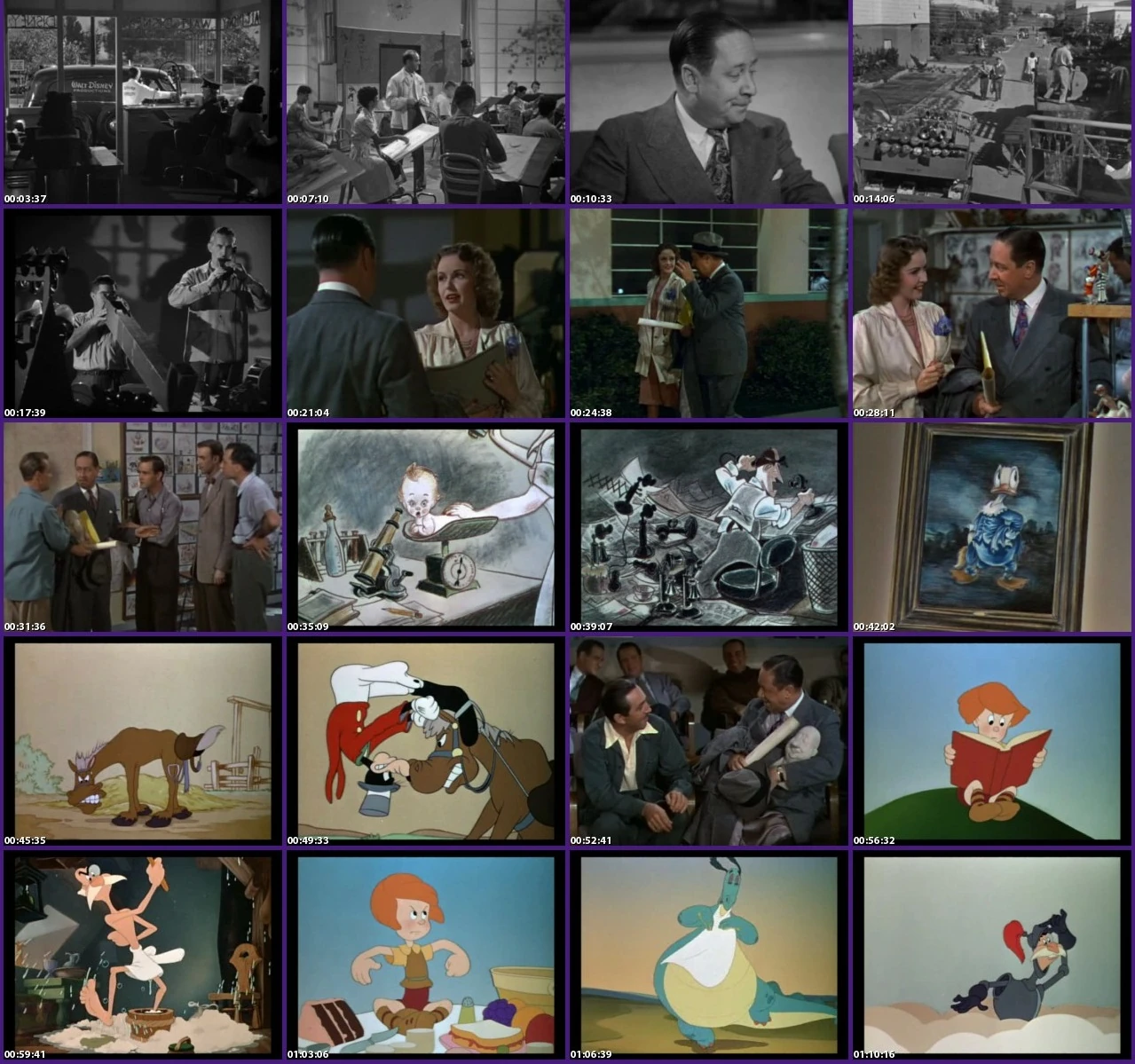
As crianças com certeza gostariam de “O Dragão Relutante”, mas são os adultos que conhecem um pouco sobre a história do cinema em geral e da Disney em particular que apreciarão mais ainda. Porque o filme é muito mais que um dragão bonzinho. É uma visita aos bastidores dos Walt Disney Studios, uma rara visão do processo criativo das imagens e sons que encantam as plateias, e uma fonte inesgotável de sorrisos.

The kids would certainly enjoy “The Reluctant Dragon”, but adults - who know a little about film history in general and Disney history in particular - are the ones who will appreciate it even more. Because the film is much more than a nice dragon. It’s a visit to the Walt Disney Studios, a rare vision of the creative process that makes images and sounds that enchant the audiences, and an infinite source of smiles.


Robert Benchley é convencido pela esposa a tentar vender uma história para Walt Disney. Aí já começa a diversão: fica claro que a esposa (Nana Bryant) é quem manda, e talvez este detalhe do relacionamento não seja tão divertido para as crianças quanto o é para os adultos. Robert é levado em um tour pelos Estúdios Disney por um jovem e sem graça guia turístico, Humphrey (Buddy Pepper), e logo Robert consegue escapar dele. Ele então passa pela sala dos desenhistas (onde claramente “Dumbo” está sendo gerado), pela sala de dublagem (onde somos apresentados a Clarence Nash, que dubla o Pato Donald), pela sala de efeitos especiais e chega, magicamente, à sala do Technicolor.

Robert Benchley is advised by his wife to try to sell a story to Walt Disney. Fun starts here: it’s clear that the wife (Nana Bryant) is the boss, and maybe this relationship detail isn’t as for for children as it is for adults. Robert is taken for a tour through the Walt Disney Studios by a young and funnyless guide, Humphrey (Budy Pepper), and soon Robert can escape the tour. He then goes through the drawing room (where “Dumbo” is being made), by the dubbing room (where we’re introduced to Clarence Nash, who dubs Donald Duck), by the special effects room and he finally arrives, magically, to the Technicolor room.


Aqui temos uma mudança digna de Dorothy na Terra de Oz: ao fechar a porta Robert entra em um mundo de cores, e ele próprio reconhece que está agora sendo visto em Technicolor. Lá ele conhece o processo de animação do famoso desenho em que Donald tem problemas ao ordenhar uma vaca (aposto que este desenho fez parte de sua infância!). Depois ainda passamos pela “sala do arco-íris” (onde os desenhos recebem cores, e onde vemos Bambi pela primeiríssima vez!), a sala das esculturas (olhe lá Chernabog, que foi motivo de pesadelos para todos que viram “Fantasia”), a sala dos animadores (Pateta!) e finalmente nos encontramos com Walt Disney e com o próprio dragão relutante.

Here we have a change similar to Dorothy’s in the Land of Oz: when he closes the door Robert enters a world of colors, and he even know he’s now being seen in Technicolor. There he gets to know the animation process behind the cartoon in which Donald has trouble trying to milk a cow (I bet this cartoon was part of your childhood!). Then we go through the “Rainbow Room” (wher drawings receive colors, and we see Bambi for the very first time!), the “Sculptures Room” (take a look at Chernabog, who was the source of nightmares for everybody who has seen “Fantasia”) and the “Animators Room” (Goofy!) and we finally meet Walt Disney and the reluctant dragon himself.


Além de Clarence Nash, que dificilmente seria reconhecido pelas crianças, há ainda outras pequenas pérolas que só adultos e cinéfilos notariam: a trilha sonora reproduz as músicas do maior êxito de Disney até então, “Branca de Neve e os Sete Anões” (1937), o lendário animador Ward Kimball apresenta o primeiro desenho da série “Goffy How To”, Einstein, Freud e Dalí viram personagens animados. E quem é aquele desenhista segurando o modelo do bebê Weems? Ninguém mais ninguém menos que Alan Ladd, mais bonito que nunca!

Besides Clarence Nash, who wouldn’t be recognized by the kids, there are other little treasures that only older cinephiles would notice: the soundtrack brings songs from the most successful Disney movie until then, “Snow White and the Seven Dwarves” (1937), the legendary animator Ward Kimball presents the first cartoon from the series “Goody How To”, Einstein, Freud and Dalí become animated characters. And who is that animator holding the baby Weems model? It’s Alan Ladd, more handsome than ever!

Alan Ladd, Robert Benchley
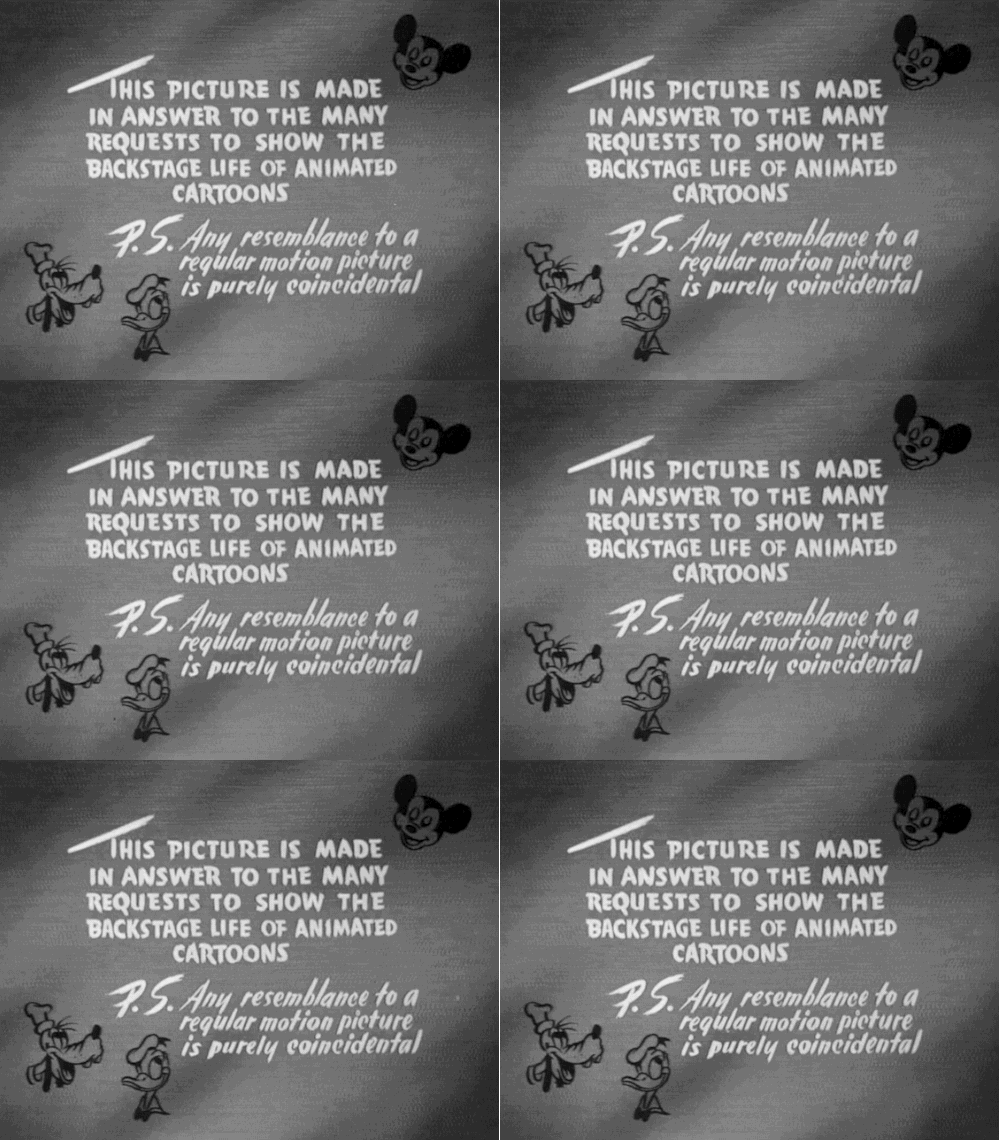
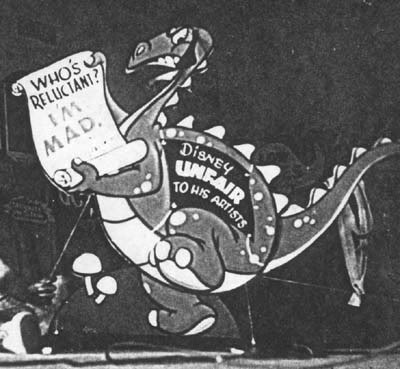
O Dragão Relutante” estreou durante uma greve dos animadores dos Estúdios Disney, que se mobilizaram para boicotar o filme. Houve um problema envolvendo o Código Hays e o umbigo do dragão (!!) que quase impediu a estreia. Mas o prejuízo foi principalmente resultado da decepção do público, que esperava um filme completamente animado, e não uma mistura de animação e live-action. Este aviso no começo do filme não adiantou:

“The Reluctat Dragon” premiered during an animator’s strike, when Disney Studios animators organized to boycott the film. There was a problem involving the Hays Office and the dragon’s belly button (!!) that almost cancelled the premiered. But the box-office failure came because the public was disappointed – they were waiting for a completely animated film, and not a mix of animation and live-action. This warning in the beginning of the film didn’t work: 

Cartaz criado pelos animadores em greve
Os Estúdios Disney talvez não fossem um lugar maravilhoso como o filme tenta mostrar (a música que acompanha a entrada de Robert nos estúdios é “Whistle While You Work”), mas sem dúvida são um lugar onde sonhos são criados. Se não fosse o TCM, talvez eu não me lembrasse do desejo de ver este filme. E, se não fosse “O Dragão Relutante”, eu talvez não estaria pensando em como eu amo os clássicos Disney.

Disney Studios maybe weren’t the mrvelous place the film tries to show (the song that accompanies Robert’s entrance at the studios is “Whistle While You Work”), but without a doubt it’s the place where dreams are mde. If it wasn’t for TCM, maybe I wouldn’t remember my childish desire to wacth this film. And, if it wasn’t for “The Reluctant Dragon”, maybe I wouldn’t be thinking about how much I love Disney classics.  

This is my contribution to the TCM Discoveries Blogathon, hosted by the knowledgeable Nora at her blog The Nitrate Diva. #LetsMovie
Related Posts Plugin for WordPress, Blogger...