} Crítica Retrô: Ann Sheridan

Tradutor / Translator / Traductor / Übersetzer / Traduttore / Traducteur / 翻訳者 / переводчик

Showing posts with label Ann Sheridan. Show all posts

Wednesday, May 18, 2022

A Conquista da Beleza (1934) / Search for Beauty (1934)


O verão sempre foi sinônimo de beleza e também de saúde. Muitas pessoas começam a malhar na primavera em busca de um “corpo de verão” ideal. Quando pensamos no verão, pensamos em belos corpos na praia, e também corpos sadios, hidratados, bronzeados. A beleza sempre foi mostrada no cinema, mas nunca tão livremente quanto na era pre-Code. E existe um filme pre-Code que mistura beleza e saúde: “A Conquista da Beleza”, de 1934.

Summer has always been synonyms of beauty and also with health. Many people start working out during the spring in order to have an ideal “summer body”. When we think about summer, we think about beautiful bodies on the beach, and also healthy, hydrated, sunbathed bodies. Beauty has always been displayed on cinema, but never so freely than in the pre-Code era. And there is a pre-Code film that brings together beauty and health: “Search for Beauty”, from 1934.  

Larry Williams (Robert Armstrong) e Jean Strange (Gertrude Michael) são um casal de vigaristas que, junto a Dan Healy (James Gleason), criam o mais estranho esquema para enriquecer já visto: eles compram uma revista sobre esportes e contratam como editores dois atletas olímpicos, Don Jackson (Buster Crabbe) e Barbara Hilton (Ida Lupino). Os cabeças dessa ideia enchem a revista de conteúdo de gosto duvidoso - porque sexo vende, diz Larry - e esperam que a revista seja comprada pela população, mais interessada em esportes por causa das Olimpíadas de 1932, sediadas em Los Angeles.

Larry Williams (Robert Armstrong) and Jean Strange (Gertrude Michael) are a couple of con artists who, teamed with Dan Healy (James Gleason), come up with the weirdest get-rich-quickly scheme ever: they buy a sports magazine and hire as editors two Olympic athletes, Don Jackson (Buster Crabbe) and Barbara Hilton (Ida Lupino). The minds behind the idea fill the magazine with salacious content – because sex sells, Larry says – and wait for the magazines to be bought by the people, who are more interested in sports because of the 1932 Olympics, held in Los Angeles.

Don Jackson percebe que Lerry está tentando montar uma “garota perfeita” editando várias fotos de garotas diferentes, literalmente construindo um Frankenstein com uma característica bela de cada uma. Don então sugere que eles façam algo diferente: por que eles não promovem um concurso para encontrar as pessoas mais belas e saudáveis do mundo?

Don Jackson sees that Larry is trying to build a “perfect girl” by editing several photos of different girls, literally building a Frankenstein with a beautiful piece from each girl. Don than suggests they do something else: why don’t they promote a contest to find the most beautiful, healthiest people in the planet?

Barbara começa a desaprovar as “histórias da vida real” que Larry vem publicando. Por causa disso, ela e Don decidem dar o controle criativo da revista para Larry, desde que em troca ele dê a eles os “Health Acres”, uma imensa fazenda que veio junto com a compra da revista. Lá, eles pretendem criar a Meca da saúde, com todos os ganhadores do concurso de beleza como educadores físicos. Jean também se separa de Larry e cai com Don e Barbara para a fazenda, despertando o ciúme de Barbara.

Barbara starts to dislike the “real-life stories” that Larry has been publishing. Because of this, she and Don decide to give Larry creative control of the magazine, as long as he gives them the “Health Acres”, a huge farm that came in with the purchase of the magazine. There, they intend to create a Meca for health, with all the winners of the beauty contest as health instructors. Jean also splits with Larry and follows Don and Barbara to the farm, making Barbara jealous.

Quando as pessoas bonitas chegam ao Health Acres, há uma adorável e inesperada sequência inspirada em Busby Berkeley para promover o exercício físico como forma de ser saudável. Entretanto, os hóspedes do local estão mais interessados em festejar do que em suar a camisa.

When the beautiful people reach Health Acres, there is a lovely, unexpected Busby Berkeley-inspired sequence to promote exercise as the way to stay healthy. However, the guests at Health Acres are more interested in partying than in sweating.

“A Conquista da Beleza” estreou em 1934, por isso pode ser chamado de pre-Code tardio, mas é muito pre-Code. Os atletas são filmados de costas, nus no chuveiro, e no começo do filme Jean usa um binóculo para dar uma olhada nas pernas e partes íntimas de Don. Larry diz que “não há nada de errado com o sexo, desde que ele leve a... aquilo que ele leva” - uma frase impensável de ser pronunciada sob o Código Hays. Há mulheres dançando com pouca roupa... e o filme acaba com o close de uma bunda.

“Search for Beauty” was released in 1934, so it’s a late pre-Code, but it is the most pre-Code a film could be. The athletes are shot from their backs, naked in the shower, and early in the film Jean uses a binocular to take a look at Don’s legs and private parts. Larry says “there’s nothing wrong with sex, as long as it leads to... what it leads to” – an unthinkable line to be used under the Hays Code. There are women dancing in tiny clothes… and the film ends with the close-up of a butt.

Ida Lupino tinha apenas 16 anos quando “A Conquista da Beleza” estreou. Este foi seu primeiro papel em Hollywood - ela já havia participado de sete filmes na sua Inglaterra natal - e é curioso vê-la tão jovem e tão loira. Lupino não ficou feliz em fazer “A Conquista da Beleza”, pois ela estava interessada em papéis mais dramáticos. Outra loira pre-Code que aparece no filme é Toby Wing, interpretando Sally, prima de Barbara e secretária faz-tudo na revista de esportes.

Ida Lupino was only 16 when “Search for Beauty” premiered. This was her first Hollywood role – she had already appeared in seven movies in her native England – and it’s curious to see her so young and so blonde. Lupino was not happy about making “Search for Beauty”, as she was interested in more dramatic roles. Another pre-Code blonde who appears in the film is Toby Wing, playing Sally, Barbara’s cousin and the do-it-all secretary at the sports magazine.

Em geral pensamos em Johnny Weissmuller quando falamos sobre atletas que se tornaram atores, mas Buster Crabbe também foi campeão olímpico de natação antes de ir para Hollywood. Na verdade, Buster Crabbe também interpretou Tarzan, uma só vez: no seriado de 1933 “Tarzan, o Destemido”. Ele também interpretou Flash Gordon e Buck Rogers, e era inclusive amigo próximo de Weissmuller.

We often think about Johnny Weissmuller when we talk about athletes who became actors, but Buster Crabbe was also an Olympic swimming champion before going to Hollywood. In fact, Buster Crabbe also played Tarzan, yet only once: in the 1933 serial “Tarzan the Fearless”. He also played Flash Gordon and Buck Rogers, and was actually good friends with Weissmuller. 

No começo do filme, uma cartela de texto nos informa que o filme apresenta os 30 ganhadores do Concurso de Beleza Internacional - um concurso “internacional” que contou com a participação apenas de Inglaterra, Escócia, Irlanda, Austrália, Nova Zelândia, África do Sul, Canadá e EUA. Antes da sequência de balé, Don esclarece que as pessoas belas foram escolhidas apenas entre os EUA e o Império Britânico - mas não há pessoas negras, pessoas de ascendência asiática ou indígenas entre as mais belas. Claro que deve ter sido divertido para os vencedores do concurso se verem nas telas, mas atualmente, com a busca por mais diversidade no cinema, o filme é um pouco decepcionante. Uma curiosidade que vale a pena mencionar é que uma das vencedoras, que pode ser vista baixo, é ninguém menos que a futura estrela Ann Sheridan.

In the beginning of the film, a title card says that the film presented the 30 winners in the International Beauty Contest – an “international” contest held only with people from England, Scotland, Ireland, Australia, New Zealand, South Africa, Canada and the US. Before the ballet sequence, Don clarifies that the beautiful people were chosen from the US and the British Empire – but there are no black people, no people of Asian descent nor Native Americans among the most beautiful. Of course it must have been fun for the contest winners to see themselves on the screen, but right now, when we ask for more diversity on screen, the film is a bit disappointing. One curiosity worth mentioning is that one of the winners, seen below, is none other than future star Ann Sheridan. 

Na praia, o verão é a época em que belos corpos desfilam - isto é, corpos magros de roupas de banho. Comerciais de cerveja estão cheios de mulheres magras e homens fortes, vendendo a bebida e o sol. Felizmente, as coisas vêm mudando nos últimos anos, com um movimento para maior aceitação corporal: agora todos podem desfilar seus belos corpos durante o verão - porque todos os corpos são bonitos. E você: está pronto para o verão?

On the beach, summer is the time when beautiful bodies parade – that is, skinny bodies in bathing suits. Commercials for beers are full of skinny women and strong men, advertising the beverage and the sun. Luckily, things have changed in the past few years, with a movement for broader body acceptance: now everybody can parade their beautiful bodies during summer - because all bodies are beautiful. How about you: are you ready for summer? 

“A Conquista da Beleza” pode ser visto (sem legendas) no Internet Archive.

“Search for Beauty” can be seen at the Internet Archive.

This is my contribution to the Fun in the Sun blogathon, hosted by the Classic Movie Blog Association.

Saturday, January 12, 2019

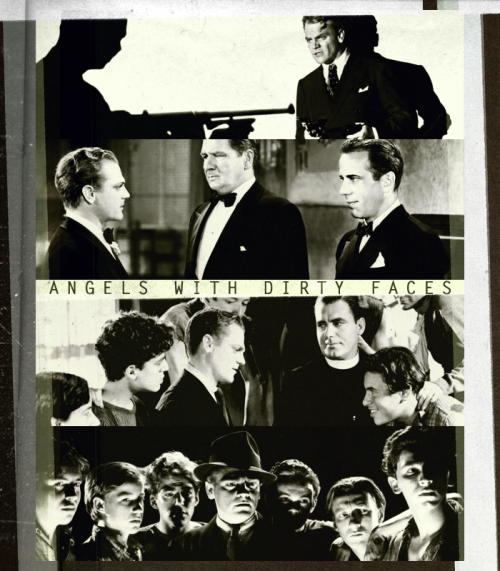
Anjos de Cara Suja (1938) / Angels with Dirty Faces (1938)


Nós começamos a moldar nosso futuro ainda na juventude. Os amigos Jerry e Rocky aprendem essa lição do jeito mais difícil. Depois de roubarem canetas da carga de um trem, apenas Rocky é pego, e ele pede que Jerry fique calado e simplesmente siga em frente, para não ser condenado. Rocky é enviado para um centro de detenção para delinquentes juvenis e Jerry segue em frente. Como a prisão não regenera ninguém – algo que já vimos em “O Fugitivo” – Rocky passa a cometer crimes mais sérios e fica preso mais e mais tempo. Logo se passam 15 anos.

It's from a young age that we start molding our future. Friends Jerry and Rocky learn this the hard way. After robbing fountain pens from a train, only Rocky gets caught, and he tells Jerry to not tell anything and just move on with his life. Rocky is sent to a juvenile delinquents' detention center, and Jerry moves on. Since the detention doesn't help anyone – hey, we've seen this in “I am a Fugitive from a Chain Gang” – Rocky only graduates to more serious crimes and longer times in jail. Soon, 15 years have passed.


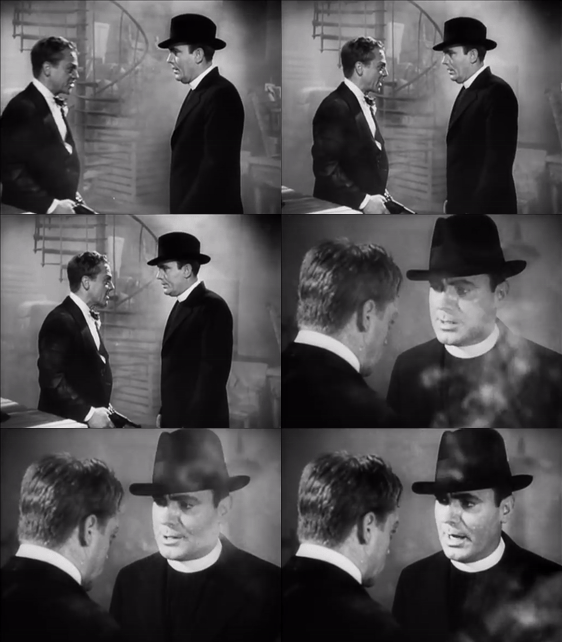
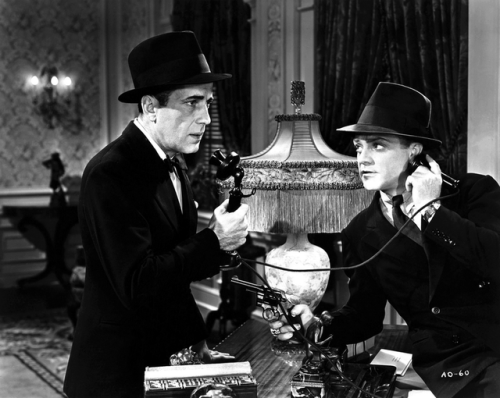
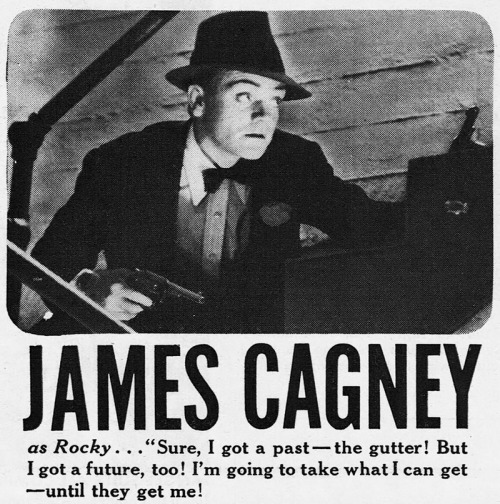
Rocky Sullivan (James Cagney) está finalmente livre depois de 15 anos preso. A primeira coisa que ele faz depois de sair da prisão é procurar pelo amigo Jerry (Pat O’Brien), que realmente se regenerou e agora é padre na igreja do bairro em que os dois cresceram. Rocky, entretanto, não saiu do mundo do crime, pois tem uma “parceria” com seu advogado James Frazier (Humphrey Bogart).

Rocky Sullivan (James Cagney) is finally free after 15 years. His first step once out of prison is to look for his friend Jerry (Pat O'Brien) who got truly reformed and is now a priest at their local church on the neighborhood they grew up in. Rocky, however, is not out of the crime world, as he has a “partnership” with his lawyer James Frazier (Humphrey Bogart).


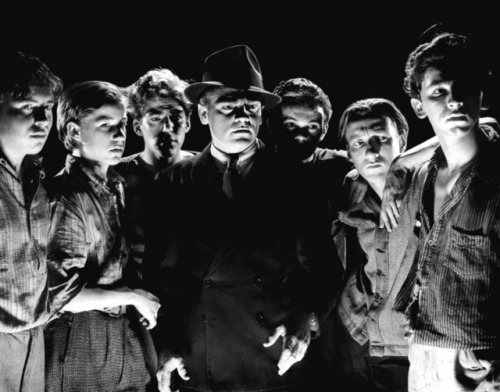
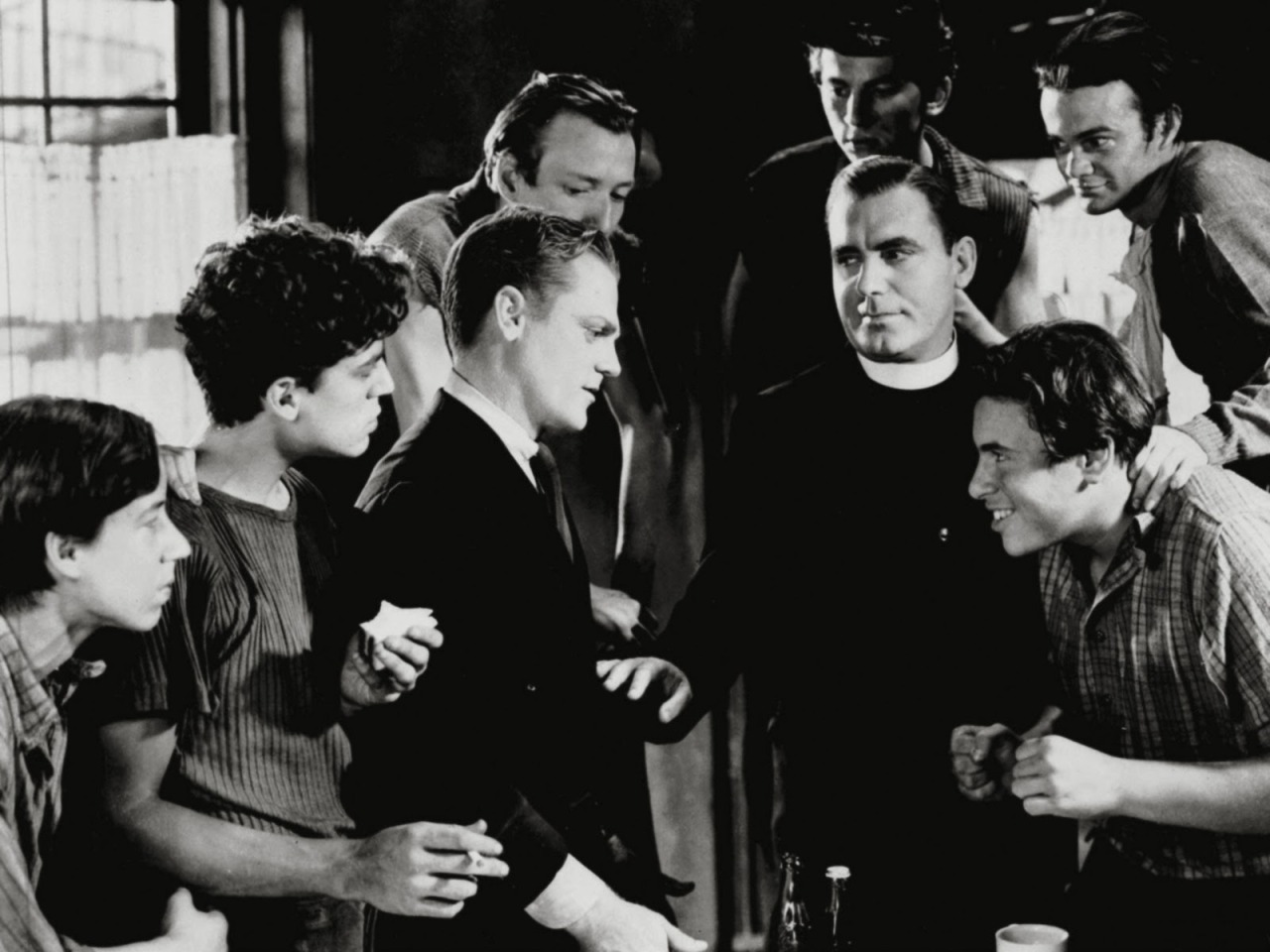
O carisma de Rocky conquista a nova geração de delinquentes juvenis, um grupo de garotos sem futuro comandados por Soapy (Billy Halop). Rocky consegue convencer os meninos a praticar esportes no ginásio do padre Jerry e ao mesmo tempo ele dá aos meninos dinheiro roubado em troca de um favor. Vendo a influência que Rocky tem nas crianças, o padre Jerry começa uma cruzada contra os gângsteres da cidade – incluindo Rocky.

Rocky's charisma attracts the next generation of juvenile delinquents, a group of “dead end” kids commanded by Soapy (Billy Halop). Rocky is able to convince the kids to practice sports in Father Jerry's gym and at the same time also gives the kids stolen money in exchange of a favor. Seeing his bad influence in the kids, Father Jerry starts a crusade against the mobsters of the town – Rocky included.


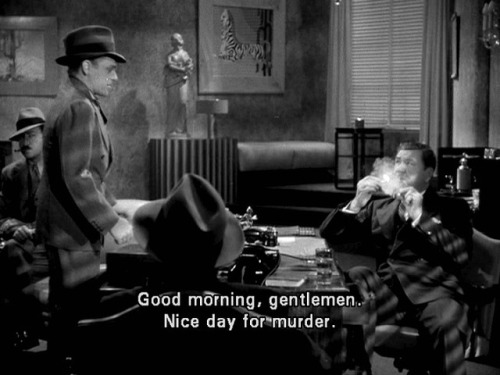
Quando alguém tenta acabar com a máfia, tudo o que se encontra é corrupção por todo lado, inclusive entre aqueles que deveriam manter a lei e a ordem. O padre Jerry então percebe que os gângsteres controlam a cidade, e este poder paralelo é forte porque eles pagam e, mais comumente, ameaçam a polícia. Esta é uma descoberta que pode ser feita por muitas pessoas que buscam justiça ainda hoje.

When someone tries to dismantle the mob, all they can find is corruption, everywhere, even coming from the ones who should obey the law and keep the order. Father Jerry then realizes that the gangsters are the ones who control the town, and their parallel power is stronger because they bribe and, more often, intimidate the police. This is a realization that could be made by many people seeking justice even today.


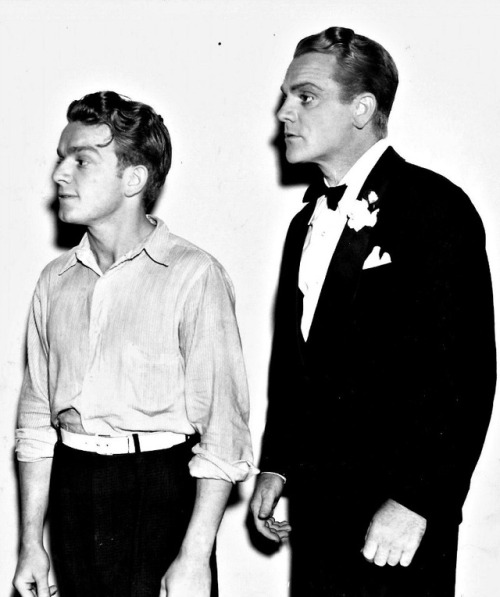
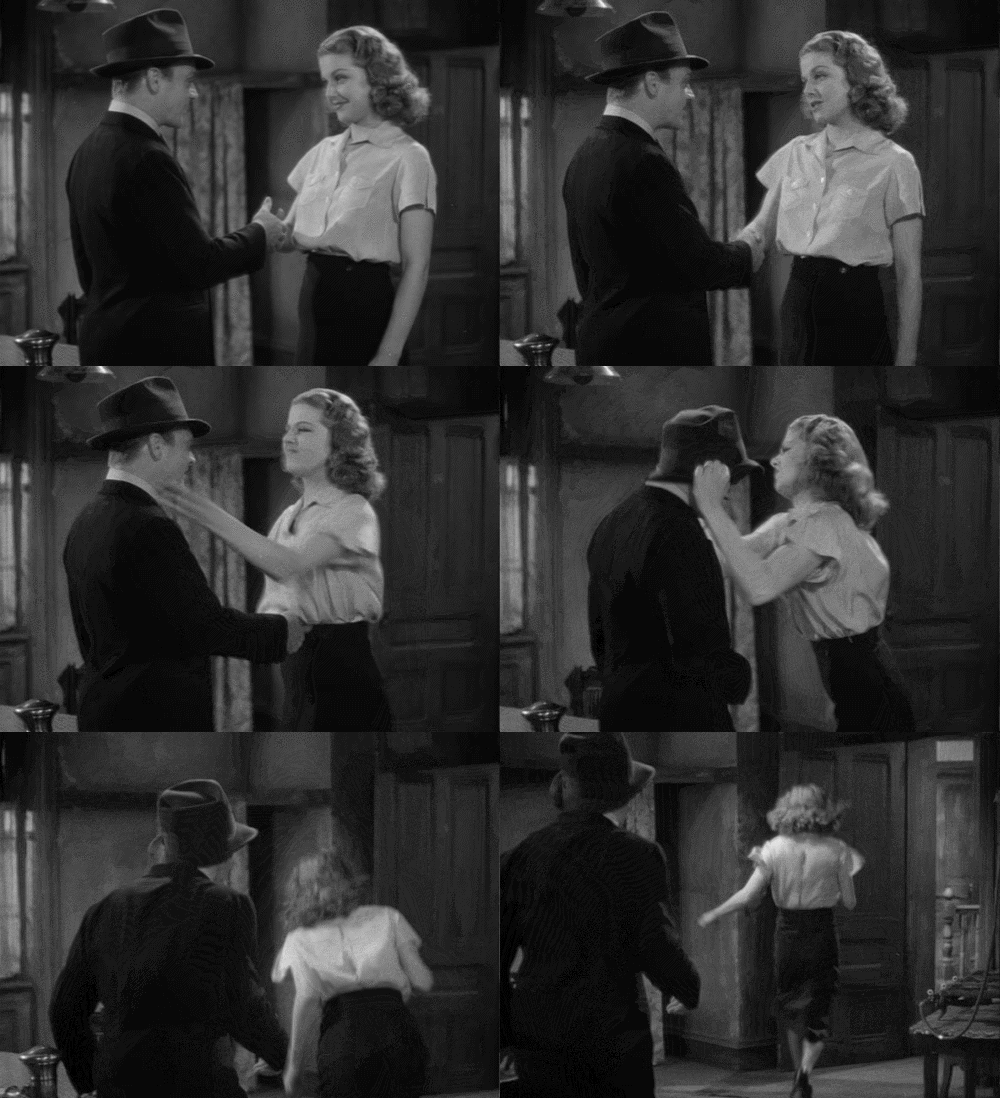
O ator que interpreta o jovem Rocky, Frankie Burke, tem incrível semelhança física e vocal com James Cagney – experimente fechar os olhos e você perceberá que as vozes de ambos são quase iguais. Outro membro do elenco que merece sua atenção é Ann Sheridan, que interpreta Laury Martin, o interesse amoroso de Rocky – embora ele esteja mais interessado no crime do que em romance. Ann me lembrou de uma Rita Hayworth jovem, pré femme fatale, e é uma pena que Ann seja pouco lembrada – Cagney se referiu a ela como “uma garota muito bacana, Annie”.

The actor who plays the young Rocky, Frankie Burke, has remarkable physical and vocal similarities with James Cagney – I mean, close your eyes and you'll realize their voices are almost equal. Another player to take notice is Ann Sheridan, who plays Laury Martin, Rocky’s love interest – although he is more interested in crime than in love. Ann reminded me of a young, pre-femme fatale Rita Hayworth, and it’s a shame Ann is so little remembered – Cagney called her “a mighty nice gal, Annie”.
Frankie and Jimmy
Jimmy and Annie
Os garotos do grupo chamado de “Dead End Kids” eram um grupo de jovens que estrelaram a peça “Dead End” e a adaptação dela para o cinema em 1937. Estes jovens rapazes vinham realmente das vizinhanças barra-pesada de Nova York – assim como Cagney – e frequentemente faziam bagunça no set de filmagem – mas não com Cagney, que se mostrou mais durão que eles. O sexteto original fez três filmes, e com o tempo e com muitas formações diferentes, o grupo sobreviveu com outras séries de filmes e sob os nomes de Little Little Tough Guys,  East Side Kids e Bowery Boys. Com o passar do tempo, alguns dos meninos seguiram carreira solo e outros abandonaram o cinema.

The “dead end kids” were a group of young boys who starred in a play called “Dead End” and in the film adaptation of the same name in 1937. Those young boys were really from the New York tough neighborhoods – just like Cagney – and often caused trouble on the set – but not with Cagney, who proved to be tougher than them. The original sextet did three movies together, and with time and with several formations, the group went on with film series such as Little Tough Guys, the East Side Kids and the Bowery Boys. In this time, some boys went solo and others retired from the screen.


Em sua autobiografia “Cagney by Cagney”, James Cagney chama seu amigo e colega de cena Pat O'Brien de “inesquecível em mais de um sentido”, descrevendo como Pat estava sempre alegre, otimista e cheio de energia para trabalhar. No livro Cagney também diz que o roteiro era meia-boca, e ele e O'Brien tinham de improvisar, pois os roteiristas judeus não sabiam nada sobre os rituais da Igreja Católica. Além disso, Cagney diz que se inspirou em um criminoso que conheceu na juventude para compor o personagem Rocky, copiando seus maneirismos e até a maneira hoje icônica de cumprimentar.

In his autobiography “Cagney by Cagney”, James Cagney calls his friend and co-star Pat O’Brien “remarkable in more than one way”, describing how Pat was always cheerful, optimistic and full of energy to work. In the book Cagney also says that the script was kind of bad, which led to him and O’Brien improvising as the Jewish writers knew nothing about the rituals of the Catholic Church. Furthermore, Cagney says that he modeled Rocky over a fellow he used to know in his youth in New York, a pimp who greeted people the way Cagney does in the picture.


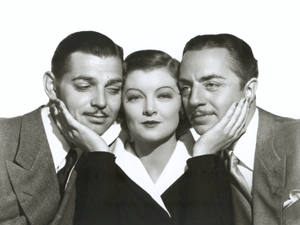
Outro filme em que dois amigos de infância seguem caminhos muito diferentes é “Vencido pela Lei”, de 1934. Neste filme, Blackie Gallagher (Clark Gable) se torna um gângster, e seu amigo de infância Jim Wade (William Powell) se torna advogado. Eles se apaixonam pela mesma mulher, Eleanor, interpretada por Myrna Loy. Em “Anjos de Cara Suja”, o que aproxima os amigos e mais tarde os afasta é a maneira como eles tratam os meninos delinquentes.
 
Another film in which two childhood friends follow very different paths in life is “Manhattan Melodrama”, from 1934. On this film, Blackie Gallagher (Clark Gable) turns into a gangster, and his childhood friend Jim Wade (William Powell) becomes an attorney. They fall in love for the same woman, Eleanor, played by Myrna Loy. In “Angels with Dirty Faces”, what makes the friends closer and later push them apart is how they handle the dead end boys.

“Anjos de Cara Suja” termina com uma dúvida que ainda é debatida entre os fãs de cinema clássico – eu particularmente acredito que Rocky só fingiu estar com medo para satisfazer seu amigo. Além disso, o filme trouxe uma das performances mais icônicas e imitadas de Cagney. De acordo com a Wikipedia, este foi o nono filme com maior bilheteria em 1938. De acordo com o site Ultimate Movie Rankings, ele foi o quinto. Não importa a posição no ranking, “Anjos de Cara Suja” foi um filme popular que permaneceu na memória do público e, ao ser assistido hoje, ainda se mostra interessante.

Angels with Dirty Faces” ends with a doubt that is still debated by classic film fans – I particularly believe Rocky only pretended to be scared to satisfy his friend. Moreover, the movie brought one of the most iconic and mimicked Cagney performances. According to Wikipedia, it was the 9th highest grossing film of 1938. According to the website Ultimate Movie Ranings, it was the fifth. No matter the position in the ranking, “Angel with Dirty Faces” was a popular film that remained in the public's memory for decades and is still interesting when watched today.

This is my contribution to the Made in 1938 blogathon, hosted by Robin and Crystal at Pop Culture Reverie and In the Good Old Days of Classic Hollywood.


Related Posts Plugin for WordPress, Blogger...