Em 1957, um filme
chamado “O Palhaço que não Ri” chegou aos cinemas. Era um filminho estranho.
Donald O’Connor fazia o papel de Keaton e a produção usa muita licença poética
– ou seria cinematográfica? – para contar a trajetória do grande comediante –
embora o próprio Buster tenha sido consultor técnico do filme. A melhor parte
desta quase obra ficcional é sem dúvida uma sequência silenciosa em que Donald
mostra suas habilidades acrobáticas.
In 1957, a film called
“The Buster Keaton Story” hit theaters. It was an odd little movie. It starred
Donald O'Connor as Buster and took a lot of liberties while telling the life
and times of the great comedian – even though Buster himself was a technical
consultant in the film. The best part of this almost fictional work was without
a doubt a silent sequence in which Donald could show his acrobatic abilities.

E talvez tenha sido
por causa disso que Buster decidiu contar tudo sobre sua vida pessoal e
profissional, tanto no vaudeville quanto no cinema e na televisão, no material
mais confiável para histórias: papel impresso. Em 1960 sua autobiografia, “My
Wonderful World of Slapstick”, foi publicada. Ela foi na verdade escrita por
Buster com a ajuda de um ghost-writer, Charles Samuels, e o resultado
não poderia ter sido melhor. É um livro divertido, charmoso e completo sobre o
teatro, Hollywood, a vida de Buster e contém alguns detalhes interessantes,
como a história de como o cachorro de Buster acompanhava Greta Garbo todos os
dias em uma voltinha pelos estúdios da MGM.
And maybe that's why
Buster decided to spill the beans about his personal life and career both in
vaudeville, in movies and television, in the most reliable place for stories:
printed paper. In 1960 his autobiography, “My Wonderful World of Slapstick”,
was published. It was actually written by Buster with the help of a ghost
writer, Charles Samuels, and the result couldn't have been better. It's a fun,
charming, comprehensive book about theater, Hollywood, Buster's life and cool
tidbits, like the story of how Buster's dog used to accompany Greta Garbo on a
walk around the MGM lot after lunch every day.
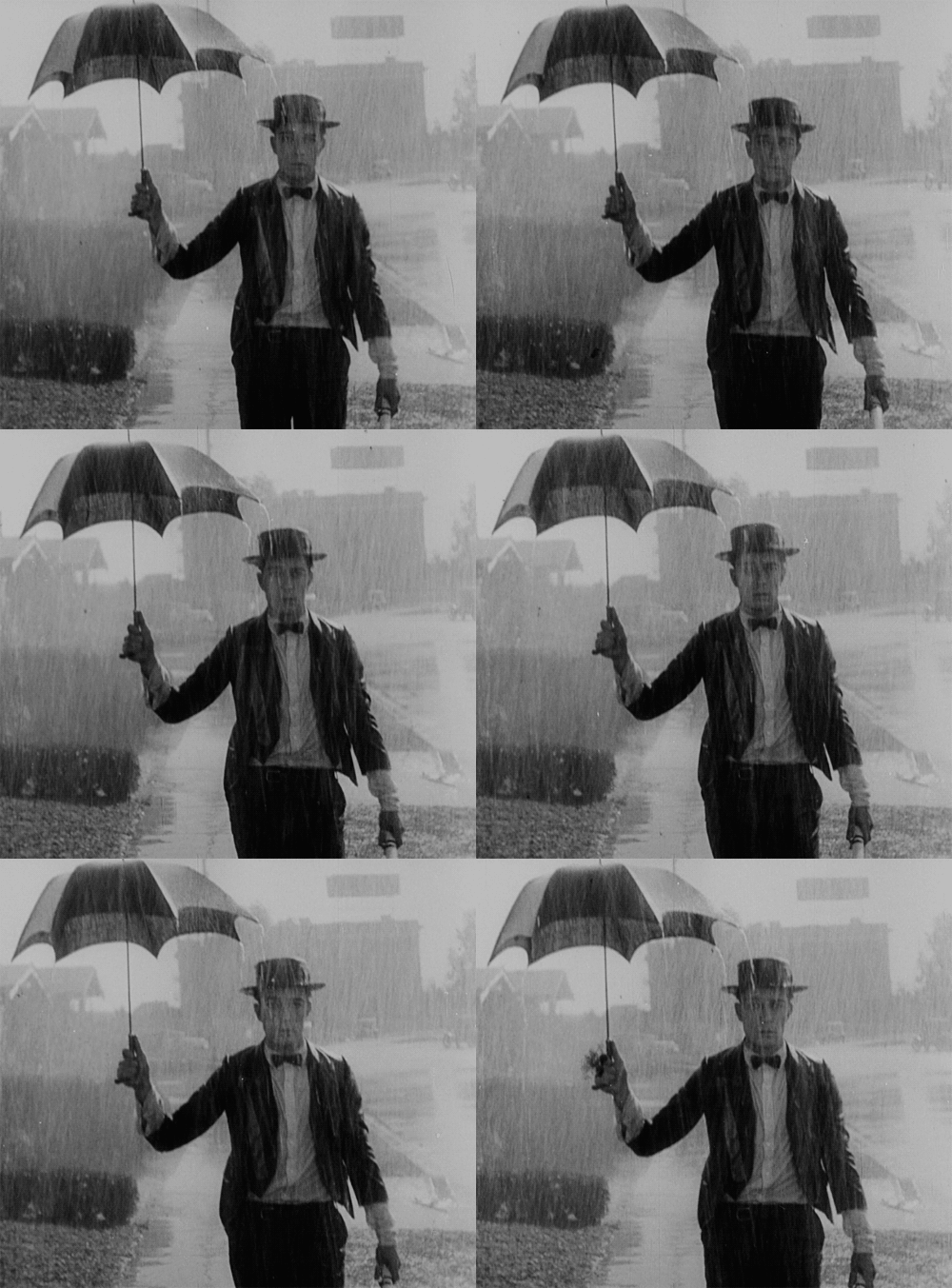
Primeiro, Buster usa
quase 100 páginas para contar suas peripécias nos tempos do vaudeville. Pode
parecer demasiado para quem quer logo ler sobre sua carreira no cinema mudo,
mas também é um ótimo apanhado de “causos” sobre aqueles anos dourados do
teatro, quando Buster era chamado de “o esfregão humano” e grupos zelosos se
preocuparam tanto, mas tanto com sua saúde que quiseram levá-lo para longe dos
pais – e dos palcos – porque acreditavam que Buster estava sendo maltratado.
First, Buster spends
almost 100 pages on his vaudeville days. It may look like a lot for those who
want to read about his silent film days, but it's also a nice overview of those
golden days of theater, when Buster was advertised as “the human mop” and
zealous groups cared sooooo much about his health they wanted to take him away
from his parents – and the stage – because they thought Buster was being
mistreated.

Buster tinha uma
excelente memória e podia contar episódios de sua infância com riqueza de
detalhes. Por isso, é impressionante o fato de que ele nunca teve uma educação
formal – na verdade, ele passou apenas um dia na escola e foi expulso porque
contava piadas demais na sala.
Buster had a wonderful
memory and could tell episodes of his childhood with rich and colorful details.
It's always awe-inducing the fact that he never had a formal education – in
fact, he spent only one day at school before being expelled because of the
jokes he told in class.

No livro, Buster dá
sua opinião para alguns assuntos polêmicos. Ele defende seu grande amigo e mentor Roscoe ‘Fatty’ Arbuckle no escândalo que destruiu a vida e a carreira do
rotundo comediante. Ele também menciona os problemas de Chaplin com os caça-comunistas
e diz que o maior erro de Chaplin foi acreditar quando os críticos disseram que
ele era um gênio, isso em 1923 – dali em diante, Chaplin tentou sempre se
comportar como um gênio.
In the blunt book, Buster
tells his opinions on some polemic topics. He defends his good pal and mentor Roscoe ‘Fatty’ Arbuckle in the scandal that destroyed his life and career. He
also mentions Chaplin’s troubles with the HUAC and says that Chaplin’s biggest
mistake was to believe when the critics said he was a genius, back in 1923 –
from then on, Chaplin tried to always behave as a genius.

Mas Buster não esconde
suas próprias falhas. Ele confessa que assinar contrato com a MGM e se submeter
ao controle do estúdio foi o pior erro de sua vida. E ele é sincero em relação aos
piores anos de sua vida, de 1933 a 1935, quando ele ficou sem emprego, se
separou da primeira esposa e começou a exagerar na bebida.
But Buster doesn’t hide
his own failures. He confesses that signing with MGM and submitting to the
studio’s control was the worst mistake of his life. And he is candid when it
comes to the worst years of his life, from 1933 to 1935, when he was left
jobless, divorced his first wife and started drinking heavily.
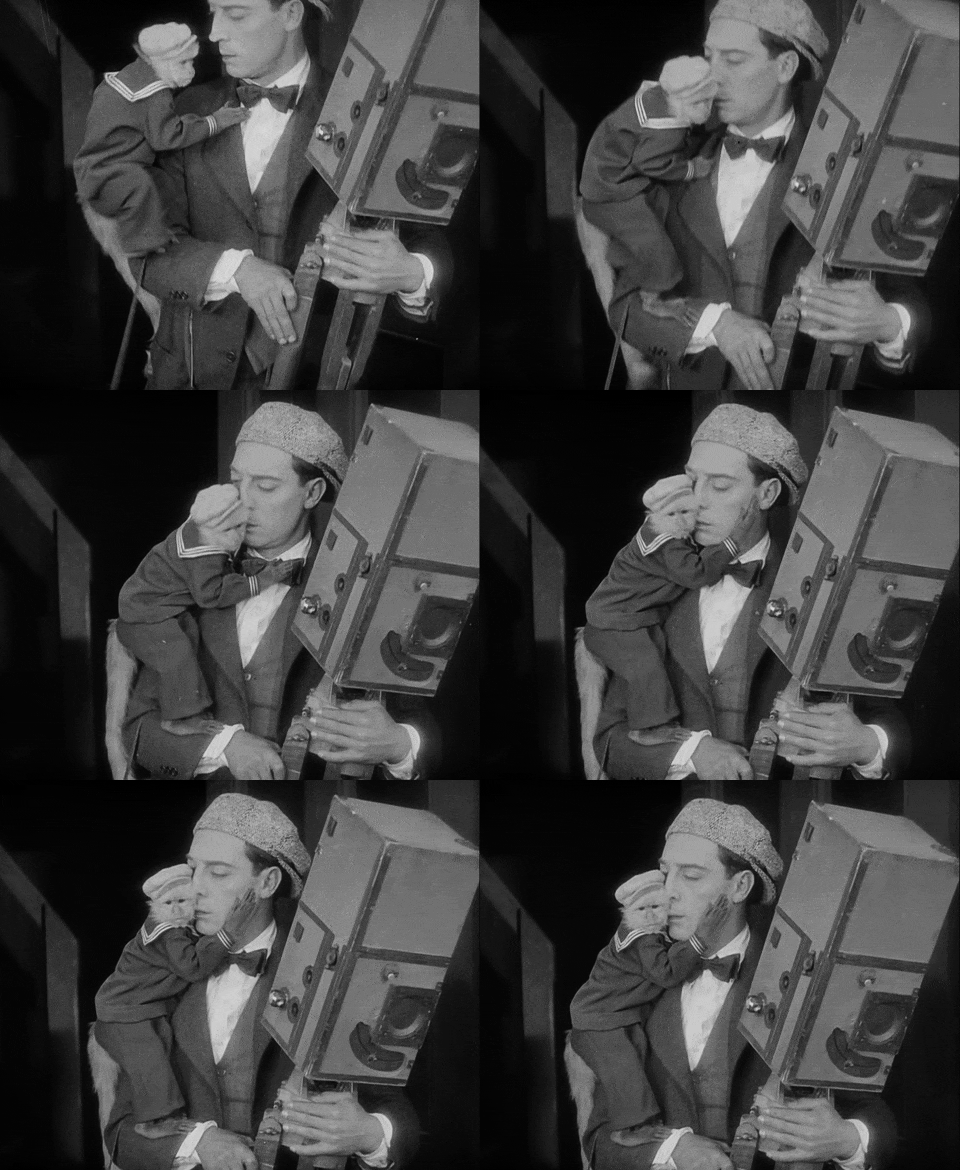
É interessante que
Buster cite o nome apenas de sua terceira esposa. As outras duas são tratadas
como “minha primeira esposa” e “minha segunda esposa” – esta recebe apenas um
parágrafo no livro. Ele menciona que sua primeira esposa era de família rica,
mas não conta que ela era irmã das estrelas Norma e Constance Talmadge. Os
leitores de então não teriam como descobrir o nome destas esposas, mas com a
internet isso é possível, e a discrição de Buster se mostra inútil.
It’s interesting that
Buster only cites his third wife’s name. The other two go as only “my first wife”
and “my second wife” – this one gets only one paragraph in the whole book. He
mentions that his first wife was from a rich family, but doesn’t tell that she
was the sister of silent stars Norma and Constance Talmadge. Readers by then
wouldn’t have sources to find out who the wives were, but with the internet
nowadays we can name them, and Buster’s discretion falls flat.

Alguns momentos menos
lembrados de sua vida também são contados no livro. Por exemplo, Buster ficou
sete meses na Europa lutando na Primeira Guerra Mundial e quase ficou surdo não
por causa de um ferimento de batalha, mas pela simples e constante exposição ao
barulho de bombas.
Some less remembered
parts of his life are also chronicled in the book. For instance, Buster spent
seven months in Europe during World War I, and nearly became death not due to a
battlefield injury, but by simply being exposed to floor drafts.

De sua carreira no
cinema, ele conta algumas histórias dos bastidores de “Vaqueiro Avacalhado”
(1925), “Marinheiro de Encomenda” e “O homem das Novidades” (ambos de 1928),
mas mantém segredo sobre as técnicas utilizadas em sua obra-prima e filme
favorito, “A General” (1926). Ele também dá detalhes sobre produções nunca
feitas, mas que tinham muito potencial, em minha opinião. Entre elas estavam
uma comédia com Buster e Marie Dressler e uma paródia de “Grande Hotel” (1932).
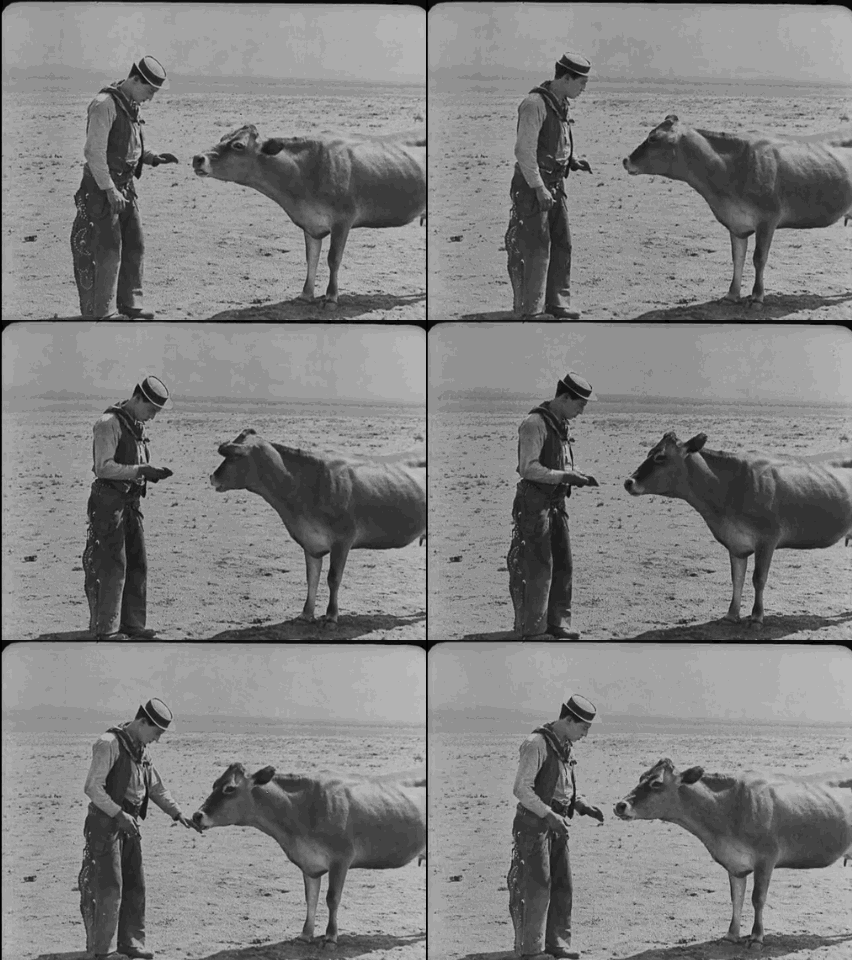
In his film career, he
tells some backstage stories about “Go West” (1925), “Steamboat Bill Jr” and
“The Cameraman” (both from 1928), but keeps secret about the techniques used in
his masterpiece and personal favorite film, “The General” (1926). He also
spills details about never-made productions that had a lot of potential, in my
opinion. Among them there were an idea of a comedy pairing Buster and Marie Dressler and a spoof of “Grand Hotel” (1932).
Para tornar a
experiência completa, através da escrita de Buster temos uma ideia de como
Hollywood funcionava antes ainda da era de ouro. Arbuckle pensava que “a
mentalidade média do nosso público é de doze anos”. Sid Grauman (proprietário
do Grauman Chinese Theatre) adorava as pegadinhas inventadas por Arbuckle,
Keaton e Al St. John na vida real. Irving Thalberg era brilhante e muito
próximo de Keaton. E Louis B. Mayer era um grande homem de negócios, muito
preocupado com todas as estrelas da MGM – afinal, ele achava que elas eram
propriedade dele.
To make the experience
complete, through Buster’s writing we catch a glimpse of how Hollywood worked
even before the studio era. Arbuckle thought that “the average mentality of our
movie audience is twelve years”. Sid Grauman (owner of the Grauman Chinese
Theatre) really enjoyed the practical jokes put together by Arbuckle, Keaton
and Al St. John in real life. Irving Thalberg was brilliant and very close to
Keaton. And Louis B. Mayer was a great businessman who was also very worried
about all MGM stars – after all, he thought they were HIS property.
Apesar das
dificuldades que Buster teve na vida, ele se considera sortudo. Ele diz que os
anos de azar foram tão poucos se comparados aos anos de alegria. E ele também
ficava incrivelmente feliz quando era reconhecido por seus fãs ao redor do
mundo. Eu fico imaginando o que ele diria sobre sua crescente e forte fandom
online.
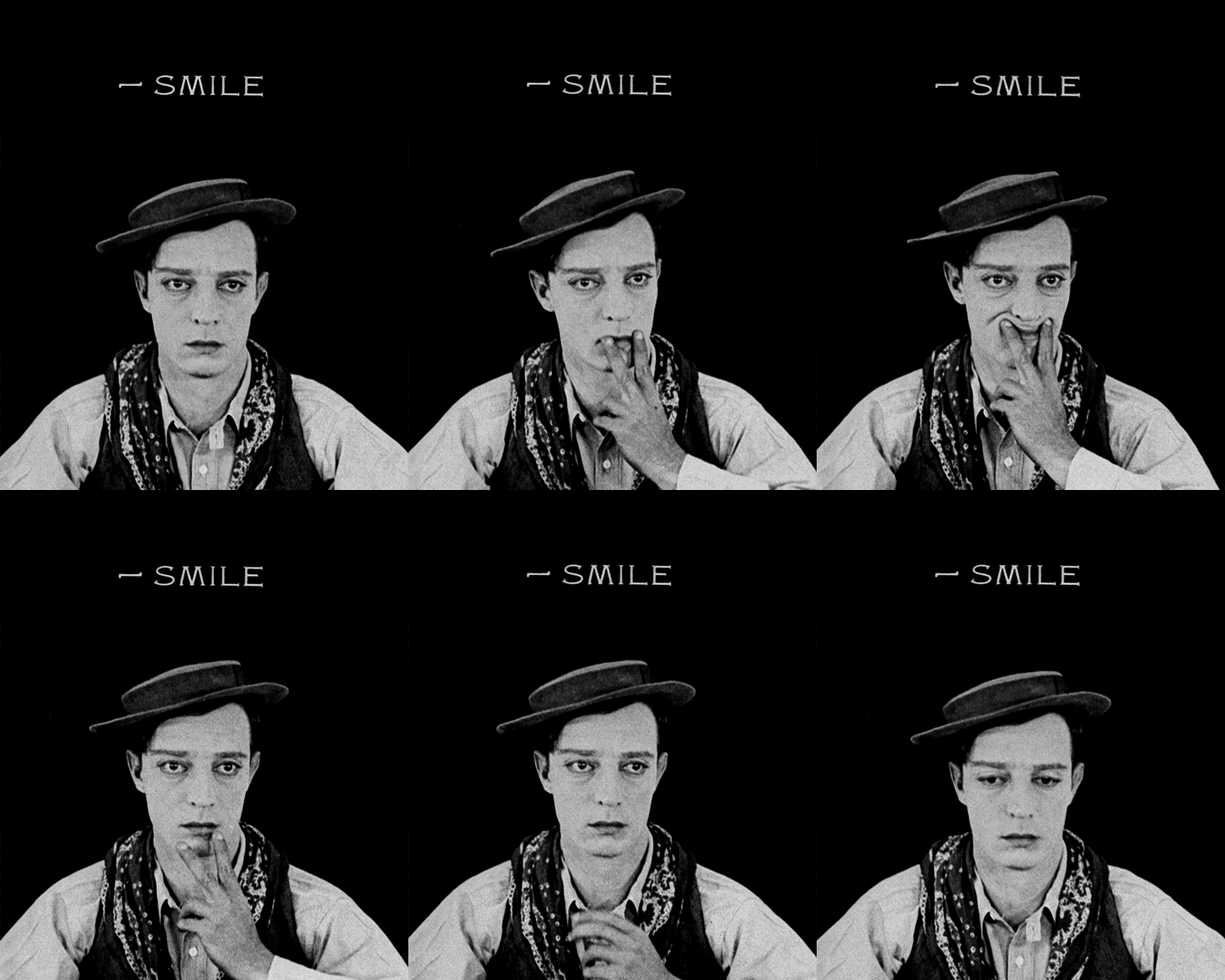
Despite the difficulties
Buster met in his life, he considers himself lucky. He says that the years of
misfortune were so few compared to the ones of joy. And he was also incredibly
happy whenever he was recognized by his fans around the world. I wonder what
he’d say about the strong, ever-growing Buster Keaton fandom online.
“My
Wonderful World of Slapstick” é uma autobiografia deliciosa, escrita com humor
e sentimento. É um livro que todo verdadeiro fã de Buster Keaton deveria ler,
não apenas por causa de suas ótimas histórias, mas também por sua percepção de
uma era passada e muito importante na história do entretenimento.
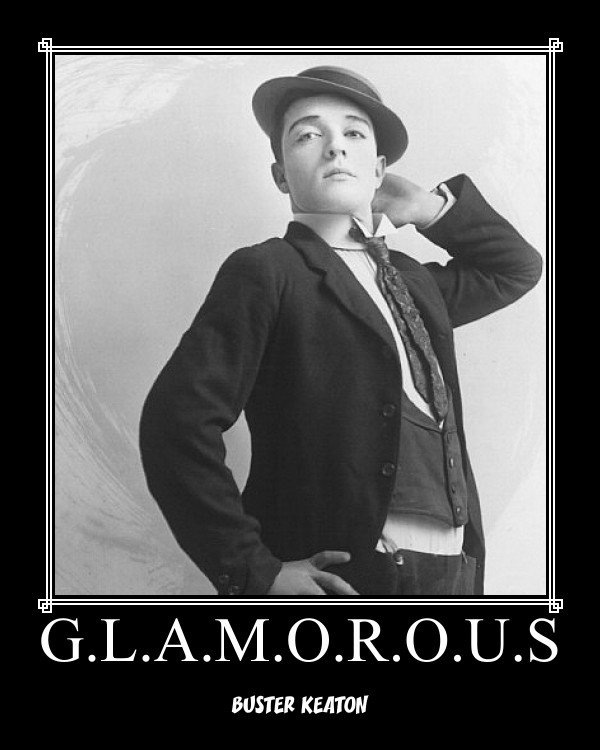
“My Wonderful World of Slapstick” is a delightful autobiography, written
with humor and deep feelings. It’s a book every true Keaton fan should read,
not only because his amazing stories, but also because of his painting of a
bygone and very important era in entertainment.
“My Wonderful World of Slapstick” is on public domain
and can be downloaded at the Internet Archive.
This is my contribution to the Third Annual Buster Keaton blogathon, hosted by Lea at Silent-ology.