} Crítica Retrô: Frank Capra

Tradutor / Translator / Traductor / Übersetzer / Traduttore / Traducteur / 翻訳者 / переводчик

Showing posts with label Frank Capra. Show all posts

Thursday, July 16, 2020

A Mulher Miraculosa (1931) / The Miracle Woman (1931)

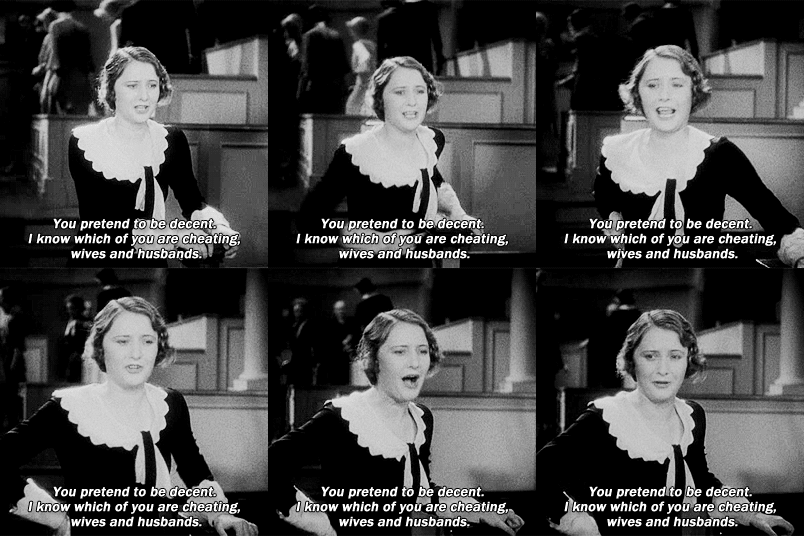
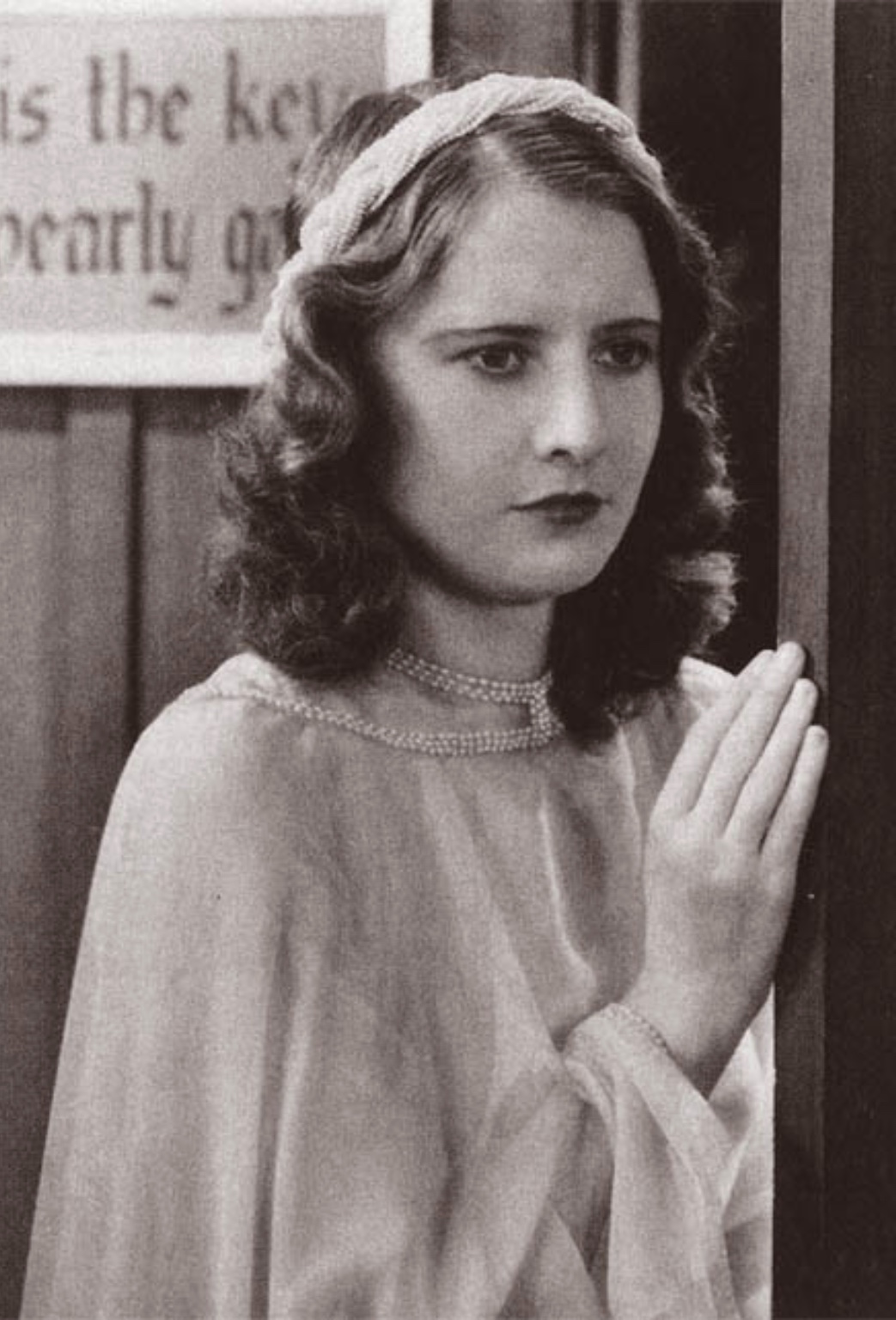
Nas últimas semanas, minhas noites de domingo têm sido dedicadas ao reboot de “Perry Mason” exibido na HBO. Embora Mason seja um personagem conhecido e o protagonista da série, desde o começo a personagem que me chamou a atenção foi a Irmã Alice, interpretada por Tatiana Maslany. Quando eu a vi pregando no trailer da série, só consegui pensar numa coisa: ela é exatamente igual à Barbara Stanwyck em “A Mulher Miraculosa” (1931), um filme subestimado de Frank Capra no qual, na minha opinião, Stanwyck tem uma de suas melhores performances.

In the last few weeks, my Sunday nights have been occupied by the HBO reboot of “Perry Mason”. Although Mason is a well-known character and the lead of the show, since the beginning the character who called my attention was Sister Alice, played by Tatiana Maslany. When I saw her preaching in the trailer, I could only think about one thing: she was exactly like Barbara Stanwyck in “The Miracle Woman” (1931), an underrated Frank Capra film in which Stanwyck delivers, in my opinion, one of her best performances.

Em “A Mulher Miraculosa”, Stanwyck interpreta Florence Fallon, a filha de um pastor. Os serviços de seu pai não são mais necessários na igreja, e ele morre antes de fazer seu último sermão para os fiéis. Florence é incumbida de ler o último sermão, mas entra em colapso no meio da leitura e começa a dizer algumas verdades inconvenientes para os fiéis, que abandonaram o pai dela quando ele ficou doente e agora ele nem pode ter um enterro decente. Ela chama os fiéis de hipócritas e pecadores e todos eles deixam o recinto porque não aguentam ouvir a verdade.

In “The Miracle Woman”, Stanwyck plays Florence Fallon, the daughter of a preacher. Her father’s services are no longer needed by the church, and he dies before addressing his people for the last time. Florence receives the mission to read his final speech, but she breaks in the middle of it and starts telling inconvenient truths to the churchgoers, who abandoned her father when he got ill and now he can’t even have a decent burial. She calls the churchgoers hypocrites and sinners and they all leave because they can’t handle the truth.

Um homem chamado Bob Hornsby (Sam Hardy) estava de passagem pela igreja naquele dia e, depois que o ataque de fúria de Florence termina, ele oferece uma parceria: com a administração dele e os conhecimentos que ela tem da Bíblia, eles podem criar uma nova igreja. Sem nada a perder, Florence aceita a oferta e o Templo da Felicidade surge.

A man called Bob Hornsby (Sam Hardy) happened to be at the church that day and, after Florence’s rage is over, he offers her a business partnership: with his management and her knowledge of the Bible, they can create a new church. Without anything to lose, Florence accepts the offer and the Temple of Happiness is born.
Em pouco tempo o templo está cheio e as pregações dela estão sendo transmitidas pelo rádio. Um dia, um homem cego ouve uma dessas pregações através do rádio da vizinha e muda de ideia sobre seu suicídio iminente. O homem é John Carson (David Manners), um ex-aviador e atualmente músico desempregado. As palavras de Florence – ou da Irmã Fallon – dão a ele esperança e ele decide não apenas continuar perseguindo o sucesso, mas também que deve conhecer a pregadora.

Soon her temple is full and her addresses are being broadcasted in the radio. One day, a blind man listens to one of these addresses through his neighbor’s radio and changes his mind about committing suicide. The man is John Carson (David Manners), a former aviator and currently unemployed musician. Florence’s – or Sister Fallon’s – words give him hope in the future and he decides not only to keep going after success, but also to meet the preacher.

A proprietária do apartamento de John, Senhora Higgins (Beryl Mercer), o leva ao templo logo no dia em que a Irmã Fallon está fazendo um showzinho dentro de uma jaula com leões. John se oferece para entrar na jaula quando Florence garante que aqueles que acreditam em Deus não serão atacados pelos leões. Ela usa o fato de John ser cego na performance e promete que ele voltará a ver – mas não diz quando – porque ele é um homem de fé.

John’s landlady Mrs Higgins (Beryl Mercer) takes him to the temple and they happen to go on the day Sister Fallon is performing a stunt inside a cage full of lions. John volunteers to enter the cage when Florence guarantees that people who believe in God won’t be attacked by the lions. She uses the fact that John is blind in her performance and promises that he shall see again – but doesn’t give him a date – because he is a faithful man.

Em seguida vemos Bob, o braço direito de Florence, dando bronca em algumas pessoas que ele contratou para participar de alguns milagres, incluindo dois homens que deveriam interpretar paralíticos mas que estavam com problemas para “entrar no personagem”. É então que Florence descobre que John não era mais um ator contratado por Bob, mas um homem cego de verdade que realmente acreditou nela. Ela já demonstra insatisfação com a maneira como Bob está conduzindo os negócios.

We next see her right hand Bob lecturing some people he had hired to participate in some miracles, including two men who should play paralyzed people but are having trouble “entering into character”. That’s when Florence learns that John wasn’t another actor hired by Bob, but a real blind man who actually believed in her. She already shows disappointment by how Bob is conducting the business.

Naquela noite, em vez de ir à festa de Bob, Florence encontra John do lado de fora da igreja. Está chovendo e ela oferece uma carona até a casa dele. Ele a convida para subir para seu apartamento e ela aceita, o que inicia uma noite agradável com eles cantando, jogando cartas e com John fazendo um show com um boneco de ventríloquo – que é meio bizarro. Como Judy menciona no site Movie Classics, o boneco é uma metáfora para como Florence está sendo manipulada e manipulando outros em seus sermões, mas isso não torna a cena menos bizarra. Ao final da noite, Florence descobriu que John desistiu do suicídio após ouvi-la, John é contratado para escrever um hino religioso para Florence e eles se beijam.

That night, instead of attending Bob's wild party, Florence bumps into John outside the church. It’s raining so she offers him a ride home. He invites her to his apartment and she accepts, which leads to a pleasant evening singing, playing cards and seeing John do an act with a ventriloquist dummy – which is kind of creepy. As Judy mentions at Movie Classics, the dummy is a metaphor for Florence serving as a mouthpiece only in her addresses, but it doesn't make the dummy less creepy. By the end of the night, Florence had learned that John had given up the idea of suicide after listening to her, John is hired to compose a religious hymn for Florence and they kiss.

Um momento-chave é quando John diz que o pai de Florence deve estar orgulhoso do sucesso dela como pastora. Ela então se mostra completamente desolada com o caminho que escolheu, mas abandonar este caminho será muito difícil porque Bob começa a chantageá-la. Ela alcançará a redenção ou perecerá na tragédia?

A triggering moment happens when John says that Florence’s father must be proud of her success as a preacher. She then achieves full disappointment with her chosen path, but abandoning this path will be very difficult because Bob starts blackmailing Florence. Will she achieve redemption or perish in a tragedy?

É interessante notar que, enquanto o povo entra na igreja, a música que toca é o hino patriótico “Over There”, composto por George M. Cohan durante a Primeira Guerra Mundial. Esta mistura de religião e patriotismo para tirar dinheiro das pessoas é uma velha técnica que ainda vem sendo usada, quase 90 anos depois da estreia de “A Mulher Miraculosa”. Achamos que evoluímos - como sociedade, como humanidade - muito no último século, mas não é verdade: continuamos caindo nos mesmos velhos truques.

It’s interesting to notice that, while the people enter the church, the music playing is the patriotic hymn “Over There”, composed by George M. Cohan during World War I. This mix of religion and patriotism to take money away from people is an old technique and one that is still being used, almost 90 years after “The Miracle Woman” was made. We think we - as a society, as mankind - evolved a lot in the last century, but it’s not true: we are still falling for the same old tricks.

Como Danny do site Pre-Code.com escreveu, “A Mulher Miraculosa” nasceu de uma década de dor. Após a Primeira Guerra Mundial, o charlatanismo cresceu através de pregadores falsos e do espiritualismo – afinal, milhões de pessoas queriam entrar em contato com entes queridos que morreram na guerra ou foram vítimas da Gripe Espanhola. O filme foi baseado em uma peça chamada “Bless You, Sister”, escrita por Robert Riskin, que se tornaria um colaborador constante de Frank Capra, mas que não se envolveu na adaptação da peça para o cinema. Quando o Código Hays foi imposto, filmes como “A Mulher Miraculosa” não mais poderiam ser feitos – provando que a censura não era apenas sobre moralidade, mas também sobre política e religião.

As Danny from PreCode.com wrote, “The Miracle Woman” is born out of the fabric of a decade of pain. After World War I, charlatanism grew in the forms of fake preachers and spiritualism – after all, millions of people wanted to contact the loved ones they lost at the war or because of the Spanish flu. The film was based on a play called “Bless You, Sister”, written by Robert Riskin, who would go on to become Capra's constant collaborator, but had nothing to do with the adaptation of the play to the screen. Once the Hays Code was enforced, films like “The Miracle Woman” couldn't be made anymore – proving that the censorship wasn't only about morality, but also about politics and religion. 

Ao rever este filme, percebi que estava certa: a Irmã Alice de “Perry Mason” tem muito em comum com Florence de “A Mulher Miraculosa”. Ambas usam robes brancos esvoaçantes para parecerem puras e sobrenaturais, uma mistura de anjo e apóstolo. Ambas obedecem a pessoas mais inescrupulosas e ambiciosas que elas: Florence obedece a Bob e Alice obedece à mãe, Birdy, interpretada por Lili Taylor. Ambas fazem falsos milagres. A única diferença é a cor do cabelo! É por isso que “A Mulher Miraculosa” deve ter sido uma inspiração para “Perry Mason”, pois a série tem início na Véspera do Ano Novo de 1932 e o filme é de 1931. Uma inspiração para ambas as pregadoras fictícias é a pregadora Aimée Semple McPherson (1890-1944), uma das fundadoras da Igreja Quadrangular.

By rewatching this film, I realized I was right: Sister Alice from “Perry Mason” has a lot in common with Florence from “The Miracle Woman”. Both wear flowing white robes during their addresses, in order to look otherworldly and pure, a mix of angel and apostle. Both obey more unscrupulous and greedy people: Florence obeys Bob, while Alice obeys her mother, Birdy, played by Lili Taylor. Both perform fake miracles. Their only difference is the hair color! That’s why “The Miracle Woman” must have been an inspiration for “Perry Mason”, as the series starts on New Year’s Eve of 1932, and the film is from 1931. One inspiration for both fictional preachers is the preacher Aimée Semple McPherson (1890-1944), one of the founders of the Foursquare Church.

Aimée Semple McPherson / Sister Alice in "Perry Mason"

John sabe ler Braille, mas para se comunicar com Florence ele pede que ela escreva cartas formando as palavras com letras cortadas, uma a uma, de revistas e jornais, para que ele possa reconhecer as formas. Eu particularmente nunca havia visto nada parecido, apesar de fazer sentido. David Manners se sai bem como um homem cego, sem exagerar ou nos fazer duvidar da cegueira de John. Manners é mais conhecido por ter feito filmes de terror nos estúdios Universal. Ele se aposentou do cinema em 1936.

John knows how to read Braille, but to communicate with Florence he asks her to write letters by making the words from letters cut, one by one, from magazines and newspapers, so he can recognize the shapes. I particularly had never witnessed something like that, but it makes sense. David Manners does well as a blind man, never exaggerating or making it hard for us to believe John is blind. Manners is best known for appearing in horror movies at Universal studios. He retired from the screen in 1936.

Embora “A Mulher Miraculosa” tenha seus problemas – e eu estou, sim, falando do boneco de ventríloquo – é inegável que Barbara Stanwyck mostra uma força imensa como protagonista toda vez que ela sobe ao púlpito e se dirige aos fiéis. Florence é ambígua, por vezes confusa e irada, e muito humana. “A Mulher Miraculosa” - este excelente, pouco comentado e tão atual filme – é a prova perfeita de que o melhor ainda estava por vir para Barbara Stanwyck.

Although “The Miracle Woman” has its problems – I’m looking at you, dummy – it’s undeniable that Barbara Stanwyck shows immense strength as the lead whenever she goes to the pulpit and addresses the churchgoers. Florence is ambiguous, sometimes confused and enraged, and very human. “The Miracle Woman” - this excellent seldom mentioned and very modern movie – is the proof that the best was yet to come for Barbara Stanwyck.

This is my contribution to The Queen of Sass: Barbara Stanwyck blogathon, hosted by Gabriela at Pale Writer.

Saturday, June 6, 2020

Do Mundo Nada se Leva (1938) / You Can’t Take It With You (1938)

Nenhum homem que tem amigos é um fracasso. Essa é a lição aprendida por James Stewart como George Bailey em “A Felicidade Não se Compra” (1946), de Frank Capra. Entretanto, a mesma lição havia sido ensinada em outro filme de Capra estrelado por James Stewart e Lionel Barrymore: “Do Mundo Nada Se Leva”, um filme que também traz a melhor e mais excêntrica família do cinema.

No man is a failure who has friends. This is the lesson learned by James Stewart as George Bailey in Frank Capra's “It's a Wonderful Life”, from 1946. However, the same lesson had been taught in another Capra movie starring James Stewart and Lionel Barrymore: “You Can't Take It With You”, a film that also brings the best and most eccentric family to ever grace the screen.

O Sr Kirby (Edward Arnold) quer controlar toda a indústria de munição, e para isso ele precisa construir uma fábrica ao redor do negócio de seu concorrente. Entretanto, há um problema: a fábrica não pode ser construída enquanto um terreno não for comprado. O teimoso proprietário deste terreno é um cavalheiro chamado Vanderhof.

Mr Kirby (Edward Arnold) wants to control the whole ammunition industry, and to do this he needs to construct a factory around his competitor’s business. However, there is one problem: the factory can’t be built if one lot isn’t sold. The stubborn owner of this lot is a gentleman called Vanderhof.

Martin Vanderhof (Lionel Barrymore) é uma figura. Em vez de solucionar seu problema sobre o terreno com o senhor Blakely (Clarence Wilson), que trabalhar para o Sr Kirby, ele apenas faz com que o Sr Poppins (Donald Meek), um contador que estava na empresa havia 20 anos, abandone o emprego para seguir seu sonho de construir brinquedos. Vanderhof leva Poppins até sua casa, que é, obviamente, um lar peculiar.

Martin Vanderhof (Lionel Barrymore) is quite a guy. Instead of solving the issue about his lot with Mr Blakely (Clarence Wilson), who works for Mr Kirby, he only makes Mr Poppins (Donald Meek), an accountant who had been working there from 20 years, abandon his job and follow his dream of manufacturing toys. Vanderhof takes Poppins to his house, and, of course, it is a peculiar household.

A filha de Vanderhof, Penny (Spring Byington), é uma dramaturga amadora. Seu genro, Paul Sycamore (Samuel S. Hinds), faz fogos de artifício. Sua neta mais nova, Essie (Ann Miller), sonha em ser bailarina. Enquanto isso não acontece, ela faz bombons para o marido, Ed (Dub Taylor), vender. Alice (Jean Arthur), a neta mais velha, trabalha como datilógrafa.

Vanderhof’s daughter, Penny (Spring Byington), is an amateur playwright. His son-in-law, Paul Sycamore (Samuel S. Hinds), makes fireworks. His younger granddaughter, Essie (Ann Miller), dreams about being a ballerina. While this doesn’t happen, she makes candy for her husband, Ed (Dub Taylor), to sell. Alice (Jean Arthur), the older granddaughter, works as a stenographer.

E aqui as coisas ficam mais interessantes: Alice trabalha como datilógrafa no escritório de Tony Kirby Jr (James Stewart). Eles estão apaixonados e Tony pede Alice em casamento – sem saber que o avô dela é dono do terreno que o pai dele tanto cobiça.

And here things get more interesting: Alice works as a stenographer at the office that belongs to Tony Kirby Jr (James Stewart). They are in love and Tony asks Alice to marry him – without knowing that her grandfather owns the lot his father wants to buy so badly.

Vanderhof tem um motivo sentimental para não vender a casa: as memórias de sua falecida esposa ainda estão lá, em cada canto. Ele conta isso a Alice em uma cena comovente. A cena deve ter sido particularmente difícil de gravar porque Lionel havia perdido a esposa na véspera de Natal de 1936.

Vanderhof has a good sentimental reason to not sell the house: the memories about his late wife are still there, in many corners. He tells this to Alice in a very moving scene. The scene must have been particularly difficult to shoot because Lionel had just lost his wife on Christmas Eve, 1936.

Vanderhof e sua família só fazem o que gostam. Se eles estão se divertindo, estão felizes. Não importa se eles não estão enriquecendo nem seguindo regras da sociedade: eles simplesmente VIVEM intensamente. Eles entendem que a vida não é uma lista de tarefas que temos de completar de todas as maneiras – a vida é outra coisa. Talvez um presente, uma bênção ou mesmo uma maldição, mas com certeza algo tem de ser feito com ela. Então por que não viver uma vida feliz?

Vanderhof and his family only do what pleases them. As long as they’re having fun, they’re happy. It doesn’t matter if they aren’t getting rich nor following societal rules: they simply LIVE to the fullest. They understand that life isn’t a to-do list that we must complete no matter what – life is something else. Maybe a gift, maybe a blessing, maybe a curse, but certainly something has to be done with it. So why not live a happy life?

Tony fica fascinado com a maneira como a família Vanderhof-Sycamore vive. Ele diz que é preciso muita coragem para ignorar as expectativas dos outros e só fazer o que você gosta. E ele se enche de coragem para levar sua família para jantar na casa de Alice não no dia combinado, mas um dia antes para pegar todos à vontade em casa. O problema é que todos estão muito à vontade – e isso inclui o senhor DePinna (Halliwell Hobbes), que também faz fogos de artifício mas no momento está posando para uma pintura, e Kolenkhov (Mischa Auer), o professor russo de balé de Essie que acha que tudo é um lixo. O que realmente será um lixo será a relação do relaxado Vanderhof e do ambicioso Sr Kirby.

Tony is marveled at how the Vanderhof-Sycamore family lives. He says it takes a lot of courage to ignore everybody else’s expectation and just do what makes you happy. And he is full of courage when he takes his family to have dinner at Alice's house not on the scheduled day, but one day earlier to catch everybody comfortable at home. The problem is that everybody is too comfortable – and this includes Mr DePinna (Halliwell Hobbes), who also makes fireworks but is currently posing for a painting, and Kolenkhov (Mischa Auer), Essie's Russian ballet teacher who thinks everything stinks. What will really stink is the relationship between fun-loving Mr Vanderhof and money-hungry Mr Kirby.

“Do Mundo Nada se Leva” era originalmente uma peça, escrita por George S. Kaufman e Moss Hart. Vanderhof foi interpretado, na peça, por Henry Travers, que mais tarde ensinou uma lição de amizade para George Bailey. A peça de sucesso ganhou o Prêmio Pulitzer e deu origem ao filme, que ganhou dois Oscars: Melhor Diretor e Filme. “Do Mundo Nada se Leva” é a primeira de apenas duas peças que ganharam o Pulitzer e mais tarde o Oscar de Melhor Filme – a outra é “Conduzindo Miss Daisy”.

 “You Can't Take It With You” was originally a play, written by George S. Kaufman and Moss Hart. Vanderhof was played, in the play, by Henry Travers, who later taught George Bailey a lesson in friendship. The successful play won the Pulitzer Prize and originated the film, that went on to win two Oscars: Best Director and Best Picture. “You Can't Take It With You” is one of only two plays to win both the Pulitzer and later the Best Picture Oscar – the other one is “Driving Miss Daisy”.

A Peça / The Play
A Peça / The Play

Robert Riskin, colaborador constante de Frank Capra, adaptou a peça para o cinema e adicionou seu toque inspirador – na verdade, muito do que mais tarde foi considerado “Capracorn” veio da mente de Riskin, como a mensagem alegre, o conflito da cobiça contra a ingenuidade, o homem comum contra o sistema e muito mais. É possível encontrar várias semelhanças entre “Do Mundo Nada se Leva” e outros filmes de Capra e Riskin do final dos anos 30, como “O Galante Mr Deeds” (1936) e “A Mulher Faz o Homem” (1939), indo da Cinderela em fuga até a mensagem de que dinheiro não traz felicidade.

Capra's constant collaborator Robert Riskin adapted the play to the screen and added his inspirational touch – in fact, much of what was later considered “Capracorn” came from Riskin's mind, like the feel-good message, the greed versus naïveté conflict, the common man against the system and many more. You can find many similarities between “You Can't Take It With You” and other Capra-Riskin films of the late 1930s, like “Mr Deeds Comes to Town” (1936) and “Mr Smith Goes to Washington” (1939), from the runaway Cinderella to the lesson that money doesn't buy happiness.

Algumas mudanças foram feitas na peça, em especial no terceiro ato. O personagem Poppins não existia, nem o conflito principal do Sr Kirby querer comprar a casa de Vanderhof. Algumas cenas com muitos extras foram adicionadas, num restaurante, fora da casa de Vanderhof e numa cadeia, e este último cenário trouxe uma deliciosa participação de Harry Davenport como um juiz.

Some changes were made in the play, in special in the third act. The character Mr Poppins didn't exist, nor the main conflict of Mr Kirby wanting to buy the Vanderhof house. Some crowd scenes were added, in a restaurant, outside the Vanderhof house and in a jail, and this last set allowed for a delightful appearance by Harry Davenport as a judge.


Capra, o elenco e seus autógrafos / Capra, the cast and their autographs

Eu apenas considero de mau gosto a maneira como os personagens negros são tratados, em especial Donald (Eddie 'Rochester' Anderson), namorado de Rheba – Rheba (Lillian Yarbo) é a empregada da família. Donald é preguiçoso e não muito inteligente, e na oficina ele trabalha tendo como ajudante um corvo chamado... Jim Crow – em alusão às leis racistas de segregação da época. Aff.

I only find distasteful the way black characters are treated, in special Donald (Eddie 'Rochester' Anderson), Rheba’s boyfriend – Rheba (Lillian Yarbo) is the maid of the house. Donald is portrayed as lazy and not very bright, and in the workshop he works assisted by a crow named… Jim Crow. Ugh.

Embora “Do Mundo Nada se Leva” seja um filme adorável e divertido, as gravações não foram fáceis. Robert Riskin começou a acreditar que Capra estava levando crédito pelo trabalho dele, e o primeiro e único filme de Riskin como diretor havia fracassado recentemente. Lionel Barrymore, sofrendo com artrite e uma bacia recém-quebrada, estava usando muletas e tomando remédios para dor. Ann Miller, com apenas 15 anos, achava difícil fazer suas cenas de balé e constantemente chorava no set.

Although “You Can't Take It With You” is a lovely and funny film, shooting wasn't so easy. Robert Riskin started to believe that Capra was taking credit for his work, and Riskin's first and only film as a director had recently bombed. Lionel Barrymore, suffering from arthritis and a broken hip, was using crutches and taking painkillers. Ann Miller, at only 15 found it difficult to do her ballet scenes and constantly cried on set.

E, mesmo assim, nenhuma destas dificuldades transparece no filme. Talvez hoje, mais de 80 anos após a estreia, “Do Mundo Nada se Leva” traga uma mensagem difícil demais de seguir – você consegue se imaginar vivendo para seus hobbies? - mas ao mesmo tempo nos faz sorrir e acreditar que, com algumas palavras sábias e uma gaita, tudo é possível.

And, yet, none of those difficulties appear when we watch the film. Maybe now, over 80 years after it was released, “You Can't Take It With You” brings a message too difficult to follow  - can you imagine living for your hobbies? - but at the same time it puts a smile on our faces and makes us believe that, with a few wise words and a harmonica, anything is possible.

This is my contribution to the Third Broadway Bound blogathon, hosted by Rebecca at Taking Up Room.

Sunday, March 3, 2019

Colaboradores e amigos: Robert Riskin e Frank Capra / Collaborators and friends: Robert Riskin and Frank Capra


Quando falamos de duplas dinâmicas do cinema, em geral nos referimos a uma dupla de director e intérprete (ator ou atriz) – como William Wyler e Bette Davis, por exemplo – mas raramente focamos em colaborações entre diretores e roteiristas. Na verdade, algumas parcerias firmadas por trás das câmeras mudaram o cinema para sempre.

When we talk about dynamic duos of the silver screen, we often talk only about director and actor/actress duo – like William Wyler and Bette Davis, for instance – but we rarely focus on director / screenwriter collaborations. Actually, some partnerships made behind the cameras have changed cinema forever.


Frank Capra e Robert Riskin se conheceram em 1931 e trabalharam juntos por uma década. Frank e “Bob” eram parceiros e amigos, em uma relação simbiótica que nem sempre foi pacífica. De fato, muitos dos temas que consideramos como parte do “toque de Capra” só estiveram presentes em seus filmes porque primeiro Riskin os inseriu no roteiro.

Frank Capra and Robert Riskin met in 1931 and worked together for a decade. Frank and “Bob” were partners and pals, in a symbiotic relationship that was not always peaceful. Indeed, many of the themes that we consider being part of the “Capra touch” were only present in his films because Riskin first wrote them in the screenplay.


Em sua autobiografia, “The Name Above the Title”, Capra escreveu isso sobre Riskin:

In his autobiography, “The Name Above the Title”, Capra wrote about Riskin:

“Se o acaso sorri, um escritor pode se juntar com um homem que faz seus próprios filmes. Se a parceria é simbiótica e bem-sucedida, a experiência pode ser muito recompensadora: artisticamente, economicamente e como um bônus para o ego. Assim foi minha longa parceria com Robert Riskin. Foi preciso uma guerra para nos separar. Bob era um bom escritor, um cara simpático. Elegante, espirituoso como poucos, ele amava a vida, esportes e mulheres – e vice-versa. Nós tínhamos muitas coisas em comum, mas duas eram especiais: (1) nossos crânios vibravam com a massagem da mesma cabeleireira (nós gastamos fortunas em remédios para curar a calvície – e fizemos uma descoberta estarrecedora: carecas não têm caspa) e (2) nosso senso de humor vibrava no mesmo tom.
 Nós trabalhamos juntos em roteiros, construindo a partir das ideias um do outro. Éramos ambos criadores e público. Eu ficava um passo à frente dele, pensando nas próximas cenas que, quando chegássemos a um consenso, ele colocaria no formato de roteiro. E nunca houve melhor ‘orelha’ para a palavra falada que a de Riskin.”

Robert Riskin, May Robson, Frank Capra
“If serendipity smiles, a writer may team up with a man who makes his own films. If the team-up is symbiotic and successful, the experience can be very rewarding: artistically, economically, and as a lagniappe for the ego. Such was my long team-up with Robert Riskin. It took a war to break us up. Bob was a fine writer, a simpatico man. Natty, witty as they come, he loved life, sports and women – and vice versa. We had many things in common, but two stood out: (1) our skulls vibrated to the same hair-lady’s massage (we spent fortunes on nostrums to cure baldness – and made a startling discovery: cueballs have no dandruff), and (2) our funnybones vibrated to the same tuning fork in humor.
We worked together on scripts, sparking and building on each other’s ideas. We were both creators and audiences. I stayed ahead of him, thinking up the next batch of scenes which, when agreed upon, he would put into dialogue script form. And never was there a better ‘ear’ for the spoken word than Riskin’s.”
 
Frank Capra, Lou Capra, Robert Riskin
A primeira colaboração deles não foi realmente uma colaboração. Digo isso porque o filme “A Mulher Miraculosa” (1931), foi baseado em uma história escrita por Riskin, sob o título “Bless You Sister”, mas Riskin não esteve envolvido na adaptação para o cinema. Este foi o único fracasso de bilheteria no tempo em que Capra trabalhou para a Columbia, muito embora o filme sobre charlatanismo religioso com Barbara Stanwyck seja excelente.

Their first collaboration wasn’t really a collaboration. I say that because the film “The Miracle Woman” (1931) was based in a story written by Riskin, called “Bless You Sister”, but Riskin had nothing to do with the adaptation to the screen. It was the only box office flop in Capra’s Columbia period, even though it was an outstanding film about religious charlatanism starring Barbara Stanwyck.


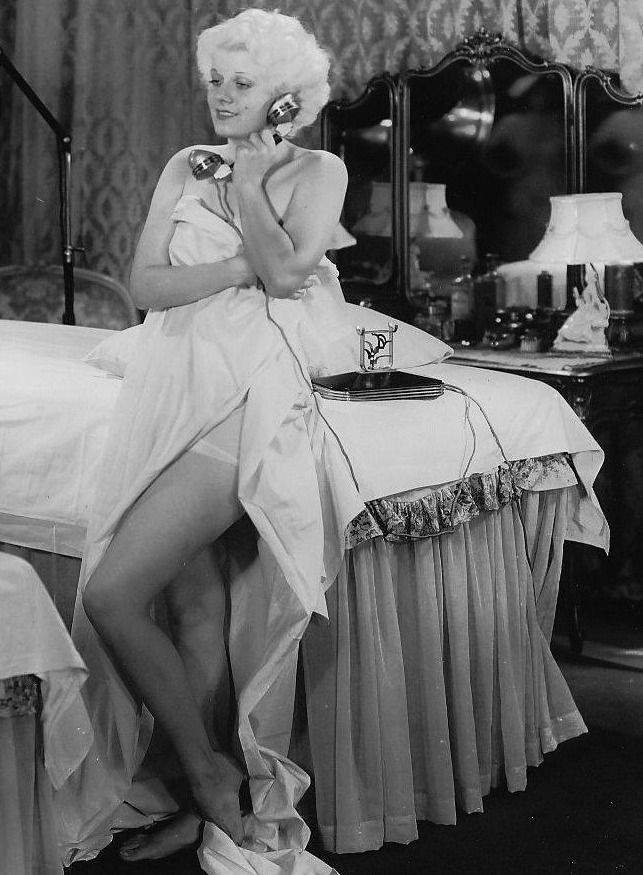
A primeira colaboração real foi “Loura e Sedutora” (1931), baseado em uma história escrita por Riskin, que também escreveu os diálogos para o filme. A comédia conta com Loretta Young, Jean Harlow e Robert Williams. O filme foi um sucesso.

Their first real collaboration was “Platinum Blonde” (1931), based on a story written by Riskin, who also wrote the dialogue for the film. The comedy stars Loretta Young, Jean Harlow and Robert Williams. The film was a success.


Em seguida veio “Loucura Americana” (1932), uma ideia original Riskin-Capra. O filme, estrelado por Walter Huston, lidava com a Grande Depressão, ainda em curso.

Next up comes “American Madness” (1932), an original Riskin-Capra idea. The film, starring Walter Huston, dealt with the ongoing Depression.


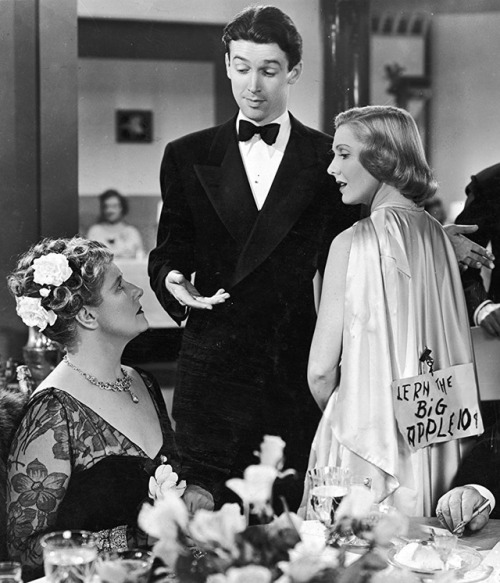
Os anos dourados da parceria começam com “Dama por um Dia” (1933). A história de Apple Annie foi indicada a quatro Oscars – e Capra esperava ganhar todos os quatro, como ele confessa na autobiografia. Com os discursos prontos, ele protagonizou um dos mais vergonhosos momentos do Oscar: quando o apresentador Will Rogers anunciou o prêmio de Melhor Diretor com um “Venha buscar, Frank!”, Capra levantou-se e estava chegando ao palco quando percebeu que era Frank Lloyd que era o vencedor.

Then, the golden years of the collaboration begin with “Lady for a Day” (1933). The story of Apple Annie was nominated for fours Oscars – and Capra expected to win all four, as he confesses in his autobiography. With his speeches ready, he was the center of one of the most embarrassing Oscar moments ever: when presenter Will Rogers announced the Best Director award with a “Come and get it, Frank!”, Capra went almost all the way to the stage, only to realize that it was Frank Lloyd who had won.


Felizmente, o filme seguinte de Capra, “Aconteceu Naquela Noite” (1934), ganhou não só quatro, mas sim cinco Oscars, incluindo de Melhor Roteiro Adaptado para Riskin. Com Clark Gable e Claudette Colbert, o filme conta a história de uma herdeira em fuga e de um repórter que a segue em busca de um furo de reportagem.

Fortunately, Capra’s next film, “It Happened One Night” (1934), won not four, but five Oscars, including one for Best Writing, Adaptation for Riskin. Starring Clark Gable and Claudette Colbert, the film tells the story of a runaway heiress and the reporter who follows her to get a scoop.


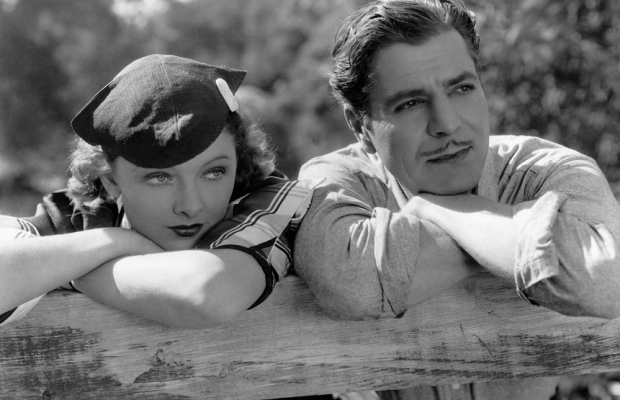
Também de 1934 é “A Vitória Será Tua”, um filme sobre corridas de cavalos com Myrna Loy e Warner Baxter. Eu ainda não vi este filme, mas vi o remake fofo dele, também dirigido por Capra: “Nada Além de um Desejo” (1950).

Also from 1934 comes “Broadway Bill”, a film about horserace starring Myrna Loy and Warner Baxter. I haven’t seen this film, but I saw the cute remake, also directed by Capra: “Riding High” (1950).


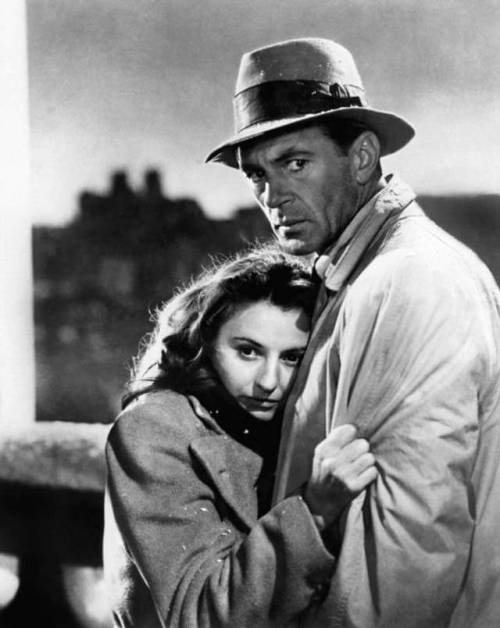
De acordo com Joseph McBride, no livro “Frank Capra: The Catastrophe of Success”, Capra foi tomado pela Síndrome do Impostor e pela ansiedade depois de ganhar o Oscar. Foi por isso que dois anos se passaram antes de “O Galante Mr Deeds” (1936) chegar às telas. Mr Deeds, interpretado por Gary Cooper, é um simplório tocador de tuba que herda uma fortuna e a partir daí tem uma série de problemas. Este foi o roteiro que Riskin mais gostou de escrever. Capra ganhou seu segundo Oscar de Melhor Diretor, mas mais tarde ele disse que Riskin também merecia ter ganhado outro Oscar.

According to Joseph McBride, in the book “Frank Capra: The Catastrophe of Success”, Capra was overcome by impostor’s syndrome and anxiety after winning the Oscar. That’s why two years had to pass for “Mr Deeds Comes to Town” (1936) hit the screen. Mr Deeds, played by Gary Cooper, is a simple tuba player who inherits a fortune and only gets problems afterwards. This was Riskin’s favorite of the screenplay he wrote. Capra won his second Best Director Oscar for the film, but he later said that Riskin deserved one, too.


Já naquela época, Riskin queria mais crédito. Ele pediu para ser creditado como colaborador de Capra – e Capra se recusou a fazê-lo. Então, Riskin disse que queria se tornar diretor – e Capra apoiou a decisão. O primeiro e único filme de Riskin como diretor foi o musical “Prelúdio de Amor” (1937), com Cary Grant e Grace Moore.

By that time, Riskin wanted more screen credit. He asked to be credited as collaborator to Capra – and Capra refused. Then, Riskin said he wanted to become a director – and Capra supported the decision. Riskin’s first and only film as a director was the musical “When You’re in Love” (1937), with Cary Grant and Grace Moore.


Em 1937 Riskin também adaptou uma história que gerou o roteiro de “Horizonte Perdido”, um filme de ficção científica profundo e cheia de aventura com Ronald Colman. Logo depois de terminarem este filme, Capra e Bob foram convidados para fazer um tour pela União Soviética.

In 1937 Riskin also adapted a story into the screenplay of “Lost Horizon”, a deep, adventurous science fiction movie with Ronald Colman. Right after they finished this film, Capra and Bob were asked for a tour in the Soviet Union.


O ano de 1938 trouxe a adaptação da peça “Do Mundo Nada se Leva”, e um golpe na relação. O primeiro filme de Riskin como diretor foi um fracasso e ele, mais do que nunca, acreditava que Capra estava levando o crédito pelo trabalho de Bob. Capra acreditava que Riskin fracassou como diretor porque ele não trabalhava bem sob pressão.

The year 1938 brought the adaptation of the play “You Can’t Take it with You”, and a blow in the relationship. Riskin’s directorial debut flopped, and he, more than ever, believed Capra was taking credit for his work. Capra believed Riskin failed as a filmmaker because he couldn’t work well under stress.


Em 1939, os amigos formaram uma nova companhia que foi batizada com o nome do sócio majoritário: Frank Capra Productions – Capra tinha 65% do capital, e Riskin tinha 35%. Ambos tinham deixado a Columbia, Riskin trabalhou com Samuel Goldwyn por um tempo, e o primeiro filme deles para a nova companhia foi “Adorável Vagabundo” (1941) – baseado em um conto, o filme começou a ser filmado sem um final ter sido decidido. O filme não fez sucesso.

In 1939, the friends formed a new production company that was baptized with the name of the main partner: Frank Capra Productions – Capra held 65% of the capital, and Riskin held 35%. Both had left Columbia, Riskin worked with Samuel Goldwyn for a while, and their first film for the new company was “Meet John Doe” (1941) – based on a short story, it started being shot without an ending set. The film wasn’t a hit.


Com a companhia dissolvida, os dois cogitaram se unir à United Artists. Mas havia uma guerra acontecendo. Durante o conflito, Capra e Riskin tomaram caminhos diferentes: Capra fez “Este Mundo é um Hospício” em 1941, mas o filme só estreou em 1944, e depois Capra se alistou no exército e dirigiu documentários sobre a guerra, enquanto Riskin foi para Londres fazer filmes de propaganda de guerra, e mais tarde se casou com a atriz Fay Wray. Como Capra escreveu: “Foi preciso uma guerra para nos separar”.

With the company dissolved, the two thought about joining United Artists. But there was a war going on. During the conflict, Capra and Riskin parted: Capra made “Arsenic and Old Lace” in 1941 but the film wasn’t released until 1944, then Capra joined the Army and directed war documentaries, while Riskin went to London to work on war propaganda films and later married actress Fay Wray. As Capra put in words: “It took a war to break us up”.


Os caminhos deles meio que se cruzaram de novo nos anos 50: em 1951, Capra fez “Órfãos da Tempestade”, baseado em uma história que Riskin havia vendido para a Paramount. Riskin foi indicado a um Oscar por sua história.  Na época, Riskin já havia sofrido o primeiro derrame e sua saúde ia mal.

Their paths kind of crossed again in the 1950s: in 1951, Capra made “Here Comes the Groom”, based on a story that Riskin had sold to Paramount. Riskin was nominated for an Oscar for the story. By then, Riskin had already suffered his first stroke and had a decaying health.


Mesmo que Capra nunca tenha visitado Riskin quando ele estava internado na Motion Picture & Television Country Home & Hospital, Riskin ainda dizia que Capra era “seu melhor amigo” até a morte. Capra não foi ao funeral de Riskin em 1955. Riskin tinha apenas 58 anos quando faleceu.

Even though Capra never visited Riskin as Riskin was taken ill to the Motion Picture & Television Country Home & Hospital, Riskin still said Capra was “his best friend” up until his death. Capra didn’t attend Riskin’s funeral in 1955. Riskin was only 58 when he passed away.


O último filme de Capra foi um remake de “Dama por um Dia”, feito em 1961. Mesmo no final, seu melhor colaborador e amigo estava presente. A autobiografia de Capra foi publicada em 1971 – e ele só tinha coisas boas para dizer de Robert Riskin.

Capra’s last film was a remake of “Lady for a Day”, made in 1961. Even in the end, his best collaborator and friend was present. Capra’s autobiography was first published in 1971 – and he only had good things to say about Robert Riskin.

This is my contribution to the Fay Wray and Robert Riskin, the Blogathon, hosted by Aurora and Annmarie at Once Upon a Screen and Classic Movie Hub.

Related Posts Plugin for WordPress, Blogger...