} Crítica Retrô: Sybille Schmitz

Tradutor / Translator / Traductor / Übersetzer / Traduttore / Traducteur / 翻訳者 / переводчик

Showing posts with label Sybille Schmitz. Show all posts

Saturday, August 8, 2026

O Desespero de Veronika Voss (1982) / Veronika Voss (1982)


Por muitos anos, se alguém me perguntasse qual meu filme preferido de Fassbinder, eu responderia sem pensar duas vezes: “O Desespero de Veronika Voss”, seu último filme. Mas nunca me perguntaram isso. E recentemente, este ano, quando revi o filme, não vi o brilhantismo que meu cérebro adolescente viu tantos anos atrás. Vamos mergulhar no desespero de Veronika Voss para ver o que aconteceu.

For many years, if anyone asked me what was my favorite Fassbinder film, I’d answer without thinking twice: “Veronika Voss”, his last film. But nobody ever asked me that. And recently this year, when I rewatched the film, I didn’t see the brilliance my teen brain saw so many years ago. Let’s dive deeper in Veronika’s longing to see what happened.

O ano é 1955. Veronika Voss (Rosel Zech) se perturba assistindo a um de seus velhos filmes, ao estilo Norma Desmond. Ela sai da sessão abruptamente e sai na chuva, chorando. Lá fora ela conhece o bondoso Robert Krohn (Hilmar Thate), que lhe oferece um guarda-chuva e um casaco. Ele não a reconhece e ela gosta disso. No dia seguinte, ela o convida para um drink, conversa sobre o mundo do cinema, e lhe pede dinheiro.

The year is 1955. Veronika Voss (Rosel Zech) is distressed while watching one of her old films, like Norma Desmond. She leaves the session abruptly and goes out in the rain, crying. Outside she meets the kind Robert Krohn (Hilmar Thate), who offers her an umbrella and a coat. He doesn’t recognize her and she is thankful for this. The following day, she invites him for a drink, talks about filmmaking and asks him for money.

Robert decide descobrir mais sobre Veronika através de uma pesquisa nos arquivos do jornal local. Ele ouve de outra jornalista, Grete, que “atores são tolos, perdidos e vaidosos”. Mas ele enxerga humanidade em Veronika. Sua busca o leva até a clínica super branca da neurologista Marianne Katz (Annemarie Düringer), de quem Veronika é paciente. Mas ela não é uma paciente comum: a atriz está sob a influência e o controle da médica, numa relação realmente abusiva. 

Robert decides to learn more about Veronika by researching her at the local newspaper files. He hears from a fellow journalist, Grete, that “actors are foolish, lost and vain”. But he sees humanity in Veronika. His search takes him to the über-white practice of the neurologist Marianne Katz (Annemarie Düringer), who Veronika is seeing. She is not only a common patient: the actress is under the influence and control of the doctor, in a truly abusive relationship.

Veronika Voss está naquele momento crítico da carreira de uma atriz em que ela está perdendo papéis para mulheres mais jovens, mais belas e menos talentosas. Ela poderia ter uma rival na namorada de Robert, mas a moça não se preocupa com o interesse, quase obsessão, dele pela velha atriz. 

Veronika Voss is in that critical moment of an actress’ career when she is losing roles for younger, prettier and less talented women. She could have a rival in Robert’s girlfriend, but the lady has a no-nonsense attitude about his infatuation, basically an obsession, with the old actress.

Veronika Voss foi inspirada por uma figura real: Sybille Schmitz. Assim como Veronika, ela foi uma estrela dos estúdios da UFA no período nazista. Aos 18 Sybille começou a atuar no grupo de teatro de Max Reinhardt e papéis no cinema foram o caminho natural, incluindo em “O Vampiro” (1932), de Dreyer. Mesmo relegada aos papéis de femme fatales e mulheres estrangeiras, ela trabalhou sem parar no governo nazista, o que a levou a ser ostracizada após o fim da guerra. Ela cometeu suicídio aos 45 anos em Munique, onde estava vivendo numa clínica de uma médica que lhe fornecia morfina para aliviar as dores. 

Veronika Voss was inspired by an actual figure: Sybille Schmitz. Like Veronika, she was a star at UFA studios during the Nazi period. At 18 Sybille got her start in Max Reinhardt’s theater group and soon film roles followed, including in Dreyer’s “Vampyr” (1932). Even though she was relegated to roles of femme fatales or foreign women, she worked nonstop during Nazi rule, which contributed to her being ostracized once WWII was over. She committed suicide at age 45 in Munich, where she was living in a private clinic owned by a doctor who offered her morphine to ease the pains.  

Há alguns flashbacks no filme. Neles, tudo é luz e brilho. Há luz nos sets de filmagem de Veronika e na casa onde ela vivia com o marido. Eram tempos mais brilhantes, com certeza. O efeito foi obtido pelo diretor de fotografia Xaver Schwarsenberger, que trabalhou em mais de 100 filmes e dirigiu 53 títulos. 

There are some flashbacks in the movie. In them, everything is light and brightness. There are the lights in Veronika’s movie sets and in her house shared with her husband. Brighter times, for sure. The effect was achieved by cinematographer Xaver Schwarzenberger, who worked in more than 100 films and directed 53 titles.

A trilha sonora é por vezes brincalhona, por vezes sexy. Certamente nos envolve numa atmosfera. Mas não é o tipo de música associada com um filme sobre uma ex-estrela viciada em morfina. O compositor foi Peer Raben, que produziu alguns dos primeiros filmes de Fassbinder - os dois foram amantes por um tempo - antes de se tornar compositor. A música norte-americana também pode ser encontrada na trilha sonora, incluindo “Memories are made of this”, cantada de maneira sedutora por Rosel Zech.

The soundtrack is sometimes playful, sometimes sexy. It certainly involves us in an atmosphere. But it’s not the kind of music associated with a movie about a has-been star addicted to morphine. The composer was Peer Raben, who produced some of Fassbinder’s early movies - the two were lovers for a while - before becoming a composer. North American music can also be found on the soundtrack, including a rendition of “Memories are made of this” sung by Rosel Zech seductively.

A performance de Rosel Zech é esplêndida. Seus gestos, a maneira como ela fala e se move com rapidez, tudo aponta para uma Veronika que está à beira de um ataque de nervos. Zech marcou presença no teatro e na televisão, e no cinema é mais associada com o Novo Cinema Alemão. Ela também tem um papel em “Lola” de Fassbinder, feito um ano antes de “O Desespero de Veronika Voss”.  

Rosel Zech’s performance is splendid. Her mannerisms, the way she talks and moves quickly, all point out to her Veronika being on the verge of a nervous breakdown. Zech had a strong presence on theater and television, and in cinema is more associated with New German Cinema. She also appeared in Fassbinder’s “Lola”, made one year before “Veronika Voss”.

Num flashback o marido de Veronika diz que ela “precisa estar sempre produzindo”. O mesmo foi verdade para o diretor Rainer Werner Fassbinder. Eu disse anteriormente que este foi seu último filme. Bem, o último que estreou quando estava vivo. Ele faleceu em 1982 de uma overdose, aos 37 anos, depois de fazer mais de 40 filmes, além de 24 peças de teatro, dois seriados de TV, três curtas e quatro videoclipes!

In a flashback Veronika’s husband says she “needs to be always producing”. The same was true for director Rainer Werner Fassbinder. I told before that this is his last film. Well, the last released during his lifetime. He died in 1982 from an overdose, aged 37, after making more than 40 films, plus 24 plays, two television serials, three short films and four video productions!

“O Desespero de Veronika Voss” ganhou o Urso de Ouro do Festival Internacional de Cinema de Berlim e com certeza é um bom filme,  mas não o melhor. O único problema após rever o filme é esse: agora eu não sei o que dizer quando alguém me perguntar qual é meu filme favorito de Fassbinder! 

“Veronika Voss” won the Golden Bear at the Berlin International Film Festival and for sure it’s a good movie, not only the best. The only problem after this rewatch was this: now I don’t know what to say when someone asks me what is my favorite Fassbinder movie!

This is my contribution to the It Grew on Me blogathon, hosted by Rebecca at Taking Up Room.


Thursday, October 31, 2019

O Vampiro (1932) / Vampyr (1932)


Somos seres altamente sugestionáveis. Os que se assustam facilmente são capazes de pular ao ouvir qualquer barulho ou ver uma sombra. Os entusiastas do horror também acabam se tornando sugestionáveis, pois quanto mais eles aprendem sobre o sobrenatural, mais tênue se torna a linha entre a realidade e o sobrenatural. É exatamente isso que acontece com nosso herói, Allan Gray, no filme “O Vampiro” (1932), de Carl Theodor Dreyer.

We’re highly suggestible beings. The easily scared jump whenever they hear a sound or see a shadow. The horror enthusiasts also end up becoming suggestible, because the more they learn about the supernatural, the more blurred the line between reality and the supernatural becomes. This is exactly what happens with our hero, Allan Gray, in Carl Theodor Dreyer’s “Vampyr” (1932).


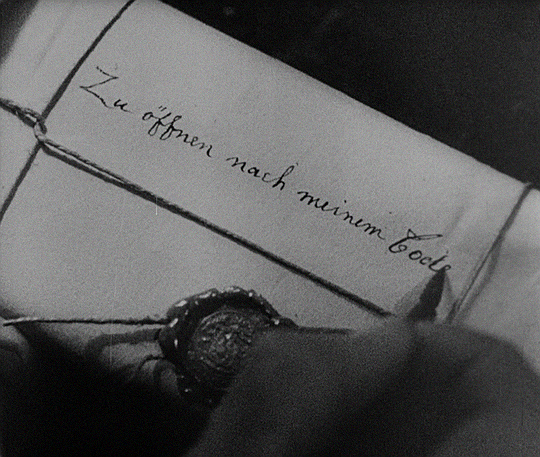
Allan Gray (Julian West) é um estudante do sobrenatural. Uma tarde, ele está passeando distraído quando encontra uma hospedaria em uma pequena vila, onde ele decide passar a noite. Seus terrores noturnos não são mostrados, mas descritos por uma longa cartela de títulos. Pela manhã, um homem entra no quarto de Allan, diz a ele que “ela não pode morrer” e deixa um pacote escrito “que só pode ser aberto após sua morte”.

Allan Gray (Julian West) is a student of the supernatural. One evening, he’s wandering around when he finds a small inn in a village, where he decides to spend the night at. His nightly terrors are not shown, but described in a long title card. In the morning, a man enters Allan’s bedroom, tells him that “she mustn’t die” and leaves a package “to be opened when he is dead”.


Mais tarde, Allan segue algumas sombras sem corpos e testemunha a morte do homem. Logo após o homem morrer, Allan abre o pacote e lá encontra um livro sobre vampiros. Allan então vê a filha do homem, Léone (Sybille Schmitz), ser mordida no pescoço. Um médico muito suspeito chega para cuidar dela. Agora Allan precisará impedir que Léone viva a eternidade como vampiro.

Later, Allan follows a few shadows without bodies and witnesses the man’s death. Right after the man dies, Allan opens the package and there he finds a book about vampires. Allan then witnesses the man’s daughter, Léone (Sybille Schmitz), being bitten on the neck. A very suspect doctor arrives to take care of her. Now Allan will be needed to save Léone from living eternity as a vampire.


O texto constante e enorme na tela quebra o ritmo do filme e, embora seja didático e importante para a história, atrapalha mais do que ajuda. “O Vampiro” foi concebido como um filme mudo, mas os planos mudaram durante a produção e o diálogo teve de ser gravado após as filmagens. Ainda assim há pouco diálogo no filme, o que, junto com a música de tensão, ajuda a criar suspense.

The constant and huge text in the screen breaks the film’s pace and, although didactical and important to the story, it bothers more than it helps. “Vampyr” was conceived as a silent movie, but the plans changed during production and the dialogue had to be recorded after shooting. There is still very little dialogue in the final film, which, along with the tense music, builds suspense.


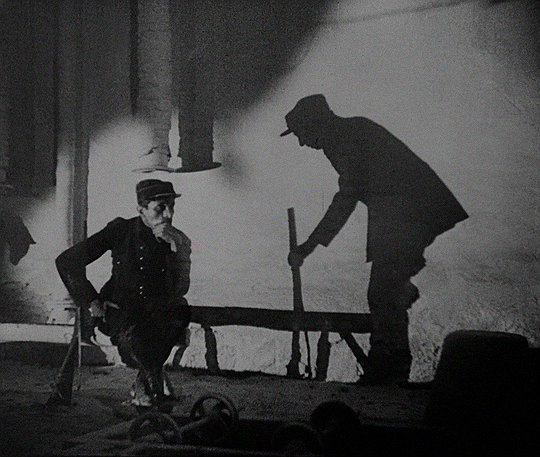
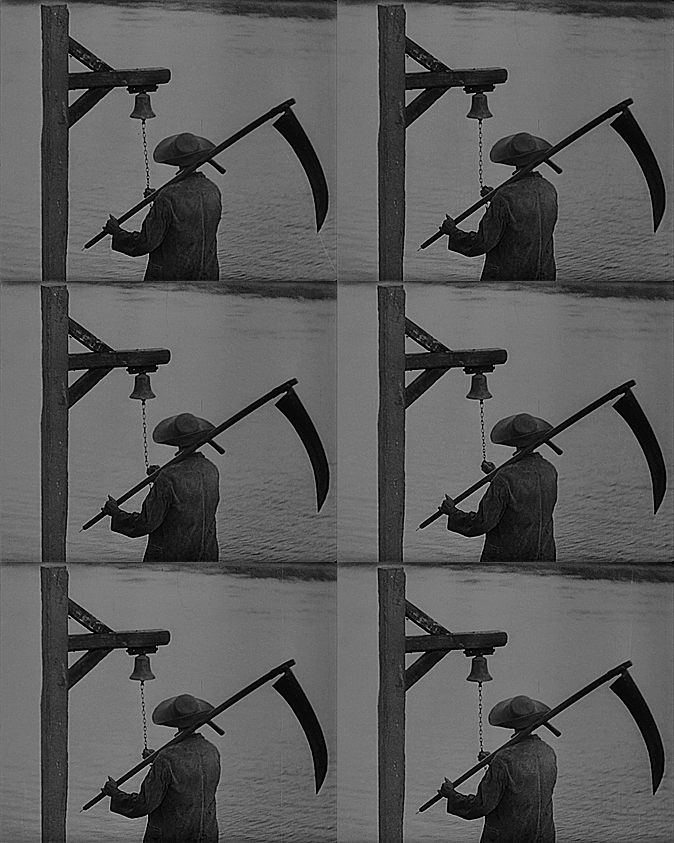
O destaque em “O Vampiro” é, sem dúvida, uma sequência muito claustrofóbica num caixão, filmada do ponto de vista da pessoa que está no caixão. Visualmente, todo o filme é hipnotizante, e outras sequências brilhantes incluem sombras, corpos que são quase transparentes e uma sequência de sonho com um esqueleto. O diretor de fotografia Rudolph Maté – de “A Paixão de Joana D’Arc” (1928), também de Dreyer – fez maravilhas ao filmar estas sequências.

The highlight of “Vampyr” is, without a doubt, a very claustrophobic coffin scene, filmed from the perspective of the person in the coffin. Visually, the whole film is hypnotizing, and other brilliant sequences include shadows, bodies that are nearly transparent and a dream sequence with a skeleton. Cinematographer Rudolph Maté – from Dreyer’s previous film, “The Passion of Joan of Arc” (1928) – did wonders while shooting these scenes.


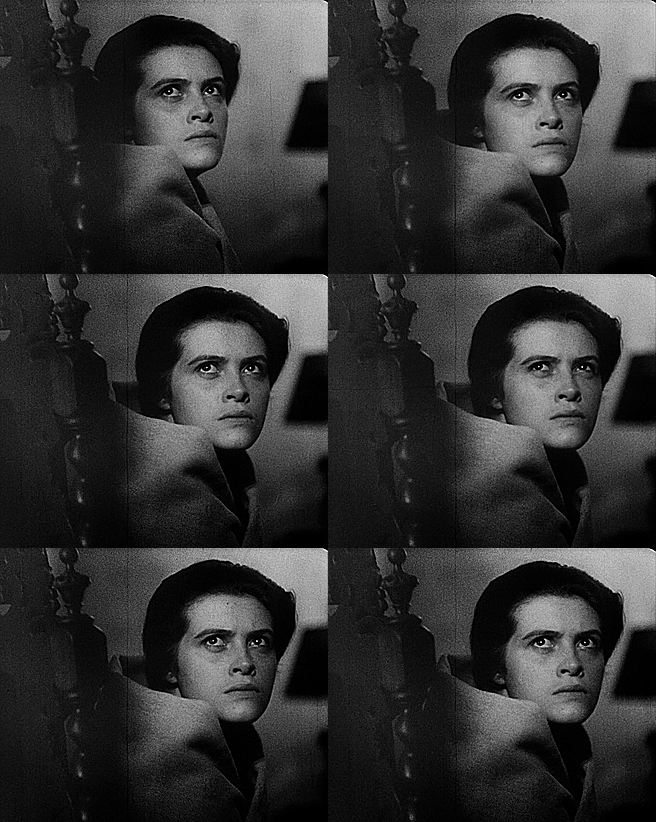
Assim como na maioria dos filmes de Carl Theodor Dreyer, quase todos os atores são amadores. Uma exceção importante em “O Vampiro” é Léone, a protagonista, interpretada por Sybille Schmitz. Nascida na Alemanha, ela trabalhou no teatro com Max Reinhardt e se tornou bastante popular na década de 1930. Em “O Vampiro”, sua expressão de desejo por sangue é ao mesmo tempo assustadora e fascinante. Sybille continuou trabalhando no cinema durante o Terceiro Reich, mas em papéis menores e fazendo femme fatales, porque ela não parecia “ariana o suficiente”. Por causa de seu vínculo empregatício sob o governo de Hitler, ela caiu no ostracismo a partir de 1945, e começou a abusar das drogas e do álcool. Sybille cometeu suicídio em 1955, e seus últimos anos serviram de base para o brilhante filme de 1982 “O Desespero de Veronika Voss”, de Rainer Werner Fassbinder.

Like in most Carl Theodor Dreyer films, almost all actors are amateurs. One important exception in “Vampyr” is Léone the leading lady, played by Sybille Schmitz. Born in German, she worked in theater under famous director Max Reinhardt and became quite popular in the 1930s. In “Vampyr”, her expression of lust for blood is at the same time scary and fascinating. Sybille kept on working in film during the Third Reich, but in smaller roles and as femme fatales, because she didn’t look “Aryan enough”. Because of this continuous employment under Hitler, she was ostracized after 1945, and started abusing drugs and alcohol. Sybille committed suicide in 1955, and her final years were the basis for the brilliant 1982 film “Veronika Voss”, by Rainer Werner Fassbinder.
 
Sybille Schmitz

Veronika Voss, 1982
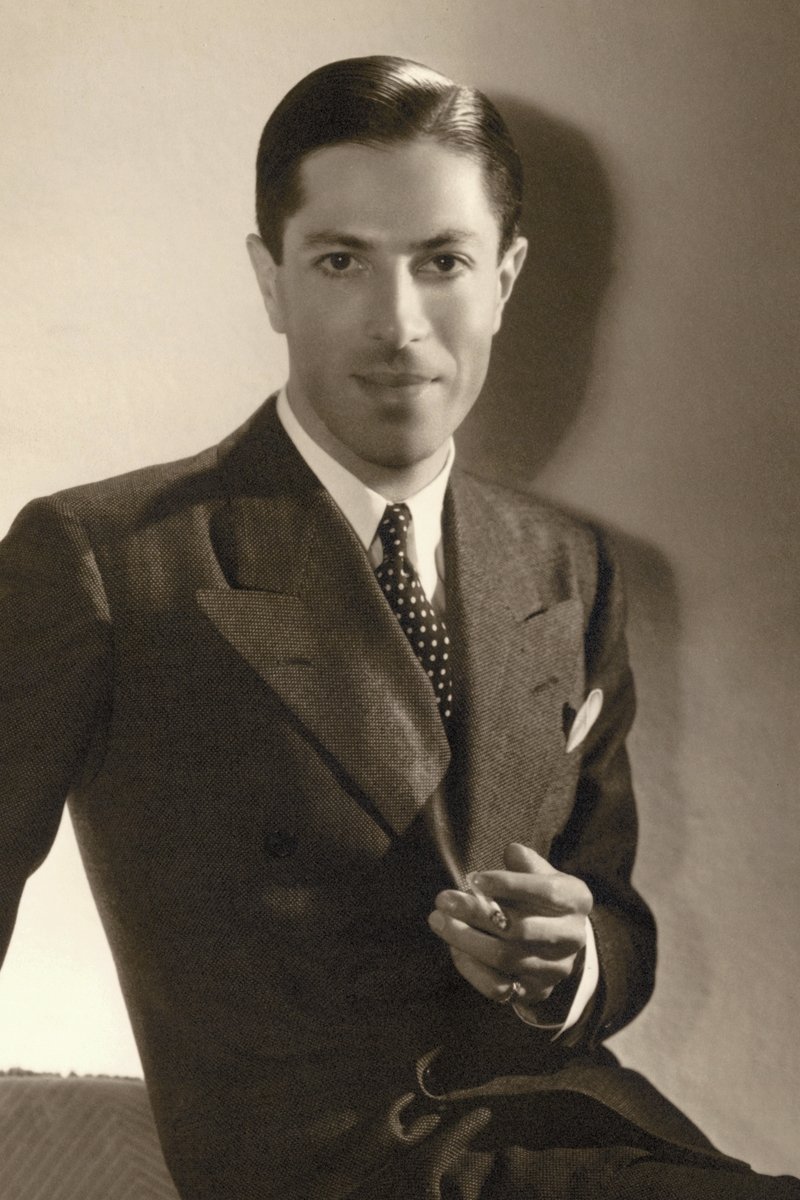
Nicolas de Gunzburg, um herdeiro francês vindo de uma família nobre russa, financiou o filme com uma condição: ele deveria ser escolhido para o papel principal. Foi assim que Nicolas adotou o nome artístico Julian West. Nicolas / Julian nunca fez outro filme, mas se tornou famoso no mundo da moda como editor de revistas de moda como Vogue e Harper’s Bazaar. Aliás, você percebeu como ele e H.P. Lovecraft se pareciam?

Nicolas de Gunzburg, a French heir from a noble Russian family, financed the film with one condition: he should be given the leading role. That’s how Nicolas adopted the stage name of Julian West. Nicolas / Julian never made another film, but he became a famous figure in the fashion world as editor of fashion magazines such as Vogue and Harper’s Bazaar. By the way, do you see how much he and H.P. Lovecraft look alike?

Nicolas / Julian
H.P. Lovecraft
Como acontecia nos primeiros filmes falados, em “O Vampiro” o diálogo foi gravado em diversas línguas para que o filme pudesse ser exportado para vários países. A versão em inglês foi perdida – embora alguns estudiosos digam que tal versão não foi sequer finalizada. Cópias em alemão e francês foram usadas para restaurar o filme à versão que temos hoje, com 73 minutos de duração. Ainda há algumas sequências perdidas.

Like it was common with early talkies, in “Vampyr” the dialogue was also recorded in several languages in order to export the film to several countries. The English version is lost – although some scholars claim that this version was never even completed. Prints in German and French were used to restore the film to the version we have today, and it is 73 minutes long. There are still some sequences lost.


Carl Theodor Dreyer disse que, com “O Vampiro”, ele quis “fazer um filme diferente de todos os outros filmes” e “criar um sonho na tela e mostrar que o horror não é encontrado nas coisas ao nosso redor, mas em nosso subconsciente”. Ele conseguiu fazer as duas coisas, mas pagou um preço alto: “O Vampiro” foi um fracasso de bilheteria e esgotou o diretor emocional e financeiramente. Dreyer fez apenas mais quatro filmes, se aposentando em 1964. Mas “O Vampiro” resistiu ao teste do tempo, e agora é considerado um clássico experimental e cult, e suas imagens ainda assombram nossas mentes.

Carl Theodor Dreyer said that, with “Vampyr”, he wanted to “make a film different from all other films” and “to create a dream on scream and show that horror is not to be found in the things around us but in our own subconscious”. He ended up achieving both, but paid a high price: “Vampyr” was a box-office failure and drained the director emotionally and financially. Dreyer made only four more films, retiring in 1964. But “Vampyr” stood the test of time, and now it’s highly regarded as a cult, experimental classic, and its images are still hunting our minds.

This is my contribution to the Dark and Deep: The Gothic Horror Blogathon, hosted by Gabriela at Pale Writer.

Related Posts Plugin for WordPress, Blogger...