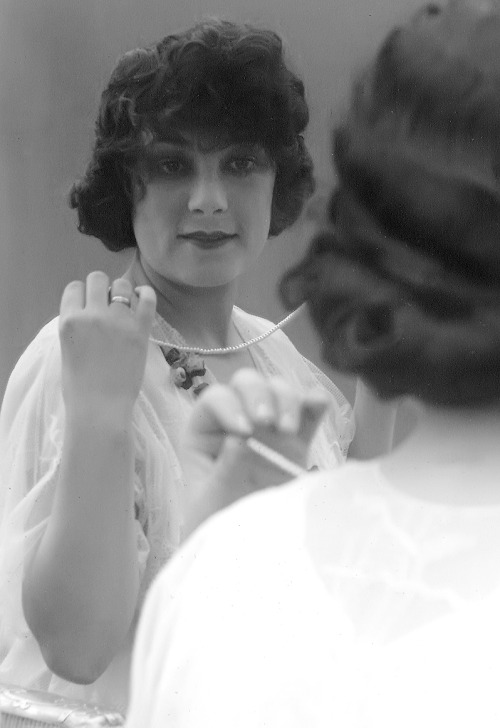
Cinematic Pandemic: the Spanish flu and the movies
A Primeira Guerra Mundial
terminou deixando 17 milhões de mortos, mas a sombra da morte não iria
desaparecer com o Armistício em 11 de novembro de 1918. Desde o começo de 1918,
uma mutação do vírus influenza estava se espalhando rapidamente pelo mundo – e era
incrivelmente mortal. A segunda década do século XX veria ainda mais mortos,
pois em 1919 houve o auge da pior pandemia desde a Peste Negra.
The first World War ended leaving 17
million people dead, but the shadow of death wasn’t going to disappear with the
Armistice on November 11th, 1918. Since the beginning of 1918, a mutation of
the influenza virus was spreading quickly throughout the world – and it was
incredibly deadly. The second decade of the 20th century would see even more
dead people, as 1919 was the climax of the worst pandemic since the Black
Death.
/https://www.thestar.com/content/dam/thestar/edmonton/2018/11/26/100-years-later-alberta-remembers-the-devastation-of-the-spanish-flu/_top.jpg)
A gripe espanhola ganhou esse
nome porque a Espanha era um país neutro durante a guerra, e por isso sua
imprensa não sofria censura. Assim, os jornais espanhóis podiam publicar
informações sobre a nova pandemia – os demais países não publicavam sobre a
doença para não afetar o moral das tropas. Foi dessa maneira que, embora não
tenha se originado na Espanha, a pandemia ficou conhecida como gripe espanhola.
The Spanish flu got its name because
Spain was a neutral country during the war, so its press wasn’t censored.
That’s why Spanish newspapers were able to publish info about the new pandemic –
the other countries couldn’t publish about the disease because it would affect
the troops. That’s how, although it did
not appear first in Spain, the pandemic became known as Spanish flu.
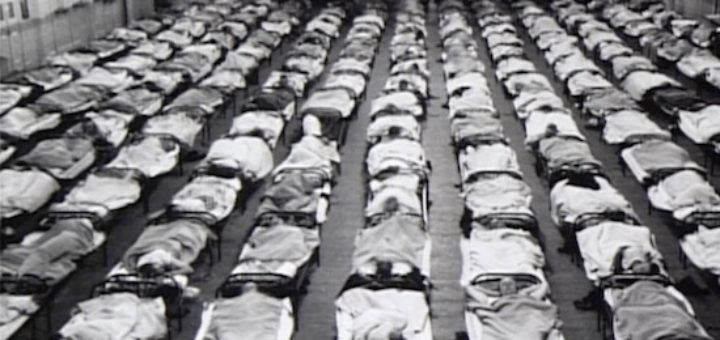
As estimativas variam, mas ao
redor do mundo, mais de 50 milhões de pessoas foram mortas pela gripe espanhola
– alguns pesquisadores dizem que o número de vítimas pode ser de 100 milhões.
Nos EUA, a doença deixou mais mortos do que a guerra – 675 mil norte-americanos
sucumbiram. A doença foi espalhada pelos soldados voltando para casa do front,
e a falta de higiene na época também não ajudou a parar a pandemia.
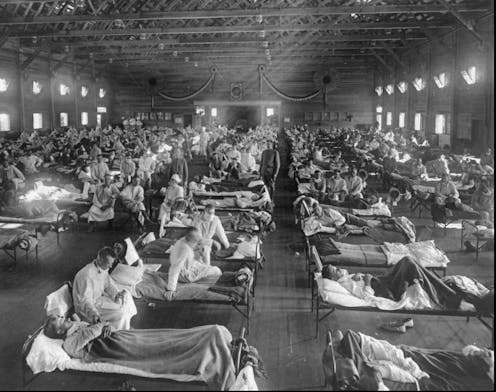
Estimations vary, but all over the
world, more than 50 million people were killed by the Spanish flu – some researchers
say that the amount of victims may be 100 million. In the US, the disease left
five times more dead than the war – 675,000 Americans perished. The disease was
easily spread by soldiers coming home from the front, and the lack of hygiene
at the time also didn’t help stopping the pandemic.

Algumas das vítimas foram
estrelas de cinema. Além disso, em 1918 o mundo do cinema havia acabado de
passar por sua primeira grande revolução – o surgimento do longa-metragem – e a
pandemia da gripe espanhola mostrou-se como a primeira grande ameaça externa à
indústria do cinema.
Some of the victims were famous movie
stars. Besides that, in 1918 the movie world had just passed through its first
big revolution – the rise of feature film – and the Spanish flu pandemic posed
the first big outside threat to the film industry.
Vítimas
no cinema
Film casualties
Uma das primeiras “estrelas de
cinema” foi também uma das primeiras pessoas a morrer de gripe espanhola. Andrée Lumière, filha de Auguste
Lumière, tinha um ano de idade quando apareceu em dois filmes exibidos na primeiríssima
sessão do cinematógrafo em 28 de dezembro de 1895. Andrée é a estrela do
conhecido “Café da manhã do bebê (Le Repas de bébé)” e do nem tão celebrado “Le pêche aux poissons rouge”. Andrée contraiu a gripe mortal e faleceu em 1918,
aos 24 anos.
One of the first “film stars” was also
one of the earliest people to die from the Spanish flu. Andrée Lumière, Auguste Lumière’s daughter, was one year old when she
appeared in two films presented in the very first movie exhibition on December
28th, 1895. Andrée is the star of both the well-known “Baby’s Breakfast (LeRepas de bébé)” and the not so celebrated “Le pêche aux poissons rouge”. Andrée
caught the deadly flu and passed away in 1918, at age 24.
 |
| Andrèe Lumière, 1909 |
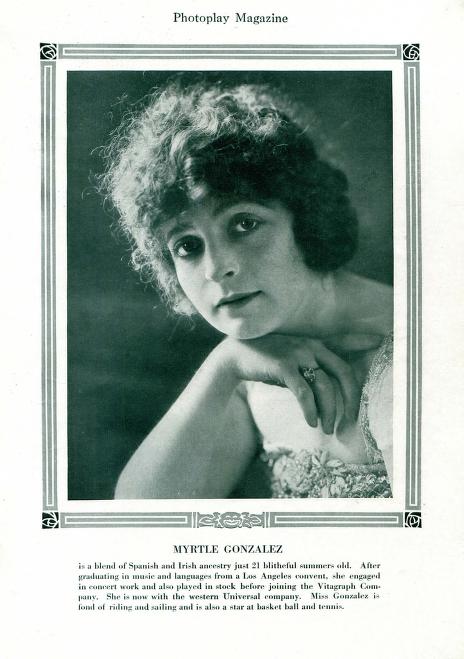
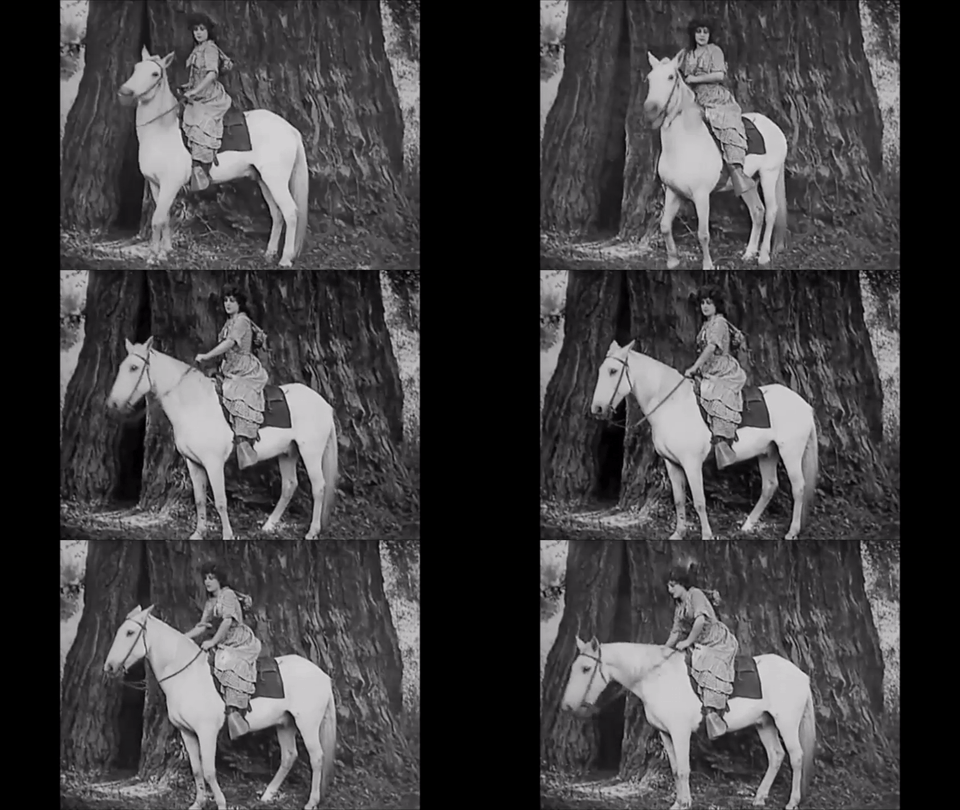
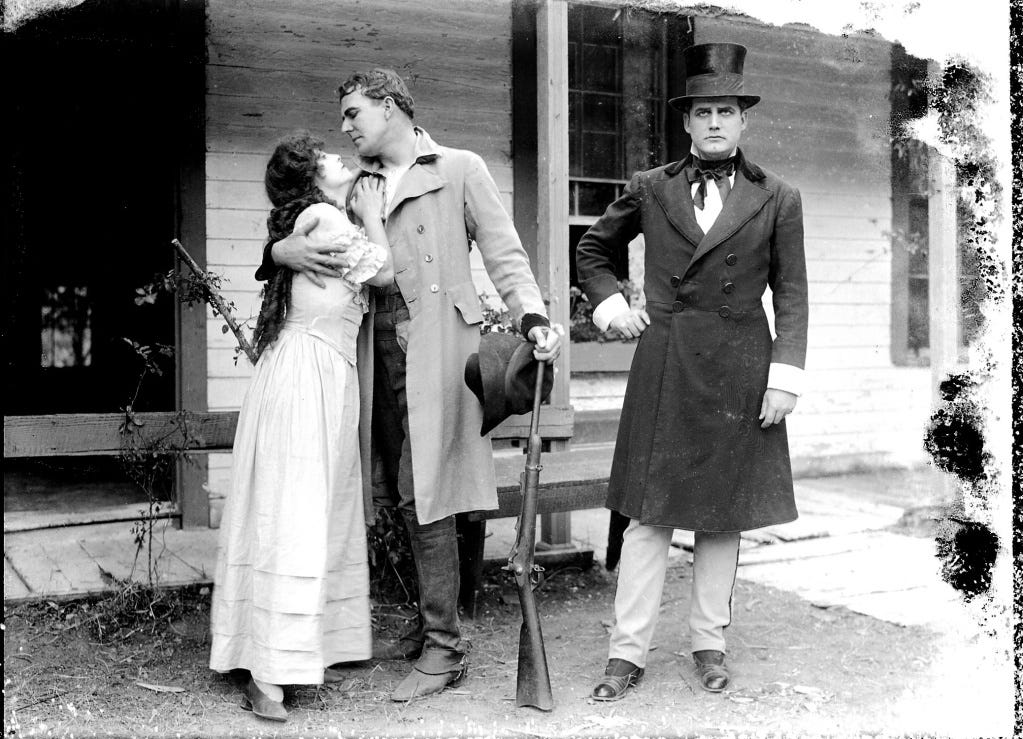
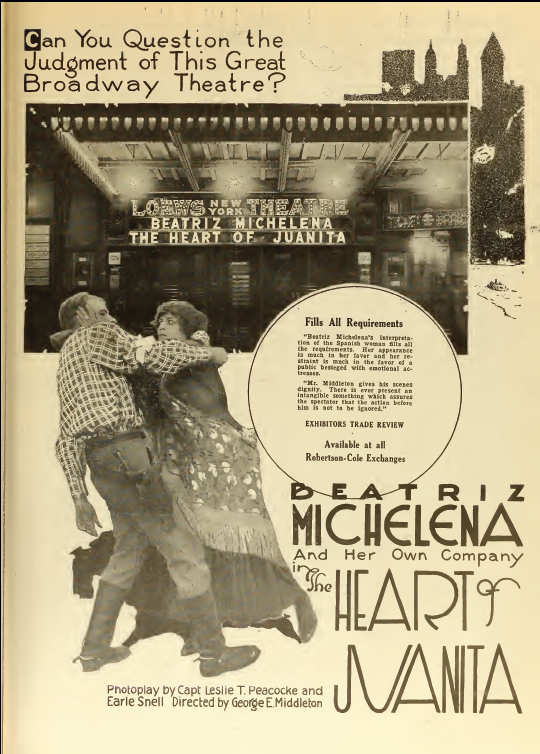
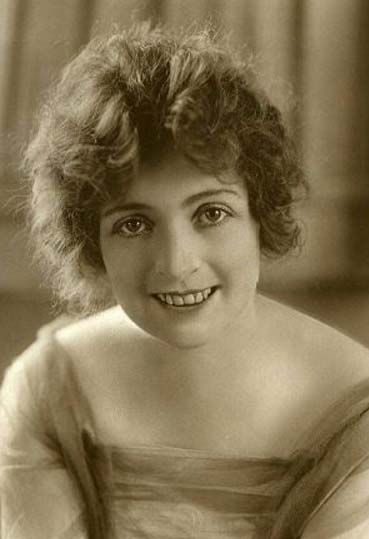
Myrtle
Gonzalez já havia deixado
Hollywood quando a gripe espanhola tirou sua vida. A atriz norte-americana de
descendência mexicana trabalhou de 1913 a 1917, tanto em papéis pequenos quanto
como protagonista – as mocinhas que ela interpretava em geral viviam em meio à
natureza e superavam várias dificuldades. Myrtle Gonzalez deixou Holywood em 1917, quando se casou. Ela faleceu em 1918 com apenas 27 anos.
Myrtle
Gonzalez had
already left Hollywood when the Spanish flu took her life. The American actress
of Mexican descent worked from 1913 to 1917, in both small parts and lead roles
– the leading ladies she played often lived among nature and overcame several
difficulties. Myrtle Gonzalez left Hollywood in 1917, when she got married. She
died in 1918 at only 27.
A estrela de Harold Lockwood estava em ascensão quando sua vida foi interrompida
pela gripe espanhola. Lockwood estava entre as 10 estrelas de cinema favoritas
listadas pela revista Motion Picture em dezembro de 1918 – embora ele tivesse
morrido em outubro aos 30 anos. Harold trabalhava no cinema desde 1911, e já
havia passado pelos estúdios Nestor, Selig e Famous Players. Entre 1915 e 1917
ele fez 22 longas-metragens com a atriz May Allison, dos quais apenas um está disponível
hoje. Acredita-se que Harold Lockwood tenha contraído o vírus da influenza
enquanto vendia bônus de guerra.
Harold
Lockwood’s star
was on the rise when his life was cut short by the Spanish flu. Lockwood was
among the 10 favorite film stars listed by the Motion Picture magazine in
December 1918 – although he had died in October at age 30. Harold had been
working on film since 1911, and had worked in studios like Nestor, Selig and
Famous Players. Between 1915 and 1917 he made 22 features with actress May
Allison, of which only one is readily available today. It’s believed that
Harold Lockwood caught the influenza virus while selling war bonds.

A partida prematura de Vera Kholodnaya chocou a União
Soviética. Considerada a primeira estrela de cinema russa, ela fez mais de
cinquenta filmes, embora apenas cinco sobrevivam, sendo o mais conhecido filme
dela, na verdade, a filmagem de seu funeral. Tendo Asta Nielsen como
inspiração, Vera em geral trabalhava em melodramas baseados em canções
populares e usava figurinos extravagantes. Por causa de sua popularidade,
quando ela morreu surgiu um rumor dizendo que ela havia sido envenenada por seu
amante francês porque ela era uma espiã bolchevique. Considerando que, em 1924,
os bolcheviques mandaram destruir a maioria dos filmes dela, este rumor parece
ser bem improvável.
The early demise of Vera Kholodnaya shocked the Soviet Union. Considered to be the first
Russian film star, she made over fifty films, although only five survive, being
the most well known film of hers the actual footage of her funeral. Having Asta
Nielsen as her main inspiration, Vera often worked in melodramas based on
popular songs and wore extravagant costumes. Due to her popularity, at the time
of her death a rumor appeared, saying that she had been poisoned by her French
lover because she was a Bolshevik spy. Considering that, in 1924, the
Bolsheviks ordered most of her films to be destroyed, this rumor sounds very
unlikely.

Além destes, muitos outros
trabalhadores do cinema pereceram. Devemos mencionar também o ator e diretor
Joseph Kaufman, o ator e escritor indígena Dark Cloud, a atriz norte-americana
Betty Gray, o ator britânico Julien L’Estrange e a atriz alemã Gilda Langer.
Besides those, many other film workers
perished. We should also mention actor and director Joseph Kaufman, Indian
actor and author Dark Cloud, American actress Betty Gray, English actor Julien
L’Estrange and German actress Gilda Langer.
 |
| Gilda Langer |
Algumas pessoas cujas vidas
seriam retratadas em filmes também morreram de gripe espanhola: por exemplo,
Jacinta e Francisco, duas das três crianças que viram a Virgem Maria em
Portugal em 1917, morreram durante a pandemia. A história deles foi contada no filme
de 1952 “A Virgem de Fátima”.
Some people whose lives would be told in
movies later also died from the Spanish flu: for instance, Jacinta and
Francisco, two of the three kids who saw the Virgin Mary in Portugal in 1917,
passed away during the epidemic. Their story was later told in the 1952
Hollywood production “The Miracle of Our Lady of Fatima”.
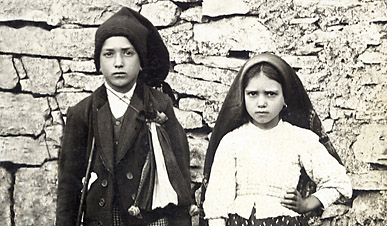 |
| Francisco and Jacinta |
Estrelas
de cinema que contraíram a gripe espanhola
Film
stars who caught the Spanish flu
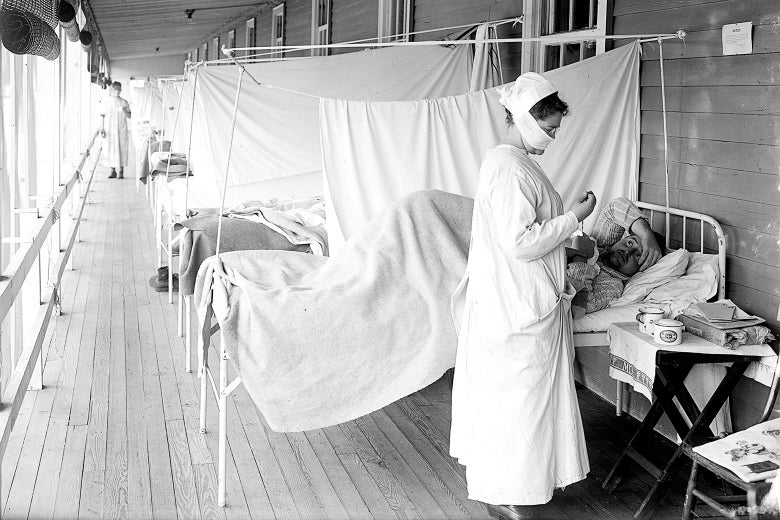
Como foi possível ver através das
pobres vítimas na indústria do cinema, a gripe espanhola era mais mortal para
pessoas entre 20 e 40 anos. Mulheres grávidas que contraíram a doença tiveram o
pior prognóstico: mais de 20% delas não sobreviveram, e em algumas regiões 70%
das grávidas infectadas morreram. Na população em geral, 20% dos contaminados
morreriam.
As we could see with these unfortunate victims
in the film industry, the Spanish flu was deadlier for people between 20 and 40
years of age. Pregnant women who caught the disease had the worst outcome: more
than 20% of them didn’t survive, and in some regions 70% of all infected
pregnant women died. In the general population, 20% of those contaminated would
die.
Isso significa que o baque para a
indústria do cinema poderia ter sido muito maior. Algumas das maiores estrelas
da época contraíram a doença, mas se recuperaram. Mary Pickford pegou a gripe
mas melhorou rapidamente, enquanto Lillian Gish teve febre alta, mas se
recuperou com a ajuda de um médico e duas enfermeiras que cuidavam dela dia e
noite.
This means that the blow for the film
industry could have been much bigger. Some of the biggest stars of the time
contracted the disease, but recovered. Mary Pickford caught the flu but
recovered quickly, while Lillian Gish had a high bout of fever, but recovered
with the help of a doctor and two nurses who took care of her 24/7.

Ainda um adolescente, Walt Disney
contraiu a gripe espanhola – e isso pode ter salvado sua vida. Disney deveria
ir para o campo de batalha como motorista de ambulância, mas ficou doente e,
quando se recuperou, a guerra havia acabado.
Still a teenager, Walt Disney contracted
the Spanish flu – and it may have saved his life. Disney was supposed to leave
to the war front as an ambulance driver, but he got sick and, when he
recovered, the war was over.
 |
| A young Walt Disney |
Margaret Dumont havia se
aposentado dos palcos em 1910 para se casar com um milionário, mas a gripe
espanhola colocou um fim na união quando ambos contraíram a doença, e ele
faleceu. Recuperada e viúva, Margaret retornou aos palcos e começou a fazer
comédias. Nos filmes, ela ficou conhecida por seu trabalho ao lado dos irmãos
Marx.
Margaret Dumont had retired from the
stage in 1910 to marry a millionaire, but the Spanish flu put an ending to the
union as both contracted the disease, and he died. Recovered and widowed,
Margaret returned to the stages and started appearing in comedies. In the
movies, she became known for her work alongside the Marx brothers.
 |
| A young Margaret Dumont |
Em 1920, Greta Garbo, então com
14 anos, perdeu o pai, vítima de gripe espanhola. Muitas fontes dizem que ela
também contraiu a doença e, felizmente, sobreviveu.
In 1920, Greta Garbo, then only 14, lost
her father to the Spanish flu. Many sources claim that she also contracted the
disease and, fortunately, survived.
 |
| A teen-age Greta Garbo |
Embora ele não tenha a ver com o
cinema, o presidente norte-americano Woodrow Wilson também contraiu a gripe
espanhola, e sua doença pode ter mudado o rumo da história: como ele não pôde
participar de todas as reuniões antes do Tratado de Versalhes ser assinado, o
presidente francês Georges Clemenceau se tornou interinamente o líder do grupo
dos vencedores da guerra – e exigiu que os alemães pagassem um preço alto pela
derrota, uma exigência que certamente foi importante para a ascensão do nazismo
e do desejo de revanche entre os alemães.
Although he had nothing to do with film,
US president Woodrow Wilson also caught the Spanish flu, and his illness may
have changed history: because he couldn’t attend all meetings before the Treaty of Versailles was signed, French president Georges Clemenceau became for a
while the leader of the group of war winners – and he demanded the Germans to
pay a high price for losing the war, a demand that certainly was important for
the rise of Nazism and of the German wish for a rematch.

O
cinema durante a gripe espanhola
The
movies during the Spanish flu
Com muitas de suas estrelas
contraindo a doença, a indústria do cinema sofreu um duro golpe com a gripe
espanhola. Em muitos locais, toda a indústria do cinema foi deixada de
sobreaviso, com cinemas interditados – porque eles eram locais fechados, onde o
risco de contágio era alto.
With many of its stars contracting the
disease, the movie industry suffered a hard blow with the Spanish flu. In many
places, the whole film industry was left in standstill, with movie theaters
interdicted – because they are closed places, where the risk of inoculation was
high.
 |
| New York Times, October 10th, 1918 |
De acordo com Ben Strassfeld,
autor do artigo “Infectious Media: Debating the Role of Movie Theaters in
Detroit during the Spanish Influenza of 1918”, 60% de todos os estúdios de
cinema na Califórnia pararam todas as suas atividades enquanto a pandemia se
espalhava. Os distribuidores pararam suas atividades por um mês. A revista
Photoplay estimou que 80% dos cinemas fecharam por pelo menos uma semana.
Muitas pessoas pensaram que era o fim daquela indústria recém-nascida.
According
to Ben Strassfeld, author of the
article “Infectious Media: Debating the Role of Movie Theaters in Detroit
during the Spanish Influenza of 1918”, 60% of all movie studios in California
ceased their production completely while the pandemic was on the rise.
Distributors stopped their activities for a month. Photoplay magazine estimated
that 80% of all movie theaters closed for at least a week. Many people thought
it was the end of the newborn movie industry.
 |
| Detroit Free Press, October 18th, 1918 |
Isso não significava que não
havia filmes sendo exibidos. Os nickelodeons ressurgiram por um tempo, e havia
pessoas que acreditavam piamente que os cinemas não deveriam ser fechados
durante a pandemia: eles poderiam ser usados para fins educativos, ensinando o
público sobre a nova doença.
This doesn’t mean that there were no
movies being shown. The nickelodeons resurfaced for a little while, and there
were people who strongly believed that movie theaters shouldn’t be closed down
during the pandemic: they could be used for educational purposes, teaching the
public about the new disease.
 |
| Chicago, 1918 |
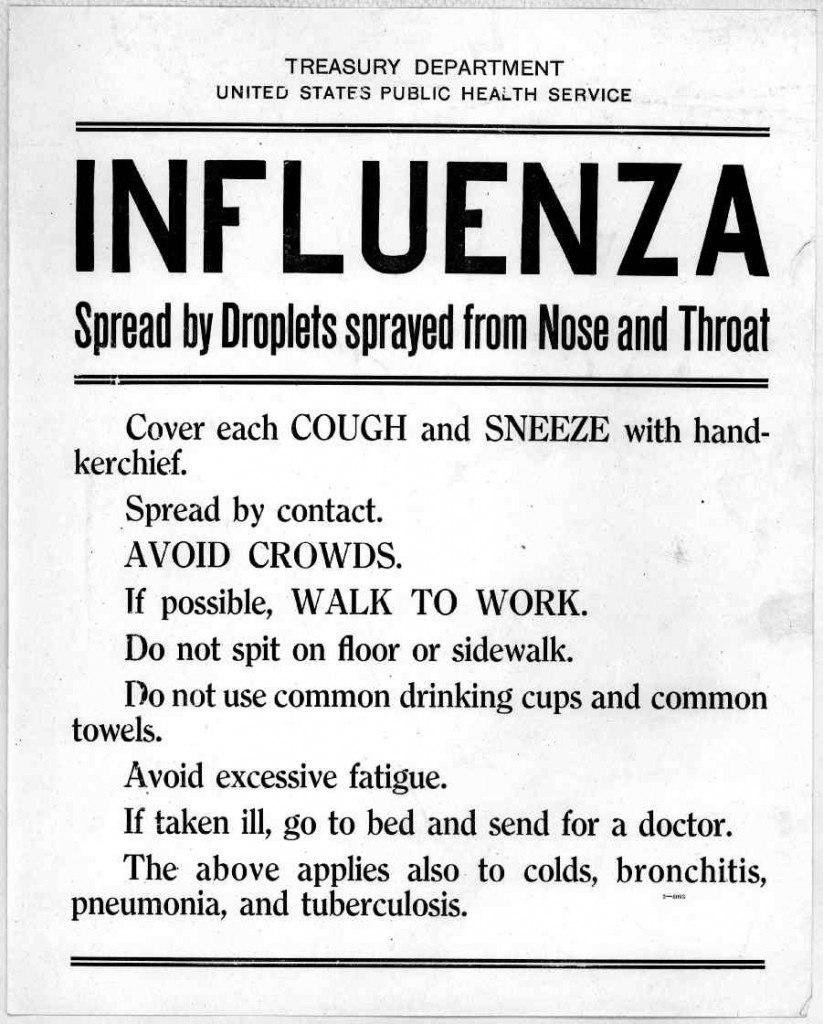
Como narra Strassfeld, os cinemas
em Detroit exibiam slides educativos antes do filme e também exibiam filmes
educativos. Detroit era então a capital dos filmes educativos, e um deles, “Spreading
Spanish Influenza”, usava técnicas de contação de histórias para passar a
mensagem – algo a que o público e os estudiosos não estavam acostumados, porque
acreditavam que filmes fúteis precisavam contar uma história, enquanto filmes
educativos sérios não precisavam disso.
As Strassfeld chronicles, movie theaters
in Detroit exhibited educational slides before the movie and also showed
educational movies. Detroit was then the capital of educational films, and one
of them, “Spreading Spanish Influenza”, used storytelling techniques to spread
the message – something that the public and the scholars weren’t used to,
because they believed that frivolous movies needed storytelling, while serious
educational films didn’t.
Em Detroit e outras cidades, os
donos de cinemas não gostaram de ter de fechar seus negócios. Por isso eles
concordaram em usar os cinemas para exibir filmes educativos – era a única
maneira que eles tinham para manter os negócios abertos. Quando os piores dias
da gripe passaram, os cinemas voltaram à programação normal, exibindo filmes
para entretenimento – mas agora eles sabiam como conquistar a respeitabilidade
que o cinema sempre havia buscado. A gripe espanhola mostrou que os filmes
podiam tanto entreter quanto informar.
In Detroit and other cities, movie
theater owners didn’t like the mandatory closing of their businesses. That’s
why they agreed to repurpose the movie theaters to show educational pictures –
it was the only way they could keep their businesses open. As the worst days of
the flu went by, movie theaters went back to their normal schedule of
entertainment pictures – but now they knew how to gain the respectability the
film business had always been looking for. The Spanish flu showed that films
could both entertain and inform.

A gripe espanhola no cinema
The
Spanish flu at the movies
Surpreendentemente, mesmo tendo
sido devastadora, a gripe espanhola não é muito usada em roteiros, ao contrário
da guerra mundial que lhe foi contemporânea. No IMDb há apenas 19 filmes,
documentários ou episódios de séries listados na TAG “gripe espanhola”, e há
1939 produções com a TAG “Primeira Guerra Mundial”.
Surprisingly, as much as it was
devastating, the Spanish flu is not often used as a plot device, unlike the
contemporary first World War. IMDb has only 19 movies, documentaries or TV show
episodes listed with the tag “Spanish flu”, while it also has 1939 productions
labeled with the “World War One” tag.
Um dos filmes sobre a pandemia é
o filme para TV britânico “Spanish Flu: the Forgotten Fallen”, de 2009. O filme
usa esse título porque a pandemia foi, mesmo durante o século XX, quase
esquecida. É, de fato, mais nobre morrer defendendo sua pátria do que morrer por
causa da gripe – por isso os mortos durante a pandemia não foram celebrados
como mártires.
One of the films about the pandemic is
the 2009 English TV movie “Spanish Flu: the Forgotten Fallen”. The film takes
its title from the fact that the pandemic was, even during the 20th
century, nearly forgotten. It is, indeed, more noble to die defending your
homeland than to die because of the flu – so the ones killed during the pandemic
were not celebrated as martyrs.
 |
| "Spanish Flu: the Forgotten Fallen", 2009 |
Além disso, como escreve o autor
Mark Honigsbaum, foi só a partir dos anos 70 que o mundo percebeu quão mortal
foi a pandemia – quando, pela primeira vez, pesquisadores disseram que mais de
50 milhões morreram de gripe espanhola. Hoje, estima-se que a gripe espanhola
matou entre 50 e 100 milhões – a Peste Negra da Idade Média matou entre 40 e 70
milhões de pessoas. Mesmo se um dia calcularmos as mortes com precisão e
descobrirmos que a gripe espanhola não foi a pandemia mais mortal de todos os
tempos, não podemos ignorar como ela abalou o mundo e a nascente indústria do
cinema.
Besides that, as author Mark Honigsbaum
writes, it wasn’t until the 1970s that the world actually realized how deadly the
pandemic was – for the first time the researchers talked about more than 50
million dead due to the Spanish flu. Now, it is estimated that the Spanish flu
killed between 50 and 100 million – the Black Death in the Middle Ages killed
between 40 and 70 million people. Even if some day we calculate the casualties
with precision and find out that the Spanish flu wasn’t the deadliest pandemic
of all time, we can’t ignore how it shook the world and the nascent film
industry.

References:
Ben Strassfeld (2017): Infectious Media:
Debating the Role of Movie Theaters in Detroit during the Spanish Influenza of
1918, Historical Journal of Film, Radio and Television, DOI:
10.1080/01439685.2017.1300002
Benjamin, Kathy. 14 Famous People Who
Survived the 1918 Flu Pandemic. At Mental Floss: https://mentalfloss.com/article/58376/14-famous-people-who-survived-1918-flu-pandemic
Honigsbaum, Mark. Why historians ignored the Spanish flu. At The Conversation:
https://theconversation.com/why-historians-ignored-the-spanish-flu-101950
Influenza Encyclopedia: http://www.influenzaarchive.org
IMDb list of Spanish flu victims: https://www.imdb.com/list/ls033642481/?ref_=nm_bio_rls_1
Lovett, David A. Tem Famous People
Who Survived the 1918 Flu. At Smithsonian Magazine: https://www.smithsonianmag.com/history/ten-famous-people-who-survived-1918-flu-180965336/
This is my contribution to The Anniversary blogathon, hosted by the
Classic Movie Blog Association, celebrating 10 years!