} Crítica Retrô: B-movie

Tradutor / Translator / Traductor / Übersetzer / Traduttore / Traducteur / 翻訳者 / переводчик

Showing posts with label B-movie. Show all posts

Saturday, May 18, 2019

Sós no Mundo (1934) / Two Alone (1934)


Uma história de Cinderela – mas feita antes do Código Hays. Isso significa que não há quase nada “de fadas” neste “conto”. Para começar, “Sós no Mundo” é uma história rural de uma órfã que é adotada por fazendeiros para trabalhar para eles. Seu Príncipe Encantado é na verdade um adolescente que fugiu do reformatório. Sua Fada Madrinha é um velho bêbado que todos consideram louco. E seu malvado Padrasto quer mais dela do que apenas seu trabalho...

A Cinderella story – but made in the pre-Code era. This means that there is too little of “fairy” in this “tale”. To begin with, “Two Alone” is a rural tale of an orphan who is adopted by farmers only to work for them. Her Prince Charming is actually a teenager running away from Reform School. Her Fairy Godmother is a drunken old man everyone considers to be crazy. And her evil Stepfather wants more of her than only her ability to work…


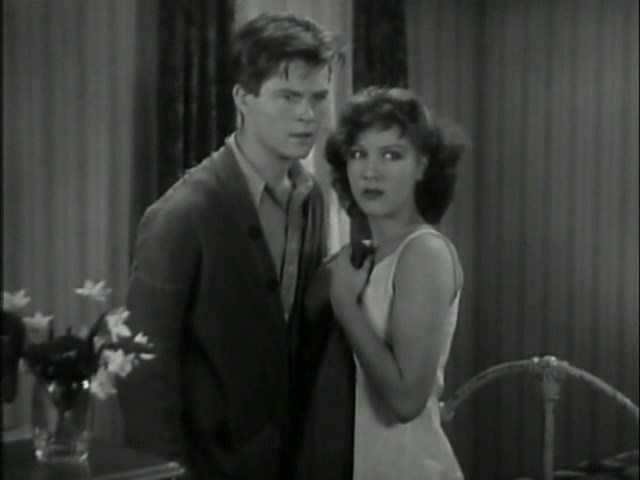
A família Slag vive em uma fazenda. O Sr. Slag (Arthur Byron) e a senhora Slag (Beulah Bondi) têm dois filhos, um garoto e uma garota, e o Sr. Slag adotou uma órfã, Mazie (Jean Parker).  Mas seu objetivo não era dar para Mazie o amor e o carinho que ela nunca recebeu na vida, mas sim fazê-la trabalhar para a família.

The Slag family lives in a farm. Mr. Slag (Arthur Byron) and Mrs. Slag (Beulah Bondi) have two children, a guy and a girl, and Mr. Slag has adopted an orphan, Mazie (Jean Parker). But his goal was not to shower Mazie with the love and care she never had in her life, but rather make the girl work for them.


Um dia, um adolescente fugindo do reformatório aparece na fazenda. Ele, um garoto chamado Adam (Tom Brown), rouba comida de Mazie, mas ela é bondosa o suficiente para tratar das feridas no rosto do rapaz. Naquela noite, Mazie sai de casa para dar algumas roupas para Adam, mas o Sr. Slag os flagra. O Sr. Slag, em vez de entregá-lo para a polícia, decide fazer do garoto também empregado da sua fazenda.

One day, a runaway teenager from Reform School shows up at the farm. He, a boy named Adam (Tom Brown), steals food from Mazie, but she is kind enough to tend to his facial wounds. That night, Mazie leaves the house to give some clothes to Adam, but Mr. Slag catches them. Mr. Slag, instead of turning the boy to the police, decides to make him work at the farm as well.


Alguns meses se passam, e a filha do Sr. Slag vai se casar – com a pior orquestra do mundo tocando na cerimônia. Mazie é humilhada quando tenta parabenizar a noiva, o que a entristece. Adam, agora um empregado da fazenda, diz que um dia ambos estarão livres e felizes longe dali. Sozinhos em casa, eles comem e conversam com Sandy Roberts (Charley Grapewin), um homem considerado louco pela população. Adam beija Mazie, mas depois se sente culpado.

A few months pass, and Mr. Slag’s daughter is going to be married – with the world’s worst orchestra playing at the ceremony. Mazie is humiliated when she tries to congratulate the bride, and that makes her sad. Adam, now working at the farm, tells that one day they both will be free and happy far from there. Home alone, they eat and chat with Sandy Roberts (Charley Grapewin), a man considered crazy by the people. Adam kisses Mazie, but then feels ashamed.


Algum tempo depois, Adam confessa para Mazie que a ama – e, felizmente, ela também o ama! Mas temos mais problemas: quando Adam pede ao Sr. Slag para deixá-lo casar com Mazie, o velho rabugento diz não – porque ele não quer perder dois empregados, e também porque ele está interessado em Mazie, agora quase uma mulher. Amedrontada, Mazie diz a Adam que eles deveriam fugir – e é isso que eles fazem.

A while later, Adam confesses to Mazie that he loves her – and, luckily, she loves him back! But problems arise once more: when Adam asks Mr. Slag to let him marry Mazie, the old man says no – because he doesn’t want to lose two employers, and also because he is interested in Mazie, now almost a woman. Afraid, Mazie tells Adam they should escape – and so they do.


Adam e Mazie querem chegar à casa do antigo empregado de Slag, o bondoso George Marshall (Willard Robertson), que, coincidentemente, também está procurando por Mazie. Muitas reviravoltas acontecem, e temos suspense... e sexo!

Adam and Mazie want to reach the house of Slag’s former employee, the good George Marshall (Willard Robertson), who, coincidentally, is also looking for her. A lot of plot twists happen and there is suspense… and sex!

Os anos 30 foram uma boa década para crianças e adolescentes do cinema. As crianças da série “Our Gang” (“Os Batutinhas”) continuaram com o sucesso que tinham na era muda. Shirley Temple, Judy Garland e Mickey Rooney cresceram em frente às câmeras. Os garotos da turma “Dead End Kids” apareceram no teatro e também no cinema em filmes como “Anjos de Cara Suja” (1938). Adolescentes fugitivos eram uma triste realidade durante a Grande Depressão, e foram o foco de “Idade Perigosa” (1933), um filme interessante de William A. Wellman.

The 1930s were a nice decade for kids and teens at the movies. The kids from “Our Gang” kept the success from the silent era. Shirley Temple, Judy Garland and Mickey Rooney grew up in front of the cameras. The “Dead End Kids” appeared at the stage and made it to the screen in films like “Angels with Dirty Faces” (1938). Runaway teens were a sad reality in the Depression Era, and they were the subject of “Wild Boys of the Road” (1933), an interesting little film by William A. Wellman.
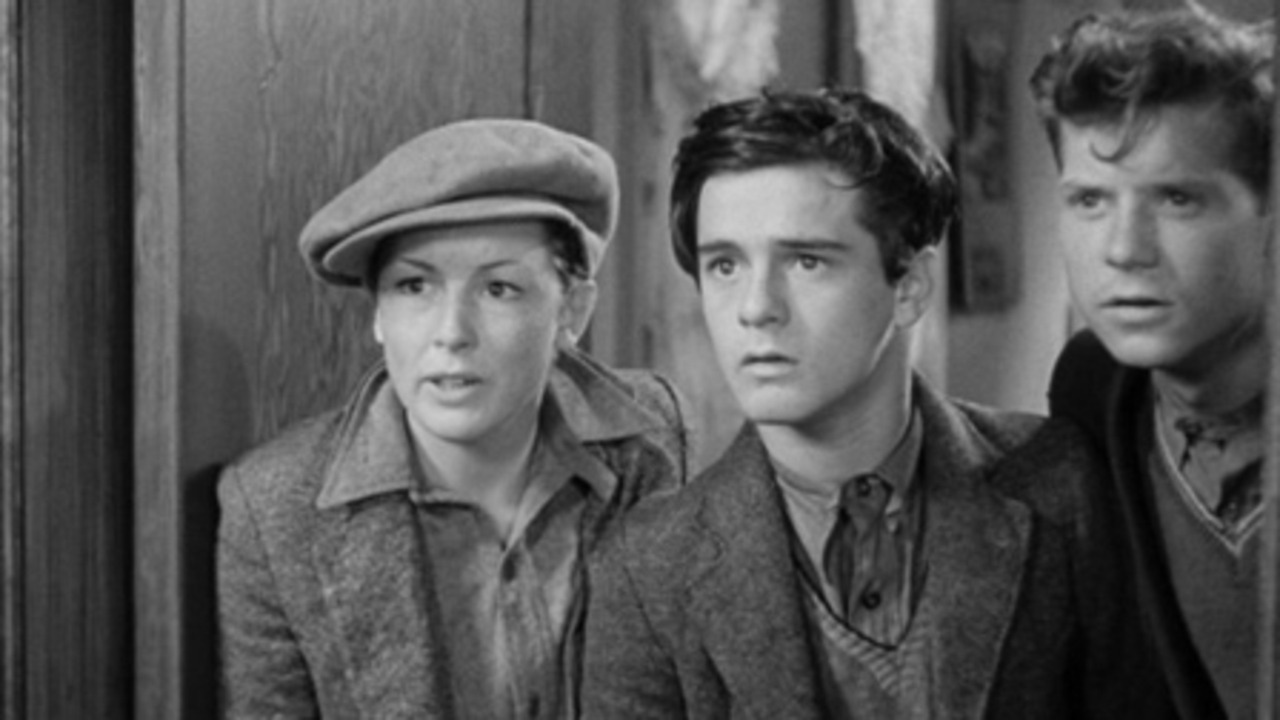
 
Idade Perigosa / Wild Boys of the Road
“Sós no Mundo” é um filme B feito pelos estúdios RKO. De acordo com os arquivos do estúdio, o filme foi um fracasso na bilheteria, provavelmente por causa da falta de grandes estrelas no elenco e também por causa da trama complexa. A pobre ZaSu Pitts, interpretando Esthey Roberts – filha de Sandy Roberts – é completamente desperdiçada, pois só aparece em duas cenas.

“Two Alone” is a B-movie made by RKO. According to studio’s records, it was a huge box-office flop, probably due to the lack of A-listers in the cast and the very complex story. Poor ZaSu Pitts, playing Esthey Roberts – Sandy Roberts’s daughter – is completely wasted as she appears in only a couple of scenes.


Jean Parker, então com 19 anos e no começo da carreira, foi emprestada pela MGM, e ela é a melhor em cena em “Sós no Mundo”. Ela interpreta a doce e pobre Mazie de maneira convincente, e seus olhos são brilhantes e expressivos. O belo Tom Brown, com apenas 21 anos na época, já havia sido modelo na infância e feito alguns filmes mudos. Como namorados, Mazie e Adam nos fazem torcer por eles.

Jean Parker, then 19 and in the beginning of her career, was borrowed from MGM, and she is the best in scene in “Two Alone”. She plays sweet and helpless Mazie in a believable way, and her eyes are bright and expressive. Handsome Tom Brown, playing Adam, only 21 at the time, had already been a model in his childhood and appeared in a couple of silent films. As sweethearts, Mazie and Adam are worth rooting for.


“Sós no Mundo” foi dirigido por Elliott Nugent. O nome não parece familiar, né? No começo dos anos 30 Elliott era ator, e logo se tornou também roteirista e diretor. Seu filme mais famoso como diretor provavelmente é a versão de 1939 de “O Gato e o Canário”, com Paulette Goddard e Bob Hope.

“Two Alone” was directed by Elliott Nugent. The name doesn’t sound familiar, does it? In the early 1930s Elliott was actually a leading man, and soon he became also a screenwriter and director. His most famous endeavor as a director is probably the 1939 version of “The Cat and the Canary”, with Paulette Goddard and Bob Hope.

Jean Parker, Elliott Nugent, Tom Brown

“Sós no Mundo” se torna mais emocionante quando nos lembramos de que ainda há muitas crianças e adolescentes órfãos vivendo como Mazie. Adotar crianças para ter empregados sem salário não é coisa do passado. Abuso, tráfico humano, cárcere privado e escravidão de crianças ainda existem. Se o Código Hays não tivesse sido implantado, será que teríamos mais consciência sobre estes temas? Eu não sei, mas ao menos fico feliz que um filme como “Sós no Mundo” exista para nos mostrar como avançamos tão pouco nos últimos 85 anos.

“Two Alone” becomes more poignant as we remember that there are still many orphaned children and teens living like Mazie. Adopting kids to have them as unpaid maids is not a thing from the past. Abuse, human trafficking, false imprisonment and child slavery still exist. If the Hays Code wasn’t implanted, would we be more aware of themes like those? I don’t know, but at least I’m happy a film like “Two Alone” exists to show us we haven’t come very far in the last 85 years.

This is my contribution to the It’s a Young World – Teen Movie Blogathon, hosted by Robin and Crystal at Pop Culture Reverie and In the Good Old Days of Classic Hollywood.


Thursday, November 16, 2017

The Brave One (1956) and Dalton Trumbo’s braveness

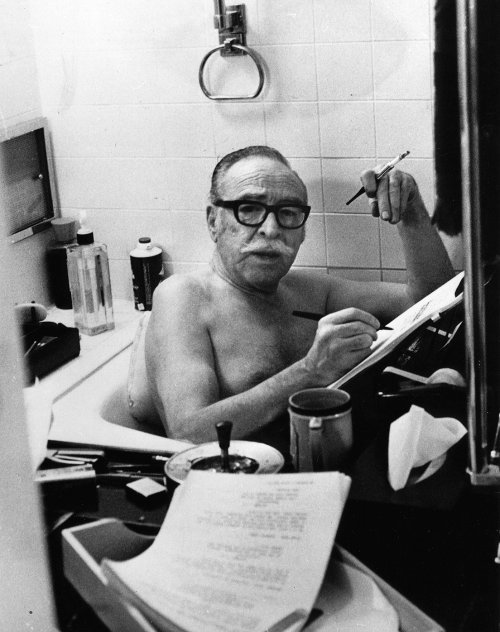
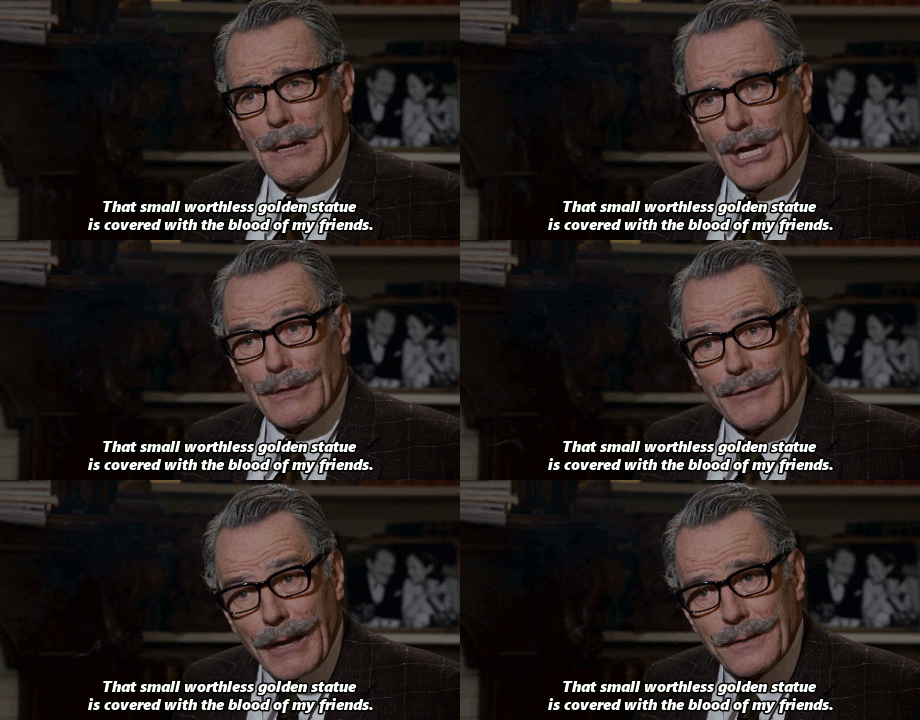
Quando eu assisti a “Trumbo – Lista Negra” (2015), eu senti muita raiva. Eu tive raiva da hipocrisia, da falsa moral, da asquerosa tentativa dos conservadores de “limpar Hollywood” – e de como eles destruíram vidas com esta caça às bruxas. Sim, Dalton Trumbo pode ter ganhado dois Oscars mesmo estando na lista negra, mas vemos na cinebiografia que as consequências de seu exílio foram devastadoras, e nenhuma estatueta dourada poderia remediá-las.

When I watched “Trumbo” (2015), I felt more rage than anything else. I was angry at the hypocrisy, the fake morals, the disgusting attempt of conservatives to “clean Hollywood” – and how they destroyed lives with the witch hunt. Sure, Dalton Trumbo may have won two Oscars even when he was blacklisted, but we see in the biopic that the consequences of his blacklisting were devastating, and no gold statue could cure them.
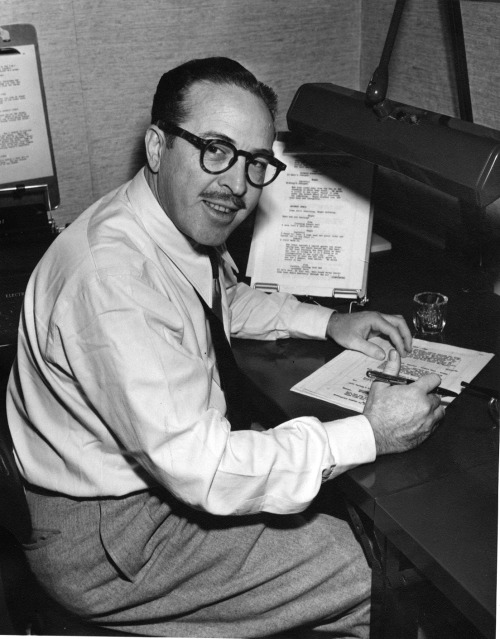
Dalton Trumbo entrou na lista negra em 1947. Ele era um dos ‘10 de Hollywood’ que se recusaram a testemunhar perante o Congresso e delatar colegas para serem perdoados. Naquela época, ele já havia sido indicado a um Oscar”, pelo roteiro de “Kitty Foyle” (1941). E naquela época, ele já havia passado por problemas: em meados dos anos 1930 a Warner cancelou o contrato de Trumbo quando ele se recusou a sair do Sindicato dos Roteiristas – fundado e administrado por escritores que seriam também colocados na lista negra – e ir para outro sindicato.

Dalton Trumbo was blacklisted in 1947. Trumbo was one of the ‘Hollywood ten’ who refused to testify before Congress and name names in order to be acquitted. By that time, he had already been nominated for one Oscar, for his screenplay of “Kitty Foyle” (1941). And by that time, Trumbo had already had problems: in the mid 1930s Warner Bros cancelled his contract when he refused trading his membership in the Screen Writers Guild – created and ran by fellow would-be-blacklisted writers – for another guild.
Depois de passar 11 meses preso no Kentucky, Dalton Trumbo e sua família se mudaram para o México, para onde outros roteiristas na lista negra também foram. Lá era um lar fora de casa. Trumbo continuou escrevendo e vendendo histórias para o cinema – através de pseudônimos e outros subterfúgios.

After spending 11 months in a prison in Kentucky, Dalton Trumbo and his family moved to Mexico, where other blacklisted screenwriters also went to live. There was home outside of the homeland. Trumbo kept writing screenplays and motion picture stories and selling them to Hollywood – by using fronts, pseudonyms and other tricks.
Em 1953 ele escreveu a história de “A Princesa e o Plebeu”. Ele não pôde ser creditado, por isso seu amigo, o roteirista Ian McLellan Hunter, assinou o roteiro. No Oscar, ele competiu contra o filme de guerra “Seu Nome e Sua Honra”, a comédia “As Chaves do Paraíso”, “O Pequeno Fugitivo” e o faroeste “Hondo”, que mais tarde teve a indicação retirada. A deliciosa história de “A Princesa e o Plebeu” ganhou o prêmio. Três anos depois, Trumbo repetiu a dose.

In 1953 he wrote the motion picture story of “Roman Holiday”. He couldn’t be credited, so his friend, screenwriter Ian McLellan Hunter, was used as a front for his work. At the Oscars, he competed against the war film “Above and Beyond”, the comedy “The Captain’s Paradise”, “The Little Fugitive” and the western “Hondo”, who later had its nomination withdrawn. The delightful story for “Roman Holiday” won the prize. Three years later, Trumbo did it again.
O filme “Arenas Sangrentas” (1956) é sobre um menino, Leonardo (Michel Ray) e seu amado touro de estimação, chamado Gitano (‘cigano’ em espanhol). Leonardo tenta salvar seu touro das arenas sangrentas das touradas, onde o animal enfrentará um toureiro veterano. É um filme B feito pelos irmãos King, que também produziram “Mortalmente Perigosa” (1950). Dá para ver como o filme foi ‘barato’ pela baixa qualidade das cenas noturnas. O filme foi gravado no México, sendo a maioria dos atores mexicanos.

The film “The Brave One” (1956) is about a young boy, Leonardo (Michel Ray) and his beloved pet bull, called Gitano (Spanish for ‘gypsy’). Leonardo tries to spare his bull from going to the killing arenas and being killed by a master bullfighter. It’s a B-movie made by the King Brothers, who also produced the noir “Gun Crazy” (1950). The cheapness of the film can be seen especially in night scenes. It was shot in Mexico, with mostly Mexican actors. 
Em 1957, Trumbo derrotou Celso Zavattini, que escreveu o filme neorrealista italiano “Umberto D”… e Jean-Paul Sartre. Ambos os filmes, “Umberto D” e “Os Orgulhosos”, eram do começo dos anos 50 – respectivamente 1952 e 1953 – mas só estrearam em Los Angeles em 1956. Um filme chamado “Alta Sociedade” também foi indicado, mas sua indicação foi cancelada porque a Academia o confundiu com o musical de mesmo nome, estrelado por Grace Kelly e Frank Sinatra.

In 1957, Trumbo won his Oscar over Celso Zavattini, who penned the Italian neorealist film “Umberto D”… and Jean-Paul Sartre. Both movies, ‘Umberto D” and “Les orgueileux”, were released in the early 1950s – respectively in 1952 and 1953 – but only released in Los Angeles in 1956. A movie called “High Society” was also nominated, but its nomination was withdrawn because the Academy mistook it with the Grace Kelly / Frank Sinatra musical of the same name.
Arenas Sangrentas” é ‘baseado em uma história de Robert Rich’. Quando ele ganhou o Oscar, Jesse Lasky Jr, então vice-presidente do grupo de roteiristas do Sindicato dos Escritores, recebeu o prêmio. Depois da cerimônia, o que todos queriam saber em Hollywood era: quem realmente é Robert Rich? Um homênimo – e sobrinho dos irmãos King – foi a público dizer que ele não havia escrito a história. O mistério começava.

The Brave One” is ‘based on a story by Robert Rich’. When he won the Oscar, Jesse Lasky Jr, then the vice-president of the Screenwriters branch of the Writers Guild, accepted the award. After the ceremony, what everything in Hollywood wanted to know was: who really is Robert Rich? A man with that name –and nephew of the King brothers – went public to say that he hadn’t written the story. The game was afoot.


Numa entrevista para um jornalista de Los Angeles pouco mais de um mês depois da cerimônia do Oscar, Trumbo respondeu assim quando perguntado se havia escrito a história de “Arenas Sangrentas”: ‘talvez sim, talvez não’. O Oscar de 1957 foi o último a ter a categoria de Melhor História Original. Trumbo estava, obviamente, se divertindo e sentindo o gosto de uma pequena vingança com o alvoroço que estava criando na mesma Hollywood que o havia expulsado.

In an interview to a Los Angeles journalist a little over a month after the Oscars ceremony, Trumbo answered this way when asked if he had written the story for “The Brave One”: ‘maybe I did, maybe I didn’t’. The 1957 Oscar ceremony was the last one to have the Best Writing – Motion Picture Story category. Trumbo was, of course, having fun and a small revenge with the little uproar he caused in the Hollywood that had expelled him.
Trumbo (2015)
Em 1959, Trumbo finalmente confessou que era responsável por “Arenas Sangrentas”. Logo depois, o diretor Stanley Kubrick e o ator e produtor Kirk Douglas insistiram que Trumbo fosse creditado em “Spartacus”. No ano seguinte, ele foi de fato devidamente creditado pela primeira vez em 13 anos, por seu trabalho em “Exodus”, de Otto Preminger. Entre “Arenas Sangrentas” e 1960, três outros escritores na lista negra ganharam o Oscar, e a ausência deles foi um sinal de vergonha para Hollywood. Acabava a lista negra.

In 1959, Trumbo finally confessed that he was responsible for “The Brave One”. Right after, director Stanley Kubrick and actor/producer Kirk Douglas insisted on having him credited in “Spartacus”. The following year, he was properly credited for the first time in 13 years, for his worked in Otto Preminger’s “Exodus”. Between “The Brave One” and 1960, three other blacklisted writers had won the Oscar and their absence was a sign of shame for Hollywood. The blacklist was over.


Ao contrário do que o trailer diz, “Arenas Sangrentas” não é inesquecível por causa da performance de Michael Ray – que é apenas OK – mas por causa da história de Trumbo. “Arenas Sangrentas” é sobre perdão e sobre considerar a opinião da maioria – e tudo isso é muito simbólico para um filme que foi a primeira peça na destruição da lista negra.

Contrary to what the trailer says, “The Brave One” is not unforgettable because of Michel Ray’s performance – which is just OK – but because of Trumbo’s story. “The Brave One” is about forgiveness and listening to the opinion of the majority – and all that is very symbolic for a movie that was the first piece to destroy the blacklist.


This is my contribution for Banned and Blacklisted, the Fall 2017 CMBA Blogathon, hosted by the Classic Movie Blog Association.
Related Posts Plugin for WordPress, Blogger...