} Crítica Retrô: Benjamin Christensen

Tradutor / Translator / Traductor / Übersetzer / Traduttore / Traducteur / 翻訳者 / переводчик

Showing posts with label Benjamin Christensen. Show all posts

Monday, November 10, 2025

Häxan - A Feitiçaria Através dos Tempos (1922) / Häxan (1922)


Alguns meses atrás, investiguei a carreira do diretor dinamarquês Urban Gad e mencionei um filme de Benjamin Christensen, “The Mysterious X” (1914). Hoje retorno a Christensen para finalmente assistir à sua obra mais conhecida, um documentário que expande os limites pouco claros do novo gênero com reconstruções e dramatizações 

Earlier this year, I investigated the career of Danish filmmaker Urban Gad and mentioned one film from Benjamin Christensen, “The Mysterious X” (1914). Now I return to Christensen to finally watch his most well-known work, a documentary that expands the blurred limits of the new genre with reconstruction and dramatizations. 

Em inglês, “witch”. Em espanhol, “bruja”. Em alemão, “Hexe”. Em italiano, “strega”. Em francês, “sorcière”. Não importa o nome, quando algo difícil de acreditar ou de explicar acontecia, ela era culpada: a bruxa!

In Portuguese, “bruxa”. In Spanish, “bruja”. In German, “Hexe”. In Italian, “strega”. In French, “sorcière”. No matter the name, when something hard to believe or explain happened, she was blamed: the witch!

O primeiro capítulo de “Häxan” é muito peculiar porque apresenta o contexto histórico de mitos sobre bruxas e bruxaria em geral, majoritariamente na Idade Média. As cartelas de texto descrevem e contextualizam imagens retiradas de livros antigos e outras fontes históricas. Podemos dizer, com alguma margem de certeza, que ninguém estava fazendo nada parecido com isso na época.

The first chapter of “Häxan” is very unique in the sense it presents historical context for myths about the witch and witchcraft in general, mostly in the Middle Ages. The title cards describe and contextualize ancient images taken from old books and other historical sources. We could say, with a margin of certainty, that nobody was doing this at the time.
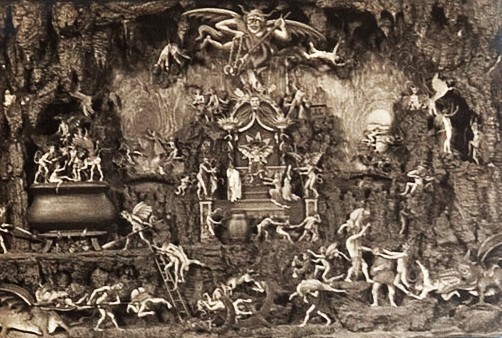
No capítulo dois somos levados para dentro do esconderijo de uma bruxa do século XV. A feiticeira Karna (Ella La Cour) usa dedos de enforcados em poções e cadáveres são violados em busca de segredos. A adoração do diabo é explicada, bem como os hábitos das bruxas conforme elas ganham seu poder diretamente do encardido.

In chapter two we’re taken inside a witch’s den in the 15th century. The witch Karna (Ella La Cour) uses fingers of the hanged in potions and corpses are violated in search of meaningful secrets. The adoration of the devil is explained, as well as the habits of witches as they gain their power directly from the king of the underworld.

O capítulo três traz o começo de uma história sobre a Inquisição na Alemanha. Quando um homem adoece, uma mendiga, Maria (Maren Pedersen), é acusada de feitiçaria. O capítulo quatro mostra a tortura e confissão de Maria. O capítulo cinco traz a prisão e tortura de outras mulheres acusadas de feitiçaria e a questão é levantada: como confiar em membros do clero que mentem e enganam?

Chapter three brings the beginning of a story about the Inquisition in Germany. When a man falls ill, a beggar, Maria (Maren Pedersen), is accused of witchcraft. Chapter four shows Maria’s torture and confession. Chapter five brings the arrest and torture of other women accused of witchcraft and the question appear: how can you trust clergy members who lie and deceive?

O capítulo seis é sobre instrumentos de tortura e também a histeria que se espalha num convento quando uma freira é enfeitiçada. Finalmente, o capítulo sete é sobre possessão no mundo moderno - resultado de doenças mentais. A situação muda: a mulher que teria problemas com a igreja no passado agora pode ter problemas com a lei e a polícia. 

Chapter six is all about torture instruments and also the hysteria that spreads in a convent when a nun is bewitched. Finally, chapter seven is about possession in modern days - the results of mental illness. The situation then shifts: the woman who would have had trouble with the church now may face issues with the law and the police.

O poder da feitiçaria reside na sugestão: as pessoas creem que foram enfeitiçadas porque estão sugestionadas a isso. Como o filme coloca em palavras: “a crença era tão forte que o Diabo se tornou algo real”. Em tempos em que a superstição era mais presente, as pessoas acreditavam em coisas surreais quando eram incapazes de explicar algo. Mas como o filme lida com a possessão em tempos modernos, fica claro que não é a época que cria as ilusões: é a fraqueza da mente. E não estou sendo psicofóbica: como alguém com uma doença mental, conheço bem nossas fraquezas.  

The power of witchcraft lies in suggestion: people believe they were bewitched because they are open to it. As the film puts in words: “The belief was so strong that the Devil became something real”. In times when superstitions were more widespread, people believed in surreal things when they couldn’t explain something. But as the movie deals with possession in modern times, it becomes clear that it isn’t the era that allows delusions: it’s the weakness of the mind. And I’m not being against people with mental illnesses: I have one too and I know we have weaknesses.

Uma camada extra de estigma é adicionada quando o filme descreve a parceira do diabo como “velha, pobre e miserável”. Em muitas línguas uma mulher feia pode ser chamada de bruxa, como você deve saber. Mas o filme vai mais além ao dizer que ser velha e feia em tempos medievais era perigoso, mas não era seguro ser jovem e bonita. Uma velha podia enfeitiçar um homem por pirraça, e uma mulher jovem podia fazer um homem religioso ter pensamentos obscenos através da bruxaria. No passado, ainda mais que hoje, era arriscado simplesmente ser mulher. 

An extra layer of stigma is added when the movie describes the devil’s partner as “old, poor and miserable”. In many languages an ugly woman can be called a witch, you know. But the film goes further saying that being old and ugly in Medieval times was dangerous, but it wasn’t safe to be young and pretty. An old woman could bewitch a man out of pettiness, and a young one could make a pious man have dirty thoughts also through witchcraft. In the past, even more than today, it was risky simply being a woman.

O cinema em sua infância já era inventivo. Em “Häxan”, encontramos técnicas como dupla exposição, shots reversos, uso de miniaturas e animação em stop-motion de um boneco do Diabo. O cinema em sua infância também era “assombroso”, conforme usava luzes e sombras para criar o clima e mesmo como elemento narrativo. Para fazer o filme parecer ainda mais sombrio,"Häxan” foi gravado quase sempre à noite. A sequência de bruxas voando atrás de sombras de pessoas é icônica, talvez a mais lembrada do filme. 

Early cinema has always been inventive. In “Häxan”, we can find techniques such as double exposure, reverse shots, miniatures and stop-motion animation of a little Devil doll. Early cinema has also always been “shadowy”, as it uses lights and shadows to create the mood and even as a narrative device. To make the film look even gloomier, “Häxan” was mostly shot at night.The sequence of witches flying behind the shadows of people is iconic, perhaps the one more associated with the film.

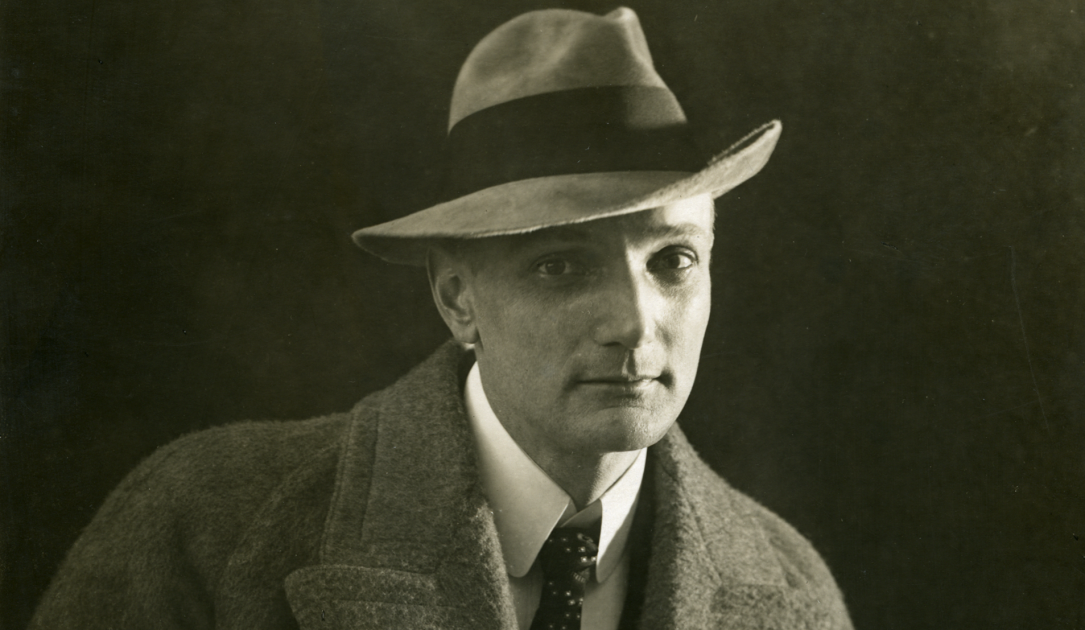
Nascido em 1879, Benjamin Christensen queria ser cantor de ópera, mas o medo do palco o impediu de realizar esse sonho. Em vez disso, criou pesadelos para as telas. Depois de “Night of Revenge” de 1916, ele se retirou das telas por alguns anos para criar “Häxan”, no qual ele confiou só em si mesmo para interpretar o Diabo. O sucesso permitiu que ele se mudasse para Hollywood, mas desta fase de sua carreira só um filme sobreviveu, chamado “Nos Domínios de Satã”, de 1929. De volta à Dinamarca, ele dirigiu mais alguns títulos e gerenciou um cinema.

Born in 1879, Benjamin Christensen wanted to become an opera singer, but stage fright prevented him from achieving his dream. Instead, he created nightmares for the screen. After the 1916 “Night of Revenge”, he removed himself from the screen for a few years to craft “Häxan”, in which he trusted only himself to play the Devil. The success made it possible for him to move to Hollywood, but from this phase in his career only one film survives, the aptly titled 1929 “Seven Footprints to Satan”. Back to Denmark, he directed a few more titles and ran a movie theater.

O capítulo cinco termina com a estatística de que oito milhões de pessoas foram queimadas acusadas de feitiçaria - um Holocausto Medievel. Um Pecado, com letra maiúscula, real, pelo qual ninguém - nem a Igreja Católica nem as pessoas que denunciaram, torturaram e queimaram - pediu perdão. Hoje somos queimadas em outros tipos de fogueiras, algumas inclusive metafóricas, e olhamos para trás para enfrentar fanáticos e a superstição. E, como verdadeiro documento histórico, “Häxan” está aqui para nos informar e empoderar.

Chapter five ends with the statistics that eight million people have been burned accused of witchcraft - a Medieval Holocaust. A real Sin, with a capital letter, nobody - not the Catholic Church nor the people who reported, tortured and burned - asked forgiveness for. As we’re tossed to other kinds of fires, some even metaphorical ones, we look back and fight fanatics and superstition. And, as a true historical document, “Häxan” is here to inform and empower us.

This is my contribution to the Early Shadows and Pre-Code Horror blogathon, hosted by the Classic Movie Blog Association.

Saturday, March 8, 2025

Urban Gad: explorando o trabalho de um pioneiro do cinema

 Urban Gad: exploring the work of a film pioneer

Um dos melhores acontecimentos do fim do ano - além do Natal e de todas as festas - é receber as estatísticas do Letterboxd. O Year in Review é muito esperado pelos cinéfilos. Este ano tive uma surpresa: meu diretor mais assistido de 2024 foi Urban Gad. Isso tem uma explicação: no começo do ano mergulhei fundo nos primeiros trabalhos de Asta Nielsen e muitos destes filmes foram dirigidos por Gad. Agora me volto novamente ao cinema dinamarquês e a Gad em particular. Vamos conhecer este mestre.

One of the best things that happen when a year ends - besides Christmas and all the parties - is receiving stats from Letterboxd. The Year in Review is much expected by us movie nerds. This year I had a surprise: my most watched director of 2024 was Urban Gad. This has an explanation: in the beginning of the year I dived deep into Asta Nielsen’s early roles and many of these movies were directed by Gad. Now I look again to Danish cinema and to Gad in particular. Let’s meet this master.

Peter Urban Bruun Gad nasceu em 1879 - sua mãe era a dramaturga e mestre em boas maneiras Emma Gad - e faleceu em 1947. Seu segundo filme foi “O Abismo” de 1910 e foi de cara um grande sucesso internacional, algo novo não apenas para o cinema dinamarquês, mas para o cinema em geral. O IMDb lista para Gad 71 filmes como diretor e 36 como roteirista, todos no cinema mudo. É hora de dar uma olhada em alguns deles.

Peter Urban Bruun Gad was born in 1879, his mother being playwright and master of good manners Emma Gad, and died in 1947. His second film was “The Abyss” from 1910 and it was already a big hit internationally, something new not only to Danish cinema, but to cinema as a whole. IMDb lists 71 films as a director and 36 as screenwriter, all in the silent era. Time to take a look at some of them.

De 1911 vem “The Strange Bird / Der Fremde Vogel”. Asta Nielsen estrela como May Mannering, que se apaixona pelo camponês Paul (Carl Cleving) durante as férias. A família dela é contra o relacionamento, então os pombinhos fogem, mas a tragédia os encontra - como o filme anuncia na primeira cartela de texto, trata-se de uma “tragédia de amor”.

From 1911 comes “The Strange Bird / Der Fremde Vogel”. Asta Nielsen stars as May Mannering, who falls in love with the local Paul (Carl Cleving) during a vacation. Her family is against the relationship, so the lovebirds run away, but tragedy hits them - as the film is announced in the main title card, it’s a “love tragedy”.

Também de 1911 é “The Great Moment / In dem großen Augenblick”. O filme traz Annie (Asta Nielsen) às voltas com um dilema: aceitar ou recusar uma proposta para dar sua filha para adoção. Três anos depois de aceitar a proposta, Annie tenta recuperar a criança. É curioso que a adoção também seja o foco de outro filme dinamarquês, “A Garota da Agulha” (crítica em inglês AQUI), indicado a Melhor Filme Internacional no Oscar de 2025. A história do filme recente é ambientada após a Primeira Guerra Mundial, pouco tempo depois de este filme de Gad e Nielsen ter sido feito. Nele, o incêndio no clímax é bem impressionante. 

Also from 1911 is “The Great Moment / In dem großen Augenblick”. The film revolves around Annie (Asta Nielsen) accepting or refusing to give her baby daughter up for adoption. Three years after she accepts the offer, Annie tries to get her daughter back. It’s curious because adoption was the focus of another Danish film, “The Girl with the Needle”, nominated for Best International Film at the Oscars in 2025. The story of the modern movie is set in the aftermath of World War I, not long after this Gad-Nielsen film was made. In it, the climatic fire is pretty impressive.

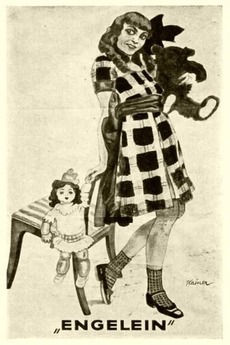
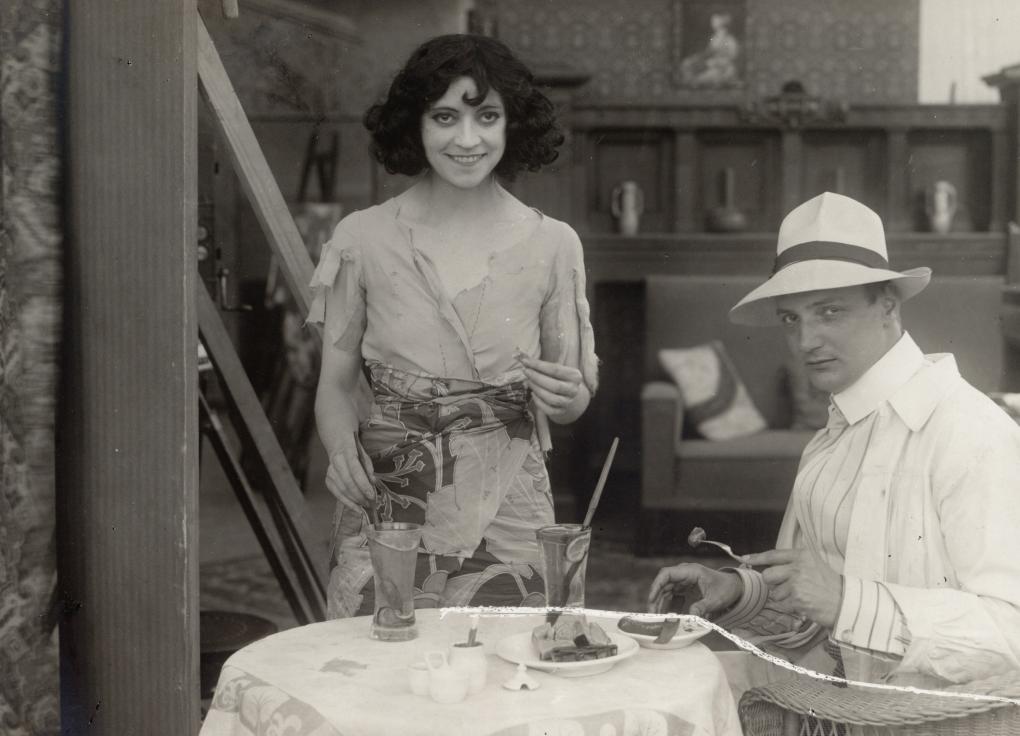
Agora algo diferente: uma comédia! “Little Angel / Engelein” nos apresenta a um casal que tem de mentir sobre a idade da filha para garantir uma herança. Mas depois a moça de 17 anos, Jesta (Asta Nielsen), tem de fingir ter apenas 12 anos para seu tio Peter (Max Landa). O problema é que Jesta tem um namorado, Theodor (Fred Immler) e uma cunhada, Meta (Adele Reuter-Eichberg), que está atrás do tio Peter. Esta comédia é bem divertida e prova que Nielsen tem talentos variados. Dois anos depois, sob a direção de Edmund Edel, Nielsen fez uma sequência do filme, chamada “The Guinea Pig”. 

Now something different: a comedy! “Little Angel / Engelein” introduces us to a couple who has to lie about their daughter’s age in order to secure an inheritance. But then 17-year-old Jesta (Asta Nielsen) has to pass as a 12-year-old for her Uncle Peter (Max Landa). The problem is that Jesta has a boyfriend, Theodor (Fred Immler), and a sister-in-law, Meta (Adele Reuter-Eichberg), who is after Uncle Peter. This comedy was a lot of fun, proving Nielsen’s many eclectic talents. Two years later, under Edmund Edel’s direction, Nielsen made a sequel to this movie, called “The Guinea Pig”.


Vamos ouvir a opinião do próprio Gad. No primeiro livro dinamarquês sobre teoria do cinema, “Filmen – Dens Midler og Maal” (Filme - Seus Meios e seus Fins), de 1919, ele declarou (tradução minha a partir do inglês): “O ator deve se posicionar entre animais selvagens, ou deve pular e escalar, colocando-se sob risco de cair de grandes alturas, ou saltar de ou para vários meios de transporte a toda velocidade”. Embora tenhamos visto mais melodrama do que outro gênero em sua filmografia, eles com certeza têm momentos de total emoção. 

Let’s hear from Gad himself. On the first Danish book about film theory, “Filmen – Dens Midler og Maal” (Film – Its Means and Ends) from 1919, he declared: “The actor must either place himself among wild animals, or he must carry out jumps or climbing feats that put him at risk of plummeting from great heights, or leap from or to various means of transport at full speed”. Although we’ve seen more melodramas from him this time, they sure had their thrills.

Não pude evitar a comparação de Gad com outro mestre do cinema mudo dinamarquês, Benjamin Christensen. Chamado de primeiro autor cinematográfico do país pelo site oficial dedicado ao Cinema Mudo Dinamarquês, Christensen nasceu em 1879, assim como Gad, mas dirigiu apenas 19 filmes. Sua estreia como diretor foi “The Mysterious X” (também conhecido como “Sealed Orders”, 1914), em que ele também foi roteirista e protagonista. Christensen interpreta o tenente Van Hauen, cuja esposa (Karen Sandberg) é assediada pelo espião Conde Spinelli (Hermann Spiro), que rouba alguns documentos confidenciais de Van Hauen e trama para acusá-lo de traição. No que é provavelmente o primeiro MacGuffin do cinema, um elefante de papel domina sonhos e causa discórdia. 

I couldn’t avoid comparing Gad with another master of the Danish silent screen, Benjamin Christensen. Called the first real author of Danish cinema by the website dedicated only to Danish Silent Film, Christensen was born in 1879, like Gad, but directed only 19 titles. His directorial debut was “The Mysterious X” (also known as “Sealed Orders”, 1914), that he also co-wrote and starred in. Christensen plays the lieutenant Van Hauen, whose wife (Karen Sandberg) is being courted by the spy Count Spinelli (Hermann Spiro), who steals some top secret papers from Van Hauen and frames him to be found guilty of treason. In what is probably cinema’s first MacGuffin, a paper elephant dominates dreams and causes mayhem.

As carreiras de Urban Gad e Asta Nielsen estavam intimamente ligadas. Eles eram mais que uma dupla dinâmica de diretor e atriz como D. W.Griffith e Lillian Gish, eles formaram um casal 20 antes de Mary Pickford se casar com Douglas Fairbanks e criar o conceito de super casal. Contemporâneos de outra dupla, os comediantes John Bunny e Flora Finch, Gad e Nielsen eram algo completamente novo no cinema da época.

The careers of Urban Gad and Asta Nielsen were totally connected. They were more than a dynamic duo of director and actress - like D.W. Griffith and Lillian Gish, they were a power couple even before Mary Pickford married Douglas Fairbanks and invented the concept of power couple in cinema. Contemporary to another duo, the comedians John Bunny and Flora Finch, Gad and Nielsen were something completely new in cinema in their time.

Vou repetir a conclusão do meu já mencionado artigo sobre o início de carreira de Asta Nielsen: o Primeiro Cinema - de 1895 a 1915 - é tão comumente desprezado, mas não deveria ser. Tragicamente, a maior parte dele se perdeu, mas cada pérola que encontrarmos deste período deve ser vista, discutida e apreciada.

I’ll repeat here the conclusion of my aforementioned article about Asta Nielsen’s early career: early cinema - or the First Cinema, from 1895 to 1915 - is so often taken for granted and overlooked but it shouldn’t be. Tragically most of it is lost, but every gem we can find from this period should be seen, discussed and enjoyed. 

This is my contribution to the Silent Pioneers Blogathon, hosted by
Classic Film and TV Corner.

Related Posts Plugin for WordPress, Blogger...