} Crítica Retrô: Alemanha

Tradutor / Translator / Traductor / Übersetzer / Traduttore / Traducteur / 翻訳者 / переводчик

Showing posts with label Alemanha. Show all posts

Saturday, March 8, 2025

Urban Gad: explorando o trabalho de um pioneiro do cinema

 Urban Gad: exploring the work of a film pioneer

Um dos melhores acontecimentos do fim do ano - além do Natal e de todas as festas - é receber as estatísticas do Letterboxd. O Year in Review é muito esperado pelos cinéfilos. Este ano tive uma surpresa: meu diretor mais assistido de 2024 foi Urban Gad. Isso tem uma explicação: no começo do ano mergulhei fundo nos primeiros trabalhos de Asta Nielsen e muitos destes filmes foram dirigidos por Gad. Agora me volto novamente ao cinema dinamarquês e a Gad em particular. Vamos conhecer este mestre.

One of the best things that happen when a year ends - besides Christmas and all the parties - is receiving stats from Letterboxd. The Year in Review is much expected by us movie nerds. This year I had a surprise: my most watched director of 2024 was Urban Gad. This has an explanation: in the beginning of the year I dived deep into Asta Nielsen’s early roles and many of these movies were directed by Gad. Now I look again to Danish cinema and to Gad in particular. Let’s meet this master.

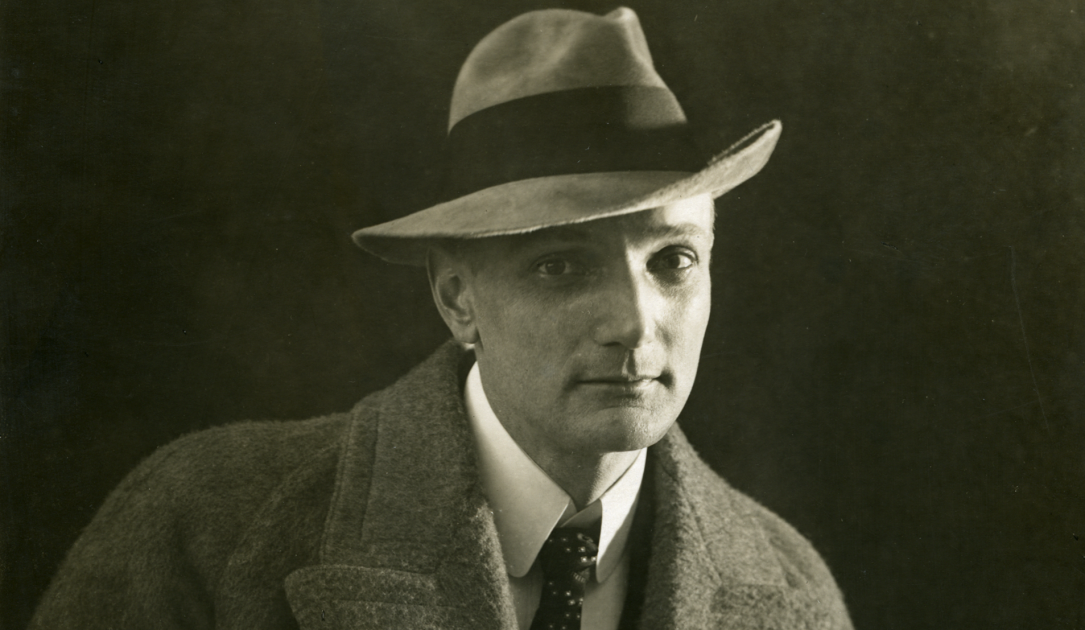
Peter Urban Bruun Gad nasceu em 1879 - sua mãe era a dramaturga e mestre em boas maneiras Emma Gad - e faleceu em 1947. Seu segundo filme foi “O Abismo” de 1910 e foi de cara um grande sucesso internacional, algo novo não apenas para o cinema dinamarquês, mas para o cinema em geral. O IMDb lista para Gad 71 filmes como diretor e 36 como roteirista, todos no cinema mudo. É hora de dar uma olhada em alguns deles.

Peter Urban Bruun Gad was born in 1879, his mother being playwright and master of good manners Emma Gad, and died in 1947. His second film was “The Abyss” from 1910 and it was already a big hit internationally, something new not only to Danish cinema, but to cinema as a whole. IMDb lists 71 films as a director and 36 as screenwriter, all in the silent era. Time to take a look at some of them.

De 1911 vem “The Strange Bird / Der Fremde Vogel”. Asta Nielsen estrela como May Mannering, que se apaixona pelo camponês Paul (Carl Cleving) durante as férias. A família dela é contra o relacionamento, então os pombinhos fogem, mas a tragédia os encontra - como o filme anuncia na primeira cartela de texto, trata-se de uma “tragédia de amor”.

From 1911 comes “The Strange Bird / Der Fremde Vogel”. Asta Nielsen stars as May Mannering, who falls in love with the local Paul (Carl Cleving) during a vacation. Her family is against the relationship, so the lovebirds run away, but tragedy hits them - as the film is announced in the main title card, it’s a “love tragedy”.

Também de 1911 é “The Great Moment / In dem großen Augenblick”. O filme traz Annie (Asta Nielsen) às voltas com um dilema: aceitar ou recusar uma proposta para dar sua filha para adoção. Três anos depois de aceitar a proposta, Annie tenta recuperar a criança. É curioso que a adoção também seja o foco de outro filme dinamarquês, “A Garota da Agulha” (crítica em inglês AQUI), indicado a Melhor Filme Internacional no Oscar de 2025. A história do filme recente é ambientada após a Primeira Guerra Mundial, pouco tempo depois de este filme de Gad e Nielsen ter sido feito. Nele, o incêndio no clímax é bem impressionante. 

Also from 1911 is “The Great Moment / In dem großen Augenblick”. The film revolves around Annie (Asta Nielsen) accepting or refusing to give her baby daughter up for adoption. Three years after she accepts the offer, Annie tries to get her daughter back. It’s curious because adoption was the focus of another Danish film, “The Girl with the Needle”, nominated for Best International Film at the Oscars in 2025. The story of the modern movie is set in the aftermath of World War I, not long after this Gad-Nielsen film was made. In it, the climatic fire is pretty impressive.

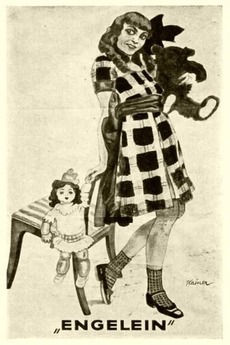
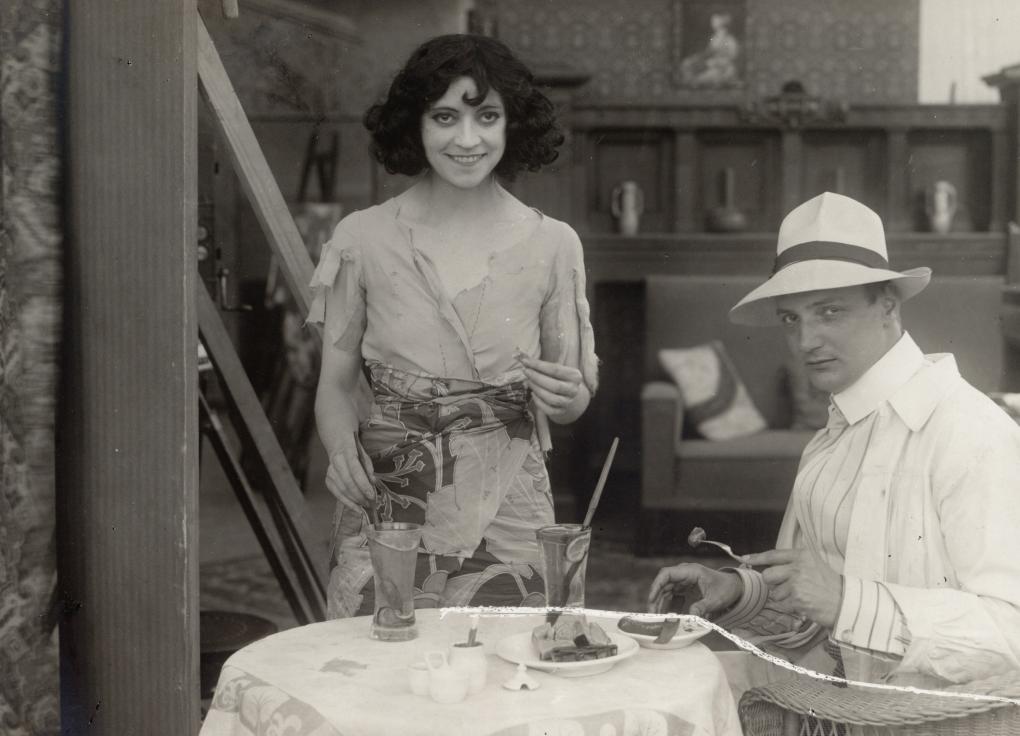
Agora algo diferente: uma comédia! “Little Angel / Engelein” nos apresenta a um casal que tem de mentir sobre a idade da filha para garantir uma herança. Mas depois a moça de 17 anos, Jesta (Asta Nielsen), tem de fingir ter apenas 12 anos para seu tio Peter (Max Landa). O problema é que Jesta tem um namorado, Theodor (Fred Immler) e uma cunhada, Meta (Adele Reuter-Eichberg), que está atrás do tio Peter. Esta comédia é bem divertida e prova que Nielsen tem talentos variados. Dois anos depois, sob a direção de Edmund Edel, Nielsen fez uma sequência do filme, chamada “The Guinea Pig”. 

Now something different: a comedy! “Little Angel / Engelein” introduces us to a couple who has to lie about their daughter’s age in order to secure an inheritance. But then 17-year-old Jesta (Asta Nielsen) has to pass as a 12-year-old for her Uncle Peter (Max Landa). The problem is that Jesta has a boyfriend, Theodor (Fred Immler), and a sister-in-law, Meta (Adele Reuter-Eichberg), who is after Uncle Peter. This comedy was a lot of fun, proving Nielsen’s many eclectic talents. Two years later, under Edmund Edel’s direction, Nielsen made a sequel to this movie, called “The Guinea Pig”.


Vamos ouvir a opinião do próprio Gad. No primeiro livro dinamarquês sobre teoria do cinema, “Filmen – Dens Midler og Maal” (Filme - Seus Meios e seus Fins), de 1919, ele declarou (tradução minha a partir do inglês): “O ator deve se posicionar entre animais selvagens, ou deve pular e escalar, colocando-se sob risco de cair de grandes alturas, ou saltar de ou para vários meios de transporte a toda velocidade”. Embora tenhamos visto mais melodrama do que outro gênero em sua filmografia, eles com certeza têm momentos de total emoção. 

Let’s hear from Gad himself. On the first Danish book about film theory, “Filmen – Dens Midler og Maal” (Film – Its Means and Ends) from 1919, he declared: “The actor must either place himself among wild animals, or he must carry out jumps or climbing feats that put him at risk of plummeting from great heights, or leap from or to various means of transport at full speed”. Although we’ve seen more melodramas from him this time, they sure had their thrills.

Não pude evitar a comparação de Gad com outro mestre do cinema mudo dinamarquês, Benjamin Christensen. Chamado de primeiro autor cinematográfico do país pelo site oficial dedicado ao Cinema Mudo Dinamarquês, Christensen nasceu em 1879, assim como Gad, mas dirigiu apenas 19 filmes. Sua estreia como diretor foi “The Mysterious X” (também conhecido como “Sealed Orders”, 1914), em que ele também foi roteirista e protagonista. Christensen interpreta o tenente Van Hauen, cuja esposa (Karen Sandberg) é assediada pelo espião Conde Spinelli (Hermann Spiro), que rouba alguns documentos confidenciais de Van Hauen e trama para acusá-lo de traição. No que é provavelmente o primeiro MacGuffin do cinema, um elefante de papel domina sonhos e causa discórdia. 

I couldn’t avoid comparing Gad with another master of the Danish silent screen, Benjamin Christensen. Called the first real author of Danish cinema by the website dedicated only to Danish Silent Film, Christensen was born in 1879, like Gad, but directed only 19 titles. His directorial debut was “The Mysterious X” (also known as “Sealed Orders”, 1914), that he also co-wrote and starred in. Christensen plays the lieutenant Van Hauen, whose wife (Karen Sandberg) is being courted by the spy Count Spinelli (Hermann Spiro), who steals some top secret papers from Van Hauen and frames him to be found guilty of treason. In what is probably cinema’s first MacGuffin, a paper elephant dominates dreams and causes mayhem.

As carreiras de Urban Gad e Asta Nielsen estavam intimamente ligadas. Eles eram mais que uma dupla dinâmica de diretor e atriz como D. W.Griffith e Lillian Gish, eles formaram um casal 20 antes de Mary Pickford se casar com Douglas Fairbanks e criar o conceito de super casal. Contemporâneos de outra dupla, os comediantes John Bunny e Flora Finch, Gad e Nielsen eram algo completamente novo no cinema da época.

The careers of Urban Gad and Asta Nielsen were totally connected. They were more than a dynamic duo of director and actress - like D.W. Griffith and Lillian Gish, they were a power couple even before Mary Pickford married Douglas Fairbanks and invented the concept of power couple in cinema. Contemporary to another duo, the comedians John Bunny and Flora Finch, Gad and Nielsen were something completely new in cinema in their time.

Vou repetir a conclusão do meu já mencionado artigo sobre o início de carreira de Asta Nielsen: o Primeiro Cinema - de 1895 a 1915 - é tão comumente desprezado, mas não deveria ser. Tragicamente, a maior parte dele se perdeu, mas cada pérola que encontrarmos deste período deve ser vista, discutida e apreciada.

I’ll repeat here the conclusion of my aforementioned article about Asta Nielsen’s early career: early cinema - or the First Cinema, from 1895 to 1915 - is so often taken for granted and overlooked but it shouldn’t be. Tragically most of it is lost, but every gem we can find from this period should be seen, discussed and enjoyed. 

This is my contribution to the Silent Pioneers Blogathon, hosted by
Classic Film and TV Corner.

Friday, October 14, 2022

41 Giornate del Cinema Muto - 41st Pordenone Silent Film Festival


A melhor semana do ano veio… e já se foi. Esta semana é, obviamente, a semana em que o Festival de Cinema Mudo de Pordenone acontece. Este ano, a semana veio com notícias muito especiais: eu ganhei o prêmio do Collegium! Explicando: em 2020 eu fui uma das onze jovens pessoas escolhidas para o Collegium, um grupo de discussão dentro do festival. Todos nós tivemos que submeter um artigo documentando nossa participação e discutindo um ou mais filmes do festival. Eu escrevi sobre o insano “La Tempesta in un Cranio” e seus temas paralelos de doença mental, slapstick e estrelato. E meu artigo foi escolhido como o melhor de todos, empatado com o artigo escrito por meu amigo Travis. O artigo em breve estará no site do festival, por isso agora vou discutir os filmes exibidos na edição online de 2022 da Le Giornate del Cinema Muto.

The best week of the year has come… and gone. This week is, of course, the week when the Pordenone Silent Film Festival happens. This year, it came with very special news: I won the Collegium Prize! Explaining: in 2020 I was one of eleven young people chosen to be in the Collegium, a discussion group within the festival. We all had to submit a paper documenting our participation and discussing one or more films from the festival. I wrote about the wacky “La Tempesta in un Cranio” (1922) and its underlying themes of mental illness, slapstick and stardom. And my paper was chosen as the best of the batch, tied with the paper written by my friend Travis. The paper will soon be up at the festival website, so now I’ll discuss the films shown in the 2022 online edition of Le Giornate del Cinema Muto.


Houve dois grandes temas na Giornate deste ano. O primeiro era a Ruritania. Ruritania é uma região fictícia nos Bálcãs onde muitas aventuras aconteceram, começando com “O Prisioneiro de Zenda”. O reino de Silistria - onde a ação de “Sui Gradini del Trono” (1912) acontece - é o equivalente à Ruritania na arte italiana. No filme, o regente Backine (Giovanni Enrico Vidali) tenta substituir o Príncipe Herdeiro Wladimiro (Alberto Capozzi) por um sósia, o dançarino Chichito, e casar sua filha como o falso Príncipe Herdeiro. Como os filmes de super-heróis da atualidade, filmes “Silistrianos” emocionavam o público e era sucessos de bilheteria, mas não agradavam aos críticos.

There were two grand themes in this year’s Giornate. The first was Ruritania. Ruritania is the fictional region in the Balkans where many stories happened, starting with “The Prisoner of Zenda”. The kingdom of Silistria - where the action for “On the Steps of the Throne” (1912) happens - is the equivalent of Ruritania in Italian art. In the movie, the regent Backine (Giovanni Enrico Vidali) tries to substitute the Crown Prince Wladimiro (Alberto Capozzi) for a doppelgänger, the dancer Chichito, and marry his daughter to the fake Crown Prince. Like the superhero movies of nowadays, Silistrian movies excited the audience and were box office successes, but didn’t please the critics.

Outro filme da Ruritania no programa foi “His Majesty The Barber” (1928), um filme sueco-alemão que nos apresenta a Nickolo (o ator chileno Enrique Rivero), um barbeiro que é na verdade rei de um reino chamado Tirania. Nickolo não sabe que é um rei, pois o segredo é bem guardado por seu avô, também barbeiro e amigo pessoal da rica senhora Sophie Svensson (Karin Swamströn), que quer casar sua neta Astrid (Brita Appelgren) com um homem rico. Isso não é o que você espera, pois o filme tem um plot twist incrível no final.

Another Ruritanian movie in the programme was “His Majesty The Barber” (1928), a Swedish-German movie that introduces us to Nickolo (Chilean actor Enrique Rivero), a barber who is actually the king of a kingdom called Tirania. Nickolo doesn’t know he is a king, as the secret has been kept by his grandfather, also a barber and a personal friend of the well-to-do Mrs Sophie Svensson (Karin Swamströn), who wants to marry her granddaughter Astrid (Brita Appelgren) to a rich man. This is not what you expect, as the film has a wild plot twist in the end.

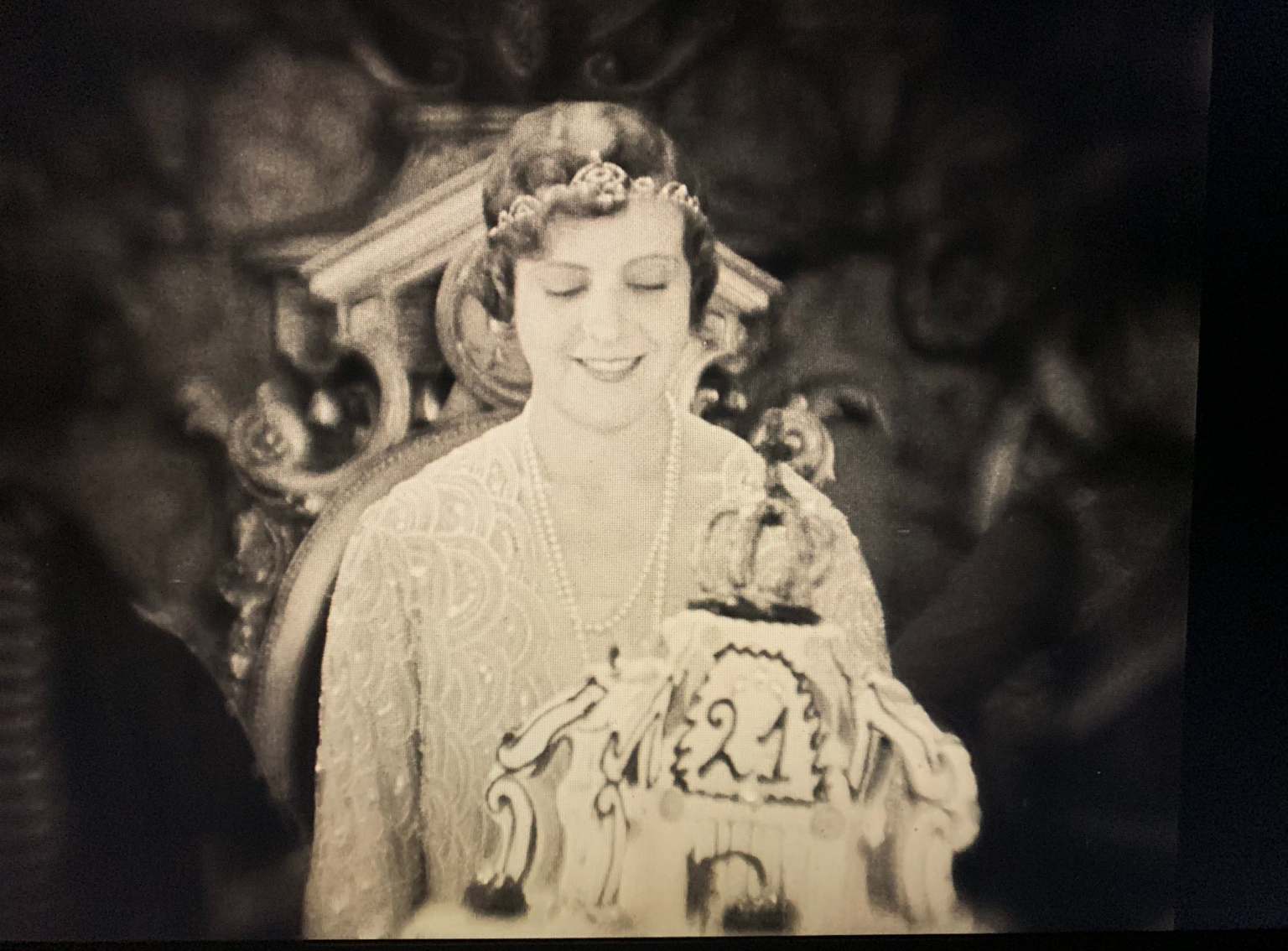
O reino de Lothen-Kunitz é onde a ação começa em “The Runaway Princess” (1929). A princesa Priscilla (Mady Christians) acaba de fazer 21 anos e isso significa que seu noivado com um príncipe de algum reino vizinho está para acontecer. Insatisfeita com a ideia de se casar com alguém que não conhece, Priscilla foge para Londres, onde ela se envolve com um grupo de falsários. Este filme tem poucas cartelas de títulos, algo que eu apreciei, mas é previsível.

The kingdom of Lothen-Kunitz is where the action starts in “The Runaway Princess” (1929). Princess Priscilla (Mady Christians) has just turned 21 and this means that her engagement with a Prince from a nearby kingdom will happen soon. Dissatisfied with the idea of marrying someone she’s never met, Priscilla runs away to London, where she gets involved with a group of forgers. This film has few title cards, something I liked, but it’s rather predictable.

O segundo tema era Norma Talmadge. No evento presencial, 15 dos filmes de Norma - mais três fragmentos de filmes - foram exibidos, enquanto na versão online três de seus filmes fizeram parte da mostra: o curta de 1912 “Mrs ‘Enry ‘Awkins” e dois longa-metragens. Em “Yes or No” (1920), Norma interprets dois papéis: a rica Margaret Vane, cujo marido está doente mas não conta para ela, e Minnie Berry, cujo marido é um operário que estuda à noite. Ambas as mulheres se sentem negligenciadas pelos maridos, e ambas são seduzidas por outros homens: a senhora Vane pelo bon-vivant Paul Derreck (Lowell Sherman) e a senhora Berry pelo seu inquilino Ted Leach (Gladden James). Essas mulheres dirão sim ou não para a tentação? Também no elenco está Natalie Talmadge - a futura esposa de Buster Keaton- como Emma, criada da senhora Vane e irmã de Minnie. Em “Yes or No” o papel duplo não é igual ao de “Sui Gradini del Trono”, no qual os sósias trocam de lugar, mas é uma boa técnica de qualquer maneira.

The second grand theme was Norma Talmadge. In the in-person event 15 of Norma’s movies - plus three fragments of movies - were screened, while in the online version three of her movies were shown: the 1912 short “Mrs ‘Enry ‘Awkins” and two features. In “Yes or No” (1920), Norma plays two roles: the rich Margaret Vane, whose husband is ill but doesn’t tell her, and Minnie Berry, whose husband is a factory worker by day and goes to school at night. Both women feel neglected by their husbands, and both are seduced by other men: Mrs Vane by the bon-vivant Paul Derreck (Lowell Sherman) and Mrs Berry by her tenant Ted Leach (Gladden James). Will these women say yes or no to temptation? Also in the cast there is Natalie Talmadge - aka Buster Keaton’s future wife - as Emma, Mrs Vane’s maid and Minnie’s sister. In “Yes or No” the dual role is not played as in “On the Steps of the Throne”, in which there is an exchange of doppelgängers, but it is a nice device nevertheless.

O segundo filme de Norma Talmadge exibido foi “The Lady”, dirigido por Frank Borzage. O filme começa com Polly Pearl, uma mulher de meia-idade (já interpretada por Talmadge), em sua taverna em Marselha. Lá ela reconta sua história de vida, primeiro como dançarina num teatro, ao que se segue um casamento com o rico Leonard St Aubyns (Wallace MacDonald), um casamento que só durou até a lua de mel. Sempre com o objetivo de ser uma dama, ela vai para a França, onde sofre um bocado. Os destaques deste drama lacrimoso foram a decoração de interiores de William Cameron Menzies e a atuação de Norma Talmadge, especialmente perto do final.

The second Norma Talmadge movie screened was “The Lady”, directed by Frank Borzage. The film begins with Polly Pearl, a middle-aged woman (already being played by Talmadge), in her tavern in Marseille. There she retells her life story, first as a dancer at a music hall, followed by her marriage to the rich Leonard St Aubyns (Wallace MacDonald), a marriage that lasted only as long as their honeymoon. Always with the goal of being a lady, she goes to France where she suffers a bit. The highlights of this tearful drama were William Cameron Menzies’ set decorations and Norma Talmadge’s acting, especially near the end.

“Just Around the Corner” (1921) foi escrito para as telas e dirigido por Frances Marion. O filme conta a vida da família Birdsong: Ma (Margaret Seddon), Essie (Sigrid Holmquist) e Jimmie (Lewis Sargent, ótimo no papel). Essie é influenciada por uma má amiga, que a leva a mudar de trabalho e a apresenta a um golpista, Joe Ullman (Edward Phillips). A mãe se preocupa com um possível casamento entre Essie e um homem decente, por isso ela fica sempre à espera da noite em que Essie trará seu namorado para jantar em casa. Este filme foi restaurado graças à atuação conjunta da Biblioteca do Congresso dos EUA e o sempre excelente Eyefilmmuseum da Holanda, e a cópia exibida estava incrível.

“Just Around the Corner” (1921) was written for the screen and directed by Frances Marion. It chronicles the life of the Birdsong family: Ma (Margaret Seddon), Essie (Sigrid Holmquist) and Jimmie (Lewis Sargent, great in the role). Essie is influenced by a bad friend who makes her change jobs and introduces her to a con man, Joe Ullman (Edward Phillips). Ma’s main concern is about Essie getting married to a decent man, that’s why she’s always waiting for the night Essie will take her beau home to dinner. This movie was restored thanks to a joint effort by the Library of Congress and the always excellent Eyefilmmuseum of the Netherlands, and the print was gorgeous.

As pessoas responsáveis por fazer o Código Hays ser respeitado ficariam malucas se tivessem que censurar o filme italiano “Profanazione”, de 1926. Estrelando Leda Gys, o filme conta a história de Giulia, uma mulher que, para pagar uma dívida, transa, contra sua vontade, com Roberto (de novo Alberto Capozzi), um homem que sempre a cobiçou. Giulia engravida e tem duas filhas, vive feliz por alguns anos, até que seu marido descobre que uma das meninas não é sua filha legítima.

People on the Hays Office would completely freak out if they had to censor the 1926 Italian film “Profanazione”. Starring Leda Gys, it tells the story of Giulia, a woman who, in order to pay a debt, has sex, against her will, with Roberto (again Alberto Capozzi), a man who always pursued her. Giulia gets pregnant and has two daughters, living happily for a few years, until her husband discovers that one of the girls is not his legitimate child.

Também teve espaço em Pordenone para documentários, tanto curtas quanto longa-metragens. Os curtas foram apresentados dentro da sessão da Ruritania e consistiam em newsreels mostrando os reis de Montenegro e da Eslovênia. Outro curta mostrava três festivais no Japão da década de 1910. O longa “Over Mountains, Over Valleys” (1929) não fez meu tipo, mas foi interessante ao mostrar principalmente crianças brincando em vilas da Eslováquia. Eu gostei muito das roupas das pessoas… e das ovelhas no começo. O diretor Karel Plicka realmente insere no filme traços etnográficos, fazendo dele um objeto muito curioso.

There was also space in Pordenone for documentary films, both shorts and features. The shorts were presented inside the Ruritanian session and consisted of newsreels showing the kings of Montenegro and Slovenia. Another short chronicled three festivals in 1910s Japan. The feature “Over Mountains, Over Valleys” (1929) was not my cup of tea, as I’m not that fond of documentaries, but it was interesting as it showed mostly children playing games in Slovakian villages. I really enjoyed the people’s clothes… and the sheep in the beginning. Filmmaker Karel Plicka really infuses the film of ethnographic traces, making this a most curious object.

Na Giornate pude ver qual é o apelo de Ivan Mosjoukine, um querido dos Twitter os que tratam do cinema mudo. E, uau, que estrela! Ele é o protagonista de “Manolescu”, de 1929, interpretando um homem que se transforma em um trapaceiro, com a ajuda de sua amante, Cleo (Brigitte Helm). Quando ele é atingido na cabeça por um inimigo, ele conhece a adorável enfermeira Jeanette (Dita Parlo) e passa a viver um dilema amoroso. Curiosamente, como referência ao tema da Ruritania, o título do filme em inglês é “Manolescu, o Príncipe das Aventuras”.

At the Giornate I could see what is the appeal of Ivan Mosjoukine, a favorite of Silent Film Twitter. And, wow, what a star! He is the lead of 1929’s “Manolescu”, playing a man who becomes a swindler and is helped in his “business” by his lover, Cleo (Brigitte Helm). When he suffers a blow to the head, he meets the lovely nurse Jeanette (Dita Parlo) and finds himself at an amorous crossroads. Curiously, as a tie to the Ruritanian theme, the title of this movie in English is “Manolescu, the Prince of Adventures”.

Outro ator que pude conhecer melhor na Giornate foi Harrison Ford - não, não o Indiana Jones, mas um astro do cinema mudo com o mesmo nome. Em “Up in Mabel’s Room” (1926), Mabel (Marie Prevost) havia se divorciado do marido Garry (Ford) por causa de uma bobagem. Agora ela está determinada a se casar novamente com Garry, e uma festa numa mansão é a oportunidade perfeita para Mabel acabar com o noivado de Garry com Phyllis (Phyllis Haver) e tomar seu homem de volta. Duas coisas chamaram minha atenção neste filme: a trilha brilhante da Zerorchestra e o papel do mordomo Hawkins, interpretado por William Orlamond.

Another lead that I could know better at the Giornate was Harrison Ford- no, not Indiana Jones, but a silent film star with this name. In “Up in Mabel’s Room” (1926), Mabel (Marie Prevost) had divorced her husband Garry (Ford) because of a small issue. Now she is serious about remarrying Garry, and a party at a mansion is the perfect opportunity for Mabel to end Garry’s engagement with Phyllis (Phyllis Haver) and get her man back. Two things called my attention in this film: the brilliant score by Zerorchestra and the role of Hawkins the butler, played by William Orlamond.

“O Grande Amor de uma Pequena Dançarina” (1924, título traduzido do original alemão) foi uma pérola. A animação feita com marionetes é a única sobrevivente do estúdio Piccolo-Film, e é o que chamamos de um “filme órfão”: não foi dirigido ou protagonizado por pessoas famosas, por isso não é o tipo de filme que chama atenção suficiente para ser restaurado e exibido. Também conhecido pelo maravilhoso título com trocadilho “The Cabinet of Dr Larifari”, este foi meu filme favorito de toda a Giornate, mesmo ele terminado com o deus ex-machina que eu mais detesto. Todo o resto foi perfeito: o trabalho com as marionetes, a atmosfera, a cor da cópia, a trilha sonora… Bem, se eu estivesse no Collegium este ano, escreveria meu artigo sobre este filme!

“The Big Love of a Little Dancer” (1924, title translated from the original German) was a gem. This animation made with puppets is the sole survivor of the Piccolo-Film studio, and it’s what we call an “orphan film”: not directed by nor starring famous people, it’s not the kind of film that calls enough attention to be restored and screened. Also known by the amazing punny title “The Cabinet of Dr Larifari”, this was my favorite movie of the entire Giornate, even though it ends with the deus ex-machina that I hate the most. The rest was everything perfect: the puppetry, the atmosphere, the tinting of the print, the soundtrack… Well, if I was in the Collegium this year, I’d write my paper entirely about this short!

Obviamente, seguindo a Giornate online e também vendo o que estava acontecendo presencialmente na Itália gera uma tristeza. Eu amaria ter visto “The Unknown” (1927), com meu ator favorito do cinema mudo, Lon Chaney, e dez minutos extras que eram desconhecidos do público. Eu amaria ter visto o programa especial das Nasty Women, porque eu recentemente entrevistei as curadoras desta sessão e foi uma entrevista fantástica. E, o desejo mais óbvio, eu amaria ter estado lá no dia do aniversário de Buster Keaton para receber meu prêmio no palco do Teatro Verdi.

Of course, following the Giornate online and also seeing what was happening on site in Italy leaves a bittersweet taste. I’d love to see “The Unknown” (1927), with my favorite silent film actor Lon Chaney and ten extra minutes previously unknown to the public. I’d love to have seen the Nasty Women special programme, because I recently interviewed the curators of this session and it was a great interview. And, the most obvious desire, I’d love to be there on Buster Keaton’s birthday to accept my prize at the stage of Teatro Verdi.

Todos nós que amamos cinema mudo sabemos o quanto desta arte está perdido: na verdade, o diretor da Giornate, Jay Weissberg, em uma das introduções, disse que 96% de todos os filmes feitos no Japão antes de 1945 estão perdidos! Mesmo assim, há tanto para ser descoberto - muito nos arquivos, precisando de restauração - e eu sempre me alegro de acompanhar a Giornate e descobrir tanta coisa. Pordenone é parte da minha história desde 2020, quando eles precisaram mudar para o ambiente online, e hoje estou feliz por ser também parte da história de Pordenone. Vejo vocês ano que vem, Pordenone - quem sabe presencialmente?

All of us who love silent film know how much of this art was lost: in fact, Giornate director Jay Weissberg, in one of his intros, said that 96% of all movies shot in Japan before 1945 are lost! Nevertheless, there is so much to be discovered - a lot in the vaults, needing restoration - and I’m always glad to follow the Giornate and discover so much. Pordenone has been part of my story since 2020, when they needed to switch to online, and now I’m glad to be also part of Pordenone’s history.
See you next year, Pordenone - maybe in person?

Tuesday, August 9, 2016

Alberto Cavalcanti: brasileiro de nascimento, cidadão do mundo através do cinema

Alberto Cavalcanti: Brazilian by birth, citizen of the world through film

(Clique nos infográficos para vê-los em tamanho maior)
(Click in the infographics to enlarge them) 

Alguns anos atrás, a noite de sexta-feira tinha um só propósito: descobrir o cinema brasileiro dos anos 50. Era uma sessão cinemateca especial, exibida na TV Justiça e que provavelmente tinha apenas eu como público. Mas foi ali que eu descobrir excelentes filmes brasileiros. E foi ali que um nome chamou minha atenção: Alberto Cavalcanti.

A few years ago, Friday nights had only one goal: they were for me to discover the Brazilian films of the 1950s. It was a special movie session on Justice TV, and I was probably their only viewer. But it was there that I discovered excellent Brazilian movies. And it was there that a name called my attention: Alberto Cavalcanti.

Eu já sabia que muitas pessoas haviam emigrado da Europa para o Brasil nos anos 50 e foram trabalhar na indústria cinematográfica. Entre eles estava o diretor inglês Tom Payne. Por isso, pensei que Alberto Cavalcanti fosse um italiano radicado no Brasil. Pouco depois, vi que Alberto dirigiu também uma sequência inesquecível do ventríloquo do filme “Na solidão da noite” (1945). E é aí que descubro: Alberto era brasileiro!

I was already aware that many people had emigrated from Europe to Brazil in the 1950s to work in the film industry. Among them was English director Tom Payne. So, I imagined Alberto Cavalcanti was an Italian living and working in Brazil. A little time later, I realize that Alberto was also the director of the unforgettable ventriloquist sequence from “Dead of Night” (1945). And then I find out: Alberto was Brazilian!

Mas Alberto fez cinema no mundo inteiro. Ele fez de tudo, de figurines a produção e direção. Começou a carreira na França dos anos 1920, passou as décadas de 30 e 40 na Inglaterra e voltou ao Brasil na década de 50. Depois, passou pela Itália, Alemanha, Inglaterra e França novamente, morrendo em 1982 em Paris, aos 85 anos. Com ele, não havia blockbusters: só cinema independente. Só arte.

But Alberto worked in films all over the world. He did everything, from costume design to producing and directing. He started in France, in the 1920s, spent the 1930s and 1940s in England and came back to Brazil in the 1950s. Then, he worked in Italy, German, England and France again, dying in 1982 in Paris. With him, there was no chance for blockbusters: only independent cinema. Only art.


Alberto de Almeida Cavalcanti nasceu no Rio de Janeiro em 1897. Era filho de um matemático, entrou para a faculdade aos 15 anos, e pouco depois foi expulso por discutir com um professor. O pai de Alberto o mandou então para Genebra para estudar arquitetura. Aos 18 anos Alberto foi para Paris trabalhar como arquiteto e designer de interiores. Ele se correspondia com o vanguardista Marcel L’Herbier, e em 1920 o amigo por correspondência chamou Alberto para trabalhar no cinema.

Alberto de Almeida Cavalcanti was born in Rio de Janeiro in 1897. He was the son of a prominent mathematician, entered college at 15 and soon was expelled after an argument with a teacher. Alberto’s father sent him to Geneva to study Architecture. At 18 Alberto moved to Paris to work as an architect and interior designer. He exchanged letters with avant-garde artist Marcel L’Herbier, and in 1920 the pen pal asked Alberto to work with him in the movies.

Nos anos seguintes, Alberto trabalhou com figurinos, design de cenários e como diretor assistente. Em 1926 ele dirigiu seu primeiro filme, o documentário “Rien que les heures”, que logo na estreia foi aclamado pela crítica.

In the following years, Alberto worked with costume design, set design and as assistant director. In 1926 he directed his first film, the documentary “Rien que les heures”, and was highly acclaimed by the critics.


Seu lindo curta-metragem “La p'tite Lili” (1927) é a adaptação de uma canção popular francesa para o cinema, e conta com Jean Renoir e a esposa Catherine Hessling no elenco. O efeito granulado que vemos em algumas cenas não é fruto da ação do tempo, mas de uma ideia do próprio Alberto, que colocava pedaços de seda em frente a câmera para criar o efeito etéreo que ele queria imprimir na protagonista.

His gorgeous short film “La p’tite Lili” (1927) is the adaptation of a popular French song to the screen, and has Jean Renoir and wife Catherine Hessling in the cast. The granulated effect we see in some scenes was not caused by the passage of time, but was an idea from Alberto himself, who used to hang pieces of silk in front of the camera in order to create an otherworldly effect for the leading character. 


Se você já viu “Como era verde o meu vale” (1941), deve saber como a vida dos mineradores de carvão é sofrida. Seis anos antes, Alberto nos mostrou isso em um documentário de apenas 11 minutos, “Coal Face”, embalado por uma canção popular dos mineiros e muito sofrimento. Ao contrário do documentarista Robert Flaherty, amigo de Cavalcanti, o brasileiro preferia fazer o documentário nu e cru, sem romantismo.

If you have ever seen “How Green Was My Valley” (1941), you must know how hard the life of coal miners is. Six years before the release of this film, however, Alberto showed us the same thing in a documentary only 11 minutes long, “Coal Face”, with a miner’s song serving as soundtrack. Contrary to his good friend Robert Flaherty, Cavalcanti wanted to make raw documentaries, without romantism.


Em 1949, ele voltou ao Brasil e se tornou o primeiro diretor-geral da famosa Companhia Cinematográfica Vera Cruz. Alberto modernizou o jeito brasileiro de fazer cinema, produziu documentários do diretor Lima Barreto e acumulou as funções de diretor, redator e produtor na Cinematográfica Maristela.

In 1949, He came back to Brazil and became the first general director in the Vera Cruz Cinematographic Company. Alberto modernized the Brazilian movie-making system, served as producer for director Lima Barreto’s documentaries and worked as both director, writer and producer at Maristela Cinematographic Co.

Aquele primeiro filme de Alberto que eu vi foi “Simão, o caolho” (1952), que é até hoje minha comédia brasileira favorita. É uma maravilhosa comédia de costumes sobre Simão (Mesquitinha) que acredita que apenas não atingiu todo seu potencial porque lhe falta um olho – e lhe sobra um filho, que ele teve fora do casamento e que sustenta sem que sua esposa desconfie de nada.

Tht first Alberto film I saw was “Simon, the one-eyed” (1952), and it still is my favorite Brazilian comedy. It is a marvelous situation comedy about Simon (Mesquitinha), who believes he only has not achieved everything he could because he has an eye missing – oh, and also a son born out of wedlock, who he supports without his wife’s awareness.


Mas, às vezes, a pior coisa que alguém pode fazer é voltar para casa. Alberto queria fazer filmes sérios, que pudessem ser apreciados no mundo inteiro. A Vera Cruz não queria. Alberto desempenhava muito bem várias funções. Ninguém gostava disso. Os críticos brasileiros desdenharam dele, os “cidadãos de bem” o acusaram de ser comunista e, em 1954, Alberto deixou o Brasil. E sua carreira nunca mais foi a mesma.

But, sometimes, the worst thing someone can do is come home. Alberto wanted to make serious films that could be appreciated all over the world. Vera Cruz didn’t. Alberto excelled at anything he did. Nobody liked that. Brazilian critics treated him with disdain, the “good citizens” accused him of being a communist and, in 1954, Alberto left Brazil. And his career was never the same again.

Alberto passou por vários países em seus últimos anos, trabalhando em documentários, filmes de ficção e até em uma animação. Seu último trabalho foi um longo documentário, 160 minutos, sobre... ele mesmo. Parecia que Alberto sabia que o mundo ainda havia de redescobrir sua genialidade.

Alberto lived in several countries in his last years, working in documentaries, fictions and even an animated feature. His last work was a long documentary, 160 minutes long, about… himself. It was like if Alberto knew that the world would still rediscover his geniality.


Quando Cavalcanti morreu, em 1982, um jornal o chamou de “gênio mal-amado”. Geoff Brown, do BFI, disse que “se Cavalcanti não tivesse existido, seria necessário inventá-lo” por ser personagem essencial do cinema inglês. Precisamos redescobrir Cavalcanti. Eu já fiz minha parte. Agora é sua vez.

Whant Cavalcanti died, in 1982, a newspaper called him “the unloved genius”. Geoff Brown, from the BFI, said that “if Calvalcanti hadn’t existed, it would be necessary to invent him”, because he was an essential piece in English cinema. We need to rediscover Cavalcanti. I already did it. Now it’s your turn.

This is my contribution to the Classic Movie History Project, hosted by Fritzi, Aurora and Ruth at Movies, Silently, Once Upon a Screen and Silver Screenings.

Related Posts Plugin for WordPress, Blogger...