} Crítica Retrô: Glória e Poder

Tradutor / Translator / Traductor / Übersetzer / Traduttore / Traducteur / 翻訳者 / переводчик

Showing posts with label Glória e Poder. Show all posts

Wednesday, October 18, 2017

The Spencer Tracy Legacy: a tribute by Katharine Hepburn (1986)

Em 1986, um documentário feito para a TV celebrou “o legado de Spencer Tracy” – e foi maravilhosamente apresentado por sua companheira dentro e fora das telas, Katharine Hepburn. Katharine é muito franca o tempo todo, mesmo ao abordar o vício em bebida de Spencer. Você pode ver em seus olhos, olhos de 79 anos de idade, um brilho especial, e perceber que o que havia entre Kate e Spence era amor verdadeiro.

In 1986, a documentary made for television celebrated “The Spencer Tracy Legacy” – and it was beautifully presented by his companion in an off-screen, Katharine Hepburn. Katharine is very candid all the time, even about Spencer’s drinking problem. You can see her 79-year-old eyes sparkle, and realize that what Kate and Spencer had was true love.
Com depoimentos curtos de diretores, produtores e outros atores, o documentário consegue condensar a carreira de Spencer, que durou 37 anos, em menos de uma hora e meia. O simples, mas emocionante, documentário ganhou dois Emmys e me ensinou muitas coisas incríveis sobre Spencer Tracy:

With short interviews with directors, producers and other actors, the documentary manages to condensate Spencer’s career, one that lasted 37 years, in less than one hour and a half. The simple yet heartfelt documentary won two Primetime Emmys and taught me some cool things about Spencer Tracy:
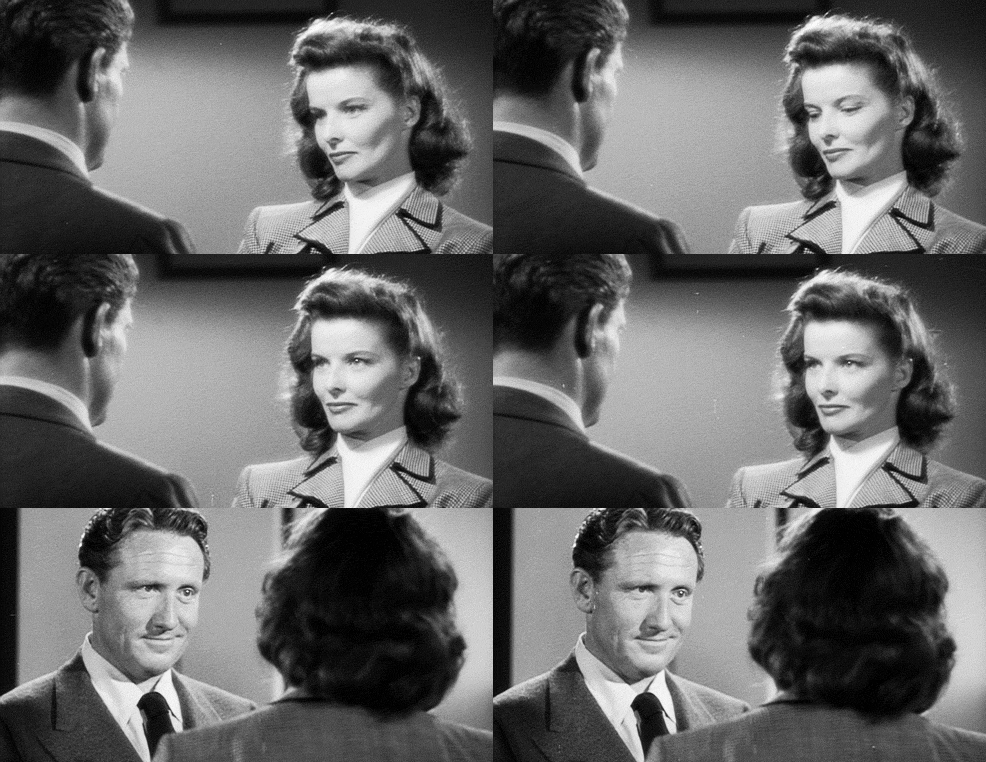
- Foi John Ford que viu Spencer em uma peça de teatro e o levou para Hollywood. Tipo, dá para imaginar o que é ser descoberto por John Ford- que àquela altura, em 1930, já trabalhava há 13 anos no cinema?

- John Ford was the one that saw Spencer on a play and took him to Hollywood. I mean, can you imagine being discovered by John Ford - who in 1930 had already been working for 13 years in the movie business?
- Assim como muitos outros, Tracy ficou insatisfeito com os roteiros que recebia da Fox em 1935. Isso o levou a se comportar mal de propósito, sendo em seguida despedido do estúdio... e ele ficou desempregado por apenas duas horas: após ouvirem que ele havia sido mandado embora, executivos da MGM logo foram atrás de Tracy e o contrataram.

- Just like many others, Tracy became dissatisfied with the scripts he received at Fox by 1935. This led him to misbehaving on purpose, being fired from the studio... and his unemployment lasted only two hours: after hearing about his firing, he was quickly approached by and signed with MGM.
- Spencer estava no hospital quando ganhou o primeiro Oscar – por isso quem recebeu a estatueta foi sua esposa.

- Spencer was in the hospital when he received his first Oscar - that is why the statue was actually collected by his wife.

- Spencer deu seu Segundo Oscar ao padre Flanagan, o religioso que inspirou a história do filme “Com os Braços Abertos / Boys Town” (1938).

- Spencer gave his second Oscar to Father Flanagan, the priest who inspired the movie “Boys Town” (1938).
- Eu sabia que Katharine Hepburn queria Spencer para um dos papéis de “Núpcias de Escândalo” (1940), mas eu não sabia que ela era fã dele desde que o viu no teatro, em 1930, na mesma peça que impressionou John Ford.

-I knew Katharine Hepburn had wanted Spencer for a role in “The Philadelphia Story” (1940), but I didn’t know she had been a fan of his since she saw him in the theater, back in 1930, in the same play that impressed John Ford.
- Spencer só conseguiu um papel em “A Mulher do Dia” (1942) – o primeiro filme que ele fez com Kate – porque as gravações de uma versão de “The Yearling” na Flórida foram canceladas devido a um ataque de insetos.

- Spencer was only cast in “Woman of the Year” (1942) - the first film he did with Kate - because a production of “The Yearling” on location in Florida had to be called off due to a mosquito attack.

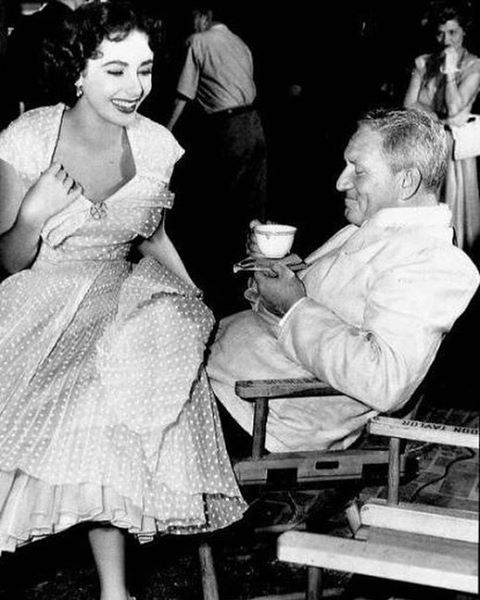
- Spencer parecia sempre estar se divertindo no set, Segundo Elizabeth Taylor. Sua simplicidade era admirada por Frank Sinatra e Richard Widmark.

- Spencer seemed to be was always enjoying his time and work on set, as Elizabeth Taylor says. His simplicity was admired by Frank Sinatra and Richard Widmark.
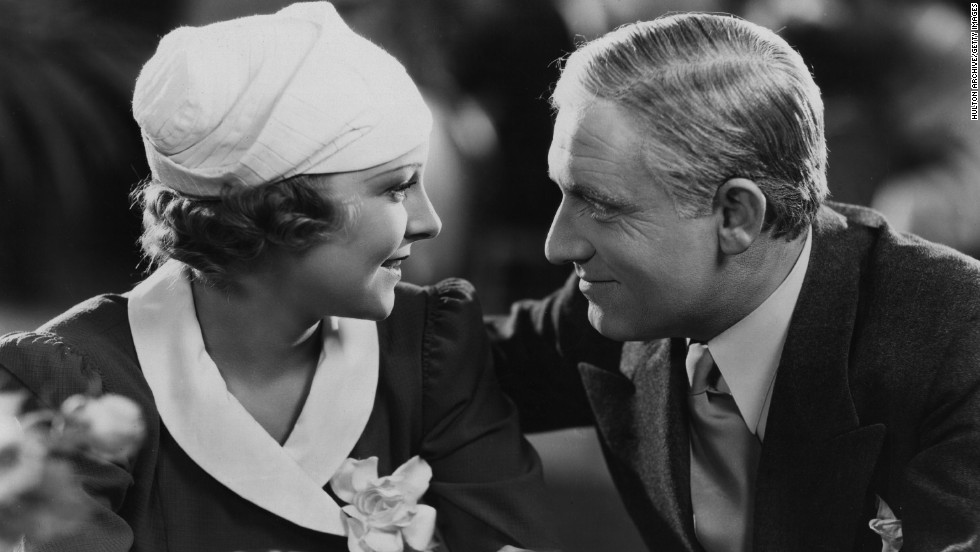
- O primeiro filme mencionado na década de 1930 foi “Glória e Poder” (1933), que eu vi recentemente. Eu gostei em especial do comentário de Joanne Woodward, que disse que Spencer interpretou o personagem em sua velhice da mesma maneira que ele próprio envelheceu: com muita força e energia.

- The first film from the 1930s mentioned is “The Power and the Glory”(1933), one that I watched recently. I especially liked Joanne Woodward’s comment that Spencer played the older character in the same way he aged: with a lot of strength and energy.
- Eu adorei descobrir um pouco sobre os passatempos de Spencer – por exemplo, jogar polo – e ver seus filmes caseiros.

- I loved to learn about Spencer’s hobbies - like playing polo - and seeing some home movies.

- Spencer esteve envolvido em causas sociais, como a cura da poliomielite e tratamento e educação para surdos, por causa de seu filho, que nasceu surdo.

- Spencer was an advocate for polio cure and deafness treatment and learning, because of his son, who was born deaf.
- Há um momento com a filha de Spencer, Susan Tracy, mostrando cadernos nos quais o pai fazia anotações entre 1937 e 1942. Foi bonito ver a curta nota que ele escreveu no dia da morte de Jean Harlow: “grande garota”.

- There is a moment with his daughter, Susan Tracy, showing notebooks with notes her dad took from 1937 until 1942. It was sweet to see his short entry on the diary on the day Jean Harlow died: “grand girl”.
- Você vai chorar com a carta de Kate no final. Não há dúvida.

- You’ll cry with Kate’s letter in the end. There is no doubt about it.

This is my contribution to the Spencer Tracy and Katharine Hepburn blogathon, hosted by my pal Crystal at In the Good Old Days of Classic Hollywood.

Saturday, August 19, 2017

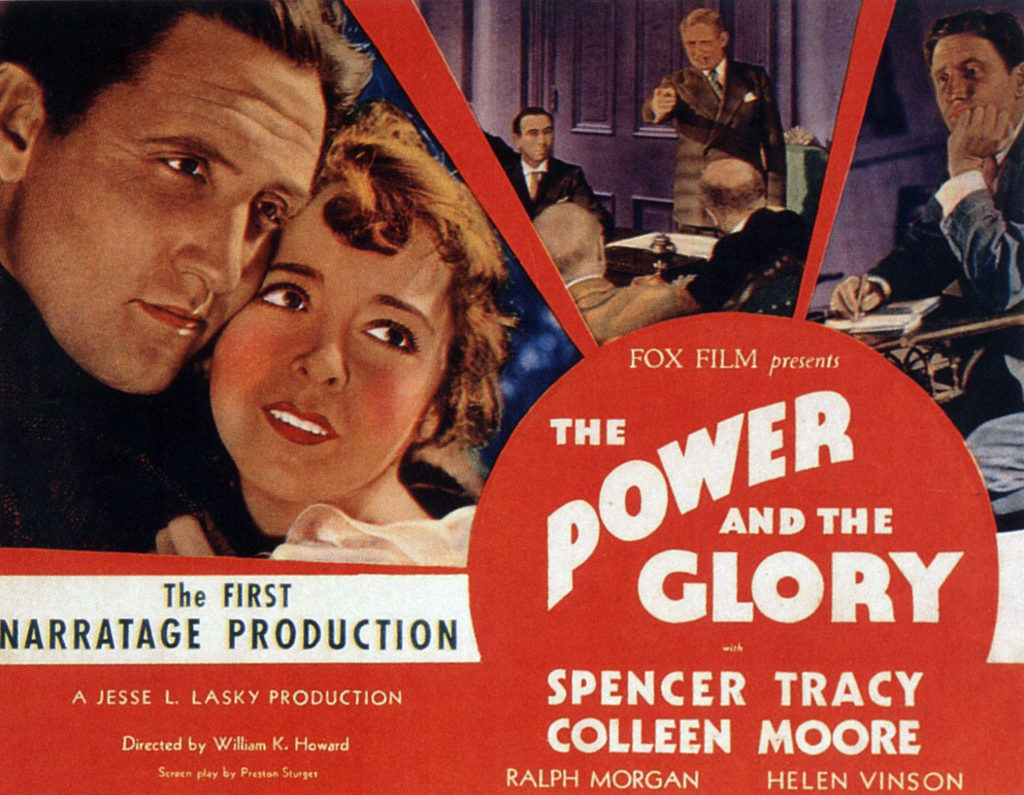
Glória e Poder / The Power and the Glory (1933)

O filme começa em um funeral. Então, a história de vida de um magnata é contada em flashback, começando com um episódio de sua infância. O filme é “Cidadão Kane” (1941), certo? ERRADO. É na realidade “Glória e Poder”, um filme feito oito anos antes de Kane e com Spencer Tracy como um magnata das ferrovias.

The movie starts at a funeral. Then, the life story of a mogul is told in flashback, starting with a glimpse of his childhood. The movie is “Citizen Kane” (1941), right? WRONG. It’s actually “The Power and the Glory”, a film made eight years before Kane and with Spencer Tracy as a railway mogul.
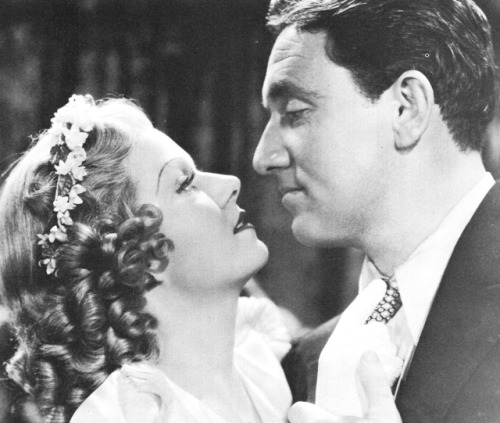
Thomas 'Tom' Garner (Tracy) não frequentou a escola, e aos 20 anos era ainda analfabeto. Mas ele era determinado, e por causa de seu amigo de infância Henry (Ralph Morgan), ele vai aprender com a professorinha local, Sally (Colleen Moore). Tom e Sally se casam, e ela o transforma: de fiscal de trilhos ele se torna engenheiro – com muito sacrifício por parte dela, é claro.

Thomas ‘Tom’ Garner (Tracy) didn’t go to school, and at age 20 he couldn’t read or write. But he was brave, and because of his childhood friend Henry (Ralph Morgan) he starts having lessons with the local schoolteacher, Sally (Colleen Moore). Tom and Sally get married, and she turns him from a track walker into an engineer – with a lot of her sacrifice, of course.
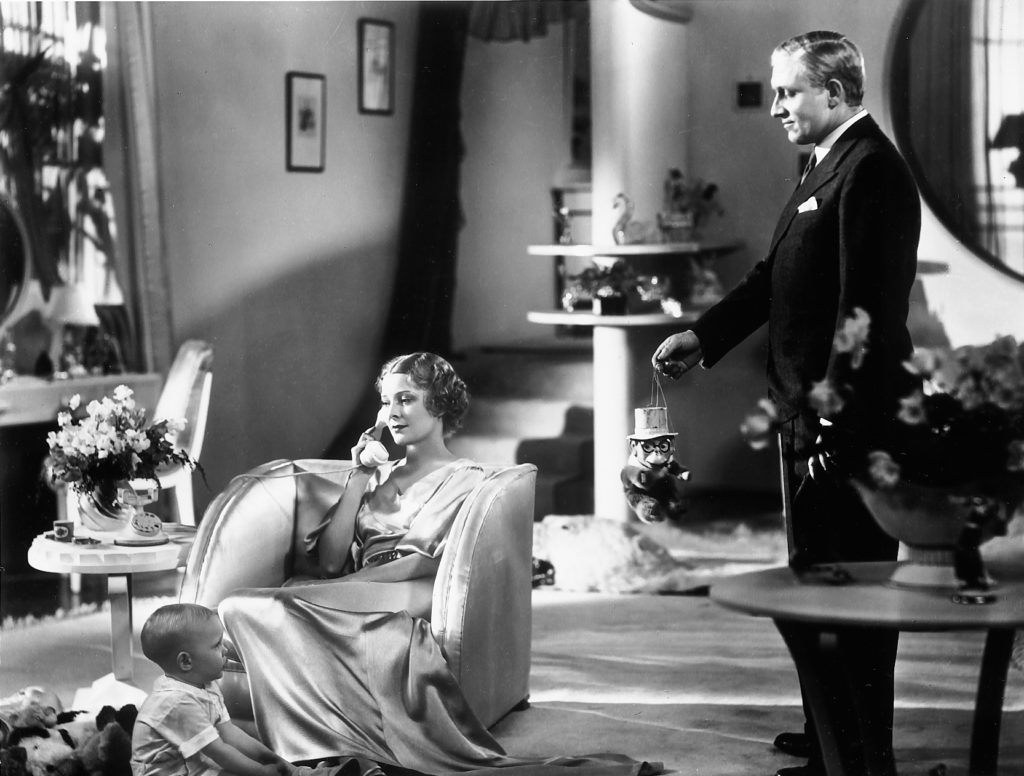
Mas o que glória e poder podem fazer com um homem? Tom se torna ambicioso graças a Sally, e consegue cada vez mais poder dentro da companhia ferroviária. Ele se torna o presidente da companhia, um magnata multimilionário, com um filho mimado e uma amante – bem ao estilo Kane, não?

But what can the power and the glory do to a man? Tom becomes ambitious thanks to Sally, and gets more and more power in the railway company. He becomes the president of the company, a multimillionaire mogul, with a spoiled young son and a mistress – very Kane-ish, ain’t it?
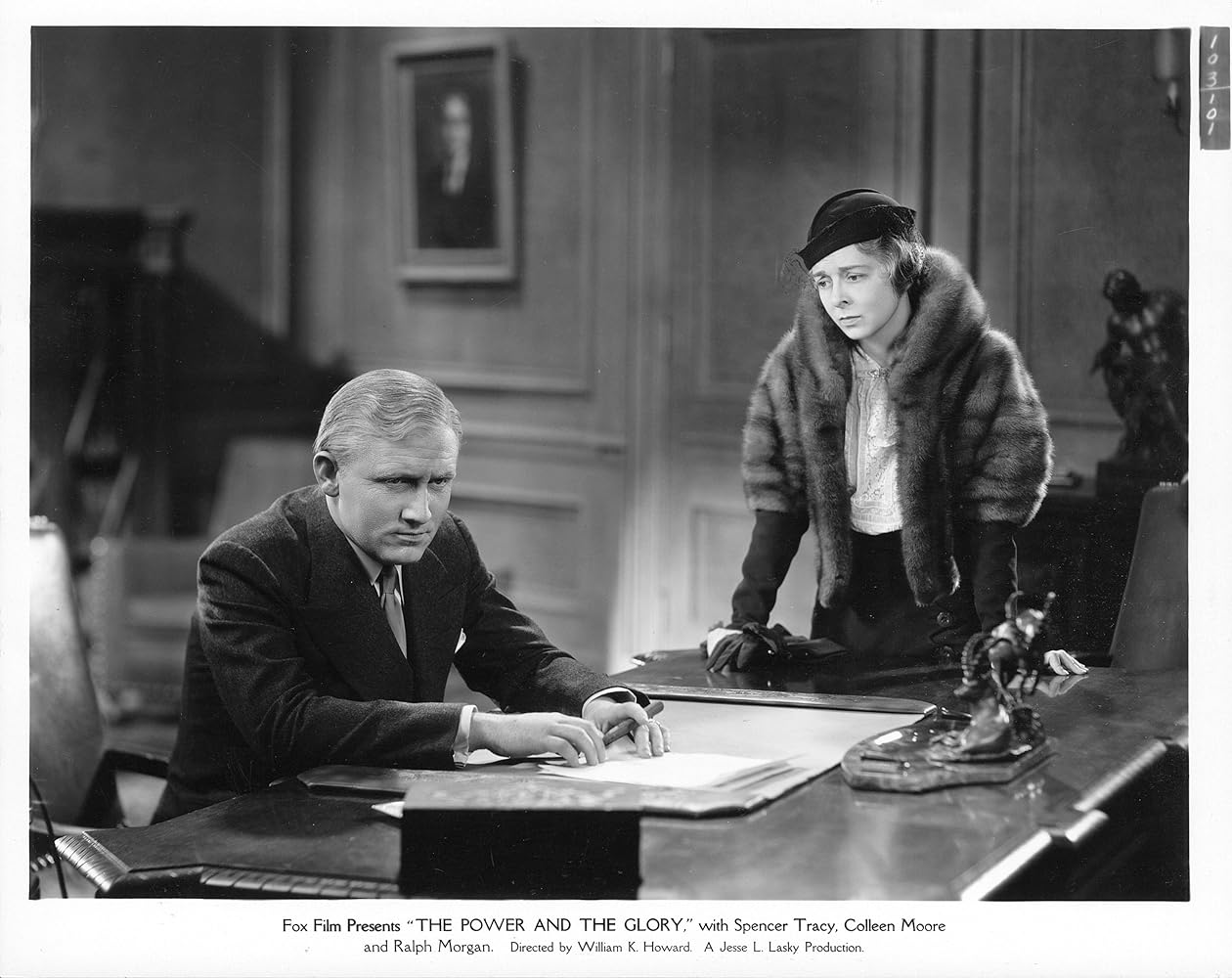
É difícil acreditar de Ralph Morgan é mais novo que Spencer Tracy – Morgan era quase 17 anos mais velho que ele, e percebe-se. Talvez seja o bigode de Morgan, né? Com o intuito de fazer ambos parecerem mais velhos, tanto Spencer Tracy quanto Colleen Moore, nas cenas que representam a máxima riqueza de Tom, têm cabelos grisalhos e murchos. Ambos tinham pouco mais de 30 anos, mas interpretavam personagens com cerca de 50. O resultado é um Spencer Tracy estranho aos nossos olhos... e platinado!

It’s hard to believe that Ralph Morgan is younger than Spencer Tracy – Morgan was almost 17 years older than him, and it showed. Maybe it’s Morgan’s moustache, right? In order to make them appear older, both Spencer Tracy and Colleen Moore, in the scenes featuring Tom’s maximum wealth, had their hairs painted gray and styled differently. Both were in their early 30s, but playing characters who were about 50. The result is that we have an odd-looking platinum blonde Spencer Tracy!
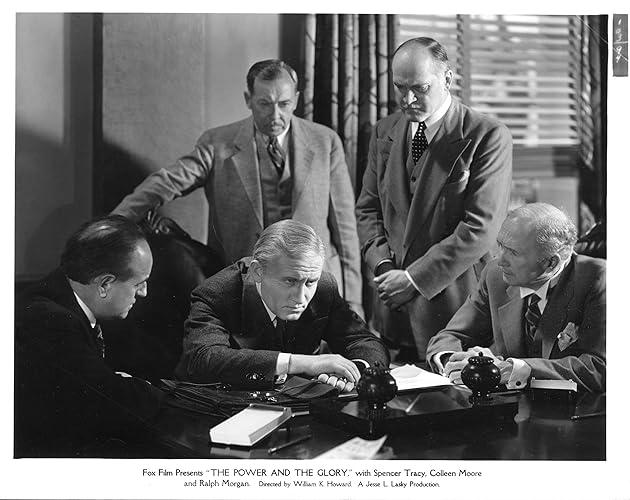
Não há muito acontecendo com os funcionários da rodovia – nós vemos apenas o drama do magnata, e o único funcionário que está sempre lá é Henry, que trabalha como secretário de Tom. Nós não vemos como de fato o ambiente de trabalho da ferrovia é – desculpe, não há grandes festas como as dadas por Charles Foster Kane. Os maiores problemas para quem trabalha nos trilhos são as greves e os perigos.

There is not much happening to the employees of the railway – we only see the mogul’s drama, and the only employee always there is Henry, who works as Tom's secretary. We don’t really see how the workplace of the railway is – sorry, there are no big wild parties like the ones Charles Foster Kane threw. The biggest troubles for those who work on the rails are the strikes and the dangers.
Bad mood
Good mood
Henry é o narrador da história, e os momentos com sua narração sobreposta às cenas e diálogos – como o pedido de casamento – são muito bons. O estúdio batizou esta técnica de narração como “narratage”. É incrível ver os momentos indo e voltando no tempo durante a narrativa, sem seguir a ordem esperada. Os eventos seguem a ordem da memória – e são contados conforme são lembrados por Henry e sua esposa.

Henry narrates the story, and the moments with voiceover narration over scenes and dialogues – like the wedding proposal – are very good. The studio named this voiceover narration technique “the narratage”. It’s great to see that the moments come back and forth in the narrative, not following an ordinary order. The events follow the order of memory – they are told as they are remembered by Henry and his wife.
Spencer e Colleen brilham mesmo estando em momentos muito diferentes da carreira. Tracy estava só começando, e sua carreira duraria mais 34 anos. Colleen estava terminando sua carreira: ela se aposentou em 1934, apenas um ano após fazer “Glória e Poder”. No filme, ambos são ótimos e têm atuações poderosas – mas eu atrevo a dizer que Colleen é a melhor em cena. Mas ela própria discordou de mim: ela disse que Tracy foi o melhor e mais talentoso ator com quem contracenou.

Spencer and Colleen are the ones who shine, even though they are in very different moments of their careers. Tracy was just beginning his career, one that would last for 34 more years. Colleen was ending hers: she retired in 1934, only one year after “The Power and the Glory” was made. In the movie, they are amazing and deliver powerful performances – but I dare saying that Colleen was the best in the movie. But the girl herself disagreed with me: she said Tracy was the best and most talented male co-star she ever had.
De onde veio uma história tão boa? Se havia Orson Welles por trás de “Cidadão Kane”, a grande mente por trás de “Glória e Poder” era ninguém mais ninguém menos que Preston Sturges, que recebeu pelo roteiro incríveis 17500 dólares (equivalente a mais de 320 mil dólares hoje). Jesse L. Lasky, um dos fundadores dos estúdios Paramount – originalmente chamados Famous Players-Lasky – foi mandado embora de seu estúdio e então contratado pela Fox. Lasky gostou tanto do roteiro de Sturges que exigiu que ele fosse filmado pelo diretor William K. Howard sem nenhuma modificação – e graças a Deus ele fez esta exigência.

Where did such a great story came from? If there was Orson Welles behind “Citizen Kane”, the great mind behind “The Power and the Glory” was no other than Preston Sturges, who received for the script amazing 17,500 dollars (more than 320,000 dollars, adjusted to inflation). Jesse L. Lasky, one of the founders of Paramount Studios – originally called Famous Players-Lasky – was kicked out of his studio and then hired by Fox. Lasky liked Sturges’s script so much that he demanded it to be filmed by director William K. Howard without any changes – and thank God he did.
Preston Sturges
Orson Welles viu “Glória e Poder”? O filme estreou quando ele tinha 18 anos, então há uma chance de que ele tenha visto. Welles pode ter ganhado o Oscar de Melhor Roteiro Original quando fez Kane, mas precisamos notar que sua maior conquista com sua obra-prima foi uma conquista técnica. Ironicamente, Welles ganhou o prêmio no ano seguinte à vitória de Sturges – aquele que foi o primeiro a contar uma história emocionante de glória, poder, infelicidade e ruína.

Did Orson Welles see “The Power and the Glory”? The film was released when Welles was 18, so there is a good chance he did. Welles might have won the Best Original Screenplay Oscar when he did Kane, but we have to agree that his biggest accomplishment with his masterpiece was a technical one. Ironically, Welles won the award right after Sturges – who was the first one to tell a moving story of power, glory, unhappiness and decay.

This is my contribution to the Workplace in Film and TV Blogathon, hosted by Debra at Moon in Gemini.
Related Posts Plugin for WordPress, Blogger...