} Crítica Retrô: Mel Brooks

Tradutor / Translator / Traductor / Übersetzer / Traduttore / Traducteur / 翻訳者 / переводчик

Showing posts with label Mel Brooks. Show all posts

Thursday, December 18, 2025

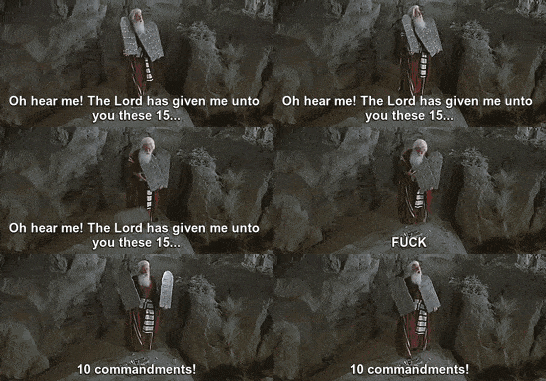
Banzé no Oeste (1974) / Blazing Saddles (1974)


Quando foi exibido pela primeira vez na TV, assisti à animação “O Lendário Cão Guerreiro” (2022), sobre um cão que quer se tornar samurai numa terra onde só há gatos. Fiquei surpresa ao ver o nome de Mel Brooks como produtor executivo, mas não deveria me surpreender: a premissa da animação é a mesma de seu clássico “Banzé no Oeste” (1974). Vejamos como a ideia foi executada originalmente.

When it was first shown on TV, I watched the animation “Paws of Fury: The Legend of Hank” (2022), about a dog who wants to become a samurai in a land where there are only cats. I was surprised to see Mel Brooks’ name as executive producer, but I shouldn’t have been: the premise of the animation is the same as his classic “Blazing Saddles” (1974). Let’s take a look at the original idea.

Os créditos surgem por cima da imagem de um deserto, com os nomes mudando conforme um chicote estala. O filme começa com a construção de uma estrada de ferro que deve cruzar a cidade de Rock Ridge, o que alimenta a ambição do advogado e assistente do governador, Hedley Lamarr (Harvey Corman).

The credits appear over the image of a desert, with the names changing at the noise of a whip. The movie begins with the building of a railroad that shall cross the town of Rock Ridge, something that feeds the ambition of attorney and assistant to governor, Hedley Lamarr (Harvey Corman).

Rock Ridge está tomada pela criminalidade. A população clama por um novo xerife que deve ser mandado pelo governador, interpretado por Mel Brooks. O governador passa a missão para Hedley que, querendo tirar vantagem, escolhe o pior xerife possível, um homem negro chamado Bart (Cleavon Little).

Rock Ridge is taken by criminality. The population asks for a new sheriff to be sent by the governor, played by Mel Brooks. The governor gives the mission to Hedley who, wanting to take advantage, chooses the worst possible sheriff, a black man named Bart (Cleavon Little).
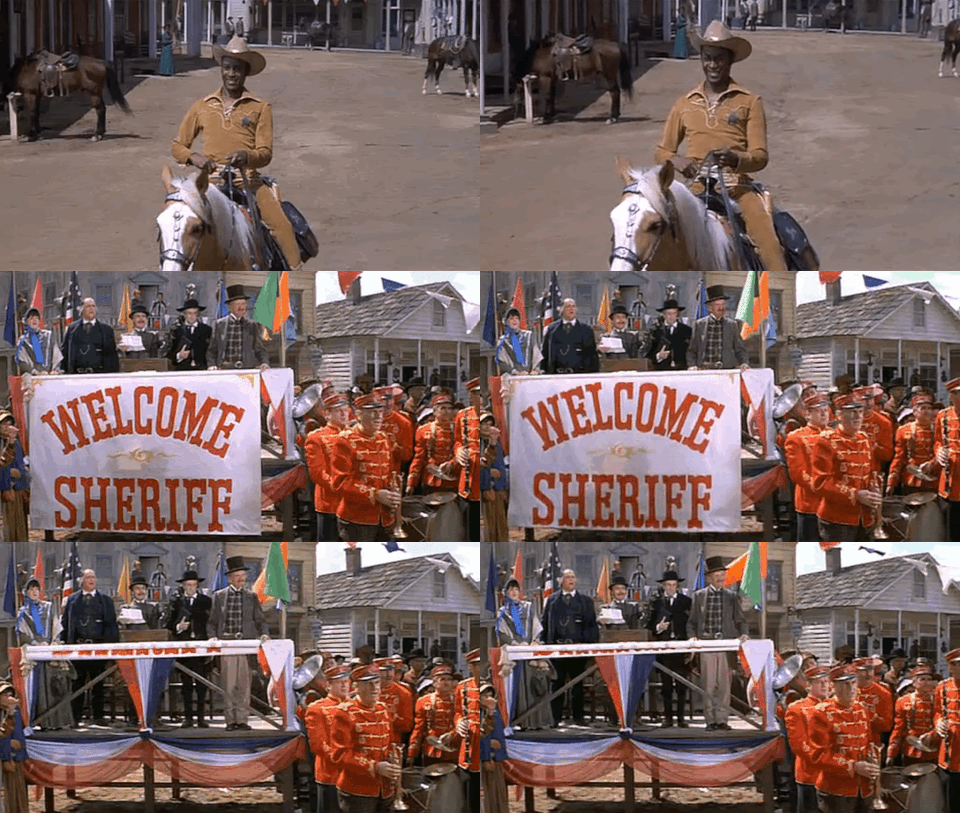
A cidade, habitada totalmente por pessoas brancas, fica horrorizada com a chegada do novo xerife. Enquanto eles desmontam a festa de boas-vindas que organizaram e escrevem cartas iradas para o governador, Bart fica amigo de um preso chamado Jim (Gene Wilder), mas anteriormente conhecido como Waco Kid. Jim diz que “eu devo ter matado mais pessoas que Cecil B. DeMille” - uma frase que me fez rir alto. Bart e Jim se tornam parceiros. 

The all-white town is horrified when the new sheriff arrives. While they dismantle the welcome party they organized and write irate letters to the governor, Bart befriends a prisoner named Jim (Gene Wilder), but formerly known as Waco Kid. Jim says “I must have killed more men than Cecil B. DeMille” - a sentence that made me laugh out loud. Bart and Jim become partners.

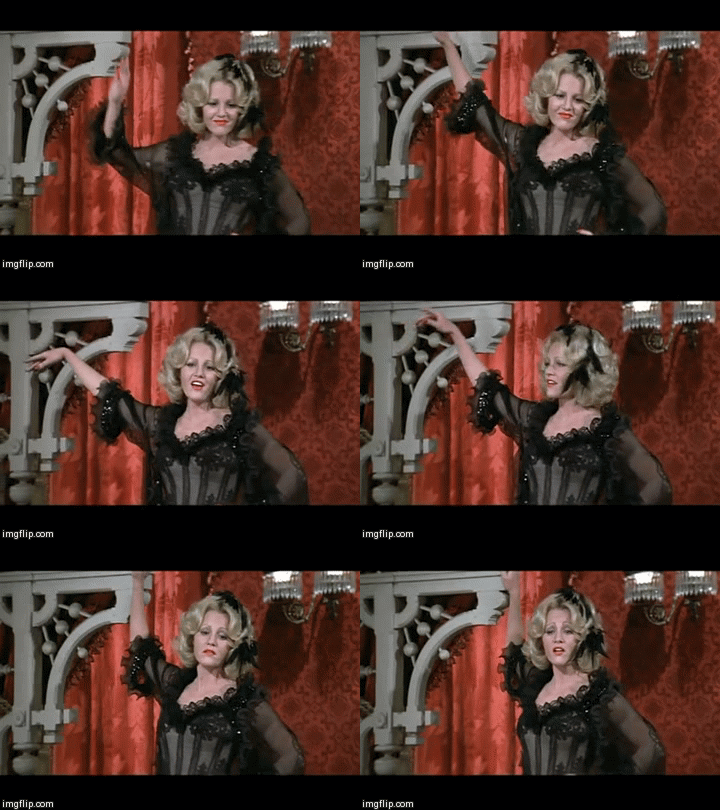
Para desmoralizar Bart e esvaziar a cidade, Hedley manda o troglodita Mongo (Alex Karras), mas o novo xerife consegue prender o homem. Já que a Fera falhou, é hora de tentar com a Bela. Hedley recruta a cantora e dançarina Lili von Shtupp (Madeline Kahn) para seduzir Bart.    

To demoralize Bart and empty the city, Hedley sends the troglodyte Mongo (Alex Karras), but the new sheriff manages to arrest the man. Since the Beast failed, it’s time to try with the Beauty. Hedley recruits the singer and dancer Lili von Shtupp (Madeline Kahn) to seduce Bart.
Mel Brooks dirige, escreve, tem dois papéis e escreve as letras das músicas de “Banzé no Oeste”. Na época, ele já havia ajudado a criar uma das minhas séries de TV favoritas, “Agente 86”, e feito grandes filmes como “Primavera para Hitler” (1967). Naquele mesmo ano ele também faria “O Jovem Frankenstein”. Com dois clássicos estreando no mesmo ano, Brooks cimentou sua reputação como mestre da comédia. 

Mel Brooks directs, writes, has two roles and writes the lyrics for the songs in “Blazing Saddles”. At the time, he had already helped create one of my favorite TV shows, “Get Smart”, and done great movies such as “The Producers” (1967). That same year he’d also make “Young Frankenstein”. With two classics releasing in the same year, Brooks cemented his reputation as a master in comedy.

Há piadas flatulentas, gags visuais, trocadilhos, uso cômico de músicas, muitos jogos e palavras que infelizmente se perdem na tradução - como o desejo de dar ao novo xerife “a Laurel and a Hardy handshake”. Há até mesmo uma piada com a Ku Klux Klan, quando Bart e Jim se vestem como membros da KKK e entram numa fila de bandidos. Quando eles precisam falar de suas experiências na vilania, eles dizem que já provocaram “um estouro da boiada… no Vaticano!” 

There are fart jokes, visual gags, puns, funny musical clues, varied plays with words that unfortunately are lost in translation - such as giving the new sheriff “a Laurel and a Hardy handshake”. There is even a joke about the Ku Klux Klan, when Bart and Jim dress up as members of the KKK and enter a line of bandits. When they have to talk about their experiences in villainous acts, they say “stampeding cattle… through the Vatican!”

Há uma excelente gag envolvendo música diegética e não-diegética, conceitos que talvez você não conheça. Música diegética é tocada dentro do mundo do filme, por isso os personagens também podem ouvi-la, enquanto música não-diegética é a trilha que só a plateia pode ouvir. A gag acontece quando o novo xerife está a caminho de Rock Ridge e nós ouvimos uma animada música instrumental. Conforme ele cavalga, saímos do plano detalhe para ver o corpo todo dele e depois o ambiente, quando finalmente vemos que a música está sendo tocada ao vivo por uma orquestra! 

There is a great gag involving diegetic and non-diegetic music, a concept you might not know. Diegetic music is played inside the film world, thus heard also by the characters, while non-diegetic music is the score only the audience can hear. The gag happens when the new sheriff is going to Rock Ridge and we listen to an exciting instrumental song. As he rides, we go from the focus on the details to his whole body and then the environment, when we finally see that the song is being played live by an orchestra!

O papel principal aqui é o ponto alto da carreira de Cleavon Little. Um experiente ator da Broadway, ele teve a ajuda de seu novo amigo Gene Wilder para interpretar em frente às câmeras. Ele continuaria fazendo mais peças, filmes e séries de TV, ganhando alguns prêmios numa carreira que durou 25 anos. 

This leading role is the highest point in the career of Cleavon Little. A seasoned Broadway actor, he had the help of his new friend Gene Wilder to perform in front of a camera. He would go on to appear in more plays, films and TV shows, grabbing a few awards for a career that lasted 25 years.

Mais do que uma comédia hilária, “Banzé no Oeste” é uma história sobre vencer preconceitos e o poder do trabalho em equipe. Foi, além disso, uma ótima maneira de terminar minhas resoluções de Ano Novo de 2025. Sou uma pessoa mais feliz por ter visto e me divertido com este filme.

More than a hilarious comedy, “Blazing Saddles” is a tale of overcoming prejudice and the power of team work. It was, moreover, a great way to end my 2025 New Year’s resolution. I’m a happier person for having watched and laughed with this movie.

Sunday, November 14, 2021

Monty Python em Busca do Cálice Sagrado (1975) / Monty Python and the Holy Grail (1975)

Dizem que a jornada deve ser sempre melhor que o destino em si. Isso é uma verdade que serve para alguns filmes - aqueles com MacGuffins. Um MacGuffin é algo essencial para a trama de um filme, mas que não tem nenhum outro propósito. Alguns ótimos filmes usam MacGuffins - incluindo o celebrado “Cidadão Kane” (1941) e muitas das produções de Hitchcock. Mas um MacGuffin também pode ser encontrado em comédias, e um excelente exemplo é “Monty Python em Busca do Cálice Sagrado”, de 1975.

It is said that the journey should always be better than the destination itself. This is true in life, and also in some films - those with MacGuffins. A MacGuffin is something essential to drive the plot of a movie, but with no other purpose. Some great movies use MacGuffins - including the celebrated “Citizen Kane” (1941) and many of Hitchcock’s productions. But a MacGuffin can be found in comedies, too, and a great example is “Monty Python and the Holy Grail”, from 1975.

Depois de créditos amalucados e bem-humorados, o filme começa em 932 d.C. Um homem vem trotando e se apresenta como Arthur de Camelot. Ele está procurando pelos mais corajosos cavaleiros para se juntarem à sua Távola Redonda. Estes corajosos homens recebem de Deus a missão de encontrar o Santo Graal - mas o tal cálice sagrado importa menos do que os diversos esquetes medievais pelo caminho.

After some groovy, humorous credits, the film begins in 932 a.D. A man comes trotting and introduces himself as Arthur from Camelot. He is searching for the bravest knights of the land to join his Round Table. These brave men are then given by God the mission to find the Holy Grail - but the Holy Grail matters less than the many medieval sketches along the way.

A grande diferença neste filme é que os cavaleiros se separam, criando pequenas histórias dentro do filme: do encontro de Sir Robin e seus menestréis com uma criatura de três cabeças até o encontro de Arthur com os perigosos Cavaleiros que Dizem Ni, não faltarão risadas nesta missão.

The big difference in this film is that the knights go separate ways, creating small tales inside the movie: from Sir Robin’s encounter with a three-headed riddler accompanied by his minstrels until Arthur meeting the dangerous Knights who Say Ni, there will be lots of laugh in this quest.

Há ótimas e divertidas animações de desenhos medievais conectando as histórias. Terry Gilliam era responsável pelas animações no programa de TV “Monty Python’s Flying Circus”. Gilliam, o único estadunidense no grupo do Monty Python, começou sua carreira como animador e cartunista de tirinhas, e depois mudou-se para a Inglaterra e começou a trabalhar como animador para a série de TV “Do Not Adjust Your Set”, precursora do Monty Python’s Flying Circus. Gilliam co-dirigiu “Monty Python em Busca do Cálice Sagrado” com Terry Jones, sendo responsável pelo estilo do filme.

There are amazing and funny medieval-style animations connecting the tales. Terry Gilliam had been responsible for the animations in the TV show “Monty Python’s Flying Circus”. Gilliam, the only American in the Monty Python group, started his career as an animator and strip cartoonist, then moved to England and started working as an animator for the TV series “Do Not Adjust Your Set”, a precursor to the Monty Python’s Flying Circus. Gilliam co-directed “Monty Python and the Holy Grail” with Terry Jones, being the one responsible for the overall look of the film.

Os membros do grupo Monty Python interpretam vários personagens no filme. Michael Palin interpretou 12 personagens, Eric Idle interpretou sete, John Cleese interpretou seis, Terry Gilliam também interpretou seis, Terry Jones interpretou cinco e Graham Chapman, quatro. Eles trabalharam muito, mas não se divertiram: John Cleese mais tarde admitiu que filmar “Monty Python em Busca do Cálice Sagrado” foi a pior experiência de sua carreira. A maior parte do filme foi rodada na Escócia, com tempo frio e chuvoso.

The members of the Monty Python group play several characters in the film. Michael Palin played 12 characters, Eric Idle played seven, John Cleese played six, Terry Gilliam played six as well, Terry Jones played five and Graham Chapman played four. They had a lot of work, but were not having fun: John Cleese later admitted that “Monty Python and the Holy Grail” was the most miserable shooting experience of his career. Most of the film was shot on location in Scotland, in the cold and rainy weather.

Terry Gilliam considera que o mais próximo do Monty Python que existe nos EUA é Mel Brooks. Assistindo a “Monty Python em Busca do Cálice Sagrado”, lembrei-me do filme de Brooks “A História do Mundo - Parte 1”, feito seis anos após o filme do Monty Python. E Mel também teve muito trabalho com seu filme: ele interpretou cinco papéis e acumulou as funções de diretor, produtor, roteirista, compositor e liricista!

Terry Gilliam thinks that the closest to Monty Python that exists in the US is Mel Brooks. While watching “Monty Python and the Holy Grail”, I couldn’t help but think about Brooks’ “History of the World - Part 1”, made six years after the Monty Python film. And Mel also had a lot of work to do in his film: he played five parts and was the director, producer, writer, composer and songwriter!

Como dito anteriormente, as coisas que acontecem na busca pelo cálice sagrado importam mais que o próprio objeto. De acordo com o IMDb, o filme tem 527 piadas, ou uma piada a cada dez segundos e meio - a graça importava mais que a aventura. Também de acordo com o site, parece que Arthur e seus cavaleiros estão andando em círculos. Não importa se eles encontram o cálice: o que importa é o quanto nos divertimos enquanto o procurávamos.

As said before, the things that happen during the quest for the Holy Grail are more important than the object itself. According to IMDb, this film has 527 jokes, or a joke every ten and a half seconds - the fun mattered more than the adventure. Also according to the site, it looks like Arthur and his knights are wandering in circles during their quest. It doesn’t matter if they get the Grail: what matters is the fun we had while searching for it.

This is my contribution to The Distraction Blogathon, hosted by Rebecca at Taking Up Room.

Tuesday, June 28, 2016

A História do Mundo – Parte 1 / History of the World – Part I (1981)

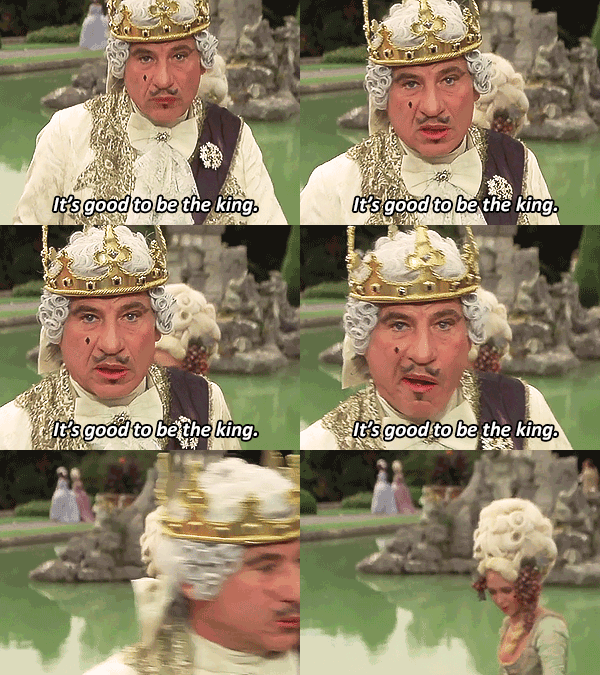
As paródias são tão antigas quanto a própria arte. Assim que a arte séria é criada, logo depois surge a paródia. Isso não foi diferente no cinema. E, se me perguntassem quem é responsável pelas melhores paródias da história do cinema, eu responderia em um segundo: Mel Brooks. Mel é o homem que zoou Drácula, Frankenstein, Hitchcock, e gêneros inteiros como o suspense e o western. E não é de se espantar que ele se aventurasse também pelo gênero épico, no filme que, além de tudo, deu origem a este GIF maravilhoso:

Parodies are as old as art itself. Right after serious art is created, the parody comes. This wasn’t different in film history. And, if I was asked who is responsible for the best film parodies ever, I’d answer in a second: Mel Brooks. Mel is the man who mocked Dracula, Frankenstein, Hitchcock and whole genres such as thriller and western. So we should expect that Mel mocked also the epic genre, in a film that, besides everything, gave us this wonderful GIF:
Começando com a pré-história (com a clássica música “Assim falou Zaratrusta”), e passando por outros quatro esquetes de duração variável, Mel Brooks nos mostra a “evolução” do homem e também a origem de coisas como a arte (e a consequente origem do crítico de arte), a música e a comédia.

Starting with “the dawn of men” (with the classic song “Also sprach Zarathustra”), and going through four other sketches of different durations, Mel Brooks shows us the human “evolution” and also the origin of stuff such as art (and consequently, the origin of the art critic), music and comedy.

Na sequência de Roma, Mel é Comicus, um “filósofo stand-up”, que consegue a oportunidade de se apresentar no Caesar's Palace. Pelas ruas de Roma ele conhece o escravo Josephus (Gregory Hines) e a virgem Miriam (Mary-Margaret Humes).

In the Roman sketch, Mel plays Comicus, a “stand-up philosopher” Who has the chance to perform at Caesar’s Palace. In the streets of Rome he meets the slave Josephus (Gregory Hines) and the vestal virgin Miriam (Mary-Margaret Humes).
É impagável, entretanto, o musical da Inquisição, com direito a sapateadores e freiras nadadoras ao estilo de Esther Williams. Não chega a ser melhor que o esquete do Monty Python, mas é a melhor parte do filme.

However, the most priceless bit is the Inquisition musical that has even tap dancers and swimming nuns inspired by Esther Williams. It’s not better than the Monty Python “Spanish Inquisition” sketch, but this is the best part of the film.


O que me incomodou neste filme é o tanto que ele é sexista. Muitas vezes as mulheres são tratadas como objetos (embora a imperatriz interpretada por Madeline Kahn também trate os homens como objetos), e focado em sexo para fazer rir, da mesma maneira que tantas comédias fazem e sofrem ainda hoje. Não posso culpar uma má fase de Mel Brooks, pois ainda nos anos 80 ele faria filmes menos explícitos e apelativos como “Sou ou não Sou?” (1983, como ator e produtor) e “SOS – Tem um louco solto no espaço” (1987, como ator e diretor).

What really bothered me in this film was sexism. It often treats women like objects (although the empress played by Madeline Kahn also treats men like objects) and it focuses on sex to make people laugh, in the same poor way many comedies do still today. I can’t say it was a bad phase for Mel Brooks, because in the 1980s he also made less explicit films such as “To be or not to be?” (1983, as actor and producer) and “Spaceballs” (1987, as actor, producer and director).
Mel convidou uma voz ilustre para ser o narrador: Orson Welles. É verdade que a voz inconfundível de Welles só é ouvida muito brevemente no começo de cada esquete, mas mesmo assim Welles ganhou 25 mil dólares pelo trabalho – que foi todo gravado em uma manhã.

Mel invited an illustrious voice to be the narrator: Orson Welles. It is true that Welles’ iconic voice is only heard briefly at the beginning of every sketch, but Welles was paid 25 thousand dollars for his work – that was all recorded in a morning.
“História do Mundo – Parte 1” não é o melhor filme de Mel Brooks, que esteve no auge nos anos 70. Mas preste atenção nos detalhes: é neles que está a maior graça (como no cartaz do “Cavalo de Troia”).  Mas Mel triunfou assim mesmo, ao interpretar cinco papéis e ainda foi roteirista, diretor, produtor, compositor e liricista para os dois números musicais. E ainda nos deixou com vontade de ver “Hitler no Gelo” na parte 2.

“History of the World – Part 1” is not Mel Brooks’ best film. Mel was at his best in the 1970s. But pay attention to the details: in them you find the best jokes (like in the “Trojan Horse” poster). But Mel triumphed, playing five roles and working as writer, director, producer, composer and also songwriter for the two musical numbers. And he even made us want to see “Hitler on Ice” in Part 2.

This is my contribution to the Mel Brooks Blogathon, hosted by Louis at The Cinematic Frontier and honoring the legend who turns 90 today.

Friday, March 27, 2015

Série Retrô: Agente 86 / Get Smart

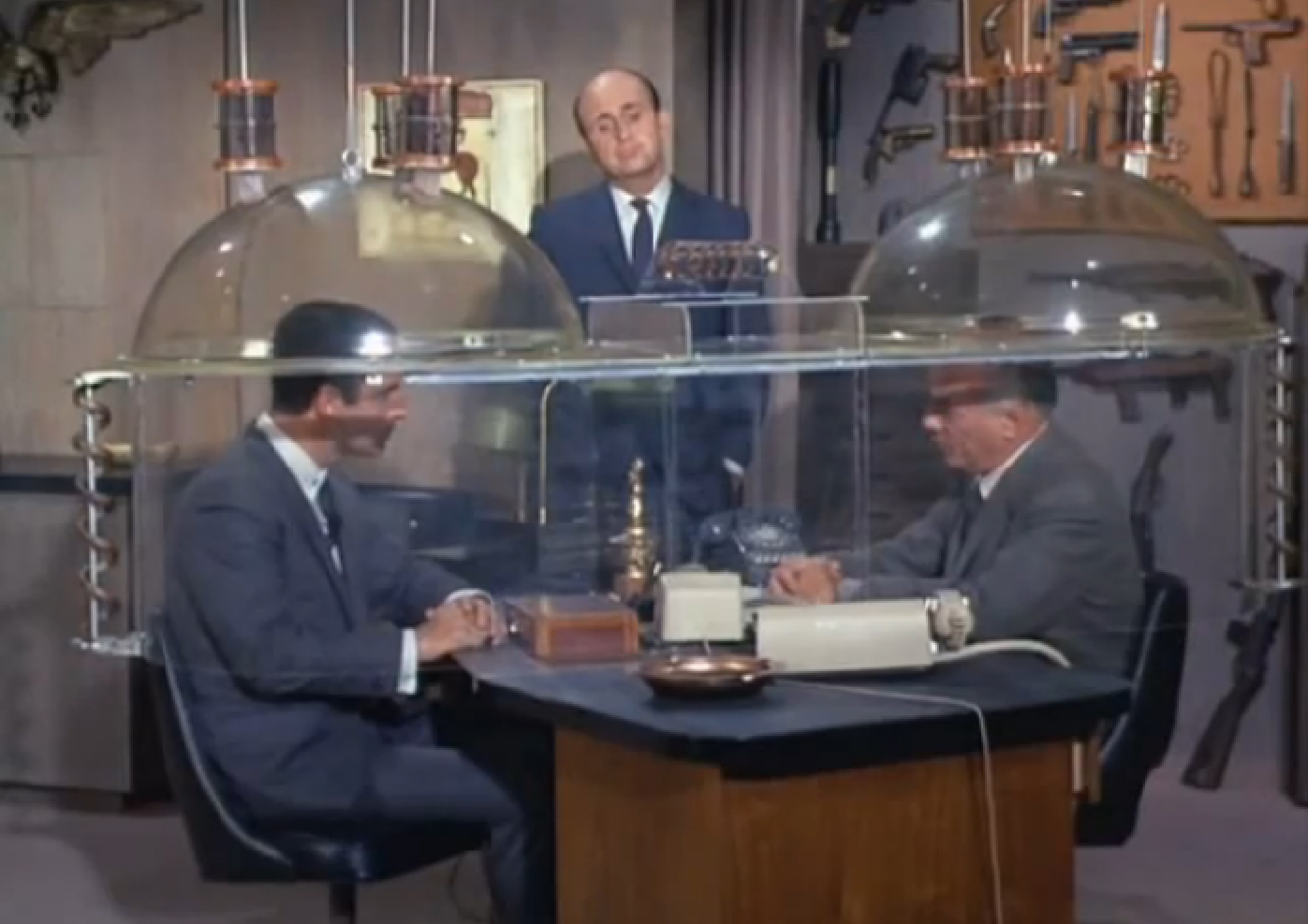
Cone do silêncio. Sapatofone. “O velho truque!” “Você acreditaria se...” Coisas e frases que me fazem simplesmente sorrir. Eles me lembram um dos meus seriados favoritos, aquele que alegrou muitas noites tristes da adolescência e me apresentou o maravilhoso mundo dos clássicos.
Eu tinha 13 anos quando vi meu primeiro episódio de “Agente 86 / Get Smart”. Era o primeiro para mim, mas “And the Baby Makes Four: Part 2” é na verdade parte da última temporada da série. Nunca me esquecerei da grande briga no hospital e as reações que me fizeram querer assistir mais da série.
É muito difícil escolher meu episódio favorito entre os 138 que foram gravados em cinco temporadas. Mas vou analisar o episódio piloto, “Mr Big”, que deu origem à série e, curiosamente, foi o único gravado em preto e branco.
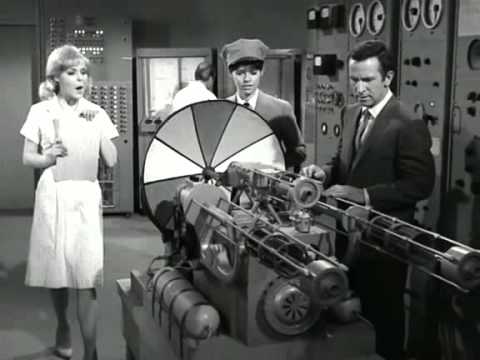
O episódio piloto já apresenta todos os ingredientes para o sucesso da série: a química entre Maxwell Smart, o agente 86 (Don Adams) e a agente 99 (Barbara Feldon), as bugigangas de espião como o sapatofone e o cone do silêncio, os esconderijos mirabolantes do agente 44, um cachorro adorável, a maneira como Max irrita o chefe do CONTROLE (Edward Platt), a presença de um vilão da KAOS, uma ameaça internacional e um ritmo rápido (e por vezes até bobinho).
Os anos 60 tinham dois grandes ídolos espiões, diametralmente opostos: James Bond e inspetor Clouseau. E, por incrível que pareça, Maxwell Smart foi o resultado da junção de Sean Connery com Peter Sellers. Sim, trata-se de uma paródia, e não se podia esperar nada diferente do homem por trás da série: um dos criadores é Mel Brooks, ainda longe do seu auge (mas já genial). O outro criador da série é Buck Henry, co-roteirista de “A primeira noite de um homem / The Graduate” (1967) e diretor da versão de “O Céu pode Esperar / Heaven Can Wait” protagonizada por Warren Beatty em 1978. Brooks disse que a ideia era fazer uma sitcom não sobre uma família, o que era comum na época, mas (por que não?) sobre um idiota. Nascia assim Maxwell Smart.
E a série teve muito, muito êxito (não apenas porque tem gente como eu que vê seus episódios até hoje). Don Adams ganhou o Emmy de Melhor Ator de Comédia três anos seguidos (1967-1969), e “Agente 86 / Get Smart” foi eleita por dois anos (1968 e 1969) a Melhor Série de Comédia. Apesar de ficar feliz com o fim da série após a quinta temporada em 1970, Adams ficou para sempre marcado como Maxwell Smart, e seu maior projeto posterior foi a dublagem do também atrapalhado espião “Inspetor Bugiganga / Inspector Gadget”. Por falar em voz de personagens, Adams afirmou que baseou-se em William Powell para criar a voz de Maxwell Smart.
Agente 86 / Get Smart” foi apenas o começo de uma maravilhosa experiência de mergulho em filmes e séries do passado. Mas como a primeira vez a gente nunca esquece, a série tem um lugar quentinho e cativo no meu coração: sempre serei grata pelas muitas alegrias que Maxwell Smart me trouxe.

This is my contribution to the Favourite TV Show Episode blogathon, hosted by my friend Terence at A Shroud of Thoughts. Lights, camera, action!

Related Posts Plugin for WordPress, Blogger...