Feliz Dia do Cinema Clássico! O Rick do blog Classic Film & TV Café adora propor para nós, blogueiros, um desafio para celebrar este dia. Este ano ele pediu para nós elencarmos nossos quatro filmes noir favoritos... espere, só quatro? Sim, só quatro, e “favoritos” é modo de dizer. Ele pediu para indicarmos quatro noirs de que gostamos, ou que achamos subestimados, ou que devem ser vistos muitas vezes...Você entendeu. Então aqui estão, os quatro noirs que eu gostaria de indicar:
Happy National Classic Movie Day! Rick from the blog Classic Film & TV Café loves to give us, bloggers, a challenge to celebrate this day. This year he asked us for our four favorite noirs... wait, only four? Yes, only four, and “favorites” is a way of saying. He asked us to highlight four noirs that we like, or we think are underseen, or are worth watching several times... You get it. So here they are, the four noirs I want to highlight:

A Dama de Xangai (1947): Não apenas um dos meus noirs favoritos, mas também um dos meus filmes favoritos da vida. Lindamente fotografado, ele conta a malfadada história de Michael O’Hara (Orson Welles, que também foi diretor, produtor e roteirista), contratado por um advogado manco, Arthur Bannister (Everett Sloane). Michael se envolve com a esposa de Bannister, Elsa (Rita Hayworth, em processo de divórcio de Welles na época) e... bem, há derramamento de sangue. Eu adora a parte sobre os tubarões brasileiros vistos em Frotaleza por um jovem Michael, e também o clímax numa sala de espelhos. Leia mais sobre “A Dama de Xangai” AQUI.
Lady from Shanghai (1947): Not only one of my favorite noirs, also one of my favorite movies ever. Beautifully shot, it tells the ill-fated story of Michael O’Hara (Orson Welles, who also directed and produced the film and wrote the screenplay), hired by a lawyer with a limp, Arthur Bannister (Everett Sloane). Michael becomes involved with Bannister’s wife Elsa (Rita Hayworth, divorcing Welles at the time) and…well, there’s blood. I love the bit about the Brazilians sharks seen in the city of Fortaleza by a younger Michael, and also the climax in a room full of mirrors. Read more about “The Lady from Shanghai” HERE.

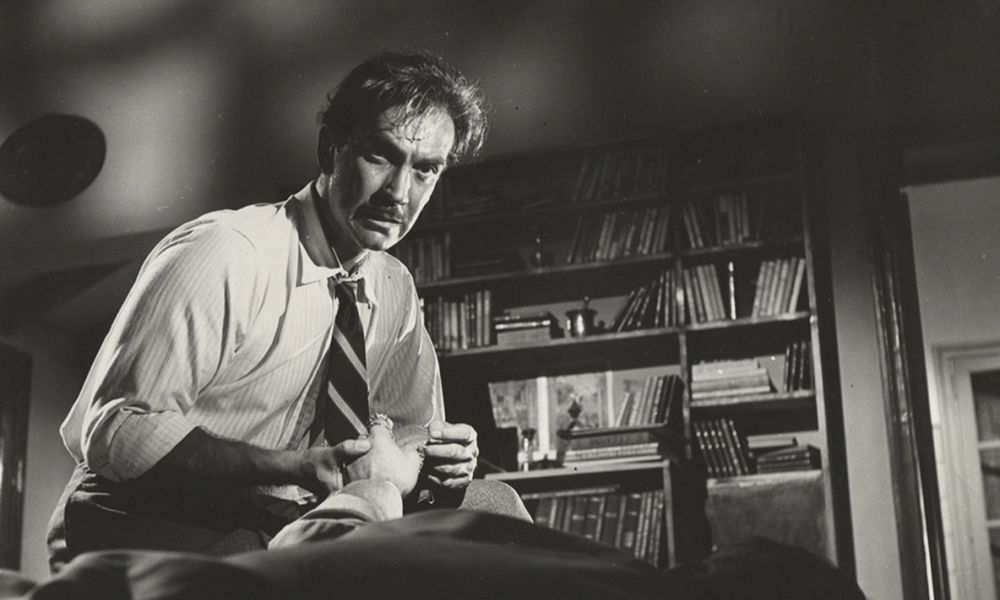
A Sombra da Guilhotina (1949): O filme noir é parte da História, mas este é ainda mais histórico que a maioria. Ambientado nos anos 1790, no Período do Terror da Revolução Francesa, em inglês ele é conhecido pelos títulos “Reign of Terror” e “The Black Book”. O tal livro negro é onde estão escritos todos os nomes dos “inimigos da França”, um livro que precisa ser recuperado por Robespierre (interpretado por Richard Basehart). Se Robespierre conseguir o livro, ele terá tudo de que precisa para se tornar um ditador, por isso uma rede de resistência é formada por toda a França, e entre os membros desta rede temos Madelon (Arlene Dahl). O uso de sombras e a iluminação são os destaques deste noir histórico. Leia mais sobre “A Sombra da Guilhotina” AQUI.
Reign of Terror (1949): Film noir is part of History, but this one is more historic than most. Set in the 1790s, the time of the Reign of Terror in the French Revolution, it is also known by the title “The Black Book”. That book is where all the names of the “enemies of France” are written, a book that needs to be recovered by Robespierre (played by Richard Basehart). If Robespierre gets the book, he will have everything needed to become a dictator, so a resistance network is formed all over France, and among the members of this network we have Madelon (Arlene Dahl). The use of shadows and the lighting are the highlights of this historical noir. Read more about “Reign of Terror aka The Black Book” HERE.
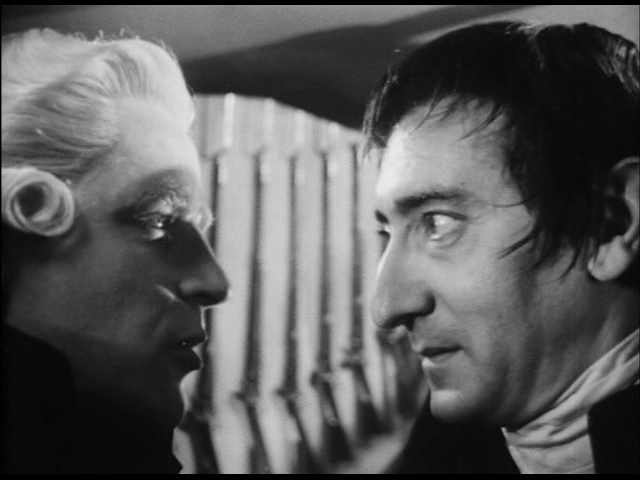
Na Senda do Crime (1954): Este noir brasileiro é uma mistura de “O Segredo das Joias” (1950) com “A Força do Mal” (1947) – filme este que é evocado no tensto clímax. “Na Senda do crime” conta a história do bancário Sergio (Miro Cerni), que roba uma mansão com três amigos. Sergio coloca o dinheiro roubado numa conta que pertence à garota que gosta dele, mas ao mesmo tempo Sergio está saindo com uma cantora e decide que é uma boa ideia presenteá-la com uma joia roubada. O diretor de teatro Flaminio Bollini Cerri dirigiu apenas este filme no Brasil antes de voltar para a Itália, sua terra natal.
Na Senda do Crime (1954): This Brazilian noir is a mix of “The Asphalt Jungle” (1950) with “Force of Evil” (1948) – a film evoked in the tense climax. Translated as “Road to Crime”, it tells the story of bank clerk Sergio (Miro Cerni), who robs a mansion with three friends. Sergio puts the stolen money in an account that belongs to a girl who likes him, but at the same time Sergio goes out with a singer and decides it’s a good idea to give her a stolen jewel as a gift. Theater director Flaminio Bollini Cerri only made this movie in Brazil before going back to his native Italy.

Los Tallos Amargos (1956): Este noir argentino nos ensina que o jornalismo pode ser mortal – mas não como em “A Montanha dos Sete Abutres” (1951). Em “Los Tallos Amargos”, dois homens começam um esquema corrupto vendendo cursos de jornalismo por correspondência. Esses dois homens são o desiludido Alfredo (Carlos Cores) e o imigrante grego Liudas (Vassili Lambrinos), ambos interpretados por dois atores extremamente populares na Argentina na época. Um noir incomum, ele não tem femme fatales, mas sim um pobre coitado como protagonista – Alfredo – e muita paranoia e mentiras – e até uma fantástica sequência de sonho! É um filme único, que todos os amantes de filmes noir devem assistir. Mais sobre ele e um neo-noir argentino AQUI.
Los Tallos Amargos (1956): This Argentinian noir teaches us that journalism can be deadly – but not like “Ace in the Hole” (1951). In “Los Tallos Amargos” (translated as “The Bitter Stems”), two men start a corrupt scheme by selling courses of journalism by mail. These two men are the disillusioned Alfredo (Carlos Cores) and the Greek expatriate Liudas (Vassili Lambrinos), both played by extremely popular actors of the time in Argentina. An uncommon noir, it has no femme fatales, but a poor devil as a lead – Alfredo – and a lot of paranoia and lies – and even a fantastic dream sequence! It’s a unique film, one that all lovers of film noir should watch. Read more about “Los Tallos Amargos” and also an Argentinian neo-noir HERE.