The Villain Still Pursued Her (1940): Buster Keaton
and parody
Ainda
bem que os valores mudam. Na minha opinião, há progreso quando há cada vez menos conservadorismo e
condenação dos atos. A sociedade progride quando ela se leva menos a sério, e o
comportamento das pessoas não precisa ser moldado e condenado por fortes e
trágicas lições de moral. É fácil ver um sinal desta mudança: quando uma obra
reverenciada, com muito drama e carga moral, é resgatada anos após seu sucesso
inicial e parodiada.
Thank God values change. In my opinion, progress means
becoming less and less conservative and condemning. Society progresses as it
takes itself less seriously, and behaviors don't have to be shaped and
condemned by strong and tragic moral lessons. It's easy to see one sign of this
change: when a revered work of fiction, heavy on melodrama and morality, is
taken years after its initial success and parodied.

Em
1940, Buster Keaton já havia feito todos os seus maiores sucessos. Ele estreou
no cinema em 1917, fez curtas e longas-metragens, deixou sua marca na comédia,
teve liberdade criativa, perdeu a liberdade criativa indo para a MGM, viu a
desgraça e a morte de seu amigo Roscoe 'Fatty' Arbuckle, se casou, teve dois
filhos, se divorciou, fez filmes falados, perdeu dinheiro e venceu o
alcoolismo. Era uma ótima hora para Buster parodiar uma peça que defendia a
abstinência.
By 1940, Buster Keaton had made all his greatest hits.
He started in movies in 1917, did short and feature films, left a mark in
slapstick comedy, had creative freedom, had his creative freedom taken when he
went to MGM, saw the disgrace and death of his friend Roscoe 'Fatty' Arbuckle,
got married, had two sons, divorced, starred in talkies, lost money and battled
alcoholism. It was a very good time for him to parody a play that advocated
temperance.
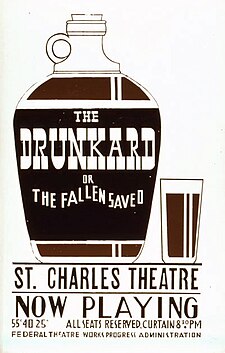
“O
Vilão Ainda a Perseguia” é uma paródia da peça “The Drunkard” (O Bêbado), que
estreou em 1844 – quase um século antes de o filme ser feito. A peça foi um
sucesso, e defendia a temperança – isto é, a abstinência de álcool. Este tema
já era motivo de piada havia alguns anos,
quando a peça foi parodiada por W.C. Fields no filme “No Tempo do Onça”
(1934). E se você ainda não está convencido de que “O Vilão Ainda a Perseguia”
é uma comédia, esta é a mensagem no começo do filme:
“The Villain Still Pursued Her” is a spoof of the play
“The Drunkard”, that opened in 1844 – almost one hundred years before the film
was made. The play was a big hit, and advocated temperance – that is,
abstinence. This theme was already laughable a few years before, when “The
Drunkard” was spoofed as the W.C. Fields comedy “The Old Fashioned Way” (1934).
And if you're not yet convinced of the comic nature of “The Villain Still
Pursued Her”, here it is the opening message:


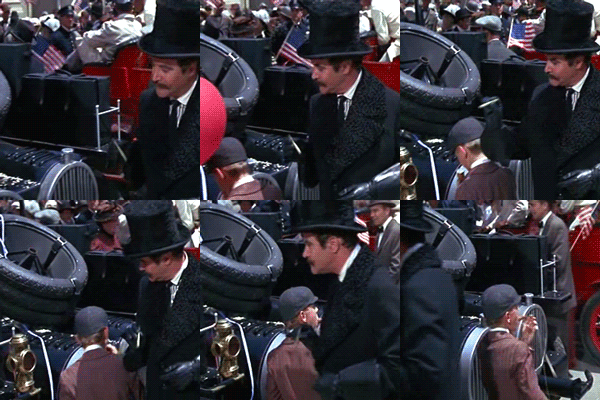
O filme de 1940 é sobre as atitudes vilanescas de
Silas Cribbs (Alan Mowbray) para destruir a vida de Edward Middleton (Richard
Cromwell). Por quê? Bem, apenas porque ele odeia Middleton. Cribbs quer
levar Middleton à desgraça ao torná-lo
um ébrio. A única pessoa que pode salvar Middleton é seu amigo William
(Keaton).
The plot of the 1940 movie conveys Silas Cribbs's
(Alan Mowbray) villainous acts to destroy Edward Middleton's (Richard Cromwell)
life.Why? Well, just because Cribbs hates Middleton. Cribbs wants to drive
Middleton to disgrace by making him a drunkard. The only one who can save Middleton
is his friend William (Keaton).

O
título do filme vem do curta-metragem silencioso “E o Vilão Ainda a Perseguia”,
de 1906, e também de uma animação de 1937 cujo vilão se aprece muito com
Cribbs. Você pode esperar muitas paródias da era Eduardiana: a linguagem
teatral, complexa e melodramática e os gestos exagerados, por exemplo. É
interessante observar que Buster Keaton interpreta o cara sério – um papel que
combina perfeitamente com seu rosto imutável.
The title of the film comes from the silent short “And
the Villain Still Pursued Her”, released in 1906, and also a 1937 cartoon whose
villain looks a lot like Cribbs. You can expect a lot of spoofs coming from the
Edwardian era: the complex and melodramatic theater language and the
exaggerated gestures, for instance. It's interesting to note that Buster Keaton
plays the straight man here – a role that suits his stone face perfectly.

Os
atores frequentemente olham para a câmera e dizem algo em tom confidencial para
o público. Cribbs foi a inspiração para outros vilões vindos do cinema mudo:
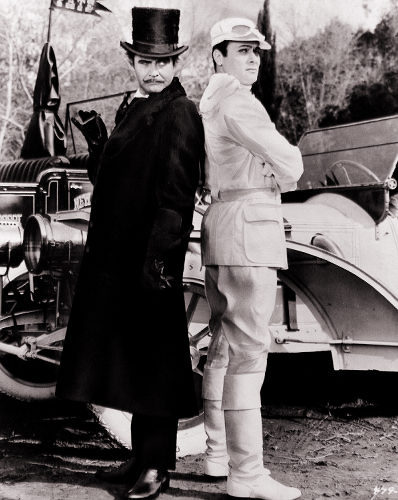
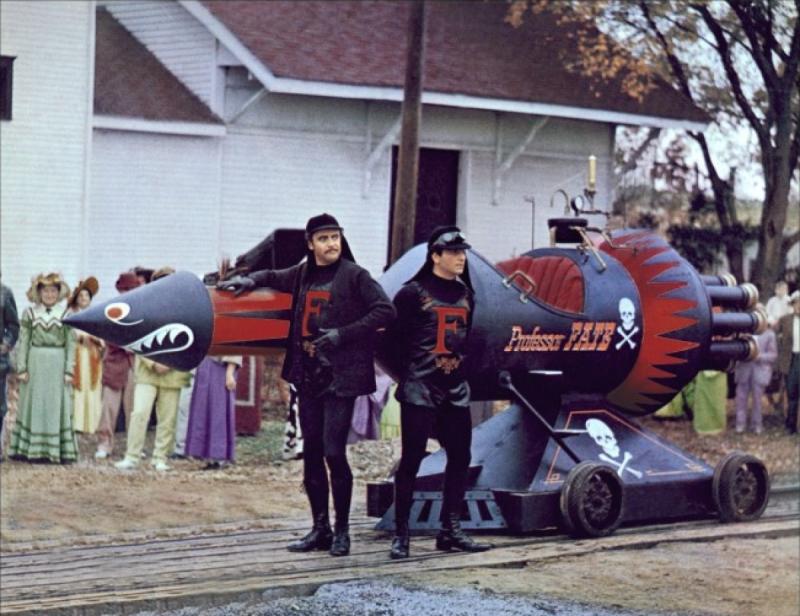
Snidely Whiplash, do desenho “Dudley Certinho”, e o professor Fate do filme “A Corrida do Século” (1965). Ao contrário do que se pensa, vilões com capas
escuras e cartolas pretas que amarravam donzelas à linha do trem NÃO eram comuns no cinema mudo.
The actors often look at the camera and say something
in a confidential tone to the audience. Cribbs was the inspiration for other
silent film-like villains: Snidely Whiplash, from the cartoon “Dudley
Do-Right”, and Professor Fate from the movie “The Great Race” (1965). Contrary
to what is wildly believed, villains with dark capes and black top hats that
tied damsels to tracks were NOT common characters in silent movies.

Foi
interessante perceber que Buster não menciona este filme ou sua filmagem em sua
autobiografia, “My Wonderful World of Slapstick”. Ele pula direto de seu
trabalho como criador de gags para a MGM para seu sucesso na televisão.
Interestingly enough, Buster doesn't mention this
movie or its production in his autobiography, “My Wonderful World of Slapstick”. He jumps from his work as a gag advisor at MGM directly to his
newfound success on TV.

Buster
Keaton estava acostumado com paródias. Só em 1923 ele fez duas: o
curta-metragem “The Frozen North”, parodiando os westerns de William S. Hart, e
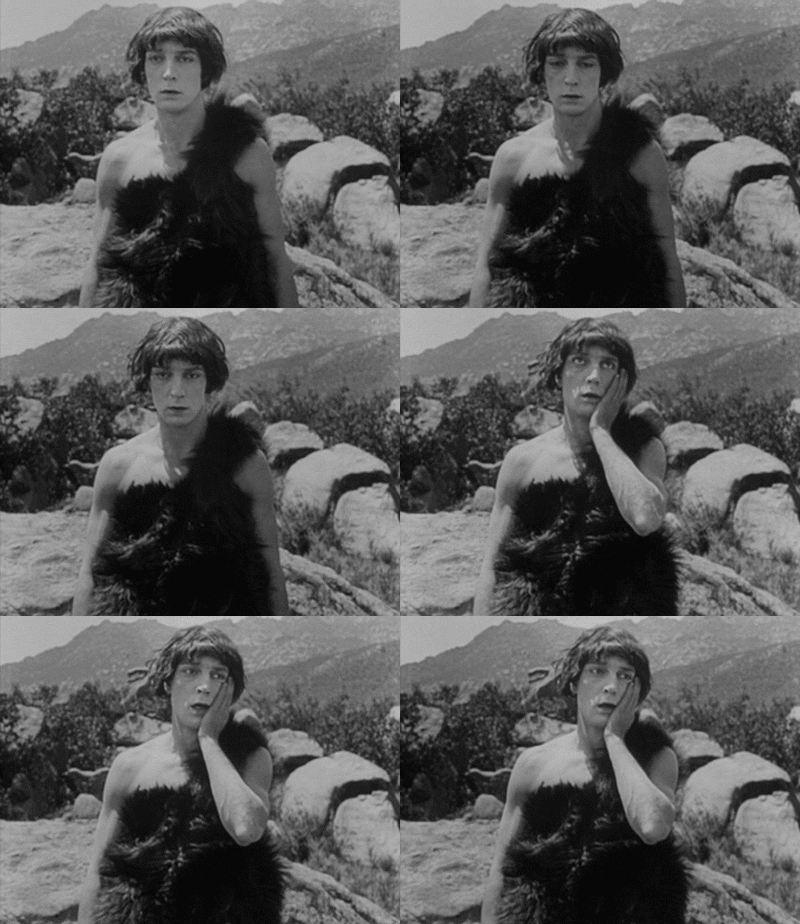
seu primeiro longa-metragem, “A Antiga e a Moderna”, parodiando o épico
“Intolerência” (1916) de D.W. Griffith. O autor Wes Gehring vai mais além e
aponta o clímax de “Amores de Estudante” (1927) como uma paródia de “The Lonely
Villa” (1909), de Griffith.
Buster Keaton was no stranger to parodies. In 1923
alone he did two: the two-reeler “The Frozen North”, spoofing the William S.
Hart westerns, and his first feature, “The Three Ages”, spoofing D.W.
Griffith's epic “Intolerance”, from
1916. Author Wes Gehring goes further in his book “Parody as a Film Genre:
'Never Give a Saga an Even reak'”, and says that the climax of “College” (1927)
is a spoof of Griffith's “The Lonely Villa” (1909).
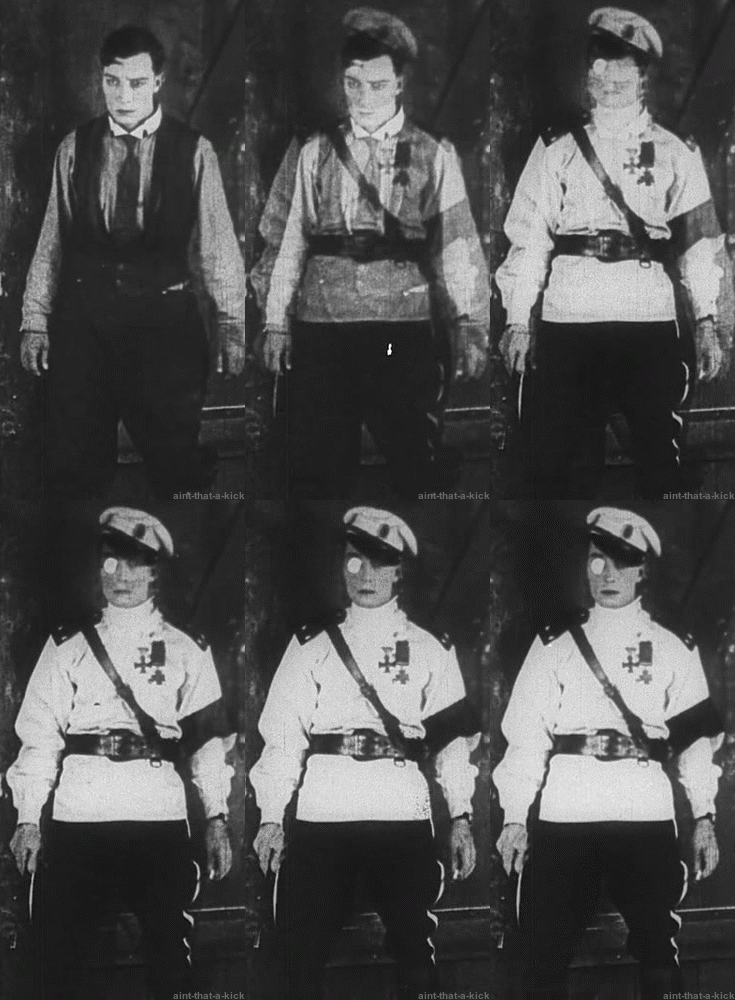 |
| Erich von Stroheim was also parodied in "The Frozen North"! |
Visto
for a do contexto, “The Frozen North” é uma ovelha negra na filmografia de
Keaton. Ele tem um tom mais melodramático – algo que é entendido quando
descobrimos que se trata de uma paródia. William S. Hart foi um astro de cinema
incrivelmente popular, e em 1923 os frequentadores dos cinemas prontamente
reconheceram os maneirismos dele assim que Keaton começou a imitá-lo em “The
Frozen North”. Tudo grita William S Hart: o chapéu, as roupas, as armas, o tom,
o cigarro sendo enrolado com uma mão só – e, claro, o choro.
Seen without context, “The Frozen North” is a very,
very odd movie in Keaton's filmography. It has a more melodramatic feeling –
and one that is perfectly understood when we learn that it's a spoof. William
S. Hart was an incredibly popular film star, and the 1923 moviegoing audience
quickly recognized his mannerisms once Keaton started imitating him in “The
Frozen North”. Everything screams William S. Hart there: the hat, the clothes,
the guns, the tone, the cigarette being rolled with only one hand – and, of
course, the crying.

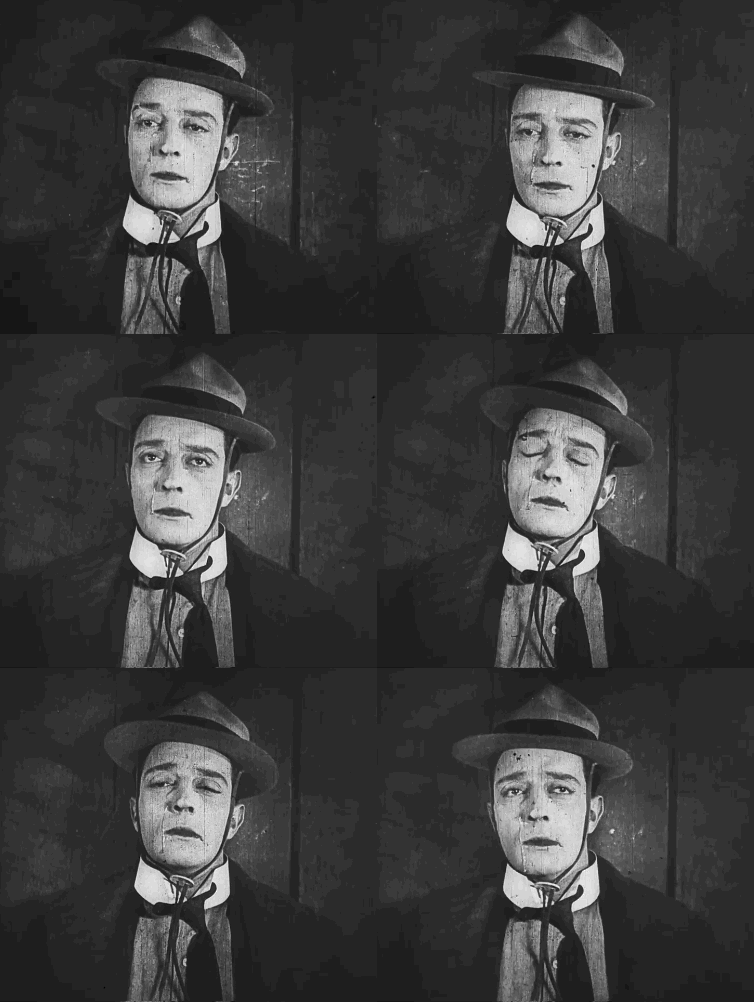
William
S. Hart levava sua persona cinematográfica muito a sério, e não ficou feliz
quando durante a sequência mais tensa e hilária de “The Frozen North”, Keaton
parodiu o hábito do astro de chorar nas telas. Hart pensava que o choro tornava
seu caubói mais humano, e não deveria ser usado para arrancar risadas. O
resultado foi que Hart não falou com Buster Keaton por dois anos após o filme
ser feito.
William S. Hart took himself and his screen persona
seriously, and wasn't happy when, during the most tense and hilarious sequence
of “The Frozen North”, Keaton spoofed his habit of crying onscreen. Hart
thought this made his cowboy human, and it shouldn't be used as a source for
laughs. The result is that Hart didn't speak with Keaton for two years after “The
Frozen North” premiered.
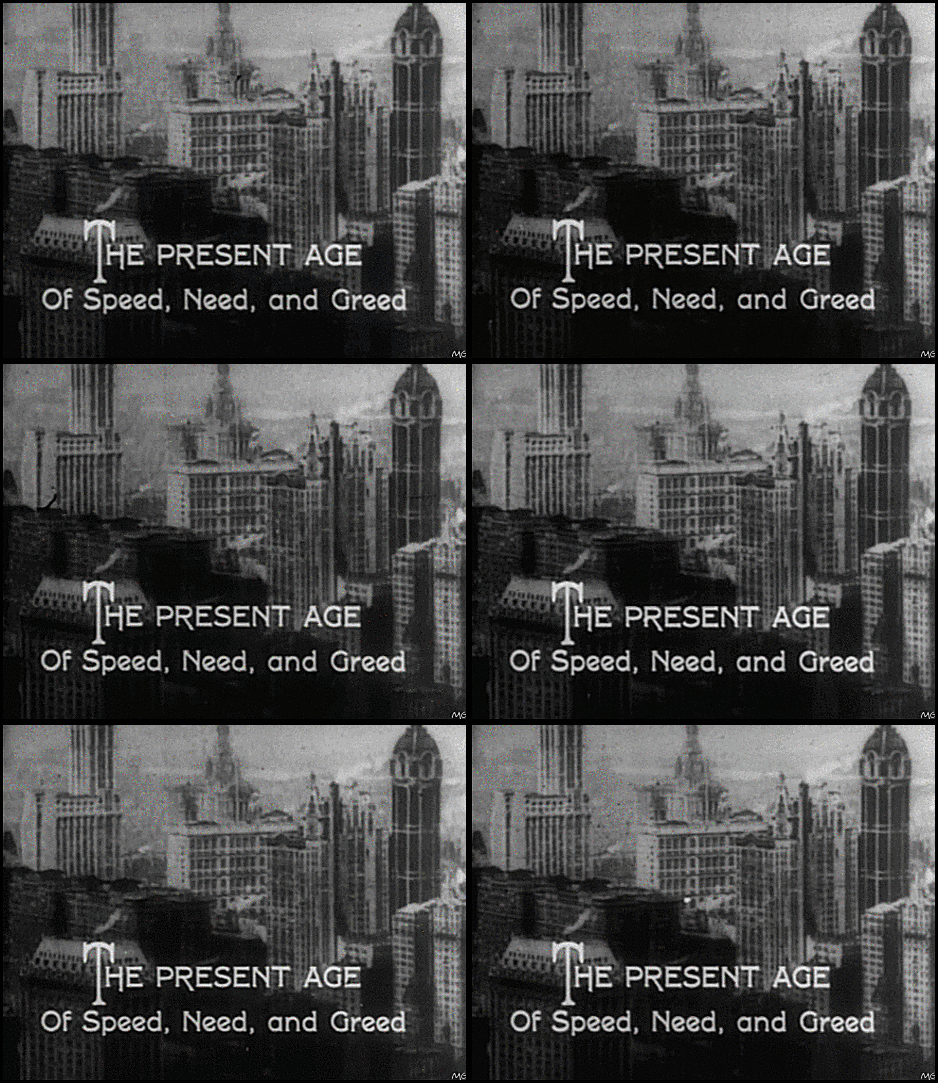
Se
Griffith tratou da intolerância em quatro períodos diferentes em seu épico
imenso, Keaton falou de amor em três épocas em “A Antiga e a Moderna”.
Apaixonar-se, paquerar e desafiar um rival na idade da pedra, na Roma antiga e
nos tempos modernos tinha muitas semelhanças – incluindo uma boa quantia de
comédia física e exibição atlética. Pelo que eu sei, Griffith não se zangou com
esta paródia.
If Griffith dealt with Intolerance in four different
time periods in his huge epic, Keaton talked about love in three different time
periods in “The Three Ages”. Falling in love, courting and defying romantic
rivals in the Stone Age, Ancient Rome
and in modern days had many similarities – including a good amount of physical
comedy and athletic exhibition. As far as I'm concerned, Griffith didn't become
sour at Keaton for spoofing his work.
É
curioso notar que “A Antiga e a Moderna”, 'The Frozen North" E “O Vilão Ainda a Perseguia” foram todos dirigidos por Edward F. Cline. Com
dois veteranos do slapstick juntos, tivemos um truque gratuito no filme de
1940: uma pequena guerra de tortas – sem qualquer razão. Keaton não gostava de
torta na cara, que considerava bobo e sem imaginação, e seu personagem de fato
não é atingido por nenhuma torta.
Interestingly
enough, both “The Three Ages”, "The Frozen North" and “The Villain Still Pursued Her” were directed by Edward F. Cline. With two slapstick
veterans working together, we have a free slapstick trick in the 1940 movie: a
brief pie fight – for no reason at all. Buster Keaton didn't like pie fights,
considering them cheap and stupid, and his character here is never hit by a
single pie.
Como
Keaton diz em sua autobiografia, você só pode parodiar sucessos – e nos livro
ele usa a palavra 'burlesco' como sinônimo de 'paródia'. De fato, se você fizer
piada com algo que seu público não conhece, os esforços são em vão. Além disso,
uma paródia é um elogio: você só copia pessoas e obras que te inspiram. Nesse
sentido, “The Frozen North”, “A Antiga e a Moderna” e “O Vilão Ainda a Possuía”
são todos eficazes, cada um à sua maneira, como paródias que ora homenageiam,
ora ridicularizam.
As Keaton says in his autobiography, you can only
spoof successes – in the book he uses the word 'burlesque' as a sinonym of
'spoof'. Indeed, if you make fun of something your public doesn't know, all
efforts fall flat. Besides that, a parody is a compliment: you often emulate
people and works of art that inspire you. In this sense, “The Frozen North”,
“The Three Ages” and “The Villain Still Pursued Her” are all effective, each
one in its own way, as parodies that sometimes pay tribute, and sometimes are
ridicule.
This is my contribution to the Fourth Annual Buster Keaton blogathon, hosted by Lea at Silent-ology.