} Crítica Retrô: Vera Miles

Tradutor / Translator / Traductor / Übersetzer / Traduttore / Traducteur / 翻訳者 / переводчик

Showing posts with label Vera Miles. Show all posts

Saturday, August 1, 2026

O Homem Errado (1956) / The Wrong Man (1956)


O ano é 1956. Alfred Hitchcock ainda levaria alguns anos para fazer seus filmes mais celebrados, aqueles pelos quais ele é lembrado até hoje. Mas ele já era o Mestre do Suspense. Tanto que seu nome vem acima do título em “O Homem Errado”. Tanto que sua voz pode ser ouvida antes de o filme começar, dizendo que este é um filme diferente para ele porque é baseado em uma história real. “Baseado em uma história real”: palavras que causam um arrepio na espinha de qualquer cinéfilo. 

The year is 1956. Alfred Hitchcock would take a few more years to make his most celebrated movies, the ones he’s reminded for until today. But he was already the Master of Suspense. So much that his name comes above the title in “The Wrong Man”. So much that his voice can be heard before the movie starts, claiming that this was a different movie for him because it’s based on a true story. “Based on a true story”: words that give every cinephile chills. 

Quatorze de janeiro de 1953. A vida de Christopher Emanuel Balestrero vai mudar para sempre. Nosso Chris (Henry Fonda) é um músico que trabalha à noite, e chega cedinho em casa onde estão seus dois filhos, Robert e Gregory, e sua esposa Rose (Vera Miles), que atualmente está sofrendo com uma dor de dentes. Quando Chris tenta arranjar um empréstimo para pagar o dentista, ele é confundido com um ladrão e horas depois é levado para a delegacia.

January 14th, 1953. Christopher Emanuel Balestrero’s life will change forever. Our Chris (Henry Fonda) is a musician who works at night, and at the wee hours arrives home to his two sons, Robert and Gregory, and his wife Rose (Vera Miles), who currently is suffering from a toothache. When Chris tries to get a loan to pay the dentist, he’s mistaken for a robber and hours later is taken to the police station.

Chris esteve nos mesmos lugares que o ladrão. A caligrafia de Chris se parece com a do ladrão. Testemunhas identificam Chris como o ladrão. Sob a trilha sonora sinistra de Bernard Herrmann, Chris é preso. Conforme ele vai absorvendo o que acabou de acontecer com ele, a câmera de Hitchcock gira ao redor de sua cabeça, e nós nos sentimos zonzos, como o personagem.

Chris has been to the same places as the robber. Chris’ handwriting looks similar to the robber’s. Witnesses identify him as the robber. Under Bernard Herrmann’s eerie soundtrack, Chris is incarcerated. As Chris is absorbing what just happened to him, Hitchcock’s camera does a loop around his head, and we feel dizzy, just like the character.

Ser preso por um crime que não cometemos é um medo válido para nós, humanos que amamos a liberdade. E se amamos a liberdade precisamos temer também desgraças como a censura, o autoritarismo e os ditadores. Mas em vez de focar em Chris na cadeia, o filme muda de rumo e segue Chris e Rose tentando conseguir álibis.    

Being arrested for a crime we didn’t commit is a valid fear for most of us, freedom-loving human beings. And if we love freedom we should also be afraid of disgraces such as censorship, authoritarianism and dictators. But instead of focusing on Chris in jail, the film takes a turn and follows Chris and Rose trying to find alibis.

Hitchcock lidou com o tema do homem errado em muitos de seus filmes, como “O Pensionista” (1927) e “Os 39 Degraus” (1935), mas não tão abertamente quanto faz aqui, num filme que é, afinal, chamado O Homem Errado. Mas o que o fez escolher a história de Chris entre tantas de homens erroneamente encarcerados? A resposta está no prólogo: neste caso, alguns elementos são mais inacreditáveis do que qualquer ficção.  

Hitchcock had dealt with the trope of the wrong man in several of his films, such as “The Lodger” (1927) and “The 39 Steps” (1935), but not as openly as he did here, in a film that is, after all, called The Wrong Man. But why he chose Chris’ story among so many of wrongly imprisoned men? The answer is in the prologue: in this case, many elements are stranger than fiction.

Eu chamo nosso protagonista de Chris, mas os policiais e Rose o chamam de Manny, apelido de Emanuel. Eu nunca entendi a ideia de ter um nome do meio que raramente - quase nunca! - combina com o primeiro nome. Nomes do meio tiveram origem na Roma Antiga e voltaram à moda no século XIX. Aqui no Brasil usamos dois sobrenomes e raramente um nome do meio.

I keep calling our main character Chris, but the cops and Rose call him Manny, short for Emanuel. I never understood the idea of having a middle name that not always - almost never! - matches the first one. Middle names were originated in Ancient Rome and caught up again in the 19th century. Here in Brazil we use two surnames but rarely a middle name.

Vera Miles voltaria a trabalhar com Hitchcock em “Psicose” (1960). Nascida Vera June Ralston em 1930, foi coroada Miss Kansas em 1948 e foi finalista do Miss América. Ela então mudou-se para Hollywood e adotou o sobrenome do marido como nome artístico. Seu primeiro trabalho creditado veio em 1952 e o último em 1995, quando ela se aposentou das telas. Em “O Homem Errado”, sua Rose fica mais e mais paranoica conforme ela vê que não há saída para Chris - ela até começa a achar que o marido é mesmo culpado!   

Vera Miles would work again with Hitchcock in “Psycho” (1960). Born Vera June Ralston in 1930, she was crowned Miss Kansas in 1948 and was a finalist in Miss America. She then moved to Hollywood and adopted her first husband’s last name as her stage name. Her first credited role came in 1952 and her last in 1995, when she retired from the screen. In “The Wrong Man” her Rose gets more and more paranoid as she sees there is no way out for Chris - she even starts thinking her husband is guilty after all!

Interpretando o advogado de Chris, Frank O’Connor, temos Anthony Quayle. O ator britânico teve longa carreira no teatro clássico e experiência como combatente durante a Segunda Guerra Mundial. Ele escreveu dois romances e uma autobiografia e virou Cavaleiro em 1985. Um comentário no Letterboxd mencionou que este é o terceiro filme de Hitchcock a ter cenas de tribunal, depois de dois que eu ainda não vi: “Mulher Pública” (1928) e “Agonia de Amor” (1947). As sequências no tribunal com Frank são breves, caso contrário ficariam enfadonhas.

Playing Chris’ lawyer Frank O’Connor we have Anthony Quayle. This British actor had a long run in classical theater and experience in combat during World War II. He wrote two novels and an autobiography and was knighted in 1985. A Letterboxd comment noticed this is the third Hitchcock film that is briefly a courtroom drama, after two I haven’t seen: “Easy Virtue” (1928) and “The Paradine Case” (1947). The sequences in the court with Frank are brief, or else they would be very boring.

Nas mãos de Hitchcock, o que poderia ser só mais um melodrama se torna algo a mais. Com Rose se culpando pelo que aconteceu com Chris, ela passa por um médico. Hitchcock já tinha lidado com os mistérios da mente no menosprezado “Quando Fala o Coração”, de 1945. Aqui, Rose é descrita como prisioneira de “um labirinto de terror”. Por um breve momento, Hitchcock faz de Rose tão protagonista quanto Chris. Porque se é difícil para o homem errado se reerguer, é ainda mais para uma mulher enganada.  

On Hitchcock’s hand, what could have been just another melodrama becomes something else. With Rose blaming herself for what happened to Chris, she sees a shrink. Hitchcock had already dealt with the mysteries of the mind in the underrated “Spellbound”, from 1945. Here, Rose is described as being trapped in a “maze of horror”. For a brief while, Hitchcock makes Rose as much a lead as Chris. Because if it’s hard for a wrong man to stand on his feet again, it’s even harder for a wronged woman.

This is my contribution to the 4th Master of Suspense blogathon, hosted by Maddy at Classic Film and TV Corner.

Saturday, March 5, 2022

Investida de Bárbaros (1953) / The Charge at Feather River (1953)


Alguns filmes são essenciais por causa de sua incrível trama, grandes atuações, efeitos especiais impressionantes, glorioso Technicolor, CinemaScope de tirar o fôlego, som estereofônico. Outros são essenciais porque trouxeram algo novo à história do cinema, quebrando paradigmas e definindo gêneros e eras. Outros filmes são notas de rodapé: vale a pena vê-los se você é um completista ou bastante curioso – por exemplo, os primeiros filmes de grandes estrelas. “Investida de Bárbaros” (1953) é um destes filmes de nota de rodapé, um filme que nos interessa porque foi nele que o famoso grito Wilhelm ganhou este nome.

Some movies are essential viewing because of their amazing plot, great acting, impressive special effects, glorious Technicolor, breathtaking CinemaScope, stereophonic sound. Others are essential because they brought something new to the history of film, breaking paradigms and defining genres and eras. Some movies are footnote movies: they are worth viewing if you’re a completist or just curious – for instance, the first movie of a big star. “The Charge at Feather River” (1953) is one of those footnote movies, one that interests us because it’s where the famous Wilhelm scream got its name.

Depois da Guerra de Secessão, o Forte Bello se tornou um lugar pacífico com recrutas que não são muito espertos. O comandante sabe disso e chama um ex-soldado, Miles Archer (Guy Madison), para uma missão especial: comandar um regimento que resgatará duas jovens que foram sequestradas por índios anos antes, quando a família delas foi dizimada. De início relutante, Miles aceita o trabalho quando descobre que o irmão das moças é seu velho amigo Johnny (Ron Hagherty).

After the Secession War, Fort Bello became a pacific place with rookies that are not very bright. The officer knows this and calls a former soldier, Miles Archer (Guy Madison), for a special mission: to command a regiment that will rescue two young women who were kidnapped by Indians many years before, when their family was decimated. At first reluctant, Miles accepts the job when he learns that the girls’ brother is his old friend Johnny (Ron Hagherty).

Entre os homens escolhidos por Miles está o sargento Charlie Baker (Frank Lovejoy), que acabou de encontrar sua esposa tomando chá – oh! - com outro homem que também fará parte da missão, o soldado Ryan (Steve Brodie). Tudo já parece bem complicado, e vai ficar ainda mais difícil porque uma das moças sequestradas, Jennie (Vera Miles), já se adaptou à vida entre os Cheyennes. Quando as moças são levadas, os índios atacam o Forte Bello, e o regimento tem de ir a pé, carregando Johnny ferido, até o próximo posto, Forte Darby.

Among the men assembled by Miles there is sergeant Charlie Baker (Frank Lovejoy), who just caught his wife having tea – gasp! - with another man who will also be part of the mission, private Ryan (Steve Brodie). Everything seems already complicated enough, and it’ll get even more difficult because one of the kidnapped ladies, Jennie (Vera Miles), is fully adapted to life among the Cheyennes. When the ladies are taken, the Indians attack Fort Bello, and the regiment has to go on foot, carrying a wounded Johnny, to nearby Fort Darby.

Com uma trama bem parecida com “Rastros de Ódio”, “Investida de Bárbaros” estreou três anos antes do filme de John Ford. É mais um faroeste que retrata os índios como os malvados e o homem branco como o salvador. Por exemplo: assim que o regimento entra em território indígena, eles encontram um velho índio doente que foi deixado para trás para morrer – um dos homens brancos então diz “é por isso que chamamos eles de selvagens”. Também fica implícito que os índios estupraram a mais velha das moças, Anne (Helen Westcott). Para Jennie, a garota branca que vive como índia e ama um índio, não há redenção: a morte é o único fim possível para ela.

With a plot very similar to “The Searchers”, “The Charge at Feather River” actually predates John Ford’s film by three years. It’s another western that paints Indians as the bad guys and white men as the saviors. For instance: right when the regiment enters Indian territory, they find an old Indian who is sick was left to die – one of the white men then says “no wonder why we call them savages”. It’s also implied that the Indians have raped the oldest of the sisters, Anne (Helen Westcott). For Jennie, the white girl who lives like an Indian and loves an Indian, there is no redemption: death is the only possible end for her.

As moças já passaram pelo trauma de serem sequestradas uma vez – isto é, se elas foram realmente sequestradas e não simplesmente resgatadas pelos Cheyennes – e agora têm de passar por isso de novo – porque o que o homem branco faz é outro sequestro. Não é que elas não podem voltar: elas não querem voltar a viver em meio à “civilização”… bem, pelo menos Jennie não quer.

The ladies have already been through the trauma of being kidnapped once – that is, if they were kidnapped at all and not simply rescued by the Cheyennes – and now they’ll have to go though this again – because what the white men do is another kidnapping. It’s not that they can’t go back: they don’t want to go back to living among the “civilization”… well, at least Jennie doesn’t want to.

O título original pode ser traduzido como “A Carga no Rio Pena”, mas o título no Brasil é “Investida de Bárbaros”. Eu me pergunto se o tradutor se referia aos Cheyennes ou aos homens brancos como “bárbaros”. Eu gosto de pensar que os homens brancos são os verdadeiros bárbaros aqui, pois invadem território indígena e começam um verdadeiro massacre.

As a curiosity, the title of the film in Brazil is “Barbarian Assault”. I wonder if the translator was referring to the Cheyennes or to the white men as “barbarians”. I’d like to think that the white men are the real barbarians here, as they invade Indian territory and start a true massacre.

Aos 39 minutos de projeção, o evento pelo qual esperávamos acontece: o soldado Wilhelm, aquele de camisa xadrez, é atingido por uma flecha na perna e grita. Essa não foi, na verdade, a primeira vez que o efeito sonoro foi usado – este título pertence ao filme de Gary Cooper “Tambores Distantes” (1951), no qual o efeito foi gravado pelo dublador Sheb Wooley. Foi em 1977 que o designer de som Ben Burtt batizou o efeito sonoro com o nome do infeliz soldado. De volta a “Investida de Bárbaros”, o soldado Wilhelm não é mais visto, mas acreditamos que ele sobreviveu.

At the 39 minute mark, the event we’ve all been looking forward to happens: private Wilhelm, the one in the checkered shirt, is hit by an arrow in his leg and screams. This wasn’t, however, the first time the sound effect was used – this title belongs to the Gary Cooper vehicle “Distant Drums” (1951), where the effect was recorded off-camera by voice actor Sheb Wooley. It was in 1977 when sound designer Ben Burtt named the sound effect after the unfortunate soldier. Back to “The Charge at the Feather River”, private Wilhelm is not seen again, but we believe he survived.

Além do grito Wilhelm, há algo mais a ser escutado: a ótima trilha de Max Steiner. Steiner chegou em Hollywood para trabalhar na RKO em 1929, e neste estúdio ficou por oito anos. Em 1937, ele foi para a Warner Bros, onde compôs trilhas para cerca de 140 filmes. Max Steiner ganhou três Oscars e sua mais famosa trilha é de “E o Vento Levou…” (1939).

Besides the Wilhelm scream, there is something else to listen to: Max Steiner’s great score. Steiner had entered Hollywood in 1929 at RKO, where he stayed for eight years. In 1937, he went to Warner Bros, where he score about 140 movies. Max Steiner won three Oscars and his most famous score is for “Gone with the Wind” (1939).

Os fãs de faroeste vão gostar de “Investida de Bárbaros”. Tendo estreado no cinema em 3D, o filme tem boas cenas de ação e uma sequência, com flechas dos índios voando através da tela, que ficaria fantástica em 3D. Sim, é um filme de nota de rodapé, uma curiosidade, mas também uma maneira agradável de passar 95 minutos – se você não se importa com os muitos preconceitos que em geral existem nos faroestes.

Western fans will enjoy “The Charge at Feather River”. Released in theaters in 3D, the movie has good action scenes and one sequence, with Indian arrows flying from the screen, that would look fantastic in 3D. Yes, it is a footnote movie, a curiosity, but also a pleasant way to spend 95 minutes – if you don’t bother with the many prejudices that often appear in westerns.


This is my contribution to the Wilhelm Scream blogathon, hosted by Gill at Realweegiemidget Reviews.

Wednesday, May 23, 2018

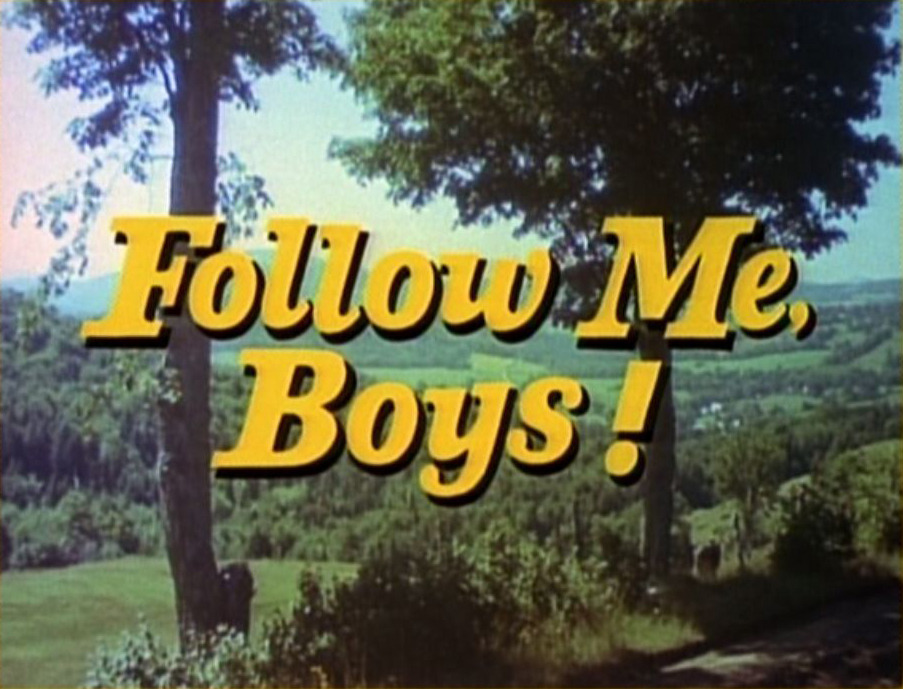
Nunca é Tarde para Amar (1966) / Follow Me, Boys (1966)

Está provado que os anos 60 foram a Era de Ouro dos filmes live-action na Disney. “Mary Poppins” (1964) pode ter sido o mais bem-sucedido deles, inclusive no Oscar, e é também aquele que as pessoas se lembram com mais carinho. Mas houve muito, muito mais filmes live-action, e eles eram veículos ideais para dois tipos de atores: os experientes e simpáticos, e os novatos talentosos.

It is proved that the 1960s were the Golden Age of Disney live-action films. “Mary Poppins” (1964) may have been the most successful from the batch, even Oscar-wise, and also the one people remember with more fondness. But there were many, many more live-action movies, and they were ideal vehicles for two kinds of performers: experienced and sympathetic ones, and talented newcomers.
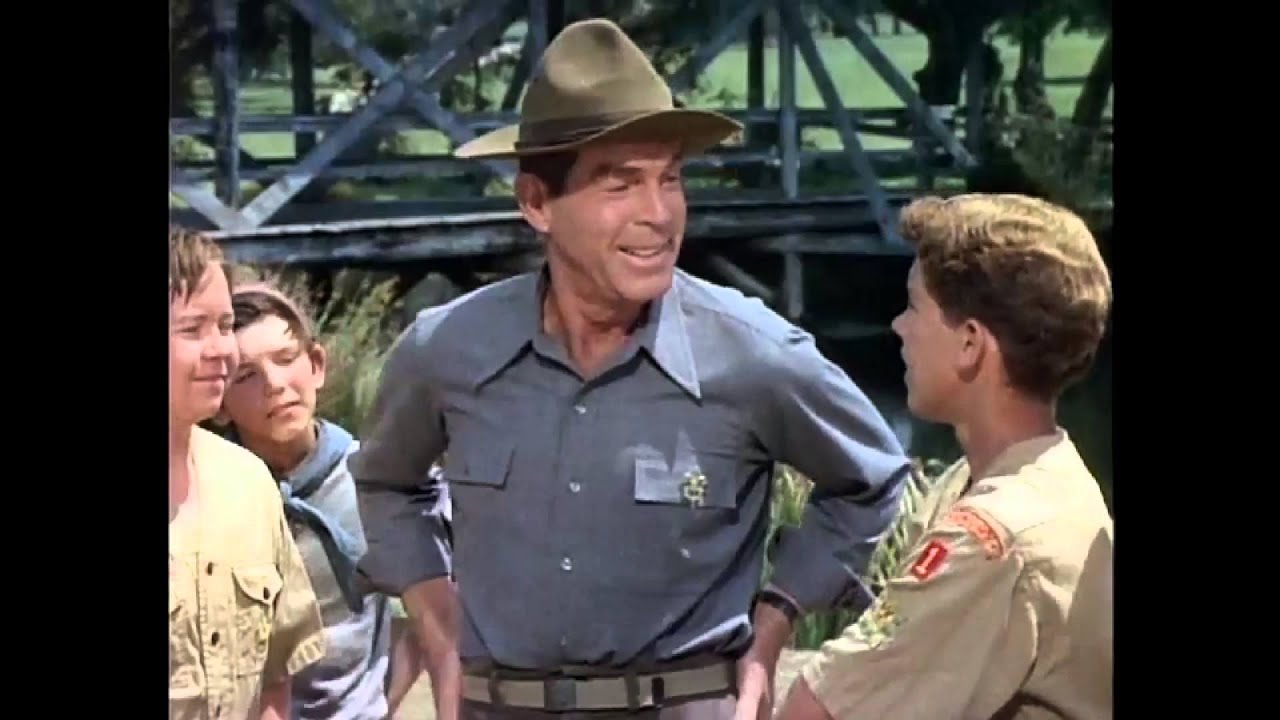
Em “Nunca é Tarde para Amar” (1966), a performance mais simpática é do protagonista Fred MacMurray, mas temos também Vera Miles, Lillian Gish e Charlie Ruggle. E o novato talentoso era um menino de 15 anos que havia acabado de ser contratado pela Disney. Seu nome era Kurt Russell.

In “Follow Me, Boys” (1966), the most prominent sympathetic performance is lead Fred MacMurray, but we also have Vera Miles, Lillian Gish and Charlie Ruggles in the cast. And the talented newcomer was a 15-year-old boy who had just been hired by Disney. His name was Kurt Russell.
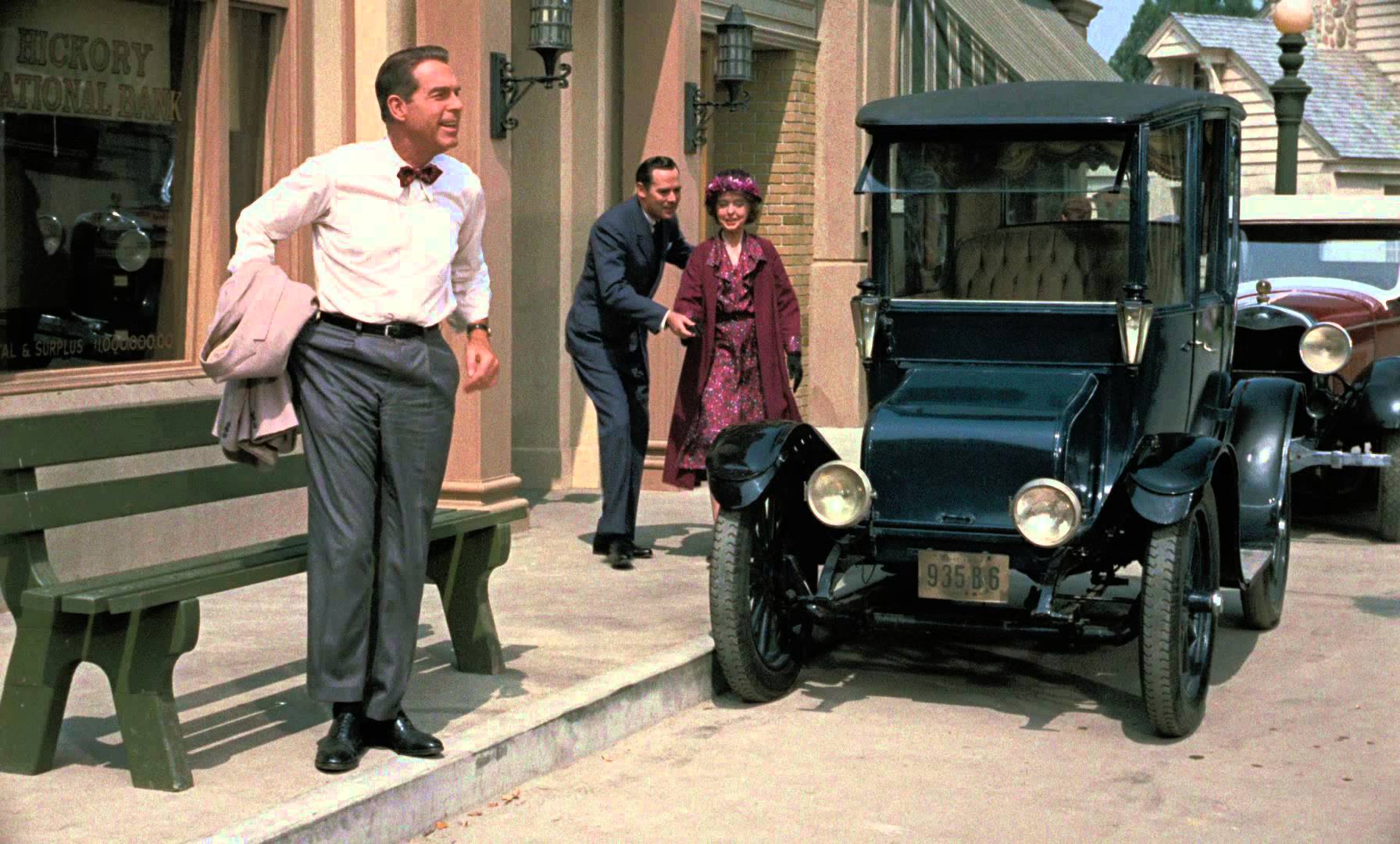
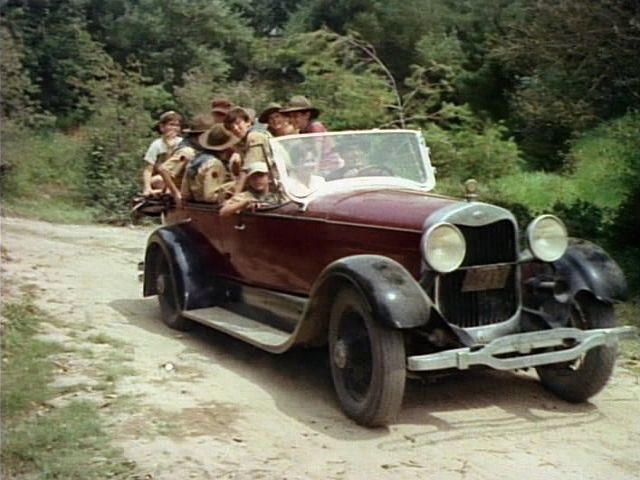
Lemuel ‘Lem’ Siddons (MacMurray) quer ser advogado. Mas há uma grande distância entre o que queremos ser e o que devemos ser. Enquanto ele não vai para a faculdade, Lem tem outros empregos. Quando o conhecemos, ele é saxofonista de uma banda, mas ele logo muda de emprego quando chega à cidadezinha de Hickory. Lem decide ficar por lá e trabalhar como vendedor. E então ele consegue um segundo emprego, como chefe de escoteiros voluntário.

Lemuel ‘Lem’ Siddons (MacMurray) wants to be a lawyer. But there is a great distance between what we want to be and what we are supposed to be. While he can’t go to college, Lem has some odd jobs. When we meet him, he is playing saxophone in a band, but he quickly change jobs when he arrives in Hickory, a very small town. Lem decides to settle down and work as a sales clerk. And then he gets a second job, as a volunteer scoutmaster.
O dono da loja é John Everett Hughes (Charlie Ruggles). A ideia de criar uma tropa de escoteiros é dada em uma reunião local como forma de tirar os meninos das ruas. Muitos garotos gostam da ideia e se juntam à tropa – exceto o garoto mais problemático da cidade, Whitey (Kurt Russell). Ah, e há também a adorável Vida Downey (Vera Miles) e seu namorado ambicioso, Ralph (Elliott Reid), que quer confiscar a propriedade da idosa Hetty Seibert (Lillian Gish). Hetty empresta a propriedade para que os escoteiros tenham onde se reunir.

The store’s owner is John Everett Hughes (Charlie Ruggles). The idea of creating a boy scouts troop was given in a local reunion as a way to taking the boys off the streets. Many boys like the idea and join the Boy Scouts troop – except the local troublemaker, Whitey (Kurt Russell). Oh, there is also lovely Vida Downey (Vera Miles) and her ambitious beau, Ralph (Elliott Reid), who wants to take a land property from elder Hetty Seibert (Lillian Gish). Hetty lets the Boy Scouts reunite in her property.
O filme começa em 1930 – há inclusive um cinema anunciando um filme de Carole Lombard, com quem Fred MacMurray trabalhou no começo da carreira. Mais tarde, o tempo salta para 1944 e há uma sub-trama de guerra – alternando entre comédia e um pouquinho de drama. Em uma manobra clássica da Disney, descobrimos que Whitey, o problemático, é na verdade um bom menino, e ele recebe muita ajuda de Lem.

The film starts in 1930 – there is even a theater marquee announcing a movie with Carole Lombard, with whom Fred MacMurray had worked early in his career. Later on, the film jumps to 1944 and there is a war subplot – that alternates between fun and a little drama. In a classic Disney maneuver, we find out that Whitey, the troublemaker, is actually a sweet boy, and he receives a lot of love and help from Lem.
Como dito anteriormente, Kurt Russell tinha 15 anos quando “Nunca é Tarde para Amar” foi filmado. Ele fez mais 9 filmes para a Disney nos 10 anos seguintes. Russell, MacMurray e a jovem estrela Hayley Mills eram provavelmente os mais bem-sucedidos atores nos filmes live-action da Disney nos anos 60. Sem dúvida, Russell se deu melhor que Mills com o passar do tempo – e ele continua trabalhando sem parar!

As said before, Kurt Russell was 15 when “Follow Me, Boys” was shot. He went on to make 9 more movies for Disney in the following 10 years. Russell, MacMurray and young star Hayley Mills were arguably the three biggest and most successful players in live-action Disney films in the 1960s. Without a doubt, Russell fared better than Mills as he grew up – and he continues working steadily!
“Nunca é Tarde para Amar” apresentou uma canção, com o mesmo título do filme, que é uma deliciosa música chiclete – e ela foi escrita pelos irmãos Sherman, responsáveis pelas canções de “Mary Poppins”. O filme foi também o último a estrear antes da morte de Walt Disney – ele faleceu duas semanas após a estreia.

“Follow Me, Boys” presented a song, with the same title as the movie, that is a pleasant earworm – and the song was written by the Sherman brothers, also responsible for the songs in “Mary Poppins”. It was also the last film released before Walt Disney’s death – he passed away two weeks after the premiere.
“Nunca é Tarde para Amar” é um filme para a família, e certamente agrada a todos os membros de uma família. Fred MacMurray tem carisma e também tinha experiência como escoteiro... bem, ao menos quando ele era criança. Com um elenco misturando talentos jovens e experientes, “Nunca é Tarde para Amar” é uma graça – e provavelmente te deixará com vontade de ser escoteiro!

“Follow Me, Boys” is a family film, and is certain to please all members of a family. Fred MacMurray has charisma and also had experience as a Boy Scout… well, as a child, at least. With a cast mixing young and experienced talents, “Follow Me, Boys” is a delight – and it’ll probably leave you wanting to be a Scout!

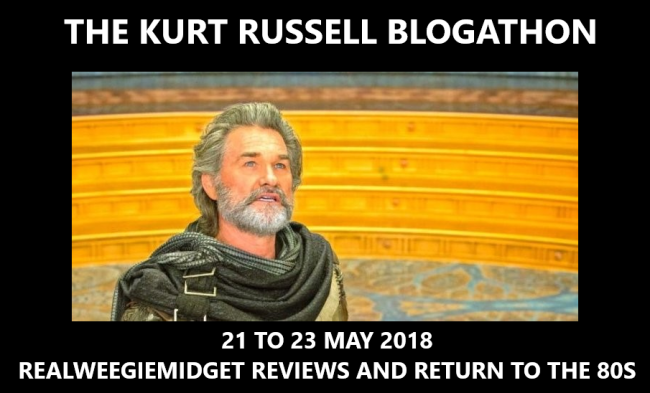
This is my contribution to the Kurt Russell blogathon, hosted by Gill at Real Weegie Midget Reviews.

Related Posts Plugin for WordPress, Blogger...