Você conhece
Jules Dassin? O nome pode não fazer sentido num primeiro momento, mas ele
merece ser conhecido. O ator / roteirista / diretor trabalhou em diversos
gêneros, nos EUA em que nasceu e no estrangeiro, e até se beneficiou por ter
sido posto na lista negra. Como Dassin foi acusado de ser comunista, teve de se
mudar de Hollywood para a Europa, onde ele dirigiu filmes como “Rififi” (1955)
e o adorável “Nunca aos Domingos” (1960). Mas no meio de seu processo na Casa
de Atividades AntiAmericanas, ele fez outra obra-prima: o complexo e tenso noir
“Sombras do Mal”.
Do you know Jules Dassin? The name might not ring
a bell at first, but it should. The actor / writer / director worked in several
genres, in his native US and abroad, and even benefited from being blacklisted.
As Dassin was accused of being a communist, he moved from Hollywood to Europe,
where he directed great movies such as “Rififi” (1955) and the lovely “Never on
Sundays” (1960). But in the middle of being blacklisted, he made another masterpiece:
the complex and tense noir “Night and the City”.

O narrador dá o tom: a noite é qualquer noite, a
cidade é Londres. Numa noite qualquer em Londres encontramos Harry Fabian
(Richard Widmark) correndo de um “velho conhecido”? Ele chega até o apartamento
de sua namorada e, uma vez lá dentro, tenta vender seu mais novo esquema para
Mary (Gene Tierney): Uma pílula que serve como combustível. Harry quer ser
alguém na vida, enquanto Mary quer estar com alguém - com Harry, não com o
vizinho que gosta dela, Adam (Hugh Marlowe).
The narrator sets the tone: the night is any given
night, the city is London. At any given night in London we find Harry Fabian
(Richard Widmark) running from an “old acquaintance”. He reaches his girlfriend’s
apartment and, once inside, tries to sell his latest scheme to Mary (Gene
Tierney): a pill that works as fuel. Harry wants to be someone in life, while
Mary only wants to be with someone - with Harry, not with the neighbor who
likes her, Adam (Hugh Marlowe).


Oficialmente, Harry e Mary trabalham num clube
noturno que pertence a Phil (Francis L. Sullivan) e Helen (Googie Withers). Um
dia, Harry tem uma ideia brilhante envolvendo lutas e o lutador grego Gregorius
(Stanislaus Zbyszko, lutador na vida real) e seu pupilo Nikolas (Ken Richmond).
Ao tentar controlar o ramo de lutas em toda a Londres, Harry atrairá
chantagistas e assassinos.
Officially, Harry and Mary work at a nightclub
that belongs to Phil (Francis L. Sullivan) and Helen (Googie Withers). One day,
Harry has a brilliant idea that involves wrestling and the Greek wrestler
Gregorius (Stanislaus Zbyszko, a real-life wrestler) and his pupil Nikolas (Ken
Richmond). Wanting to control the wrestling scene in all of London, Harry will
attract blackmailers and killers.
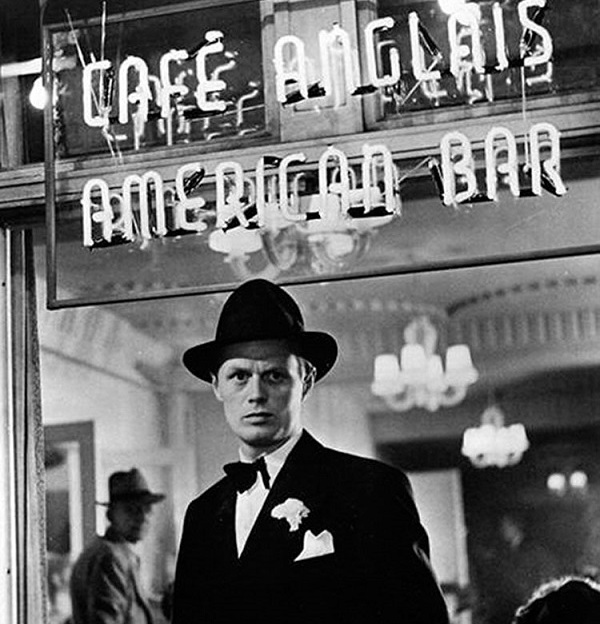

Os elementos formulaicos do filme noir estão
presentes: as claramente visíveis fontes de luz, as muitas sombras criadas por
essas luzes, a fotografia em preto e branco que realça essas sombras, a
narração em voice over usada aqui só no início, escadas e ângulos de câmera
ousados. Há até uma sequência muito interessante, apesar de breve, na qual
entramos num carro com um personagem e compartilhamos do ponto de vista do
passageiro do carro. Não há flashback e, principalmente, não há femme fatale.
Gene Tierney havia interpretado uma fantástica femme fatale no noir em cores
“Amar foi a Minha Ruína” (1945), mas aqui ela é a mulher sofredora que tem
pouco tempo em cena.
The formulaic elements of film noir are there: the
clearly visible sources of lights, the many shadows created by these lights,
the black and white photography that enhances these shadows, the voice over
narration used here only in the beginning, stairs and bold camera angles. There
is even a very interesting, yet brief, sequence in which we enter a car with a character
and share the viewpoint of a passenger in the car. There is no flashback and,
mainly, there is no femme fatale. Gene Tierney had played a fantastic femme
fatale in the colorful noir “Leave Her to Heaven” (1945), but here she is the
suffering femme who has little screen time.


Uma perseguição muito importante acontece através
de Londres até que Harry chega num terreno de obras. Isso me fez lembrar de dois
outros filmes noir com perseguições em terrenos de obras: “Força do Mal” (1948)
e o noir brasileiro posterior “Na Senda do Crime” (1954). Não há dúvidas de que
um dublê foi usado em “Sombras do Mal”, e aqui precisamos dar o devido valor
aos dublês que são uma parte fundamental da história do cinema desde o início.
Mesmo assim, Richard Widmark teve de correr em várias sequências, algo que,
segundo o IMDb, fez com que ele perdesse bastante peso.
A very important persecution happens throughout
London until Harry arrives in a construction site. This reminds me of two other
noirs with persecutions in construction sites: “Force of Evil” (1948) and the
posterior Brazilian noir “Na Senda do Crime” (1954). There is no doubt that a
body double was used in “Night and the City” and here we need to give the
proper kudos to stunt men who have been a fundamental part of film history
since its dawn. Nevertheless, Richard Widmark had to run in several sequences,
something that, according to IMDb, made him lose a lot of weight.


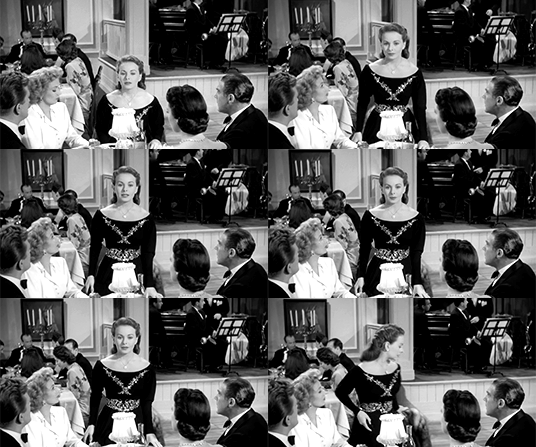
Há uma breve sequência na qual Mary canta no
clube. Não é Gene Tierney cantando: a voz dela foi dublada pela atriz Maudie
Edwards, que já havia dublado outras estrelas de cinema como Diana Dors e
Margaret Lockwood. Maudie começou a carreira no teatro aos quatro anos de
idade, e fez diversos personagens masculinos na juventude. Sua carreira cinematográfica
durou de 1936 a 1972.
There is a brief sequence in which Mary sings in the
nightclub. It isn’t Gene Tierney singing: her voice was dubbed by actress
Maudie Edwards, who had already dubbed other film stars such as Diana Dors and
Margaret Lockwood. Maudie had first appeared on stage at four, and played many
male roles in the theater while young. Her film career lasted from 1936 to 1972.


Kristo é o filho de Gregorius e quem controla o
ramo da luta quando Harry chega. Ele é interpretado por Herbert Lom e é bem
curioso ver Lom como principal vilão de um filme. Você deve reconhecer o nome e
o rosto dos filmes da Pantera Cor de Rosa: Lom interpretou o Inspetor Dreyfus
em sete filmes com Peter Sellers como o detetive Clouseau. Nascido no que era
na época o Império Austro-Húngaro - na atual República Tcheca -, a carreira de
Lom no cinema britânico durou mais de 60 anos, nos quais interpretou também
personagens sérios e trágicos, como o Fantasma da Obra numa versão da história
em 1962.
Kristo is Gregorius’ son and the controller of the
wrestling scene when Harry arrives. He’s played by Herbert Lom and it’s quite
curious to see Lom as the main villain in a movie. You may recognize his name
and his face from the Pink Panther movies: Lom played Inspector Dreyfus to
Peter Sellers’ Clouseau in seven movies. Born in what was then Austria-Hungary
- now Czech Republic -, Lon’s career in the British cinema lasted more than
sixty years, playing also serious and tragic roles, like the Phantom of the
Opera in a 1962 version of the story.
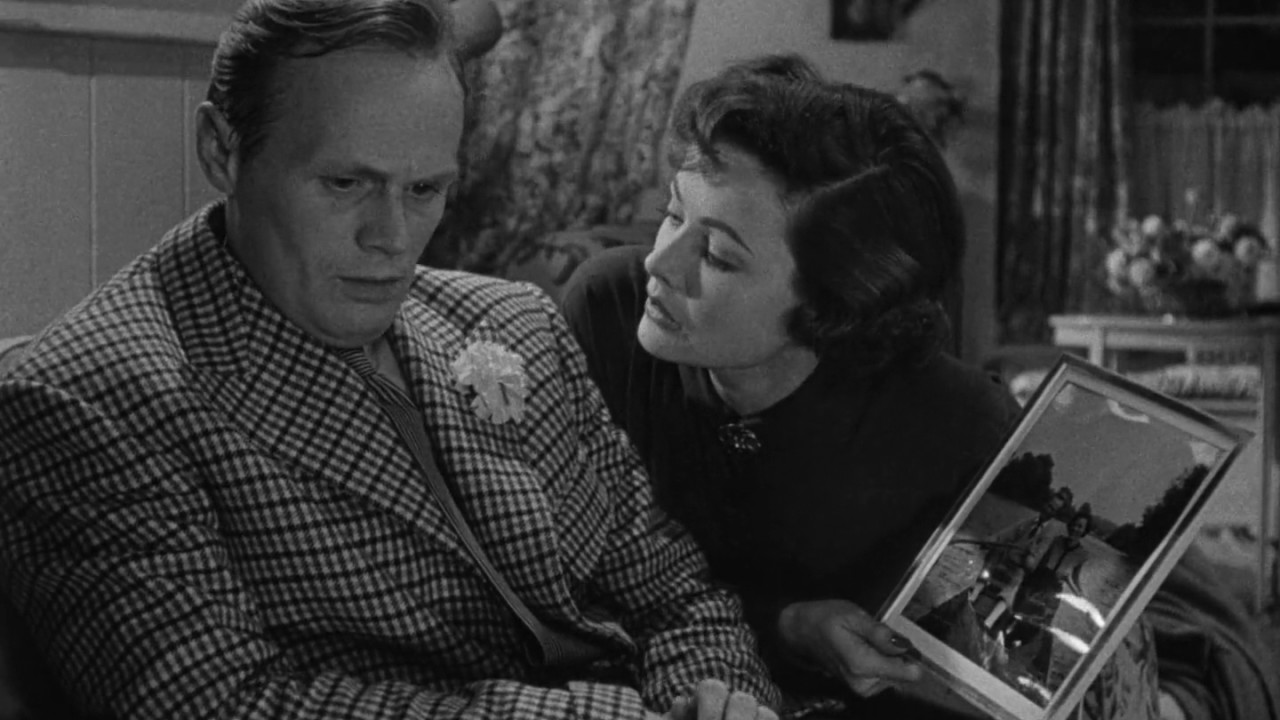

“Sombras do Mal” é baseado em um romance de Gerald
Kersh. Jules Dassin confessou que só leu o livro depois de fazer o filme, por
isso Harry é bem mais simpático no filme do que no livro. A adaptação para as
telas foi feita pelo roteirista Jo Eisinger, que já fazia parte da história do
filme noir porque foi roteirista de “Gilda” (1946), outro noir com uma história
complexa.
“Night and the City” was based on a novel by
Gerald Kersh. Jules Dassin confessed that he only read the novel after making
the movie, that’s why Harry is a much more sympathetic character in the movie
than he is in the book. The adaptation for the screen was made by Jo Eisinger,
who was already in the film noir history because he was the screenwriter for
“Gilda” (1946), another noir with a complex story.


“Sombras do Mal” não foi bem recebido pelos
críticos quando estreou. Entretanto, como comumente acontece na história do
cinema, mais tarde o filme foi revisitado por estudiosos e pelo público e
reavaliado. Hoje um dos mais elogiados filmes noir dos anos 50, “Sombras do
Mal” e sua galeria de personagens trágicos tem o lugar que merece no panteão do
noir.
“Night and the City” wasn’t well-received by
critics when it premiered. However, as it often happens in film history, later
the movie was revisited by scholars and the public and reevaluated. Now one of
the most complimented noirs of the 1950s, “Night and the City” and its gallery
of tragic characters has the place it deserves in the noir pantheon.