Ah, cinema! Uma fonte
histórica maravilhosa, um espelho poderoso de como a sociedade pensava e se
comportava décadas atrás. Claro, nenhum pensamento é unânime, mas o cinema é um
bom termômetro dos preconceitos e das ideias de uma era.
Oh, cinema! A wonderful
historical source, a powerful mirror of society’s thoughts and actions from
decades ago. Obviously, no way of thinking has ever been unanimous, but cinema
is a good thermometer to measure the prejudices and the beliefs of an era.
Por isso falar de
personagens travestidos, cross-dressers,
não importa o termo, nos leva por uma viagem que começa em 1906. Não é um
artigo sobre como transgêneros são retratados no cinema, pois ainda há tabu no
mundo cinematográfico e só há poucos anos foi lançada uma luz sobre
transgêneros e sua luta. Lembrando, claro, que nem todo cross-dresser é transgênero.
So, talking about dressing
in drag or cross-dressing in movies takes us to a long trip that starts in
1906. This is not, however, an article about how transgender people are
portrayed in movies, because this is still a taboo in the film world (and the
real world as a whole) and only a few years ago it was given a little space to
talk about transgenders and their fight. And let's not forget that not all cross-dressers are trasgender people.
O cross-dressing no cinema é dez anos mais novo que o próprio cinema.
O primeiro filme que lida com o tema, “Os resultados do feminismo” (Les
résultats du féminisme, 1906) não troca as roupas de homens e mulheres, apenas
os chapéus... e as ações. Agora, as mulheres frequentam bares, brigam por causa
dos homens e inclusive os assediam. Os homens cuidam da casa, costuram,
passeiam com as crianças e são oprimidos. Parece ser uma propaganda
anti-feminista, até que vemos o nome da diretora do curta de sete minutos:
Alice Guy-Blaché, uma pioneira no cinema. Alice faz, aqui, uma grande zoeira
com gêneros, estereótipos e o medo do feminismo.
Cross-dressing in film is
tem years younger than film itself. The first film dealing about this thematic,
“The Consequences of Feminism” (Les resultants du feminism, 1906) does not
interchange clothes between men and women, only hats… and actions. Now, women
go to bars, fight over men and even harass them. Men take care of the house and
the children, sew and are oppressed. It looks like anti-feminist propaganda
until we see who directed this seven-minute short film: Alice Guy-Blaché, a
pioneer woman director. Here, Alice mocks with gender stereotypes and the fear
of feminism.
Vestir-se como homem,
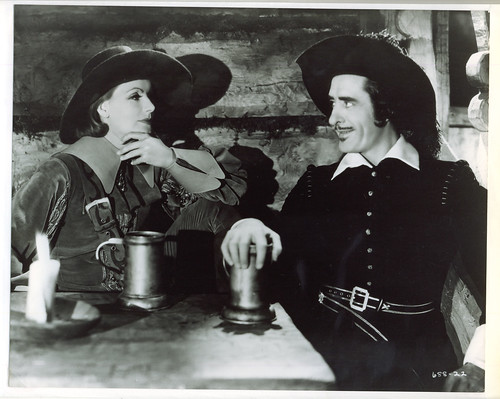
sendo mulher, em geral é libertador para a personagem. Foi assim que a rainha
Christina de Greta Garbo pôde, finalmente, se sentir livre. Foi assim que a
Sylvia Scarlett de Kate Hepburn pôde se juntar ao esquema desonesto de seu pai,
e conhecer Cary Grant. Foi assim que Yentl pôde estudar no filme de 1983. E não
devemos nos esquecer de que Barbra Streisand foi protagonista E diretora de
Yentl!
Dressing as a man, being a
woman, generally allows the character to have freedom. It was by cross-dressing
that Greta Garbo’s Queen Christina could finally feel free. It was by
cross-dressing that Kate Hepburn’s Sylvia Scarlett could join her father’s
dishonest heist and meet Cary Grant. It was by cross-dressing that Yentl could
study in the 1983 film. And we can’t forget that Barbra Streisand directed AND
starred in Yentl!
Queen Christina (1933)
Sylvia Scarlett (1935)
Yentl (1983)
Vestir-se como mulher,
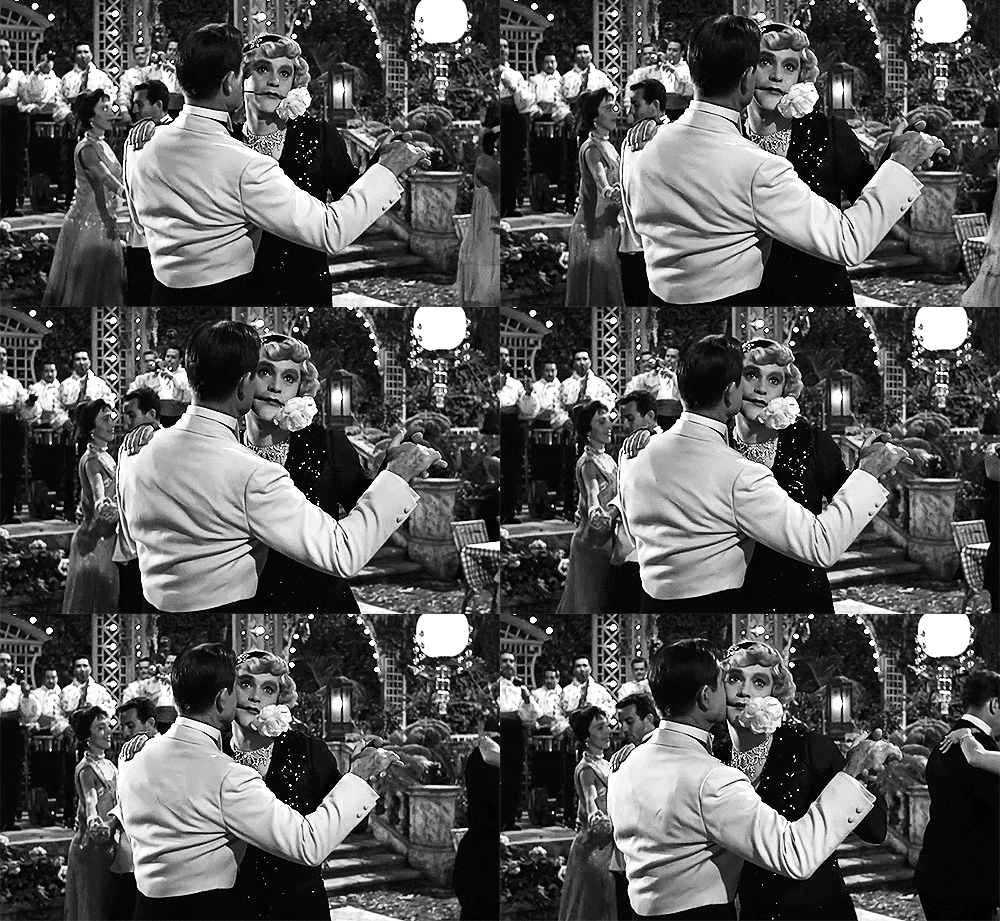
sendo homem, é problema na certa. O exemplo máximo disso é o enredo de “Quanto
Mais Quente Melhor” (1959), que foi inclusive eleita a melhor comédia de todos
os tempos.
Dressing as a woman, being a
man, is the source of trouble. The greatest example of it is the plot of “Some
Like It Hot” (1959), that was even considered the best comedy film ever made.
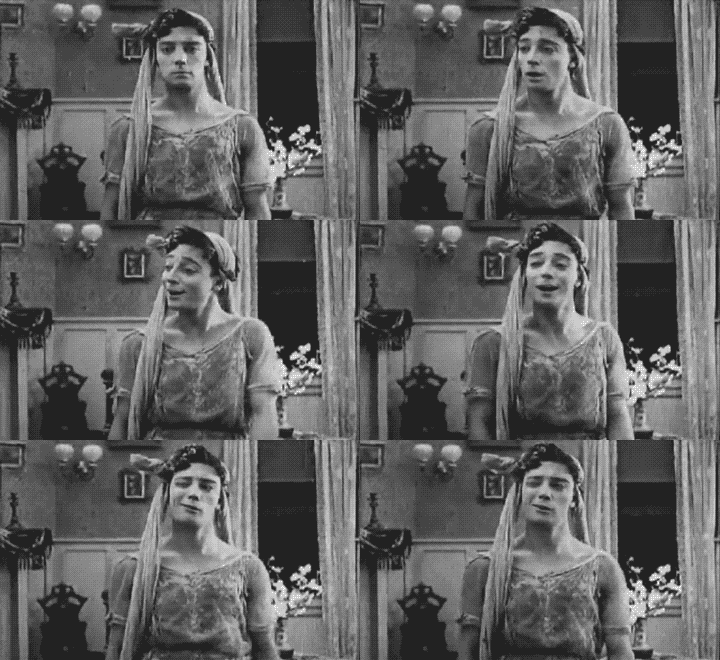
O cross-dressing foi empregado muitas vezes como um elemento cômico
pontual, passageiro, uma gag que dura
apenas alguns segundos. Em geral, um personagem do sexo masculino precisa se vestir
de mulher para escapar de algum problema. Em alguns casos, outro personagem
desavisado acaba se apaixonando pelo nosso herói travestido. Essa gag foi usada, com êxito, no cinema
mudo, falado, e também em animações.
Cross-dressing was used
several times as a comic tool, a gag that lasts only a few seconds. In general,
a male character must dress as a woman to escape trouble. In some cases, a
silly male character even falls in love with our transvestite hero. This gag
has been used, successfully, in silents, talkies and also animated
pictures.
Buster Keaton, His Wedding Night (1917)
Laurel and Hardy, Twice Two (1932)
Cary Grant, I Was a Male War Biride (1949)
Fora das telas, as
atrizes que optavam por looks mais
masculinos nem sempre eram bem vistas, mas lançavam moda, como foi o caso de
Katharine Hepburn e Marlene Dietrich, que adotaram calças compridas como parte
do look nos anos 1930. A diretora
Dorothy Arzner também usava apenas calças durante o trabalho. Uma mulher
vestida com trajes masculinos era, naquela época, chocante. Marlene
Dietrich em “Marrocos” (1930) que o diga!
Outside the screen,
actresses who adopted more masculine styles were not always respected, but they
ended up as fashion icons, like Katharine Hepburn and Marlene Dietrich, who
favored pants in the 1930s. Director Dorothy Arzner was another woman who also
wore only pants while working in Hollywood. A woman dressed with male clothes
was shocking at that time. Marlene Dietrich in
“Morocco” (1930) knows what I’m talking about.
Vestir-se como o gênero
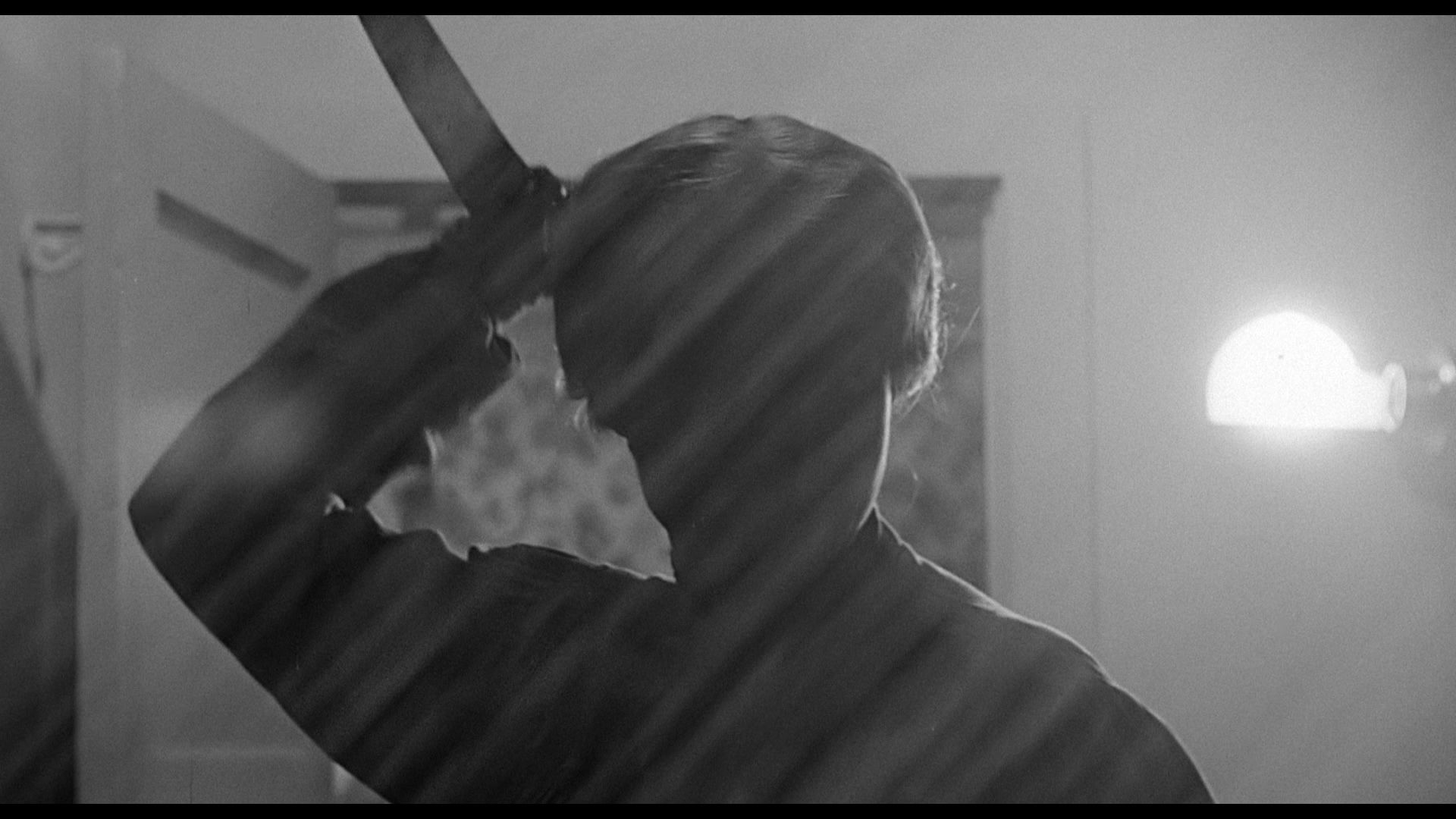
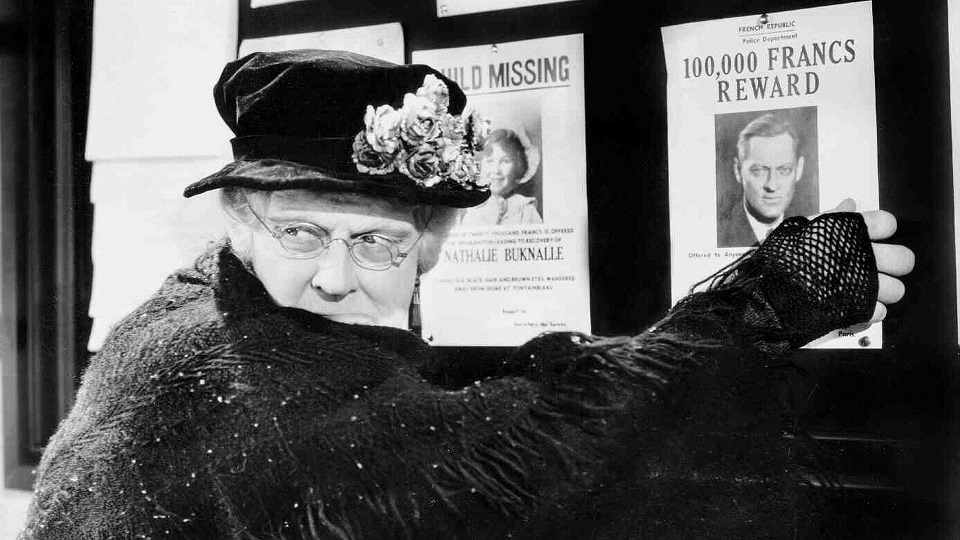
oposto foi, na maioria das vezes, motivo de risadas. Quando o cross-dressing era usado no drama, era para
provar que algum personagem era desequilibrado... e assassino. Isso
aconteceu muitas vezes (SPOILERS):
To dress as the opposite
gender was, in most times, a reason to laugh. When cross-dressing was used in
drama films, it was a way of proving that a character was… an insane murder. This happened a lot of times (SPOILERS):
Psycho (1960)
The Devil Doll (1936)
Dressed to Kill (1980)
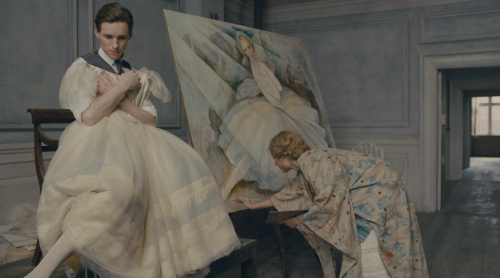
E é aí que entra “o
pior diretor” de todos os tempos, Ed Wood, para falar do tema com seriedade e
um orçamento mínimo. Ed costumava se vestir de mulher, e tratou deste delicado
tema em “Glen ou Glenda” (1953). Quem diria que, à sua maneira tosca, Ed Wood
abriria caminho para o papel que rendeu uma indicação ao Oscar a Eddie
Redmayne?
And then we have “the worst
director ever”, Ed Wood, to make a film about the theme with a serious tone and
a tiny budget. Ed used to dress as a woman, and dealt with this delicate theme
in “Glen or Glenda” (1953). Who would have said that, in his own odd way, Ed
Wood would be responsible for paving the path for the role that gave Eddie
Redmayne an Oscar nod?
Glen or Glenda (1953)
Ainda há muito a ser
mostrado sobre cross-dressing pelo
cinema. Evoluímos, a passos lentos, é verdade, e da piada fácil vestir-se como
o gênero oposto passou a ser retratado com mais seriedade e, o mais importante,
mais humanidade.
There is still a lot to be
shown about cross-dressing by the movies. We evolved, slowly, it’s true. To
dress in drag started as an easy gag, but it is now, luckily, treated in a more
human light.
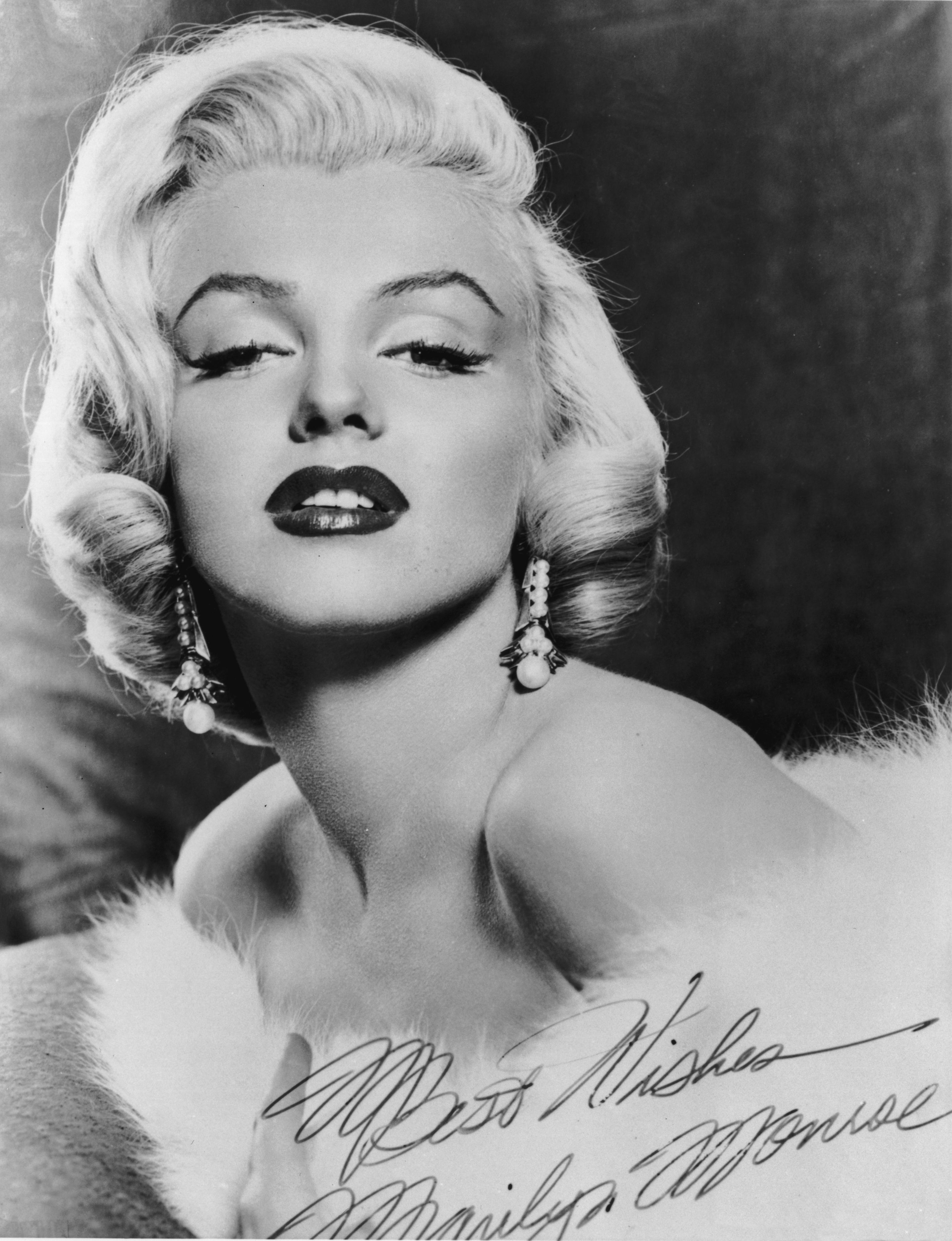
Ela está em todos os lugares. É ícone da cultura pop e talvez o mais
conhecido rosto do século XX. Mas eu me atrevo a dizer: Marilyn Monroe é
superestimada. Podia ser uma grande atriz – mas não foi. Pouco aproveitada, era
mais um pedaço de carne a ser exibido nas telas. Sua imagem sempre veio antes
do seu talento – e tinha talento: foi uma das melhores alunas do Actor’s
Studio.
She is everywhere. She is a pop culture icon and maybe the most recognized
face of the 20th century. But I dare to say: Marilyn Monroe is overrated. She
could have been a great actress - but she wasn’t. Underused, she was more of a
piece of meat to be exhibited on the screens. Her image always came before her
talent - and she had talent: she was one of the best students at the Actor’s
Studio.
Olhe para a foto acima. Marilyn lê! Sim, ela não é apenas um belo rosto!
Mas ela precisava ser exibida em frente à estante usando apenas uma lingerie
muito sexy? Não.
Look at the photo above. Marilyn reads! Ys, she is more than just a
pretty face! But did she really need to be exhibited in front of the Bookshelf
wearing only a very sexy lingerie? Nope.
Como símbolo sexual e diva do cinema, Marilyn acaba atraindo a atenção de
muitas pessoas (olhe como ela está nos cartazes de todos os seus filmes, mesmo
tendo um papel pequeno!). São milhões de fãs no mundo inteiro, sendo que uma
boa parte desses fãs não assistiram a nenhum filme com Marilyn. Eu não sou
exatamente uma fã, mas já vi quase todos os filmes da estrela. E vou dizer:
eles são ótimos, mas não por causa de Miss Monroe...
As a sex symbol and movie diva, Marilyn ends up attracting the attention
of so many people (she is in the poster for all of her films, even when she has
just a small role!). There are millions of her fans around the world, and many
of these fans have never watched any movie with Marilyn. I’m not exactly a fan,
but I’ve watched almost all of her movies. And let me say: they are great, but
not because of Miss Monroe…
Loucos de
Amor (1949)
Preste
atenção em: Harpo
Marx.
Por quê?: Groucho Marx pode ter muito tempo em
cena com seu papel de detetive, mas é Harpo, adorável como nunca, que rouba
todas as cenas em que aparece.
Love Happy (1949)
Pay attention
to: Harpo Marx.
Why?: Groucho Marx may have a lot of screen time with his role as a detective,
but it is Harpo, adorable as ever, who steals all the scenes he is in.
A Malvada (1950)
Preste
atenção em: todo o
elenco feminino.
Por quê?: Marilyn aparece em cena por menos de um
minuto, e a loira está longe de ser a razão principal para ver este grande
filme. Bette Davis e Anne Baxter brigando pelo lugar de diva máxima do teatro,
com Thelma Ritter e Celeste Holm como coadjuvantes. Precisa pedir
mais?
All
About Eve (1950)
Pay attention to: all the female cast.
Why?: Marilyn is on screen for less than a minute, and the blonde is far from
being the main reason to watch this great film. Bette Davis and Anne Baxter
disputing the place as the maximum diva in theater, with Thelma Ritter and
Celeste Holm as supporting players. Could you ask for anything more?
O Segredo das
Joias (1951)
Preste
atenção em: Jean
Hagen.
Por quê?:Mais uma vez, a participação de Marilyn
é restrita a um minuto. Por outro lado, quem mostra muito talento (e uma bela
voz) é Jean Hagen. Não reconhece o nome? Ela interpretou, no ano seguinte, a
cômica vilã Lina Lamont em “Cantando na Chuva”!
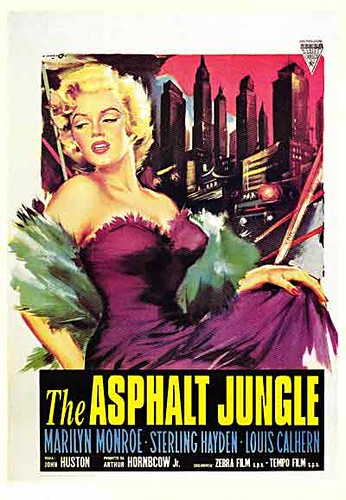
The
Asphalt Jungle (1951)
Pay attention to: Jean Hagen.
Why?: Once again, Marilyn receives only one minute of screen time. On the other
hand, the one who showcases a lot of talent (and a beautiful voice) is Jean
Hagen. Don’t you recognize the name? She would play, in the following year, the
comic villain Lina Lamont in “Singin’ in the Rain”!
Sempre
Jovem (1951)
Preste
atenção em: Monty
Woolley, Thelma Ritter e Constance Bennett.
Por quê?: Monty Woolley é o mais desconhecido de
todos os indicados ao Oscar (ele foi indicado DUAS VEZES e ainda assim poucos o
conhecem). Mas ele e as sempre ótimas Thelma e Constance dão um show com um
roteiro muito divertido: para evitar a aposentadoria, John R. Hodges (Woolley)
finge ser o presidente da própria empresa em que trabalha, enganando os
funcionários.
As
Young as You Feel (1951)
Pay attention to: Monty Woolley,
Thelma Ritter e Constance Bennett.
Why?: Monty Woolley is the most unknown of all Oscar nominees (he was
nominated TWICE and yet so few people know him). But he and the always great
Thelma and Constance are lovely in this film with a great script: to avoid
retirement, John R. Hodges (Wolley) pretends to be the president of the company
he works for, fooling the employees.
Só a
mulher peca (1952)
Preste
atenção em: Barbara
Stanwyck, a rainha subestimada do cinema.
Por quê?: Marilyn está OK no filme, mas ele
pertence à sempre excelente Barbara Stanwyck. Pense em um filme meio noir,
passado à beira do mar, com uma femme fatale de meia-idade e dirigido pelo
mesmo homem que dirigiu Metrópolis!
Clash
by Night (1952)
Pay attention to: Barbara Stanwyck, the underrated queen of the movies.
Why?: Marilyn is OK in the film, but it belongs to the always great Barbara
Stanwyck. It is kind of a noit movie, set at the beach, with a middle-aged
femme fatale and directed by the same man who directed Metropolis!
O Segredo
das Viúvas (1952)
Preste
atenção em: Frank
Fay.
Por quê?: Este filme está muito longe de ser
especial. Se você puder evitá-lo, não perderá nada. Apenas me surpreendi com
Frank Fay, já no final da carreira. Frank foi o primeiro marido de Barbara
Stanwyck e parece já bem velho e judiado.
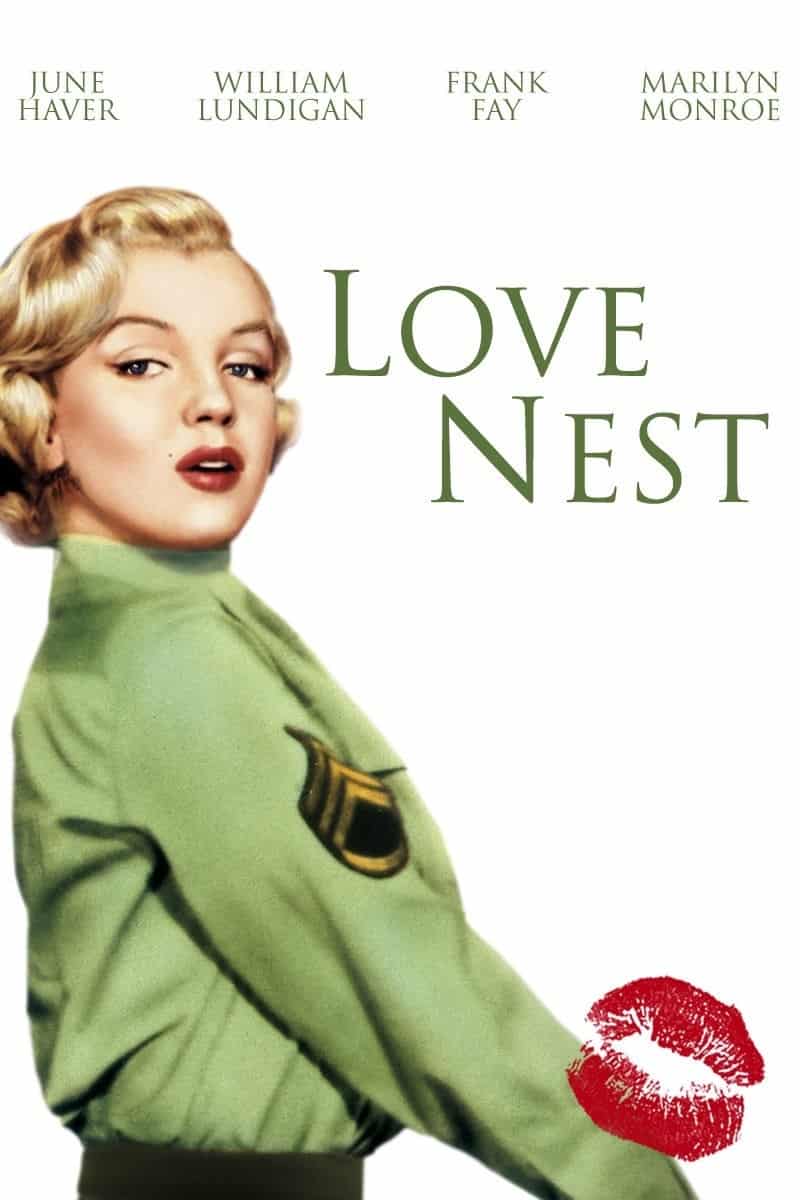
The
Love Nest (1952)
Pay attention to: Frank Fay.
Why?: This film is not special at all. If you can avoid it, you’ll miss
nothing. I was only surprised by Frank Fay, already in the end of his career.
Fay was Barbara Stanwyck’s first husband and appears here already pretty old, a
sad figure.
O Inventor
da Mocidade (1952)
Preste
atenção em: Cary
Grant e Ginger Rogers.
Por quê?: Junte dois dos melhores atores da
época, Cary e Ginger. Eles são muito bons na comédia e têm uma ótima química.
Prepare-se para muitas gargalhadas durante toda a projeção (meu momento
favorito é quando Cary decide brincar de índio).
Monkey
Business (1952)
Pay attention to: Cary Grant and Ginger Rogers.
Why?: Put together two of the best actors of their time, Cary and Ginger. They
are so good at comedy and have a great chemistry. Get ready for many laughs
during the whole movie (my favorite moment is when Cary decides to play as an
Indian).
Travessuras de Casados (1952)
Preste
atenção em: qualquer
coisa.
Por quê?: Três casais descobrem que a união
deles não é válida porque o juiz ainda não tinha uma licença. Há o casal do
rádio que vive brigando, mas mantém as aparências quando está no ar, há a miss
que pode competir agora que está solteira, e a moça que fica preocupada por seu
filho nascer no “pecado”. Qual o problema do filme? É curto demais, cada caso
poderia ser explorado melhor!
We’re not married (1952)
Pay attention
to: anything.
Why?: Three couples find out that their marriage is not legal because the
judge didn’t have a license. There is the radio couple who is always fighting,
but keeps the appearance when they go on air, there is the miss who can go back
to competitions now that she is single, and the lady who gets nervous because
her son will be born “in sin”. What is wrong with the film? It is too short,
each case could be better explored!
Almas
Desesperadas (1952)
Preste
atenção em: Anne
Bancroft em seu primeiro papel no cinema... e preste atenção também em Marilyn.
Por quê?: Sem dúvida este é o melhor filme de
Marilyn, ou pelo menos aquele em que ela mostra todo seu potencial como atriz
dramática. Uma deliciosa surpresa e uma atuação muito intensa!
Don't bother to knock (1952)
Pay attention to: Anne Bancroft in her first film role… and also pay attention to Marilyn.
Why?: There is no doubt that this is Marilyn’s best film, or at least the one
in which she shows her whole potential as a drama actress. A delicious surprise and a very intense performance!
Torrente
de Paixão (1953)
Preste
atenção em: Joseph
Cotten (e nos cenários).
Por quê?: Este é um filme noir em Technicolor.
As salas fumacentas dão lugar ao ar puro das cataratas do Niágara, e Joseph
Cotten ressuscita seu lado “tio Charlie” para ficar assustador. Imperdível.
Niagara
(1953)
Pay attention to: Joseph Cotten (and the sets).
Why?: This is a Technicolor
noir. The foggy rooms give space to the fresh air in the Niagara Falls, and
Joseph Cotten resurrects his “Uncle Charlie” side to look scary. A film you can’t miss.
Os homens
preferem as louras (1953)
Preste
atenção em: Jane
Russell.
Por quê?: os homens podem preferir as louras,
mas é a bela morena que comanda o espetáculo. Ela é mais exuberante em todos os
números musicais e ainda faz uma maravilhosa imitação da personagem de Marilyn
no tribunal.
Gentlemen
prefer blondes (1953)
Pay attention to: Jane Russell.
Why?: Gentlemen may prefer blondes, but it is the beautiful brunette who owns
the show. She is more exuberant in all the musical numbers and also imitates
Marilyn’s character perfectly in a courtroom scene.
Como agarrar um milionário (1953)
Preste
atenção em: Lauren
Bacall e Betty Grable.
Por quê?: Betty Grable tem um figurino
maravilhoso no filme (tá, os óculos de Marilyn também são muito bonitos), mas o
destaque vai para a linda e talentosa Lauren Bacall em seus momentos cômicos.
How to marry a millionaire (1953)
Pay attention
to: Lauren Bacall
and Betty Grable.
Why?: Betty Grable has a wonderful wardrobe in the film (OK, Marilyn’s
glasses are also very beautiful), but the highlight is the gorgeous and
talented Lauren Bacall in her comic scenes.
O Mundo da Fantasia (1954)
Preste
atenção em: Donald
O’Connor
Por quê?: Este é um dos grandes momentos de
O’Connor no cinema. Sua dança com as estátuas, quando ele percebe que está
apaixonado, é o equivalente ao Cantando na Chuva de Gene Kelly.
There is no business like show business (1954)
Pay attention
to: Donald
O’Connor.
Why?: This is one of the great moments in Donald O’Connor’s career. His dance
with the statues, when he realizes he’s in love, is the equivalent of Gene
Kelly’s Singin’ in the Rain.
O Rio das
Almas Perdidas (1954)
Preste
atenção: nas roupas! No cenário! Nas
forças da natureza!
Por quê?: Marilyn é uma cantora de saloon com
belas roupas, mas o verdadeiro protagonista do filme é o rio, que ameaça Burt
Lancaster, seu filho pequeno e a nossa loira favorita.
River
of No Return (1954)
Pay attention to: the clothes! The sets! The force of nature!
Why?: Marilyn is a saloon
singer who wears beautiful clothes, but the real lead in the film is the river
that threats Burt Lancaster, his small son and our favorite blonde.
O pecado
mora ao lado (1955)
Preste
atenção: nos diálogos.
Por quê?: este é o filme com a famosa cena do
vestido. Mas nem por isso é especial dentro da filmografia brilhante de Billy
Wilder. Sim, há bons momentos do humor característico de Wilder, e apenas eles
fazem o filme valer a pena. Ah, tem também “o bife”:
The
Seven Year Itch (1955)
Pay attention to: the dialogues.
Why?: This is the film with the famous dress scene. But this doesn’t make it a
special entry in Billy Wilder’s brilliant filmography. Yes, there are good
humorous moments, totally Wilder’s thing, and only those make the film worth
seeing. Oh, and there is the “chopsticks”:
Nunca fui Santa
(1956)
Preste
atenção: no figurino de Marilyn. Só
isso salva o filme.
Por quê?: Não sei quanto a você, mas eu
considero este filme muito, muito chato, em especial por causa do protagonista
sem carisma,Don Murray, que resolve
sequestrar a personagem de Marilyn, a bela cantora Chérie, e levá-la para viver
com ele. Marilyn foi tratada como um objeto neste filme!
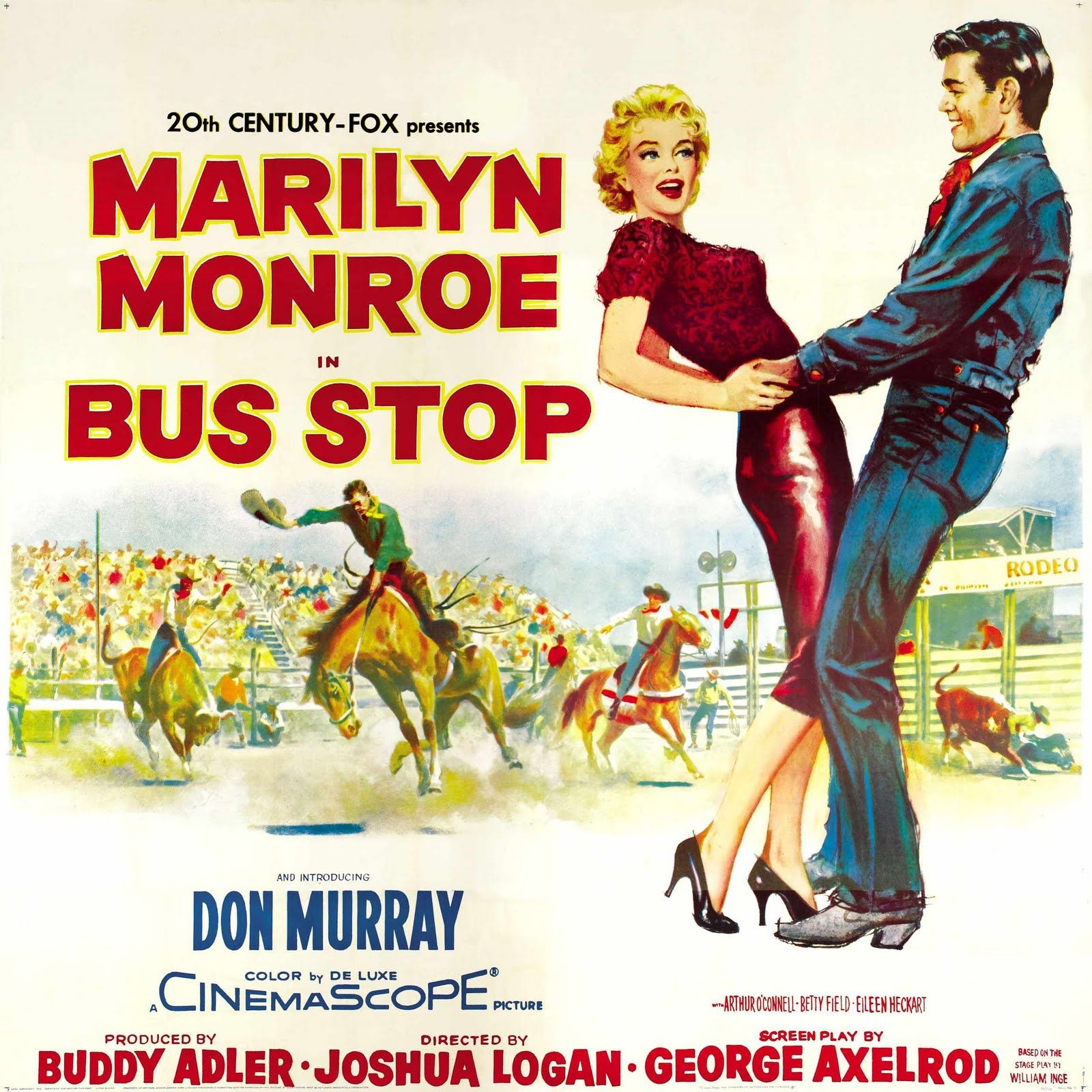
Bus Stop
(1956)
Pay attention
to: Marilyn’s
outfits. Only them save the film.
Why?: I don’t know about you, but I think this film is very, very boring, in
special because of the leading man without charisma, Don Murray, who decides to
kidnap Marilyn’s character, the beautiful singer Chérie, and take her to live
with him. Marilyn was treated as an object in this movie!
O Príncipe
Encantado (1957)
Preste
atenção em: Laurence
Olivier.
Por quê?: Olivier podia fazer tudo, da comédia
ao drama de Shakespeare. Entretanto, aqui a história dos bastidores é tão
interessante quanto o filme final, como podemos ver em “Sete Dias com Marilyn /
My week with Marilyn” (2011).
The Prince and the Showgirl (1957)
Pay attention
to: Laurence
Olivier.
Why?: Olivier could do anything, from comedy to Shakespeare’s drama. However,
here the backstage story is as interesting as the final film, something we can
see in “My Week with Marilyn” (2011).
Quanto
mais quente melhor (1959)
Preste
atenção em: Jack
Lemmon... e Joe E. Brown.
Por quê?: Como Gerald / Daphne, Jack Lemmon dá
total vazão a seu lado feminino e parece realmente aproveitar todo o tempo em
que está vestido de mulher. O problema começa quando o rico Osgood (Joe E.
Brown) se apaixona por Daphne. Uma pena que Lemmon não ganhou o Oscar de Melhor
Ator!
Some
like it hot (1959)
Pay attention to: Jack Lemmon... and Joe E. Brown.
Why?: As Gerald / Daphne, Jack Lemmon perfectly connects with his feminine
side and really looks to be enjoying his time dressed as a woman. The problem
begins when the rich Osgood (Joe E. Brown) falls in love with Daphne. It’s a
shame that Lemmon didn’t win the Best Actor Oscar!
Adorável
Pecadora (1960)
Preste
atenção em:
participações especiais (“cameos”) de
Bing Crosby, Gene Kelly e Milton Berle.
Por quê?: Bing, Gene e Berle aparecem no filme
apenas para descobrir algum talento no personagem de Yves Montand – um homem
rico que, ao descobrir que é motivo de piada em uma peça de teatro, resolve
entrar no elenco (o que é um ótimo enredo!).
Let's
Make Love (1960)
Pay attention to: cameos by Bing Crosby, Gene Kelly and Milton Berle.
Why?: Bing, Gene and Berle appear in the movie only to try to discover a talent
in the character played by Yves Montand - a rich man who, as he finds out he’s
being the source of a joke in a theater play, decides to join the play (which
is a great story!).
Os
Desajustados (1961)
Preste
atenção em: Clark
Gable.
Por quê?: Se Clark Gable tivesse feito apenas
esse filme, já mereceria um lugar de destaque entre as maiores estrelas do
cinema. Em sua atuação mais brilhante, Gable mostra que não era só um sex symbol dos anos 30. Repare na
frustração quando ele não encontra os filhos do lado de fora do bar. É, sem
dúvida, o momento em que sua estrela brilhou mais alto em frente às câmeras.
The
Misfits (1961)
Pay attention to: Clark Gable.
Why?: If Clark Gable had made only this film, he would already deserve a place
among the greatest cinema stars. In his most brilliant performance, Gable
proves that he wasn’t only a 1930s sex symbol. Pay attention to the frustration
when he doesn’t see his children outside the bar. It is, without a doubt, the
moment when his star shone the brightest in front of the cameras.
Marilyn
era diva? Era. Tinha tudo para ser uma grande atriz? Provavelmente. Foi produto
e vítima de Hollywood. Apesar de ainda ser muito lembrada, certamente foi uma
das estrelas mais tristes da constelação da era de ouro.
Marilyn was a
diva? Yes. Did she have everything she needed to be a great actress? Probably.
She was a product and a victim of Hollywood. Even though she is
well-remembered, she was certainly one of the saddest stars in the Golden Age
constellation.
This is my contribution to the Contrary to Popular
Opinion Blogathon, hosted by Sister Celluloid!















_NRFPT_01.jpg)



-.jpg)