} Crítica Retrô: drogas

Tradutor / Translator / Traductor / Übersetzer / Traduttore / Traducteur / 翻訳者 / переводчик

Showing posts with label drogas. Show all posts

Sunday, November 19, 2017

Ladrão Romântico / Jewel Robbery (1932)

Viena, anos 30. Começamos o filme com alguns close-ups de joias – lindas joias, em ouro e diamantes, e muitos cofres. Estamos dentro de uma joalheria e algo incrível está prestes a acontecer. Meu bisavô costumava dizer que a fotografia em preto e branco nos filmes é mais bonita que a colorida, e eu devo concordar com ele: aquelas joias realmente brilham na tela bicromática!
Vienna, 1930s. We open the movie with some close-ups of jewels – beautiful jewels, diamonds and gold, and many safes. We're inside a jewelry shop and we're in for a treat. My great-grandfather use to say that black and white photography in film is more beautiful and I must agree with him: those jewels really shine in the bicromatic screen!
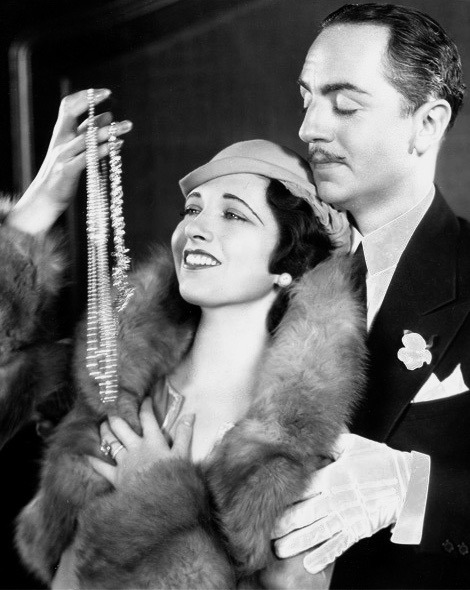
Enquanto um inventor demonstra um sistema de alarme revolucionário com raios invisíveis, a joalheria de Hollander é assaltada. Alguns dias depois, um dos melhores clientes do local, a baronesa Teri (Kay Francis) se apronta para ir à joalheria comprar um anel de diamantes. Teri é assistida por muitas empregadas: massagistas, cabeleireiras, manicures e muito mais. Quando fica pronta, ela sai de casa com a amiga Marianne (Helen Vinson).
As an inventor is demonstrating a revolutionary alarm system with invisible rays, Hollander's jewel store is being robbed. A few days later, one of their favorite clients, baroness Teri (Kay Francis) is getting ready to visit the jewelry store and buy a diamond ring. Teri is pampered by a lot of maids: she has masseurs, hairdressers, manicurists and more. When she is ready, she leaves the house with her friend Marianne (Helen Vinson).
O marido de Teri, o barão Franz (Henry Kolker) também vai até a joalheria para negociar o preço do anel. Ele leva consigo um membro do gabinete, Paul (Hardie Albright). Há apenas um problema: Paul está apaixonado por Teri, e ela não corresponde o sentimento.
Teri's husband, baron Franz (Henry Kolker) also goes to the jewelry store to negotiate the price for the diamond ring. He brings with him a member of the cabinet, Paul (Hardie Albright). There is only one problem: Paul is in love with Teri, but she does not care about him.
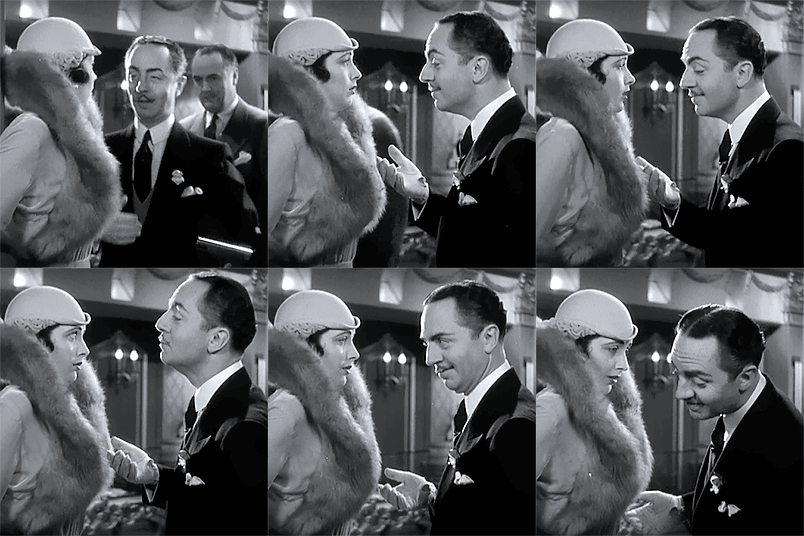
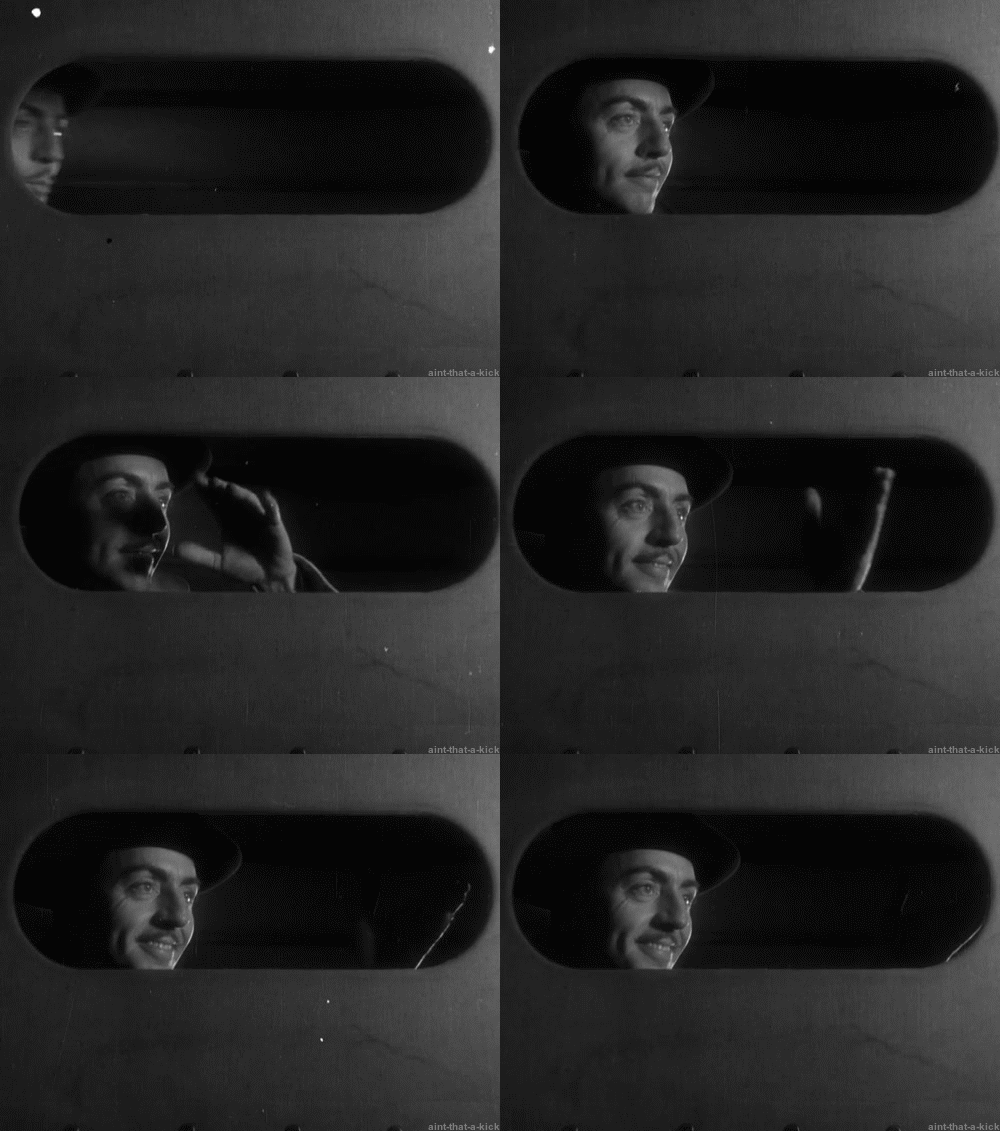
Quando o barão e o senhor Hollander finalmente chegam a um acordo em relação ao preço, a joalheria é assaltada novamente. O ladrão? William Powell. Powell é o ladrão mais elegante, educado, charmoso e distinto do mundo. Ele fala com calma e até toca música – o Danúbio Azul – enquanto seus capangas estão pegando as joias. Ele é basicamente o Moriarty do roubo de joias.
When the baron and Mr Hollander finally agree on a price, the shop is robbed again. The robber? William Powell. Powell is the fanciest, politest, coolest, most distinguished robber of all time. He talks smoothly and even plays music – the Blue Danube – while his minions are catching all the jewels. He's basically a Moriarty of jewel robbery.
Quando falamos sobre Moriarty, precisamos falar sobre o brilhante Sherlock Holmes. E quando falamos sobre William Powell, precisamos falar sobre o detetive charmoso Nick Charles. Em dois anos Powel interpretaria Nick Charles pela primeira vez, e é realmente muito interessante que ele já tenha interpretado o exato oposto de Nick em “Ladrão Romântico”.
When we talk about Moriarty, we need to talk about mastermind Sherlock Holmes. And when we talk about William Powell, we need to talk about cool detective Nick Charles. In two years Powell would play Nick Charles for the first time, and it's really interesting that he had already got to play Charles's perfect counterpart in “Jewel Robbery”.
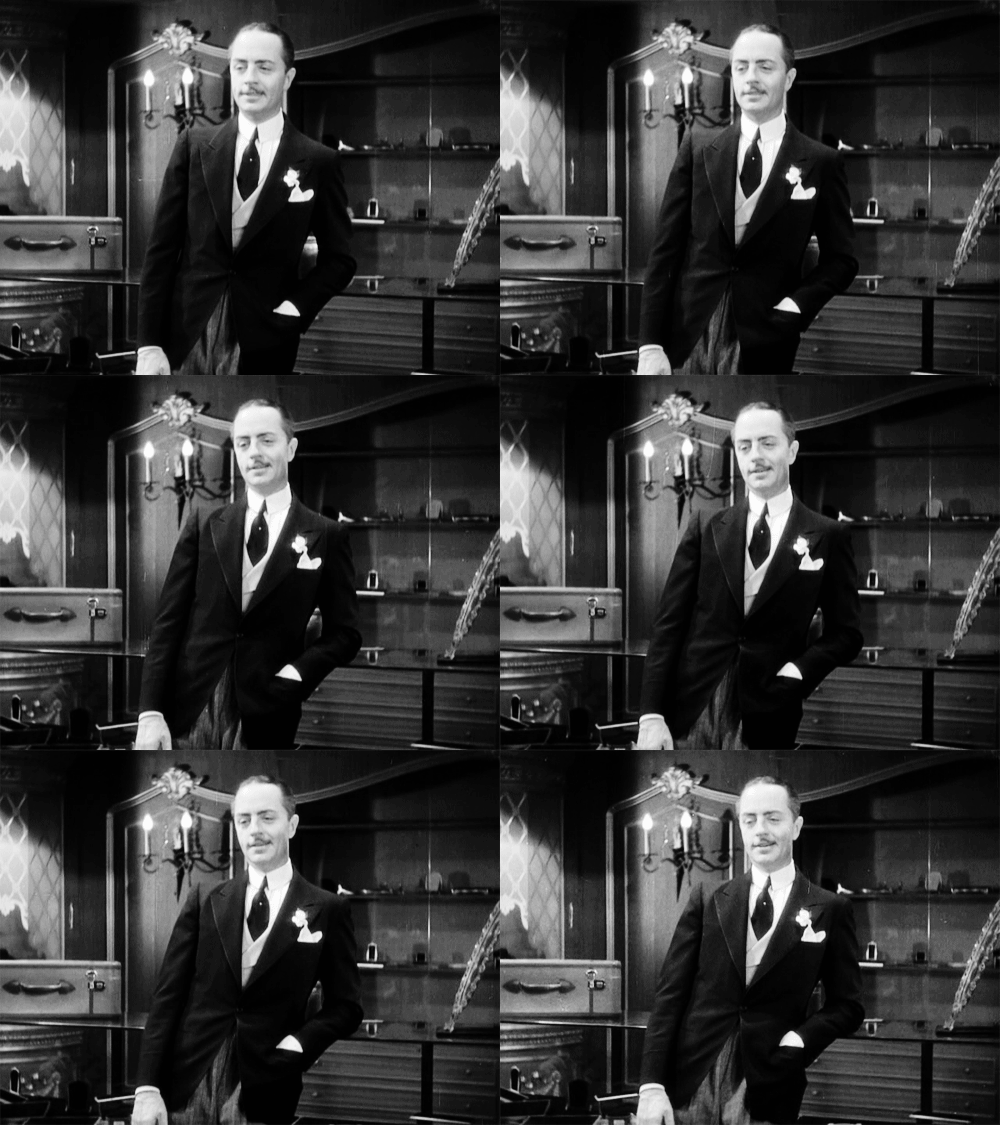
O ladrão de Powell diz que estudou em escola francesa para aprender 'finesse' – ao contrário dos ladrões americanos que são loucos por balas, armas e sempre fazem sujeira. Powell inclusive consegue enganar um inspetor de polícia! Moriarty é um gênio como Sherlock, mas um usa a inteligência para fazer o bem, e o outro para o mal. A mesma coisa acontece com Nick Charles e o ladrão: a diferença é com que intuito cada um usa seu charme.
As the robber, Powell says he studied in the French school in order to learn 'finesse' – contrary to the American thieves, who are crazy for bullets, guns and always make a mess. Powell even manages to make a fool out of a police inspector! Moriarty is a genius just like Holmes, but one uses the brains to do good, and the other to do bad. The same happens with Nick Charles and the robber: the difference is the goal their charm is used to achieve.  
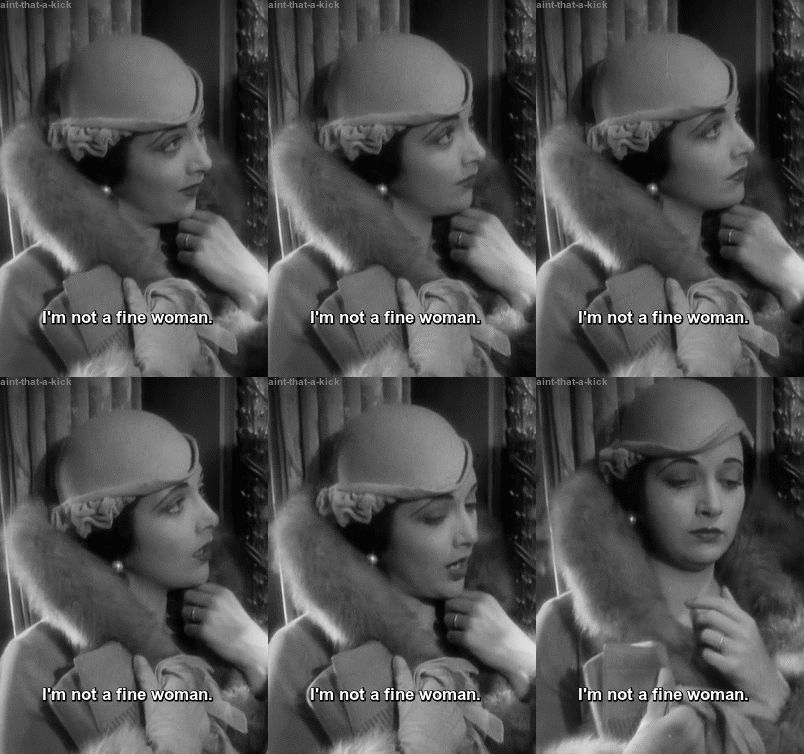
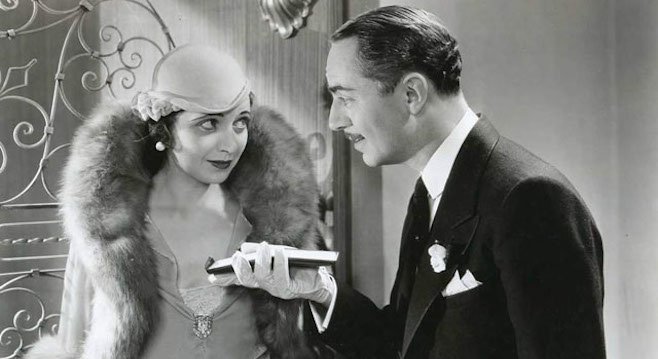
Teri e Marianne são construídas como mulheres fúteis. Elas só pensam em duas coisas: sexo e joias – e frequentemente usam o primeiro para conseguir o segundo. Elas são mulheres amorais, no sentido de que elas não se importam com ética ou princípios. Elas não são personagens bem desenvolvidas, e em um filme de apenas 68 minutos de duração isso é um problema previsível
Teri and Marianne are constructed as frivoulous women. They only think about two things: sex and jewels – often using the first in exchange for the second. They are amoral women, in the sense that they do not care for ethics or principles. They are not well-developed characters, and in a film that lasts only 68 minutes this is a predictable problem.
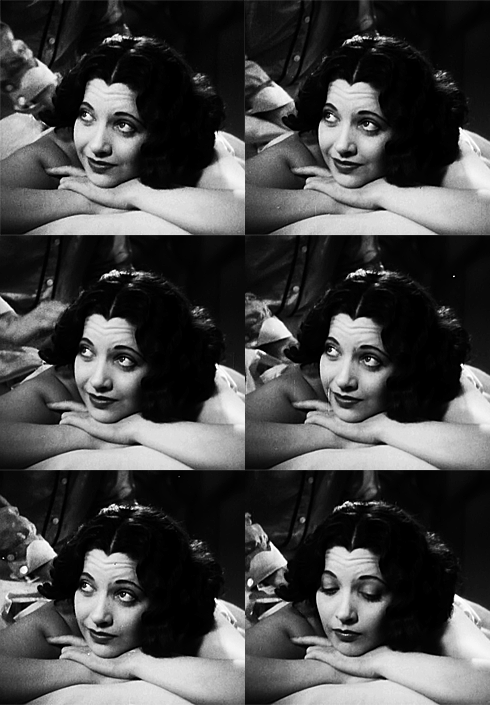
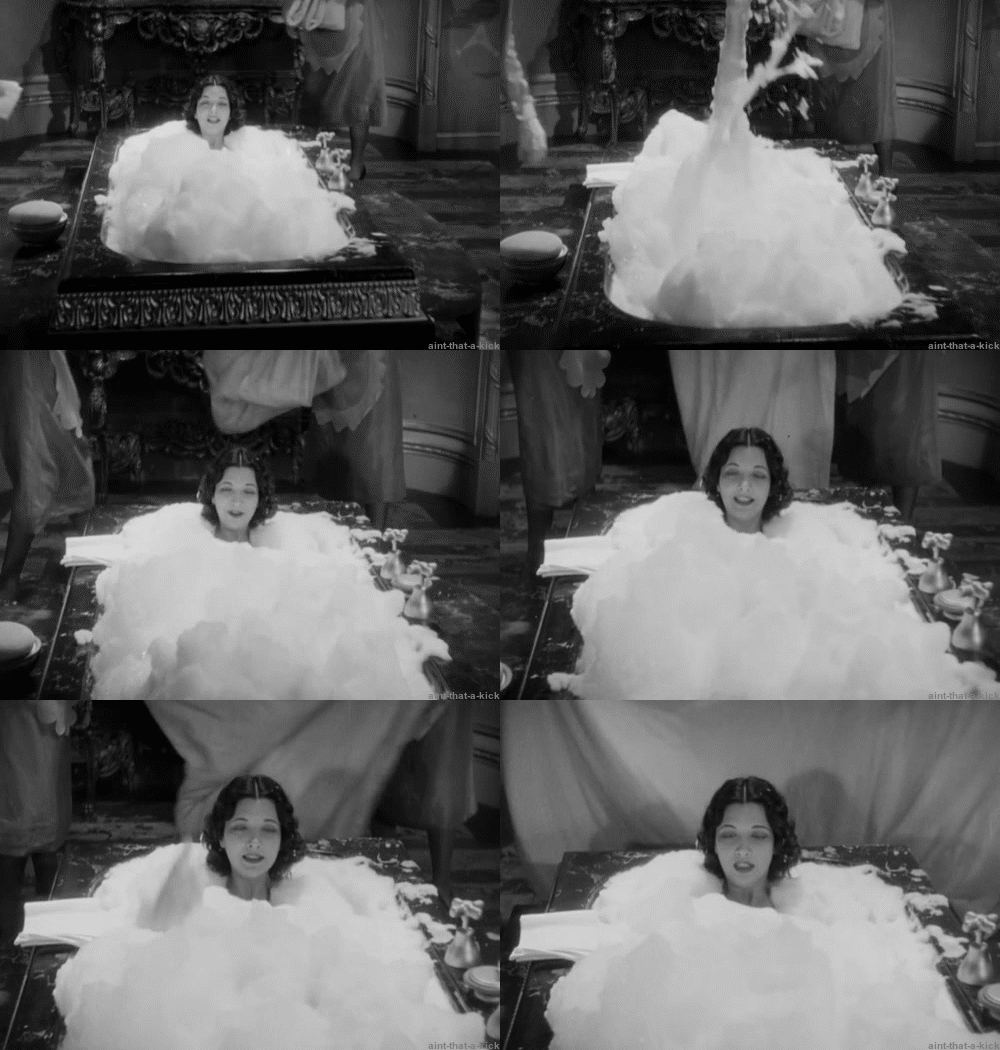
Quando Teri é vista pela primeira vez, ela está tomando um banho de espuma. A sequência é 100% pre-Code: é óbvio que Kay Francis está nua, e ela muda de uma toalha para outra, até colocar um vestido. Nada além de seus ombros, pernas e pés são mostrados, mas isso já é suficiente para açimentar a imaginação do espectador.
When Teri first appears, she is taking a bubble bath. That sequence is 100% pre-Code: it's obvious that Kay Francis is naked, and she changes from one towel to another, until she puts on a dress. Nothing besides her shoulders, legs and feet is shown, but there is enough in the scene to feed the viewer's imagination.
Há também muitas frases de duplo sentido, de teor sexual e um momento hilário com policiais chapados fumando maconha. Todos estes momentos são exclusivos da era pre-Code em Hollywood, e são eles que fazem de “Ladrão Romântico” um filme tão divertido.
There is also a lot of sexual innuendo and a hilarious moment with high policemen smoking joint. All these moments are pre-Code Hollywood in a nutshell, and they are what makes “Jewel Robbery” such a funny movie.
O esquema do ladrão pode parecer perfeito, mas eu acho que você não deve tentar fazer isso em casa. Muitas de suas técnicas geniais para produzir álibis e coordenar o roubo não funcionam mais por causa do que temos hoje em termos de redes sociais, GPS e outras tecnologias.
The robber's scheme may sound perfect, but I think you shouldn't try to reproduce it at home. A lot of his genius techniques to produce alibis and coordinate the robbery work no more because of social media, GPS and other new technologies.
Um filme como “Ladrão Romântico” jamais poderia ser feito hoje – e não apenas por causa da tecnologia que destrói os esquemas. É um filme que definitivamente não passa no teste de Beachdel. É um filme que chama um personagem de 'romântico', quando na verdade ele é doente e problemático. Eu entendo que se trata de uma comédia, e eu ri muito em vários momentos. Mas como é arriscada!
A film like “Jewel Robbery” could never be made today – and not only because of the technology that ruins schemes. It's a film that fails hard the Bechdel test. It's a film that portrays as 'romantic' a character that is in reality really sick and problematic. I understand it's a comedy, and I laughed out loud in many moments. But, wow, it is risky!
Ladrão Romântico”, tão exagerado e divertido, só poderia ter sido feito na era pre-Code. 1932 foi o pior ano da recessão pós quebra da bolsa de 1929. As pessoas precisavam rir de alguma coisa – nem que fosse de um crime.
Jewel Robbery”, so exaggerated and funny, could only have been made in the pre-Code era. 1932 was the worst year of recession since the 1929 Crash. People needed something to laugh at something – even if it was at a crime.
This is my contribution to the It Takes a Thief blogathon, hosted by Debbie at Moon in Gemini.

Saturday, April 2, 2016

Três... Ainda é Bom (1932) / Three on a Match (1932)

ESTE ARTIGO CONTÉM SPOILERS.

THIS ARTICLE HAS SPOILERS.

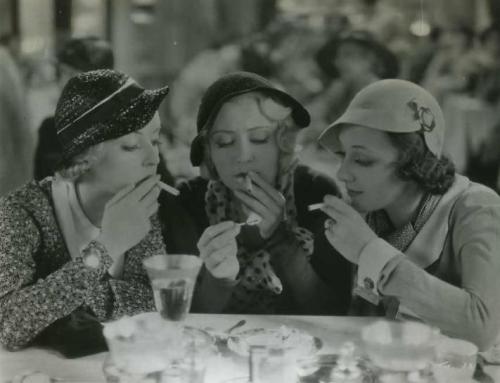
Durante a Primeira Guerra Mundial, havia a superstição que dizia que, se três pessoas acendessem seus cigarros no mesmo fósforo, uma delas morreria em pouco tempo. Uma justificativa era que um fósforo aceso durante vários segundos chamaria a atenção do exército inimigo, e os três fumantes seriam bombardeados. Mais tarde, descobriu-se que essa superstição era só uma jogada de marketing para vender mais fósforos! Mas este filme da Warner Brothers de 1932 mostra que o melhor mesmo é acreditar nas superstições...

During World War First, there was a superstition saying that, if three people light their cigarrettes with the same match, one of them will die soon. One justification for the belief was that a match lit for several sconds would call the attention of the enemy, and the three people with the cigarrettes would be shot down or bombed. Later, it was discovered that this superstition was only a way companies found to sell more matches! But this Warner Bros film from 1932 shows us that sometimes it's better to believe in superstitions...


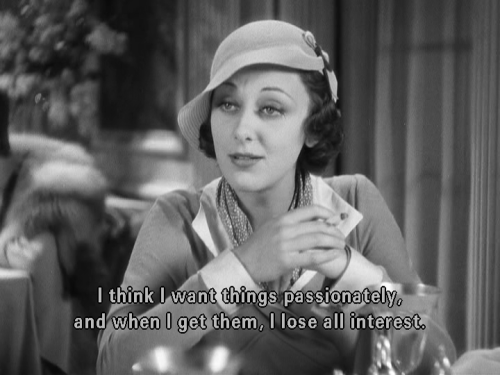
O ano é 1919. Vivian Revere, Mary Keaton e Ruth Westcott estudam juntas na Escola Pública número 62. Vivian é popular, Ruth é aplicada, e Mary desobedece às regras. Seis anos depois, Vivian (Ann Dvorak) está no colégio interno sonhando com romance, Ruth (Bette Davis) estuda datilografia e Mary (Joan Blondell) foi parar em um reformatório.

The year is 1919.Vivian Revere, Mary Keaton and Ruth Westcott study at Public School Number 62. Vivian is popular, Ruth is a bookworm and Mary doens't follow the rules. Six years later, Vivian (Ann Dvorak) is in boarding school dreaming about romance, Ruth (Bette Davis) suties typing and Mary (Joan Blondell) went to a reformatory. 


O ano agora é 1930, e as três mulheres se reencontram. Vivian, apesar de ter uma vida considerada perfeita, está infeliz. Ela tem um marido rico e compreensivo, Robert Kirkwood (Warren William), um filho fofo e vive com luxo e conforto. Mesmo assim, ela confessa ter inveja das ex-colegas, que precisam trabalhar duro para conseguir o que querem.

The year is now 1930, and the three friends meet again. It looks like Vivian has a perfect life, but she is unhappy. She has a rich and understanding husband, Robert Kirkwood (Warren William), a cute son and lives with luxury and comfort. But she confesses she is jealous of her former mates, who must work hard to get what they want. 


Deprimida, Vivian vai fazer uma viagem internacional de navio e leva o filho consigo. Mary está no mesmo navio, se despedindo de um amigo. Mary apresenta seus conhecidos a Vivian que, depois de beber e dançar com um deles, Loftus (Lyle Talbot), ela decide que não vai mais viajar. Vivian vai viver com Loftus, e leva seu filho junto. Não vai demorar para que Mary e Ruth interfiram na situação, e tudo fica mais difícil quando criminosos aparecem para cobrar uma dívida de Loftus. Preste atenção: em um pequeno, mas importante, papel como criminoso está Humphrey Bogart!

Vivian is depressed, and decides to go on an international sea trip and takes her son with her. Mary is aboard the same boat, saying goodbye to a friend. Mary introduces her acquaintances to Vivian. After she dances and drinks with one of them, Loftus (Lyle Talbot), Vivian decides that she'll  leave her husband, live with Loftus and take her son with her. It don't be long until Mary and Ruth have to interfere, and everything gets more difficult when criminals appear to 'ask' Loftus to pay a debt. Pay attention: in a small, but important role as a criminal, we can see Humphrey Bogart! 


O filme tem apenas 63 minutos, e o foco é na personagem de Ann Dvorak. Seria interessante, entretanto, haver um aprofundamento na personagem de Joan Blondell, que certamente teria várias nuances e poderia nos surpreender. Bette Davis tem muito pouco a oferecer como a nerd da turma que precisa trabalhar duro e acaba se tornando... babá. Bette ainda estava no início da carreira, sofreu com a antipatia do diretor Mervin LeRoy e, embora tenha trabalhado em vários filmes pre-Code, são suas colegas de cena que ficaram mais associadas com esta época da história do cinema.

The film is only 63 minutes long, and focuses on Ann Dvorak's character. However, it'd be interesting if Joan Blondell's cahracter could be deeper explored: she certainly would have several nuances and could surprise us. Bette Davis has little to offer as the nerd girl who has to work hard and ends up as a … nanny. Bette was still in the beginning of her career, and she didn't get along with director Mervin LeRoy. Although Bette has worked in many pre-Codes, her two co-starring actresses are the ones most often associated with the pre-Code era.


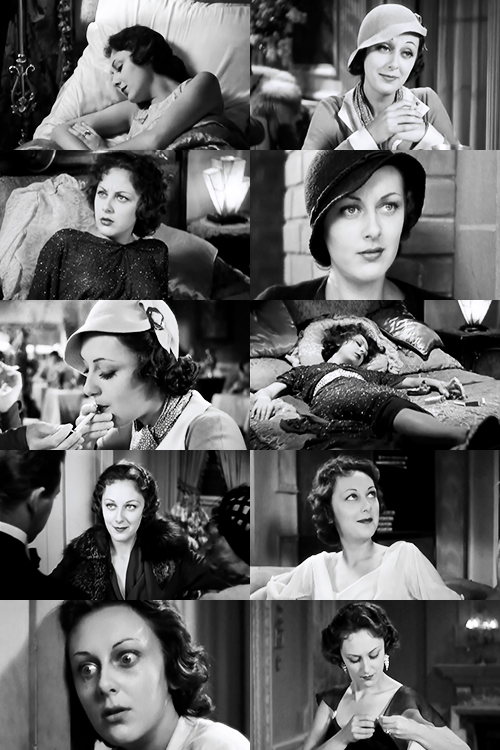
Ann Dvorak, recém-saída de sua maior atuação em “Scarface – a Vergonha de uma Nação” (1932), está muito bem como protagonista. O filme funciona, obviamente, como uma lição de moral para as mulheres. Nos pre-Codes, é normal que mulheres casadas e com filhos sejam punidas quando traem o marido e abandonam a família. O mesmo não acontece com as mulheres solteiras que seduzem homens casados, e o exemplo mais contundente disso é Jean Harlow em “A Mulher Parisiense dos Cabelos de Fogo”, também de 1932.

Ann Dvorak, coming from her best performance in “Scarface” (1932), is a very good leadin lady. Thefilm works, obviously, as a cautionary tale for women. In pre-Codes, it's common that married women, with children, are punished when they leave their families. The same, however, doesn't happen to single women who get involved with married men, and the best example of this is Jean Harlow in “Read-Headed Woman”, also released in 1932.


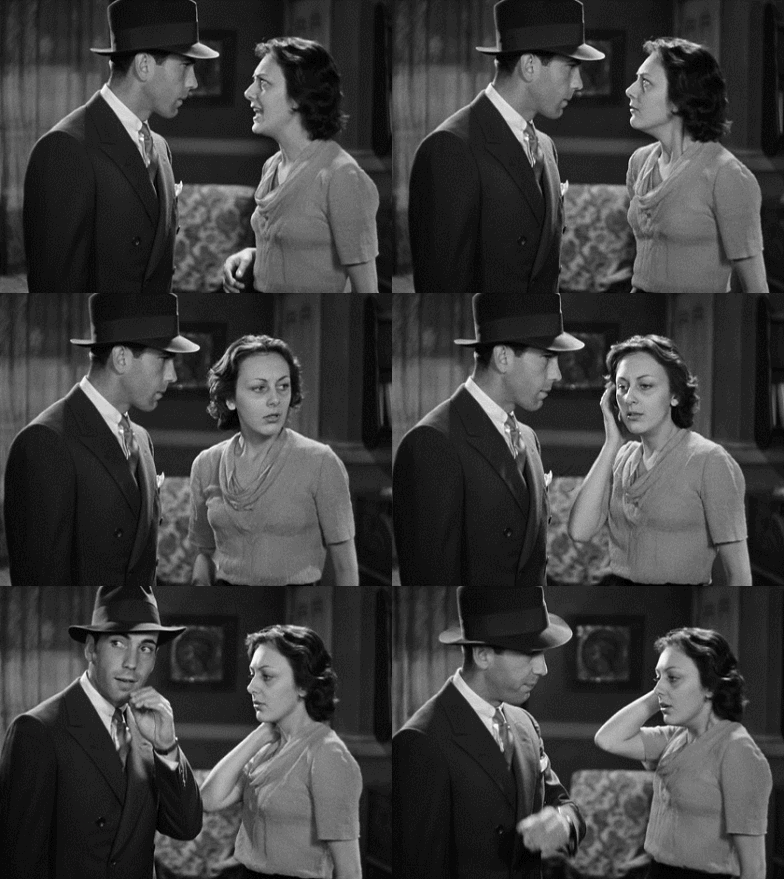
Muitos filmes pre-Code são escandalosos mesmo para quem os vê no século XXI. “Três... Ainda é Bom”, entretanto, será melhor apreciado se olharmos para ele com a mentalidade de 1932. Há detalhes muito sutis que podem escapar a uma plateia acostumada a receber tudo muito bem explicado (exemplo: no GIF acima, o fato de Ann coçar repetidamente o nariz sugere que ela estava usando drogas. Você percebeu isto?). Outros fatos também ressoam com mais força para o público de 1932, como o sequestro de Junior que lembra o de Charles Lindbergh Jr, e também a própria moral da história de que uma vida boêmia e louca, a la Gatsby, leva à autodestruição. Veja, sim, este filme – mas usando seu cérebro como uma máquina do tempo.

Many pre-Code movies are scandalous even for today's standards. “Three on a Match”,  on the other hand, will be better appreciated if we look at it from 1932's perspective. There are very subtle details that may escape an audience that is used to have everything perfectly explained to them (for instance: in the GIF above, Ann scratching her nose several times suggests that she is using drugs. Have you realized that?). Other facts also were more meaningful for the 1932 audience, like Junior's kidnapping being so similar to Charles Lindbergh Jr's, and also the whole moral of the story: a crazy bohemain life, a la Gatsby, xcan only cause self-destruction. Yes, you must watch this film – but be sure to use your brain as a time machine while you do it. 

This is my contribution to the Bette Davis Blogathon, hosted by my friend Crystal at In the Good Old Days of Classic Hollywood.
Related Posts Plugin for WordPress, Blogger...