} Crítica Retrô

Tradutor / Translator / Traductor / Übersetzer / Traduttore / Traducteur / 翻訳者 / переводчик

Sunday, November 11, 2018

Eu Acuso! (1919) / J’Accuse! (1919)


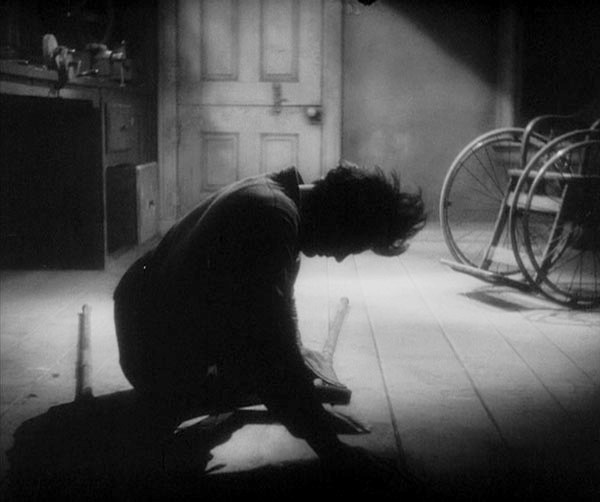
Como historiadora, eu considero a Primeira Guerra Mundial um dos assuntos mais fascinantes para estudar. O imperialismo deu origem a uma guerra que não se desenrolou apenas no front, mas também nas cidades, através de ataques e bombardeios - foi uma mistura de guerra civil e “guerra comum”. Milhões morreram durante o conflito, milhões ficaram deficientes ou desfigurados, e muitos outros milhões morreram porque, após a guerra, aqueles que voltaram para casa ajudaram a espalhar o vírus da Gripe Espanhola.

As a historian, I consider World War I to be one of the most fascinating periods to be studied. Imperialism led to a war that not only developed at the front, but also at the cities, through attack and bombings - it was a mix of civil war and “regular war”. Millions died during conflict, millions became handicapped or disfigured, and many more millions died because, after the war, those who returned home helped spread the Spanish flu virus.

No final, não valeu a pena ter lutado na guerra. Os sobreviventes formaram a Geração Perdida, viveram como boêmios na Europa ou foram recebidos como heróis nos EUA, apenas para ver o governo virar as costas para eles quando eles passaram a lutar contra o vício, o trauma ou o desemprego chegada a Grande Depressão. E o que mais fascinante é que a guerra e seus desdobramentos foram filmados.

In the end, it was not a war worth fighting. The war survivors became the Lost Generation, living like bohemians in Europe or being received like heroes in the US, only to see the government turn back on them when they suffered from addiction, PTSD or lost their jobs with the Depression. And what is more fascinating is that the war and its unfolding were caught on film.
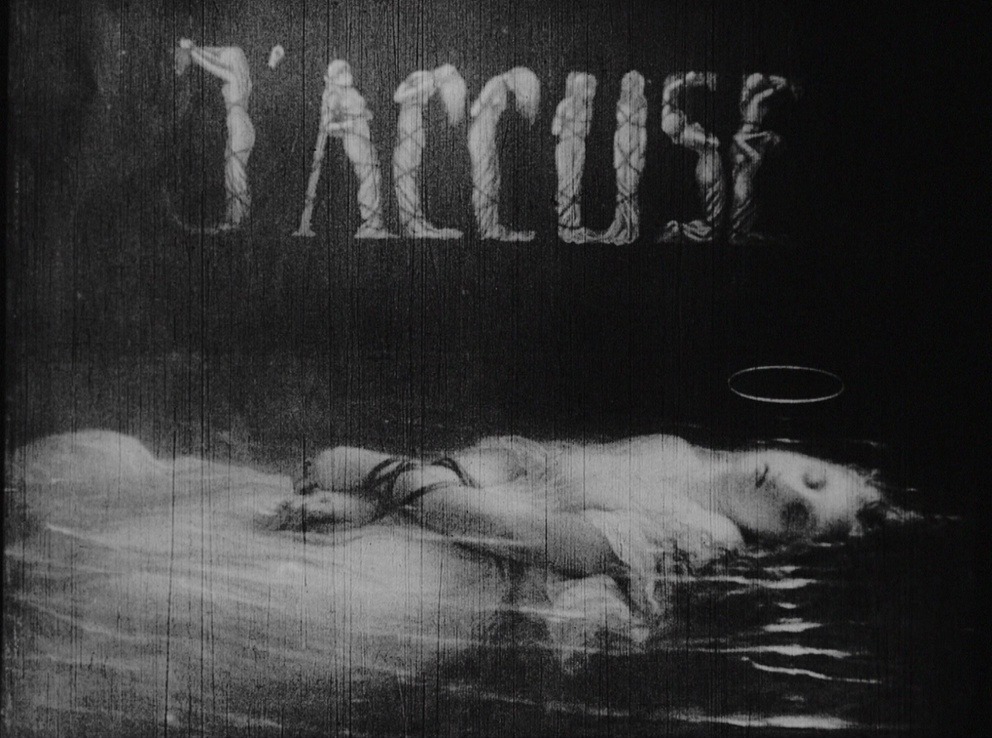

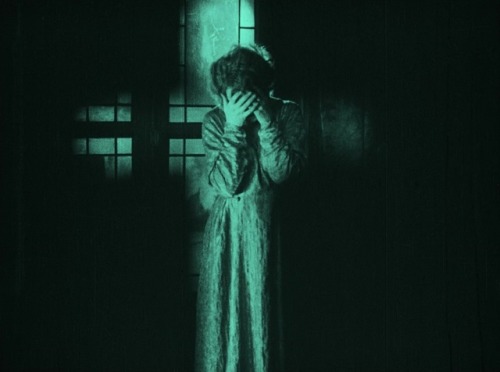
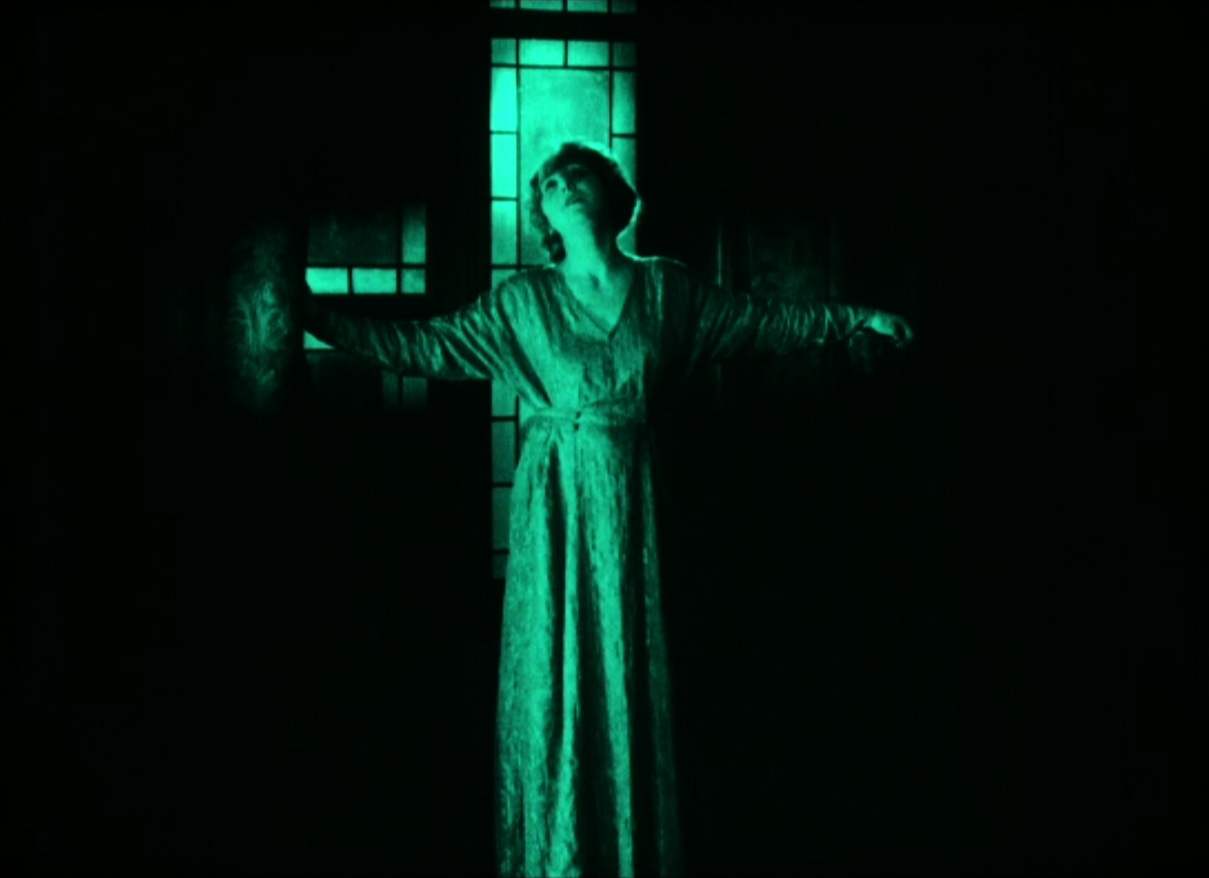
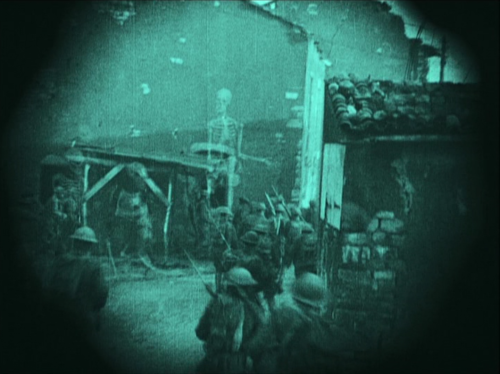
O épico francês “Eu Acuso!” é um desses filmes. Ele tem algumas cenas gravadas na verdadeira batalha de Saint-Mihiel, gravadas com a ajuda das tropas norte-americanas. É um poderoso filme antiguerra, que estreou somente seis meses depois do fim do conflito.

The French epic “I Accuse” is one of those films. It has a few scenes from the real battle of St. Mihiel, shot with the help of the American troops. It is a powerful anti-war film, released only six months after the conflict ended.
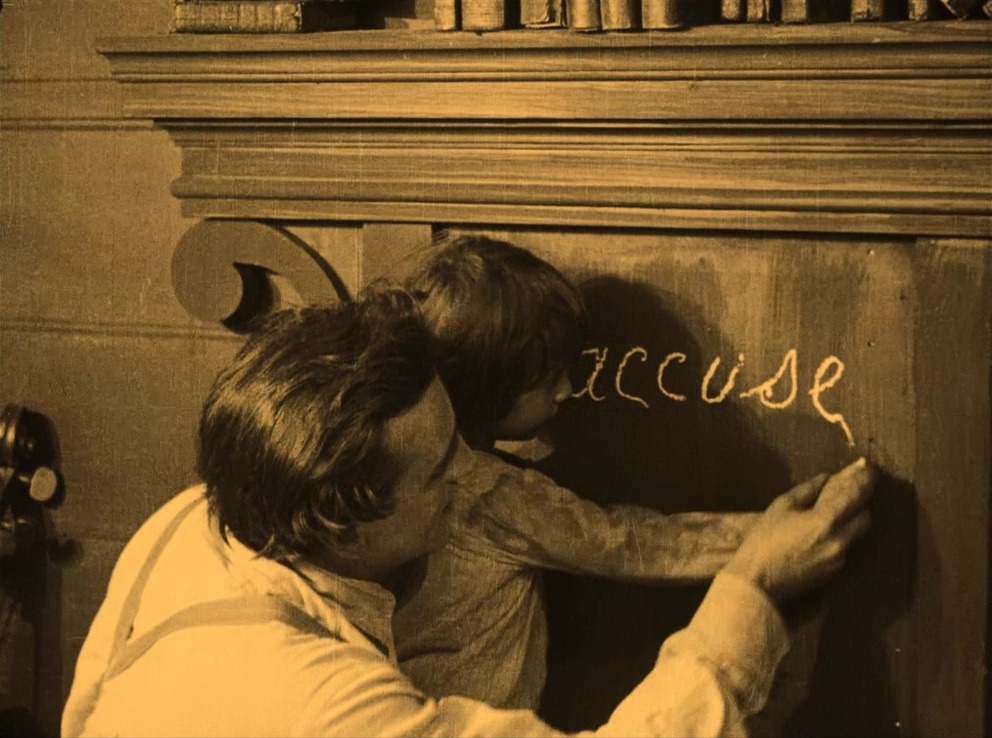

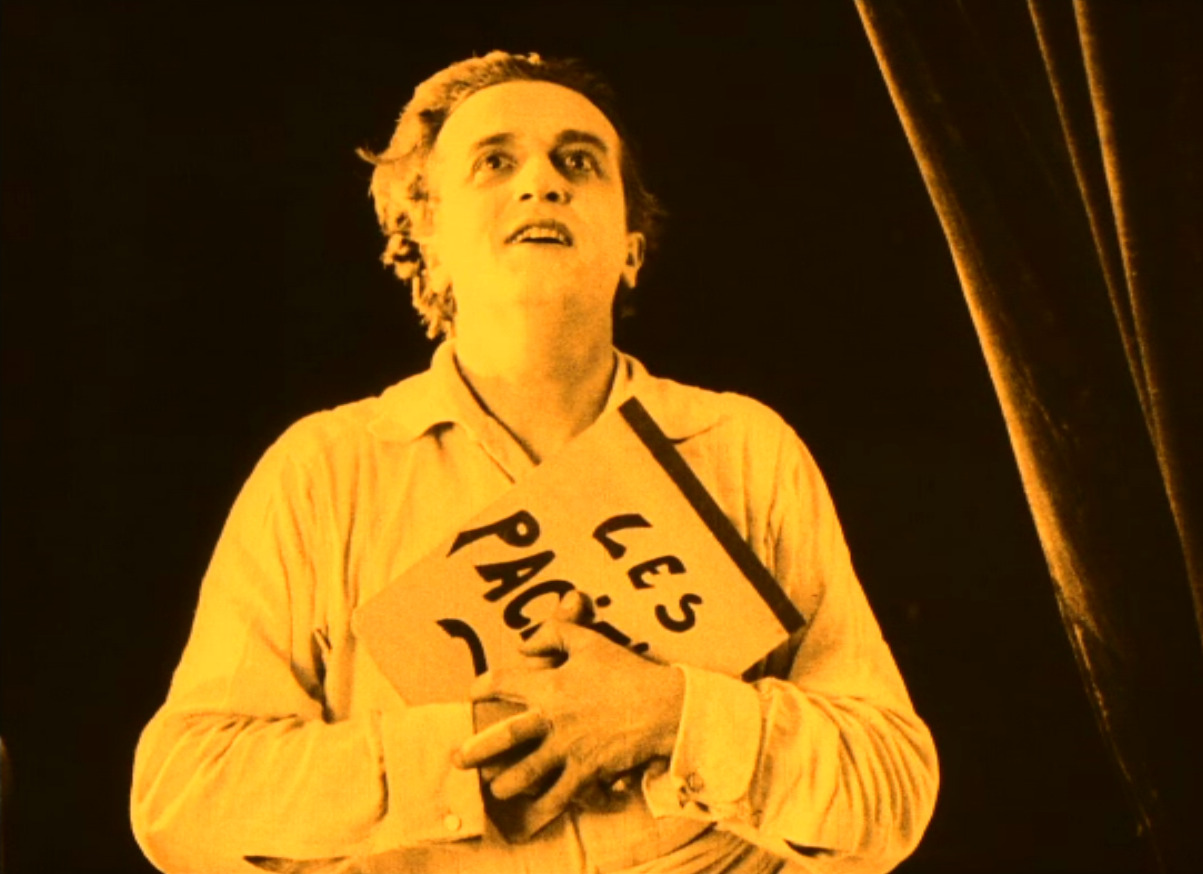
Jean Diaz (Romuald Joubé), nosso herói e poeta, é apresentado como sendo a personificação da França, todo inteligência e melancolia. Jean ama Edith (Maryse Dauvray), que é casada com um homem bêbado e violento, François (Sevérin-Mars).

Jean Diaz (Romuald Joubé), our hero and poet, is presented as the personification of France, all intelligence and melancholy. The first time we see him, the song we hear is Clair de la Lune - as French as it comes. Jean loves Edith (Maryse Dauvray), who is married to a drunken and violent man, François (Sevérin-Mars).
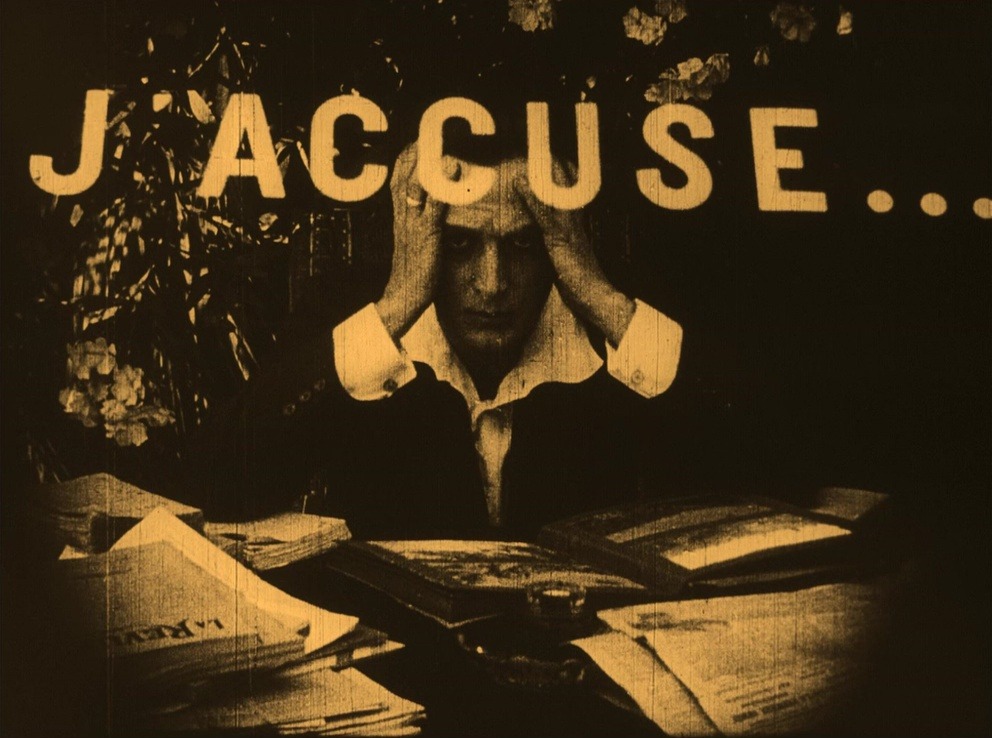

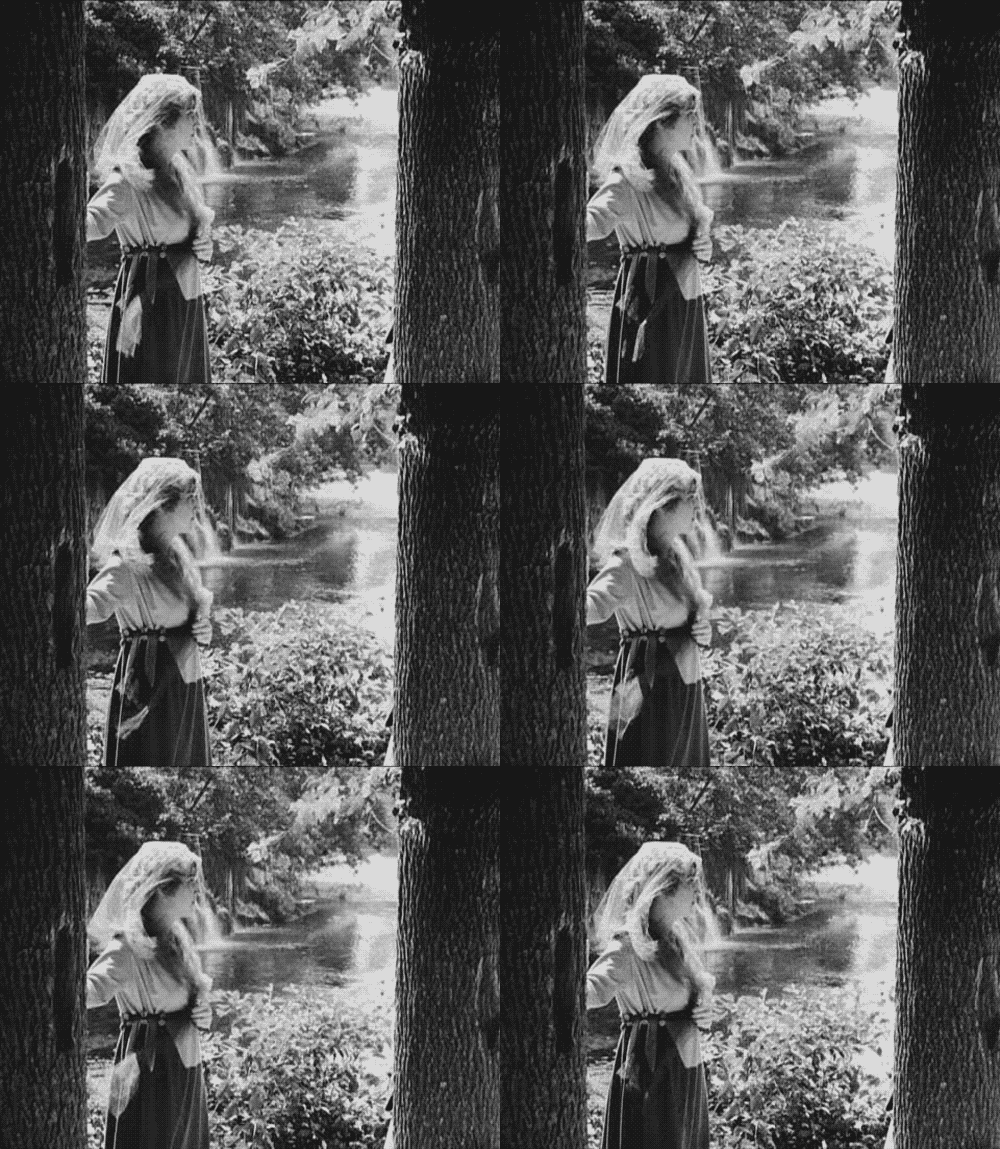
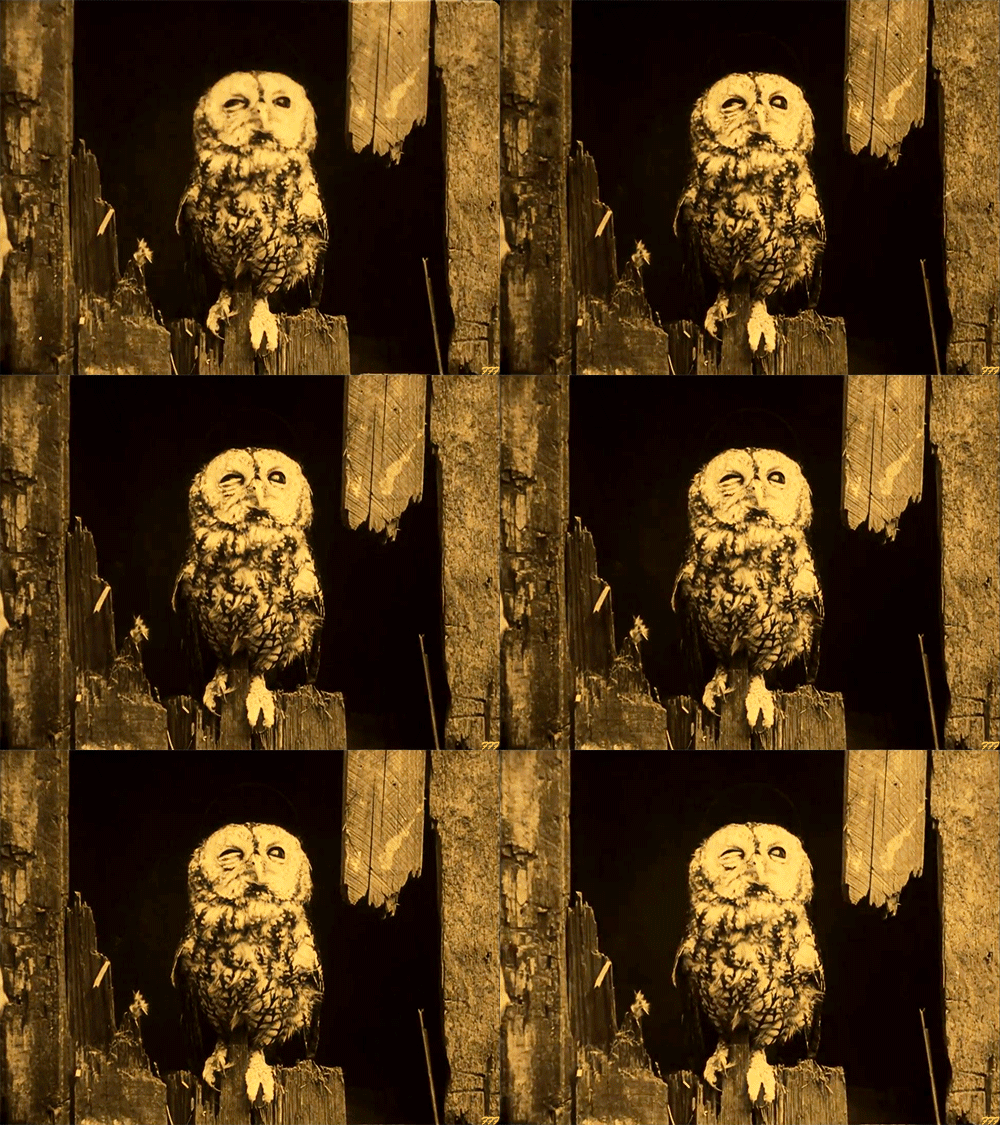
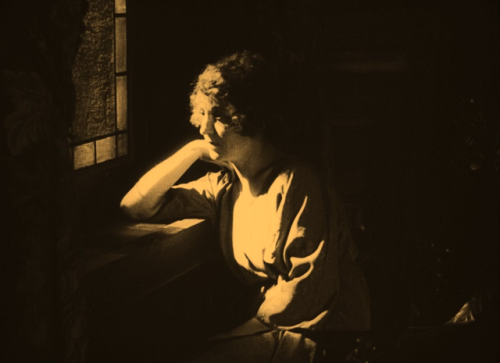
A vila onde eles moram está celebrando a véspera do dia de São João - Edith não está celebrando porque o marido a deixou trancada em casa - e o mal agouro foi avistado: uma coruja apareceu, avisando que a tragédia estava prestes a atingir a todos. Nós sabemos que tal tragédia é a guerra vindoura, e a guerra de fato chega, anunciada por uma criança que ouviu a palavra e a repetiu sem conhecer seu significado.

Their village is celebrating the Eve of St. John’s at the village - Edith is not celebrating because her husband kept her locked in the house - and bad omen was in sight: an owl appeared, announcing that tragedy was about to strike on them. We know the tragedy is the upcoming war, and the war indeed arrives, announced by a child that heard the word and repeated it without knowing the meaning.

François fica maravilhado com a notícia. Jean, que estava escrevendo uma coletânea de poemas sob o título ‘Os Pacíficos’, fica desolado. O pai de Edith, Maria Lazare (Maxime Desjardins), um herói da guerra de 1870 contra a Alemanha, também fica animado com a nova guerra, embora seja velho demais para se alistar. François manda Edith ficar com a família dele, porque ele vai partir imediatamente para o fronte, e Jean ficará na vila por mais um mês antes de partir.

François is delighted by news. Jean, who had been writing a collection of poems under the title ‘The Pacific Ones’, is desolated. Edith’s father, Maria Lazare (Maxime Desjardins), a former hero from the 1870 war against Germany, is also excited with the new war, even though he is too old to enlist. François sends Edith to stay with his family, because he will leave immediately for the front, and Jean will stay for another month before leaving.
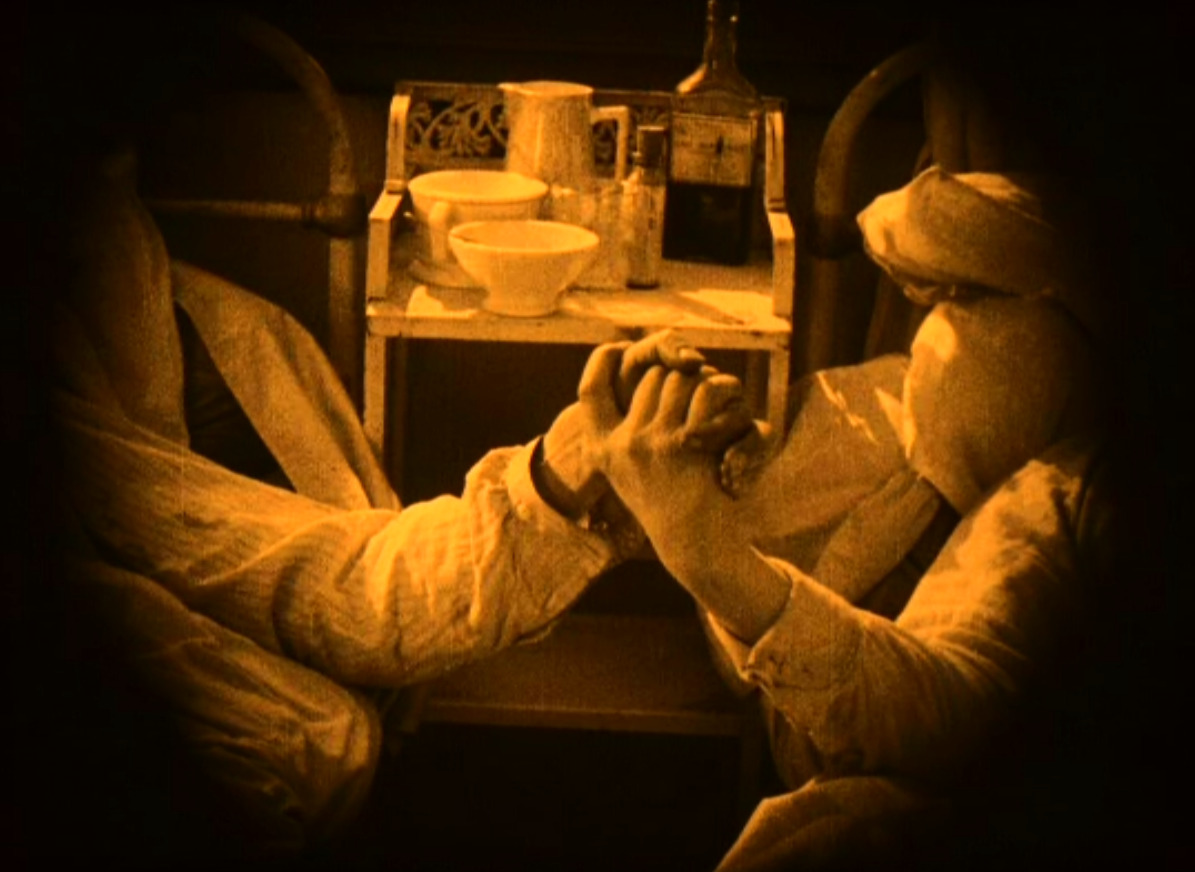
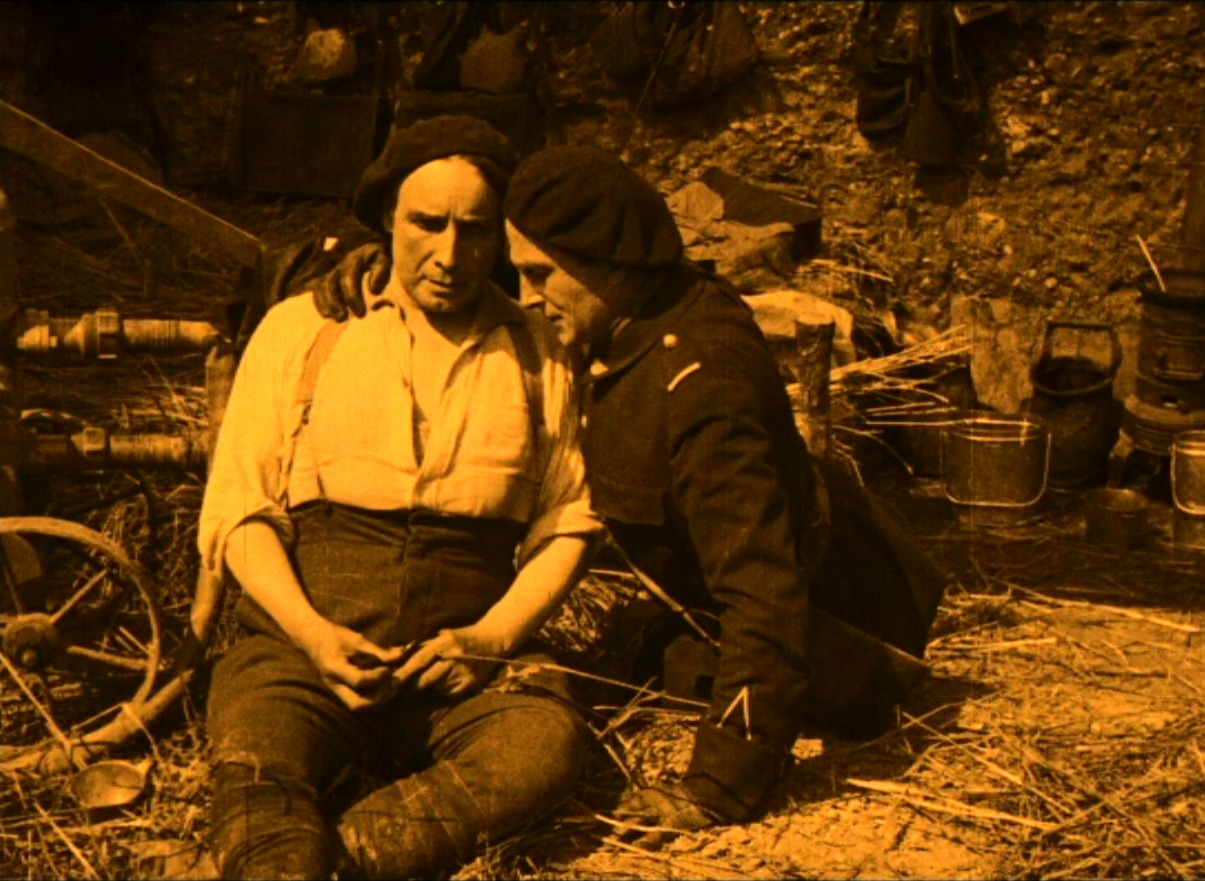
No entanto, quando Edith é sequestrada pelos inimigos, Jean se junta ao exército imediatamente e acaba se tornando tenente na companhia de François. Por causa do amor que sentem por Edith, os dois pouco a pouco se tornam camaradas. Em casa, o pai de Edith se aproxima da mãe de Jean.

However, when Edith is taken captive by the enemies, Jean joins the army immediately and ends up as the lieutenant in François’s company. Because of the love they have for Edith, they slowly become comrades. At home, Edith’s father bonds with Jean’s mother.

O filme é dividido em três partes. Por causa de seus 166 minutos no total, muitas pessoas podem considerar que a segunda parte - que se passa na vila, com Jean liberado por causa de doença e Edith de volta após fugir do cativeiro - é desnecessária, mas ela não é. Filmes de guerra raramente focam em personagens do gênero feminino porque as mulheres não vão para a batalha como soldados, mas elas sofrem tanto quanto qualquer soldado. Mulheres são sequestradas pelo inimigo, estupradas, espancadas. Mulheres sofrem porque seus amigos, maridos, pais e filhos estão no campo de batalha - e estes homens podem não voltar. Embora Edith seja uma donzela em perigo, ela é uma vítima comum da guerra.

The film is divided in three parts. Because it has, in total, 166 minutes, many people may consider the second part - set back home, with Jean on sick leave and Edith back from captivity - unnecessary, but it isn’t. War movies rarely focus on female characters because women don’t go to the front as soldiers, but they suffer just as much as any soldier. Even if they are not nurses or are not directly involved in the war, they suffer. Women are held captive by the enemy, raped, beaten. Women suffer because their friends, husbands, fathers and sons are at the front - and these men might not come back. As much as Edith is a damsel in distress, she is a common female victim of the war.
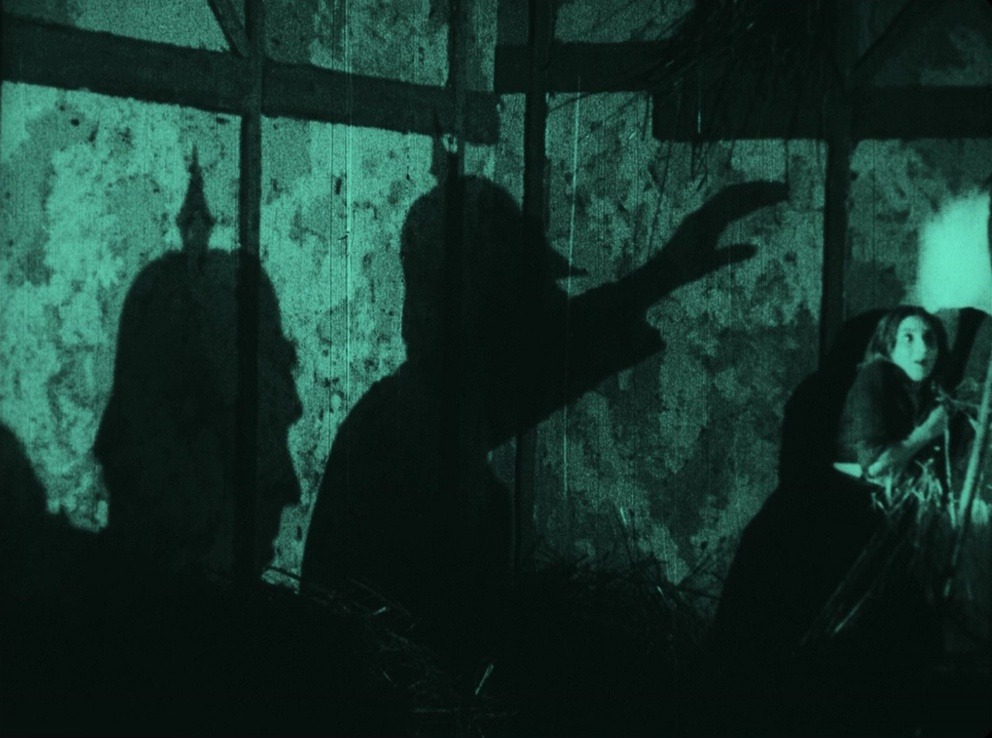

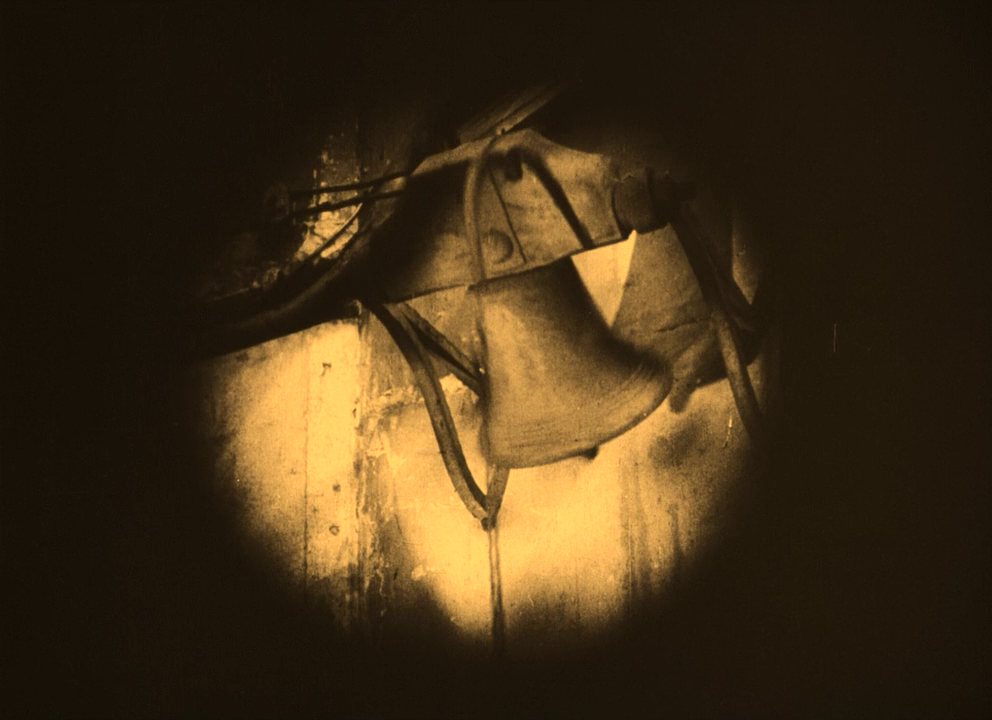
No começo, há muitos efeitos de “dissolver” que surpreendem o espectador. Ao longo do filme, o enquadramento chamado de “Iris shot” predomina - é o zoom-in, zoom-out ou close-up em forma de círculo. O close-up com Iris shot é particularmente poderoso para atrair nosso olhar para um único elemento da cena, destacando-o dos demais.

In the beginning, there are many “dissolving” effects that surprise the viewer. Throughout the movie, the Iris Shot predominates - the circle-shaped zoom-in, zoom-out or close-up. The Iris close-up is particularly powerful to make us look at only one element in the scene, making it stand out from the rest.

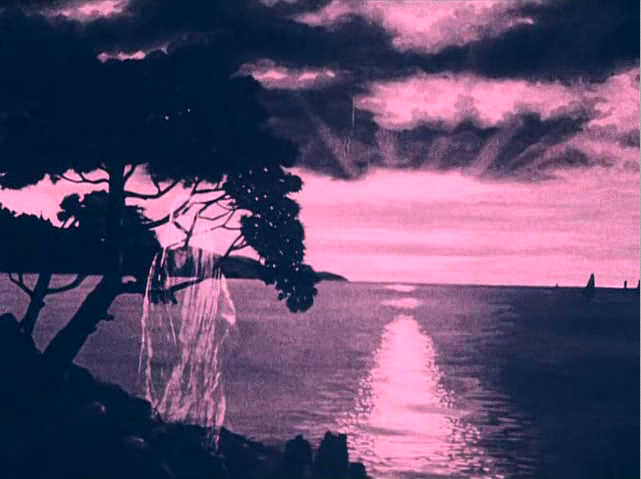
Um dos poemas de Jean - a Ode ao Sol - é particularmente importante para a narrativa. Entretanto, nós nunca chegamos a conhecer as palavras que compõem o poema. Abel Gance escolheu, em vez disso, usar motifs visuais do nascer do sol, pôr do sol e do sol espelhado nas águas enquanto o poema é recitado por Jean. Nós podemos inventar as palavras - ou não, porque elas não importam. As imagens foram suficientes para traduzir o que Jean quis dizer com seu poema.

One of Jean’s poems - the Ode to the Sun - is particularly important to the narrative. However, we never get to know the words that compose the poem. Abel Gance chose, instead, to use visual motifs of the sunrise, the sunset and the sun mirrored in the water when the poem was recited by Jean. We can make up the words - or maybe not, because they don’t matter. The images were enough to translate whatever Jean wanted to say with his poem.

E a verdadeira literatura surge, sem querer, como trechos de cartas de soldados. Eu imagino que, porque o filme foi feito logo depois da guerra, estas cartas não sejam reais, mas certamente são tocantes. E, desde então, tivemos acesso a cartas reais de soldados e vimos que elas são em geral emocionantes. É prova de que a beleza pode surgir de grandes doses de horror e dor.

And then the real, yet unpremeditated, literature appears as bits of letters from the soldiers. I imagine that, because the film was made so little after the war, those letters are not real ones, but they certainly are touching. And, since then, we got access to real soldiers’ letters and saw that they are usually very moving. It’s proof that beauty can appear from the utmost horror and pain.


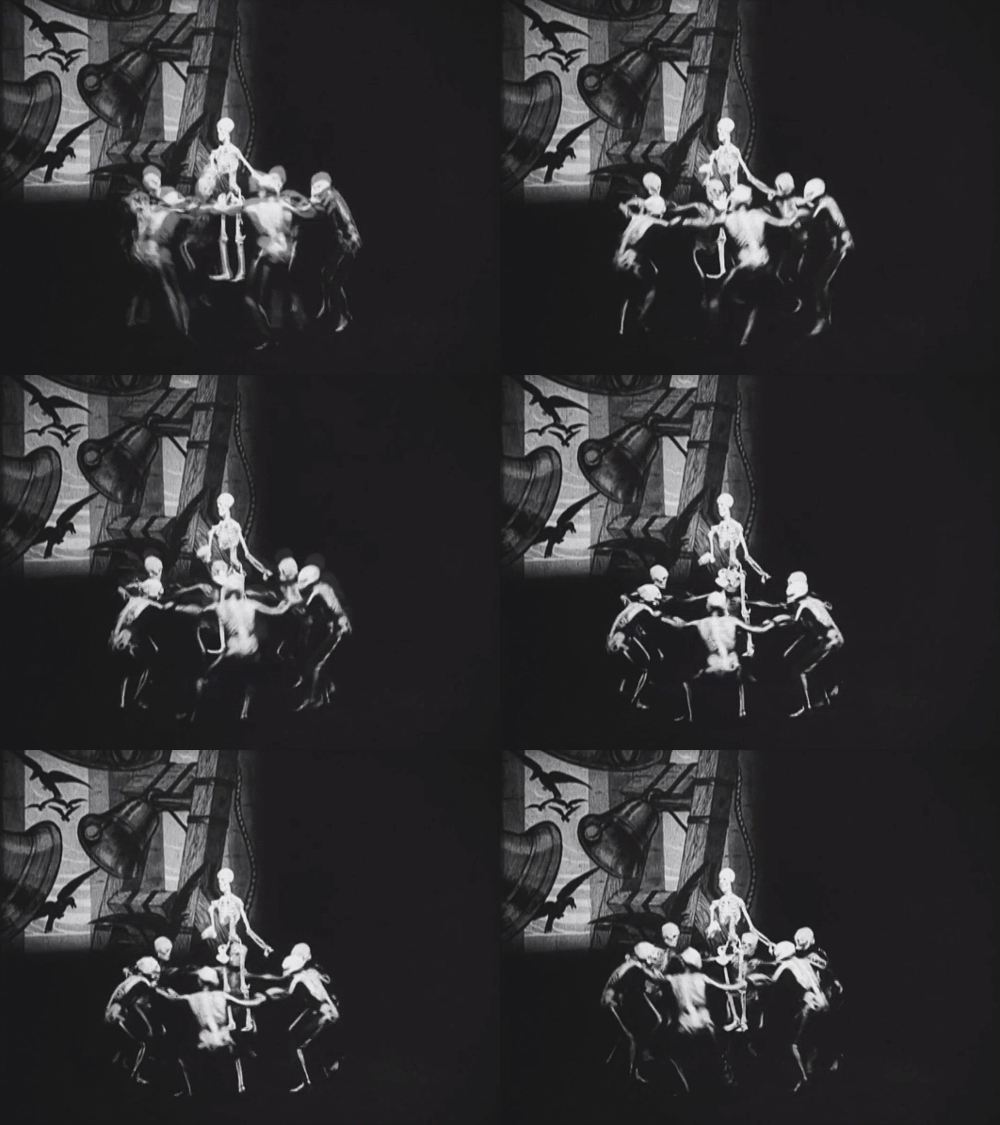
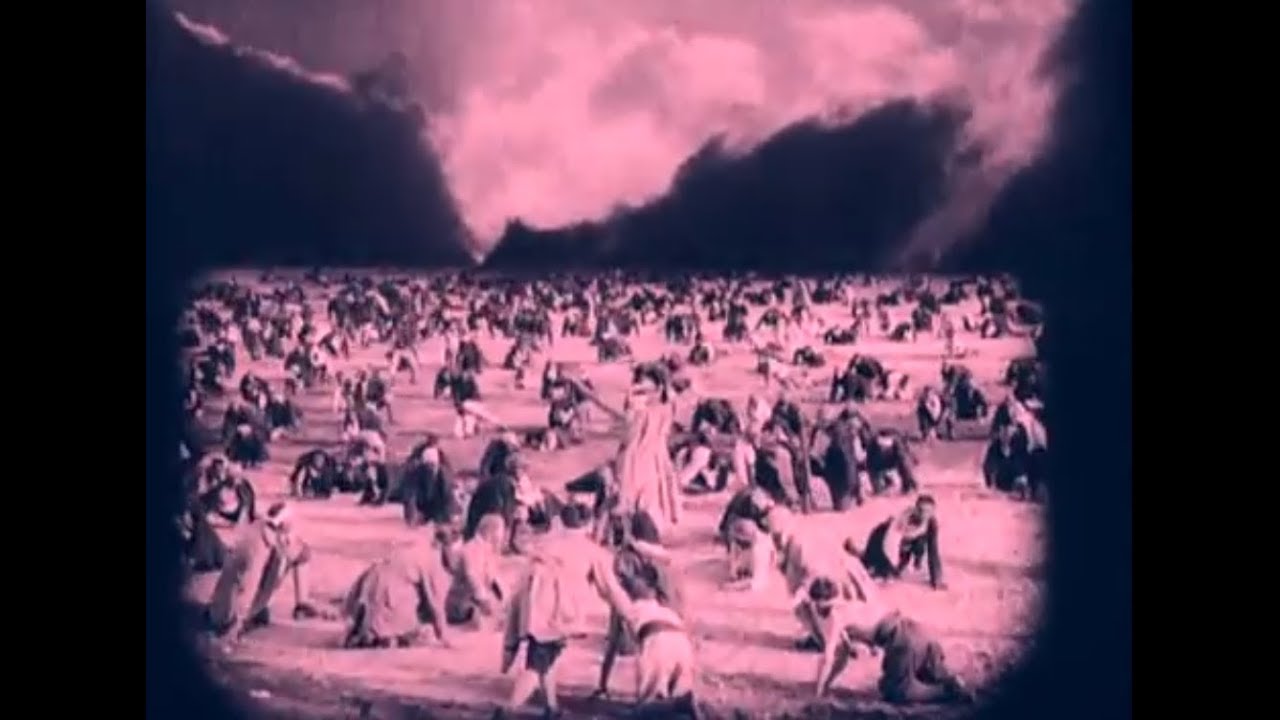
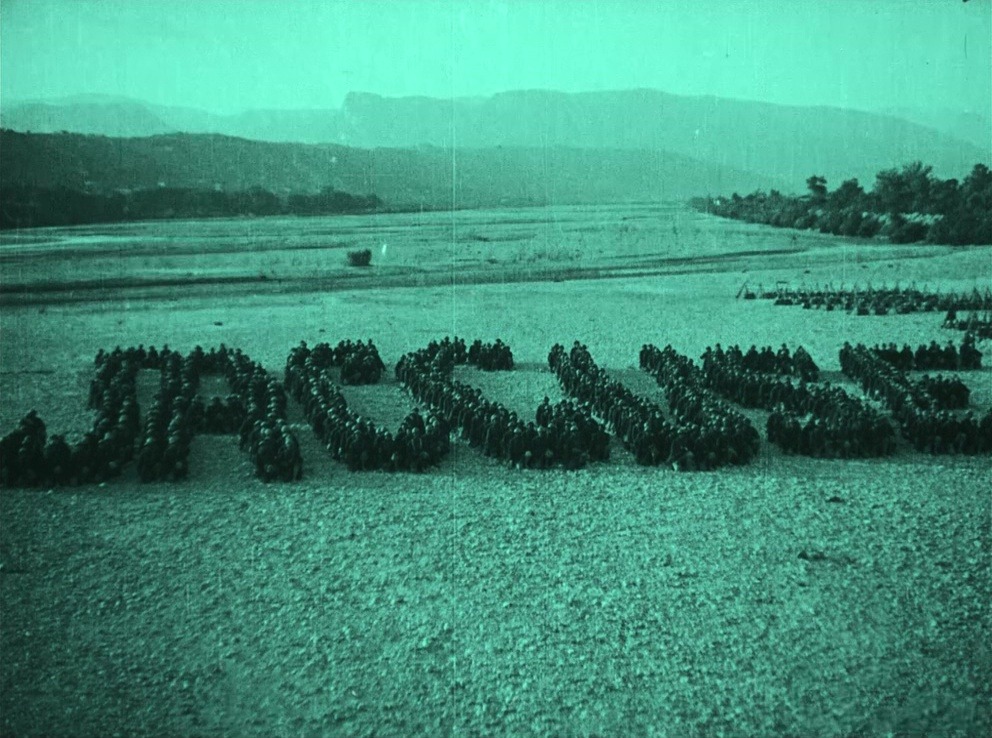
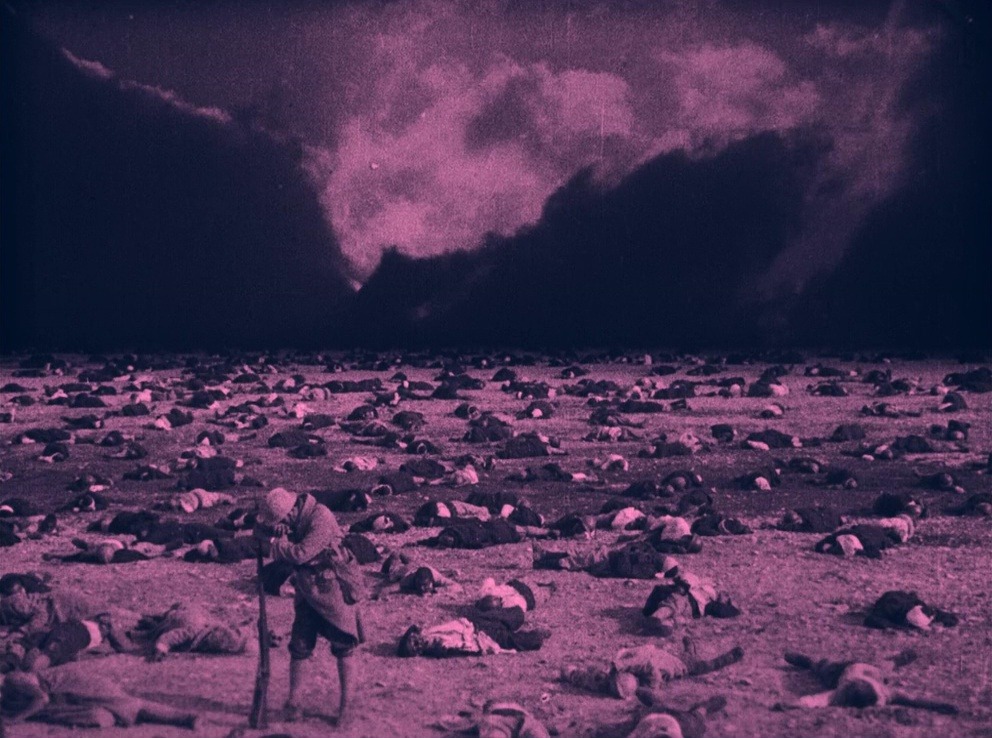
A sequência mais impressionante, na qual os mortos retornam de seus túmulos para marchar para a vila e ver se o sacrifício foi em vão, foi filmado com 2000 figurantes que eram na verdade soldados de folga. Eles haviam acabado de sair de Verdun e tinham oito dias de folga antes da volta para a luta no campo de batalha. Mais tarde, o diretor Abel Gance calculou que 80% dos homens da cena da marcha morreram em batalha.

The most impressive sequence, in which the dead return from their graves to march to the village to see if their sacrifice was in vain, was shot with 2000 extras who were actual soldiers on leave. They had just come from Verdun and had eight days off until they came back to the front to fight again. Later, director Abel Gance calculated that 80% of the men in the march footage really died in battle.

“Eu Acuso” foi um filme antiguerra pioneiro. Mais do que isso, foi um filme com técnicas de edição e cinematografia tão ousadas e pede feitas que deixariam o suposto mestre D.W. Griffith com muita inveja. É longo, complexo e brinca com nossos sentimentos. Melodramático, talvez. Necessário, sem dúvida. É uma obra de arte maravilhosa. Afinal, a arte é sobre experiências universais, como o amor, a morte, e a mistura das duas: a guerra.

“J’Accuse” was a pioneering anti-war movie. More than that, it was a film with editing techniques and cinematography so daring and perfect that would make the so-called great master D.W. Griffith incredibly jealous. It’s long, complex and it plays with our emotions. Melodramatic, maybe. Necessary, without a doubt. It’s a wonderful work of art. After all, art is about universal experiences, like love, death and the mix of these two: war.

This is my contribution to the World War One on Film Blogathon, hosted by Maddy at Maddy Loves Her Classic Films.

Friday, November 9, 2018

Variações sobre um mesmo tema: Sublime Obsessão / Magnificent Obsession (1935 e 1954)

ESTE ARTIGO CONTÉM SPOILERS

THIS ARTICLE HAS SPOILERS


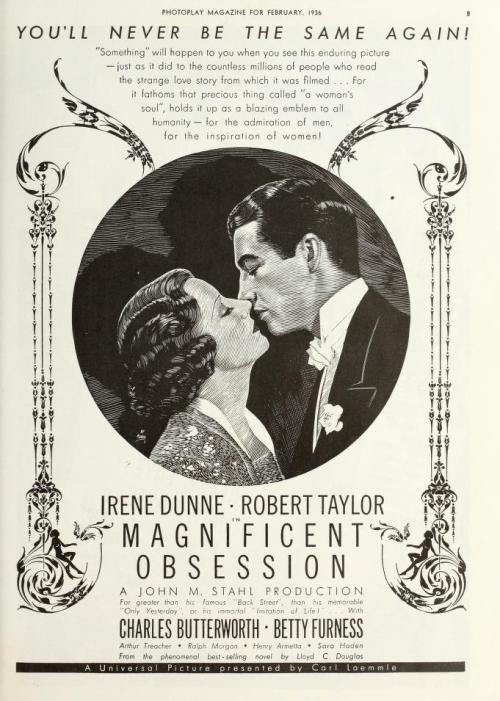
A história de “Sublime Obsessão” é o mais melodramática possível. E quando o livro é adaptado para o cinema, ele ajuda estrelas a surgirem, ou melhor, a chamarem atenção: ambos os protagonistas masculinos, que já trabalhavam no cinema, se tornaram superestrelas após fazerem “Sublime Obsessão”.

The story of “Magnificent Obsession” is as melodramatic as it gets. And when the novel is adapted to film, it helps stars to be born, or better, paid attention to: both male leads, already working in film, became superstars after starring in “Magnificent Obsession”.


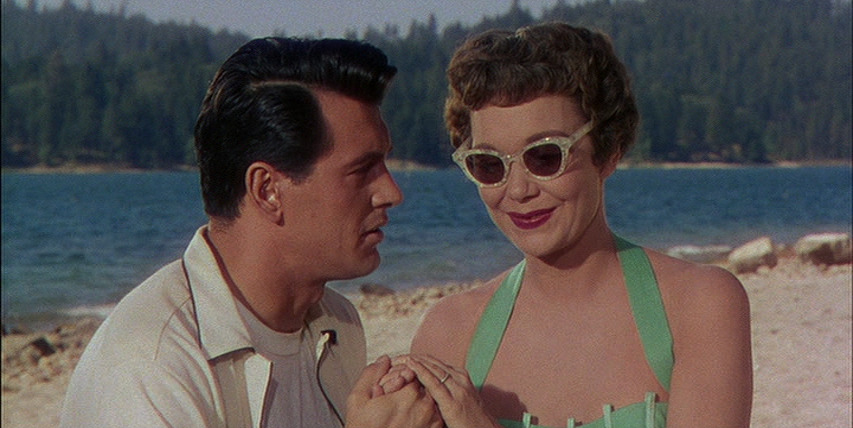
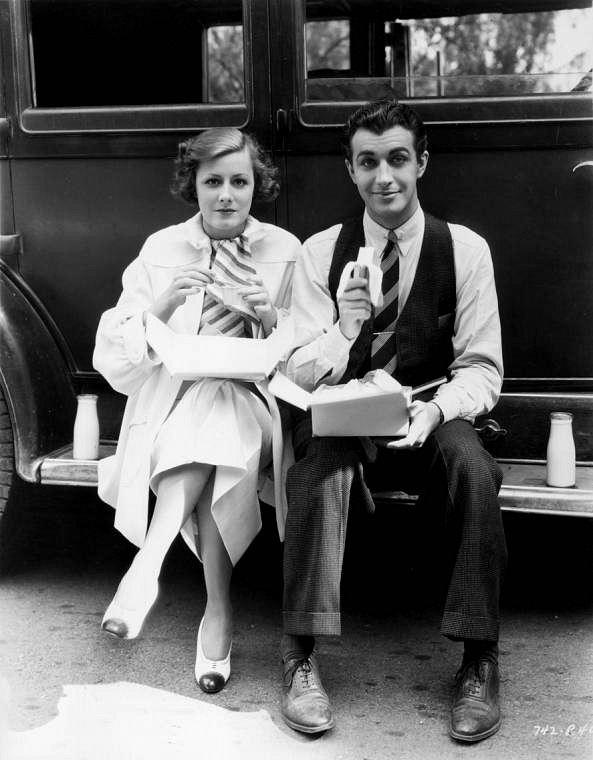
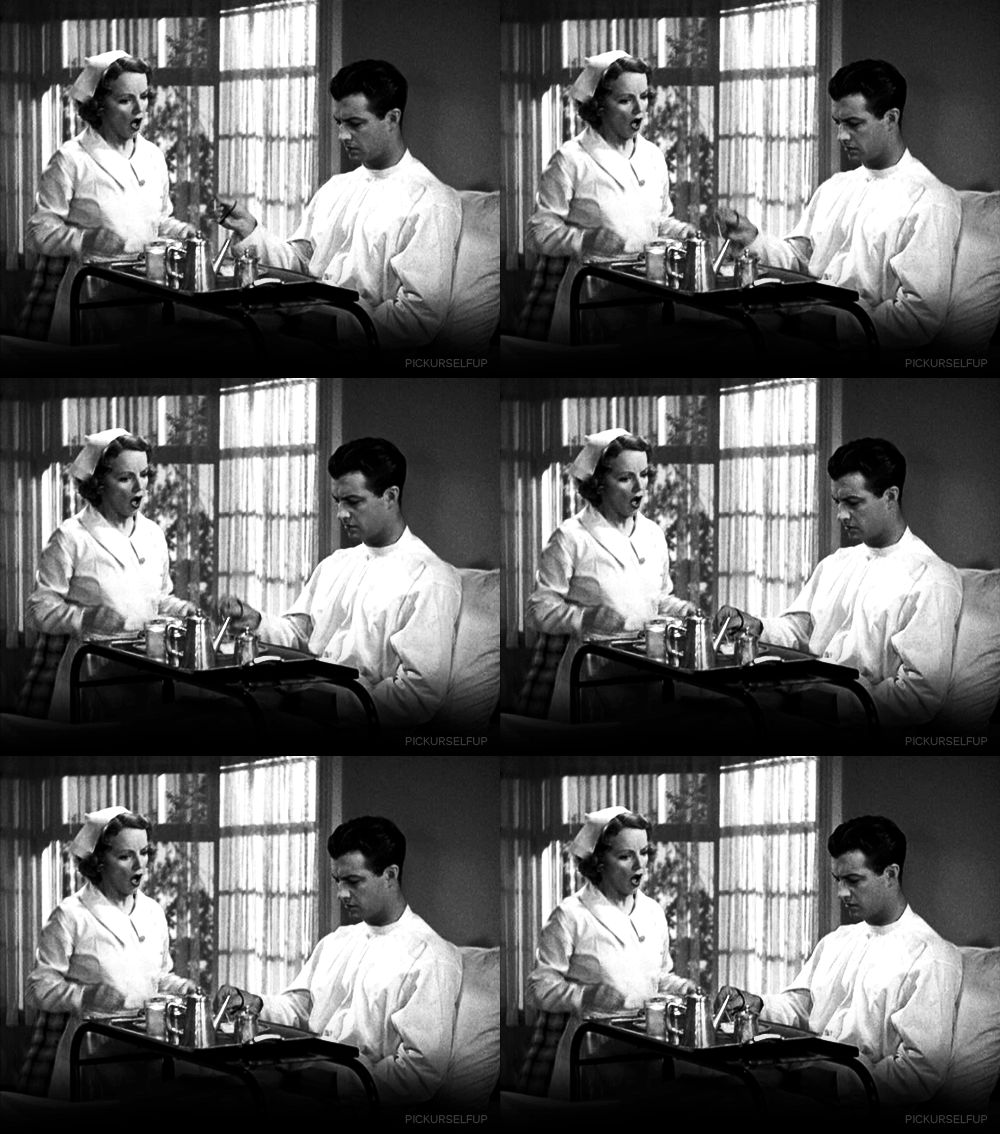
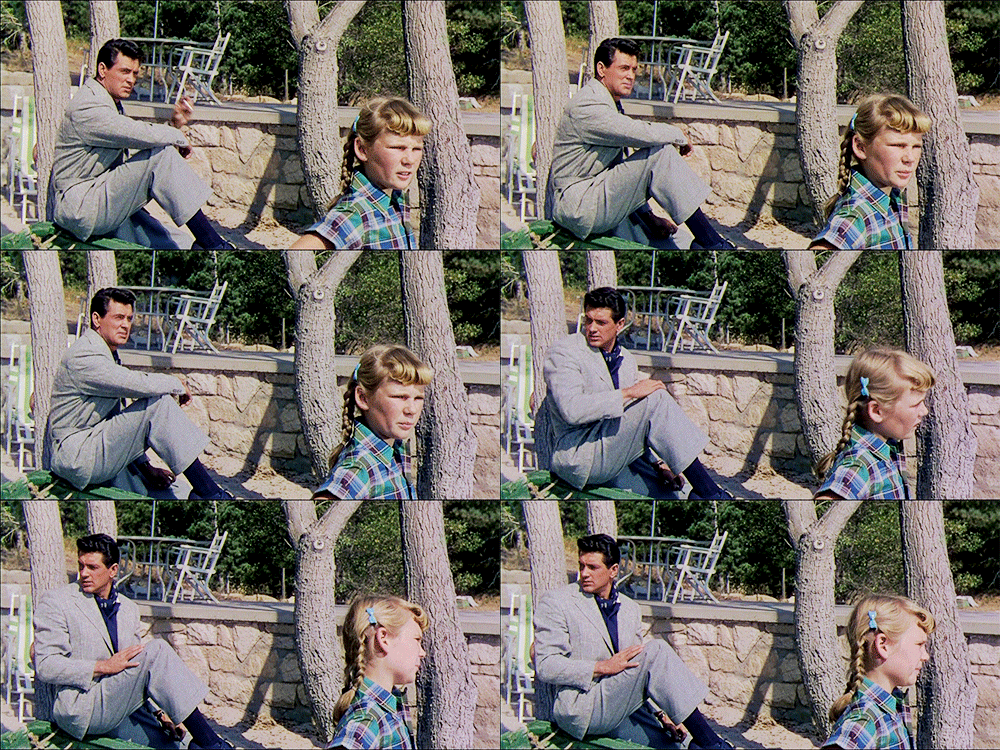
Dois homens se afogaram em um lago ao mesmo tempo. Um deles era o famoso médico Dr. Hudson, que dava um mergulho. O outro era o playboy Robert Merrick (Robert Taylor / Rock Hudson), bêbado após uma festa que durou a noite toda. Havia apenas uma máquina para ressuscitação – e ela foi usada em Robert, que foi resgatado primeiro. Dr. Hudson faleceu, deixando uma viúva muito jovem, Helen (Irene Dunne / Jane Wyman) e também muitas boas ações enquanto filantropo.

Two men drowned at a lake at the same time. One was the famous physician Dr. Hudson, out for a quick swim. The other was playboy Robert Merrick (Robert Taylor / Rock Hudson), drunk after an all-night party. There was only one lung machine – a resuscitation machine – and it was used on Robert, who was picked up first. Dr. Hudson died, leaving behind a very young widow, Helen (Irene Dunne / Jane Wyman) and many unsung works as a philantropist.


Dr. Hudson ajudava as pessoas em segredo e nunca as deixava pagar pela ajuda – até que ajudar as pessoas se tornou sua sublime obsessão. Isto é contado a Robert Merrick por Randolph (Ralph Morgan / Otto Kruger), um artista que foi tocado pela bondade do Dr. Hudson e por isso teve uma próspera carreira. Desde então, Randolph segue a filosofia de vida de fazer boas ações sem esperar nada em troca.

Dr. Hudson helped people in secret and never let them pay him back – until helping people became a magnificent obsession to him. This is told to Robert Merrick by Randolph (Ralph Morgan / Otto Kruger), an artist whose career was helped by Dr. Hudson's goodness. Ever since then, Randolph follows the life philosophy of doing good deeds without expecting a return.


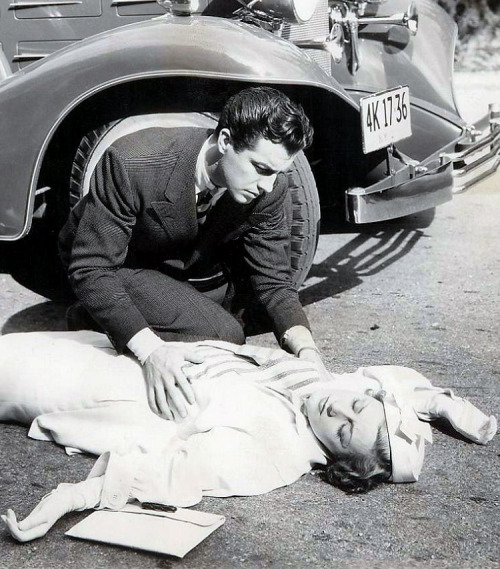
Robert também é inspirado pela filosofia, mas quer algo em troca após fazer boas ações: ele quer Helen, depois de vê-la do lado de for a do hospital e se apaixonar. Ela, como esperado, o detesta. Mas como ele não entendeu realmente a filosofia, acontece uma tragédia: ao fugir das investidas de Robert, Helen é atingida por um carro e fica cega.

Robert is inspired by the philosophy, too, but he wants something to happen after he does the good deeds: he wants to have Helen, whom he saw outside the hospital and who, as expected, loathes him. But because he didn't really understand the philosophy, tragedy strikes: as Helen is trying to run away from Robert, she is hit by a car and becomes blind.


Robert vai desistir? NÃO! Agora mais bondoso, ele se aproxima de Helen que, cega, está reaprendendo a viver, e se torna amigo dela, se apresentando como Doutor Robert. Ao mesmo tempo, ele fica inspirado e decide transformar sua mentira em realidade e volta a estudar para ser médico, cirurgião no cérebro, especialista na parte do cérebro que comanda a visão.

Will Robert give up? NO! Now kinder, he approaches the blind Helen, who is relearning to live, and becomes her friend, presenting himself as Doctor Robert. At the same time, he gets excited and decides to make his lie become true by going back to college to become a brain surgeon, specialized in the part of the brain responsible for the vision.


Uau. Que dramático. Esta história de fazer chorar teve origem no romance “Sublime Obsessão”, escrita por Lloyd C. Douglas e publicado em 1929 – o autor também escreveu o drama religioso “O Manto Sagrado”.

Wow. So dramatic. This tear-inducing story was originated in the novel “Magnificent Obsession”, written by Lloyd C. Douglas and published in 1929 – Lloyd also wrote the religious drama “The Robe”.


A diferença principal entre as duas versões é óbvia: a de 1935 é em preto e branco, enquanto a de 1954 é a cores. Além disso, em 1935 o médico é chamado de Hudson, enquanto a versão de 1954 voltou ao sobrenome original, Phillips.

The main difference from both versions is obvious: the 1935 version is in black and white, while the 1954 one is in color. Moreover, in 1935 the doctor is called Hudson, while the 1954 version got back the doctor's original last name, Phillips.


Alguns truques foram usados para que as atrizes interpretassem mulheres cegas e continuassem andando e agindo normalmente. Irene Dunne ficou olhando para baixo o tempo todo, e tinha os maiores cílios já vistos em uma mulher cega no cinema. Jane Wyman usou óculos escuros a maior parte do tempo em que interpreta Helen estando cega. Ambas são convincentes no papel, mas só Jane Wyman foi indicada ao Oscar.

There were some tricks to make the actresses play blind women but keep walking and acting normally. Irenne Dunne kept her eyes down all the time, and supported the hugest eyelashes a blind woman has ever had on screen. Jane Wyman wore mostly dark sunglasses in her blind scenes. Both are convincing when playing blind, but only Wyman was nominated for an Oscar. 


Antes de fazer “Sublime Obsessão”, Robert Taylor tinha um contrato com a MGM – contrato que começou em 1934 com um salário de 35 dólares por semana. Ele não tinha muito sucesso, por isso a MGM o emprestou para o estúdio Universal para este filme, e Robert virou um sucesso do dia para a noite – de fato, havia filas quilométricas para os cinemas, no auge do inverno americano de 1935, só para vê-lo em “Sublime Obsessão”. Ele voltou para a MGM com um salário de 2500 dólares por semana e permaneceu no estúdio com exclusividade por 24 anos. Numa conexão interessante com o filme, conta-se que médicos disseram que a mãe de Robert morreria antes dos 30 anos de idade, e então o pai dele – amigo de infância da mãe – foi estudar medicina e conseguiu curá-la, provando que os médicos estavam errados.

Before making “Magnificent Obsession”, Robert Taylor was under contract with MGM – the contract started in 1934 with 35 dollars a week. He wasn’t very successful, so MGM loaned him to Universal for the film, and Robert saw overnight success – actually, lines were huge in the American winter of 1935 to see him in “Magnificent Obsession”. He returned to MGM with a salary of 2500 dollars a week and was an exclusive actor at the studio for 24 years. In a nice connection to the movie, a story often told is that doctors once predicted that Robert’s mother would die before she was 30, so his father – a childhood sweetheart – became a doctor and cured her condition, proving the prediction wrong.


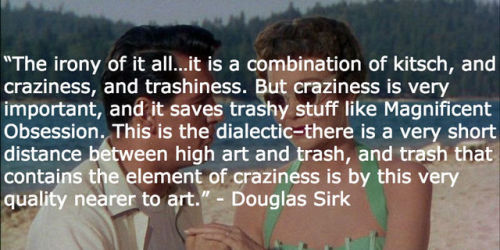
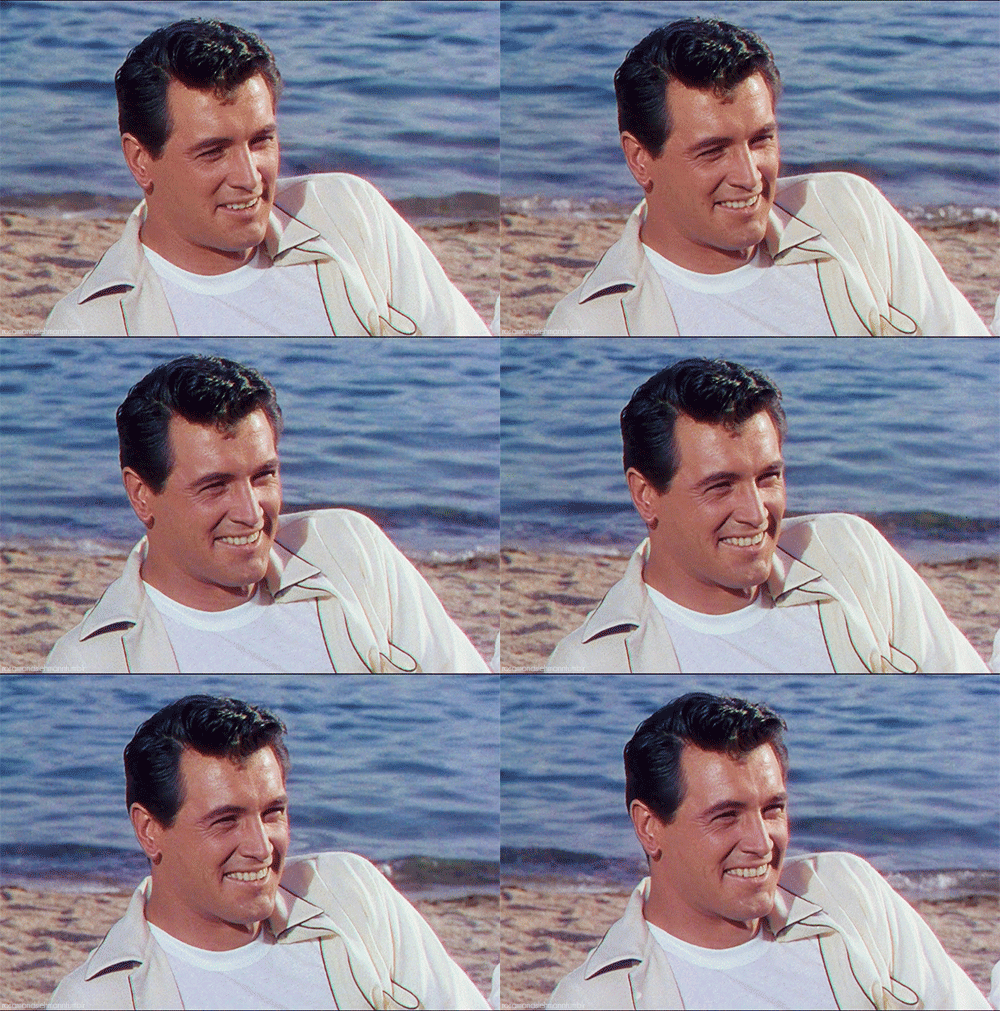
Rock Hudson também estava com problemas na carreira em 1953. Alto, moreno e bonito – embora a beleza não chamasse a atenção dos chefes de estúdio na época – ele interpretava, desde 1948, coadjuvantes, protagonistas em filmes B e, em muitas ocasiões, índios. Quando Jeff Chandler recusou o papel de Bob Merrick em “Sublime Obsessão”, tudo mudou. Rock foi convidado pelo amigo, o diretor Douglas Sirk, com quem já havia trabalhado duas vezes, e aceitou o papel. Mais uma vez, quando o filme estreou, todos os olhos se voltaram para aquele jovem charmoso. Era o começo de uma carreira de sucesso para Rock, com e sem Douglas Sirk.

Rock Hudson was also in a bad place in his career in 1953. Tall, dark and handsome – the “handsome” wasn’t really getting much attention – he had been playing, since 1948, supporting characters, leads in B-movies and often Indians. When Jeff Chandler refused the role of Bob Merrick in “Magnificent Obsession”, everything changed. Rock was invited by his friend, director Douglas Sirk, with whom he had already worked twice, and accepted the part. Once again, when the film hit the screens, all eyes paid attention to that charming young man. It was the beginning of a successful career for Rock, with and without Douglas Sirk.


Dos quatro melodramas mais famosos feitos por Douglas Sirk nos anos 50, – e que são provavelmente os filmes mais conhecidos de sua carreira – dois vieram de histórias originais – “Tudo que o céu permite” (1955) e “Palavras ao Vento” (1956) – e os outros dois eram remakes. Curiosamente, tanto “Sublime Obsessão” quanto “Imitação da Vida” tiveram suas primeiras versões dirigidas por John M. Stahl nos anos 30. Embora praticamente esquecido hoje, Stahl foi um dos fundadores da Academia do Oscar, um diretor e produtor de sucesso. Seu filme mais famoso é “Amar foi minha Ruína” (1945).

Out of Douglas Sirk's four most famous melodramas of the 1950s, – and arguably the four more famous of his whole career – two were original stories - “All that Heaven Allows” (1955) and “Written in the Wind” (1956) – and the other two were remakes. Curiously, both “Magnificent Obsession” and “Imitation of Life” were first made by John M. Stahl in the 1930s. Although almost forgotten today, Stahl was one of the founding members of AMPAS, a successful director and producer. His most famous film is “Leave her to Heaven” (1945).


Se você gosta de melodramas ou precisa chorar um pouco, ambas as versões de “Sublime Obsessão” irão servir ao propósito. Ambas prendem o espectador, são emocionantes e bem feitas, uma dirigida por um mestre celebrado, outra por um mestre obscuro. Mas preciso advertir: ver as duas versões num mesmo dia pode causar desidratação.

If you are into melodramas or in need of a good cry, both versions of “Magnificent Obsession” will please you. Both are moving, engaging and well-done, one by a celebrated master, another by an obscure one. But I must warn: watching both back-to-back may cause dehydration.

This is my contribution to The Remake of “They Remade What?!” blogathon, hosted by Laura at Phyllis Loves her Classic Movies.


Monday, November 5, 2018

Um Rival nas Alturas (1944) / The Heavenly Body (1944)


Você já leu seu horóscopo hoje? Ele trouxe boas ou más previsões? Você está aqui somente porque ele disse que hoje era um bom dia para ler um blog bilíngue de cinema clássico? Não importam as respostas para estas perguntas; é preciso perceber que horóscopo e o zodíaco já eram bons assuntos para serem discutidos em filmes lá em 1944, quando a deliciosa mas pouco conhecida comédia “Um Rival nas Alturas” foi feita.

Have you read your horoscope today? Did it have good or bad predictions? Are you here only because it said today was a good day to read a bilingual blog on classic film? No matter the answers to these questions, we must face horoscopes and the Zodiac were already good plot devices back in 1944, when the delightful yet lesser known screwball comedy “The Heavenly Body” was made. 


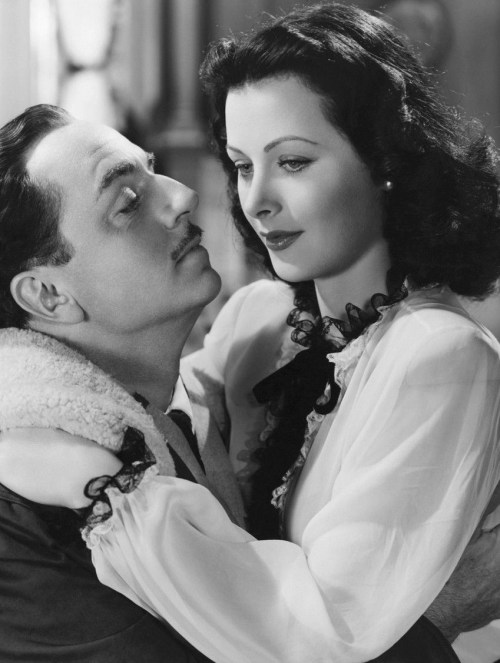
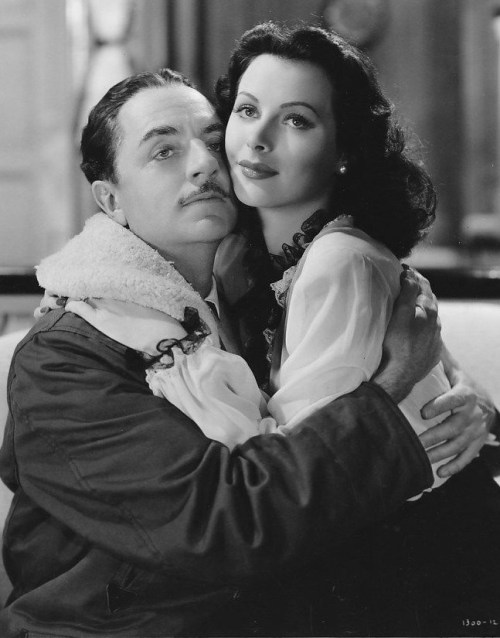
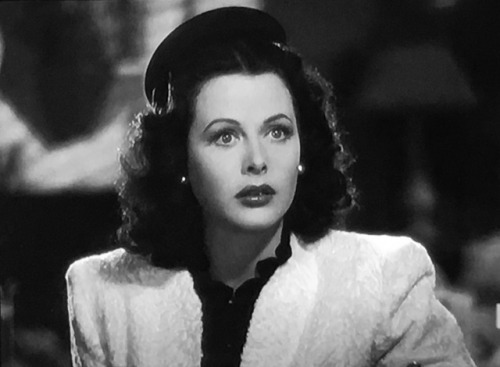
A confusão entre astronomia e astrologia é o cerne do conflito de “Um Rival nas Alturas”. Como diz o professor William Whitley (William Powell), astronomia é uma ciência, astrologia é superstição. O professor acabou de descobrir um novo cometa, e mesmo assim sua esposa, Vicky (Hedy Lamarr), está decidida a se consultar com uma astróloga porque sua vizinha está dizendo maravilhas a respeito da poderosa mulher.

The confusion between astronomy and astrology is at the heart of the conflict in “The Heavenly Body”. As Professor William Whitley (William Powell) puts it, astronomy is a science, astrology is superstition. Professor Whitley is a famous astronomer who just discovered a new comet, and yet his wife, Vicky (Hedy Lamarr) is willing to see an astrologer because her neighbor has been talking wonderful things about her.


Na verdade, a vizinha Nancy Potter (Spring Byington) está completamente dependente da consulta ao horóscopo para escolher o que vestir ou o que fazer em determinado dia. Ela seria uma daquelas chefes que não contratariam pessoas dos signos de Virgem e Escorpião de maneira alguma. Sim, é 1944 e já tínhamos maníacos por horóscopo!

In fact, the neighbor Nancy Potter (Spring Byington) is completely dependent on her horoscope in order to choose her clothes or her next step for that day. She would be one of those bosses who don’t hire Virgos or Scorpios under any circumstances. Yes, it’s 1944 and we already had horoscope freaks!


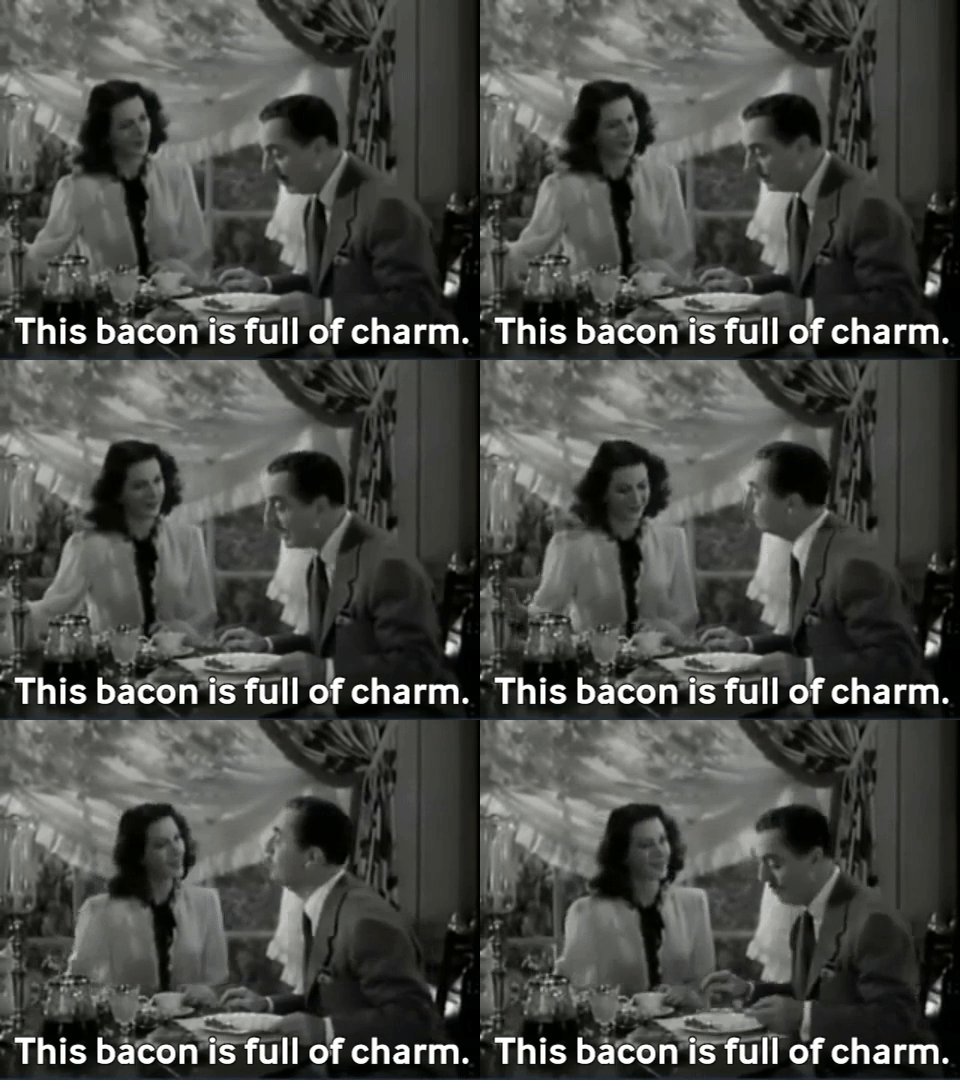
O casal Whitley tem uma rotina caótica. Já que o professor tem de trabalhar à noite, quando as estrelas e outros corpos celestes estão visíveis, ele chega em casa quando Vicky acorda. E ele toma café da manhã uma hora antes de Vicky jantar. Por causa disso, eles não conseguem encontrar uma empregada que se acostume aos horários deles – você sabe, #WhitePeopleProblems.

The Whitley couple has a hectic schedule. Since the professor has to work at night, when the stars and other heavenly bodies are visible, he arrives home when Vicky wakes up. And he has breakfast one hour before Vicky has dinner. Because of this, they can’t find a maid that will suit their needs – you know, White People Problems™.


Quando Whitley descobre que a esposa se consultou com uma astróloga, ele reage como se ela tivesse cometido um crime. A situação é bastante ridícula com Vicky evitando chegar perto de janelas aos domingos e de seu marido às terças-feiras, mas tudo piora quando a senhora Sybill diz a Vicky que ela irá conhecer seu amor verdadeiro – que, obviamente, não é o senhor Whitley. Não há nada a ser feito: está escrito nas estrelas.

When Whitley learns that his wife saw an astrologer, he reacts as if she had committed a crime. The situation is ridiculous enough as Vicky starts avoiding windows on Sundays and her husband on Tuesdays, but it really gets ugly when Mrs Sybill tells Vicky she is about to meet her one true love – who, obviously, isn’t Mr. Whitley. There is nothing they can do: it’s simply written in the stars.


Você acredita em horóscopo? É uma pergunta difícil para mim. Como alguém que nasceu entre dois signos do zodíaco – Câncer e Leão – eu vejo características de ambos em mim mesma. Eu também fico feliz quando meu horóscopo acerta – tipo quando eu li que pessoas de Câncer são bons historiadores. Mas eu também não leio o horóscopo com frequência nem tomo decisões baseada nele.

Do you believe in horoscopes? That is a difficult answer for me to answer. Being someone who was born on the verge of the change of two Zodiac signs – from Cancer to Leo – I see characteristics of both signs in myself. I also get happy when my horoscope gets it right – like when I once read that Cancers make good historians. But I also don’t read the horoscope often and don’t make choices based on it.


Nós acreditamos em horóscopos porque gostamos de acreditar – em qualquer coisa. A vida é tão caótica que precisamos acreditar em alguma coisa que a controle – não importa se for religião, estrelas, destino, deuses ou uma combinação destas coisas. Acreditar em horóscopos tira um pouco da culpa – “Eu só faço isso porque é típico de Capricórnio” – e acaba com a necessidade de fazer escolhas – “Eu farei isso porque é algo bom para alguém de Peixes fazer no dia de hoje”.

We believe in horoscopes because we like to believe – in anything. Life is so hectic and chaotic that we must believe in something controlling it – no matter if it is religion, stars, destiny, gods or a combination of them. Believing in horoscopes take away some kind of guilt – “I only do that because I’m a Capricorn” – and the need to make some choices – “I’ll do that because it’s a good thing for a Pisces to do today”.


Mesmo sem acreditar no negócio, Vicky se consulta com a senhora Sybill (Fay Bainter), que faz previsões para políticos, reis e outras pessoas importantes. E ela diz nunca estar errada. E quando Vicky conhece o correspondente de guerra Lloyd Hunter (Jim Craig), ela pensa que ele é o homem vindo de terras estrangeiras que ela deveria encontrar e por quem iria se apaixonar. Obviamente, Whitley não deixará Vicky ir embora, e tentará vários truques para fazê-la parar de acreditar na senhora Sybill.

Even without believing the thing, Vicky goes see Mrs Sybill (Fay Bainter), who makes predictions for politicians, kings and other important people. And she says she is never wrong. As Vicky meets the war correspondent Lloyd Hunter (Jim Craig), she thinks he is the man from foreign lands she is supposed to meet and fall in love with. Of course, Whitley won’t let Vicky go so easy, and he’ll try several tricks to make her stop believing Mrs Sybill.


“Um Rival nas Alturas” é um filme divertido que ensina algumas coisas. Você pode vê-lo e querer procurar cometas e luas com um telescópio. Você também pode querer ver qual é o jeito certo de tomar vodka – com um limão na língua, com o limão na bebida ou com pimenta – e nunca descobrir o certo porque haverá uma grande festa rua na sua casa antes que você seja considerado bêbado demais para prosseguir festejando. Você também pode querer tentar o que quiser – ou qualquer coisa que for sugerida pelo seu horóscopo.

“The Heavenly Body” is a fun movie that teaches a few things. You may watch it and try looking for comets and moons through telescopes. You may also try to learn the proper way to drink vodka – with a lemon in your tongue, with a lemon in the drink or with pepper – and never really learn because there will be a full Russian party in your house just before you are considered too drunk to function. You may try whatever suits you – or whatever was suggested in your horoscope.

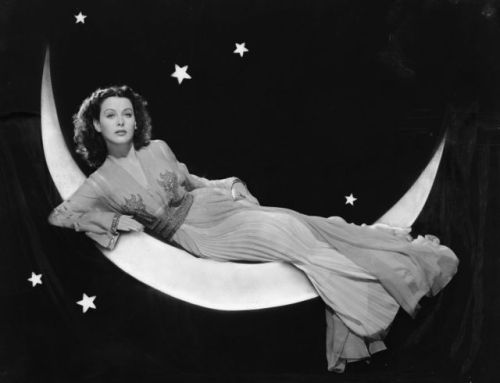
To read more about Hedy Lamarr’s heavenly BRAIN, visit my review of the documentary “Bombshell”.

This is my contribution to the Bombshell: the HedyLamarr blogathon, hosted by Samantha at Musings of a Classic Film Addict.

Thursday, October 25, 2018

Estrela Ditosa (1929) / Lucky Star (1929)


A Primeira Guerra Mundial é um período fantástico para ser estudado – e uma experiência terrível para ser vivida. Muitos soldados que sobreviveram voltaram para casa desfigurados ou permanentemente incapacitados. “Estrela Ditosa” conta a história de um destes soldados – e também é provavelmente o único filme da história a ter uma briga entre duas pessoas no topo de um poste de telefonia.

World War I is a fascinating period to be studied - and a horrible experience to have been lived. Many of the soldiers who came back returned permanently disabled or disfigured. “Lucky Star” is a story of one of these soldiers - and also probably the only film ever to have two people fighting while hanging up in a telephone line post.


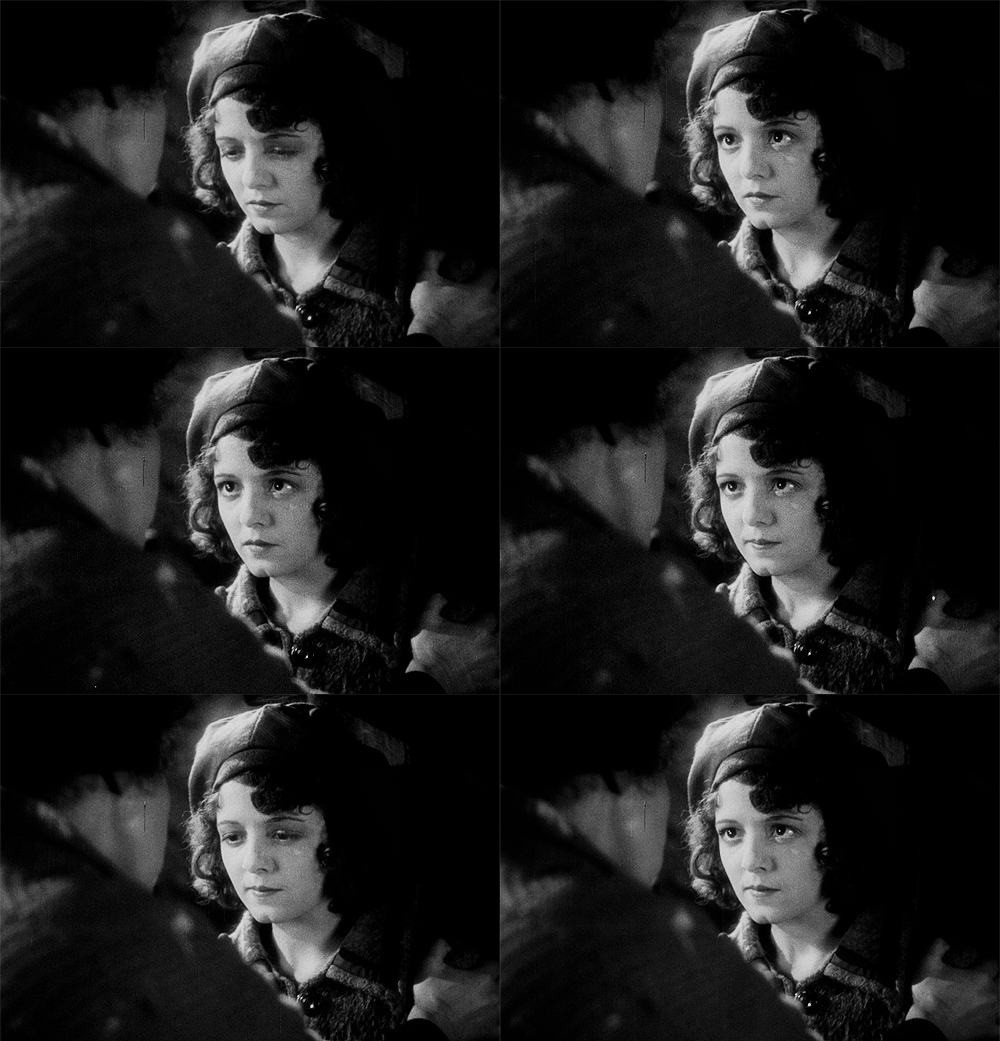
Em uma área rural pobre vivem Mary e Tim. Mary (Janet Gaynor) é uma garota que precisa cuidar dos irmãos mais novos e ainda ajudar a mãe com as tarefas da fazenda. Tim (Chares Farrell) trabalha consertando postes de telefonia, e com ele trabalha o preguiçoso Martin Wrenn (Guinn Williams). Mary e Tim se conhecem quando ela entrega dois galões de leite para os rapazes, e enquanto ela está lá tentando arrancar cinco centavos a mais de Wrenn, Tim ouve a notícia de que foi declarada guerra.

In a poor rural area live Mary and Tim. Mary (Janet Gaynor) is a girl who has to take care of her younger siblings and also help her mom with the duties in the farm. Tim (Charles Farrell) works repairing telephone posts, and his coworker is the lazy Martin Wrenn (Guinn Williams). Mary and Tim meet when she delivers two gallons of milk to the boys, and while she is in there trying to get an extra nickel from Wrenn, Tim hears the news that war has been declared.


O primeiro encontro deles não foi muito agradável. Quando Tim percebe que Mary estava mentindo sobre não receber os cinco centavos de Wrenn, ele dá uma surra nela, e a deixa possessa. Mesmo assim, ela sente falta dele e dos outros homens quando eles vão para a França. Ela escreve para Tim e Wrenn, mas é mais educada com Wrenn. Mesmo na guerra, Wrenn não mudou: ele não está interessado em seu dever cívico, mas sim em conhecer moças francesas. O contraste é claro quando temos cortes rápidos entre Wrenn, dirigindo um caminhão para encontrar mulheres, e Tim, usando um vagão movido a cavalo para levar sopa para  os soldados nas trincheiras.

Their first encounter is not that pleasant. When Tim realizes Mary was lying about not receiving Wrenn’s nickel, he spanks her, and this drives her crazy. Nevertheless, she misses him and the other guys when they leave to France. She writes to both Tim and Wrenn, but is more polite to the later. Even in war, Wrenn hasn’t changed: he is not interested in his civic duty, but in seeing French girls. The contrast is clear when we have quick cuts between Wrenn, driving a truck to see the ladies, and Tim, using a wagon propelled by a horse to take soup to the soldiers in the trenches.


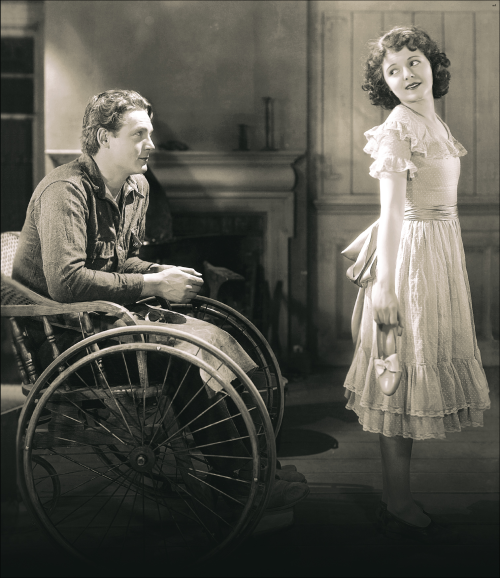
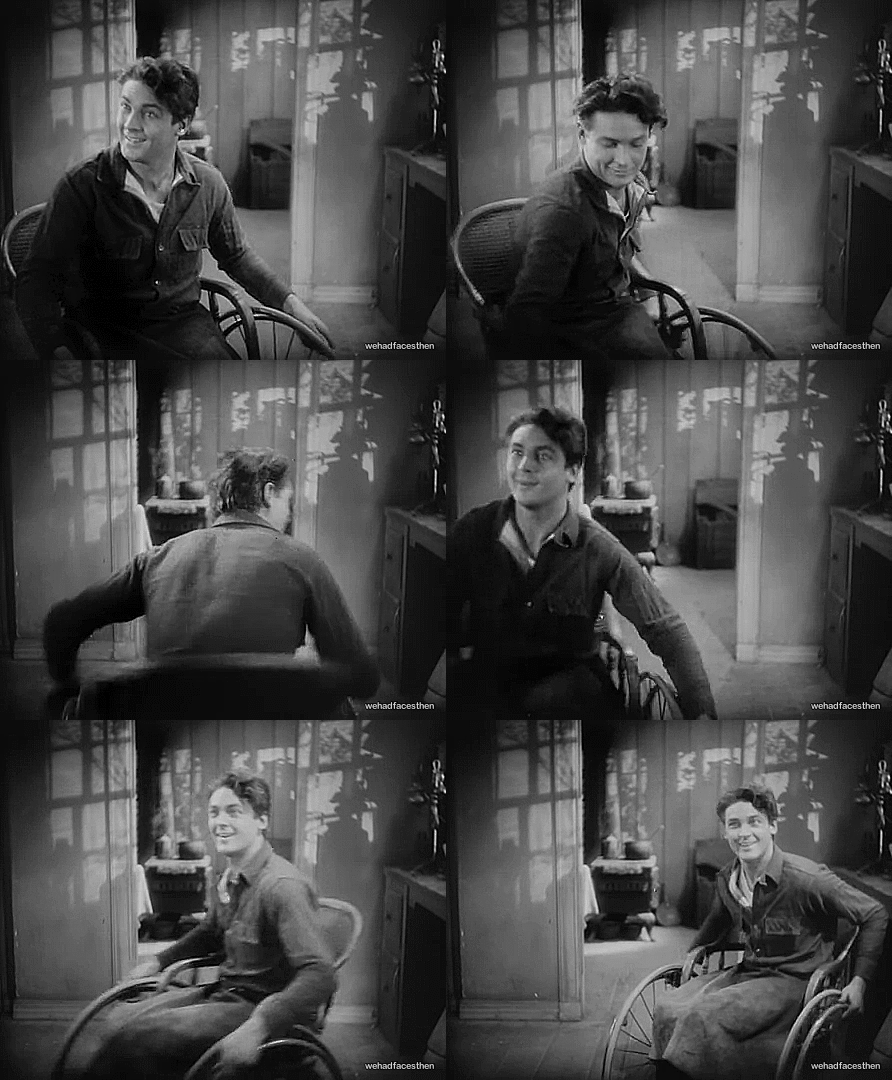
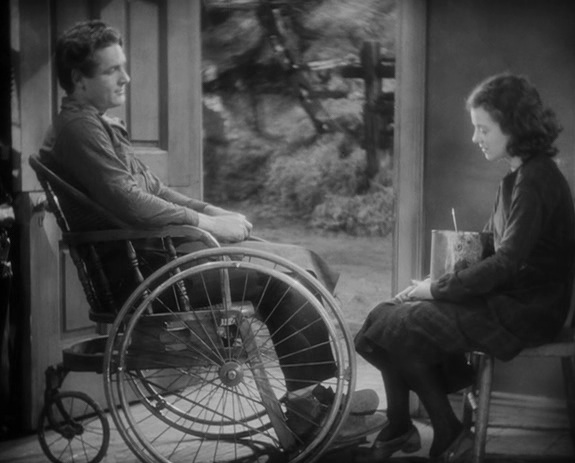
Depois de um ano a França e outro ano no hospital, Tim volta para casa em uma cadeira de rodas. Mary se surpreende ao vê-lo assim, e fica mais surpresa ainda ao ver como ele já se adaptou à cadeira de rodas – ele gira, vai para todo canto dentro de casa e até dá marcha à ré. Mary começa a visitá-lo sempre, animada para ver as coisas que ele está inventando. Tim primeiro quer protegê-la e zoá-la, como se faz com uma irmãzinha, mas depois ele percebe que está apaixonado por ela.

After a year in France and another year in the hospital, Tim comes home in a wheelchair. Mary is surprised to see him like that, and even more surprised by how skilled he already is with the wheelchair - doing loops, going everywhere inside his house and even moving backwards. Mary starts going to his house often, excited to see the things he is doing as an inventor. Tim first wants to both protect and tease her, as if she was a younger sister, but then he realizes he is in love with her.


E Wreen ainda não aprendeu nada. Ele foi expulso do exército, mas ainda usa seu uniforme – pior, ele diz à mãe de Mary que foi promovido de sargento a major. Ele usa o uniforme e promessas falsas de casamento para enganar garotas, e escolheu Mary como a próxima vítima.

And Wrenn still hasn’t learned a thing. He was expelled from the Army, but still wears the uniform – worse, he tells Mary’s mother that he has been promoted from a Sergeant to a Major. He uses the uniform and fake wedding promises to get girls, and he has chosen Mary as his next victim.


Tim se entristece porque se sente solitário. Ele fica em casa 24 horas por dia porque não há acessibilidade do lado de fora. As coisas ficam ainda piores quando começa a nevar – algo que é um desafio para as pessoas em cadeiras de rodas ainda hoje. Logo após a Primeira Guerra Mundial, as cadeiras de rodas eram só cadeiras modificadas, e fica claro que o modelo usado por Tim se popularizou a partir de 1880, por causa da roda traseira. É prática, sim, mas não é suficiente para promover a socialização, como o filme mostra.

Tim is sad because he is lonely. He is in his house 24/7 because there is no accessibility at all outside. Things get even worse when it starts snowing – something that is still a challenge for people in wheelchairs today. Right after World War I, the wheelchairs were just modified chairs, and it’s clear that the model Tim has was common from the 1880s onward, because of the rear wheel. Practical, yes, but not enough to promote the socialization, as the film shows.


Tim não quer que as pessoas tenham pena dele. E esta é a primeira coisa que precisamos saber ao lidar com deficientes: eles não querem pena. Tratá-los de maneira diferente, especial, é mais um insulto que um favor. Eles não querem privilégios. Eles querem ser tratados como seres humanos, com algumas necessidades especiais. Mesmo que o termo “necessidades especiais” não seja bem aceito, é a verdade: alguém como Tim, em uma cadeira de rodas, precisa de algumas mudanças no local em que vivem para que possam viver normalmente. Estas mudanças são pequenas, coisas que podem ser feitas facilmente e que beneficiam a todos, porque conviver com pessoas diferentes é enriquecedor para todos.

Tim doesn’t want people to pity him. And this is the first thing we should know as we deal with the disabled: they don’t want pity. Treating them in a different way, in a special way, is more of an insult than a favor. They don’t want privileges. They want to be treated as human beings, but with a few special needs. Although the term “special needs” is not very cherished, it is the truth: someone like Tim, in a wheelchair, needs some special changes in the place they live in order to live normally. Those special changes are small changes, things that can be done and help everybody, because socializing with different people is enriching for everybody.


Além de termos Tim convivendo com a deficiência, temos Mary vivendo em uma família abusiva. Ela é explorada pela mãe (Hedwiga Reicher) e apanha com frequência. A mãe também detesta Tim e o chama de “aleijado”. Ela só está interessada nos presentes que Wrenn traz e nas falsas promessas dele de dinheiro para a família se Mary se casar com ele.

Besides having Tim facing disability, we have Mary living in an abusive household. She is exploited by her mother (Hedwiga Reicher), and beaten by her. Her mother also dislikes Tim and calls him a “cripple”. She is only interested in the gifts Wrenn brings and his empty promises of money for the family if Mary marries him.


Charles Farrell era um ator muito bonito, mas hoje está quase esquecido. Em “Estrela Ditosa”, ele mostra que também era excelente ator. Seus esforços com as muletas me lembraram da atuação de Lon Chaney, ao mesmo tempo difícil de ver e hipnotizante. Obviamente, para que o roteiro funcione, o progresso de Tim é muito rápido, mas “Estrela Ditosa” foi feito para ganhar dinheiro em cima da química da dupla Farrell e Gaynor, e não para dar esperança para as pessoas que se tornaram deficientes após a guerra.

Charles Farrell was a very handsome leading man, even though forgotten today. In “Lucky Star”, he shows he also could act. His efforts to use crutches reminded me of Lon Chaney’s acting, at the same time painful to watch and hypnotizing. Of course, for the film’s sake Tim’s progress is too quick, but Lucky Star was made to capitalize on the duo’s screen chemistry, and not in order to give hope to people who became disabled after the war.


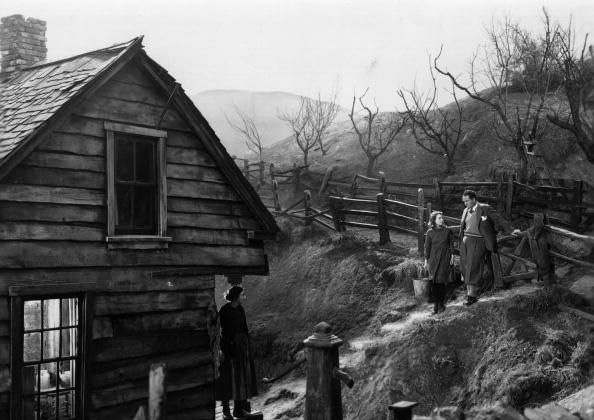
A direção de arte é hipnotizante desde o primeiro segundo de projeção. As casas podem ser pobres, mas são construídas de maneira estilizada, e criam um contraste interessante com as montanhas e o céu ao fundo. Borzage fez alguns filmes visualmente maravilhosos nos anos 20 e 30 – eu particularmente aprecio o subestimado “Liliom”, de 1930. “Estrela Ditosa” é mais um desses belos filmes.

The art direction is mesmerizing since the very first second of the film. The houses may be poor, but they are built in a stylized way, and make an interesting contrast with the mountains and the sky in the background. Borzage made some visually beautiful films in the 1920s and 1930s - I particularly like the underrated “Liliom”, from 1930. “Lucky Star” is another one in this list of beautiful films.


A “Estrela Ditosa” que conhecemos hoje não é a versão original entregue pelo mestre Frank Borzage. De acordo com resenhas de 1929, o filme era parcialmente falado, com efeitos sonoros e diálogos perto do final. Entretanto, “Estrela Ditosa” foi considerado perdido durante muitas décadas. Felizmente, uma cópia foi encontrada em um arquivo da Holanda, e os intertítulos foram reconstruídos através de pesquisa e com ajuda do roteiro original. Uma nova trilha sonora foi composta, mas infelizmente a trilha original com diálogos ainda não foi encontrada.

The “Lucky Star” we have now is not the original one delivered by master director Frank Borzage. According to reviews from 1929, the film was a part-talkie with sound effects and dialogues near the end. However, “Lucky Star” was considered completely lost for many decades. Luckily, a print was found in the Netherlands Film Archive, and the intertitles were reconstructed from research using the original screenplay. A new soundtrack was composed, but unfortunately the original soundtrack with dialogue is yet to be found.


“Estrela Ditosa” é uma das 12 colaborações entre Charles Farrell e Janet Gaynor. Eles eram tão convincentes como um casal que vários presentes chegavam todas as semanas aos estúdios da Fox para o “aniversário de casamento” deles. Obviamente, eles não eram casados. E obviamente, um homem em uma cadeira de rodas não consegue se recuperar com aquela rapidez. Mas “Estrela Ditosa” é um destes filmes em que devemos suspender o senso muito crítico para apreciá-lo por completo. É belo, romântico e nos dá esperança. Ditosos somos nós!

“Lucky Star” is one of 12 collaborations between Charles Farrell and Janet Gaynor. They were so convincing as a couple that several gifts arrived every week to the Fox Studios lot for their “wedding anniversary”. Of course, they were not married. And of course, a man in a wheelchair can’t recover that quickly. But “Lucky Star” is one of those films that we must stop being too critical to enjoy. It’s beautiful, romantic and gives us hope. Lucky us!

This is my contribution to the 2nd Disability in Film blogathon, hosted by Crystal and Robin at In the Good Old Days of Classic Hollywood and Pop Culture Reverie.


Related Posts Plugin for WordPress, Blogger...