} Crítica Retrô

Tradutor / Translator / Traductor / Übersetzer / Traduttore / Traducteur / 翻訳者 / переводчик

Friday, August 23, 2019

Over the Rainbow: a história de uma canção

Over the Rainbow: the history of a song
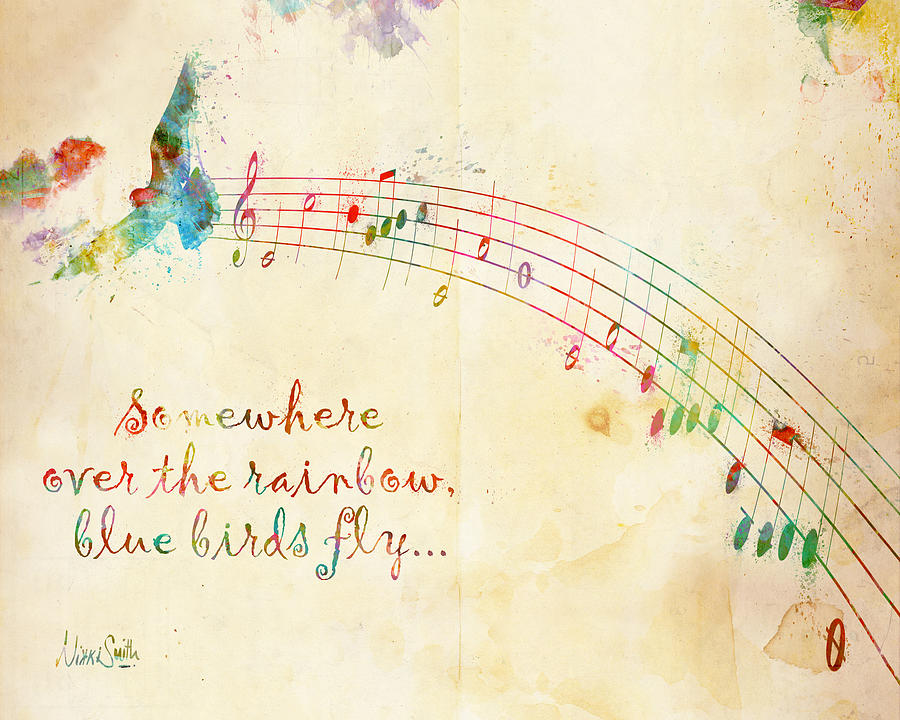
Há uma grande chance de que você já tenha ouvido esta charmosa música, que é quase uma canção de ninar, sobre um lugar onde pássaros azuis voam e sonhos se realizam, muito antes de ter visto o filme que apresentou a música para o mundo. De fato, “Over the Rainbow” é uma das canções mais icônicas da história do cinema, e é facilmente reconhecida – não importa se é Judy Garland ou outra pessoa cantando. Por isso, não é de se espantar que a música tenha sido escolhida como a número um na lista de Canções de Filmes do American Film Institution em 2004.

Chances are that you have heard this charming song, almost a lullaby, about a place where bluebirds fly and dreams come true, a long time before you actually saw the film that introduced the song to the world. Indeed, “Over the Rainbow” is one of the most iconic songs in the history of film, and an easily recognizable one – no matter if it is Judy Garland or someone else singing. No wonder it was chosen as the number one Song in Film by the American Film Institute in 2004.


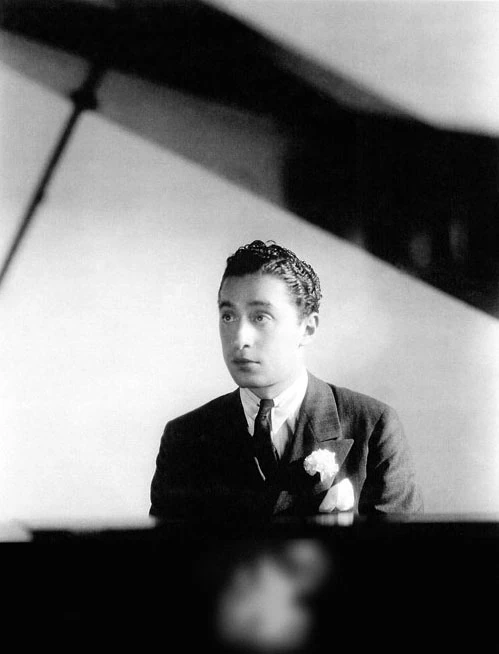
Você deve saber que “Over the Rainbow” foi apresentada em “O Mágico de Oz” (1939), mas você provavelmente não sabe quem a compôs e quem escreveu a letra. Harold Arlen foi o compositor e Yip Harburg escreveu a letra. Quem, você deve estar se perguntando? Bem, eles não eram os Gershwin nem Rodgers e Hammerstein, mas eles certamente merecem destaque:

You may know that “Over the Rainbow” was introduced in “The Wizard of Oz” (1939), but you probably don't know who composed it and wrote the lyrics. Harold Arlen was the composer and Yip Harburg was the lyricist. Who, you may ask? Well, they were no Gershwins or Rodgers and Hammerstein, but they were certainly worth noticing:


Harold Arlen (1905-1986) compôs mais de 500 canções, incluindo “Get Happy”, “Stormy Weather”, “Come Rain or Come Shine” e “The Man That Got Away”. Quando jovem, ele e o ator Ray Bolger, que interpreta o Espantalho em “O Mágico de Oz”, foram colegas de quarto, e mantiveram a amizade por anos.

Harold Arlen (1905-1986) composed more than 500 songs, among them “Get Happy”, “Stormy Weather”, “Come Rain or Come Shine” and “The Man That Got Away”. As a young man, he and actor Ray Bolger, who plays the Scarecrow in “The Wizard of Oz”, were roommates, and the two remained friends for years.


Edgar Yipsel ‘Yip’ Harburg (1896-1981) só começou a escrever letras de música depois de perder uma grande quantia na quebra da bolsa de 1929. Ele e Ira Gershwin se conheceram no ensino médio e continuaram amigos a vida toda, e foi Ira que o aconselhou a escrever letras de música. De acordo com o filho de Yip, ele também escreveu alguns diálogos para “O Mágico de Oz”. Yip ficou na Lista Negra entre 1950 e 1962 por causa de sua visão liberal. Sua mais famosa canção é “Brother, Can You Spare a Dime?”.

Edgar Yipsel 'Yip' Harburg (1896-1981) only started writing songs after he lost a huge sum in the crash 1929. He and Ira Gershwin met in high school and remained friends for life, and it was Ira who advised him to become a lyricist. According to Yip's son, he also wrote some dialogue for “The Wizard of Oz”. Yip was blacklisted from 1950 until 1962 because of his liberal views. His most famous song is “Brother, Can You Spare a Dime?”.


Arlen e Harburg se conheceram no começo dos anos 30 e fizeram, em 1933, a canção “It´s Only a Paper Moon”. Outras músicas criadas pela dupla foram “Lydia the Tattooed Lady”, do filme “Os Irmãos Marx no Circo” (1939), e “Happiness is a Thing Called Joe”, de “Uma Cabana no Céu” (1943). Arlen e Harburg trabalharam em outro filme de Judy Garland: “A Gata dos Meus Sonhos”, uma animação de 1962 em que Judy dublava a protagonista. Eles também criaram a música “I Could Go on Singing”, do filme “Na Glória, a Amargura” (1963), o último filme de Judy Garland.
  
Arlen and Harburg met in the early 30s and created, in 1933, the song “It's Only a Paper Moon”. Other songs they created together were “Lydia the Tattooed Lady” from the Marx's brothers “At the Circus”, and “Happiness is a Thing Called Joe”, from “Cabin in the Sky” (1943). Arlen and Harburg worked in another Judy Garland film: “Gay Purr-ee”, a 1962 animation in which Judy dubbed the lead. They also wrote the title song for “I Could Go on Singing” (1963), Judy Garland's last movie.


De acordo com o IMDb, Harold Arlen teve uma inspiração súbita na Farmácia Schwab’s em Sunset Boulevard, quando as primeiras notas da melodia de “Over the Rainbow” surgiram em sua mente. Algumas fontes dizem que a inspiração foi completada por um arco-íris que ele avistou no horizonte. Num primeiro momento, Harburg não gostou da canção, mas mudou de ideia quando Ira Gershwin a aprovou. Isto pode ou não ser verdade, mas ao menos é uma história poética sobre uma canção poética.

According to IMDb, Harold Arlen had a sudden inspirational moment at the Schwab’s Drugstore on Sunset Boulevard, as the first notes of the melody of “Over the Rainbow” came to his mind all of a sudden. Some sources claim that the inspiration was completed by a rainbow he saw in the horizon. At first, Harburg didn’t like the song, but he changed his mind when Ira Gershwin approved it. Whether this is true of not, it’s a poetical story about a poetical song.


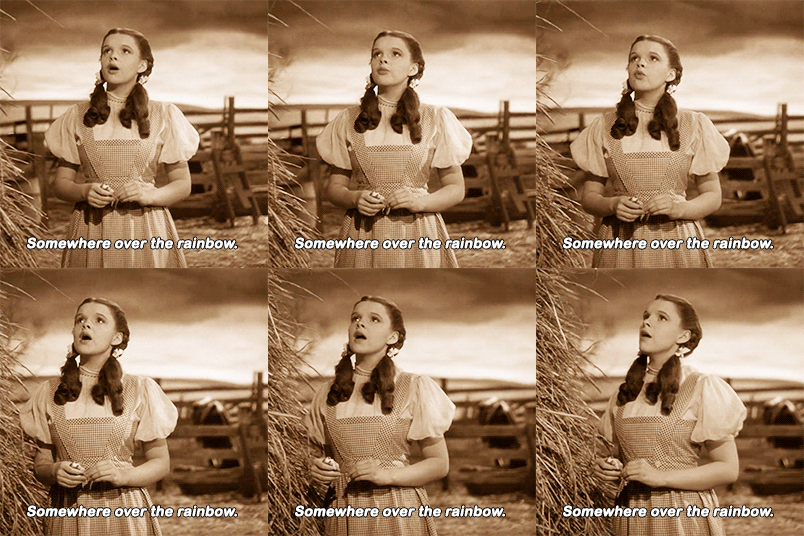
A sequência que apresenta “Over the Rainbow” foi filmada por King Vidor, não creditado, usando uma câmera móvel – não uma estática, como era de costume. A cena tem Judy Garland, aos 16 anos, e o cãozinho Toto em tons de sépia, no celeiro da fazenda da Tia Em. Judy gravou a música – não a cena – exatamente no dia sete de outubro de 1938. Uma segunda versão da canção deveria ser cantada quando Dorothy é capturada pela Bruxa Má do Oeste, mas essa cena foi considerada triste demais para ser incluída no filme.

The sequence that features “Over the Rainbow” was shot by an uncredited King Vidor using a fluid camera – not a static one, as it was intended. It presents Judy Garland, then 16, and the dog Toto in sepiatone, in the barnyard of Aunt Em's farm. Judy recorded the song – not shot the scene – exactly on October 7th, 1938. A second rendition of the song was supposed to happen when Dorothy is trapped by the Wicked Witch of the West, but the scene was deemed too sad to be included in the film.


“Over the Rainbow” quase foi cortada de “O Mágico de Oz”. Louis B. Mayer achava que a música deixava o filme lento e também não era muito glamouroso ter uma estrela cantando em um celeiro, de acordo com alguns empregados da MGM. No final, graças aos protestos dos produtores Mervyn LeRoy e Arthur Freed, a música permaneceu no filme – e se tornou a maior marca registrada tanto do filme quanto da carreira de Judy Garland. Arlen e Harburg também ganharam o Oscar de Melhor Canção Original.

Over the Rainbow” was almost cut from “The Wizard of Oz”. Louis B. Mayer believed the song slowed the picture down and it also wasn't very glamorous for the star to sing a ballad in a barnyard, according to some MGM employees. In the end, thanks to protests from the producers Mervyn LeRoy and Arthur Freed, the song remained in the film – and became the biggest trademark of both the film and of Judy Garland’s career. Arlen and Harburg also won the Oscar for Best Original Song.


A relação de Judy com a canção nem sempre foi pacífica. Enquanto algumas fontes dizem que ela amava a inocência que a música traduzia, outras afirmam que ela cantou tanto a canção que se cansou dela.

Judy’s relationship with the song was not always a peaceful one. While some sources say she loved the innocence the song translated, others affirm she sang it so much she got bored by it.


A carreira de Judy na televisão durou 14 anos, mas ela só cantou “Over the Rainbow” na TV duas vezes. Uma destas ocasiões foi em um especial de TV de 1955, vestida com a fantasia de mendiga do número “A Couple of Swells”. Este episódio foi lindamente recriado na minissérie “Eu e Minhas Sombras” (2001), com Judy Davis interpretando Judy Garland.

Judy's career on television lasted 14 years, but she only sang “Over the Rainbow” twice on TV. One of those occasions was in a 1955 TV special, while wearing the tramp costume from the routine “A Couple of Swells”. This episode was beautifully recreated in the miniseries “Me and My Shadows” (2001), with Judy Davis playing Judy Garland.


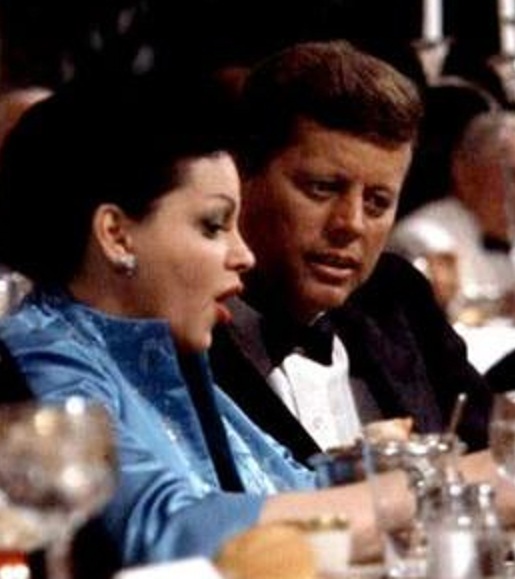
Em 1963, Judy estava tendo problemas nas filmagens de seu programa de TV. Por isso, sempre que ela precisava desabafar, ela ligava para um velho amigo: o então presidente dos EUA John Kennedy. Cada conversa com Kennedy na Casa Branca terminava com ele pedindo para que ela cantasse um trecho de “Over the Rainbow”, e ela o fazia, não sem antes protestar. Esta história foi contada por Liza Minnelli e mais tarde confirmada pela antiga secretária de Kennedy.

In 1963, Judy was having a hard time during filming her TV show. So, whenever she needed to vent, she called an old friend: the then US president John Kennedy. Every phone conversation with Kennedy in the White House ended with him asking her to sing a bit of “Over the Rainbow”, and she agreeing to do so, not without protesting first. This story was told by Liza Minnelli and later confirmed by Kennedy's former secretary.


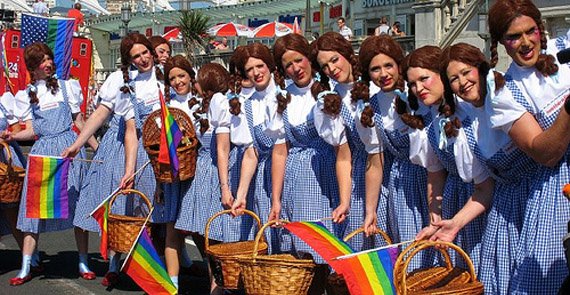
O significado da canção é imenso. O site songfacts.com diz que Yip Harburg escreveu a letra pensando no New Deal de Roosevelt e em como isso trazia esperança para o povo – mas devemos nos lembrar de que o New Deal oficialmente terminou em 1937, pois isso esta história é difícil de acreditar. Entretanto, não podemos negar a influência que a música tem na comunidade LGBTQ, tendo sido adotada como hino, pois a música fala sobre um lugar feliz onde as diferenças são aceitas – lembre-se de como Dorothy aceitou o Leão Covarde, o Espantalho e o Homem de Lata com todas as suas imperfeições. Judy Garland também se tornou um ícone LGBTQ, pois muitos homens gays dos anos 50 e 60 se intitulavam “Amigos de Dorothy”.

The significance of the song is immense. Site songfacts.com says that Yip Harburg wrote the lyrics thinking about Roosevelt’s New Deal and how it brought hope to the people – but we must remember that the New Deal officially ended in 1937, so this story is hard to believe. However, we can’t deny the influence the song has on the LGBTQ community, as it was adopted as an anthem, since the song talks about a happy place where differences are embraced – just remember how Dorothy embraced the Cowardly Lion, the Scarecrow and the Tin Man with all their imperfections. Judy Garland also became a LGBTQ icon, as many gay men of the 50s and 60s called themselves “Friends of Dorothy”.


Embora a interpretação de Judy Garland de Over the Rainbow” seja considerada definitiva,muitos artistas gravaram a música, incluindo Frank Sinatra, Ella Fitzgerald, Doris Day, Eric Clapton, Plácido Domingo, Ray Charles, Bob Marley, Tony Bennett, Rita Lee, Ariana Grande e muitos outros. A versão instrumental também foi gravada por orquestras do mundo todo.

Although Judy Garland's rendition of “Over the Rainbow” is considered the definitive one, many artists recorded the song, among them Frank Sinatra, Ella Fitzgerald, Doris Day, Eric Clapton, Plácido Domingo, Ray Charles, Bob Marley, Tony Bennett, Rita Lee, Ariana Grande and many more. The instrumental version was also recorded by orchestras all over the world.


Ao longo dos anos, “Over the Rainbow” foi usada em muitos filmes e programas de TV. Apenas um ano depois da estreia de “O Mágico de Oz”, a música foi cantada por Macaulay Connor (James Stwewart), bêbado, enquanto ele carregava Tracy Lord (Katharine Hepburn), igualmente bêbada, pelo quintal da casa dela em “Núpcias de Escândalo”.

Over the years, “Over the Rainbow” appeared in many films and TV shows. Only a year after “The Wizard of Oz” premiered, the song was sung by a drunk Macaulay Connor (James Stewart) as he carried an equally drunk Tracy Lord (Katharine Hepburn) through her yard in “The Philadelphia Story”.


Este foi só um exemplo. O IMDb lista 287 filmes e programas de TV que incluem a música – entre eles temos documentários, séries, talk shows, animações, curtas e longas-metragens do mundo todo. Produções da China, França, Espanha, Brasil, Suécia, Dinamarca, Alemanha e outros países já incluíram a música. “Over the Rainbow” foi composta mais de 80 anos atrás e ainda é conhecida e amada no mundo inteiro – talvez porque todos nós desejamos conhecer o lugar que a música descreve.

This was only one example. IMDb lists 287 film and TVs that feature the song – among them there are documentaries, TV series, talk shows, animations, shorts and feature films from all over the world. Productions from China, France, Spain, Brazil, Sweden, Denmark, Germany and other countries already featured the song. “Over the Rainbow” was composed more than 80 years ago and it's still known and loved all over the world – maybe because we all long for that place that the song described.

This is my contribution to The Wizard of Oz blogathon, hosted by Rebecca from Taking Up Room.


Saturday, August 17, 2019

Variações sobre um mesmo tema: A Mosca da Cabeça Branca (1958) e A Mosca (1986)


Variations on the same theme: The Fly (1958 & 1986)

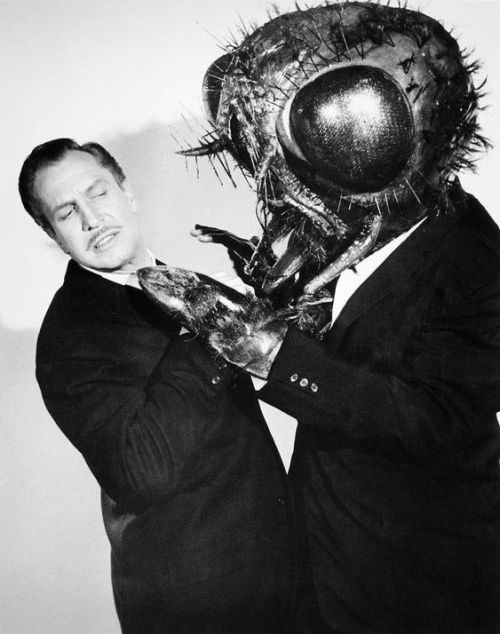
Uma das melhores surpresas que tive vendo filmes e escrevendo no blog envolve o filme “A Mosca da Cabeça Branca”,de 1958. Tendo encontrado o filme por acaso na TV e ido ver sem expectativas, eu acabei embasbacada pelo suspense. Mais tarde, escrevi uma crítica sobre o filme para o blog, e o post se tornou um grande sucesso, recebendo dúzias de visitas semanalmente. E, como minha admiração por Jeff Goldblum e Geena Davis – protagonistas do remake de 1986 – só vem aumentando, percebi que era hora de ver o remake e comparar os dois filmes.

One of my best film / blogging surprises involves the 1958 film “The Fly”. Catching it on TV without any expectations, I was blown away by how suspenseful the film was. Later, I wrote about the film for my blog, and the post became a huge success, receiving dozens of views weekly. And, as my admiration for both Jeff Goldblum and Geena Davis – the leads of the 1986 remake – grew, I knew it was time to see the remake and compare the two films.


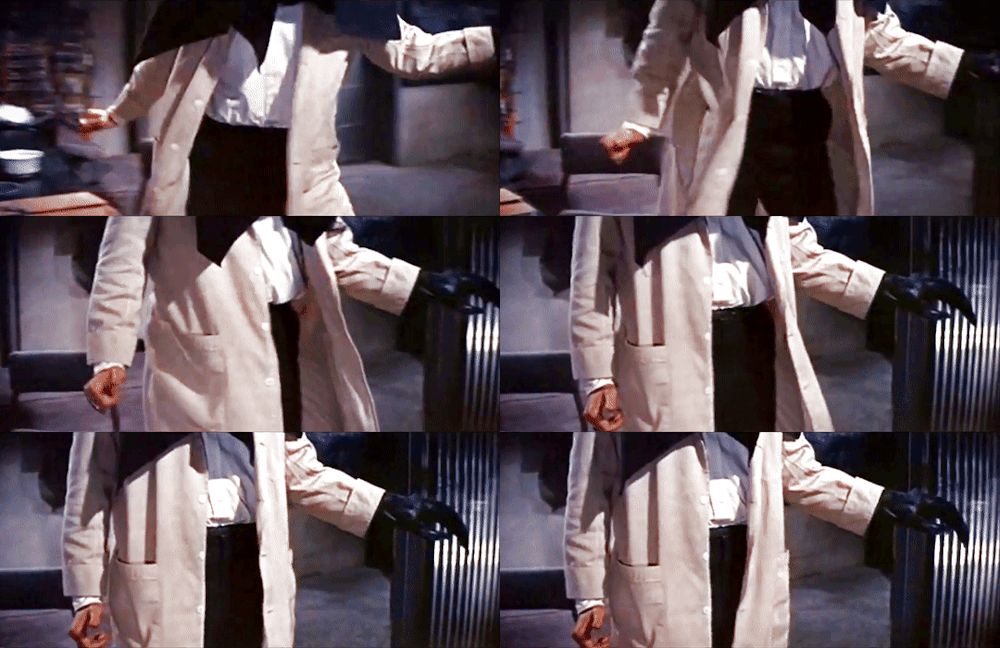
No filme de 1958, Andre Delambre (David Hedison) é um cientista que vivia feliz com sua família – até que um dia ele decidiu testar sua máquina de teletransporte ele mesmo, sem saber que havia uma mosca dentro da máquina. Andre e a mosca se fundem, o que lhe causa horror.

In the 1958 film, Andre Delambre (David Hedison) is a scientist who lived happily with his family – until one day he decided to test his teleportation machine himself, not knowing that there was also a fly inside the machine. Andre and the fly morph, to his complete horror.


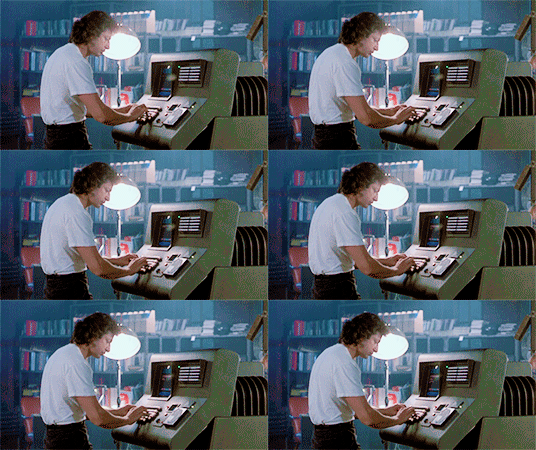
No filme de 1986, “A Mosca”, Seth Brundle (Jeff Goldblum) é um cientista que mostra sua mais nova invenção, uma máquina de teletransporte, para a jornalista Veronia 'Ronnie' Quaife (Geena Davis”. Ronnie fica encantada com a experiência e fica interessada em fazer uma reportagem sobre a descoberta de Seth. Eles também começam a namorar. Um dia, Seth decide testar a máquina de teletransporte sozinho, sem saber que uma mosca também embarcou na experiência...

In the 1986 film, Seth Brundle (Jeff Goldblum) is a scientist who shows his newest invention, a teleportation machine, to journalist Veronica ‘Ronnie’ Quaife (Geena Davis). Ronnie is amazed by the experience and gets interested in reporting about his discovery. They also start dating. One day, Seth decides to experiment the teleportation machine himself, without knowing that a fly also embarked in the experience…


A metamorfose de Andre é imediata. Nós não vemos muito do resultado, mas podemos imaginá-lo – e esta é a grande vantagem da versão de 1958. Ao “sugerir, e não mostrar”, o filme evita apelar para o grotesco – afinal, é um filme colorido, e tudo parece mais palpável e cores do que em preto e branco.

Andre’s metamorphosis is immediate. We don’t see much of the result, but we can imagine it – and this is the big advantage of the 1958 version. By using the “tell, do not show” approach, the film avoids being too disgusting – after all, it’s a color film, and everything looks more palpable in color than in black and white.


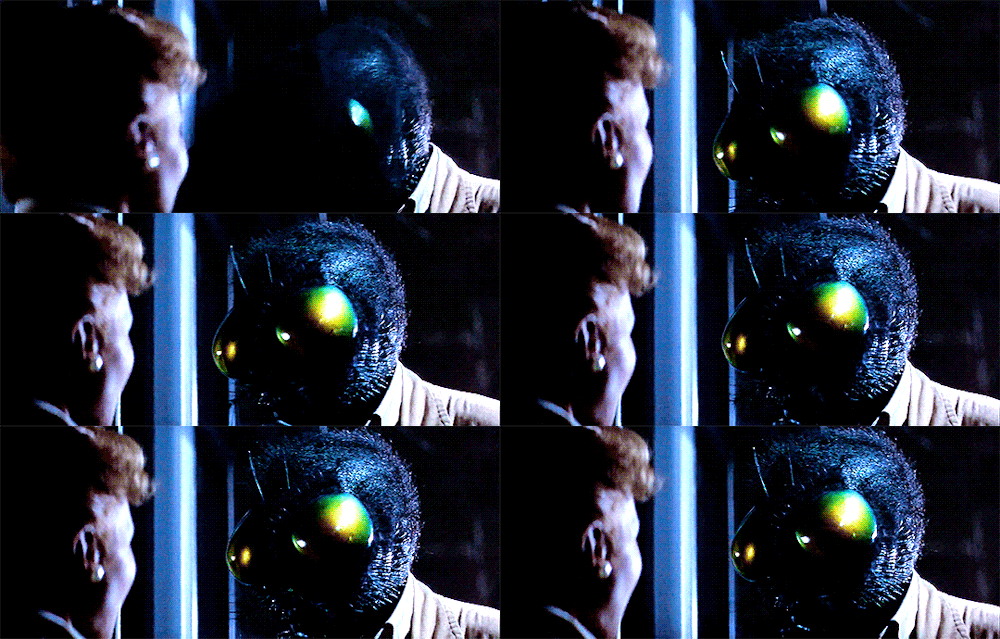
A metamorfose de Seth é gradual. À primeira vista parece que a experiência foi um sucesso, mas pouco a pouco Seth começa a mostrar mais “comportamentos de mosca” - como a vontade de comer açúcar, uma força incomum nos braços e o crescimento de pelos de inseto nas costas. O filme de 1986 não tem medo de nos causar nojo – e a metamorfose de Seth é puro nojo e alguns sustos.

Seth’s metamorphosis is gradual. At first it looks like the experiment was a success, but little by little Seth starts showing “fly behavior” – like the drive to eat sugar, an unlikely strength in his arms and the growth of insect hair on his back. The 1986 film is not afraid of disgusting us – and Seth’s metamorphosis is pure gore with a few jump scares.


Quando Andre se torna meio-mosca, ele implora para que sua esposa, Helene (Patricia Owens), mate-o – e ela o faz. Na verdade, toda a história é contada em flashback por Helene para um inspetor e para o irmão de Andre, François (Vincent Price). Andre é uma figura trágica, ao contrário de Seth no filme de 1986.

As Andre becomes half-fly, he begs his wife, Helene (Patricia Owens), to kill him – and she does it. In fact, the whole story is told in flashback by Helene to an inspector and also to Andre’s brother, François (Vincent Price). Andre is a tragic figure, unlike Seth in the 1986 film.


Conforme Seth vai se tornando mosca, ele se torna um vilão. Primeiro ele deseja que Ronnie o deixe, dizendo que ela não merece passar por aquilo com ele, mas mais tarde ele decide usá-la para tentar se tornar humano novamente. Seth também maltrata, diminui e trai Ronnie. No final, Seth é um monstro por dentro – mais mosca do que humano – e por fora, considerando como ele tratou Ronnie.

As Seth is becoming a fly, he becomes a villain. At first he wants Ronnie to leave him, saying she doesn’t deserve to go through it with him, but later he decides to use her to try to become human again. Seth also bullies, belittles and cheats on poor Ronnie. In the end, Seth is a monster on the outside – more fly than human – and on the inside, considering how he treated Ronnie.


De acordo com o IMDb, Jeff Goldblum enviou uma carta para Vincent Price quando o remake estreou. A carta dizia: “Espero que você goste do meu filme tanto quanto eu gostei do seu”. Emocionado, Vincent Price foi ao cinema ver a nova versão, e a descreveu como “maravilhosa até certo ponto... ela foi um pouco longe demais”. E Vincent estava certo!

According to IMDb, Jeff Goldblum sent a letter to Vinent Price when the remake was ready. The letter went like this: “I hope you like it as much as I liked yours”. Moved, Price went to the movies to watch the new version, and described it as “wonderful right up to a certain point… it went a little too far”.  And Mr. Price was so right!


David Cronenberg aposta no nojo e no susto para o filme de 1986, enquanto o original de 1958 depende do suspense para funcionar – e funciona bem. O romance também é muito importante no filme de 1986 e, embora Jeff Goldblum e Geena Davis fossem namorados na época, não vemos química entre eles. Seth Brundle, o cientista, está mais preocupado com a ciência do que com sua vida amorosa, e isso fica evidente.

David Cronenberg bets on the gore and the scary in the 1986 film, while the original 1958 production relies on suspense to work – and it works well. The romance is also very important in the 1986 film and, although Jeff Goldblum and Geena Davis were dating at the time, we don’t feel their chemistry. Seth Brundle, the scientist, is more worried about his science than with his love life, and it shows.


A versão de 1958 sempre será minha favorita, e mesmo quem só assistiu ao remake deve procurar o original para experimentar outra visão da história, mais sutil e com mais suspense.

The 1958 version will forever be my favorite, and even those who only saw the remake should seek the original in order to experience another take on the tale, with more subtlety and suspense.

O veredicto: “A Mosca da Cabeça Branca”, de 1958, é o filme superior.

The verdict: the 1958 “The Fly” is the superior movie.

This is my contribution to the Jeff Goldblum blogathon, hosted by Gill at RealWeegieMidgetReviews and Emma at Emma K Wall Explains It All.


Tuesday, August 13, 2019

Não Matarás (1932) / The Broken Lullaby (1932)


Em 1932, estrearam quatro filmes dirigidos por Ernst Lubitsch, incluindo o famosíssimo “Ladrão de Alcova”. Foi o ano mais prolífico de sua carreira nos EUA, trabalhando para a Paramount Pictures. E em 1932 surgiu “Não Matarás”, um filme tão incomum de Lubitsch que nos faz voltar para verificar os créditos. Sim, o filme foi produzido e dirigido por Lubitsch. E é um de seus melhores, mais humanos e emocionantes filmes.

In 1932, four films directed by Ernst Lubitsch premiered, including the very famous “Trouble in Paradise”. It was the most prolific year of his career in the US, working for Paramount Pictures. And in 1932 there appears “The Broken Lullaby”, such an unusual Lubitsch film that makes us double check the opening credits. Yes, it was produced and directed by Lubitsch. And it’s one of his most human, heartbreaking and best films.


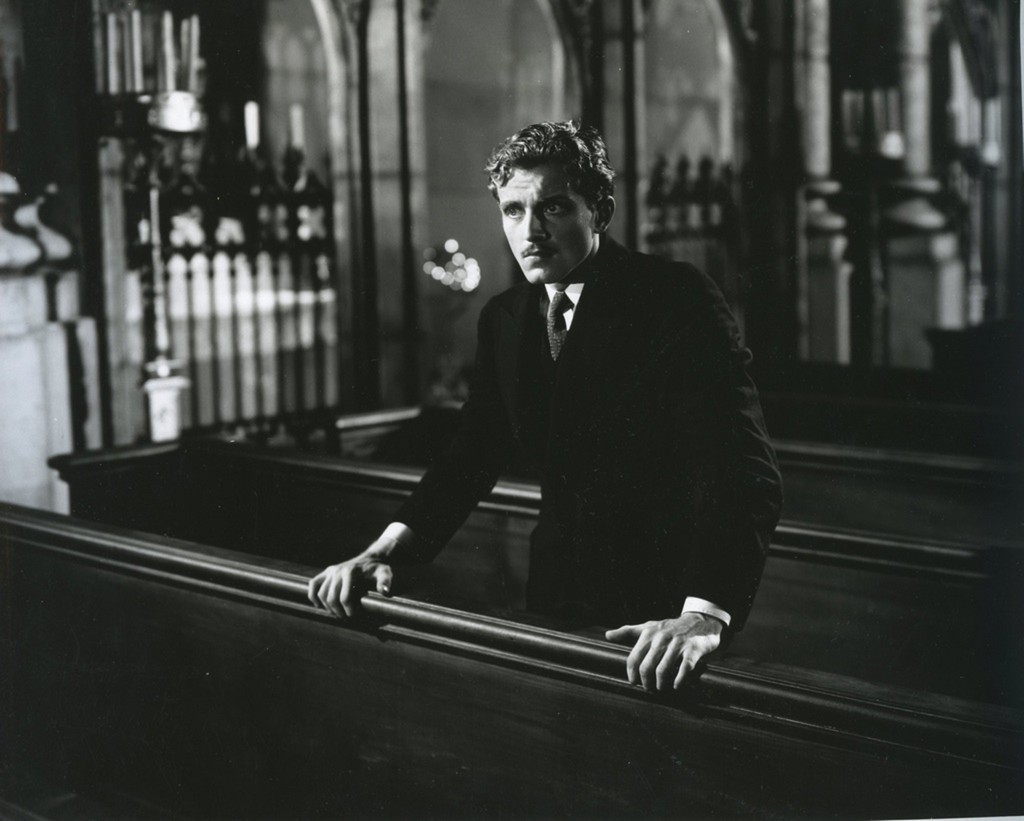
Enquanto a multidão celebra o primeiro aniversário do Armistício em 1919 com um desfile, soldados traumatizados no hospital gritam por causa dos barulhos. Em uma catedral de Notre Dame lotada, uma missa é assistida por soldados com baionetas penduradas nos cintos. Depois que a missa acaba, um homem à paisana permanece na igreja. Ele está lá para confessar que matou outro homem.

While the crowd celebrates the first anniversary of the Armistice in 1919 with parades, shell-shocked soldiers in the hospital scream with the noises they hear. In a crowded Notre Dame cathedral, a mass is attended by soldiers with their bayonets hanging from their belts. After the mass is over, a man in civilian clothes remains in the church. He is there to confess that he killed another man.


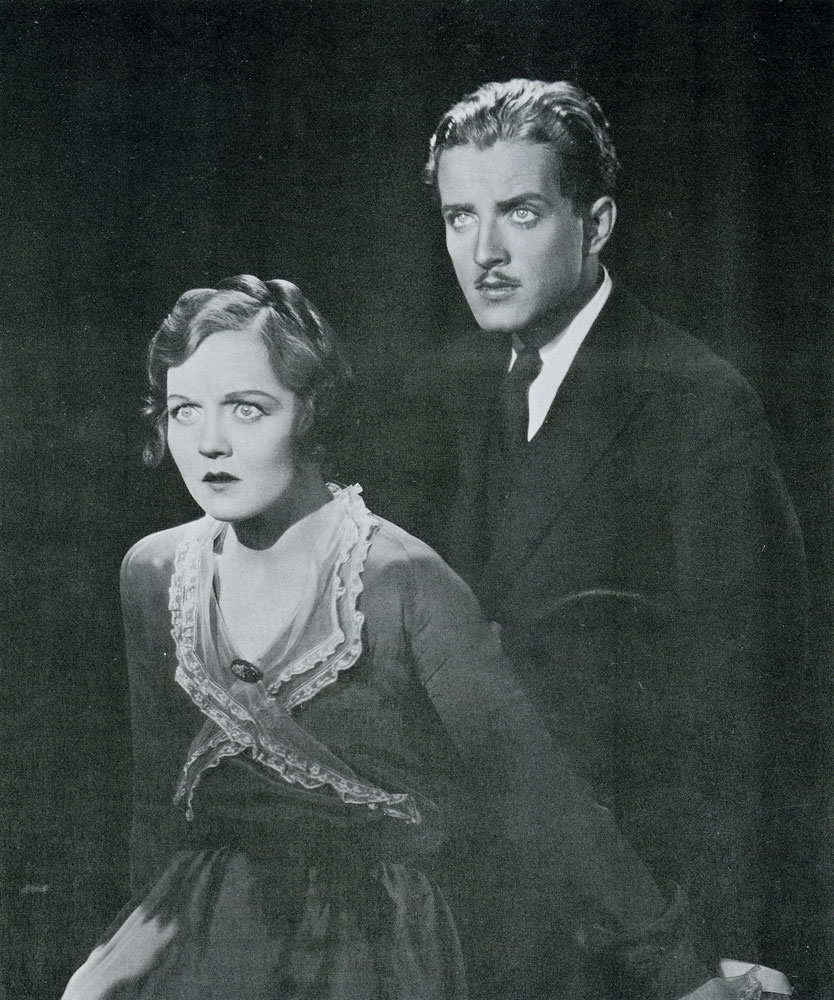
O homem, Paul Renard (Phillips Holmes), era um músico antes da guerra, e nas trincheiras ele matou um soldado alemão. O soldado levava consigo uma carta, pronta para ser enviada, e nela Paul descobriu o nome da vítima, Walter, e seu endereço – e que o pobre homem também amava música. Embora o padre diga a Paul que ele estava apenas cumprindo seu dever, ele não consegue ficar em paz. Entretanto, na igreja Paul decide ir até a Alemanha em busca do perdão da família do homem que ele matou.

The man, Paul Renard (Phillips Holmes), was a musician before the war, and in the trenches he killed a German soldier. The soldier had a letter with himself, ready to be sent, and so Paul learned the victim's name, Walter, and his address – and that the poor man also loved music. Although the priest tells Paul he was only doing his duty, he can't find peace. However, in the church Paul decides to go to German and seek the forgiveness from the family of the man he killed.


O pai de Walter, Dr. Holderlin (Lionel Barrymore), é um médico. A noiva de Walter, Elsa (Nancy Carroll), vive com o doutor e com Frau Holderlin (Louise Carter), e é cobiçada pelo insistente Herr Schultz (Lucien Littlefield). A família ainda está de luto pela morte de Walter.

Walter's father, Dr. Holderlin (Lionel Barrymore), is a physician. Walter's fiancée, Elsa (Nancy Carroll), lives with Dr and Frau Holderlin (Louise Carter), and she is pursued by the insistent Herr Schultz (Lucien Littlefield). The family is still grieving Walter’s death.


O Dr. Holderlin é inicialmente hostil com Paul, porque ele não aceita ouvir nada de um francês. Entretanto, como Elsa viu Paul levando flores no túmulo de Walter, o Dr. Holderlin muda de tom, e Frau Holderlin recebe Paul na casa deles. Agora Paul é incapaz de dizer que matou Walter, e por isso deixa a família pensando que ele e Walter eram amigos.

Dr. Holderlin is hostile at first to Paul, because he wouldn’t accept to hear anything from a Frenchman. However, as Elsa saw Paul bringing flowers to Walter's grave, Dr. Holderlin's tone changes, and Frau Holderlin welcomes Paul to their house. Now Paul can't say he killed Walter, so he lets the family think he and Walter were friends.


Herr Shcultz vê Elsa e Paul conversando, e logo começa a espalhar o boato de que Paul pode ser um espião. Nacionalismo e xenofobia estavam em alta depois da guerra, e a Alemanha ressentia a derrota e a humilhação. A ideia de Herr Schultz encontra o contexto perfeito para se espalhar. E Lubitsch, um imigrante alemão, era o diretor perfeito para lidar com este assunto.

Herr Schultz sees Elsa and Paul talking, and soon he starts spreading the rumor that Paul may be a spy. Nationalism and xenophobia was on the rise after the war, and German resented the loss and the humiliation. Herr Schultz's idea finds the perfect context to spread. And Lubitsch, a German immigrant, was the perfect director to tackle this subject.


Eu senti que este filme tem mais um “toque de Rouben Mamoulian” – um termo pouco usado porque eu acabei de criá-lo – do que o “toque de Lubitsch”. Quando Paul e Elsa andam pelas ruas da pequena cidade e as pessoas saem nas portas e janelas para vê-los, continuamos a ver os dois na tela, mas ouvimos os sinos que indicam as portas se abrindo. Este uso ousado e experimental do som para simbolizar a curiosidade da população local é puro Mamoulian, um diretor hoje pouco lembrado que fez obras brilhantes enquanto experimentava e improvisava no final dos anos 20 e início dos anos 30. Como curiosidade, também em 1932 Mamoulian dirigiu um filme que era puro Lubitsch: “Ama-me Esta Noite”.
 
I felt this film has more of the “Rouben Mamoulian touch” – a little-used term because it has just been created by me – than the “Lubitsch touch”. When Paul and Elsa walk down the streets of the small town and people appear on doors and windows to see them, we keep seeing the two on the screen, but we hear the bells of the doors opening. This daring and experimental use of sound to symbolize the curiosity of the local people is pure Mamoulian, now a little remembered filmmaker who excelled while experimenting and improvising in the late 1920s and early 1930s. As a curious note, also in 1932 Mamoulian directed a film that was pure Lubitsch: “Love Me Tonight”.


Lubitsch havia trabalhado incansavelmente na Alemanha durante a Primeira Guerra Mundial tanto como ator quanto diretor. Ele fez várias comédias e dramas históricos no final da década de 1910, e por causa do sucesso que estes filmes fizeram nos EUA no começo dos anos 20 ele foi chamado por Mary Pickford para trabalhar em Hollywood. Lubitsch deixou a Alemanha em 1922 e nunca olhou para trás. Nos EUA, ele desenvolveu o “toque de Lubitsch”, um estilo cinematográfico cheio de sugestões sexuais, charme e bom gosto. Nada disso é encontrado em “Não Matarás”.

Lubitsch had been working steadily in German during World War I, both as an actor and director. He did several comedies and historical dramas in the late 1910s, and because of the success those films made in the US in the early 20s he was personally called by Mary Pickford to work in Hollywood. Lubitsch left Germany in 1922 and never looked back. In the US, he developed the “Lubitsch touch”, a refined filmmaking approach full of sexual innuendo, charm and good taste. We find nothing of this in “Broken Lullaby”.
 
Lubitsch
Há muitos símbolos importantes em “Não Matarás”. Um deles é o vestido feito de tecido francês que Elsa deseja comprar. É óbvio que o interesse dela no vestido espelha seu interesse por Paul, que também é um “produto” francês. Há ainda os paralelos entre as vidas de Paul e Walter, pois o Dr. Holderlin mantém o quarto de Walter trancado e há um violino lá, preservado no estojo, como se esperasse Walter voltar e tocar – e, sem nenhuma surpresa, Paul é também violinista.

There are many important symbols in “Broken Lullaby”. One of them is the dress made of French fabric that Elsa gets interested in buying. It’s obvious that her interest for the dress mirrors her interest for Paul, himself a French product. There is also a mirroring situation with Paul’s and Walter’s lives, as Dr. Holderlin keeps Walter’s bedroom locked and there is a violin there, preserved in the box, like waiting for Walter to come back and play – and, to no surprise, Paul is a violinist.


Lionel Barrymore está brilhante como sempre. Seu monólogo sobre os pais serem responsáveis pela morte dos jovens, porque “éramos velhos demais para lutar, mas não velhos demais para odiar”, resume a Primeira Guerra Mundial e nos causa arrepios. Mesmo assim, Barrymore diz muito mais sem palavras: é no seu olhar sem esperança e no seu andar vacilante que vemos que ele continua vivendo, mas com muito sofrimento.

Lionel Barrymore is brilliant as always. His monologue about the fathers being responsible for the youngsters' deaths, because “we were too old to fight, but not too old to hate”, summons the whole World War I and gives us chills. Yet, Barrymore says much more without words: it’s in his hopeless eyes and in his vacillating walk that we see that he keeps living, but with so much suffering.


Phillips Holmes está praticamente esquecido hoje, mas com “Não Matarás” podemos ver que ele tinha olhos tão luminosos quanto os de William Powell. Holmes faleceu em 1940, em um acidente de avião, logo após se alistar na Aeronáutica canadense. Nancy Carroll está perfeita no clímax. No filme também temos ZaSu Pitts como Fraulein Anna, a empregada da família Holderlin. O rosto de ZaSu está incrivelmente belo neste filme, mas ela tem pouco a fazer além de fofocar.

Phillips Holmes is nearly forgotten today, but by “The Broken Lullaby” we can see that he had eyes as luminous and William Powell's. Holmes died in 1940, in a plane crash, right after he had joined the Canadian Air Force. Nancy Carroll is perfect in the climax. Also in the film we have ZaSu Pitts as Fraulein Anna, the Holderlin's maid. ZaSu's face is incredibly beautiful in this film, but she has nothing much to do besides gossiping.


“Não Matarás” é mais um filme sobre o mundo pós-guerra que mostra que não houve heróis e vilões na Primeira Guerra Mundial: de alguma maneira, todos perderam. A guerra muda vidas dos modos mais íntimos e inimagináveis, e “Não Matarás” é uma obra-prima que lida com amor, morte e luto.

“The Broken Lullaby” is another film about the post-war world that shows how there weren’t heroes and villains in the First World War: in some sense, everybody lost. War changes lives in the most intimate and unimaginable ways, and “The Broken Lullaby” is a masterpiece that deals with love, death and grieving.

This is my contribution to the Fifth Annual Barrymore Trilogy blogathon, hosted by Crystal and Gabriela at In the Good Old Days of Classic Hollywood and Pale Writer.

Saturday, August 3, 2019

A Dama de Espadas (1949) / The Queen of Spades (1949)


ESTA CRÍTICA CONTÉM SPOILERS

THIS ARTICLE HAS SPOILERS

Ver um filme que é elogiado pela maioria dos críticos e também por diretores como Martin Scorsese e Wes Anderson é como fazer uma aposta segura. A obra-prima britânica de horror “A Dama de Espadas”, baseada em um conto russo, foi considerada perdida até 2009, quando foi redescoberta e restaurada – para hoje termos a sorte de poder vê-la.

Watching a film that is praised by most critics and also by filmmakers like Martin Scorsese and Wes Anderson is always a safe bet. The British horror masterpiece “The Queen of Spades”, based on a Russian short story, was considered lost until 2009, when it was rediscovered and restored – and now we’re lucky to be able to watch it.


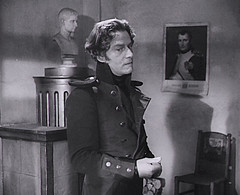
O ano é 1806. Um novo jogo de cartas chamado Faro se tornou febre na Rússia. O capitão Herman Suvorin (Anton Walbrook), entretanto, parece ser imune a esta febre. Ele tem outras coisas com as quais se preocupar: sendo um grande fã de Napoleão Bonaparte – ele tem um busto e um quadro de Napoleão no quarto – Suvorin sonha com uma grandeza e uma fortuna que não consegue alcançar.

The year is 1806. A new card game called Faro has became a fever in Russia. Captain Herman Suvorin (Anton Walbrook), however, seems to be immune to that fever. He has bigger things to worry: a big fan of Napoleon Bonaparte – he has a bust and a painting of Napoleon in his bedroom – Suvorin dreams with a greatness and a fortune that he fails to achieve.


Um dia, enquanto mexia em uma pilha de livros, ele encontra um sobre pessoas que venderam suas almas ao diabo em troca de algo grandioso em troca. No livro ele descobre que a Condessa Ranevskaya (Edith Evans), em 1746, vendeu sua alma ao diabo em troca do poder de nunca perder um jogo de cartas, pois ela precisava recuperar o dinheiro do marido, roubado por seu amante. Suvorin se alegra ao descobrir que a condessa ainda está viva.

One day, while perusing a bunch of old books, he finds one about people who sold their souls to the devil to get something big as a reward. In the book he learns about Countess Ranevskaya (Edith Evans) who, in 1746, sold her soul to the devil so she would never lose a card game, because she needed to recover her husband's money, stolen by her lover. Suvorin is thrilled to learn that the Countess is still alive.


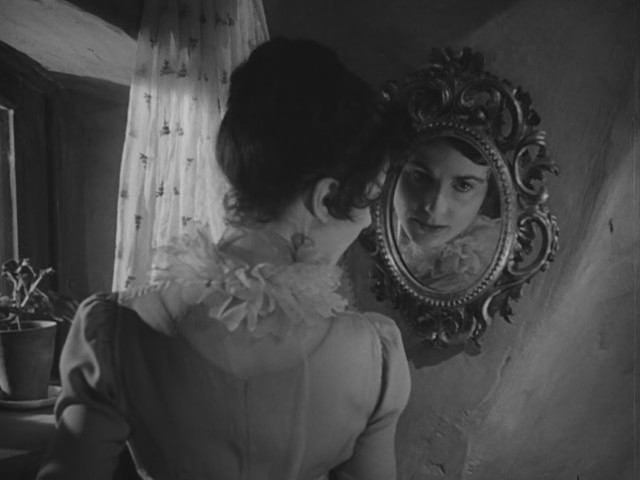
Pra conhecer a condessa, ele decide seduzir a dama de companhia dela, Lizaveta Ivanova (Yvonne Mitchell). A pobre Ivanova acretiva que ele realmente a ama. Quando Suvorin está escrevendo uma carta de amor para ela, uma aranha tecendo uma teia aparece: afinal, ele apenas quer usar Ivanova para chegar à condessa. Assim a armadilha é representada por uma poderosa metáfora visual.

To get to meet the Countess, he decides to seduce the lady's companion, Lizaveta Ivanova (Yvonne Mitchell). Poor Ivanova thinks he really loves her. When Suvorin is writing a love letter to her, a spider in its web appears: after all, he only wants to use her to reach the Countess. It’s a trap translated in a powerful visual metaphor.


Depois de um baile, Suvorin consegue entrar no quarto da condessa e pergunta a ela quais são as três cartas que nunca a deixaram perder. Antes de contar o segredo, a condessa morre. Suvorin é mais tarde assombrado pelo fantasma da condessa e, durante seu delírio, descobre que as três cartas são o três, o sete e o ás. Ele então decide apostar alto no Faro, mas se engana e aposta na Rainha de Espadas e não no ás. Enquanto isso, Ivanova descobre a verdade sobre seu pretendente.

After a ball, Suvorin manages to enter the Countess’s bedroom and asks her for the secret of the three cards that never let her lose. Before telling the secret, the Countess dies. Suvorin is later haunted by the Countess’s ghost and, during his delirium, he learns that the three cards are the three, the seven and the ace. He then decides to bet high on Faro, but mistakenly bets on the Queen of Spades instead of on the ace. Meanwhile, Ivanova learns the truth about her suitor.


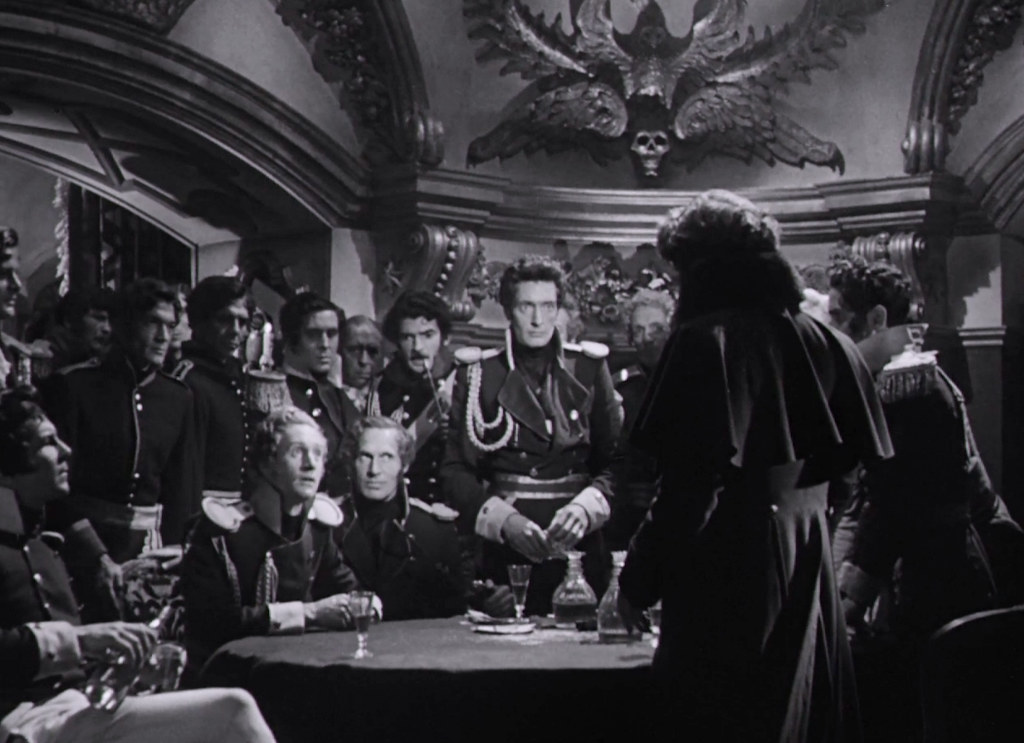
“A Dama de Espadas” é um excelente filme com grandes atuações, trilha sonora arrepiante e um design de produção maravilhoso. Os figurinos e em especial os cenários, todos lindamente feitos., foram os meus aspectos favoritos do filme.

“The Queen of Spades” is a terrific film with great performances, chilling music and outstanding production design. The outfits and in special the sets, all of them beautifully made, were my favorite aspects of the movie.


Anton Walbrook – hoje mais lembrado como Lermontov em “Os Sapatinhos Vermelhos” (1948) – tem em “A Dama de Espadas” provavelmente a melhor performance de sua carreira. Como Suvorin, ele é extremamente ambicioso, um mentiroso e manipulador que se rende à loucura em uma sequência que é de arrepiar e demonstra seu enorme talento. É com certeza uma das melhores performances em um dos melhores filmes de terror feitos na Inglaterra.

Anton Walbrook – now better remembered as Lermontov from “The Red Shoes” (1948) – has in “The Queen of Spades” probably the best performance of his career. As Suvorin, he is overly ambitious, a liar and a manipulator who descents into madness in a sequence that is a thrill and a demonstration of his huge talent. It’s certainly one of the top performances in one of the top horror movies made in England.


Yvone Mitchell era uma novata em “A Dama de Espadas”. O mesmo quase poderia ser dito sobre Edith Evans, que estava de volta aos cinemas depois de uma breve experiência na era muda. O perfil de Yvonne e suas expressões me fizeram lembrar um pouco de Ingrid Bergman, e ela atua bem, mas o filme pertence a Walbrook.

Yvonne Mitchell was a newcomer in “The Queen of Spades”. The same could almost be said about Edith Evans, who was back to the film world after a brief experience in the silent era. Yvonne's profile and expressions reminded me a bit of Ingrid Bergman, and she delivers a good performance, but the film belongs to Walbrook.


O diretor Thorold Dickinson foi escolhido para dirigir “A Dama de Espadas” graças a uma sugestão de Walbrook. Os dois haviam trabalhado juntos no filme britânico “À Meia-Luz”, de 1940. Depois que a MGM fez sua versão em 1944, o estúdio tentou destruir todas as cópias do original britânico, mas felizmente não conseguiram. Thorold Dickinson dirigiu apenas nove filmes em sua carreira.

Director Thorold Dickinson was brought to direct “The Queen of Spades” per Walbrook’s suggestion. The two had previously worked together in the British “Gaslight” from 1940. After MGM did its version in 1944, the studio tried to destroy all the copies of the original British film, but luckily they failed. Thorold Dickinson only directed nine films in his career.


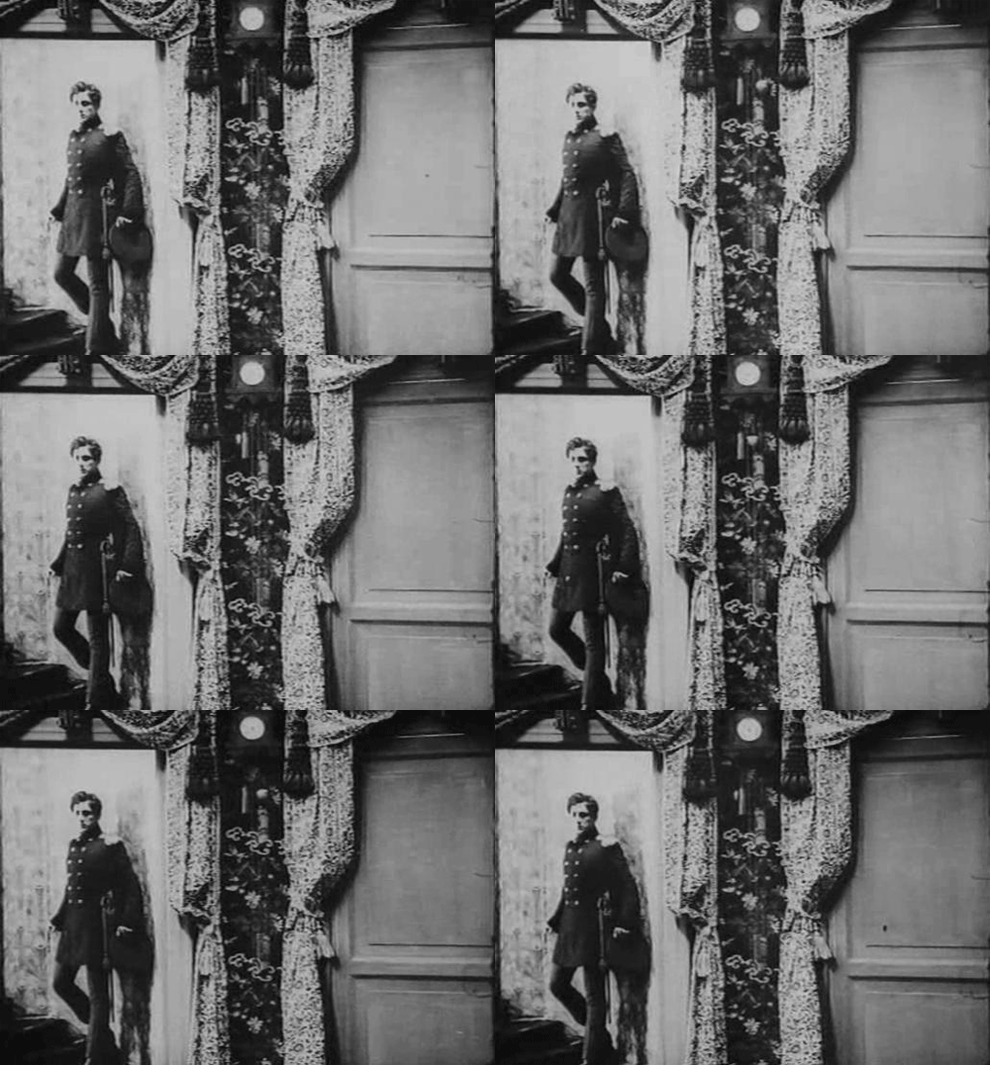
“A Dama de Espadas” é um conto escrito por Alexander Pushkin e serviu de base para uma ópera de Tchakovsky. A história foi adaptada para o cinema diversas vezes, mais notadamente em duas ocasiões durante a Rússia Czarista: uma vez em 1910 como um filme de 15 minutos e novamente em 1916 em um longa de 62 minutos. A adaptação de 1910 foi a primeira vez que a história foi transposta para as telas.

“The Queen of Spades” is a short story written by Alexander Pushkin and was the basis for an opera by Tchaikovsky. It was adapted to film several times, most notably in two occasions during Czarist Russia: once in 1910 as a 15-minute film and again in 1916 in a 62-minute feature. The 1910 adaptation was the very first time this story was seen on screen.
1918
1916
Muitas pessoas classificam o filme “A Dama de Espadas” como terror, embora a parte terrível seja apenas o delírio de Suvorin. A Inglaterra não teve grande tradição no horror clássico no cinema – o filme de terror clássico mais lembrado da Inglaterra é provavelmente o filme de antologia “Na Solidão da Noite” (1945).

Many people categorize the film “The Queen of Spades” as horror, although the horrible part is only Suvorin’s delirium. England didn’t have a big classic horror tradition in its film industry – the best remembered classic English horror is probably the anthology film “Dead of Night” (1945).
 
"Na Solidão da Noite / Dead of Night" (1945)
Talvez por causa do ritmo – construir toda a trama até o clímax de horror leva muito tempo – “A Dama de Espadas” não é reconhecida como a obra-prima de terror que realmente é. Impossível de ser filmada dos EUA anticomunistas do período, a história russa encontrou na Inglaterra uma equipe à sua altura para novamente ganhar vida nos cinemas – em uma belíssima versão.

Maybe because of the pace – building everything up until the horror-themed climax takes very long – “The Queen of Spades” is not recognized as a horror masterpiece that it is. It would be impossible to film it in the anticommunist USA of the time, so the Russian story found in England a perfect team to once again make it alive on screens – in a gorgeous version.

This is my contribution to the 6th Annual Rule, Britannia Blogathon, hosted by Terry at A Shroud of Thoughts.


Related Posts Plugin for WordPress, Blogger...