} Crítica Retrô

Tradutor / Translator / Traductor / Übersetzer / Traduttore / Traducteur / 翻訳者 / переводчик

Tuesday, February 4, 2020

Não Podes Comprar Meu Amor (1964) / The Americanization of Emily (1964)


O tenente Charles Madison (James Garner) tem um hábito estranho: ele cumprimenta todas as mulheres que encontra com um tapinha no traseiro – e todas elas o reconhecem por este estranho gesto. Mas as coisas são diferentes com Emily Barham (Julie Andrews), uma motorista que, após receber seu primeiro tapa no traseiro, responde com um sonoro tapa no rosto de Charlie.

Lt. Commander Charles Madison (James Garner) has a strange habit: he greets every female he meets with a pat in the butt – and they all recognize him by this weird gesture. But things are different with Emily Barham (Julie Andrews), a driver who, upon receiving her first tap in the butt, answers with a vigorous slap in Charlie’s face.


Charlie é um soldado Americano fazendo o possível para evitar ir para o campo de batalha. Emily é uma inglesa séria que perdeu o pai, o irmão e o marido na guerra. Ela se apaixona com muita facilidade e se magoa também com facilidade. Ele acredita que a Segunda Guerra Mundial, assim como todas as guerras, é resultado da ganância dos europeus, e ele diz isso a Emily. Eles foram feitos um para o outro, nós sabemos, e eles começaram o relacionamento com o pé esquerdo.

Charlie is an American soldier doing everything he can to avoid going to the battlefield. Emily is a serious English woman who has lost her father, brother and husband in the war already. She falls in love too easily and shatters too easily. He believes the second World War, as all wars, is the result of European greed, and he tells that to Emily. They are made for each other, we know that, and they’re off to a rough start.


Estranhamente, Emily decide se envolver com Charlie depois que ele a chama de “puritana”. Nós podemos ver por que Emily se apaixona por Charlie: primeiro, porque ele é James Garner. Mas a segunda razão é mais importante: ela valoriza a covardia dele, porque todas as vezes em que um homem que ela amava decidiu fazer um ato heroico, este homem morreu e ela foi deixada com o coração partido. A covardia de Charlie é o que o torna uma escolha estável para ela.

Oddly, Emily decides to have a romance with Charlie after he calls her a “prissy”. We can see why Emily falls for Charlie: first, he’s James Garner, for God’s sake. But the second reason is more important: she values his cowardice, because every time a man she loved decided to do a heroic deed, he died and she was left heartbroken. Charlie being a coward is what makes him a stable choice for her.


É 1944 e os amigos de Charlie no exército estão planejando o Dia D. O papel de Charlie nele é distinto: ele é um “dog robber”, um oficial que fica encarregado de se certificar que os oficiais mais graduados estejam bem alimentados, bem vestidos e bem amados – estas são as palavras exatas usadas no filme. Mesmo assim, Charlie recebe a missão de filmar a invasão da praia de Omaha no Dia D.

It’s 1944 and Charlie’s army friends are planning the D-Day. Charlie’s role in this is distinct: he’s a “dog-robber”, an officer who is in charge of certifying that the high officers are well-fed, well-dressed and well-loved – these are the exact words used in the film. Nevertheless, Charlie receives the mission to film the invasion of the Omaha Beach on D-Day.


O planejamento do Dia D é tão tenso que o almirante William Jessup (Melvyn Douglas) acaba ficando em estado catatônico. Eu gostei muito da camaradagem na cena em que Charlie massageia as costas do almirante enquanto ele se recupera. Falando em camaradagem, outro camarada de Charlie é o tenente Paul Cummings (James Coburn), ou “Bus”, como ele é chamado por todos.  Bus é outro covarde que terá de filmar a invasão da praia de Omaha.

The planning of the D-Day is tense enough to leave Admiral William Jessup (Melvyn Douglas) in a catatonic state. I loved the camaraderie in the scene where Charlie massages the admiral’s back while he recovers. Speaking of camaraderie, another comrade of Charlie’s is Lt. Commander Paul Cummings (James Coburn), or “Bus”, as everybody calls him. Bus is another fun-loving coward who will have to record the Omaha Beach invasion.
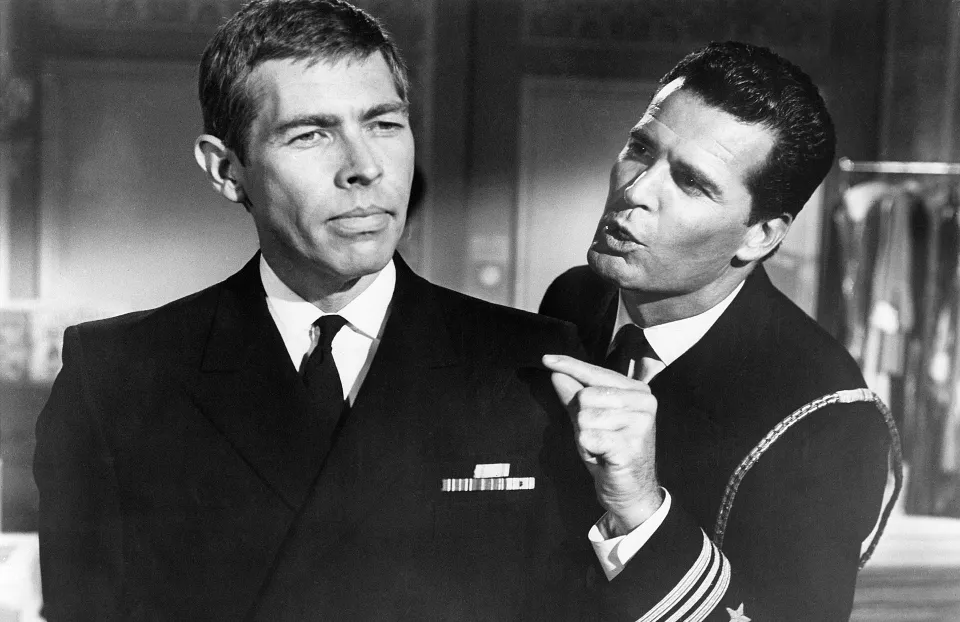

O filme tem muitos momentos sérios de reflexão sobre a guerra. Charlie diz à mãe de Emily que ele perdeu um irmão na guerra, e a mãe dele só sobrevive porque honra as instituições e finge ter orgulho de seu falecido filho – quando na verdade a saudade dela é maior que seu orgulho patriótico. Neste sentido, o roteiro de Paddy Chayefsky é completamente antiguerra... mas mais sobre isso mais tarde.

The film has many serious moments of reflections about war. Charlie tells Emily’s mother that he lost a brother in the war, and his mother only survives through honoring the institutions and pretending to be proud of her dead son – when her longing for him is bigger than her patriotic pride. In this sense, Paddy Chayefsky’s screenplay is blatantly anti-war… but more on that later.


É curioso que o título original seja “The Americanization of Emily” quando Charlie é o foco do filme. Claro, James Garner era mais conhecido que Julie Andrews no começo de 1964, quando o filme foi feito. Julie havia acabado de filmar “Mary Poppins”, um filme que estrearia um mês antes de “Não Podes Comprar Meu Amor” e daria a Julie um Oscar. Como Emily, ela evitou ser estereotipada como uma bela cantora, e também apareceu em um filme em preto e branco – o único de sua carreira. Tanto Julie quanto James disseram que “Não Podes Comprar Meu Amor” é o filme favorito de suas respectivas carreiras.

It’s curious that the title is “The Americanization of Emily” when Charlie is the focus of the movie. Sure, James Garner was a bigger star than Julie Andrews in the beginning of 1964, when the film was shot. Julie had just wrapped “Mary Poppins”, a film that would premiere a month before “The Americanization of Emily” and give her an Oscar. As Emily, she avoided being typecast as a singing marvel, and also appeared in a black and white film – the only one in her career. Both Andrews and Garner have said that “The Americanization of Emily” is their favorite of their respective careers.


O tema principal do filme é o orgulho. Orgulho é a razão pela qual Jessup decide que o primeiro norte-americano a morrer na praia de Omaha deve ser um marinheiro – uma decisão bastante estúpida e orgulhosa, porque ele está sacrificando a vida de outra pessoa para chamar a atenção para a Marinha. Orgulho é característica de um herói, e a linha que separa um herói de um covarde é bem tênue, como o filme mostra. E, obviamente, a “história oficial” pode ser bem diferente dos acontecimentos reais.

The overall theme of the movie is pride. Pride is the reason why Jessup decides that the first American to die at Omaha Beach on D-Day must be a sailor – a very stupid and proud decision, because he’s sacrificing someone else’s life to shine a light on the Navy. Pride is what makes a hero, and the line that separates a hero from a coward is a very thin one, as the film shows. And, of course, the “official history” may be very different from the real happenings.


Mais uma vez, esta é uma narrativa envolvendo a Segunda Guerra Mundial que mostra que pode valer a pena lutar uma guerra, e sacrifícios podem ser necessários – mesmo se esse sacrifício envolver mentir sobre ser um herói.

Once again, this is a narrative involving World War II that shows that a war can be worth fighting, and sacrifices can be worth making – even if this sacrifice involves lying about being a hero.

This is my contribution to the James Garner: He Thrilled Them All blogathon, hosted by Gill at Realweegiemidget Reviews.

Thursday, January 16, 2020

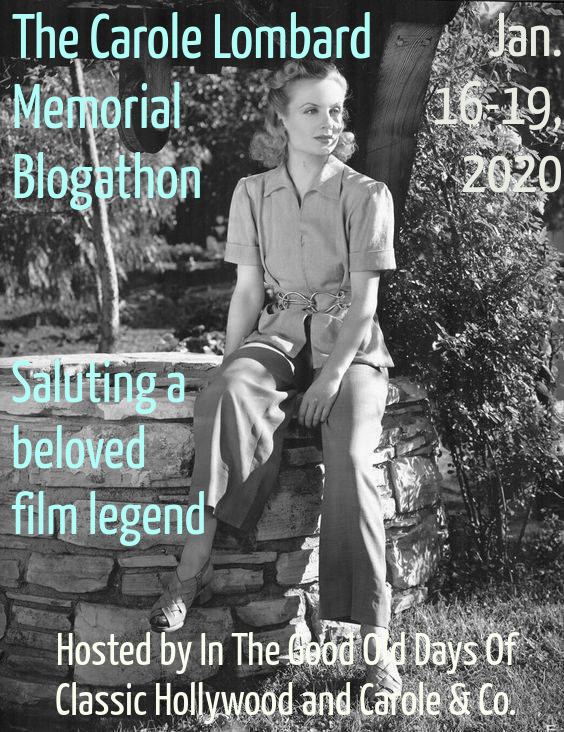
Carole Lombard: Bathing Beauty


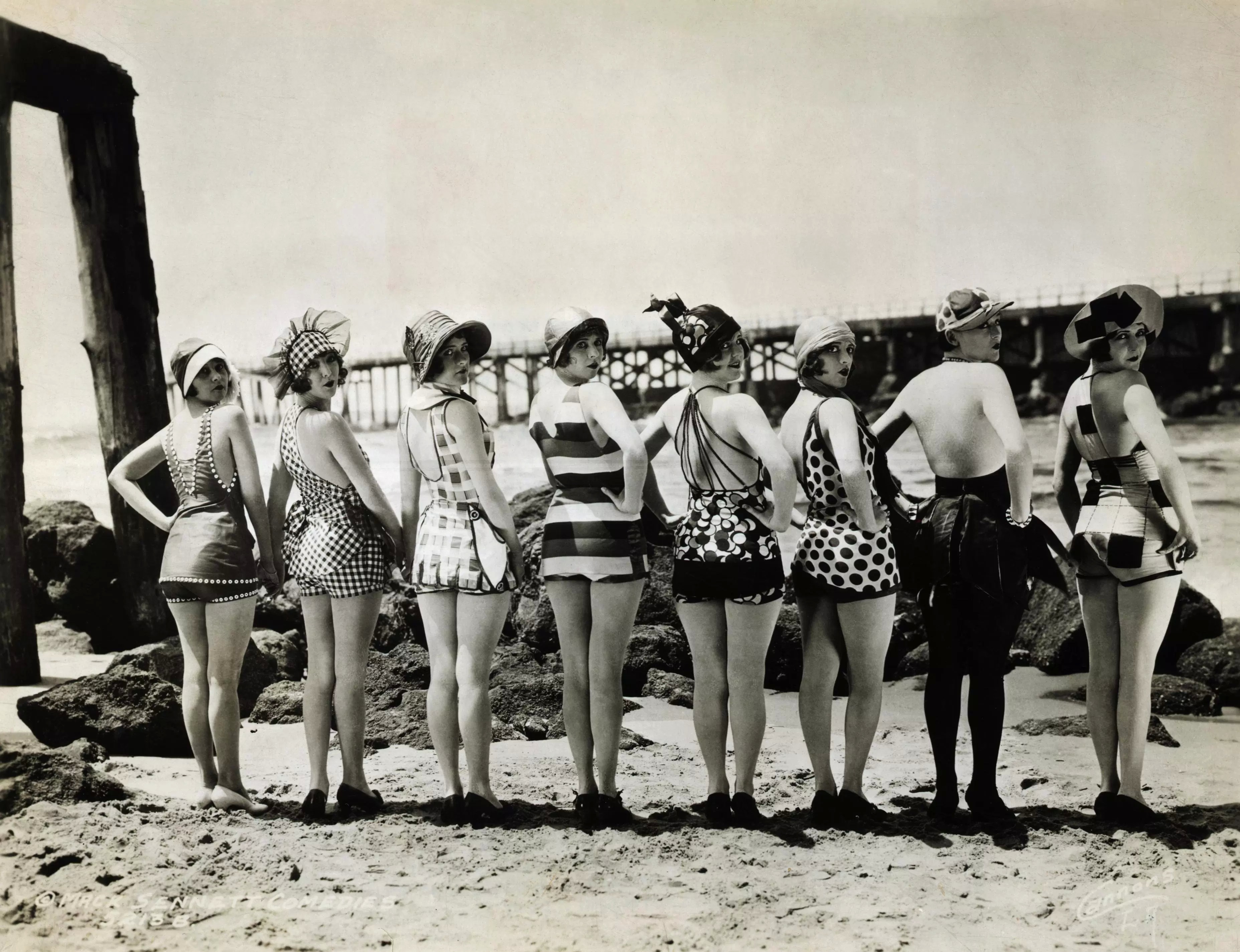
Não há nada mais raro em Hollywood do que um sucesso da noite para o dia. Ou melhor: todo mundo que faz sucesso da noite para o dia já estava trabalhando muito, há anos, em pequenos papéis antes da grande chance. Isso aconteceu com Carole Lombard que, antes de se tornar a charmosa comediante que nós amamos, trabalhou sem descanso como uma das Bathing Beauties de Mack Sennett.

There is nothing rarer in Hollywood than an overnight sensation. Or let’s put it this way: all overnight sensations had already been working a lot, for years, in small roles before they got their big break. This happened to Carole Lombard who, before becoming the charming comedienne we all love, worked steadily as one of Mack Sennett’s Bathing Beauties.
 
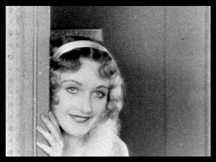
Carole de chapéu branco / Lombard with a white hat
Mack Sennett deu o nome de Bathing Girls (ou Bathing Beauties) para seu grupo de jovens estrelas, que existiu entre 1915 e 1928, com novas garotas bonitas todos os anos. Muitas dessas garotas tiveram successo longe de Sennett – como Marie Prevost e a própria Carole – e o grupo inspirou imitações de outros estúdios, como as Sunshine Girls da Fox.

Mack Sennett named his group of starlets Bathing Girls (or Bathing Beauties) and this group existed from 1915 until 1928, with new pretty girls every year. Many Bathing Beauties went on to have big careers far from Sennett – like Marie Prevost and Carole herself – and the group inspired imitations from other studios, like the Sunshine Girls from Fox.


As garotas Bathing Beauties não precisavam ser boas atrizes – elas apenas precisavam ser bonitas. A participação delas nos filmes não tinha necessariamente de ajudar a trama, e era preferível que muitas garotas aparecessem de uma vez só – por isso Sennett fez alguns curtas sobre universidades só para mulheres. As Bathing Beauties eram um grupo de garotas travessas e atléticas – elas podem até ser chamadas de pin-ups da Primeira Guerra Mundial.

The Bathing Beauties didn’t have to be good actresses – they just had to be good-looking. Their participation in the films not necessarily had to do with advancing the plot, and it was preferred that many beauties could be shown at once – that’s why Sennett made a few shorts about girls’ colleges. The Bathing Beauties were a group of naughty and athletic girls – they could even be called the pin-ups of World War I.


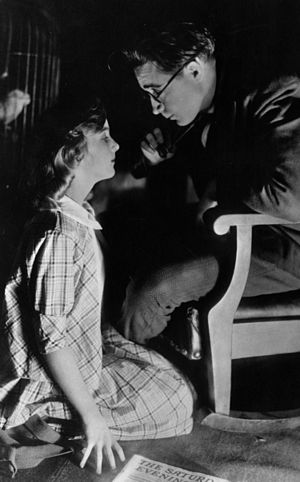
Jane Alice Peters tinha 12 anos quando foi descoberta pelo diretor Allan Dwan e fez o filme “A Perfect Crime”, de 1921 – curiosamente, este filme foi produzido por Mack Sennett. Sennett só voltaria a encontrar a garota em 1927 – e nesse meio tempo ela havia sido figurante em alguns filmes, incluindo “Ben-Hur” (1925), sofrido um acidente de carro, aguentado a cirurgia de reconstrução facial sem anestesia (porque se acreditava que a anestesia piorava a cicatriz) e mudado seu nome para Carol Lombard, ainda sem o E.

Jane Alice Peters was 12 when she was discovered by director Allan Dwan and appeared in the film “A Perfect Crime”, from 1921 – curiously, this film was produced by Mack Sennett. Sennett would only meet the girl again in 1927 – and by then she had appeared as an extra in a few films, including “Ben-Hur” (1925), suffered a car accident, undergone a facial reconstruction surgery without anesthetics (because it was believed that anesthetics caused worse scars) and changed her name to Carol Lombard, without an E.
 
Carole at 12
Carole Lombard apareceu em 18 curtas-metragens de Mack Sennett entre 1927 e 1929. O primeiro deles foi “Smith's Pony”, no qual Carole interpreta Lillian Saunders, uma professora de equitação e jóquei. O filme é parte da série sobre a família Smith, e nele a família está de férias em San Francisco. O pai, Jimmy (Raymond McKee), decide comprar um pônei de Lillian e dar de presente para sua filha Bubbles (Mary Ann Jackson). Entretanto, a esposa Mabel (Ruth Hiatt) acredita que ele está flertando com Lillian, não comprando um cavalinho. Carole tem o cabelo mais escuro aqui, e as partes mais engraçadas envolvem a atriz mirim Mary Ann Jackson.

Carole Lombard appeared in 18 of Mack Sennett’s short comedies between 1927 and 1929. The first of them is “Smith’s Pony”, in which Carole plays Lillian Saunders, a riding teacher and jockey. This film is part of the Smith family series, and in this entry they’re vacationing in San Francisco. The father, Jimmy (Raymond McKee), decides to buy a pony from Lillian and give it as a surprise gift to his little daughter Bubbles (Mary Ann Jackson). However, his wife Mabel (Ruth Hiatt) believes he’s flirting with Lillian, not buying a small horse. Carole has darker hair here, and the funniest bits involve child actress Mary Ann Jackson.


Podemos pensar que, como ela teve um papel importante no primeiro curta-metragem que fez com Sennett, Carole teria destaque em todos os outros curtas. Isso não aconteceu: em alguns deles ela é apenas mais uma garota na multidão, ou convidada de um casamento, ou vendedora. Mas ela conseguiu brilhar em alguns destes curtas.

We may think that, because she played an important part in her first Sennett short, Carole would be featured proeminently in all the other shorts. This didn't happen: in some of them she's only another girl in the crowd, or a guest in a wedding, or a salesgirl. But she managed to shine in a few of these shorts.


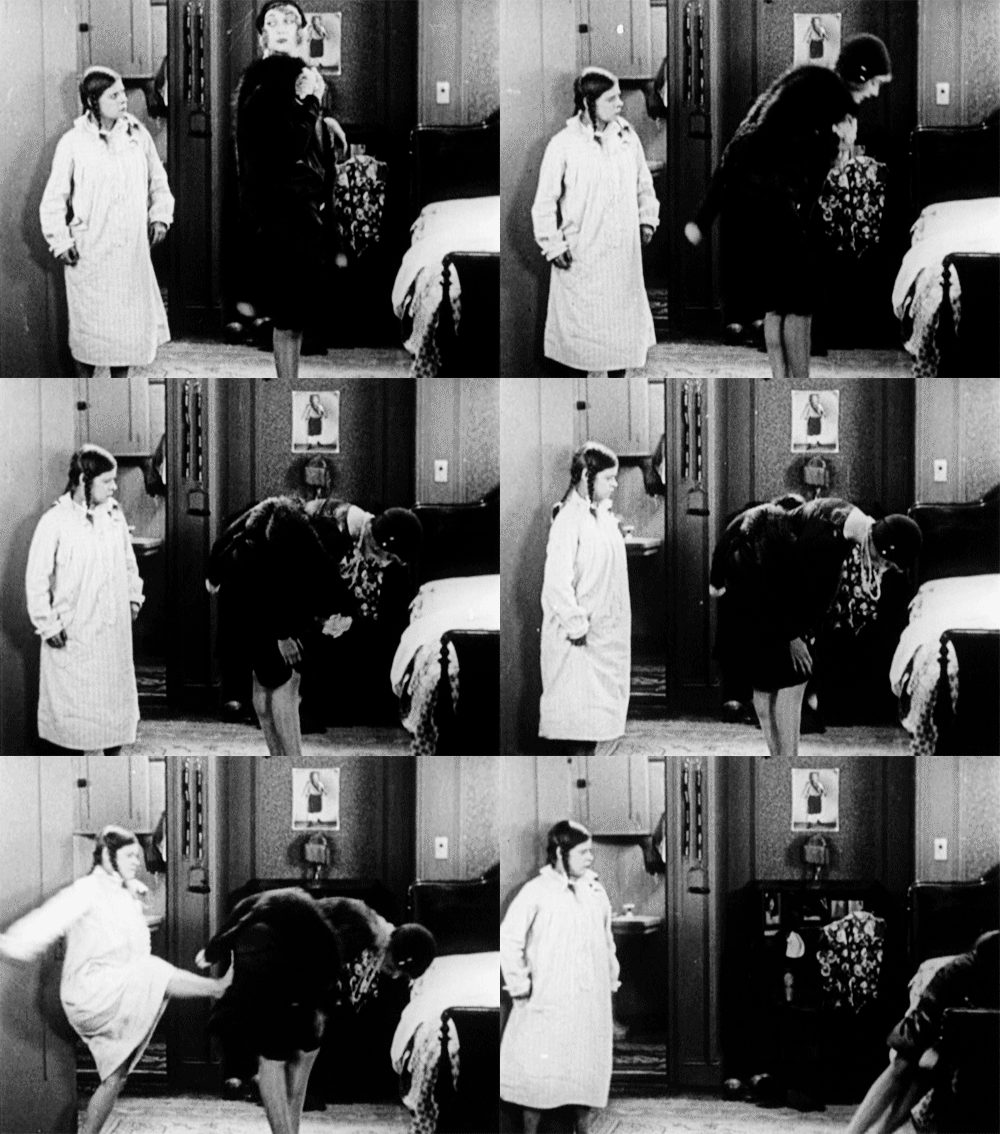
Em “The Campus Carmen” (1928), o nome de Carole é o terceiro nos créditos. A estrela é Daphne Pollard interpretando Tille Toober, uma garota que quer o papel principal na peça “Carmen”, que a universidade vai montar. E por papel principal eu quero dizer o papel de toureiro – porque todos os papéis precisam ser interpretados por mulheres, até mesmo o papel do touro. Carole interpreta uma garota que participa de guerras de travesseiro no dormitório da universidade e que toma conta da vaca nos bastidores. Embora Carole apareça pouco, o curta-metragem é bem divertido.

In “The Campus Carmen” (1928), Carole is third billed. The star is Daphne Pollard playing Tillie Toober, a girl who wants the lead role in the play “Carmen” that will be put up by the girls' College. And by the lead I mean the bullfighter – because all roles must be played by females, even the role of the bull. Carole plays a girl who has pillow fights in the college dormitory and takes care of the cow backstage. Although the short has little of Carole in it, it’s very enjoyable.


Também em 1928, Carole Lombard viu seu nome em primeiro lugar nos créditos de “Run, Girl, Run”, um curta também ambientado em uma universidade só de garotas. Aqui ela é Norma Nurmi, a estrela do time de atletismo, e Daphne Pollard é Minnie, a treinadora. Norma está mais interessada em namorar do que em treinar para competições. Por isso, para mantê-la em forma, Minnie inclusive coloca Norma para dormir com ela na noite anterior à competição, para que ela possa ficar de olho. Daphne é usada em mais gags do que Carole. E há um bode sem razão alguma. Havia sequências em Technicolor neste filme, mas elas se perderam.

Also in 1928, Carole Lombard was first billed in “Run, Girl, Run”, a short also set in a girls’ college. Here she is Norma Nurmi, the star athlete of the track and filled team, and Daphne Pollard is Minnie, the coach. Norma is more interested in going on dates than in training for competitions. So, in order to keep her star in shape, Minnie even puts Norma to sleep with her on her bed the night before a competition, so she can keep one eye on Norma. Daphne is used for more gags than Carole. Also, there is a goat apropos of nothing. There were Technicolor sequences in this film, but they’re now lost.


Outro curta sobre a universidade é “The Campus Vamp”, também de 1928. Nele, Sally (Sally Eilers) perde seu namorado Matty (Matty Kemp) para a vamp do campus, Carole (Carole Lombard). Os empregados da universidade Dora (Daphne Pollard) e Barney (Johnny Burke) tentarão ajudar Sally a reconquistar seu amado. Na praia há uma sequência em Technicolor... e com slow-motion! Nós também vemos Carole dançando o charleston – o que é provavelmente o mais perto que chegaremos de vê-la como uma flapper.

Another college-themed short is “The Campus Vamp”, also from 1928. In it, Sally (Sally Eilers) loses her sweetheart Matty (Matty Kemp) to the campus vamp, Carole (Carole Lombard). College employees Dora (Daphne Pollard) and Barney (Johnny Burke) will try to help Sally to get her beau back. At the beach there is a two-strip Technicolor sequence... and with slow-motion! We also get to see Carole dancing the charleston – which is probably the closest we'll get from seeing her as a flapper.


Em “Matchmaking Mamma”, de 1929, Daphne e Carole interpretam mãe e filha: elas são a Sra. McNitt e Phyllis. A Sra. McNitt quer que Phyllis se case com Larry Lodge (Matty Kemp), que está ensaiando uma peça com ela. Entretanto, Larry conhece a enteada da Sra. McNitt, Sally (Sally Eilers) e se apaixona. Há uma sequência supimpa em Technicolor no ensaio geral, e embora não haja close-ups de Carole podemos apreciar sua beleza de longe. Os focos do filme são as trapalhadas de Daphne e o casal principal.

In “Matchmaking Mamma”, from 1929, Daphne and Carole play mother and daughter: they’re Mrs. McNitt and Phyllis. Mrs. McNitt wants Phyllis to marry Larry Lodge (Matty Kemp), who is rehearsing a play with her. However, Larry meets Mrs. McNitt’s stepdaughter Sally (Sally Eilers) and falls in love with her. There is a cool sequence in Technicolor showing the dress rehearsal, and although there are no close-ups of Carole we can appreciate her beauty from afar. The focuses of the film are Daphne’s antics and the main couple.


Carole pode não ter sido a estrela dos curtas de Sennett, mas este não era o objetivo das Bathing Beauties – elas só funcionavam como um grupo. Mesmo assim, Carole adquiriu experiência com comédia quando trabalhava nestes curtas – mesmo sendo um tipo diferente de comédia – e neles ela conheceu sua grande amiga e secretária Madalynne Field – que interpretava a “garota gorda” nos filmes. Bem, todos nós temos de começar em algum lugar – e de preferência aprender algo com nossas primeiras experiências.

Carole may not have been the star of Sennett’s shorts, but this wasn't the goal of the Bathing Beauties – they only worked as a group. Nevertheless, Carole acquired experience in comedy while working in those shorts – although a different kind of comedy – and in them she got to know her lifelong friend  and secretary Madalynne Field – who played the “fat girl” in the shorts. Well, we all have to start somewhere – and preferrably learn something from our first experiences.


* Many of the images come from the website Carole & Co.


This is my contribution to the Carole Lombard Memorial blogathon, hosted by Crystal at In the Good Old Days of Classic Hollywood and Vincent at Carole & Co.


Friday, January 10, 2020

Coronel Blimp: Vida e Morte (1943) / The Life and Death of Colonel Blimp (1943)


ESTE ARTIGO TEM SPOILERS
THIS ARTICLE HAS SPOILERS

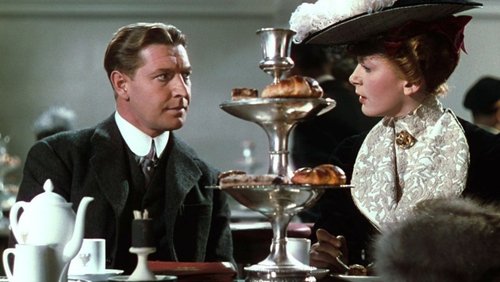
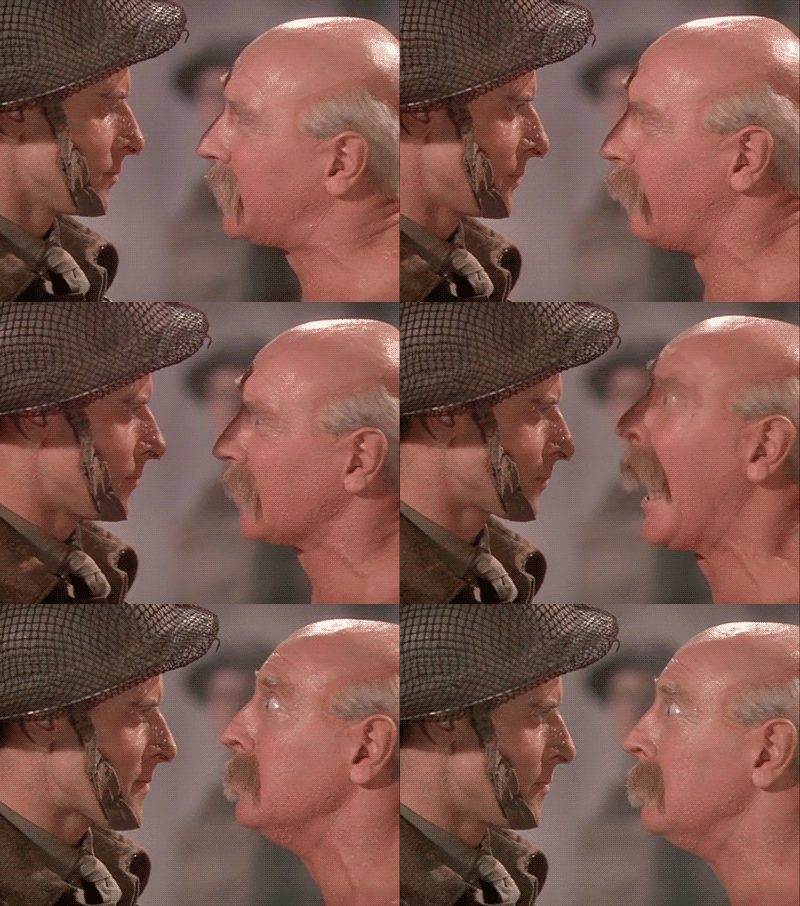
“A guerra começa à meia-noite!” Mesmo com esse protesto, o General Clive Candy é levado como prisioneiro de um grupo de soldados ingleses em treinamento. Assim que Candy cai numa piscina num banho turco, ele – e nós – revisitamos sua vida em uma série de flashbacks.

“War starts at midnight!” Even with this protest, Major-General Clive Candy is taken as prisoner of an English group of soldiers in training. As Candy falls in a pool in a Turkish bath, he – and we – revisits his life in a series of flashbacks.


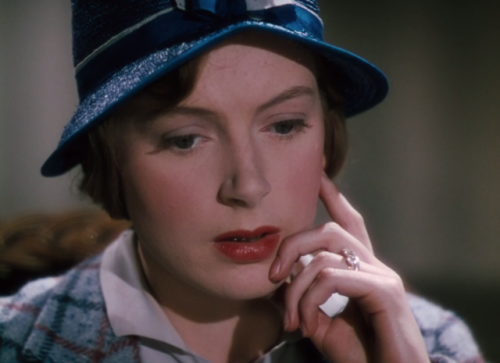
Durante a Segunda Guerra dos Bôeres (1899-1902), Clive Candy (Roger Livesey) participou de um tipo diferente de ação. Como um tenente de folga, ele recebeu uma carta de uma mulher inglesa que trabalhava em Berlim, Edith Hunter (Deborah Kerr). Ela reclama que Kaunitz, um alemão, está espalhando propaganda contra a Inglaterra. Como os superiores de Clive não se importam com o assunto, ele decide parar Kaunitz sozinho.

During the Second Boer War (1899-1902), Clive Candy (Roger Livesey) saw a different kind of action. As a lieutenant on leave, he receives a letter from an English woman working in Berlin, Edith Hunter (Deborah Kerr). She complains that Kaunitz, a German, is spreading anti-British propaganda. As Candy's superiors don't care about the matter, he decides to stop Kaunitz himself.


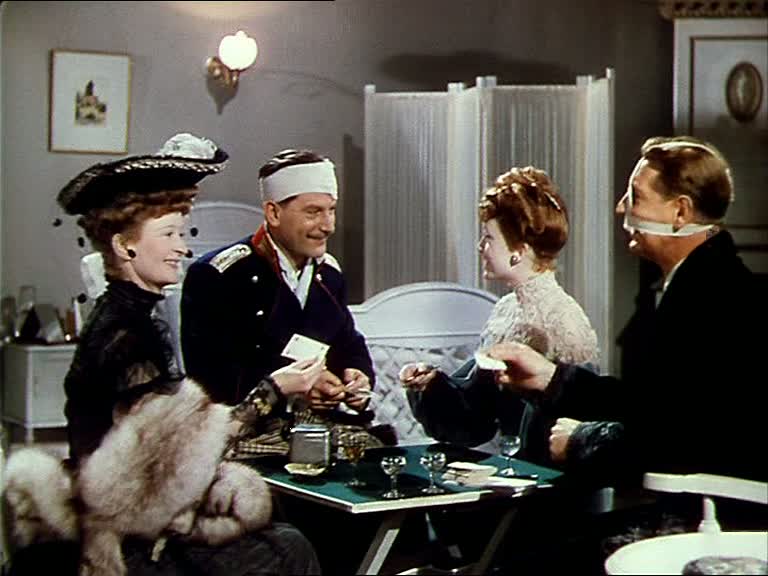
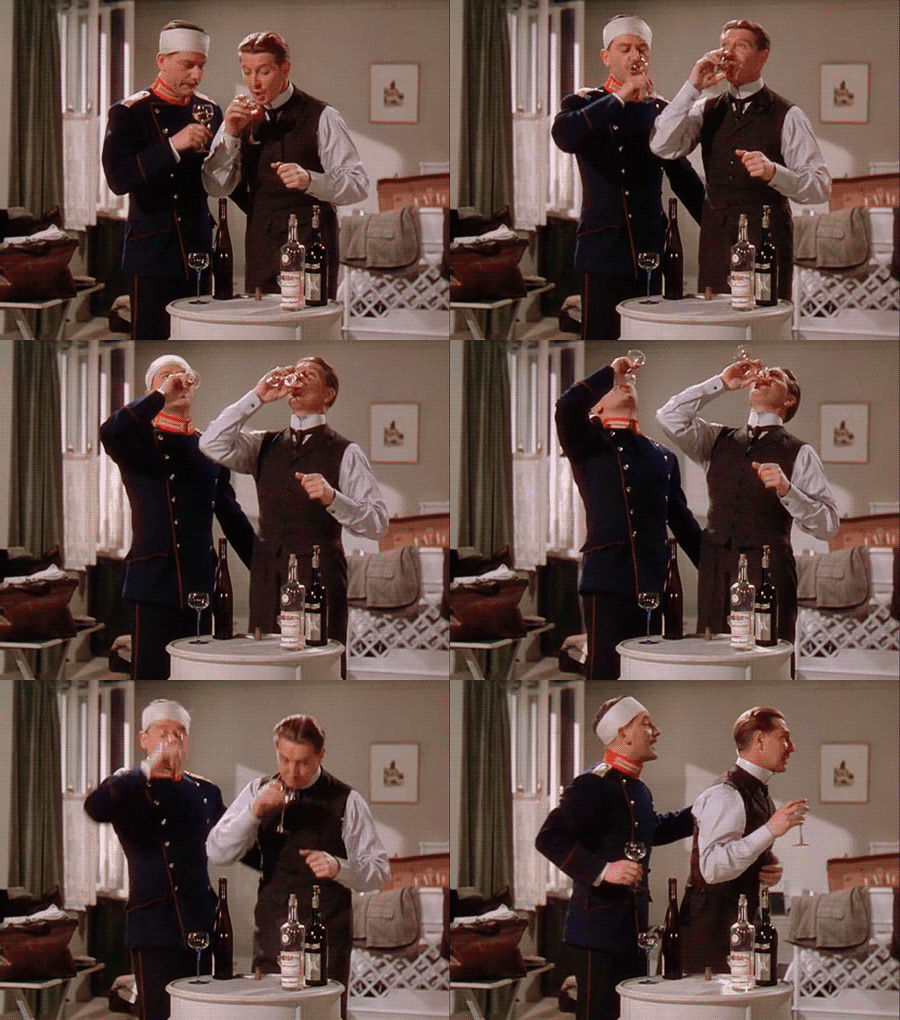
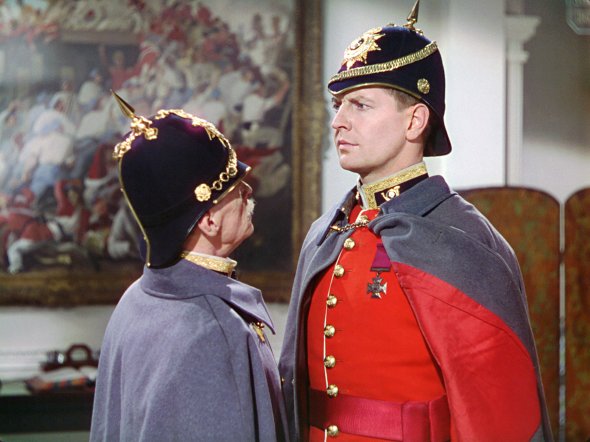
Candy conhece Edith e, com ela, confronta Kaunitz (David Ward) e acaba causando um grande incidente diplomático. Ele é mandado para duelar com um oficial alemão, Theo Kretschmar-Schuldorff (Anton Walbrook). Ambos são feridos no duelo – e se tornam amigos.

Candy meets Edith and, with her, confronts Kaunitz (David Ward) and ends up causing a minor diplomatic incident. He is sent to duel with a German officer, Theo Kretschmar-Schuldorff (Anton Walbrook). Both are wounded in the duel – and they become friends.


Candy vai para a África. Uma montagem cheia de cabeças empalhadas de animais mortos por Candy mostra a passagem do tempo – uma sequência destas não seria aceita hoje. Agora a Primeira Guerra Mundial (1914-1918) está em curso. O agora General Candy, com um bigode, está em Flandres com seu mordomo Murdoch (John Laurie) pouco antes da assinatura do Armistício. Numa base da Cruz Vermelha ele conhece a enfermeira Barbara Wynne (também Deborah Kerr), e se apaixona por ela por causa de sua semelhança com Edith. Mesmo sendo 20 anos mais nova que ele, ela aceita o pedido de casamento.

Candy leaves to Africa. A montage full of heads of animals shot by Candy show the passage of time – such a sequence wouldn’t be accepted today. Now World War I (1914-1918) is underway. The now General Candy, with a moustache, is in Flanders with his butler Murdoch (John Laurie) a while before the Armistice is signed. In a Red Cross base he meets nurse Barbara Wynne (also Deborah Kerr), and falls in love with her because of the resemblance she bears with Edith. Despite being 20 years younger than him, she accepts his proposal.


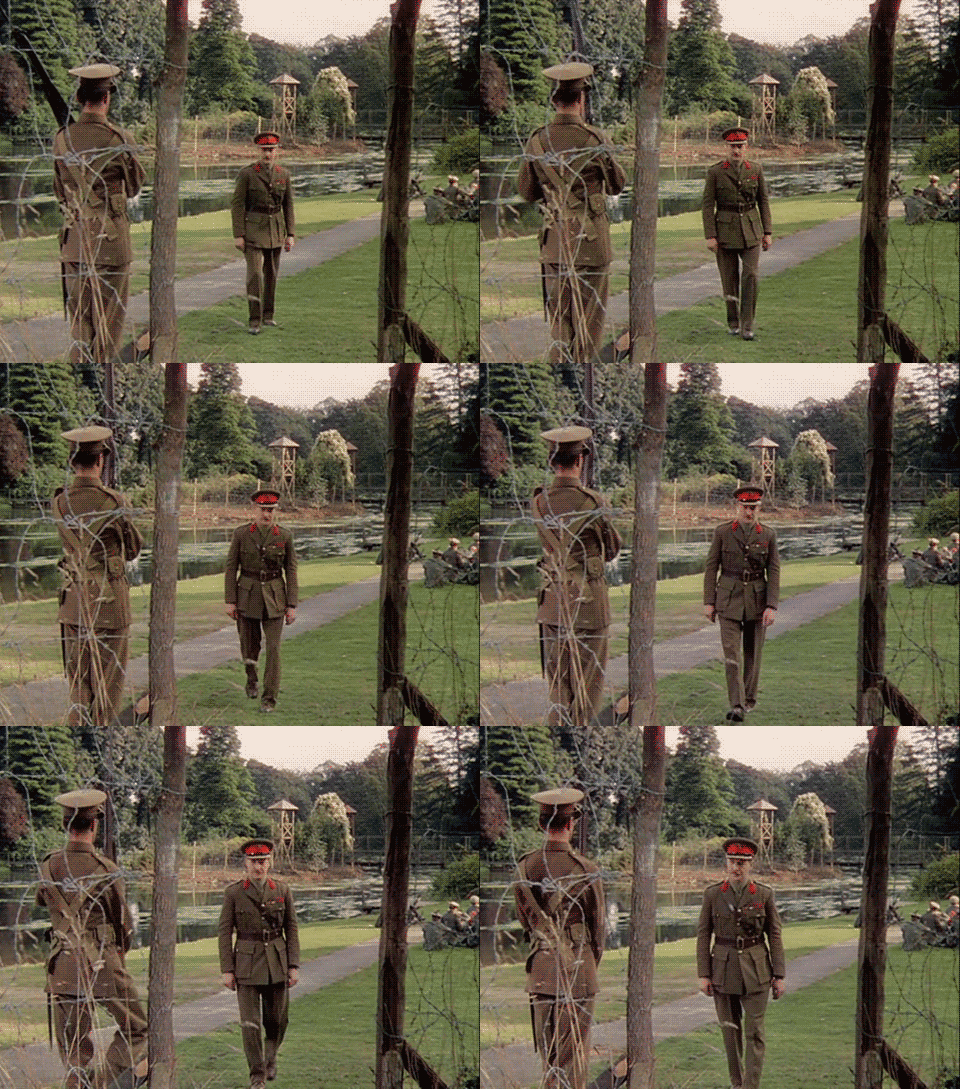
Quando a guerra acaba, Candy encontra Theo em um campo de prisioneiros de guerra. A relação deles é, à primeira vista, impactada, mas Theo é libertado e vai jantar com Candy. Theo é mandado de volta para a Alemanha, enquanto Candy e sua esposa Barbara viajam pelo mundo.

When the war is over, Candy tracks down Theo in a prisoner of war camp. Their relationship is at first shaken, but Theo is freed and they have dinner together. Theo is sent back to German, while Candy and his wife Barbara travel the world.


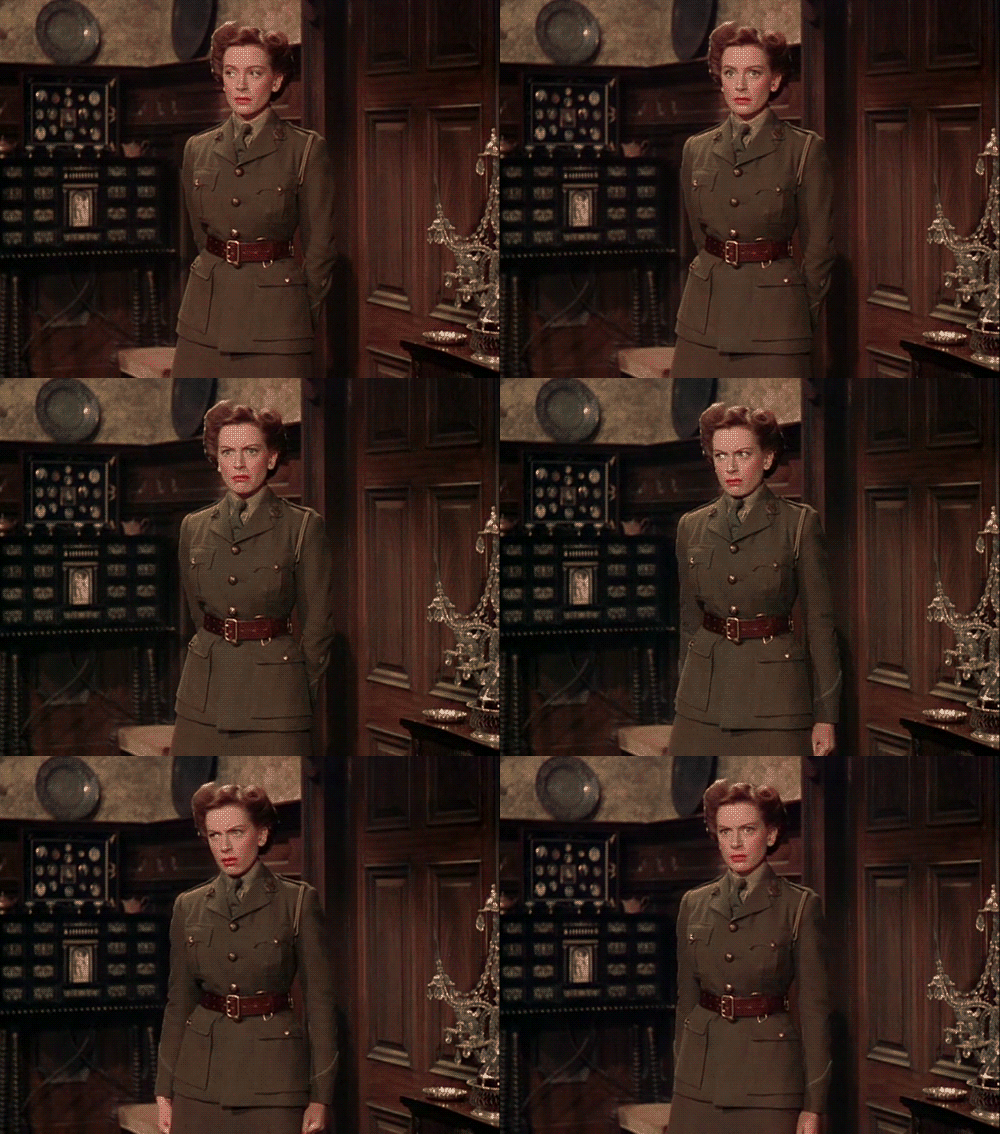
Barbara morre em 1926, sem deixar filhos. Candy volta a caçar animais selvagens e novamente enche as paredes de casa com as cabeças empalhadas. Logo é 1939, e Theo, agora um químico aposentado, está na Inglaterra após ter enviuvado e ter visto os dois filhos se tornarem nazistas.  Candy encontra Theo no escritório de imigração e o leva para sua casa, onde Theo conhece a motorista de Candy, Angela (adivinhe quem? Deborah Kerr) e se impressiona com a semelhança entre ela, Edith, e Barbara. O filme volta para o começo.

Barbara dies in 1926, leaving no children. Candy starts hunting wild animals again and filling his walls with their heads. Soon it’s 1939, and Theo, now a retired chemist, is in England after becoming a widower himself and seeing his two sons become Nazis. Candy meets Theo at the immigration office and takes him to his home, where Theo meets Candy’s driver, Angela (guess who? Deborah Kerr) and gets impressed with her resemblance with both Edith and Barbara. The film finally comes full circle.


A lógica diz que um filme como “Coronel Blimp: Vida e Morte” não poderia ser feito durante a guerra. É um filme colorido – portanto, mais caro – que tem um personagem alemão simpático e um oficial inglês não muito nobre, e que está ficando obsoleto. A lógica diz que um filme como “Lawrence da Arábia” poderia ser feito durante a guerra, para contar os feitos de um herói de guerra e inspirar os jovens soldados. Mas o mundo do cinema nem sempre segue a lógica.

Logic says that a film like “The Life and Death of Colonel Blimp” couldn't and shouldn’t be made in wartime England. This is a color film – therefore, more expensive – that has a sympathetic German character and a not so noble English officer, who is becoming obsolete. Logic says that a film like “Lawrence of Arabia” would be made in wartime England, to chronicle the deeds of a war hero and inspire the young soldiers. But the film world does not always follow logic.


Winston Churchill se recusou a dar um visto de exportação para o filme depois que ele ficou a par da história que seria contada – por causa disso, o filme só estreou nos EUA em 1945, e numa versão editada. Algumas teorias dizem que Churchill sentiu que Candy era uma sátira dele, mas não há prova disso. Mesmo assim, “Coronel Blimp: Vida e Morte” estreou na Inglaterra com sucesso.

Winston Churchill refused to give a visa for the film after he got to know the story that was being told – because of that, the film only premiered in the US in 1945, and in an edited version. Some theories say that Churchill felt that Candy was a character made to satirize him, but there is no proof of that. Nevertheless, “The Life and Death of Colonel Blimp” premiered in England and was a success.


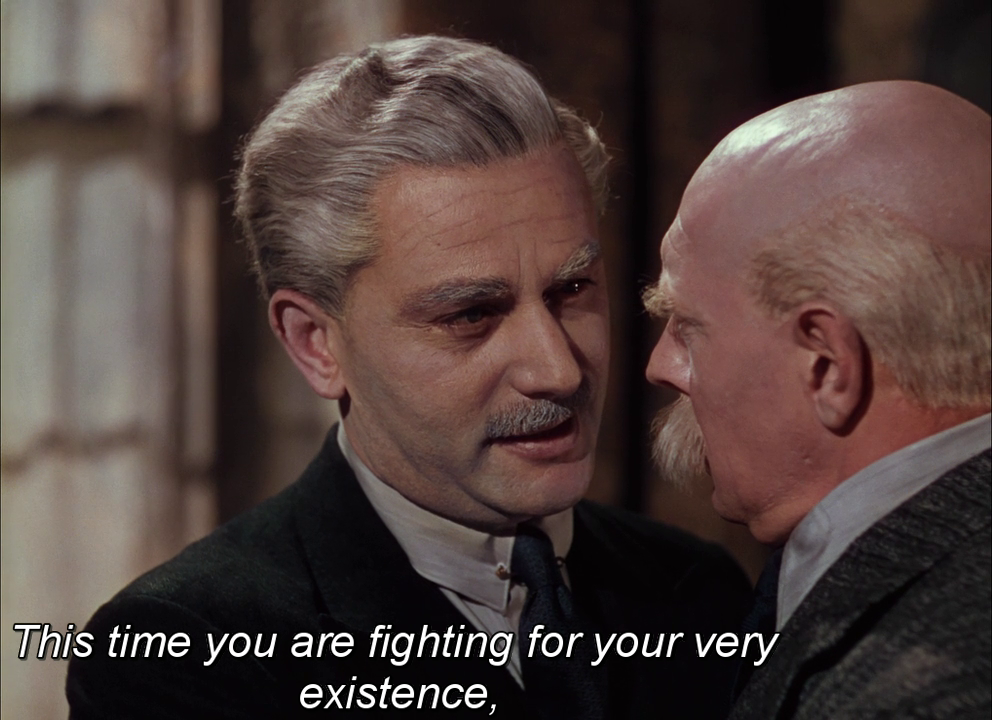
Embora Clive Candy seja o protagonista do filme, creio que Theo é o personagem mais interessante. Primeiro, ele é um soldado alemão com um forte senso de dever e que fala apenas duas expressões em inglês. Isso não impede que uma amizade entre ele e Candy surja. Depois da Primeira Guerra Mundial, Theo está amargo e não é bem recebido entre os amigos de Candy. Além disso, ele não tem certeza sobre como a Alemanha será tratada no Tratado de Versalhes – alerta de spoiler: a Alemanha foi tratada injustamente. E é durante a Segunda Guerra Mundial que seu personagem brilha. Por ter perdido seus dois filhos para o nazismo, ele sabe que combater os nazistas não será como combater qualquer outro inimigo. Numa época em que todos os filmes de guerra retratavam os alemães como uma massa de inimigos, ter um personagem alemão não-judeu como a voz da razão é uma surpresa. E Anton Walbrook, ele próprio um refugiado, é talentoso e bonito.

Although Clive Candy is the lead of the film, I found Theo to be the most interesting character. First, he’s a German soldier with a strong sense of duty who just speaks two expressions in English. This doesn’t prevent a friendship between him and Candy to blossom. After World War I, Theo is bitter and is not well-received among Candy’s friends. Furthermore, he is uncertain about how German would be treated by the Treaty of Versailles – spoiler alert: Germany wasn’t treated fairly. And it’s during World War II that his character shines. Having lost his two sons to Nazism, he knows fighting Nazis won’t be like fighting any other enemy. In a time when all war movies portrayed German people as a mass of enemies, to have a non-Jewish German character as the voice of reason is a surprise. It also doesn’t hurt that Anton Walbrook, a refugee himself, is both talented and handsome.


Os três papéis de Deborah Kerr podem ser associados com a ideia de duplos ou doppelgangers. De acordo com um estudo de 2016 de uma universidade australiana, há apenas uma chance em 135 de você ter um doppelganger exato. Por isso, a chance de Candy conhecer três mulheres que são exatamente iguais, todas na Europa, em um período de 40 anos, é muito, muito pequena. Mas, de novo, os filmes seguem uma lógica diferente.

Deborah Kerr’s three roles can be associated with the idea of doppelgangers. According to a 2016 study from an Australian university, there is only a 1 in 135 chance that there is an exact pair of doppelgangers. So, the chance of Candy having met three women who look exactly the same, all in Europe, in a 40-year period is very, very small. But, again, movies follow a different logic.


Dito isto, é uma pena que nenhuma das personagens de Deborah Kerr seja bem desenvolvida. Eu entendo que o foco seja, primeiro, em Clive Candy e, segundo, em sua amizade com Theo. Angela é a única das personagens que mostra mais independência, pois ela tem um emprego e contradiz Candy para apoiar a opinião de Theo sobre a guerra. Deborah Kerr foi escalada para o filme depois que Wendy Hiller engravidou e teve de deixar o projeto. Michael Powell se apaixonou por Deborah e traduziu muito de sua obsessão para a obsessão de Candy por uma “mulher ideal”.

This being said, it’s a pity that none of Deborah Kerr’s characters is well developed. I understand the focus was, first, on Clive Candy and second on his friendship with Theo. Angela is the only Kerr character that shows more independence as she has a job and contradicts Candy in order to support Theo’s views about the war. Deborah Kerr was cast in the picture after Wendy Hiller got pregnant and had to drop out. Michael Powell fell in love with Deborah and translated a lot of his obsession to Candy’s obsession for an “ideal woman”.


O diretor, produtor e roteirista Emeric Pressburger disse que “Coronel Blimp: Vida e Morte” foi o seu filme favorito de sua parceria com Michael Powell. Eu teria escolhido “Os Sapatinhos Vermelhos” (1948) ou o brilhante “Neste Mundo e no Outro” (1946) como o melhor de Powell e Pressburger, mas não posso negar que Coronel Blimp é um filme luminoso, intrigante e surpreendente.

Director, producer and screenwriter Emeric Pressburger said that “The Life and Death of Colonel Blimp” was the favorite film of his partnership with Michael Powell. Although I’d choose “The Red Shoes” (1948) or the brilliant “A Matter of Life and Death” (1946) as Powell’s and Pressburger’s best, I can’t deny that Colonel Blimp is a luminous, intriguing and surprising film.

This is my contribution to the Second Deborah Kerr blogathon, hosted by Maddy from Maddy Loves Her Classic Films.


Thursday, January 2, 2020

Anna Neagle, produtora / Anna Neagle, producer


Ah, a Era de Ouro do cinema! Mas será que esta época foi “de ouro” para todo mundo? Não. Pense nas mulheres, por exemplo: havia poucas mulheres trabalhando atrás das câmeras na Era de Ouro do cinema. Entre as diretoras do Hollywood clássica, excluindo os filmes independentes, havia apenas Dorothy Arzner e Ida Lupino. E havia ainda menos mulheres produtoras: em Hollywood, podemos citar apenas Virginia Van Upp, produtora de “Gilda” (1946). Na Inglaterra, podemos citar também uma mulher produtora: Anna Neagle.

Ah, the golden age of film! But were those years golden for everybody? Oh, no. Take women, for instance: there were very few women working behind the scenes of golden age films. Among the directors in mainstream classic Hollywood, we had only Dorothy Arzner and Ida Lupino. And there were even fewer women among producers: in Hollywood, we can name only Virginia Van Upp, producer of “Gilda” (1946). In England, we can also name one female producer: Anna Neagle.


O nome verdadeiro de Anna Neagle era Florence Marjorie Wilcox. Ela nasceu em 1904 e faleceu em 1986. Em 1949 ela foi eleita a atriz mais popular da Inglaterra. Sua carreira se estendeu por 42 títulos como atriz no cinema e na televisão, e oito créditos como produtora ou co-produtora.

Anna Neagle's real name was Florence Marjorie Wilcox. She was born in 1904 and passed away in 1986. In 1949 she was voted the most popular actress in England. Her career is comprised of 42 titles as an actress in both film and television, and eight credits as a producer or co-producer.


Ela estreou nos palcos como dançarina aos 12 anos, mas apenas com 21 começou a trabalhar como corista. Em 1931, quando Anna estava trabalhando com o artista Jack Buchanan, o produtor Herbert Wilcox foi ver o espetáculo deles, com o objetivo de contratar Buchanan para um filme, e acabou contratando tanto Jack quanto Anna. Apesar dos 14 anos de diferença entre eles, Neagle e Wilcox se casaram em 1943, e permaneceram juntos até a morte de Wilcox em 1977.

She made her stage debut as a dancer at age 12, but only at 21 she started working as a chorus girl. In 1931, when Anna was working alongside entertainer Jack Buchanan, producer Herbert Wilcox went to see their show, wanting to hire Buchanan for an upcoming film, and ended up hiring both Jack and Anna. Despite their 14-year difference, Neagle and Wilcox got married in 1943, and stayed together until Wilcox's death in 1977.


Durante sua carreira, Anna interpretou muitas personagens históricas, como a Rainha Vitória, Florence Nightingale, a enfermeira Edith Cavell e a atriz Nell Gwynn. Ela também fez musicais e interpretou Shakespeare nas telas. Ela fez cinco filmes em Hollywood no começo dos anos 1940.

Throughout her career, Anna played many historical characters, like Queen Victoria, Florence Nightingale, nurse Edith Cavell and actress Nell Gwynn. She also appeared in musicals and played Shakespearean roles on screen. She made five films in Hollywood in the early 1940s.


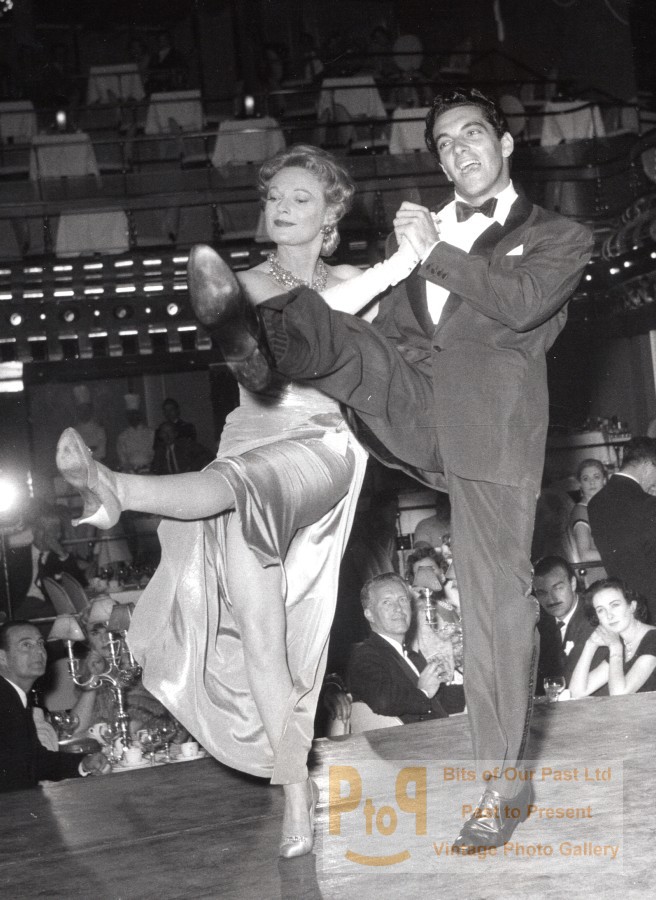
Anna produziu cinco filmes nos anos 50: “Almas em Agonia” (1957), “Wonderful Things!” (1958), “The Lady is a Square” (1959) e “The Heart of a Man” (1959). Ela foi co-produtora de quarto outros filmes nos anos 40. Todas as suas produções da década de 50 foram protagonizadas pelo cantor e ator Frankie Vaughan e dirigidas por Wilcox. “The Lady is a Square” foi o último trabalho de Anna como atriz no cinema e também o último filme de Wilcox como diretor.

Anna produced four films in the 1950s: “These Dangerous Years” (1957), “Wonderful Things!” (1958), “The Lady is a Square” (1959) and “The Heart of a Man” (1959). She had been co-producer of four other films in the 1940s. All of the 1950s productions star singer and actor Frankie Vaughan and are directed by Wilcox. “The Lady is a Square” marks Anna Neagle's last film appearance and Wilcox's last directing job.


Fotos de Anna eram frequentemente publicadas em revistas de cinema, durante sua carreira como atriz e produtora. Na publicação britânica anual “Picture Show Annual”, Anna estava sempre presente, e suas iniciativas como produtora eram citadas. Duas notas sobre Anna nesta revista podem ser vistas abaixo:

Anna's photos were often published in film magazines, during her career as an actress and producer. In the yearly British film publication “Picture Show Annual”, Anna was always showcased, and her endeavors as a producer were cited. Two notes about Anna in this magazine can be seen below:
 
1958
1959

Os filmes de Anna como produtora infelizmente foram um fracasso de bilheteria, e para compensar a perda financeira ela voltou para o teatro, onde teve sucesso, ficando cinco anos em cartaz com a peça “Charlie Girl”, um recorde.

Anna's films as a producer unfortunately were a box-office failure, and to compensate the financial loss she went back to theater, where she had a very successful five-year run with the play “Charlie Girl”, breaking a world record.


Tão elegante quanto Deborah Kerr, Anna Neagle é pouco conhecida e seu trabalho tanto como atriz quanto como produtora merece mais atenção dos cinéfilos. O primeiro passo, obviamente, é ter mais filmes dela disponíveis em DVD e streaming, para que possamos apreciar o talento de Anna.

With as much elegance as Deborah Kerr, Anna Neagle is criminally underrated and her work as both actress and producer deserve to be better known by film lovers. The first step, of course, is having more of her films available on DVD and streaming, so we can appreciate Anna’s talents.

This is my contribution to the Anna Neagle blogathon, hosted by Maddy from Maddy Loves Her Classic Films.


Related Posts Plugin for WordPress, Blogger...