According to the Babbel website, 260 million people
in the world speak Portuguese – about 220 million are native speakers. This
makes Portuguese the sixth most spoken language in the world! Nine countries
have Portuguese as their official language: Portugal, Brazil, Angola,
Mozambique, Cape Verde, Guinea-Bissau, East Timor, Equatorial Guinea and São
Tomé e Príncipe.

But why am I talking about that? Well, the language
you all find when you reach this blog, in the title and in the non-italic text,
is Portuguese. For five years, this blog was in Portuguese only, and since in
2016 it is a bilingual blog. The blog’s slogan is “classic film with a tropical
twist”, and this is what I try to do: bring a Portuguese-speaking
perspective to my analysis.
 |
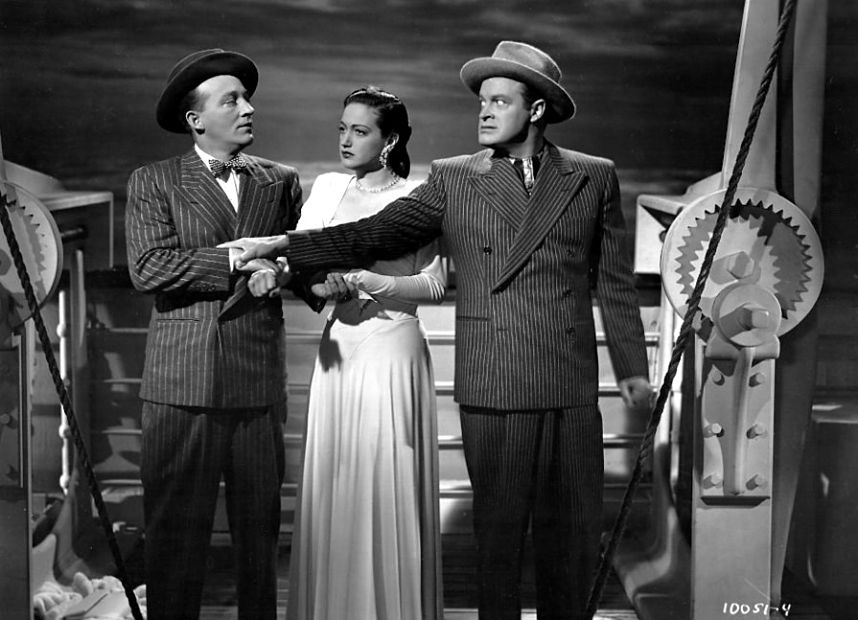
| Carmen Miranda, born in Portugal, raised in Brazil |
That’s why I got extremely excited when Beth
Gallagher from the blog Spellbound by Movies talked about the Luso World Cinema
Blogathon she was planning – because countries that speak Portuguese are called
“Lusophone”. Cinema in Portuguese is rich and often unexplored by
non-Portuguese speakers – and it should be discovered by everybody!
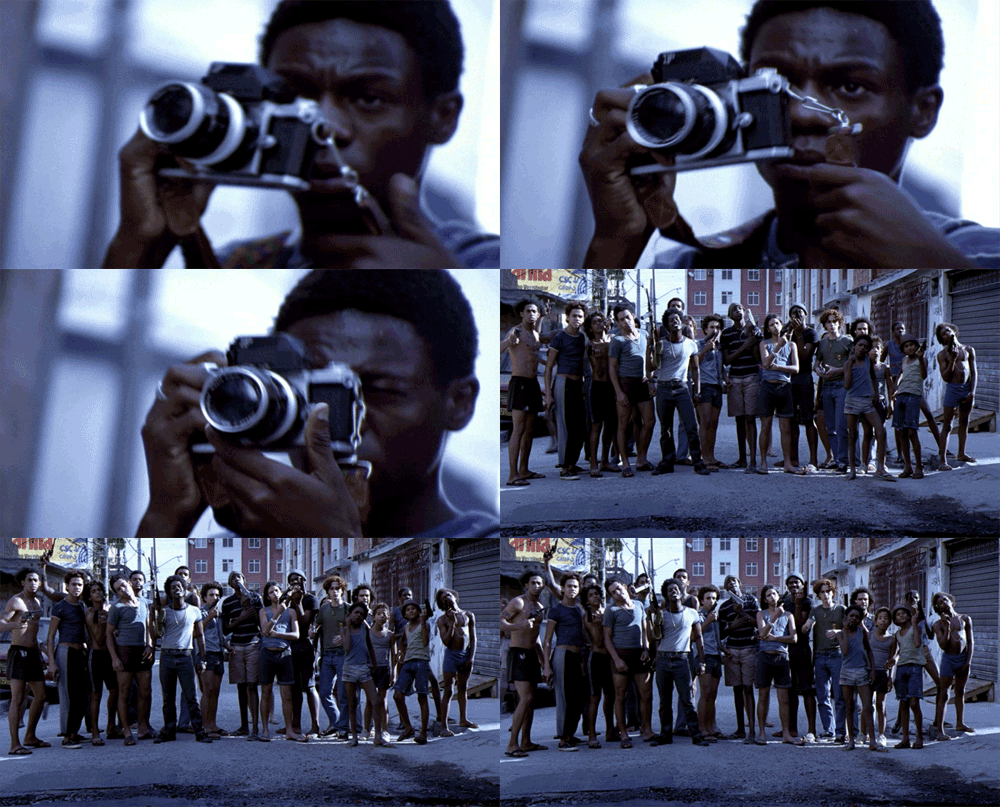 |
| "City of God", 2002 |
The first films arrived in both Portugal and Brazil
in 1896, and since the first decade of the 20th century these
countries were making movies. So far, one film spoken in Portuguese has won the
Oscar for Best Foreign Language Film (1959's "Black Orpheus", and the award went to its French producers), and the Brazilian movie “The Given Word”
(“O Pagador de Promessas”, 1962) won the Palme D’Or at Cannes.
 |
| Director Anselmo Duarte (shaking his hand with someone else) arrives at Santos with the Palme D'Or |
All the Portuguese-speaking countries, except
Brazil and Portugal, were still colonies until the middle of the 20th century –
this means that their national cinema developed in a different rhythm and
circumstances. Furthermore, both Brazil and Portugal went through dictatorships
in the past century, and it impacted the Lusophone cinema with censorship,
shifts of subject and, of course, the organization of a resistance cinema.
 |
| Brazilian filmmaker Alberto Cavalcanti |
The main filmmakers in Brazilian cinema are Mário
Peixoto – who only directed the 1930 masterpiece “Limite” – Humberto Mauro,
Glauber Rocha, Nelson Pereira dos Santos and Eduardo Coutinho, all of them
already deceased. Right now, there are many new voices appearing in Brazilian
cinema – but they are at risk since the new government supports censorship.
 |
| Humberto Mauro |
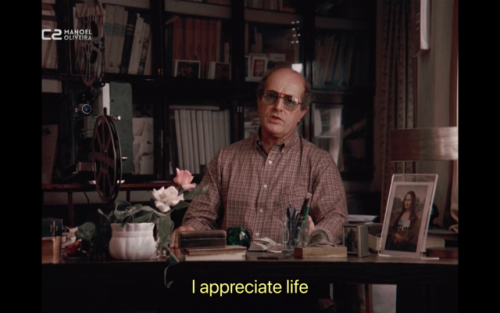
In Portugal, the main filmmaker was without a doubt
Manoel de Oliveira, who in 1942 was using techniques that the Italian
Neorrealism would only begin to use six years later. Manoel de Oliveira lived
to be 106!
 |
| Manoel de Oliveira |
Not only Luso films made an impact in the film
world, but also many people from Portuguese-speaking countries or descendants
of Portuguese-speaking people work in film. For instance: classic Hollywood
actress Mary Astor was of Portuguese ancestry from her mother’s side – in fact,
her real name was Lucile Vasconcellos Langhake. Actor Daniel Brühl’s father was
born in Brazil from German parents. Nowadays, in Hollywood, we have actors
Rodrigo Santoro and Alice Braga, directors Carlos Saldanha and Fernando
Meirelles, producer Rodrigo Teixeira (all born in Brazil), actress Camila
Mendes (daughter of a Brazilian couple) and many more that will surprise you.
 |
| Mary Astor |
So, for this blogathon, you can choose any film
from a Lusophone country and also people born in Lusophone countries or people
with Lusophone ancestry. And you can even talk about a song in Portuguese, like
“Brazil”, a famous song by Ary Barroso that was featured in several movies.
The blogathon runs November 12th until
November 15th. Pick a topic, grab a banner, and “vamos lá!” (“let’s
go!”)
Here are some resources that may help you:
List of films from São Tomé and Príncipe: :(
The contributors:
Maddy Loves Her Classic Films - Tribute to Lena Horne
Pale Writer - Keanu Reeves in "Point Break" (1991)
Poppity Talks Classic Film - "The House of Sand" (2005)
Strictly Vintage Hollywood - Helena D'Algy and Tony D'Algy - film "A Sainted Devil" (1924)
Ana Roland - Sonia Braga
Wide Screen World - "Francisca" (1981)
A Shroud of Thoughts - "Aniki Bobó" (1942)
Realweegiemidget Reviews - Rue McClanahan in "They Might be Giants" (1971)
The Midnite Drive-In - "The Eyes of my Mother" (2016)
Voiceover - "Ossos" (1997)
Silver Screenings - Tribute to Carmen Miranda
Movies, Silently - "Braza Dromida" (1928)
Musings of a Classic Film Addict - Carmen Miranda in "Down Argentine Way" (1941)
Pop Culture Reverie - "Central Station" (1999)
Crimson Kimono - "Gayjin - A Brazilian Odyssey" Part I (1980) and Part II (1985)
Moon in Gemini - "Dona Flor and her Two Husbands" (1976)
Cinema Parrot Disco - "City of God" (2002)
In the Good Old Days of Classic Hollywood - Favorite Mary Astor films
Taking Up Room - "The Miracle of Our Lady of Fatima" (1952)
Silentology - Louise Fazenda in "A Bear Affair" (1915)
MovieRob - Tom Hanks in "Inferno" (2016), Keanu Reeves in "The Devil's Advocate" (1998), Mary Astor in "Across the Pacific" (1942) and Joe DeRita in "Three Stooges in Orbit" (1962)
The banners: