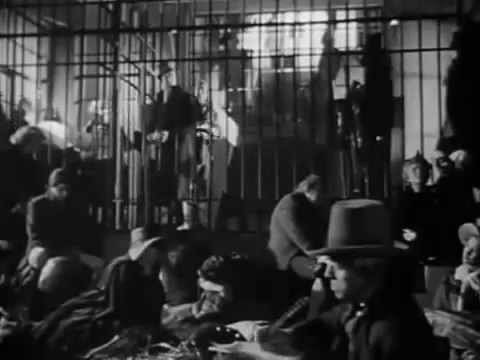
Tensão é a
arma secreta de um investigador do departamentos de homicídios chamado Collier
Bonnabel (Barry Sullivan). Afinal, é a física: se você tencionar demais algo ou
alguém, ele / ela se romperá – e confessará o crime. Você já deve saber disso:
no final de cada filme noir, um caso é solucionado e alguém confessa o crime.
Mas poucos filmes noir apresentam um caso tão complicado e interessante quanto “Tensão”,
de 1949.
Tension is the secret weapon of a homicide
division investigator called Collier Bonnabel (Barry Sullivan). It’s physics,
after all: if you tension something or someone too much, they will break – and
confess. You must already know that: in the end of each and every noir, a case
is closed and someone confesses. But few noirs have such a complicated and
interesting case as 1949’s “Tension”.

Collier
narra o caso de Warren Quimby (Richard Basehart), um farmacêutico completamente
devotado à esposa, Claire (Audrey Totter). Ele sabe que ela só está interessada
em dinheiro e objetos caros, ele sabe que ela é egoísta e flerta com outros
homens, e ele sabe que ela pode até ser infiel. Mas ele faz de tudo para ficar
com ela.
Collier narrates the case of Warren Quimby
(Richard Basehart), a pharmacist completely devoted to his wife, Claire (Audrey
Totter). He knows she is interested only in money and expensive things, he
knows she’s selfish and flirts with other men, and he knows she may even be
unfaithful. But he does anything to keep her.

Um dia,
Claire finalmente abandona Warren. Ele não a deixará ir facilmente, por isso
ele a segue e leva uma surra do novo namorado dela, Barney Deager (Lloyd Gough).
Humilhado, Warren planeja matar Barney – e para fazer isso ele se torna outra
pessoa, Paul Sothern, um vendedor de cosméticos.
One day, Claire finally leaves Warren. He
won’t give her up easily, so he goes after her and is beaten up by her new
boyfriend, Barney Deager (Lloyd Gough). Humiliated, Warren traces a plan to
kill Barney – and to do this he becomes someone else, Paul Sothern, a cosmetics
salesman.

Como Paul,
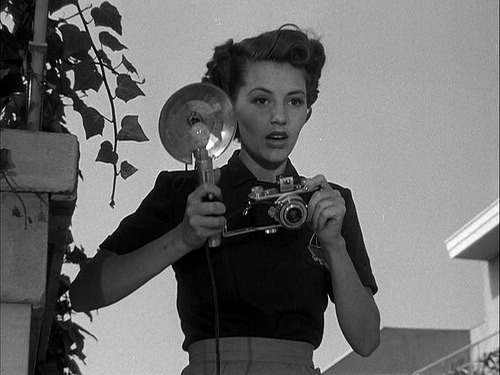
ele arranja outra morada, e no novo conjunto de apartamentos ele conhece a fotógrafa
amadora Mary Chanler (Cyd Charisse) e se apaixona por ela. Agora com uma nova
garota em sua vida e sabendo que, se ele conseguisse Claire de volta, ela o
deixaria novamente, Warren / Paul decide não prosseguir com seu plano... mas
Barney Deager ainda assim é assassinado.
As Paul, he goes to live somewhere else, and
in the new apartment block he meets cashier and amateur photographer Mary
Chanler (Cyd Charisse) and falls in love with her. Now with a new girl in his
life and knowing if he got Claire back she’d leave him again, Warren / Paul
decides not to go on with his plan… but Barney Deager is murdered anyway.
O que se
segue é uma investigação intensa, com o tenente Collier tencionando todos os
envolvidos até que alguém confesse. Obviamente, já que se trata de um filme
noir, podemos esperar muitas reviravoltas, e no final veremos mais uma vez que
não existe crime perfeito.
What follows is an intense investigation, with
Lt. Collier tensioning all the people involved until someone confesses. Of
course, since it’s noir, we can expect many twists to happen, and in the end
once again we’ll see there is no perfect crime.

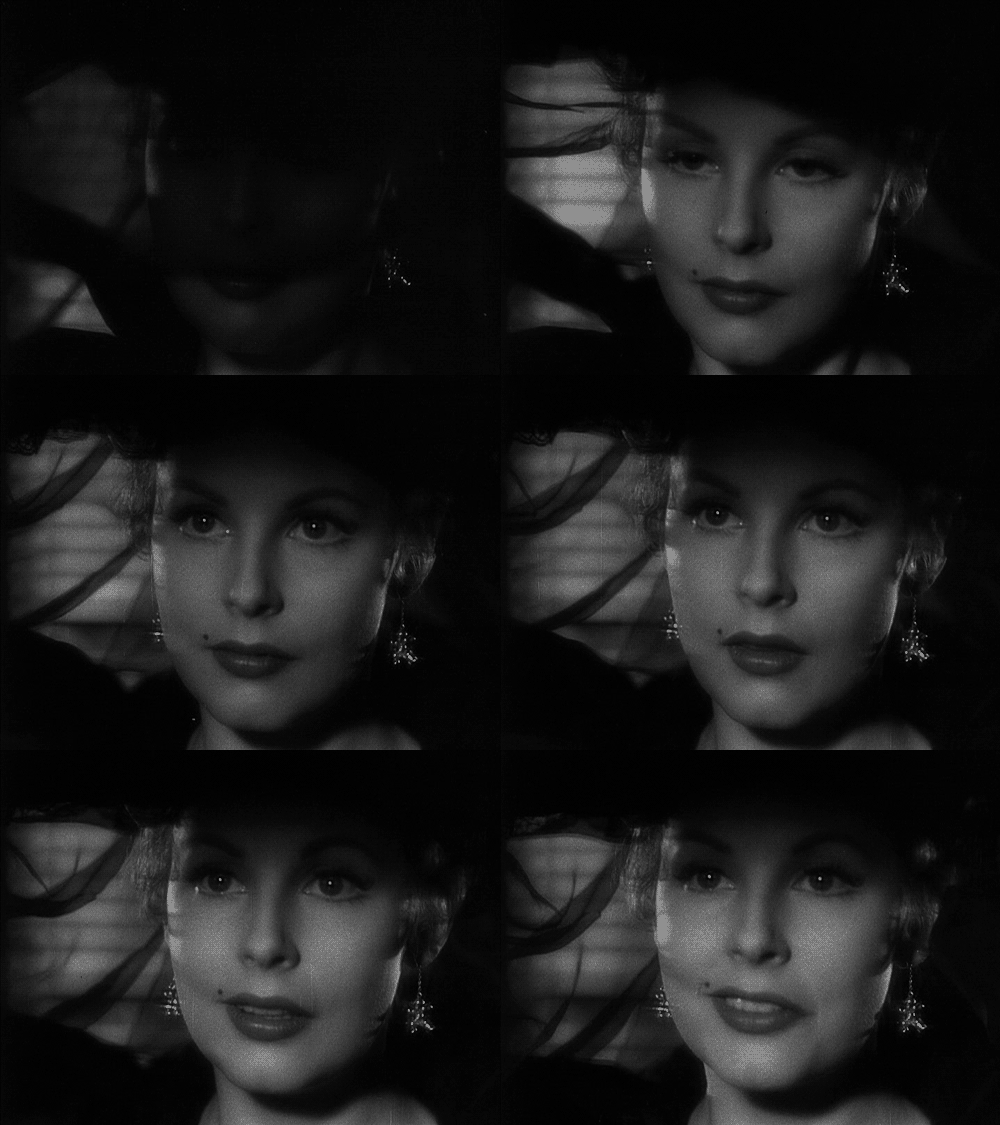
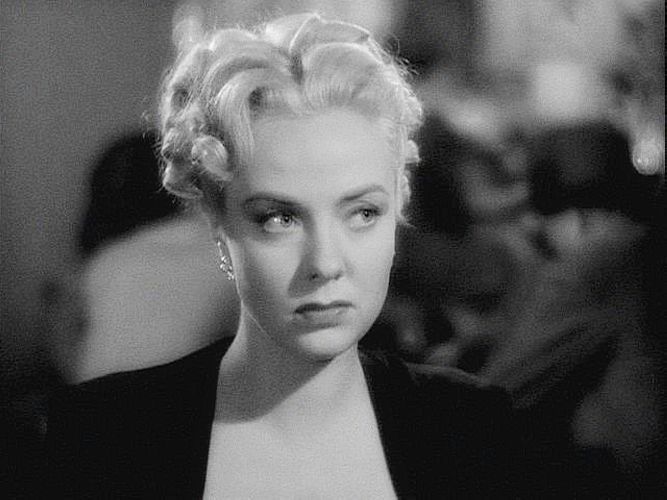
Audrey
Totter está completamente brilhante como a femme
fatale Claire. Ela só pensa em si mesma, brinca com os sentimentos alheios
e é mais durona do que alguns dos mais durões detetives do noir.
Audrey Totter is completely brilliant as the femme
fatale Claire. She thinks only of herself, plays with other people’s feelings
and is tougher then some of the toughest noir detectives.
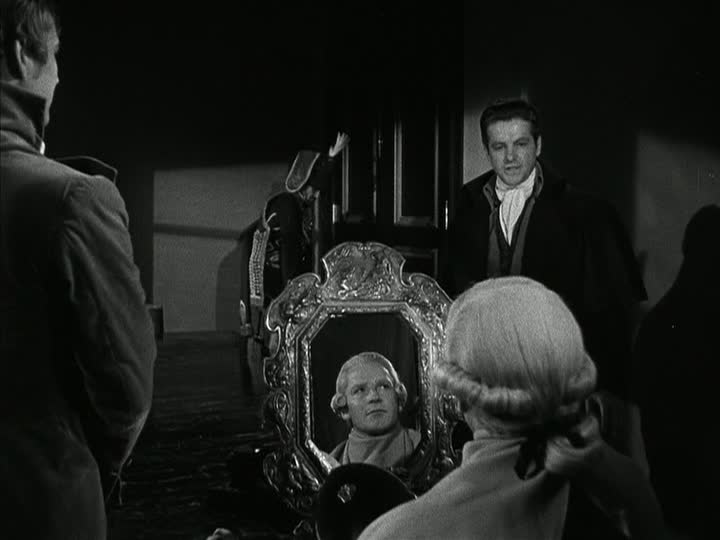
Muito jovem
e com óculos de aro Redondo, Richard Basehart consegue se parecer ao mesmo
tempo com um cara comum e com o galã Richard Gere. Quando ele tira os óculos e
começa a usar lentes de contato, seu novo alter ego nasce.
Very young and with round glasses, Richard
Basehart manages to look at the same time pretty ordinary and a lot with heartthrob
Richard Gere. When he takes off his glasses and starts using contact lenses,
his new alter ego is born.

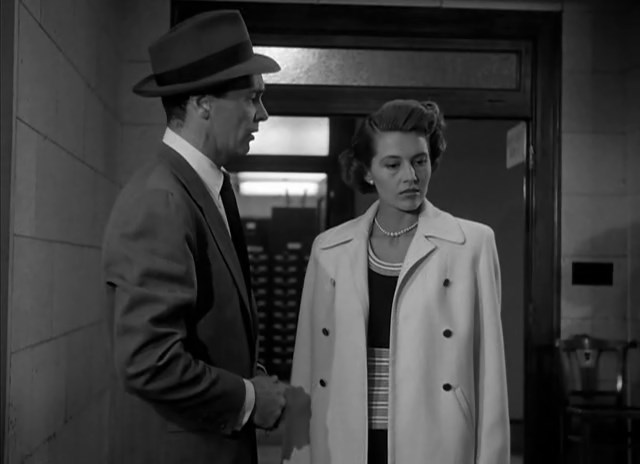
Cyd
Charisse já havia feito vários filmes antes de “tensão”, a maioria musicais.
Como Mary, seu trabalho é ser acolhedora e doce, e por vezes parecer surpresa.
Mary não é uma mulher apaixonada e estúpida, mas ela está apaixonada, e nada
que alguém diga poderá fazê-la parar de acreditar em Paul / Warren.
Cyd Charisse had already been in several films
before “Tension”, most of them musicals. As Mary, her job is to be warm and
sweet, and sometimes surprised. Mary is not a dumb woman in love, but she is in
love, and nothing that anyone can say will make her stop believing in Paul /
Warren.
Quanto aos
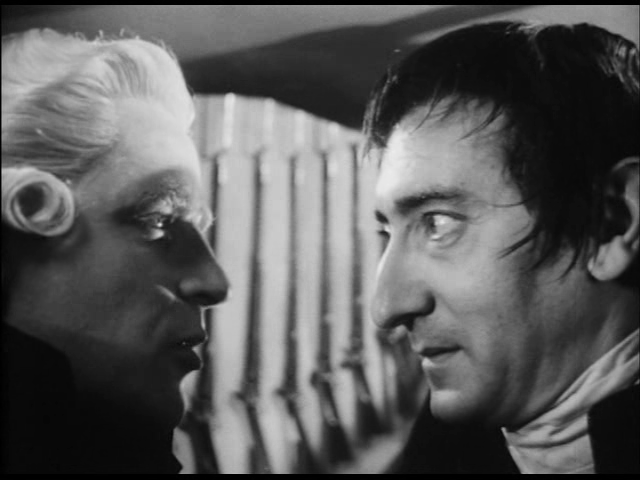
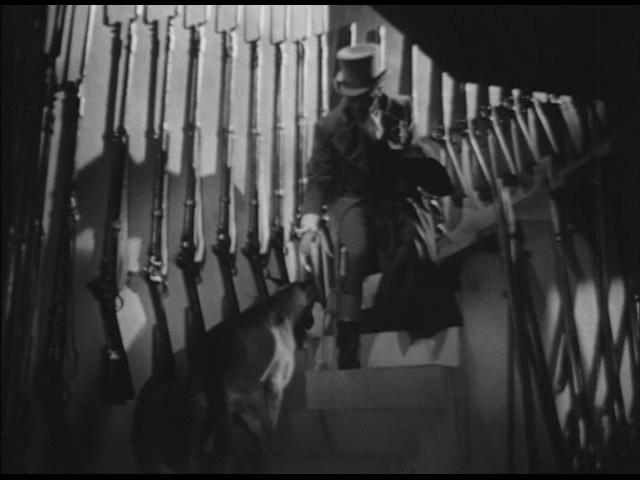
elementos do filme noir em “Tensão”, podemos destacar, além da femme fatale e do detetive durão, as
sombras nas cenas (nem todas elas criadas intencionalmente), as fontes de luz
como abajures sendo mostrados proeminentemente e as venezianas das janelas que
se parecem com barras de prisão horizontais no apartamento de Paul Sothern. A
ideia da imagem também é importante, pois Mary é fotógrafa e tira uma foto de
Warren-como-Paul – e os detetives levam algum tempo para perceber que se trata
do mesmo homem, só que sem os óculos!
As for noir elements in “Tension”, we can
point, besides the femme fatale and the hard-boiled detective, the shadows in
the scenes (not all of them created intentionally), the sources of light like
lamps being shown prominently and the window shields that look like horizontal
prison bars in Paul Sothern’s apartment. The idea of the image is also
important, as Mary is a photographer and takes a picture of Warren-as-Paul –
and the detectives take some time to recognize it’s the same man but without
glasses!

“Tensão” é
um grande filme noir da MGM feito pelo diretor de filmes B John Berry – que
caiu na lista negra e trabalhou mais na França do que em Hollywood – mas o nome
que chama atenção nos créditos é o do diretor de arte Cedric Gibbons, que criou
o visual icônico de mais de mil filmes, incluindo “O Mágico de Oz” (1939).
Obviamente, a atmosfera de “Tensão” é muito diferente da de Oz, e todos os
cenários são bem pensados – como o já citado apartamento de Paul Sothern – e a
farmácia é muito parecida com o que eram as farmácias na época – um local para
as pessoas comprarem cigarros, vitrolas, revistas, tomar café, comer sanduíches
e, talvez, comprar algum remédio.
“Tension” is a great MGM noir made by B-movie
director John Berry – a blacklisted director who worked more in France than in
Hollywood – but the name that calls attention to our eyes in the credits is art
director Cedric Gibbons, who gave the iconic looks to more than a thousand
movies, including “The Wizard of Oz” (1939). Of course, the atmosphere of
“Tension” is very far away from Oz, and all the sets are well-thought – like
the aforementioned Paul Sothern’s apartment – and the drugstore is very true to
what one drugstore was back then – a place for people to buy cigarettes,
phonographs, magazines, drink coffee, eat sandwiches and, maybe, buy some
medicines.

Infelizmente,
e emocionante filme “Tensão” foi um fracasso de bilheteria e também foi o
último filme noir feito por Audrey Totter. Não importa o prejuízo financeiro, o
filme merece ser visto, e Totter como Claire estará para sempre entre as
grandes femme fatales loiras – ao lado
de mulheres como Gloria Grahame e Lizabeth Scott.
Unfortunately, the thrilling “Tension” was a
box-office failure, and it was also the last noir made by Audrey Totter. No
matter the poor box-office, the film deserves to be seen, and Totter as Claire
will be forever among the great blonde femme fatales – alongside ladies like
Gloria Grahame and Lizabeth Scott.
This is my contribution to The Noirathon,
hosted by Maddy at Maddy Loves Her Classic Films.